

The “Appropriate” Illusion: Why Fitting In Means Fading Out

Common Dress Code Myths, Debunked
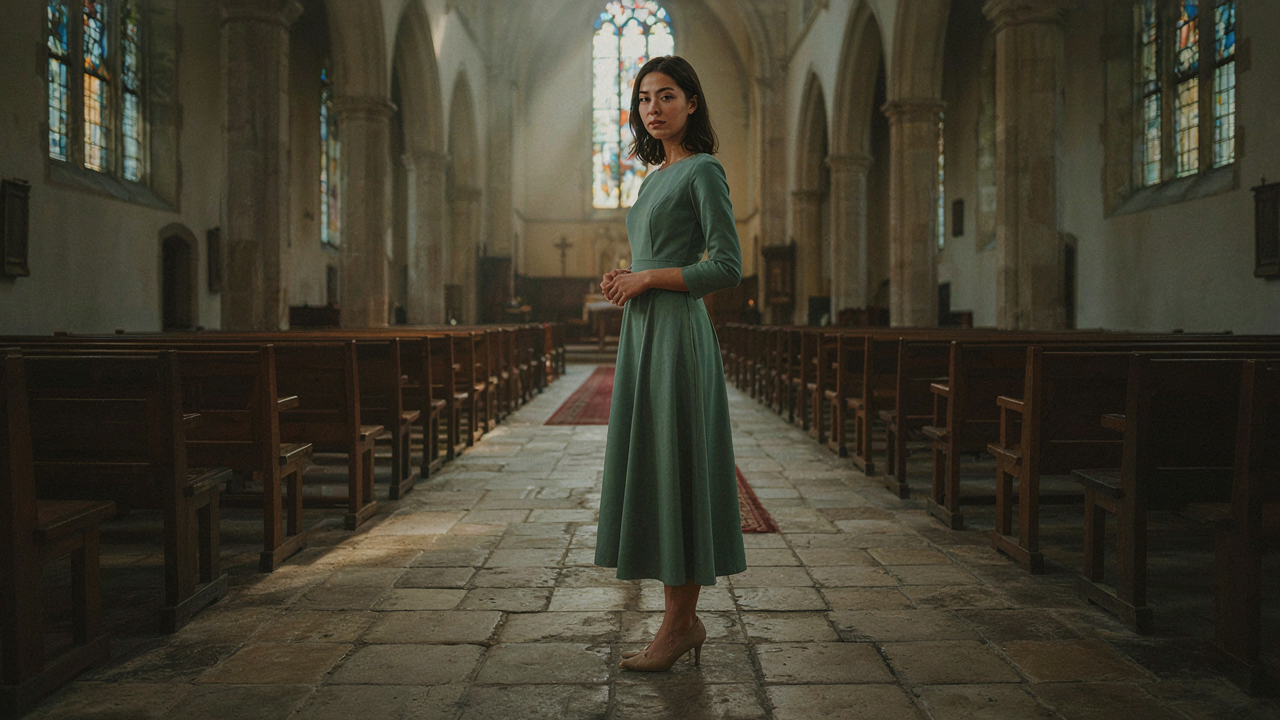
You’re worried about breaking an invisible rule and looking foolish. Here’s the mechanism: most christening dress guidance comes from people repeating what they heard, not from actual church doctrine or social consequences. Churches have almost no formal dress codes for guests. The myth persists because it sounds authoritative and because stating a clear position feels safer than admitting uncertainty.
The real constraint isn’t the church. It’s the host family’s unspoken expectations, which vary wildly by region, denomination, and economic class. “Formal” means different things in rural Kentucky versus suburban Connecticut. Most guests who violate some imagined code aren’t corrected because there was nothing to violate in the first place. The risk you’re calculating is largely fictional.
The Hidden Cost Of Generic Conformity
Think of dress code conformity like a supply chain problem from operations management: every individual node plays it safe, and the system optimizes for mediocrity instead of function. You wear what you think everyone else will wear. Everyone thinks the same thing. The result is a room full of interchangeable guests in muted fabrics and forgettable silhouettes.
The actual cost isn’t social rejection—it’s invisibility and wasted resources. You spend money on something unmemorable instead of on something that works for your body, coloring, and life. You feel constrained during a ceremony meant to celebrate. You leave no impression. The protocol that matters isn’t “be modest and blend in.” It’s this: know the venue’s temperature and lighting, choose fabrics that photograph well, and wear something you’d wear again.
Beyond Beige: The Power Of Intentional Color Choices
Why Neutrals Feel Safe But Read As Invisible
You pick beige because you’re afraid of being wrong, not because it’s actually appropriate. The mechanism is simple: neutrals signal deference. They say you understand the hierarchy of a christening—the child is the focus, not you. The problem is consensus has weaponized this into a rule that doesn’t exist. Most guests wear muted tones not from etiquette but from anxiety about standing out in a religious setting.

The truth is churches have no color prohibition. Liturgical tradition actually reversed this centuries ago when only the clergy wore prescribed colors. Your dress code comes from one source: the need to avoid social friction. Beige accomplishes that, yes. It also makes you forgettable in every photo and compounds the lie that formal restraint equals respect. Neutrals work, but only if you understand you’re choosing invisibility, not virtue.
Strategic Color Works When It Respects The Room
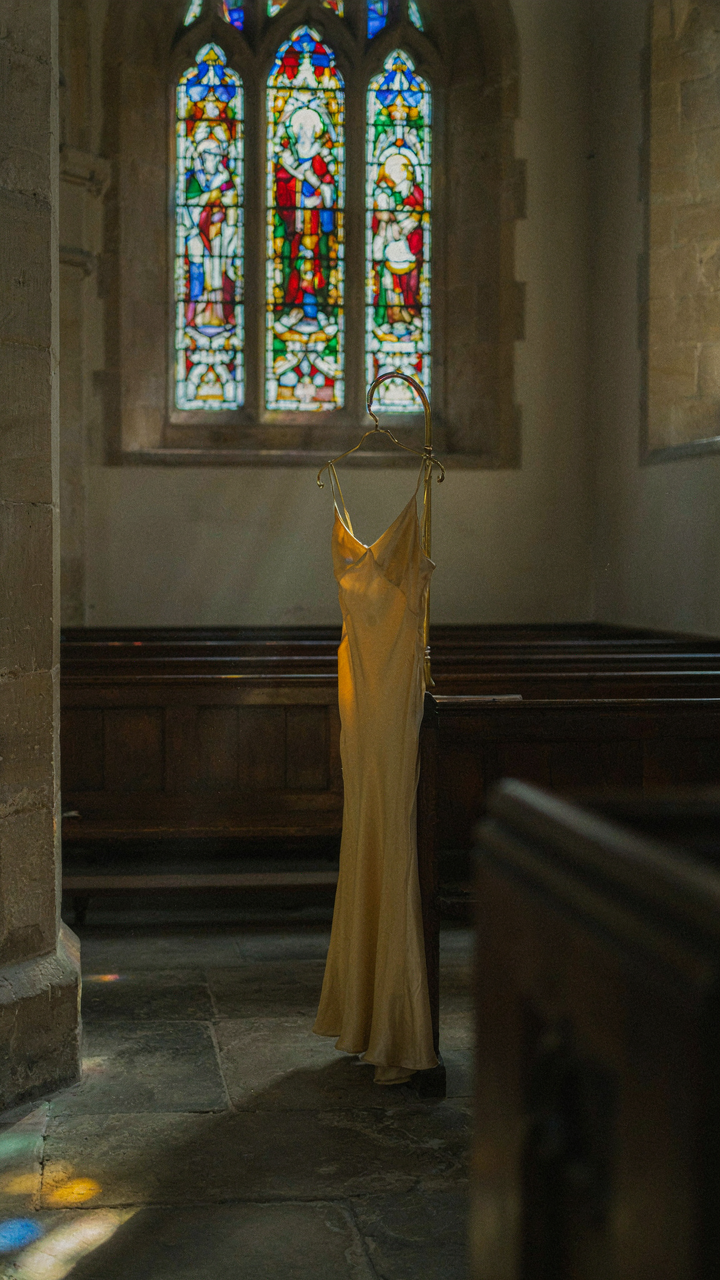
Butter yellow is not a random suggestion. It works because it obeys the physics of visual hierarchy. In design theory, saturation and temperature control where the eye lands first. A butter yellow dress on a guest reads as warm, intentional, and secondary to the infant in white. This is the inverse of neon or hot pink, which demand attention through aggression.
Strategic color requires one rule: your dress temperature must match the season and light inside the church, and your saturation must stay below what the christening gown commands. A muted sage works in spring. Deep forest or navy works year-round. The action: check the church’s interior light before you buy. Ask the host what time the ceremony runs. Then pick one color that feels intentional, not safe, and watch how differently you move through the space.
The Silhouette Strategy: Dress For Square Body Shape Intelligence
Stop Wearing What Flattens You
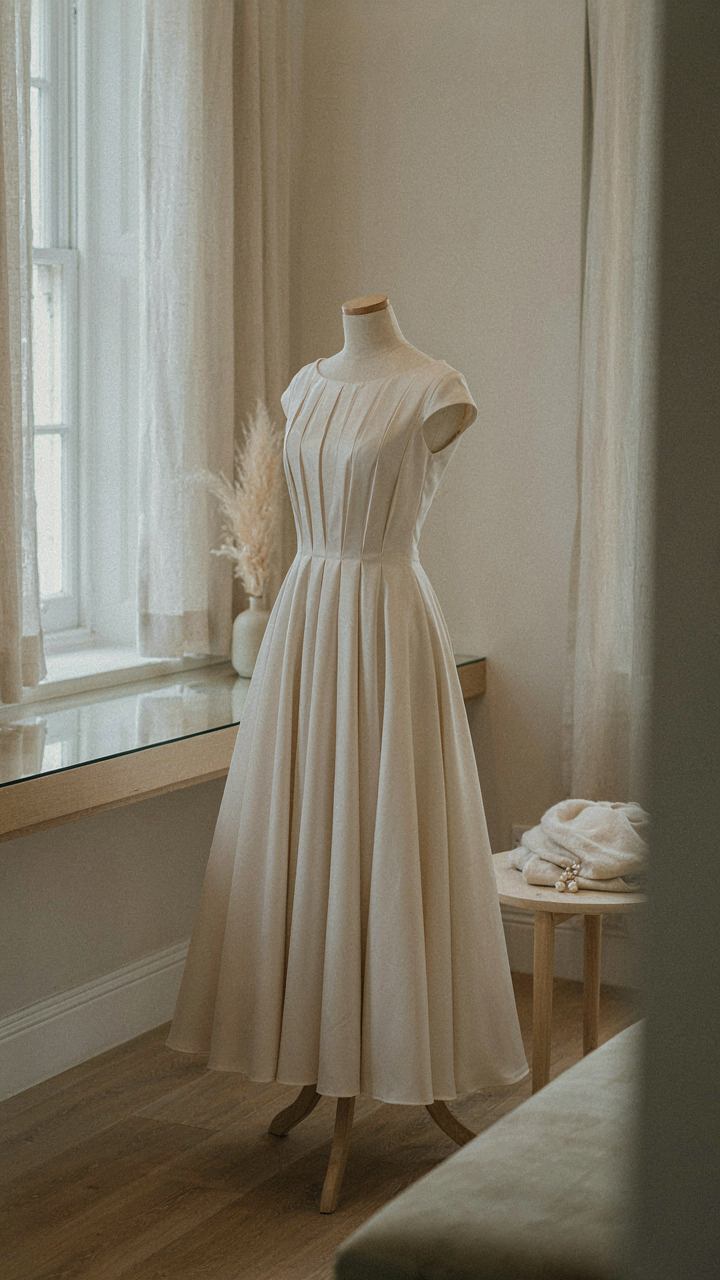
You’re worried people will judge your body at a formal event. Here’s the mechanism: square body shapes have equal shoulder and hip width, which means horizontal lines read as bulk. Fashion advice says “wear what makes you feel confident,” which is useless. The real play is structure. Use vertical elements to interrupt horizontal sight lines. A-line skirts, vertical seaming, and column silhouettes create the optical illection that lengthens proportion. This isn’t about hiding anything. It’s about directing the eye where you choose.

Churchgoing crowds notice posture and line before they notice fabric or trend. A christening guest dress with vertical emphasis works because it establishes visual hierarchy. Vertical stripes, side ruching, or a dress cut with a defined waist create interruption points. Avoid horizontal banding, cropped layers, or anything that sits flat against the torso. The goal is movement through space, not flatness against a body.
Proportion Beats Brand Name Every Time
In architecture, load-bearing walls determine where you can open up space. Clothing works the same way: your widest points are the load-bearing reality. If shoulders and hips are equal, your design load runs horizontal, so you counterbalance with vertical division. Most christening guest dress options ignore this. They hang shapeless or they cinch everywhere, creating new problems. The correct answer is selective emphasis. Drop the waistline slightly below the natural waist, add a vertical seam down the center, or choose a wrap silhouette that angles inward.
Fit matters more than size. A dress one size larger with proper vertical structure outperforms a tight dress with horizontal seaming. The church is formal and still, which means angles and lines read clearly. Maxi lengths with subtle A-line cut, knee-length dresses with center front pleating, or shift dresses with vertical paneling all work. Measure yourself against the dress design, not against sizing charts. Before purchase, confirm the dress has at least one vertical structural element between shoulder and hem.
The “Cool Girl Dress” Manifesto: Redefining Christening Guest Outfit
Effortless Style Without Trying Too Hard
You’re worried people will think you either tried too hard or didn’t try at all, and that matters because it signals whether you belong in this social space. The mechanism is constraint: the best christening guest dresses work because they operate within clear boundaries, not because they ignore them. Formal church events reward precision, not spontaneity. A midi-length dress in a structured fabric, a single statement accessory, and shoes that match the formality level—these aren’t random choices. They’re the visual equivalent of showing up on time. You don’t need more pieces. You need better ones that do multiple jobs at once.

The difference between looking polished and looking like you’re trying is material quality and fit. A wrinkled linen dress reads careless. The same dress in pressed cotton with tailored seams reads intentional. Christening ceremonies happen in churches where lighting is deliberate and social observation is constant. Cheap fabrics catch light wrong. They bunch. They show your underwear line. A single well-fitted dress in quality cotton, linen blend, or wool beats five cheaper alternatives because it survives the entire event without needing adjustment or apology.
Subtle Rebellion Through Unexpected Detail
The common advice says wear what matches the crowd and disappear. That’s incomplete because it assumes invisibility is the goal when actually the goal is to be remembered as someone with taste. Rebellion here means one element that breaks pattern without breaking protocol. A vintage brooch pinned to a classical dress. An asymmetrical hemline on otherwise conservative styling. A color that reads slightly modern against traditional formality. These aren’t random. They’re calibrated choices that signal you understand the rules well enough to bend one without breaking it.
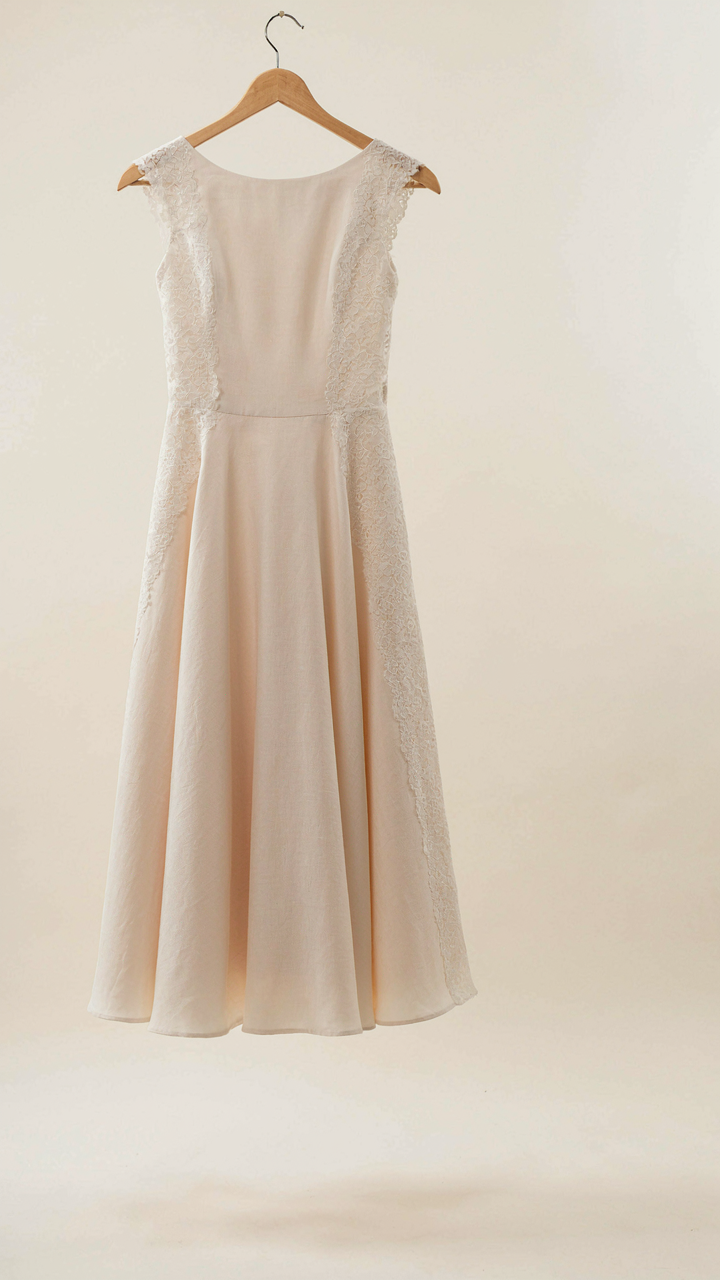
The mechanism comes from design principle: contrast creates hierarchy and hierarchy creates attention. A white dress with a navy silk bow at the waist draws the eye to the waist because the eye follows discontinuity. A pale dress with a single unexpected texture (raw silk cuff, lace panel, structured ruffle) becomes memorable without becoming disruptive. In a christening ceremony where most guests wear safe colors and neutral styles, one carefully placed detail does the work of standing out while staying appropriate. The detail must serve the dress’s function, not replace it. Wear the unexpected element, not the unexpected dress.
Accessory Alchemy: Butter Yellow With Red, Yellow Dress Red Shoes
How Accessories Amplify Or Diminish Impact
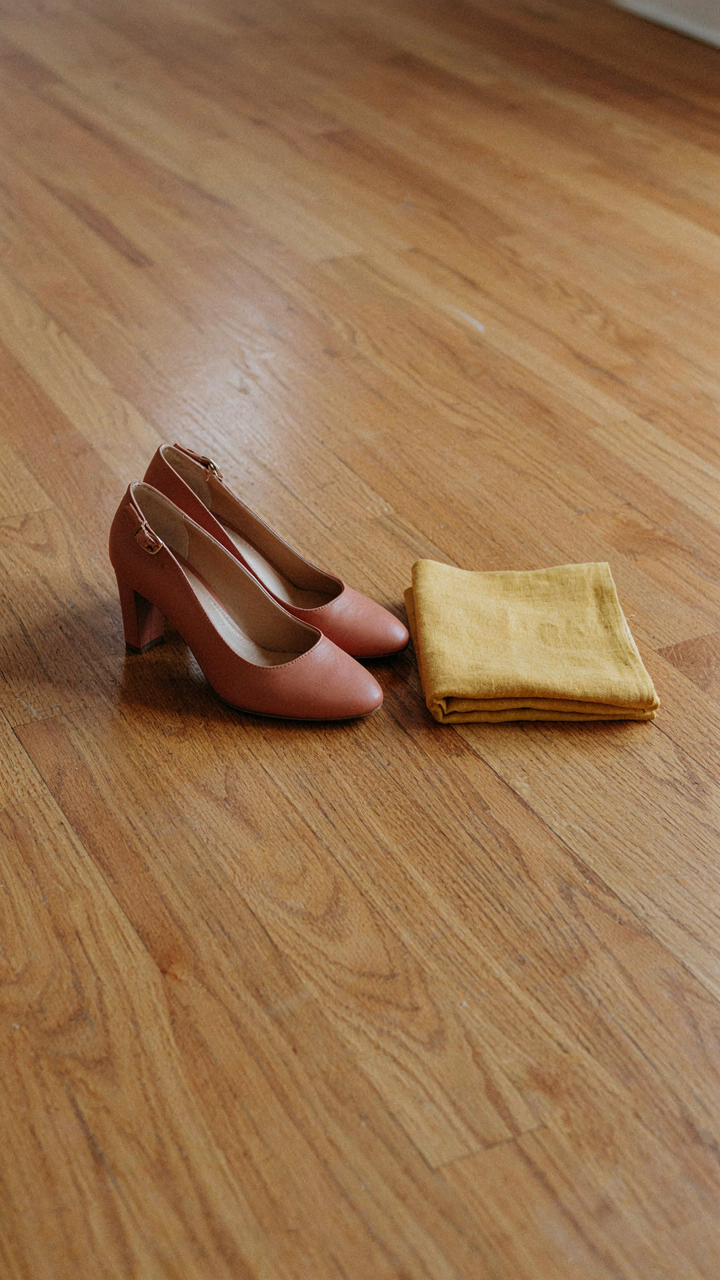
You’re worried accessories will wreck your outfit, or worse, that you’ll look like you’re trying too hard. Here’s the mechanism: accessories function like visual volume controls. They don’t create impact—they redirect it. A butter yellow dress with red shoes doesn’t balance itself. The shoes command the eye first because red advances in the visual field while yellow recedes. The accessories don’t complement; they compete or cooperate based on saturation and placement. Your job is managing which element dominates, not hoping they’ll play nice together.

Saturation determines hierarchy. Red shoes at full saturation will steal dominance from a soft butter yellow dress. The common advice says match your shoes to your dress. That’s incomplete. Instead, match your shoes to the secondary color in your ensemble or drop saturation in one piece to create visual rest. A butter yellow dress pairs with muted terracotta or rust shoes, not fire engine red. If you want red shoes specifically, wear a pale yellow dress so the red reads as intentional contrast, not accident. The mechanism is simple: higher saturation always wins visual attention.
Unexpected Pairings For Maximum Resonance
Contrast in design operates like tension in narrative—it creates meaning through opposition, not agreement. Butter yellow with red isn’t random; it’s strategic discord that reads as deliberate in a church setting where most guests wear safe neutrals. The pairing works because the two colors occupy opposite ends of the warmth spectrum. One is cheerful and soft; the other is commanding and bold. Together they signal confidence, not confusion. But the pairing only works if accessories are anchored. Unanchored red shoes with a loose butter yellow dress reads as costume, not composition.
Anchor the pairing through proportion and material. Red shoes should be simple in silhouette—pointed toe flat, kitten heel, or classic pump—not ornate or embellished. Butter yellow dress should fit precisely through the waist and hips so the color reads as intentional rather than accidental. Add a neutral bag in cream, cognac, or black to close the circuit. The bag absorbs excess visual noise from the color pairing and tells the viewer this was planned. This three-part structure—controlled yellow, bold red, neutral anchor—transforms an unlikely pairing into visual authority that even conservative church environments respect.
The “Promotion Dress” Fallacy: Dress For Impact, Not Approval

When You’re Really Dressing For Validation
You think you’re choosing a christening guest dress to show respect for the occasion. What you’re actually doing is seeking permission to exist comfortably in the room. The distinction matters because it changes everything about what you wear. Dressing to impress operates on borrowed authority—you’re asking the crowd to validate your presence. Dressing to express operates on internal authority—you’ve already decided what the occasion demands, and you show up accordingly.

The psychology here is straightforward: when you defer to what you think others want to see, you telegraph uncertainty. People read this. A christening is formal, yes, but formality doesn’t require self-erasure. The common advice says wear what’s “appropriate”—but appropriate to whom? To the people watching you, or to your actual understanding of what respectful dress looks like at a religious ceremony? One keeps you small. The other keeps you present.
Dress As Personal Authority, Not Performance
Authority in clothing isn’t about dominance or standing out. It’s borrowed from architecture: load-bearing walls carry weight without announcing themselves. Your christening guest dress carries weight the same way when it reflects decisions you’ve made, not decisions you’ve guessed. A structured fabric choice, a hemline you’ve actually considered, a color you’ve selected because it reads as formal in your frame of reference—these are load-bearing decisions. Guessing what “church appropriate” means and copying someone else’s outfit choice is decoration, not structure.
The mechanism is simple: you dress with authority when you can articulate why each element is there. Not to others—to yourself. Why that neckline? Because it respects the formality without hiding your body. Why that length? Because it signals respect without apology. Why that shade? Because it photographs well in dim church lighting and reads as intentional, not default. When you can answer these questions before you leave the house, you stop performing approval and start owning the room.
The Country Side Dress Code: Contextual Mastery

Reading The Room Beyond The Church Doors
You’re worried that showing up underdressed will mark you as someone who doesn’t understand the social tier of the family. Here’s the mechanism: rural and country christenings operate on a different signal system than urban ceremonies. The church itself doesn’t change the dress code, but the landscape and community density do. In sparse, agricultural areas, formal wear often reads as performative rather than respectful. The locals notice costume more than calibration.

Country ceremonies expect polish without theater. Midi dresses in solid colors work better than elaborate prints or heavy embellishment. Fabric matters more than label. A well-cut cotton or linen dress in cream, navy, or sage will land harder than a synthetic fabric trying too hard. Skip the statement heels. Flat shoes, low block heels, or ballet flats signal you understand the terrain and the gathering’s actual stakes, not the fantasy version.
Adapting Without Sacrificing Your Edge
The common advice says “blend in,” which is incomplete and backwards. You adapt the venue to your standards, not the reverse. This means choosing your personal style category first, then executing it at country-appropriate intensity. A woman who wears minimal, structured pieces does that in the country too, just in natural fibers and muted tones. A woman who favors detail finds it in texture and cut rather than color or pattern.
The real protocol is constraint through material choice, not through abandoning your aesthetic. Invest in one quality dress in a neutral that photographs well under natural light. Pair it with a tailored cardigan or structured blazer. Wear minimal jewelry that doesn’t compete with the ceremony. The dress should last through multiple seasons and family events because you committed to something worth keeping, not something you’ll resent in six months.
The Inversion Principle Of Christening Style

Asymmetric Positioning In Formal Dress
You’re worried everyone will dress identically and you’ll vanish into the crowd. That’s the real fear. Military strategy has a concept called asymmetric warfare: win not by matching your opponent’s strength but by attacking where they’re not defended. In christening guest dress, most attendees choose predictable neutrals and safe classics. They concentrate their forces on the same narrow territory. Your asymmetry isn’t about loud or attention-seeking. It’s about choosing coordinates that exist outside the crowded center.

The mechanism works because churches demand formality, which trains people into conformity. Dark suits, muted dresses, cream and navy dominate. This creates predictable visual density. You move by selecting formal pieces that aren’t neutral but also aren’t costume. A structured jewel-tone dress in silk reads formal and unexpected. A tailored blazer in deep emerald over cream trousers breaks pattern without breaking protocol. The asymmetry is structural, not tonal.
Distinction Without Breaking Church Norms
The common advice is wear what makes you feel confident. That’s lazy and incomplete. Confidence without strategy just makes you louder. Real distinction inside formal constraint requires this: identify which elements the crowd abandons, then execute them flawlessly.
- Fabric quality and weight: Choose natural materials like wool, silk, or linen instead of polyester blends. Most guests pick cheaper synthetics that read flat under church lighting. Real fabric moves and photographs differently.
- Tailoring precision: Fit matters more than color. A simple dress tailored to your frame outperforms expensive pieces worn loose. Churches are intimate spaces. Poor fit shows immediately.
- Intentional texture contrast: Pair matte and shine strategically. Satin shoes with crepe fabric, or a sheen blazer with matte wool. Most guests wear uniform texture throughout, creating visual flatness.
- Restrained jewelry strategy: Wear fewer pieces in higher quality metals. Most guests layer thin gold or silver. One substantial piece in real gold or silver reads louder and more formal than scatter.
- Shoe commitment: Buy shoes specifically for the event rather than repurposing basics. Proper christening shoes in quality leather signal intention. They change how you carry yourself and how you’re perceived.
The protocol is simple: before buying, audit what most guests wear to christenings in your region, then systematically invert one element while keeping others formally aligned. This produces visibility without violation.
The “Butteryellow Dress” Conundrum: When A Trend Becomes A Trap

Style Over Uniformity
You want proof you’re not behind. That’s the real reason you’re reading this section. Here’s the mechanism: trends in christening guest dressing work like fashion’s version of social proof. Everyone adopts the same silhouette or color simultaneously, which creates the illusion that following it equals taste. The opposite happens. When butteryellow dresses flooded christenings in 2023-2024, wearing one no longer signaled discernment. It signaled you followed Instagram.

Style is a personal constraint system. You choose one or two non-negotiables based on your body, the season, and the specific venue, then work within those bounds. Uniformity is abandoning constraints entirely and wearing what the algorithm shows you. Most advice conflates the two because style requires thought and uniformity doesn’t. Style is rare at christenings. Uniformity is everywhere.
Owning The Trend Instead Of Being Owned By It
Wearing a trend without being worn by it means understanding which element you’re adopting and why. If you choose a butteryellow dress, it should solve a specific problem for your body type or skin tone, not because seventy other guests will wear one. The protocol is simple: identify the trend component, test whether it actually works for you in a mirror at the venue’s lighting, then anchor it to something permanent in your wardrobe. A butteryellow dress paired with shoes and jewelry you already own signals intentionality. The same dress paired with trend-matched accessories signals you’re operating from a checklist.
The final filter is this: could you wear this piece to another formal event six months from now without it feeling dated? If no, you’re wearing a costume, not a dress. If yes, you own the trend instead of performing it.
You’re Not Dressing For A Baby; You’re Dressing For Yourself. Stop Asking For Permission
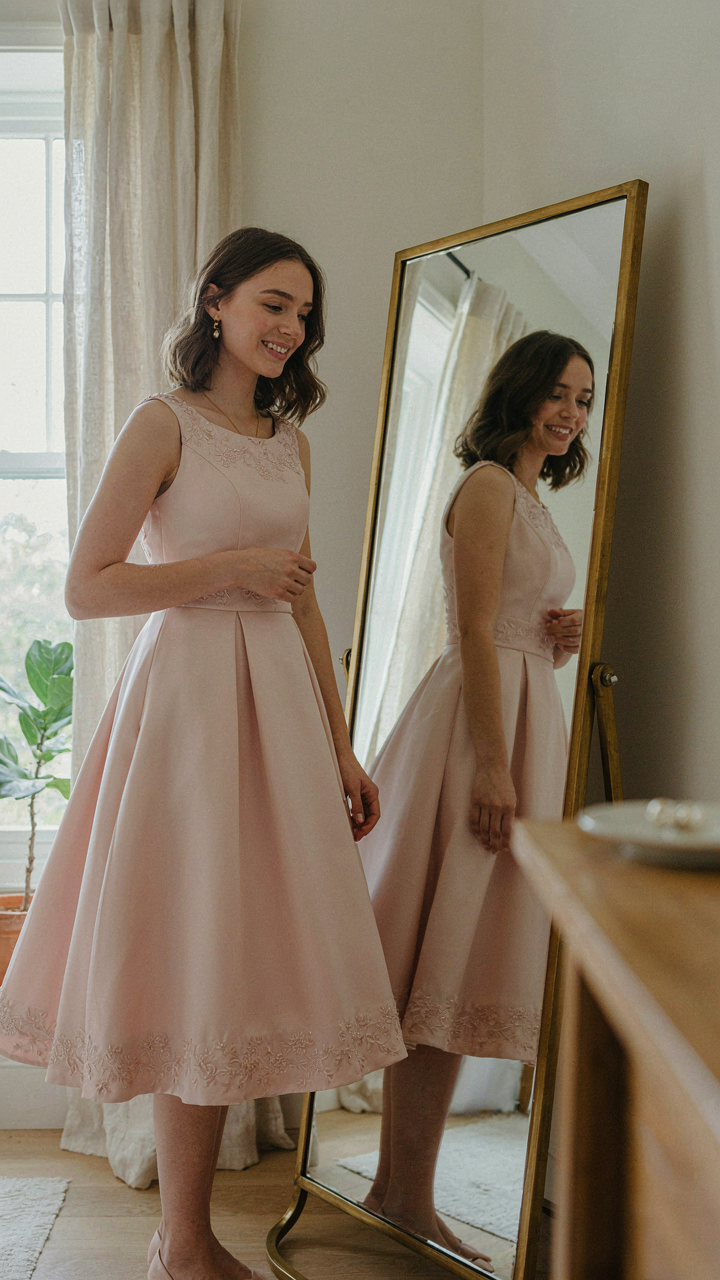
Most people wear what they think a christening guest should wear. That’s the trap. You’re not performing a role; you’re communicating who you are to a room full of people. Pick the dress that makes you feel sharp, confident, and like yourself. Skip the “appropriate” nonsense and wear what actually fits your life. Your outfit either announces you or apologizes for you.



