


The “Forget Me Not” Framework: Why Blending In Is Losing

The Real Cost Of Playing It Safe
You want to disappear into the room so nobody judges you. The advice you’ve heard—navy blazer, neutral heels, understated jewelry—exists to solve that fear, not to solve your networking problem. That advice is incomplete. It treats outfit selection like risk management instead of signal transmission. A safe outfit broadcasts that you’re uncomfortable claiming attention, which is the opposite of what networking requires.
The mechanism here borrows from semiotics, the study of how signs communicate meaning. Your outfit is a sign. In a networking context, that sign either confirms you belong in the room or signals you’re passing through. Blending in creates ambiguity about your status, expertise, and intentionality. People remember what stands apart. They build relationships with people they remember.
Your Appearance As A Recall Device
Recall is not vanity. Recall is currency in networking. When someone meets thirty people at an event, they retain details about five. Those five aren’t necessarily the most impressive—they’re the ones their brain tagged as distinct. Psychology calls this the von Restorff effect: items that stand out from a group are remembered better. Your outfit either activates that effect or it doesn’t.
Generic outfit advice ignores this entirely. The formula—match your blazer to your shoes, keep accessories minimal—treats distinctiveness like a liability. But distinctiveness rooted in intentional choice creates a hook in memory. The mechanism is simple: when someone recalls you days later and mentions you to a contact, they need something specific to say. An outfit that signals intentionality gives them that material. Choose one element that breaks the mold deliberately, not by accident.
Deconstructing The Networking Event Outfit
The Room Determines The Rules
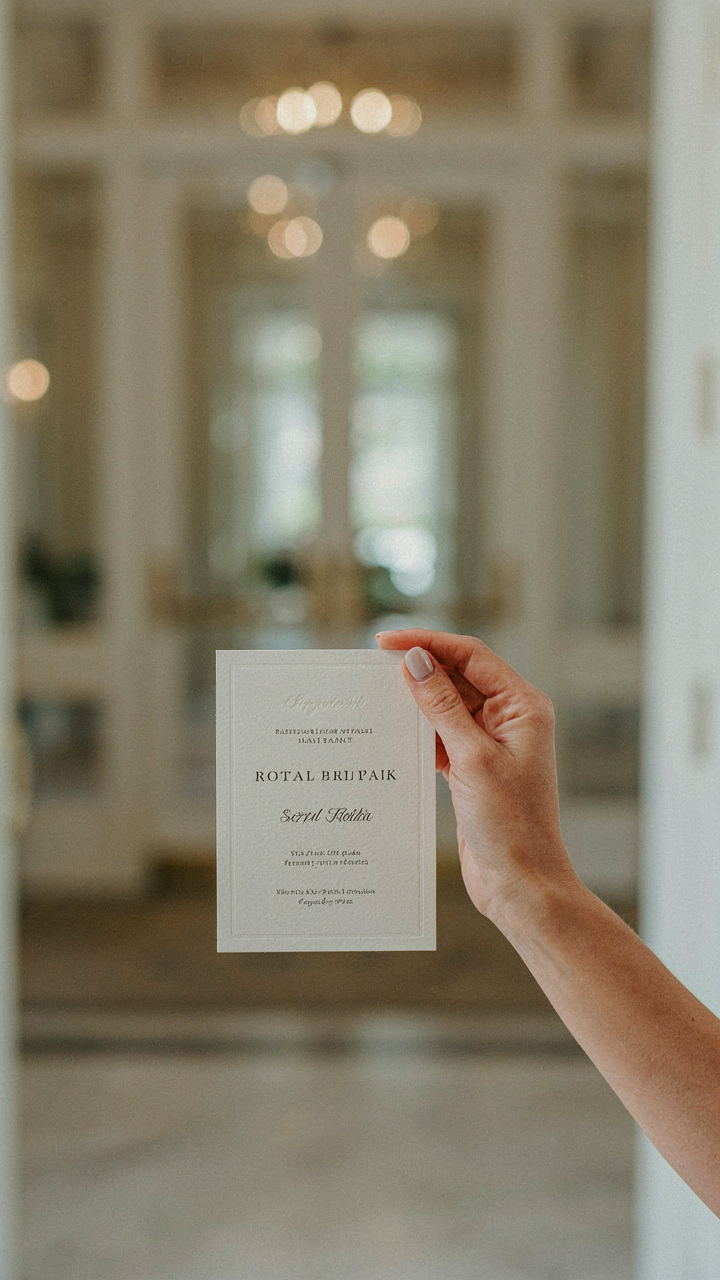
You’re worried the outfit won’t signal competence, and that’s exactly why you need to stop guessing. The mechanism is simple: dress code isn’t aesthetic preference—it’s a contract between you and the organizer about what kind of interaction happens in that space. A formal corporate gala operates on different social physics than a startup mixer. Your job is to read the venue’s stated or unstated expectations first, then build backward from that constraint.

Most networking advice skips this step entirely and jumps straight to “wear something confident.” That’s lazy. The real work is identifying what the event’s format actually demands. A panel discussion in a hotel ballroom requires different signaling than a casual happy hour in a converted warehouse. Check the invitation language, venue type, and attendee profile. These three data points eliminate ninety percent of your outfit uncertainty before you even open your closet.
The Spectrum Beyond Generic Labels
“Business casual” is useless language because it means seventeen different things depending on industry and geography. The spectrum isn’t two buckets—it’s a gradient from strict formal to completely casual, and you need to pinpoint exactly where your event lives. A tech company’s quarterly gathering sits nowhere near a financial services networking breakfast, even if both technically fall under “business casual.”
The actual tactic is this: find someone who attended last year’s event and ask what they wore, or scan the company’s recent photos from similar events online. You’re not looking for fashion inspiration—you’re collecting data about the social baseline. Once you know whether people wear blazers, skirts, trousers, or none of those things, you’ve eliminated guesswork and replaced it with pattern matching. Dress one notch more polished than the baseline, never less.
The Tailored Blazer Advantage: Commanding Attention, Not Pleading
Structure And Power: The Blazer’s Unspoken Message
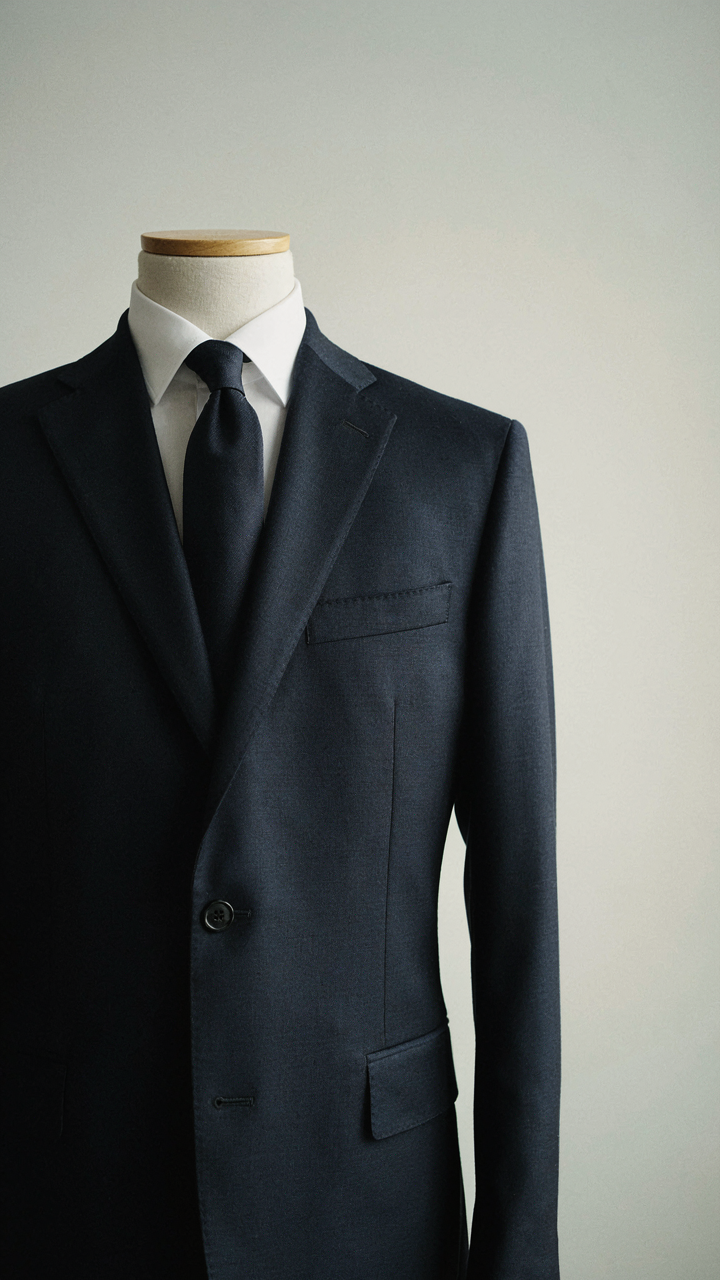
You want the blazer because you’re afraid nobody will take you seriously without it. Here’s what actually happens: a blazer functions like armor in organizational hierarchy. The structured shoulders, the defined waist, the framed silhouette all communicate vertical alignment before you open your mouth. This isn’t fashion psychology. This is how human brains process silhouette as authority. A blazer narrows the viewer’s focus to your face and speech instead of scattering it across your entire form.

The mechanism is simple. Soft, unstructured clothing reads as approachable but uncertain. Structure reads as intentional. A blazer that fits your actual body shape—not a generic size that drowns you or pulls across the chest—tells people you made a decision about how you want to be perceived. That decision travels faster through the room than any business card.
Fit As A Non Negotiable Status Signal
Everyone says get a blazer tailored. That advice is incomplete because it misses why fit matters beyond looking polished. Poor fit communicates that you either don’t know your measurements, didn’t prioritize the investment, or lack the budget to fix problems. None of those read well at a networking event where people are literally assessing whether you’re worth their time and connections.
The specific fit points that matter: shoulders should sit at your actual shoulder bone, not collapse inward or extend past it. The sleeve should end at your wrist bone with a quarter inch of shirt cuff showing. The torso should skim your body without pulling or gaping. Armholes matter more than most women realize because if they sit too low or too high, your entire upper body collapses into seeming smaller. When you walk into a room, people register fit before they register color or style. Get the fit right, then show up.
Color Theory For Networking: The Visual Dominance Playbook
How Color Shapes Memory And Influence
You want people to remember you. That’s the real reason you care about this section. Color psychology isn’t mystical—it’s neurology. The brain processes color before it processes faces or words. Borrow from visual hierarchy theory used in design: dominant colors create focal points that command attention first. Wearing a strategic color means your brain gets processed before your credentials do.

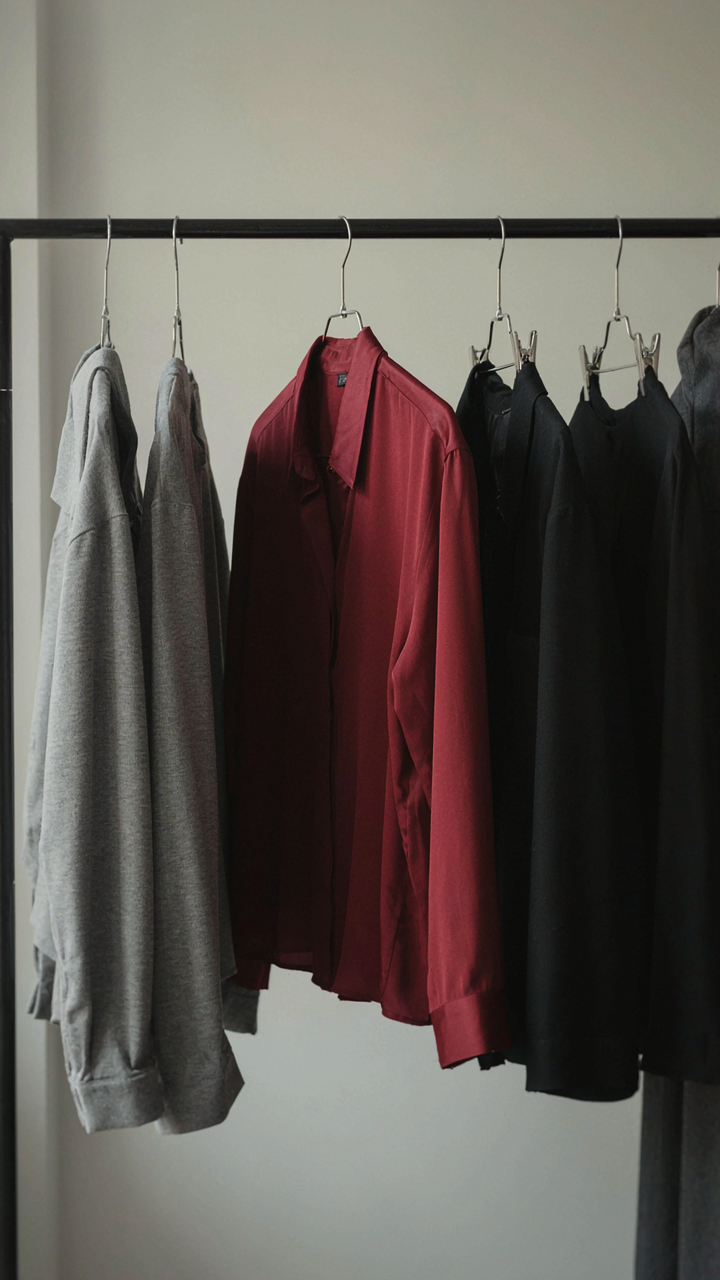
Studies in marketing and retail show people recall color-coded objects at rates 40-50% higher than grayscale equivalents. This isn’t because color is prettier. It’s because color activates multiple neural pathways simultaneously—emotion, memory, pattern recognition. In a room of thirty women in black blazers, the one in navy or burgundy gets retrieved from memory faster. That retrieval speed is what creates the illusion of presence and impact at networking events.
The After Work Color Hierarchy
Conventional advice says wear black or neutral to look professional. That’s incomplete. Black at an evening networking event reads as formal wear or default thinking, not strategic choice. The real mechanism: after 5 PM, professional dress codes relax, which means color becomes a signal of intentionality rather than a violation of norms. Women who shift from daytime neutrals to richer, deeper tones signal confidence in the shift from transactional to relational time.
Dark jewel tones—navy, forest green, deep burgundy, charcoal—work because they hold authority while absorbing light in ways that make you appear focused and grounded, not washed out. Warmer undertones in these colors (burgundy over pure red, forest green over neon) keep you readable in low lighting without looking staged. The protocol: choose one dominant color for your top or dress, keep it matte or silk-finish, and let accessories stay neutral. This creates contrast that makes you visually distinct without appearing to try too hard at a professional gathering.
The “Signaling Theory” Of Accessories: Less Is More, Smarter Is Better

Quality Over Quantity Signals Real Status
You care about this section because you’re worried that showing up under-accessorized will read as cheap or unprepared. Here’s the mechanism: economics calls this “costly signaling”—when you spend real money on one excellent piece instead of five mediocre ones, you’re broadcasting that you can afford to be selective. That’s the actual status move. One solid leather bag or watch costs more than three fast-fashion accessories combined, and people read that difference instantly.

The networking room doesn’t reward visual noise. A woman wearing a single quality bracelet and structured handbag gets read as intentional. A woman wearing layered chains, multiple rings, and a trendy clutch gets read as trying. Investment pieces—a leather belt, a real gold or silver bracelet, a silk scarf in a classic pattern—communicate restraint, which only people with real resources can afford to display. Buy fewer things. Make them last. Let that do the talking.
Strategic Placement Directs Attention
The weapon focus effect comes from cognitive psychology: observers fixate on whatever draws attention first and struggle to recall other details. Place your strongest accessory where you want the eye to land. If you’re wearing a statement earring, keep your hands and wrists minimal. If you lead with a bold watch or bracelet, dial back the necklace. One focal point wins. Multiple competing accessories dilute each other and make you look scattered instead of confident.
Position accessories at decision points in your outfit. The neckline area, wrists, and hands get scrutinized most during handshakes and face-to-face conversation. A well-chosen piece here gets evaluated as intentional grooming. A cluttered wrist reads as distraction. Choose one zone to anchor attention. Everything else recedes into supporting detail, which is exactly where you want it. This is not about minimalism for its own sake. This is about control.
Conference Outfit Mastery: Dressing For Endurance And Impact

Comfort As Performance Currency
You’re worried comfort means looking sloppy, so you’ll ignore this section. That’s the trap. Comfort is biomechanics. Your body expends energy managing physical stress—tight waistbands, pinching shoes, restricted shoulders—energy that should fuel conversation and presence. When you remove friction points, your cognitive load drops and your ability to engage in real time goes up. This isn’t philosophy. It’s neurology.

Worn-in leather shoes, a blazer that fits through the shoulders without pulling, trousers with actual room in the waist: these aren’t compromises on polish. They’re the foundation of sustained performance over a three-hour event. Your outfit works for you only if it stops working against you. Build it around pieces you’ve already tested in real situations, not items fresh from the store with unknown behavior patterns.
Strategic Layering For Variable Conditions
Conference spaces are thermally chaotic. Some zones run cold. Hallways warm up. Panels trapped under stage lights become ovens. Treat this like battlefield logistics: you control the variables you can anticipate.
- Unstructured blazer or open cardigan: Throws on over any base layer without bulk. Removes as easily when you overheat. Maintains formality without the commitment of a jacket.
- Lightweight scarf or wrap: Adds warmth at neck without changing your silhouette. Takes thirty seconds to deploy or stash in a bag.
- Sleeveless base with long-sleeve shirt underneath: Base layer alone works in warm rooms. Add the long-sleeve shirt for cold zones. Both exist independently.
- Structured midi dress with separate blazer: Dress handles temperature swings on its own. Blazer upgrades formality when you enter the main conference area.
- Tights or no-show socks with breathable shoes: Prevents bare skin discomfort in cold rooms while maintaining ankle mobility if temperatures rise and you need to shed layers.
The mechanism here is radical optionality without looking like you’re mid-costume change. You enter meetings with flexibility already built into the system. No excuses about comfort later. No mental energy spent managing your body temperature instead of managing the conversation.
The Adaptation Principle For Outfits For Conferences

Mimicry Against The Room
You want to blend in enough that people don’t dismiss you on sight, but that’s not why you’re actually reading this. You’re afraid of being invisible or, worse, obviously trying too hard. Here’s what evolutionary biology teaches us about signaling: mimicry is the baseline strategy. In networking contexts, mimicry means matching the dress code density of your industry without copying individuals. If the room runs business casual, you wear business casual. If it runs smart casual, you do the same. The mechanism is simple: people accept what they recognize. Deviation from the norm triggers evaluation before conversation starts, and evaluation usually kills rapport before it begins.

Distinctiveness works only after you’ve cleared the mimicry threshold. You signal belonging first through fabric quality, fit, and grooming standards that match the room. Then you introduce one element that’s slightly elevated or considered: better tailoring, a structured bag in a non-standard color, shoes that cost more but don’t look logo-heavy. This layered approach works because the baseline similarity disarms the threat response, and the single distinct element makes you memorable without seeming like you’re performing for attention.
Expectations As Predictable Leverage
Game theory separates players into those who predict what others expect and those who react to it. You’re trying to predict what your specific industry expects from a woman in a networking context, then decide whether to match it or exploit the gap. Most women default to prediction without the second step. They see what others wear and replicate it. That’s incomplete. The real move is identifying the specific expectation, measuring whether meeting it actually serves your goal, and choosing accordingly.
If your industry expects polished femininity, you can either deliver it or deliver competence-coded formality instead. If it expects formality, you can deliver approachability through fabric choice and silhouette without breaking the expectation. The counterintuitive part: the women who gain advantage aren’t the ones who match expectations most precisely. They’re the ones who understand the expectation clearly enough to violate it strategically, which means they still look intentional, not careless. Your outfit should signal that you understood the room and made a deliberate choice about how to operate within it.
Beyond The Clothes: The “Presence Multiplier” Effect

What Confidence Actually Does
You’re reading this because you suspect clothes alone won’t save you—and you’re right. The real fear is that you’ll look the part but feel invisible anyway. Here’s the mechanism: confidence operates like signal amplification in physics. Your outfit is the antenna, but your nervous system determines the broadcast strength. A sharp blazer on someone who apologizes for existing transmits uncertainty. The same blazer on someone who moves with intent transmits authority. The clothes don’t create confidence. They create permission to embody it.

When you wear something intentional—something you selected because it fits your frame and your strategy, not because you hoped it would work—your body chemistry shifts. Cortisol drops slightly. Your posture straightens without effort. People read these micro-signals before they read your words. A fitted dress paired with steady eye contact reads as prepared. The same dress worn while checking your phone reads as hesitant. Confidence isn’t about feeling good. It’s about signaling that you know exactly why you’re in the room.
The Silent Language Your Outfit Speaks
Non-verbal communication carries the load in networking. Research in social dynamics shows people form impressions within seconds, driven mostly by visual and behavioral cues, not conversation. Your outfit is the opening statement in that exchange. Worn fabric signals neglect. Clean lines signal intention. A color that drains your complexion signals misalignment with your own brand. A color that makes your skin read as alive signals you understand yourself. None of this is shallow. It’s just how human perception works.
The mechanism is direct: when your outfit matches your message—when you dress for the role you’re claiming, not the one you held last year—your words land harder. You stop managing the listener’s doubt about whether you belong. You transfer all that energy into managing their understanding of your value. Wear something that makes you feel like you’re playing small, and you’ll speak smaller. Wear something calibrated to your actual presence, and you’ll claim the space you earned by showing up.
The Real Obstacle Isn’t Your Wardrobe; It’s Your Fear Of Intelligent Non-conformity. Master That, And The Outfits Are Easy

Stop waiting for permission to dress like yourself. The women who command rooms don’t blend in because they’re terrified of standing out. They stand out because they refused to play the beige game. Pick one outfit that makes you feel like the smartest person in the room, wear it Friday night, and watch how differently people listen to you. Confidence isn’t something you wear. It’s something you stop hiding.