


The Alpha Attire Algorithm
Read The Room Before You Dress
You’re worried people will judge you. They will. The mechanism isn’t about looking expensive or trendy. It’s about matching the environment’s power structure so you disappear into competence instead of standing out as a mistake. In semiotics, this is signal calibration: you’re not sending a message about yourself, you’re receiving the environment’s code and matching it precisely. A client dinner isn’t a stage for self-expression. It’s a negotiation space where your clothes either build credibility or drain it by creating cognitive friction.
The first move is reconnaissance. Before selecting anything, identify three variables: venue type, industry formality norm, and who holds decision power in the room. A venture capital dinner in Manhattan differs fundamentally from a manufacturing client meeting in the Midwest. A tech founder expects different signals than a CFO at a traditional firm. Your clothes must match the audience’s baseline expectation, not exceed it by trying too hard and not fall short by looking indifferent.
Authority Reads Quiet, Not Loud
The common advice says wear your best suit or dress up. That’s incomplete. Real authority doesn’t demand attention. It commands it through restraint. In military strategy, this is economy of force: you deploy only what the objective requires, nothing more. Overdressing signals insecurity. You’re trying to buy credibility instead of earning it through presence. The mechanism is simple: when your clothes require mental processing, they become the conversation instead of the person wearing them.
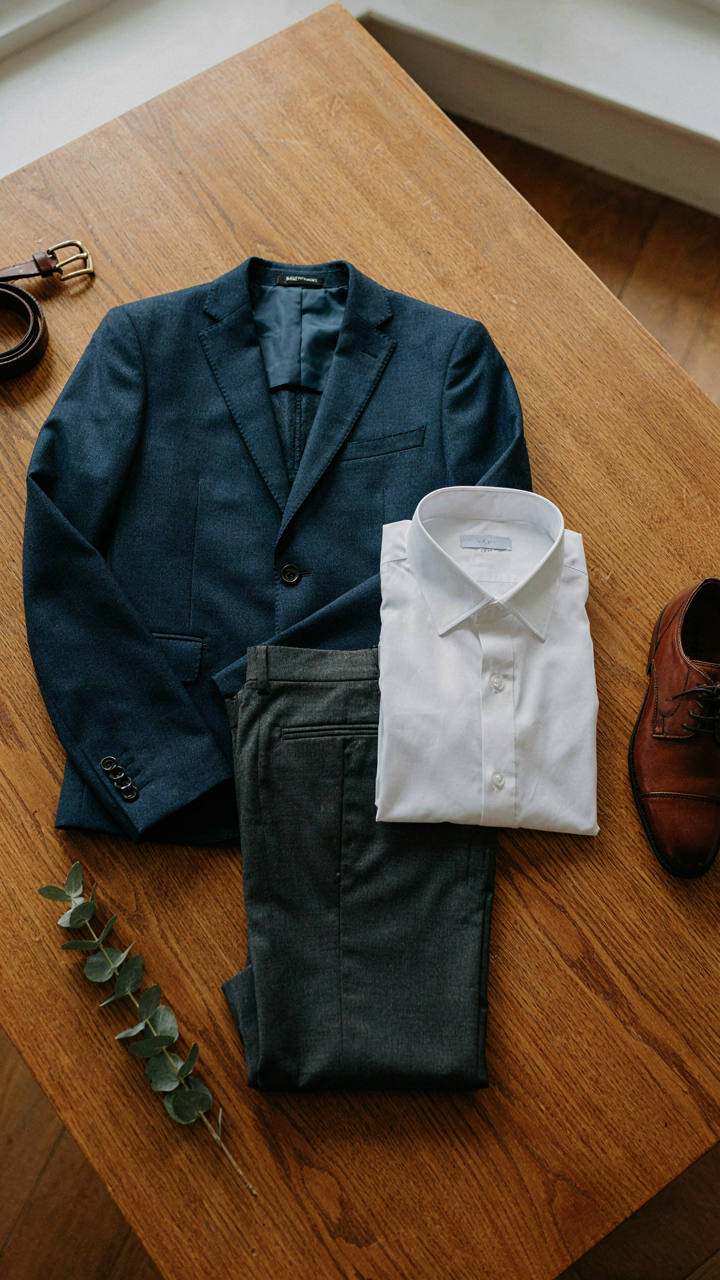
Invest in three anchor pieces that work across contexts: a tailored blazer in navy or charcoal, a white dress shirt or blouse, and neutral trousers or a knee-length skirt. Quality fabrics signal care without screaming. Cotton and wool hold shape and read professional. Cheap synthetic fabrics wrinkle, cling, and broadcast financial carelessness. Fit matters more than brand. A department store blazer tailored properly outperforms an expensive one that doesn’t sit right on your frame. The goal is invisibility wrapped in competence.
Beyond Black And Navy: Strategic Color Theory
Colors That Demand The Room
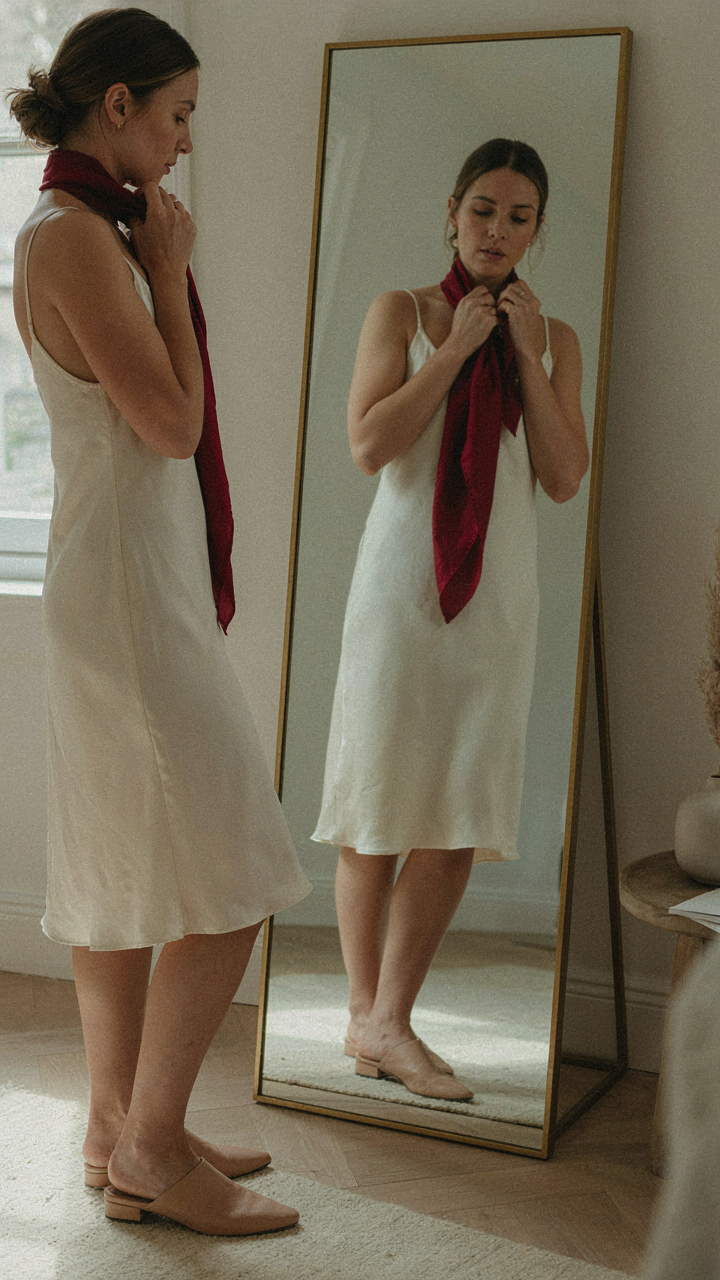
You want permission to stand out without risking the decision. Here’s what actually works: apply contrast theory from visual design. In a room of navy and charcoal, contrast is your position on the spectrum. A deep burgundy, forest green, or charcoal grey with warm undertones breaks the monotony without signaling you missed the memo about formality. The mechanism is simple: your brain processes contrast faster than sameness, which means people notice you first and calibrate their read of competence from that initial frame.

Most advice tells you to play it safe with neutrals. That’s incomplete. Neutrals work because they don’t distract, but they also don’t register. The real play is choosing a color with enough saturation and depth that it reads as intentional rather than accidental. A well-chosen jewel tone or warm grey demonstrates you think about details. It signals preparation without arrogance. Wear it in a structured fabric that holds its shape through the dinner, not something that wrinkles by appetizer.
Visibility Without Visual Noise
Don’t confuse standing out with clashing. The rule most people miss is that muted saturation paired with high contrast works better than bright colors in formal settings. A soft terracotta against charcoal reads sophisticated. A neon anything reads costume. You’re building authority through restraint, not rebellion. The fabric itself matters more than the hue: a matte finish on deep teal outperforms a shiny fabric in that same color because it absorbs light rather than bouncing it around the table like a disco ball.
The protocol is straightforward. Choose your base color from the cool or warm spectrum, then hold it against your own skin tone in natural light before committing. A color that flatters your complexion automatically looks more intentional and polished than one that drains you. When your color choice harmonizes with your skin, others read confidence because you look healthier and more present. That’s not psychology; that’s basic color theory applied to fabric.
Fit Is The Foundation: Rejecting Off The Rack Mediocrity
Tailoring Advantage: Clothes That Fit You
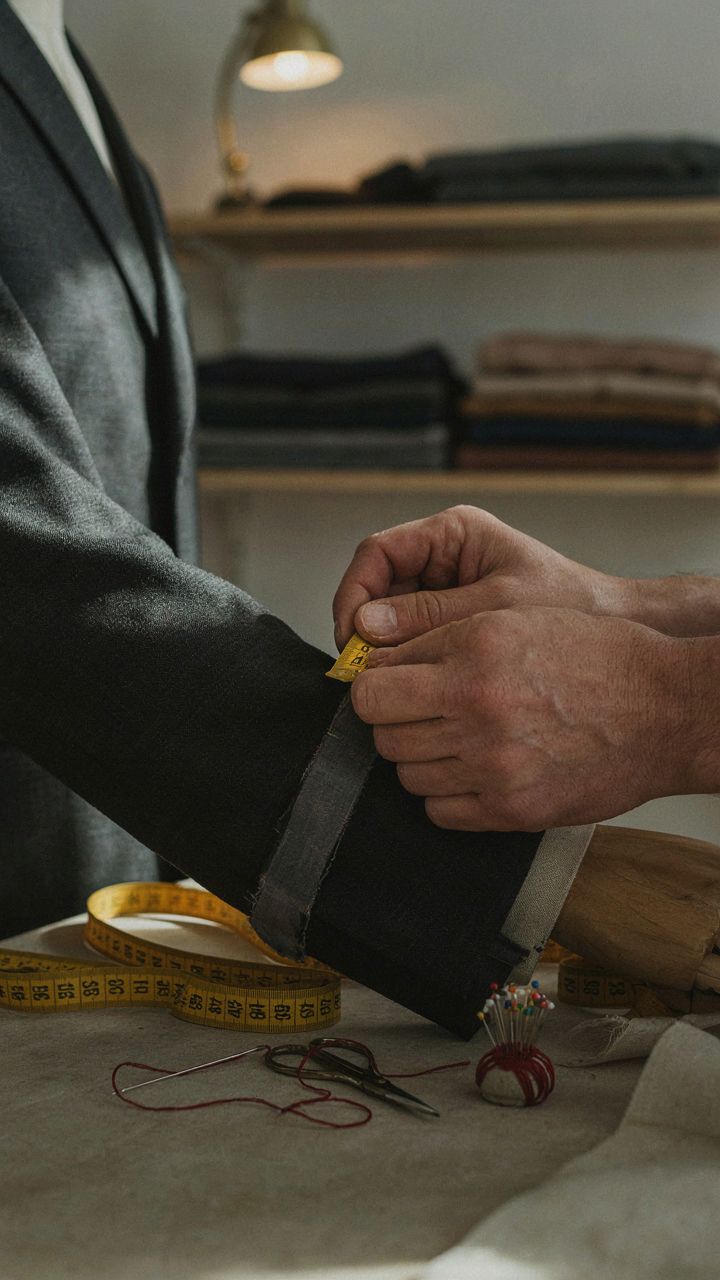
You care about this because you know, on some level, that off-the-rack clothes signal you haven’t earned enough to customize anything in your life. Fit is the transmission between intention and perception. A garment that doesn’t fit your frame transmits uncertainty. Tailoring isn’t luxury, it’s basic signal integrity. The shoulders must sit where your shoulders sit. The sleeve must end at your wrist bone. The trouser must break at your shoe without bunching or floating.

Most people skip tailoring because they mistake it for vanity. It isn’t. It’s engineering. A $200 shirt that fits you perfectly outperforms a $800 shirt that doesn’t because the fit determines whether the fabric drapes or collapses. Every client dinner outfit requires at least one tailoring pass. Invest the money before the dinner, not after pictures circulate internally at the client’s firm.
Quality Over Quantity Always
Fabric quality isn’t subjective, it’s measurable. Thread count, weave density, fiber type, and finish determine durability and appearance under fluorescent lighting. Natural fibers like wool and cotton hold structure longer than synthetics. A wool blend with stable weave resists wrinkling during a three-hour dinner. Cheap fabric shows stress immediately, especially around the collar and cuffs where friction occurs.
The mechanism is simple: low-quality fabric deteriorates visibly within the first hour of wear. Pilling emerges. Creases become permanent. Colors fade under warm restaurant lighting. A single quality piece worn repeatedly outperforms five cheap pieces worn once. For a client dinner, you need fabric that performs under pressure without advertising strain. This means natural fiber content above 70 percent and a weave tight enough to maintain its shape from arrival to departure.
The Silent Language Of Accessories: Client Dinner Outfit
Quality Over Quantity
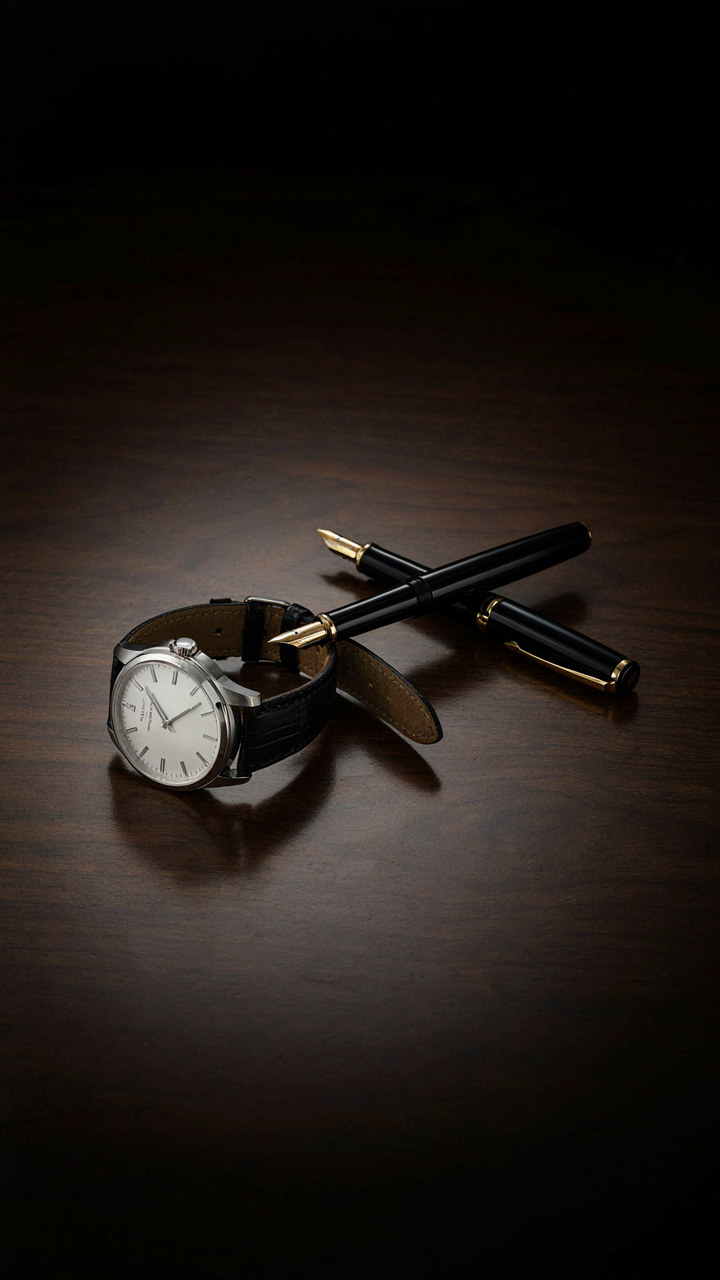
You’re worried accessories will either make you forgettable or make you look like you’re trying too hard. The mechanism is simple: your brain has limited processing power, so it defaults to pattern recognition. Too many competing signals and the client’s mind categorizes you as “cluttered.” One excellent piece becomes the anchor point. A watch, a pen, cufflinks, a belt—pick one that costs more than your shirt and that’s your statement. Everything else disappears into professional baseline.

The Bauhaus movement stripped design to its essentials for a reason: removal beats addition every time. Each accessory you add increases cognitive load on the viewer without increasing your credibility. A single quality watch communicates discipline and standards. A single quality pen signals precision. Two or three excellent pieces layered correctly create the opposite of clutter—they create intention. This is restraint functioning as authority.
The Recognizable Detail
Your signature piece doesn’t announce itself. It whispers to people who are paying attention. A specific watch brand you always wear. A particular style of cufflink. A leather portfolio in a distinct color. The goal isn’t to be noticed by everyone in the room—it’s to be remembered by the one person making the decision. Repetition builds recognition in the client’s mind without triggering the suspicion that you’re performing.
The mechanism here mirrors how brands work: consistency creates trust. Wear the same watch to five dinners with the same industry and that watch becomes part of your professional identity. The client’s brain links you to it. They mention you to a colleague and describe you partly through that detail. Accessories function as visual anchors when they’re consistent enough to become part of your recognizable pattern, not random additions to your outfit.
Comfort As A Weapon: Casual Work Dinner Outfit
Movement Without Restriction
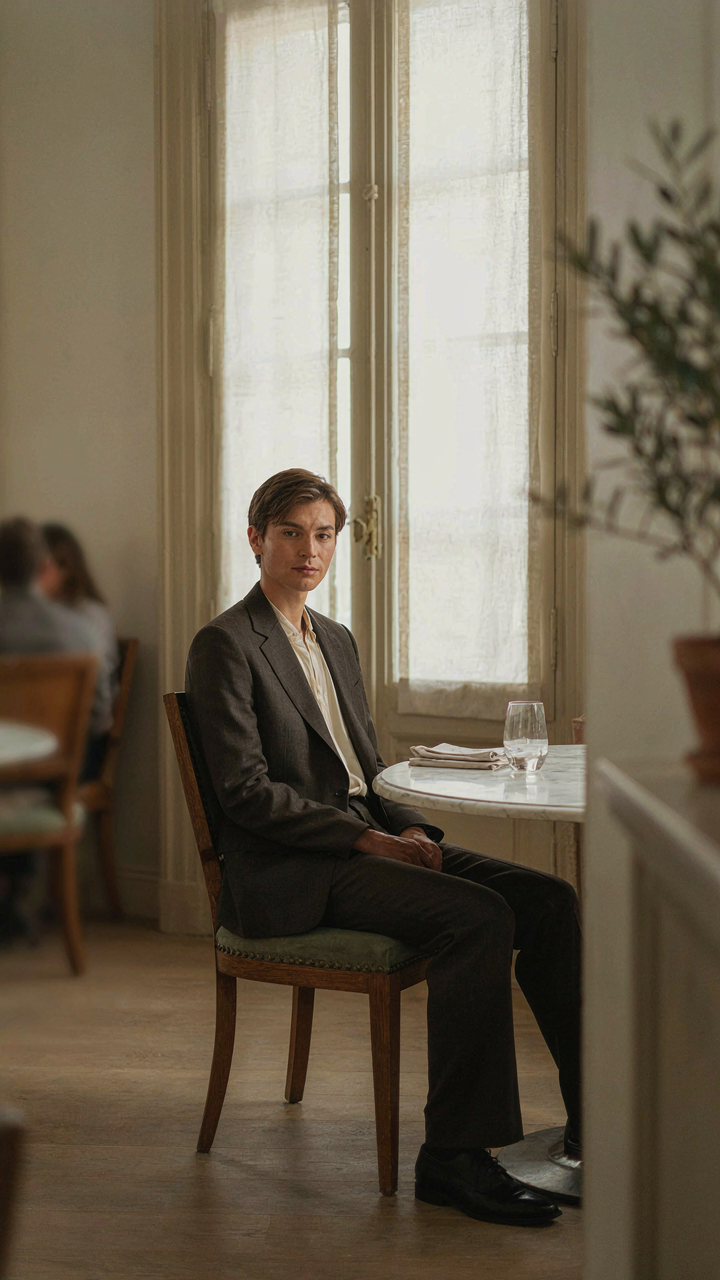
You want to feel confident because restriction kills presence, and presence is what closes deals. Borrow from biomechanics: your body’s range of motion directly determines your cognitive bandwidth. Tight clothing forces your brain to manage physical constraint instead of managing the conversation. Choose fabrics and cuts that let your shoulders move, your torso flex, your legs carry you without tension. Cotton blends and stretches work. Tailored fits that actually fit work. Avoid anything that requires you to think about your posture.

The goal isn’t to look like you’re at a gym. It’s to dress so well that your nervous system stops sending distress signals. When your shoulders aren’t being pulled back by a tight blazer, your voice projects differently. When your waistband doesn’t cut into you, your breathing stays natural. Test this: sit down in the outfit before the dinner. If you feel the seams, your client will feel your discomfort across the table.
The Mental Load You’re Actually Managing
Most advice says “dress professionally.” That’s incomplete. The real mechanism is cognitive load reduction. Your brain has finite processing power. Every time your clothes remind you they exist, you lose mental cycles you should be spending on listening and thinking. A casual work dinner outfit that fits properly disappears from your awareness. The loose button that might pop stops mattering. The shirt that bunches when you lean forward becomes invisible. Your attention stays where it needs to be: on the person across from you.
Choose pieces you’ve already worn multiple times. Familiarity matters more than newness here. You already know how the fabric moves, how it feels after three hours of sitting, whether the color photographs well under restaurant lighting. That pre-existing knowledge means zero mental energy spent on uncertainty during the actual dinner. You show up as someone focused on business, not as someone self-conscious about whether they chose the right outfit.
The Evolutionary Psychology Of Impression
What Your Clothes Actually Communicate
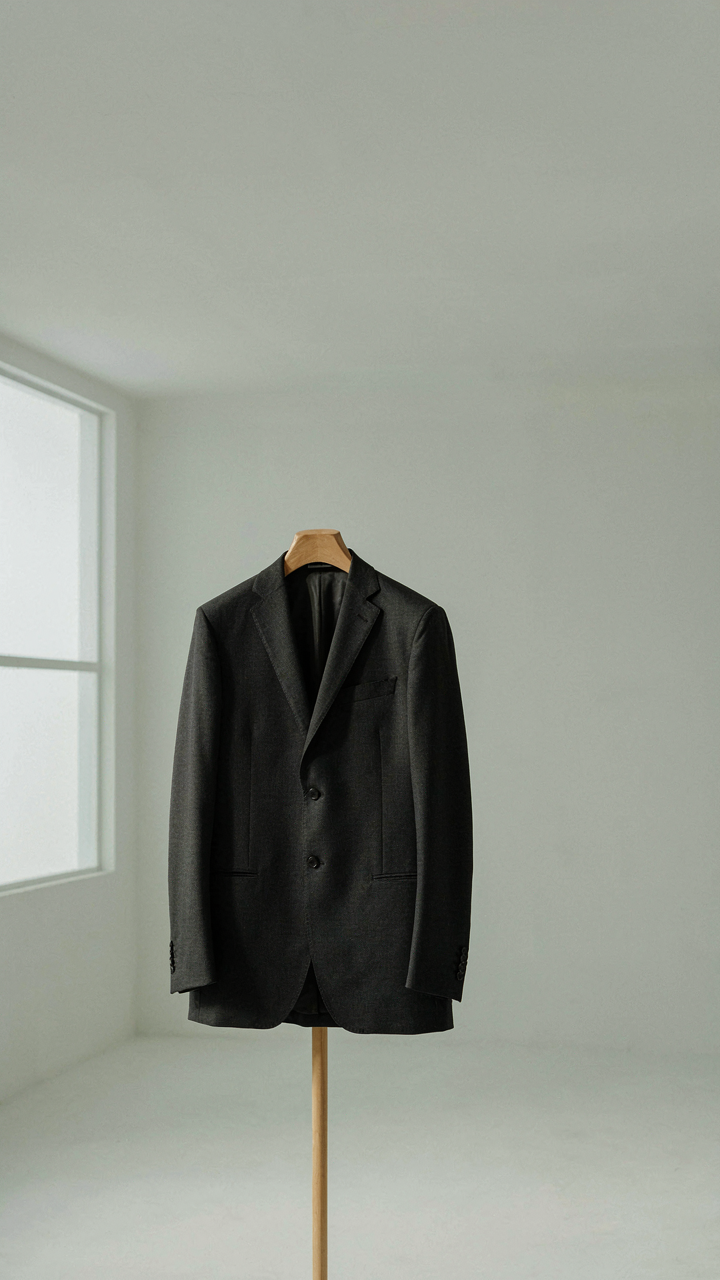
You care about this because you know the client makes a judgment before you speak. Signaling theory explains this: in biology, costly signals reveal hidden traits an observer cannot directly measure. Your outfit is costly signaling. You invest time and money into fabric quality, fit, and maintenance. This cost proves you take the interaction seriously and have resources to allocate toward your appearance.

The mechanism is straightforward. Worn fabric, poor fit, and visible neglect signal low status or low regard for the meeting. The client unconsciously reads this as either incompetence or indifference. Conversely, clean tailoring and intentional material choices broadcast competence and respect. The outfit doesn’t create trust. It removes friction that would otherwise trigger skepticism before your work gets evaluated on merit.
Dominance Reads From The Neck Down
Primal biology runs the first interaction, not logic. Non-verbal cues trigger immediate threat or safety assessments in the observer’s nervous system. Your posture, how fabric drapes on your frame, and the visual weight you occupy in space all communicate whether you occupy a dominant or submissive position in the hierarchy.
Loose, oversized clothing shrinks your visual presence and signals deference. Tailored fit creates clean lines that expand your silhouette slightly and signal command of your physical space. Color darkness, fabric weight, and structured shoulders all trigger dominance perception. You don’t need to be aggressive. You need to occupy your frame fully and dress in a way that makes you harder to dismiss visually before the conversation begins.
Work Dinner Outfits Women: Beyond The Stereotype
Define Your Visual Narrative
You want people to remember you as competent, not forget you existed. That’s the real reason this matters. In semiotics—the study of how symbols communicate meaning—your outfit is a sign system that broadcasts identity before you speak. Women face a narrower tolerance band for business dress than men do, which means your visual narrative can’t be accidental or generic.

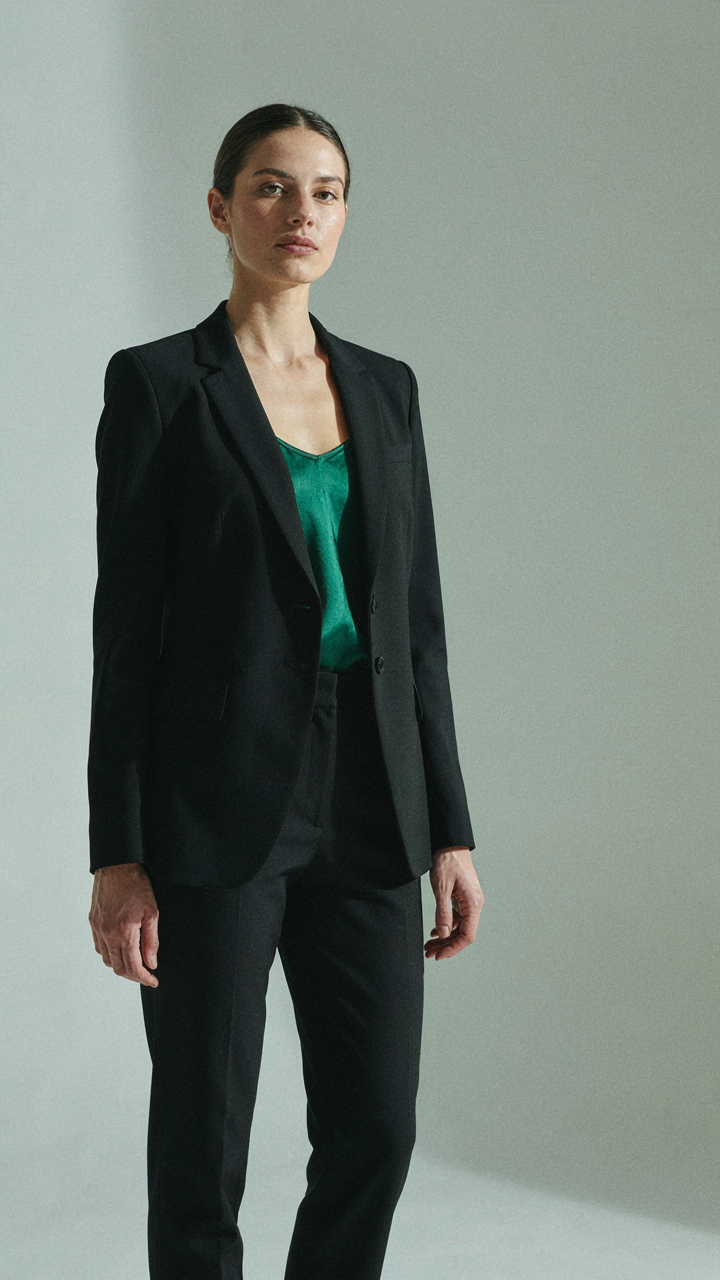
The mistake most women make is choosing an outfit that “fits the occasion” instead of choosing one that fits their actual role and leverage in the room. A client dinner isn’t a costume party. Your clothes should signal authority, not effort. Pick a single dominant element—a structured blazer, a silk camisole, a quality trouser—and build around it. That dominant element does the work. Everything else recedes.
Stand Out, Don’t Blend In
Blending in is the consensus trap. You’ll look like everyone else trying to look professional, which means you’ll disappear. Disruption here doesn’t mean wearing red lipstick or a statement necklace. It means making a choice that contradicts the expected pattern without breaking the code.
Where most women default to a neutral palette and safe silhouettes, you introduce one element of intentional contrast: a strong color against neutral basics, unexpected fabric texture, or a silhouette that has actual shape instead of draping. Wear tailored trousers with a fitted knit instead of a loose blouse. Pair a neutral jacket with a jewel-tone camisole. The disruption happens at the intersection of polish and personality. Execute this by choosing your outfit before the dinner, trying it on completely, and verifying you can sit, reach, and move without adjustment.
What To Wear To Business Dinner: The Posture Of Power
Own Your Physical Space
You care about this because you’re afraid the wrong outfit signals weakness. Here’s the mechanism: posture is territory. In military strategy, soldiers control space through stance and presence before firing a shot. Your outfit works the same way. Fabric, fit, and cut either expand or collapse your physical footprint. A poorly fitted jacket makes you smaller. Proper tailoring makes you take up room without moving.

The clothes that work are the ones that support upright shoulders and a straight spine naturally. This means fitted through the chest, not loose. Sleeves that end at your wrist bone without riding up. Trousers that sit at your natural waist, not sagging. The fabric itself matters: structured materials like wool hold their shape and keep you from hunching. Cheap fabric crumples and pulls you inward. Your outfit either supports dominance or invites collapse.
The Details That Command Attention
Grooming discipline is where most people fail because they confuse it with looking expensive. It’s not about designer labels. It’s about every single element being intentional and finished. A wrinkled shirt with a silk tie reads as careless. Unpolished shoes destroy credibility faster than an off-the-rack suit. The mechanism is simple: your client notices what’s broken before noticing what’s right.
- Shoes polished to reflection: Scuffed leather signals you don’t prepare. Spend two minutes on shoe shine the morning of dinner. Polish hides wear and projects discipline.
- Nails trimmed and clean: Visible dirt or ragged cuticles are the first detail someone notices during a handshake. This takes thirty seconds and communicates control.
- Hair groomed and shaped: Stray hairs, visible dandruff, or an unstyled cut undermine everything else. Hair should look intentional, not default.
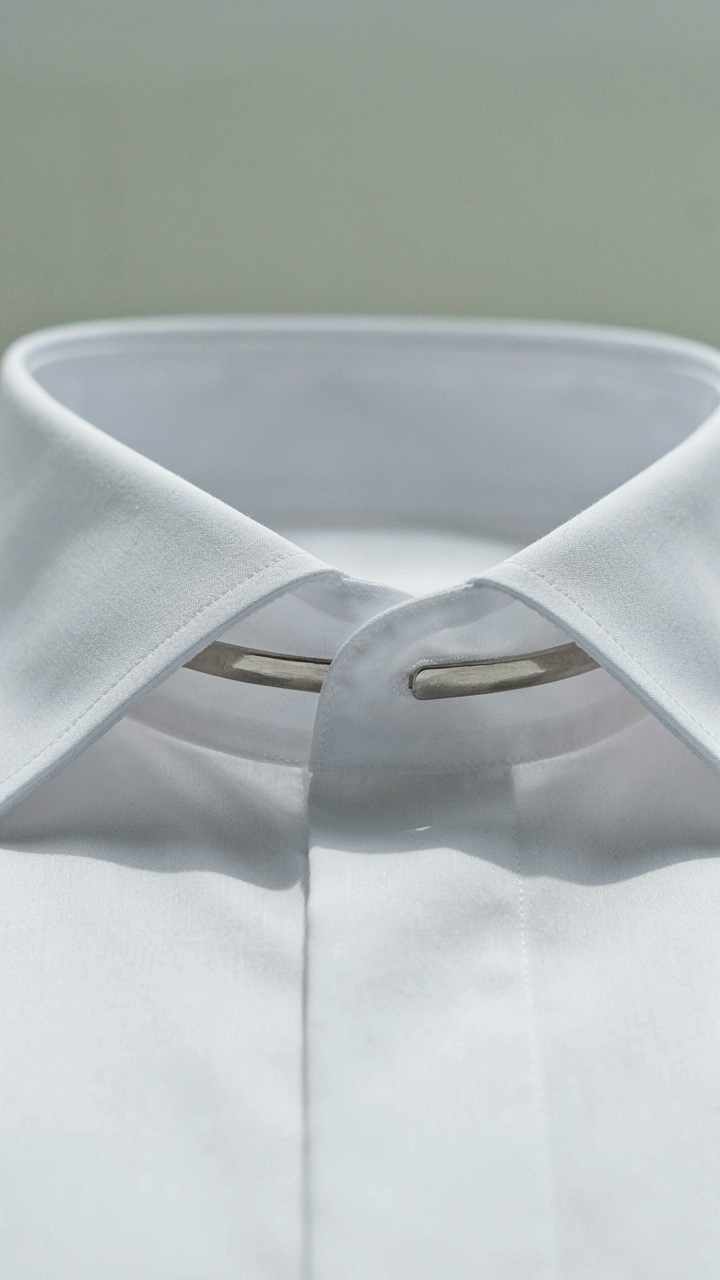
- Collar and cuffs pressed flat: Wrinkles at these points are visible across a table. Iron or steam before you leave. Collar stays prevent the spread look.
- Breath fresh, teeth clean: Unpleasant breath or food in teeth kills rapport instantly. Brush before dinner and carry mints. This isn’t optional.
Attention to detail isn’t about perfection. It’s about proving you respect the interaction enough to prepare. Each grooming action takes under five minutes total. The payoff is your client trusting you handle their business with the same precision. Do the five-minute protocol before every client dinner.
The Business Dinner Outfit: Mastering The Exit

How You Leave Matters More Than How You Arrive
You care about this because you think the outfit ends when dessert arrives. It doesn’t. The last impression overwrites everything that came before it, and most people sabotage themselves in the final thirty minutes by either loosening their guard or physically deteriorating. Using military withdrawal doctrine, your exit strategy is the hardest fought position: you must maintain formation when fatigue peaks. Your jacket stays on. Your posture stays vertical. Your energy stays calibrated.

The mechanism is simple recognition fatigue. After two hours, your client’s brain stops processing visual data actively and starts processing residual impressions. A wrinkled shirt collar, slouched shoulders, or undone button reads as “this person stopped caring” rather than “natural end-of-dinner comfort.” That signal compounds every deal conversation that happened before. Maintain your outfit’s original state through departure, even if nothing physically changed. The discipline itself is the message.
Jacket On Until You’re In The Car
Common advice says remove your jacket when seated to “look comfortable and accessible.” Wrong. The jacket is your exit uniform. You remove it only when no one can see you anymore. Keep it on through the parking lot, through goodbyes, through the handshake outside the restaurant. Your shoulders stay framed, your silhouette stays authoritative, your presentation stays complete.
This is purely psychological architecture for both parties. Your client sees a professional who maintains standards under fatigue, not someone who mentally checked out before physically leaving. You see yourself held accountable to your own presentation. That consistency in the final moment is what shapes the follow-up conversation three weeks later. The jacket becomes the punctuation mark on the entire interaction.
The Only Attire That Truly Matters Is An Ironclad Reputation And A Ruthless Commitment To Value
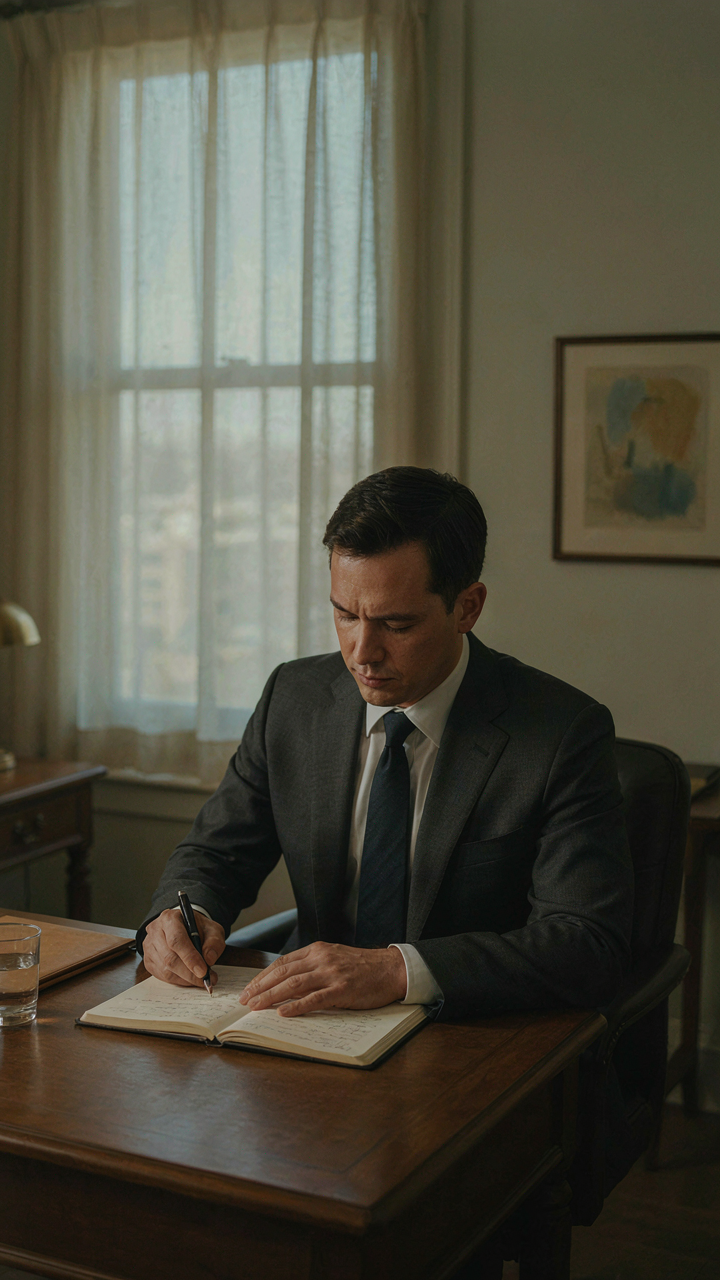
Your outfit matters less than you think. What matters is whether you showed up to deliver. Clients remember the person who solved their problem, not the person who wore the right blazer. Dress sharp enough to show respect, then forget about it. Today, write down one specific value you’ll communicate at your next client dinner. Make that your obsession instead. People don’t hire confidence in fabric. They hire results.



