The Cognitive Load Tax: Why More Options Mean Less Impact

Decision Fatigue On Party Nights
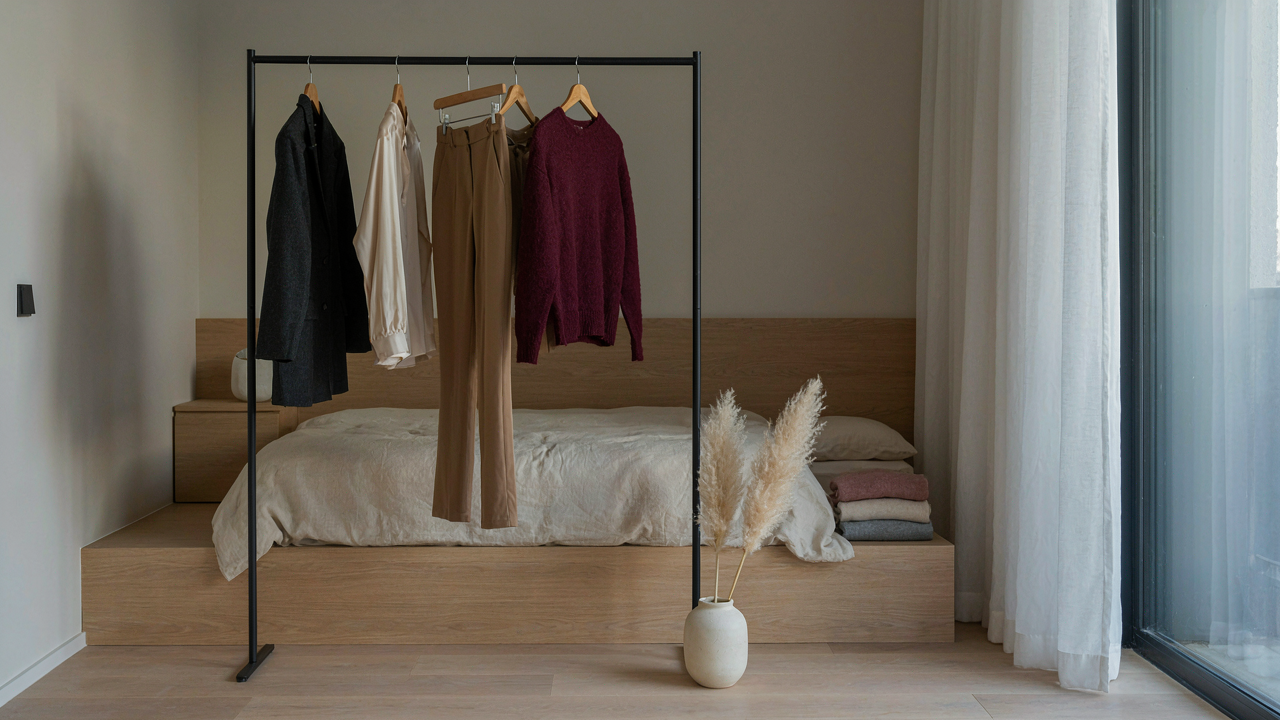
You want options because you think more choices protect you from looking wrong. They don’t. Cognitive load is the mental effort required to make a decision, and psychology research confirms that beyond a certain threshold, more options paralyze rather than liberate. You stand in front of your closet on party night with twelve possible outfits and end up changing three times, arriving flustered and second-guessing yourself throughout the event.
The mechanism is simple: your brain has finite processing power on any given evening. You’ve worked, managed logistics, and probably stressed about the party itself. When you face excessive wardrobe choices, that decision-making resource depletes before you even leave home. A capsule wardrobe constrains options deliberately, so your brain spends energy on presence and conversation instead of outfit validation. You show up calm because the hard choices happened weeks ago, not minutes before.
The Illusion Of Choice Versus Actual Style
The fashion industry profits by convincing you that more pieces equal more style. That’s marketing, not strategy. Real style emerges from constraint and repetition, not abundance. A well-curated capsule creates actual style because each piece works with multiple others, forcing intentionality. You develop a recognizable look because you wear the same patterns, silhouettes, and quality level repeatedly.
Holiday parties reward decisiveness, not indecision disguised as versatility. When you commit to fewer options, those pieces become extensions of your thinking instead of variables you’re constantly negotiating. You reach for the same jacket four times across different parties because it solves the problem, not because you lack imagination. The real constraint isn’t your wardrobe—it’s your willingness to stop treating shopping as a substitute for judgment. Build a capsule where every piece earns its place through actual wear across multiple party scenarios, then you stop wasting mental energy and start building recognition.
The “Event Horizon” Protocol: Prioritizing Your Holiday Calendar

Map Your Invitations By Context And Dress Code
You’re worried about looking underdressed or overdressed at the wrong moment. The mechanism is simple: you can’t build a capsule that works everywhere until you know what “everywhere” actually contains. Most people skip this step and just buy generic cocktail attire, then panic when they show up to a casual dinner party in full evening wear.

Pull every invitation you have. Sort them into three buckets: formal events with stated dress codes, semi-formal gatherings, and casual parties. Formal means black tie, cocktail, or explicit evening dress. Semi-formal includes holiday dinners without a stated code and office parties with some polish expected. Casual covers everything from family brunches to house parties where jeans are acceptable.
Identify Your Non Negotiable Appearances
Your real priority isn’t having options for every event, it’s nailing the ones that matter to your life or your career. The economics principle of scarcity applies directly here: you have limited closet space and limited budget, so you must allocate to the events with the highest return on investment.
List the three to five events you cannot afford to get wrong. These are typically career events, milestone family gatherings, or parties hosted by people whose opinion genuinely shapes your social standing. Your capsule gets built around these anchor events first. Everything else becomes a secondary consideration. Dress the tier-one events flawlessly, then design pieces that bridge into tier-two situations.
The Anti Trend Uniform: Your Core Holiday Party Outfit
Build The Foundation First
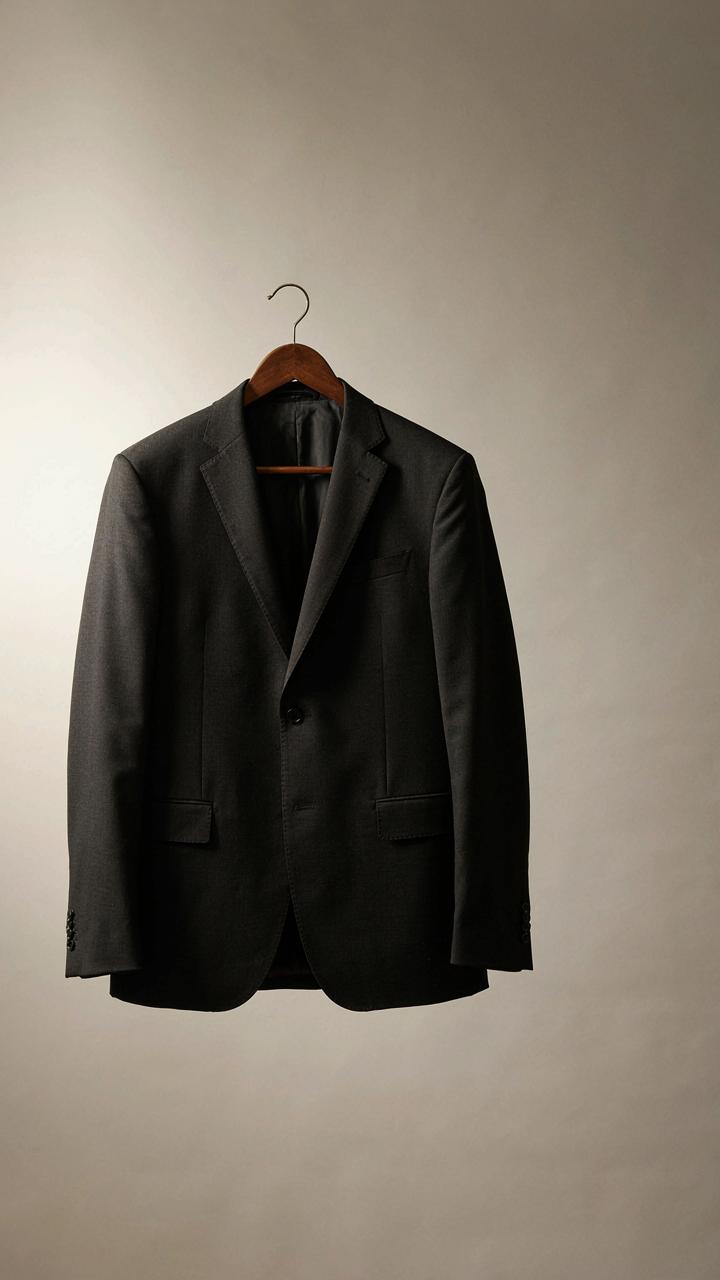
You want permission to buy less and look better without the cognitive load of deciding what works together. Here’s the mechanism: quality basics don’t trend because they don’t need to. They stay functional across seasons and social contexts. A well constructed dark blazer in wool or a wool blend works at a December dinner party the same way it worked in March. The material doesn’t degrade. The cut doesn’t date itself. You’re not chasing validation through newness; you’re building infrastructure.

Start with one black or charcoal blazer that fits your shoulders correctly. Fit matters more than price. The shoulder seam should sit at your actual shoulder bone, not slope inward or hang off the edge. Pair this with one well fitting pair of trousers in black, charcoal, or navy. Add a white button down shirt and a simple crew neck sweater in cream or gray. These pieces form the skeleton. Nothing here is trendy because nothing here expires.
Layer With Intent, Not Decoration
The real mistake people make is treating accessories as garnish instead of structural elements. In fashion architecture, accessories function as load bearing walls, not decoration. They shift the entire outfit’s gravity without requiring a wardrobe overhaul. A single silk scarf changes the energy of a basic blazer and trousers. A specific watch or set of cufflinks signals intentionality. A good bag consolidates the whole thing into a coherent statement.
Pick three accessories maximum per outfit to avoid visual chaos. Choose a quality leather belt, one statement piece of jewelry that works across multiple outfits, and a bag that holds what you actually need. Swap these pieces between your core garments instead of buying new clothes. A silk pocket square, a simple gold chain, or a pair of structured earrings can completely reshape how your foundation pieces read to other people without changing the foundation itself.
The “Pareto Principle” Of Holiday Capsule Wardrobe: 20% For 80% Impact
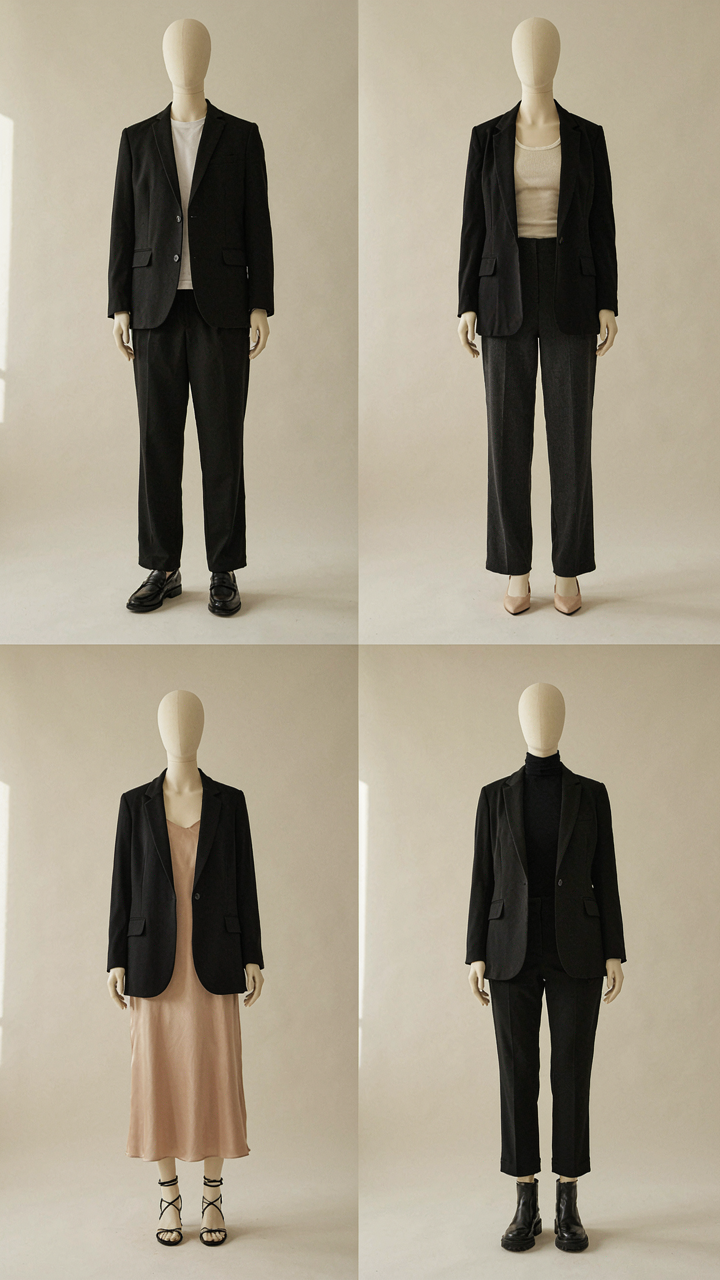
High Leverage Items Win The Room
You’re building this capsule because you’re afraid of looking repetitive across multiple parties. That fear is the mechanism: you assume visibility requires volume. It doesn’t. Economics calls this the Pareto distribution—where a small number of inputs generate most outputs. In a holiday capsule, five core pieces generate 80% of your outfit combinations and impression management.

The items that work across venues are the ones that shift context without changing. A tailored black blazer reads formal at a corporate dinner, refined at a gallery opening, sharp at a cocktail mixer. A cream silk camisole layers under the blazer or stands alone under a cardigan. These pieces multiply. A mediocre capsule has twelve items that do one thing each. A strategic capsule has five items that do four things each. The math matters because you’re buying once and wearing repeatedly.
Cutting Out The Dead Weight
Most advice tells you to “add variety” to your holiday rotation. That’s backwards. Variety comes from combinations, not from hoarding. The real cost is psychological friction—every low-impact piece in your closet makes selection slower and confidence lower. You notice the item you wore three weeks ago because it sits there unused, mocking your judgment.
Identify pieces that work only at one venue or only in one season-specific context. A sequin top that screams “New Year’s Eve” but looks costume-y at a December 15th dinner? Dead weight. A satin skirt that only pairs with one blazer? Dead weight. The rule: if a piece requires more than one other specific item to work, it doesn’t belong in a capsule. Remove it. This sounds harsh until you realize the pieces that remain actually work together, and getting dressed becomes decisive instead of paralyzed.
The Office Party Outfits Power Play: Strategic Subtlety

Professional Holiday Presence Without The Costume
You’re worried people will judge you for standing out or for blending in too hard. Here’s the mechanism: office parties operate on dress code arbitrage. Your boss wore one thing to the company event. The finance team wore another. The real play is dressing one notch above the average person in the room while staying inside the acceptable bandwidth. This isn’t about looking “festive.” It’s about looking intentional.

Dark trousers or a tailored midi skirt paired with a structured blazer in wool or a wool blend covers most office party scenarios. Add a silk blouse in jewel tones or metallics. The fabric upgrades matter more than the color. Silk catches light differently than cotton. People perceive that difference without knowing why. Wear leather flats or low block heels, not stilettos. You need to move through a crowd without broadcasting effort.
The Corporate Party Mistakes Everyone Makes
Most advice says “add a pop of color” or “keep it classic.” That’s incomplete. The real failure isn’t being too conservative. It’s miscalibrating to the room’s actual dress code tier. If your office runs business casual, wearing a full cocktail dress signals you either misread the event or you’re trying too hard. That costs you credibility. Conversely, showing up in your standard Tuesday outfit when the party is clearly elevated makes you look like you don’t care about the company.
Avoid sequins, feathering, or statement jewelry that moves. These distract during conversation and read as costume rather than outfit. Skip anything that requires adjustment or feels uncomfortable after thirty minutes of standing. Discomfort changes your posture and expression. People notice. One belt, one pair of shoes, one bag. Anchor everything to neutrals. The holiday element comes through texture and fabric weight, not pattern or novelty.
Beyond The Outfit: The “Presence Multiplier” Effect
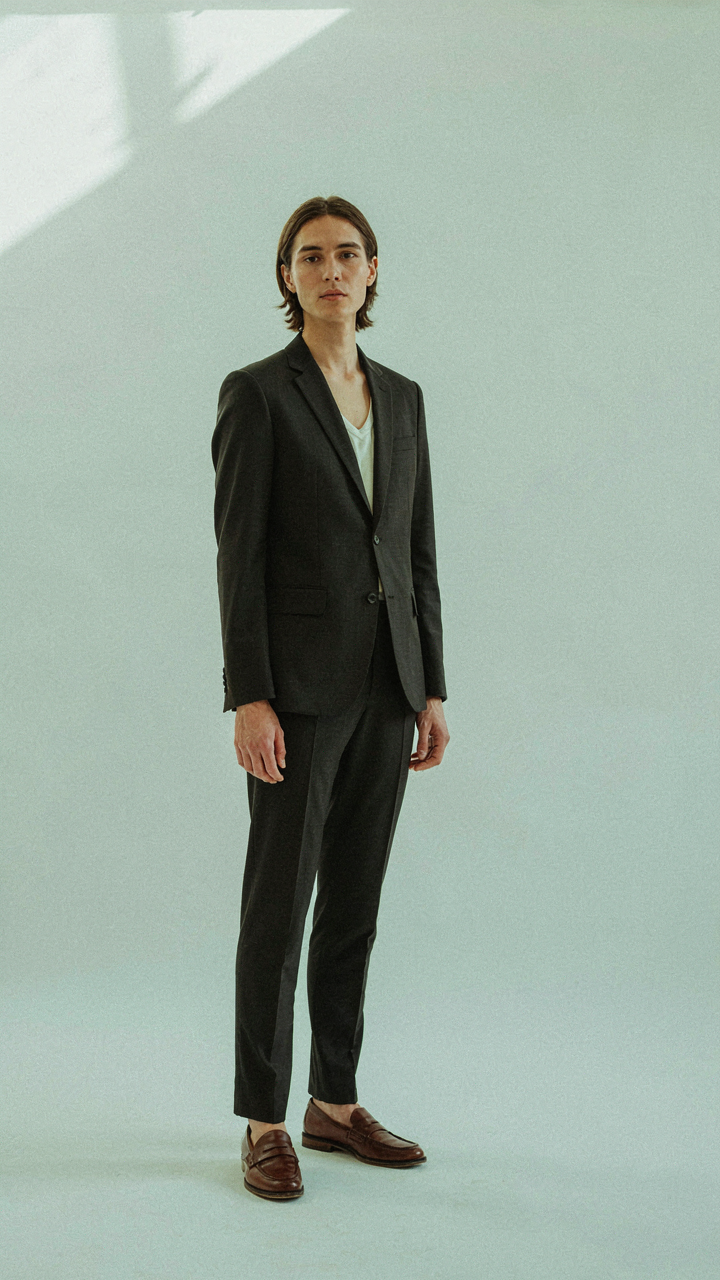
Grooming And Posture Shape Perception
You care about this section because you’re afraid clothes alone won’t work. That’s the real fear driving most people toward capsule wardrobe research. Here’s the mechanism: grooming operates like signal amplification in communications theory. Your clothes broadcast a message, but grooming and posture determine whether people actually receive it or dismiss it as noise. One cancels out the other instantly.

A fitted blazer worn with slouched shoulders reads as apathy. The same blazer with a shaved neck, trimmed nails, and squared shoulders reads as intent. The blazer didn’t change. You did.
- Hair: Clean, shaped within two weeks of the event. Flyaways and visible roots undermine everything else you’re wearing. A $25 trim costs less than replacing a ruined impression.
- Nails: Trimmed and clean. Visible dirt or ragged edges work directly against formal wear. This takes five minutes and signals whether you respect the event.
- Posture: Shoulders back, chin level, weight distributed evenly. Slouching adds five pounds and ten years. Standing straight adds credibility without spending money.
- Skin: Visible irritation, excessive shine, or visible flaking distracts from your outfit. Use a basic moisturizer appropriate for your skin type the morning of the event.
- Facial hair: Either fully shaved or intentionally groomed. Stubble that looks accidental reads as unfinished. Stubble that reads intentional requires visible maintenance and shape.
Most people skip this because it feels unglamorous compared to shopping for clothes. That’s backward thinking. A $200 outfit worn with poor grooming and collapsed posture performs worse than a $60 outfit worn with clean hands and a straight spine. The outfit is the vehicle. Grooming and posture are the fuel.
Confidence Works Because Of Contrast, Not Magic
Confidence isn’t an accessory you activate through positive thinking. Confidence is the absence of micro-behaviors that signal doubt. At a holiday party, everyone watches for tells: avoiding eye contact, touching your face repeatedly, adjusting your clothes constantly, standing at room edges. These actions create a gap between your outfit and your behavior. People notice the gap, not the clothes.
When your grooming is locked down and your posture is set, you remove the cognitive load of self-monitoring. You stop thinking about how you look because the basics are handled. This frees your attention to listen, respond, and move deliberately. That deliberation reads as confidence because it’s the opposite of the anxious fidgeting most people default to. Maintain posture, keep hands visible and still, look at people when they speak. That’s the entire protocol.
Curating Your Christmas Capsule Wardrobe 2024: The Annual Purge
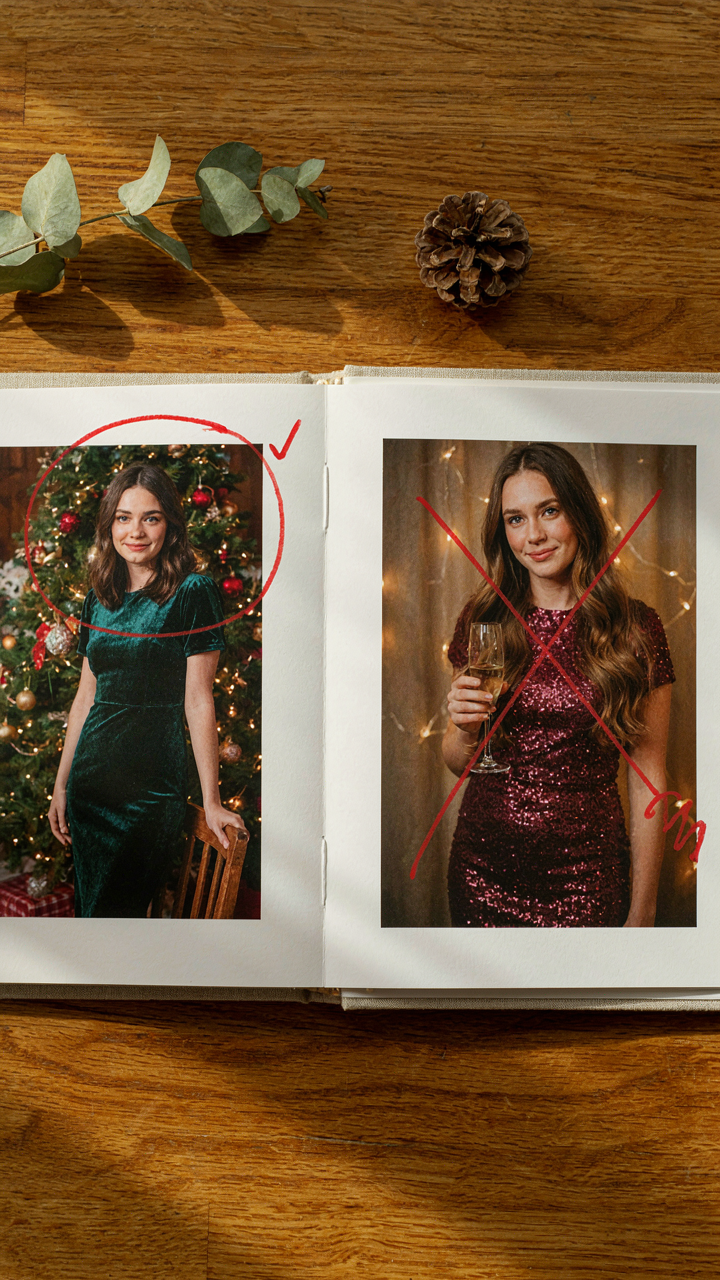
What Actually Worked Last Year
You’re doing this because you’re afraid you’ll buy the same mistakes twice. Here’s the mechanism: most people don’t track what they actually wore versus what they bought. You wore maybe four outfits to ten parties. The rest sat in your closet collecting dust and regret. Start there. Pull photos from last December. Count actual wears per piece, not potential wears.

This isn’t sentiment. A dress you wore twice deserves a second look. A blazer you wore zero times doesn’t. Wear count is your only honest metric. Most pieces fail because they don’t solve a real problem in your body or your schedule. Document what worked: fit, fabric, styling ease, temperature management. Build next year’s foundation from what you already proved.
Building In Decades Not Seasons
Trendy is the opposite of a capsule. A capsule wardrobe uses economic principles: you’re maximizing utility per dollar by minimizing unit cost per wear. When you buy something trending in December, you’ve locked yourself into a single year. Timeless pieces spread that cost across five to ten years minimum.
A well-cut black wool trouser works now, in 2026, and in 2030. A cream silk blouse has no expiration. Dark denim in a classic cut survives trend cycles. These aren’t boring. They’re efficient. They’re also easier to style with the smaller percentage of trendy pieces you do buy. The mechanism is simple: fewer total items worn more frequently means less decision fatigue and higher cost-per-wear value that justifies spending more upfront on quality construction.
The Myth Of Cozy Winter Fashion For Parties: Practicality Vs. Impact
Comfort Without Surrender
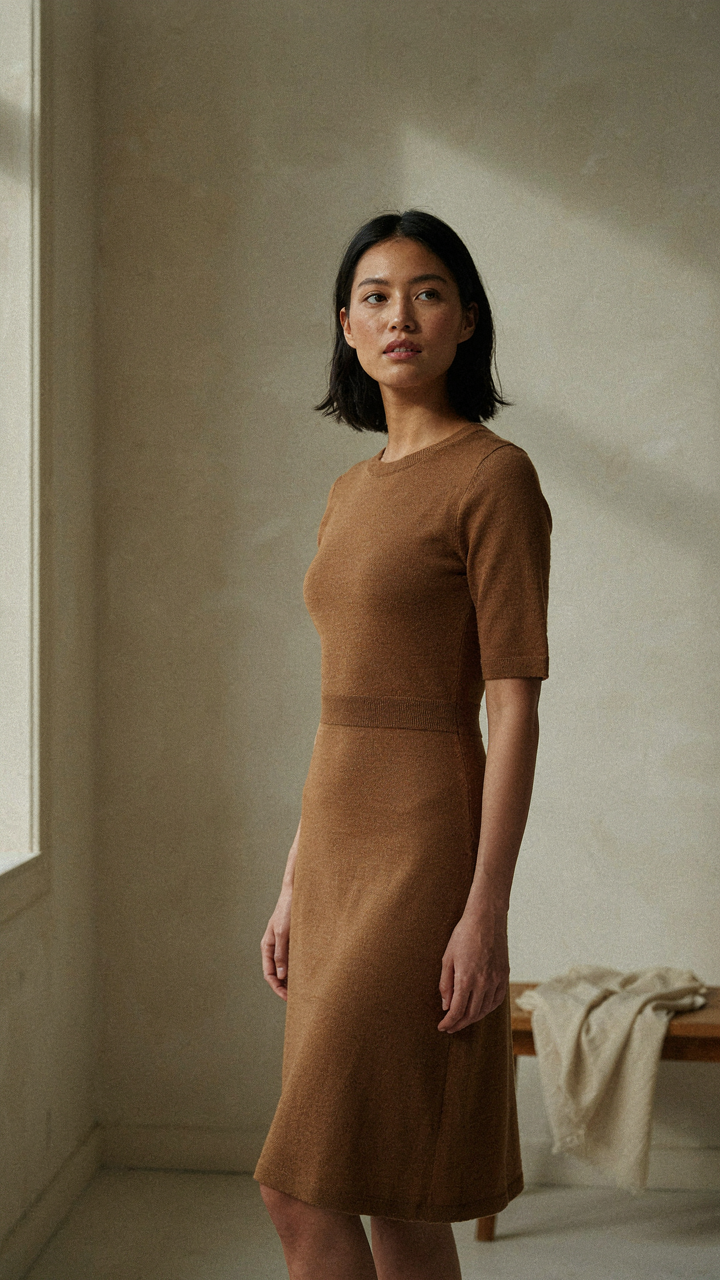
You want permission to show up looking relaxed because you’re afraid sharp dressing requires suffering. Here’s the mechanism: cozy fabrics signal retreat. Oversized knits, soft textures, and loose silhouettes work against you in crowded rooms because they absorb light instead of reflecting it. Your outline disappears. Tailored pieces with structure hold space visually, which is the entire point of dressing for a room full of people evaluating each other in seconds.

The real play is structured comfort. A fitted merino wool dress feels natural on skin but holds its shape. Tailored trousers in quality fabric move with you without bunching. High thread count cotton blends manage temperature without the “I’m hiding” vibe of oversized knitwear. The capsule works because you refuse the false choice between feeling good and looking intentional.
When Cozy Becomes Invisible
Strategic visibility operates like signal strength in communications. Weak signals get lost in noise. Oversized sweaters and relaxed silhouettes diffuse your presence across the room instead of concentrating it. You become ambient. The contradiction everyone misses: cozy fashion works at home because nobody’s competing for attention. At a holiday party, you’re in a field of other people all trying to matter.
Precision dressing cuts through that noise without adding discomfort. A slim-cut blazer over a fitted base, dark tailored pants, minimal accessories. You read as pulled together instantly. The actual mechanism isn’t rigidity. It’s definition. Your form and choices become legible from across the room in two seconds. That legibility is what changes how people interact with you. Show up cozy and you’ve already conceded the room.
The Real Problem Isn’t Your Closet; It’s Your Need For External Validation

You don’t need a holiday party capsule wardrobe because you lack clothes. You need one because you’re terrified of being seen twice in the same outfit. That fear runs deeper than fashion. It’s the belief that people judge your worth by your novelty. They don’t. They forget what you wore within hours. Build your capsule around what makes you feel capable, not what photographs well. Pick five pieces you’d wear anyway. Wear them. Stop performing for strangers who stopped paying attention the moment you left the room.