

Beyond The Gown: Re Evaluating Women’s Black Tie Attire
The Dress Trap
You’re looking for permission to break the rules without actually breaking them. The standard black tie gown exists because it solved a specific problem in the 1950s: how to signal formality while constraining female bodies into a narrow visual lane. That problem is solved. The mechanism that keeps most women locked into the same silhouette is not etiquette—it’s social inertia. Nobody enforces the gown. You do.
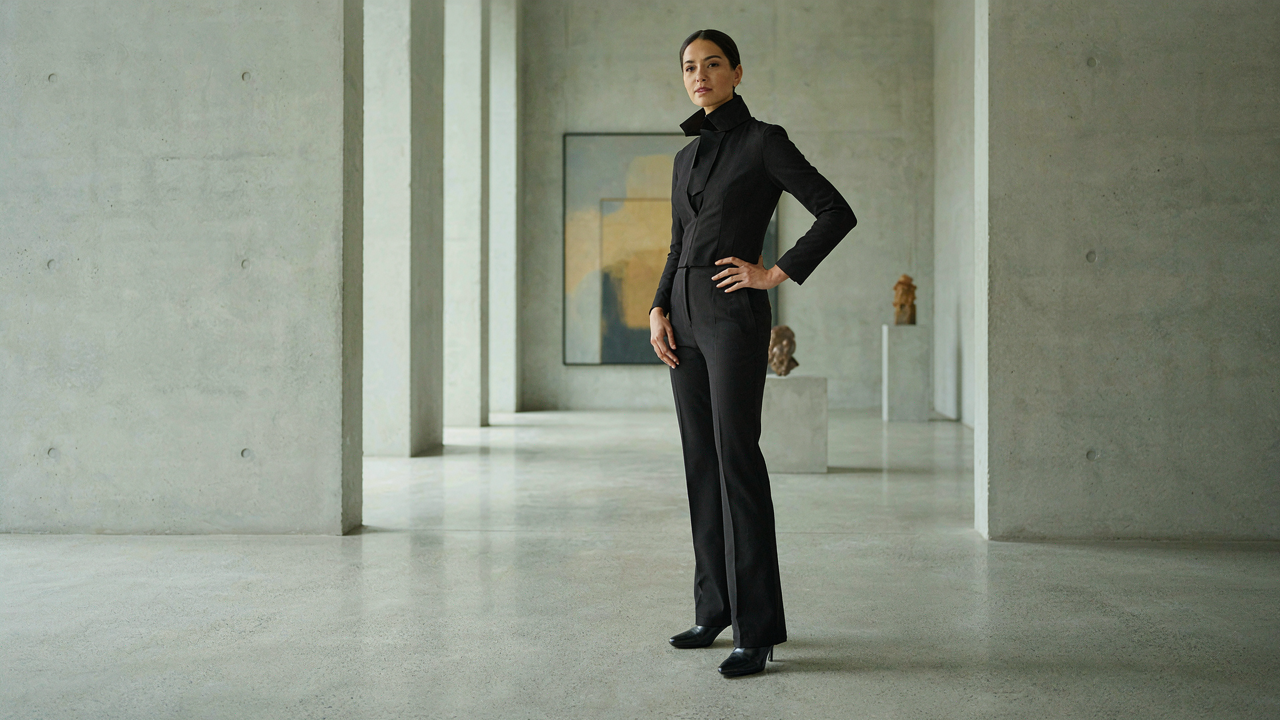
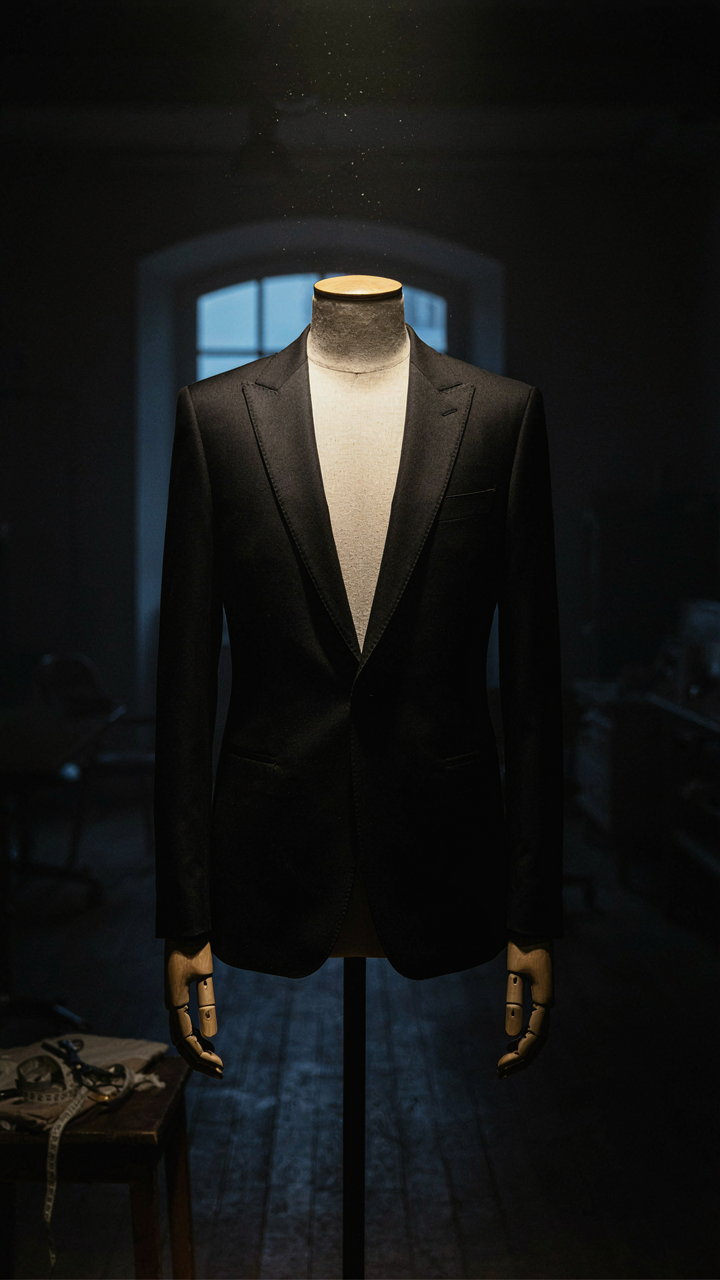
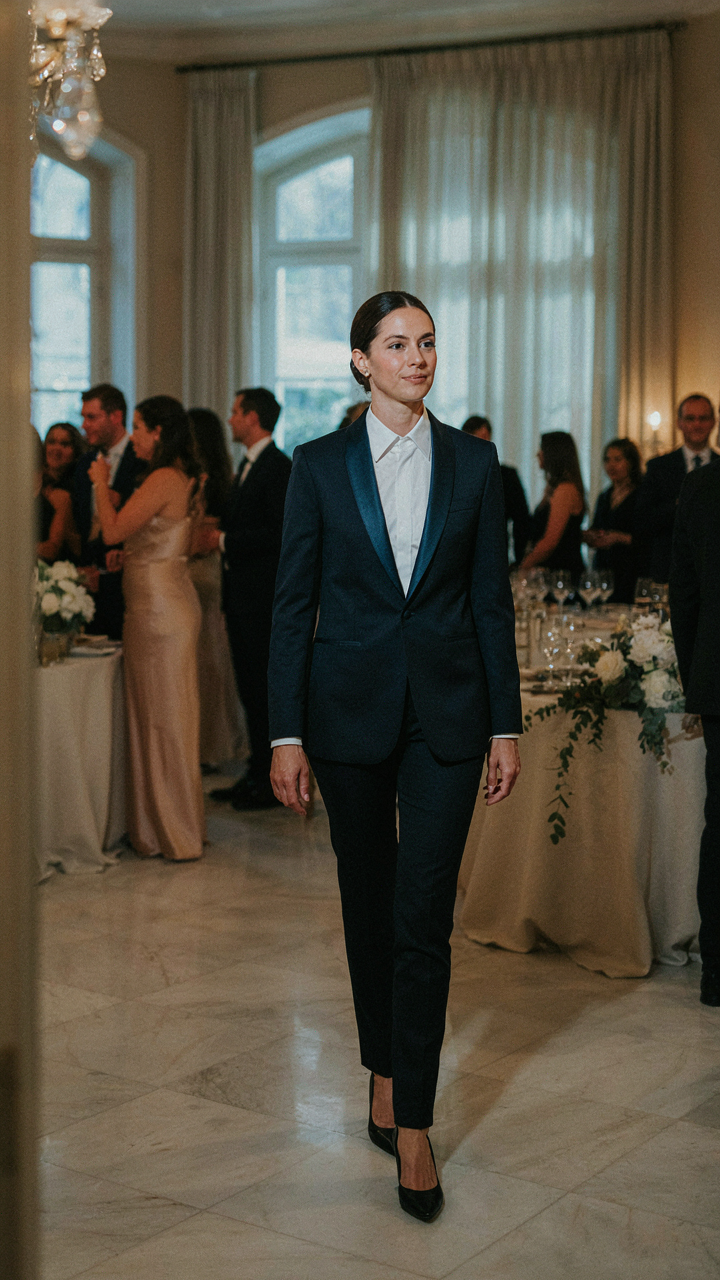
The real cost of the standard dress isn’t the dress itself. It’s the mental energy spent convincing yourself it’s your only option. Black tie attire for women has never required a floor-length gown. It requires black tie level construction, intentionality, and fit. A tailored tuxedo jacket with precise proportions reads formal because of its architecture, not its gender assignment. The fabric weight, seam placement, and finish matter infinitely more than whether you wear it over a skirt or trousers.
What Your Outfit Actually Says
Using signal theory from marketing, think of your black tie choices as brand positioning—not about who you want to be, but about what you’re willing to claim in a room full of people watching. The woman in the predictable gown signals compliance. The woman in a creative edit signals that she understands the code well enough to rewrite it.
This distinction matters because creative black tie attire demands technical knowledge to execute. You can’t pull off a structured pantsuit to a formal event without understanding how proportion, fabric drape, and tailoring fundamentals work. That knowledge itself becomes the signal. You’re not rebelling—you’re demonstrating mastery.
Deconstructing The Creative Black Tie For Women Dress Codes
The Non Negotiable Rules First
You want permission to break the rules without actually breaking them. That’s the real reason you’re reading this. The mechanism at work is constraint itself. Black tie exists as a visual language because it enforces specific signals: floor-length or midi silhouettes, covered shoulders or strategic exposure, dark palettes with limited accent colors. These aren’t arbitrary. They communicate formality and respect for the event’s stakes. Violate the foundational structure and you communicate disrespect, not creativity.

The rule set is tighter for women than men because the baseline expectation is different. A man in black tie has maybe five variables. A woman has twenty. This asymmetry isn’t unfair, it’s structural. Black tie for women means: the hemline hits at or below the knee minimum, the fabric reads expensive through weight and drape rather than decoration, and the silhouette acknowledges the occasion’s gravity. You don’t negotiate these. You work inside them.
Where The Real Leverage Lives
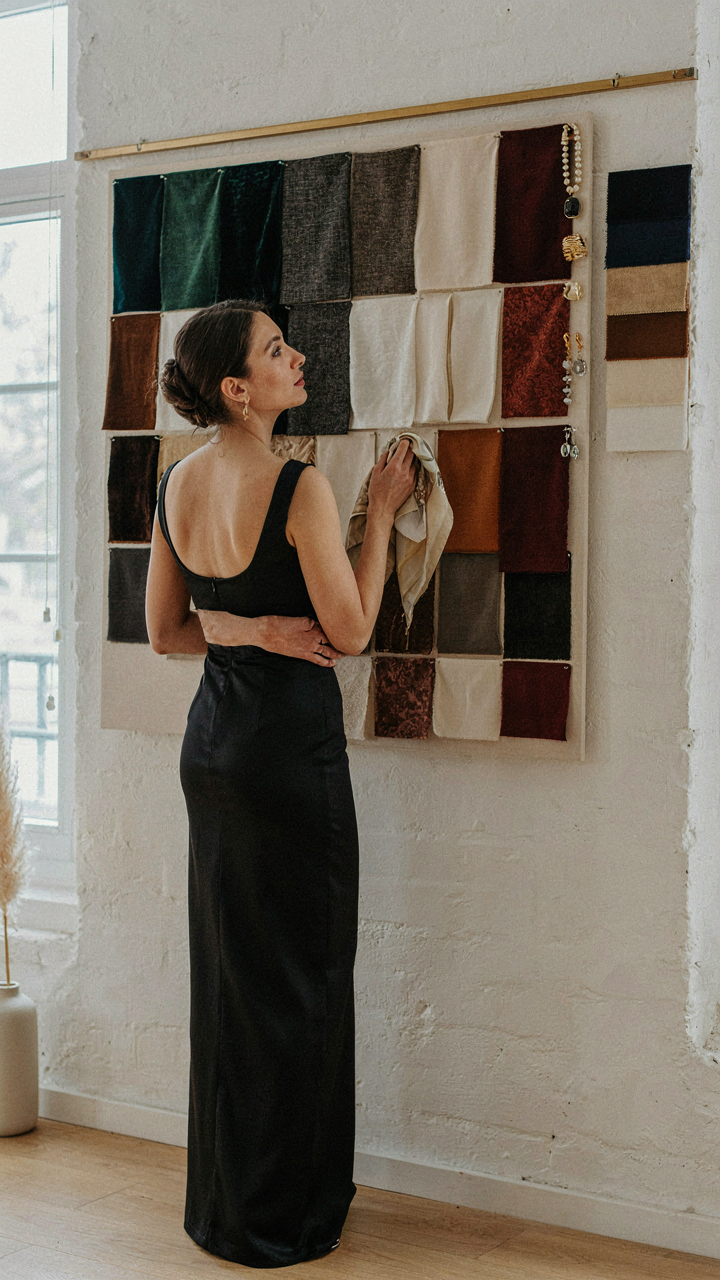
Most advice tells you to “add personality” or “mix textures.” That’s lazy. The real opportunity lives in material substitution and proportion manipulation while maintaining black tie’s visual weight. Think of it like economics: you have a fixed visual budget. You can’t add more, so you redirect it. Swap a standard satin for a crepe with matte finish. That’s not rebellion, that’s amplification.
The categories where you actually operate are neckline geometry, back treatment, and fabric finish. A halter neck instead of strapless keeps you formal while changing the shoulder line entirely. An open back with a single strap reads more architectural than a sheer overlay on front. A charcoal wool crepe instead of black silk creates depth without removing the formal signal. Pick one of these three to alter. Two maximum. Anything beyond that and you’ve abandoned black tie, not reimagined it.
The “Elegant Subversion” Protocol For Black Tie Wedding Guests
Know Where The Dress Code Actually Ends
You want permission to stand out without getting it wrong. The real mechanism is this: black tie has hard rules and soft rules, and most people confuse them. Hard rules are non-negotiable because they signal basic respect for the event’s formality level. Soft rules are where the dress code actually breathes. The difference determines whether you look intentional or careless. Conflating them is how women end up either invisible or inappropriate, with no middle ground.

Black tie’s hard rules come from military dress codes that predate modern fashion by centuries. Think of them as load-bearing walls in a building: remove them and the structure collapses. You must wear floor-length or midi silhouettes, closed shoes, a tailored top, and black or dark neutral as your base. You must avoid casual fabrics, bare shoulders without structure, and anything that reads as cocktail dress. The soft rules govern color accents, neckline depth, sleeve treatment, and texture play. This is where creative black tie attire lives, and where most guidance falls apart because it treats everything as equally risky.
Make One Strategic Pivot, Not Three
The common advice is “add personality through accessories.” That’s lazy and expensive. You end up buying jewelry and shoes to fix a dress that’s already wrong, which compounds the risk. The real strategy comes from constraint-based design: you pick one element to deviate on, then execute it so deliberately that it becomes the statement. Everything else stays locked in place. This isn’t rebellion. This is precision.
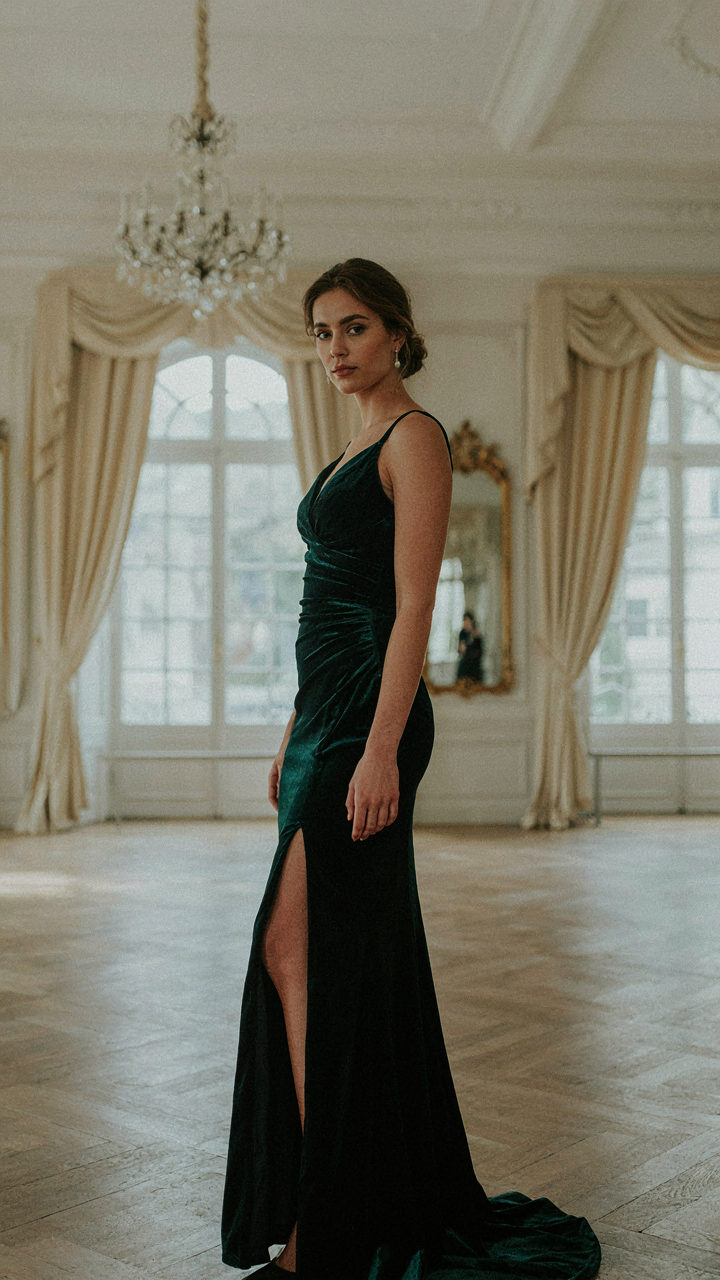
Your single pivot point should live in an area where the dress code permits variance without requiring apology. A neckline that sits higher on one shoulder. A slit that runs asymmetrical instead of centered. Fabric with dimensional texture like burnout velvet or structured organza layered over the base. Sleeves that go sheer or incorporate cutout geometry. A belt that adds architectural line rather than dangles. A back detail that commands attention while the front stays formally neutral. The mechanism is simple: one bold choice absorbs all the visual weight, so the rest of your silhouette can stay classically anchored.
Unlocking “Creative Black Tie” With Architectural Principles

Build Your Silhouette On Load Bearing Points
You want permission to break the rules without looking sloppy. That’s the real reason you’re reading this. The mechanism is structural integrity: in architecture, load-bearing walls carry weight and define the entire building. In creative black tie, your silhouette works the same way. A dramatic neckline, an asymmetrical cut, or unexpected fabric placement only reads as intentional when the rest of your outfit anchors the look through clean lines and deliberate proportion. Without this foundation, you get costume instead of design.

The common advice says “add bold pieces and let them speak.” Wrong. They scream. Your actual move is to identify one architectural feature that carries visual weight, then subordinate everything else to support it. A sculptural shoulder doesn’t work if your hemline is also competing for attention. Choose your load-bearing wall first. Then build everything else to reinforce it, not distract from it.
Negative Space As Strategic Absence
Strategic emptiness does more work than fabric. This borrows from minimalist design principle: absence creates presence. Black tie traditionally fills every inch with material and coverage. Creative black tie inverts this. A cutout at the ribs, an open back, or a slit positioned for proportion doesn’t feel exposed because the negative space becomes part of the geometry. It’s calculation, not impulse.
Your skin becomes a design element only when you’re selective about where it appears. Place negative space where it interrupts predictable coverage without breaking the silhouette’s internal logic. A keyhole cutout at the sternum works because it’s symmetrical and centered. Random cutouts read as trying too hard. The rule is this: every opening should answer the question “why here and not there.” If you can’t answer it, the space isn’t strategic, it’s decorative.
The Power Suit: A Black Tie Wedding Guest Dress Alternative
Fabric Selection That Reads As Formal
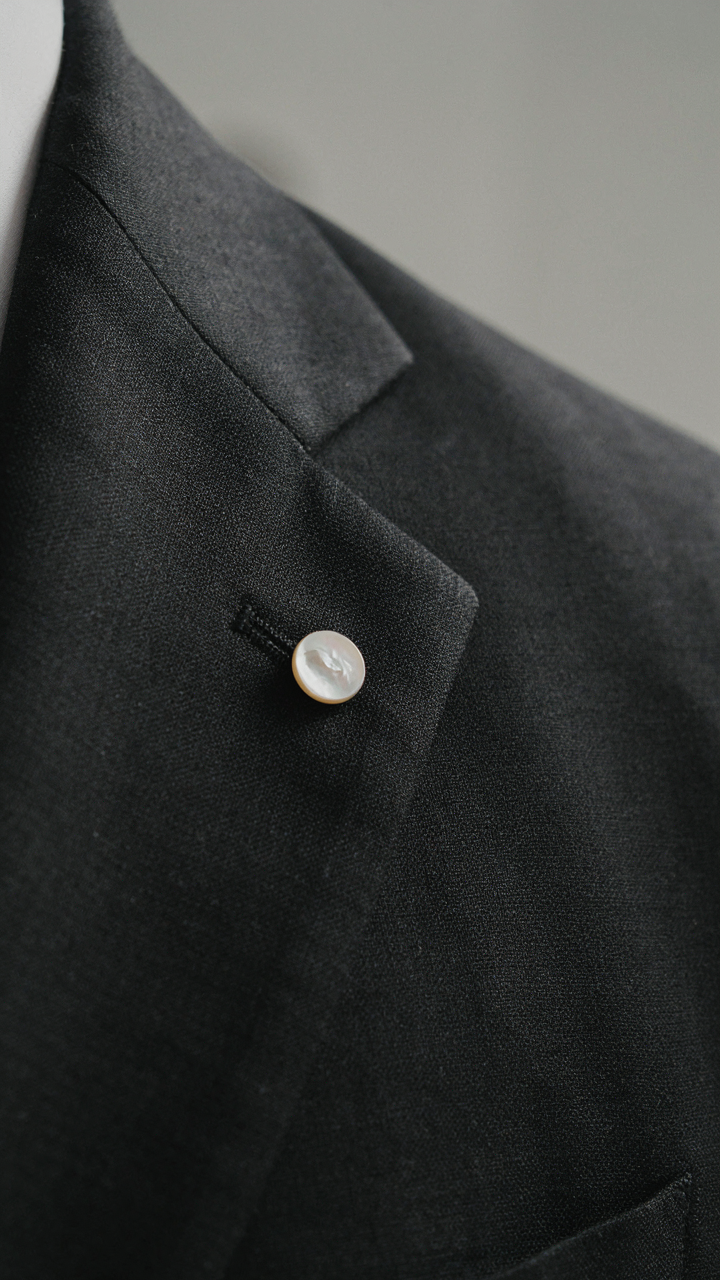
You want permission to break the dress code without looking like you didn’t try. That’s the real calculation here. The mechanism is simple: fabric weight and sheen signal formality faster than silhouette does. Black tie expects optical density and light reflection. A power suit in gabardine or wool crepe achieves this. Cotton blends and matte jersey fail because they read casual. The fabric does the heavy lifting so you don’t have to.

Silk blends, technical wools, and structured cotton-linen combos work because they hold structure under pressure and catch light deliberately. Avoid anything that wrinkles visibly or drapes like loungewear. The suit jacket fabric should have enough body to hold a crisp edge at the lapel. Double-breasted construction demands heavier material, typically 250 to 300 grams per square meter. Single-breasted suits tolerate slightly lighter weights but not flimsy ones. Buy a swatch if the retailer allows it. Feel it against your skin and observe how light hits it under indoor lighting, not natural daylight.
Tailoring That Commands The Room
Fit is not negotiable in formal contexts. Borrowed frameworks from architecture apply here: load-bearing points determine structural integrity. The shoulder seam, jacket length, and button stance are your load-bearing points. A poorly tailored suit reads as an attempt, not a decision. Your tailor should understand that black tie requires precision beyond standard alterations. Sleeve length lands at the wrist bone with a quarter-inch of shirt cuff visible. Jacket hem sits at your knuckles. The button placement on the chest must sit centered on your sternum, not drift toward your ribs.
Structured black tie attire demands intentional tailoring choices that most women skip. Request a curved side seam instead of a straight one if your tailor can execute it. The back vent or center vent should hang without pulling. Pant or skirt breaks should be minimal, almost invisible. Your tailor must taper the jacket through the waist without creating pulling across the shoulders or chest. Have alterations completed at least two weeks before the event to allow for fit verification and final tweaks.
Beyond The Gown: Creative Black Tie For Women
Separates And Structured Layering
You want permission to skip the dress code without looking like you’re skipping it. The mechanism is simple: black tie demands formality through fabric weight and structure, not silhouette. A jumpsuit hits this requirement harder than most gowns because it signals intentionality. You chose this. You didn’t default into it.

Separates work because they compress visual information. A tailored black blazer over silk trousers reads as formal the moment someone sees the shoulder construction and lapel weight. Add a structured strapless or off-shoulder top underneath and you’ve inverted the hierarchy without breaking it. Layering in black tie isn’t decoration. It’s strategic occlusion that forces the eye to process formality across multiple planes instead of one surface.
Texture As Structural Language
Fabric finish determines how formal something reads, but most women treat it as decoration. Wrong. In architecture, texture creates shadow and depth that changes how a surface appears to the human eye. Apply this: matte finishes absorb light and read as more formal than shine. A matte silk charmeuse or heavy crepe commands respect differently than satin.
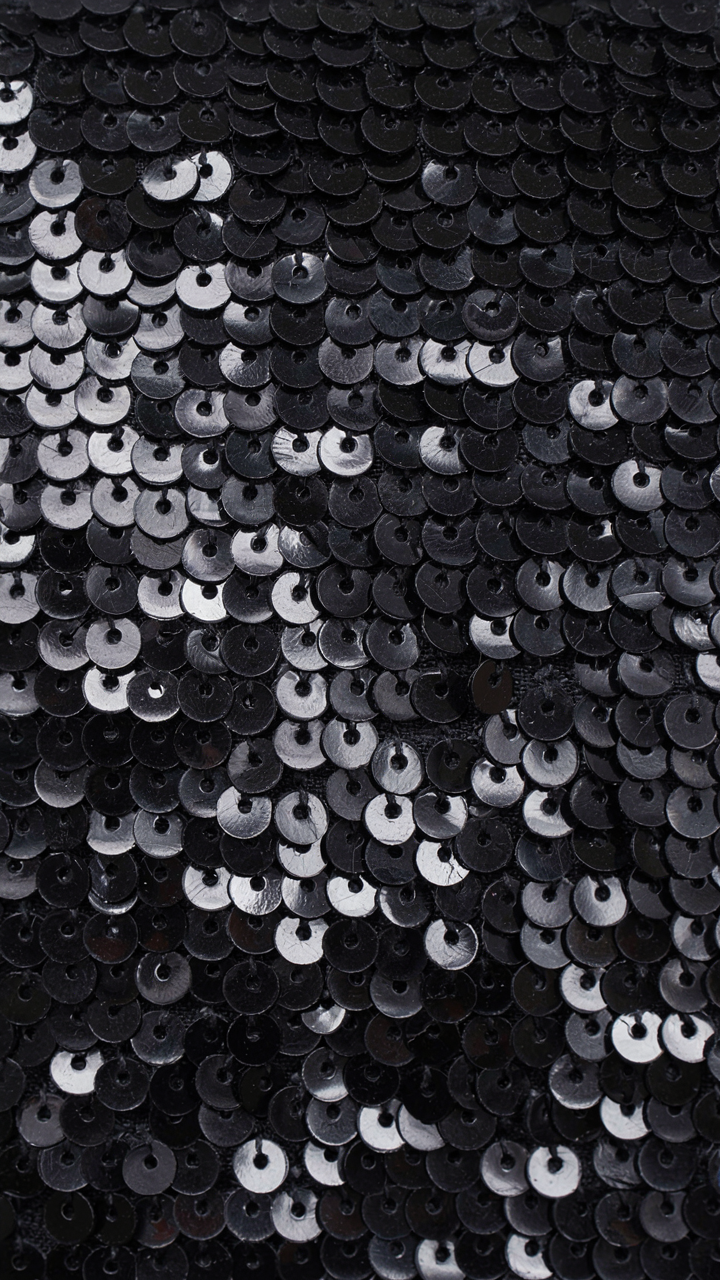
Unexpected textures work in black tie when they maintain tonal unity and surface tension. Mesh inserts, subtle quilting, or structured pleating add dimension without color breaks. Leather detailing on a black evening piece works because leather has weight and control. Sequins work only if they’re tonal and densely placed so they read as texture, not pattern. The rule is not “add texture.” The rule is “change how light behaves on the surface while keeping the formal read intact.”
The Accessory Deception For Your Black Tie Wedding Guest Dress
The Math Of Subtraction
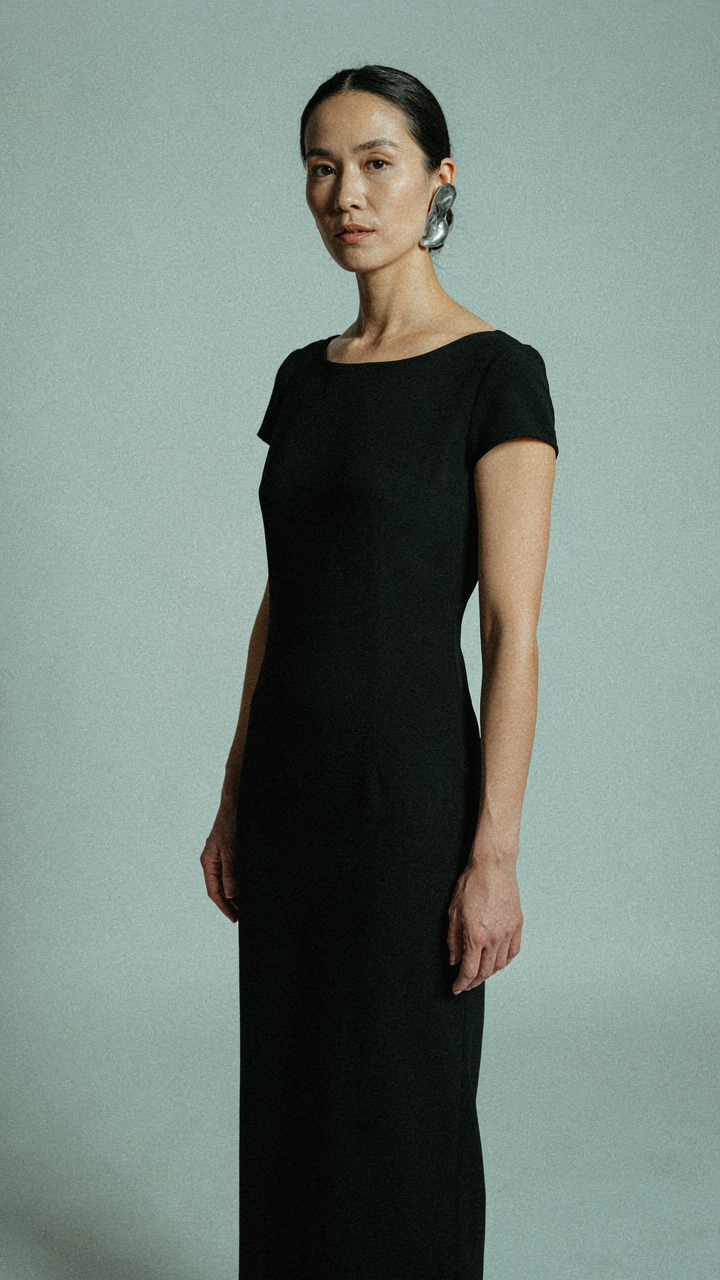
You’re worried that a simple black tie dress won’t signal enough status or effort. That’s the real anxiety here. But here’s the mechanism: black tie operates on scarcity economics. Constraint creates perceived value. The fewer pieces you add, the more expensive each one reads. A woman in a clean black gown with one striking earring registers as intentional. A woman layered in four accessories reads as uncertain about what she’s wearing.

Most advice tells you to “let your accessories shine” or pile on pieces to create impact. That’s backwards. The black tie code itself is about restraint. When you subtract, each remaining element gains weight. One piece anchors the entire look. Two pieces create narrative. Three pieces start to dilute attention. The protocol is simple: choose your focal point, then stop.
Statement Pieces Without The Noise
A statement piece in black tie means something earned its place, not something that screamed loudest in the store. A 1920s art deco brooch works because it references actual design history and holds construction detail that reads as material quality. A pair of chandelier earrings works because light interacts with the stones in a way that draws the eye deliberately, not by accident.
The difference between a statement piece and clutter is intentionality tied to visual logic. If your dress is texture-heavy, your accessory should be minimal geometry. If your dress is minimal, your accessory can carry pattern or sculptural weight. This isn’t taste. It’s contrast. Choose one accessory that directly opposes your dress’s dominant visual quality, then execute nothing else beyond shoes and a clutch. That creates the mechanism of restraint that black tie actually rewards.
Footwear And Hair: The Unsung Heroes Of A Dress For Black Tie Event
When Shoes Become The Argument
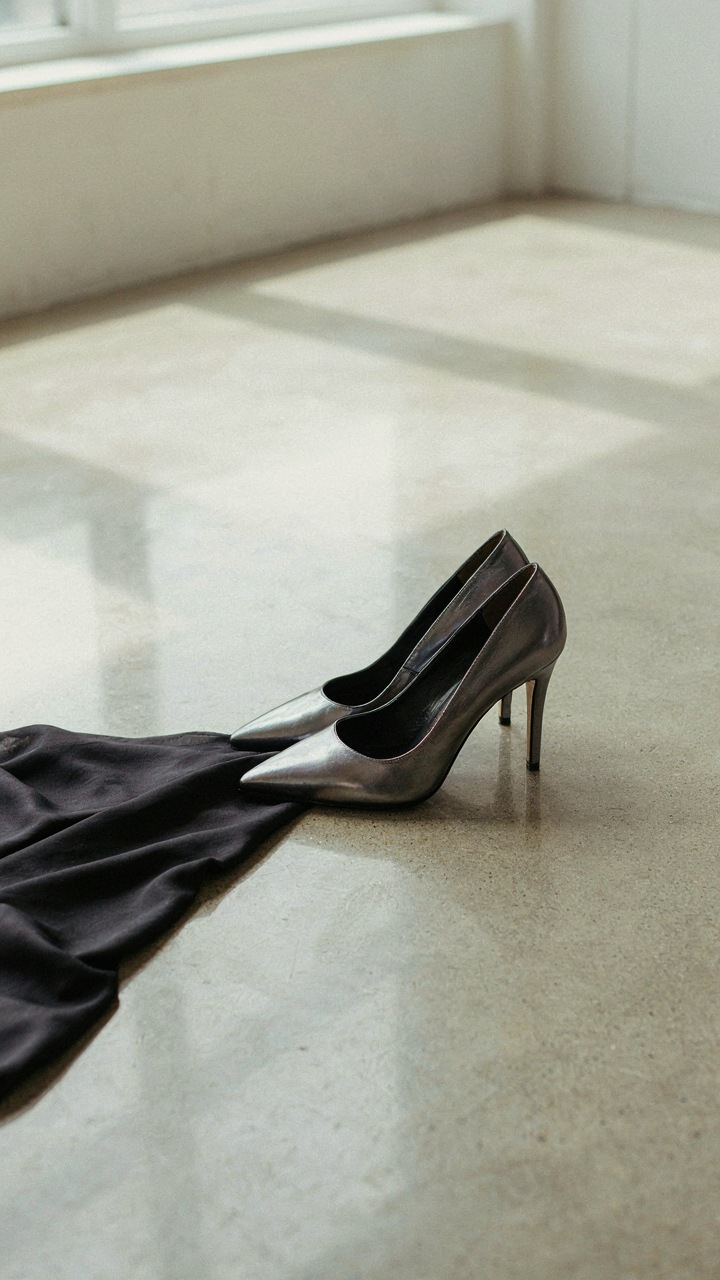
You’re hoping shoes let you off easy. They won’t. Footwear at black tie either anchors your entire statement or betrays it. The mechanism is simple: shoes carry weight differently than fabric. A conservative dress paired with architectural heels or unconventional materials signals intention. A traditional dress paired with the same signals capitulation. You’re not choosing shoes. You’re choosing whether you’re present in the room or apologizing for being there.

Black tie footwear conventions exist for a reason—they ground formality. But breaking them works only when you understand the grammar first. Satin pumps remain the default because they disappear into the visual hierarchy, letting the dress dominate. Metallic leather, sculptural heels, or statement flats force a conversation between foot and garment. The conversation must feel deliberate, not accidental. A matte black leather sandal with minimal strapping reads as thought. The same shoe in patent reads as oversight.
Hair As Visual Weight Distribution
Borrowed from graphic design, negative space determines composition impact. Hair functions as negative space around your face and shoulders. Most women treat hair as decoration when dressing for black tie. This is incomplete. Your hair mass, texture, and placement either amplify or dilute the dress’s impact. A dress with elaborate beading benefits from clean, pulled-back hair that doesn’t compete for visual attention. A minimal slip dress demands hair that creates its own architecture. The dress doesn’t exist in isolation. Your head is the anchor point for everything below it.
The mistake advice makes here is universal recommendations. “Sleek hair is always safe.” No. Safe is the opposite of creative black tie. Sleek hair works when your dress has movement or complexity. Textured updos, braids, or voluminous styles work when your dress is restrained. Match visual weight, not formality level. Pull hair back where the dress front is detailed. Leave hair down or textured where the dress back commands attention. Build a sight line from face to feet. Inconsistency reads as negligence.
The Dan Koe Approach: Owning Your Black Tie Attire
Confidence As A Non Negotiable Foundation
You want permission to stand out without social consequence. Here’s the mechanism: confidence isn’t a feeling you generate—it’s a decision you make about what you wear before you leave home. The moment you second-guess your outfit choice, that hesitation broadcasts louder than any fabric or cut. Black tie events operate on a rigid social contract, which is precisely why deviation works. Everyone expects compliance, so the person who shows up with intention reads as someone who knows something others don’t.

Owning your attire means making one deliberate choice and defending it internally. Skip the mental loop of “is this too much” or “will people judge me.” People judge either way. A tailored tuxedo jacket in midnight blue with a structured white shirt sends the same signal of authority as traditional black, but only if you move through the room like you chose it for a reason. Your body language communicates before anyone registers the color. Stand still, make eye contact, speak without qualification.
Breaking The Imitation Trap
Most advice tells you to “interpret the rules” or “add your personality.” That’s incomplete. The real problem is copying other women’s creative choices instead of building your own. You see an influencer in a black tie with a sheer overlay or statement jewelry and think replication equals creativity. It doesn’t. Imitation reads as borrowed confidence, which collapses the moment you’re in a room with the original or someone who saw it first.
The mechanism here comes from economics: differentiation requires asymmetric information or unique constraints. You have something no one else has—your specific body, your specific context, your specific reason for attending. Use one of those three as your anchor point. If you’re attending as a professional in your industry, lean into that. If you have a physical attribute that works with unexpected silhouettes, exploit it. If you’re there representing something, wear that lens. Don’t ask what looks creative on Instagram. Ask what serves your actual position in the room.
The Real Limitation Isn’t The Dress Code; It’s Your Imagination Shackled By Generic Advice
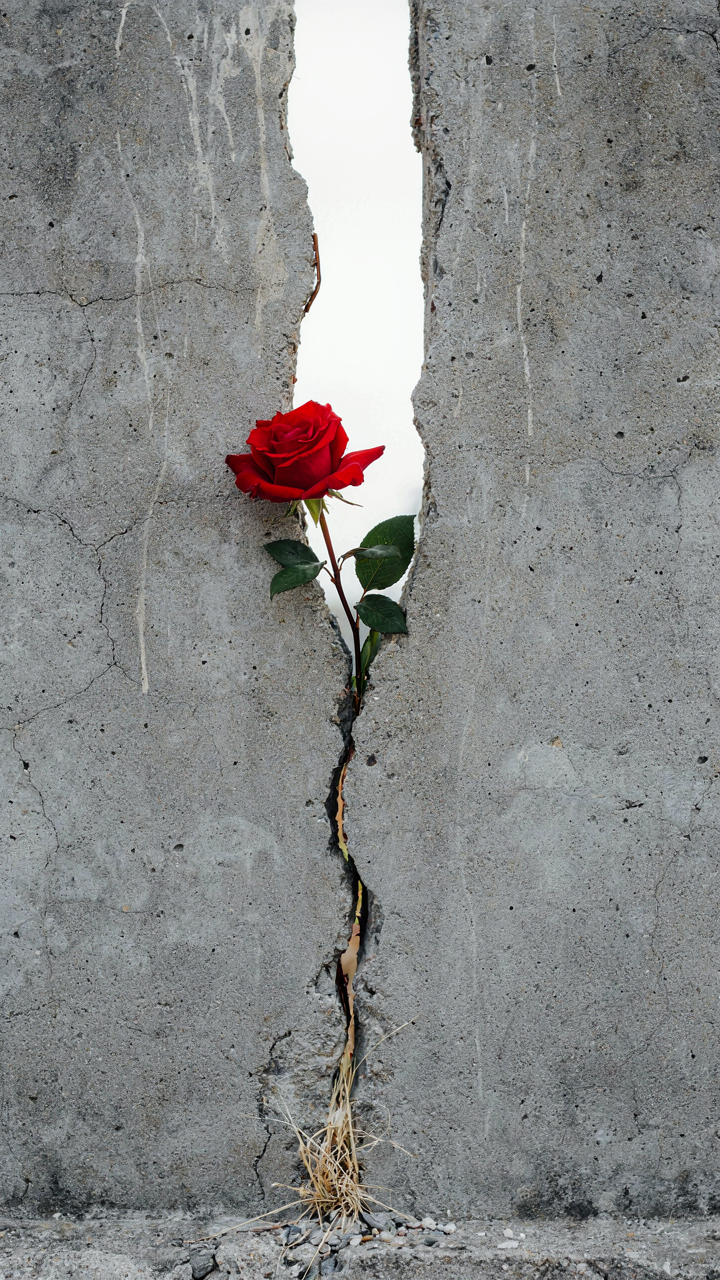
Black tie isn’t a prison. It’s a playground for people bold enough to use it. The women winning aren’t the ones following rules they never agreed to. They’re the ones who looked at a dress code and asked “what if” instead of “what’s allowed.” Stop asking permission from strangers on the internet. Pick one unconventional element today, commit to it, and watch what happens when you stop seeking approval for your own appearance. Your outfit won’t change the world, but your refusal to disappear into the crowd might.



