

The Unspoken Rules Of Country Club Wedding Attire

Decoding What The Invitation Actually Says
You’re worried about showing up wrong. That fear is legitimate because dress codes function as membership tests, and country clubs exist to enforce social sorting. The mechanism is simple: invitation language reveals the club’s risk tolerance and how much deviation they’ll permit.
“Black tie” at a country club means tuxedo with jacket, not negotiable. “Cocktail attire” means dressy separates or a dress, but you can’t wear what you’d wear to a casual dinner. “Dressy casual” is where clubs signal flexibility without abandoning standards. Read the invitation word-for-word. If it says nothing, call the couple or the club directly. Guessing costs more than a two-minute phone call.
The Venue Itself Dictates Your Move
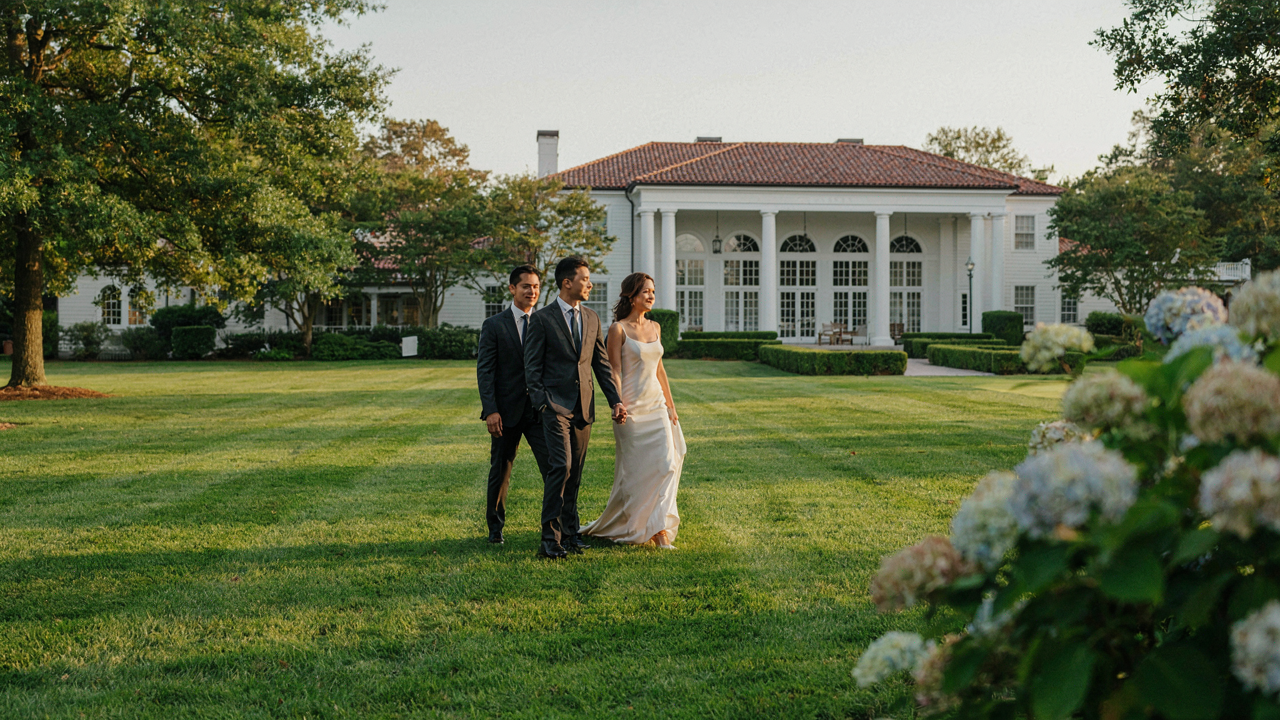
Country clubs weren’t built yesterday, and their architecture enforces dress codes before any words do. A club with a formal ballroom, marble floors, and oil paintings on the walls expects formality. A club with a modern pavilion and outdoor ceremony space permits more ease. Venue design is essentially frozen culture, and you dress to match the building’s statement about itself.
Visit the club’s website and look at photos of the actual space where the reception happens. Check the flooring material, the lighting type, and whether staff wear uniforms in the pictures. These details tell you whether to wear heels or flats, whether a structured jacket works or reads as overdone, whether metal jewelry feels right or too formal. The architecture makes the first judgment about appropriateness, and your outfit either honors or ignores it.
Guest Outfit: The Spectrum Of “Appropriate”
Black Tie Optional: The Safe Bet
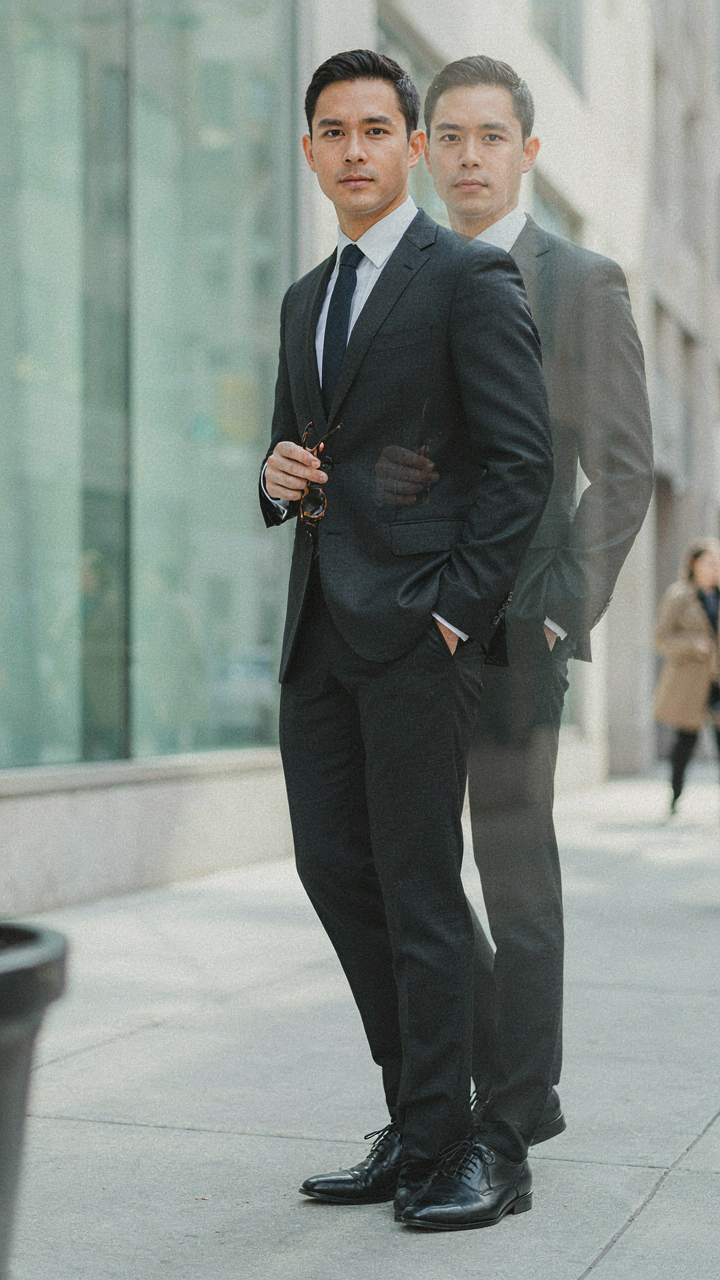
You’re worried you’ll underdress and look cheap. The real mechanism is that “Black Tie Optional” transfers risk from the couple to you. It means the hosts won’t enforce formality, so you can read the room without consequence. A tuxedo works. A dark suit works. Navy blazer with dress pants works. The phrase exists because country clubs attract people with different financial comfort levels, and the hosts know it.

The move here is literal compliance without strain. Dark colors, tailored fit, closed shoes. If you own a tuxedo, wear it. If you don’t, a charcoal or navy suit in natural fibers beats renting something that fits poorly. Shoes matter more than most people admit. Scuffed leather or worn soles signal negligence faster than anything else. Wear what you already own well rather than what you think you should wear poorly.
Cocktail Attire: Elevated, Not Overstated
Cocktail sits one step below Black Tie Optional in formality hierarchy. Most advice tells you to “dress up” without naming what that means. It means tailored separates, not formal eveningwear. A blazer with dress trousers. A structured sheath dress with a cardigan. Polished loafers instead of sneakers. The threshold is precision and fit, not price tags or brand names.
Country club cocktail weddings expect grooming as much as garments. Pressed fabrics, clean nails, shoes without scuffs. You’re signaling you took thirty minutes to prepare, not that you own expensive things. The protocol is simple: choose pieces that fit your frame without pulling or bunching, use neutral colors as your base, and add one intentional accessory that shows you thought about it. That’s the whole mechanism.
The Status Signaling Protocol For Wedding Guest Looks
Scarcity Determines What You Actually Wear
You care about this section because you’re afraid of looking poor relative to the crowd. Here’s what nobody says plainly: country club weddings operate on an economics principle called scarcity of ostentation. The wealthier the venue, the more restrained the dress code becomes. Quiet luxury—expensive fabrics, minimal logos, tailored fit—signals resources because only people with money can afford to dress down and still belong.

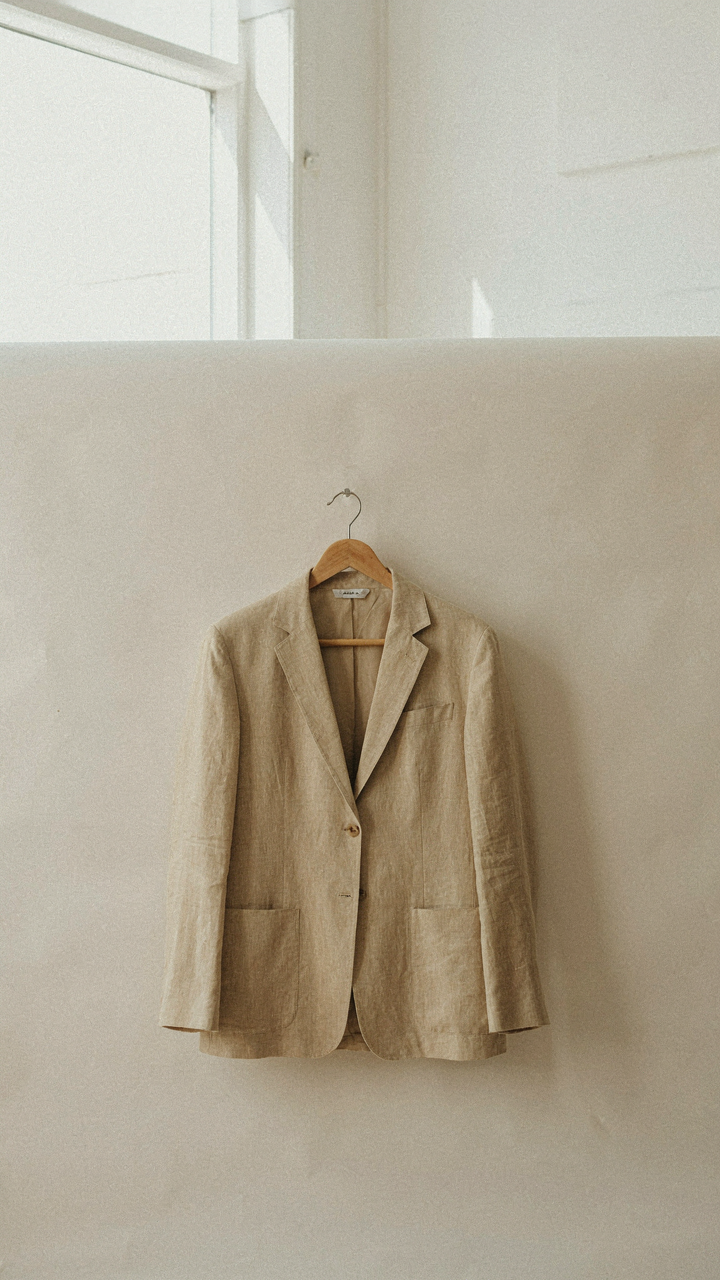
The club’s membership fee already filters the room. Guests don’t need to prove wealth through volume of fabric or jewelry. A guest wearing a $3,000 dress from an unknown designer reads as trying. A guest in a $200 linen blazer with perfect tailoring reads as knowing. The mechanism works backward from what most people assume: less visible effort signals more actual resources.
The Uniform Logic Of Belonging
Mimicry in biology describes how organisms adopt the appearance of their environment to survive. At country club weddings, your outfit functions as adaptive camouflage. The dress code isn’t loose—it’s a uniform disguised as a suggestion. Everyone wears the same silhouette, palette, and finish because deviation signals you don’t understand the social script.
Women wear sheath dresses in navy, cream, or muted jewel tones with structured jackets. Men wear navy or charcoal suits with no pattern. Fabrics stay matte: cotton, linen, wool, silk. The uniformity isn’t accidental. It’s the protocol that lets you disappear into the group rather than stand out as an outsider trying too hard. Match the pattern first, then work within it.
Common Traps: What To Avoid At A Country Club Wedding
Underdressing: The Real Cost Of Being Casual
You’re afraid of looking like you’re trying too hard, so you underdress instead. The mechanism is simple: country clubs operate on a signal system where your clothes communicate membership status and respect for the institution. Show up in business casual at a black-tie country club wedding and you’ve signaled that either you don’t understand the rules or you don’t care about them. The host notices. The other guests notice. You become the reference point for what not to wear.

Underdressing isn’t humble. It’s a breach of contract. The couple invited you to a specific venue with specific standards. Ignoring those standards means you’ve decided your comfort matters more than their event. Khakis and a button-down might work at a casual outdoor wedding, but they fail at a country club where dress codes exist precisely to maintain visual coherence. Check the invitation. If it says formal or black-tie, treat it as non-negotiable. Your job is to blend into the intended aesthetic, not stand apart from it.
Overdressing: When Status Becomes Visibility
Wearing more formal attire than the code calls for reads as one thing: you’re trying to be seen. Economics teaches us the concept of signaling, and in country club settings, oversignaling creates friction. If guests arrive in cocktail attire and you show up in white-tie formality, you’ve made yourself the visual hierarchy violation, not the standard-setter. You’ve drawn attention to yourself instead of letting the event breathe around you.
The miscalculation happens when people confuse “better dress codes equal better outfits.” They don’t. A perfectly executed cocktail look outperforms an overdone formal look every time. Match the code precisely. Wear the appropriate tie or no tie. Choose the right shoe formality level. The goal isn’t to signal that you own more formal clothes than everyone else. It’s to disappear into the intended dress framework so the couple and the event stay central. Overdressing breaks that contract just as much as underdressing does.
Fabric, Fit, And Finish: The True Markers Of Class
Material Quality Over Brand
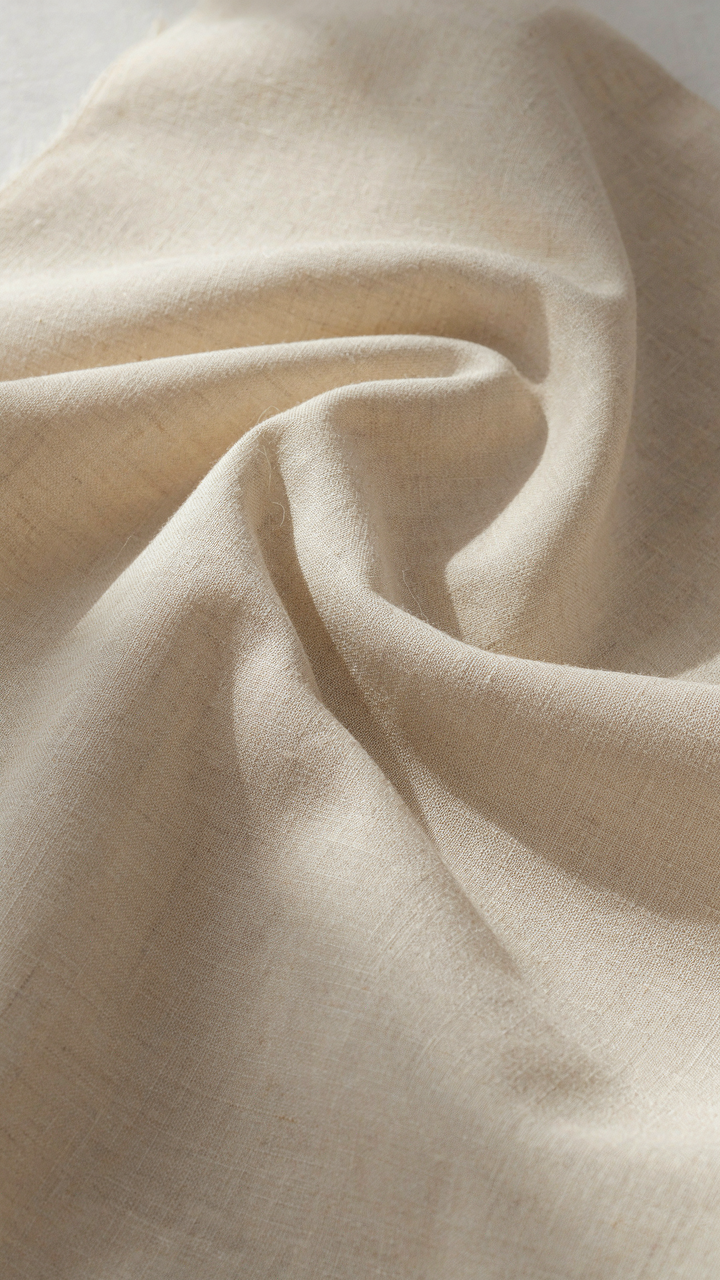
You’re worried a visible label won’t signal that you belong there. That’s the real fear driving this. But here’s the mechanism: fabric quality communicates through physics, not branding. Better materials hold structure, drape predictably, and age visibly. A person trained in textiles can identify a sixty-dollar silk blend from across a room because the light reflects differently. The fiber composition determines how cloth moves against your body and how long it survives cleaning. That’s the actual signal.

Natural fibers perform at country clubs because they handle the specific demands of that environment. Wool, silk, cotton, and linen breathe in climate-controlled rooms and maintain shape through multiple wearings without pilling or fading. Synthetic blends cheapen faster, show wear patterns sooner, and lack the subtle depth that comes from natural fiber aging. A seventy percent wool blazer costs more upfront but looks intentional five years later. A pure polyester garment looks intentional for one season.
Tailoring Is Non Negotiable
You already know tailoring matters. Everyone says so. But most people still show up in off-the-rack fits and convince themselves it’s acceptable. It isn’t. Tailoring isn’t decoration or luxury—it’s the difference between a garment fitting your actual body versus a theoretical body. A blazer that gaps at the shoulders or pulls across the chest signals you bought clothing without considering whether it belonged on you. The fit determines whether fabric quality even registers to an observer.
Start with inseams and sleeve length. These are the non-negotiable measurements. Pants should break once at the shoe, not bunch or flood. Suit jacket sleeves should end at your wrist bone with a quarter inch of shirt cuff showing. Button stance matters too—the button should sit at your narrowest point, not two inches below where your waist actually is. Get these three things tailored before you wear the outfit anywhere. That step alone separates you from ninety percent of guests.
The Accessory Edge: Elevating Your Guest Attire
Shoes And Bags That Signal Intent
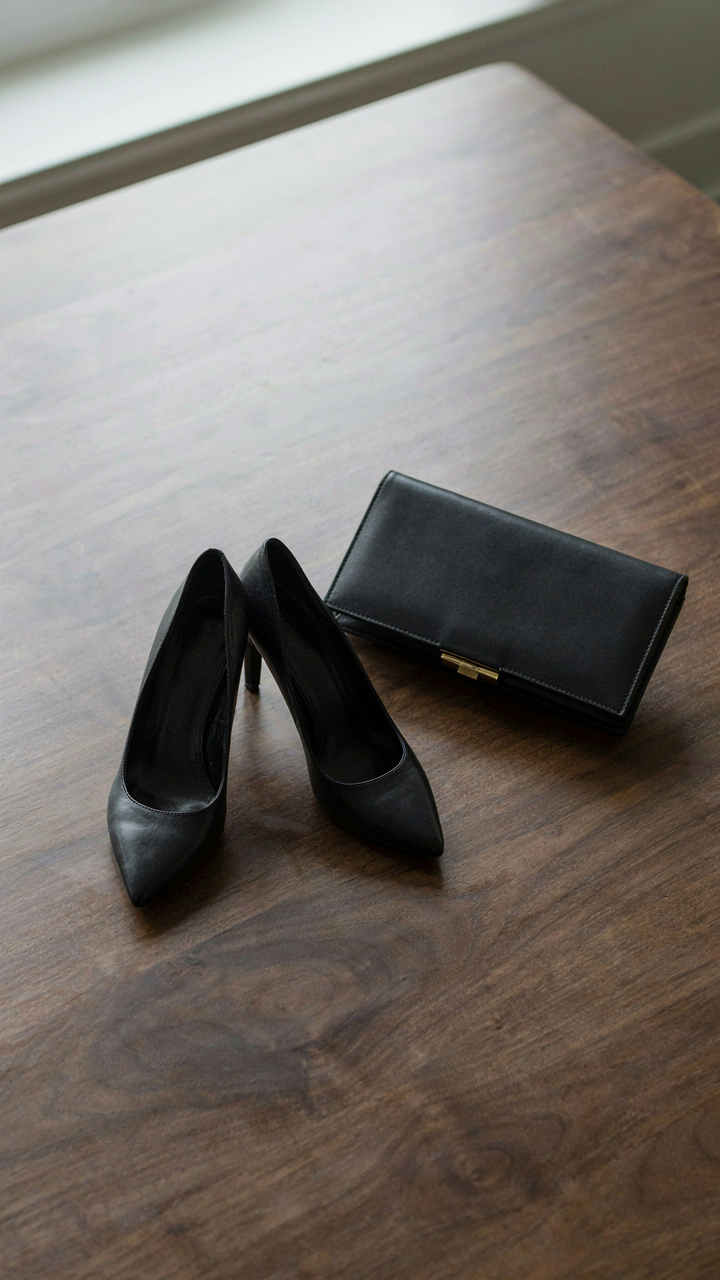
You’re worried people will judge you for getting details wrong. They will, because accessories telegraph whether you understand the room or crashed it by accident. Think of accessories through signal theory: every piece broadcasts information about your competence and respect for the event.

Shoes at a country club wedding are structural, not decorative. Leather oxfords, loafers, or closed-toe pumps work because they’re built for formality and last decades. Scuffed shoes or novelty materials announce you don’t attend these events regularly. Bags serve one function: carry what you need without drawing attention. A structured leather clutch or small shoulder bag in black, navy, or cognac does the work. Oversized or trendy bags signal you’re dressed for somewhere else.
Jewelry That Doesn’t Announce Itself
Restraint is harder than excess, which is why most people get this wrong. The real mechanism is density: fewer pieces worn strategically carry more weight than layered chaos. Country club culture runs on inherited taste, and inherited taste never shouts.
A watch, one ring, and either earrings or a necklace is the protocol. Metal should match your other metals. Gold stays gold. Silver stays silver. Skip statement jewelry, body chains, and anything that requires explanation. The goal is refinement through omission, not self-expression through accumulation. Pearls work because they read as established, not because they’re trendy. One piece that fits the occasion beats five pieces that compete for attention.
Seasonal Adaptations For Country Club Wedding Guest Outfit

Spring And Summer Dressing
You’re worried about looking out of place, which means you’re thinking about this wrong. The mechanism here is thermal regulation meets social visibility. In warm months, country clubs expect visible skin and breathable fabric, but the standard dress code doesn’t actually relax. The rule stays formal. You simply execute it in materials that don’t trap heat.

Cotton and linen replace wool and velvet. Silhouettes open up. Women wear sleeveless dresses, bare shoulders, and lightweight layers. Men swap heavy suit jackets for unlined blazers or resort wear alternatives. The color palette shifts toward pastels and lighter tones, but pastels only work if they read intentional, not washed out. Pale pink beats hot pink. Cream beats white.
Fall And Winter Layering
Rich textures aren’t decoration. They’re friction. The real answer to cold months is combining fabrics deliberately so each layer serves function and reads as deliberate styling, not desperation. Velvet blazers, wool suiting, cashmere wraps, and structured outerwear become your tool set. The goal is depth without bulk.
Women layer dresses with tailored jackets, statement wraps, or structured shawls. Men add depth through suit weight, knit texture, and purposeful accessories. Jewel tones and deep neutrals dominate. Metallic accents work better in winter because the light is lower. Gold, bronze, and silver catch what little sun exists. Fabrics with nap or pile reflect light differently than smooth materials. Test what you wear before the wedding arrives.
The Country Club Wedding Guest Dress Code Checklist

What Actually Needs To Happen
You’re checking this because you’re afraid of getting it wrong and broadcasting that you don’t belong there. Here’s the mechanism: country clubs operate on visibility hierarchies, not written rules. The real dress code lives in three layers: what the invitation states, what the venue’s historical norm demands, and what the specific social circle expects. Most guests miss the third layer entirely and default to generic “nice clothes.” The dress code checklist exists to map those three layers so you hit all of them at once.

A functioning outfit does specific work. It signals you understand the occasion’s formality level, the venue’s architectural context, and the season’s practical demands. The checklist strips away decision fatigue by isolating each category that actually matters. This isn’t about looking perfect, it’s about removing the wrong signals entirely. That’s the difference between blending in and standing out for the wrong reason.
- Formality Tier Match: Confirm whether the invitation specifies black tie, cocktail, business formal, or garden party. Each tier has non-negotiable garment types. Wearing cocktail attire to a black tie event reads as undershooting.
- Venue Aesthetic Alignment: Country clubs vary wildly in their design language, from traditional colonial to contemporary. Your outfit’s visual weight and color palette should echo the building’s era and materials, not fight them.
- Seasonal Fabrication: Linen in December or velvet in July creates friction. Suit weight, shoe material, and fabric sheen must match the weather window and the time of day the event occurs.
- Accessory Proportion: Jewelry, belts, and bags scale to your body and the outfit’s formality. Undersized or oversized accessories break the illusion of intentionality faster than any single garment choice.
- Grooming Baseline: Hair and nails must look maintained, not styled. The standard at country clubs is “well kept” over “statement.” This applies equally to all genders and is non-negotiable.
- Shoe Finish Quality: Shoes must be clean and polished. Scuffed leather or dirty soles undermine everything else you’re wearing. This is the easiest signal to control and the most commonly ignored.
These six categories cover the structural requirements. Ignore any of them and your outfit fails the basic competency test, regardless of how expensive or tasteful the individual pieces are. The checklist works because it removes subjectivity.
Am I Actually Ready To Walk In
The self-assessment isn’t about confidence or comfort. It’s about factual verification. Pull up a photo of yourself in the full outfit under natural and artificial light. Check each checklist item against the photo, not against your intuition. Your intuition has already lied to you once or it wouldn’t need lying to again.
Ask a specific person who attends the country club regularly whether your outfit matches their expectations for this particular event. Don’t ask a friend or family member. Ask someone who knows the venue’s actual norms. If you can’t access that person, you’re not ready. Go back through the checklist and tighten one more layer instead.
Beyond The Attire: Carried Confidence

Poise Under The Dress Code
You’re worried the outfit won’t be enough to belong. Here’s the mechanism: confidence isn’t about feeling good—it’s about eliminating the micro-decisions that drain your presence. Every uncertain glance, every outfit adjustment, every mental question about whether you’re dressed right pulls attention inward. Country club culture runs on performance of certainty. The outfit is the setup. Your bearing is the delivery.

Arrive having already committed to your choices. No second-guessing the tie knot. No checking your reflection four times. No asking yourself if the dress is too short. These aren’t personality traits—they’re protocols. Walk in owning the decision you made before you left home. The guests who appear most comfortable aren’t the ones born into country club life. They’re the ones who decided their outfit was acceptable and then stopped thinking about it.
Reading The Room Without Performing
Status anxiety kills more country club appearances than wrong fabrics ever could. You show up hyper-aware of who has money, who knows the hosts, who belongs. But here’s what actually happens: people watch how you treat the moment, not how much your suit cost. The mechanism is social permission. When you treat a country club wedding like any other event you’d care about attending, others follow your lead.
Observe the actual behavior in the room, not the hierarchy. Notice who speaks to whom. Notice how people move between conversations. Notice the tone at the bar versus the tone at the tables. You’re not looking for rules to follow. You’re identifying the actual social current so you can flow with it rather than against it. This takes thirty minutes of presence. After that, you have permission to stop studying and start participating. Show genuine interest in conversation. Treat the staff with directness, not deference. These moves matter infinitely more than whether your pocket square matches your boutonniere.
The Only Real Dress Code Is Confidence; Anything Else Is Performative Insecurity

Most people obsess over dress codes because they’re afraid of judgment. They’re not. You either show up looking intentional or you show up looking lost. Stop consulting Pinterest boards and start asking yourself one question: do I own this outfit or does it own me? Pick one piece you genuinely like, build around it, and move on. Everyone remembers the person who looked comfortable in their own skin, never the person who matched the rulebook perfectly.