

The Layering Fallacy: Why More Isn’t Always Better

The Bulk Trap Costs You Movement
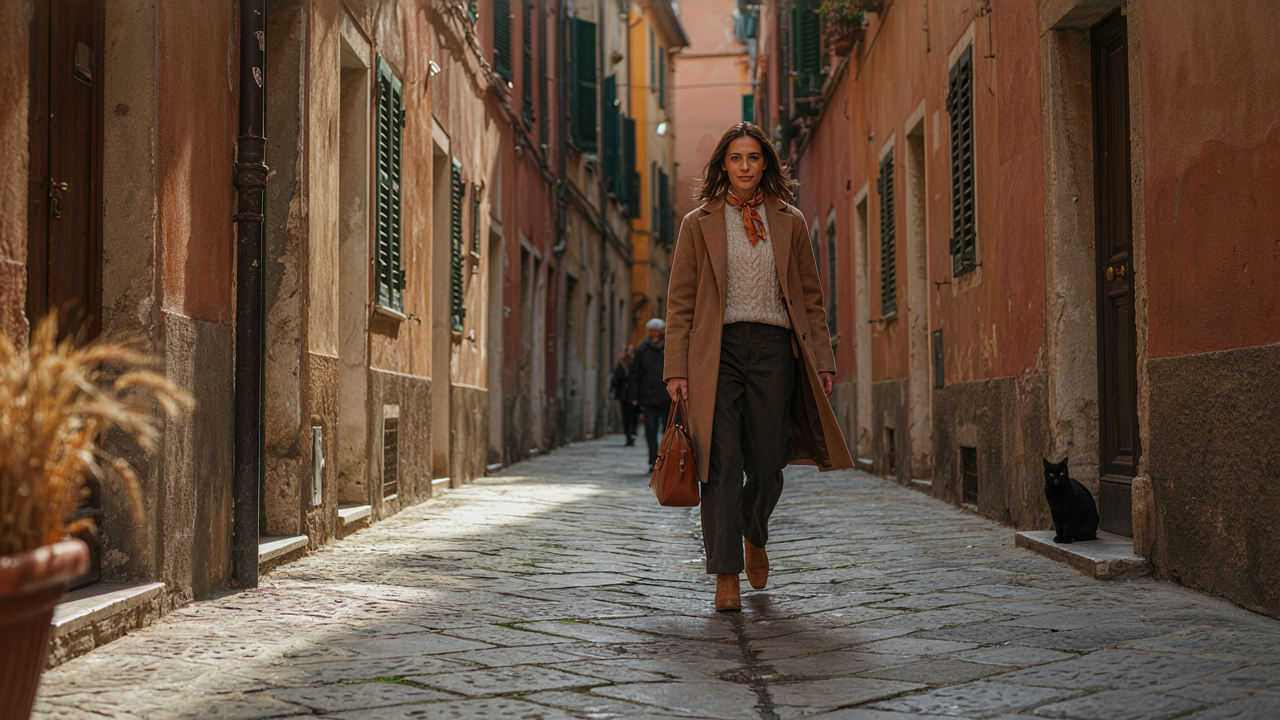
You want to look like you know what you’re doing. That’s why the layering myth sells: stack enough pieces and you feel prepared. But thermoregulation is a physics problem, not a fashion one. Adding layers without strategy creates dead air pockets that trap heat unevenly, restrict your range of motion, and leave you either sweating under a jacket or shivering because you can’t remove anything without looking disheveled. Most women overpack base layers and mid-layers, then discover in Barcelona that they’re carrying weight they’ll never use.
The real cost isn’t the extra pounds in your luggage. It’s the mental load of deciding what to wear each morning when you have too many combinations. You freeze because you can’t find the right piece. You overheat because you’re locked into a outfit you assembled before breakfast. Autumn in Europe swings 15 to 20 degrees between morning and afternoon. You need pieces that work in isolation and in combination, not a closet full of options that create paralysis.
Strategic Pieces That Actually Work
Stop thinking in terms of layers. Think in terms of swap-out points. You need one quality base, one mid-weight insulating piece, and one weather barrier. That’s the system. A merino wool long-sleeve shirt handles temperature regulation on its own. A lightweight fleece or knit cardigan adds warmth without bulk. A structured jacket or blazer acts as your wind block and your presentable outer shell. These three pieces combine four ways: base alone, base plus cardigan, cardigan plus jacket, base plus jacket. No fifth layer needed.
The mechanism that breaks most packing lists is the assumption that more protection requires more items. European autumn demands the opposite. Choose pieces that work across contexts: the cardigan that transitions from daytime to dinner, the jacket that pairs with casual wear and business casual equally. You’re not building a collection. You’re building a rotation where every piece earns its space by solving multiple problems.
The Minimalist Wardrobe Protocol For Europe
Build A Color Palette That Works Together
You want to pack less because you’re afraid of looking unprepared, but the real mechanism is constraint. Economics applies here: scarcity forces efficiency. A locked color palette eliminates decision fatigue and guarantees every piece pairs with everything else. You’re not chasing aesthetics. You’re automating your mornings so you can think about something that matters.

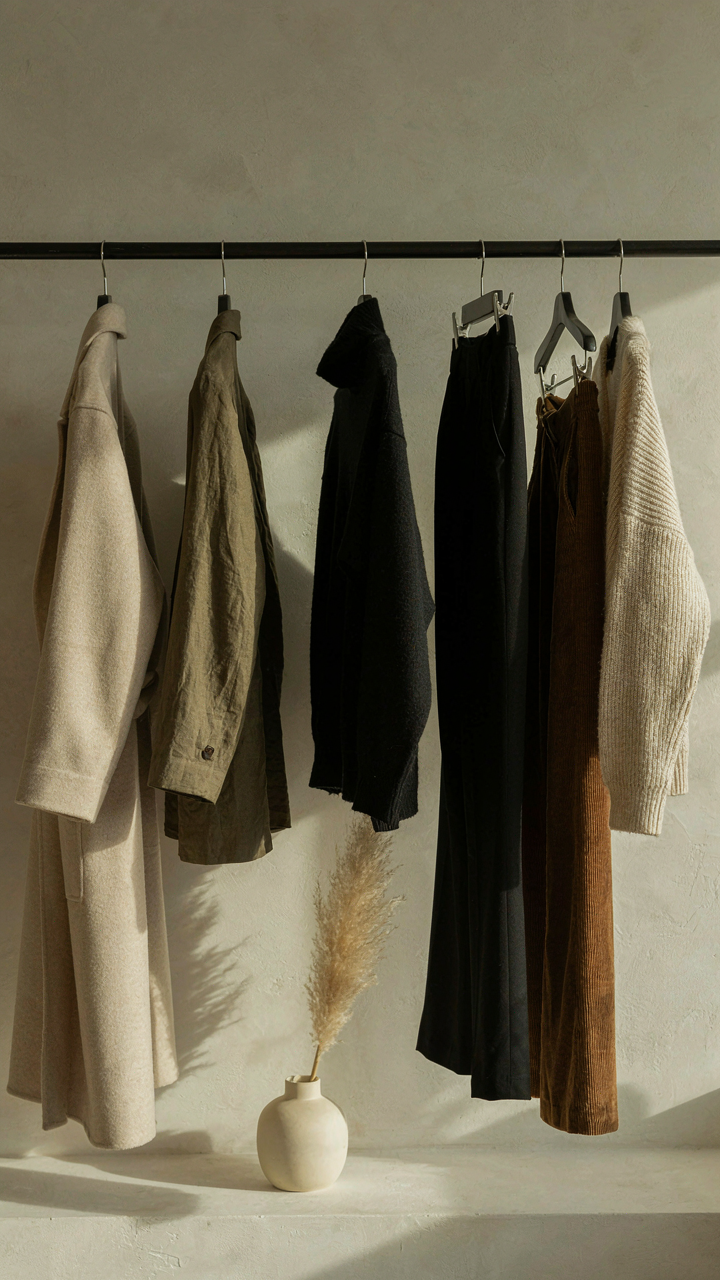
Stick to three neutral anchors: black, cream, and olive or camel. These aren’t trendy. They’re foundational. Every garment you pack should work with at least two others in your bag. This means a black sweater pairs with cream trousers and olive pants. A cream blouse layers under both. When your palette is tight, interchangeability isn’t accidental. It’s guaranteed.
Clothes That Transition From Day To Night
Most packing advice treats day and night as separate categories, which wastes space and forces you to choose between comfort and function. The real move is overlap. A structured knit works over a slip dress at dinner and under a blazer at breakfast. Black ponte pants transition anywhere. A neutral-toned cardigan that fits close doesn’t disappear when you layer it out for formal settings.
Build your pieces around this rule: nothing exists for one context only. Your long-sleeve fitted shirt works with jeans, under a sweater, and under a jacket at dinner. Your one structured blazer works over everything because it’s cut clean without decoration. Buying redundant pieces for different times of day is where most packing failures start. Eliminate that trap entirely by forcing every piece to work in multiple states.
Footwear: The Foundation Of Your European Expedition
Weather Appropriate Footwear Wins Every Time
You’re worried your shoes will look wrong. That fear is wasted energy. What actually matters is this: your feet determine whether you move through a city or hide in a café. European autumn swings between dry 50-degree days and wet 40-degree mornings. One shoe cannot handle both. Leather breaks down in constant moisture. Canvas offers no insulation. Rubber soles separate you from pavement grip when wet. You need material that sheds water, holds warmth, and survives cobblestone friction without degrading.

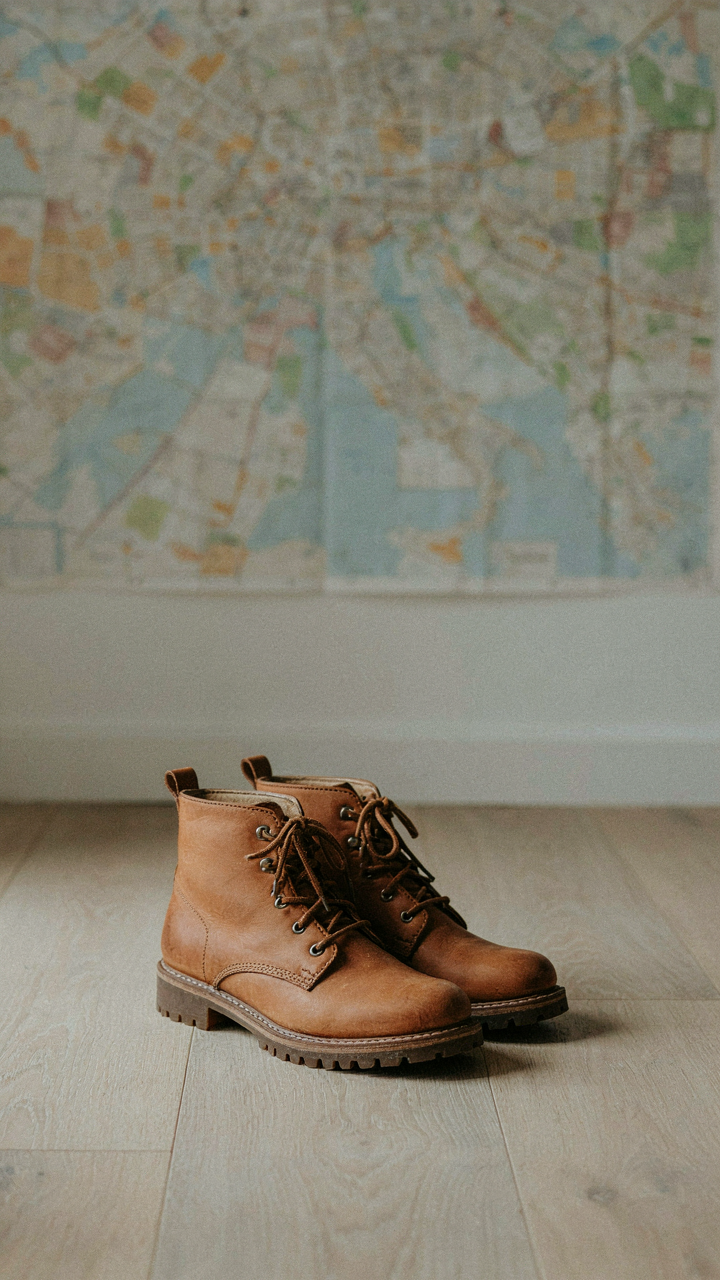
A quality waterproof leather ankle boot with a rubber sole is the core unit. Leather breathes where synthetic fails. It molds to your foot over time rather than fighting it. Rubber outsoles grip wet European streets better than leather or synthetic alternatives. Brown or black leather works across casual and semi-formal contexts, which matters when restaurant codes shift without warning. The boot needs to handle a 15-mile walking day without blister formation, which means genuine construction, not glued padding that separates after week two.
The One Pair Rule Works Because Constraint Forces Precision
Most packing advice tells you to bring multiple shoes for “options.” That’s lazy thinking. Bring one exceptional shoe and your brain stops negotiating. Economics calls this scarcity pricing: when a resource is limited, you protect it and maximize its use. Your one boot becomes the tool you maintain, clean properly, and wear with intention rather than rotation-based neglect.
European travel proves this immediately. You carry less weight through train stations. You unpack faster. You stop checking weather forecasts to justify bringing an extra pair. One weatherproofed leather boot with a quality rubber sole handles morning rain, afternoon sun, and evening restaurant walks without compromise. Your packing weight drops by two pounds. Your decision friction vanishes. Maintain that single boot nightly: wipe the sole, condition the leather monthly, and it outlasts two mediocre pairs by 18 months.
Outerwear: Your Single Most Important Decision
Waterproof Warmth Without The Dead Weight
You want your coat to do the work so you look effortless. Here’s what actually matters: autumn Europe demands one coat that handles rain, wind, and temperature swings without forcing you to carry backup layers you’ll never use. The mechanism is simple—a single outer shell that repels water and blocks wind eliminates the need to pack redundant pieces.

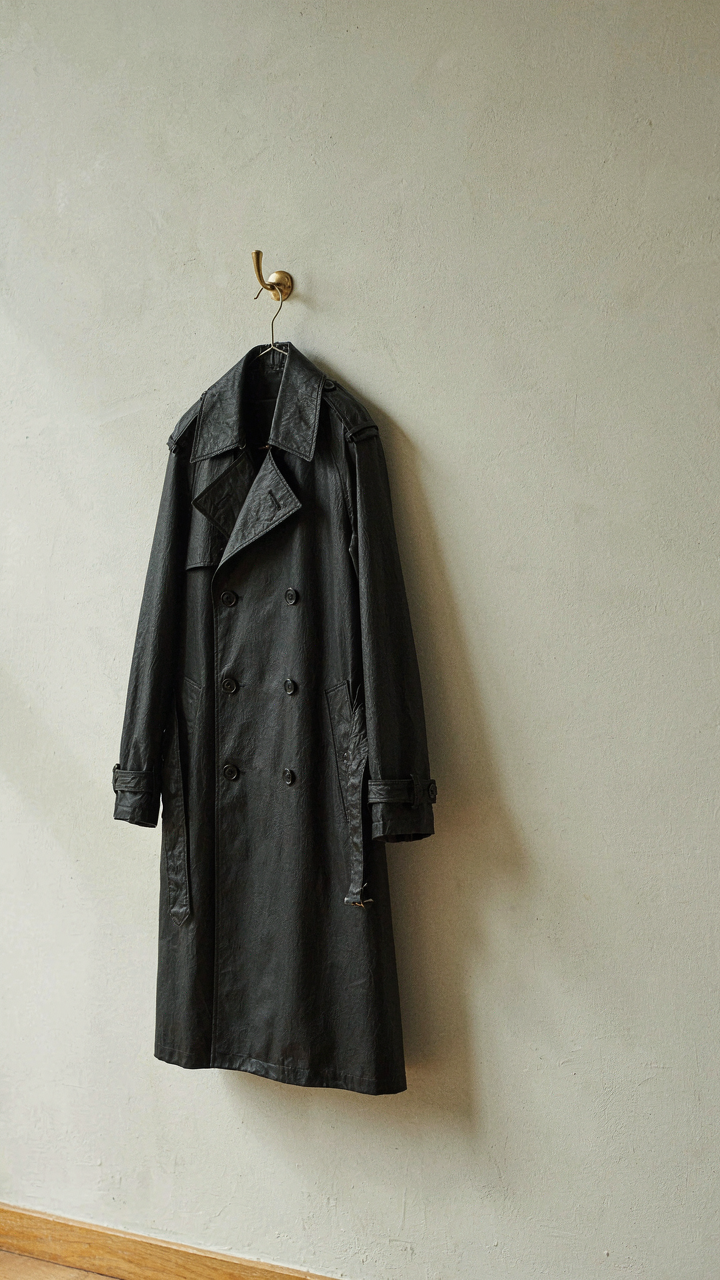
Waterproof doesn’t mean breathable fabric. Most women buy coats marketed as “breathable” and then sweat through them in crowded city streets because the fabric can’t move moisture fast enough. You need a coat with a DWR (durable water repellent) finish on a tightly woven outer layer, plus vents or design that lets heat escape. Weight matters harder than insulation at this stage. A 2-3 pound wool or synthetic blend coat compresses smaller than a puffy jacket and works through October and early November across most of Europe without feeling like a sleeping bag.
The Outfit Math, Not The Status Play
Economics calls this cost-benefit analysis. You’re weighing what a statement coat costs against what outfits it actually unlocks. Most women overestimate this. One well-fitted camel or black wool coat pairs with everything already in your bag—but only if it fits correctly across the shoulders and doesn’t bunch when you layer underneath.
The real cost isn’t the price tag. It’s whether you’ll actually wear it when you get home. A coat that demands specific styling for its visual impact is dead weight in your closet after the trip. Pick a coat that works with five different outfits from your existing wardrobe right now, not a coat that needs you to buy new pieces to justify it. Test this before packing by laying it over three outfits you already own and taking photos.
The Accessory Multiplier Effect (Cybernetics Model)
Small Inputs, Exponential Output
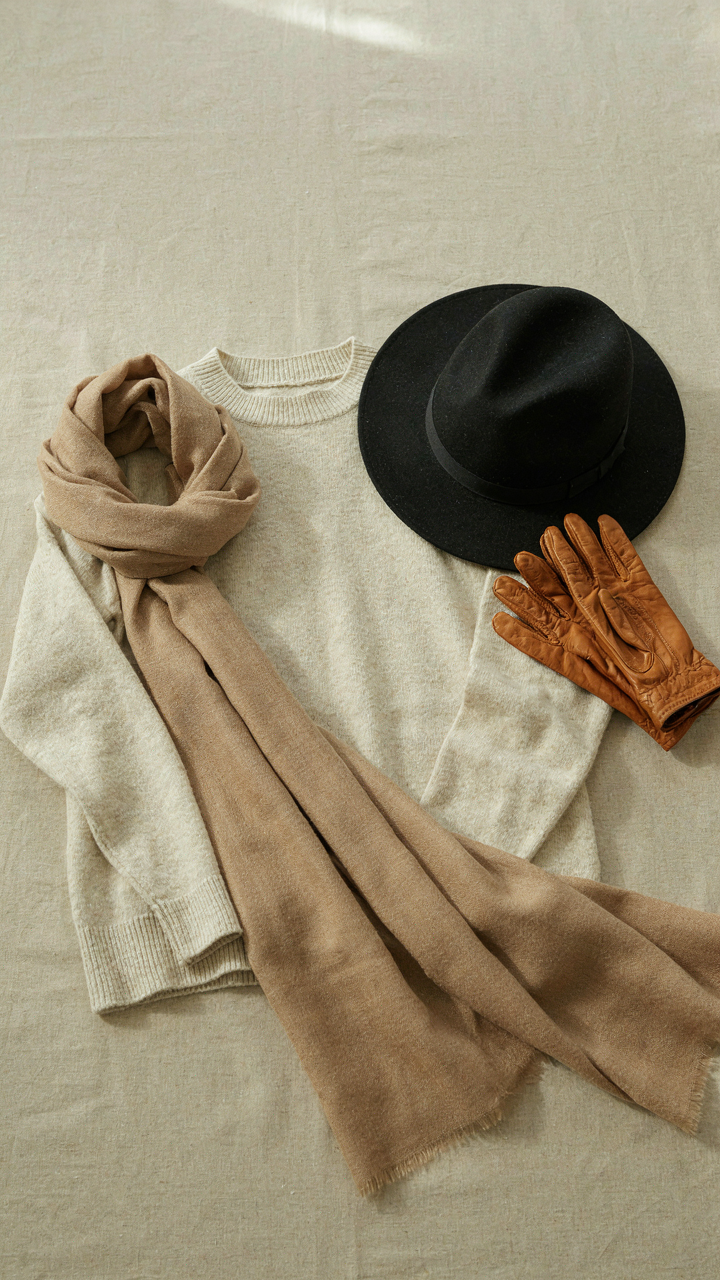
You want to pack less and look like you planned it. That’s the real reason you care about this section. Cybernetics teaches feedback loops: systems where small adjustments create disproportionate results. Accessories in autumn Europe operate identically. A single scarf rewires three outfits. A hat changes your silhouette without adding weight. One pair of gloves reframes your entire presentation. The mechanism is substitution, not addition. You’re swapping bulk for leverage.

Most packing advice treats accessories as decoration. Wrong. They’re variables that reset your base layers without requiring new clothes. Wear the same sweater four days straight in different contexts by changing what wraps around your neck, crowns your head, or covers your hands. Autumn European temperatures swing fifteen to twenty degrees Fahrenheit between morning and afternoon. Accessories absorb that variance. Your core pieces stay constant. Your accessories do the work. This is why a three-item accessory set outperforms a five-item clothing set.
Scarves, Hats, Gloves As System Architecture
Scarves function as both insulation and visual reset. Wrap one around your neck, you’ve added warmth without a jacket. Drape it differently, you’ve changed your outfit’s entire visual weight. A merino wool scarf compresses to nothing and handles autumn’s damp. Hats serve dual mechanics: temperature regulation and identity shift. The same base outfit reads differently under a structured hat versus a knit beanie. You’re not adding clothes. You’re manipulating perception and thermal output with minimal luggage cost. Gloves matter less for temperature than for completing the visual frame. Bare hands in a coat read unfinished. Gloved hands complete the composition and signal intentionality.
Build your accessory layer this way: one long scarf in neutral that pairs with everything, one structured hat that suits your face shape, one pair of leather gloves in a complementary tone. These three pieces recombine across your entire wardrobe. That scarf wraps, drapes, ties, and belts. That hat works over messy hair or styled hair. Those gloves layer under or stand alone. You’ve created a system, not a collection.
Undergarments & Sleepwear: The Unsung Heroes

Thermal Layering For Temperature Shifts
You care about this section because you’re afraid of being cold and looking unprepared in front of people who travel constantly. The real mechanism is thermal resistance—borrowed from material science, it’s the ability of a fabric to trap still air without adding bulk. Merino wool base layers work because the fiber structure creates dead air pockets. Cotton fails in autumn Europe because it absorbs moisture, then loses its insulating properties. You need two base layers maximum: one lightweight for early September in Southern Europe, one midweight for November in Prague or Vienna.

The second layer sits against your skin and determines everything. Merino wool regulates temperature across a wider range than synthetics and doesn’t smell after three days of wear. Silk works in a pinch but tears easily and dries slowly. Synthetic blends feel cheaper but pack smaller and dry faster in hostels. Pick one fiber type and buy two of the same layer so you can rotate while one dries. Don’t overthink texture—function beats feel when you’re wearing the same base layer five days straight.
Quick Dry Fabrics For Constant Motion
Common advice tells you to pack light and wash frequently. That’s incomplete. The real problem is laundry logistics in European cities: hand-washing takes two hours, machine laundry costs 8-15 euros per load, and humidity in autumn means nothing dries overnight in your room.
- Merino Wool Blend (80/20 wool-nylon): Naturally antimicrobial, you wear it 4-5 times before washing. Takes 8-10 hours to dry completely.
- Nylon or Polyester Base Layers: Dries in 4-6 hours. Absorbs less water than cotton alternatives. Ideal for frequent rotation packing.
- Silk Blends: Lightweight, dries in 6-8 hours. More fragile than wool or synthetics but compresses smaller in luggage.
- Bamboo Viscose: Breathes well and dries in 6-7 hours. Less durable than merino but cheaper to replace if damaged.
- Wool-Silk Blends: Combines durability and quick dry time (7-9 hours). Premium cost but lasts through multiple trips.
Pack six pairs of underwear in quick-dry synthetic or merino, not cotton. Wash three pairs every other day using your sink and hang them on a radiator or sunny window—autumn European hotel rooms have radiators in 90 percent of properties. Set a timer for two hours and rotate the underwear to speed drying. Buy a small travel-size detergent that works in cold water and requires minimal rinsing. This protocol eliminates the need to carry ten days of underwear and keeps you rotating clean layers every rotation cycle.
Personal Items & Toiletries: The Real Estate Game
Travel Sized Versus Decanting: Which One Wins
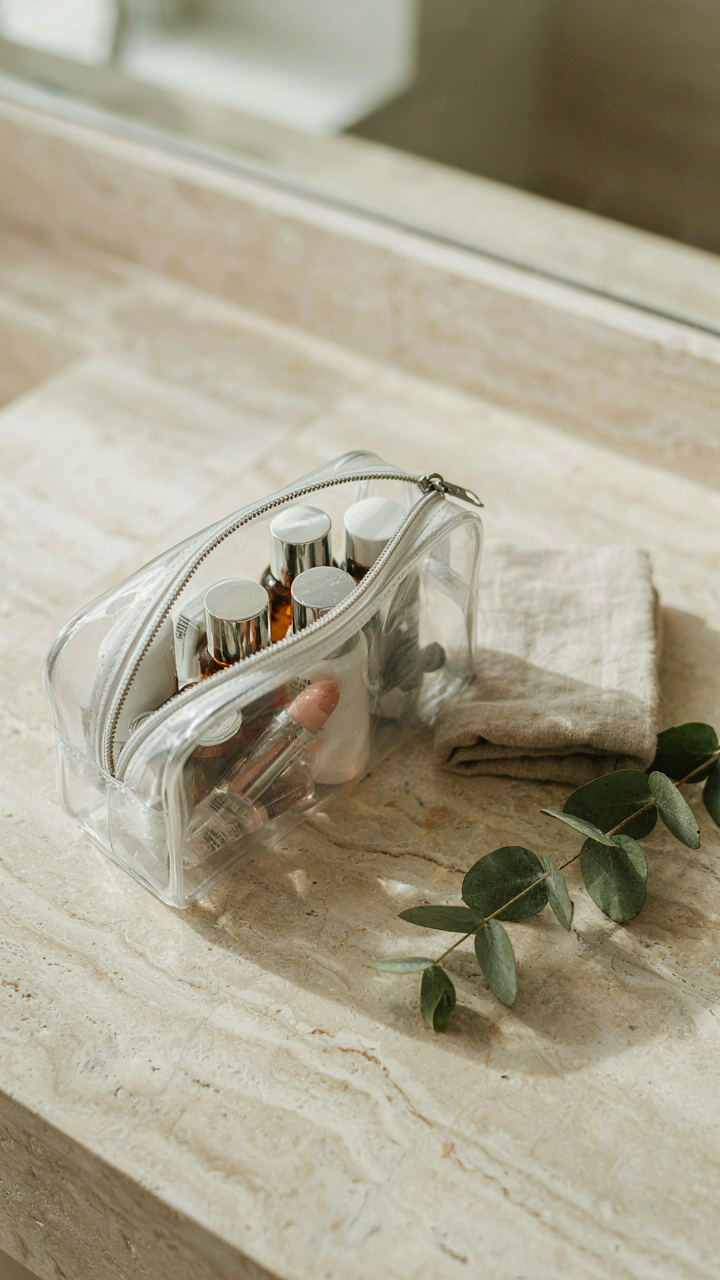
You want to feel prepared without looking like you’re overpacking—that’s the real fear here. The mechanism is simple: travel-sized bottles waste money and space simultaneously. You pay a premium per milliliter for convenience, then haul bottles that are mostly air. Decanting into small containers gives you control over quantity and cuts the per-use cost to nearly zero. You decide what you actually need instead of guessing what a brand thinks you need.

Most packing guides treat this as preference. It’s not. For autumn Europe, decanting wins because you control variables. A 30ml container of moisturizer occupies less space than three travel bottles of different products. Solid products—deodorant sticks, bar soap, solid shampoo—eliminate the liquid weight problem entirely and last longer. Calculate backwards from your trip length: eight days requires roughly one-third the product of a 24-day trip. Buy small containers before traveling, fill them at home, and label them clearly. This takes fifteen minutes and saves a liter of luggage space.
The 3 1 1 Rule Without Leaving Things Behind
TSA’s 3-1-1 framework mirrors inventory management in logistics: one container, one rule, standardized compliance. You get one quart-sized bag for liquids, gels, and aerosols. Each item maxes at 3.4 ounces (100ml). Most travelers either follow it blindly or ignore it entirely—both approaches fail. The real move is using it as your packing boundary, not your burden.
Decant everything into containers under 3.4oz. Use the quart bag strategically: sunscreen, moisturizer with SPF, face wash, deodorant aerosol if you need it, toothpaste. That’s typically five items in one bag. Solid alternatives—bar soap, solid deodorant, solid shampoo—skip the bag entirely and live in your carry-on toiletry case. Nail clippers, tweezers, and razors go in checked luggage only. You’re not compromising; you’re outsmarting the constraint by eliminating what doesn’t need to be liquid in the first place.
Bags: Your Mobile Command Center
Carry On Only Stops The Bleeding
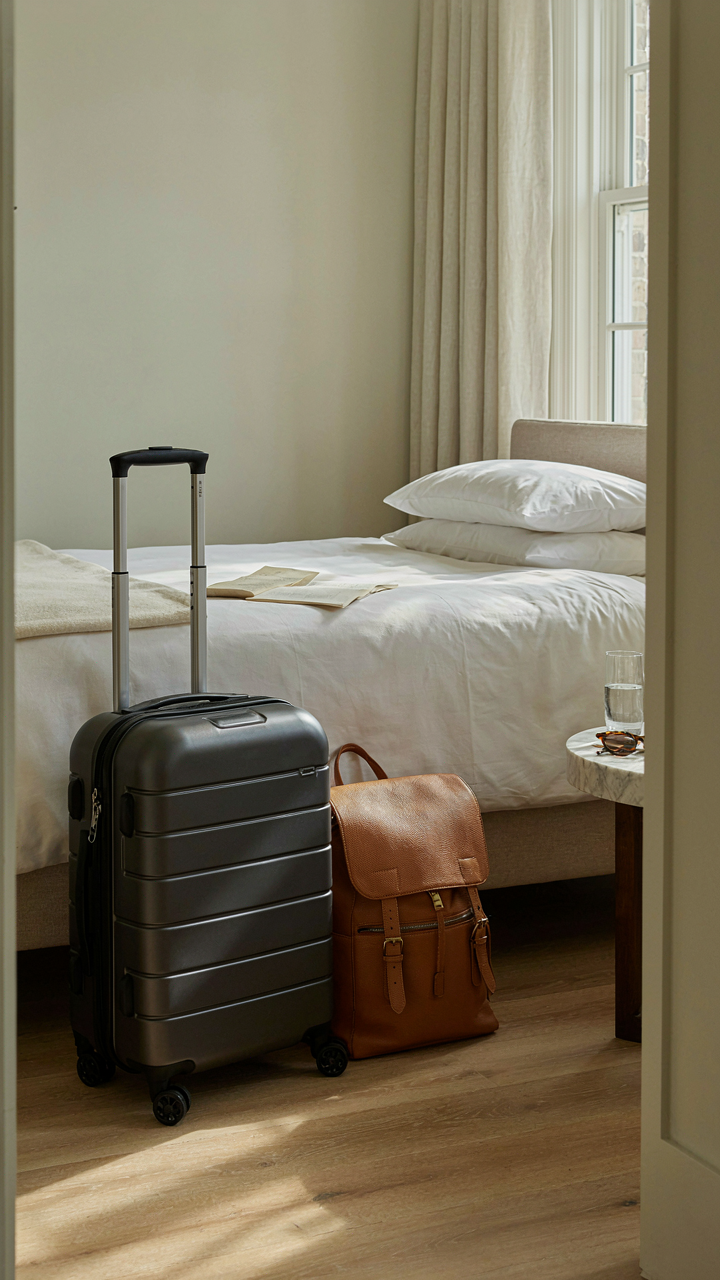
You want the freedom of moving through airports without losing your mind or paying forty dollars per checked bag. The real mechanism is constraint: a carry-on forces the layering system to actually work, because you cannot afford dead weight. Economics calls this the principle of scarcity—when resources are limited, you optimize ruthlessly. One 22-inch rolling carry-on plus one personal item (a structured backpack or crossbody) covers autumn Europe for two weeks if you pack the layering pieces outlined in prior chapters.

The math is brutal. A standard carry-on holds roughly 45 liters. Your autumn capsule—base layers, mid layers, outerwear, and shoes—takes 25 to 30 liters maximum when rolled, not folded. That leaves 15 to 20 liters for toiletries, electronics, documents, and margin. Baggage fees for checked luggage start at 35 euros on budget carriers and climb from there. Carry-on discipline also kills the ritual of arrival waiting: you walk off the plane and move directly to your accommodation.
Day Bags And Strategic Placement
A day bag is not an accessory; it is infrastructure for the actual experience. Most women overestimate capacity and underestimate weight distribution, then wonder why their shoulders hurt by day three. A 15 to 20 liter structured backpack or a crossbody bag works in autumn Europe because you move between museums, train stations, and outdoor markets where hands matter. The bag must fit under an airplane seat or in the overhead bin on regional flights.
What goes in a day bag depends on your daily loop. Carry water bottle, phone charger, one mid layer, a compact rain shell, and a small first aid item. Leave heavier outerwear in the hotel unless temperatures genuinely demand it. Your personal item from the airport becomes your daily bag—plan its size accordingly. Test this setup before departure by loading it with actual items and wearing it for two hours to spot discomfort zones early.
The Only Real Packing Problem Is A Lack Of Discipline
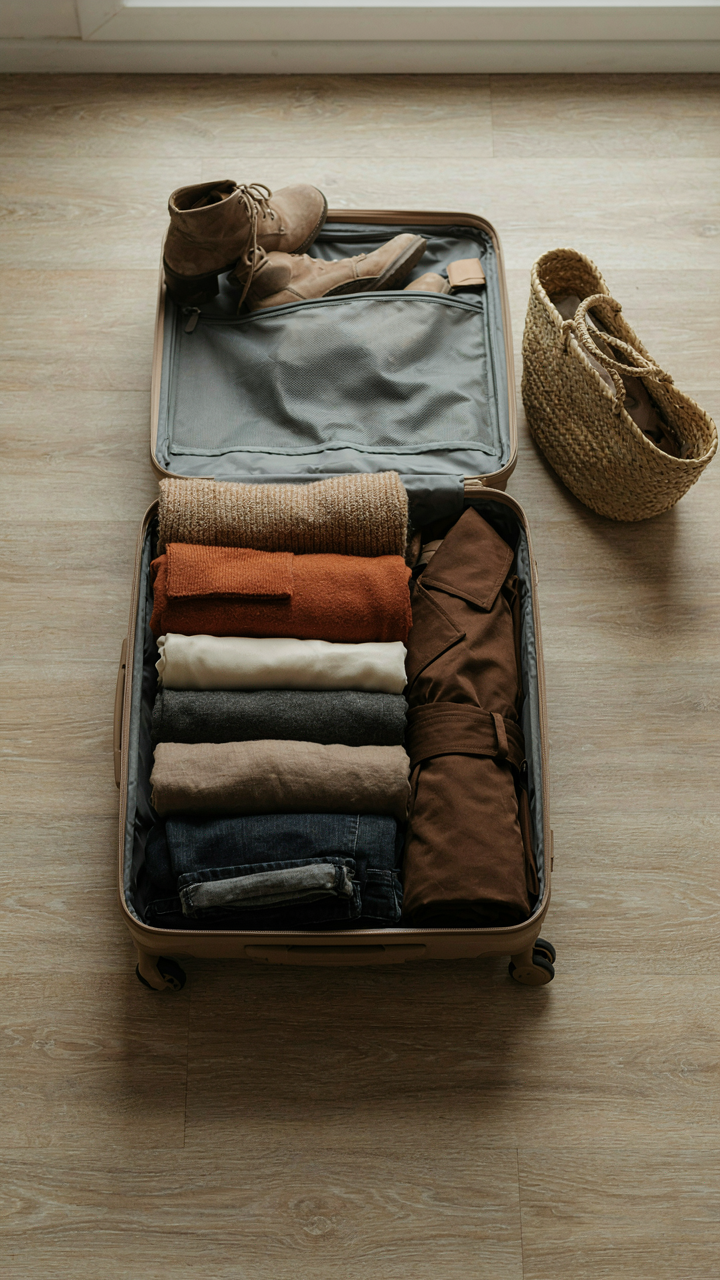
Most women overpack because they refuse to commit. They want every option. They want to feel safe. This kills efficiency. Pick your color palette now, before you book the flight. Commit to five neutral pieces that layer. Stick to it. The women who travel light aren’t smarter—they simply decided in advance what matters. Your packing problem isn’t logistics. It’s indecision disguised as preparedness.