

Beyond “Less Is More”: The Strategic 3 Week Travel Capsule Wardrobe Blueprint

Minimalism Isn’t The Goal
You want people to think you’re organized and intentional, not that you’re broke or struggling with decisions. That’s the real draw of capsule wardrobe discourse. But minimalism itself is a trap. The actual mechanism is constraint-based design: you’re not removing items to feel noble, you’re removing them to force every piece into multiple outfit combinations. This is systems thinking, not asceticism. A true capsule wardrobe isn’t about owning less. It’s about owning only pieces that solve problems you’ll actually face across 21 days.
The minimalism myth convinces people to buy expensive, neutral basics and call it done. That fails because it ignores friction. Three weeks involves temperature swings, social contexts, activity types, and laundry cycles. A well-designed capsule doesn’t minimize items—it maximizes utility per item. You’re engineering for outfit density, not virtue signaling.
When Standard Advice Breaks Down
Every travel capsule guide tells you the same skeleton: five bottoms, seven tops, one jacket, repeat. That’s incomplete because it doesn’t account for laundry timing. Conventional wisdom assumes you’ll do laundry once or twice. Real three-week travel means you might have one laundry day at week two and another at day 19. The gap matters. If your wardrobe only works when everything is clean, you’re stuck on laundry day wearing yesterday’s clothes.
Standard advice also ignores context stacking. A piece that works for casual sightseeing doesn’t work for a business dinner or a hiking afternoon. Generic guides treat “versatility” as a vague virtue instead of a specification problem. The real solution is selecting pieces that transition between contexts through layering and styling, not through wishful thinking about how much a neutral shirt can do.
The 3x3x3 Outfits Matrix: Engineering Endless Looks
Neutral Anchors That Don’t Announce Themselves
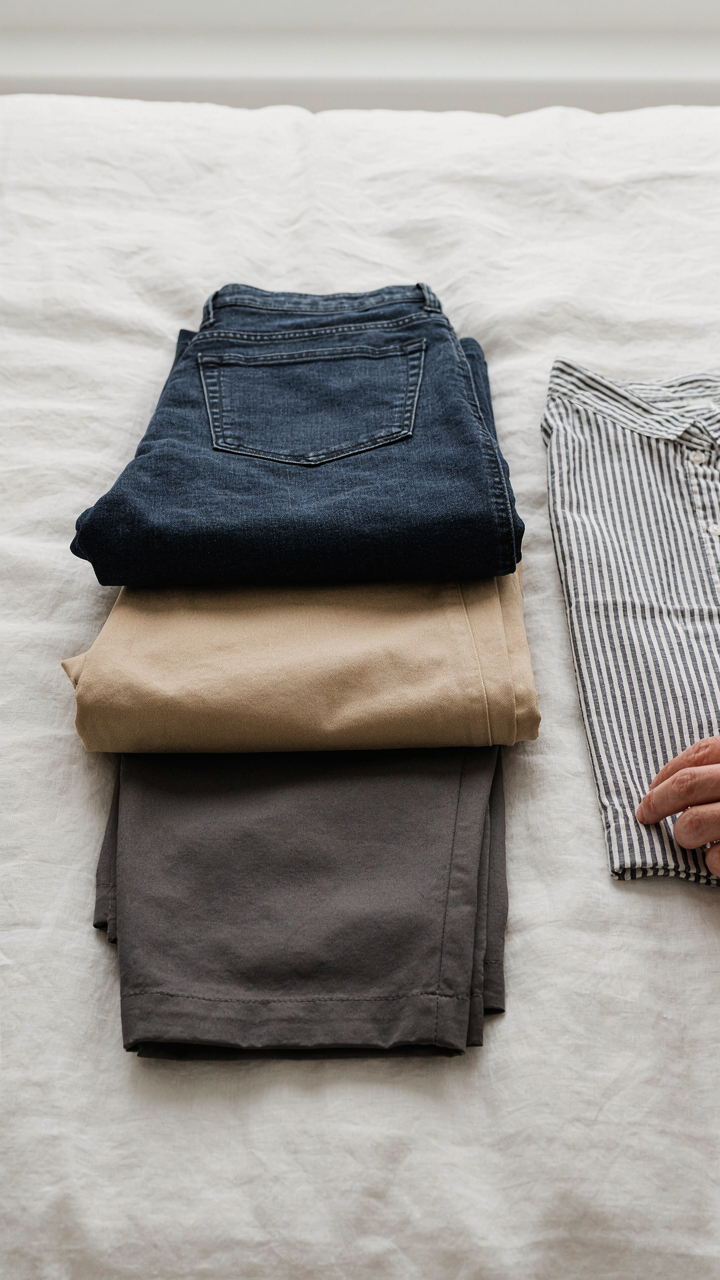
You want people to remember what you said, not what you wore. That’s the real reason you care about this section. The mechanism is simple: neutral pieces multiply outfit combinations while keeping visual noise low. Think of neutrals as the substrate in chemistry. Every reaction happens on a stable base. Your base layer is three neutral bottoms: dark jeans, chinos, and one lightweight pant suitable for warm climates. These pieces work in every climate, with every top, and survive multiple wears between laundry days without looking dingy.

The common advice says “pick navy and black and khaki.” That’s incomplete. You need to match neutrals to your actual travel destinations and daily activities. Dark jeans work everywhere but fail in humid heat. Chinos bridge that gap but wrinkle faster. One technical pant handles sweat and quick-dry requirements that cotton cannot. The mechanism is constraint-based selection. You’re not choosing what looks good in a vacuum. You’re choosing what works across the specific conditions you’ll face for three weeks.
Patterned Tops That Function As Multipliers
Three tops with different visual weights create more outfit variety than six similar ones. A solid crew neck, a striped or geometric piece, and a small-print shirt give you options without creating visual contradiction when layered. The patterned pieces do the heavy lifting. A striped shirt worn alone reads as different from the same shirt under a neutral layer. Swap the base and the shirt transforms. Small patterns hide stains better than solids, which matters when you’re doing laundry once weekly, not daily. The pattern density also controls formality without requiring separate “dressy” pieces.
Test pattern combinations before you pack. A striped shirt with geometric shorts creates visual competition. Stripe plus solid equals clarity. The rule: one small pattern per outfit, not two fighting for attention. Your three tops should include one that works for sleeping, one that works for casual social settings, and one that works for slightly elevated situations like a dinner reservation. This isn’t about having different “looks.” It’s about having pieces that stack without redundancy or clash.
The “Adapt & Overcome” Protocol: Climate Proofing Your Travel Capsule Wardrobe

Layering Strategies For Any Forecast
You want this section to tell you that three pieces can handle any weather so you don’t have to think. That’s denial. The real mechanism is thermal regulation through reversible insularity—your body needs trapped air between layers, and you control that through fabric weight and order, not through magic. A merino base layer wicks moisture and regulates temperature across a 40-degree swing. A mid-weight fleece or wool sweater creates the insulation gap. A water-resistant shell stops wind and light rain. Stack these three in order, remove the middle layer in warmth, remove all but the base in heat. The math is physical, not aesthetic.

Most people overpack because they assume each weather state requires separate pieces. Wrong. Layering systems work because you’re not buying for conditions—you’re buying for variability within conditions. Your three-piece stack handles 35 degrees alone, 55 degrees in combination, and 75 degrees with base layer only. Merino wool or synthetic blends dry faster than cotton after laundry day and maintain temperature regulation while damp. Test your stack at home before travel. Wear it through a day of temperature swings. This tells you if the weights actually work for your body’s thermal response, not some generic climate chart.
Seasonal Adaptation For Summer Packing Outfits
Summer packing trips people into packing bulk because they think heat means less coverage. It means the opposite—you need more pieces, not fewer, because you’re rotating through sweat cycles every 6 to 8 hours. Two base layers per week of travel. Three lightweight shirts that dry within 4 hours. One pair of shorts that doubles as swim-capable. One pair of lightweight pants for evening. A thin cardigan for overcooled interiors and evening temperature drops. The capsule stays under seven pieces because each item serves multiple wear states.
Fabric choice determines whether summer actually works on a laundry cycle. Linen absorbs sweat but wrinkles aggressively and takes 6 to 8 hours to dry fully. Cotton absorbs sweat and takes 12+ hours to dry. Synthetic blends dry in 3 to 4 hours and handle wrinkles better. For a three-week summer trip, choose synthetic or merino base layers and at least one shirt in performance fabric. Light colors reflect heat and hide sweat marks longer between laundry cycles. Hand washing in your accommodation takes 20 minutes and cuts dry time to 4 to 6 hours if you wring properly and hang in direct airflow. This turns a two-shirt summer rotation into a working system.
Laundry Day Planning: The Unsung Hero Of 3 Week Travel
How Laundries Work Abroad
You’re worried about smelling like a hostel bathroom by day ten. That fear drives most travelers to overpack. The real mechanism is simple: laundry abroad operates on different cycles than your home machine. Wash times run longer. Drying happens slower. Temperature controls vary by region. Understanding this gap between expectation and reality is what separates a functional three week rotation from a failed one.

Most advice says “just find a laundromat.” That’s incomplete. The actual variable is water temperature and spin speed. European machines run cooler and spin harder, which extends dry time. Asian facilities often use lower heat settings. You cannot plan a capsule wardrobe without knowing what cycle you’ll face. The mechanism is: cooler water plus longer spin equals fabric that takes thirty six to forty eight hours to fully dry in humid climates.
Synthetic Blends Over Natural Fibers
Merino wool and linen dominate travel fashion blogs because they breathe well. Ignore this advice for three week trips. The physics of evaporative cooling does not change, but the timeline does. Synthetic blends dry in four to six hours under any condition. Natural fibers need twelve to twenty four hours minimum, often more in humidity. A synthetic polyester blend packed with enough rotation capacity beats a merino piece that forces you to wait between wears.
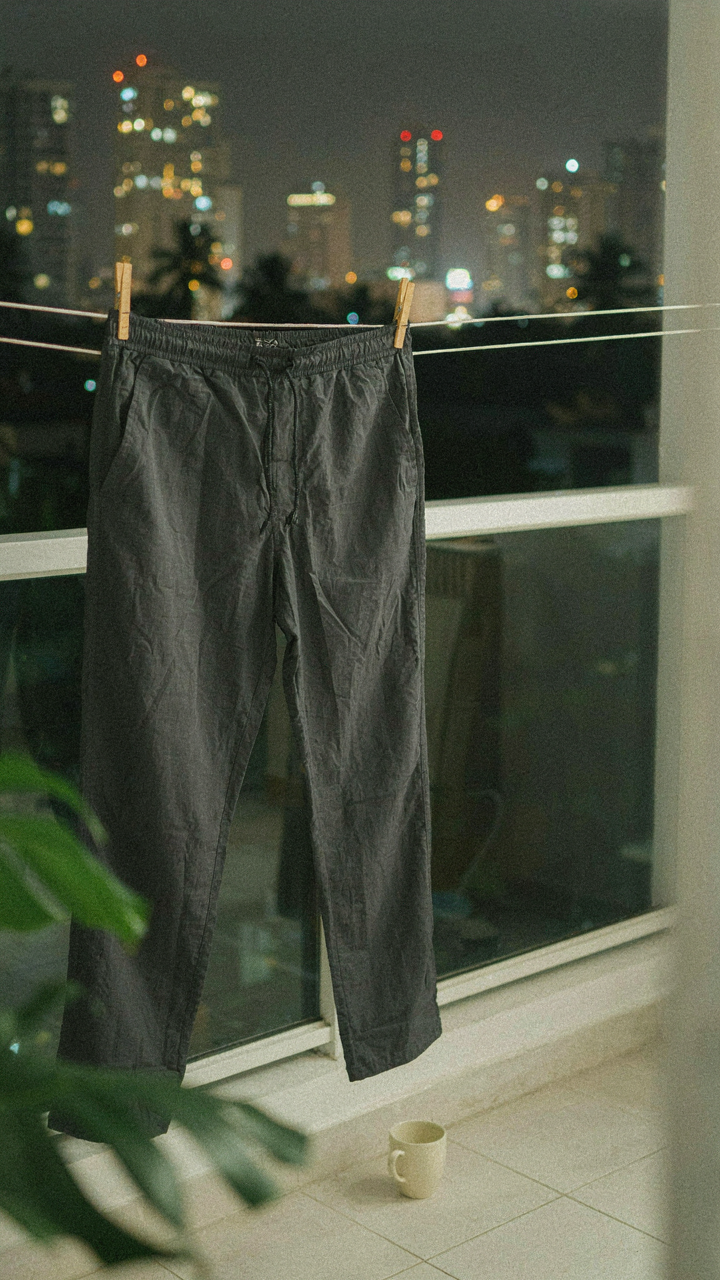
Pack technical nylon, polyester, and elastane items as your core. These materials shed moisture fast because water does not bind to their molecular structure the way it does cotton. One pair of synthetic pants dries overnight in a Bangkok hotel. Merino takes two days. When you’re rotating through three weeks, those hours compound into lost outfit flexibility. Your laundry day plan works only if fabrics dry before your next wear cycle needs them. Choose quick-dry synthetics, and your three week capsule actually functions.
The “Antifragile” Wardrobe: Applying Nassim Taleb To Travel
Clothing Choices That Thrive On Disorder
You want this section to work because you’re terrified of travel going wrong and ruining your appearance. Here’s the real mechanism: antifragility, from systems theory, means a system gains from stress rather than merely surviving it. Apply this to your capsule. Most travelers pack clothes that break under friction, humidity, and rewearing. They need perfect conditions. Your wardrobe should improve when conditions fall apart.

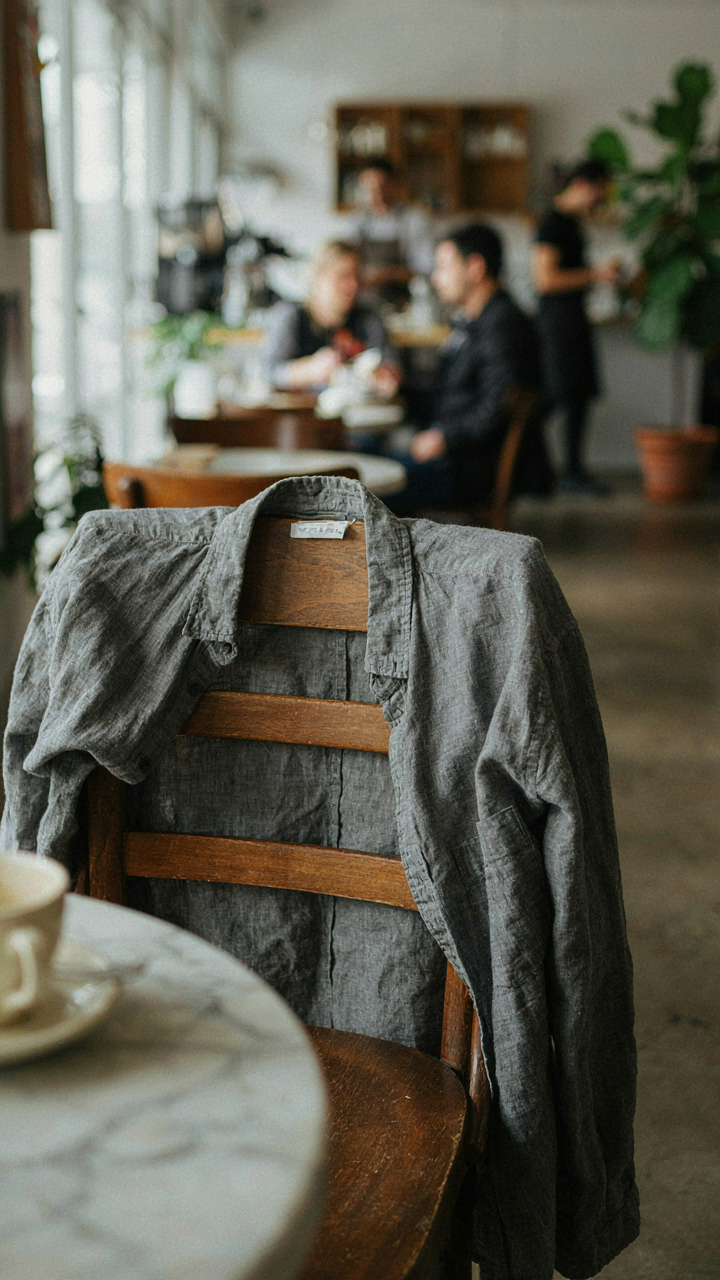
Neutral colors and natural fibers create this resilience. A grey linen shirt doesn’t show sweat stains after day four of wearing it between laundry cycles. It wrinkles in ways that look intentional. Dark denim works harder the more it’s worn. These pieces don’t degrade under the chaos of travel. They’re built to absorb punishment and emerge looking better, not worse. The mechanism is material choice, not rotation strategy.
Redundancy And Recovery For Travel Capsule
Conventional packing advice says eliminate duplicates. That’s backwards for three-week travel. Redundancy isn’t waste. It’s optionality during failure. You need two pairs of pants that serve the same purpose, not interchangeable pieces. When one pair soaks in unexpected rain, the other carries you through laundry day without forcing you into wrinkled backup clothes or expensive urgent dry cleaning.
Build recovery time into your packing logic. Two neutral base layers, two pairs of everyday shoes, two belt options in the same color family. This isn’t redundancy of choice. It’s redundancy of function. When your primary option fails or needs washing, your backup isn’t a compromise. It performs identically. You move through three weeks without cascading failures where one wet shirt forces you to wear something that doesn’t fit your destination or climate. The protocol is simple: identify your three core functions, then duplicate the load-bearing pieces that handle them.
Accessorize With Intent: Elevating Your Capsule Wardrobe Women
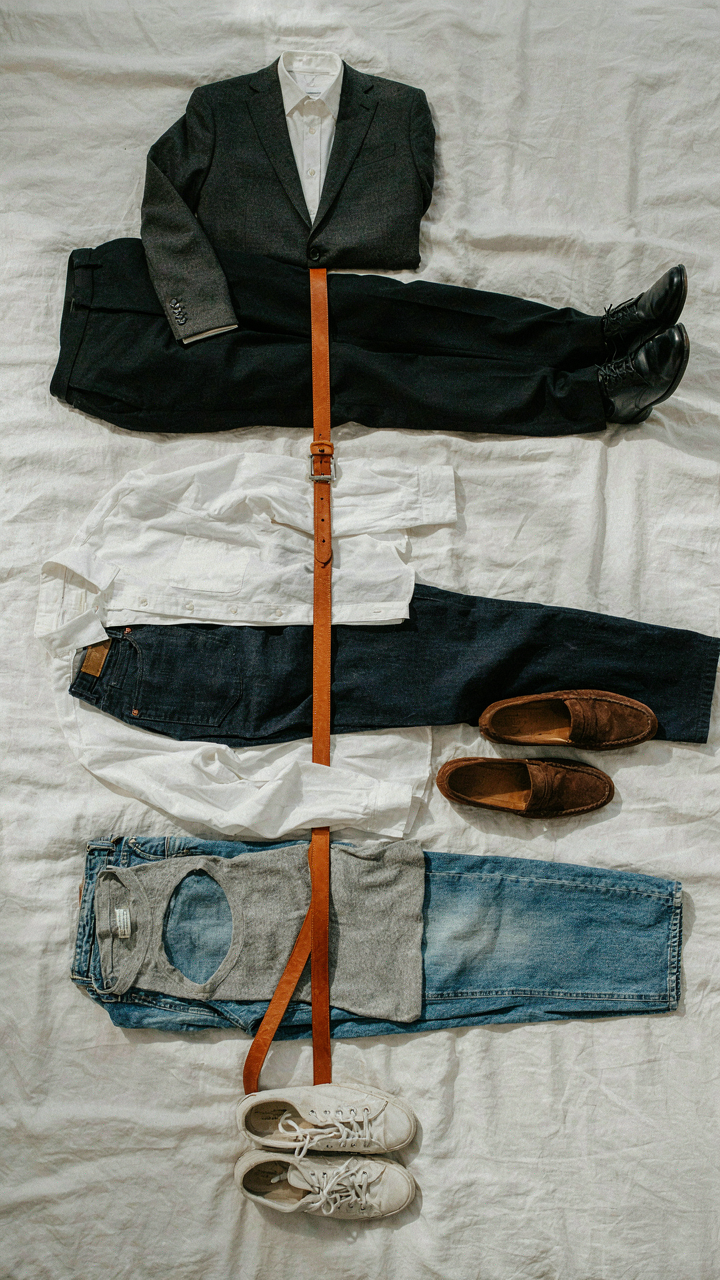
The Geometry Of Repetition
You want accessories to do the work so you don’t have to think about outfit combinations. That’s the real reason this matters. The mechanism is simple: accessories operate on repetition and substitution, not addition. One belt worn three different ways across three outfits creates perceived variety without packing three belts. A scarf transitions between seasons and body types. A watch anchors both casual and formal contexts. This is geometry, not magic. You’re maximizing outfit permutations by keeping accessory count low and function high.

The math works because accessories change perception faster than base layers do. A white shirt under a blazer reads professional. The same shirt with a pendant and different belt reads casual. You’ve changed nothing structural, only what frames it. This is why accessories deserve more planning than most people give them, not less. Choose pieces that reference your existing color palette so every combination works. Accessories should eliminate decisions, not create new ones.
Pieces That Earn Their Weight
Conventional advice says pack a belt for each outfit color. That’s wrong. A single neutral belt should adjust width and buckle style only. Leather over suede matters more than color variation. A belt is a belt until it stops functioning across your palette. Instead, focus on accessories that code-switch between contexts: a structured bag that holds a laptop but reads as evening wear, a scarf that doubles as a lightweight layer, jewelry that moves from day to night without feeling out of place.
The practical protocol: bring one quality leather belt, one structured bag in your neutral base color, a lightweight scarf in a secondary color that complements your base, and two pieces of jewelry that work with both casual and formal outfits. Watch bands are replaceable and free up space in your pack. Shoes count as accessories here, which means bringing two, not four. Each accessory should function across at least two distinct outfit contexts before you justify the luggage weight.
Packing Outfits Like A Pro: The Art Of The Organized Bag
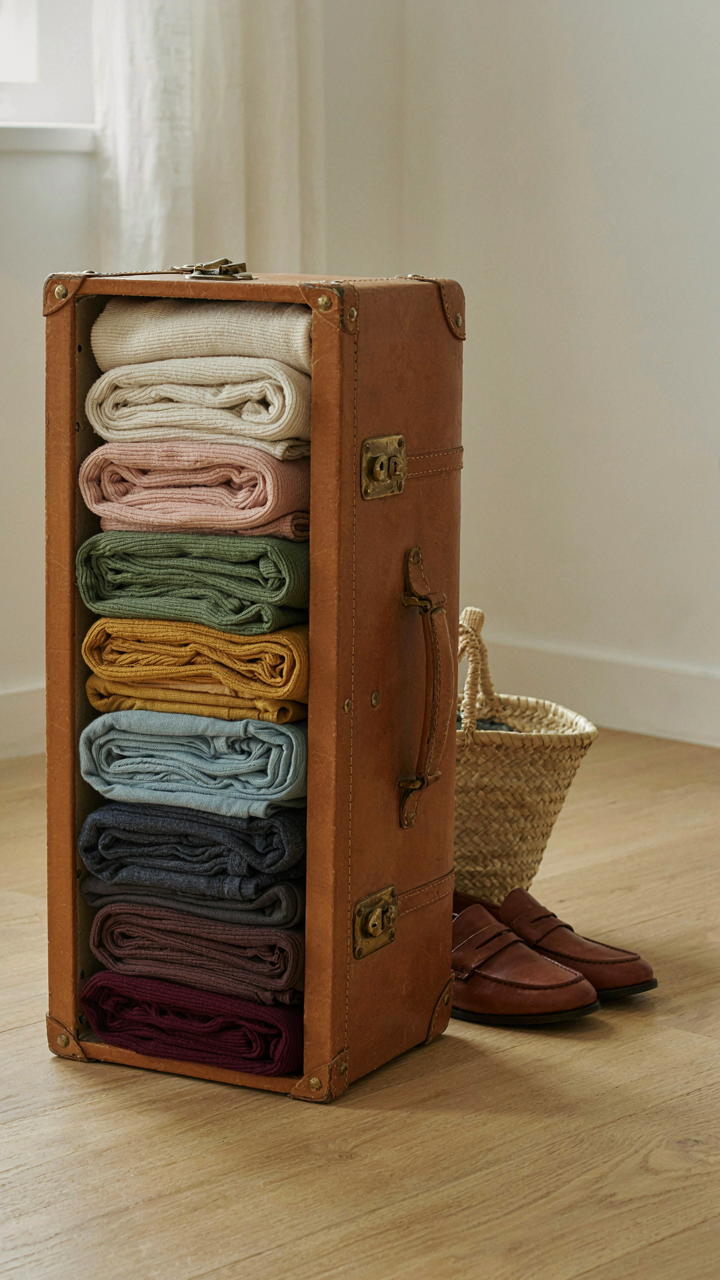
Rolling Beats Folding Every Time
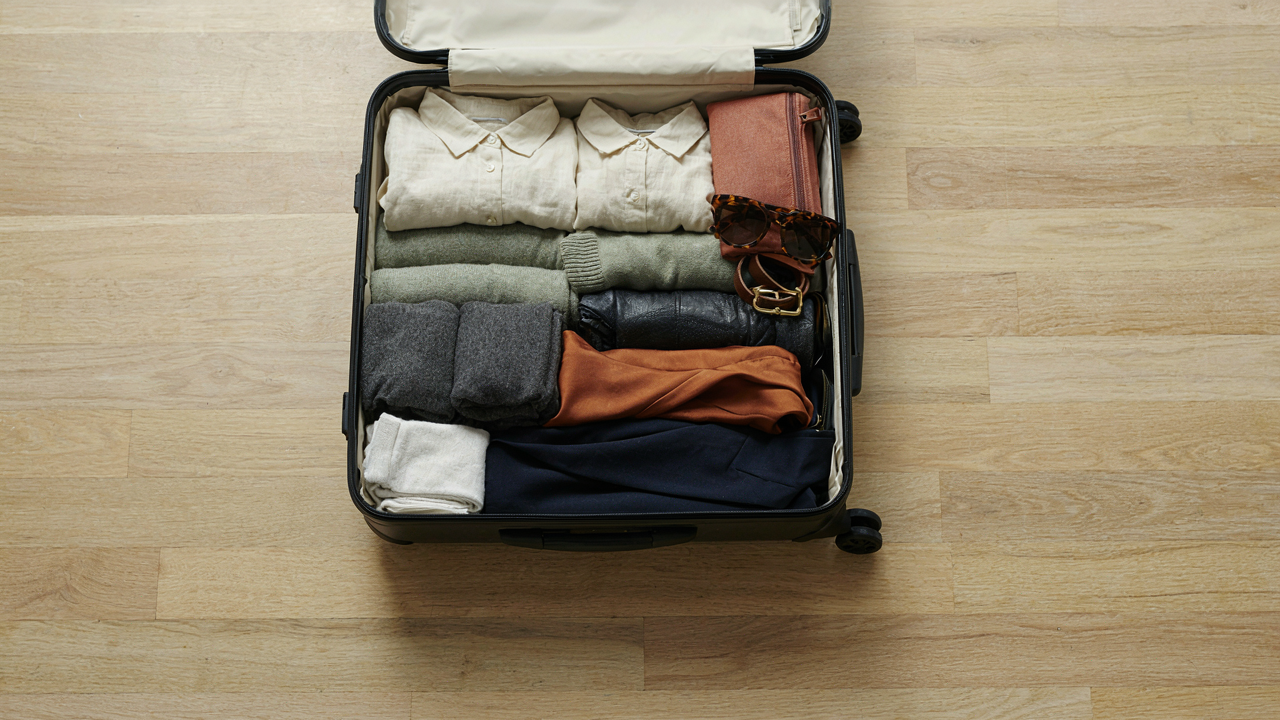
You want to believe folding looks neater because it makes you feel in control. The mechanism is physics: rolling reduces air pockets and compresses fabric along its grain instead of creasing it against itself. A rolled shirt occupies 40% less volume than a folded one and resists wrinkles because the compression is uniform. This isn’t theory. It’s measurable space reclamation that directly extends how many outfits fit into your luggage without adding weight.

Rolling also solves the access problem most travelers ignore. When clothes stack flat, you dig through layers to find what you need, disturbing everything below. Rolled items stand upright in your bag like files in a drawer. You see every piece without unpacking. This changes packing days and laundry days because you can grab clean clothes without scattering your entire bag across a hostel floor. The efficiency compounds when you’re repacking every few days across three weeks.
Outfit Blocks Over Random Items
Grouping clothes by complete outfit is where most packing advice fails. The generic recommendation is “pack by category: all tops here, all bottoms there.” That creates decision fatigue. You arrive at your destination and still have to mentally construct outfits every morning. Outfit blocking solves this by pre-assembling the unit you’ll actually wear. Each block contains a top, bottom, and optional layer as one tactical unit.
The payoff appears on days six, nine, and fourteen when your mental energy is depleted and you’re tired of choosing. Your brain just grabs the next outfit block and moves on. This also prevents redundant packing because you see immediately when you’ve brought three similar tops with the same bottoms. You catch the imbalance before you leave home. Stack outfit blocks vertically in your bag so you access each day’s full outfit without excavating your luggage.
The Pre Flight Simulation: Testing Your Travel Capsule

Wear Your Packed Outfits First
You want to feel confident you won’t look bad in front of people who matter. Here’s what actually happens: you pack theoretically, but bodies change based on fit, movement, and how fabrics actually behave against skin after eight hours. The real mechanism is that intention diverges from reality only when stress removes your ability to problem-solve.

Wear each outfit combination for a full day before packing. Not around your house. Go to work, run errands, sit in meetings. Notice where fabric pulls, where you feel restricted, where you reach for a different layer than planned. Your three-week capsule fails not because items don’t exist, but because you haven’t stress-tested the variables: humidity, activity level, actual temperature versus what the forecast claimed. One day of real-world wear reveals mismatches that looking at hangers never will.
The Gaps Reveal Themselves Under Pressure
Most advice says to “check if you have enough basics.” That’s incomplete. Real gaps only appear when you simulate decision fatigue. You need to identify which outfit combinations you actually won’t touch, which pieces do zero work, and which gaps force you into redundant choices.
Pack your capsule into your actual travel bag. Live with it for three days. Wear the outfits in random order, not sequence. This forces you to see what happens when your first choice is dirty: Can you make a second outfit work? Do you reach for the same three pieces? Do you own something you never put on because a similar item already works better? Missing pieces appear as friction points, not as obvious absences. Document what you don’t wear and what you wear twice. Remove the first category, add pieces that solve the second before you leave.
Mastering The Mental Game: Beyond The Travel Capsule

The Friction Between Your Clothes And Your Brain
You want this to work because you’re tired of feeling unprepared. The mechanism is decision fatigue, which operates like cognitive load in information theory: each clothing choice burns mental energy, and by day ten of travel, your tank runs empty. A capsule wardrobe fixes this by eliminating low-value decisions before they happen. You don’t choose between twelve shirts. You chose between three before departure. The math is brutal. Every outfit combination you’ve pre-validated removes a decision tax from your actual trip.

The reason most people sabotage their capsule is they keep too many options anyway, thinking redundancy means safety. It doesn’t. It means you spend mental energy comparing navy versus charcoal every morning while jet-lagged. A real capsule strips this down. Five tops, four bottoms, two layers, one pair of shoes per activity. When you land in a new city, your brain stays available for the city, not your luggage. This is why people who actually travel light report feeling sharper on day fourteen than day two.
Competence Built On Repetition, Not Luck
Confidence isn’t positive thinking. It’s predictable execution under pressure, which comes from the sports psychology principle of deliberate practice applied to dressing. You’ve worn each piece multiple times before the trip starts. You know how that linen shirt moves when you move. You’ve tested wash-and-dry cycles on every fabric. You’ve verified button placement, sleeve length, and how the fabric handles sweat. No surprises on day nineteen when the stakes are actual social interaction.
Most travel guides skip this because it sounds boring, which is exactly why it works. The people who look composed in photos weren’t born that way. They removed the variables. They knew their clothes. The protocol is simple: wear your capsule wardrobe for two weeks before departure. Document what fails. Adjust. Travel wearing a tested system, not an experiment. Your nervous system knows the difference, and so does everyone watching.
The Illusion Of Choice Cripples More Travelers Than A Lost Suitcase

Most travelers pack too much because they’re terrified of deciding. A 3 week capsule wardrobe forces you to choose now instead of choosing every morning abroad. This constraint isn’t punishment. It’s freedom. Pick your colors today, commit to eight pieces, and stop burning mental energy on what to wear. Your brain needs that fuel for experiencing the actual trip. Simplicity wins because it removes the friction between intention and action.