

The Urban Predator Protocol: Blending Through Purpose, Not Fashion
Build Layers That Shift With The Room
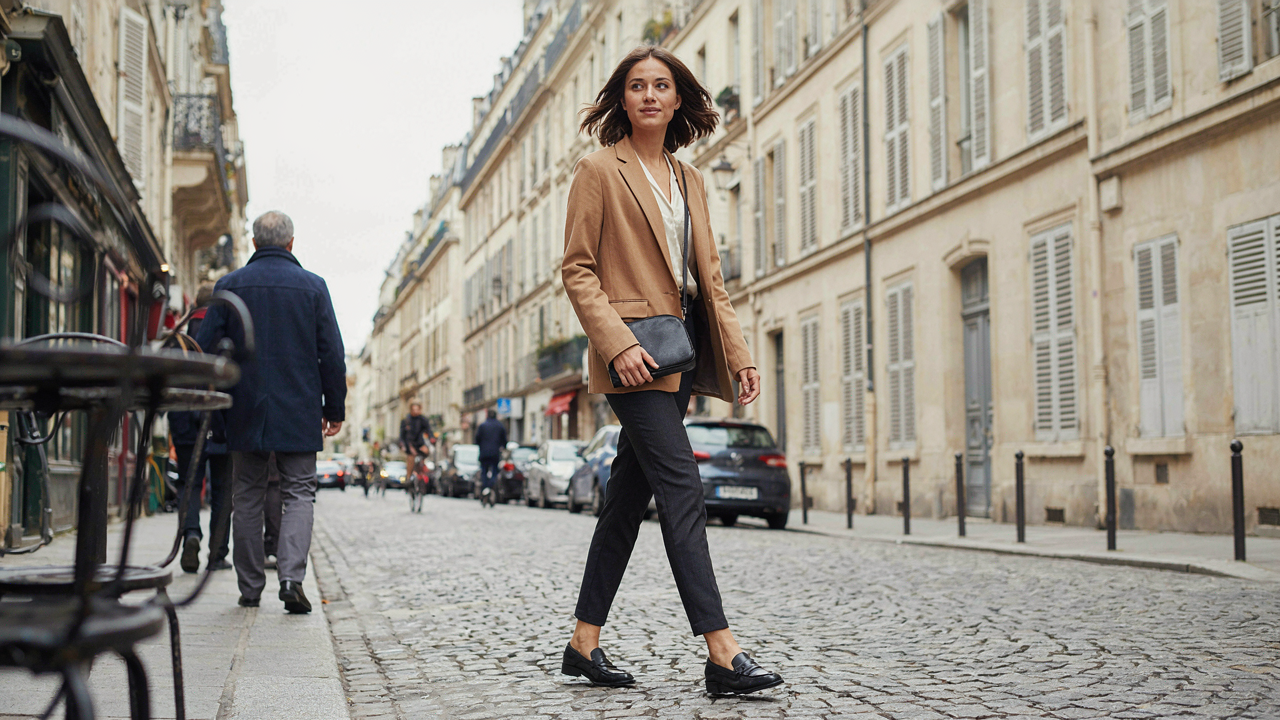
You want to look intentional without looking like you’re trying. That’s the real fear underneath this entire section. The mechanism is simple: layering lets you control how much of your body reads as “tourist” or “local” depending on what the environment demands. A structured blazer transforms casual basics into boardroom-ready. Remove it and you’re back to blending. This isn’t fashion theory. It’s environmental camouflage applied to urban spaces.
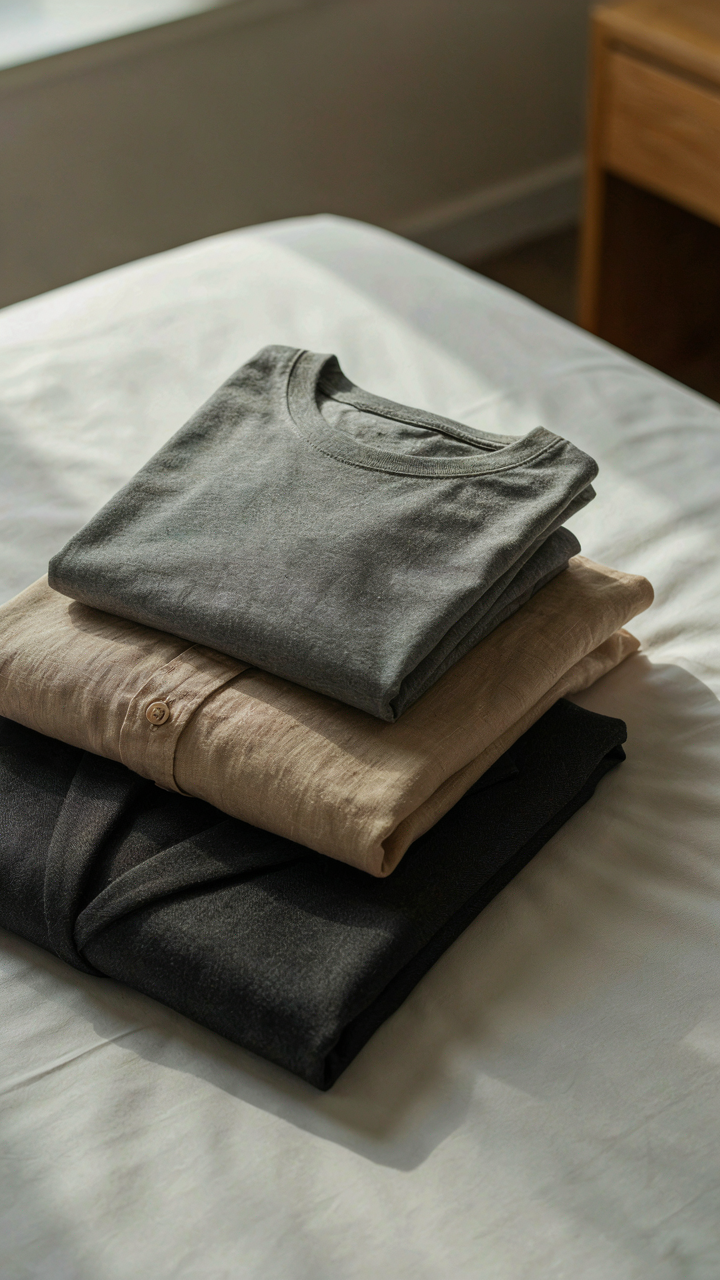
In practice, this means carrying pieces that function independently but stack deliberately. A linen button-up works alone in a warm café. Layered under a vest, it becomes formal. Over a fitted tee, it reads casual. The goal isn’t to own more clothes. It’s to own fewer pieces that multiply their contextual value. Each layer should earn its weight in your bag by doing at least two distinct jobs across different settings.
Neutrals As A Decision Architecture
The common advice about neutrals is incomplete. People say “wear black and beige” like it’s about looking sophisticated. It’s not. Neutrals work because they eliminate decision fatigue in real time and create maximum interchangeability across outfit combinations. Neurobiology calls this “cognitive load reduction.” Solo female travelers in cities call it freedom. When you’re navigating a new neighborhood, managing safety awareness, and reading social cues simultaneously, your brain has no budget left for “does this match.” Neutrals solve that before you leave the hotel.
Stick to a maximum of three base colors across your entire travel wardrobe: one dark (black or charcoal), one warm (camel or tan), one cool (white or cream). Every piece you pack must work with at least two others. This isn’t minimalism for aesthetic reasons. It’s operational efficiency. You can grab three items in the dark and know they function together. Test this before you travel: pick any three pieces from your neutral base and verify they actually work together.
The Frictionless Movement System: Prioritizing Utility Over Trends
Fabrics That Fight Back
You want fabric that doesn’t betray you because you know people read wrinkles as carelessness, and carelessness reads as vulnerability when you’re alone in a city. The real mechanism is this: synthetic blends and technical fibers reduce decision-making friction. You wear the same shirt twice without washing it, and nobody knows. That’s the win.

Natural fibers wrinkle, absorb odor, and take hours to dry. Technical fabrics were engineered in outdoor and athletic industries to handle sweat, temperature shifts, and repeated wear. Solo travel isn’t about looking polished. It’s about moving through ten days with five items and zero laundry stress.
- Nylon blends (85/15 nylon-cotton mix): Wrinkle-resistant, dry in two to three hours, hold shape through packed luggage and repeated wearing without odor accumulation.
- Polyester microfiber: Lightweight, compresses tight in bags, resists creasing, and handles humidity without clinging. Common in travel-specific brands.
- Merino wool (mid-weight): Naturally odor-resistant due to antimicrobial properties, doesn’t need frequent washing, regulates temperature across seasons, though pricier than synthetics.
- Spandex blends (2-5 percent): Adds stretch for movement comfort, prevents fabric stress at seams, and maintains fit through multiple days of wear.
- Linen-synthetic blends: Reduces linen’s crease tendency while keeping breathability. Better for warm climates than pure linen, though still requires more maintenance than full synthetics.
You’re not choosing fabric for Instagram. You’re choosing it for the moment you realize you’ve worn the same pair of pants for four days across three cities and you still look intentional instead of desperate. That’s the only metric that matters.
Silent Movement And All Day Anchoring
Footwear determines whether you move through a city like you own it or like you’re apologizing for existing. The mechanism borrowed from biomechanics is “ground contact stability.” Shoes that anchor your body to pavement let you navigate confidently. Shoes that shift, pinch, or echo announce your presence loudly.
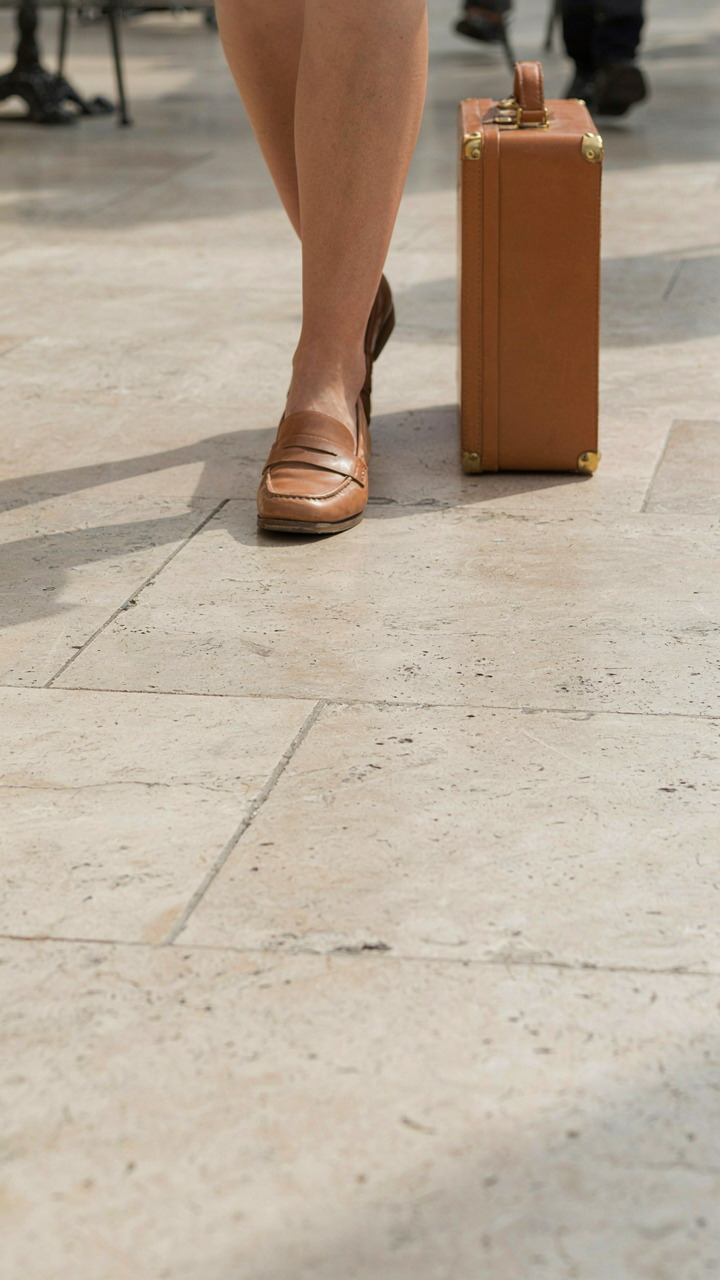
Most solo female travelers pack heels or minimal flats because they think one shoe covers dining and walking. It doesn’t. A quiet leather loafer or slip-on sneaker handles eight hours of city movement without blisters. A second shoe, reserved for dinner, means your feet aren’t spent when you need them to be sharp. The non-negotiable: both must stay silent on tile and hardwood. Squeaking shoes make you audible when you want to be invisible.
The Discreet Defense Doctrine: Concealed Carry, Not Obvious Security
Hidden Pockets That Actually Work
You want the reassurance of carrying valuables without broadcasting that you have anything worth taking. That’s the real mechanic here. The military uses load distribution strategy to balance weight and access without telegraphing capability, and solo travel outfits need the same principle: spread critical items across multiple hidden points so no single location screams “target.”

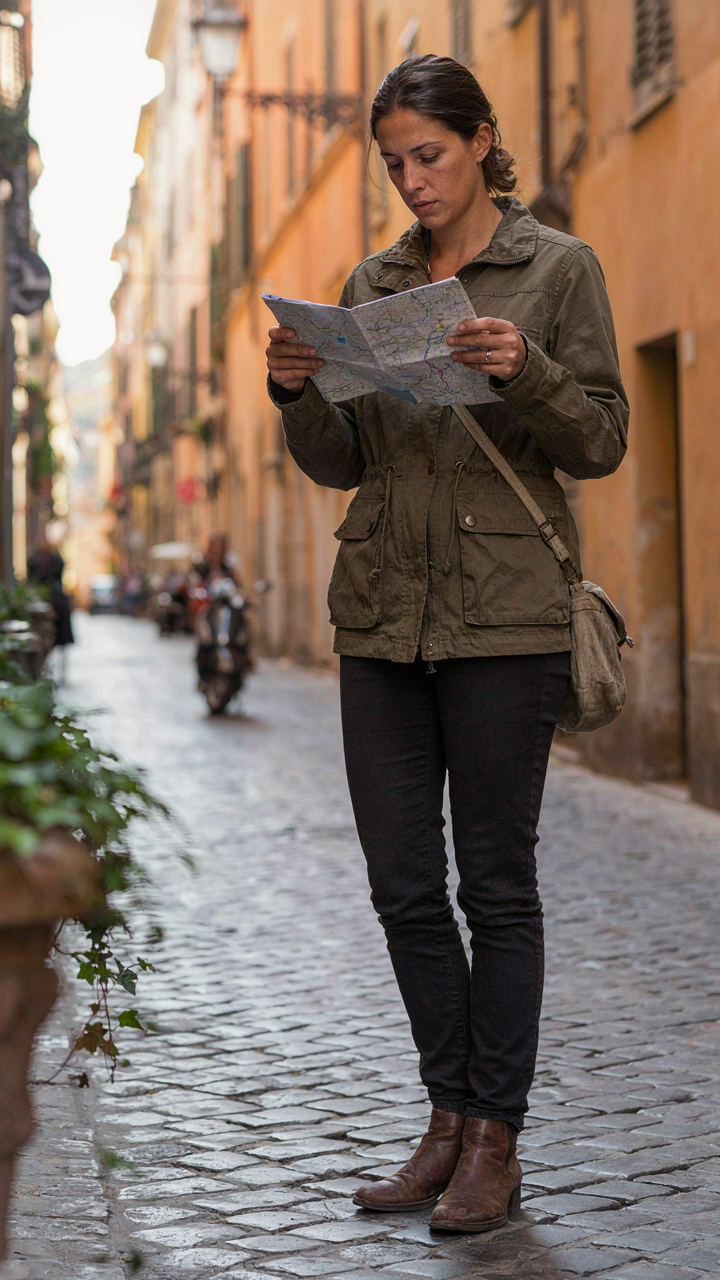
Structured travel jackets with interior security pockets work because they sit close to your body and blend into regular silhouettes. Crossbody bags designed with hidden zipper compartments keep essentials separate from decoy exterior pockets. Money belts fail because they create visible bulk or swing awkwardly. The mechanism that works: items stored flat against your ribs or distributed across multiple garment seams stay accessible without creating the shape that signals vulnerability or wealth.
Accessories That Repel Rather Than Attract
Most travel advice tells you to avoid looking expensive. That’s incomplete. The real tactic is making yourself unmemorable instead. Neutral-colored scarves, minimal jewelry, and unremarkable cross-body bags work not because they’re cheap, but because they don’t create a visual narrative that marks you as foreign, wealthy, or alone.
Wear what local women wear in that city. In Barcelona, this means structured simplicity. In Bangkok, it means long sleeves and covered shoulders. A solid watch in stainless steel signals function, not status. Bags with generic hardware and matte finishes disappear into crowds faster than anything with visible branding. The protocol: before packing, photograph what women around your destination actually wear, then match that baseline. Deviation triggers attention. Sameness provides cover.
The Adaptive Camouflage Principle For Tourist Outfit
Match The Local Silhouette
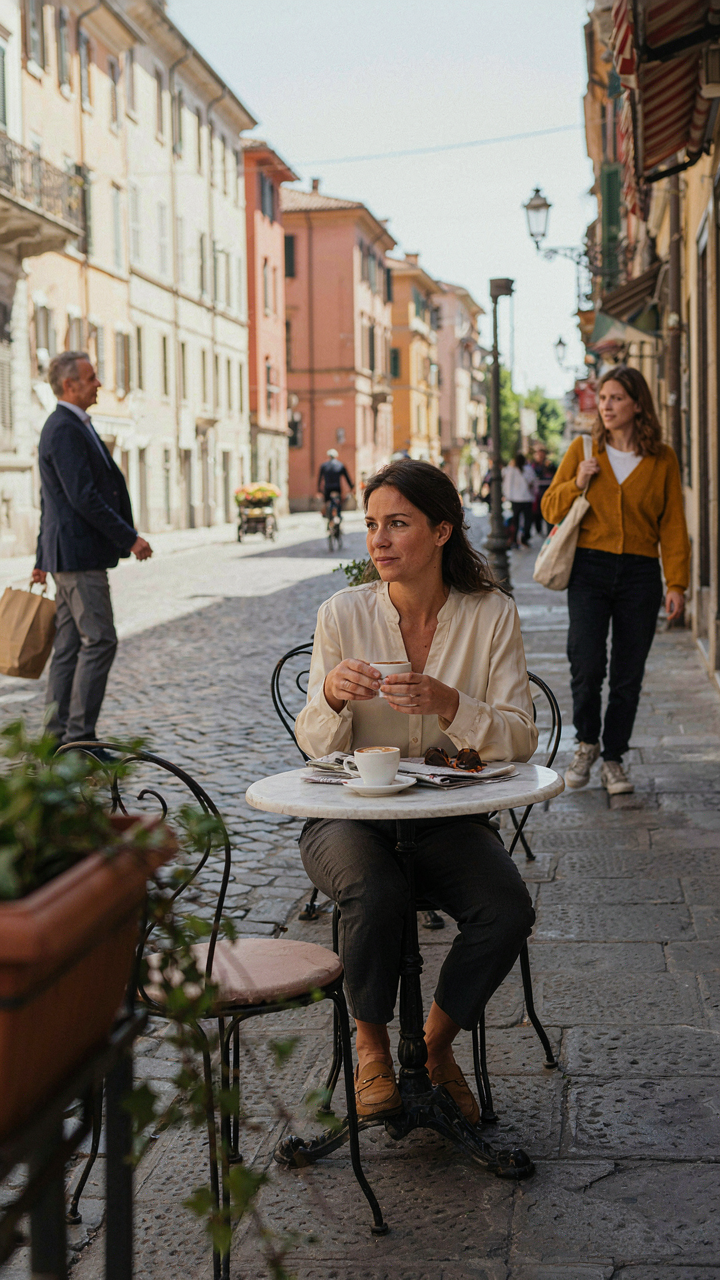
You want to move through a city without broadcasting your outsider status, which means you won’t get hassled, overcharged, or marked as prey. This isn’t paranoia. It’s signal recognition. Silhouette is biology applied to clothing: predators spot the animal that moves differently from the herd. Locals recognize tourists by posture and outline before they hear an accent. Your outfit either blends the visual rhythm of a city or it announces you’re unfamiliar with its rules.

European cities favor vertical lines and fitted proportions. Oversized everything reads American or tourist-adjacent. Asian cities often embrace looser cuts but with intentional styling and quality fabrics that signal purpose. The mechanism is simple: watch what people actually wear in the neighborhood you’re entering, not what travel guides say they wear. Adopt the pant length, shoe style, and jacket shape you observe on people moving with destination confidence, not exploration mode.
Dinner Versus Daytime Code Switching
Different contexts demand different outfits because dress codes function as language. A dinner venue enforces standards through social consequence, not rules written down. You wear something underscored by intention because the event requires it. Daytime exploration allows for function over formality, but the inverse isn’t true: you cannot wear daytime clothes to most dinner settings without appearing indifferent to the space.
The split starts with shoes. Comfortable walking shoes work during the day but signal “tourist” or “uninterested” at evening venues in cities that care about presentation. Swap them for something structured but still wearable. The top layer shifts too: casual tees become structured blouses or sweaters with fit. The core action is packing one outfit designed purely for seated dining and one designed purely for standing movement, then accepting you cannot wear them interchangeably.
The Minimalist Arsenal: The Capsule Wardrobe For Maximum Impact
Five Pieces That Replace Twenty
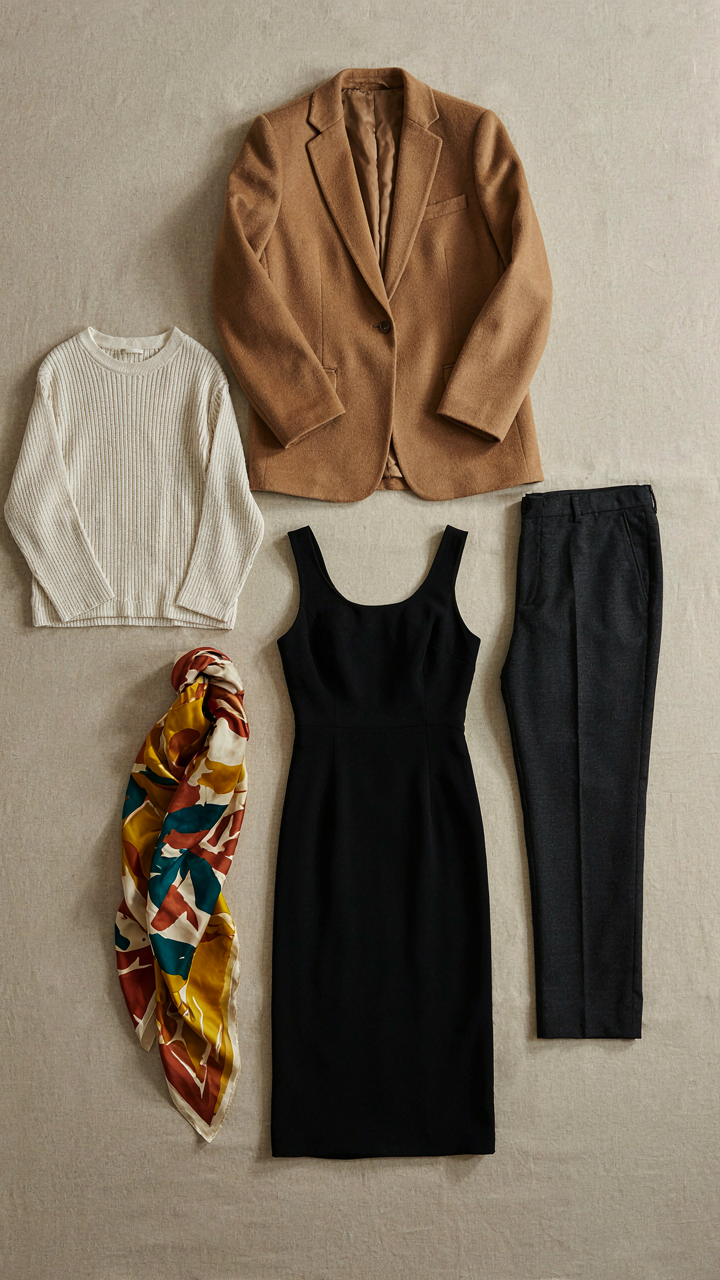
You want to look intentional without the mental load of deciding what to wear in a foreign city. The mechanism is constraint. Fashion designers learned this during the Bauhaus movement: remove options and force every remaining piece to work with everything else. Five core items means every combination functions. No dead weight. No outfit fails because one piece doesn’t pair with the rest.

Start with a neutral base layer, a structured jacket, fitted trousers, a simple dress, and one statement piece in a color that suits your skin tone. Each item must hit two environments: daytime streets and evening venues. The trousers work for museums and dinners. The dress handles both casual lunches and restaurant tables. The jacket layers over everything and reads as intentional rather than basic. This isn’t minimalism for its own sake. It’s strategic reduction so every decision you make lands.
Swap Fabric To Change The Entire Outfit
The common advice stops at “pick neutral colors.” That misses the actual lever. Fabric weight and finish determine whether an outfit reads as daytime or formal. A linen blazer in cream looks like morning exploration. The same silhouette in structured wool feels like dinner preparation. Cotton trousers feel casual. Wool trousers feel deliberate.
Build your five pieces across two fabric families. Cotton, linen, and jersey for day movement and comfort in warm cities. Structured wool, silk blends, and ponte knit for evening presence and movement in cooler venues or formal spaces. The color stays the same. The fabric changes everything. Pack one piece in each category for your core items, and you’ve doubled your outfit range without adding bulk or weight to your luggage.
The Unseen Advantage: Psychology Of Perception
What You’re Actually Afraid Of
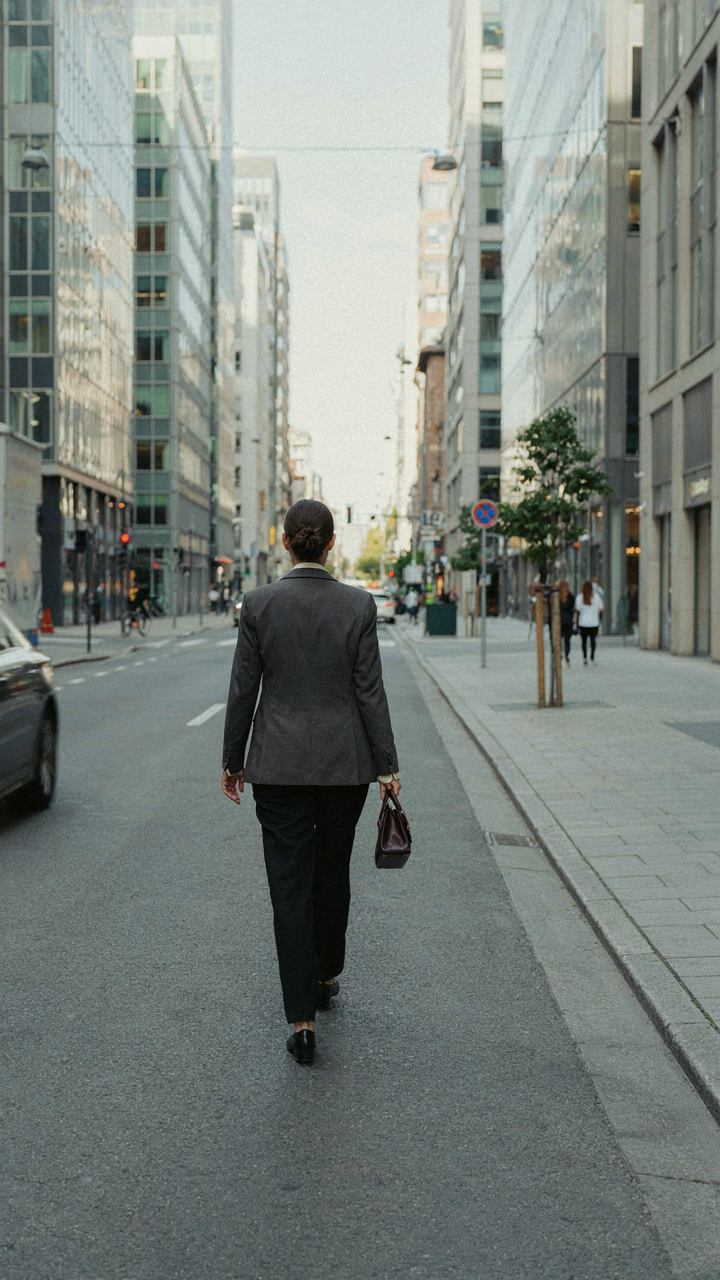
You want this section to confirm that looking put-together will protect you from judgment and danger. Here’s the mechanism: evolutionary psychology calls this “costly signaling”—you broadcast resources and status through dress because it’s expensive to fake consistently. A solo female traveler signals something specific through her outfit: she’s resourced enough to travel alone, attentive enough to maintain appearance in unfamiliar cities, and intentional about how she moves through space. This isn’t vanity. It’s information architecture. The cut of your clothes, the condition of your shoes, the fit across your shoulders—these communicate whether you’re a target or someone with options.

Vulnerability reads differently than confidence, and clothes are the fastest translator. A wrinkled shirt signals fatigue or carelessness. Fitted, structured pieces signal control. This isn’t about looking rich or fashionable—it’s about looking like someone who notices details, including threats. Predatory attention works on pattern-matching: it seeks people who appear distracted, uncertain, or unable to execute a plan. Your outfit should make clear you’re executing a plan.
Strategic Interaction Design
Game theory examines how people predict and respond to your moves based on visible information. Your outfit is the opening move in every interaction—with taxi drivers, hotel staff, strangers in restaurants, other travelers. People adjust their behavior based on what they perceive about you before you speak. Dress like someone making deliberate choices and people treat you like someone making deliberate choices. Dress like you’re unsure and people test your boundaries.
The specific mechanism: choose one elevated piece for dinners and one for day activities, then build outfits that make both work without rotation. A structured blazer worn over a simple shirt signals you belong in any setting. Neutral colors with one intentional accent piece create the perception of consistency without looking rigid. This limits the variables other people can exploit. When your choices appear predetermined and thoughtful, interactions shorten and clarify—people move faster toward direct transaction rather than testing your resolve.
The Smart Traveler’s Airport Look: Efficiency Embodied
Wear Layers You Can Strip Fast
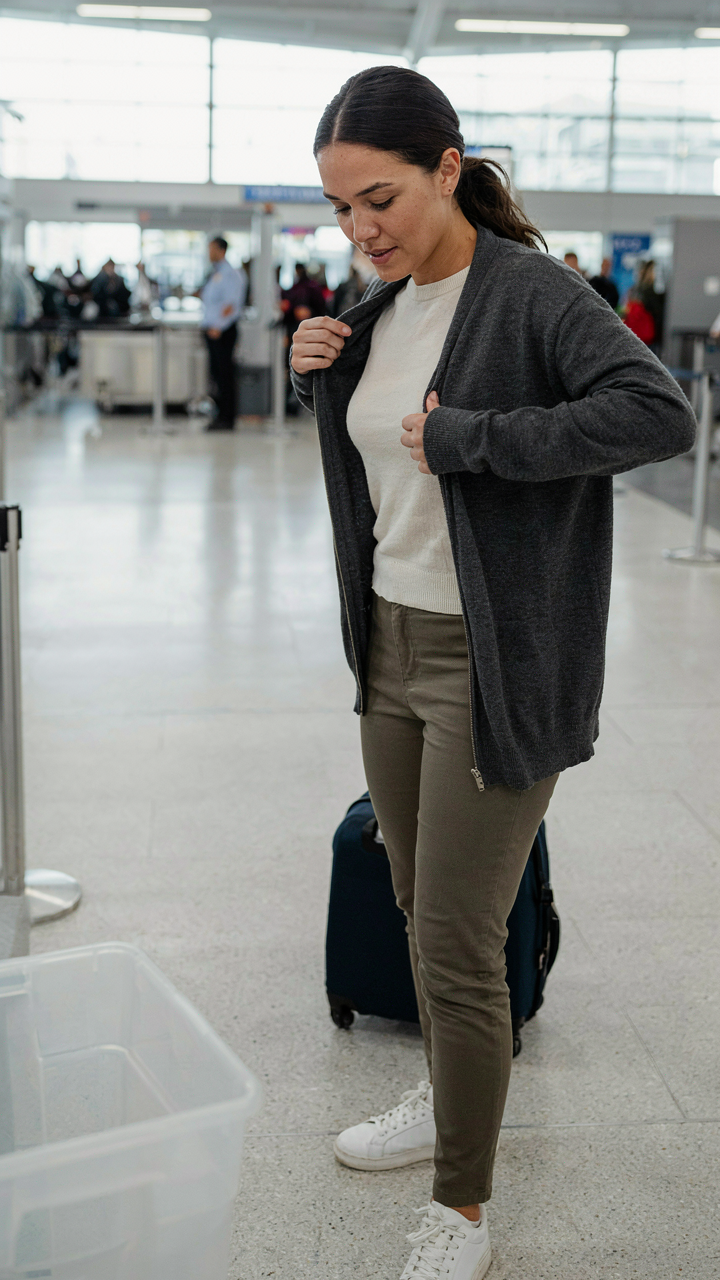
You’re worried security will expose you as unprepared, so you overcompensate with complexity. The real mechanism is friction. Every second spent removing layers or fumbling with accessories costs you mental bandwidth you need for the actual journey. Wear a base layer, a structured cardigan or overshirt, and one outer layer you can peel off in under thirty seconds. That’s it. Your goal at security is velocity, not aesthetics.

The materials matter more than the silhouette here. Choose natural fibers that don’t require tucking back precisely after removal. Cotton blends, linen, merino wool—they tolerate being stripped and repacked without looking creased. Avoid anything with buckles, excessive zippers, or metal details that slow the scan line. You move through security the same way you move through the airport: with no wasted steps.
Arrive Rested, Not Wrinkled
The standard advice is to wear “comfortable clothes” on flights. That’s useless because comfort varies by body and by route. What matters is compression without constriction. Fabrics that don’t wrinkle trap moisture against your skin during long flights, which creates fatigue that has nothing to do with actual tiredness. You’re dehydrated and overheated before you even land.
Wear a structured knit or technical blend designed for movement, not loungewear. The fabric should breathe and shed wrinkles naturally. Skip anything loose or slouchy because it creates dead air pockets that work against temperature regulation. Bring a change of top in your carry-on and change it thirty minutes before landing. That single action resets how you feel walking into your destination.
The Preparedness Paradigm: Anticipating Every Scenario
Weather Shifts Demand Layering, Not Coverage
You care about this section because you fear looking unprepared in front of strangers. The real mechanism is thermal regulation through strategic layering. Cities create microclimates. A plaza in direct sun reads fifteen degrees warmer than a shaded street two blocks away. Interior dining rooms run cold by design. You cannot predict these shifts, so you engineer flexibility instead of fighting variance.

Build outfits around a base layer you can subtract without looking incomplete. A lightweight merino wool tee works under linen shirts or structured blazers. The key is that each piece functions solo if stripped away. Avoid outfits where removing one layer leaves you visibly underdressed or overexposed. Test this at home first. Put on the full outfit, remove the middle layer, and ask if you’d leave the house as is.
The Repair Kit That Actually Prevents Disasters
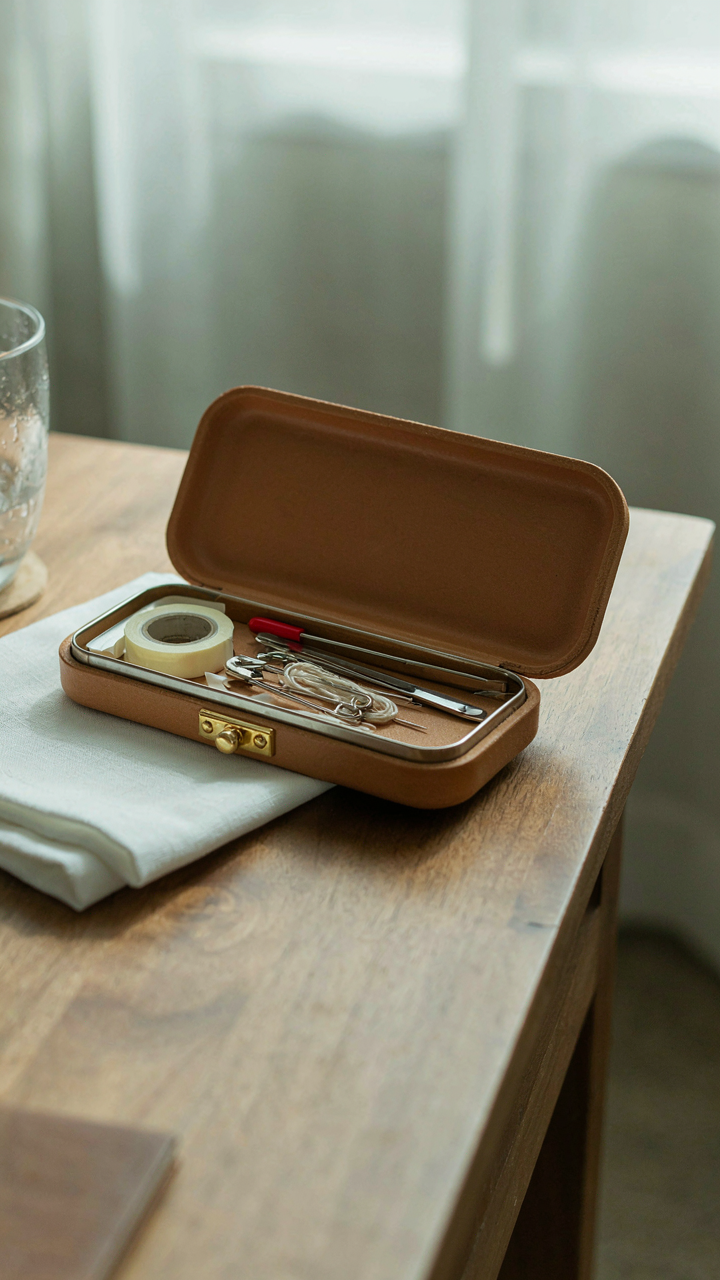
Carry a small kit, not because emergencies happen often, but because the ones that do are silent failures that kill your confidence for three days straight. Most travel packing lists mention this then move on. They miss the triage part. You need exactly four items: a travel sewing kit with thread in black and nude, a safety pin, a seam ripper, and fashion tape. That’s the protocol. Everything else is bulk.
Fashion tape solves neckline slips, hem catches, and gaping without damage. A seam ripper removes threads faster than scissors and prevents fraying. Safety pins secure anything temporarily while you figure the real fix. A needle and thread handles hems, loose buttons, and small tears before they spread. Keep these in a glasses case, not a pouch. A case zips tight, stays flat in any bag, and doesn’t spill contents into your makeup.
The Real Obstacle Isn’t Your Wardrobe; It’s Your Fear Of Standing Out
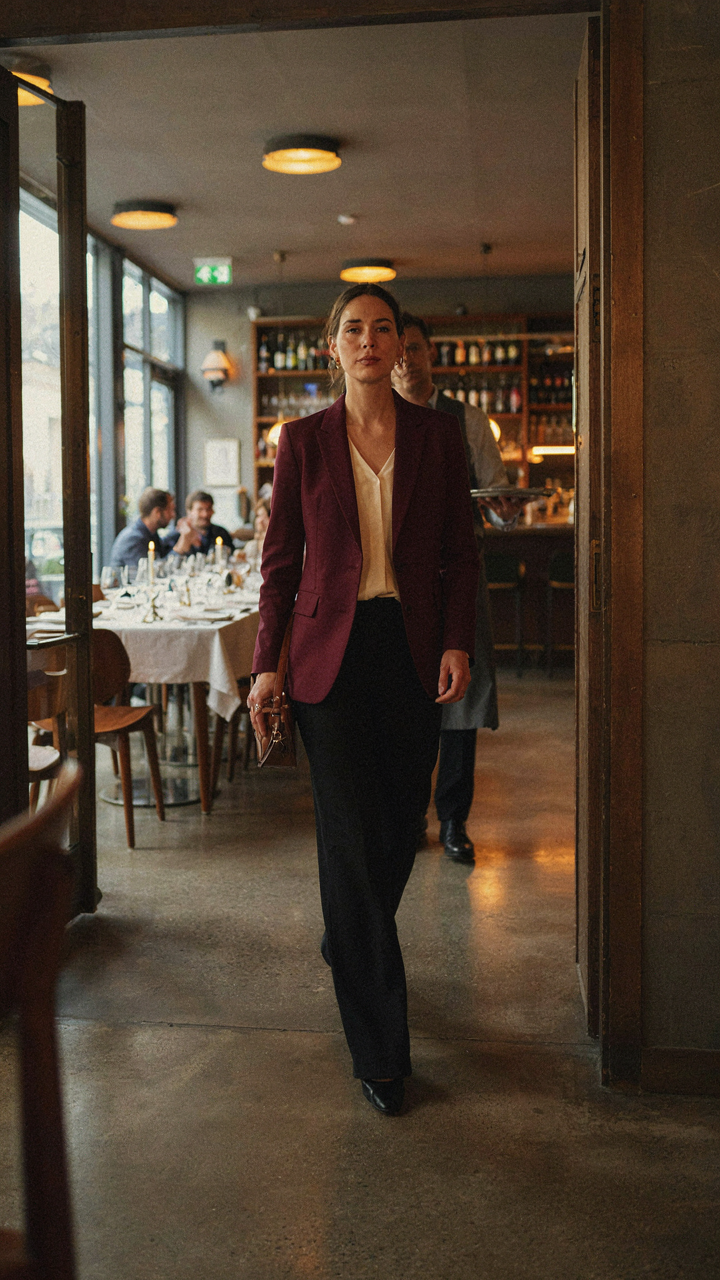
You’ve been trained to blend in. Schools did that. Office jobs did that. Social media accelerated it. But solo travel demands the opposite. You don’t need more outfit combinations. You need permission to take up space in a room without apologizing for it. Pick one outfit today that makes you slightly uncomfortable and wear it anyway. The world doesn’t punish bold women—it rewards them with better stories and better conversations.