
The Myth Of “Soft Detail”: Why Basic Is Boring
What Everyone Gets Wrong About Romantic Softness
You want to look expensive without trying too hard. That’s the real reason you’re reading this. The mechanism is simple: most wedding guests follow the same playbook, which means they all look the same. Pastels. Florals. Tulle. The trinity of “romantic” that every retailer pushes. These are consensus moves, and consensus looks forgettable.
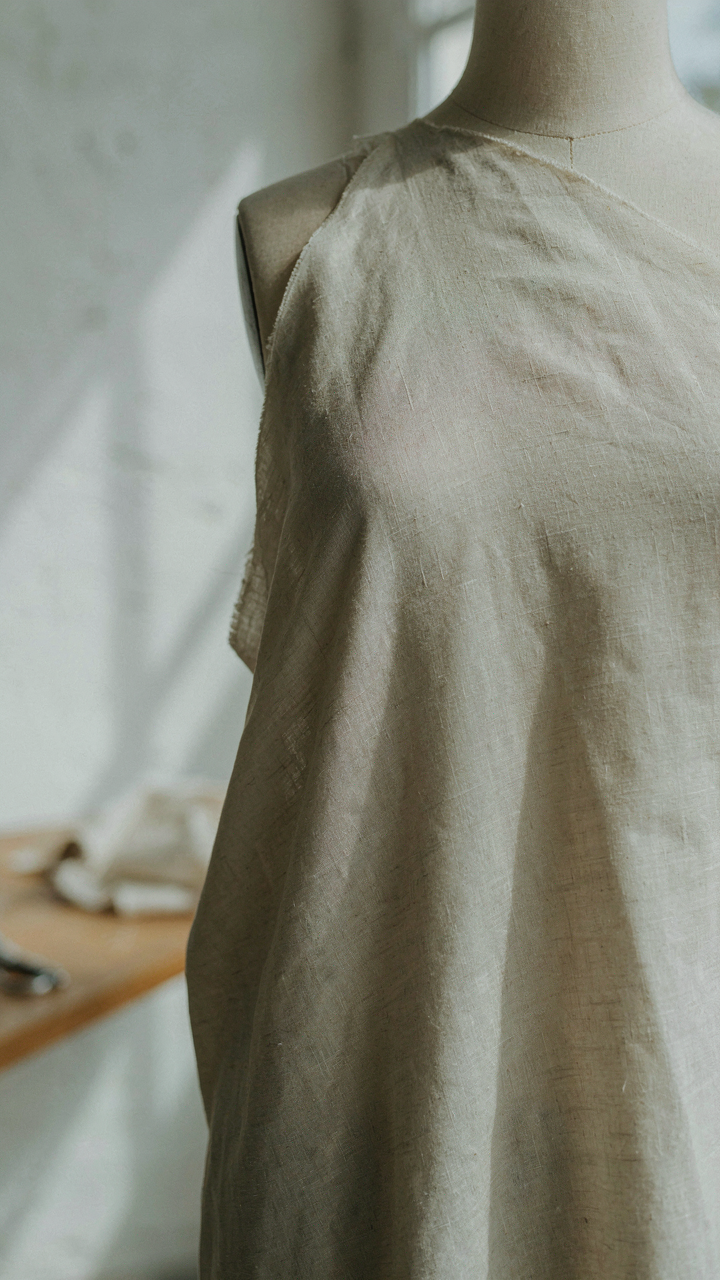
Romantic style wedding guest dress doesn’t mean defaulting to pale pink and ruffles. It means choosing textures and silhouettes that read as intentional, not copied from a mood board everyone else saw. The difference between looking polished and looking like you shopped the sale rack comes down to one thing: specificity in material choice. A guest who picks linen instead of cotton voile, or structured organza instead of loose chiffon, signals that they understand fabric as a design tool, not a category.
Texture Over Color Alone
Borrowing from material science, every fabric has a coefficient of light absorption—basically, how it catches and holds light. This matters more than hue when building a romantic look. A mauve silk charmeuse doesn’t register the same way mauve cotton does. One has depth. One looks flat.
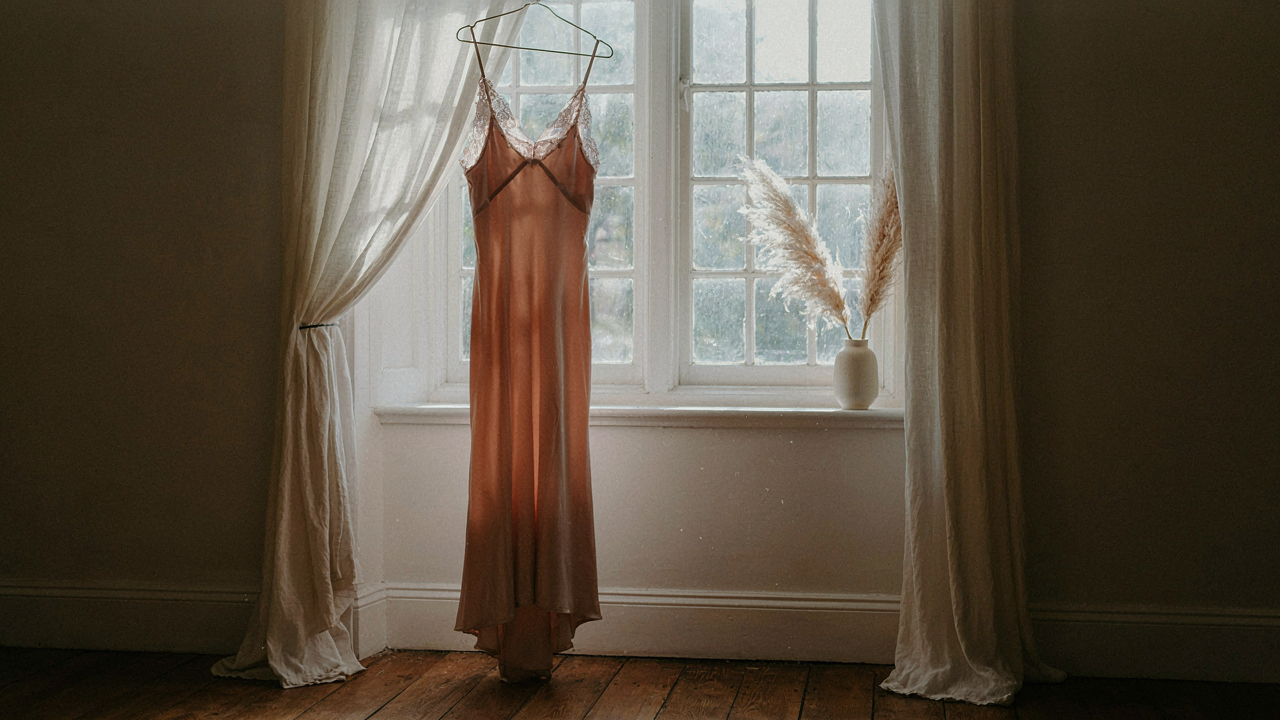
The common advice treats “soft” as synonymous with “pale and flowy.” Wrong. A soft detail is something you can name: a bias-cut hem, a hand-rolled edge, a jacquard weave that moves differently than plain fabric. Lace over a slip dress. Silk noil that catches light unevenly. Smocking at the bodice instead of elastic. These move differently on your body, catch light differently, and photograph differently. Pick one specific texture technique per garment and build outward from there.
The Inversion Principle: Dressing For Yourself, Not The Wedding Theme
Stop Dressing For Permission
You’re reading this because you’re afraid you’ll get it wrong and look out of place. Here’s the mechanism: the wedding isn’t actually judging your outfit. The other guests aren’t cross-referencing your dress against some invisible rulebook. You’re performing compliance when you should be performing competence. Romantic style isn’t a costume you borrow for the event. It’s a visual language you already speak or need to learn to speak fluently.

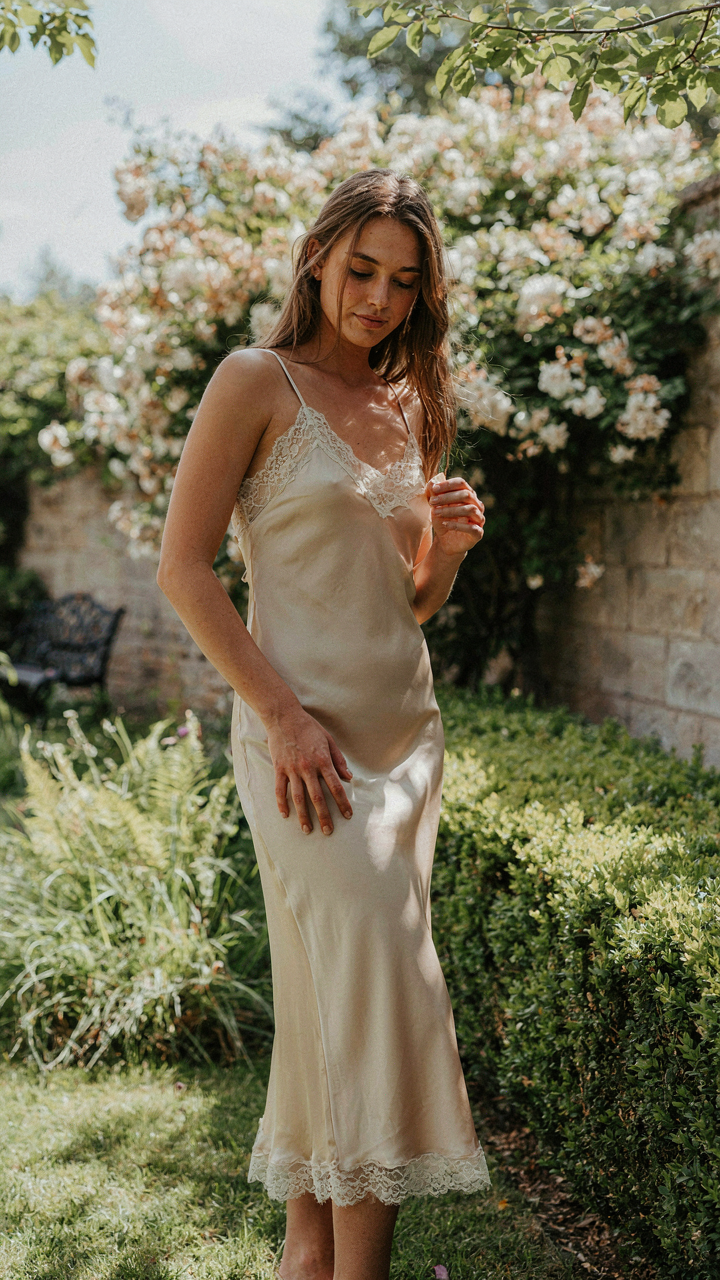
The common advice says “match the vibe of the wedding.” That’s lazy. What actually matters is whether your romantic pieces communicate intention, not whether they coordinate with the color palette. A silk slip dress with lace trim works at a garden wedding or a city venue because the pieces themselves are coherent. The dress proves you understand fabric, proportion, and restraint. The setting becomes secondary to your execution.
Build Your Romantic Vocabulary First
Most people approach formal dressing like translation, not fluency. You grab a piece because it fits the occasion, not because it extends who you already are. The real move is inverting this: identify what romantic details actually work on your body and in your life first, then deploy them at the wedding. This is basic signal theory. Your outfit transmits information about whether you understand yourself or just understand rules.
Start by auditing what you already own that reads as romantic without trying: a blouse with subtle gathering, a skirt with visible seaming, a fabric with natural drape. Wear these pieces in regular contexts for two weeks. Notice what feels uncomfortable versus what feels like an extension. A puffed sleeve might photograph beautifully but restrict your movement. A sheer overlay might read romantic in theory but feel performative on your body. Lock in what’s genuinely yours, then buy the formal pieces that amplify those same qualities.
The “Celebrity Chic” Fallacy: Beyond Red Carpet Clones
What Celebrity Stylists Actually Know
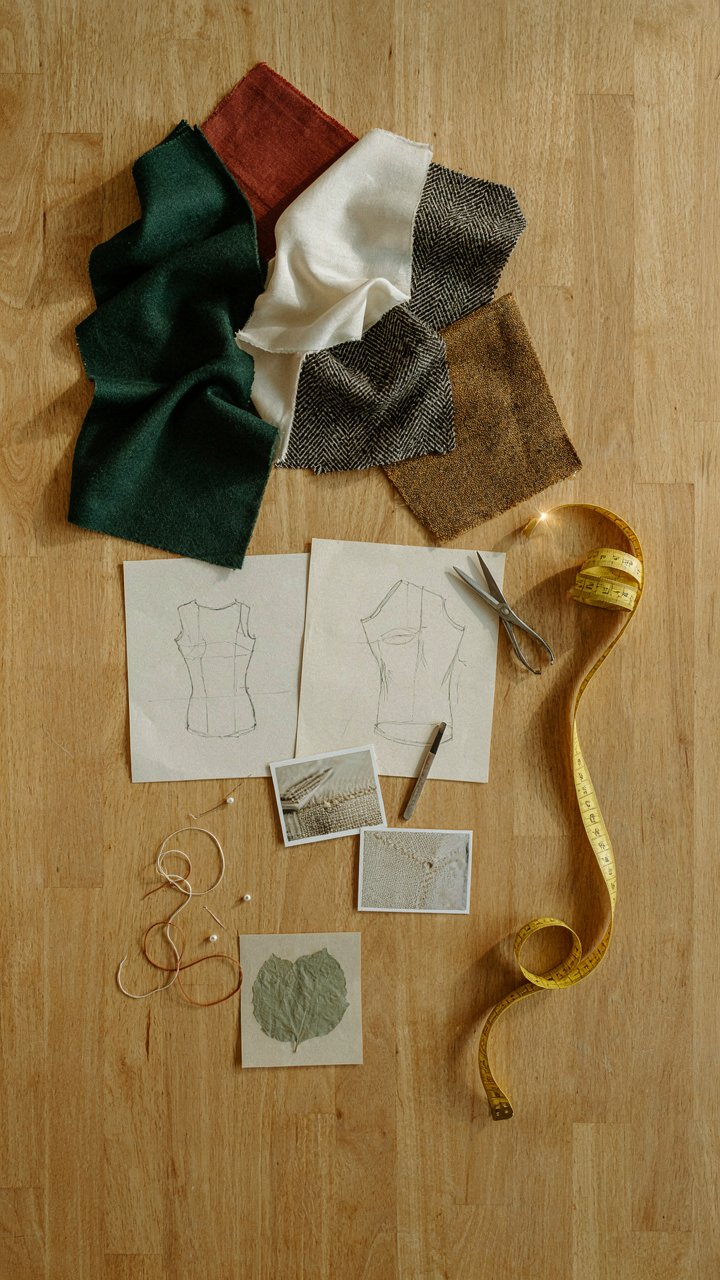
You want to copy what famous people wear because it signals you have taste without doing the work yourself. Here’s what you’re missing: celebrity stylists work backward from constraint, not forward from inspiration. They start with the client’s body, the event’s unwritten social rules, and the specific lighting where photos will happen. Then they source pieces that solve those constraints. You see the dress. You don’t see the three fittings, the alteration list, or the rejection pile.

Celebrity styling is applied constraint management. A stylist for a red carpet event doesn’t chase trends; she eliminates options that create problems for her specific client. When you copy the final image, you’re adopting the solution without the constraint data. Your body isn’t their body. Your event’s social code isn’t their event’s code. The mechanism is simple: their dress works for them because it solves their actual constraints, not because the dress itself is universally correct. Copy the process, not the product.
Style First, Trends Second
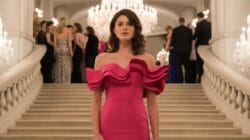
The common advice here is wrong: “Make trends work for you” is vague nonsense. What actually matters is whether a trend aligns with your body’s proportions and the event’s formality level. A ruffle detail on a neckline works if your neck isn’t short and the dress isn’t already high-waisted. Floral prints read romantic but can overwhelm petite frames or compete with an already-ornate venue. The trend itself doesn’t adapt. You do, or you skip it.
Start with what your body needs, then layer in the romantic detail that serves that need. If you’re tall, soft draping and long sleeves create proportion. If you’re curvy, structured fabrics with strategic ruching handle volume better than billowing chiffon. Personality enters after function. Someone reserved wears romantic details in subtle fabric choices and construction, not loud prints. Someone expressive can go bolder. The sequence matters: constraint, then aesthetic.
The “Midi Dress Wedding Guest” Advantage: Strategic Proportions
Body Type Alignment And Visual Authority
You want to look proportional because proportion signals control, and control reads as confidence. That’s the mechanism. Silhouette power borrows from visual hierarchy in design: the eye follows interrupted lines, and a midi dress creates strategic line breaks that either elongate or anchor depending on where the hemline lands relative to your body’s natural divisions.

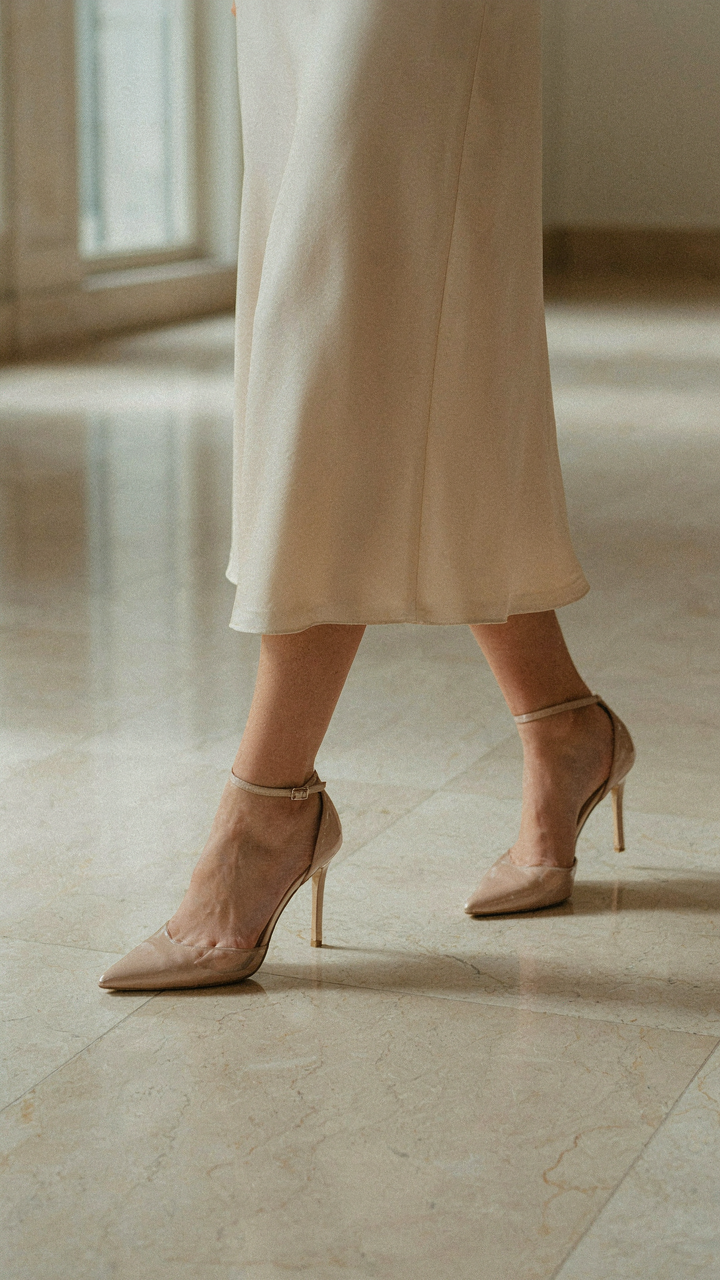
A midi that hits at mid-calf elongates the leg on most frames because it leaves a gap between dress hem and shoe. On taller bodies, this creates visual lightness. On shorter bodies, the same dress can shorten the leg unless you pair it with heels that raise the effective hemline mathematically. The fabric weight matters here. Heavier materials at the calf create downward visual pull, while lightweight fabrics float and extend the leg optically.
Strategic Length And Unexpected Elegance
Forget the advice that midi dresses work for “all body types.” That’s incomplete. Midi dresses work when the hemline aligns with your leg’s longest visual segment. If you have a long torso and short legs, a midi that skims mid-calf breaks your proportions. A knee-length or slightly below-knee hits the visual reset point and reads as intentional, not accidental.
The elegance mechanism here is actually about breaking expectation. A wedding guest shows up in a cocktail dress or a floor-length gown. A midi with romantic detail lands in the unclaimed middle ground, which creates intrigue. Soft details like lace panels, ruching, or flutter sleeves in midi length broadcast intention rather than formula. Measure from your natural waist to the floor, then subtract six to eight inches for true midi placement on your frame specifically.
The Anti Festival Protocol: Ditching Bohemian For Grown Up Glamour
What Festival Dressing Actually Signals
You’re worried people will mistake you for someone who doesn’t know the difference between a wedding and a music festival. That fear is justified. The mechanism at work is pattern matching: your brain categorizes outfits based on context clues, and bohemian clichés trigger the wrong category. Flowing fabrics, bare shoulders, leather accessories, and layered jewelry work at outdoor events precisely because they broadcast ease and informality. At a wedding, that same uniform reads as trying too hard to seem carefree, which defeats the point.

The common advice says “add a blazer” or “wear heels.” That’s incomplete. The real move is dropping the festival markers entirely: no fringe, no excessive layering, no boho jewelry stacking. A romantic style wedding guest dress needs refinement signals instead. Think tailored silhouettes, intentional necklines, and minimal accessories. Your outfit should announce that you understand the occasion’s formality, not that you woke up in nature and got dressed for brunch.
Soft Details Within A Structured Frame
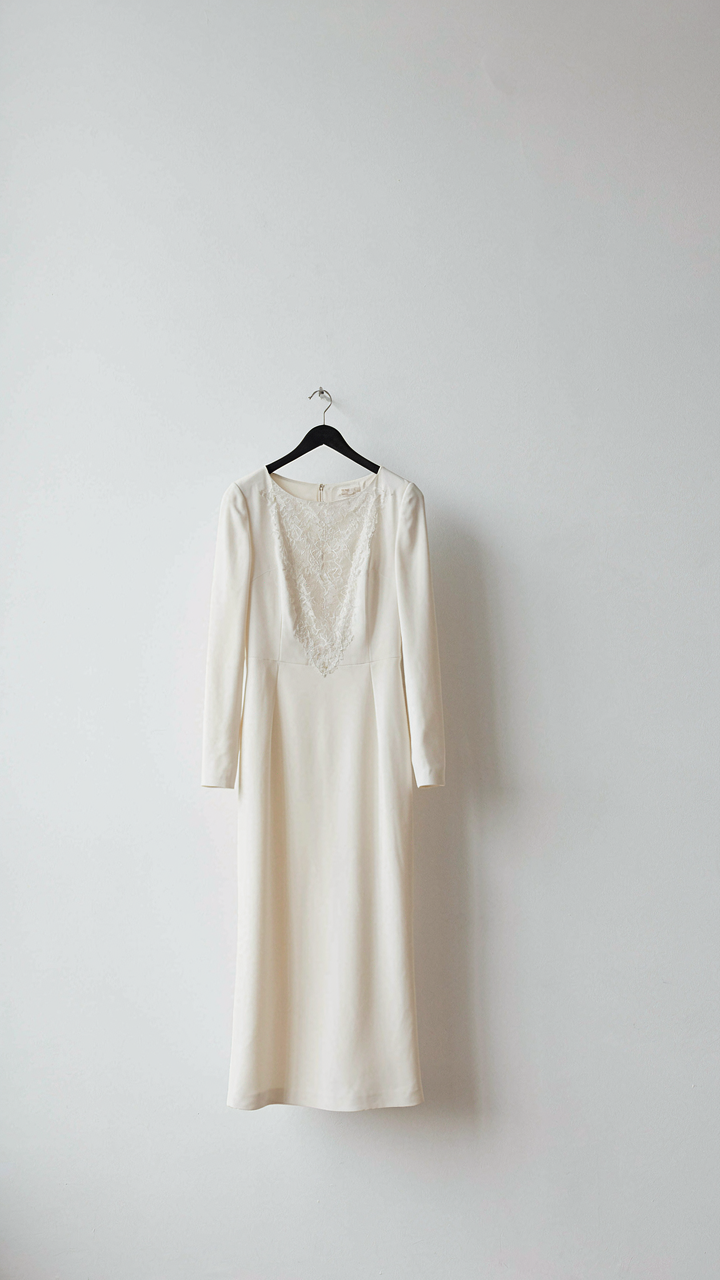
Structure in garment construction works like architecture: a solid frame makes delicate elements readable instead of sloppy. A romantic wedding guest dress pairs soft details like lace, silk charmeuse, or tulle with defined cuts: fitted bodices, structured waistlines, or defined sleeves. Shapeless draping kills the effect. The fabric softness becomes intentional when it exists inside boundaries, not as an excuse for loose proportions.
Soft detail works only when it has something to contrast against. A fitted dress with a lace panel reads elegant. A lace dress with no internal structure reads costume. Pick one focal point for your soft detail: perhaps a lace bodice on a structured skirt, or delicate sleeves on a fitted sheath. Everything else stays clean and precise. This discipline is what separates romantic wedding guest wear from festival wear. The softness becomes noticeable precisely because it’s controlled.
The Event Outfit Equation: Comfort Meets Power
Wear What Doesn’t Require Management
You want to look polished without appearing like you’re performing. Here’s what actually happens: the moment your dress demands constant adjustment, your attention splits between the event and your outfit. Physics calls this cognitive load. In romantic style wedding guest dressing, this manifests as the difference between a dress that breathes with your body and one that requires vigilance. Fabrics matter here—silk charmeuse, cotton blends, and knit jerseys move with you instead of against you. A dress that fits through the shoulders and waist without pulling or gaping removes the feedback loop entirely.

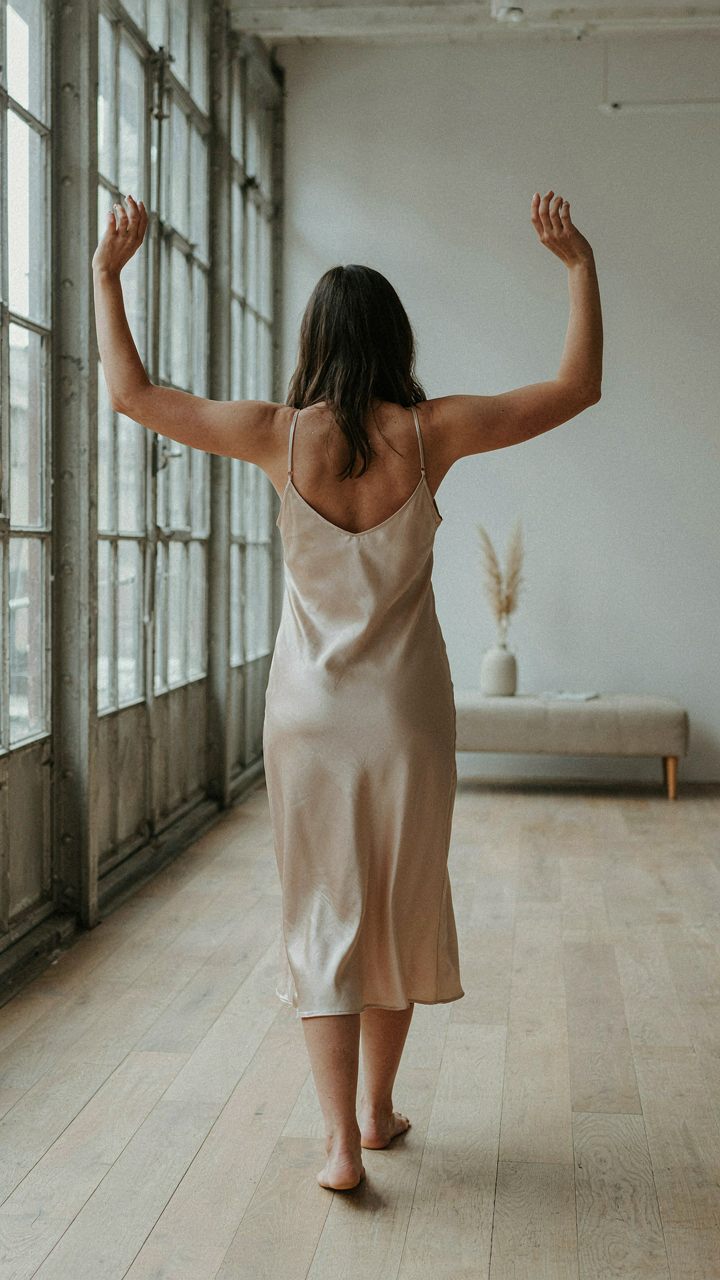
The real mechanism is simple. When fabric behaves predictably, you forget you’re wearing it. Your hands stay free. Your posture stays natural because you’re not compensating for restriction. Romantic style typically favors soft textures and draping that accommodate actual human movement, not runway stiffness. This isn’t about loose or shapeless—it’s about strategic give. Test the dress by sitting, reaching across your body, and moving your arms overhead. If you notice the dress more than once during those tests, it will sabotage you during the event.
Motion Builds Conviction In How You Show Up
Confidence isn’t a feeling you manufacture. It’s a physical state your body either supports or undermines. Biomechanics research shows that restricted movement triggers defensive posture and shallow breathing. For a romantic style wedding guest dress, this means the cut of the bodice, the sleeve structure, and the hem length determine whether you move like someone comfortable or someone managing an outfit. A fitted waist with soft side panels allows you to gesture naturally. A sleeve that doesn’t pull at the armpit lets your shoulders relax. A hem that doesn’t bind your stride lets you walk without thinking.
Pick a dress you can sit in without tugging the neckline up or the hem down. Walk in it for five minutes before buying. Raise your arms to shoulder height and check for pulling across the back. This isn’t vanity—it’s engineering. A romantic style dress that passes these tests gives you the platform to actually participate in the event instead of managing fabric.
The Investment Mindset: Curating Your Wedding Guest Wardrobe
Cost Per Wear Beats Price Tag
You’re worried about dropping money on a dress you’ll wear once. That fear is backwards and it’s costing you. Economics teaches us about opportunity cost—the hidden expense of choosing one thing over another. Apply that lens here: a romantic style wedding guest dress isn’t an expense against a single event. It’s an asset measured across every occasion where soft details and intentional femininity matter. The real mechanism is this: buy pieces you’ll reach for at other formal moments, not just weddings.
A 150-dollar dress worn three times costs 50 dollars per wear. A 300-dollar piece worn eight times costs 37 dollars per wear. Most people reverse-engineer this wrong—they chase cheapness instead of tracking actual utility. The romantic silhouettes that work for weddings also function at rehearsal dinners, upscale brunches, anniversary celebrations, and professional events where you need polish without rigidity. Stop thinking about the wedding. Think about the frequency you’ll actually dress this way across a year.
Build Around Core Pieces That Extend
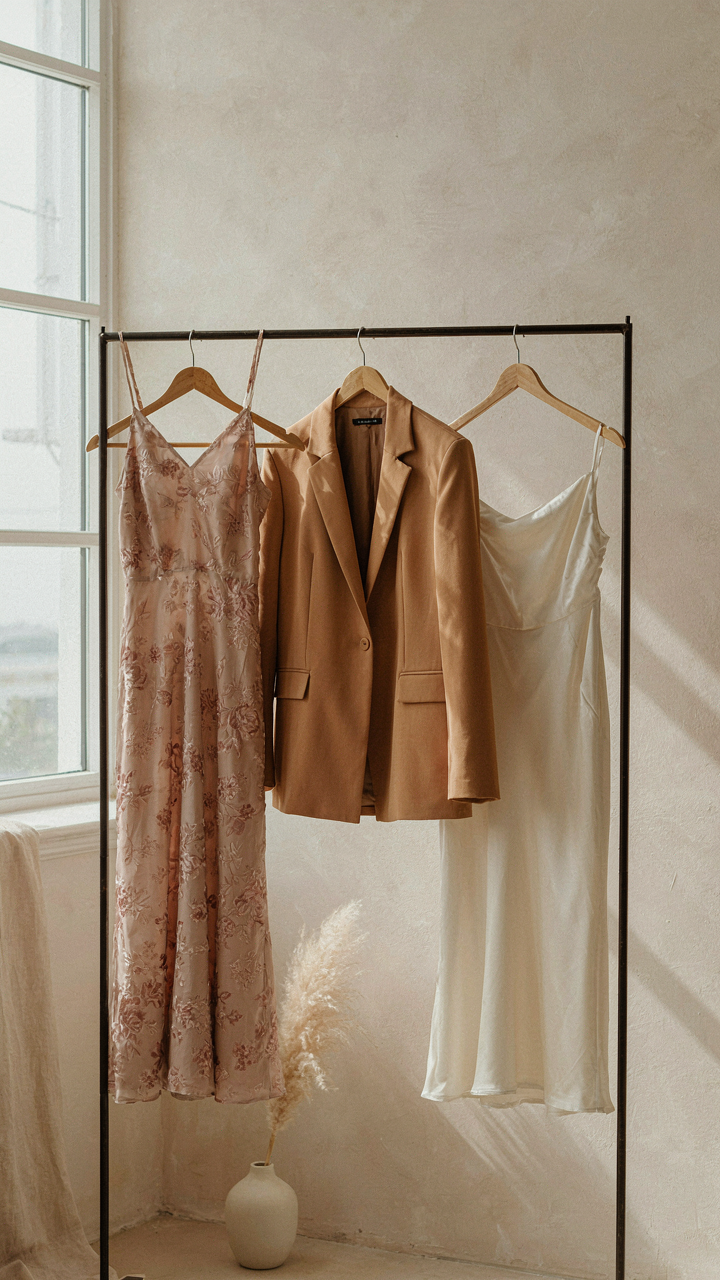
The common advice here is useless: “just mix and match basics.” That doesn’t account for romantic style. You need foundational pieces that carry the aesthetic across multiple contexts without repetition. Start with two midi dresses in neutral tones—ivory, soft gray, or blush—cut with asymmetry or tiered skirts. These anchor the collection. Add one midi in a deeper jewel tone for variety. The math matters: three dresses solve six outfit scenarios minimum if you vary shoes, wraps, and jewelry.
Then layer in two lightweight blazers or structured cardigans in complementary shades. These extend wear time into cooler months and create formality when needed. Round out with one slip skirt in ivory or champagne silk that pairs with blouses you already own. The goal is zero single-use pieces. Every item works backward and forward across at least two other pieces in your possession. Before you buy anything, name the three outfits it becomes. If you can’t, you don’t need it yet.
The “Romantic Wedding” Red Herring: It’s About You, Not Just Them
Dress For The Occasion, But Express Yourself
You’re worried that showing up as yourself means you’ll look wrong. Here’s the mechanism: romantic style isn’t a dress code the couple enforces. It’s an aesthetic atmosphere they’re creating, and you either harmonize with it or you don’t. The couple chose soft fabrics, muted palettes, and delicate details because those elements communicate something about their event. Your job isn’t to disappear into that vision. Your job is to show up dressed in a way that respects the tone while remaining authentically yours.

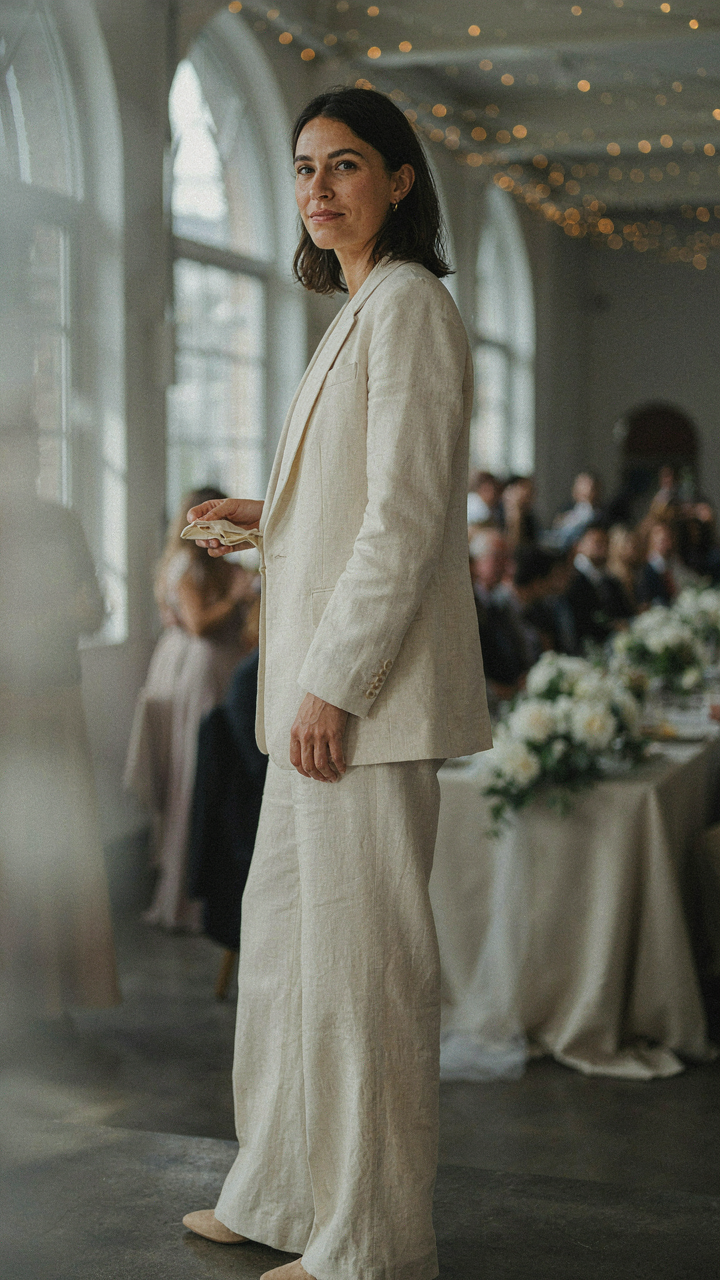
The common advice says “match the vibe.” That’s incomplete. You match the vibe by understanding what makes it romantic in the first place: soft textures, minimal visual noise, and restraint in color choice. A silk slip dress with a cardigan works. So does a linen suit in cream with intentional wrinkles. So does a midi dress in sage with a structured blazer. The rule isn’t about copying what the couple wears. The rule is about operating in the same visual language they set. That language has room for variation. Use it.
How Your Presence Enhances The Atmosphere
Weddings are physics problems, and you are mass in motion. Your energy, your outfit, your focus either dampens or amplifies the room’s existing emotional frequency. When you show up in a romantic style wedding guest dress that actually fits your body and your taste, you project coherence. Coherence reads as respect. The couple notices guests who made decisions. They don’t notice guests who defaulted to safe choices out of fear.
A romantic atmosphere depends on collective intention, not individual perfection. When you dress with intention, you contribute to that collective weight. The soft fabrics you wear catch light the same way theirs do. Your muted color choices expand the palette rather than compete with it. Your understated jewelry or minimal accessories reinforce the signal that the event is about something other than display. This is how you enhance without performing. Wear something that makes you feel intentional, and the room shifts.
The Unconventional Accessorizing Algorithm
When Matching Is The Real Problem
You want to look pulled together without looking like you tried too hard. That’s the real fear underneath this question. The mechanism is simple: matching creates visual noise that screams “costume.” Your brain reads it as effort, which kills the romantic mood instantly. Romantic style demands strategic dissonance—elements that shouldn’t work together but do because they share a tonal quality, not a color or material.
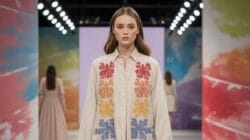
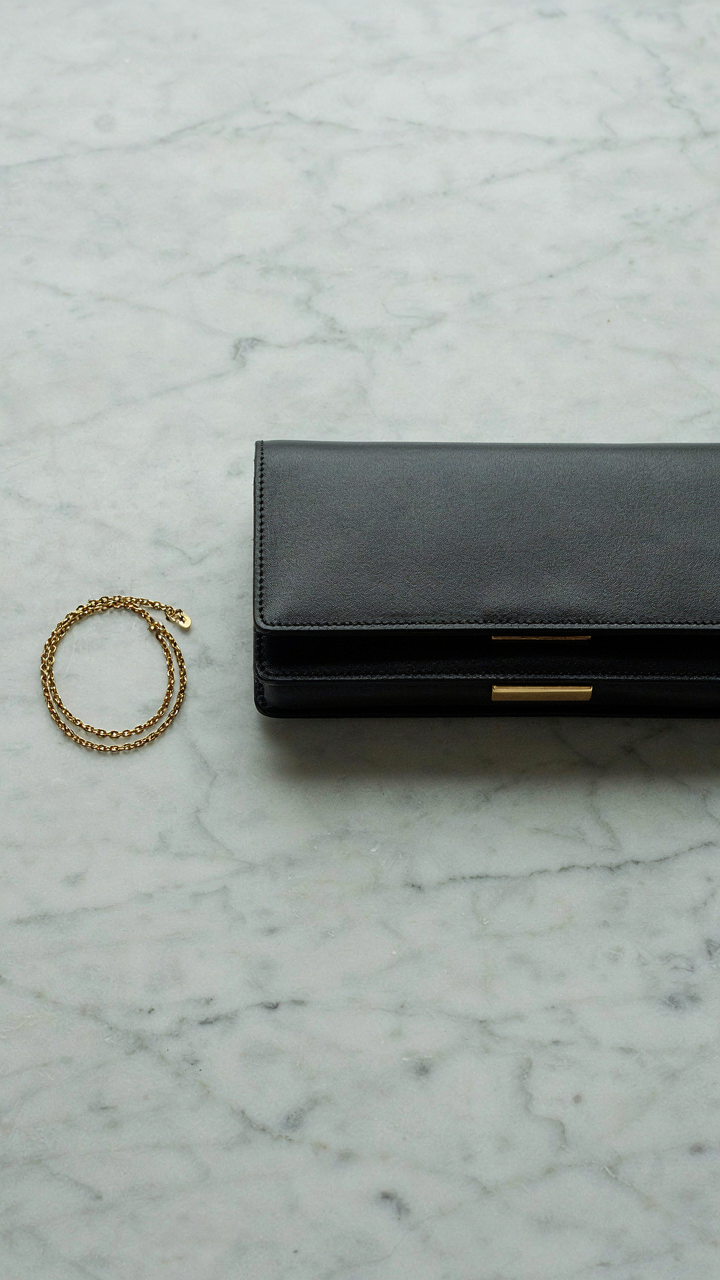
Think of it like tension in design. Fashion borrows from architecture the concept of load-bearing elements. In romantic style, your accessories carry emotional weight, not decorative weight. A delicate gold bracelet paired with a structured leather bag works because both signal restraint. A silk scarf with a metallic clutch fail because they compete for attention rather than build depth.
Elements That Actually Change The Perception
The common advice says “add one statement piece.” That’s incomplete. A real romantic look requires a minimum of three accessory decisions that feel independent but create coherence through restraint and texture contrast, not color matching.
- Sheer or mesh overlay piece: A lace shawl, tulle wrap, or mesh gloves introduce softness without bulk. Worn over structured fabrics, they create visual complexity that reads as intentional rather than random.
- Vintage-inspired hardware: Antique gold, brushed silver, or oxidized metals signal authenticity. Modern shiny finishes flatten romantic style because they look manufactured. Vintage pieces carry the weight of time.
- Asymmetrical or draped elements: One earring, a side-swept clutch, or an off-shoulder strap creates visual intrigue. Symmetry is expected; asymmetry shows you understand proportion beyond balance.
- Texture layering in shoes: Combine materials like satin with mesh, leather with lace, or velvet with metallic thread. This prevents the outfit from reading as costume by adding tactile complexity the eye can sense.
- Muted metal mixing: Gold and silver together read as careless unless they’re aged finishes. Brushed metals of different tones create intentional contrast without discord.
The mechanism works like this: build your look by selecting three accessories that each operate independently in tone and texture, then verify they share one quality—restraint, softness, or historical reference. Skip the matching impulse entirely. Your accessories should feel like you inherited them, not purchased them as a set.
The Power Of The Wedding Dresses Mindset: Why Every Guest Dress Is A Statement
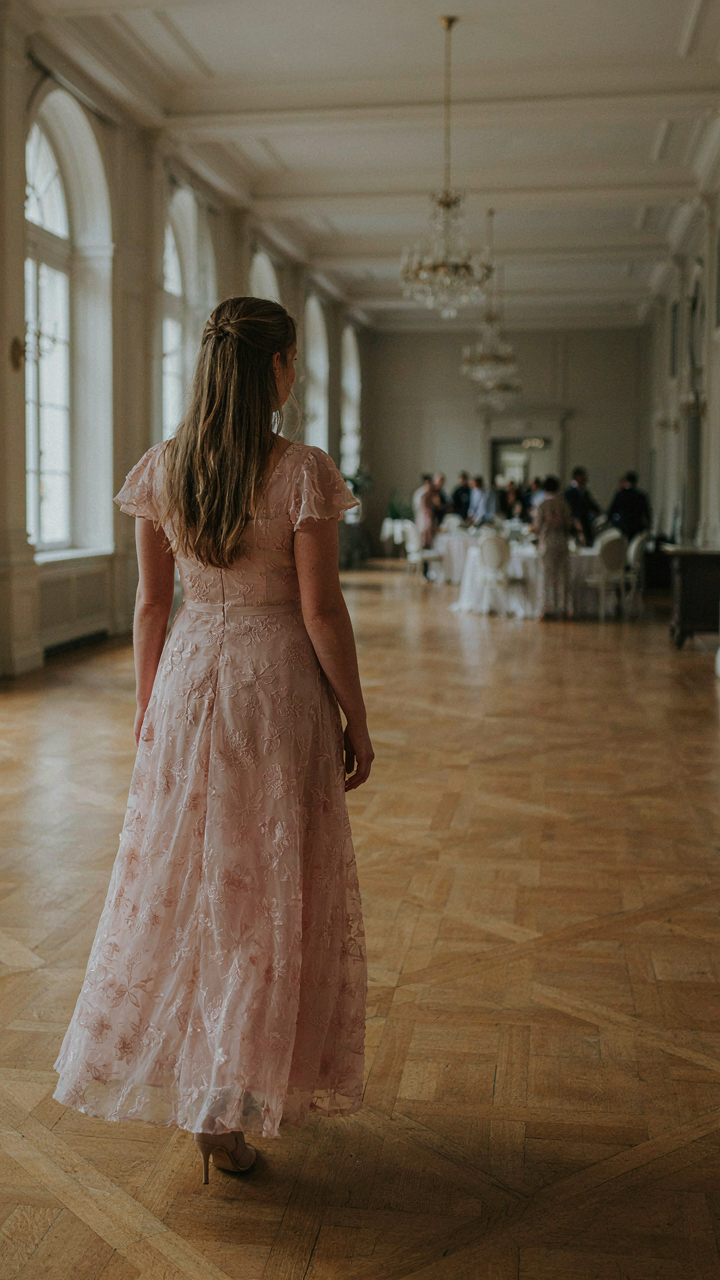
Your Dress Is Your Proxy
You care about this because you know a dress signals who you are before you open your mouth. Your romantic style wedding guest dress works like a brand asset in organizational psychology: it communicates your values, taste, and social positioning through visual shorthand. Most guests treat wedding dressing like a checkbox. They miss the mechanism entirely. Your dress isn’t decoration. It’s a decision about how you move through social space.
A romantic style dress with soft details—lace overlays, flutter sleeves, bias cuts—establishes authority through restraint. It says you understand proportion and know what undermines itself through excess. The soft details matter specifically because they require confidence to wear. A bold, hard silhouette is safe. Softness demands you own your space without aggression. That distinction reshapes how people receive you before the first introduction happens.
The Real Arrival
People don’t remember entrances. They remember how you carried yourself through the room. The psychology of entrance is actually a study in contrast: you command attention by refusing to demand it. Wear a romantic style wedding guest dress that fits your frame precisely, and you move differently. Your shoulders settle. Your pace steadies. You occupy less visual noise, which paradoxically makes you more visible.
Most guests waste their entrance by dressing for the couple. Wrong target. Dress for yourself as the primary variable. When your romantic style dress makes you feel aligned with your own taste, that internal calibration shows. People respond to certainty, not desperation. Choose soft details that match your actual aesthetic, not what you think wedding guests should wear. That alignment between intention and appearance is the mechanism that transforms you from attendee to presence.
The Real Tragedy? Thinking A Dress Can Solve Your Confidence Problem
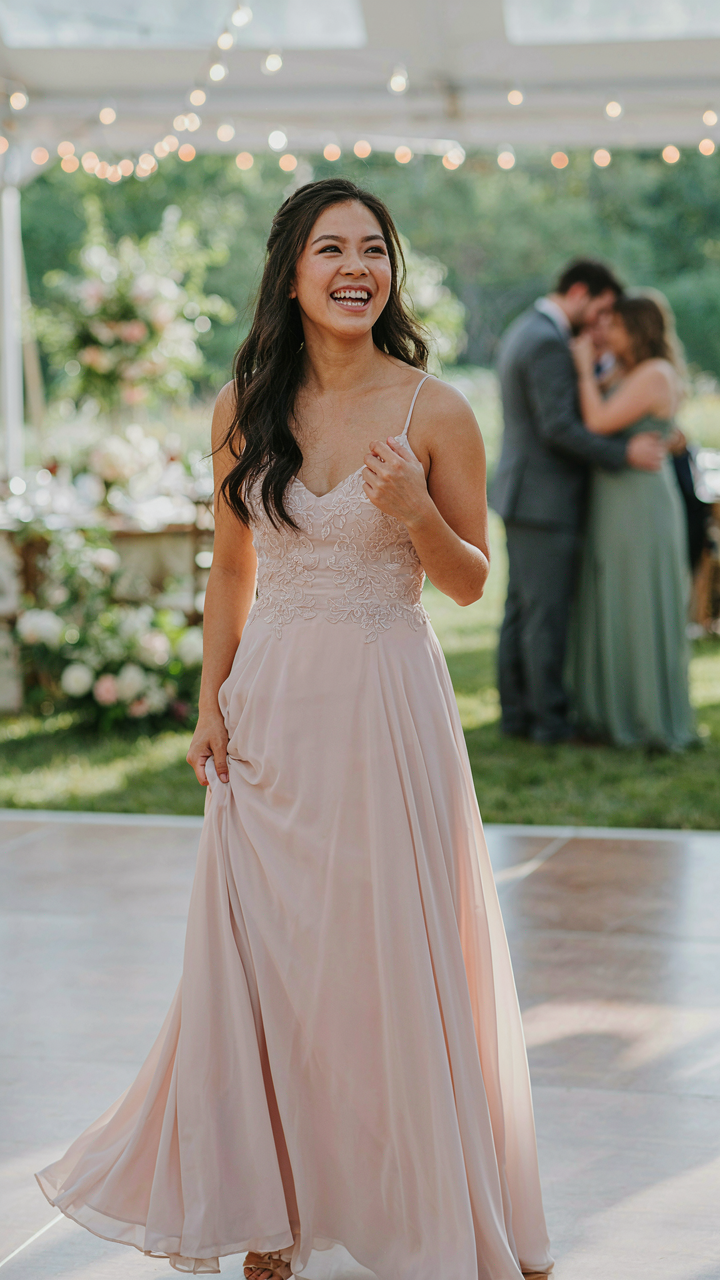
You already know the dress won’t fix anything. A romantic style wedding guest dress makes you feel composed, sure. But confidence lives somewhere else. It lives in the decision you made to show up as yourself instead of as a polished replica of what you think weddings demand. Pick the dress that makes you want to move in it, then move. The outfit is just permission you give yourself to take up space.