

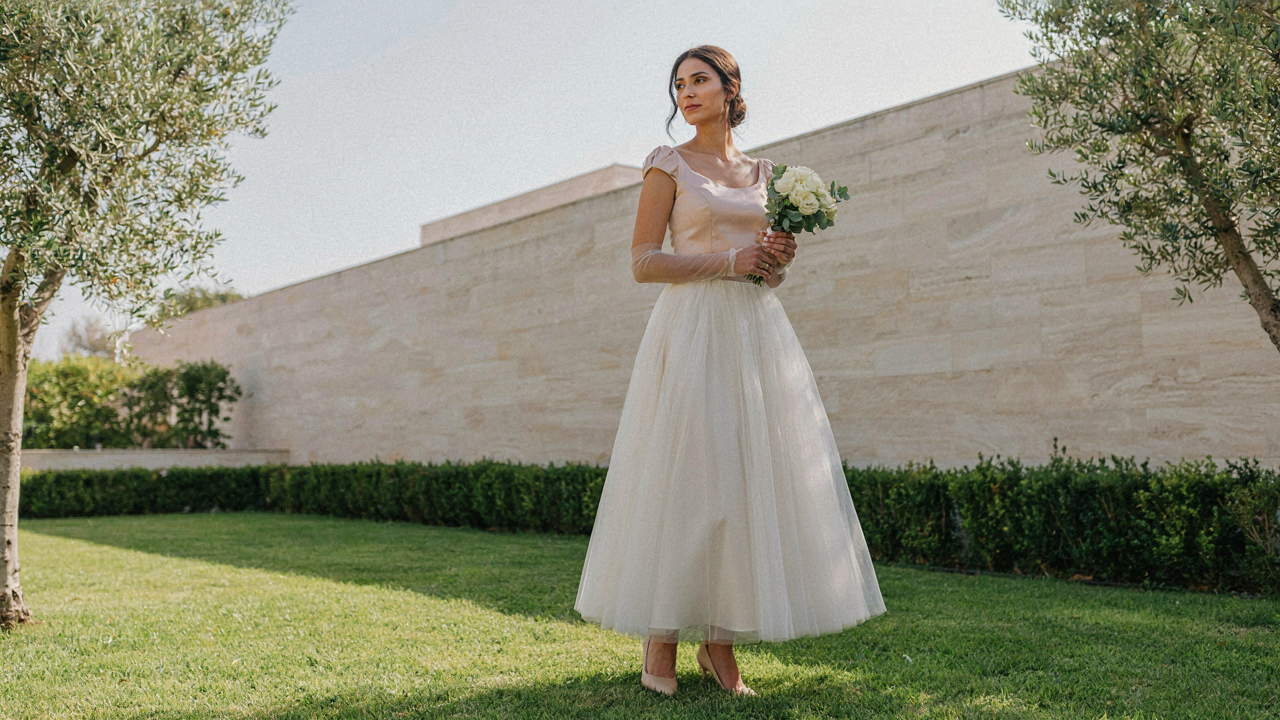
The Era Deconstruction Protocol: Beyond Surface Level Retro
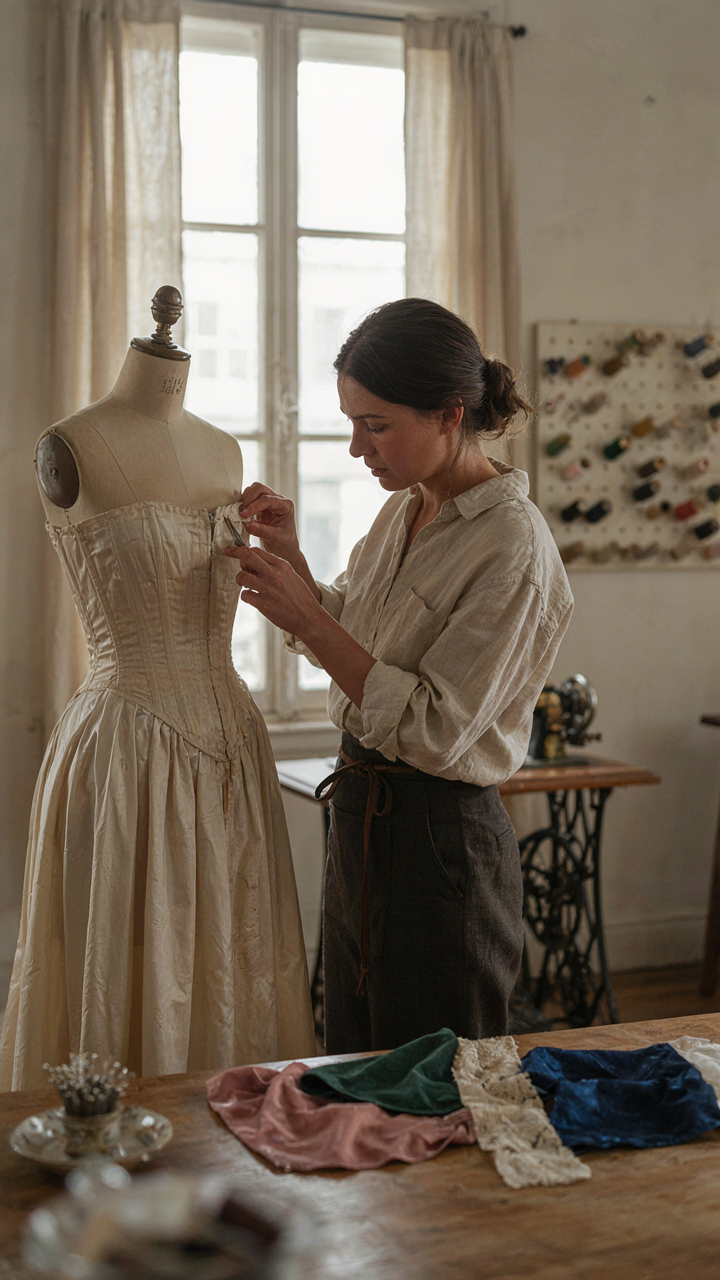
Silhouette Architecture Across Decades
You want to look intentional without looking like you’re trying too hard. The mechanism is this: most people grab any dress with a vintage label and miss that each era built dresses for different body mechanics and social codes. The 1950s prioritized waist definition through structured bodices and full skirts. The 1970s abandoned structure almost entirely, favoring loose draping and bias cuts that moved with the body. The 1960s split the difference with A-line simplicity and mod proportions. Understanding which decade built which shape is the difference between looking curated and looking costume.
Fabric choices lock the silhouette in place. Heavy cotton and structured taffeta held 1950s shapes rigid. Polyester and crepe enabled the fluid lines of 1970s designs. The 1940s relied on rayon blends and wool gabardine because natural fibers were rationed, which created a specific drape you can’t replicate with modern synthetics alone. When you see a vintage style dress, identify the silhouette first by how the fabric behaves, then work backward to confirm the era. This tells you whether the dress actually reads as that decade or if someone just added a label.
Timeless Elements Versus Era Markers
Most advice says to mix old with new. That’s incomplete. There’s a hard line between design choices that transcended their decade and ones that scream when they appear. A well-cut A-line dress works in 1963 and 2024. A Peter Pan collar, high neckline, or specific print pattern signals a precise moment in time and dates the wearer immediately if it’s wrong for the current context. The distinction: structure and proportion stay invisible across decades. Specific details and pattern choices are era anchors. You need both types in one outfit, or the dress reads as either costume or generic.
The real skill is knowing which dated elements still function as intentional signals at a wedding rather than mistakes. A 1960s mod geometric print works now because mod has cycled back into recognition. A heavily ruched 1980s dress front reads as dated because that specific construction method fell out of favor and hasn’t returned. Examine the dress for its bones first. If the silhouette is sound, one or two strong era details become a statement. If the silhouette is already era-specific, adding more details compounds the costume effect. Select one strong marker per piece, then balance it with timeless elements.
Vintage Wedding Guest Outfit: Strategic Integration, Not Blind Adherence
The Anchor Piece Strategy
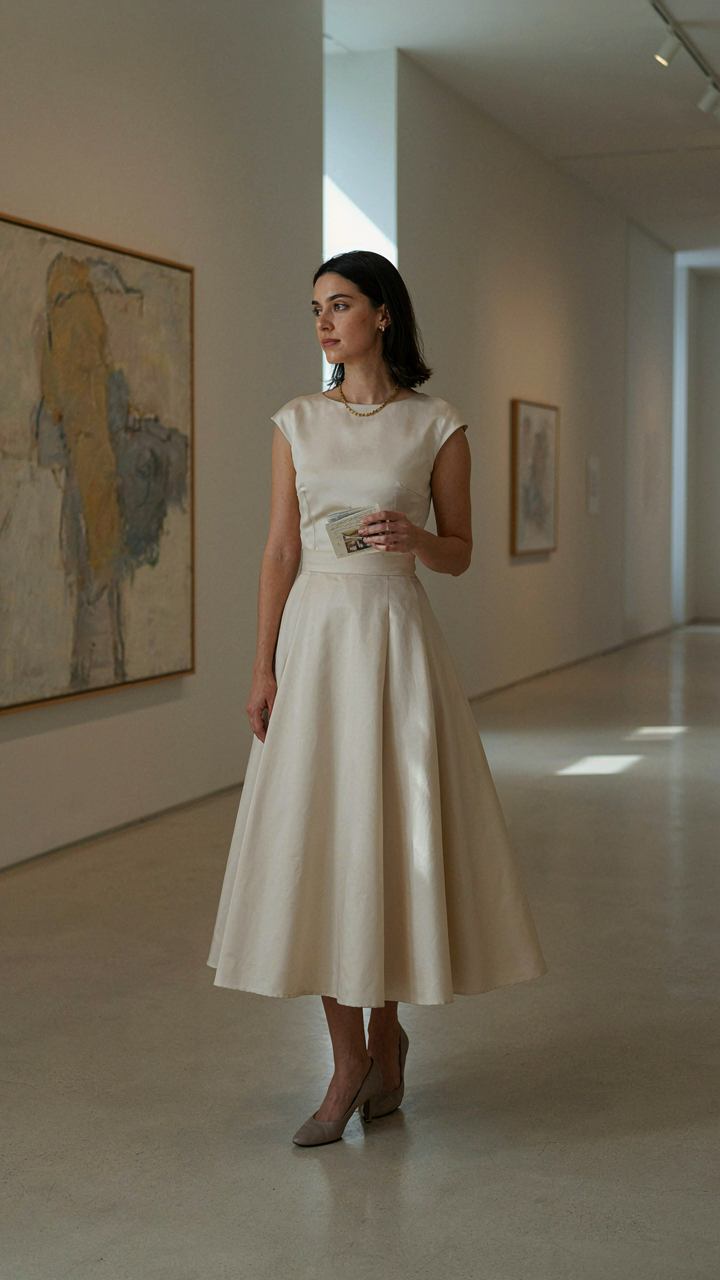
You want permission to wear vintage without looking like you’re playing dress-up or signaling you can’t afford current clothes. The real mechanism is contrast: one clearly vintage statement piece grounds your outfit in intentionality, while modern pieces keep you anchored in present day. This reads as curated, not costume.

Think of this like signal-to-noise ratio in communications. Your vintage piece is the signal. Everything else dampens the noise that would otherwise scream “historical reenactor.” A 1950s structured dress in solid color works as your anchor. Pair it with contemporary footwear, a modern blazer cut, or current jewelry. The vintage element becomes the reason for the outfit, not its entire identity. You’re not trying to recreate an era. You’re borrowing one aesthetic and contextualizing it in 2024.
Restraint In The Details
Most people over-accessorize vintage outfits because they feel the need to prove they understand the era. That’s backward. You already bought the dress. You don’t need a full costume arc. One statement accessory maximum, everything else current and minimal.
If your vintage dress has architectural details or pattern, your accessories should be quiet. A simple modern clutch, minimal jewelry, contemporary shoes. If your vintage piece is solid and simple, one standout accessory works: a structured bag from this decade or bold earrings. The goal is elevation through discipline, not accumulation. Pick the single accessory that solves the styling problem, then stop.
1950s Wedding Guest Dress: Architectural Volume & Controlled Elegance
The Silhouette That Demands Waist Definition
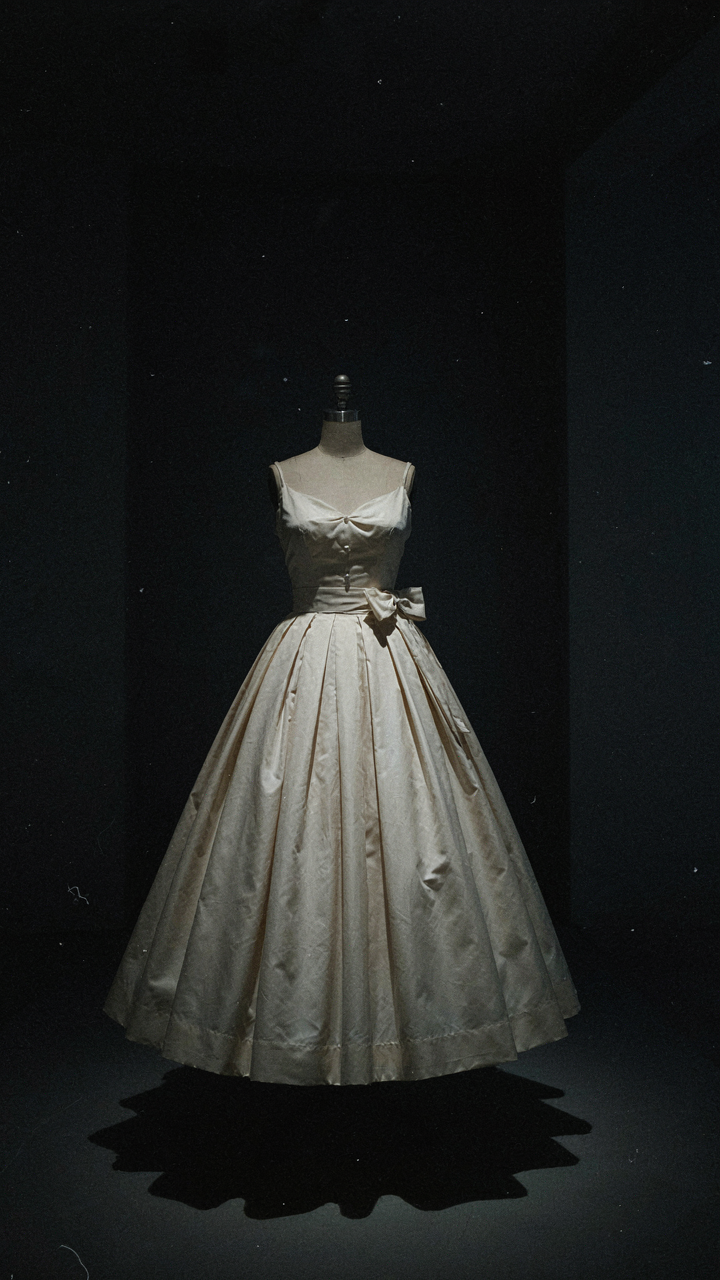
You want this look because it broadcasts restraint and formality in a way modern dress can’t touch. The mechanism is simple: engineered proportion. The 1950s New Look, pioneered by Christian Dior, built its power on contrast. A cinched waist against a dramatically full skirt created visual hierarchy. The dress didn’t just fit your body—it reorganized it. This wasn’t accidental. A defined waist made the silhouette readable from across a room, which mattered at formal events where clothing announced your place in the social order.

The full skirt itself served structural purpose. Constructed with multiple layers and often boned seams, it required no apologies for taking up physical space. The volume wasn’t decoration. It was engineered confidence. To wear this silhouette correctly, find a dress with a defined seam at the natural waist, not dropped or raised, paired with a skirt that reaches the knee or just below. The proportions must be intentional or the look collapses into costume.
Structured Fabrics That Hold Their Shape
Forget the advice that vintage dresses need to be soft and romantic. That’s revisionist history. The 1950s guest dress demanded materials that did what you told them to do. Faille and crisp cotton were the workhorses because they held crisp pleats, maintained skirt volume, and resisted wrinkles through an entire event. These fabrics had body. They didn’t cling or drape. They stood.
Faille, a ribbed silk blend, offered subtle sheen without shine. Cotton, when treated with the right finish, achieved almost architectural stiffness. The fabric choice determined whether the silhouette succeeded or failed. When shopping for a reproduction or authentic vintage piece, run your hand across the material. It should feel substantial. If it’s limp or overly fluid, the silhouette won’t read the way it should. The dress’s structure depends on the fabric’s ability to push back against gravity.
Grad Dresses & Vintage Dresses For Wedding Guests: The Adaptability Matrix
Why Single Use Clothing Destroys Your Economics
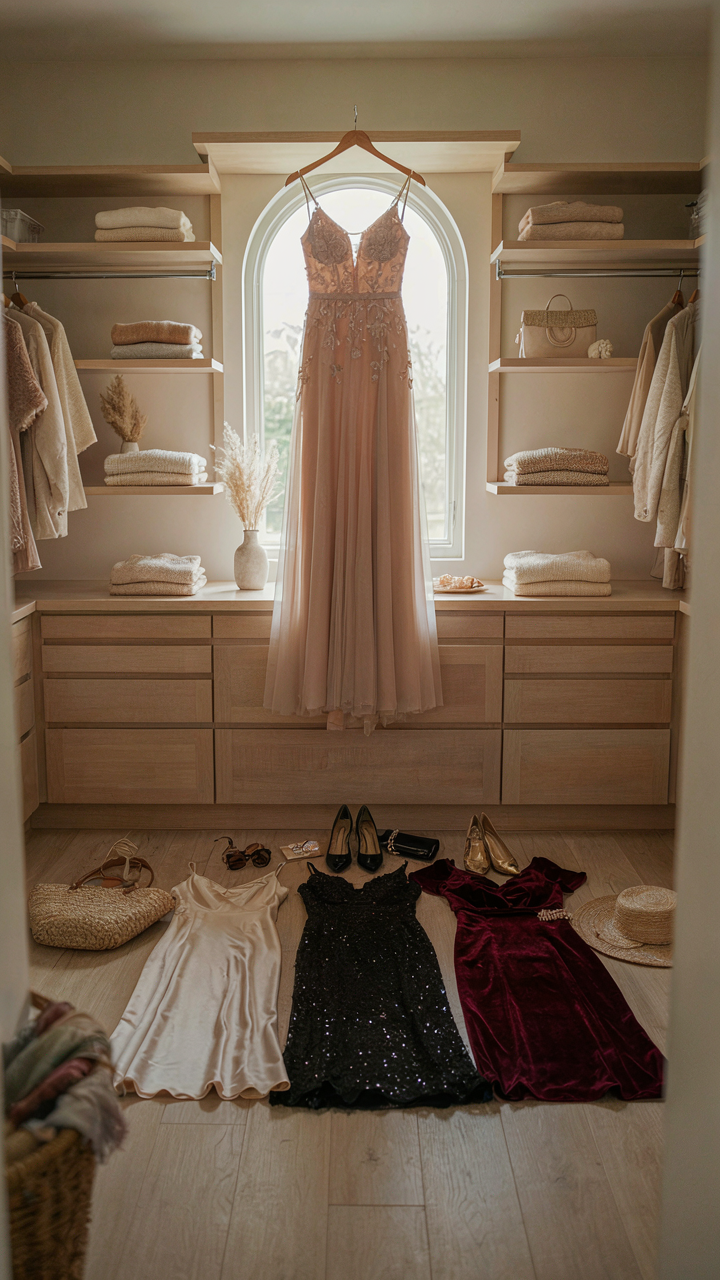
You want permission to buy something expensive without admitting you’re afraid of wasting money on one event. Here’s the mechanism: economics calls it opportunity cost, and it applies directly to garments. Every dollar tied up in a dress worn once is a dollar that generated zero return across its lifespan. A vintage style wedding guest dress solves this by design because the construction, fabric weight, and cut exist across multiple decades and contexts.

The real play isn’t finding a dress that works for one wedding. It’s reverse-engineering the garment’s total utility before you buy. A 1950s or 1960s dress in silk or quality cotton-blend fabric doesn’t deteriorate after a single wearing. The tailored construction that makes it appropriate for formal occasions also makes it wearable at cocktail parties, upscale dinners, and professional events. You’re not buying an outfit. You’re buying a tool with multiple applications.
Dress Codes Beyond The Wedding
A vintage style wedding guest dress that only works at weddings is a failure of imagination on your part, not the garment’s fault. The standard advice says “find something versatile,” which is lazy and useless. What matters is understanding how different dress codes actually function and which vintage silhouettes map onto multiple contexts without alteration.
A 1940s tea-length dress in jewel tones or navy works at formal weddings, yes, but also at cocktail events, holiday parties, and professional galas where you need to appear put-together without looking like you’re trying too hard. Pair the same dress with different accessories and shoes across three different contexts and you’ve tripled your return. The mechanism is simple: choose vintage cuts from eras when women’s formal wear stayed consistent across social situations, not trending toward occasion-specific designs like modern fashion does.
Mode Inspo Vs. Mode Inspiration: The Signal To Noise Ratio
What Actually Lasts Versus What Doesn’t
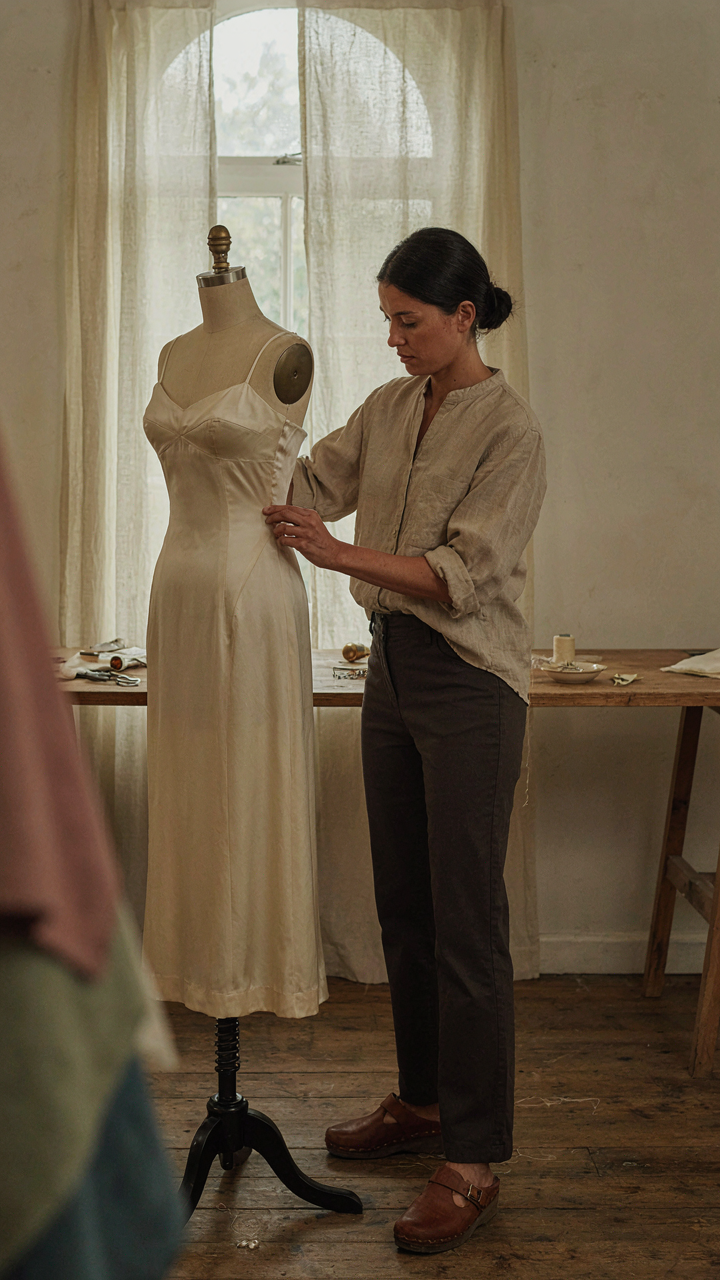
You’re scrolling through vintage wedding guest dress references because you’re afraid of looking out of place, and you’re hoping someone else’s curated collection will solve that problem for you. It won’t. The mechanism is simple: fashion content floods you with what’s popular right now, not what works across decades. A 1960s shift dress with a modern Instagram filter looks timeless in a feed. Worn at an actual wedding in 2025, it reads as costume if you haven’t understood why that silhouette worked then and works now.
The difference between mode inspiration and mode inspo is that one teaches you the rule and one just shows you the result. Trends die because they’re built on surface details: hemline heights, specific fabric weights, color saturation from that era’s dyes. Design principles live because they solve an actual problem. A V-neckline on a 1970s jersey dress created visual balance and flattering proportions. That principle transfers. The specific shade of avocado does not. You need to separate the two by identifying which elements are technical and which are decorative.
Decoding The Structure Beneath The Styling
Common advice here is to “find your vintage vibe” and let aesthetic feeling guide your choices. That’s incomplete. Real selection requires you to reverse-engineer the garment’s construction, not just its look on camera. A 1950s cocktail dress works at a wedding because its construction—structured bodice, fitted waist, full skirt—creates visual proportion and movement that flatters most bodies. A 1980s peplum top works for the same reason: it creates shape through engineering, not decoration.
The mechanism is this: examine the seam placement, the weight of the fabric, the intentional control points on the body. When you shop vintage or vintage-inspired pieces, touch the garment and trace where the seams sit. Does the waist seam actually sit at your waist, or is it placed lower to create a specific silhouette? Does the fabric have enough structure to hold its shape, or will it cling? These aren’t style questions. They’re fit questions. Answering them first prevents the trap of buying something that photographs well but functions poorly on your actual body at an actual event.
Vestidos De Fiesta: Global Vintage Archetypes
How Regional Cuts Signal Belonging
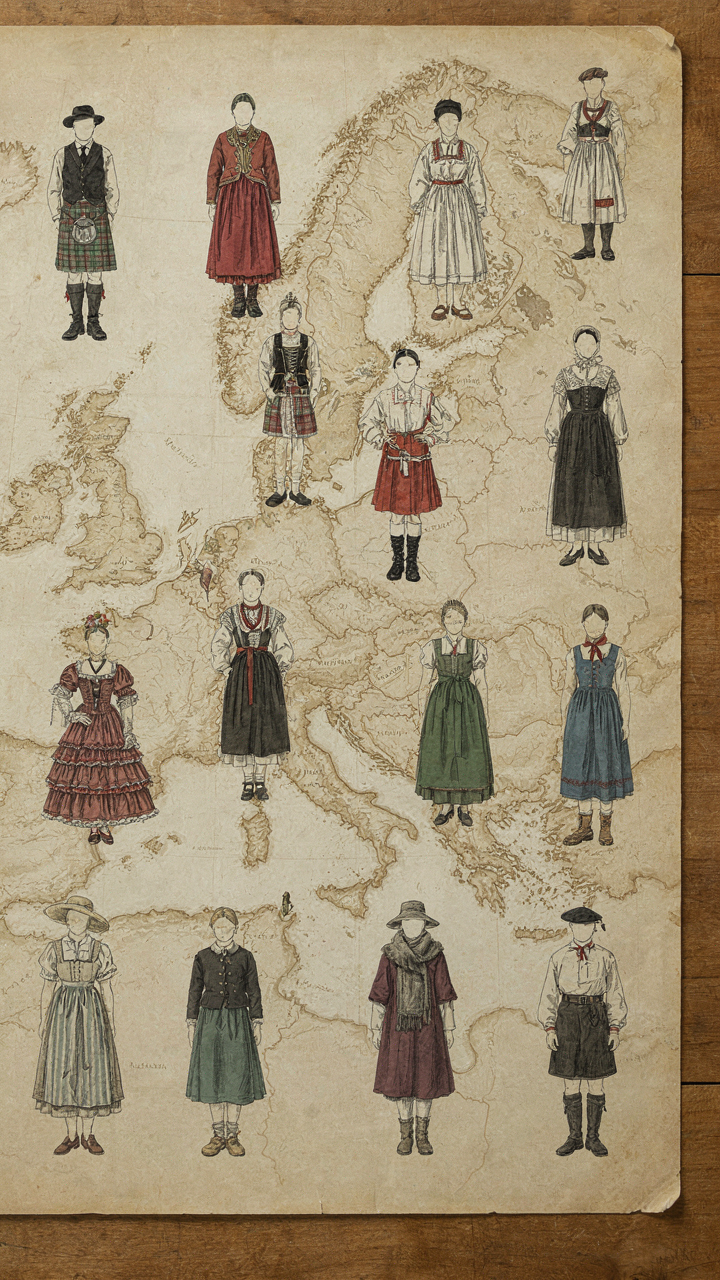
You want to look like you belong somewhere you’re not actually from. That’s the real mechanism here. Regional silhouettes work because they’re coded entry points into cultural narratives. A dress doesn’t just fit your body—it fits a story about where you’ve been or who you claim to understand.

Spanish fiestas dress codes shaped the fitted bodice and flared skirt combination that dominated 1950s Europe. Latin American celebrations favored higher necklines and structured fabrics that moved deliberately rather than fluidly. Eastern European vintage styles leaned into heavier embellishment and longer proportions. These weren’t arbitrary choices. They reflected climate, movement patterns, fabric availability, and the specific social hierarchies embedded in each region’s celebration rituals. Wearing the right regional cut to a wedding signals you’ve done the work to understand context.
The Design Languages That Actually Work
Cultural design vocabularies aren’t about authenticity—they’re about information density. Borrow one field’s thinking: semiotics teaches that symbols carry meaning through repetition and shared understanding. A dress communicates through its design choices the same way a language communicates through word choice. You’re not claiming heritage. You’re deploying a visual vocabulary that reads.
- Italian Cut Construction: High waistlines, clean lines, and structured shoulders define 1950s-60s Italian silhouettes. The fit prioritizes vertical lines and minimal pattern detail, relying on fabric quality and cut precision to communicate sophistication.
- French Elegance Framework: Understated necklines, midi lengths, and subtle color palettes dominated Parisian vintage dress codes. The approach values restraint—what you don’t wear carries as much weight as what you do.
- Eastern European Embellishment: Beading, embroidery, and ornamental detail work concentrated on bodices and shoulders. These designs treat the dress as a canvas for craftsmanship rather than a blank neutral backdrop.
- Latin American Silhouettes: Dramatic necklines, fitted waists, and flared skirts create high visual impact. Fabric choice—silk, taffeta, structured cotton—matters more than print or pattern in these regional interpretations.
- British Tailoring Legacy: Structured blazer dresses, A-line skirts, and modest proportions reflect post-war practicality. The UK vintage approach emphasizes versatility and understatement over bold statement pieces.
The mistake most wedding guests make is treating regional vintage styles as costume choices instead of actual design systems. Each framework solves a real problem: how do you move in heat, how do you signal status through available materials, how do you fit the social expectations of a specific time and place. Study the construction logic, not the aesthetic surface. Then apply the mechanism that actually works for your body and the event’s context.
The Counter Fad Strategy For Vintage Inspired Wedding Guest Outfit
Know The Difference Between Reference And Imitation
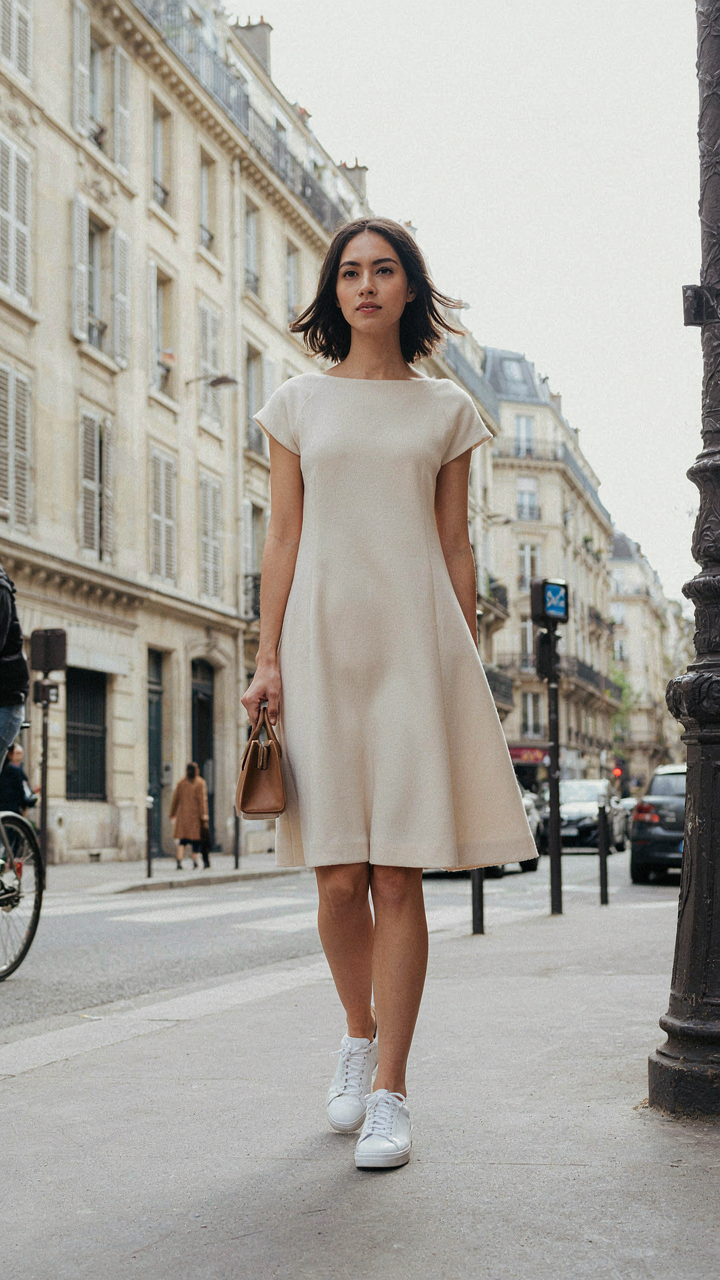
You’re reading this section because you’re afraid of looking like you’re trying too hard, and that fear is justified. The mechanism at work is signal confusion: wear too much period-specific detail and you broadcast “costume” instead of “taste.” The gap between vintage inspiration and vintage replication is material, not stylistic. Inspired means you understand what made a silhouette work in its era, then extract that principle for now. Replication means you copied the Pinterest board.

The 1950s didn’t work because of polka dots and cat-eye glasses alone. It worked because the proportions created a specific relationship between body and fabric. A genuine 1950s-inspired dress for a wedding guest pulls the silhouette principle (defined waist, full but controlled skirt) without the cartoonish accessories that date it to a theme party. Study what solved a practical problem in that decade, not what made it visually distinctive.
Borrow The Era, Not The Wardrobe
Economics teaches constraint allocation: you can’t maximize all variables at once, so you choose what matters. Apply this to vintage style. You allocate your vintage reference budget to one structural choice per outfit, not to recreating a full historical look. A 1970s-inspired A-line silhouette with contemporary fabric, shoes, and jewelry reads as elevated taste. The same silhouette paired with a wide-collar shirt, chunky gold, and period-correct hair reads as performance.
The most effective vintage-inspired wedding guest looks pull one strong element from a specific decade and let everything else live in the present. A 1960s shift dress works at a modern wedding when paired with current footwear and minimal jewelry. A 1940s bias-cut slip dress works when your bag and shoes are contemporary. The mechanism is clarity: one historical reference point registers as intentional knowledge. Multiple overlapping references register as confusion.
1950s Wedding Guest Outfit: Reconstructing Context, Not Just Clothes
The Dress Code As Social Enforcement
You want to wear 1950s style to a wedding because you think it signals taste. Here’s what actually matters: dress codes in the 1950s weren’t suggestions. They were enforcement mechanisms. Like a firewall in network security, the dress code filtered who belonged in the social hierarchy and who didn’t. Women wore structured dresses, gloves, and hats not because fashion magazines said so, but because appearing without them announced your economic class and marital status to everyone present.

The mechanics were brutal and specific. A hemline two inches above the knee signaled availability or poor breeding. Bare shoulders meant impropriety. Ungloved hands meant you worked with them. No hat meant you hadn’t prepared, or worse, couldn’t afford one. These weren’t aesthetic choices. They were coded signals. A 1950s wedding guest outfit communicated your place before you spoke a word.
Making 1950s Context Work At Today’s Wedding
The mistake most people make is copying the visual without understanding why the visual mattered then. Your modern wedding doesn’t use dress codes as social sorting anymore, so wearing the exact 1950s silhouette sends a confused signal. It looks like costume, not context. The real mechanism is selecting which elements from the era actually solve a problem at your specific wedding, then adapting them to current social rules.
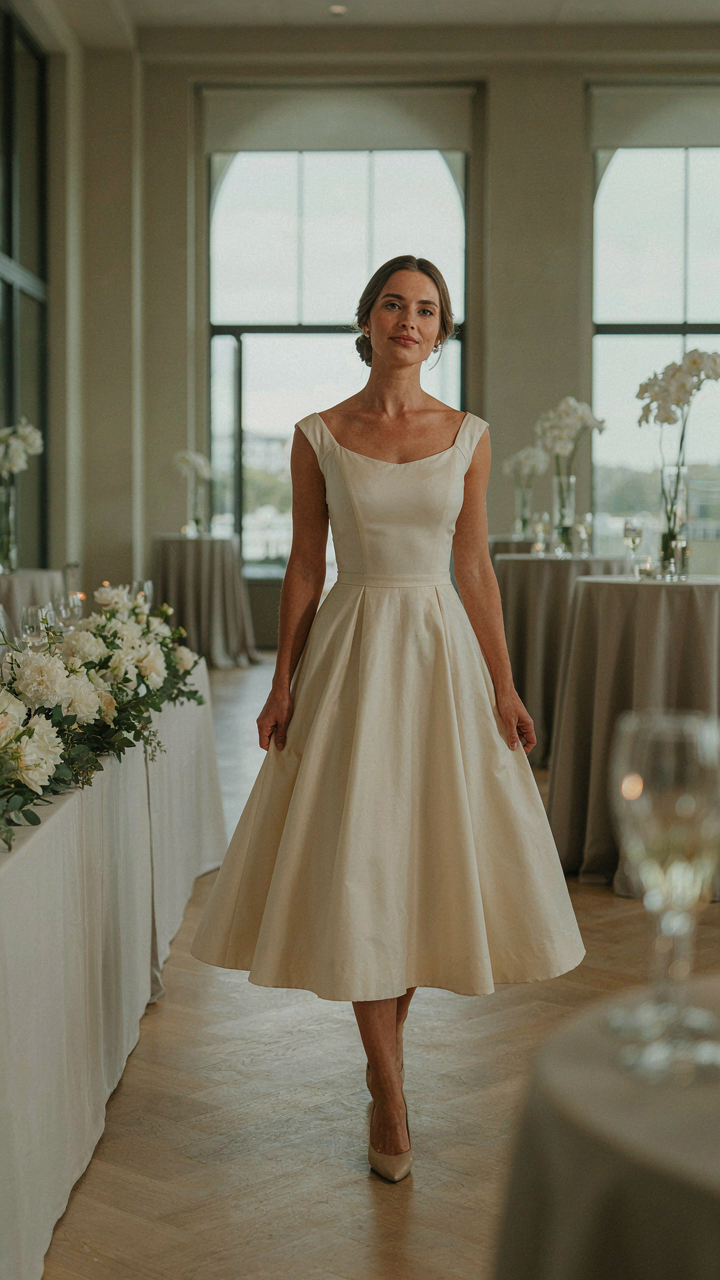
Pull the structure from the 1950s but drop the rigidity. Wear a fitted dress with a defined waist because it photographs well and reads as intentional. Keep the gloves optional and the hat minimal. Choose fabrics that existed then, like wool, cotton, or silk, but cut them for contemporary proportions. The goal is coherence through era-appropriate materials and silhouette, not historical accuracy. That distinction determines whether you look refined or like you raided a costume department.
Your Real Obstacle Isn’t Finding The Right Dress; It’s Understanding Timeless Principles Over Fleeting Fads
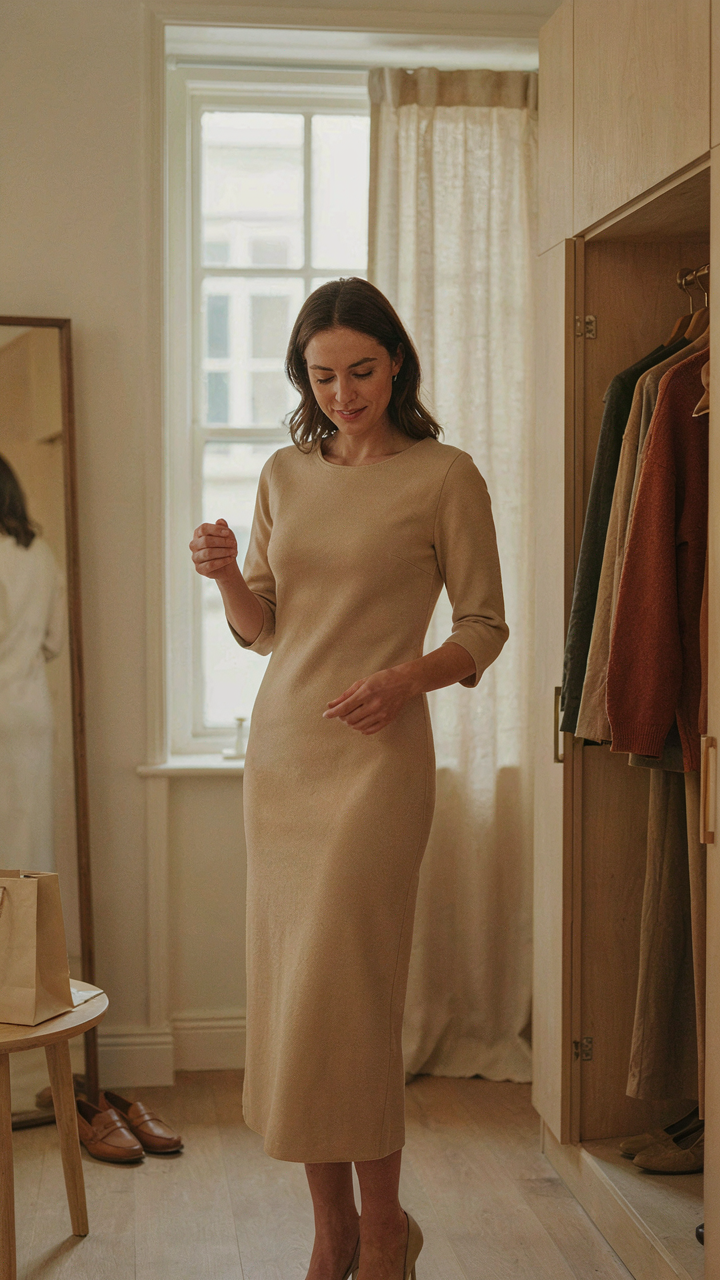
Most people hunt for vintage style wedding guest dresses by chasing trends. Wrong move. The real play is studying what made clothes timeless in the first place: proportion, fabric quality, and fit that flatters your body. Stop scrolling Pinterest and go try on three dresses from different eras this week. Notice what actually makes you feel confident, not what some algorithm says you should wear. The dress that works isn’t the one that looks good in a photo; it’s the one that makes you forget you’re wearing anything at all.