

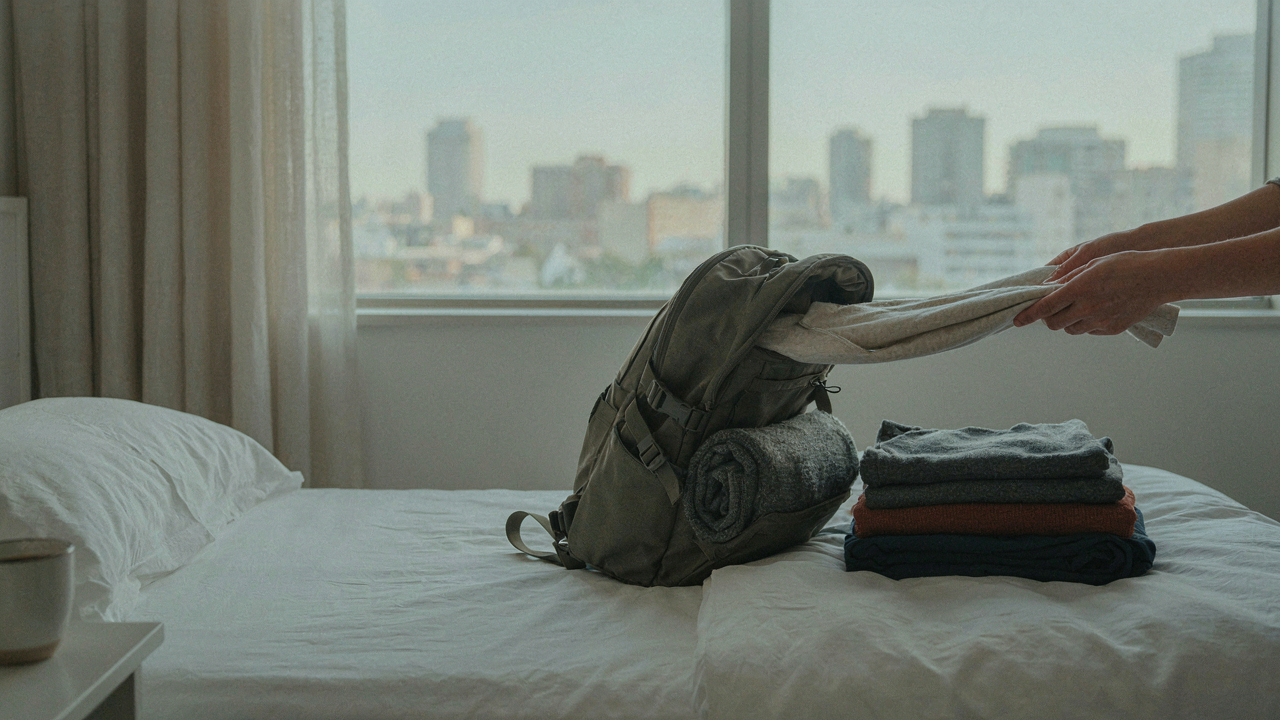
The Illusion Of Packing Light: Why Less Isn’t Always Leverage
Single Use Items Destroy Efficiency
You want to feel disciplined about packing. That’s the real pull here. Discipline feels like control. But buying a “travel-specific” item that does one job is the opposite of control—it’s waste wearing a productivity costume.
Economics has a concept called “opportunity cost.” In one bag travel, your opportunity cost is physical space. Every item occupies volume that could hold something with multiple uses. A dedicated packing cube for socks takes up the same space as a merino wool layer that functions as shirt, insulator, and sleep wear. The single-use item wins on specialization and loses on leverage.
Fear Masquerading As Preparation
The real problem isn’t missing one outfit. It’s that your brain defaults to worst-case scenarios you’ve never actually hit. You pack a third pair of shoes for a hypothetical situation that hasn’t happened in five trips. This isn’t caution. This is your nervous system treating imagination as data.
One bag travel forces a choice: either you trust your wash cycle or you don’t. Most travelers underestimate laundry access in their destinations. Hostels have machines. Hotels have services. City blocks have laundromats. Your actual constraints are much looser than the fear narrative suggests. The mechanism is simple: write down what you actually wore on your last trip, then subtract what you didn’t touch. That delta is your packing anxiety, not your packing need.
Your Wardrobe Isn’t A Collection, It’s A System: The Cybernetic Ensemble

Nodes And Links Maximizing Compatibility
You want to believe your taste matters more than math because admitting otherwise means confronting how wasteful your closet has been. Cybernetics—the study of feedback and control in systems—maps directly onto one bag travel. Each item is a node. Compatibility between items is a link. A system with weak links collapses under constraint.

Most packing advice treats clothes as independent pieces. Wrong. A shirt that pairs with only one bottom is a liability, not an asset. Calculate link density: each garment should coordinate with at least four others in your bag. Neutral base colors create horizontal links. Fabric weight creates vertical links across seasons. Cut and fit create functional links between activity types. The goal is redundancy through multiplication, not through hoarding.
Feedback Loops Adapting To Unexpected Conditions
Weather shifts, activities change, social contexts surprise you. Your system must respond without adding weight. Real-time feedback means testing combinations before you travel, not discovering dead ends mid-trip. Wear your packed outfit for a full day before departure. Document what fails: gaps in coverage, poor layering sequences, mobility problems, thermal missteps.
Adaptation happens through constraints, not options. If a piece creates friction during testing, remove it immediately. Replace it with something that solves the actual problem, not the imagined one. Your second iteration always outperforms the first because you’ve eliminated theoretical thinking. You now have data from your body, your movement, and your real climate. This loop repeats once monthly for three months before your trip. This cadence eliminates regret.
The Kinetic Ensemble Protocol: Your ‘One Bag’ Operating System
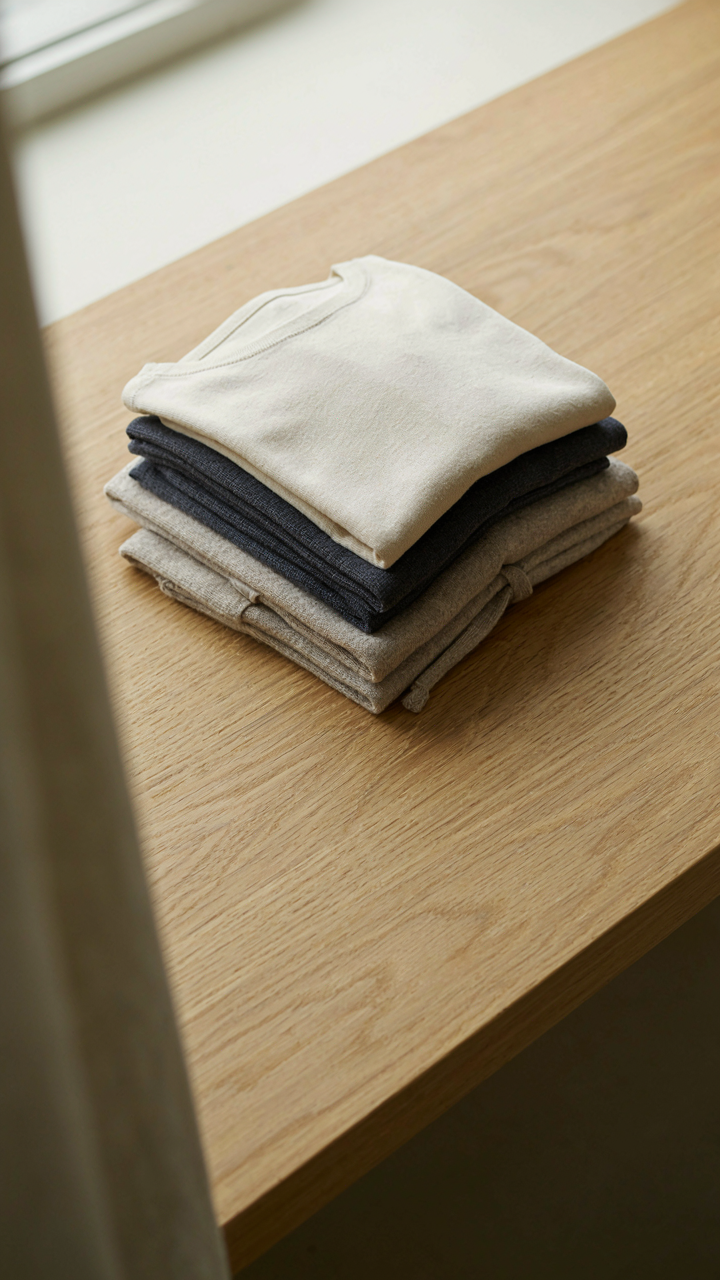
Core Components: The Adaptable Base Layers
You want this section to work because you’re afraid you’ll forget something and look incompetent. The real mechanism is this: you’re not building a wardrobe, you’re building a rotation system. Think of it like inventory management in manufacturing. Instead of owning everything, you own pieces that cycle through enough states to cover your actual life. The goal is saturation through repetition, not breadth through quantity.

Your base layers are the chassis. They touch skin, they regulate temperature, and they’re worn most frequently. This is where fabric choice matters more than style. Merino wool sits between synthetic and cotton. It regulates temperature, resists odor for five to seven days between washes, and doesn’t pill like cheaper alternatives. You need two to three neutral-colored long-sleeve tops in merino. One pair of merino leggings or base layer bottoms. One pair of casual shorts that dry fast. These items work under everything else.
- Merino wool long-sleeve tops (2-3): Neutral colors only. Layer under heavier pieces or wear alone in mild weather. Weight matters more than brand for travel.
- Merino leggings (1): Functions as base layer for cold, sleepwear, or gym wear. Minimal weight, maximum utility. Dark color hides stains during extended wear.
- Shorts (1 pair, synthetic blend): Dries within two hours. Pockets essential. Neutral color pairs with everything. Not cotton.
- T-shirt (1, merino or synthetic): Worn solo or under jackets. Acts as secondary base layer in cold climates. Neutral tone only.
- Underwear and socks (5-7 sets): Merino socks for all temperatures. Underwear in neutral colors only. Quantity lets you wash less frequently while traveling.
The reason most people fail here is they pack base layers in multiple weights and colors, thinking they’re being prepared. You’re not. You’re doubling weight for scenarios that won’t happen. Pick merino. Pick neutral. Pick two to three tops. Move on.
Strategic Augmentations: Situational Versatility
The mistake everyone makes is treating augmentation pieces like insurance. They’re not. They’re problem solvers for specific conditions you’ve actually encountered before. If you’ve never needed a cardigan in your real life, don’t pack one for travel. Cold? Layer your base layers instead. Formal events? Pick a destination that doesn’t demand them, or accept you’ll wear what you have.
Your augmentation layer exists to handle two things: temperature drops and context shifts. One lightweight insulating layer solves temperature. This is a merino cardigan, a fleece midlayer, or a synthetic puffer depending on your destination. One garment that reads as “elevated” in your destination’s culture solves context. This might be a linen shirt in Southeast Asia, dark jeans in Europe, or nothing at all if you’re island-hopping. Both pieces must pair with your base layers without adding bulk. The augmentation layer dies if it only works with one other item.
Beyond The Travel Capsule Wardrobe: Deconstructing The “Vacation Style” Myth

Your Clothes Don’t Change Jobs
You want permission to dress differently on vacation because you’re afraid the rules you follow at home are arbitrary. They’re not. The mechanism is simple: context determines function, not destination. A blazer works the same way in your office and in a Barcelona cafe. The difference isn’t the garment. It’s what you’re actually doing when you wear it.

Most travel wardrobe advice invents a false category called “travel clothes” as if fabric behaves differently above thirty thousand feet. This is marketing disguised as strategy. What actually changes between home and travel is the range of activities you compress into fewer days and the social friction that results from repetition. You’re eating out more, meeting new people, moving constantly. Your clothes need durability and versatility, not a personality transplant.
The Real Constraint Isn’t Pieces, It’s Observation
Every one-bag traveler underestimates how much they actually notice. You think you see less because you move faster, but limitation sharpens perception. In economics, this is called scarcity pricing: when resources compress, their value becomes apparent. Your wardrobe works the same way. Fewer pieces force you to understand each one’s actual utility versus theoretical use.
The common advice says “pack only what you’d wear at home.” Incomplete. The real rule is: pack only what you’ve actually worn at home under similar conditions. Most people have worn maybe sixty percent of their closet in the past year. Travel demands you eliminate the remaining forty percent. This isn’t about bringing a smaller version of your normal wardrobe. It’s about ruthless honesty about what you genuinely reach for when no other options exist. Start by listing every item you’ve worn in the past two weeks, then build your bag around that foundation.
The True Cost Of “Just In Case”: Your Mental Overhead For Carry On Packing

When Every Option Becomes A Decision Tax
You’re afraid of looking unprepared. That’s the real reason you’re reading this section. The mechanism is simple: choice overload depletes your cognitive resources before you even leave home. Cognitive psychology calls this decision fatigue. In one bag travel wardrobe design, it’s the gap between items that serve a purpose and items that serve anxiety. Every piece of clothing you pack beyond your core formula demands a micro-decision each morning: wear it or don’t. Those decisions compound. A ten-item wardrobe creates roughly thirty decision nodes per week. A twenty-item wardrobe doubles that cognitive load without doubling functionality.

The trap is thinking more options increase flexibility. They don’t. They increase friction. You wake up in a foreign city, tired, and face a closet that requires mental energy to navigate. Constraint actually sharpens your choices. When you own four shirts instead of eight, you stop overthinking and start wearing. The mental overhead you eliminate by packing less isn’t small. It’s your actual capacity to think clearly throughout your trip, freed from the background hum of abandoned options sitting in your bag.
The Weight You Feel But Cannot Weigh
Excess inventory creates psychological load that never appears on a scale. Behavioral economics has a term: loss aversion. In one bag travel, it manifests as the anxiety of carrying items you might not use paired with guilt if you don’t use them. You packed that third sweater “just in case.” Now it occupies physical space and mental real estate. Every time you choose between two items, you’re managing the invisible cost of the third option you rejected. This compounds across a two-week trip into measurable stress you interpret as fatigue.
The common advice says “pack items that work in multiple contexts.” That’s incomplete. The real work is eliminating items that work in only one context or in contexts that won’t happen. Check your last five trips. Count the pieces you never wore. That’s your personal “just in case” ratio. Build your formula by subtracting the unused items first, not by adding versatile pieces. The actual mechanism is this: pack only items you’ve worn before in similar conditions. When you remove the psychological weight of untested options, your bag becomes a tool instead of a liability.
Minimalist Packing Isn’t Absence; It’s Intentional Presence.
The Economics Of Wearing Things Out
You want to believe fewer items means less decision fatigue. That’s not the real mechanism. Borrow from economics: one bag travel wardrobes operate on the principle of velocity. Each piece circulates through wash cycles and wear days at higher frequency than a traditional closet. This forces you to buy durability upfront instead of replacing garbage every season. The math is simple: one quality item worn 40 times beats five cheap items worn 8 times each. Durability compounds.

What durability actually means requires honesty. Natural fiber blends outlast synthetics in real conditions because they breathe, shed wrinkles, and age without degrading. Merino wool resists odor and UV damage across repeated wears. Cotton canvas holds shape under load. The common advice—”buy timeless”—misses the point entirely. Timeless is aesthetic. You need material properties that survive acceleration. A garment that works for six months in rotation fails the one bag test. Buy for physics, not fashion.
Repetition Builds Recognition, Not Boredom
Your brain resists uniform dressing because it feels like deprivation. It’s actually the opposite. A signature look is a decision you make once, then stop making. Wear the same neutral base layer combo for a month. Your mind stops registering it as a choice and starts treating it as infrastructure. This frees cognitive load for actual work and interaction.
The mechanism works because consistency becomes invisible. Photograph-based memory studies show people recall others’ personalities faster than their wardrobes when clothing stays consistent. You project stability. More tactically: signature looks eliminate fit uncertainty when traveling. You know what works on your body. No trying things on in a hostel bathroom. No photos sent to friends for validation. You move faster because the wardrobe disappears into routine.
Optimizing Your Selection: The Ruthless Edit For Your Travel Capsule
The Three Wear Rule
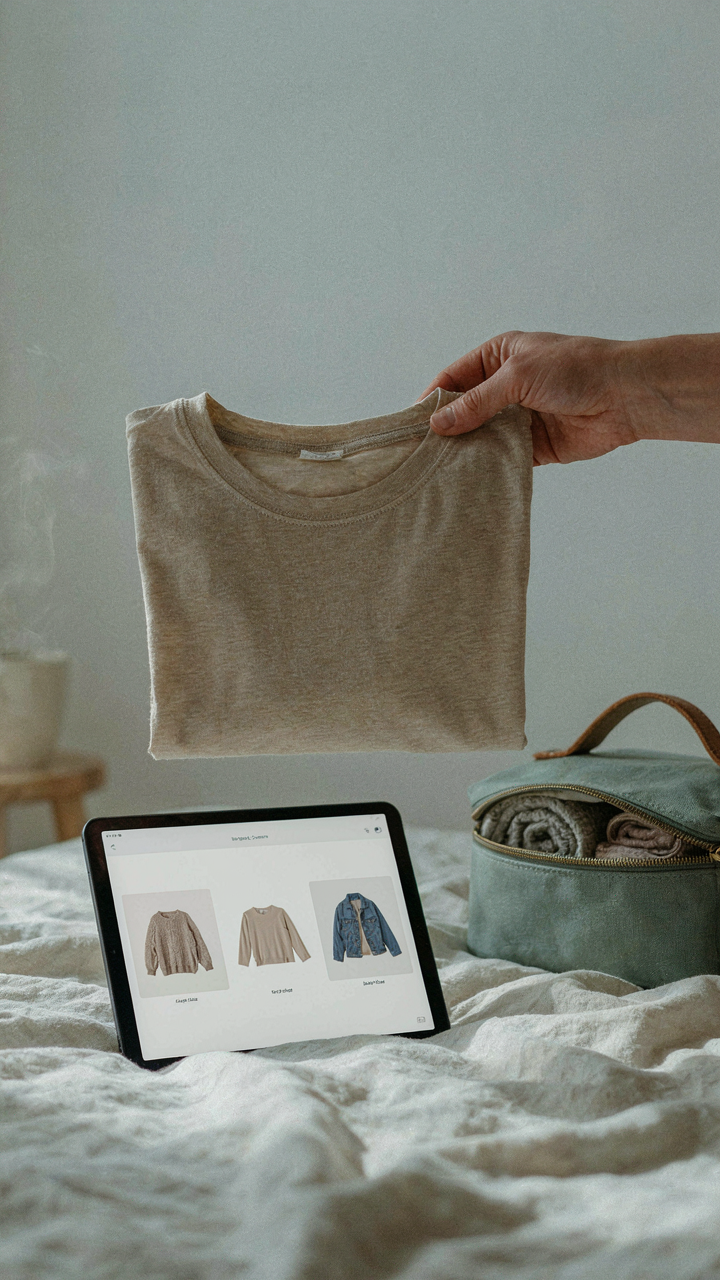
You’re afraid you’ll look stupid or run out of clothes. That’s the real reason you’re reading this. The mechanism that stops that fear is simple: every single item must earn its place by working in at least three distinct outfits. This isn’t about being minimalist—it’s about density. You’re not removing clothes. You’re multiplying their function.
- Base layer as foundation: A neutral long-sleeve shirt works under a sweater in cold climates, alone in layered heat, and under jackets for evening. Three outfits minimum from one piece.
- Bottoms pairing strategy: One pair of chinos works with casual shirts, dressier tops, and athletic wear. The fabric and cut determine its range across contexts.
- Shoes as outfit anchors: One neutral shoe should pair with casual wear, business casual, and athletic clothes. Black or tan leather works harder than specialized footwear.
- Outwear flexibility: A technical jacket works over everything from t-shirts to dresses. The neutral color matters more than the specific fabric type.
- Accessories multiplication: A scarf works as a neck piece, shoulder wrap, or bag accent. One piece creates visual variation across three outfits.

Apply the three-wear test brutally. If an item only works in two outfits, it stays home. If you can’t immediately name three combinations, remove it. This forces you to think in systems instead of collections. Each item compounds with others rather than standing alone.
Deconstructing Scenarios: What’s Truly Essential
Most advice tells you to “plan for different situations.” That’s useless. You need to name the specific scenarios you’ll actually face, then work backwards. This isn’t prediction—it’s pattern recognition from your actual trip length, climate zone, and social requirement level.
A three-day city trip demands different editing than two weeks across climates. A business conference trip differs from a beach vacation. The error people make is packing for hypothetical scenarios instead of the documented ones. You don’t need “just in case” pieces. You need pieces that solve the exact scenarios your itinerary creates. Identify your social contexts first (casual, business casual, athletic, sleep), count your days in each climate zone, then select only items that bridge those specific gaps. Nothing else makes the bag.
The Single Item Fallacy: Interdependence In Your Capsule Wardrobe Women’s Kit
Layering As Leverage For Climate Adaptability
You want to believe one shirt works everywhere. It doesn’t, and pretending it does wastes bag space and money. Thermodynamics governs how clothing manages temperature: insulation traps dead air, base layers wick moisture, outer shells block wind. A single piece can’t do all three jobs simultaneously. This is why layering beats buying “versatile” items that do nothing well.

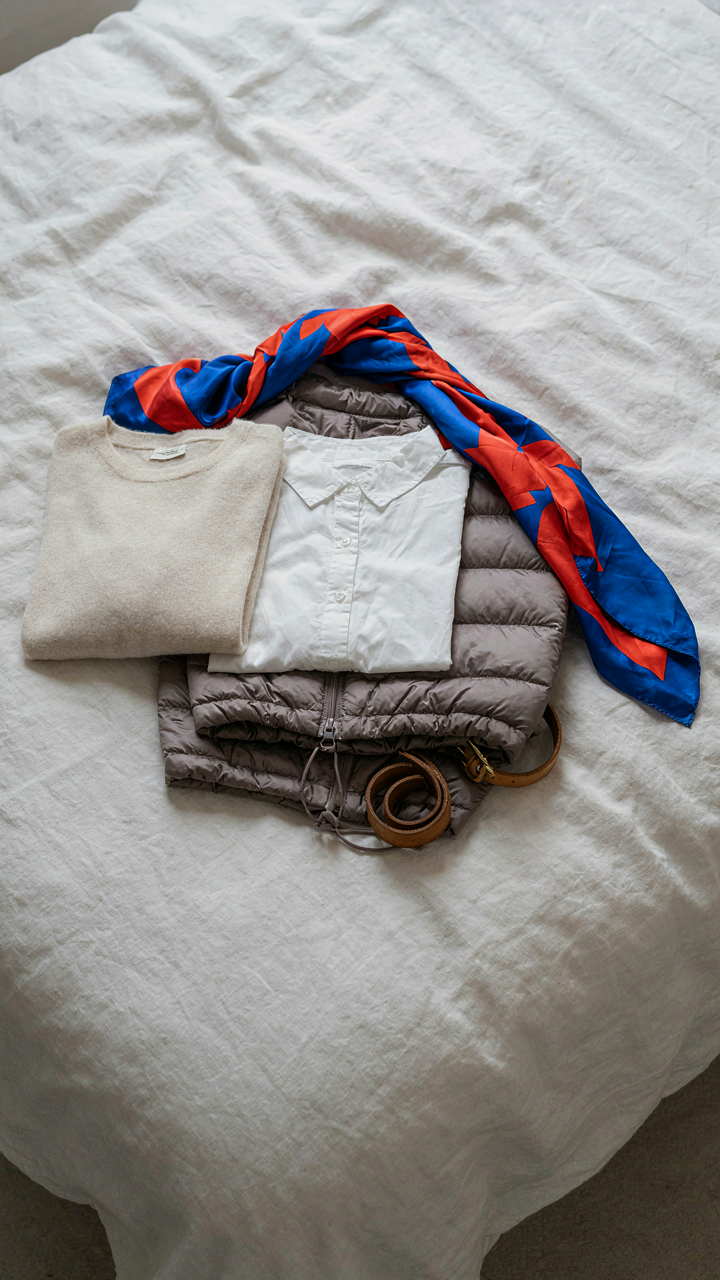
A merino wool base layer plus a lightweight button-up plus a packable insulated vest creates three distinct thermal states from one base. Each piece serves a specific function in the heat transfer chain. Swap the vest for a windbreaker in arid climates or a fleece in colder ones. The base layer and shirt remain constants. This stacking system scales from 45 degrees to 75 degrees without redundancy. You’re not adding items randomly; you’re building a mechanical system where each addition unlocks a new climate without replacing what already works.
Color Anchoring Through Strategic Accessories
Most advice tells you to buy neutral colors and call it done. That’s incomplete. Neutrals alone create visual fatigue and force you to buy more pieces to feel like you have options. The real leverage comes from one strategic accent color paired with a rotating accessory system.
Pick one core neutral palette: black, navy, cream, or gray. Then choose one accent color that works with your undertones and appears in exactly two pieces: one top or bottom and one outwear item. Your accessories—scarf, bag, belt, shoes—become the multipliers. A single silk scarf in burnt orange transforms a navy shirt three different ways. Jewelry in one metal (gold or silver, not both) anchors the system. Each accessory swap changes the outfit’s energy without requiring new clothing. The multiplication happens through accessories because they weigh nothing, pack flat, and create the illusion of a larger wardrobe from a fixed set of base pieces.
Stop Planning Outfits; Start Engineering Possibilities
The Interchangeable Unit System
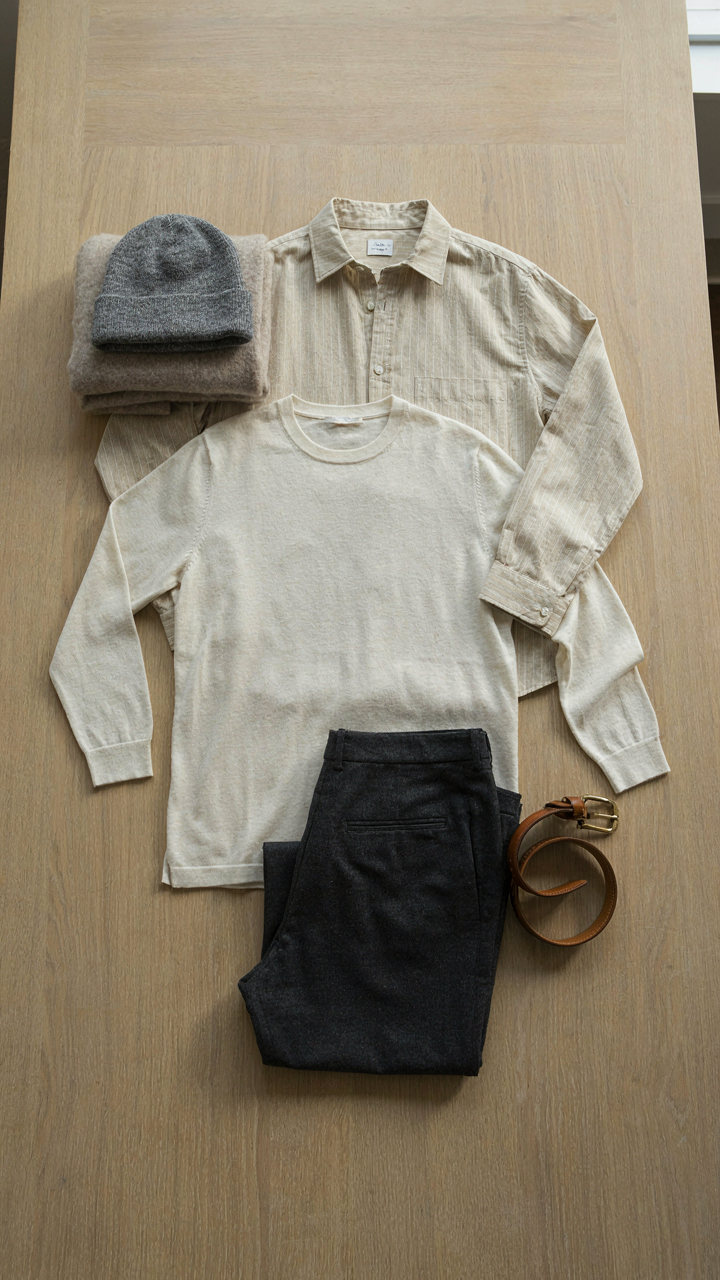
You want to feel in control without thinking about what to wear. The real mechanism here is modular design, borrowed from industrial manufacturing. In that field, modularity means building independent components that snap together in multiple configurations without redesign. Apply that directly: each piece you pack must work as both a standalone item and as a layer or base for something else. This eliminates outfit planning entirely because planning assumes scarcity. You’re building abundance through constraint.

The reason this works is friction. The moment you own pieces that only work together in one or two ways, you’ve created a mental tax. Your brain catalogs those restrictions automatically, and suddenly packing light feels like choosing between limited options. Instead, own a neutral base layer, a mid-weight piece, and an outer shell where each one functions independently in warm weather and stacks without bulk in cold. A merino wool long-sleeve shirt works alone in spring, under a sweater in winter, or under a lightweight jacket as a base layer. That’s three distinct wardrobe roles from one garment. Repeat this logic across every item you pack.
The Unexpected Combination Edge
Most travel wardrobe advice focuses on “classic” combinations because they’re safe to recommend. That’s incomplete guidance. The real power emerges when you deliberately pack pieces with asymmetric versatility: items that seem like they’d only match one way but actually unlock multiple looks. A pair of neutral chinos works with casual tops, but it also works with a structured shirt and minimal accessories for a business casual context. A muted earth-tone sweater pairs with basics but also elevates simpler pieces into coherent outfits through texture contrast alone.
The mechanism isn’t about fashion taste. It’s about expanding the probability surface. When each piece has three to five viable pairings instead of one or two, unexpected combinations emerge naturally. You stop predicting outfits and start discovering them in real time. This is how you maintain visual variety without doubling your packing list. Pack a cream-colored overshirt as your fifth item. It layers over everything, works as a lightweight jacket, and introduces a tonal shift that makes existing combinations feel entirely different. You’ve now created a combinatorial explosion from one additional piece.
Your One Bag Isn’t A Constraint; It’s A Catalyst For Ingenuity
Constraints Force Real Problem Solving
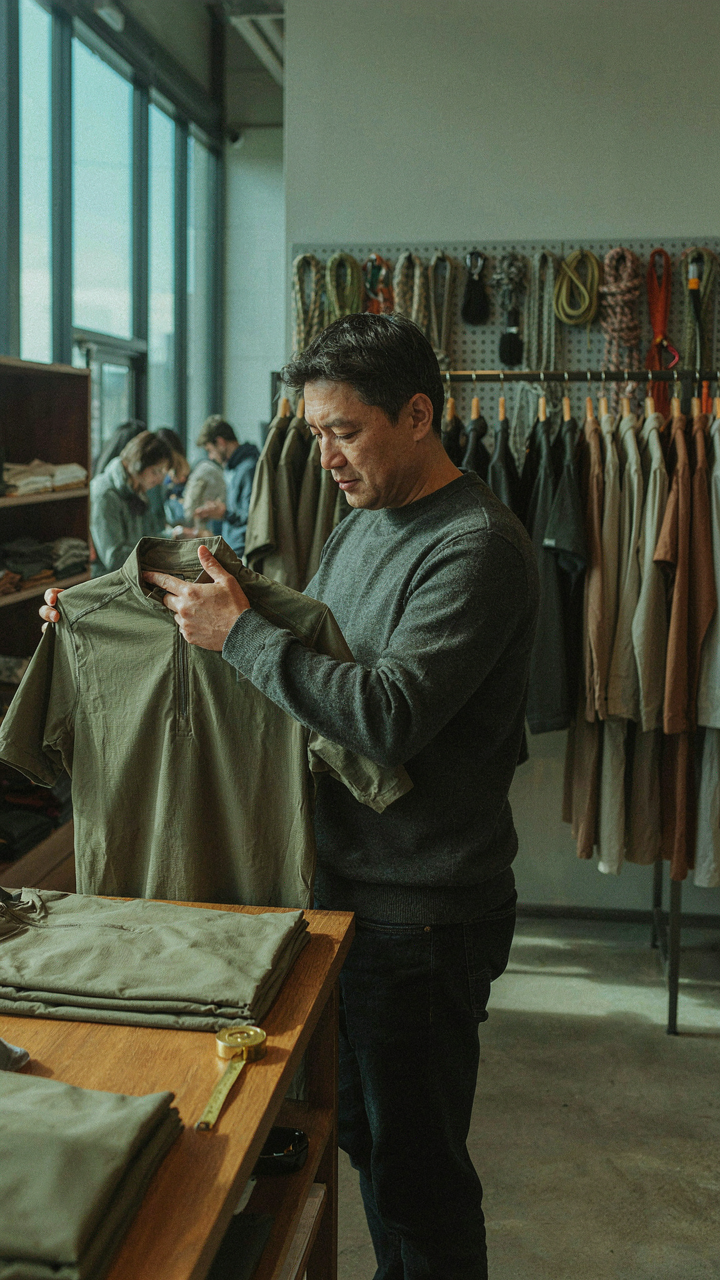
You want permission to believe your one bag wardrobe will somehow feel expansive. It won’t. The real mechanism here is borrowed from physics: constraint is a forcing function. When you remove options, you stop optimizing the wrong variables and start optimizing the right ones. A thirty-item closet lets you hide poor fits and fabric choices behind quantity. A one bag wardrobe exposes every decision. This is intentional discomfort that rewires how you think about clothing.
Most people handle constraints by either ignoring them or resenting them. Neither works. The functional approach is to treat each garment as a problem to solve: Does this piece work with five other pieces, or three? Can this fabric handle two climate zones? Will this color palette actually repeat without looking monotonous? These aren’t annoying questions. They’re the questions that separate a real wardrobe from inventory.
The Skill That Replaces Everything Else
Resourcefulness isn’t a personality trait you’re born with. It’s a repeatable skill built through systematic limitation and repeated iteration. When you’re stuck in Bangkok with four shirts and a stain on one of them, you learn laundry timing. When you pack one pair of pants for twelve days, you learn fabric durability and spot cleaning. When you wear the same three shoes across eight countries, you learn what actually matters in footwear design versus marketing.
This is where one bag travel stops being about packing light and becomes about building antifragility. You develop patterns: which fabrics dry fastest, which colors hide wear, which seams hold under pressure. You stop buying based on features and start buying based on behavior. The next time you need something, you don’t scroll through options. You already know what fails and why. That knowledge compounds faster than any style guide ever could.
The Real Burden Isn’t Your Bag’s Weight, But Your Mind’s Resistance To Strategic Elimination

You don’t actually want to travel light. You want permission to keep everything. The formulas work because they force you to choose, and choosing feels like loss. But loss is the feature, not the bug. Pull five items from your closet right now. The ones that make you uncomfortable to remove? Those are the emotional anchors keeping you tethered. Strip them out. You travel light when you stop dressing for the person you might become and start dressing for the person traveling.