

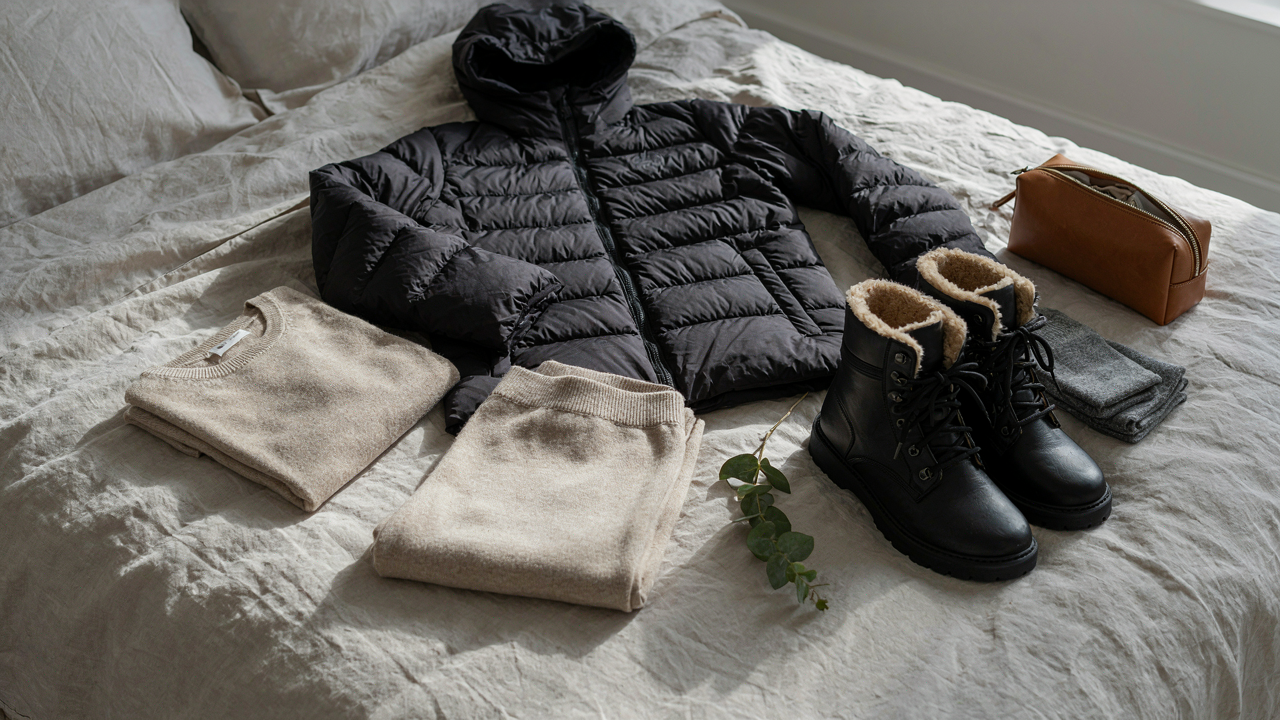
The Thermal Layering Protocol: Beyond Just “Warm Clothes”

Base Layer: Skin As Boundary, Not Barrier
You want to believe expensive thermal underwear solves cold. It doesn’t. The mechanism is thermodynamics—your skin generates heat, and base layers control how fast you lose it to air. A proper base layer doesn’t insulate. It wicks sweat away from skin so moisture doesn’t conduct heat into the environment. Cotton fails here because it holds water against your body. Synthetic fibers and merino wool move moisture outward, keeping the boundary between your skin and the next layer dry.
The mistake everyone makes is thinking base layers add warmth. They don’t. They prevent the heat you already produce from escaping through evaporative cooling. Merino wool outperforms synthetics in variable conditions because it regulates moisture without the chemical smell synthetics develop after day two of travel. For a winter capsule, one merino base layer in neutral color handles day-to-day wear and wash cycles better than multiple synthetic options. Fit matters more than brand. Base layers work only when they contact skin directly without bunching or gaps at wrists and ankles.
Mid Layer: Trapping Heat, Not Adding Bulk
The real work happens in the middle layer, and most travelers get this backwards by stacking too much. Mid-layers don’t generate heat. They trap air pockets between fibers, slowing heat loss while letting moisture continue upward. Fleece and down work through different mechanisms. Fleece traps air mechanically. Down uses air pockets inside clusters of feathers. Down compresses under pressure and takes time to loft back up. Fleece bounces back immediately, making it more reliable under a jacket for active travel.
A single mid-layer in your capsule replaces three mediocre pieces. Choose based on your activity level, not temperature. High-loft fleece handles packed days where you move between heated spaces and cold streets. A thinner synthetic insulated jacket handles static cold where you sit for hours without moving. Down works only if you can keep it dry, which is harder than most admit during travel. The protocol is simple: one mid-layer that compresses small enough to fit in a daypack, because you’ll need it on and off throughout the day.
The Unseen Cost Of “Just In Case” Items: Your Winter Travel Wardrobe Tax
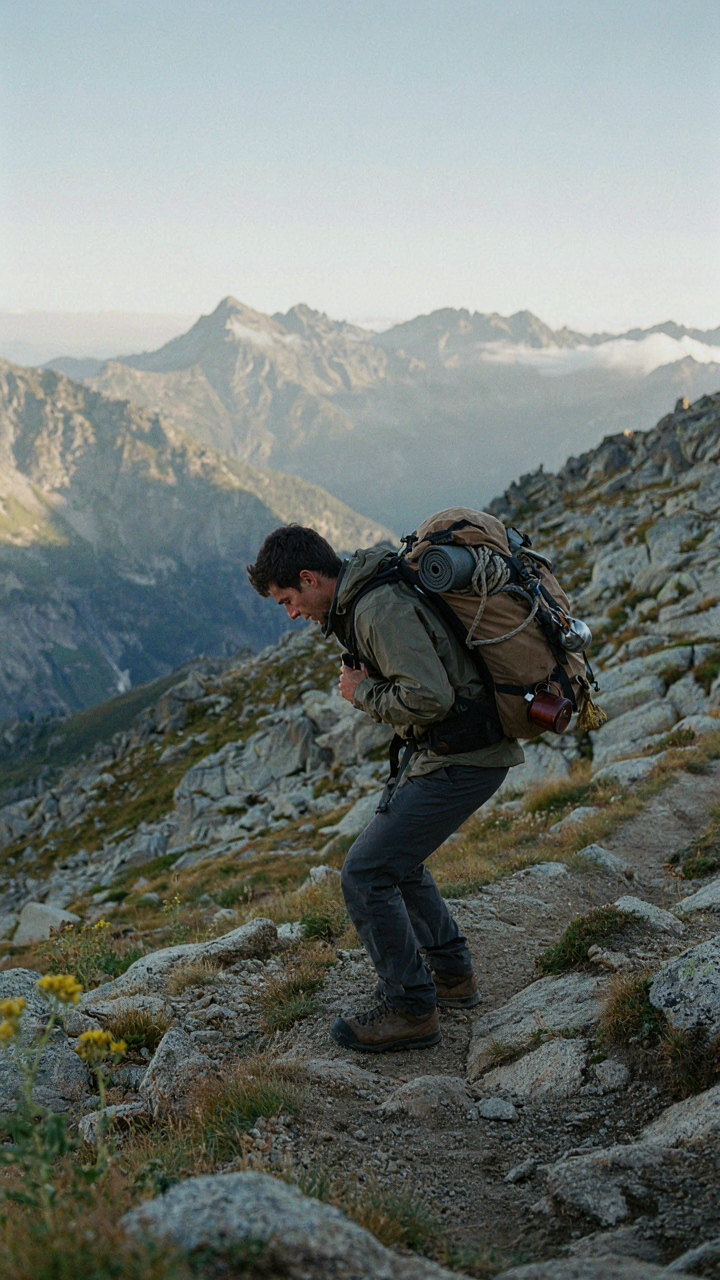
Weight Penalties Reduce Mobility
You pack extra items because you’re afraid of being unprepared, and that fear costs you in ways you don’t measure. Physics is unforgiving here: every ounce you carry reduces your range of motion and increases fatigue. A winter coat, base layer, and insulated boots already weigh significant amounts. Add “just in case” sweaters, backup gloves, and extra socks, and you’ve added pounds that slow your walking speed, tire your shoulders, and drain your energy reserves before you experience the actual cold.

Most travelers assume weight only matters on planes, but ground movement is where it destroys your trip. You walk less because your legs are tired. You skip exploring because your shoulders ache. You stay in your hotel longer than planned. The real cost isn’t checked luggage fees; it’s the experiences you forfeit because you’re carrying dead weight. Weigh every item against the number of days you’ll actually wear it, then eliminate anything you’ll use fewer than three times.
Decision Fatigue Kills Action
Too many clothing options create paralysis, not flexibility. Cognitive load is a measurable drain on mental energy, and your morning routine becomes a tax on the rest of your day. When you have seven tops for a four-day trip, you waste time deciding which one to wear instead of leaving your room and exploring. Each extra choice depletes your decision-making capacity, leaving you with less mental bandwidth for navigation, conversation, or seizing unexpected opportunities.
The common advice says variety keeps things interesting. That’s false. Constraint forces intentionality. When you know you have three core layers and one heavy coat, you stop deliberating and start moving. Your brain conserves energy for tasks that matter, and you execute your trip instead of managing your wardrobe. Create a fixed rotation you’ll wear every single day, then verify it handles both indoor heated spaces and outdoor cold. You’ll move faster and make better choices.
Materials Science Of Cold: Why “Wool” Is Not Enough

Moisture Management Decides Everything
You want wool because it feels premium and signals you know something. Here’s what actually matters: moisture management is a physics problem, not a material preference. Wool absorbs water vapor and still insulates when damp. Synthetics like polyester wick moisture away from skin but retain it in the fabric itself. For winter travel, you need both layers working in sequence, not competing.

The mechanism is simple. Skin produces moisture constantly, even in cold. That moisture kills insulation by conducting heat away from your body. Merino wool absorbs up to 30 percent of its weight in moisture without feeling wet, so it keeps functioning. Synthetic midlayers push that moisture outward where it evaporates. Neither material wins alone. You stack them: synthetic against skin, wool as insulation, shell on the outside. This is how military cold-weather protocols work, and travel requires the same logic.
Air Pockets Store Heat, Not Fabric Weight
Static air is the actual insulator, not the material holding it. This comes from thermodynamics: still air has low thermal conductivity. Thicker fabric doesn’t automatically trap more air if the structure is wrong. A loosely woven merino sweater traps more heat than a dense synthetic of the same weight because it holds more pockets of still air. Travel gear often prioritizes compressibility, which destroys insulation efficiency.
Insulation quality depends on loft: how much volume the fabric occupies relative to its weight. Down has exceptional loft because the filaments create large air pockets. Synthetic alternatives like polyester hollow-core fibers mimic this with moderate success. For winter travel, prioritize garments with measurable fill power or loft ratings over simple weight claims. The tighter you pack a jacket to fit a suitcase, the less it insulates. Measure your target pieces before buying: if a down parka compresses to smaller than a water bottle when rolled, you’ve found efficient insulation that travels.
The “European Winter Capsule Wardrobe” Illusion: Function Over Form

Climate Variation Demands Local Intelligence
You want to believe one capsule works everywhere because it sounds efficient and it simplifies your shopping—but winter in Stockholm isn’t winter in Barcelona, and dressing for the wrong one wastes money and comfort both. The mechanism is simple: temperature range determines fabric weight, and daylight hours determine layering strategy. A -5°C dry cold in Prague requires different base layers than a 5°C wet cold in Dublin. The first pulls moisture away from skin. The second needs moisture barriers. You can’t split the difference.

Most capsule guides treat “European winter” as one monolithic thing. It isn’t. Coastal Atlantic zones experience wind and damp. Alpine regions demand insulation that sheds snow. Continental interiors get dry cold. Research your specific destination’s average low, humidity, and precipitation pattern before you pack anything. One rule-of-thumb wardrobe fails because the rule doesn’t exist. Your packing list changes based on geography, not on generic advice.
Practicality Over Instagram Aesthetics
Real European winters are ugly and functional, not photogenic. The common advice sells you neutral tones and “timeless pieces” because they photograph well on travel blogs—but locals wear black technical shells, wool that smells like sheep, and boots designed to grip ice, not turn heads. The mechanism borrowed from engineering is redundancy: build in multiple failure points so one weak link doesn’t break the system. A single wool sweater fails when it’s wet and you can’t dry it. Two mid-weight layers fail separately, giving you time to adapt.
Europeans don’t dress for aesthetics in winter. They dress to move efficiently through cold without becoming a casualty. Your capsule succeeds when you stop trying to look intentional and start wearing what stops you from needing heat inside buildings. Wear merino wool base layers that work wet. Carry a technical shell that compresses small. Keep a second pair of thermal-lined gloves in your bag. These pieces don’t match your Instagram feed, but they let you spend eight hours outside and still function at dinner.
The Versatility Matrix For Your Winter Capsule Wardrobe: 3 Dimensions

Layering For Every Temperature Swing
You want to pack light without looking underdressed, which is just status anxiety dressed up as logistics. The real mechanism is thermal regulation through layering systems borrowed from engineering: base layer, insulation layer, shell layer. Each plays a specific role in trapping or releasing heat. You don’t buy three coats. You buy one coat and layer beneath it. A merino wool base wicks moisture. A fleece mid-layer traps dead air. A windproof shell blocks convection. Temperature swings from 65 degrees indoors to 20 degrees outside stop being a problem because you control heat loss through addition or subtraction, not replacement.

This is why travel capsules work. You move between heated hotels, cold streets, and warm cafes without changing outfits. Pull off the shell when you’re inside. Keep the base and mid-layer on. The math stays constant: fewer items, infinite combinations. A single winter coat paired with two different mid-layers creates four distinct thermal profiles. Add a third base layer option and you’ve covered everything from mild snow to hard cold. You don’t pack for the average temperature. You pack for the range.
Movement Demands Different Gear
Hiking requires mobility and sweat management. Dinner requires stillness and controlled appearance. Most capsule advice ignores this because it treats all activities like they have the same thermal and mechanical demands, which is false. Active pursuits generate internal heat and need fabrics that move with you. Static activities let fabric hang on the body. A sweater that works for sightseeing feels restrictive on a trail. Pants that breathe during exercise trap cold when you’re seated. You solve this by choosing pieces based on their actual use case, not by trying to force one piece to do everything.
The protocol is simple: identify your primary activities before packing. List them by frequency and intensity. Then assign garments to activities, not to days. A fleece works for hiking and layering under your coat for dinner. Merino base layers work for everything because they regulate temperature and manage sweat in both contexts. Wool pants work for movement and sitting. Cotton doesn’t. You’re not building a wardrobe that works for everything. You’re building one where each piece solves a specific problem across multiple scenarios.
Winter Packing Outfits: The Minimalist’s Anti Fragile System
Redundancy Through Strategic Overlap
You want to pack less but feel secure you won’t fail mid trip. That’s the real anxiety driving this conversation. Military logistics solved this problem decades ago by distinguishing between redundancy (backup systems that do the same job) and multi function (one item that serves multiple jobs). A winter capsule works because each piece functions across several outfits, not because you have spares. A merino wool base layer works under a dress, under a sweater, under a thermal layer. It’s not backup—it’s leverage. This is why five items that layer beat ten items that don’t.

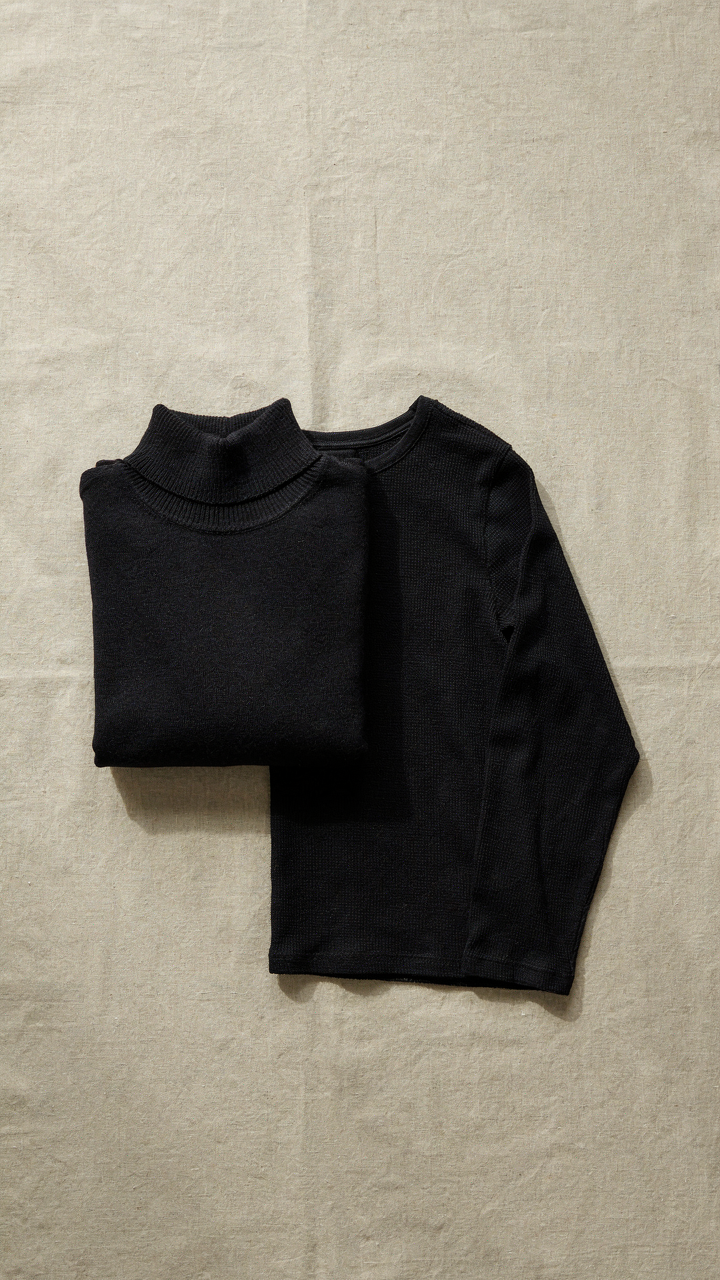
The mechanism is multiplication through constraint. When you force each piece to work across temperature ranges and social contexts, you eliminate dead weight. A black turtleneck isn’t redundant with a white thermal shirt—they’re the same functional layer serving different visual contexts. You’re not bringing backups. You’re bringing pieces that solve multiple problems simultaneously. This is the opposite of packing a “just in case” sweater you never wear. Every piece earns its place by proving it works across at least three outfit combinations before it leaves your closet.
Clothing That Cannot Fail
The standard advice says “stick to neutral colors” and “choose quality fabrics.” That’s incomplete. What actually matters is identifying which failure modes kill a trip, then designing them out entirely. A winter travel capsule fails when: a layer loses insulation when wet, a seam splits under layering tension, a garment shrinks after one wash, or a color stains visibly. These aren’t minor inconveniences—they’re outfit collapses that force shopping or outfit repetition you can’t absorb on a short trip.
Merino wool handles wet insulation failure because it retains warmth when damp and dries fast. Seams fail because you’re layering a fitted base under a fitted mid layer—buy one size up on the mid layer. Shrinkage fails because you used cotton or untreated wool—stick to synthetic blends or pre-shrunk merino. Stains fail on light colors—black, charcoal, and navy hide them. The anti fragile system doesn’t rely on hope. It removes the scenarios where you run out of clean options before day five.
The Real Cost Of Cheap: Your Winter Travel Wardrobe’s Life Cycle
Buy Once, Cry Once
You want to believe budget gear works because admitting otherwise means you spent wrong. The mechanism is simple: cheap winter fabrics fail faster under stress. Cold contracts synthetic fibers. Moisture freezes in low-quality insulation. Movement breaks weak stitching. A $40 puffer loses loft after three trips. A $180 puffer holds structure for years. The difference isn’t marketing. It’s material science.

Quality pieces survive repeated compression in luggage, temperature swings, and layering stress that destroys budget alternatives. Merino wool doesn’t pill like acrylic. Gore-Tex doesn’t delaminate like polyester membrane. Reinforced seams don’t split like single-threaded construction. When you travel to cold climates, your gear endures conditions that reveal its actual build quality within days, not months.
Maintain It Or Replace It
Most people ignore maintenance, then act surprised when a $200 jacket becomes garbage after two winters. Economics teaches us diminishing returns. Your winter travel wardrobe hits hard returns instead. Proper care extends utility and eliminates the false choice between replacement and storage. A wool sweater needs occasional hand washing and air drying. Insulated jackets need regular airing, not machine washing. Technical base layers need cold-water rinses without fabric softener.
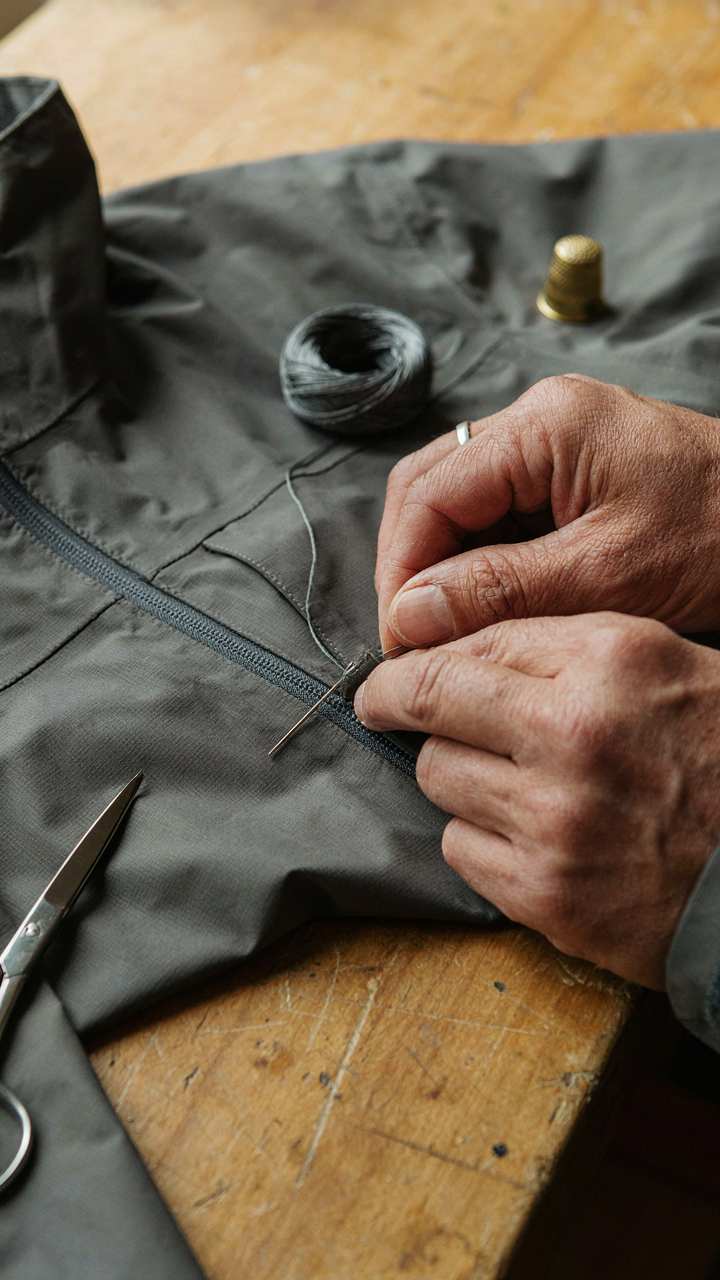
Repair over replacement is the actual strategy here. A broken zipper costs $15 and thirty minutes at a tailor. A torn Gore-Tex seam costs $40 to seal professionally. These interventions keep functional gear in rotation instead of cycling you through new purchases every season. Track what breaks. Fix it immediately. This single protocol determines whether your winter capsule compounds in value or bleeds money.
Winter Travel: Footwear As Foundation, Not Afterthought
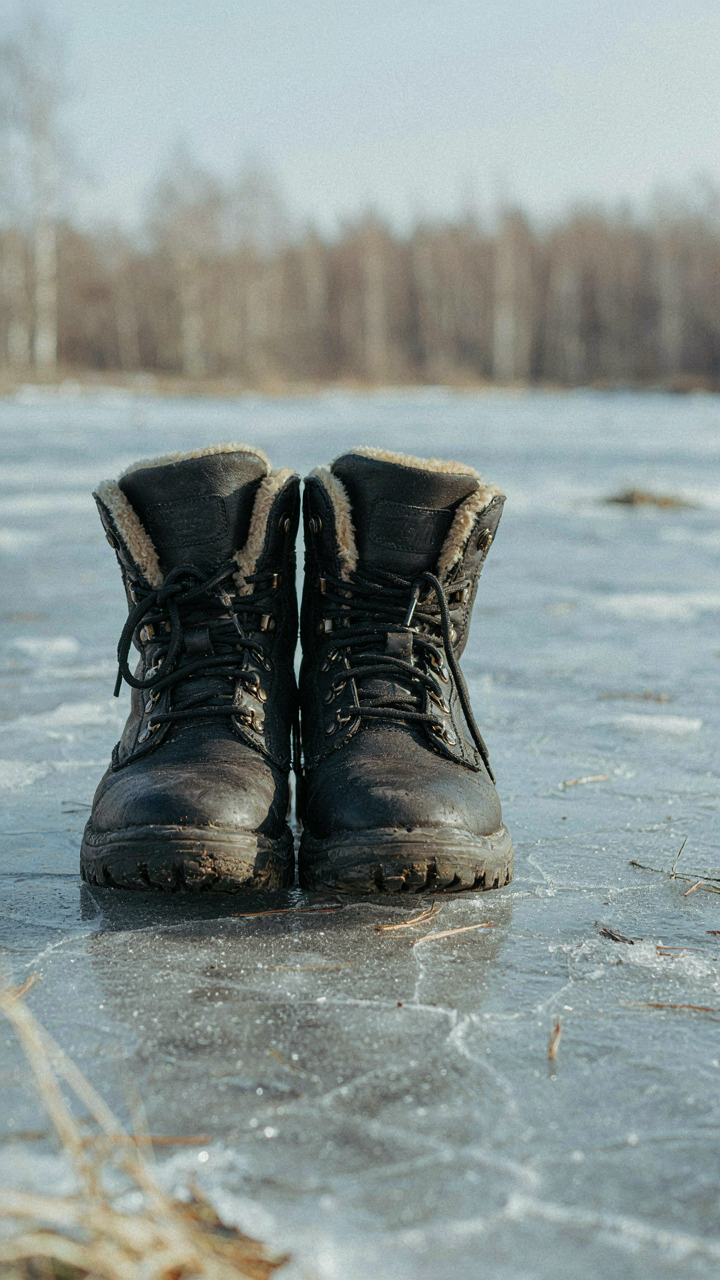
Traction And Waterproofing: The Non Negotiables
You’re worried you’ll slip on ice in front of people. That’s the real problem here, and it points to the actual mechanism: your feet determine whether you move at all. In physics, traction is the friction force that prevents sliding. For winter travel, traction isn’t a feature you add later. It’s the baseline that makes every other clothing choice matter.

Ice and wet pavement defeat most casual shoes. Rubber compounds designed for dry conditions lose grip below 45 degrees Fahrenheit. Winter travel footwear needs either aggressive tread patterns, studs, or specialized rubber compounds formulated for cold. Waterproofing matters second because wet feet drain body heat faster than almost any other failure point. You need both properties working together from day one.
- Vibram or equivalent lugged soles: Deep tread patterns grip ice and packed snow. Most winter boots use these. Verify the pattern isn’t worn flat before departure.
- Insulated leather or synthetic uppers: Blocks wind and absorbs moisture. Leather ages better but takes longer to dry. Synthetics warm faster and shed water more reliably.
- Waterproof membrane systems: Gore-Tex and similar materials prevent water entry while allowing sweat to escape. Non-membrane boots trap moisture and fail in slush.
- Gusseted tongues with ankle collars: Keeps snow and slush from pouring into the boot. Standard boot design fails here on steep terrain.
- Sealed or welted seams: Factory stitching without sealant becomes a water highway. Check boots before buying, not after water damage starts.
The footwear you choose at home determines what you can actually do in winter cities. A boot fails silently. You don’t realize it’s leaking until your second toe goes numb at mile three of sightseeing. Select boots that meet both traction and waterproofing standards before packing anything else.
Sock Strategy: Moisture And Warmth Through Fiber Choice
Thick socks are the wrong answer, and most people still buy them. The goal isn’t volume. The goal is moisture management and thermal retention with minimal bulk in your luggage. Fiber type, not thickness, drives performance.
Merino wool socks regulate temperature and wick moisture without the odor problem of synthetic blends. Wool fibers absorb up to thirty percent of their weight in moisture while remaining warm. Cotton socks absorb moisture and hold it against your skin, which accelerates heat loss. Synthetic blends that include polyester or nylon create friction points and trap sweat. For winter travel, two pairs of quality merino wool or merino-blend socks outperform four pairs of standard athletic socks. The mechanism is simple: moisture moves away from skin through the fiber structure, and your feet stay warm even when wet. Bring one spare pair for rotation, wear one pair per day, and wash them at night in your accommodation. This keeps your pack light and prevents the fungal infections that come from wearing damp socks for consecutive days.
Accessories: The Micro Optimizations Of Your Travel Capsule Winter

Gloves And Hats: Preventing Heat Escape
You care about this section because you want to look like you know what you’re doing in cold weather, not because you actually understand thermodynamics. Here’s the mechanism: your head and hands have high surface area relative to their mass, so they shed heat faster than your torso. Physics calls this the surface area to volume ratio. In winter travel, your gloves and hat function as your ratio management tools, not decorative add-ons.

Most people buy gloves and hats separately, treating them as independent choices. Wrong. A winter capsule requires one glove type that works with your existing layers and one hat style that won’t fight your coat collar or sunglasses. Merino wool gloves pack smaller than down, dry faster if wet, and work across temperatures from 20 to 40 degrees Fahrenheit. A wool beanie takes up almost no luggage space and layers under a hood when conditions worsen.
Scarves And Gaiters: Adaptable Microclimates
A scarf or gaiter isn’t insulation. Thermodynamics treats air circulation as the enemy of warmth, and both accessories interrupt wind before it hits your neck and chest. This is the real mechanism people miss. A scarf is a variable system—you adjust coverage based on activity level. A gaiter commits to coverage and never comes off until you return to your hotel.
The common advice tells you to choose one. That’s incomplete. Bring a lightweight merino scarf for layering flexibility and a polar fleece neck gaiter for static wind protection on long outdoor periods. The scarf packs flat, works as a blanket on planes, and adds visual variety to your outfits. The gaiter stays in your day pack and deploys when you’re moving through exposed terrain for hours. Rotate between them based on daily itinerary, not preference.
Your Personal Winter Travel Capsule Wardrobe Algorithm: Data, Not Guesswork

Reverse Engineer Your Actual History
You want to believe you’re rational about packing, but you’re not. You pack based on fear and fantasy, not evidence. The mechanism is simple: your brain runs on pattern recognition, which means it needs actual patterns to recognize. Most travelers skip this step entirely and just repeat the same mistakes.
Pull your photo library from your last three winter trips. Note what you wore on days you felt functional versus days you fumbled with layers or froze. Document the weather forecasts from those trips against what you actually experienced. Did you need that backup sweater, or did it sit in your luggage untouched? The goal isn’t to remember—it’s to measure. Your gut is a poor instrument for this job.
Treat Your Destination Like A Weather System
Meteorology doesn’t forecast a single temperature for a city. It maps microclimates, inversion layers, and variable conditions across different elevations and times. Your winter destination works the same way. A resort town’s valley floor runs warmer than its ridge. An urban center radiates heat differently than its outlying areas. Activity changes everything too: standing still at an outdoor market is not skiing at altitude.
Pull the 10-year historical temperature average for your exact dates, not the current week’s forecast. Cross-reference what locals actually wear during that period on Instagram or travel forums. Note sunrise and sunset times—darkness shifts your thermal needs and layer strategy. Map your specific itinerary against microclimates: which days are transit days, which are outdoor, which are urban exploration. Build your capsule for the specific conditions you’ll face, not a generic winter.
Stop Romanticizing Scarcity; Optimize For Environmental Resilience
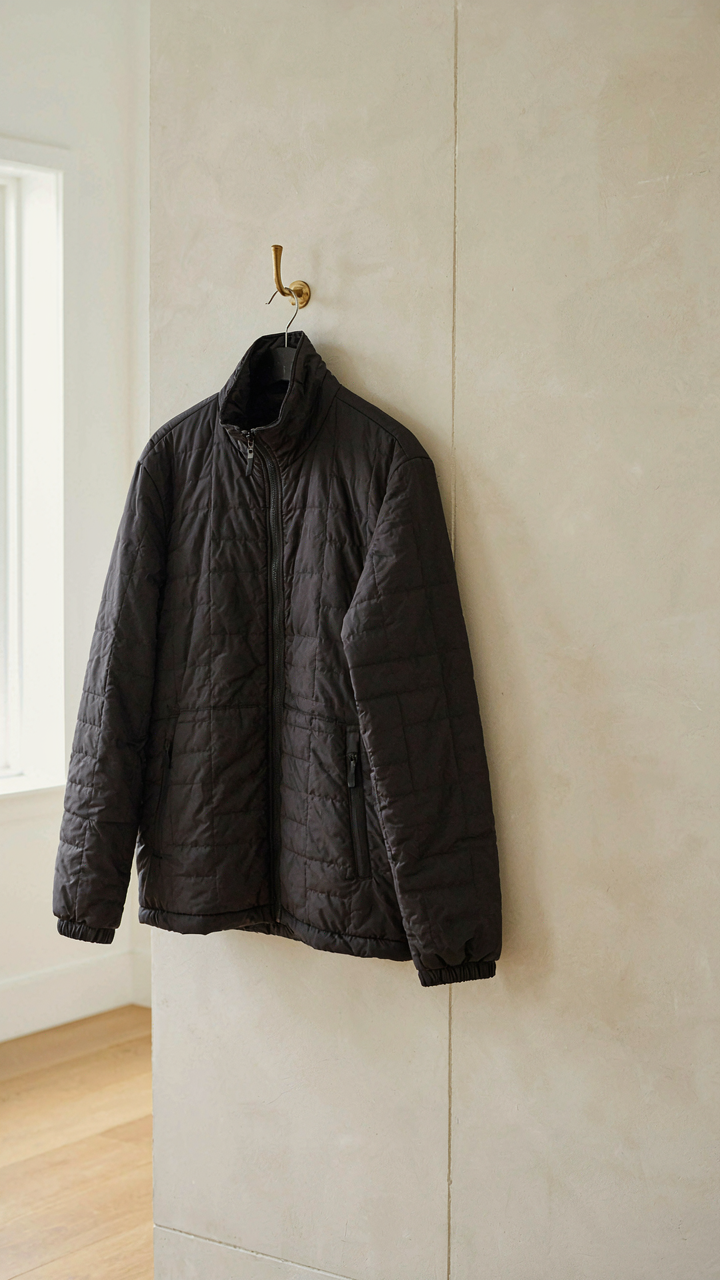
Most people build a winter travel capsule wardrobe because they think constraints equal sophistication. Wrong. You’re actually optimizing for survival, not style. The real shift: stop buying pieces that only work in one season or one climate. Your winter capsule wins when every item earns its weight by functioning across temperatures, activities, and trips. Pick one basic layer today, test it for a week, and commit to nothing else until you prove it works. A travel wardrobe that actually travels doesn’t apologize for looking the same in every photo.