

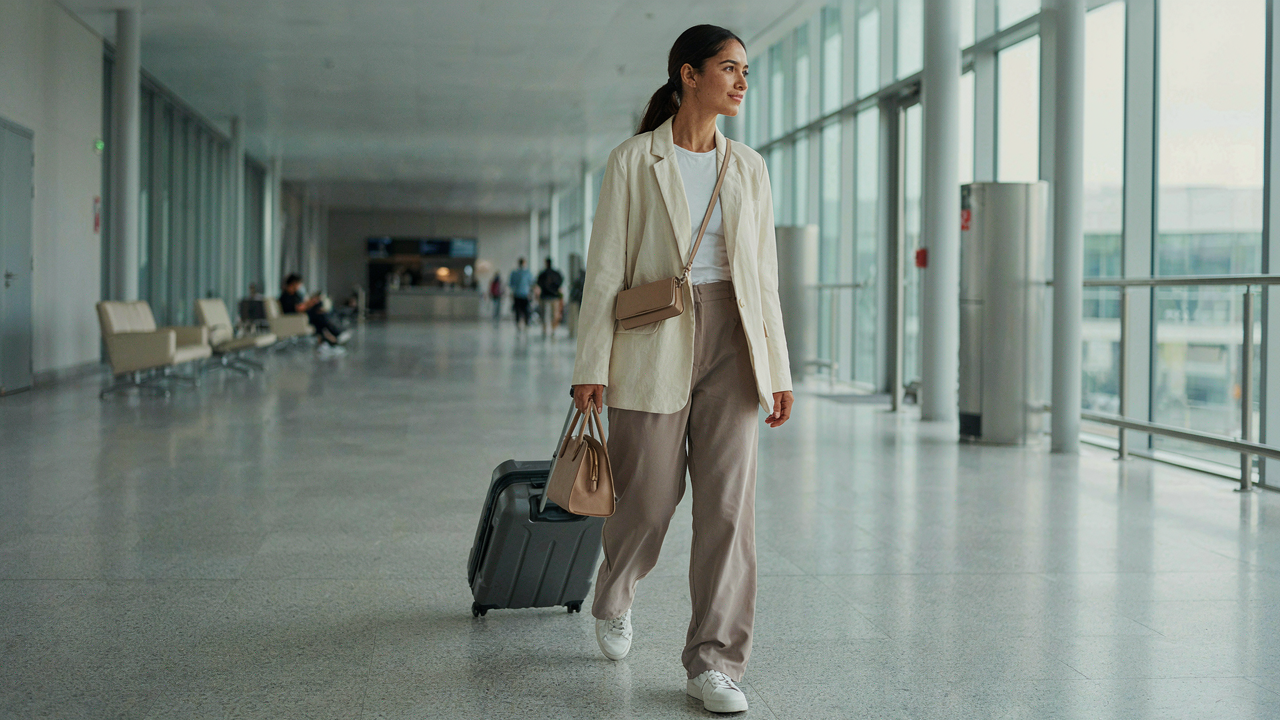
The Myth Of The Perfect Airport Outfit: Why Prescribed Looks Fail
Deconstructing The Ideal That Doesn’t Exist
You want proof that you’ve thought this through—that you’re the type of woman who doesn’t fumble at security or look disheveled in a gate photo. Here’s the mechanism: prescribed airport outfits are built on a false premise. They assume your body, your destination, your transit time, and your social context are interchangeable with everyone else’s. They’re not. A “perfect” outfit for a two-hour domestic flight in summer operates under completely different constraints than a twelve-hour international journey in winter. Fashion advice treats airport dressing like a formula. It isn’t. It’s a system that must flex.
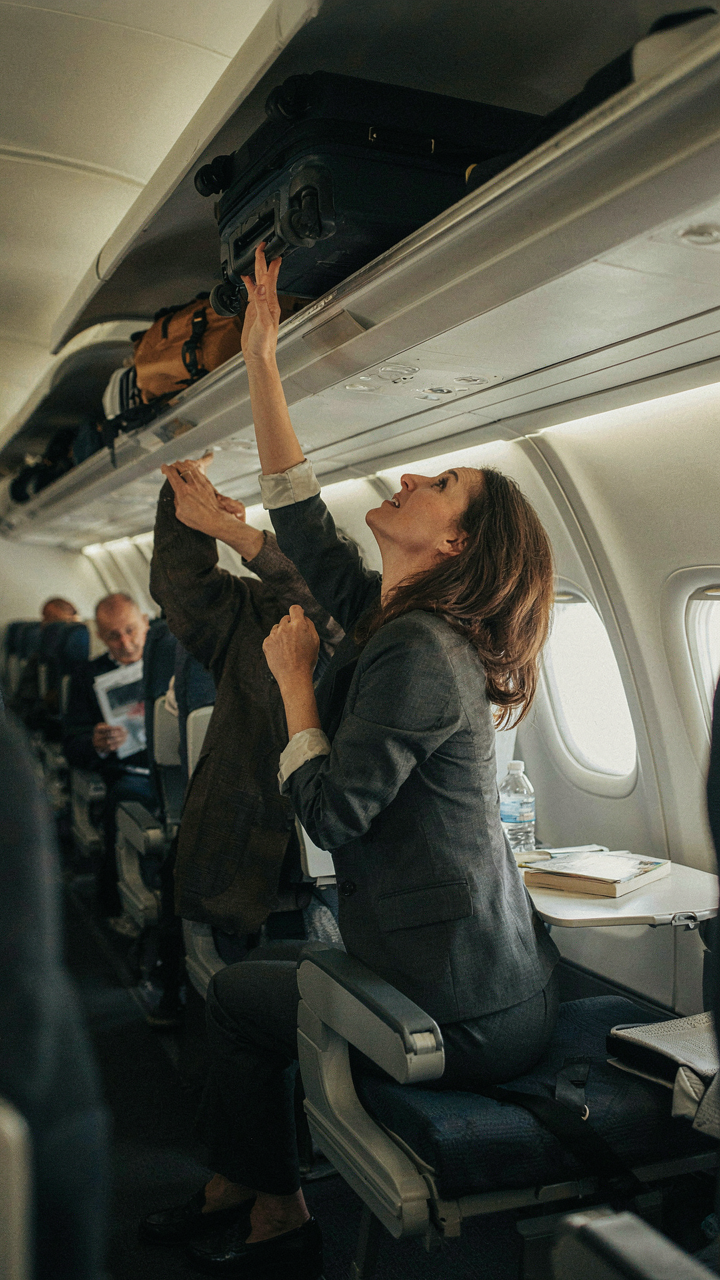
The advice you see everywhere—tailored blazer, white sneakers, cashmere, repeat—works for the person who designed it, not for you. These prescribed looks fail because they prioritize image over function. You end up either cold on the plane because your layer was chosen for aesthetics, or you can’t bend properly to reach your carry-on, or you’re wearing shoes you can’t slip off quickly. The real problem isn’t that perfect airport outfits don’t exist. It’s that advisors prescribe the same outfit to solve different problems.
When Generic Solutions Create New Problems
Generic advice creates friction because it treats airport dressing as one problem with one answer. It isn’t. A woman traveling for business needs different trade-offs than a woman traveling for leisure. Someone with a connecting flight manages temperature differently than someone with a direct flight. A woman who sits in an exit row can’t wear certain shoes. Yet the same “capsule outfit” gets recycled across all contexts. This approach doesn’t solve for your actual situation—it solves for a theoretical person who doesn’t exist.
The real cost: you waste mental energy fighting against an outfit that wasn’t built for you. You second-guess your choices. You feel underdressed or overdressed. You spend money buying pieces that sound right but feel wrong in practice. The mechanism here is mismatch. Generic advice removes the decision-making process and replaces it with compliance. Compliance feels safe until you’re six hours into a flight realizing your outfit is working against you, not for you. Start instead by naming your actual constraints: flight duration, destination climate, layover schedule, seat position, and the social signals you need to send at arrival.
Fabric Intelligence: Material Science For The Savvy Traveler
Performance Fabrics: What Actually Works And Why
You want to look put together without sweating through security. Here’s the mechanism: fabric fiber structure determines moisture management, wrinkle recovery, and breathability. Merino wool and synthetic blends aren’t luxuries—they’re physics. Merino regulates temperature by moving sweat away from skin while maintaining shape. Nylon and polyester blends resist wrinkles because their fibers have molecular memory. Cotton absorbs moisture and holds it, making you clammy and rumpled after two hours in an airport chair.

The best travel fabrics combine two properties: hydrophobic fiber structure and elasticity recovery. Look for jersey knits in quality synthetics or wool blends, not loose weaves that bag out. Four-way stretch technology means fibers move with your body rather than against it, reducing tension creases. These aren’t marketing terms—they describe actual fiber behavior under pressure and humidity. Pick garments with at least thirty percent synthetic content if wool is the base. This shifts the wrinkle trajectory entirely.
Common Material Mistakes That Degrade Comfort
Most advice tells you to avoid “cheap fabrics.” Useless. The real problem is fiber diameter and weave density. Thin cotton feels soft initially but crumples under luggage compression and humidity. Rayon absorbs water like a sponge, turning heavy and clinging when temperatures spike. Linen wrinkles by design—it’s not romantic during travel, it’s impractical. Fabric intelligence means understanding that thread count matters less than fiber type and finish treatment.
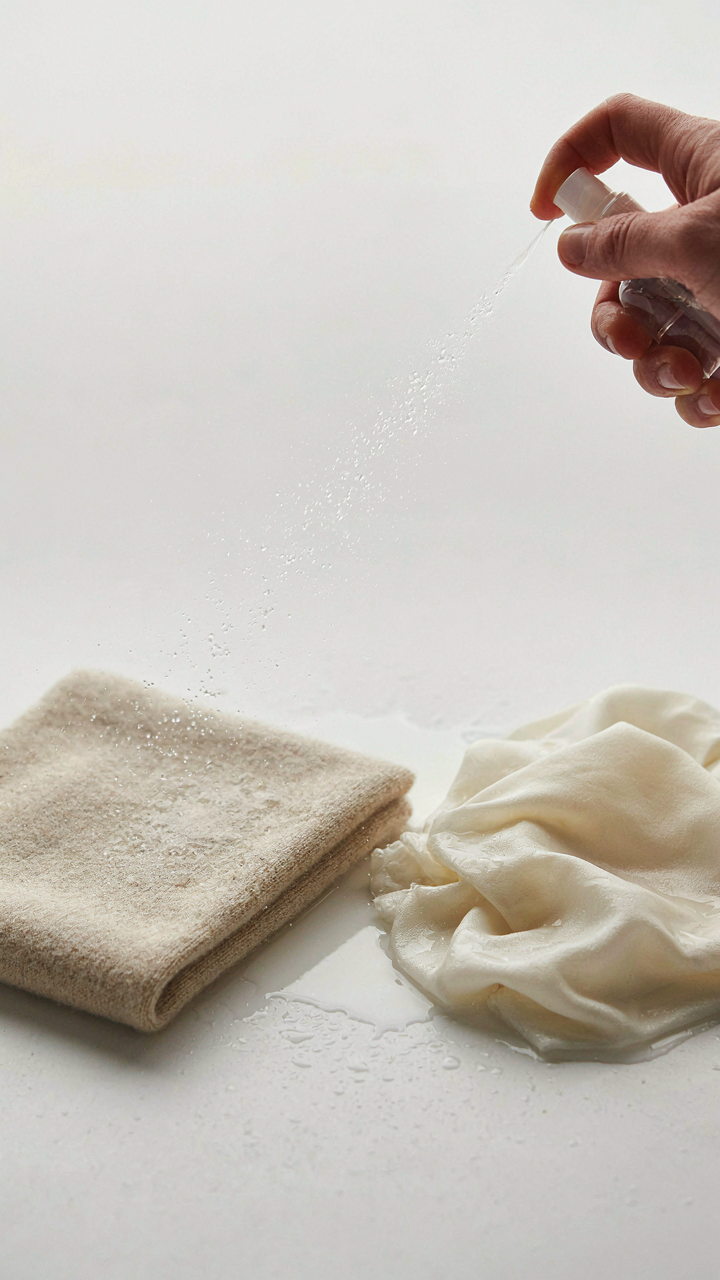
Denier weight and construction reveal what fabrics actually deliver during eight-hour travel days. Choose mid-weight materials, not sheer or heavy textures. Garments treated with performance finishes resist wrinkles and moisture better than untreated alternatives. Test this: grab a piece of fabric you own, spray it with water, and observe how quickly it dries and if it creases. That’s your real airport performance metric. Buy based on this simple test, not on brand promises.
The Adaptive Layering Protocol: A Cybernetic Approach To Comfort And Style
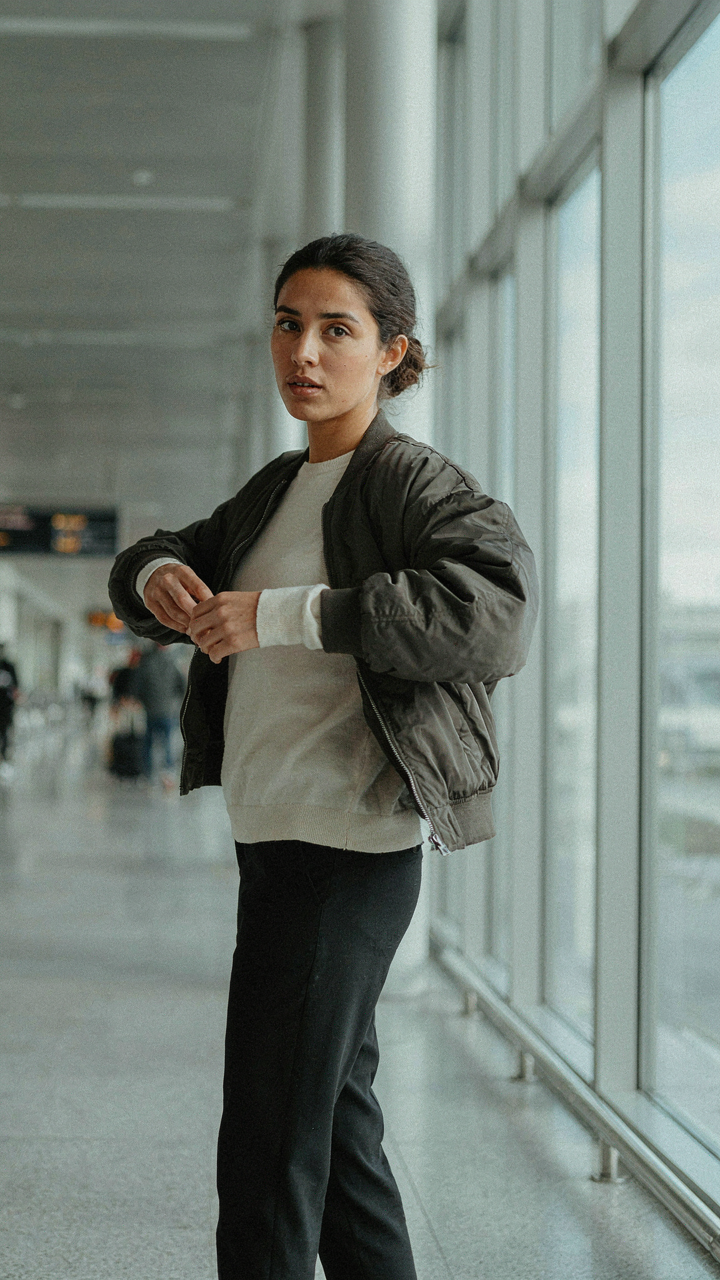
Your Body Is The Thermostat, Not The Outfit
You want to feel in control at the airport because unpredictability triggers anxiety, and layering promises you won’t be blindsided by temperature swings. Here’s the mechanism: cybernetics teaches us that systems self-regulate through feedback loops. Your airport outfit works the same way. Each layer responds to real-time environmental data and triggers an adjustment without requiring you to change clothes entirely. You’re not building an outfit. You’re building a feedback system.

The common advice says “just bring a cardigan.” That’s incomplete. A true adaptive system requires strategic material pairing so each layer actually communicates with the one beneath it. Cotton against skin fails because it absorbs sweat and holds temperature. Merino wool or synthetic blends against skin create a baseline that adjusts independently. Your cardigan becomes the responsive element, not the rescue blanket. The system only works when materials complement each other’s thermal properties.
Layers As Environmental Sensors
Airports cycle through distinct zones: cold terminals, heated jets, freezing cabins, humid bathrooms. Most people pick one outfit and suffer through all five environments. That’s not adaptive. It’s just stubborn. You need layers that respond to micro-changes without becoming visible bulk in your carry-on.
The base layer (fitted tee or long-sleeve in merino or modal) handles moisture and temperature regulation without thickness. The mid-layer (lightweight sweater or fitted blazer) adds insulation when the terminal air conditioning hits. The outer layer (oversized button-up, structured cardigan, or bomber) sheds fast when you board the plane. Each layer removes independently based on actual temperature feedback, not mood. You never overheat and never freeze because you’re adjusting the system, not abandoning it.
Strategic Accessory Deployment: Elevating Utilitarianism
Accessories That Actually Work
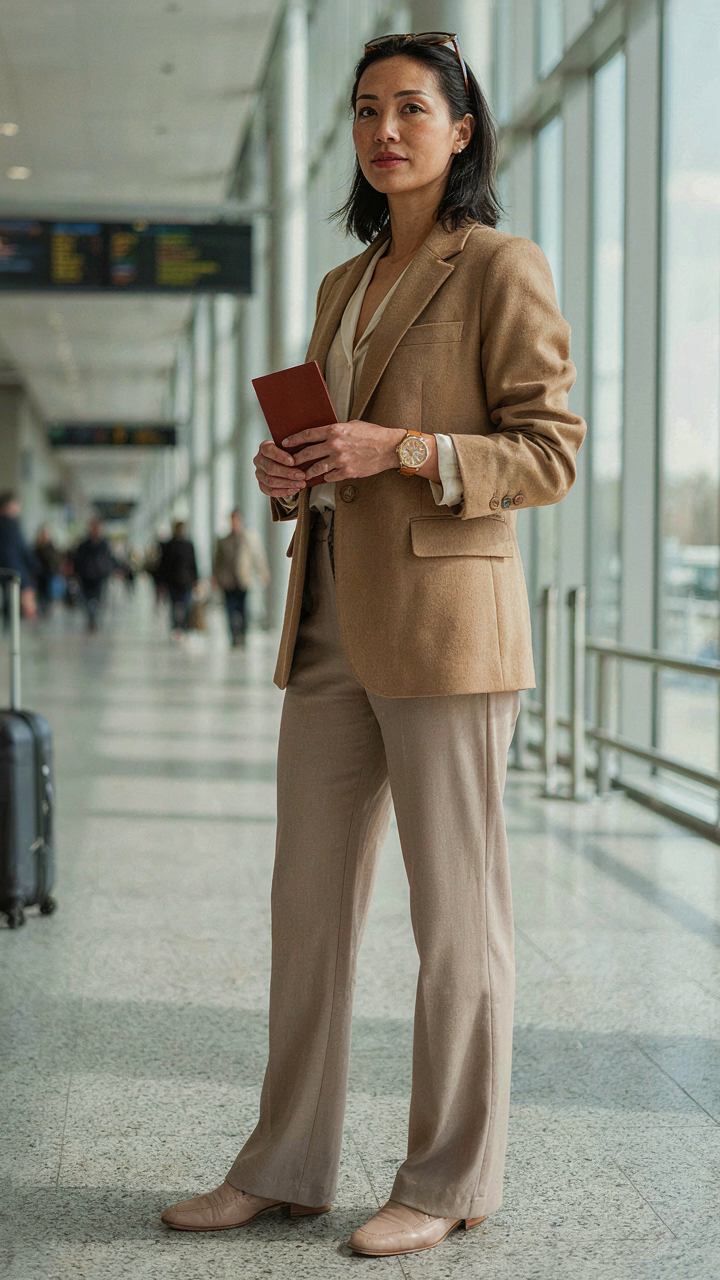
You want accessories to signal you have your life together without admitting you’re stressed about looking put-together at 6 AM. The real mechanism: accessories at airports function like load-bearing walls in architecture. They carry weight—literal and visual—so nothing else has to. A structured bag isn’t decoration. It’s the container that absorbs wrinkles, holds your documents, and gives your outfit skeletal integrity when everything else is soft fabric fighting gravity.

The mistake most advice makes is treating airport accessories as an afterthought. They’re not. They’re the infrastructure. Choose items that solve problems you actually face: a bag that fits under your seat, a scarf that doubles as a blanket, a crossbody strap that stays in place during security. Every accessory earns its weight by doing two jobs minimum. This eliminates the visual clutter that makes you look frantic instead of intentional.
The Multipurpose Stack
Minimalism in airport dressing isn’t about owning fewer things. It’s about owning things that operate across multiple contexts without contradiction. You need a bag that works for the flight, the terminal, and your destination. You need a layer that functions as outerwear and a blanket. Redundancy is the enemy of a tight outfit. Each piece must collapse into the next.
- Structured crossbody or tote: Carries essentials without requiring you to hold it, compresses under seats, works in business or casual contexts without apology.
- Cashmere or wool wrap: Becomes a scarf at the gate, a blanket on the plane, a shoulder layer at baggage claim. One piece. Three functions.
- Flat leather loafers or slip-ons: Removes in seconds at security, stays polished all day, transitions from plane to ground without changing shoes.
- Neutral structured blazer: Creates formality without adding weight, layers over the base outfit, compresses into carry-on without wrinkling visibly.
- Minimal jewelry in one metal: Stud earrings and a watch eliminate the decision tax. Metal consistency reads as intentional, not rushed.
The stack works because subtraction is faster than addition. You’re not layering for variety. You’re layering for resilience. Each piece handles climate, duration, and context shifts without requiring you to rotate your entire outfit. This is the protocol: pick your base layer, add one structured outer layer, choose one multipurpose accessory, and stop. Everything moves with you. Nothing competes for attention.
Footwear Functionality: Beyond The Fashion Statement
Your Shoes Dictate The Experience
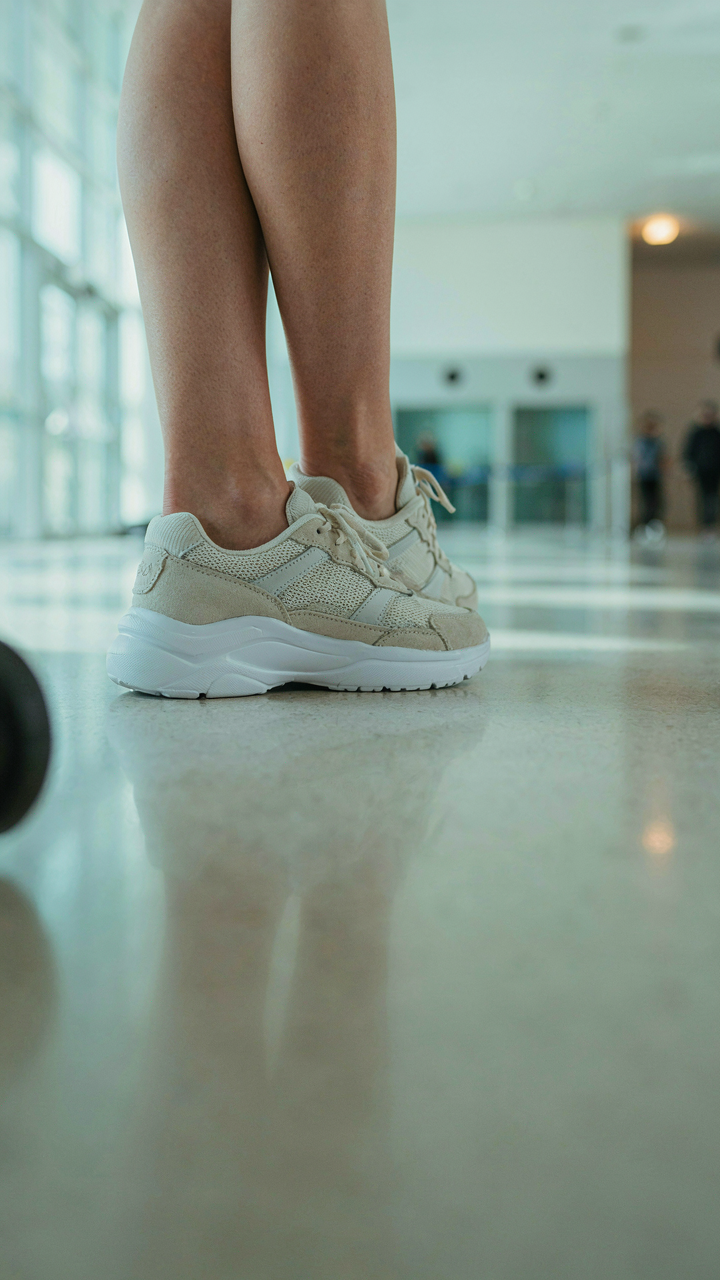
You care about this section because you’re afraid bad shoe choices will expose you as uncomfortable or unprepared. Here’s the mechanism: shoes control three variables that compound across eight hours of travel. Ground contact quality affects posture, which affects energy, which affects how you carry yourself through the airport and onto the plane. Biomechanics matter. A shoe that forces your foot into an unnatural position doesn’t just hurt. It recruits stabilizer muscles that fatigue fast, draining mental resources you need for navigation and decision-making.

Most travel advice treats shoes as a style problem. That’s wrong. The real variable is support consistency. A slip-on loafer with zero arch support destroys your feet during security lines and gate walks. You land in your seat already depleted. Flat soles concentrate pressure on your heel and ball of foot. Minimal cushioning transfers impact directly to your joints. The shoe that photographs well is rarely the shoe that performs well. Pick shoes that maintain structural integrity for four to eight hours without compression points. This means trying them on, standing in them for twenty minutes, and actually assessing how your feet feel before you commit to wearing them to the airport.
Support Without The Drag
Shoe weight matters more than most people realize. Aviation ergonomics, borrowed from seat and cockpit design, teaches us that load reduction improves endurance. Apply this to footwear: every ounce of shoe weight requires muscular effort to move through space. Heavier shoes fatigue your feet and legs faster. You want footwear that provides support structure without excess material. Leather upper construction with minimal padding accomplishes this. Canvas and mesh alternatives work if they’re reinforced at high-stress points like the heel counter and toe box.
Durability determines value in airport settings because repeated wear cycles break down cheap materials quickly. Quality leather and substantial rubber soles maintain their properties after fifty flights. Budget alternatives flatten and compress. The cost per wear on durable shoes is lower. Pick shoes with fixed soles rather than glued construction. Stitched or welted construction lasts longer than adhesive-only methods. Evaluate sole thickness and material composition before purchase. Rubber soles with proper cushioning support your arch without creating pressure points that build pain over hours.
Color Palette Psychology: Non Verbal Cues In Transit
Colors That Signal Competence And Ease
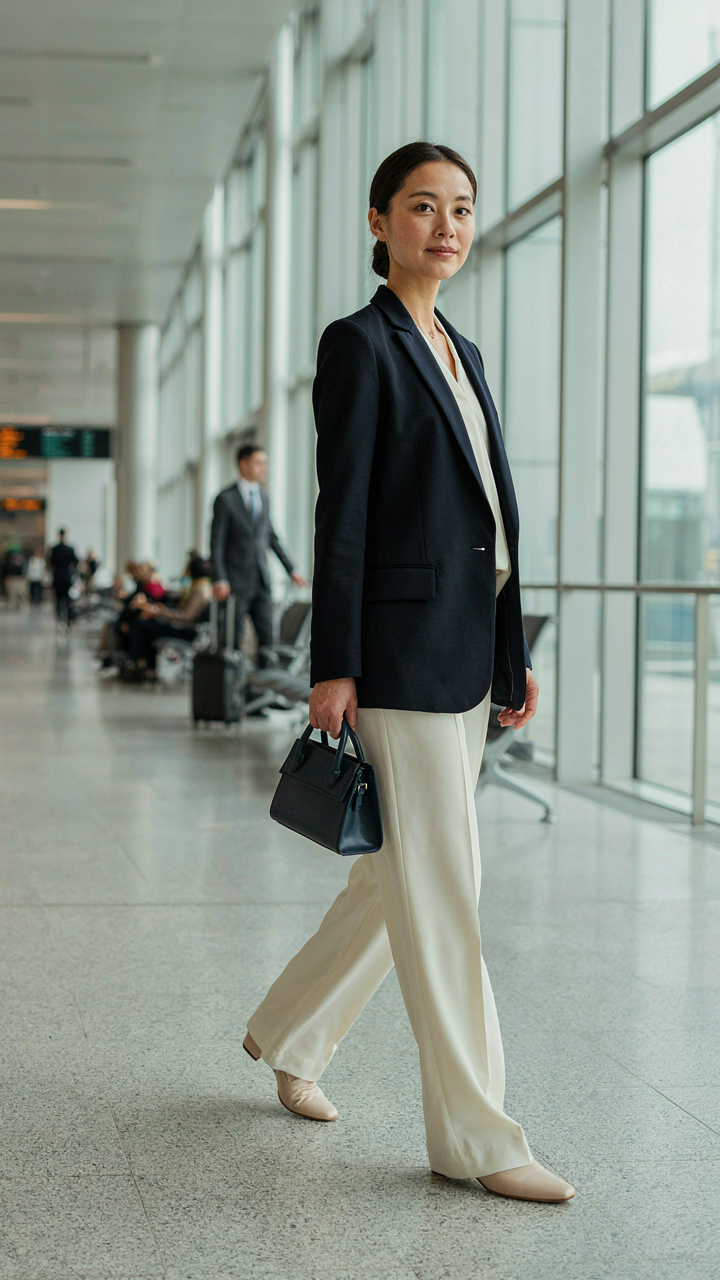
You want people to read you as someone who has her life together, not someone spiraling through security. Color psychology borrowed from marketing shows that warm neutrals and cool darks trigger perception of control and stability in high-stress environments. Your outfit’s color palette does the work before you speak.
Navy, charcoal, cream, and soft gray read as intentional. These colors carry no visual weight and don’t compete with tired airport lighting or fluorescent security queues. They communicate that you’ve thought this through. Black works but risks reading cold under bad lighting, which is most airport lighting. Camel and warm beige add subtle sophistication without demanding attention. Stick to one dominant color with one accent maximum.
Colors That Activate Anxiety
The common advice says wear bright colors to feel energized. Wrong. Bright colors activate sensory load in already-overstimulated environments. Neon, hot pink, and electric patterns tax your attention span when you’re already managing luggage, boarding passes, and gate changes.
Reds and oranges trigger alertness and tension. Your nervous system doesn’t need activation before a flight. Clashing color combinations create visual noise that makes you second-guess your choice all day. Stick with one primary color, one secondary neutral, and one accent if needed. Your outfit should fade into background noise so your energy stays internal.
The Unpacking Principle: Maximizing Wearability On Arrival

Your Outfit Is A Bridge, Not A Destination
You’re worried you’ll step off the plane looking wrong for where you’re going. That fear drives most airport outfit advice into contradiction: dress for the plane, dress for arrival, dress for both, dress for neither. The real mechanism is borrowed from logistics: you’re managing inventory. Your airport fit isn’t a standalone piece. It’s the first item pulled from your suitcase that must work with everything else already hanging in your destination closet. Build backwards from what you packed, not forwards from airplane comfort.

Your outfit lands before your luggage does. If you arrive in Miami in all-black layers meant for an air-conditioned office, you either overheat immediately or change into something that clashes with your planned wardrobe. The clothes you wear through security must transition into your destination without friction. That means color, fabric weight, and style should mirror at least three outfits waiting for you. Don’t pack a wool blazer for a beach trip then wear linen to the airport. That’s competing with yourself.
Fabric As Functional Architecture
Every fabric performs a job at altitude and on ground. Cotton holds wrinkles like memory. Linen creases by design. Synthetics bounce back. Jersey and modal fabrics resist creasing because their structure absorbs movement without holding creases. When you choose your airport outfit, you’re selecting fabric that will look acceptable after six hours compressed in a bag and three hours worn in recirculated air. Merino wool, cotton blends with elastane, and performance knits meet both requirements.
Your arrival fabric should match your destination climate, not your flight time. If you’re landing in a humid environment, moisture-wicking synthetics or linen will serve you better than cotton that clings when damp. If you’re going somewhere cold, you want something that layers under a coat without bulk. Wear the outfit that lets you step out of the airport looking intentional, not like you survived something. Choose pieces that appear pressed even when they’re not.
The Feedback Loop: Refining Your Travel Outfit Iteratively

Track What Actually Happens In Motion
You want to believe your airport outfit will work because it looks good in the mirror. That’s the real problem. The mechanism is simple: your body moves differently under travel conditions than it does standing still. Sweat patterns shift. Fabric rides up. Seams pull. Sitting for hours reveals what standing for five minutes never does.

Write down three things after each trip: where you felt physically restricted, what fabric held up versus what didn’t, and which pieces you actually wore versus what you packed as backup. This isn’t journaling. This is data collection. You need specifics, not feelings. “The linen wrinkled” is useless. “The linen wrinkled in the seat crease within two hours, but the cotton blend stayed flat” is actionable.
Optimize For Your Actual Travel Frequency
Most advice about airport outfits assumes you fly monthly or quarterly. Your constraints are different if you travel weekly, once a year, or somewhere in between. The feedback loop only works when you stop treating every trip like an anomaly and start treating your personal travel pattern as the baseline.
If you fly weekly, your outfit system needs pieces that tolerate repeated washing and maintain shape. If you fly once yearly, durability matters less than impact. If you travel seasonally, you optimize for specific weather windows. Don’t retrofit generic advice to your reality. Instead, log which pieces you reach for repeatedly across your trips, which materials survive your travel cadence, and which items sit unused. Then build the next iteration around what you actually wear, not what you think you should.
The Real Barrier To Effortless Airport Style Isn’t Lacking The Right Clothes, It’s Failing To Understand Clothes As Tools For Environmental Control
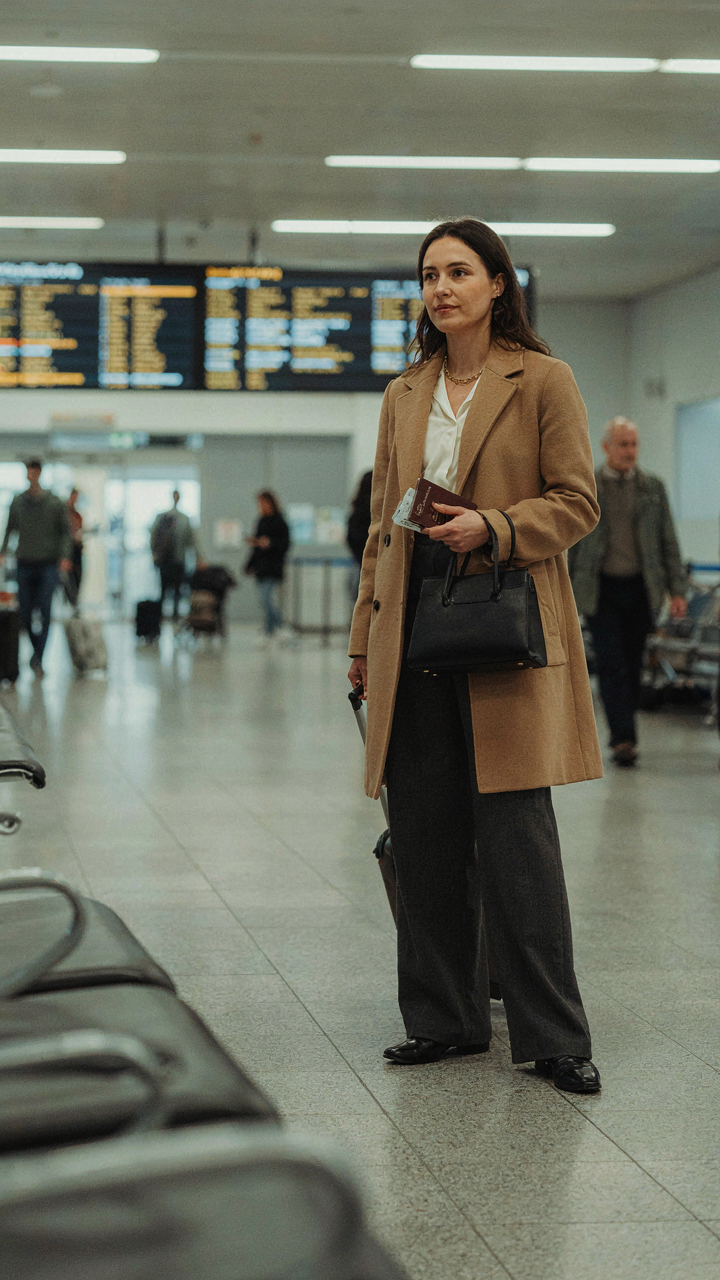
Most women treat airport outfits like a style problem. Wrong. Your clothes control how airport staff treat you, how you move through chaos, how you feel in a metal tube for hours. You’re not dressing for approval. You’re engineering comfort and command. Stop buying more pieces. Instead, audit what you own today and ask one question: does this fabric breathe, does this silhouette let me sit cross-legged, does this color hide travel grime? Buy nothing until you answer. Your airport outfit isn’t a look. It’s a system.