

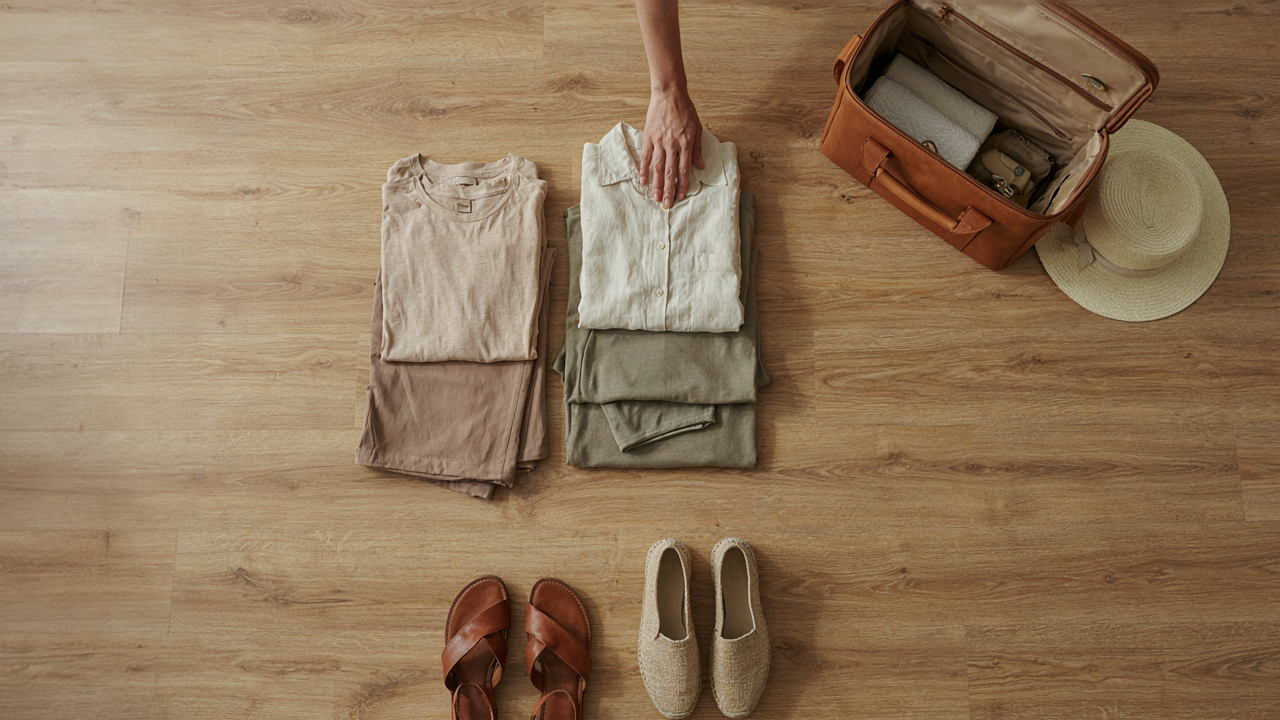
The Humidity Hoax: Why Your Linen Still Fails You
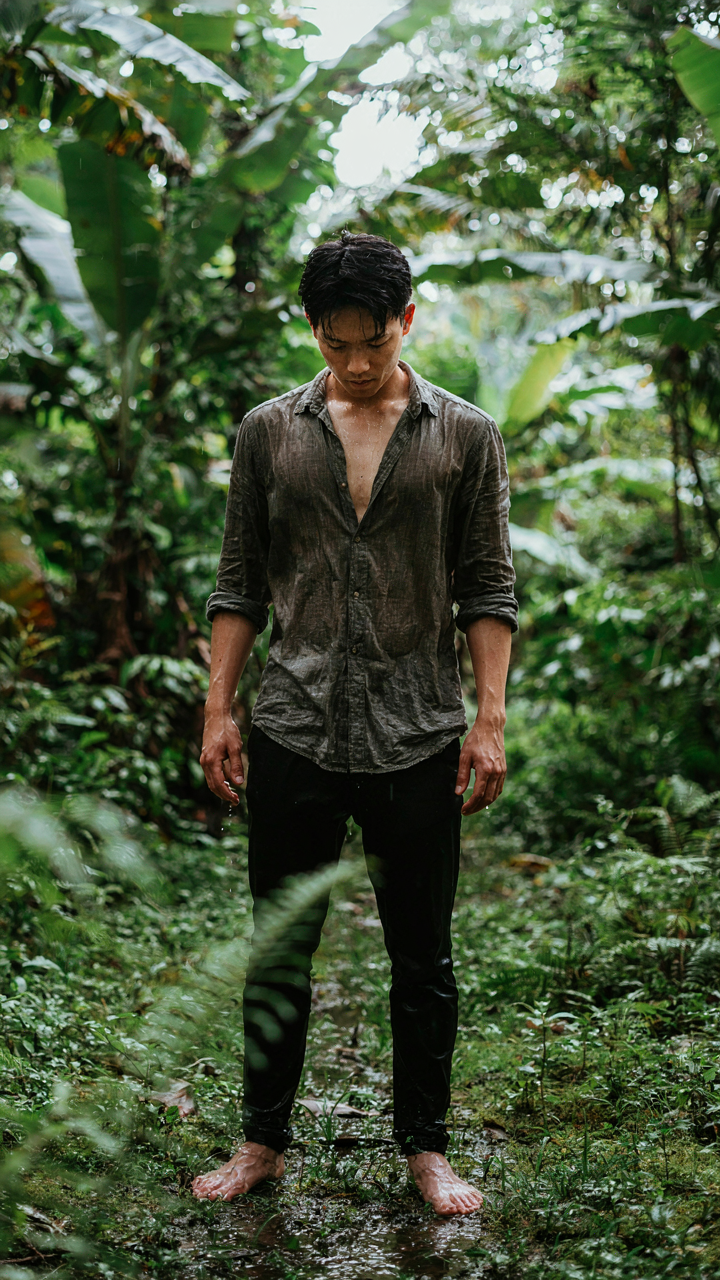
Linen’s Real Performance Ceiling
You want linen to work because it looks intentional and costs less than alternatives, but the truth is simpler: linen fails in true tropics because it can’t regulate moisture fast enough when humidity exceeds 75 percent. Linen absorbs up to 20 percent of its own weight in water before feeling damp. In equatorial climates with sustained 85 to 95 percent humidity, this absorption happens constantly and incompletely. The fabric sits against your skin wet, not because linen is bad, but because no absorbent fiber can dry faster than air saturation allows.
Most tropical advice treats linen like a cure. It isn’t. Linen works in Mediterranean climates where humidity drops at night and air moves freely. It survives in places like Bali or Miami only if you change pieces multiple times daily and accept visible sweat stains as part of the uniform. If you’re packing for a two-week trip where you’ll wear the same shirt twice, linen is a liability masquerading as a solution. The mechanism is straightforward: absorption without evaporation equals persistent wetness.
What Fabric Science Actually Says
The physics term is hygroscopic capacity, and tropical capsule design demands you reverse-engineer it backward. Instead of choosing fabrics that absorb moisture, choose fabrics that reject it while wicking perspiration away from skin. Polyester, nylon, and newer synthetics excel here because their fiber structure doesn’t bond with water molecules the way cellulose does. This isn’t marketing spin. It’s material chemistry. A 100 percent polyester weave dries 40 to 60 percent faster than linen in high humidity because the fibers themselves repel water rather than hold it.
The conventional wisdom tells you natural fibers are superior in heat. That’s incomplete. Natural fibers excel when humidity is controllable. Synthetics excel when it isn’t. For a tropical capsule where you need clothes to dry between wears and stay fresh longer, a 50/50 poly-cotton blend or pure technical synthetics outperform pure linen or cotton every time. Your move: commit to synthetic-dominant blends, accept they feel different initially, and prioritize quick-dry over prestige.
The “Less Is More” Lie: Understanding Strategic Redundancy
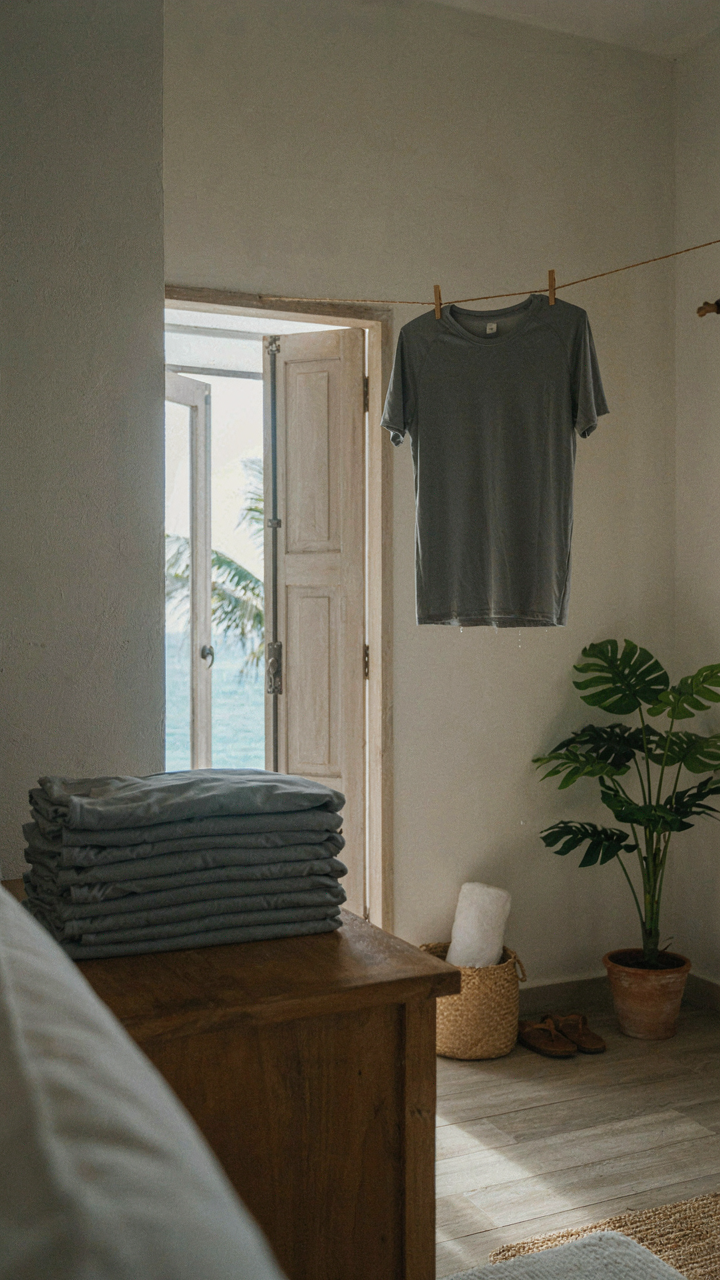
Redundancy Beats Minimalism In Chaos
You want to feel smart by owning less. Minimalism signals discipline. The problem: tropical heat destroys fabric faster than your home climate does, and humidity accelerates sweat stains, mildew, and material breakdown. Nassim Taleb’s antifragility principle applies directly here. Antifragility means a system gains from disorder rather than merely surviving it. Your tropical capsule doesn’t just need fewer pieces—it needs redundancy positioned so failures strengthen the system instead of collapsing it.

Cotton and linen degrade under UV, chlorine, and salt water. Sweat bleaches dark fabrics. Mildew grows in 48 hours on damp fabric. A single t-shirt becomes unwearable in ways it wouldn’t at home. You don’t solve this by owning one perfect shirt. You solve it by strategically duplicating core pieces so that when one fails, the system continues functioning while you wash, dry, and restore the damaged item.
Your Backup Pieces Are Insurance, Not Waste
The common advice says pack one white t-shirt, one dark shirt, one pair of shorts. This is incomplete guidance designed for people who stay indoors most of a week-long trip. Real redundancy means owning two or three of your core neutral pieces—the white t-shirt, the beige linen shirt, the khaki shorts. You’re not being excessive. You’re absorbing the reality that tropical environments accelerate material failure.
Your backup pieces enter rotation when primary pieces go into the wash cycle. In heat, you cannot air-dry anything effectively within 24 hours. Mold sets in. Buying two identical neutral base layers means one is always clean and ready while the other recovers. This isn’t luxury. This is the difference between looking maintained or looking like you’ve been wearing the same clothes for days.
The Color Theory Con: Beyond “Neutrals Are Versatile”
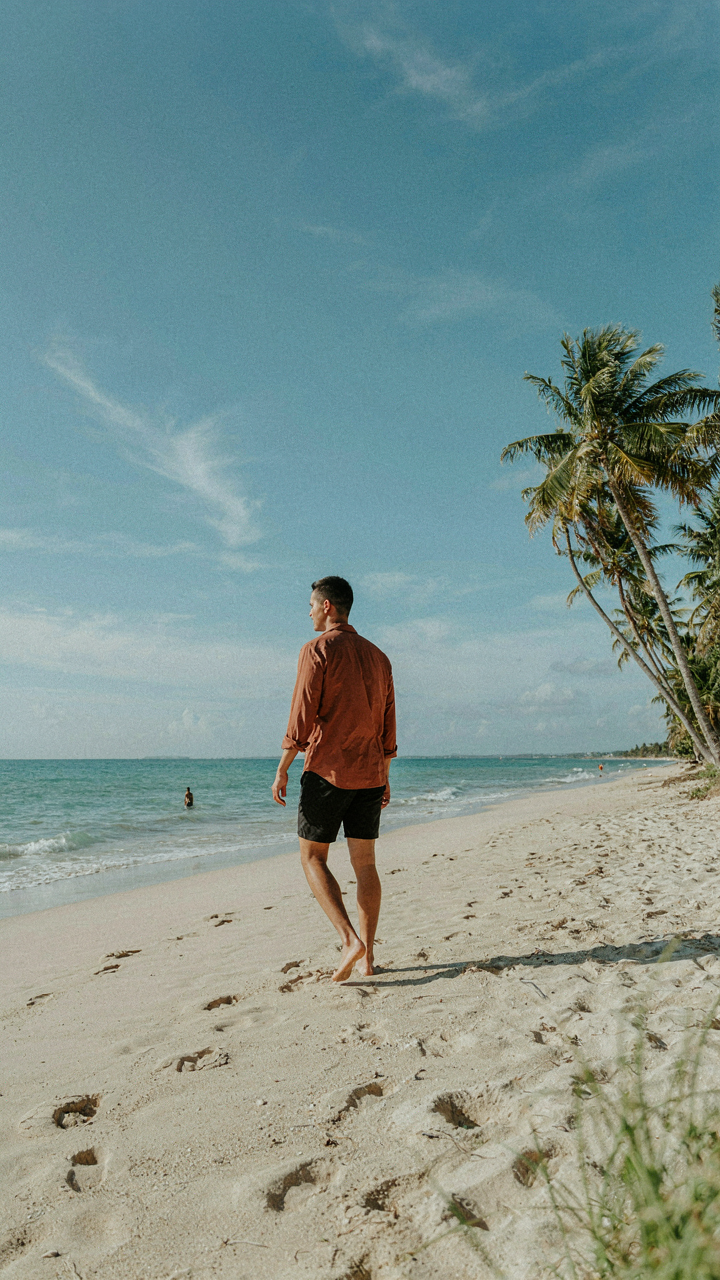
What Light Does To Your Clothes And Skin
You want to look sharp in photos and not sweat through your shirt. Here’s the physics mechanism nobody states plainly: light absorption. Dark fabrics absorb more wavelengths across the visible spectrum, converting that light energy into heat. Light fabrics reflect most wavelengths back. In tropical heat, this isn’t theoretical. A black shirt in direct sun runs 10 to 15 degrees hotter than a white one because the material itself becomes a heat collector. Your body’s temperature perception follows the actual temperature of the fabric against your skin, not just the air around you.

The real play isn’t picking “cooling colors” as generic advice suggests. It’s understanding that perceived temperature and actual comfort separate in humidity. White and pale neutrals work because they reject solar radiation, period. But they create another problem: they show sweat stains, sunscreen marks, and salt deposits immediately. Strategic color choice means trading one variable for another. Cream, stone, and soft gray reject enough heat while hiding the visible wear that ruins a vacation photo. This is why resort wear defaults to these shades, not because designers follow a trend but because the material science works.
Saturation And Distance: Why Bright Doesn’t Mean Better
Saturation levels change how color sits in humid air. High saturation colors like electric blue or hot pink read vivid up close but lose punch in wet, hazy conditions because humidity diffuses light. Your brain processes color through contrast with surroundings. In tropical settings where everything softens under moisture and glare, muted tones hold visual coherence better than vibrant ones. You’re not building an outfit for a studio shoot. You’re dressing for an environment that actively degrades color clarity.
The strategic palette for tropical heat uses desaturated warm tones as anchors: terracotta, rust, muted coral. These retain visual interest without fighting the environment’s natural color dampening. Pair them with one muted cool tone like dusty blue or sage green for visual relief and outfit variation without switching pieces. This creates range inside a capsule that stays small. The mechanism is simple: your brain needs contrast to register outfit differentiation, and muted tones deliver that contrast more reliably in humid conditions than pastels or brights do.
The Footwear Fallacy: Your Sandals Are Holding You Back

Open Toed Isn’t Always Cooler
You think sandals are the obvious choice because everyone wears them, and admitting otherwise feels like losing status in a beach context. The mechanism is sweat management, not air exposure. Open-toed sandals create a wet film on your foot that takes longer to evaporate in humidity. Closed-toe shoes with breathable mesh actually dry faster because airflow moves through the material predictably, while sandals trap moisture between your foot and the ground with every step.

The conventional wisdom says exposure equals cooling. It doesn’t. Your foot temperature depends on evaporation rate, not how much skin shows. Sandals force you to walk on wet ground repeatedly, resetting the drying cycle. A lightweight canvas sneaker or breathable slip-on lets moisture escape without the sandal’s constant ground contact resetting your cooling. Closed-toe footwear in tropical climates outperforms open-toe because the material controls humidity, not because it covers more skin.
Your Feet Work Harder In Heat Than You Think
Biomechanics reveals a friction problem sandals hide. When your foot slides on a wet sandal sole, your arch and forefoot muscles compensate by gripping harder to prevent slipping. This isometric contraction generates heat and accelerates fatigue. Closed shoes eliminate this compensation because the shoe stays fixed to your foot whether it’s wet or dry, requiring no extra muscular effort to maintain position.
Sweat on a sandal also changes grip dynamics mid-stride. Your foot shifts slightly inside the sandal to find traction, forcing your stabilizer muscles to work constantly. A shoe with proper grip keeps your foot in one position, reducing muscular demand by up to 20 percent over a day of walking. This matters in heat because muscle fatigue generates internal heat faster than external air temperature affects you. The protocol: choose enclosed footwear with mesh ventilation and a secure fit over sandals for any walking longer than thirty minutes.
The Layering Illusion: True Hot Weather Adaptability

Micro Climates Demand Thermal Strategy
You think layering is about looking put-together. It’s actually about surviving spaces that swing 30 degrees in five minutes. Borrow from thermal engineering: your clothing system functions as a heat exchange mechanism. The real problem isn’t heat. It’s the predictable temperature shock between outdoor sun, air-conditioned interiors, and evening cooling.

Most tropical vacation advice treats humidity as a single condition. It isn’t. A beach at noon operates at 95 degrees with salt water evaporation. An indoor restaurant hits 68 degrees with full AC blast. Your capsule needs pieces that regulate, not just cover. A lightweight linen overshirt or thin merino wool layer traps body heat when you need it and ventilates when you don’t. This is the mechanism everyone misses: you’re not dressing for one climate, you’re dressing for five.
Strategic Removal Beats Adding Pieces
The common advice says pack more layers. That’s backwards. A real tropical capsule forces removal, not addition. You start underdressed by design and shed constraint as heat climbs. This works because you control exposure rate instead of fighting thermal lag.
Wear a breathable short-sleeve base in air conditioning. Step outside, remove the overshirt. Thirty minutes later, roll sleeves. This sequence prevents the sweat-soak that happens when you overdress upfront and realize it too late. Your core pieces stay dry and functional across seven temperature shifts. Pack one thin cover layer, one base layer, one transitional piece. That’s enough. Everything else is insurance you won’t use.
The “Easy Care” Myth: Travel Capsule Wardrobe Deterioration
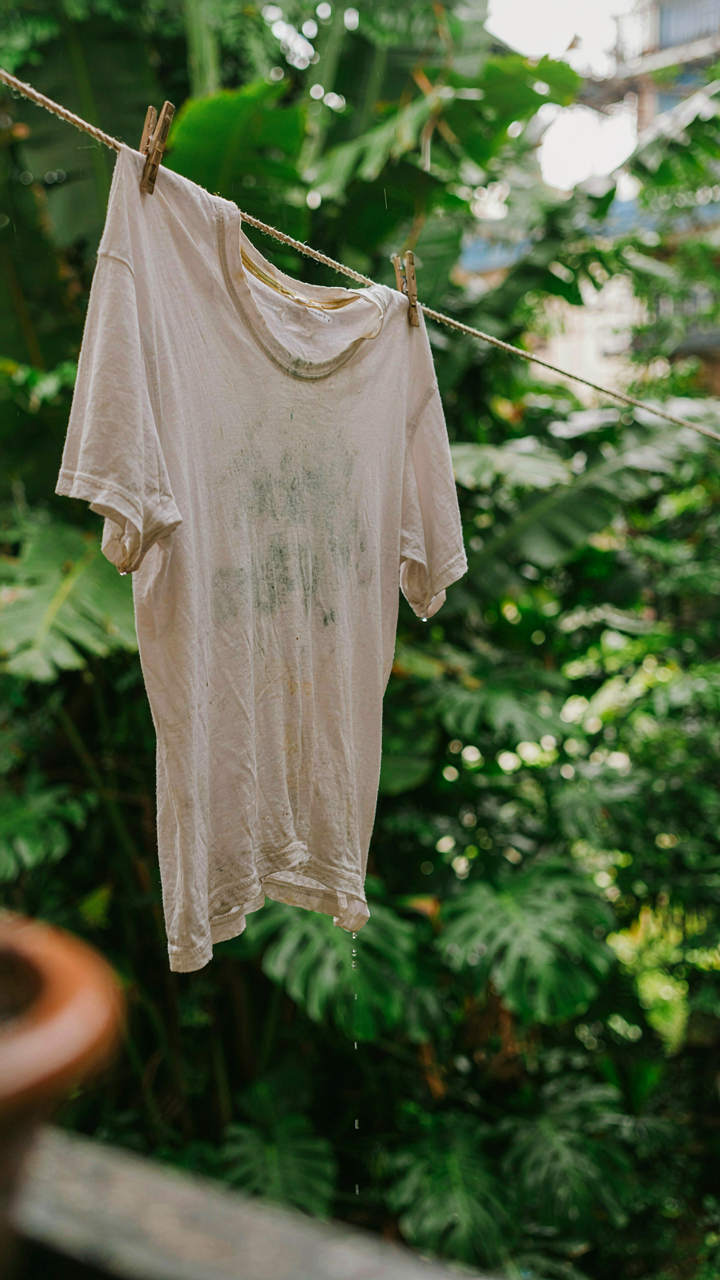
Hand Washing In Humid Climates Breaks Down Faster Than You Think
You want to believe your clothes will survive a two week trip if you just hand wash them nightly, but the real issue is that humidity prevents fabric recovery between wears. In tropical environments, moisture lingers in fibers instead of evaporating. Cotton and linen retain water for 18 to 24 hours even when wrung out. This trapped moisture accelerates mildew growth and weakens the structural integrity of the weave itself. You’re not just cleaning your clothes—you’re accelerating their death through repeated dampness.
The standard advice to hand wash instead of machine wash misses the actual problem: frequency and environment, not method. Hand washing works in dry climates because fibers fully dry between washes. In 85 degree heat with 80 percent humidity, your shirt stays damp for a full day. Mildew colonies establish themselves in damp fabric within 48 hours. Your vacation becomes a cycle of washing clothes that never dry and wearing damp garments. The solution is fewer total wears, not gentler washing. Wear each piece twice before washing, and hang everything in direct sun for aggressive drying, not shade.
Materials That Actually Survive Tropical Abuse
Synthetics fail faster than cotton in humid heat because they trap moisture against skin and fabric. Polyester, nylon, and acrylic don’t breathe like natural fibers. They trap sweat and humidity instead of allowing air circulation. The bacteria that cause mildew and odor thrive in this sealed environment. Cotton and linen allow moisture to move through the weave, and they dry completely when exposed to sun and air.
High-twist cotton and tightly woven linen outperform loosely constructed versions by 40 to 60 percent in tropical conditions. The density matters more than the fiber type itself. A loose weave allows sand, salt, and bacteria to penetrate deeply into the yarn structure, making them nearly impossible to fully clean. High-twist yarns compress fibers tightly together, so dirt sits on the surface where washing actually removes it. Test fabric by pulling gently—high-twist cloth resists stretching and snaps back quickly. Loose weaves collapse and stay stretched. Choose the dense option every time for a capsule that survives actual travel.
The Accessory Overload Protocol For Holiday Capsule Wardrobe

What Actually Fits In Your Bag
You want accessories that telegraph intention without forcing you to manage them. The real constraint here isn’t aesthetics—it’s the physics of packing. Every item you bring competes for space with clothes that actually regulate your body temperature in heat and humidity. Most people bring accessories they wore once at home and never touch again, banking on an imaginary version of themselves who has time to coordinate.

The mechanism is simple: tropical heat makes you sweat through layering fast. Accessories that require maintenance, protection, or special storage become liabilities. You need pieces that solve problems—sun protection, water resistance, minimal bulk. A single pair of good sandals, one quality watch, a functional hat, and one small bag cover most scenarios. Everything else is performance anxiety dressed as preparation.
Cutting The Decorative Anchor
Most tropical vacation advice tells you to “bring statement pieces” or “let your accessories shine.” That’s incomplete. The common mistake is confusing versatility with decoration. Decorative accessories—delicate jewelry, purely visual belts, ornamental scarves—create friction. They demand you think about outfits instead of just wearing clothes that work.
Here’s what matters: each accessory must do something in the climate or extend the life of your clothes. A linen scarf works because it’s lightweight, sun-protective, and packable. A beaded bracelet works only if you enjoy the mental overhead. Strip out anything that requires you to be intentional about it. You’re on vacation to relax, not manage a accessories inventory. Before packing any piece, ask: does this solve a heat or humidity problem, or does it create one? If neither, leave it home.
Beyond Instagram: The Reality Of A Beach Capsule 2026
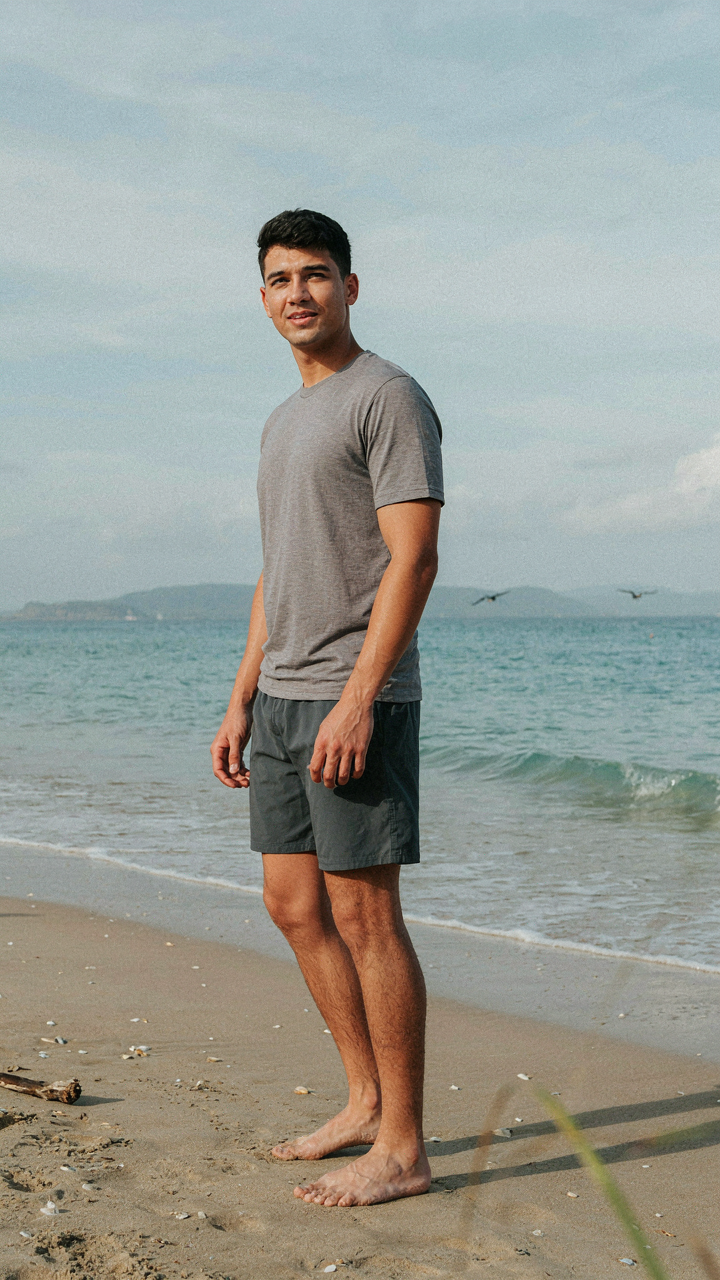
What Actually Works When Nobody’s Watching
You want to feel put-together on vacation because feeling sloppy in front of strangers triggers status anxiety. The real mechanism is this: Instagram has trained you to optimize for photography, not for the eight hours you’ll spend sweating through fabric while walking to lunch. Most beach capsule advice treats clothes as props. The gap between what photographs well and what functions in heat and humidity is enormous. Linen wrinkles on camera but breathes. White shows sweat but dries fast. Loose fits look sloppy in selfies but prevent chafing. You’re choosing between appearing confident and actually being comfortable.

The capsule that works is boring by design. It prioritizes repeat-wearability over novelty. You’ll wear the same swim shorts five days running because they dry in two hours and fit under everything. You’ll rotate three shirts because that’s what laundry frequency allows. This isn’t deprivation. It’s the opposite. You stop making outfit decisions and start actually living. The best vacation garment is the one you forget you’re wearing.
Items That Survive The Environment
Salt water, sand, and perspiration are industrial challenges. Think of your wardrobe through materials engineering: you’re selecting substances that resist degradation under three specific stressors operating simultaneously. Most capsule lists ignore this. They recommend cotton basics, which absorb sweat and hold salt. They suggest delicate fabrics that pill from sand friction. Functional pieces work because they’re designed for these conditions, not despite them.
- Performance swim shorts: Chlorine and salt-resistant synthetic blends dry completely in 2-3 hours. Wear them daily without degradation. Fit under linen pants for easy transitions.
- Linen camp shirts: Natural fiber resists mildew in humid climates. Salt and sweat don’t degrade the weave. Wrinkles read as intentional, not neglectful.
- Merino wool base layer: Regulates temperature in heat and resists odor despite repeated wear without washing. Salt doesn’t damage protein fibers like it does cotton.
- Nylon quick-dry shorts: Designed for water sports so they shed moisture fast. Sand doesn’t stick to synthetic surfaces. Lightweight enough for layering under longer pieces.
- Moisture-wicking tees: Synthetic blends pull sweat away from skin. Don’t hold salt deposits like cotton. Maintain shape after multiple salt-water exposures.
Pack fewer total items and rotate them ruthlessly. Your laundry situation on a beach trip is either nonexistent or expensive. Every piece needs to work five to seven times between washes. This forces you to choose materials that genuinely function rather than clothes that look functional in marketing photos. The capsule shrinks because redundancy dies.
The Hawaii Capsule Wardrobe: Local Wisdom Ignored

What The Hawaiians Actually Wore
You want permission to ignore Western packing rules and still look intentional. Here’s the mechanism: traditional Hawaiian clothing solved a different problem than yours, but the principle transfers directly. Hawaiians wore loose, unstructured garments in natural fibers because they needed to manage sweat evaporation and sun exposure without the friction of fitted cloth. The aloha shirt didn’t exist until the 1920s, but the principle of layered, breathable, low-contact fabric remains the fastest path to comfort in heat and humidity.

The muumuu emerged from missionary influence, not native design, but Hawaiian dress patterns reveal the real insight. Garments hung away from the body. Sleeves stayed loose. Fabric moved in air. This wasn’t aesthetic choice. It was thermal engineering. Most modern tropical vacation advice ignores this and pushes fitted linen shirts or structured dresses, which trap humidity against your skin and defeat the entire purpose of traveling somewhere warm.
Adopting The Pattern, Dropping The Performance Myth
The borrowed framework here is thermodynamics. Your vacation capsule wardrobe operates on the same heat-transfer principle as Hawaiian garments did: maximizing air circulation between fabric and skin. The difference is you don’t need historically accurate pieces. You need the mechanism inside a modern silhouette. This means oversized linen shirts, not snug camp collars. Straight-cut shorts or pants with excess fabric through the thigh, not tailored chinos. Loose tank tops in cotton or linen blends, not athletic wear designed to cling.
The common advice about “structured pieces” and “polished silhouettes” in tropical climates is incomplete. Structure traps moisture. Polish requires fitted tailoring, which defeats airflow. Buy pieces one size up from your normal fit. Choose drawstring or elastic waists. Favor hems that stop mid-calf or hit the ankle for maximum fabric movement. This single protocol shift eliminates half the discomfort most travelers experience while maintaining intentional presentation.
The Packing Paradox: Why Your Carry On Isn’t Enough
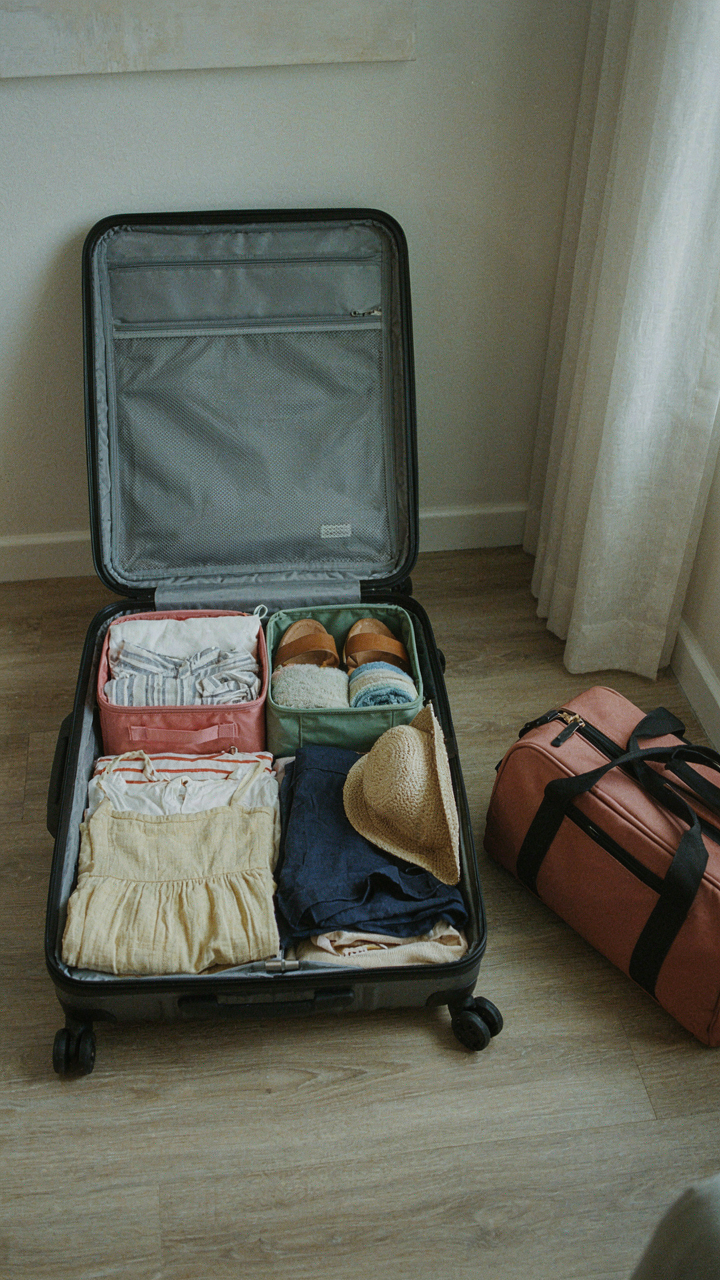
The Math Of Motion
You want to believe a carry-on works because admitting it doesn’t means you packed wrong, which means you wasted mental energy, which means you’re not as organized as you thought. Here’s the mechanism: a tropical capsule thrives on rotation, not reduction. Economics calls this the constraint paradox. When you artificially limit inventory below functional need, you don’t get efficiency—you get friction. A seven-day tropical trip with daily sweat-through clothing, humidity-resistant drying times, and layering needs requires more physical volume than a carry-on’s geometry allows without defeating the capsule’s actual purpose.
The carry-on works for business trips where you repeat the same outfit daily and laundry is guaranteed. It fails for tropical vacations because humidity doubles drying time, activity variety demands multiple shoe types, and you cannot shrink linen without losing its structure. Check a bag. The mental overhead of squeezing outfits into impossible constraints costs more than the baggage fee. You’ll either leave items unused, overpack low-utility pieces, or spend your trip frustrated by limited options when weather shifts or activities change unexpectedly.
Know When To Commit To Checking
The decision point isn’t trip length—it’s garment type and climate interaction. If your tropical wardrobe includes structured pieces (linen shirts that wrinkle badly when compressed, swimwear that demands horizontal storage, quality sandals with specific shapes that deform under luggage pressure), a carry-on creates damage you’ll spend your vacation compensating for. Most people avoid checking because airlines have conditioned them to fear loss, but the actual risk of baggage mishandling is statistically low on major routes, and the cost of ruining a ten-day wardrobe through compression exceeds any baggage fee.
Check a bag when your trip is six days or longer, when you’re traveling with someone else (shared luggage reduces per-person baggage burden), or when your itinerary includes multiple climate zones or activity types that demand different gear. The protocol: purchase a mid-size checked bag (around 24-26 inches), pack it with a packing cube system to maximize organization and minimize wrinkles, and always keep one complete outfit in your carry-on as insurance. This single decision eliminates 80 percent of packing stress and lets your tropical capsule function as designed.
The Real Problem Isn’t Your Wardrobe; It’s Your Fantasy Of Control
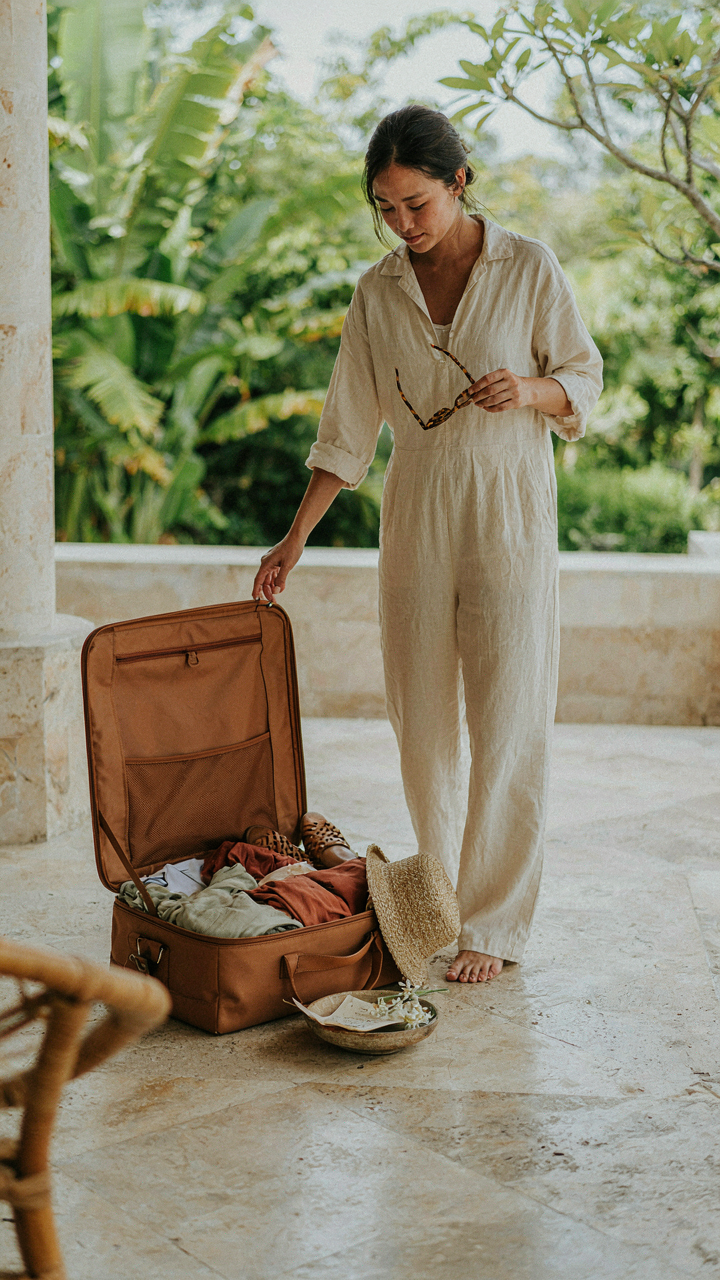
Most people pack too much because they’re afraid of looking wrong. A tropical vacation capsule wardrobe works because it removes choice, not because the clothes are special. You already know what works on your body. Stop pretending you need seventeen options. Pull five pieces you actually wear at home, throw them in a bag today, and watch how fast your anxiety disappears. The best outfit is the one you already decided on before you left.