

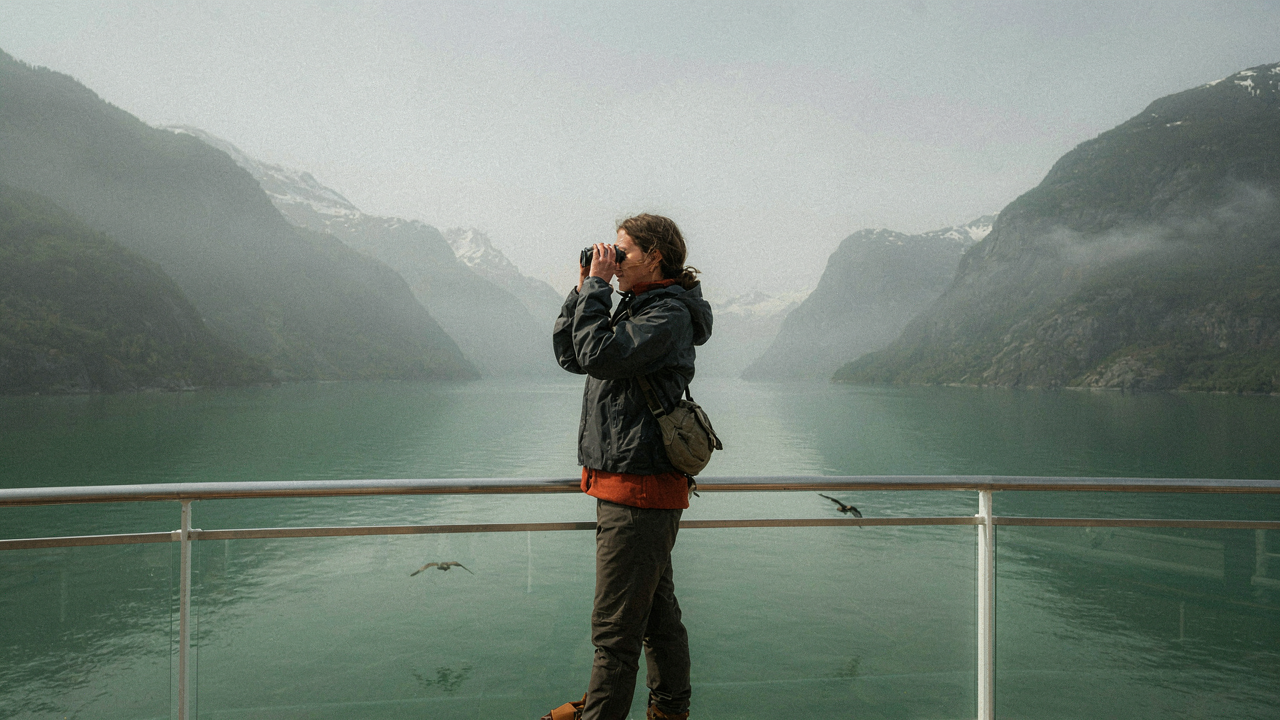
The Layering Fallacy: Why More Isn’t Better For Alaska Cruise Outfits
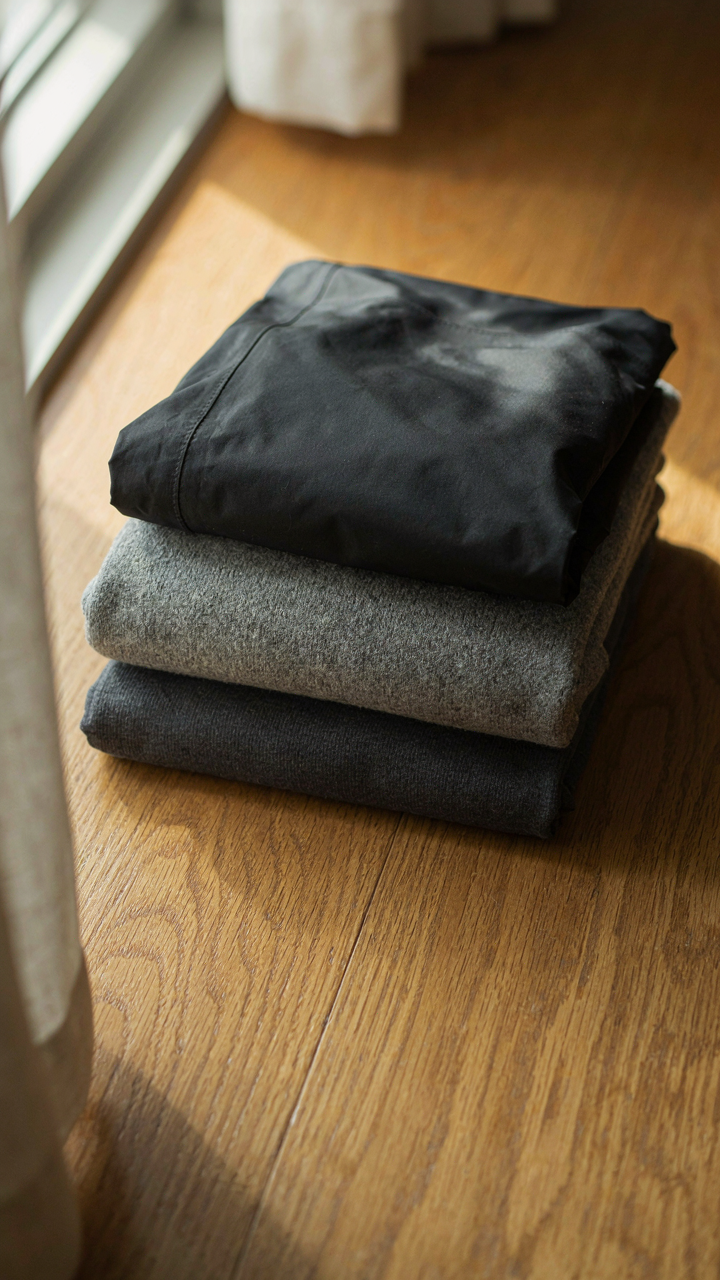
The Real Cost Of Layer Stacking
You want to feel prepared because the thought of being cold on a boat in the middle of nowhere is legitimately uncomfortable. But the layering myth sells you bloat instead of function. Thermodynamics doesn’t reward quantity, it rewards conductivity and air trapping. Five mediocre layers trap moisture and restrict movement. Two smart ones regulate temperature and let you move through ship corridors without looking like a marshmallow.
Most packing advice treats Alaska like a problem to solve with inventory. It’s not. Temperature regulation is a system. You need one moisture-wicking base layer that moves sweat away from skin, one insulating mid-layer that traps dead air, and one wind-resistant outer layer. That’s the stack. Anything beyond that is redundancy masquerading as safety. Your body works against you when layers compress under jackets or when sweat pools between cheap polyester shirts.
Fewer Pieces That Actually Work
Thermal efficiency beats thermal quantity. A single merino wool base layer outperforms two cotton tank tops because it manages moisture while maintaining temperature, even when damp. One quality fleece mid-layer with grid back pockets holds more warmth than three loose cardigans stacked together. The mechanism is simple: effective layering depends on material properties and fit, not count.
Most women pack redundancy because they’ve never tested their gear in variable conditions. You need one reliable base, one reliable mid-layer, and one reliable shell jacket that actually blocks Alaskan wind. Test this combination in your home climate before the cruise. Wear the base for four hours indoors, then take a walk outside. If you’re still comfortable and dry, that layer works. Build everything else around proven pieces, not fashion or brand loyalty.
The Core 3 System: Essential Alaska Cruise Packing Layers
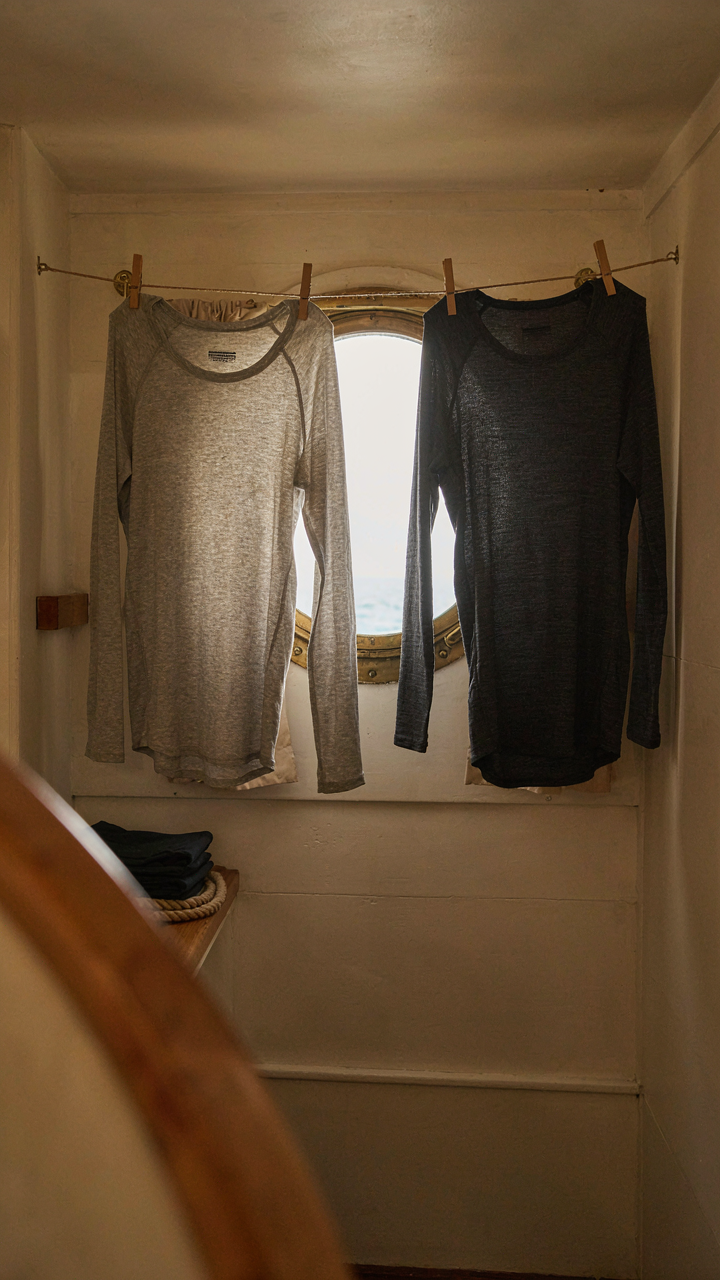
Start With Skin Contact Fabric, Not Cotton
You want to look prepared without actually suffering. That’s the real tension here. The mechanism is simple: cotton holds moisture against your skin, then your body heat escapes through that wet layer. On an Alaska cruise, you’re moving between heated cabins and 40-degree deck temperatures constantly. Merino wool and synthetic blends like polyester or nylon wick sweat away from skin, then dry fast enough that temperature swings don’t wreck you.

Cotton is the consensus choice for casual packing. It’s wrong for this specific environment. Merino wool costs more upfront but won’t smell after three days of layering. Synthetic blends dry in hours instead of overnight. Your base layer sits directly against skin, so this choice determines whether you’re comfortable or damp for seven days straight. Buy two base layer tops in merino or poly blend, wear one while the other dries in your cabin.
Insulation That Compresses Into Your Carry On
Mid-layers need to trap air without adding volume. Fleece and down fill are the two mechanisms at work here. Fleece uses synthetic fibers to create dead air pockets. Down uses actual bird feathers for the same purpose, but compresses smaller. On a cruise, space matters because you’re living out of a cabin the size of a parking spot.
Merino wool sweaters work as mid-layers but pack larger than fleece. Synthetic down jackets compress into stuff sacks smaller than a water bottle. Microfiber fleece runs lighter and cheaper than merino. Pick one: either a packable synthetic down jacket or a quarter-zip fleece. Bring both if your cabin has the storage. You’ll wear the mid-layer over your base layer during glacier tours, in dining rooms kept at arctic temperatures, and on deck when wind cuts through your outer shell.
Outer Shell Mastery: The Only Alaskan Cruise Outfits You Need
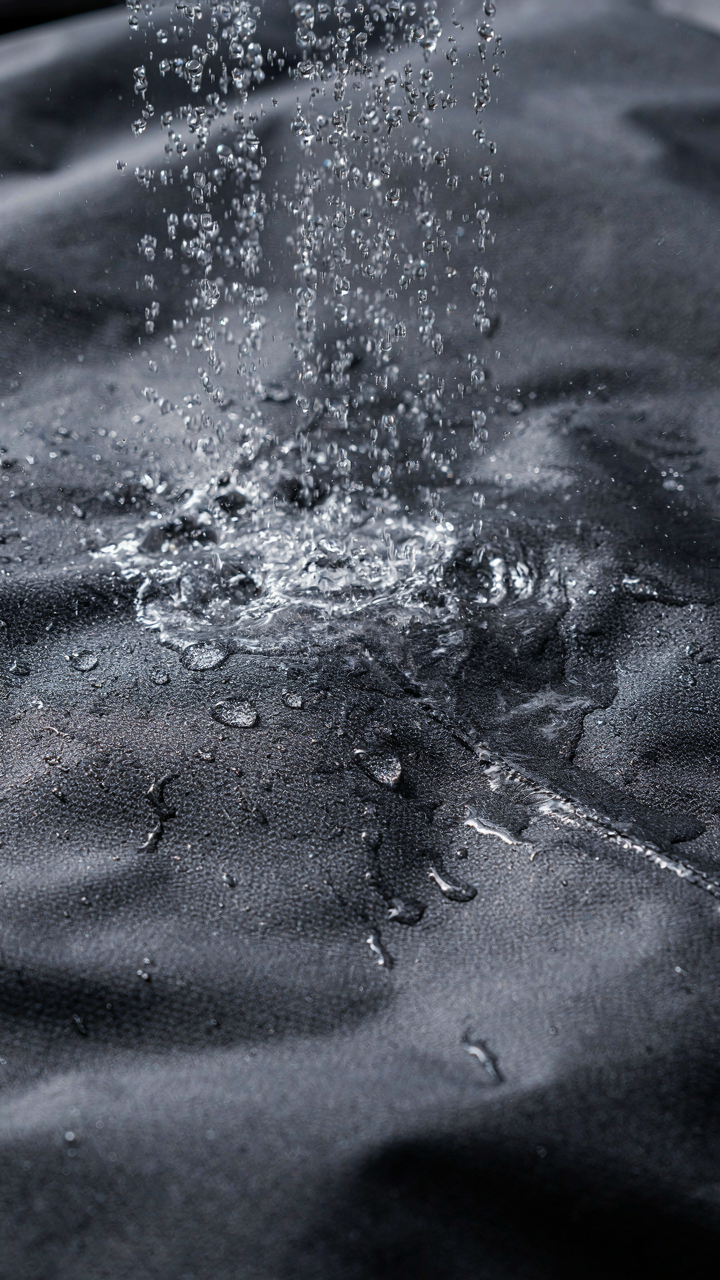
Waterproof Vs Water Resistant The Real Difference
You want to feel prepared so you don’t waste money on gear that fails when you actually need it. Here’s the mechanism: waterproof means water cannot penetrate the material under pressure. Water-resistant means water beads off until conditions exceed the fabric’s rating. Alaska cruises hit you with sustained rain, mist, and spray from glaciers and deck exposure. Water-resistant fails here. You need actual waterproof on your outer shell because you’ll spend hours exposed to moisture that doesn’t let up.

The industry standard for waterproof is a hydrostatic head rating of 10,000mm or higher. Anything below 5,000mm is water-resistant, not waterproof. Most cruise lines expect you to manage your own outerwear because ship cabins don’t have steam rooms to dry wet jackets overnight. Check your jacket’s technical specs before buying. A $300 Gore-Tex shell rated at 28,000mm handles Alaskan conditions. A $60 jacket marked water-resistant does not.
Wind Resistance As A Warmth Multiplier
Physics calls this wind chill. Apply it directly to cruise packing: your insulating layer loses effectiveness when wind strips away the warm air trapped in fabric fibers. A 20-mile-per-hour wind can reduce the effective warmth of a mid-weight fleece by 40 percent. Alaska’s Inside Passage generates consistent wind from moving between open water and protected channels. Your outer shell must block this wind or your thermal layers become decorative.
The shell doesn’t need to be heavy. It needs to be tight-weave and structured enough to stop air movement without requiring ventilation adjustments mid-day. Nylon and polyester shells work better than cotton blends because they’re inherently wind-resistant and dry fast when wet. Pair a thin, wind-blocking outer layer with your insulation underneath and you extend the usable range of every other piece you pack. This combination removes the need to overpack multiple heavy coats.
The Climate Control Protocol: Adapting To Alaskan Cruise Weather

Your Body As A Heat Exchange System
You’re worried you’ll freeze and look unprepared. Here’s the actual mechanism: your body operates as a heat exchange system, constantly losing thermal energy to air and water vapor. Physics governs this, not brand names. Layering works because trapped air between fabrics resists heat loss far better than single thick materials. The goal isn’t warmth—it’s controlling the rate at which your core temperature drops. Most packing advice skips this and just says “bring layers” like that means something.

The right system uses three functional zones working together. Base layers pull moisture away from skin, keeping you dry. Mid layers trap dead air space for insulation. Outer layers block wind and precipitation. Your jacket matters less than the combination underneath it. When you’re alternating between a heated cabin and 45-degree sea air, this mechanism prevents the shock that makes you miserable. Wear the wrong combo and you’ll shed layers every thirty minutes like you’re confused about weather. Stack materials based on their function, not their thickness.
Temperature Swings Between Ship And Shore
Ships maintain 72 degrees indoors. Glacier viewing zones hit 40 degrees with wind chill dropping it further. That 32-degree swing is real and happens instantly when you step outside. This isn’t about toughness—it’s about your body’s vasoconstriction response triggering too fast if you’re underprepared. The cabin creates a microclimate that makes outdoor air feel colder than it actually is. Your body adjusts slowly, which means you need clothing that transitions smoothly without requiring constant adjustment.
The protocol is simple: leave the cabin in full layers even if it feels excessive indoors. Your eyes adjust faster than your core temperature. By the time you realize you’re cold, you’ve already started losing heat efficiency. Excursions inland put you away from the ship’s warmth for hours. A breathable mid-layer under your jacket prevents sweat accumulation during hiking or kayaking, which then freezes you when you stop moving. Remove layers only after you’ve been outside for ten minutes and your body stabilizes—not when you first step out the door.
Footwear Foundation: Packing For An Alaskan Cruise, Smart Choices
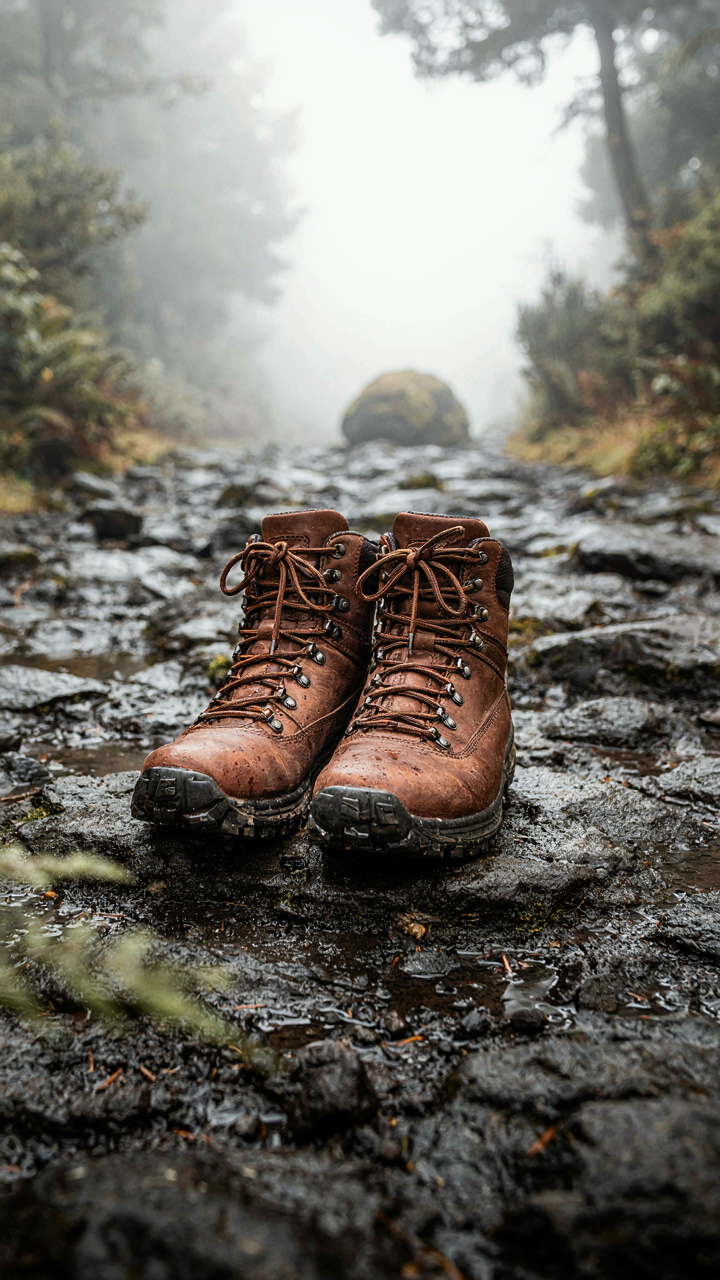
Waterproof Boots With Real Grip
You want boots that work so you don’t look clumsy in front of strangers on deck. The mechanism is simple: Alaska’s terrain shifts constantly between wet ship decks, slick rocks, and muddy shore excursions. One pair of waterproof boots handles all three without compromise. Synthetic or leather uppers with sealed seams matter more than brand name. The boot protects your feet and your confidence simultaneously.

Waterproofing fails if you ignore the sole. Vibram or comparable rubber compounds provide traction on algae-covered rocks that ice-melt creates. Insulation isn’t the priority here—your cabin layers handle cold. Weight and packability matter because you’re moving between ship and shore constantly. A single solid boot replaces two mediocre shoes and saves luggage space you need for actual layers.
Grip Engineered For Wet Surfaces
Physics governs how your boot meets unstable ground: friction coefficient determines slip risk, not hope. Alaska’s glacial runoff creates surfaces slicker than any gym floor. Lugged soles with deep treads increase contact points. Flat, smooth bottoms are how you end up sliding into a railing or injuring your ankle before day two.
Test the tread pattern before you pack. Run your thumb across the sole channels—they should catch and hold, not glide. Worn-down treads from previous trips create false confidence. Pack one backup pair of thick wool socks to increase grip through boot insulation. When you step onto wet terrain, your first instinct will be to slow down. Good tread lets you move normally instead.
Accessorizing For Efficiency: Alaska Cruise Packing List Add Ons
Where Your Heat Actually Escapes
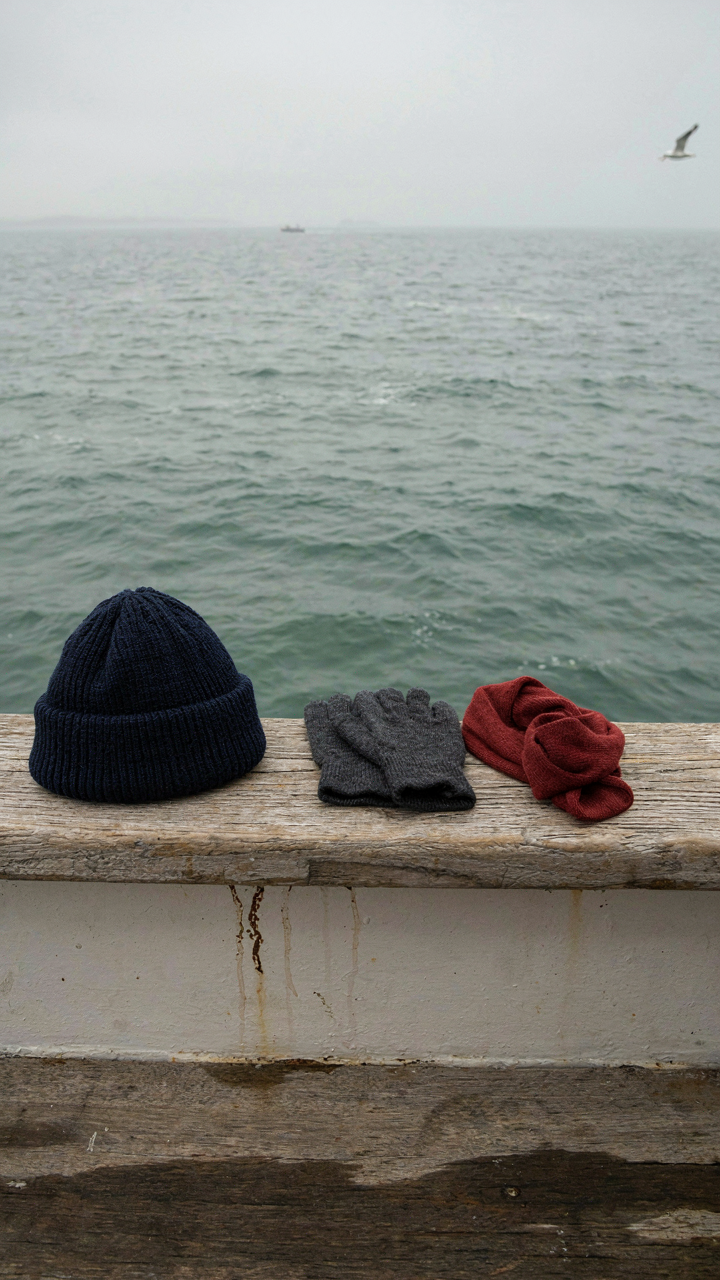
You want the accessories that make you look intentional without hauling dead weight. The real mechanism: your body loses 40% of its heat through your head and neck, and another 10% through your hands. This isn’t preference—it’s physics. Thermal regulation works like an energy system: you’re managing output, not just input. A hat and gloves become load-bearing infrastructure, not decoration.

Bring a wool beanie that packs down and a merino wool neck gaiter you can double as a face mask. Skip the heavy winter hat unless you plan glacial hiking. Gloves matter more than most women realize—bring a thin merino pair for layering under waterproof shells, not instead of. Your hands will get wet on deck. Neoprene gloves work better than leather because they grip when damp. Pack one thin pair and one insulated pair. That’s the move.
Shielding Against What Actually Threatens You
Most cruise advice treats sun protection like a checkbox. Wrong approach. Alaska’s angle means UV exposure compounds faster than lower latitudes because the sun sits lower on the horizon and bounces off water and glacial ice. Wind protection matters as much as UV because wind-chill accelerates heat loss faster than temperature alone. A hat with a brim, quality sunglasses rated for UV400, and a windproof layer do the work of five generic items.
Bring a lightweight baseball cap or visor with a back closure for deck time. Get polarized sunglasses—not for fashion, for glare management off water and ice. Add a compact windproof scarf or bandana. Your face takes the most exposure on a cruise because you’re stationary on deck while wind moves across you. Apply sunscreen every two hours when outside, even on cloudy days. The mechanism: consistent reapplication stops the accumulation that happens between deck time sessions.
The Minimalist Wardrobe: Beyond Alaska Cruise Wear Essentials
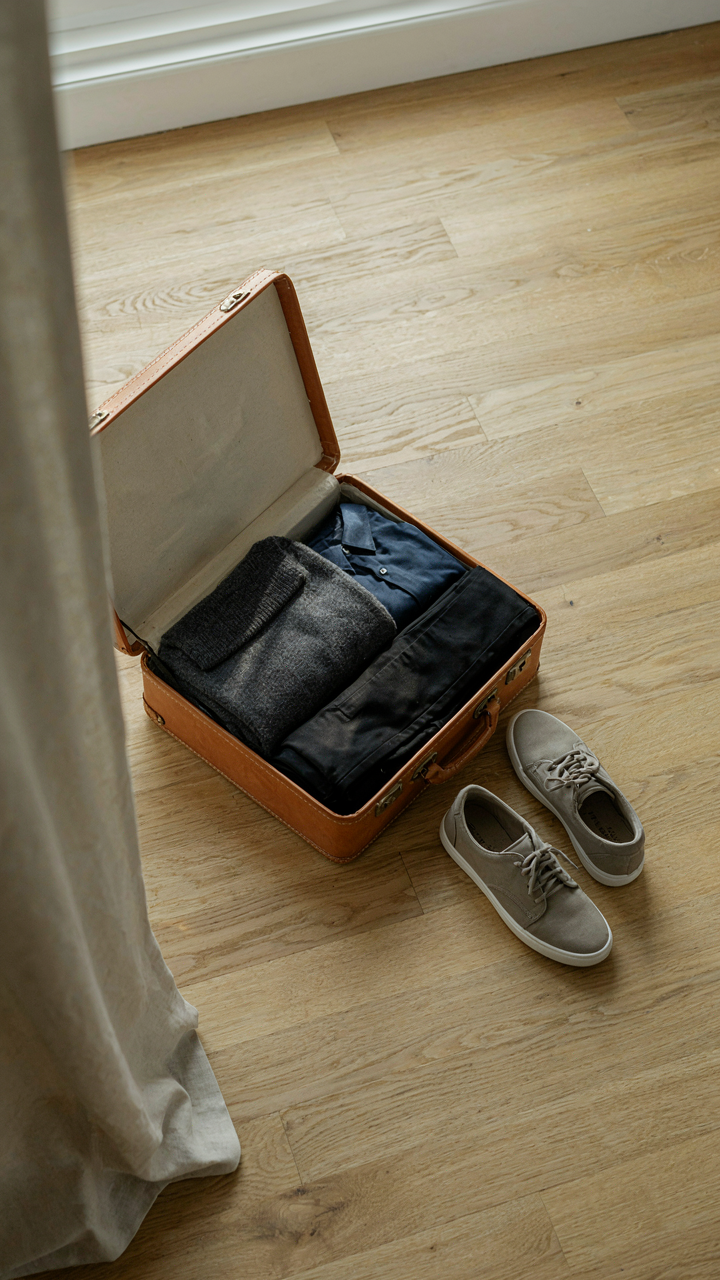
Build Pieces That Earn Their Weight
You want to feel prepared without hauling a suitcase that makes you resent the trip. The real mechanism here is constraint forcing intentionality. In economics, this principle is called scarcity driving value. On an Alaska cruise, your cabin space creates artificial scarcity, so every garment must justify its existence through multiple outfit combinations. One merino wool sweater works over base layers, under rain jackets, and as a standalone piece in heated ship corridors.

The difference between a minimalist wardrobe and an incomplete one is deliberate overlap. Choose neutrals that blend—charcoal, navy, cream, black—so a single pair of pants pairs with five different tops. A wool base layer functions as both thermal wear and a sleep shirt. A fleece vest layers under your jacket and works solo during milder ship days. This isn’t about owning fewer clothes; it’s about each piece serving multiple tactical roles before you even leave the cabin.
Cut The “What If” Inventory
Most packing advice tells you to “bring options for every scenario,” which is how people end up with seven sweaters for a week trip. Stop doing this. You will not need backup outfits for every conceivable weather shift because the ship provides controlled environments, and Alaska’s temperature range is actually predictable, not chaotic.
The mechanism is decision fatigue masquerading as preparedness. Pack for the conditions that will actually occur—rain, wind, cool temperatures—not theoretical emergencies. Bring one formal outfit if your cruise includes a formal night, then stop. Bring undergarments for seven days, not fourteen. Bring one pair of walking shoes and one pair of slip-ons; Alaska cruises don’t demand shoe collections. The final test: if you haven’t worn it in similar conditions during the past year, it doesn’t board the ship.
The Laundry Loop: Extending Wardrobe Life On An Alaska Cruise

Know Your Ship’s Laundry Access
You’re worried you packed too little and don’t want to look unprepared, but the real mechanism here is that most cruise ships operate laundry like a scarcity economy. Onboard laundry facilities vary wildly by ship size and cruise line. Large ships often have self-service laundromats on lower decks with washers and dryers available 24/7 for a fee, typically $2 to $5 per load. Some ships include laundry in suite packages or offer valet service for higher-tier cabins. Budget lines and smaller ships may have no guest laundry at all, forcing you to use paid laundry services.

Call your specific cruise line before departure and ask directly: does your ship have guest laundry access, what’s the cost, and what are the hours. Check your cabin documentation too. Many Alaska cruises use smaller ships that dock in remote ports, and those vessels sometimes lack laundry entirely. If that’s your situation, plan your packing around a fixed seven-day rotation with no washing. Request this information in writing via email so you have confirmation, not vague promises.
Wear, Wash, Repeat With Purpose
The economics of laundry on a cruise demand that you think in cycles, not days. You don’t wash because something is dirty. You wash because washing extends the total wear count of fewer items. Base layers, the foundation of Alaska packing, are designed to handle multiple wears between washes because they manage sweat and odor through technical fabric rather than absorption. Merino wool and synthetic blends stay fresher longer than cotton.
- Base layers: Wear 2 to 3 times before washing, especially merino wool, which resists odor naturally through lanolin properties.
- Fleece midlayers: Wash every 3 to 4 wears since they trap less moisture than base layers but still breathe well between sessions.
- Outer shells: Never wash during the cruise; spot clean only. Water-resistant fabrics degrade with frequent washing and soap residue prevents water beading.
- Jeans and casual pants: Wear 4 to 5 times minimum. Denim doesn’t need frequent washing and benefits from air drying between wears instead.
- Socks and undergarments: Wash every 2 to 3 wears; these degrade fastest and are cheapest to replace if lost to laundry mishaps.
Plan your washing day for a port day when you’re off the ship, or use an evening when you’re dining early and the laundry room is empty. Avoid washing days when the ship hosts sea days crowded with people. Lay items flat to dry in your cabin rather than using ship dryers when possible, since heat degrades technical fabrics and elastic fibers. Bring a small clothesline or portable drying rack to accelerate the process without damage.
Post Cruise Purge: What Not To Bring On Your Next Alaska Cruise

The Stuff You Thought You’d Need
You’re afraid you’ll look unprepared, so you overpack. That’s the real mechanism here. Alaska cruise packing mistakes follow a pattern: you bring items based on what sounds prudent rather than what the environment actually demands. The Alaskan maritime climate is binary. You need insulation or you don’t. You need waterproofing or you get wet. Everything else is noise. Most women pack redundant layers, multiple pairs of shoes for situations that won’t arise, and “just in case” items that consume space without solving real problems on a ship where your cabin is 180 square feet.

The categories that eat luggage space without purpose are predictable. Heavy sweaters you don’t wear because your base layers plus fleece already handle the temperature range. Dress shoes for an environment where you wear waterproof hiking boots or deck shoes. Multiple lightweight jackets instead of one quality rain shell. Jeans that take forever to dry and create mildew risk in humid cabin conditions. These aren’t judgment calls about fashion. They’re mathematical failures: high weight, low utility, high failure cost. Cut them before packing.
Building Your Minimalist Alaska Framework
Think like an engineer running a systems audit: identify what failed on your last trip, then eliminate its root cause. This is constraint-based design applied to luggage. Women typically return from Alaska cruises with nearly everything unworn because they overestimated outfit variety needs. A week at sea means seven days. You shower daily, which means you need three to four base layers, not six. You see the same people repeatedly, which eliminates the social pressure to rotate outfits constantly. The ship is climate controlled indoors and brutally consistent outdoors. Your wardrobe should reflect this, not fight it.
Document what stayed in your cabin during your last cruise. That’s your purge list for trip two. If you didn’t wear the cardigan, don’t pack a new one. If the lightweight pants never left your bag, eliminate that category entirely. Alaska doesn’t reward variety. It rewards reliability and weight discipline. On your next packing session, lay out everything you plan to bring. Remove one item from each category. Then remove one more. When you feel the resistance, that’s where the real packing starts.
The Real Obstacle Isn’t The Weather; It’s Your Attachment To Excessive Baggage

Most women overpack because they confuse preparation with security. You don’t need seventeen outfits for seven days. You need six pieces that layer, rewear, and work together. The friction isn’t packing smart—it’s accepting that your closet won’t sail with you. Pull out your layers right now and build one outfit. Wear it tomorrow. Notice how little you actually need, and pack accordingly. Minimalism isn’t deprivation; it’s power disguised as a lighter suitcase.