

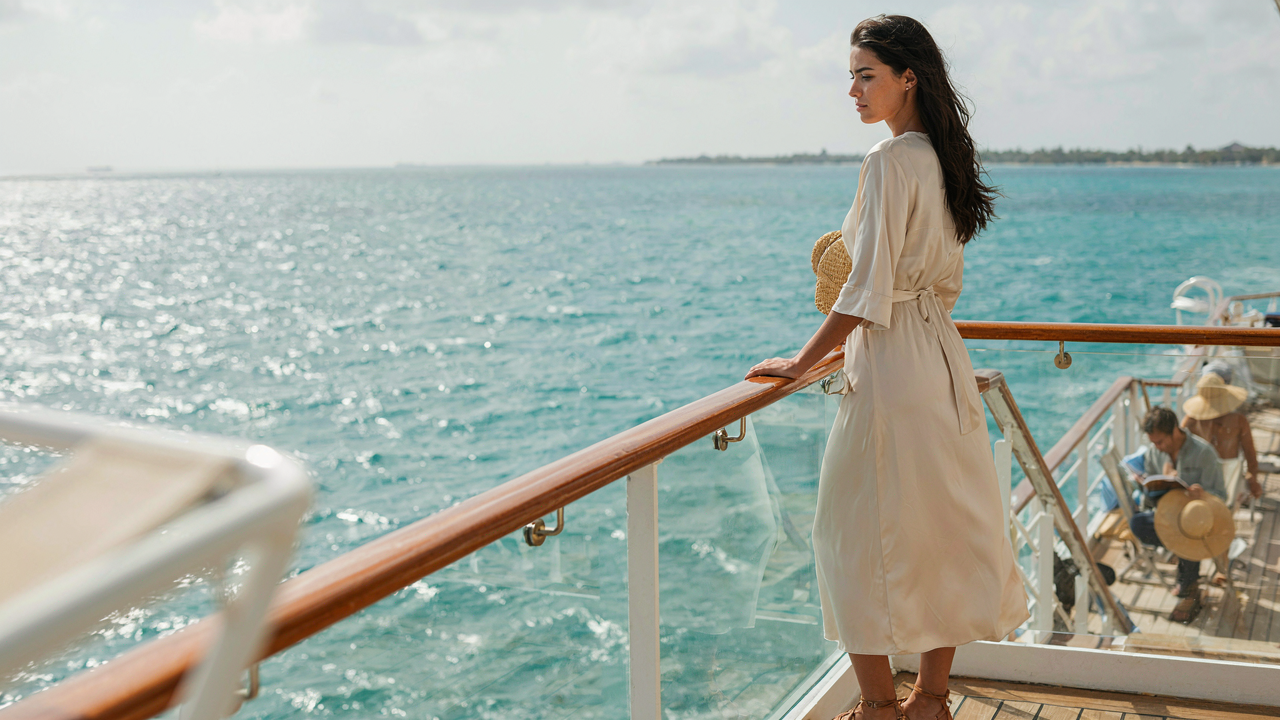
The Cognitive Load Diet: Why Less Is More For Your Brain
The Weight You’re Actually Carrying
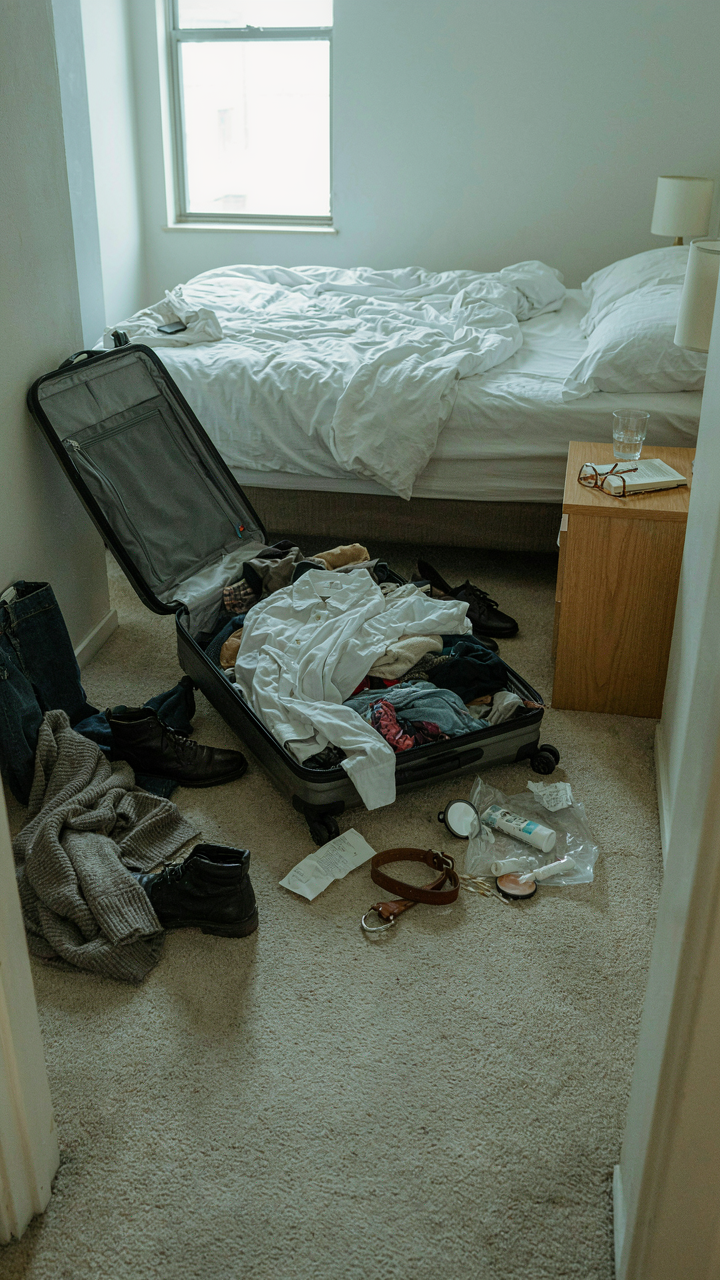
You pack extra because you’re terrified of looking unprepared in front of strangers. Here’s the mechanism: every item in your luggage is a decision your brain must make during the trip. Cognitive load is the mental effort required to process information and make choices. Your suitcase works like a decision tax on your vacation. The more you bring, the more your brain burns energy deciding what to wear, where things are, and whether you forgot something. By day three, you’re exhausted from logistics before you’ve even started relaxing.
Most women pack for hypothetical scenarios instead of actual days. You bring the “just in case” dress, the backup shoes, the extra cardigan that might match something. This isn’t prudence. It’s anxiety dressed up as preparation. The formal night outfit itself should anchor your packing strategy, not expand it. Everything else should work with it, not exist separately from it. Stop treating your suitcase like an insurance policy against uncertainty.
Strategic Constraint Breeds Clarity
Underpacking forces specificity. When you know you have six days and only four outfit slots, you stop bringing garbage. You choose pieces that layer, repeat, and solve multiple occasions. A formal night dress can be a dinner dress, a going-out dress, and a statement piece. Shoes become interchangeable across outfits instead of one-use investments. The constraint isn’t a limitation. It’s a filter that removes decision friction.
The real cost of overpacking isn’t luggage fees. It’s the mental bandwidth you waste searching through clothing you won’t wear. Decision fatigue on a cruise accelerates faster than on land because your environment is smaller and your choices feel more visible. Pick your formal night outfit first. Build everything else around it with ruthless intention. Pack only what coordinates with what you already chose. You’ll wear more, enjoy the trip more, and spend your mental energy on the actual vacation instead of suitcase archaeology.
The 7 Day Caribbean Cruise Outfits Algorithm: Decoding True Necessity
What You Actually Do On A Cruise
You’re worried about looking unprepared or underdressed, which is why you’re reading this instead of just packing. Here’s the mechanism: a seven-day Caribbean cruise has exactly four activity categories, and everything else is marketing noise designed to make you buy more. You’ll spend time at ports, at sea during the day, at dinner, and at one or two formal events. That’s it. The ship doesn’t suddenly demand a different outfit because it’s Thursday. You rotate the same core pieces across these buckets.

Most cruise packing advice treats every day as distinct, which creates decision fatigue and overpacking. The reality is simpler. You need clothes that work within those four contexts, not seven separate looks. A sundress works for port exploration and casual dinner. A blazer transforms that same dress for formal night. The algorithm isn’t about having more options, it’s about having fewer pieces that work harder.
The Three Wear Standard For Every Item
Economics teaches resource allocation through constraint. Apply that principle here: every item you pack must earn its space by serving at least three distinct functions. A maxi dress works as casual day wear, semi-formal dinner, and beach cover-up. A cardigan layers over sundresses, pairs with pants for cooler evenings, and works over a formal gown. A neutral pair of pants functions for ports, casual dinners, and as a base under dresses.
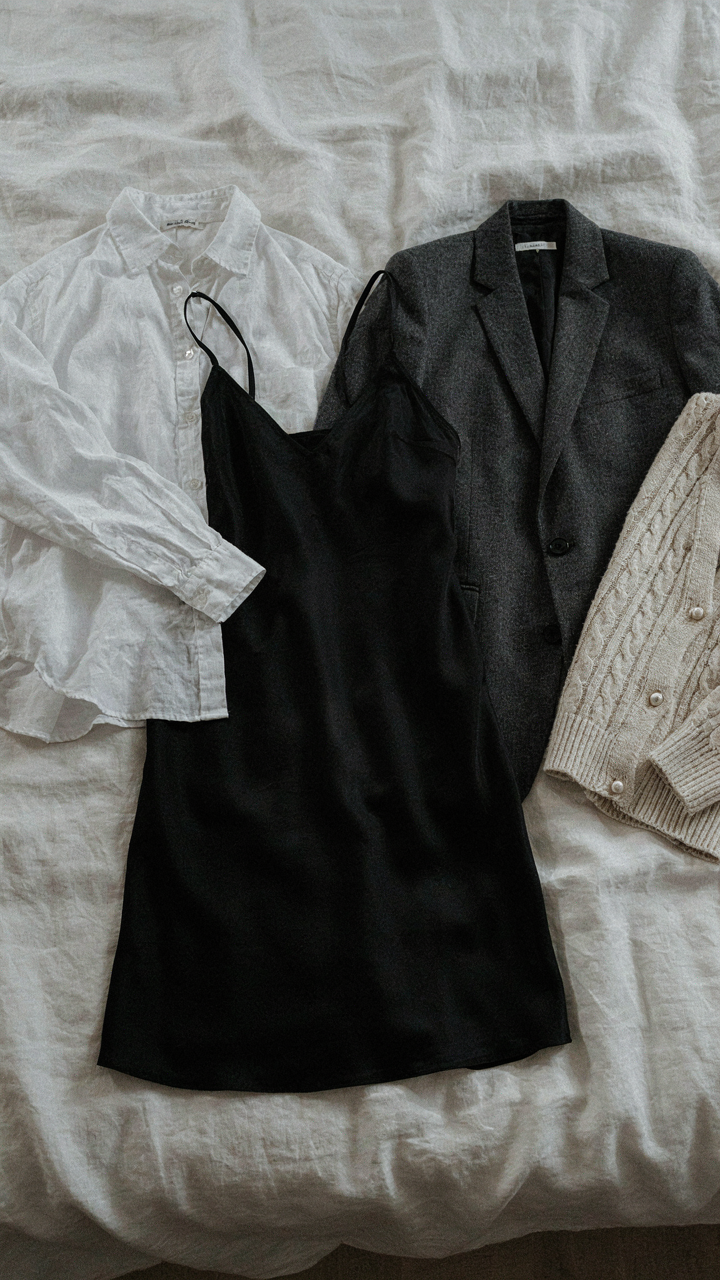
The moment you pack something that only works once, you’ve failed the algorithm. Seven days means you wear pieces multiple times. Build outfits with this math: one core item plus two to three layering or accessory pieces creates different silhouettes across different contexts. A black slip dress becomes three outfits with a linen shirt, a structured blazer, and a cardigan. This isn’t about minimalism for aesthetics. It’s about maximizing outfit combinations while minimizing luggage weight and decision points.
Formal Night Outfits: The Illusion Of Grandeur Protocol
One Dress, Multiple Configurations
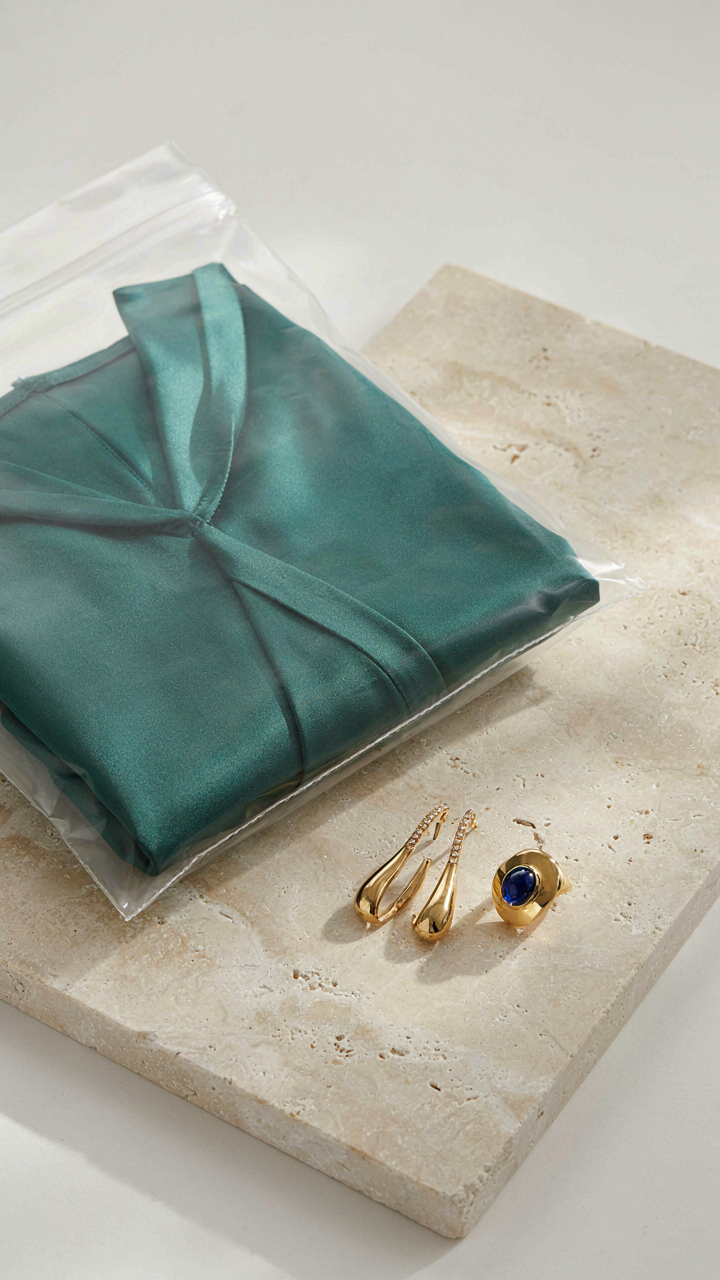
You care about formal night because you’re terrified of looking out of place while simultaneously refusing to pack like you’re moving. The real mechanism here borrows from economics: maximizing utility per unit of luggage space. One quality dress—not a costume, not a trend piece—functions as your base asset. A floor-length or midi wrap dress in black, navy, or jewel tone works across multiple contexts. The wrap construction matters because it adjusts to body changes mid-cruise from eating and salt water retention. Bring one alternative top in silk or satin that pairs with dress pants you already packed for casual nights. This eliminates the need for two full outfits while maintaining the formal night requirement.

Most cruise advice tells you to pack three formal outfits. That’s wrong. Cruise lines don’t inspect your closet, and you’ll wear the same people twice anyway. The real constraint isn’t rules—it’s luggage and wrinkles. A quality garment bag prevents creasing better than rolling or folding. Hang your formal dress immediately upon boarding. Wear it night one. On formal night two, style the same dress differently with a distinct accessory set and different shoes. The dress hasn’t changed. The entire perception has.
Jewels And Shoes Do The Work
Accessorizing isn’t about quantity—it’s about replacement value. Two pairs of shoes anchor your formal nights: one metallic or nude heel and one strappy sandal in gold or silver. Shoes change silhouettes faster than clothing does. Swap heels and the same dress reads completely different. Bring one structured clutch that fits your phone, key card, and lipstick. Don’t bring multiple evening bags. One quality clutch works with every outfit because formal wear already demands attention. The clutch is invisible infrastructure.
Jewelry operates on the same principle. One pair of statement earrings and one pair of simple studs cover every formal configuration. A bracelet or watch adds dimension without multiplication. Skip the necklace unless your dress has a low neckline—most formal wraps don’t require it. A single cocktail ring creates impact when everything else stays neutral. This isn’t minimalism for aesthetic reasons. It’s math: fewer items, more combinations, zero decision fatigue after a day of sun and salt water.
The “Cruise Packing List For Women” Constraint Method

What The Sun Actually Does To Your Clothes
You’re worried you’ll look unprepared in front of people you’ll never see again. Here’s the mechanism: Caribbean sun doesn’t just fade fabric—it accelerates oxidation, breaking down synthetic fibers faster than most people realize. UV exposure degrades elastane in swimwear within days of repeated saltwater exposure, and cotton loses tensile strength under continuous heat cycling. This isn’t about packing more. It’s about packing differently.

Most cruise packing lists ignore material science entirely. They tell you to bring seven days of clothes for a seven-day cruise. Wrong. You need to account for the fact that your rotation speed increases under sun and salt. That dress worn three times in a week in the Caribbean ages like it was worn thirty times in regular climate. Pack synthetic quick-dry fabrics for daywear, reserve natural fibers for formal nights when you’re indoors, and bring extra undergarments because elastic breaks down fastest.
The Garment That Works Four Ways
Borrowed from systems engineering, we call this constraint optimization: maximize utility within fixed boundaries. Your suitcase space is the boundary. The constraint demands each item earn its place by solving multiple problems. This isn’t minimalism. It’s ruthless prioritization.
The linen button-up shirt covers more ground than anything else you own. Wear it open over swimwear on deck. Layer it under a sundress for temperature shock when you move between outside heat and aggressive air conditioning. Tie it at the waist as a beach cover-up. Throw it over formal wear as an evening layer in climate-controlled dining rooms. One garment eliminates the need for a separate cardigan, cover-up, and layering piece. This is how you pack half as much and have more options.
Beyond The Suitcase: The Pre Trip Mental Checklist

What Your Phone Needs Before You Board
You’re hoping that having everything “handled” will make you feel in control during the trip. What actually matters is creating a single point of failure prevention, borrowed from systems thinking in aviation: redundancy. The cruise line owns your accommodation and meals, but your phone owns your access to money, communication, and proof of identity. Treat it like the critical infrastructure it is.
- Cruise documents PDF: Download your booking confirmation, ticket, and any health declarations directly to your phone’s files or cloud storage, not just email.
- Offline maps of port cities: Use Google Maps offline feature to download each Caribbean port’s map before departure. WiFi on ships costs extra and ports have spotty coverage.
- Travel insurance documents: Store your policy number, coverage details, and emergency claim contact separately from your booking materials.
- Banking details and backup cards: Screenshot your bank’s customer service number and have a second payment method accessible on your phone without relying on cellular data.
- Downloaded entertainment: One long flight, multiple sea days, and limited streaming connectivity make offline content (downloaded shows, podcasts, ebooks) a pragmatic move.
- International roaming plan or local SIM info: Research your carrier’s Caribbean rates before boarding. Some ports have local SIM options that cost less than daily roaming.

The second layer is communication. Notify your bank and credit card companies of your travel dates before you leave port. Most fraud blocks happen when transactions appear outside your normal geography pattern. A single declined card mid-cruise creates friction that costs time and creates stress you don’t need.
The Anxiety You Won’t Name
Most packing advice skips the real problem: you’re afraid you’ll be underdressed at formal night, or you’ll misjudge the climate and spend money you didn’t budget on replacing clothes. Neither fear gets addressed directly, so it stays unresolved in your mind.
Formal night on Caribbean cruises is not black-tie. It’s business casual elevated. Women wear cocktail dresses, dressy separates, or floor-length gowns depending on the line’s policy. Check your specific cruise line’s dress code document. MSC, Royal Caribbean, and Carnival each define it differently. The climate anxiety is easier to solve: the Caribbean averages 80-86 degrees year-round, with humidity and afternoon rain as the only variables. You will not be cold. Your only real concern is sun protection and moisture-wicking fabric for the heat.
The mechanism that stops you from overthinking this: commit to one formal outfit before you pack, commit to one casual rotation, and stop revising. Revision is just anxiety looking for control. You have enough information now to choose. Pack, seal the suitcase, and move on to something with actual consequences.
The “Wardrobe Architecture” Of Caribbean Cruise Wear
Build Around Constraint, Not Abundance
You want permission to pack everything and look flawless without thinking. That’s the real question. Here’s the mechanism: ecosystems survive through constraint. Biology teaches us that species thrive in bounded systems because limits force optimization. Your cruise cabin is bounded. Your luggage is bounded. Your formal nights are bounded. Work inside those boundaries instead of fighting them.

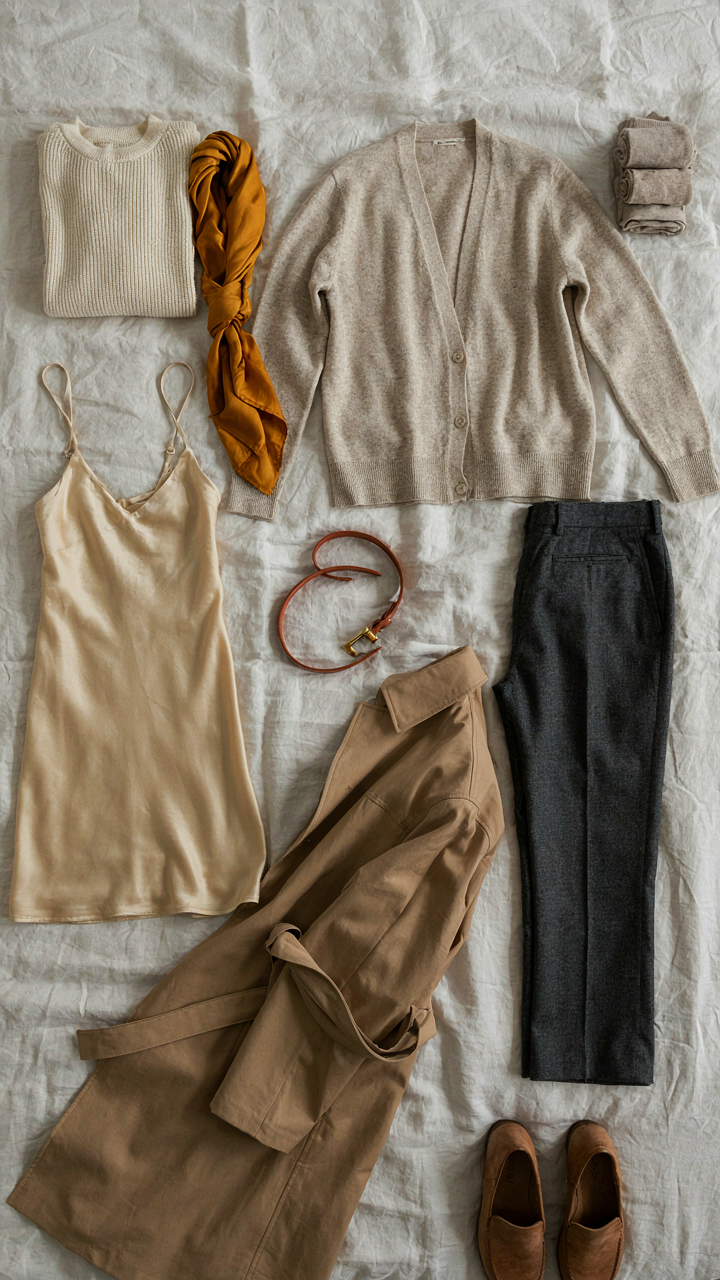
A proper capsule wardrobe for a Caribbean cruise operates on a 5-to-7 piece foundation. Choose a neutral base: white, black, or navy. Add two accent colors that complement your skin tone and your formal dresses. These three colors become your system. Every casual piece, every swimsuit cover-up, every dinner top works with everything else. You’re not building a closet. You’re building a machine.
Pieces That Earn Their Weight
Modular design wins because every item serves multiple functions. You don’t pack a piece that works with only one outfit. That’s waste. A structured linen shirt works over a swimsuit at lunch, under a blazer at dinner, and solo during port days. A wrap functions as a beach cover-up, a formal shawl, and cabin air conditioning. One piece, three contexts.
The math is simple: fewer total items means more outfit combinations. Six bottoms and eight tops create forty-eight combinations before you add layers. Formal wear gets reserved for actual formal nights and optional elegance dinners. Everything else interchanges. Buy pieces in the same color family so they stack together visually and logically in your mind when packing and when dressing under time pressure.
Packing For A Cruise: The Efficiency Grid
Rolling Versus Folding: Which Actually Saves Space
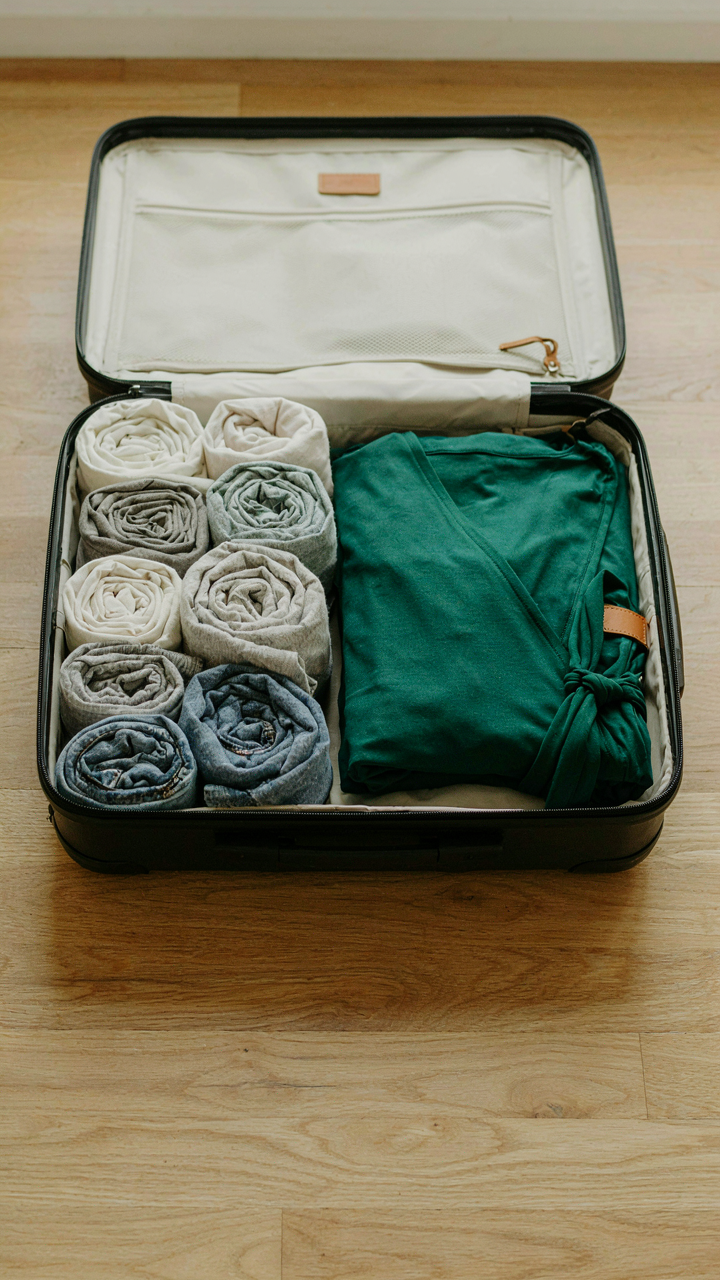
You want to feel organized and in control, which is why this debate matters to you more than it should. The physics of compression is straightforward: rolling creates a denser package than folding because you eliminate air pockets between fabric layers. A rolled shirt occupies roughly 30 percent less luggage volume than a folded one, assuming equal fabric weight and garment construction.

Rolling works best for casual items like t-shirts, cover-ups, and casual pants. Folding serves formal wear better because creasing matters less with structured fabrics like the rayon or polyester blends used in cruise formal dresses. The real win: roll your daily rotation, fold your evening pieces. This hybrid approach gets you maximum space efficiency without arriving at the dining room looking wrinkled. Your carry-on becomes a staging area, not a storage unit.
The Carry On Rule For Formal Night Backup
Most advice here is incomplete. You pack a backup formal outfit in carry-on for “just in case,” but you never define what case requires it. The actual mechanism: luggage delays happen 2 to 3 percent of the time on cruise itineraries, and formal night occurs on nights one, three, and five of a typical seven-day cruise. One backup dress gets you covered for one night. One backup works.
Carry-on formal pieces must compress without creasing, which means knit fabrics and wrap styles beat structured gowns. A jersey wrap dress or a high-quality knit sheath in a neutral color survives a carry-on compartment intact and pairs with shoes and accessories already in your bag. Pack this backup on top of your carry-on, not buried. Access it only if your checked luggage doesn’t arrive by dinner time on formal night.
The Post Cruise Audit: Refining Your Cruise Checklist

What Actually Came Out Of Your Suitcase
You’re reading this because you want to feel like you packed smart, not because you’re genuinely curious about optimization. The real mechanism is simple: most women pack 40-60% items they never touch, then blame the cruise instead of the packing strategy. The gap between what you needed and what you hauled reveals the actual constraints of your cruise environment, not your imagination of it.

Pull every item you wore during the cruise into one pile. Formal night outfits, casual days, evening dinners, port excursions—separate by actual wear. Count how many times you wore each piece. If something sat untouched for five days, it wasn’t “just in case.” It was dead weight that cost you luggage space for things that mattered. This isn’t judgment. It’s data. You need data to break the pattern.
Building A Sustainable Packing Protocol
Treat this like inventory management in economics: velocity matters more than volume. High-velocity items are pieces you wore three or more times. Those are your anchor pieces. Low-velocity items wore once or never. On your next cruise, your formal night outfits should rotate into those high-velocity slots through strategic layering and accessory swaps, not through packing five different dresses.
Create a spreadsheet with three columns: item name, days worn, category. Run this after every cruise. Over three trips, patterns emerge. You’ll see that you wore one formal dress twice with different jewelry rather than packing two dresses. You’ll notice you grabbed the same cardigan for every evening because the ship temperature stayed consistent. Use these patterns to build a cruise-specific checklist that shrinks over time while covering every scenario. Stop packing from fear. Start packing from evidence.
Your Real Problem Isn’t The Packing List; It’s The Fear Of Being Seen As Ordinary
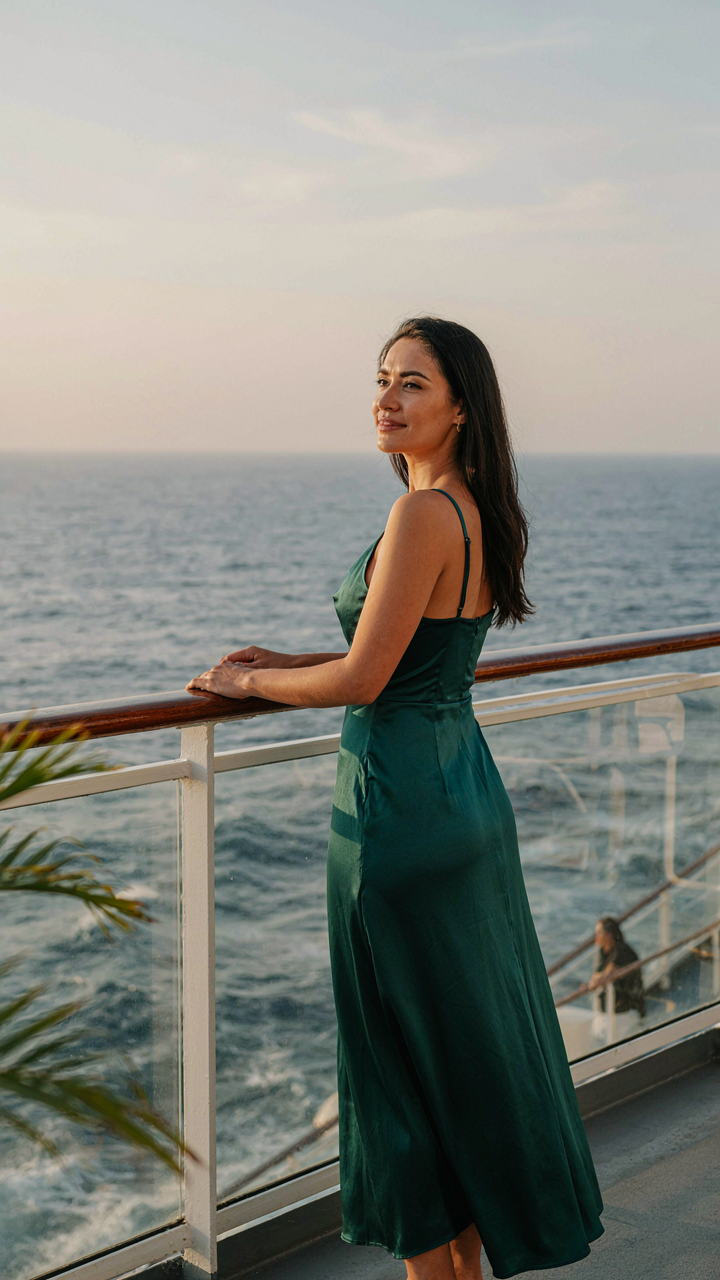
You’re overthinking the clothes because you’re terrified of blending in. The formal night outfit, the accessories, the perfect sundress—they’re all armor against mediocrity. Stop. Pick one killer dress tomorrow, commit to it, and move on. The women who own a room aren’t the ones who packed the most options. They’re the ones who stopped apologizing for their choices.