

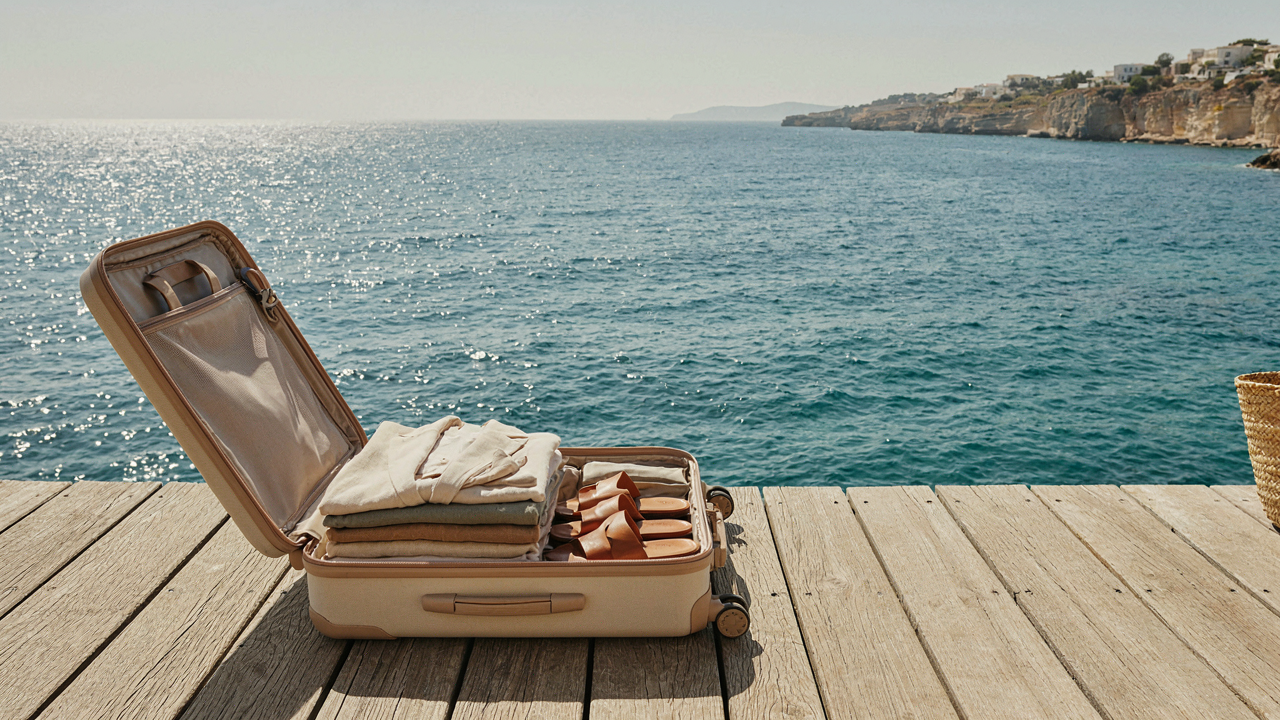
The Cognitive Load Fallacy Of Mediterranean Cruise Outfits

More Options Paralyze, Not Liberate
You want packing options because you fear being underdressed or looking repetitive in front of strangers you’ll never see again. That’s the real thing driving this. Here’s what actually happens: cognitive psychology calls this “decision fatigue,” and your cruise wardrobe is a direct application of it. The more outfit combinations you bring, the more decisions you make daily about what to wear. Each choice depletes the same mental resources you need for navigation, conversations, and enjoying the ports. Most packing advice tells you to “bring versatile pieces.” Wrong. Versatility isn’t the goal. Constraint is.
You don’t need more pieces that work together. You need fewer pieces that work with everything. The Mediterranean cruise context forces this naturally because you’re confined to a cabin and one or two bags. Your brain registers this physical limit as permission to stop deliberating. Bring seven tops, four bottoms, one jacket. That’s not limitation. That’s liberation. The mechanism works because you’ve externally solved what your brain would waste energy solving daily.
Mental Bandwidth Is The Actual Luxury
Wealthy travelers don’t pack more. They pack less and repeat outfits without hesitation because they’ve already won the game where it matters. The real travel luxury isn’t options. It’s the absence of choice friction. When you land in Santorini or Dubrovnik, your mental energy goes toward experiencing the place, not ruminating whether the linen shirt worked better yesterday. Travel advisors miss this entirely because they focus on outfit variety instead of decision architecture.
The protocol is simple: build your capsule first, then stop adding. Once you’re packing, take items out, don’t add them in. The default should be “does this replace something?” not “does this add possibility?” This reverses the cognitive load immediately. You arrive at your first port with a clear head instead of decision fatigue already accumulating in your luggage.
Packing For A Cruise: The 3 Tier Elimination Protocol

Start With Constraint, Not Inspiration
You’re worried about looking unprepared or underdressed at dinner, which makes you want to pack everything. Stop. The mechanism here is borrowed from military loadout philosophy: every item must justify its weight by serving multiple contexts. A Mediterranean cruise forces this discipline because cabin space is fixed, luggage fees are real, and you move hotels every few days. The cost of overpacking is immediate friction.

Start by defining your actual ship life: daytime means casual deck, port walking, and casual dining. Evening means one formal night, several smart casual dinners, and lounge time. Nothing else exists. This eliminates 80 percent of the debate before it starts. Write down your exact itinerary and check the ship’s dress code policy. You’re not guessing anymore.
Pieces That Earn Their Cabin Space
This is where people fail. Generic advice says “mix and match basics,” which is lazy. Real multi-use pieces solve a specific problem: they bridge day and evening without requiring a full outfit change. Think in terms of garment ecology—each piece must perform in at least two distinct contexts on the same day or across multiple days.
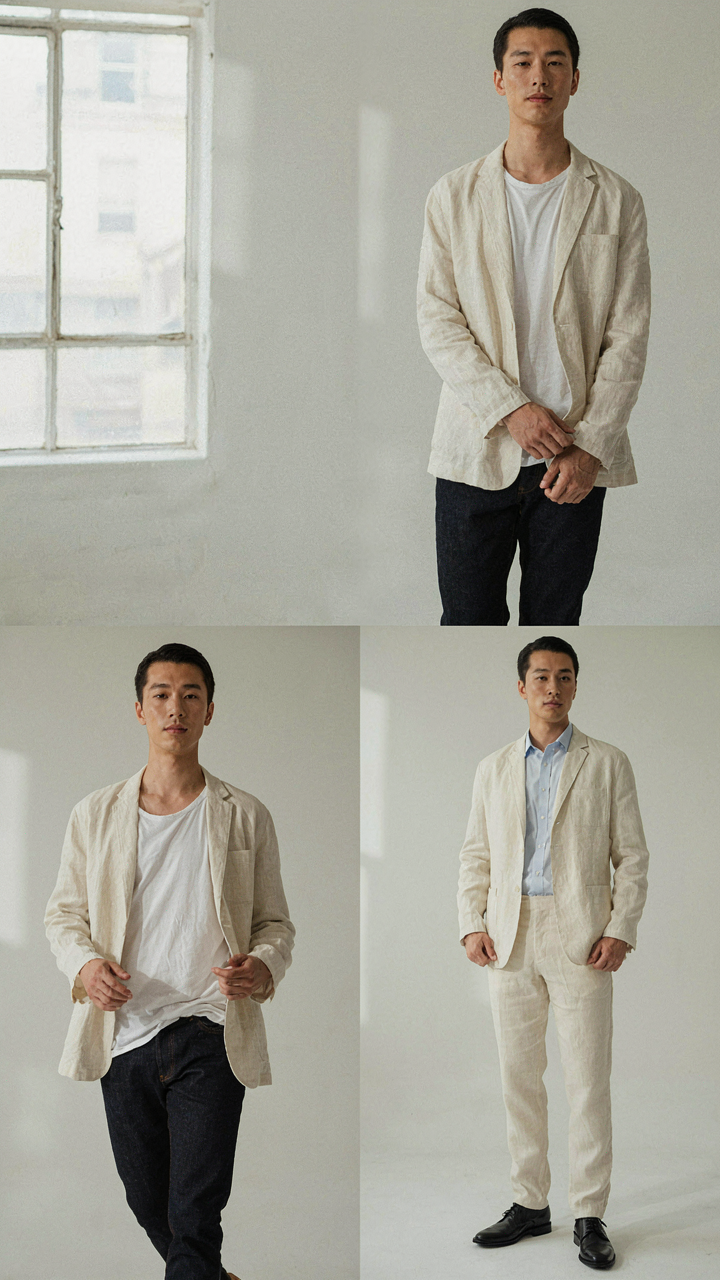
- Structured linen blazer in neutral (cream, tan, or navy): Covers a casual t-shirt at dinner, layers over resort wear at port, works solo over evening dresses, and handles sun exposure without bulk. Linen breathes in Mediterranean heat and doesn’t wrinkle catastrophically.
- Wide leg linen trousers in one neutral tone: Pairs with any top for smart casual dinners, works with sneakers for port days, transitions to evening with heels and a blouse. Linen moves with body temperature changes on ship air conditioning.
- Lightweight wrap or pashmina in complementary neutral: Functions as shawl for formal dinner, beach cover-up for ports, evening warmth in over-cooled dining rooms, and UV protection during sea days. Takes minimal luggage space.
- Jersey maxi dress in solid color: Works as casual day dress with sandals, converts to evening with heels and the blazer, and functions as sleepwear or lounge outfit. Jersey doesn’t wrinkle and adapts to temperature swings.
- Lightweight knit sweater or cardigan: Layers under everything without bulk, handles ship AC aggressively, works from morning coffee to evening drinks, and extends your color palette without adding new pieces.
The protocol is simple: before buying or packing anything, write down the three specific moments it will be worn. If you can’t name three, it doesn’t board the ship. This is how you actually reduce luggage instead of just thinking about it.
Mediterranean Cruise Outfits: Day Vs. Evening, The False Dichotomy
One Garment, Infinite Configurations
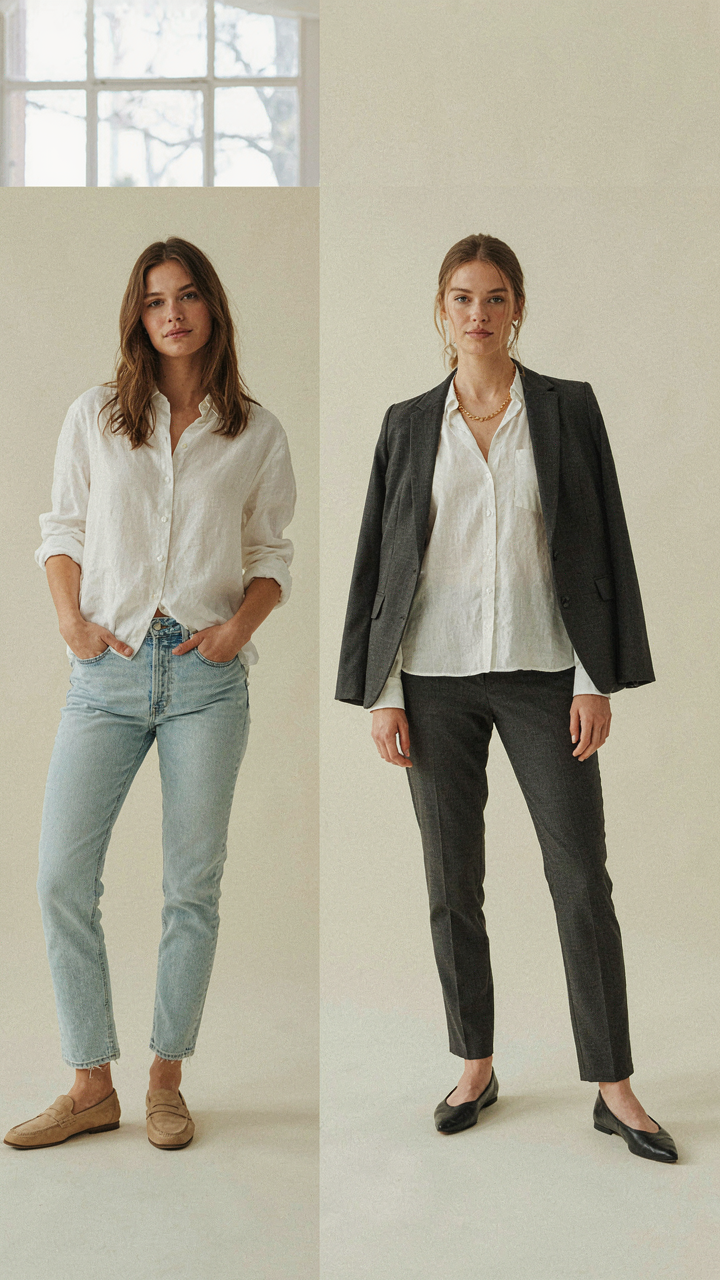
You’re worried you’ll look out of place or underdressed, so you’re hoping someone tells you the exact formula to follow. Here’s the mechanism: a mediterranean cruise capsule works because you’re not actually buying separate day and evening wardrobes. You’re buying pieces that shift function based on layering, accessories, and context. A linen shirt works at breakfast, under a blazer at dinner, and rolled at the sleeves during port walks. The constraint forces intentionality.

The real leverage comes from choosing base pieces in neutral tones that accept layering without visual clutter. A cream or stone-colored button-up becomes five different outfits when paired with a cardigan, worn open over a dress, tucked into different bottoms, or left unbuttoned as a cover-up. Shoes matter here too: one pair of flat leather sandals handles casual days and dresses down evening looks if you own one dressier option for formal nights.
The Cruise Dress Code Isn’t What You Think
Everyone repeats the “formal night” warning, but most cruise lines have gutted actual dress codes. What matters is recognizing the real distinction: some venues simply won’t let you in if you’re wearing active wear, but that’s a hygiene boundary, not a fashion rule. The shift from day to evening is behavioral, not ceremonial. You’re moving from high-traffic pool areas to table-service restaurants where fabric gets noticed more and movement matters less.
The mistake most people make is overthinking this binary. You don’t need separate wardrobes because the constraint is environmental, not social. A structured midi dress with a cardigan moves from lunch to dinner without changing. Swap sneakers for flat sandals. Add a simple necklace. The same linen trousers worn with a t-shirt and sneakers during the day become evening-appropriate with a silk camisole, a lightweight blazer, and a simple belt. The pieces stay constant. Context shifts them.
The Antifragile Wardrobe: European Cruises Edition
Clothing That Adapts To Conditions
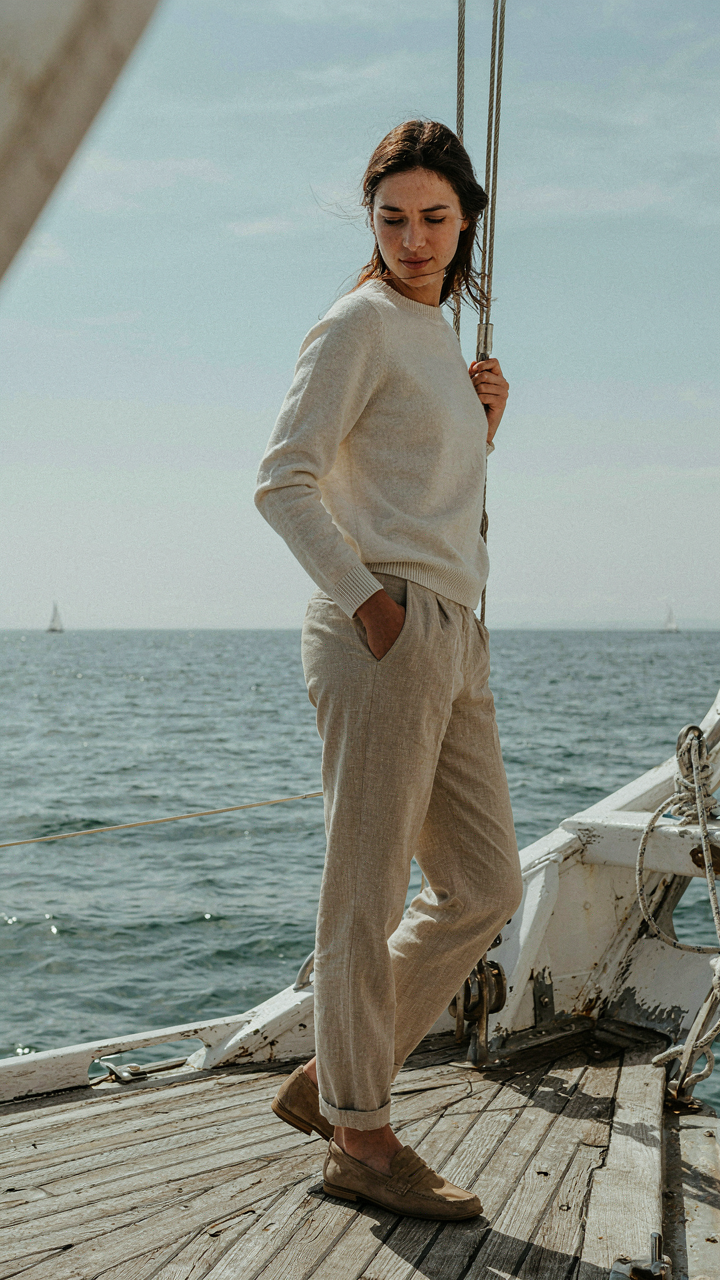
You want to feel prepared without overpacking because uncertainty makes you anxious. The mechanism is borrowed from biology: adaptation. A mediterranean cruise wardrobe adapts the way an organism adapts to environmental stress. It doesn’t resist change. It exploits it. Your clothes must function across temperature swings, humidity levels, and social contexts without needing a new outfit for each scenario.

The fabrics themselves do this work. Merino wool regulates temperature whether conditions are cool or warm. Linen breathes in Mediterranean heat but layers under a blazer for evening without bulk. Cotton blends dry faster than pure cotton in salt air. These materials shift their performance based on context. Your job is selecting pieces that already contain this adaptive capacity rather than fighting conditions with more stuff.
Real World Pressure Testing
Most capsule wardrobe advice fails because it’s built on theory, not friction. Test your selections against the specific constraints of cruise life: salt water exposure, confined cabin space, repeated wearing cycles within days, temperature swings between deck and dining room, and the inability to do laundry on demand. This isn’t hypothetical. Wear each piece twice in a week before departure to see what breaks, what wrinkles badly, and what actually feels good after eight hours.
The protocol is simple. Pack your intended wardrobe and wear it for five consecutive days at home before the cruise. Do this in a season matching your cruise month. Notice which pieces create friction: stiff fabrics that don’t soften, colors that look wrong under your ship’s lighting, shoes that hurt after two hours, or items that need ironing every time. These failures on land predict failures at sea. Remove them now. What survives this test survives the actual cruise without complaint.
Mediterranean Cruise Outfits Fall: Beyond The Basic Layers
The Layering Logic That Actually Works
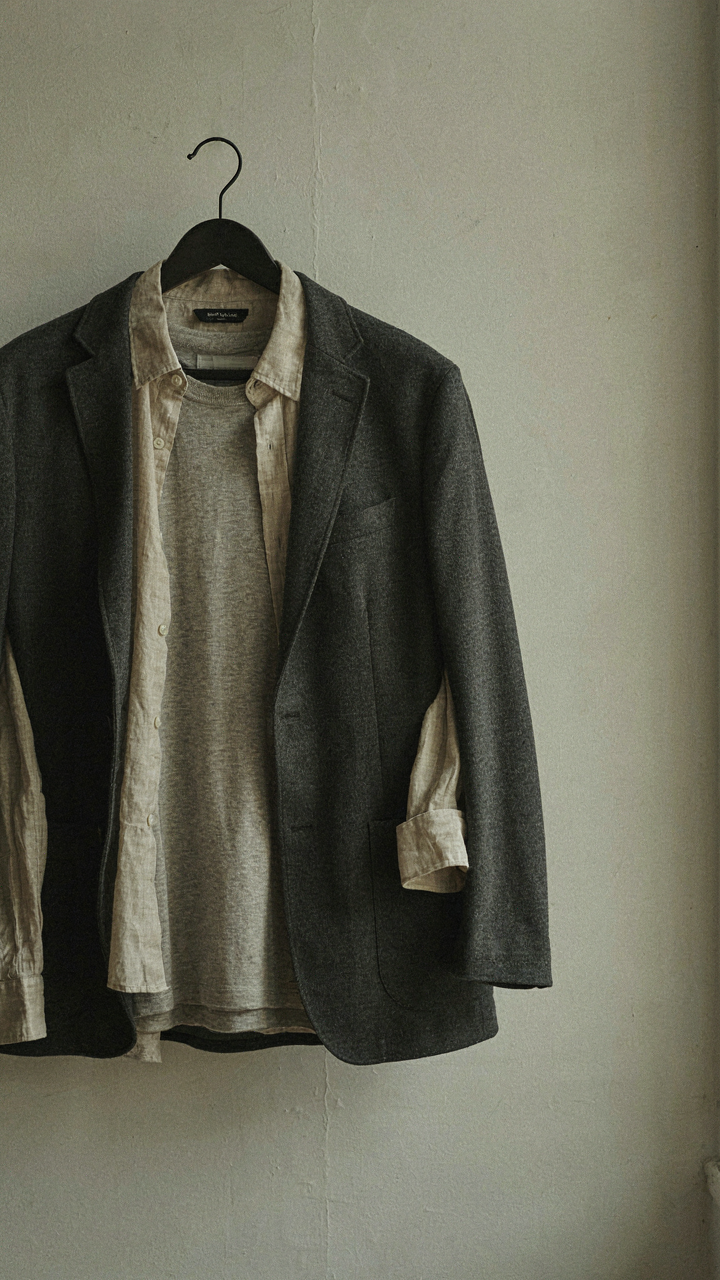
You want to look composed without sweating through your shirt at dinner. That’s the real reason you’re reading this. The mechanism is simple: fall Mediterranean temperatures swing 15 to 20 degrees between noon and evening. You need a system that handles both without looking like you’re preparing for weather you don’t understand.

Think of layering like load distribution in architecture. Each layer carries specific thermal load. A lightweight merino wool base pulls moisture away. A linen or cotton shirt adds breathability for midday. A structured blazer or cardigan seals warmth for night. The goal isn’t to own more clothes. It’s to own pieces that work in sequence, each one doing one job well.
The Fabrics That Survive Reality
Everyone says “pack natural fibers.” They’re missing the actual performance gap. Merino wool regulates temperature better than cotton because it actively manages moisture, not just absorbs it. Linen wrinkles visibly but dries fast and feels cooler against skin in direct sun. Cotton works fine for basics but loses the game when humidity hits.
Polyester blends get dismissed as cheap, but they dry faster than natural fibers alone and hold structure through multiple wearings without pressing. The real play: use merino for bases, linen for midday pieces, and blended fabrics for structured items like trousers. Pack one piece of each fabric type, not six pieces of one. That’s how you avoid luggage bloat while staying functional across the temperature range a fall cruise actually throws at you.
Mediterranean Cruise Outfits Spring: Navigating The Unpredictable
Materials That Shed Water, Not Your Plans
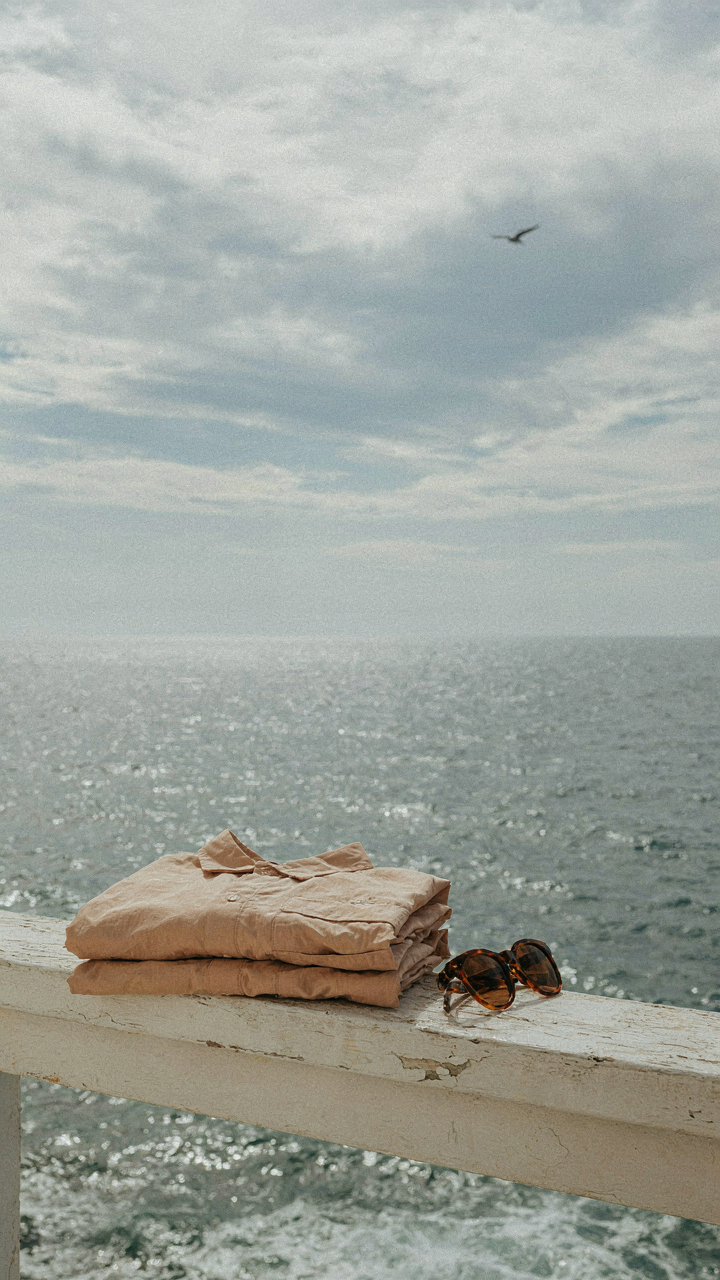
You’re worried you’ll look underdressed if rain forces you to hide. Here’s the mechanism: spring Mediterranean weather is genuinely unstable. Rain hits fast, disappears faster. The real problem isn’t staying dry—it’s staying dry without destroying your outfit’s structure or looking like you surrendered to weather.

Quick-dry fabrics work through capillary action. Water moves across fiber surfaces instead of absorbing into them. Nylon, polyester blends, and technical linens (not traditional linen) evacuate moisture in minutes. A linen-viscose blend dries faster than pure linen but keeps the texture. Pack one rain-ready layer: a lightweight nylon overshirt or technical jacket. It compresses to fist-size and transitions from emergency gear to casual layer when conditions improve. Most cruise passengers skip this entirely, then spend dinners damp.
Layering For Heat And Exposure
The real issue isn’t temperature—it’s UV exposure combined with unexpected wind shifts. Dermatology backs this: spring sun at sea intensifies reflection off water. You need coverage that doesn’t trap heat. Use thin, loose base layers in merino wool or synthetic blends. These regulate temperature while blocking rays. Add a lightweight overshirt you can tie at waist when not wearing it. Ventilation happens through fabric weave, not nakedness. Wear UPF-rated pieces when possible. The mechanism is simple: airflow plus barrier equals comfort without sacrifice. Before boarding, commit to wearing your sun layer for morning deck time and port walks. This single protocol prevents both sunburn and the regret wardrobe adjustment that kills your outfit’s cohesion.
Italy Cruise Outfits: Blending In, Standing Out (When It Matters)

The Real Cost Of Dressing Like A Tourist
You’re worried that locals will clock you immediately and treat you differently. Here’s what actually happens: the mechanism is reverse signaling. In game theory terms, you’re playing a cheap talk problem where your clothes broadcast your status as an outsider, which changes how merchants, servers, and service workers price discriminate against you. The real tell isn’t wearing cargo shorts. It’s wearing cargo shorts with a fanny pack and a cruise port lanyard. Italians don’t dress for comfort on the street. They dress for visual coherence. That means neutral colors that work together, fitted proportions that match your frame, and zero logos or text-printed graphics.
The difference between blending and standing out comes down to one rule: Italians prioritize fit over size. A well-fitted pair of dark jeans, a simple linen shirt, and leather shoes will get you treated like a resident in Rome or Naples. The outfit communicates you made a choice, not grabbed what was easy. Your cruise wardrobe should assume that fitted basics in neutral tones are non-negotiable. Navy, cream, olive, and white anchor everything. A single quality blazer in linen or cotton elevates even basic pieces. Skip the printed t-shirts, oversized anything, and athletic wear outside the ship’s gym. The locals aren’t rude to tourists because of tourists. They’re economically incentivized to treat them differently, and your clothes either activate or disable that instinct.
Seamless Transitions: The Hidden Friction Point
Port time demands a specific logic: you move from humidity and salt air into air-conditioned shops, then back outside, then into a restaurant. Most cruise packing advice ignores the mechanical problem this creates. Layers are the answer, but not the way people think about them. The real mechanism is fabric choice. You need pieces that survive temperature swings without looking deliberate or layered in a way that screams “I planned this outfit.” Linen and cotton blends move moisture away from skin faster than synthetics. A lightweight cardigan or overshirt you can tie around your waist transitions between settings without adding bulk.

The protocol is simple: wear one base piece that handles heat, carry one layer that handles cold. A sleeveless linen dress becomes evening-ready with a structured cardigan and different shoes. A neutral t-shirt and lightweight pants work at lunch and dinner with just a blazer swap. The shoes matter more than most people admit. You need one pair that handles cobblestones (leather flats or minimal cushioning, not athletic shoes) and one dressier pair that works with evening clothes. Both should be broken in before boarding. Your goal is moving between contexts without changing entirely, which means every piece must serve multiple times and multiple settings.
The Cruise Outfits Utility Matrix
Every Piece Works Four Times Over
You’re worried you’ll look repetitive. That’s the real fear underneath all this. The mechanism is simple: cruise itineraries repeat the same social contexts—breakfast buffet, port town walking, dining room dinner, deck lounging. You exploit this repetition by building items that compress across contexts, not by buying more. A linen blazer worn over a t-shirt at breakfast becomes formal when paired with trousers at dinner. Same item, different role, zero redundancy. This is clothing economics, borrowed from supply chain thinking: maximize throughput per unit of inventory. Each piece earns its cabin space by solving multiple problems simultaneously.
The standard advice here is to “mix and match,” which tells you nothing useful. Real utility means mapping every item to its specific uses before packing. A white cotton button-up works as a beach cover-up, a casual lunch layer, a dinner top under a cardigan, and a casual-formal piece in port towns. The neutral Capri pants layer under sundresses, pair with sandals for town exploration, transition to evening wear with a simple swap of shoes and top. This isn’t inspiration or style advice—it’s mechanical redundancy. You calculate how many outfit combinations you need for your cruise length, then work backward to the minimum number of pieces that generate them. If you pack 14 items and they produce 30+ distinct outfit combinations, you’ve solved the problem.
Space To Price Ratio Demands Strategy
Every centimeter of luggage costs you flexibility you might need. Here’s the economic framework: cost per wear divided by packing displacement. A premium linen shirt costs more upfront but weighs almost nothing, resists wrinkles in humidity, and performs across seven distinct outfit scenarios over a seven-day cruise. That’s one wear per use case, meaning you’ve engineered zero waste. A cheap synthetic tunic takes up the same space, wrinkles immediately in Mediterranean heat, and works in maybe two scenarios before looking tired. The price difference might be $30, but the space efficiency and actual utility per item favors the investment. This isn’t about luxury—it’s about mathematical efficiency.

Measure twice before you buy anything. Calculate the cost per outfit combination, not cost per item. If a structured linen dress costs $80 and creates four distinct outfits through layering and accessory swaps across your cruise, that’s $20 per outfit. A $15 t-shirt that works in one scenario is actually more expensive per use. The constraint is luggage volume, not budget. One premium piece that breathes in heat, resists wrinkles, and transforms across multiple contexts beats three cheap pieces that occupy the same space but deliver half the combinations. Pack items that work in stacked combinations, then verify you’ve eliminated every single piece that appears in fewer than three outfit variations before you leave for the port.
Accessories: Amplifiers, Not Distractions
The Weight Constraint That Changes Everything
You want accessories to make you look put-together without admitting you’re worried about it. Here’s the mechanism: a cruise cabin has finite space, and every item competes for that real estate. Unlike a two-week land trip where you can stash overflow luggage in a hotel closet, ship cabins force you to make hard choices. This constraint is actually your advantage. It kills accessory bloat before it starts and forces you to select pieces that genuinely work across multiple outfits. The math is simple: fewer items means higher utility per piece, which means you actually wear what you pack instead of assembling outfit combinations that fail under real-world conditions.
On a seven to fourteen-day cruise, most people overestimate how often they’ll swap accessories. You wear the same watch for four days straight. You grab one bag repeatedly because it’s already assembled. The accessories that survive cabin storage are the ones that pair with at least three outfit combinations and handle both day-to-evening transitions. Bulky costume jewelry, statement belts that only work with one dress, and backup scarves become dead weight. Strip down to pieces that anchor outfits and handle temperature shifts. One quality watch, one versatile bag, minimal jewelry. That’s not minimalism for Instagram clout. That’s logistics.
Pieces That Serve Two Purposes
Most cruise packing advice treats accessories like decoration. Wrong. A linen scarf isn’t just a neck piece. It’s a sun shield, a shawl for air-conditioned dining rooms, a beach cover-up layering tool, and a visual anchor that shifts an outfit’s entire mood. That’s four functions in one thin rectangle. A structured crossbody bag works for port excursions by day and transitions to evening if the hardware and leather look intentional rather than sporty. White leather sneakers become evening-appropriate when paired with linen trousers and a silk shirt, then revert to daytime mode for walking exploration.

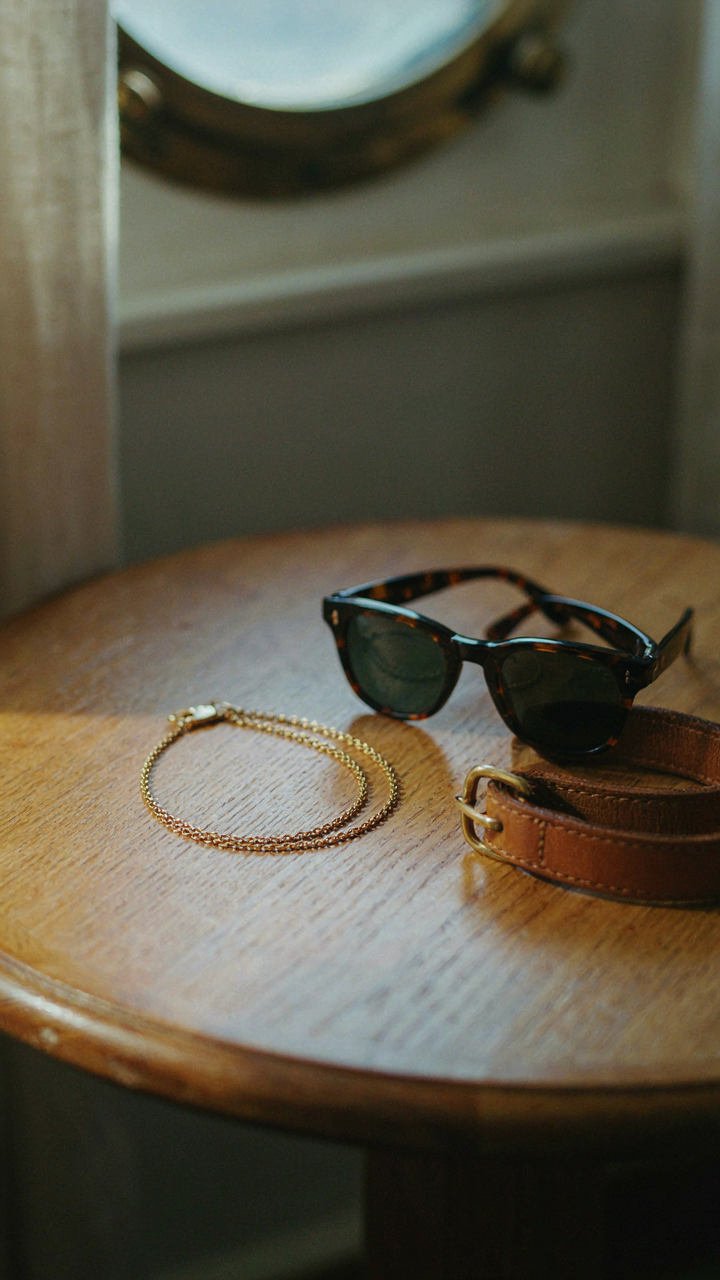
The test for double-duty accessories is brutal: if you can’t articulate two distinct use cases that you’ll actually execute, it doesn’t board the ship. Gold jewelry compounds with warm Mediterranean light, works across casual and formal settings, and doesn’t require a backup metal tone. A cotton-linen blend belt cinches dresses and holds up linen pants simultaneously. Sunglasses in classic shape work for both poolside and dinner table. Every accessory earns its cabin real estate by handling transitions you’ll actually make, not transitions you theoretically might make. The mechanism is elimination by function, not by aesthetics.
The Post Cruise Audit: Learn From Your Mistakes
What Actually Stayed In Your Cabin
You’re doing this audit because you’re terrified you wasted money on clothes you didn’t wear, and that fear is valid. The real mechanism at work is that you brought pieces based on theoretical scenarios instead of the actual rhythm of a cruise. Most days follow a predictable pattern: breakfast casual, port exploration, dinner. You packed for variability that never materialized.
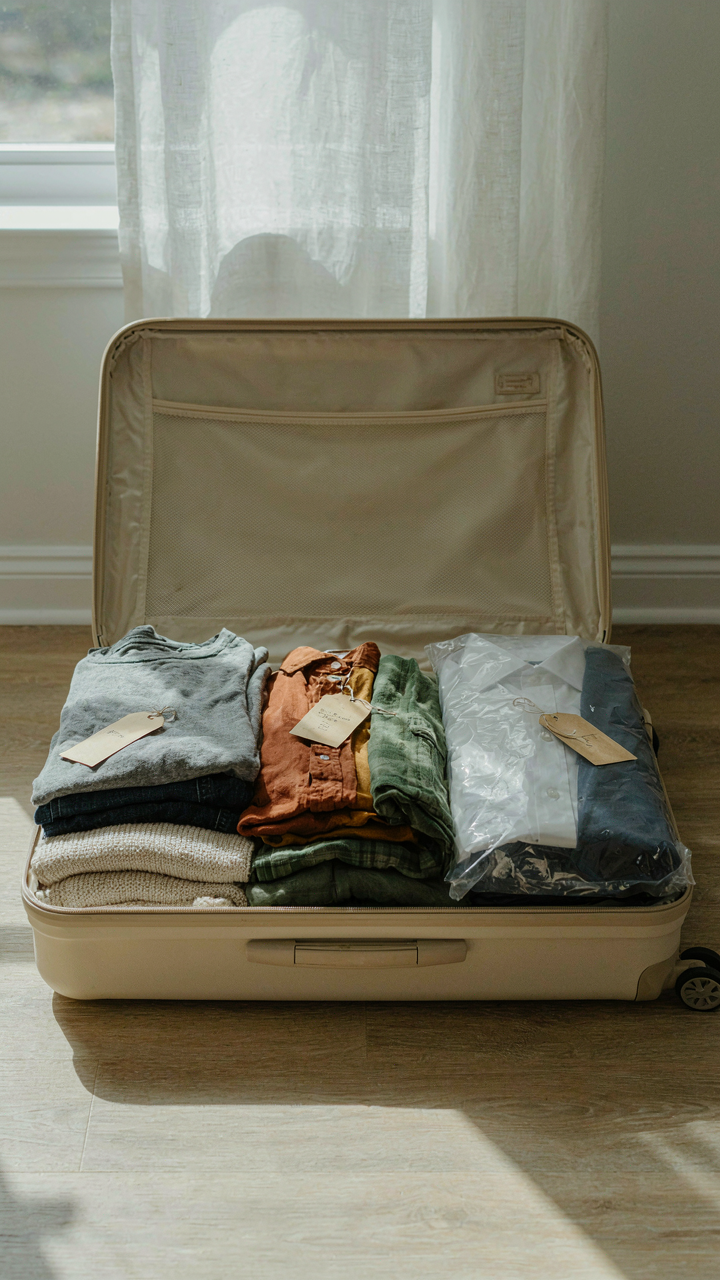
Pull your luggage out and separate everything into three piles: worn multiple times, worn once, never touched. The never-touched pile reveals your planning failure, not your taste. Count specifically which pieces got worn daily versus which sat folded. You’ll notice the plain crew neck shirt or neutral shorts probably saw more action than the patterned piece you were excited about. This isn’t about regret, it’s data.
Recalibrate Your Next Packing Formula
The common advice says to build a capsule around neutral colors and mix and match, which is incomplete. The real constraint on a cruise isn’t color coordination, it’s laundry access and the actual daily temperature swings between air conditioned indoors and Mediterranean heat. If your cabin had limited luggage space and you did laundry mid-voyage, certain pieces became anchors while others gathered weight for no reason.
Take your worn items and identify the actual rotation. If you wore the same three shirts on different days, you don’t need five shirts. If you never changed pants because the climate stayed consistent, stop packing seasonal transitions. Document what you wore day one versus day seven to spot patterns. For your next cruise, reduce your total item count by twenty percent and only add pieces that directly replaced something you missed, not something you theoretically wanted.
Your Cruise Isn’t A Fashion Show; It’s An Experience. Stop Letting Your Closet Dictate Your Adventure

Most people pack for approval. They imagine strangers judging their outfit at dinner and build their entire wardrobe around that phantom jury. A real mediterranean cruise capsule wardrobe does the opposite. It removes decisions so you spend mental energy on what matters: the light hitting the water at sunset, the conversation with someone new, the risk of trying that unfamiliar wine. Pull out your phone right now and delete one outfit you packed solely for how it looks. That single act rewires your entire trip toward living instead of performing.