

The Spain Capsule Wardrobe Deception
Why Generic Capsule Advice Fails Here
You want to look like you belong somewhere you don’t. That’s the real reason you’re reading this. Generic capsule wardrobe advice fails in Spain because it treats climate and culture as interchangeable variables. Economists call this substitution bias—assuming one input works identically across different contexts. Spanish heat and social rhythm aren’t interchangeable with Mediterranean or desert heat. Spain’s dinner culture starts at 9 PM. Your wardrobe has to solve for a 40-degree temperature swing between afternoon and night while managing the social visibility of timing wrong.
Most guides obsess over fabric weight and color palettes. They miss the actual mechanism: you’re dressing for two entirely different time zones within the same calendar day. An 80-degree afternoon in Madrid becomes 65 degrees by 11 PM. You can’t layer the same way tourists do in Greece or Morocco. Spanish men and women dress with restraint during heat hours, then shift into presence-based dressing after sunset. The gap isn’t about more clothes. It’s about pieces that reset social read without adding bulk.
The Real Cost Of Tourist Mistakes
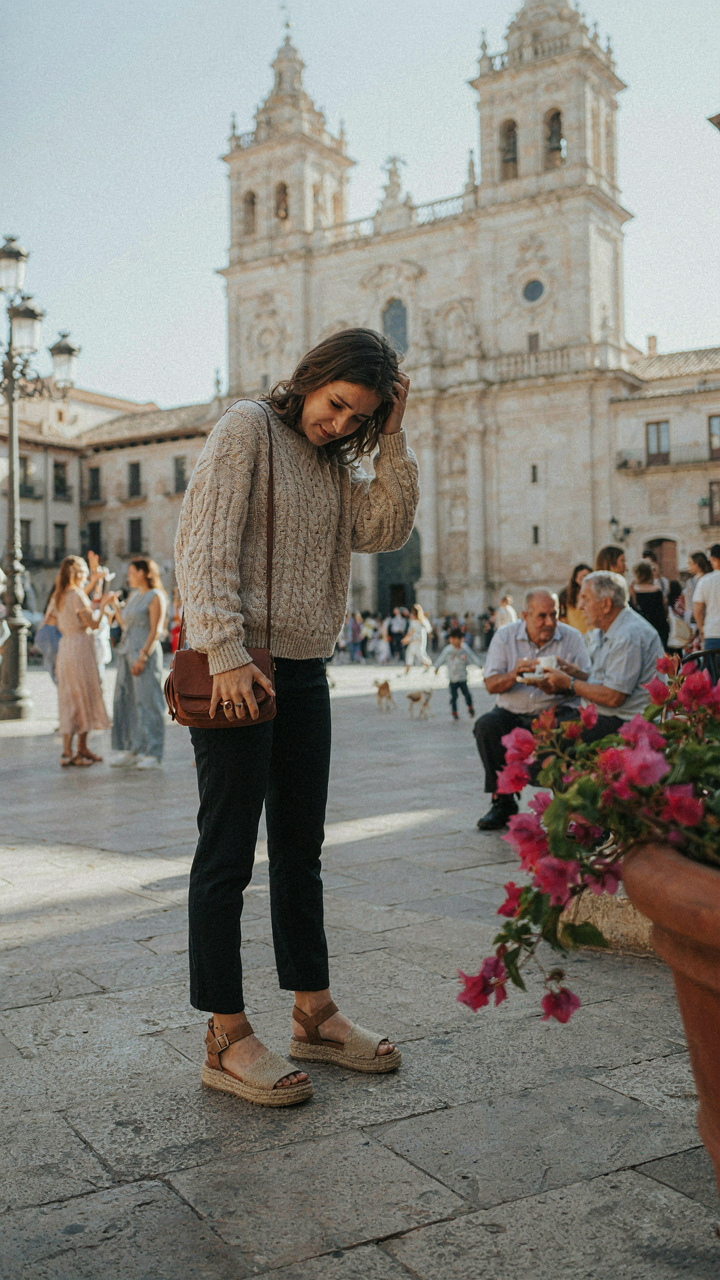
You overpack because you’re afraid of looking underdressed at dinner, then you underdress during the day because you assume heat equals casualness. Both moves are visible to locals immediately. Overpacking creates friction: you waste mental energy on outfit selection, you move slower through cobblestone streets, you sit at outdoor tables sweating into linen you brought specifically to stay cool. Underdressing during daylight signals you don’t understand the context—shorts and athletic sandals at a café in Valencia at 3 PM read as uncertain, not practical.
The mechanism is rhythm mismatch. Spanish daily life runs on a schedule your body hasn’t internalized yet. Dinner doesn’t happen at 6 PM. Social presentation peaks when temperatures drop. You can’t solve this by bringing seventeen options and picking randomly. You solve it by building pieces that compress decision-making and handle both temperature extremes without signaling you’re unfamiliar with how Spain actually works.
The Iberian Wardrobe Algorithm: Spain Capsule Wardrobe Summer
Fabric Selection For Heat And Elegance
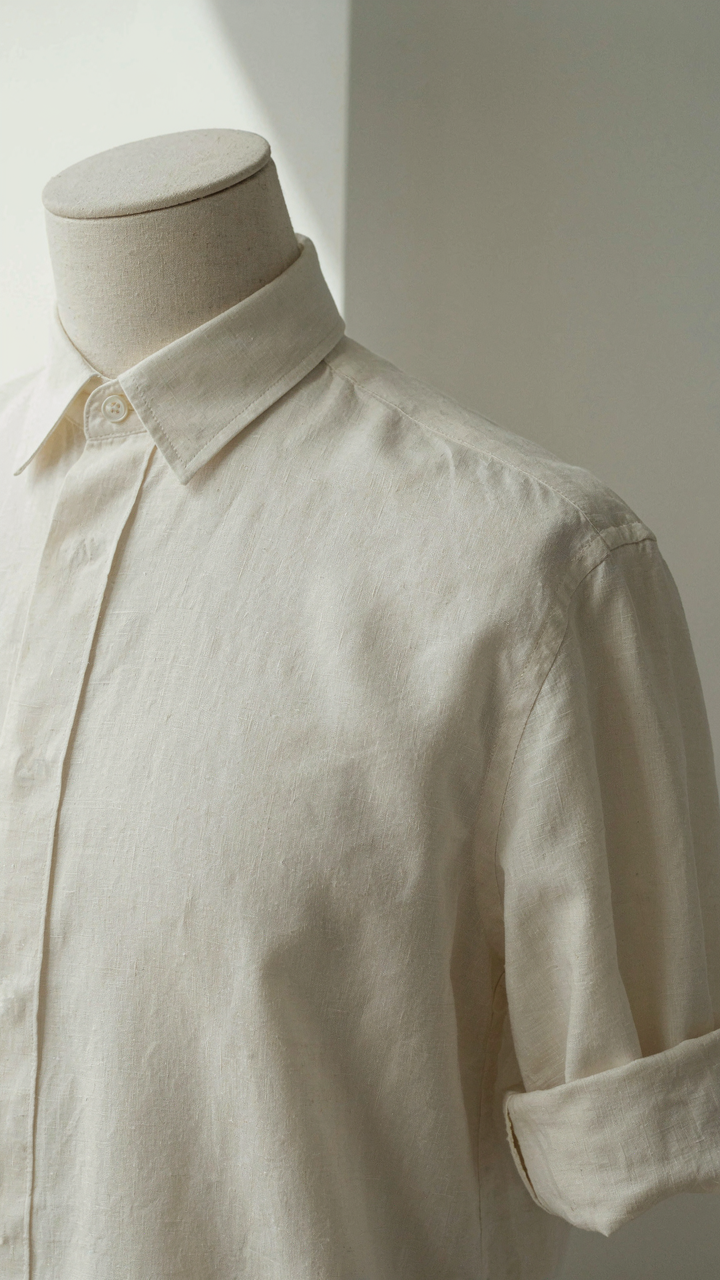
You want to look refined without melting, which means you’re trying to solve a physics problem with cloth. The mechanism here is heat dissipation through air circulation and fabric weight. Linen and cotton-linen blends move moisture away from skin faster than synthetics because their loosely woven structure creates micro-channels for evaporation. Spain’s summer heat isn’t new—Mediterranean cultures solved this centuries ago by rejecting dense fabrics entirely. A 55/45 linen-cotton blend gives you wrinkle resistance that pure linen lacks while keeping the breathability intact.

Weight matters more than fiber type alone. Fabric weight below 150 GSM (grams per square meter) lets air pass through, but anything above 180 GSM traps heat regardless of fiber content. Spanish designers lean on this standard without naming it: they use lightweight linen for shirts, fine cotton for trousers, and leave heavy fabrics for winter entirely. The real play is buying pieces that weigh less, not pieces made from “special” materials. Aim for garments that feel substantial enough to hold a shape but light enough that you forget you’re wearing them by noon.
Day To Night Transitions: Seamless Versatility
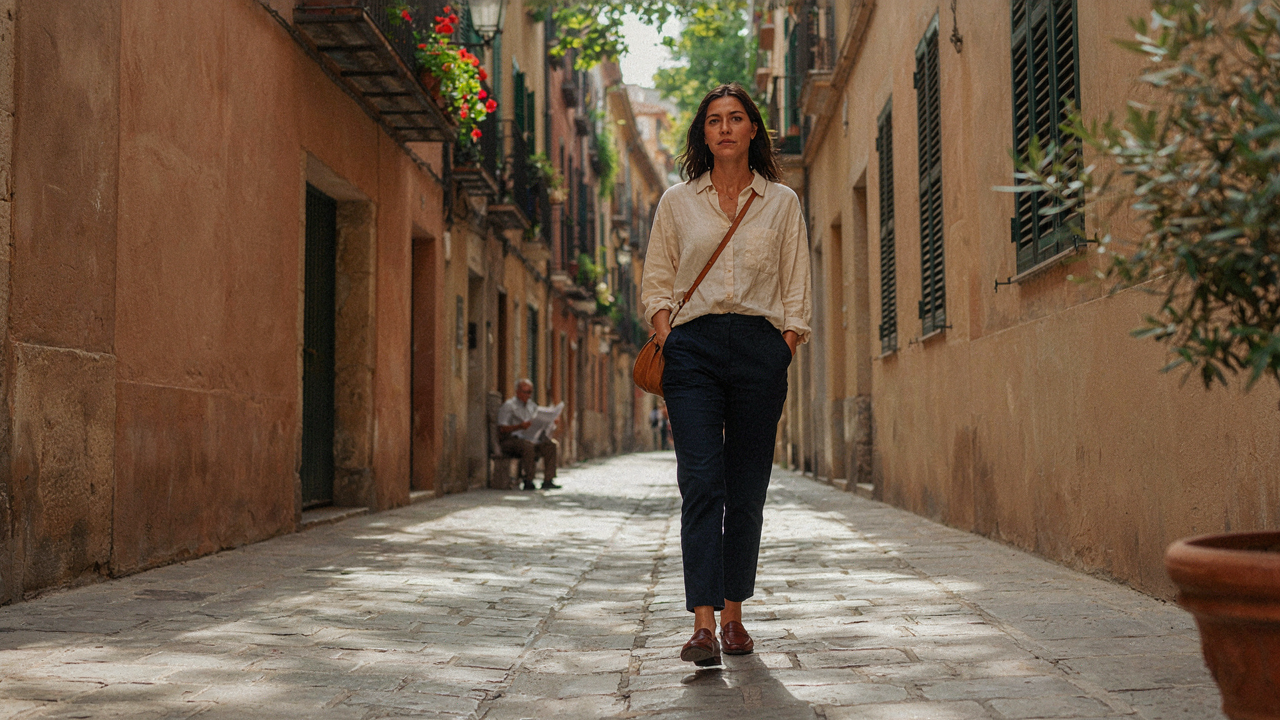
The real limitation isn’t your clothes—it’s your refusal to stop dressing for daytime once dinner starts. Most advice tells you to “add layers or jewelry,” which is vague and misses the actual pattern. Spanish dressing works because silhouettes don’t change between 2 PM and 10 PM; only context shifts. A cream linen shirt works for a market visit at dawn and a late dinner at 10 because the cut was never casual to begin with. Neutral colors amplify this effect: beige, white, cream, and soft grays read as intentional at any hour, not underdressed.
The mechanism is opacity and fit. Lightweight fabrics show body silhouette clearly, so the fit has to be precise enough that you look groomed, not sloppy. A well-fitted cream linen shirt with a slight taper reads elegant whether you’re standing in sunlight or restaurant lighting. Pair this with fitted trousers in a neutral tone and you’ve eliminated the need to change. One outfit, worn differently by context alone—that’s the algorithm. You move from day to dinner without a wardrobe intervention, only a change of venue and timing.
Beyond Basic: Spain Vacation Outfits September
Layering As Economic Arbitrage
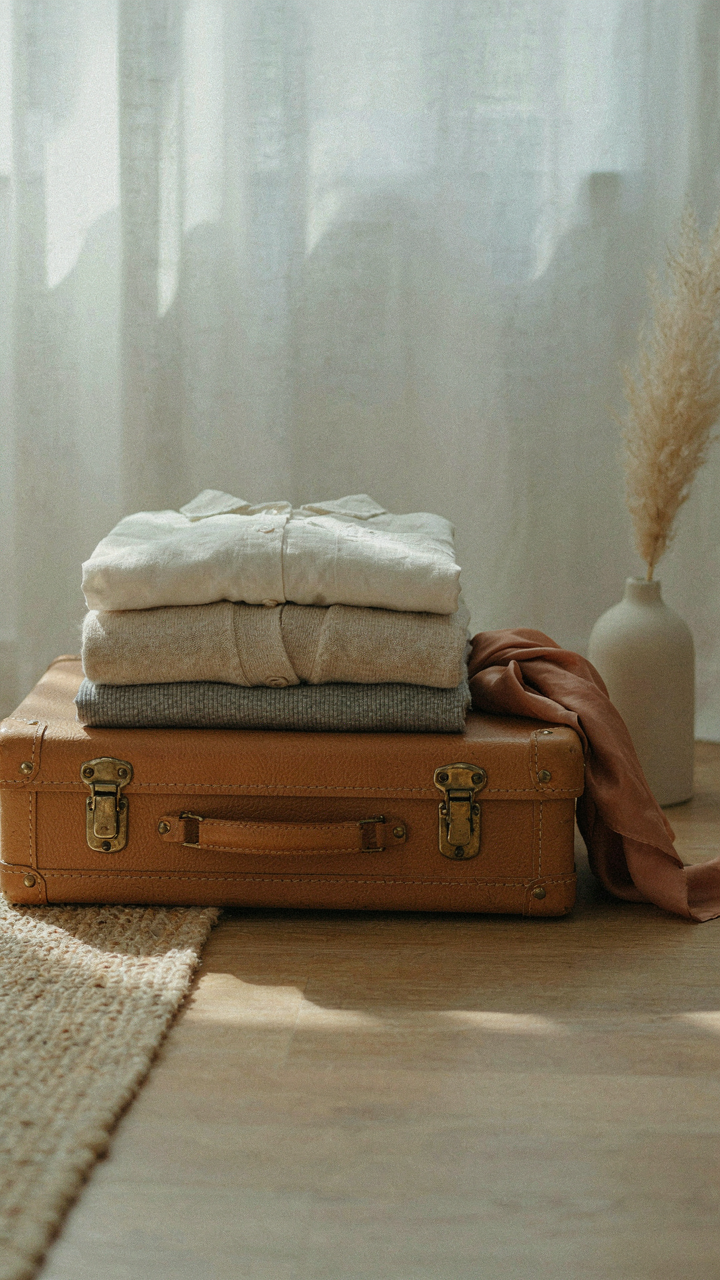
You’re afraid of looking wrong. That fear makes you buy too much. Economics calls this the sunk cost fallacy, and your Spain wardrobe suffers from it. Layering isn’t about being cute—it’s about maximizing utility per garment. A linen shirt worn alone in September heat covers one scenario. That same shirt layered under a lightweight cardigan covers morning coolness, afternoon sun protection, and evening restaurant air conditioning. You’ve tripled the functional range of a single piece without adding weight to your luggage. This is how constraint breeds efficiency.

The mechanism is simple: each garment must earn its place through multiple contexts. A neutral tank top becomes a base layer that works under open shirts, under cardigans, or visible on its own. A lightweight scarf functions as shoulder coverage, hair control, and evening accessory depending on how you position it. Spanish travel demands this kind of dimensional thinking because September weather doesn’t stay consistent—it shifts hour to hour, location to location. When you stop thinking of clothes as outfits and start thinking of them as components that recombine, you eliminate redundancy and reduce decision fatigue.
The Distinction That Actually Matters
Everyone says buy quality basics. That’s incomplete advice dressed up as wisdom. The real distinction isn’t quality versus cheap—it’s wear-frequency versus wear-frequency. Investment pieces are items you’ll reach for on 60 percent of your days. A perfectly fitted neutral linen blazer that works over dresses, paired with jeans, or worn alone hits this threshold. A novelty print shirt you love but have one outfit for doesn’t. Spanish minimalism tradition teaches this ruthlessly—Spaniards repeat outfits without shame because they’ve eliminated the guilt of ownership.
Disposable fashion for a Spain trip means the printed linen shirt you’ll wear twice and never again, the statement sandals that only work with one dress. These items take luggage real estate without proportional return. The investment test is brutal: divide the cost by expected wears. A forty-dollar neutral slip dress worn ten times costs four dollars per wear. An eighty-dollar printed piece worn twice costs forty dollars per wear. For September in Spain, pack only pieces that pass that math. Your suitcase and your bank account both benefit when you stop confusing desire with utility.
The Spain Outfit Matrix: Aesthetics Of Purpose
Color Palettes That Anchor Your Presence
You want people to assume you belong there, and you think clothes are neutral. They’re not. Spanish style works because it uses constraint as a filter, not as limitation. Think of color theory in graphic design: reducing your palette increases signal strength. When you wear five colors, none of them registers. When you wear two or three, every choice becomes intentional.

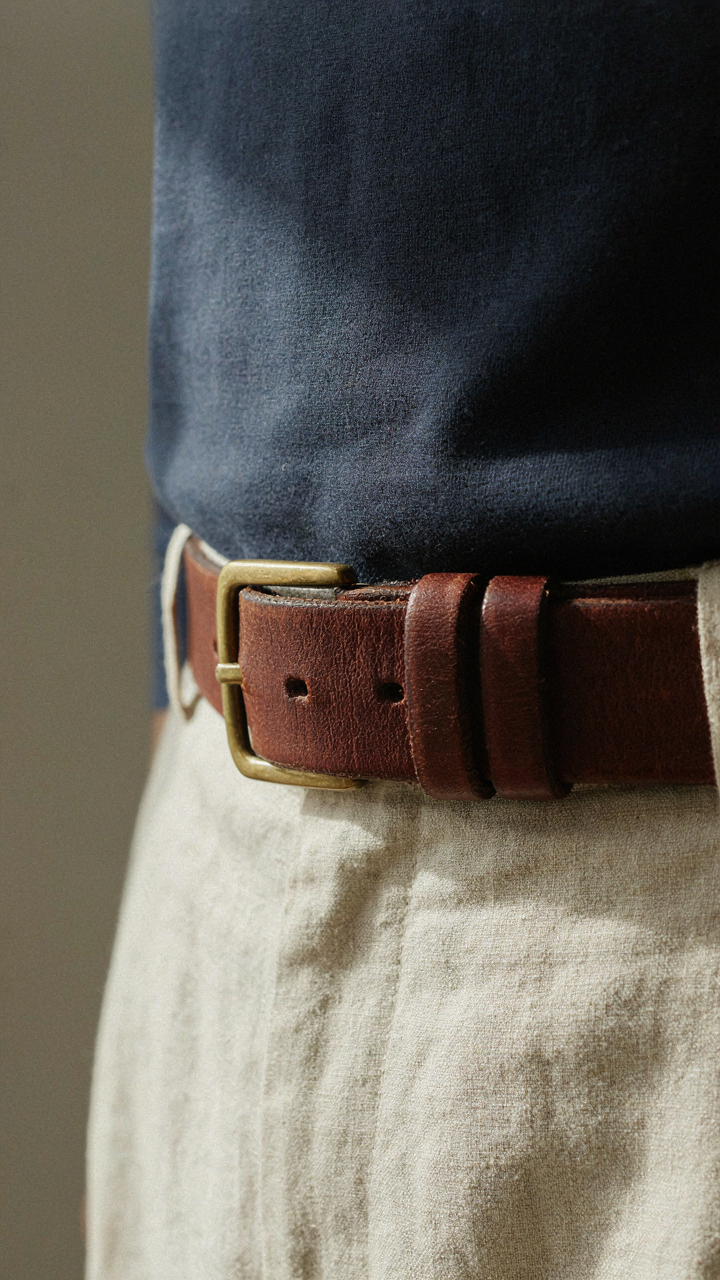
The Spanish approach abandons the American instinct to “pop” or “add interest.” Neutrals dominate: cream, navy, charcoal, black, olive. Accents come from earth tones—rust, ochre, dusty rose—not from fighting contrast. This isn’t about being boring. It’s about making every garment reinforce the others instead of competing. Wear a cream linen shirt, navy trousers, rust leather belt. The eye stays on fabric quality and fit, not on internal conflict.
Accessories As Strategic Leverage
Accessories aren’t decoration. They’re the mechanism by which you signal intent without saying a word. Most people get this backwards: they treat a belt or scarf as optional filler. Spanish style treats them as structural. A quality leather belt doesn’t complete an outfit. It makes the outfit function as a unit.
The real move is proportion pairing. A silk square scarf worn folded at the neck works because it interrupts a clean line and creates visual weight. A leather crossbody bag works because it breaks the vertical plane and gives your hands purpose. A pair of quality metal-frame sunglasses works because it changes how light hits your face. These aren’t afterthoughts—they’re the load-bearing elements that transform basics into intention.
The Unseen Elements Of A Travel Capsule
Shoes That Work In Plazas And Cobblestone
You want shoes that look intentional so people don’t categorize you as a tourist, but you’re afraid blisters will wreck your trip. The real mechanism is this: Spanish cities use physics against comfort. Cobblestone streets demand sole rigidity to absorb impact without your foot rolling inward. That’s why flat ballet flats fail after two hours, and why most travel advice about “comfortable walking shoes” misses the actual constraint.

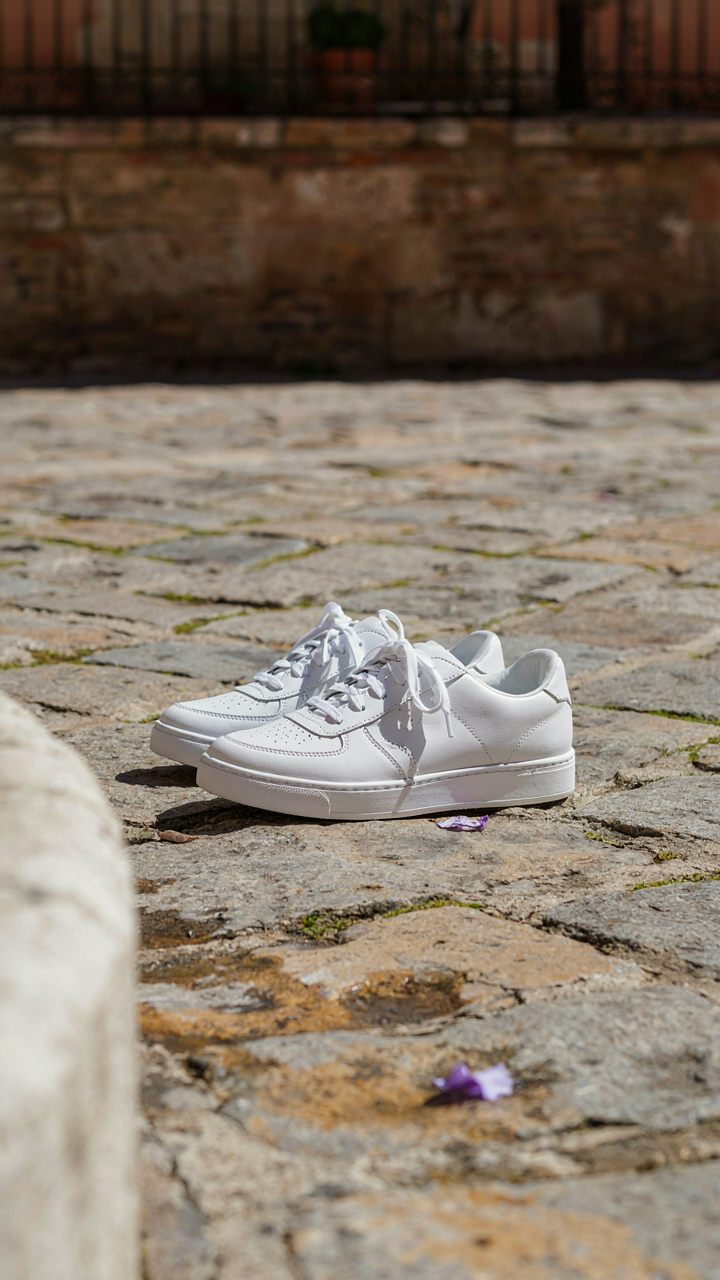
White leather sneakers work because Spain’s design culture accepts them as a legitimate street uniform, not tourist gear. They provide arch support, lateral stability on uneven surfaces, and they pair with everything from linen trousers to casual dresses. A second option: structured leather sandals with an ankle strap and molded footbed. These handle heat, provide support that flip-flops cannot, and look intentional rather than hurried. Choose one, not both. Rotating shoes causes blisters worse than wearing the same pair twice.
The Undergarments Nobody Discusses
Most travel packing lists skip this entirely, which is why people suffer through the trip. Undergarments determine whether you can rewear clothes without washing them, which directly controls your luggage size and laundry frequency. In textile engineering terms, the base layer is your “wick rate” mechanism. Performance fabrics pull moisture from skin faster than cotton, keeping you dry through heat and late dinners where you transition from outside to air-conditioned restaurants.
Pack two merino wool or synthetic blend bras or briefs, not cotton. They regulate temperature, suppress odor, and dry overnight. One light slip or undershirt in a performance blend lets you rewear dresses and shirts longer. This single decision cuts your total clothing volume by 20 percent and eliminates the anxiety of finding laundromats in unfamiliar neighborhoods. Choose moisture-wicking materials, and you stop planning your week around wash cycles.
Seasonal Adaptations: Spain September Outfits
When Layers Stop Being Optional
You’re worried about looking like a tourist who didn’t check the weather. Here’s what actually happens: September in Spain operates on a mechanism borrowed from thermodynamics—thermal mass. The city stores heat from summer but releases it fast after sunset. You need pieces that respond to this delta, not pieces that look “transitional.”

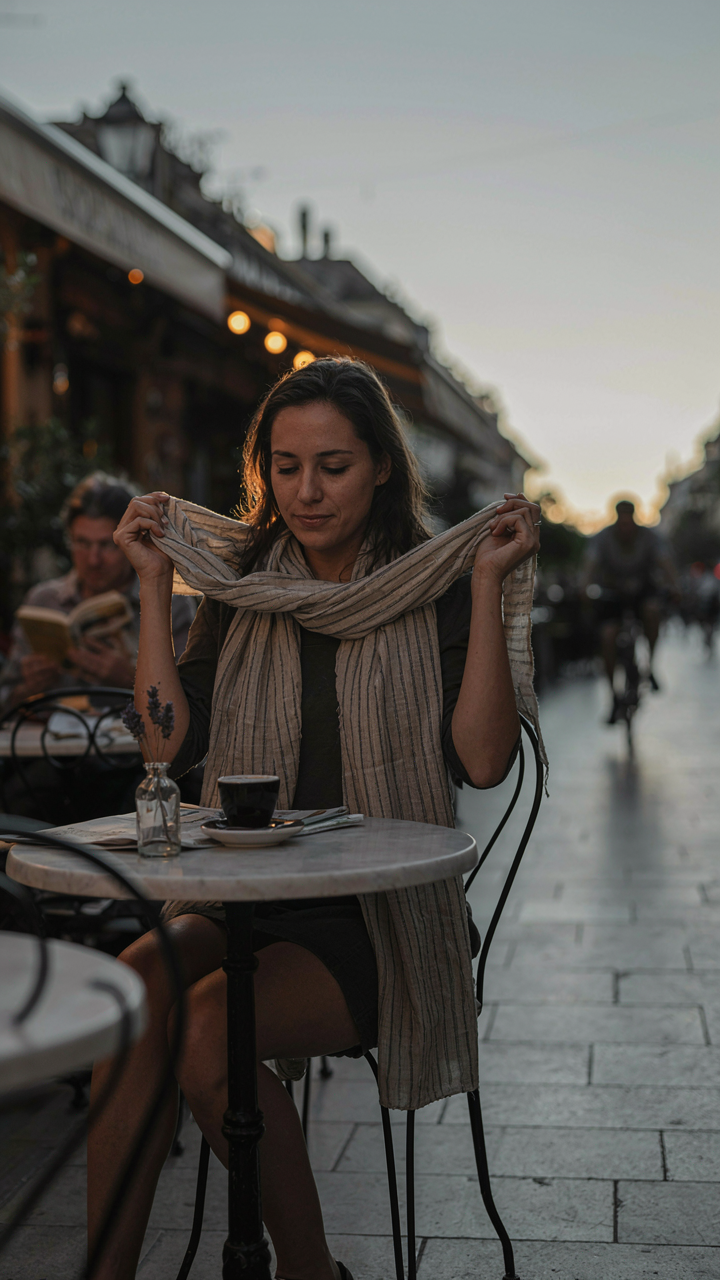
A linen blazer isn’t decoration. It’s a tool that traps air without weight, solves the 28°C afternoon and the 18°C dinner problem in one piece. Cotton scarves work the same way—they’re not styling props. Spanish women don’t drape them for photos. They tie them around the waist, loop them, or throw them over shoulders when the wind shifts. The scarf is insurance against the mechanism that kills most visitor outfits: the assumption that warm days mean warm evenings.
Footwear That Tracks The Temperature Shift
Expect September to punish rigid shoe choices. Canvas sneakers dominate mornings and early afternoons, but they look wrong at 9 PM when you’re dining. The real move is owning pieces that don’t scream “I only own one outfit.” Flat leather sandals—not flip-flops, actual sandals with ankle straps—handle the heat while maintaining formality. Swap them for ballet flats or loafers once the sun drops.
Leather matters here because it breathes unlike synthetics and holds its shape through temperature swings. Spanish streets are stone and cobblestone, not smooth pavement. Your shoes take abuse. Opt for worn-in leather that shows patina rather than pristine new pieces. Worn leather photographs better and performs better on irregular surfaces. Rotate between two pairs daily so moisture evaporates and leather rests between wears.
The Late Dinner Protocol: Spain In October Outfits
Elevated Casual: The Real Dress Code
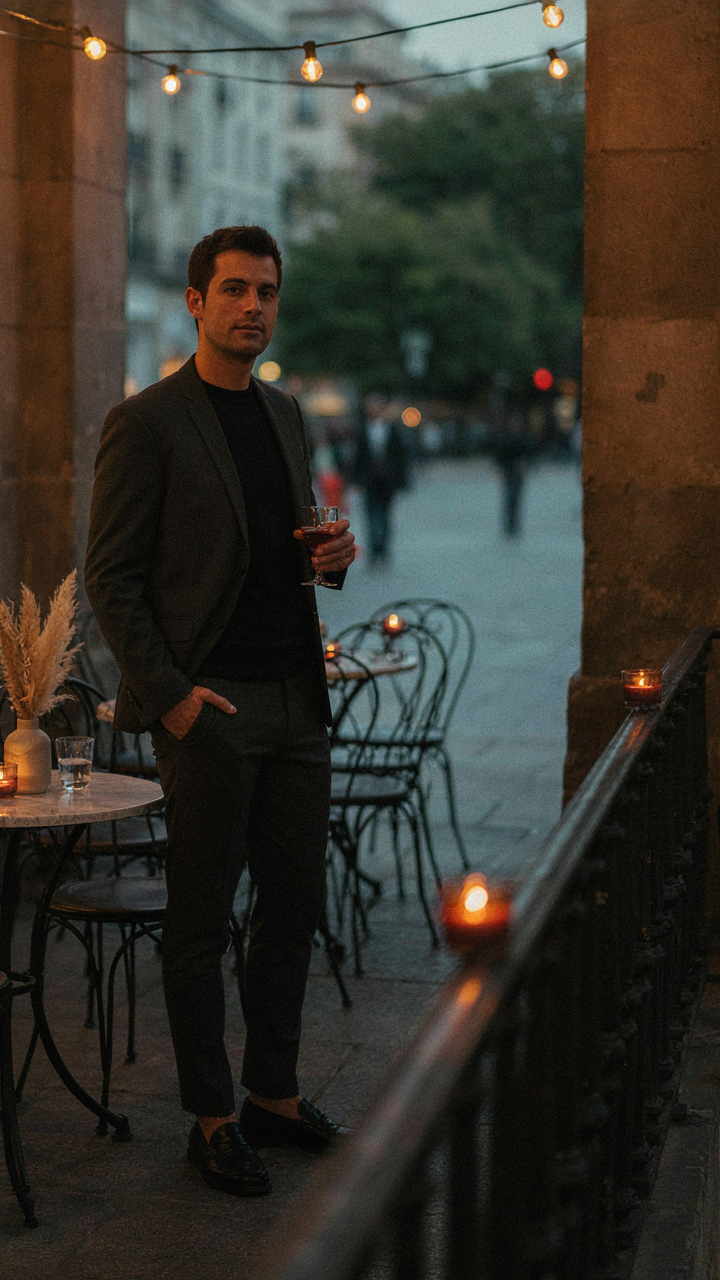
You’re worried about looking out of place. That fear drives most wardrobe decisions, and it’s why people overthink Spanish dining culture. The mechanism is simple: Spain operates on context stacking, not rigid rules. A 9 PM dinner in Madrid isn’t formal by Anglo standards, but it demands intentionality. You can’t wear what you wore to lunch. The shift signals respect for the occasion. Dark jeans work. A blazer works. Sneakers don’t. The code isn’t about rules—it’s about reading the room and signaling you understood the assignment.

October in Spain still carries summer warmth into evening, which eliminates the need for heavy layering. Wear fitted basics in neutral tones: charcoal, navy, cream, black. Add a structured shirt or lightweight sweater. Avoid logos and graphic prints. Spanish diners notice understatement more than flash. A linen or cotton blend shirt over a simple tee creates dimensionality without bulk. The goal is polish through simplicity. When you arrive at dinner looking deliberate rather than casual, you’ve already won the social contract.
Layering Without Weight: The Right Outerwear
Thermal dynamics apply here: you need to trap warmth without insulation density. A lightweight blazer is your anchor piece because it works across temperature swings. October evenings cool fast once the sun sets, but Spanish restaurants often open to streets or terraces. The blazer handles this. Choose unstructured cuts in cotton or linen blends that compress easily. Avoid wool—it’s overkill for October and reads as overthinking. A thin merino layer underneath extends your range. Carry a scarf or lightweight cardigan. Spanish culture accepts these pieces as practical and stylish simultaneously, not as safety blankets.
The second layer should be packable and reversible in function. A fine-gauge merino sweater or a soft cotton blend works. It lives in your bag until 8:45 PM when the temperature drops. Avoid chunky knits; they destroy silhouette and signal you didn’t plan for the climate. A linen shirt with sleeves rolled sits underneath everything as your base. This stack—linen, optional thin layer, blazer—gives you control without appearing bundled. When you step outside at 11 PM after dinner, you adjust, not freeze.
Mastering The Spain Capsule Wardrobe
Eliminate Everything That Doesn’t Earn Its Space
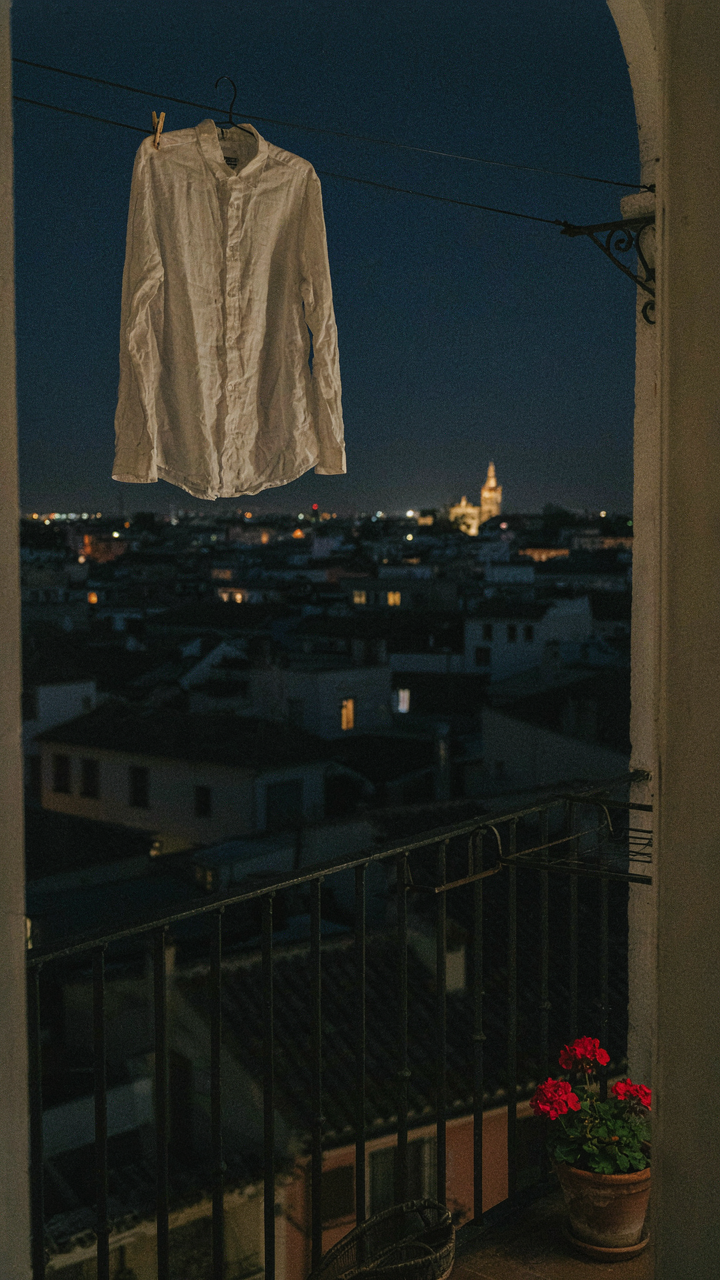
You want permission to pack less because you’re afraid of looking unprepared. Here’s the mechanism: every item in your bag competes for utility. Spanish dressing works because locals treat clothes like tools, not identity statements. A white linen shirt serves four functions across ten days. A neutral linen pant does the same. Remove anything that only works in one scenario or requires specific conditions to justify its presence. This isn’t minimalism for Instagram. This is brutal math.

Start by naming the actual activities you’ll do: dinners, walking, heat management, layering for air conditioning. Now reverse engineer. What single piece solves multiple problems across these activities? Linen absorbs sweat and dries fast. Neutral colors pair with everything. A structured bag works day and night without switching. Cut the rest before you pack it.
The Anchor, The Multiplier, And The Escape Hatch
Economics calls this the substitution effect. In Spain capsule wardrobing, one neutral base item becomes the substitution point everything else rotates around. Your anchor is one quality pair of neutral trousers or linen pants in stone, cream, or olive. Everything else multiplies from this single decision. You build outfits by changing the top layer while the bottom stays constant. The escape hatch is one structured cardigan or overshirt that transforms the entire look without adding bulk.
Most advice says pack five bottoms. Wrong. You need one anchor bottom, two tops that work with it, and one layering piece that bridges day and evening. Wear the anchor for three days straight. Wash it in a hotel sink. It dries overnight. The multiplier effect only works when you accept that repetition isn’t failure, it’s efficiency. This specific structure is what makes seven days work with a carry-on.
The Psychology Of The Curated Travel Capsule Wardrobe
Less Baggage, More Presence
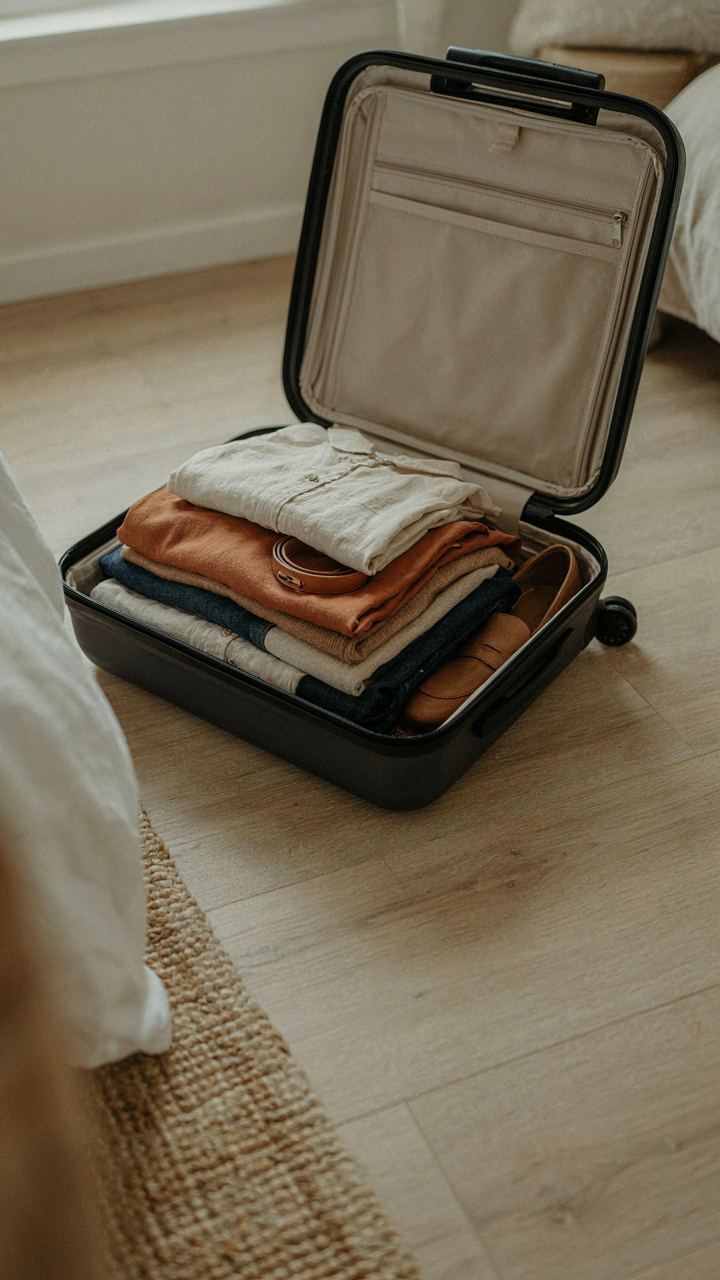
You want permission to travel light without feeling underdressed. Here’s the mechanism: constraint forces decision-making upstream, not downstream. When you own seven shirts instead of thirty, you stop at the airport with intention already built in. You’ve already won the mental battle before you board.

A Spain capsule wardrobe eliminates the paralysis tax. You spend zero energy each morning deciding what to wear because the decision happened weeks before. This frees cognitive load for what actually matters: navigating a new city, having real conversations, noticing details. The reduced baggage is the side effect. The real win is mental clarity.
Elegance Without The Tax
Spanish style works because it respects function over trend. This isn’t about looking expensive. It’s about looking composed. When every piece serves multiple contexts, you move through dinners and daytime streets with the same outfit, just styled differently. No outfit anxiety. No changing clothes three times because nothing feels right.
Elegance through constraint is a design principle, not a luxury problem. Build your capsule so each piece pairs with at least three others. Test combinations at home before packing. The protocol is simple: lay everything out, photograph each valid combination, commit to only packing what appears in those photos. You land in Spain knowing exactly what works, already confident in what you brought.
Your Real Obstacle: Fear Of Standing Out. Embrace The Curated, Discard The Generic
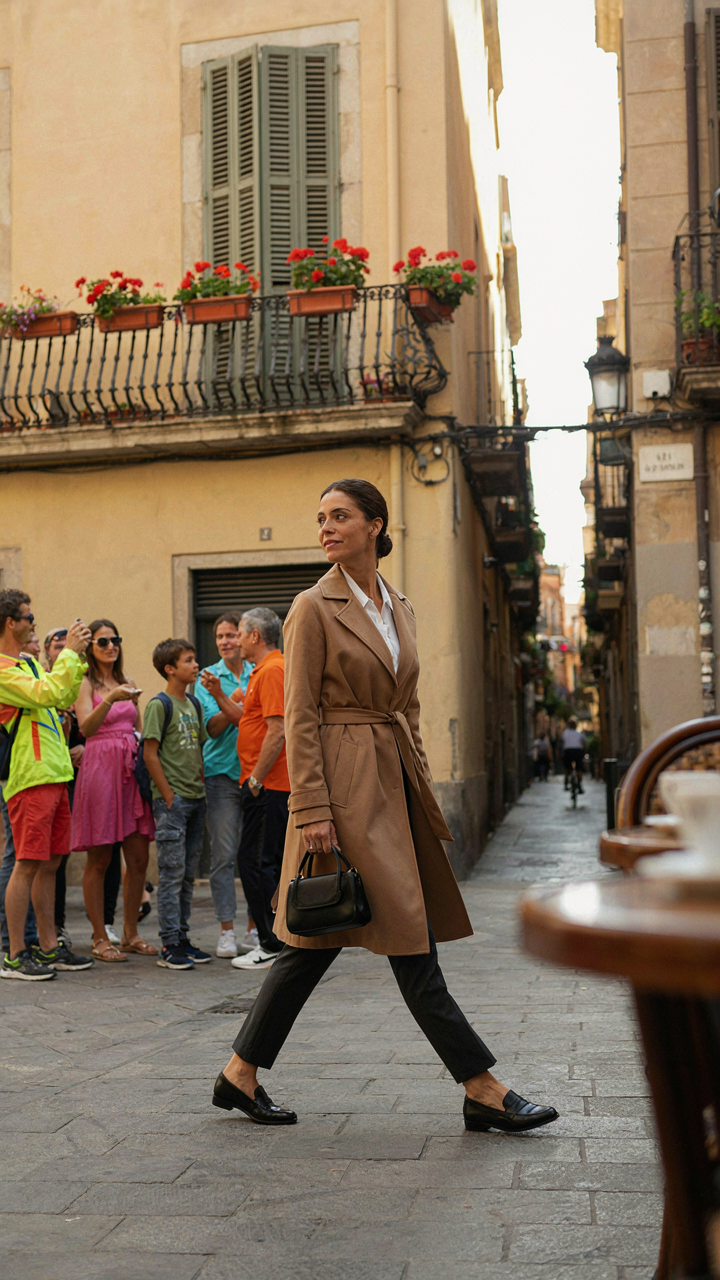
You won’t build a Spain capsule wardrobe because you’re afraid of looking intentional. You’d rather blend in with ten thousand people wearing the same mall basics than risk someone noticing you actually thought about what you wear. The Spanish don’t apologize for their choices. They edit ruthlessly and repeat relentlessly. That’s the shift. Stop collecting outfits. Start collecting pieces that work together. Open your closet today and remove one thing you’d never wear to dinner in Barcelona. That feeling of discomfort? That’s where your real style lives.