

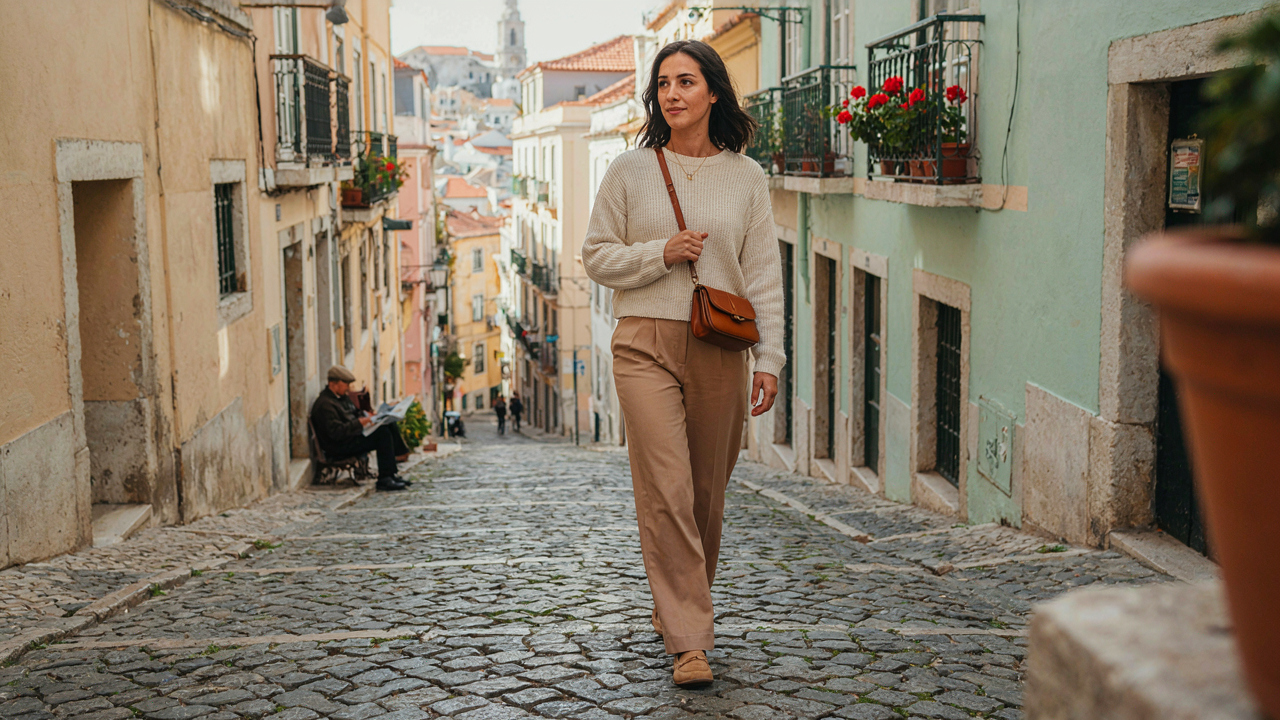
The Lisbon Gradient: Why Your “Coastal” Clothes Fail Hilly Streets
Where Terrain Demands Override Climate
You want clothes that work everywhere so you don’t look like you planned this trip. That’s the real reason this matters. But terrain is load-bearing in wardrobe design the way foundation is load-bearing in architecture. Lisbon’s coastal walks flatten you, then its medieval streets pitch you upward at angles that expose every design flaw in what you wore. The clothes don’t fail because of weather. They fail because they weren’t built for gravity and friction working against your body for hours.
Coastal terrain moves you horizontally. Hilly urban terrain moves you vertically, and it taxes fabric, seams, and fit in ways flat ground never will. A loose linen shirt works fine on a promenade. The same shirt becomes a liability on a 15-degree incline where it catches on your bag, bunches at the shoulders, and slides off when you’re using your arms to balance. Cotton t-shirts get damp from exertion faster than you notice. Loose fits catch wind on exposed hilltop streets. The mechanism isn’t mysterious: different gradients require different fabric behavior and silhouette tightness.
Footwear As The Real Foundation
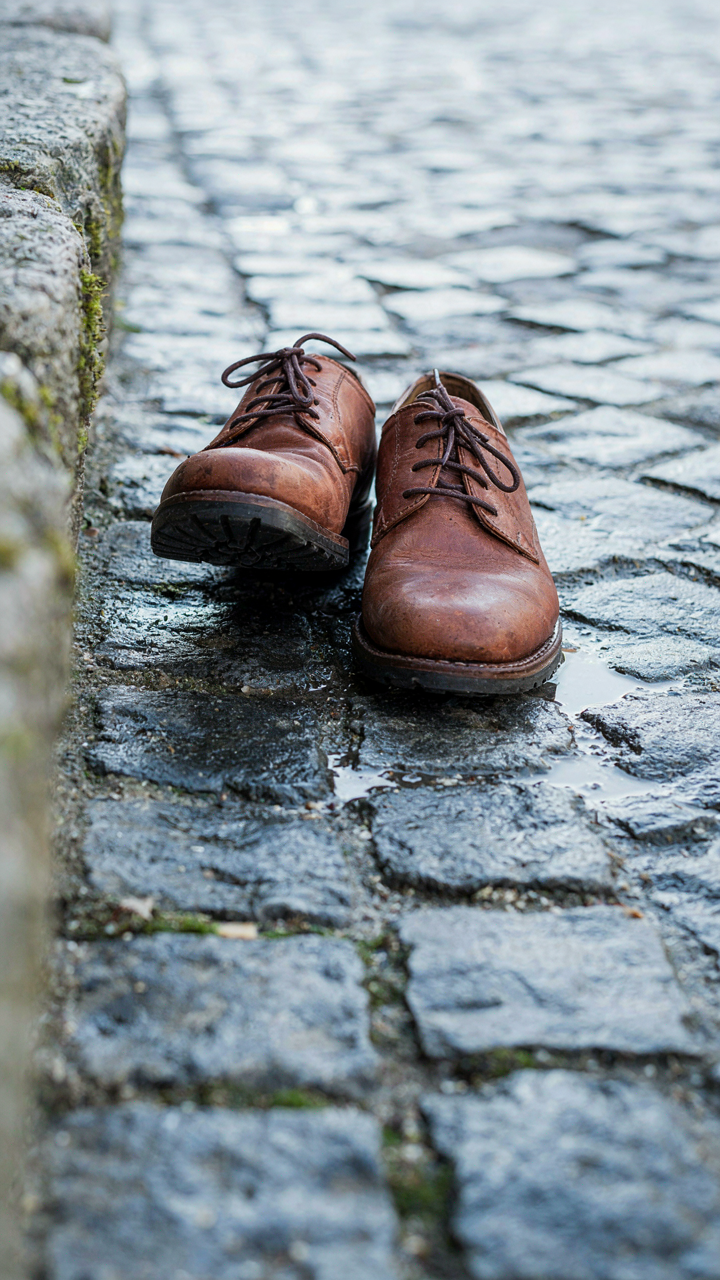
Your shoes determine whether a Portugal capsule wardrobe functions or creates blisters. Cobblestones aren’t smooth. They’re rounded, uneven stones laid in patterns that shift weight unpredictably across your foot. Add a 10-degree incline and you’re fighting ankle roll with every step. Beach flip-flops and minimalist sandals work fine on flat promenades. They collapse on inclines because they offer no lateral support and force your toes to grip constantly. Canvas sneakers wear out in three days on rough streets because the sole isn’t dense enough to absorb impact on stone.
You need sole density and ankle structure, not cushioning. Leather shoes with structured insoles handle cobblestones because the leather resists twisting and the insole distributes pressure evenly. Rubber or crepe soles grip wet stone better than foam. This is why Portuguese locals wear specific styles: they’re not fashion statements, they’re solutions to terrain that punishes poor footwear. Pick shoes with firm insoles, ankle support designed into the silhouette, and soles rated for stone. Test them on actual cobblestones for ten minutes before committing to full days.
Beyond Boho: The “Portugal Capsule Wardrobe” As Adaptive System

Your Clothes Are Problem Solving, Not Identity
You want a portugal capsule wardrobe because you’re tired of standing in front of a closet full of useless pieces. Evolutionary biology calls this “niche specificity”—organisms survive by matching their form to their environment’s demands, not by collecting random traits. Your wardrobe functions the same way. Coastal Portuguese terrain—salt air, uneven stone streets, variable sun exposure, temperature swings between seasons—creates specific physical stressors. Your clothing must solve these constraints or it’s dead weight you’ll leave behind in a hotel room.

The mistake most people make is treating a capsule wardrobe like a minimalist aesthetic choice. It’s not. It’s an engineering problem. Portugal’s climate and geography reward functional overlap. A linen shirt works in heat but also layers under a lightweight jacket when the Atlantic wind cuts through. Merino wool handles sweat and temperature regulation without requiring daily washing. These materials aren’t chosen for their Instagram potential. They’re chosen because they reduce the total number of items you need while increasing the number of viable outfit combinations you can actually wear in the terrain you’ll walk.
Friction Reduction Through Repetition
The generic capsule advice tells you to “choose neutral colors and mix and match.” That’s incomplete. The real mechanism is decision fatigue elimination. Every morning in a new environment, your brain burns cognitive energy on basic choices. What do I wear today? Will this work for walking? Will it work if weather changes? A portugal capsule wardrobe removes these questions entirely by making almost every piece functionally interchangeable with almost every other piece.
Repetition in a confined set of items creates a feedback loop. You learn instantly what works. A cream linen shirt paired with navy shorts on day one teaches you the exact microclimate you’re in. By day three, you stop deliberating. Your body remembers the texture, weight, and breathability of each piece. You know the merino base layer won’t itch under the linen shirt. You know the flat canvas sneakers handle cobblestone better than the ankle boots, even though both fit in your bag. This isn’t minimalism for its own sake. It’s operational efficiency. When you stop making decisions about clothing, you free mental capacity for actually experiencing the place you traveled to.
The “September October Protocol”: Weather Swings And Strategic Layers
When September Heat Still Wins
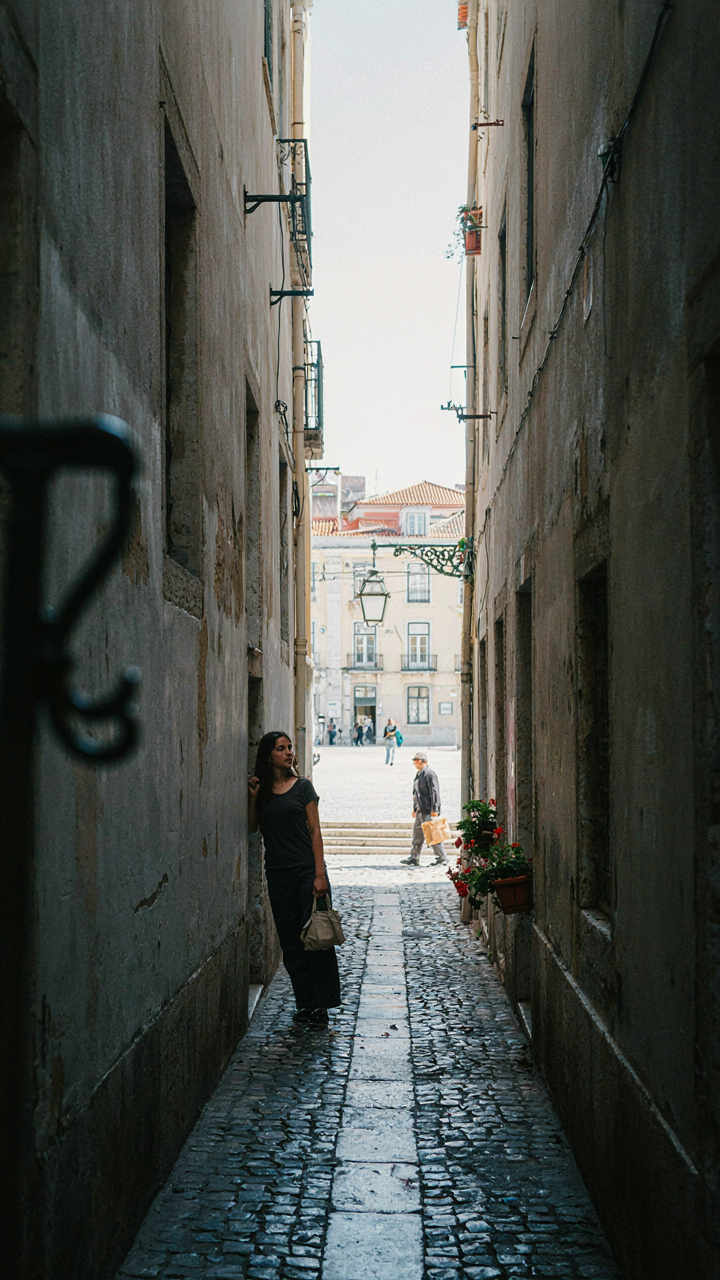
You want permission to pack less because you’re afraid a larger bag signals you don’t know what you’re doing. Here’s the mechanism: Portugal’s September swings 5 to 8 degrees Celsius between noon and evening, but the real problem isn’t the range—it’s that humidity masks temperature. Your body misjudges how warm it actually is at midday. You feel hotter than the thermometer says, then you’re cold by 7 PM without realizing the shift happened gradually while you were walking uphill in the Alfama.

The common advice to “just bring a light jacket” fails because it ignores Lisbon’s thermal architecture. Narrow medieval streets stay cool and damp until 11 AM. Open plazas bake. A single midweight layer over a breathable base shirt handles this without bulk. In September, cotton-linen blends outperform pure linen because the weave traps less moisture as humidity peaks mid-month. Pack one structured overshirt in neutral tone—untucked it reads casual, buttoned over a tee it layers for evening. By late September, evening temperatures drop enough to make this non-negotiable.
October’s Daily Temperature Spread
October flattens the humidity but expands the day-night gap—you face a 10-degree or larger swing between afternoon highs and evening lows. This is thermal stratification applied to clothing: you need pieces that work independently or together. Most travelers treat layering as an afterthought. Smart capsule builders treat it as the core mechanism. A heavyweight knit (merino or cotton blend, 12-14 ounces) becomes your temperature governor in October, replacing what lighter layers handled before.
Daytime walking demands breathability because even October sun on coastal paths generates sweat. By 6 PM, that same path chills fast because Atlantic air moves inland unobstructed. Your base layer stays constant. Your midweight overshirt or structured cardigan becomes the toggle. Carry or wear it always in October—not because it looks good, but because you’ll need it within two hours of sunset. This shift from September’s gradual cooling to October’s sharp vertical drop determines whether your wardrobe functions or forces you to buy pieces locally.
The “Outfit Portugal” Delusion: Blending In Vs. Standing Out
Practical Elegance Over Flashy Trends
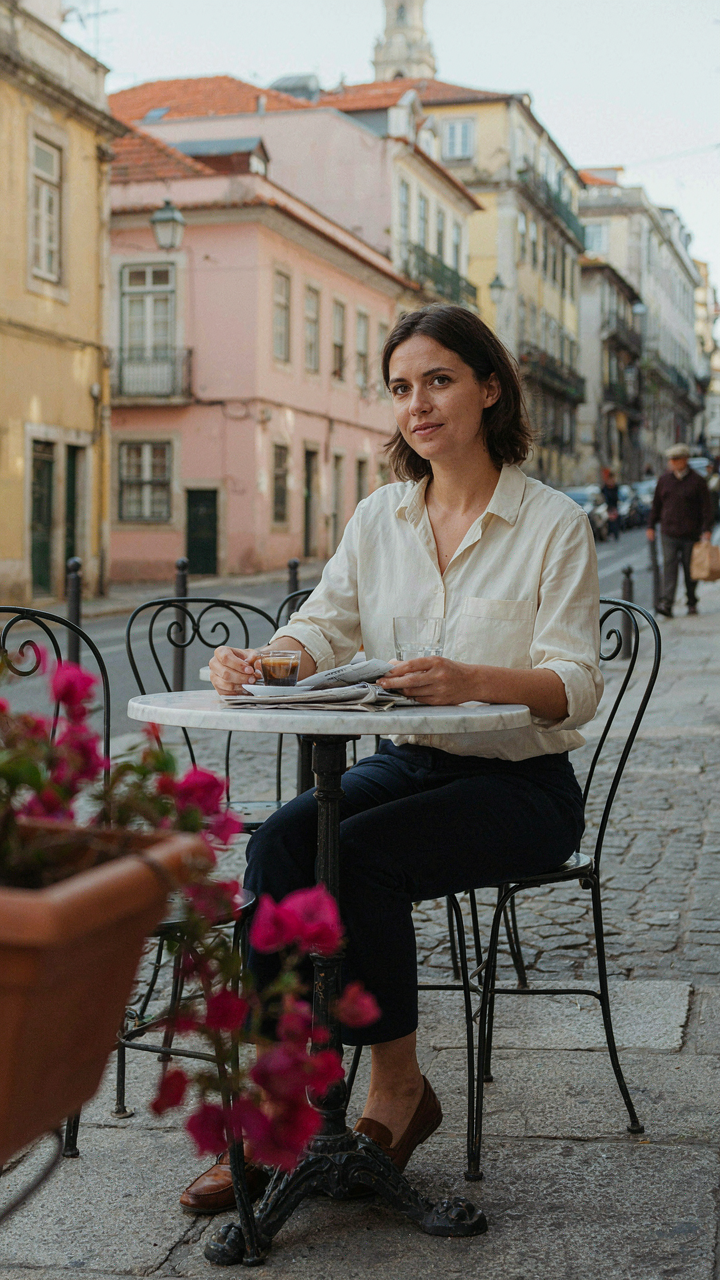
You want to know how to dress so people think you belong there, not because you care about belonging, but because standing out costs energy you’d rather spend elsewhere. This is signal economics: you’re managing information flow to reduce friction. The mechanism is dead simple. Portuguese coastal towns and Lisbon hillside neighborhoods run on a visual language built from decades of economic constraint meeting Mediterranean light. People don’t dress for Instagram. They dress for durability and heat.

The error most travelers make is assuming “blending in” means wearing beige linen and pretending to be European. Wrong. Portuguese style isn’t aspirational. It’s functional with incidental elegance. A Portuguese woman in Porto wears fitted navy trousers not because they’re trendy but because they work across seasons, hide dirt from cobblestone streets, and don’t require ironing in a small apartment. Portuguese men wear structured cotton shirts because cotton breathes in summer humidity and layers under a blazer in shoulder seasons. The uniform exists because it solves problems, not because it’s fashionable.
Cultural Sensitivity In Attire
Dress codes in Portugal aren’t strict, but they signal respect through restraint, not through trying too hard. Lisbon’s neighborhoods like Príncipe Real and Alcântara have evolved into younger, more experimental spaces, but even there, excessive logos, athletic wear outside gyms, and beach clothes in restaurants read as American tourist noise. The cultural signal is: you understand that different spaces demand different energy. Coastal towns expect lighter, cooler pieces. Hillside streets in older neighborhoods expect slightly more formality and footwear that handles stone.
The practical move is matching your clothing intensity to the location’s formality. A linen shirt and dark shorts work at a beachside café in Cascais. The same outfit fails at a Michelin-listed restaurant in Belém. Worn leather sneakers or quality flat sandals matter more than shoe variety because Portuguese people walk everywhere and refuse bad footwear. Build your capsule around pieces that shift context without requiring costume changes.
The “Travel Capsule” As Force Multiplier: Maximizing Versatility
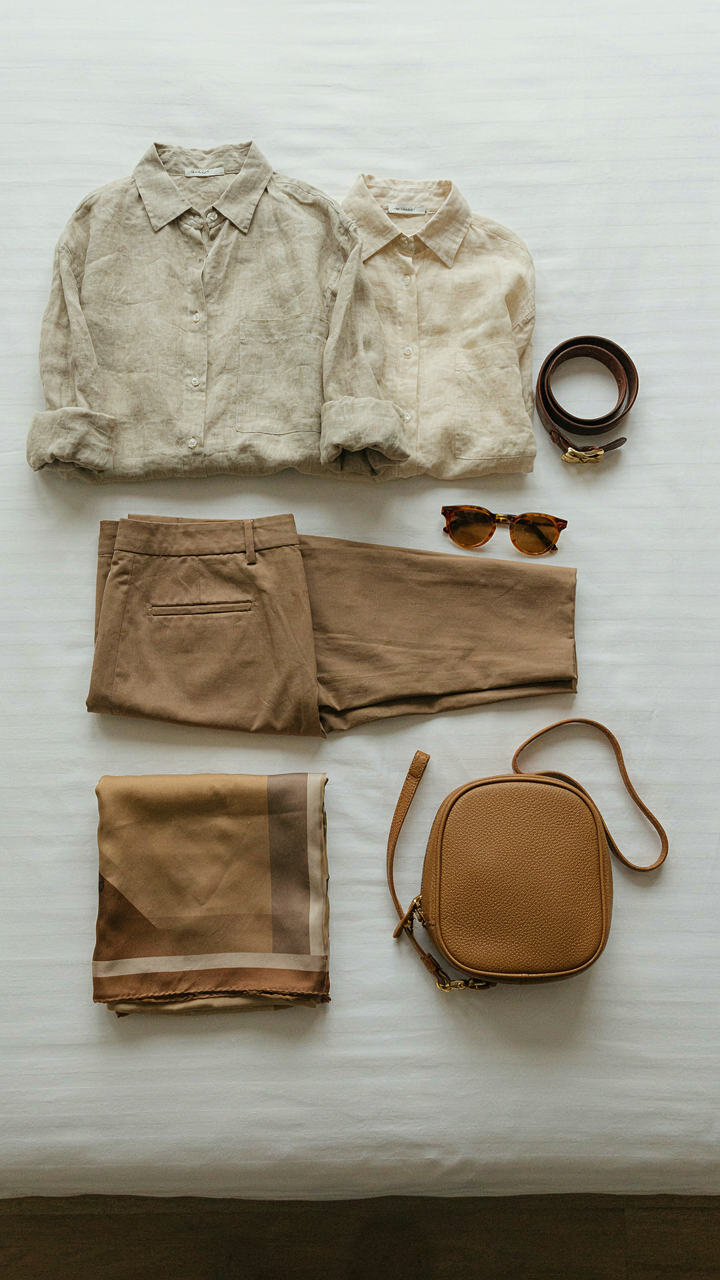
The Foundation: What Actually Works
You want permission to pack less and look intentional doing it. The real mechanism is constraint-based design: fewer items force intentional pairing, which eliminates the visual noise of mismatched textures and colors. Portugal’s climate—mild, coastal, variable—demands pieces that layer without bulk and transition across contexts. You’re not building a wardrobe; you’re building a system where each item earns its weight through multiple outfit combinations.

Start with the pieces that anchor everything: neutral base layers in cotton or linen, versatile tops that work alone or layered, bottoms that bridge casual and presentable. The goal is simple: every item pairs with at least three others in your bag. No orphaned pieces. No “I’ll figure it out when I get there” thinking.
- Lightweight linen shirt: Natural fiber breathes in heat, wrinkles authentically in Portugal’s aesthetic, layers under jackets in cooler evenings without adding volume or weight.
- Well-fitted neutral trousers: Chinos or cotton blend in cream, navy, or grey work for coastal walks and café meals; choose a cut that doesn’t demand ironing after packing.
- Merino wool base layer: Temperature-regulating, odor-resistant across multiple wears, essential for hilly streets where you climb and cool down repeatedly.
- Structured linen-blend shorts: Mid-thigh length in neutral tone, works with the linen shirt and base layers, doubles as functional outdoor wear or casual dinner attire.
- Fitted crewneck tee: Cotton or cotton blend in white or grey, foundational for layering, visible under open shirts, stands alone for casual contexts.
The math is brutal: five core items in neutral tones generate roughly fifteen viable outfit combinations before you add accessories. That’s the real constraint-based multiplication. You’re not packing more; you’re architecting dependable combinations. Every piece must perform across different contexts: morning walk, afternoon exploration, evening social situation. No specialist items.
Accessories As Leverage Points
Accessories don’t just elevate looks; they compress space while multiplying context shifts. This is pure economics: minimal physical footprint, maximum visual impact per ounce carried. A single scarf, watch, or crossbody bag changes the entire energy of an outfit without adding luggage volume. Portugal’s casual-to-refined spectrum—from fishing village to Lisbon restaurant—demands this flexibility.
Strategic accessories work because they signal intention without requiring new clothing. A linen scarf transforms a basic tee into something intentional. A simple leather belt narrows silhouettes and adds refinement. A crossbody bag marks the difference between tourist and resident. The mechanism: you’re not changing clothes; you’re changing context signals. Choose accessories in materials that age visibly—leather, natural fiber, metal—because they anchor the entire system’s credibility. One quality scarf in cream or charcoal, one structured leather belt, one functional bag that reads as intentional rather than practical. These three pieces do the heavy lifting for context shifts.
Beyond Aesthetics: Pack For Portugal With Utility In Mind

Fabrics That Don’t Betray You Under Pressure
You care about this because you don’t want to look rumpled in front of strangers, but that’s surface anxiety masking the real problem: Portugal’s humidity and your limited luggage space create a zero-tolerance system for maintenance. Textile engineering solves this through fiber structure. Synthetic blends and natural fibers with tight molecular density resist water absorption and wrinkle formation at the molecular level, the same principle that makes Gore-Tex functional outerwear work.

Nylon and polyester blends dry in 2-4 hours versus cotton’s 8-12 hour minimum. Merino wool resists wrinkles naturally because its protein structure has built-in elasticity. Linen wrinkles by design and fights back only through pressing, so abandon it entirely unless you’re staying in one location. Pack materials that work against entropy rather than requiring constant intervention. Your clothes should earn their weight by functioning in transit, not by looking pristine after you’ve already compromised them.
Pockets, Zippers, And Where Your Valuables Actually Go
Theft isn’t random in Portugal’s tourist corridors. Pickpockets target specific body positions and garment designs because they’ve identified which pockets people access least and which materials offer the quietest access. The real defense isn’t paranoia but intentional pocket architecture that breaks their operational rhythm.
Cargo pants and jackets with zippered thigh pockets or internal security pockets force thieves to work vertically against your torso instead of horizontally against your sides or back. Phone-specific interior pockets with button closure or magnetic locks prevent the smooth extraction motion that defines the crime. Crossbody bags worn in front create physical barrier and line-of-sight advantage. Money belts worn under clothing remain invisible to observation. The mechanism works because it eliminates the easy target profile. Without it, you’re just another tourist whose attention is divided between navigation and Instagram.
The “What To Wear In Portugal” Trap: Stop Overthinking, Start Doing

Eliminate Everything You Won’t Actually Wear
You want the capsule to feel special because that justifies the decision-making effort you’re about to spend. Here’s what actually happens: you pack seven items instead of five, wear three, and convince yourself the other four were “just in case.” The mechanism is simple. Every piece you own that doesn’t survive the Portugal test becomes cognitive load. You’ll stand in front of your suitcase in Lisbon and reach for the same two shirts anyway, while the rest occupies dead weight and mental space.

The ruthless elimination rule: each item must solve a problem you’ll actually face on coastal walks or hilly streets. Not theoretically face. Actually face. A linen shirt handles heat and salt air. Flat shoes handle cobblestones. That’s it. Strip everything else. If you can’t name the specific condition it addresses, it doesn’t go in the bag. This isn’t minimalism for Instagram. It’s math. Fewer items mean faster decisions, less laundry stress, and actual outfit rotation instead of pretend rotation.
Test Your Outfits Before You Leave
Most advice stops at “plan ahead.” That’s incomplete. Planning on paper is not the same as planning in motion. In biomechanics terms, you’re testing load bearing under actual conditions. Can you walk downhill in those shoes without your toes hitting the front? Does that shirt restrict your arm movement when you climb? Can you sit at a restaurant table without the fabric pulling or gaping? These details don’t reveal themselves until your body moves in the environment.
Set a specific day before your trip. Walk stairs. Sit down. Bend over. Move like you will in Portugal. Tight waistbands announce themselves immediately. Shoes that pinch on level ground will cripple you on cobblestones. A collar that bothers you at home will annoy you for two weeks abroad. If something fails the test, remove it now while you still have replacement options. The protocol is simple: pre-trip movement test, identify failures, swap them out. Do this once, and your actual trip becomes about experience, not wardrobe management.
The “Portugal Outfit” Reframe: Comfort, Confidence, And Capability
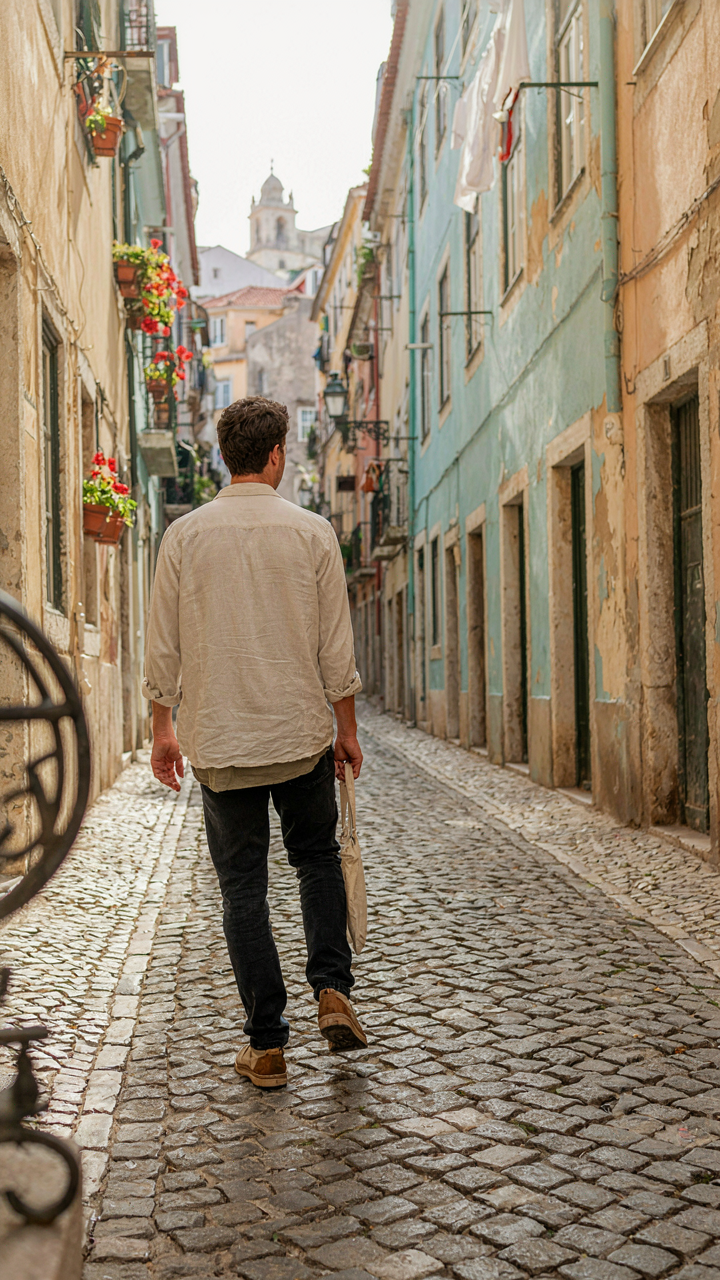
Practicality Beats The Status Game
You’re worried people will judge your repeating outfits. That’s not actually your problem. The mechanism at work here is constraint breeding decision velocity. When you remove the pressure to look “fashionable,” you stop burning mental energy on choices that don’t matter. A Portugal capsule wardrobe forces you to dress for function first, which paradoxically makes you look more put-together because every piece serves a purpose. Comfort doesn’t read as lazy—it reads as intentional.

The Lisbon streets don’t care about trend cycles. Portuguese locals wear what works for their terrain and climate, then repeat it without apology. Neutral linen, sturdy leather, durable cotton—these fabrics age visibly and improve with use. When your wardrobe is built on materials that reward wear, confidence stops being performative. It becomes structural. You own fewer pieces that cost more individually but deliver more days of actual wear. The math is simple: ten excellent items worn two hundred times each beats thirty mediocre items worn twenty times.
Movement Without The Load
Baggage isn’t just physical weight—it’s cognitive overhead. Every extra item in your suitcase or closet demands a decision at some point. A Portugal capsule wardrobe eliminates those decisions before they start. You pack for coastal walks and hilly streets knowing each piece layers correctly, dries quickly if caught in rain, and transitions from day to evening without a closet change. This isn’t minimalism for its own sake. It’s load optimization.
The compact wardrobe frees your attention for what actually matters: navigation, conversation, observation. Portuguese towns demand your full presence—narrow alleyways, uneven cobblestone, sudden sun. You can’t afford mental resources devoted to outfit anxiety. When everything in your rotation works with everything else, you move through Portugal with the efficiency of someone who packed once and forgot about it. That clarity compounds. By day three, your wardrobe disappears from your mind entirely, and you start noticing everything else.
Your Fear Of Packing Wrong Isn’t About Clothes; It’s About Control In An Unpredictable World
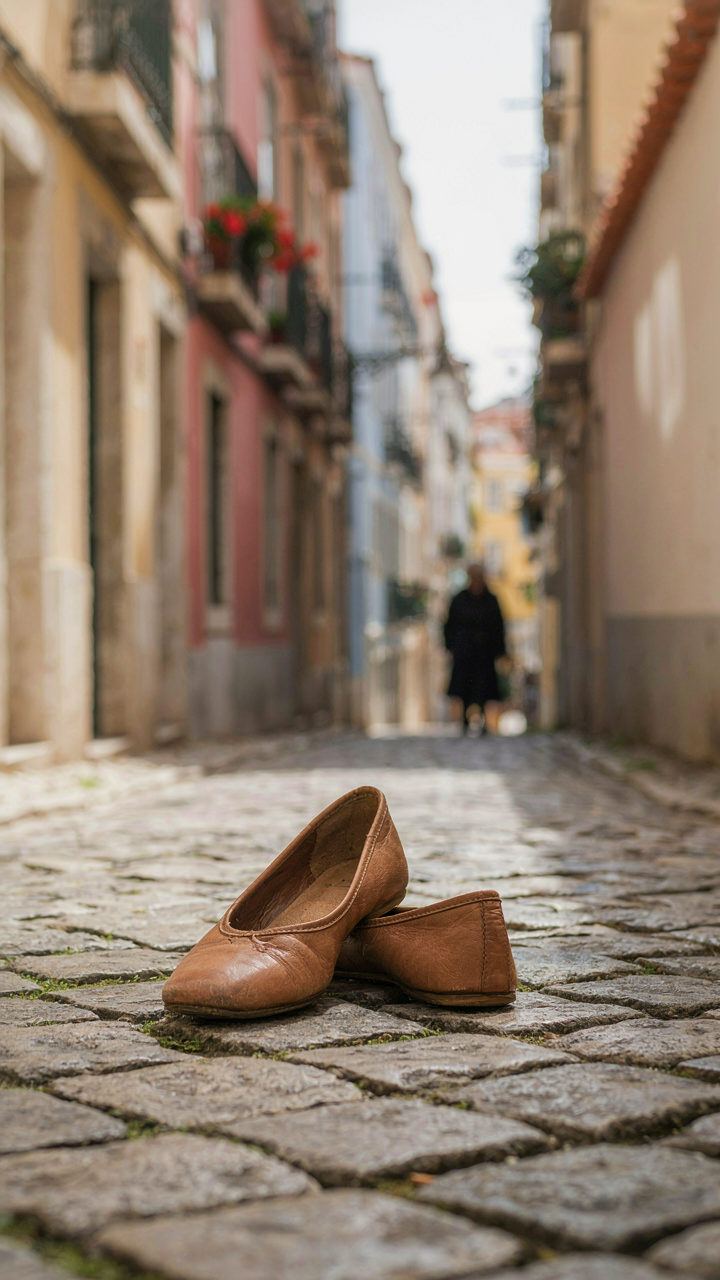
You don’t need a perfect capsule. You need permission to stop pretending perfection exists. Pull five pieces from your closet right now that actually fit your body and make you feel capable. Wear them to Portugal. Watch what happens when you realize the cobblestones don’t care about your outfit choices and neither do the people walking them. Control comes from deciding what matters, not from owning the right things. The wardrobe that works is the one you actually wear.