

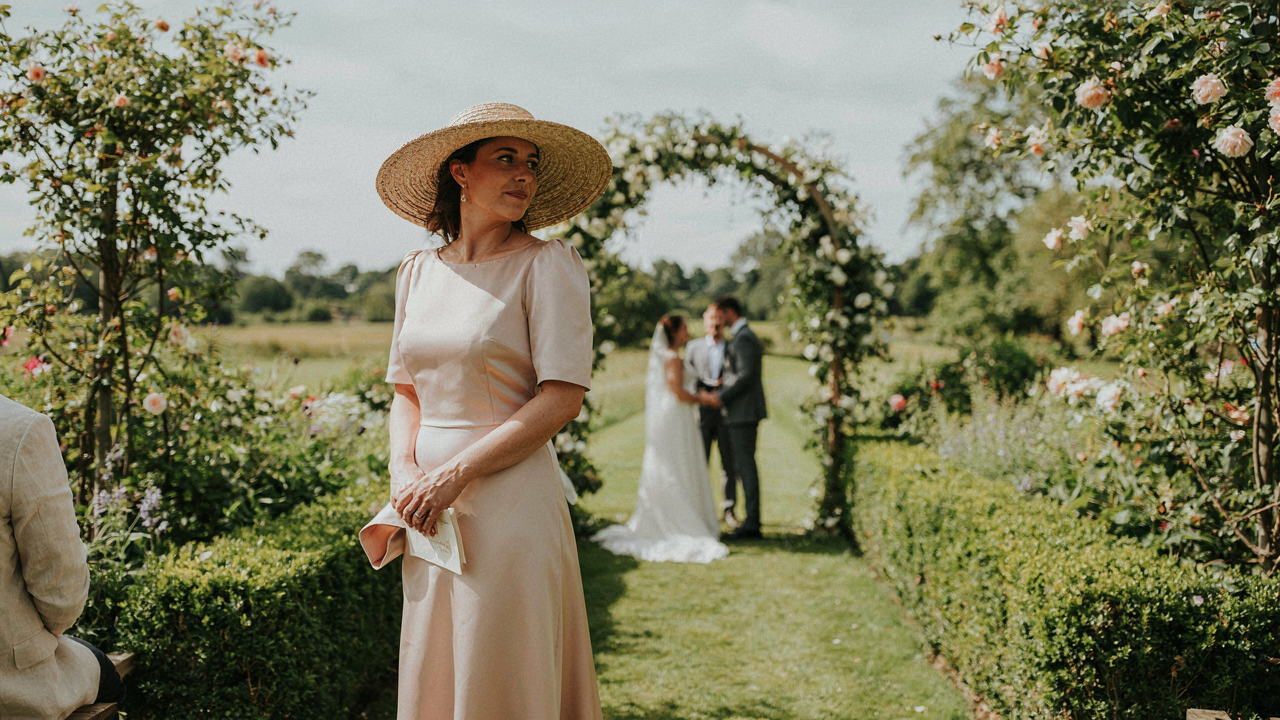
Beyond Etiquette: The Silent Language Of A Wedding Guest Hat
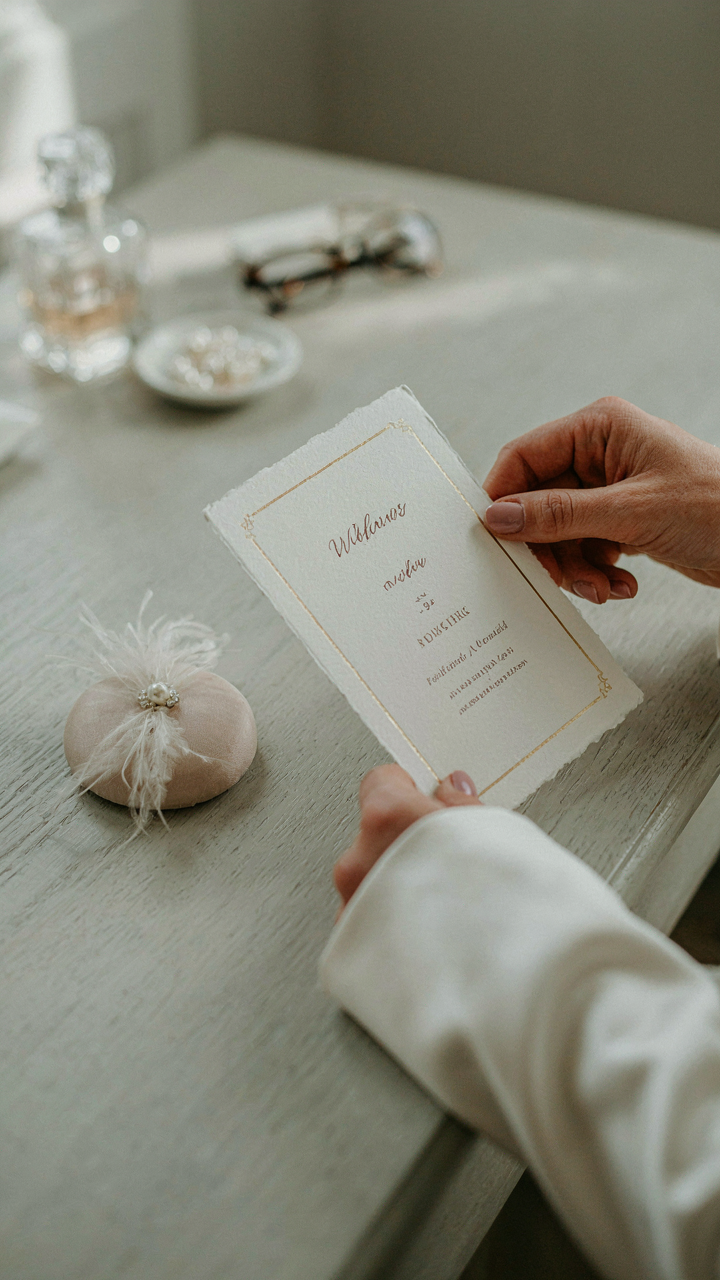
What The Dress Code Is Actually Communicating
You care about this because you’re afraid of miscalibrating—of showing up wrong and signaling that you don’t belong in that room. Here’s the mechanism: a hat operates like semaphore in social hierarchies. It declares whether you understand the venue’s formality level and whether you respect the couple enough to meet it. The hat isn’t decoration. It’s a binary statement: I decoded the rules and I complied, or I didn’t bother.
Daytime weddings create specific pressure because formality markers are harder to read in daylight. A hat solves this by compressing your entire outfit into one visible element. A fascinator says formal. A wide-brimmed hat says elevated casual. No hat says either casual or ignorance. The venue, time, and guest list all broadcast what the couple expects. Your job is to receive that signal and match it. Get this wrong and your outfit whispers something about your social awareness before you speak.
The Outfit Architecture Hat Completes
Think of outfit construction like structural engineering: you need load-bearing elements and they must align. The hat is your keystone—it determines what everything else can be. Wear a fascinator and your dress suddenly needs formality. Wear a linen fedora and your entire outfit softens into approachability.
This isn’t arbitrary. The hat dictates visual weight. A structured fascinators pulls upward and demands attention, forcing your shoes, dress, and accessories to match that intensity. A casual straw or felt hat gives permission for softer fabrics, lower heels, or simpler jewelry. The couple’s wedding invitation isn’t just telling you the time—it’s encoding what hat style fits the event. Decode it first, then build backward. This sequencing prevents the mismatch that makes you look like you got dressed in the wrong decade.
The “Occasion Hats” Illusion: Why You’re Overthinking It

Formal Rules Are Descriptive, Not Prescriptive
You’re worried a hat will mark you as underdressed or out of place. Here’s what actually happens: formal hat etiquette isn’t a law of physics enforced by the venue. It’s a descriptive observation of what people with certain social reference points have historically worn. The distinction matters because it means the rule has no teeth unless you’re performing for an audience that cares about those specific signals.

Traditional guidance says daytime wedding guests wear fascinators, pillbox hats, or structured toppers. This advice treats fashion codes as universal requirements rather than what they are: social shortcuts worn by people trying to communicate membership in a particular group. Most wedding guests don’t notice or evaluate your hat choice against a rulebook. They notice whether you look intentional or confused.
Fit Your Actual Context, Not The Template
The real mechanism here isn’t about trend cycles or what’s “in.” It’s about signal clarity. Your hat choice should match the formality level your specific wedding actually requires and the crowd that will be there. A fascinator reads differently at a black-tie country club event than it does at a casual outdoor ceremony in a backyard. One signals alignment, the other signals costume play.
Wear a hat because it solves a problem you actually have: sun protection, hair management, personal aesthetic completion. Not because wedding etiquette demands it. When your hat choice comes from function or genuine personal style rather than checklist compliance, it lands as confident instead of performed. Pick what feels true to how you dress normally, then verify it doesn’t clash visually with the specific dress code stated in the invitation.
The Fascinator Fallacy: More Than A Tiny Hat
Where The Fascinator Actually Came From
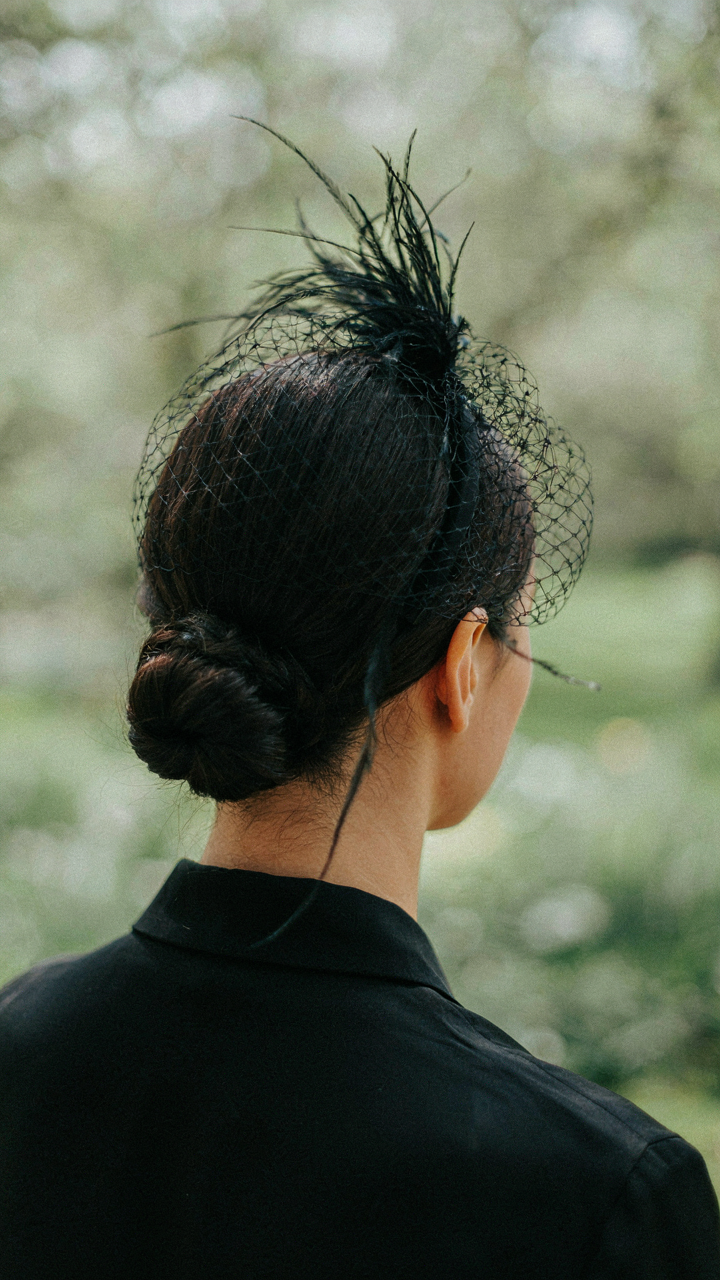
You’re drawn to fascinators because they signal you understand dress codes without the commitment of a full hat. Here’s what actually happened: fascinators emerged in the 1960s as a British innovation, born from the collision between formal hat-wearing tradition and the mod movement’s rejection of stuffy convention. They weren’t invented to solve a problem. They were invented to split the difference between rebellion and compliance.

The fascinator’s structure reveals its real purpose. A fascinator uses a comb or clip base with minimal material—netting, feathers, or sculpted elements—attached to the hairline or crown. This design does one thing: it reads as “formal headwear” from three feet away while eliminating the bulk that makes traditional hats impractical for modern daytime events. British royal weddings cemented this as acceptable at formal daytime occasions, which is why you see them at garden parties and ceremonial events. The form factor matters because it allows hair styling without obstruction.
Signal Without The Substance
Borrowed from economics, a fascinator functions as a signaling device—a way to communicate group membership with minimum cost. The real leverage isn’t the fascinator itself. It’s what wearing one communicates about your understanding of the event’s formality level and your willingness to participate in that code.
The trap most guests fall into is assuming a fascinator automatically upgrades an outfit. It doesn’t. A fascinator on a poorly fitted dress still reads as an afterthought. The mechanism works differently: a fascinator creates permission to dress more formally than you otherwise might. It justifies the structured fabrics, the absence of casual materials, the deliberate choices. Wear one only if your base outfit already meets that formality threshold. If you’re uncertain whether the outfit works, the fascinator won’t fix it.
The “Classy Hats” Conundrum: Defining Your Own Elegance
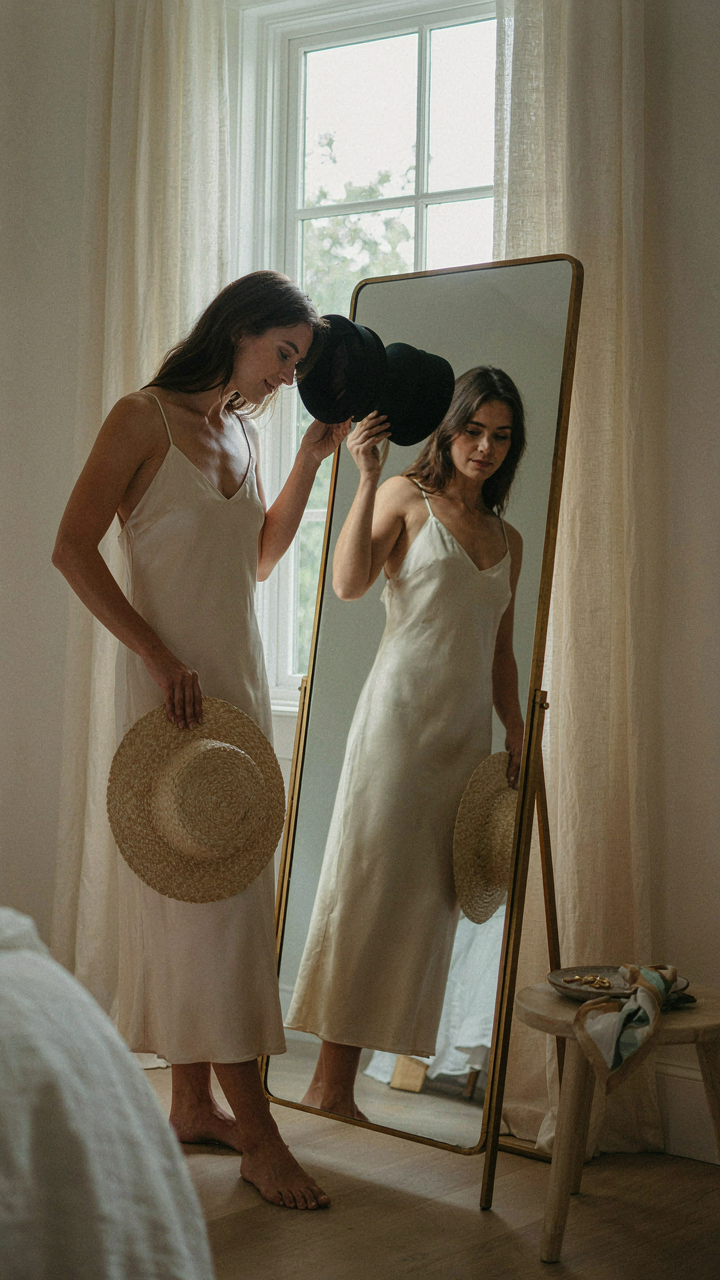
Wearing Signals You Actually Control
You care about this because you’re afraid a hat signals the wrong rank at someone else’s ceremony. That’s the real mechanism: hats function like military insignia in social hierarchies. They announce your position before you speak. A daytime wedding hat doesn’t declare taste—it declares which tribe you belong to and whether you understand the rules that tribe enforces.

The tribes aren’t abstract. A structured fascinator signals formality compliance. A wide-brimmed straw hat signals casual confidence. A pillbox hat signals you studied the dress code. Each sends a specific message about whether you view the wedding as performance or obligation. The guest who chooses nothing sends a message too: indifference or ignorance. You’re not picking a hat. You’re picking which conversation you want your appearance to start.
How You Enter The Room
Your hat is your opening gambit in the visual exchange that happens in the first three seconds. It lands before your outfit registers. Before your posture. Before anyone hears your voice. You want it to compress the right information into that window so the room doesn’t spend the ceremony deciding what you meant by it.
The mechanism is attention capture followed by rapid categorization. A hat that matches the formality level of the venue absorbs visual attention without demanding explanation. A hat that conflicts with the setting creates cognitive friction. Guests notice the friction. The couple notices the friction. You’ve created a small problem your presence has to solve for the rest of the day. The better move: choose a hat that fits the daylight ceremony’s actual formality level, then dress around it with matching precision. This collapses the friction entirely.
The Royal Ascot Blueprint: Adaptive Principles, Not Imitation
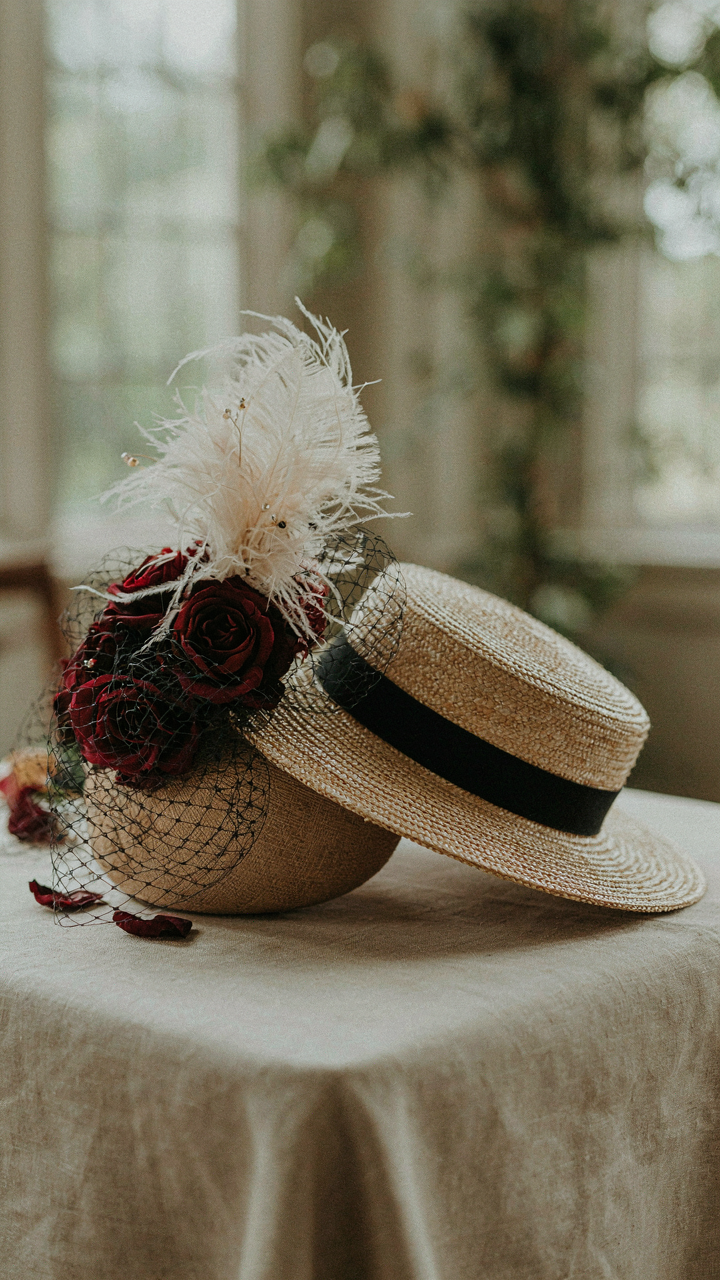
Event Codes Override Fashion Rules
You want permission to wear a hat without looking like you’re trying too hard or missing some unspoken signal that marks you as an outsider. The real mechanism: hat wearing at weddings is governed by context layers, not by fashion taste. Royal Ascot enforces strict hat protocol because it’s a stamped social institution with enforcement. Weddings operate differently. The hat code shifts based on venue formality, time of day, and regional tradition, not aesthetic preference.

What matters is reading the specific event’s signal, not copying high-fashion examples. A fascinator works at a black-tie evening wedding in Manhattan but reads as costume at a garden ceremony in the Midwest. The distinction isn’t about one being better. It’s about matching the environmental pressure. If the invitation specifies black-tie or mentions a garden setting with “festive attire,” that’s your data point. Ignore broader hat trends. Follow the venue’s actual expectation.
Match Hat Weight To Ceremony Intensity
Ceremony formality acts like pressure in a system. Increase pressure, increase hat structure. A silk fascinator or structured hat block works at formal daytime affairs because the event carries institutional weight. A soft, unstructured piece fits casual outdoor weddings because the pressure is lower. The common advice that “hats are optional” is incomplete and lazy. The real question is whether a hat aligns with the ceremony’s formality signal, not whether you personally want one.
The protocol: scan the invitation for formality markers, then choose a hat that matches that intensity level. Black-tie daytime wedding? Structured millinery or a quality fascinator. Casual garden ceremony? A soft hat or headpiece works, or skip it entirely without penalty. A hat that’s too structured at a casual event signals you misread the room. A hat that’s too soft at a formal event reads as underdressed. Match the hardware to the pressure.
The Chapeau Femme Manifesto: Owning Your Crown
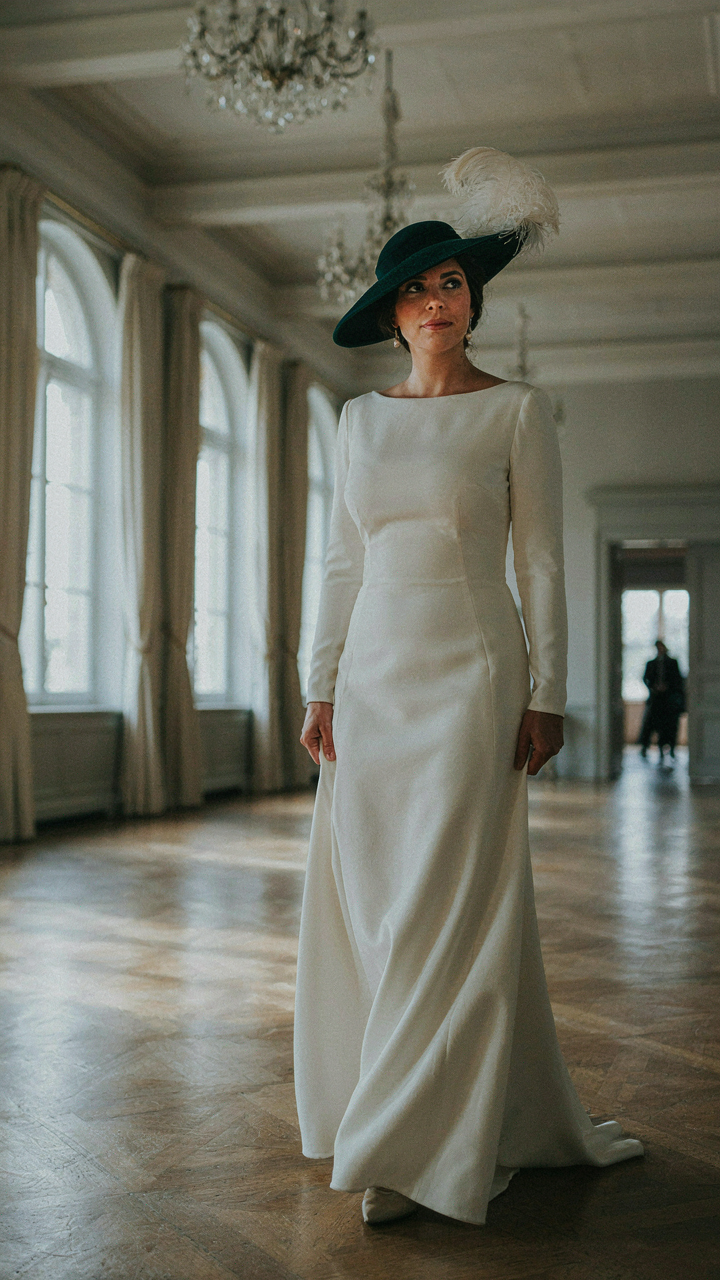
How Your Brain Changes When You Wear A Hat
You’re reading this because you want permission to look powerful without seeming like you’re trying. Embodied cognition—the psychological mechanism where physical posture and objects change how your brain processes thought—explains why a hat works. Wearing headwear doesn’t just change how others see you. It literally rewires your neural processing in real time. Your brain interprets the crown as elevation, and you begin to occupy space differently.

The shift is measurable. When you wear a hat to a daytime ceremony, your cognitive load around self-doubt decreases because your body’s proprioceptive system reads the hat as a marker of intentionality. You’re not wandering into the event. You’re entering it. This isn’t psychology theater. It’s how the nervous system interprets signals about status and purpose. The hat does the work so your anxiety doesn’t have to.
Authority Emerges From Constraint
The common advice says wear what feels comfortable. That’s backwards. Discomfort is where command lives. A deliberately chosen hat—one that contradicts your default impulse—forces you to own a decision. You can’t hide behind it. You have to inhabit it.
The mechanism is simple: choice creates commitment. When you select a hat that demands presence rather than blending in, you become accountable to that choice the moment you put it on. You stop second-guessing because the die is cast. At a daytime wedding, this means picking a hat that actually says something instead of picking the safest option. The constraint of bold choice is what generates the presence people mistake for confidence.
The Wedding Guest Hat Protocol: An Inverse Approach
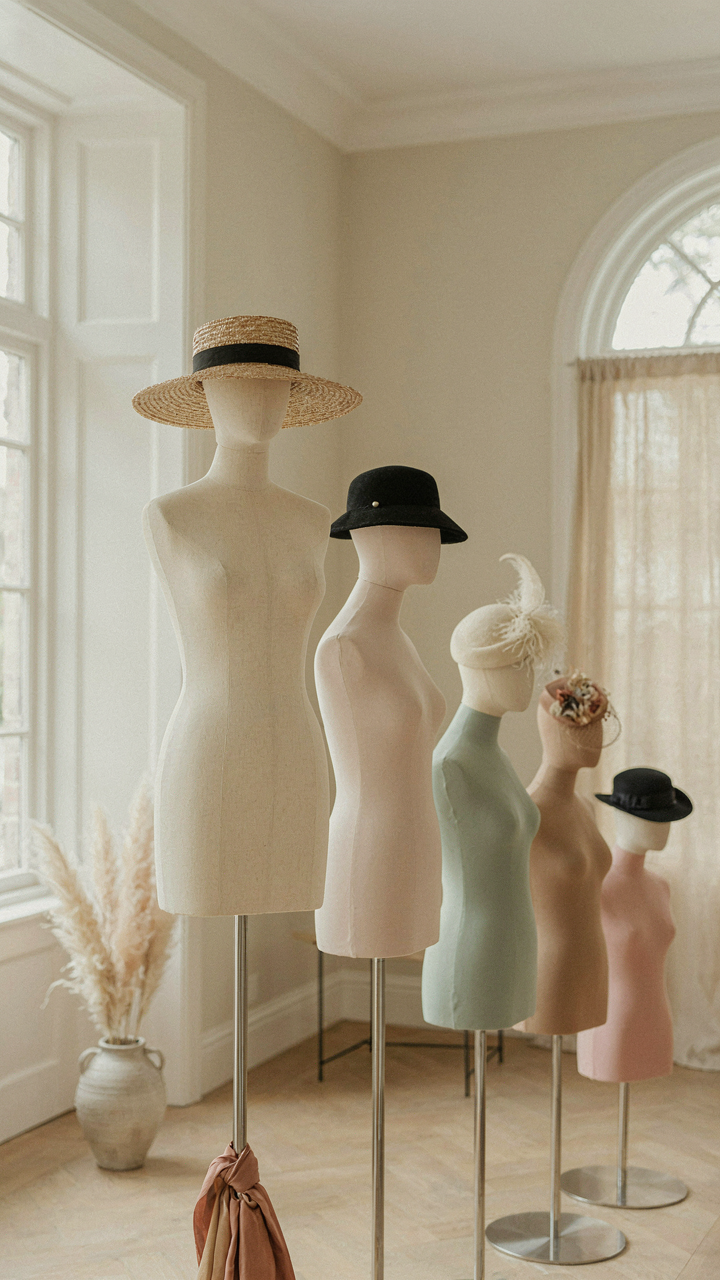
Silhouette Over Ornament
You’re worried about looking underdressed or out of place, so you fixate on hat details instead of the one thing that actually signals competence: proportion. The hat’s silhouette determines whether it reads as intentional or costume. A wide brim on a petite frame creates visual imbalance. A tiny fascinator on someone broad-shouldered looks like an afterthought. The silhouette must counterbalance your body’s natural lines, not match your outfit’s color scheme.

Daytime ceremonies demand restraint in scale. The hat should occupy no more visual real estate than your shoulders are wide. Most guests fail here by choosing hats too large for the venue and time of day. A structured fascinator or small-brimmed hat works for ballrooms and outdoor gardens. Oversized sun hats belong at garden parties, not ceremonies. Your silhouette choice happens before you consider material or decoration.
Material And Texture As Power Plays
Material choice operates like signaling in economics: it communicates resource allocation and attention to context without words. Cotton and linen read casual. Felt, straw, and millinery-grade fabrics read deliberate. Silk and high-quality synthetics signal expense and precision. Texture compounds this message. A smooth, tailored hat conveys control. A textured weave suggests effort. Pick material by ceremony formality first, then by season.
- Felt: Dense, structured, holds shape. Works spring through fall for formal daytime events. Absorbs moisture in humid climates, so avoid in high heat.
- Straw: Breathable, seasonal, lightweight. Best for summer ceremonies outdoors. Breaks easily under pressure and requires careful storage between events.
- Silk charmeuse or dupioni: Luxe finish, drapes well, reflects light. Ideal for formal indoor daytime weddings. Shows wrinkles easily and costs significantly more than alternatives.
- Cotton and linen blends: Casual, washable, breathable. Appropriate for garden or destination weddings. Wrinkles visibly unless heavily starched or blended with synthetics.
- Millinery mesh and netting: Structured, modern, paired with small brims. Works for sophisticated daytime events. Requires skilled construction to avoid looking flimsy or dated.
Texture hierarchy matters more than color matching. A matte felt hat stands apart from a glossy fascinator. Woven or felted surfaces communicate intentionality. Smooth surfaces suggest luxury. The material you choose locks your hat into a formality tier before you walk into the venue. Verify your material choice aligns with ceremony formality and location climate before purchasing.
Hats And Fascinators: The Deliberate Choice Of Distinction
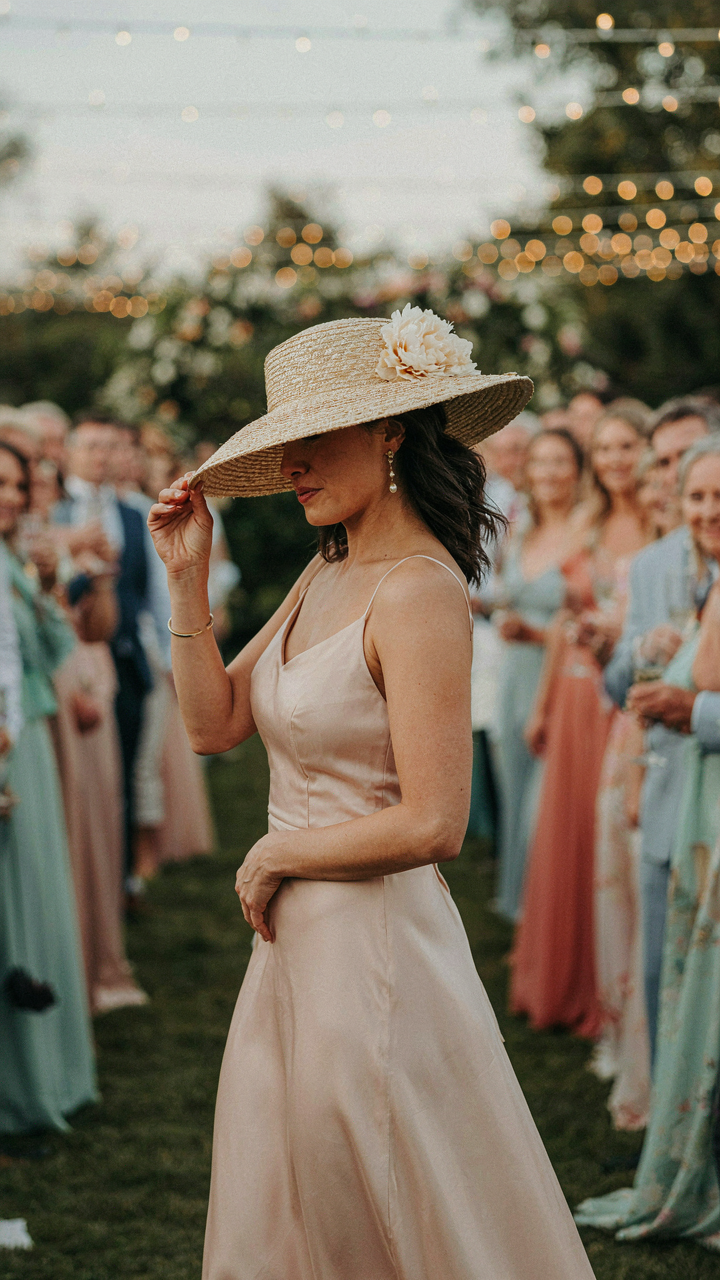
Stop Blending Into The Background
You want permission to stand out without looking like you’re trying too hard. That’s the real question underneath this section. The mechanism is simple: a hat signals intentionality. Everyone else shows up in a dress or suit. You show up in a dress or suit plus a deliberate object. That object—a hat or fascinator—becomes the visual anchor that separates you from the ambient crowd. It’s not about looking better. It’s about being remembered.

Daytime weddings create a specific problem most guests ignore: harsh light flattens faces and eliminates visual hierarchy. A hat fixes this. It creates shadow, dimension, and a focal point that draws the eye upward. Your face gains definition. Your outfit gains structure. This isn’t aesthetic theory. This is how human vision processes information at a distance. The hat does the work the lighting won’t.
The Statement That Stays With People
Borrowed from fashion psychology, a hat functions as a “behavioral cue”—it signals that you made a choice rather than defaulted to attendance. Most guests don’t wear hats. Most guests look interchangeable in photos. A hat, even a modest one, creates a before-and-after effect on your own appearance. You become the person with the hat. That specificity is the entire mechanism.
The real goal isn’t to match the bride’s aesthetic or follow a dress code rule. The goal is to embed yourself into the visual memory of the event. When someone scrolls through photos months later, your outfit doesn’t blur into fifteen similar dresses. It reads as a complete thought. A structured hat or fascinator tells that story in one glance. Choose a piece that reflects an actual preference—not what you think a wedding guest should wear—and wear it like you own it.
The Ultimate Folly: Mistaking Compliance For Confidence

Most wedding guests treat hats like a checkbox on an etiquette form. They wear one because the dress code says so, not because it actually works for them. Here’s the shift: a hat only matters if you own it. Stop asking if you’re allowed to wear one. Start asking if it makes you feel like the sharpest person in the room. Pick something tomorrow that fits your face and your personality, then wear it like you decided what the dress code should be.




