

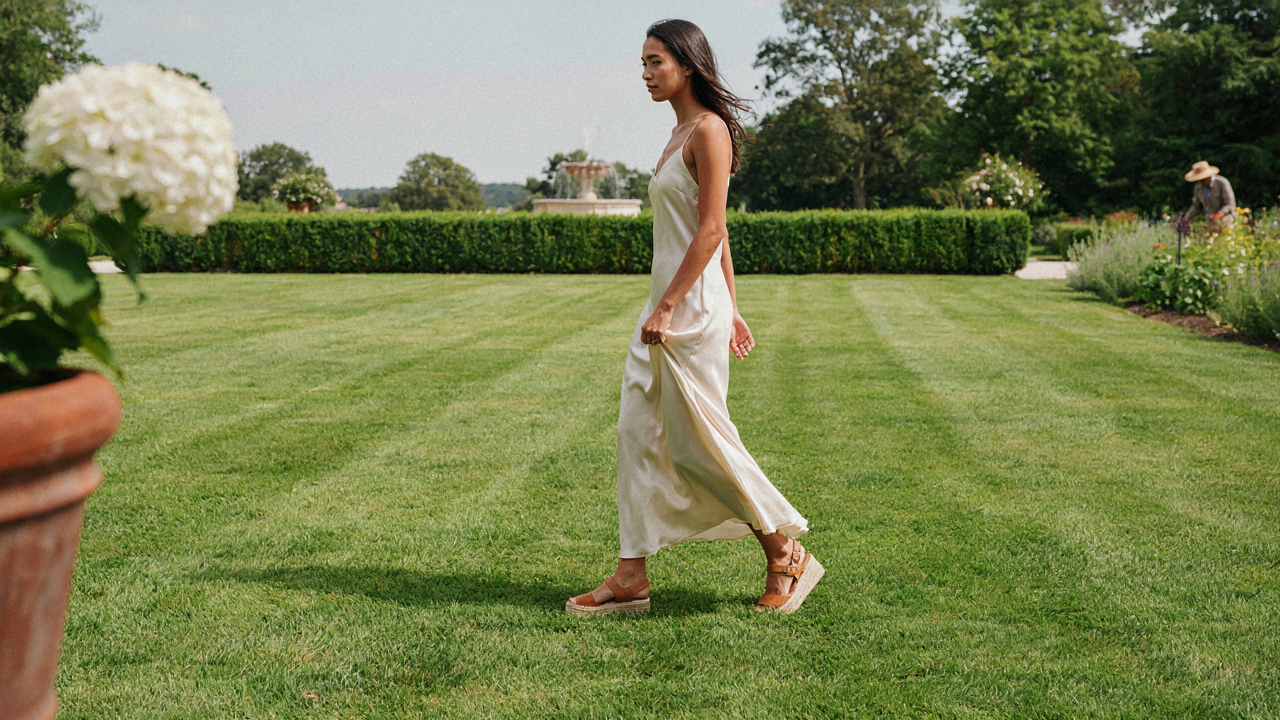
The False Dichotomy Of Fashion Vs Function
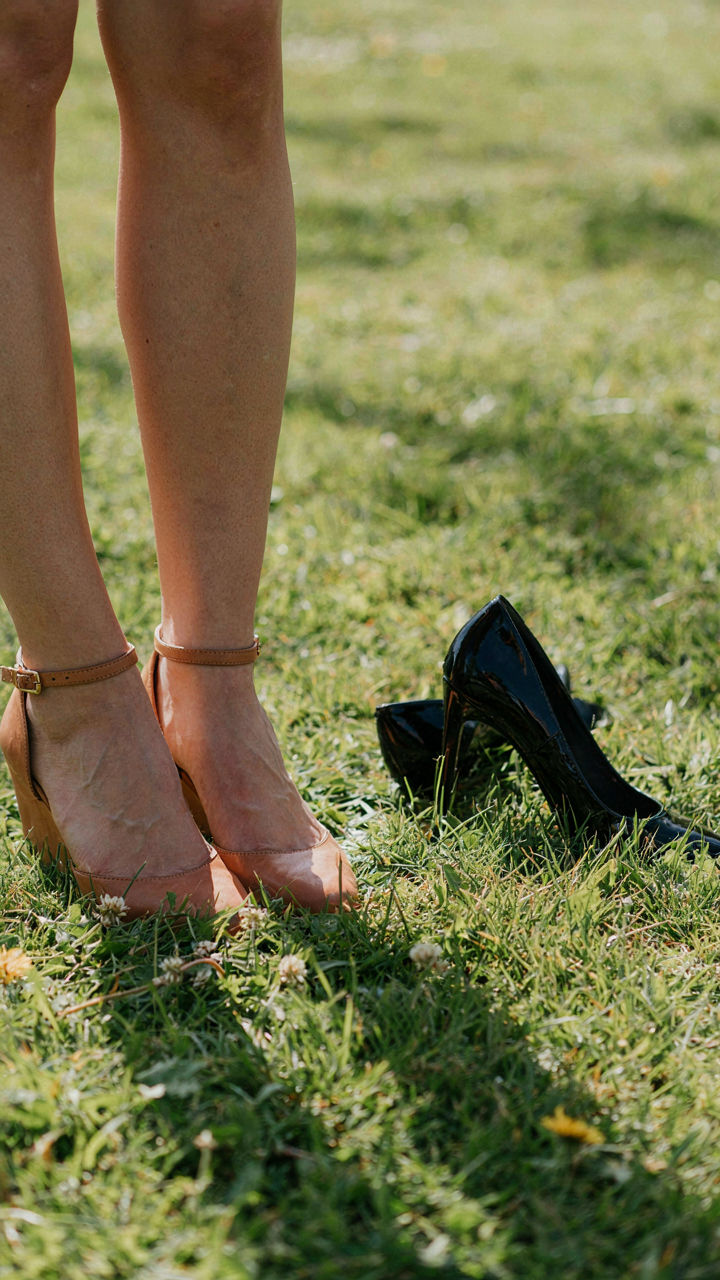
What Everyone Gets Wrong About Garden Shoes
You care about this because you’re afraid of looking unstable or underdressed, and you’ve been told those two concerns are opposites. They’re not. The real mechanism at work is ground contact: grass is unstable terrain, and your shoe’s job is to manage that instability while keeping your appearance intact. Most advice treats fashion and function as enemies. That’s the lazy framing. Wedges solve the actual problem because they distribute pressure across a wider base than heels while maintaining the visual line that formal wear demands.
The consensus says wear flats for stability or heels for elegance. This is incomplete thinking. Flats sink into soft ground and flatten your posture. Heels create pressure points that destabilize your ankle on uneven surfaces. Wedges compress neither claim, which is why they’ve remained the default shoe for outdoor formal events for decades. Your shoe is structural engineering, not a compromise between competing desires.
Where Wedges Hold Real Advantage
Think about wedges through the lens of physics: load distribution. A heel concentrates force into a small point of contact. A wedge redistributes that same force across a larger surface area. On grass, this matters measurably. Your foot stays level, your ankle stays stable, and you don’t sink. The wedge isn’t a middle ground between two aesthetics. It’s a superior engineering choice that happens to look appropriate at a garden wedding.
Most guests in traditional heels will adjust their gait on grass without realizing it, tensing their calves and arching their feet harder to compensate for instability. This creates fatigue within an hour. Wedges let you stand and move at your natural stride. The visual effect is identical to a heel from most angles, which is the point: you get the formality without the functional penalty. Wear wedges because they outperform other options, not because you’re settling for less style.
The “Ground Control” Protocol: Terrain As Your Ally
Reading The Terrain Before You Step
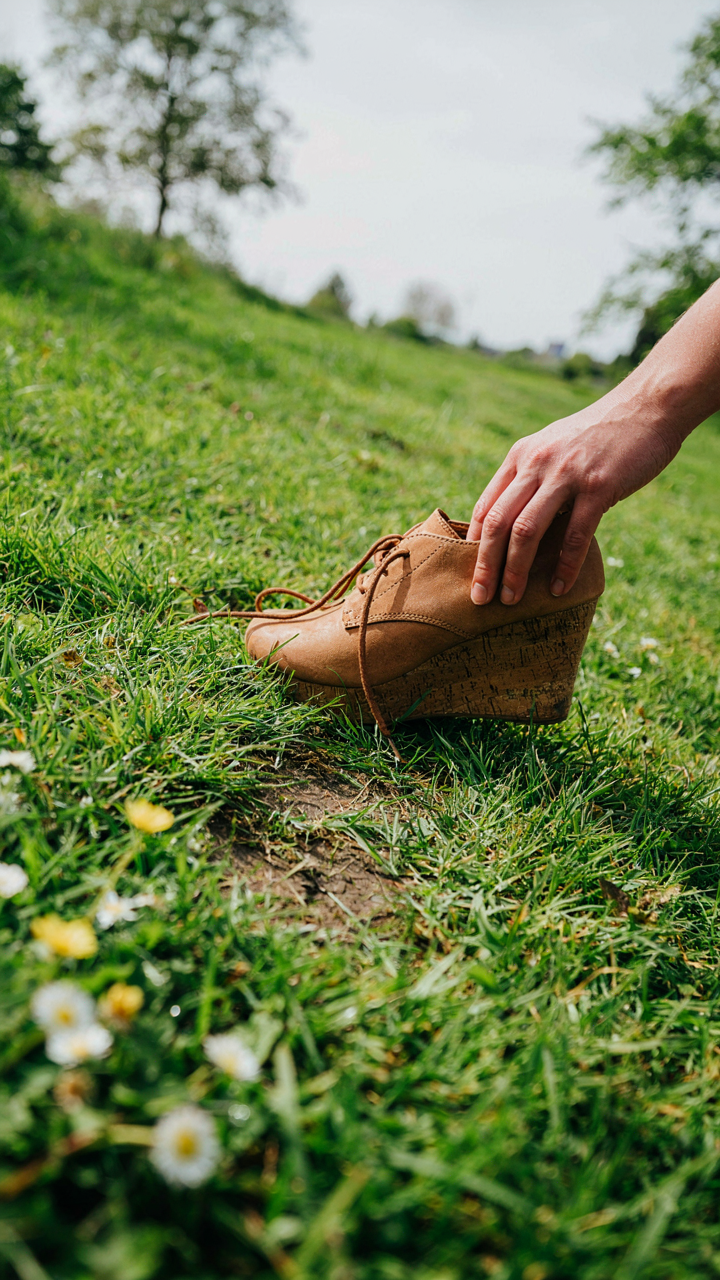
You’re worried about looking unstable or falling. What actually matters is diagnosing the ground first, because wedges behave differently on each surface. Grass absorbs compression unevenly. Gravel shifts under lateral pressure. Hard-packed soil holds a wedge steady. Uneven surfaces demand different sole designs than flat ones do.

Walk the venue alone before the event. Press your shoe into the grass. Feel how deep your heel sinks. If water pooled recently, the ground stays soft and unstable for hours. If the area slopes, wedges with narrow heels fail faster than wide bases. Observe where foot traffic already exists on the lawn, because that packed earth gives you the only genuinely stable zones to occupy.
Wedge Profile Against Stability Demands
Physics calls the principle “base of support,” and a wedge’s profile determines how much contact area you maintain with uneven terrain. The common advice says wider heels are always better. That’s incomplete. A wider heel only helps if the ground accepts full compression. On soft grass, a narrower heel often penetrates less and distributes weight differently, which can work in your favor or against it depending on the wedge angle.
Angle matters more than width alone. A 2 to 3 inch heel with a 60 to 70 degree wedge angle stays stable on grass because it doesn’t force your foot into plantarflexion as severely as a steeper angle does. A 4 inch heel with an 80 degree angle, even if wider, creates a pressure point that sinks on soft ground. Test your step on actual grass the morning of the event, not days before, because soil moisture changes stability dramatically.
Beyond Basic: Elevating Your Bridal Wedges
Material Choices That Won’t Fail On Grass
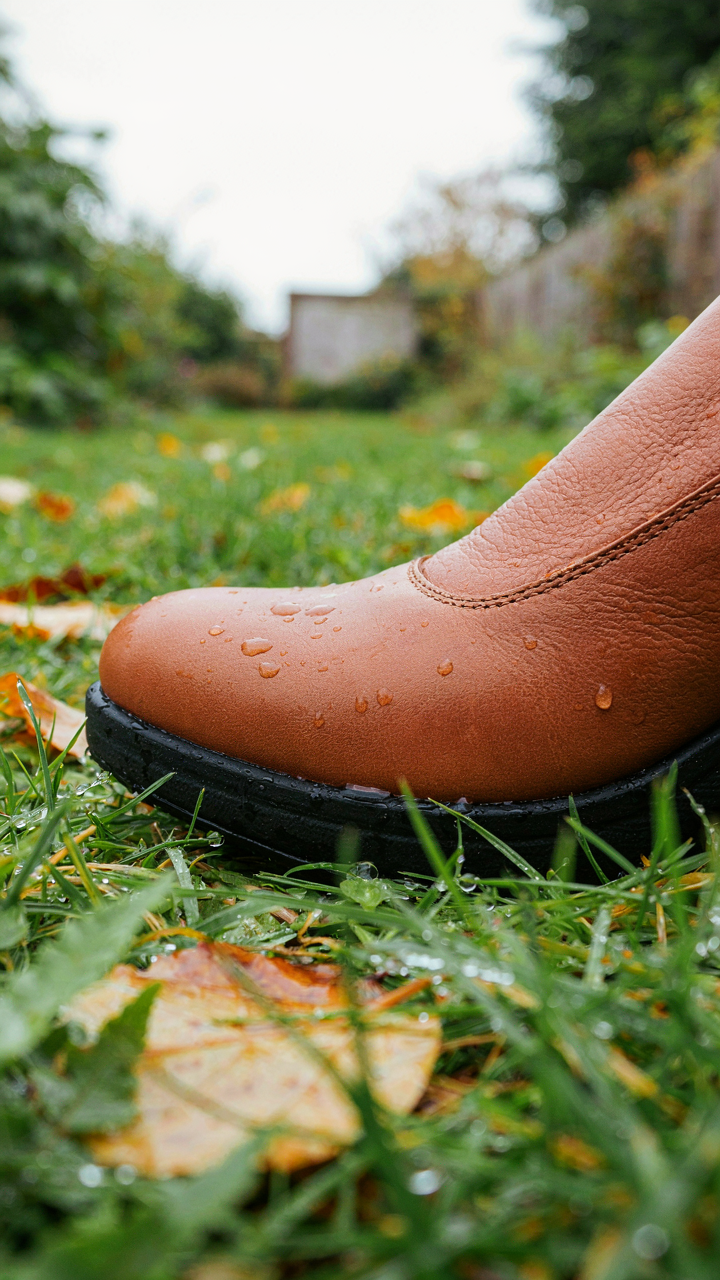
You want your wedges to signal “I invested in this” without screaming “I’m terrified of sinking.” The mechanism is simple: dense materials distribute weight across more surface area, reducing point pressure on soft ground. Suede and canvas fail on wet grass because they absorb moisture and offer zero structural integrity. Leather, especially full-grain, resists water penetration and maintains rigidity under load. Synthetic microfiber with a sealed finish performs identically to leather at half the cost, making it the pragmatic choice for a one-time event where resale doesn’t matter.

The sole matters more than the upper. Rubber outsoles grip better than leather, but structured cork bases—common in quality wedges—compress unpredictably under sustained pressure on saturated soil. The real move is a combination: sealed leather or microfiber upper paired with a solid rubber or molded synthetic sole that won’t degrade after four hours of standing. Test this before the wedding by wearing your wedges on damp grass for thirty minutes to identify any performance gaps while you can still return them.
Heel Height And Sinking Distance
Physics matters here: ground pressure equals force divided by contact area. Lower heels distribute your weight across a wider footprint, but most guest outfit advice ignores that heel height directly affects how you navigate uneven terrain and wet patches. A three-inch wedge heel sinks less than a two-inch heel because the wider base compensates for height. A one-inch heel spreads pressure so broadly that it bottoms out the sole on rough ground, creating instability instead of security.
The sweet spot for garden grass is between 2.5 and 3.5 inches on a wedge. Heel height interacts with wedge angle—a steeper wedge creates more surface contact, reducing sinking. Measure your wedges from the back of the heel to the ball of the foot. Test the specific ground condition at your venue beforehand. Walk the exact path you’ll take during the ceremony to identify soft spots, then wear your wedges on that path for five minutes to assess actual performance before committing to them for the full day.
The Unseen Architecture Of Outdoor Wedding Shoes
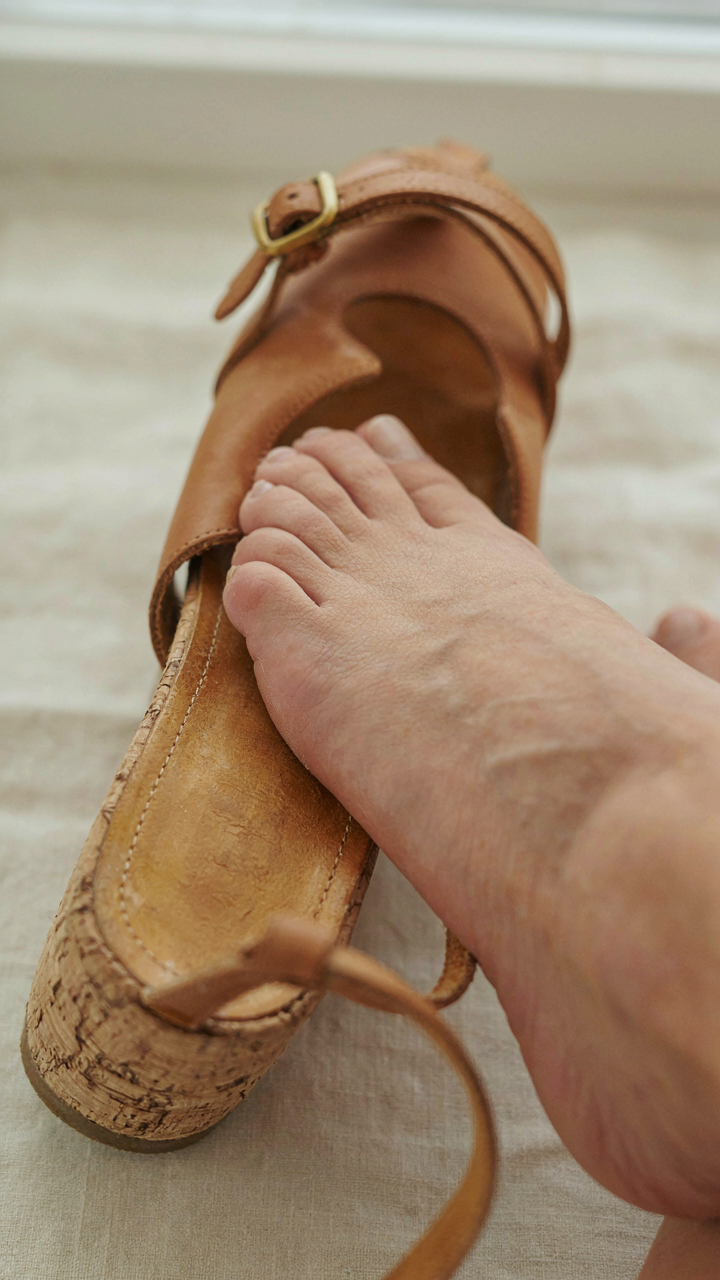
Your Feet Will Sink Without A Plan
You’re worried about looking foolish in photos and limping through the reception. That fear is rational. The real mechanism is this: grass compresses under point load. Wedge geometry distributes your weight across a wider surface area than a thin heel, which means less pressure per square inch and less penetration into soil. Physics favors the wedge. A stiletto heel concentrates force into roughly one square inch. A wedge spreads that same force across three to four square inches. The difference between sinking and staying planted is material.

The footbed design matters more than most people admit. A flat or slightly curved insole keeps your arch aligned and prevents the tired collapse that happens when you’re compensating for uneven ground. Look for wedges with a molded footbed rather than a thin fabric liner. Cork, memory foam, or structured EVA absorb impact that grass and soil can’t. Your foot needs a stable platform underneath it, not a generic thin layer. Without proper arch support, you’ll shift your weight constantly, exhausting muscles that weren’t prepared for eight hours on unstable terrain.
Straps Lock Your Foot In Place
The common advice says “any wedge works.” It doesn’t. Loose shoes are the actual problem on grass. Without a secure fit, your foot slides forward with each step, forcing your toes to grip the shoe to stay inside. Your foot tires fast. You start walking differently. Your entire body compensates. A supportive strap prevents this cascade of dysfunction. Ankle straps, toe posts, or crisscross designs keep your foot anchored regardless of the ground beneath you.
Strap placement determines whether the shoe stays on or becomes a hazard. An ankle strap transfers load to your leg rather than forcing your foot to grip. T-strap designs prevent forward slide by creating a barrier across the midfoot. Mary Jane straps work similarly. Avoid slip-on wedges for garden weddings on grass. Test the fit by walking on a slight incline or soft surface before the event. If your heel lifts or your foot slides forward even slightly, the shoe will fail you during the reception.
Strategic Footwear: A Military Approach To Bridal Shoes Wedges
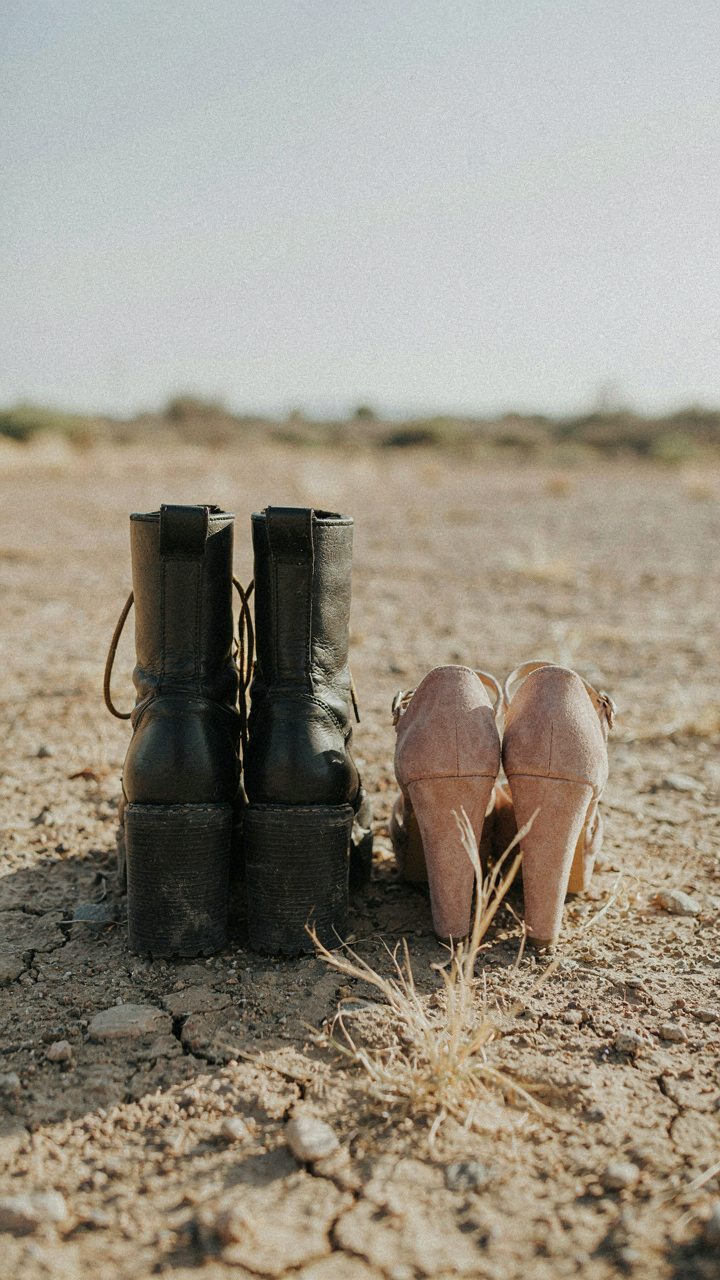
Command The Room Before You Speak
You want wedges because you’re terrified of sinking into grass and looking unstable in photos. That fear is rational. Military strategists call this “force concentration”—the ability to command space through deliberate positioning. A wedge’s wider base distributes your weight across more surface area than a heel, which means you occupy ground without disappearing into it. Height matters on grass because it creates visual separation between you and the terrain. You’re not just standing there. You’re elevated.

The wedge heel itself functions as a load-bearing platform, not a point. A 2 to 3-inch wedge on grass performs differently than a stiletto because physics doesn’t care about your aesthetic preferences. The increased contact area means lower ground pressure per square inch. Soft ground yields to pressure. Less pressure means you stay upright and present. This is why military boots use wider heels and why garden wedding guests ignore this mechanic and sink anyway. You need a wedge with a minimum 1.5-inch base width to see measurable difference on unmowed or uncertain terrain.
Fortify Against Unpredictable Ground
Most advice says “just wear wedges” and stops. That’s incomplete. Your real problem isn’t the wedge—it’s what’s under the wedge. Grass conceals hazards: soft patches, hidden divots, uneven settling from recent rain. A wedge prevents you from penetrating the surface, but it doesn’t prevent the ground from moving beneath you.
The solution is dual-layered. First, inspect the venue two days before the event if possible. Walk the guest standing areas and identify soft zones. Second, choose wedge materials with grip control. Rubber or textured soles interact with grass differently than smooth leather. A smooth sole on wet grass slides. Textured soles catch. Request venue staff about recent irrigation or rainfall—this tells you if the ground is stable or actively soft. Wear your wedges on grass the day before if you can to feel how they perform in those specific conditions.
Seasonal Intelligence: Valentino Wedding Shoes & Winter Wedding Shoes
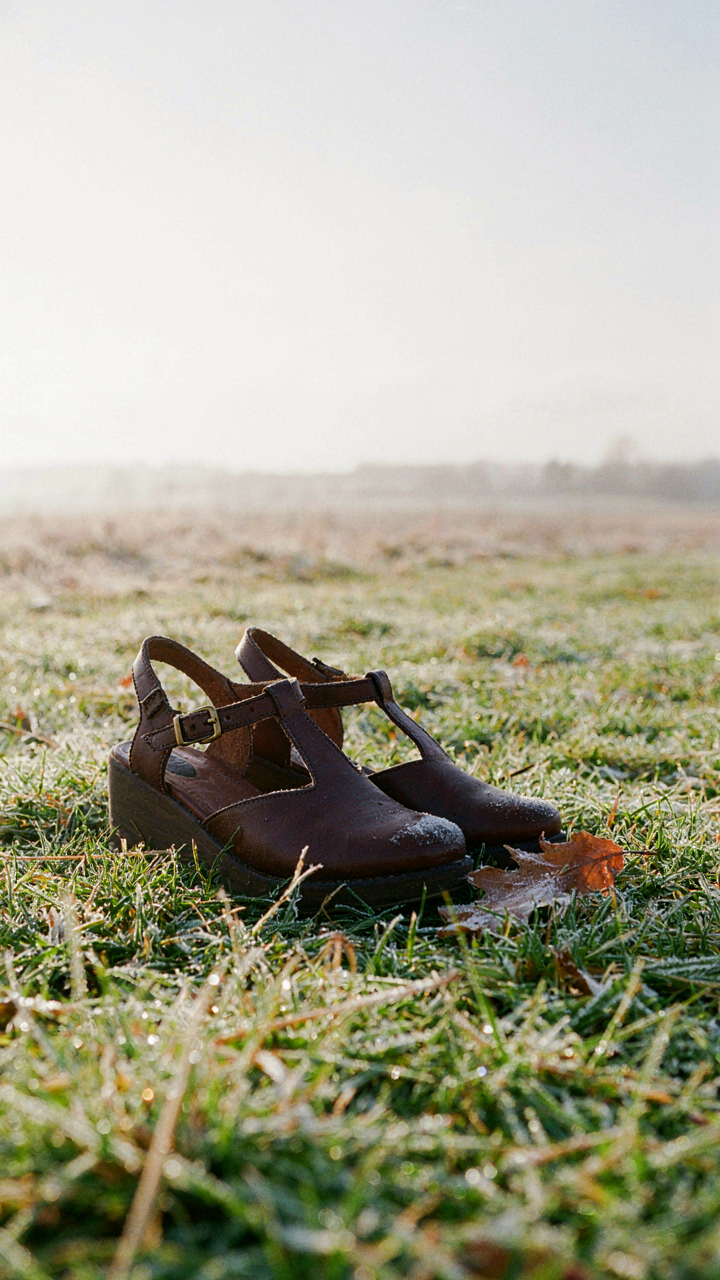
Adapting Wedges To Weather Realities
You’re worried about looking wrong in front of people who matter, and weather is the variable you can’t control. Here’s the mechanism: wedge stability depends on material response to moisture and temperature. Leather contracts in cold. Suede absorbs water and loses grip. Synthetic materials behave differently across seasons. The wedge angle stays the same, but traction and structural integrity shift with conditions.
- Leather soles in wet grass: Smooth and slippery. Add adhesive grip tape to the underside before the event. Costs five dollars. Takes two minutes.
- Suede uppers in spring moisture: Absorbs water, darkens, and warps shape. Treat with silicone-based protectant spray beforehand. Reapply after winter storage.
- Metal wedge hardware in cold: Contracts slightly, sometimes loosening stitching around reinforcement plates. Inspect and retighten hardware before wearing in temperatures below 50 degrees Fahrenheit.
- Rubber wedge soles in summer heat: Soften and compress unevenly under weight on hot grass. Stick to leather or synthetic alternatives when ground temperature exceeds 85 degrees Fahrenheit.
- Cork wedge cores in humidity: Expand when exposed to moisture, changing fit and creating rubbing at the heel. Keep in climate-controlled storage year-round.

The real leverage sits in material matching to season before purchase, not crisis management day-of. Winter garden weddings call for closed-toe designs with rubber or treated leather soles. Late spring or early fall events tolerate more variety because grass moisture sits in a predictable middle range. Know your venue’s drainage and the week’s rainfall forecast, then select accordingly.
Open Toe Versus Closed Toe Across Seasons
The common advice says open-toe wedges suit warm weather and closed-toe works for cold. That’s incomplete. The actual split tracks exposure risk and ground conditions, not just temperature feeling. Spring and fall grass stays damp for hours after rain. Open toes expose skin to wet grass stains on the foot and between toes. Closed-toe designs prevent this entirely but trap heat and moisture inside, causing blistering in warm months.
Winter garden weddings rarely happen, but when they do, closed-toe is mandatory for ground stability and foot protection. Grass freezes unevenly, creating hidden hard spots and icy patches. Open toes make you vulnerable to catching a toe edge and turning an ankle. Summer events pull opposite. Open toes allow evaporation, but only if the grass has fully dried by event time. Check the site three hours before guests arrive. If grass still holds moisture, switch to closed-toe or accept the stain risk.
The Guest Code: When Wedding Wedges Aren’t Enough
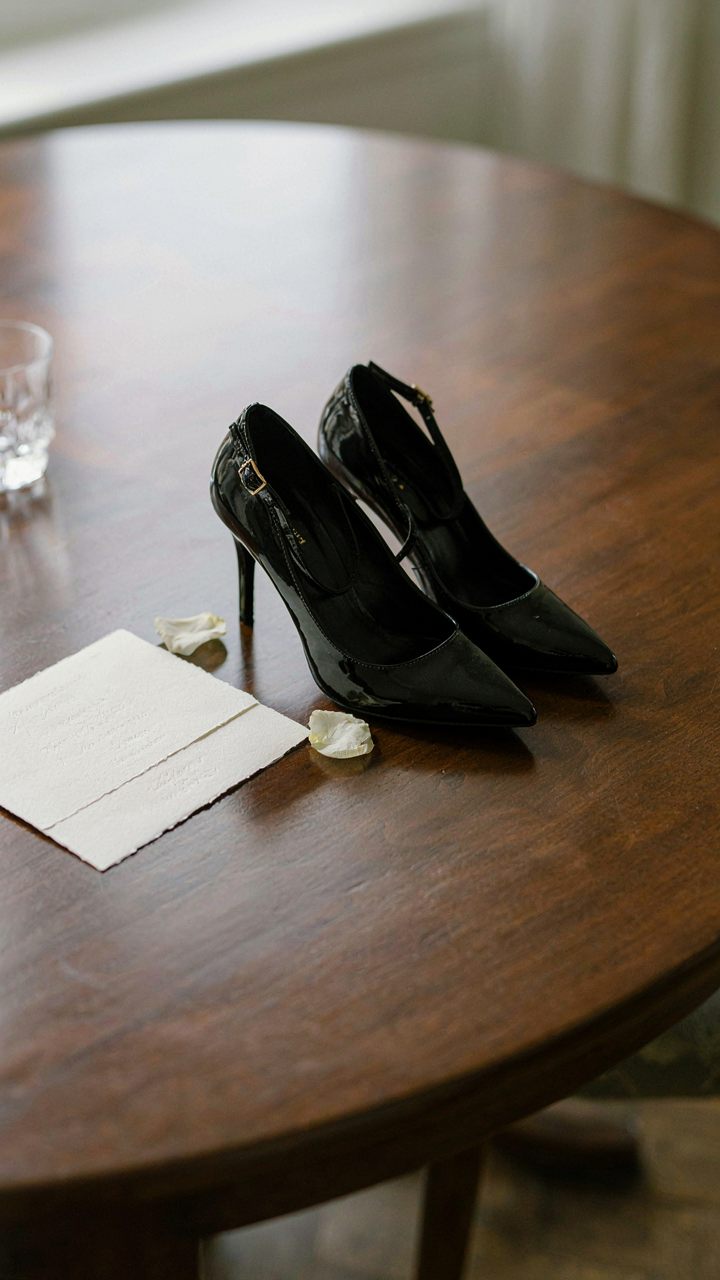
Where Wedges Hit Their Limit
You’re worried you’ll look underdressed or out of place, which is why you’re searching for permission to wear wedges instead of heels. Here’s the mechanism: formal dress codes exist as a signal system, not a rulebook. Wedges signal casual competence. Black-tie and white-tie events require heels because the formality level demands a different visual language. Grass doesn’t change the code. A garden wedding at sunset still operates under the same dress code logic as a ballroom wedding. Wedges work on grass precisely because they’re practical, but that practicality conflicts with formal signaling above a certain threshold.

The mistake most guests make is conflating “outdoor setting” with “lower formality.” A garden doesn’t lower the dress code. The ceremony location doesn’t either. What matters is the stated dress code on the invitation. Black-tie remains black-tie whether it’s held in a mansion or a manicured garden. Wedges on grass solve a comfort problem, not a formality problem. If the invitation says black-tie and you wear wedges, you’ve chosen comfort over compliance with the signal system the hosts established.
When You Need A Real Alternative
Flat shoes are the honest alternative when formality matters but grass logistics demand it. Dressy flats, ballet flats, or pointed-toe dress shoes in metallic or neutral tones preserve the formal signal while solving the stability problem on uneven ground. This isn’t a compromise. This is the actual category that exists between wedges and heels. Talk to the hosts directly if the contradiction bothers you. Most hosts understand that black-tie on sloped grass creates genuine conflict. They’ll either confirm that wedges are acceptable or they’ll confirm that flats work fine. You avoid the social friction of showing up underdressed because you chose comfort without asking.
For casual garden weddings, cocktail attire, or anything explicitly labeled “garden party,” wedges work without friction. The dress code already signals that practicality matters. Semi-formal outdoor events occupy this space too. The decision rule is simple: match your shoe choice to the stated formality level first, then solve for the grass problem second. If you can’t solve for grass with appropriate shoes in your formality tier, contact the host and ask what other guests are wearing. This removes guesswork and keeps you aligned with the signal the wedding is sending.
The Power Play: Your Shoes For Outdoor Wedding Statement
The Silhouette Rule
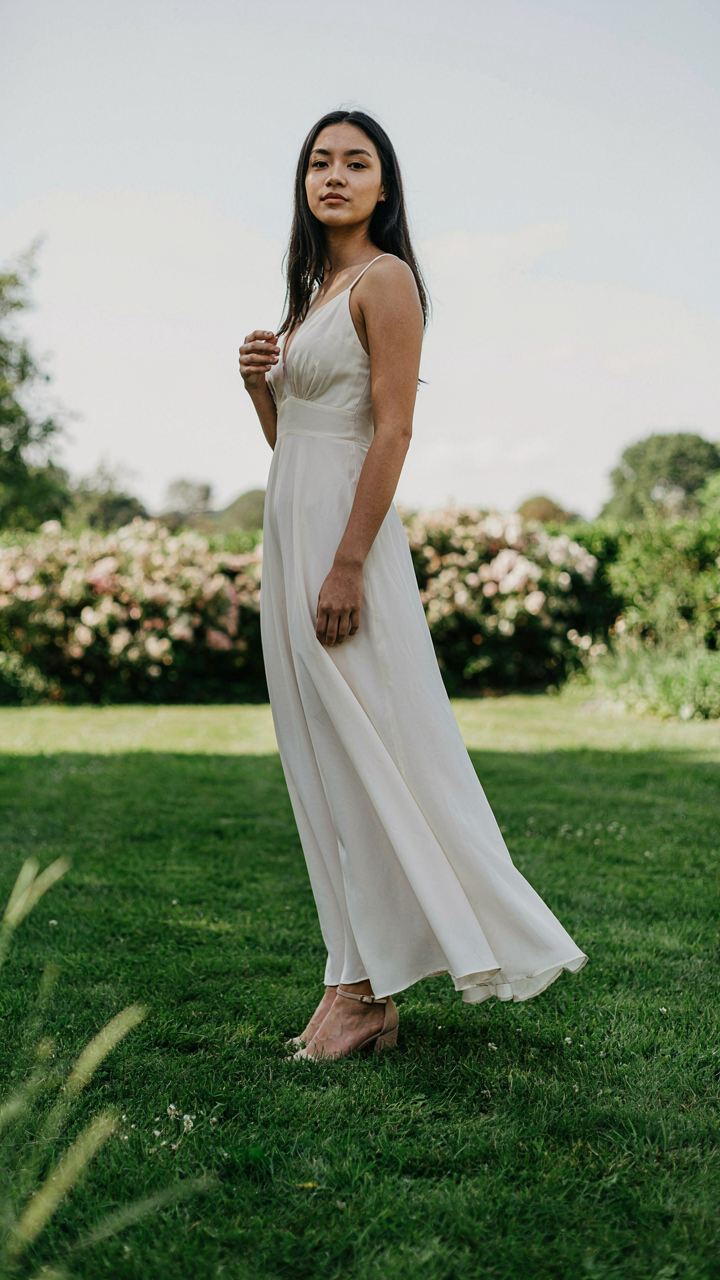
You want to know if your wedges work because you’re terrified of looking wrong in photos that live forever. Here’s the mechanism: your shoe either extends your outfit’s line or breaks it. A wedge with a thin ankle strap paired with a maxi dress creates vertical continuity. A chunky wedge under cropped pants anchors the look instead of elongating it. The heel height matters less than whether the shoe’s visual weight matches your garment’s mass. A lightweight linen dress needs a delicate wedge; a structured midi needs a heel that commands space.

Most advice says just pick what feels comfortable. That’s incomplete. Your silhouette’s proportions dictate the wedge’s geometry. A straight-line dress demands a streamlined heel profile. A voluminous skirt can absorb a wider wedge base without visual collision. The wedge’s color also functions as a line extension or break point. A nude wedge disappears into bare legs and elongates your frame. A contrasting color stops the eye and shortens the visual line.
Standing Ground Without Apology
Confidence isn’t manufactured through positive thinking. It’s the output of preparation meeting expectation. You wear the right wedge for your outfit’s structure, and your body stops generating doubt signals. Grass creates unstable ground. A wedge with a solid, wide base distributes your weight across the surface instead of concentrating it into a thin heel. You move differently when your foundation is engineered for the terrain. That shift in movement is what others perceive as confidence.
The wedge removes a variable: the anxiety about sinking. Once you eliminate that concern, you can attend the event instead of managing your footwear. You speak clearly because you’re not calculating each step. You stand for photos without tensing your calves. Wear wedges that match your outfit’s proportions and meet the ground conditions. That removes the mechanism that generates visible doubt.
The Real Obstacle Isn’t The Grass; It’s Your Timid Approach To Footwear As A Weapon
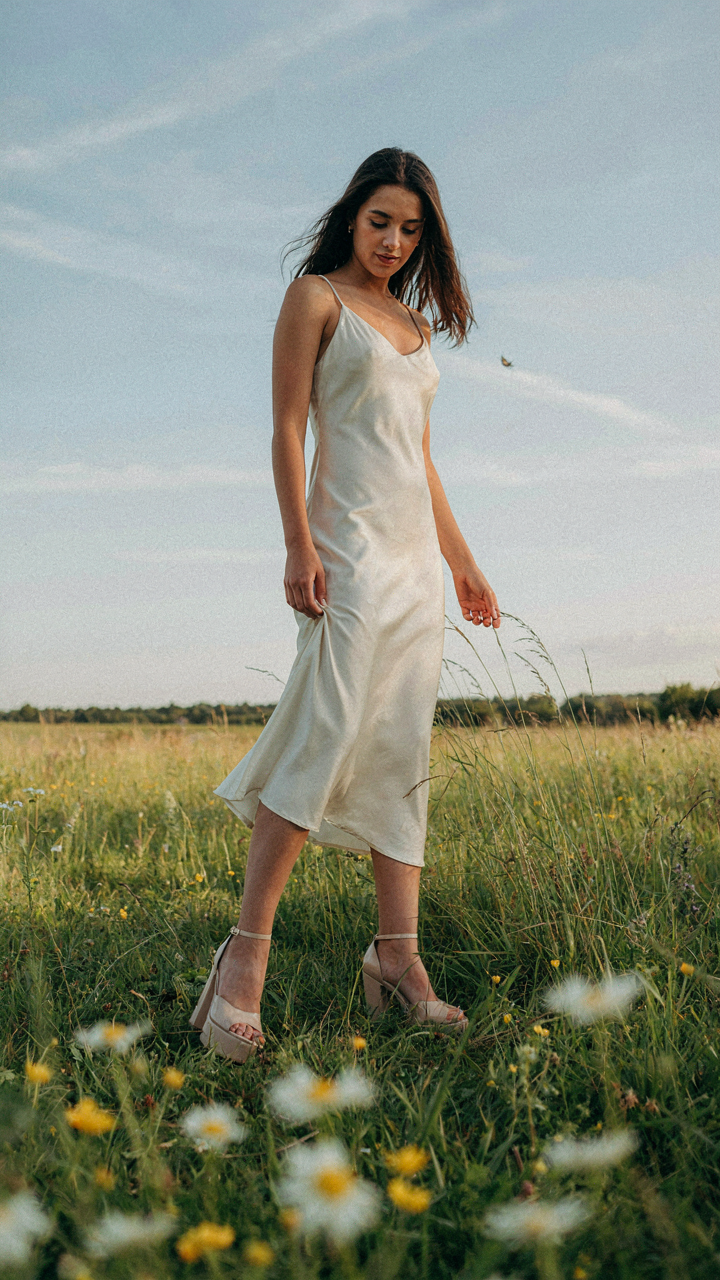
Most people treat shoe selection like an afterthought. They see grass and panic. But wedges aren’t a compromise. They’re a statement that you refuse to sacrifice style for practicality. Stop viewing footwear as defensive. View it as offensive. Pick a pair that makes you feel like you own the garden, not the other way around. Then walk into that wedding like you’re not worried about sinking into anything.




