

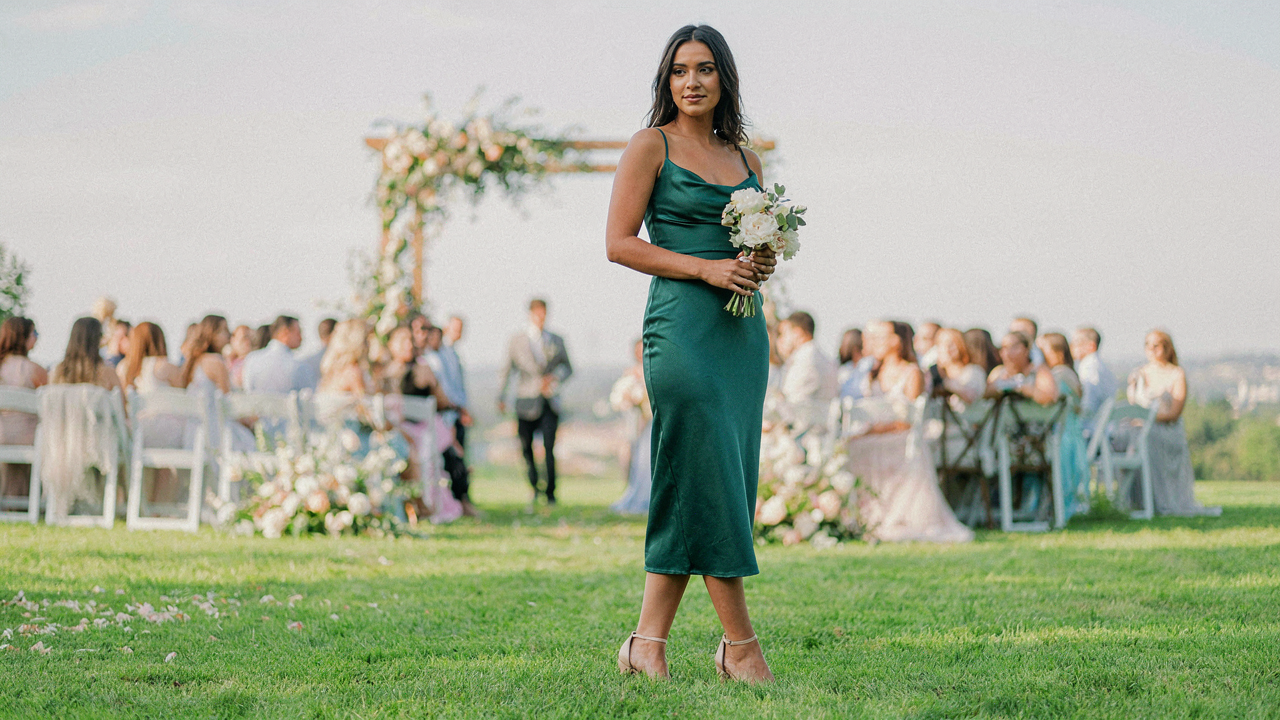
The Stability Paradox: Why Skinny Heels Sabotage Your Presence
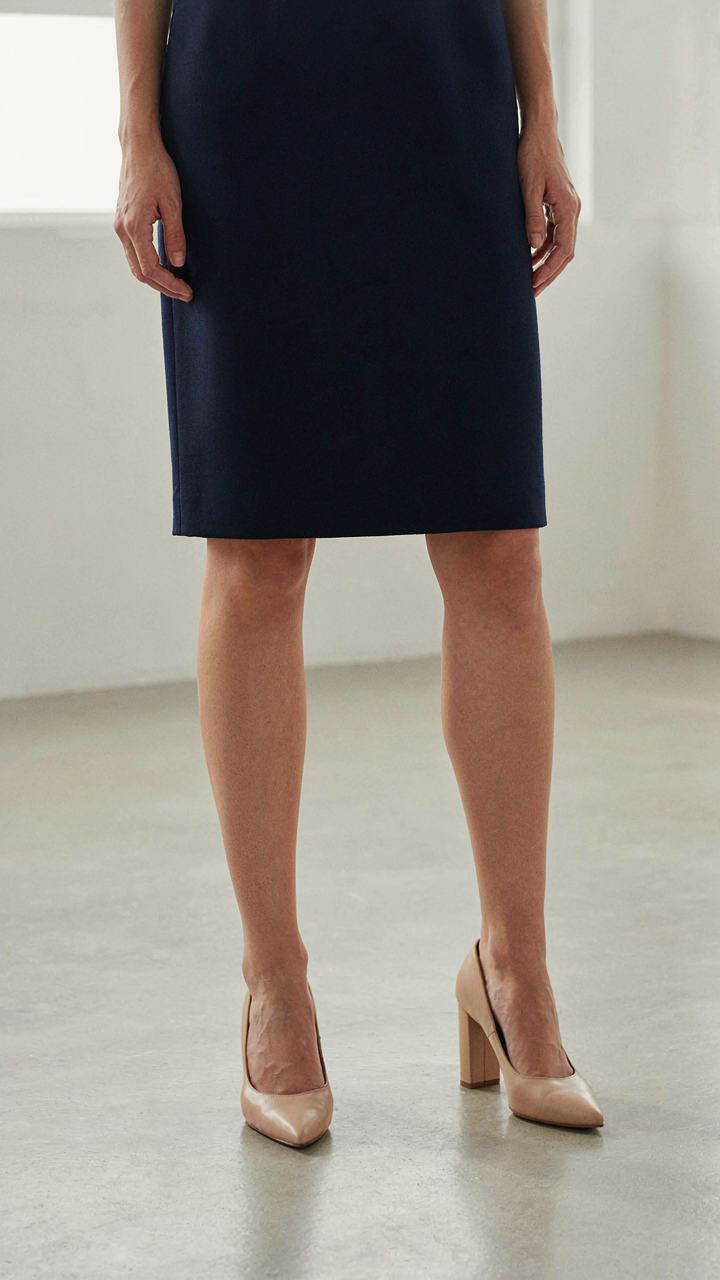
When Your Feet Fight Your Brain
You want to look elevated without looking like you’re working hard. Stilettos sabotage that goal because they demand constant micro-corrections from your nervous system. From a biomechanics standpoint, a narrow heel creates a single point of contact with the ground—your body treats this as an unstable surface, firing stabilizer muscles continuously. This constant correction burns mental energy you need for conversation, posture, and presence. You’re not actually present at the wedding; you’re managing a balance crisis.
The real cost isn’t pain—it’s attention. While wearing stilettos, your brain allocates resources to preventing a fall rather than engaging with guests or enjoying the event. This creates a visible tension in how you move and stand. Block heels eliminate this load entirely by distributing your weight across a wider base. Your nervous system recognizes stability instantly and stops fighting you. That’s when you can actually show up.
The Architecture That Grounds You
Block heels aren’t just wider—they redistribute force across a larger surface area, the same principle engineers use for structural stability. A typical block heel spans two to three inches at the sole, compared to a stiletto’s quarter-inch contact point. This difference is physics, not preference. Your body settles into a neutral position instead of compensating for tilt. The ground contact feels solid because it is.
This stability transforms how others perceive you. You move with intention rather than caution. Your shoulders stay back instead of hunching forward to manage the lean of a thin heel. You stand longer without fatigue because your feet and legs don’t recruit extra muscles for balance correction. Block heels let you dress formally without compromising your actual function at the event. The mechanism is simple: wider base equals less muscular effort equals more presence.
Beyond Basic: Block Heels As Your Style Multiplier
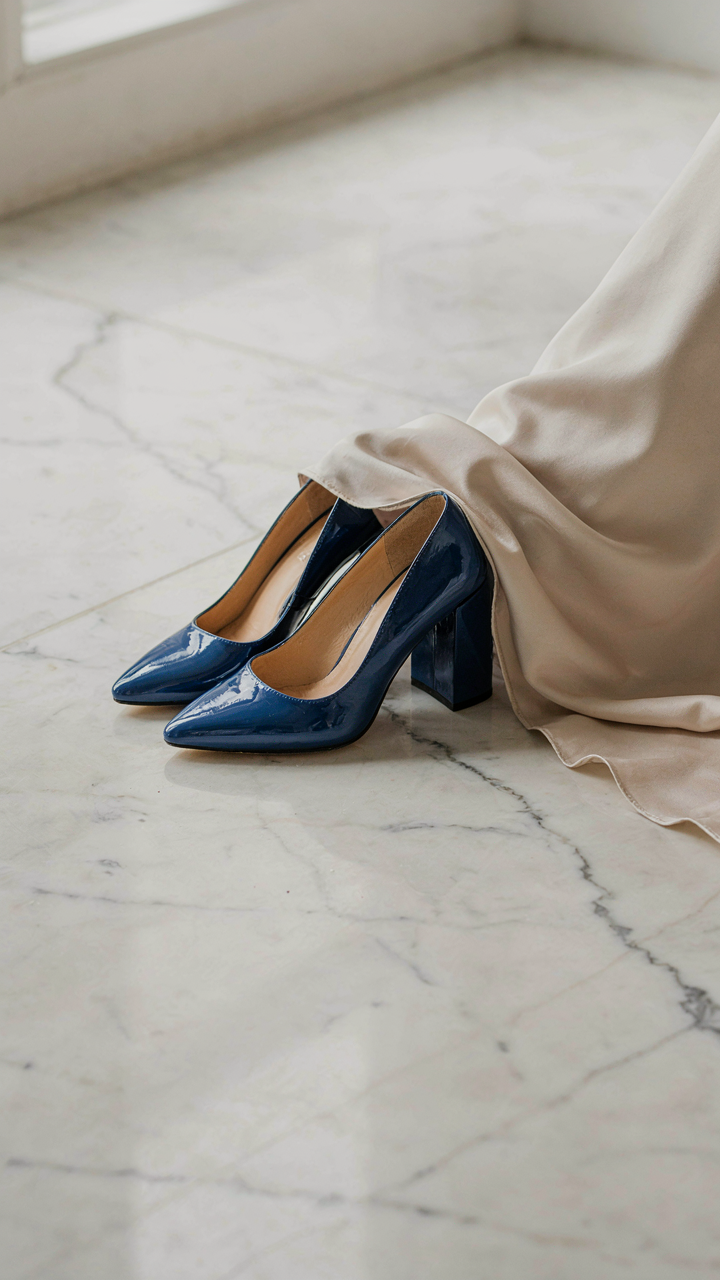
How The Right Heel Transforms Your Entire Outfit
You want permission to stop pretending thin heels work for you. Block heels function like an anchor in fashion composition. They ground an outfit with visual weight at the base, which allows everything above to breathe without looking unfinished. This is borrowed directly from design principles: a heavy foundation creates stability that lets the eye rest rather than strain. Most wedding guests default to neutral block heels and call it done. That’s the trap. The heel is not the accent. It’s the baseline.

A block heel is thick, flat on the bottom, and built to distribute pressure evenly across your foot. The shoe sits lower to the ground than a stiletto, which changes your posture and center of gravity immediately. This shift lets you stand for hours at a reception without compensating with your lower back or calves. But the real mechanic is this: a structured block heel makes any fabric above it look intentional. Silk feels richer. Cotton reads polished. Even a simple dress stops looking like an afterthought.
The Fabric And Color Leverage Points
Forget the conventional wisdom that block heels only work with casual dresses. That misses the actual mechanism. A block heel paired with a structured fabric like crepe, jacquard, or taffeta reads formal because the heel’s weight signals stability and intention. The fabric does the heavy lift. Satin block heels under a floor-length gown feel cohesive. Metallic block heels under a midi dress feel current. The heel color should either match your skin tone to elongate your leg or match your dress to create a unified vertical line.
The pairing works because repetition in fashion compresses visual information, which your brain reads as sophistication. Block heels in jewel tones like emerald or sapphire work under neutral gowns because they create a focal point without competing. Nude or metallic heels under patterned dresses keep the eye focused on the pattern, not the shoe. Pair your block heel color to either your dress or your accessories, never to itself in isolation. This single decision determines whether your outfit reads coordinated or scattered.
The “Wear All Night” Protocol: Strategic Comfort Engineering
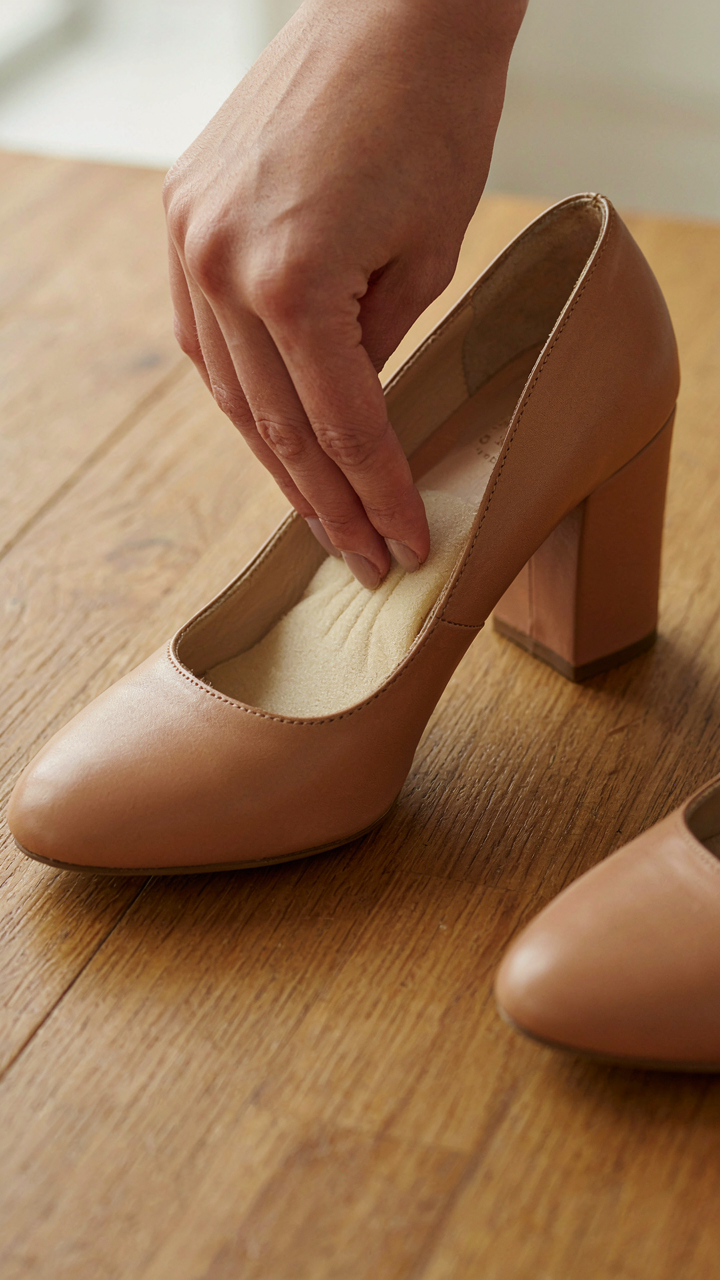
Cushioning And Arch Support Are Non Negotiable
You care about this section because you’re terrified of limping through photos or excusing yourself to remove your shoes while everyone stays put. The mechanism is simple: your foot is a lever system, and a block heel distributes your body weight across a wider base than a stiletto, but only if the interior architecture matches the promise of the heel itself. Bad cushioning negates the entire structural advantage.

Plantar fasciitis doesn’t care about your outfit. The arch supports your entire body weight during standing, and worn or insufficient padding forces your arch to compensate by tensing throughout the event. Look for heels with at least a quarter-inch of cushioning under the ball of the foot and a contoured insole that follows your foot’s natural curve. Memory foam works, but high-density EVA foam holds up better through extended wear without compressing flat by hour three.
Fabric And Sole Materials That Actually Last
Most wedding guests choose their heel material by feel during a 30-second in-store test. This is backwards. The material needs to perform under sustained weight distribution, temperature changes from venue air conditioning, and contact with different floor types. Leather uppers breathe and conform to foot shape over time, reducing friction blisters. Suede absorbs moisture and feels softer but deteriorates faster if exposed to spillage or damp floors.
The sole material determines your entire return on investment. Rubber soles maintain grip on marble and tile without slipping. Leather soles look refined but offer no traction on polished surfaces and wear down predictably. Polyurethane soles split the difference: they age slowly, provide reasonable grip, and cost less than pure rubber. Choose your material based on the venue floor type, not aesthetics. If the wedding is outdoors, rubber sole wins every time.
Decoding Heel Mechanics: A Physics Approach To Footwear
How Weight Actually Travels Through Your Foot
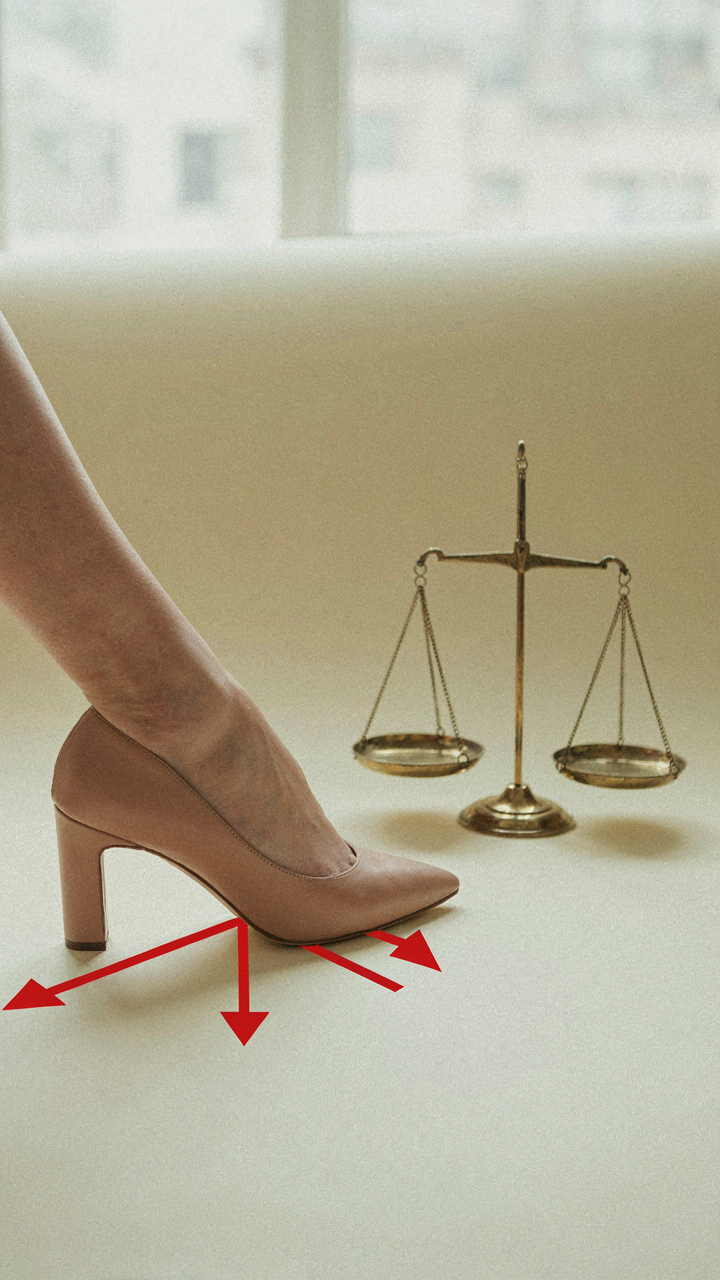
You’re reading this because you want to feel smart about your shoe choice, not because you genuinely care about force vectors. Here’s the mechanism: physics calls it load distribution. In block heels, that load spreads across a wider base. In stilettos, it concentrates on a single point the size of a pencil eraser.

A block heel shifts your weight across the entire heel surface. Your foot stays closer to the ground. The pressure per square inch drops dramatically. A stiletto heel creates pressure that exceeds what concrete can withstand. Your body compensates by tensing your calf, arch, and lower back for hours. One feels fine at a reception. The other doesn’t.
Stability Starts With Where Your Body Sits
Center of gravity isn’t just physics jargon—it’s the invisible axis your body balances around. Block heels keep your center of gravity directly over your base of support. Stilettos push it forward and up, forcing constant micro-corrections from your ankle stabilizers.
Block heels let you stand still without working. Your weight distributes evenly from your heel through the ball of your foot. You don’t grip the ground with your toes to stay upright. A wider platform also means you can move naturally without overthinking each step. By hour three of a wedding, this difference determines whether you’re still present or counting down to shoe removal.
Why “Feminine Block Heel Wedding Sandals” Aren’t A Myth
The Myth That Block Heels Kill Elegance
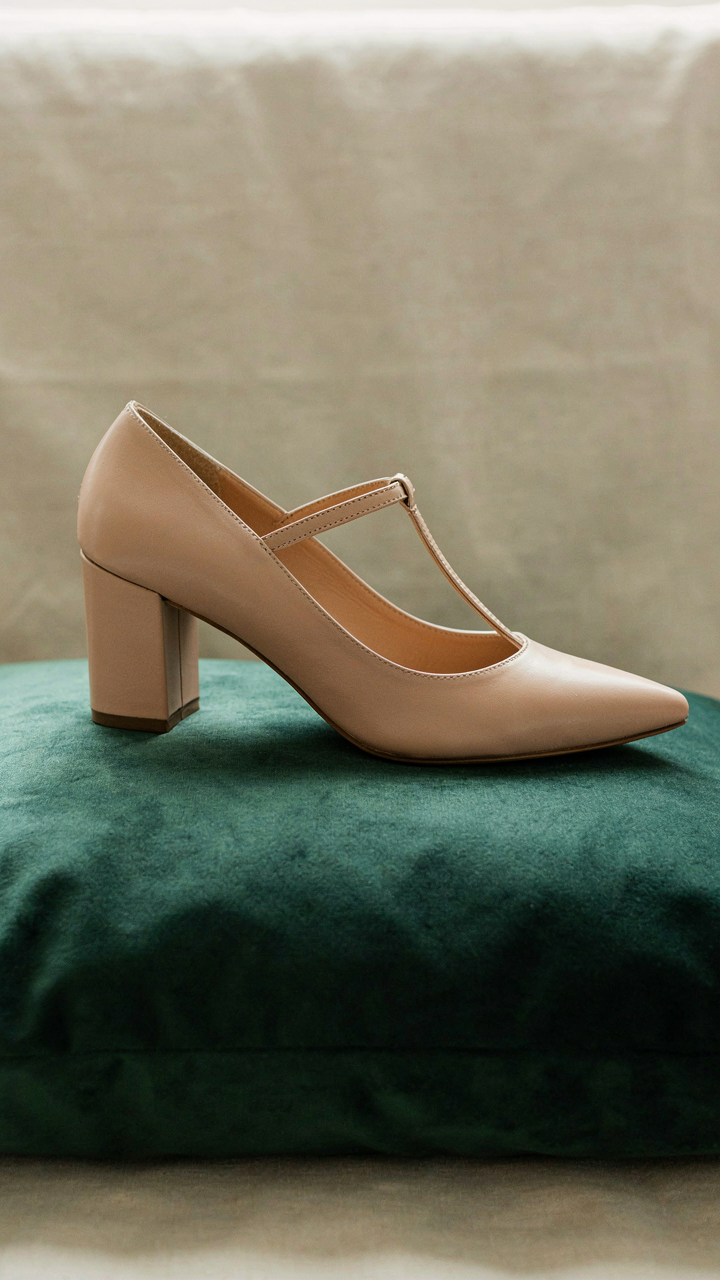
You’re worried people will judge you for choosing comfort over the “proper” wedding guest aesthetic. That fear is the real problem here, not the shoes. The mechanism is simple: designers solved the elegance problem years ago by treating block heels like an architectural constraint, not a limitation. Thin leather straps, refined proportions, and intentional spacing between heel and sole transform bulk into structure. The shoe industry learned this from minimalist design movements that proved constraint breeds creativity, not compromise.

Brands like Manolo Blahnik, Stuart Weitzman, and Jimmy Choo build block heels with the same precision as stilettos. The difference is material distribution. A stiletto concentrates force on a needle point; a block heel spreads it across a wider base while maintaining visual refinement through heel width (typically 1.5 to 2.5 inches), proportionate toe box design, and minimal ornamentation. No visual heaviness required. The heel sits flush with the sole rather than protruding like a platform, which keeps the line clean and the silhouette elongated.
Straps, Color, And What Actually Signals Refinement
Forget the generic advice that block heels need to be neutral and simple. That’s backwards. Refinement lives in specific details, not restraint. A delicate ankle strap in metallic leather, a subtle rhinestone trace along the vamp, or a satin finish instead of matte—these moves separate intentional design from budget footwear. The real signal isn’t minimalism; it’s precision in execution and material choice.
Consider nude block heels with a thin metallic T-strap, burgundy suede with a single jeweled accent, or champagne leather with a wrapped heel. Wedding guest contexts demand formality, and formality comes through material quality and specific detail placement, not through pretending block heels are still 2005. When you select a shoe, you’re paying for leather grade, construction method, and finish quality far more than heel shape. That’s where elegance actually lives.
The Shoe Addict’s Secret: Curating Your Block Heel Collection
The Core Styles You Actually Need
You’re worried about looking underdressed or making the wrong choice, so you think you need more shoes than you do. The real mechanism is constraint. When you own fewer options, you make better decisions because you’re forced to understand fit, occasion, and your actual body.
- Pointed-Toe Block Heel: Elongates the leg and works for formal events. The tapered front creates visual length without sacrificing the stability of a block base. Pairs with dresses and trousers equally.
- Round-Toe Pump: The workhorse for casual to semi-formal weddings. Rounds soften the silhouette and feel less severe than pointed toes. Comfortable for standing through ceremonies and receptions.
- Slingback Block Heel: Offers ankle support without the visual heaviness of a closed back. The strap holds your foot in place on polished floors. Doubles as a dressy sandal for outdoor or garden events.
- Almond-Toe Block Heel: The bridge between pointed and round. Works across multiple dress codes and face shapes. Less trendy than pointed toes, so it survives season changes without looking dated.
- Metallic Block Heel: Silver or gold acts as a neutral that complements any color. Catches light and creates visual interest without pattern or texture. One metallic option replaces three basic neutrals.

Most people buy shoes by color first. Buy by silhouette first, then color. A pointed toe in black serves ten different outfits. A black shoe in a random silhouette serves two. Own one shoe in each silhouette, then add colors strategically.
Quality Markers That Actually Signal Durability
You assume expensive equals good, so you overpay for brand names that don’t deliver. The economics principle here is diminishing returns. Past a certain price point, you’re paying for marketing, not construction. The real value hides in specific material choices and assembly methods.
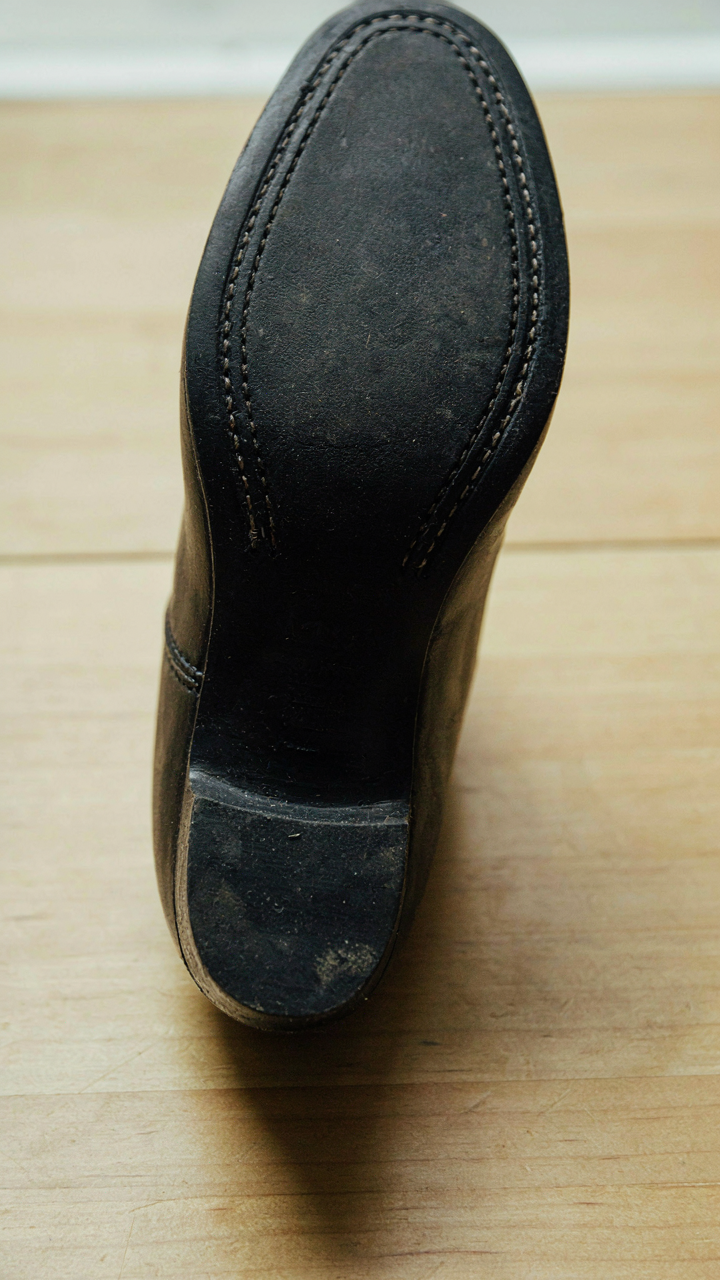
The insole material matters more than heel height. Leather insoles mold to your foot and last years. Synthetic foam compresses after months and never recovers. Check the insole by pressing your thumb into it. If it springs back slowly, it’s foam. If it holds your print briefly, it’s likely leather. Stitch count on the sole tells you durability. You should see multiple rows of tight stitching where the upper meets the sole. Loose stitching or single rows fail faster under walking pressure. Buy shoes where the stitching is visible and dense, not hidden or sparse. This single detail predicts whether you’ll wear a shoe for two years or two months.
Beyond Basic Black: Embracing Color And Texture
When Color Works Against You
You want the blue floral heels because you think they signal taste. They don’t. The mechanism is contrast: your outfit either needs the color or it doesn’t, and most wedding guest outfits don’t. Blue florals work only when your base dress or separates are neutral enough to absorb the statement without competing. Navy, cream, or gray backgrounds create the visual space a patterned heel requires. Misalignment between heel and outfit creates cognitive friction. The guest notices the mismatch before they notice anything else.

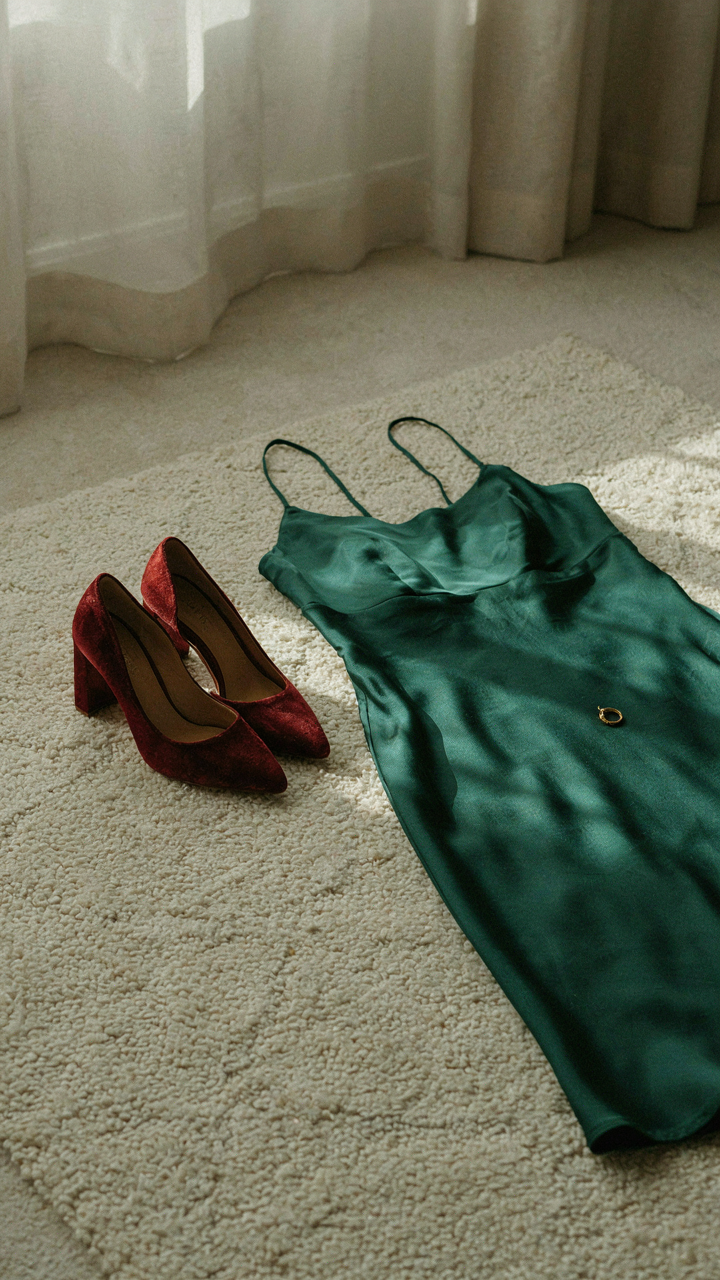
The real play is constraint-based selection. Choose your heel color only after your outfit is finalized. Walk through the ceremony in your head. If the heel draws attention away from your face or creates visual noise against busy fabric, it fails its job. A block heel’s structure already commands presence. Patterned block heels in blue, emerald, or burgundy work best on solid-colored dresses or minimalist separates where they become the intentional focal point, not an afterthought.
Texture As Material Choice, Not Decoration
Everyone says “add texture for depth.” Wrong framing. Texture in block heels is a material engineering problem, not a styling one. Suede, velvet, and embossed leather change how light hits the shoe and how your foot feels against it. Satin block heels demand climate control. Rough textures like suede require maintenance. Smooth leather tolerates wear. Choose texture based on venue conditions and your tolerance for preparation, not aesthetic preference alone.
Real texture integration means matching the heel’s material to both your outfit fabric and the wedding setting. Velvet block heels on concrete church floors create traction issues. Suede heels sweat in humid indoor venues. Patent leather draws light aggressively and reads as formal in a way that can clash with casual outdoor ceremonies. The texture must solve a problem, not create one. Before ordering, cross-reference the heel material against the wedding’s venue type and your outfit’s primary fabric.
The Wedding Guest Shoe Evolution: From Pain To Power
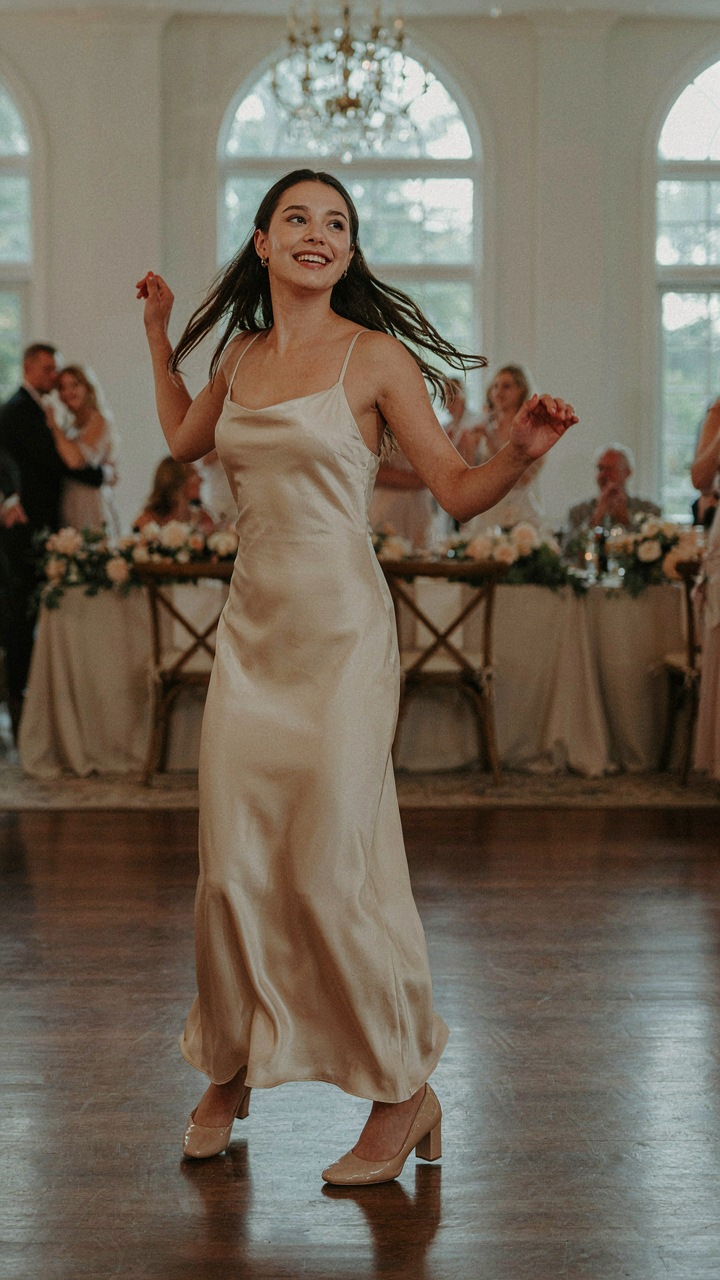
When Dress Codes Stopped Making Sense
You’re worried people will judge you for choosing comfort over the shoe tradition demands. Here’s what actually happened: formal footwear rules were built on economics, not logic. In the mid-20th century, thin heels signaled wealth because they proved you didn’t work with your feet. That status marker stuck around long after it stopped meaning anything.

Block heels exist in a new economy where visibility matters more than conformity. A wedding guest who looks composed and present beats one who grimaces through photos. The shift from stiletto to block isn’t rebellion. It’s recognition that what matters at a wedding is how you move through the event, not whether your shoe height matches some inherited rulebook.
Elegance That Doesn’t Require Suffering
Everyone tells you to “just toughen up” or “wear heels for a few hours.” That’s incomplete advice masking a design failure. Block heels solve a real problem: formal footwear that keeps you functional. Thin heels concentrate pressure on the ball of your foot. Blocks distribute weight across the sole. This is basic biomechanics, not compromise.
Practical elegance means your shoe does two jobs simultaneously. You attend the ceremony without counting down minutes until you can remove your shoes. You stand through the reception, dance if you want, walk outside for photos without recalculating your pain tolerance. The mechanism is simple: when your foot stays stable, your posture improves, your face relaxes, and you photograph better. Choose a block heel in satin or silk to match the formality level. That single decision removes the conflict between looking intentional and feeling like yourself.
Your Feet Aren’t The Problem; Your Shoe Choices Are. Stop Blaming Your Arches
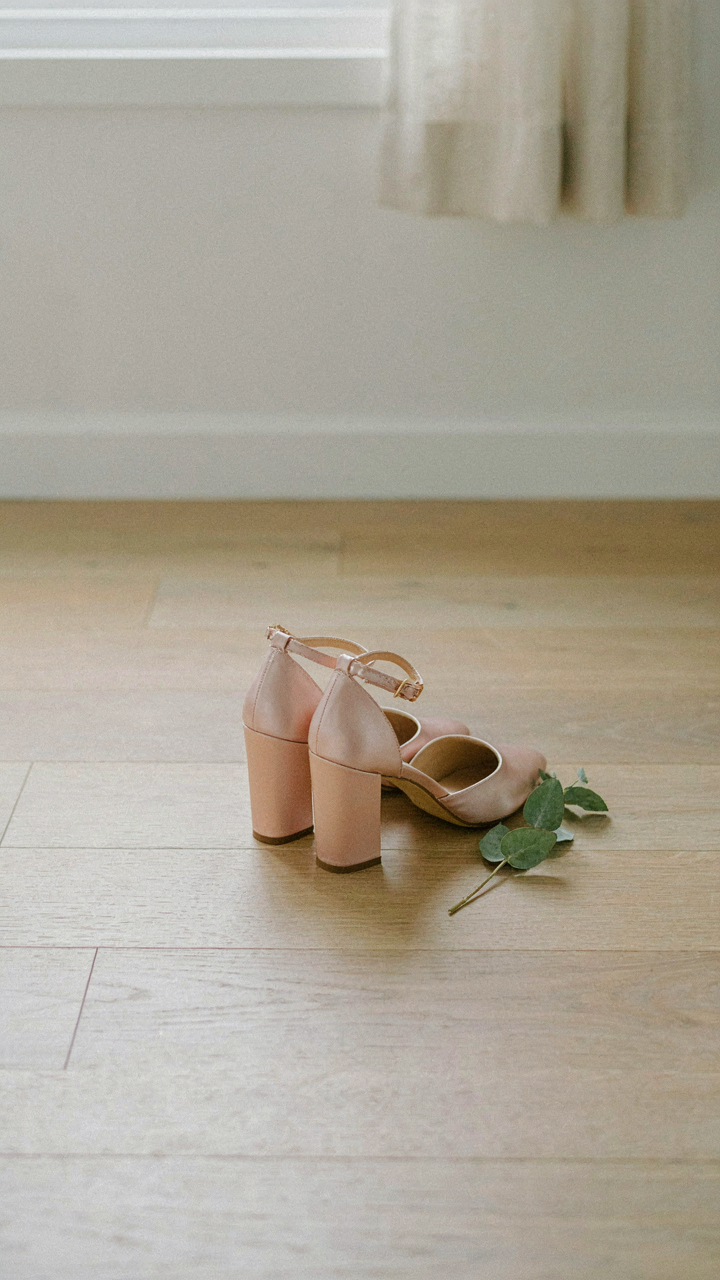
You’ve worn the wrong shoes to every wedding for years and called it fate. Block heels end that excuse today. Go buy one pair this week, not next month. Wear them to the next event you attend, even if it’s casual. You’ll realize comfort wasn’t negotiable. You just chose wrong. Your feet weren’t broken. Your standards were.




