


The Irrelevance Of Age Appropriate Fashion
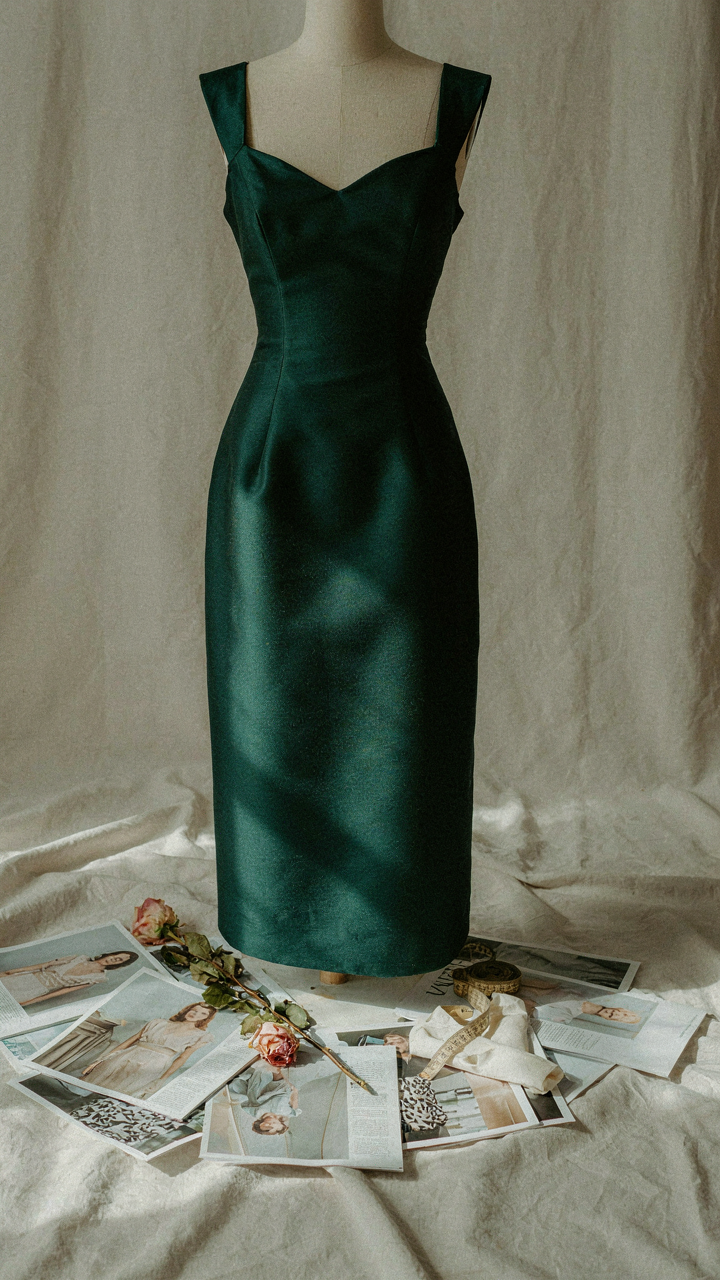
Breaking The Arbitrary Rules
You’re worried that wearing the wrong thing signals decline. Here’s what actually happens: the “age-appropriate” framework is borrowed from status hierarchies that died decades ago. In military doctrine, you follow orders because consequences are real. In fashion, you follow arbitrary dress codes because nobody challenges them. Women over 40 absorb these rules through repetition, not logic. The mechanism is simple: gatekeepers profit from your compliance.
The rules themselves contradict each other constantly. Fashion magazines tell you to hide your arms, then show celebs your age in sleeveless dresses. They say no short skirts, then feature them on every runway. The inconsistency proves these aren’t laws. They’re manufactured constraints designed to narrow your options and make you buy more to feel safe. Recognizing the con is the first step. The second is noticing that no actual consequence exists when you break them.
What Actually Moves The Needle
Personal style is a decision, not a discovery. Most women over 40 outsource this decision to fear, defaulting to black, neutral fabrics, and maximum coverage. That choice is valid only if it’s intentional. The problem: you’re usually choosing from constraint, not preference. You’re dressing to avoid judgment, not to express what you actually want to wear. Dressing from intention means you pick the silhouette, color, and cut because they work for your body and mood, not because they’re “safe.”
When you stop asking what’s appropriate, you start asking what fits, what flatters, and what you’ll wear again. Those three questions replace the age rule entirely. A cocktail dress at forty-five looks exactly the way a cocktail dress looks. Fabric quality, fit through the shoulder, and length relative to your proportions matter. Your birthdate doesn’t. Test this: pull three dresses you love wearing. Notice they probably violate at least one age guideline. That’s not coincidence. It’s proof that your taste operates outside those rules.
The Own Your Narrative Protocol: 40th Birthday Outfits For Women
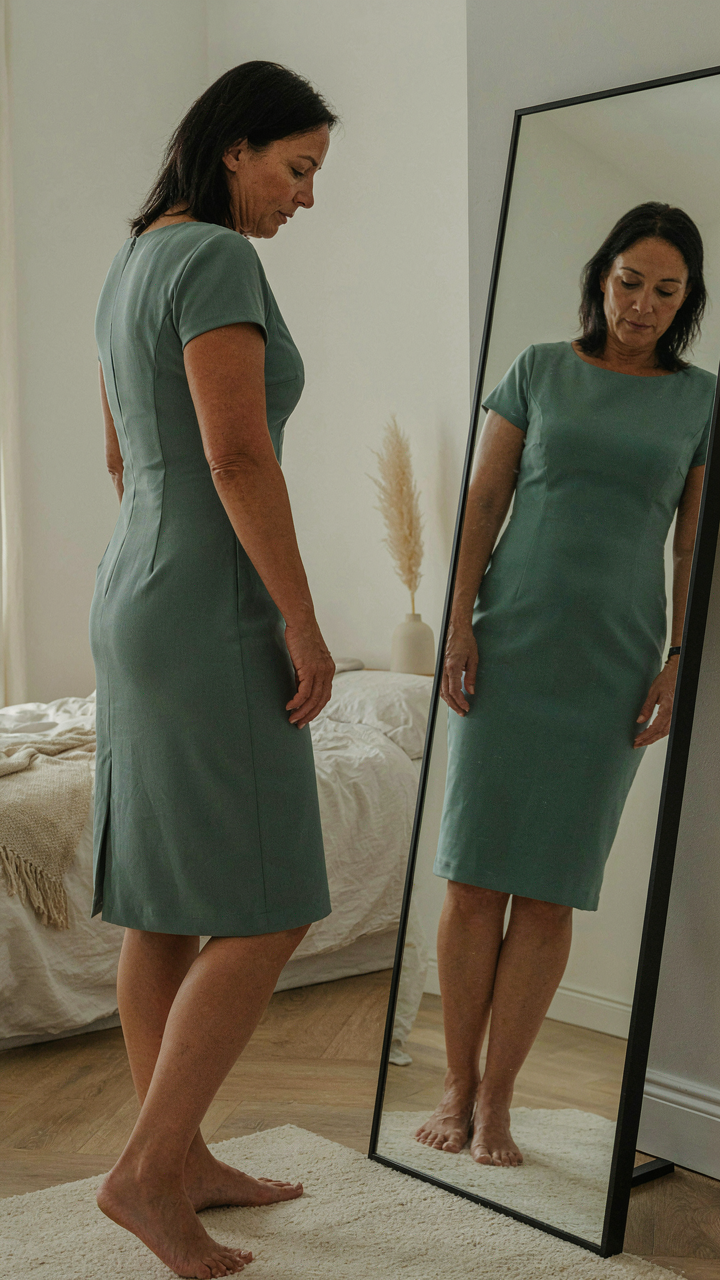
Know Your Visual Signature Before The Party
You’re afraid the wrong dress will confirm what you already suspect: that you’re invisible now, or worse, trying too hard. Stop. The real mechanism is this. Your body has changed, your context has changed, but most women waste energy fighting that instead of building on it. You need a visual signature because it eliminates decision paralysis and broadcasts authority. When you wear something that matches how you actually move through the world, people read confidence, not age. That’s not psychology. That’s information design.

Start by identifying which of three archetypes you actually embody: the Streamlined type (clean lines, minimal pattern, tailored fit), the Textured type (fabric weight, layering, subtle detail), or the Statement type (strategic color, unexpected cut, focal point). This isn’t about reinvention. It’s about naming what you already do. Spend one week observing what you reach for when there’s no occasion. The dress you wear on a random Tuesday reveals more than any style quiz. Your archetype is hiding there.
Translate Signal Into Fabric And Silhouette
Brand strategy teaches that your external output must match your internal position. Apply that directly to birthday party dress for women over 40. If you position yourself as someone who knows what she wants, your dress cannot whisper. It must speak clearly through fabric choice, silhouette, and proportion. A dress that fits your actual body wins every time. Synthetic blends that cling to lumps or vintage sizing that expects a different shape lose before you arrive. The dress is the message. Make it true.
Pick one of these mechanisms based on your archetype. Streamlined types anchor with a fitted sheath dress in dark knit or structured cotton, then add one statement accessory. Textured types layer a bias-cut slip dress under a structured jacket or add a belt that creates definition. Statement types start with strong color or cut, then ground it with neutral shoes and minimal jewelry. The protocol is simple: one element does the work, everything else supports it. This prevents the noise that reads as confusion or indecision.
The Cost Benefit Fallacy Of Fast Fashion For Party Dresses For Women
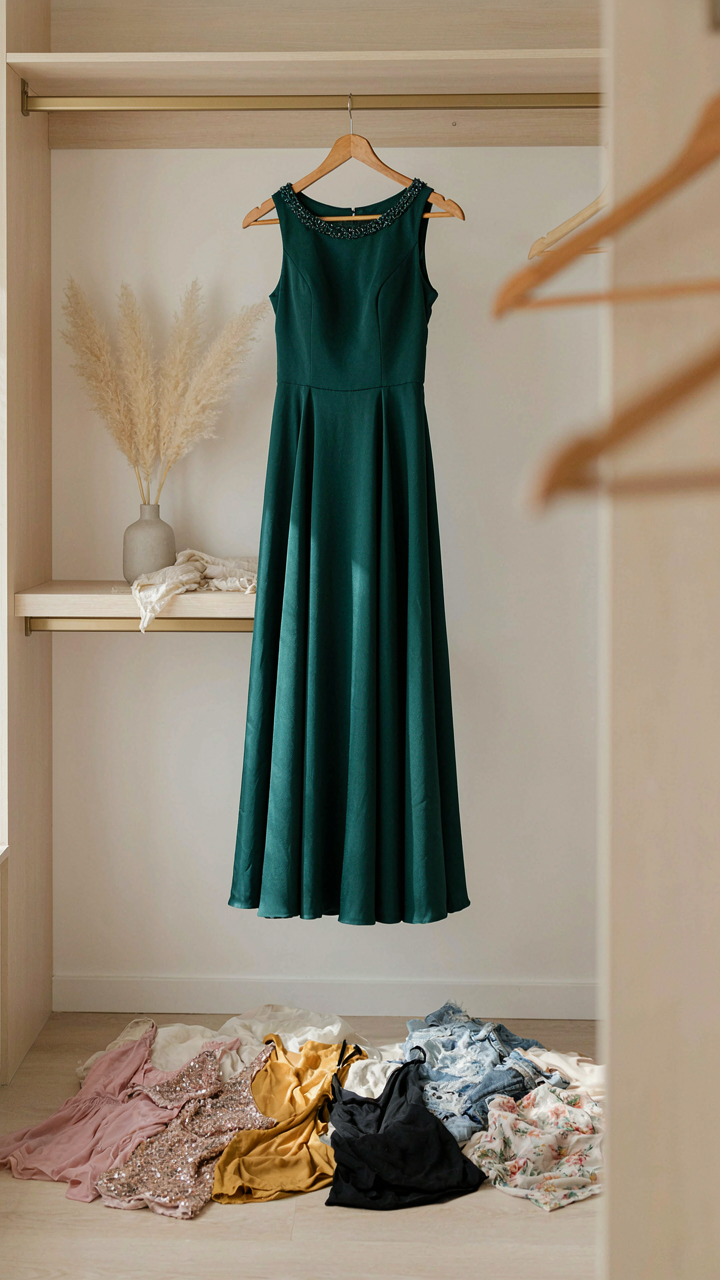
What You Actually Pay For Cheap Dresses
You’re worried you’ll look out of place, so you’re hunting for a deal. That’s the hidden math driving you toward fast fashion. Here’s the mechanism: economics calls this “sunk cost thinking.” Apply it to party dresses and you get this—a $40 dress feels cheaper than a $180 one upfront, so your brain locks in. You ignore the real variables: wear frequency, fabric degradation, fit longevity, and replacement cycle speed.

The true cost isn’t the price tag. It’s the price tag divided by actual wears. A $40 dress you wear twice costs $20 per wear. A $180 dress you wear fifteen times costs $12 per wear. Fast fashion exploits the gap between sticker shock and real math. Most women over 40 know this intellectually but don’t calculate it before buying. That calculation is where the decision actually lives.
Quality Pieces Outlast Trends You’ll Forget
The common advice says “invest in classics.” That’s incomplete. The real move is this: quality pieces solve a specific problem fast fashion can’t—they stay intact through body changes, multiple seasons, and cleaning cycles. A silk blend or cotton sateen holds its shape. Synthetic blends pill, fade, and stretch unevenly. Seams on cheap dresses fail. Armholes on quality pieces stay stable.
The protocol is simple. Before buying any party dress, check fiber content and construction. Look at seam finishing, button attachment, and hem weight. Wear it to one event, then evaluate. If it survives the night intact—no pulls, no seam stress, no color shift—it justifies its cost on the second wear. That’s when it stops being an expense and starts being a tool.
Beyond The Little Black Dress: Birthday Outfit For Women
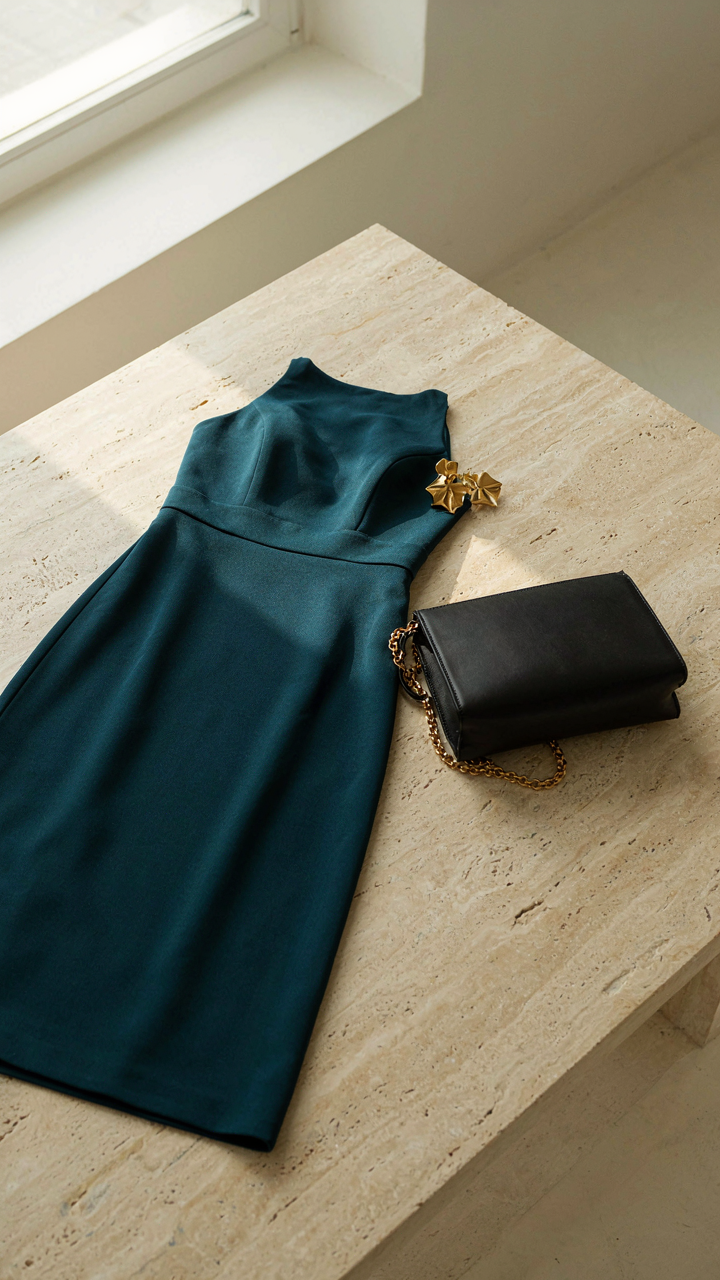
Color And Silhouette That Actually Works
You’re worried the wrong outfit choice signals decline. Here’s the mechanism: color communicates faster than cut. Saturation and hue trigger recognition before your brain processes shape. A woman over 40 wearing jewel tones or saturated earthiness reads as intentional, not trying to disappear. The silhouette matters less than the confidence color gives you to carry it.

Black reads as safe because it’s invisible. Burgundy, deep teal, burnt orange, and rich plum read as deliberate choice. These colors work on olive, warm, and cool undertones without flinching. The fit should skim without clinging. A dress that defines your waist without strangling it keeps proportion honest. Skip anything cropped or overly sheer unless you’re wearing structured layers underneath.
Accessories Drive The Entire Outfit
Most women treat accessories as finishing touches. Wrong. They’re the mechanism that elevates a dress from functional to intentional. One substantial piece transforms a basic silhouette. This means choosing statement jewelry, a quality clutch, or shoes that carry visual weight, not three mediocre items competing for attention.
Gold or silver should match your metal tone consistently. A layered necklace works if the pieces graduate in weight. Shoes anchor the look because they’re the first thing others see as you move. Choose heels at least two inches tall to elongate proportion. A structured clutch or evening bag in leather or metal hardware signals investment in the moment, not an afterthought.
The Misfit’s Guide To Cocktail Style: Over 40
Subverting The Dress Code
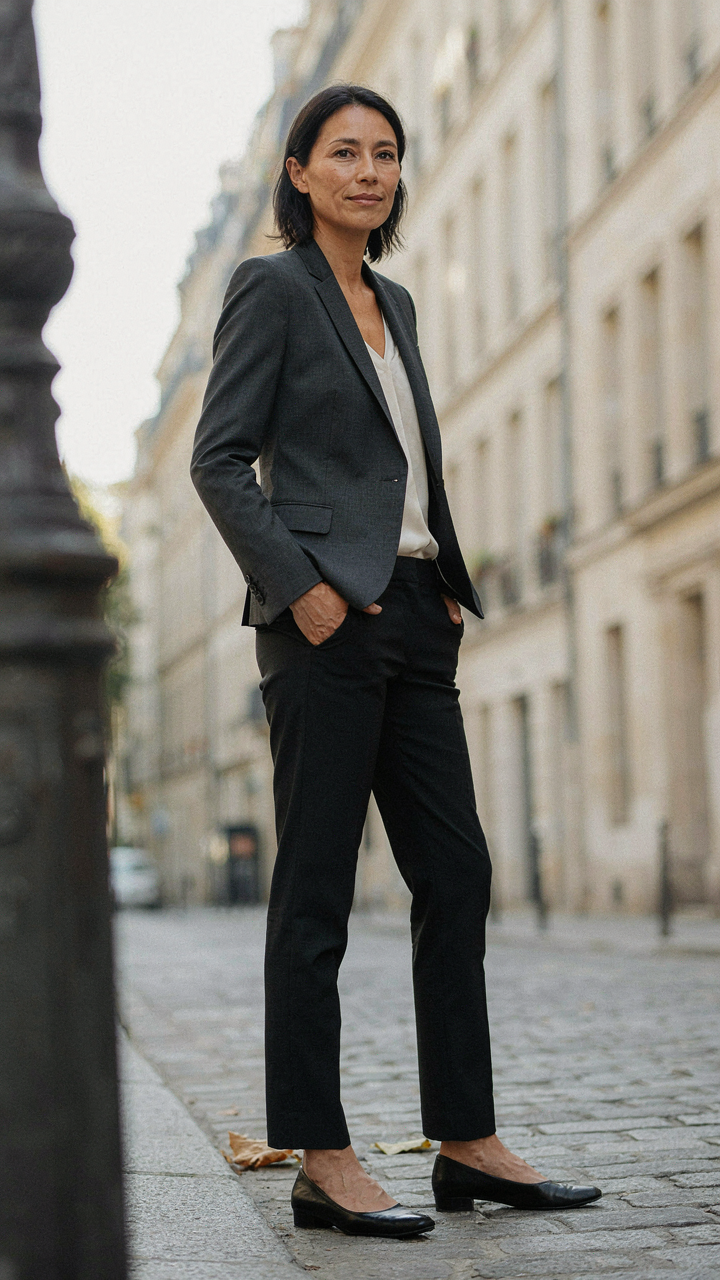
You’re afraid you’ll look like you’re trying too hard or, worse, trying to be someone you’re not. The real mechanism is this: cocktail dress codes exist to create a visual baseline so the room feels cohesive. Once you understand the baseline, you can break it strategically instead of accidentally. Traditional cocktail rules say you must wear a dress, heels, and minimal skin. Those rules were built for a specific body type and a specific era. They’re not laws.

The actual leverage is rejecting the false choice between “following the code” and “ignoring it entirely.” Wear tailored trousers instead of a dress if that’s your frame. Swap heels for structured flats or loafers if that serves your posture and presence better. The dress code’s job is to signal respect for the occasion, not to erase who you are. A 40-plus woman in a well-fitted blazer and cigarette pants reads as more intentional than a 25-year-old in a borrowed template. Pick one element that breaks the expectation, then nail everything else.
Crafting Presence Through Proportion
An outfit is a system, not a collection of items you hope work together. Economics uses the concept of leverage: minimal input producing maximum output. Your ensemble’s leverage lives in proportion and fit, not in price tags or trends. A midi skirt that hits at the right calf length, paired with a fitted top that shows your collarbone, creates visual interest without exposure. Fabric weight matters more than fabric cost. A structured cotton blend holds its shape through a four-hour party better than delicate silk that wilts by hour two.
The mechanism is this: stop treating cocktail dressing as decoration and start treating it as communication. Your body has changed since your twenties, and that’s the point. A woman at 42 who dresses for her actual frame looks more powerful than one who chases the silhouette that worked at 28. Choose one standout piece, one that makes you want to stand in front of the mirror. Build the rest around making that piece sing. That piece becomes the anchor; everything else serves it. When you walk in, people notice the coherence, not the individual items.
Architecting Your Look: 40th Birthday Dresses For Women
The Foundation That Carries Everything
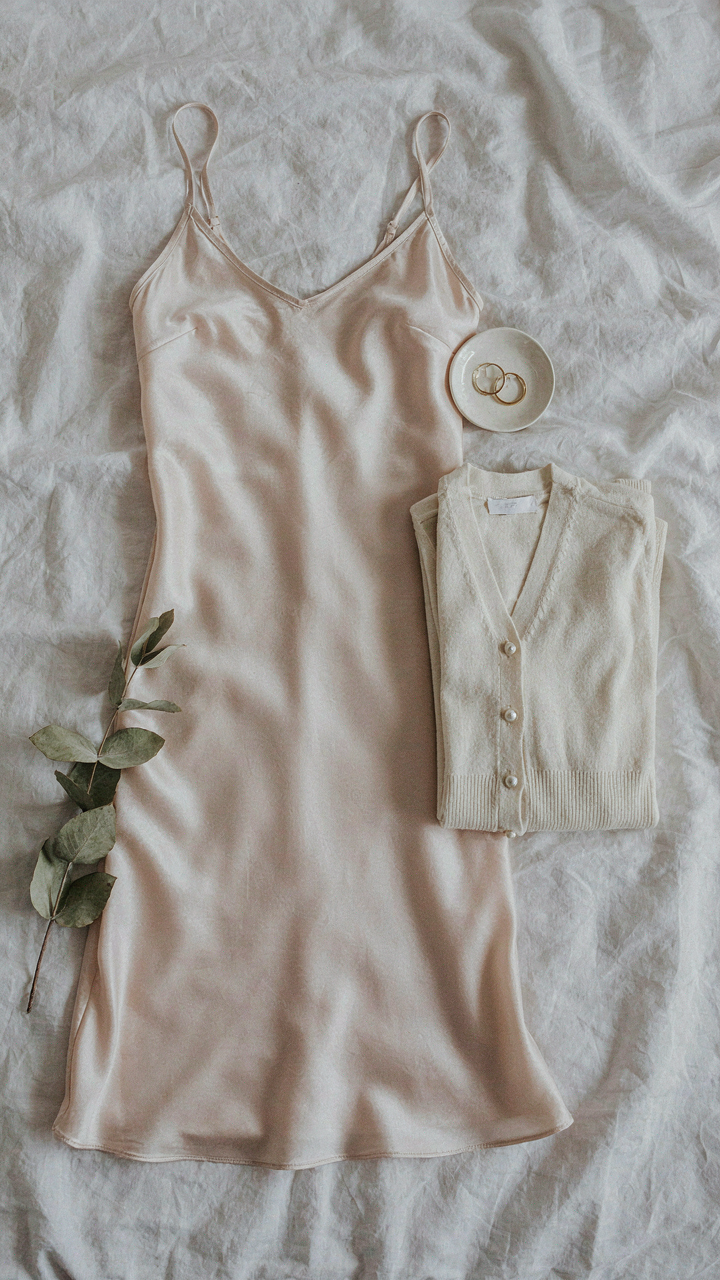
You want to look expensive without trying, which means you’re afraid cheap fabric will betray you the moment you sit down. That fear is rational. In structural engineering, load-bearing capacity depends on the base material’s integrity. Your dress works the same way: the undergarment layer determines whether the outer fabric drapes, moves, or clings in ways you didn’t choose. A slip that fits your actual body shape becomes the load-bearing foundation. Without it, even premium fabrics telegraph every angle.

Most women buy the dress first and hunt for shapewear after, which is backwards. Start with what goes under. A well-fitted slip in natural fibers or quality synthetics like modal creates the plane on which your dress sits. This isn’t vanity. It’s physics. The slip prevents fabric from clinging to skin, controls visible panty lines, and lets you move without constant adjustment. Choose one that hits mid-thigh minimum. Anything shorter creates a visual break that interrupts the line of your legs.
The Dimension That Reads As Intentional
Layering over forty isn’t about hiding. It’s about controlling where attention lands and giving yourself exit strategies when a venue changes temperature. A sleeveless dress with a structured blazer or fine-knit cardigan worn open creates a silhouette that reads as deliberate dressing, not filling gaps. The layers break up the visual plane of your torso and add texture contrast that prevents the look from flattening.
The second layer also solves the practical problem most birthday events create: transitions between outdoor photos, indoor cocktails, and air conditioning that drops twenty degrees. A silk or linen blend cardigan packs into a clutch. A blazer in a complementary tone works if the dress is solid, or matches the dress if it’s patterned. The layer doesn’t need to match. Strategic contrast is sharper than safety in sameness.
The Confidence Multiplier: Fabulous Birthday Outfits

Self Assurance Elevates Everything You Wear
You want to believe the dress does the work. It doesn’t. The real mechanism is this: confidence shifts how your body occupies space, which changes how fabric drapes, which changes how people perceive the garment itself. A silk cocktail dress on someone who apologizes for existing reads as timid. The same dress on someone who moves with intent reads as intentional. The outfit doesn’t build confidence. Confidence reveals the outfit’s actual potential. Women over 40 who stop dressing to hide and start dressing to function unlock a visibility they haven’t experienced since their twenties.

The nervous energy spent managing insecurity gets redirected into presence. Your shoulders drop. Your spine straightens naturally, not forced. Your eye contact improves because you’re not mentally calculating how you look from the side. This physiological shift is measurable. When you stop fighting your own outfit, observers stop fighting their perception of it. They see clarity instead of ambivalence. Cocktail dressing for women over 40 requires this swap: trade apologetic silhouettes for ones that match your actual body and your actual intention for the evening.
Powerful Posture Anchors The Whole Look
Posture is borrowed from biomechanics, but in fashion terms it functions as load bearing. Your skeleton either carries your garment or your garment carries your insecurities. Most women drape fabric over collapsed posture and wonder why they feel frumpy. A midi cocktail dress with structured fabric needs a spine that meets it halfway. Shoulders back doesn’t mean military stiffness. It means your ribcage sits over your pelvis, your collarbone opens, and your neck extends from your spine instead of jutting forward.
Practice this before the party: stand against a wall for thirty seconds daily, letting your back of your head, shoulder blades, and glutes touch the wall. Step away and hold that position while moving. Your dress will skim instead of cling. Lighting will hit fabric differently. You’ll breathe deeper, which calms nervous energy that reads as discomfort. This anchoring creates presence that outlasts makeup or accessories. The mechanism is simple: alignment changes air flow around your body, which changes how fabric moves, which changes how you’re perceived.
Curating Your Closet For 40th Birthday Parties
Build Around Pieces That Work Harder
You care about this because you’re tired of owning clothes that sit unworn, collecting dust while you scramble before events. The real mechanism is this: you need a wardrobe built on overlap, not variety. A statement piece works only if it pairs with multiple other items you already own. Most women over 40 own too many single-use items and call it a wardrobe.

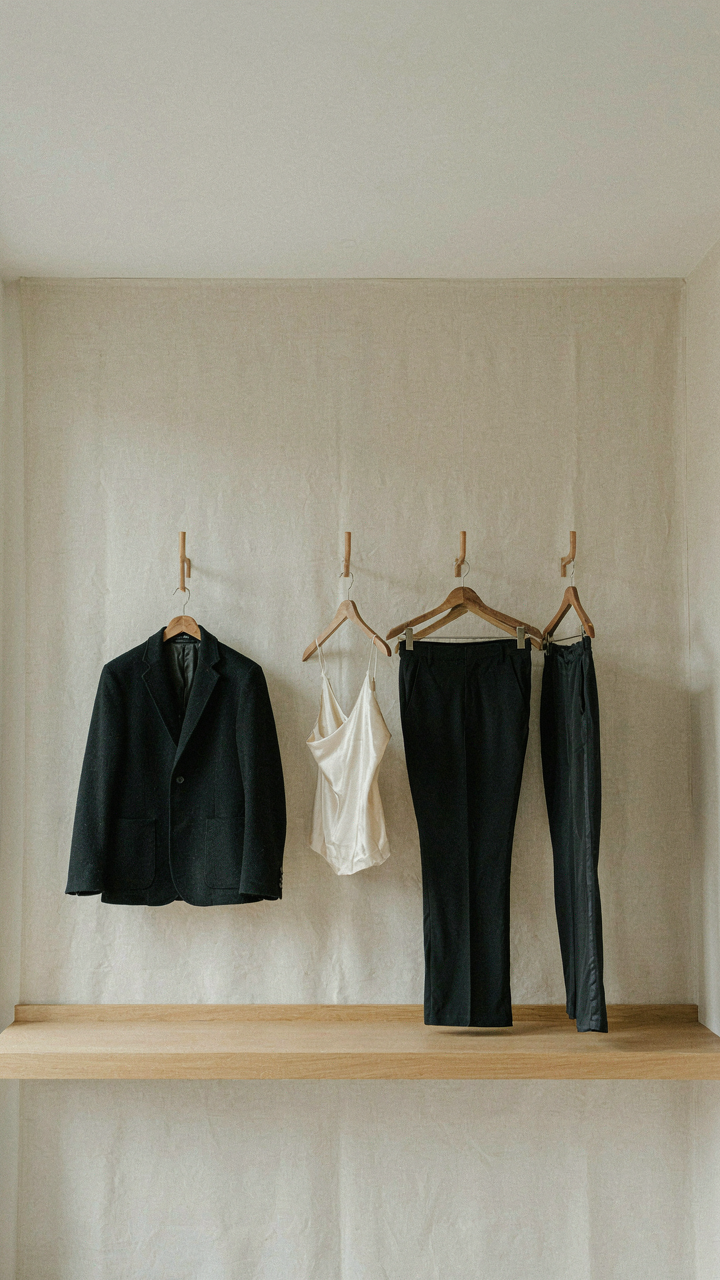
Start with neutral bases that anchor everything else. A tailored black blazer, cream silk camisole, and well-fitted dark trousers form the foundation. Add one structured evening pant in charcoal or navy. These pieces combine with each other and accept accessories without competing for attention. You’re not collecting dresses; you’re building a system where each piece earns its closet space by solving multiple outfit problems.
Eliminate What Doesn’t Serve The Event
The common advice says “keep pieces you love.” That’s incomplete. You need to eliminate pieces that work against the specific demands of a birthday party at 40. This isn’t about throwing out everything; it’s about recognizing which items actively undermine how you want to present yourself.
- Ill-fitting or stretched basics: Anything that gapes, pulls, or shows wear across the chest, shoulders, or seams. These betray age faster than any other factor and signal you didn’t prepare.
- Trendy items from five years ago: Certain cuts of jeans, specific sleeve lengths, or dated color blocking read as trying too hard to recapture a previous decade rather than aging forward.
- Pieces requiring constant adjustment: Anything that slides down, rides up, or needs tucking mid-event creates stress and diverts mental energy you need elsewhere.
- Items with visible pilling, fading, or damage: Cocktail events demand clean, intentional presentation. Worn fabrics undermine even expensive pieces and make you look careless rather than established.
- Clothes that require shapewear you hate wearing: If you dread the restriction or it creates visible panty lines, the piece creates anxiety instead of confidence during the event.
The purge works in stages. First, remove pieces that no longer fit your current body without force or discomfort. Second, eliminate anything stained, pilled, or damaged beyond simple fixes. Third, remove items you haven’t worn to a social event in two years. What remains is your actual working closet. Schedule this purge before shopping for anything new.
The Real Obstacle Isn’t Your Age; It’s Your Adherence To Outdated Rules
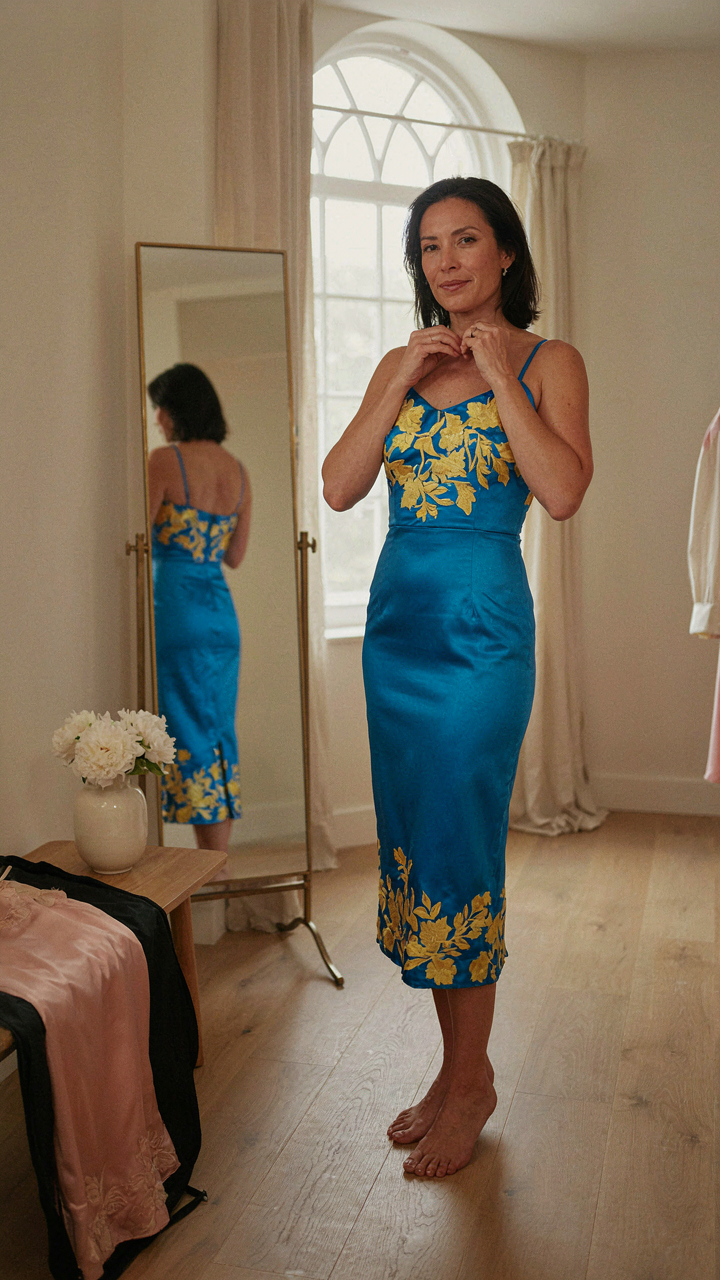
You’ve internalized a rule that doesn’t exist. Some invisible voice convinced you that 40 means muted colors, shapeless cuts, and apologies disguised as fabric. That voice isn’t wisdom. It’s marketing from an industry that profits on your self-doubt. Today, find one piece in your closet that makes you feel dangerous. Wear it. The only rule that matters is the one you decide to keep.




