


The Unseen Layer: Why Warmth Is A Power Move
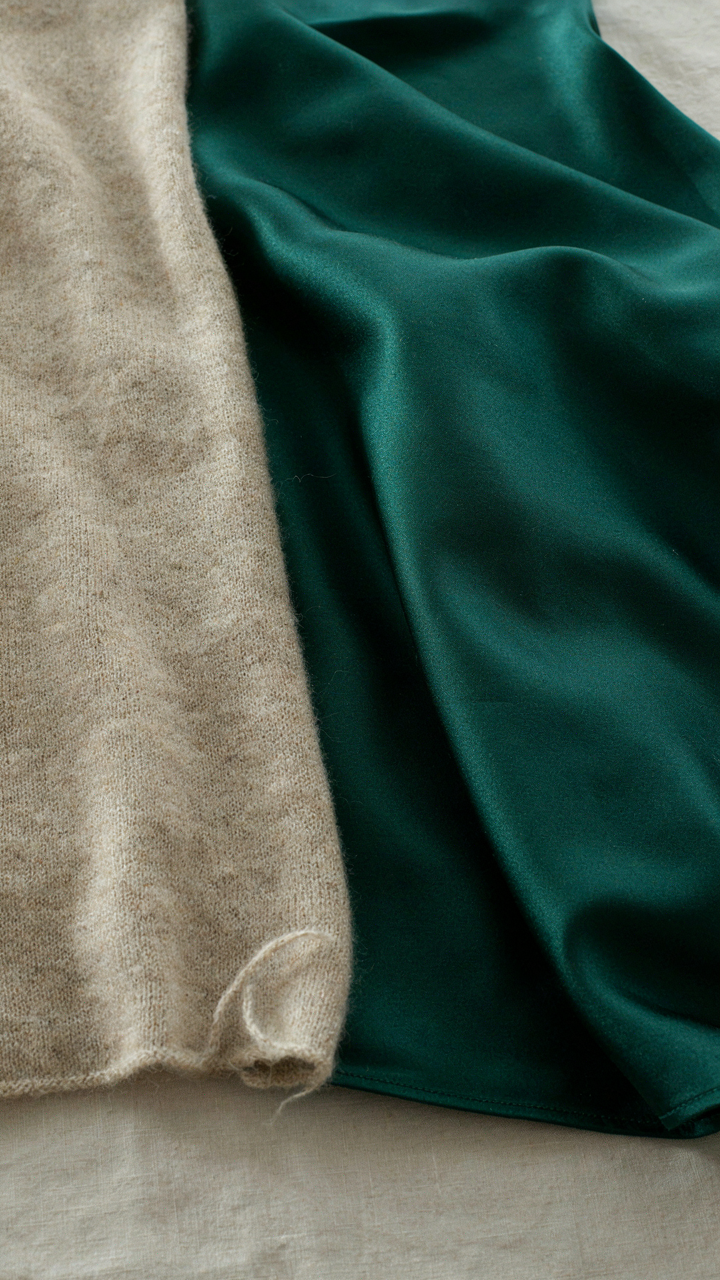
Strategic Thermal Baselayers
You want to look composed and in control, not visibly shivering like you miscalculated. That’s the real tension. Thermal baselayers solve this by operating on the principle of heat retention through insulation—borrowing from materials engineering, the goal is trapping dead air without bulk. A quality merino wool or synthetic baselayer sits invisible under your formal wear, maintaining core temperature while staying thin enough to wear under a dress or tailored top without adding silhouette.
The common advice says “just wear tights.” That’s incomplete. Tights cover your legs. Baselayers cover your torso, where shivering becomes visible in your shoulders and face. Wear a fitted long-sleeve thermal under your formal top. It regulates moisture, doesn’t bunch under structured fabrics, and you stay alert instead of distracted by cold. Your posture improves. Your voice stays steady. That’s not incidental.
Fabric Intelligence For Winter
Wool isn’t just warm—it’s engineered to regulate temperature by absorbing and releasing moisture vapor without feeling damp against skin. Merino wool specifically handles this better than synthetic options because of fiber structure, not marketing. Cashmere layers differently: it insulates through density rather than loft, so it works as a mid-layer or topper without the bulk of traditional winter coats. Silk, counterintuitively, traps heat efficiently and adds sheen under formal lighting.
Choose based on your formal piece’s existing fabric. A silk dress pairs with a merino wool wrap, not a cashmere one. A wool crepe gown layers under cashmere. The mechanism is compatibility: fibers that regulate differently create dead-air pockets between layers, multiplying warmth. Test this before the event. Wear your formal outfit with each potential layer for thirty minutes indoors at room temperature, then step outside. Pick the combination that keeps you stable without restricting movement or breath.
Dresses For Dominance: Beyond The Basic Black
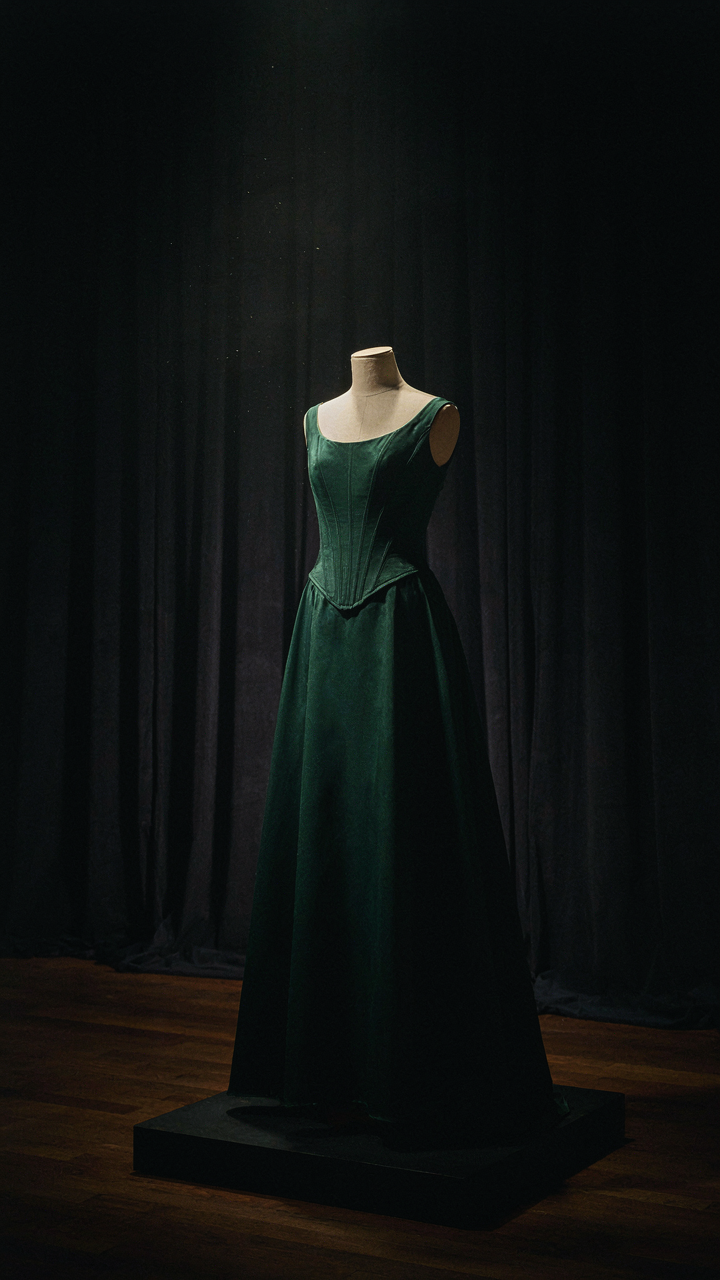
Structured Silhouettes Command The Room
You want people to remember you, not the dress. That requires structure. Most women default to draping or fluid fabrics in winter formal settings, assuming formality means surrender to gravity. The opposite is true. Tailored construction projects authority.

Structure in formal wear borrows from architectural principle: load-bearing elements create visual weight and presence. A dress with boning, princess seaming, or intentional volume distribution doesn’t just fit your body, it commands space around it. Materials that hold shape—wool blends, structured taffeta, technical crepes—telegraph control. Fabric alone does nothing. Construction determines whether you disappear into the crowd or occupy the room.
Jewel Tones Cut Through The Noise
Forget black and navy. They vanish in winter formal lighting. The standard advice tells you these colors are safe, timeless, versatile. That’s why everyone wears them and why you’ll blend into the background. Real contrast comes from jewel tones: emerald, sapphire, garnet, amethyst. These colors have high saturation and read clearly under artificial light, which is where winter formal events happen.
The mechanism is simple color theory. Jewel tones sit opposite neutral and muted palettes on the color spectrum, so they create visual separation without reading as costume or trend-chasing. Deep jewel dresses photograph better, hold their visual weight across different lighting conditions, and signal intentionality rather than default thinking. Choose tone based on your complexion’s undertone, not trend forecasting. Warm undertones pair with emerald and garnet. Cool undertones pair with sapphire and amethyst. Apply this match at the fitting stage, not after purchase.
The Cold Weather Commander’s Coat Protocol
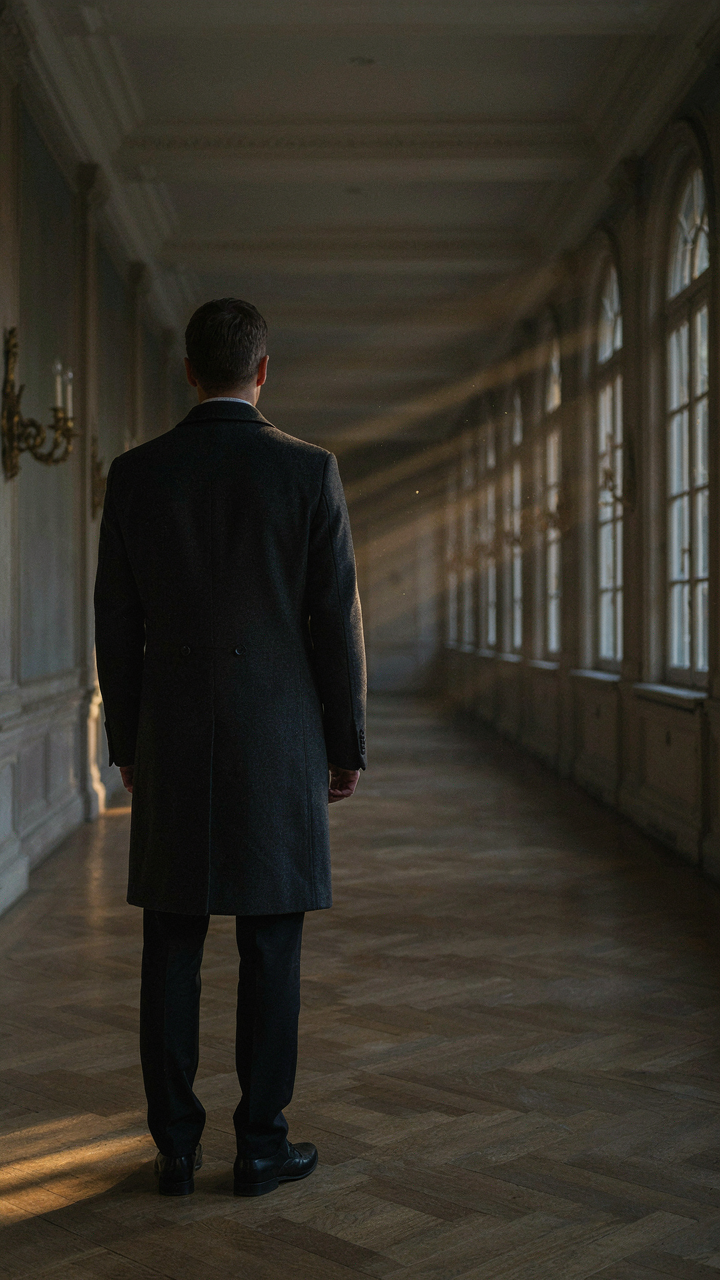
Your Coat Signals Before You Do
You want the coat to do the work you’re too polite to do yourself. Here’s the mechanism: a winter formal coat operates like territorial positioning in military doctrine. You occupy space and establish dominance before engagement happens. The coat arrives first, gets evaluated first, and anchors every outfit decision that follows. Most women treat the coat as an afterthought—a practical barrier they shed indoors. Wrong. The coat is your opening statement.

A formal coat does two jobs simultaneously: it protects your outfit from weather damage, and it creates the silhouette people see before they see you. The material and construction matter because they determine whether you look prepared or desperate. Cheap fabric wrinkles under body heat and reads as rushed. Structured fabrics hold their shape through a car ride, a coat check, and indoor temperature swings. The coat quality tells people whether you planned this or threw it together.
Structured Materials That Hold Intent
Wool is still the standard for formal winter coats because it regulates temperature without bulk and resists wrinkling. A wool blend at minimum 70 percent wool keeps shape better than synthetics. Cashmere adds softness but demands careful handling and costs significantly more. The length decision is functional, not aesthetic. A midi-length coat (hitting at or just above the knee) works for most formal events because it clears the hem of your dress and allows leg movement without exposing your entire outfit to cold air.
Avoid the common mistake of oversizing the coat for comfort. An oversized coat destroys your silhouette and reads as borrowed or uncertain. The coat should fit your shoulders precisely, allow arm movement without bunching, and follow your body line without clinging. If you’re wearing a dress with volume or texture, a tailored coat containing that volume looks intentional. If you’re wearing a fitted dress, the coat should be fitted too. The coat works through contrast with your dress, not by competing with it.
Winter Wedding Outfits: The Art Of Subversion
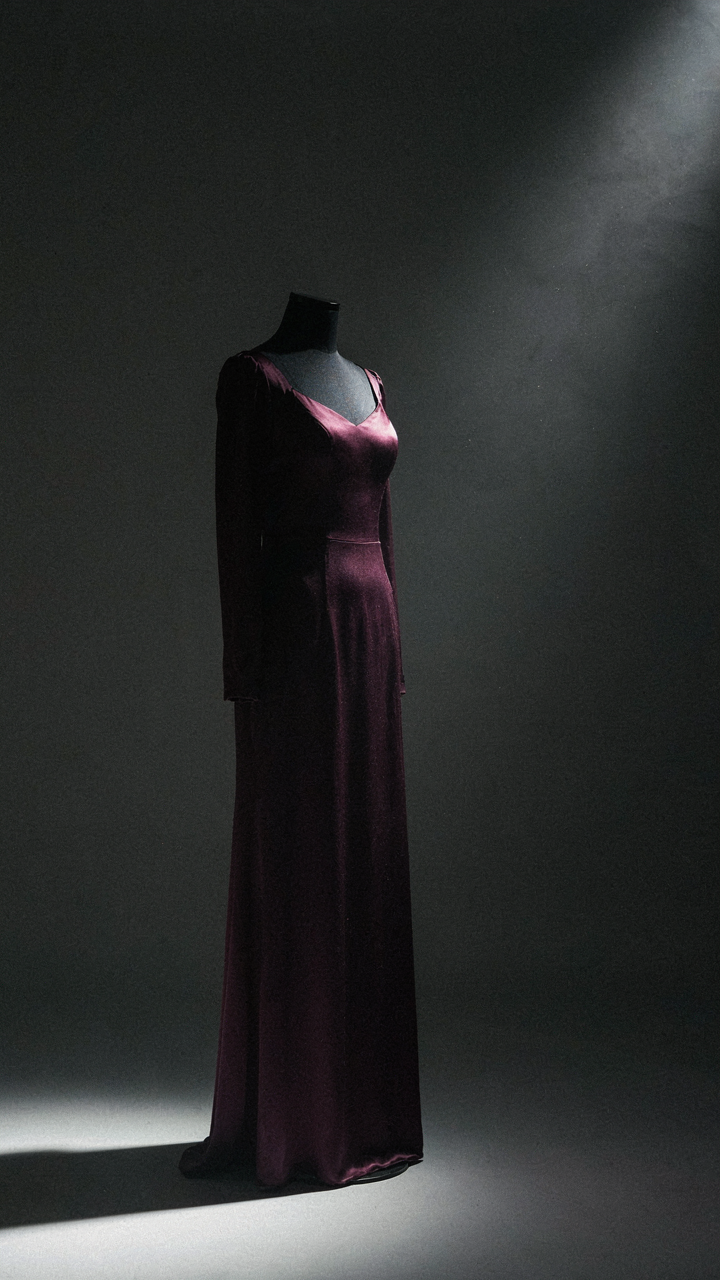
Color Outside The Conventional Palette
You want permission to break the rules without looking like you don’t understand them. That’s the real motive here, and it’s legitimate. The mechanism is borrowed from signal theory: a dress communicates through contrast, not compliance. Winter weddings enforce a narrow color band—navy, black, deep jewel tones, metallics. Breaking this demands intent, not accident. Wear burgundy, forest green, or even a muted mauve if the wedding allows it. The key is saturation and fabric weight, not novelty. A heavy silk charmeuse in an unexpected shade reads formal while a cotton print reads costume.

The difference between disruption and disaster is material density and event context. Winter wedding guests wearing pale pink or bright coral look like they’re at a summer event, not a formal winter occasion. Instead, choose colors that exist in winter naturally—deep plum, slate, oxblood, or charcoal with metallic threading. Pair unexpected color with conventional silhouettes: a fitted column dress, structured evening coat, or clean A-line. The outfit signals “I understand formality” while the color signals “I have taste.” Test your choice against the wedding’s tone first. If everyone’s in black tie, don’t wear hot pink. If it’s cocktail attire, you have room to move.
Formality Without Invisibility
Wearing formal clothing correctly doesn’t require vanishing into the crowd. The real problem is that women conflate “formal” with “safe,” then wonder why their photo looks like everyone else’s. Formal is a dress code, not a personality constraint. It means structured tailoring, quality fabric, and appropriate coverage for winter—not uniformity. A floor-length gown with an unexpected neckline, a midi dress with unexpected proportions, or separates styled with deliberate tension all read formal and memorable without breaking protocol.
The mechanism is proportion disruption. Formal winter wear follows rules: long sleeves, covered shoulders, substantial fabric, defined waist or clean lines. Work within those constraints but shift one proportion. If the event demands floor-length, wear it with a high neckline and an exposed back. If midi length is your choice, add dramatic sleeves or a structured belt that breaks the silhouette horizontally. Wear your formal outfit like you selected it for function, not fear. The result is that you appear confident in formality itself, which reads as higher status than blending in perfectly.
Footwear Foundation: Stability And Stature
Physics Of Traction: Choosing Winter Appropriate Heels
You care about this because falling at a formal event is social death. The actual problem isn’t the heel height—it’s the coefficient of friction between your sole and ice or wet marble. Physics calls this traction. A four-inch heel on ice has zero traction advantage over a two-inch heel. The sole material determines everything. Rubber grips. Leather doesn’t.

Most advice tells you to avoid heels entirely in winter, which is incomplete. You need heels for formal silhouette. The real move is choosing heel construction that doesn’t sacrifice grip. A textured rubber sole beats a polished leather sole every time, even at three inches. Metal heel caps grip better than smooth plastic. Test the sole texture with your thumb before buying. If it feels slick, the shoe will perform slick.
Boot Integration For Dresses And Formal Events
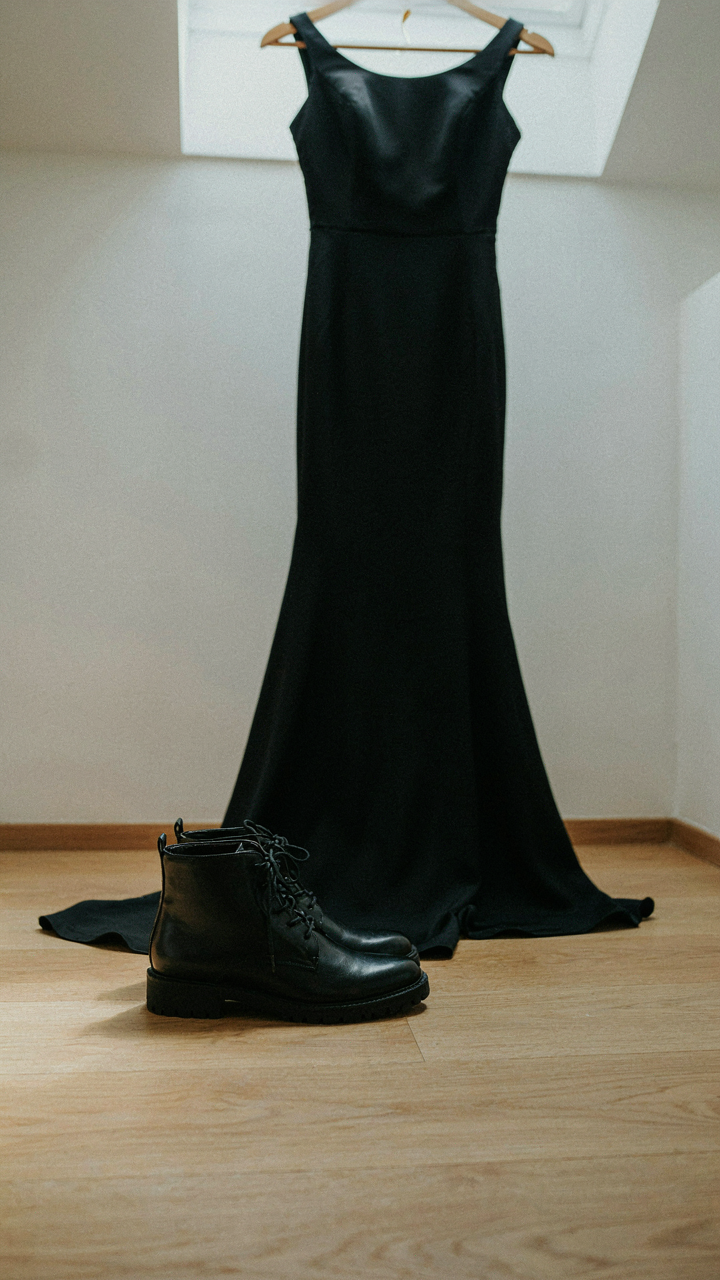
Formal boots aren’t an afterthought—they’re part of the silhouette. The length of the boot relative to the dress length determines whether you look intentional or confused. A midi dress paired with an ankle boot creates a visual break that makes legs appear shorter. A midi dress with a knee-high or thigh-high boot extends the leg line and maintains formality. The dress hem should hit the boot at a deliberate point, not awkwardly between.
Material matters for formal credibility. Leather or suede boots signal intentionality. Synthetic materials flatten the visual weight of formal wear. A sleek black or burgundy boot over sheer tights under a formal gown creates clean vertical lines that a strappy heel cannot match in winter. The boot sole needs the same traction priority as heels: textured rubber over polished finishes. Pair boots with dresses that hit mid-calf or below for maximum formal effect.
Accessories As Strategic Assets: The Gala Game
Statement Pieces Over Noise
You want people to notice you without looking desperate. That’s the real calculation here, and accessories are where most women fail because they treat them like decoration instead of ammunition. Think in terms of signal-to-noise ratio from information theory: every accessory either clarifies your message or dilutes it.
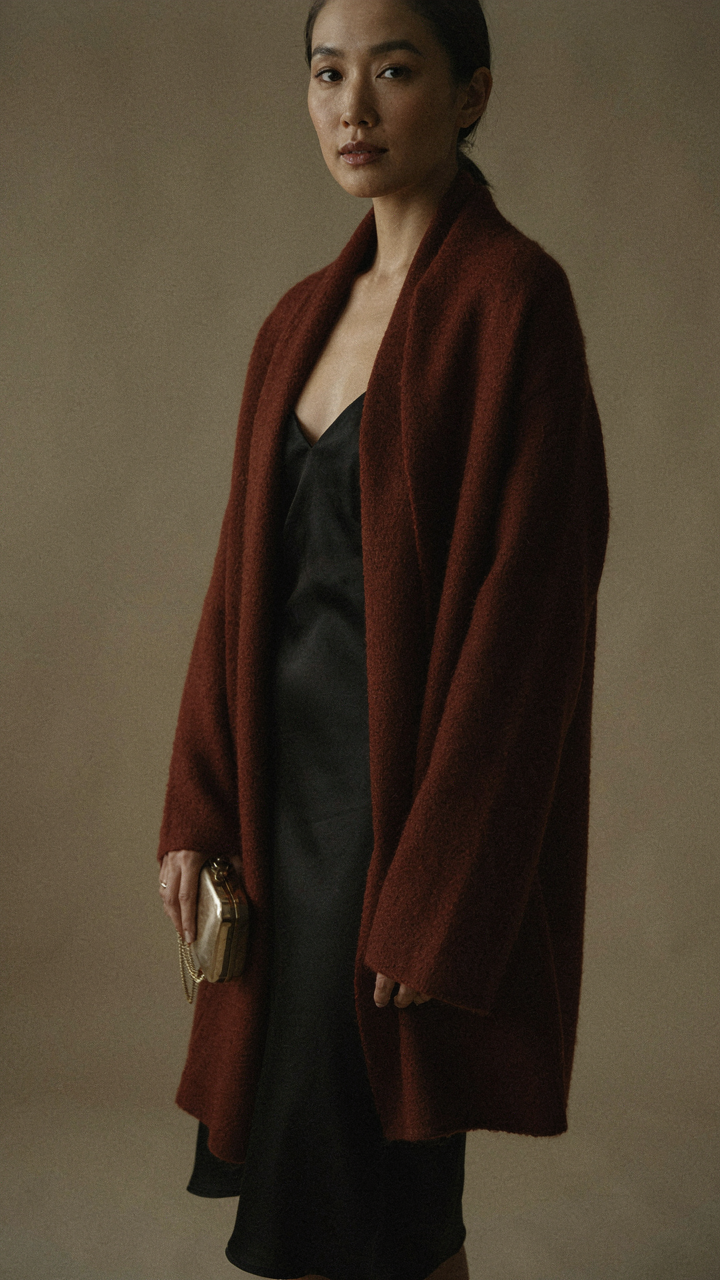
- Structured metallic clutch: Reflects light and grounds an outfit. Choose silver for cool tones, gold for warmth. One intentional piece beats scattered jewelry.
- Chandelier earrings or statement necklace, not both: Pick one focal point. A dramatic necklace eliminates the need for earrings. Earrings eliminate the necklace. This is non-negotiable.
- Silk or cashmere wrap instead of coat: Drapes over the dress. Keeps you warm without hiding the garment. Leather adds edge; neutral tones maintain formality.
- Pointed-toe heels in black or metallic: Elongates the leg and reads expensive. Rounded toes flatten the silhouette. Height matters less than proportion.
- Updo or sleek low ponytail: Removes visual competition from your neckline and shoulders. Loose hair dilutes impact. Structure signals intention.

The mistake is loading up because you’re nervous about what people will think. Strip accessories down to one strong choice per category: one statement piece, one hair direction, one shoe line. This forces intentionality and creates visual hierarchy. Restraint reads louder than volume at formal events.
Warmth Without Sacrificing Presence
Winter formal events demand you stay warm without looking bundled. The mechanism here is layering with precision: inner layers vanish, outer layers become part of the outfit. A floor-length gown with sheer sleeves needs a silk-lined faux fur stole or a structured wool wrap that complements rather than competes with the dress itself.
Most women default to throwing a coat over everything, which erases the garment’s impact. Instead, wear a matching or contrasting wrap that sits on your shoulders like part of the ensemble. Metallic or jewel-tone wraps add dimension. Neutral wraps create continuity. The wrap stays with you through the event, unlike a coat checked at the door. Closed-toe heels with thermal tights preserve formality while adding function. A clutch sized for a phone and lip balm eliminates bulk. Choose accessories that do double duty: warmth plus visual purpose.
The Winter Party Outfits Women Economic Playbook
Cost Per Wear Analysis Investing In Timeless Pieces
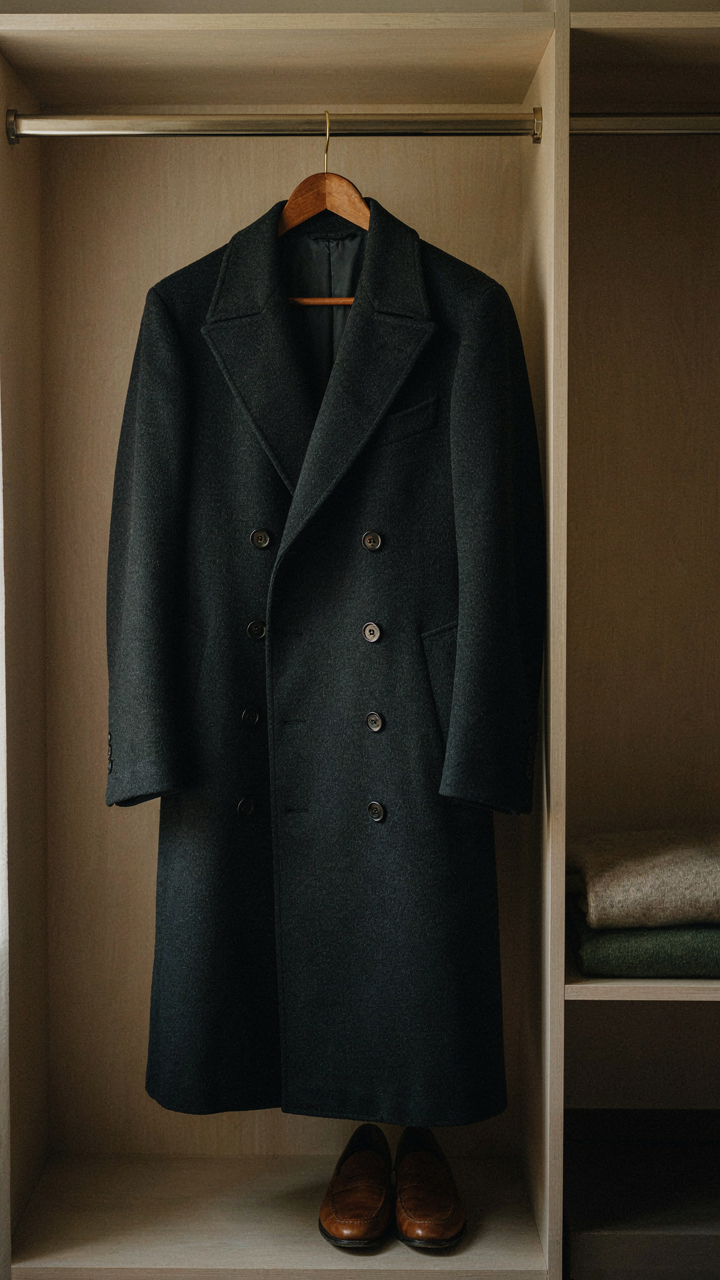
You’re afraid you’ll waste money on something you wear once. That fear drives most women toward fast fashion, which actually guarantees waste. Here’s the mechanism: cost-per-wear math flips your decision when you factor in longevity. A wool coat at 300 dollars worn 40 times over five winters costs 7.50 per wear. A synthetic trend coat at 80 dollars worn twice costs 40 per wear. The expensive piece wins every time.

Timeless winter formal pieces survive trends because they solve a permanent problem: staying warm while looking intentional. A structured wool blazer, quality black trousers, and a silk camisole don’t expire. You rebuild outfits around them yearly by swapping accessories and layering pieces. The real leverage isn’t the initial purchase. It’s the compound return on wearing the same foundation differently across multiple seasons and events.
Marginal Utility Of Seasonal Trends Versus Staples
The mistake is treating trends and staples as equals. Economics calls this marginal utility: each additional unit of the same thing gives you less satisfaction than the last one. A burgundy velvet clutch worn to three winter events this season satisfies once. By next season, its utility drops to near zero because you’ve exhausted the novelty. A black leather clutch works across seasons and occasions indefinitely, maintaining its utility.
Your formal wardrobe should run 80 percent staples, 20 percent seasonal rotation. Staples are the black dress, the structured coat, the simple heels, the neutral bag. Seasonal pieces are the jewel-tone accessories, the metallic belts, the faux fur stole. This ratio keeps you from accumulating dead inventory while letting you feel current without the financial bleed. Rotate seasonal pieces in and out annually. Staples never leave.
Beyond The Event: The Versatility Mandate
Rewear Strategy Across Winter Occasions
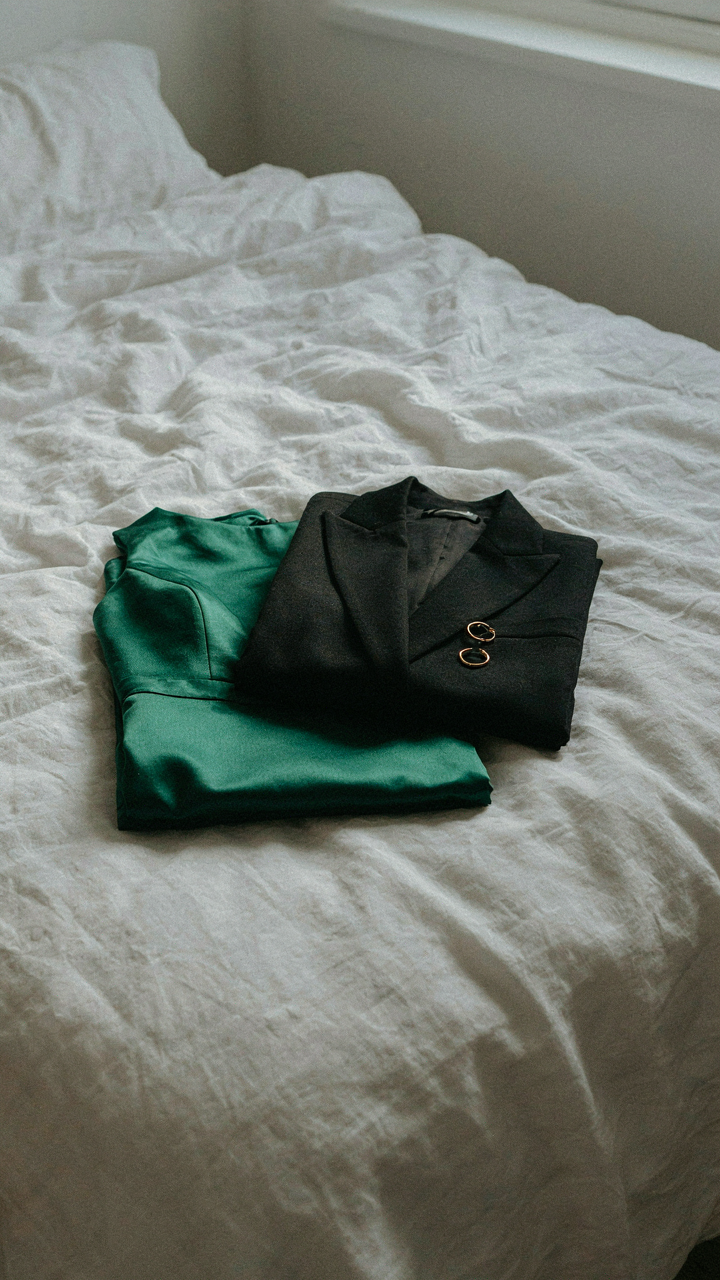
You’re afraid of the sunk cost. You drop three hundred dollars on a dress and wear it once, which feels like burning money. The mechanism is simple: formal winter pieces share construction qualities with semi-formal and elevated casual wear. A structured wool gown works as a base layer under a cardigan for holiday dinners. The same silk slip dress transitions to New Year’s brunches under a blazer. The formal silhouette doesn’t disappear after one night if you stop treating it as a single-purpose object.

Dark jewel tones and black formal pieces have functional overlap most people ignore. A floor-length formal gown in emerald or navy becomes evening wear for theater, galas, and holiday parties across multiple seasons. Metallic fabrics and sequined pieces live longer when styled under tailored outerwear. The outfit lives in your rotation because the base garment serves different visual roles depending on layering, accessories, and venue. Stop viewing formal wear as event-specific. View it as foundation pieces that multiply through context.
The Modular Winter Wardrobe System
Economics applies here: maximize return on investment through component repetition. A formal winter coat worn to the event becomes outerwear for regular winter days when paired with jeans or trousers. A silk camisole from your formal ensemble works under blazers for work settings. Structured trousers in black or neutral tones layer under sweaters for business casual. The formal event becomes a wardrobe audit moment, not a wardrobe endpoint.
Build formal outfits from pieces that already function independently in your winter rotation. This isn’t about buying special formal items that never leave the closet. A quality wool coat, tailored trousers, a structured dress, and simple heels form the core components. Each piece performs alone. When combined, they read as formal. When separated, they anchor regular wear. Your formal event outfit should dismantle into five pieces that each live in heavy rotation before and after the event.
The Unspoken Rules Of Cold Weather Confidence
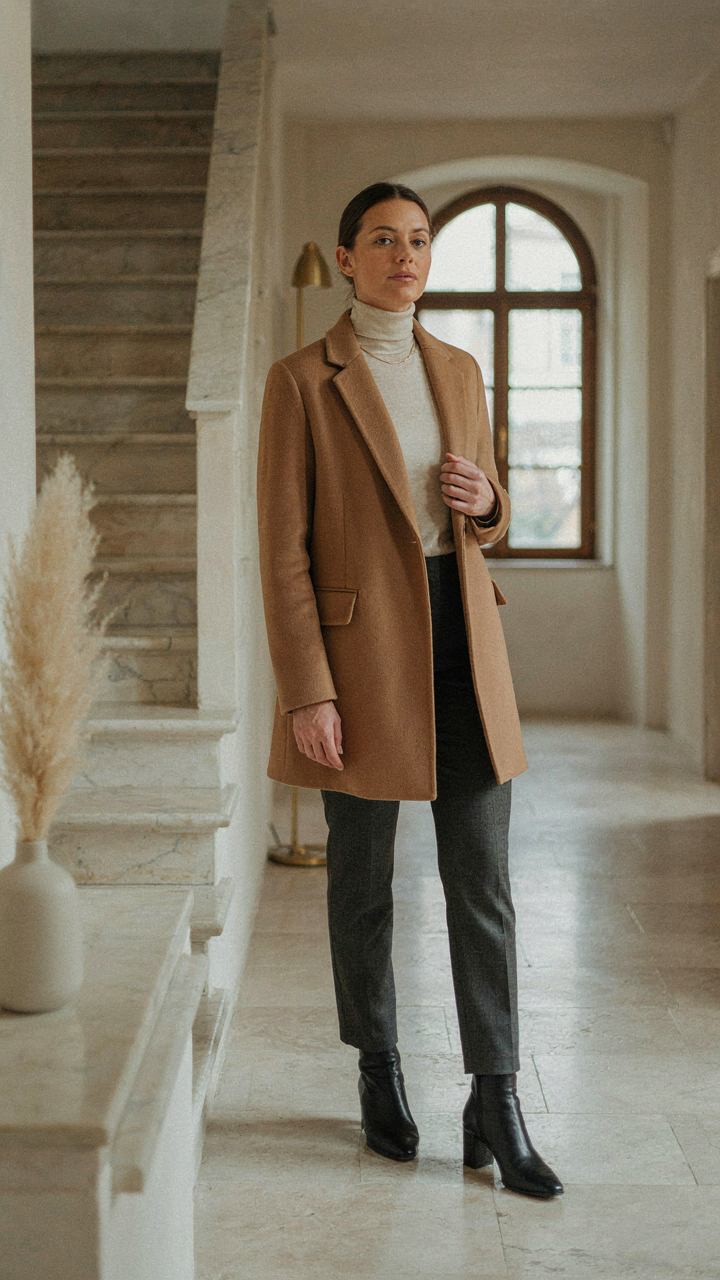
Commanding Presence Through Thoughtful Layering
You care about this section because you’re afraid layering will make you look bulky or undermine the formal aesthetic you’re after. Here’s the mechanism: layering is load-bearing architecture. In structural engineering, load-bearing walls distribute weight efficiently without collapse. Your outfit works the same way. Strategic layers distribute visual weight so nothing dominates. The formal piece sits on top. Everything underneath amplifies its impact instead of competing with it.

Base layers should compress, not add volume. Merino wool or synthetic blends wick moisture and regulate temperature without the bulk of cotton. Your statement dress or gown becomes the load-bearing wall. Slip a fitted turtleneck or silk camisole underneath. Add a structured coat or shawl over top. Each layer has one job. When each layer does its job, you look intentional, not padded. The formal event demands presence. Presence requires control. Control starts with what you wear against your skin.
Rejecting Discomfort For Genuine Self Expression
The common advice here is wrong: you don’t sacrifice comfort for formality. That’s a false choice that kills authenticity. Discomfort shows. It tightens your face, shortens your stride, makes you hunt for reasons to sit down. Formal events already create social friction. Add physical pain and you become reactive instead of present. Your outfit should disappear so your behavior doesn’t have to.
Test your outfit in real conditions before the event. Sit, stand, move your arms, walk a hallway. A gown that restricts your breathing or shoes that pinch your heel will sabotage your performance, regardless of how they photograph. Formal doesn’t mean suffering. It means intention applied to every detail, including how the fabric moves against your body. Wear what makes you move like yourself. That’s when other people actually see you.
The Real Obstacle Isn’t The Cold; It’s Your Fear Of Standing Out
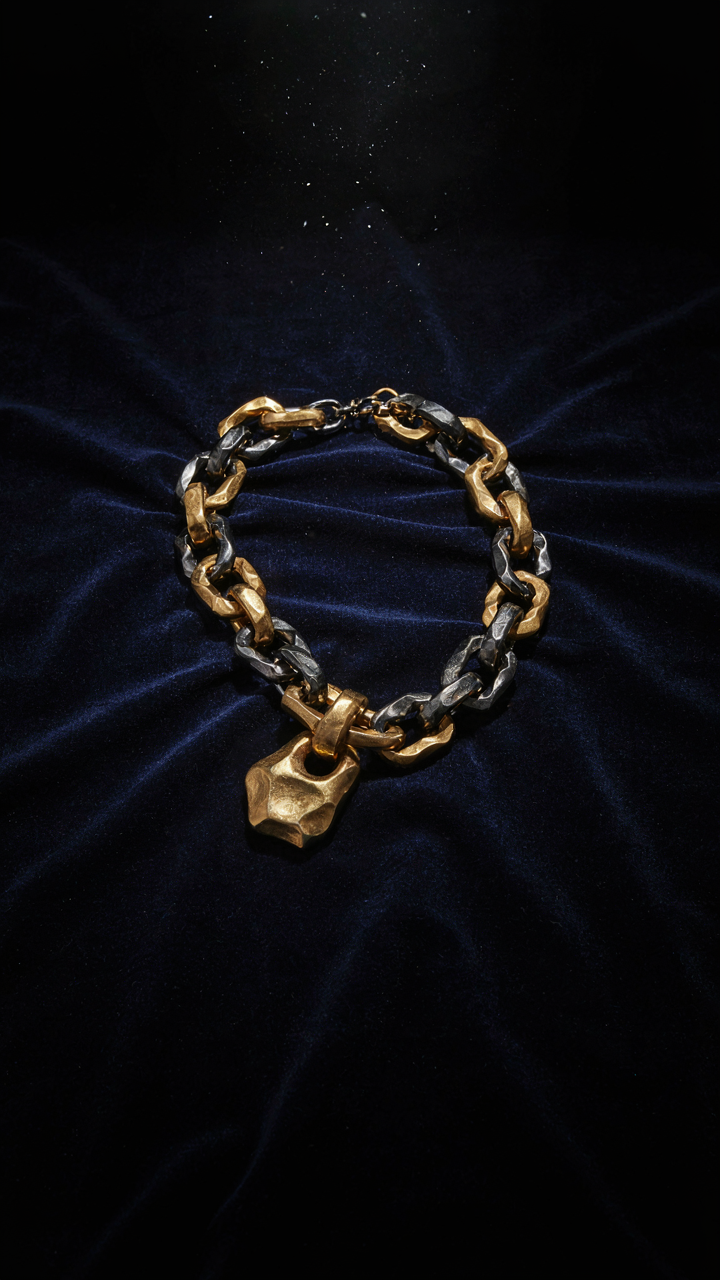
You already know layering works. You already know fabric choices matter. What stops most women isn’t information, it’s the voice saying “don’t dress like that, it’s too much.” That voice is lying. Pull one statement piece from your closet right now. Wear it to your next event. The cold doesn’t judge your outfit. People do, and their opinions are a tax you refuse to pay anymore.



