

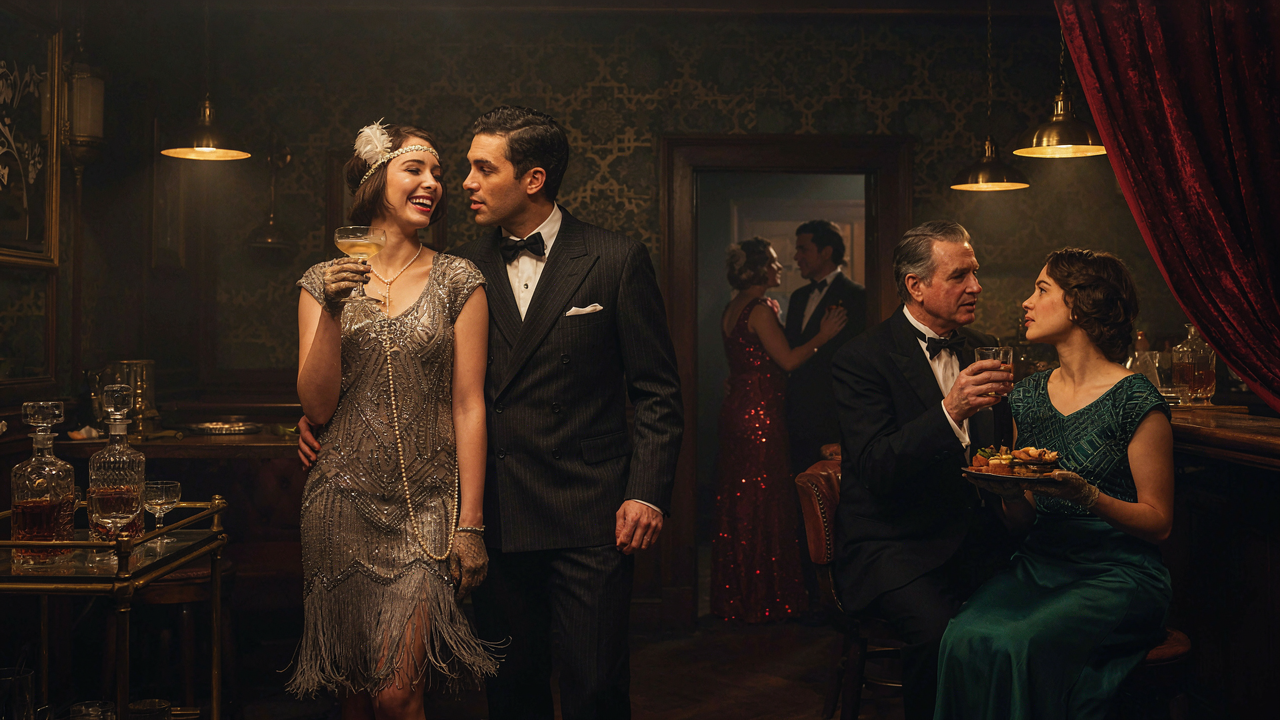
The Prohibition Paradox: Why Rules Fuel Rebellion
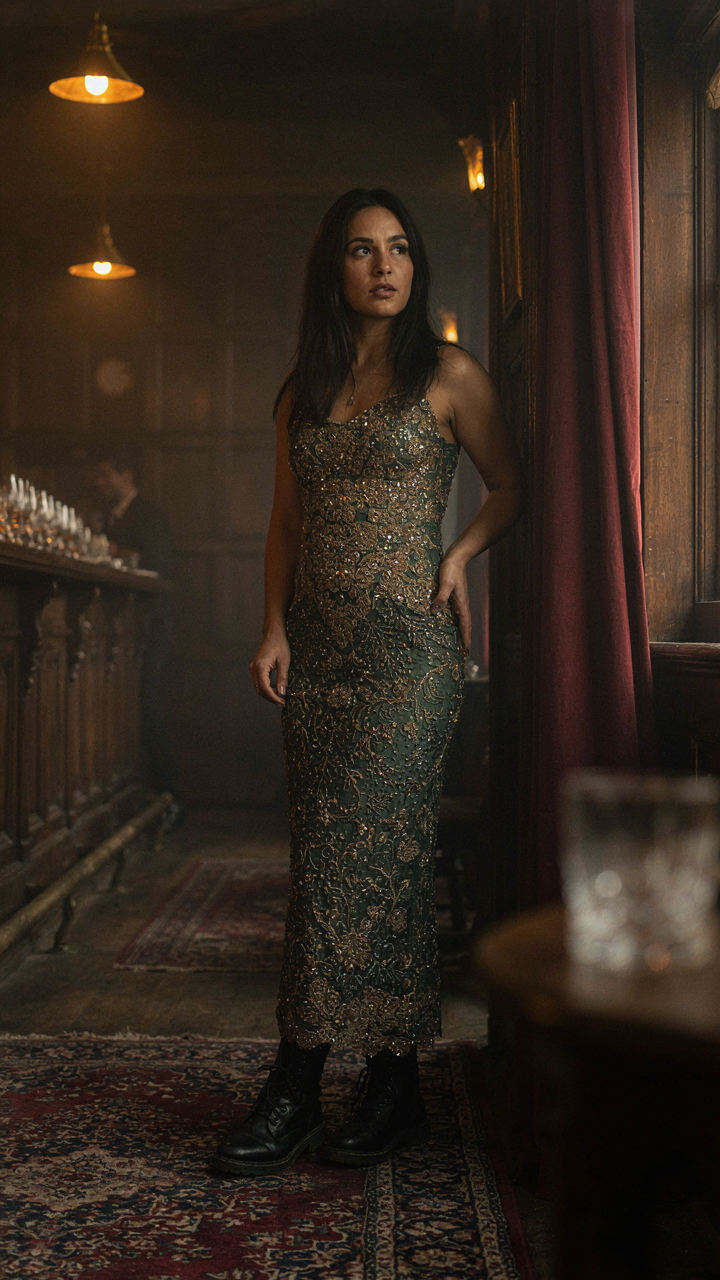
Authenticity Is A Permission Slip You Don’t Need
You want to know if your outfit is “authentic” because admitting you just like how it looks feels shallow. The real mechanism here borrows from economics: scarcity. Prohibition created actual scarcity. Speakeasies existed because normal venues couldn’t. That constraint made the spaces and the dress codes that filled them matter more than they would have otherwise. People didn’t dress up because a rulebook told them to. They dressed up because breaking the rules required strategy. The outfit became proof you belonged somewhere dangerous.
Modern speakeasy parties copy the visual language but strip away the actual stakes. That’s not a problem. It means you’re free to break the aesthetic rules that people assume you should follow. Historical accuracy is a crutch for people afraid to make choices. The 1920s had strict dress codes, yes. But those codes existed to signal wealth and exclusivity during a specific economic moment. You’re not living that moment. Wear the silhouette, skip the purity.
Visual Rebellion Works Through Contrast
Telling you to “break the rules” is advice so generic it dissolves on contact. Here’s what actually happens: contrast creates recognition. The Prohibition era enforced rigid gender presentations in formal wear. Straight lines for men. Curves and length for women. Hemlines dropped. Shoulders squared. Breaking this looked like a fringe on a dress hitting above the knee or a woman wearing a tuxedo jacket to a speakeasy party. The transgression was the point. It signaled you weren’t bound by the consensus.
Your speakeasy outfit works the same way but inverted. Most people show up in costume. Play one element straight and break one deliberately. Wear a traditional beaded gown with combat boots. Wear a sharp three-piece suit with a silk camisole instead of a shirt. Wear authentic 1920s styling with modern jewelry that clashes on purpose. The friction between old and new creates the visual tension that makes people look twice. That’s not confusion. That’s intentional.
The Gatsby Code: Mastering Understated Opulence
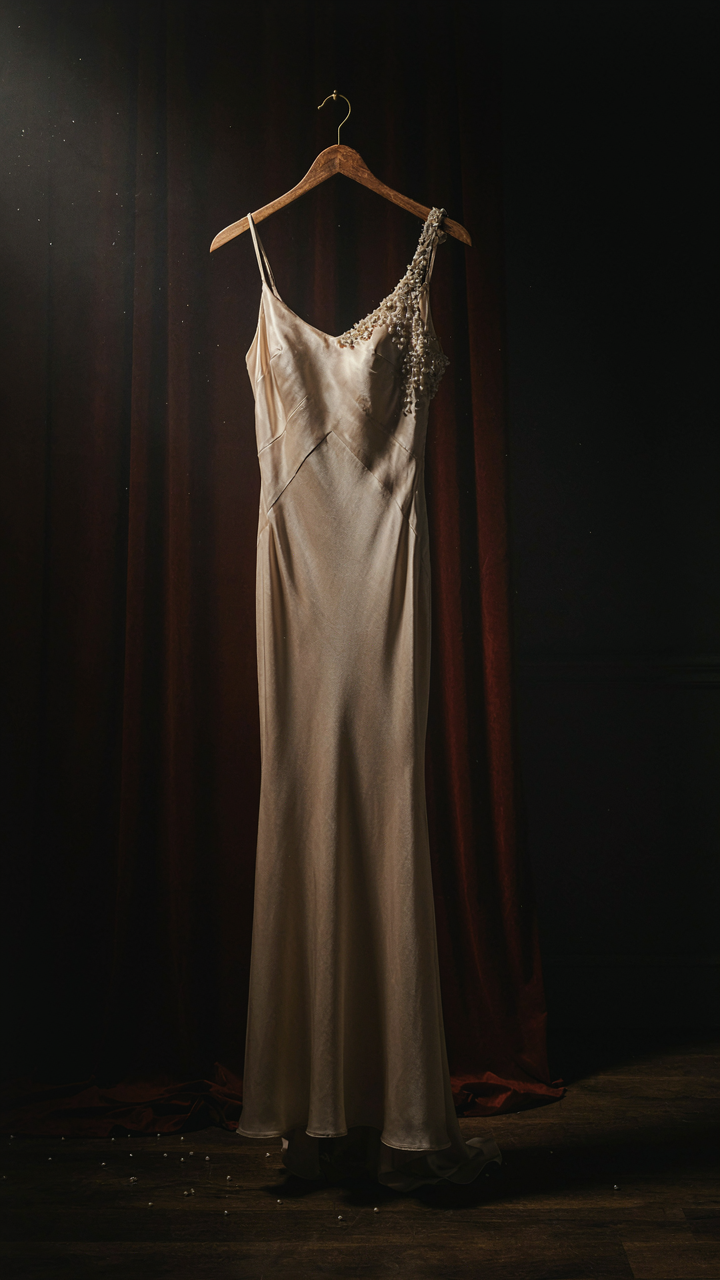
Fewer Pieces, Sharper Execution
You want people to know you have money without saying it out loud. That’s the real game here. The mechanism is constraint. Economics teaches scarcity creates perceived value, and your outfit works the same way. One statement piece beats five mediocre ones every time because the eye lands somewhere definite instead of scattered across noise.

A speakeasy outfit lives on edit, not accumulation. You pick one focal point—a beaded dress, a tailored jacket, structured heels—and let everything else recede. This isn’t minimalism for aesthetics. It’s signal compression. Your brain processes a clean silhouette faster than visual clutter, and faster processing reads as confidence and wealth. The person wearing six things people notice reads poor. The person wearing three things people remember reads intentional.
The Invisible Tell
Expensive fabrics have density. Silk charmeuse drapes differently than polyester satin. Linen has a specific weight and wrinkle pattern that’s hard to fake. Real wool crepe holds shape without stiffness. These aren’t subjective feelings—they’re material science. When someone looks at you, they don’t consciously know why your dress reads expensive, but their nervous system registers the signal.
Beadwork tells the story most. Hand-sewn beads on a 1920s reproduction dress sit differently than machine-applied ones. The density varies. The hang shifts with your movement. Real vintage beading had imperfections—slight gaps, uneven rows—that actually prove authenticity and cost. If you’re buying new, hunt for dresses with bead placement that breaks a strict grid pattern. A single silk charmeuse dress with genuine hand-finished details beats three cheaper alternatives combined.
Roaring 20s Party Outfit: Silhouette Hacking For Modern Bodies
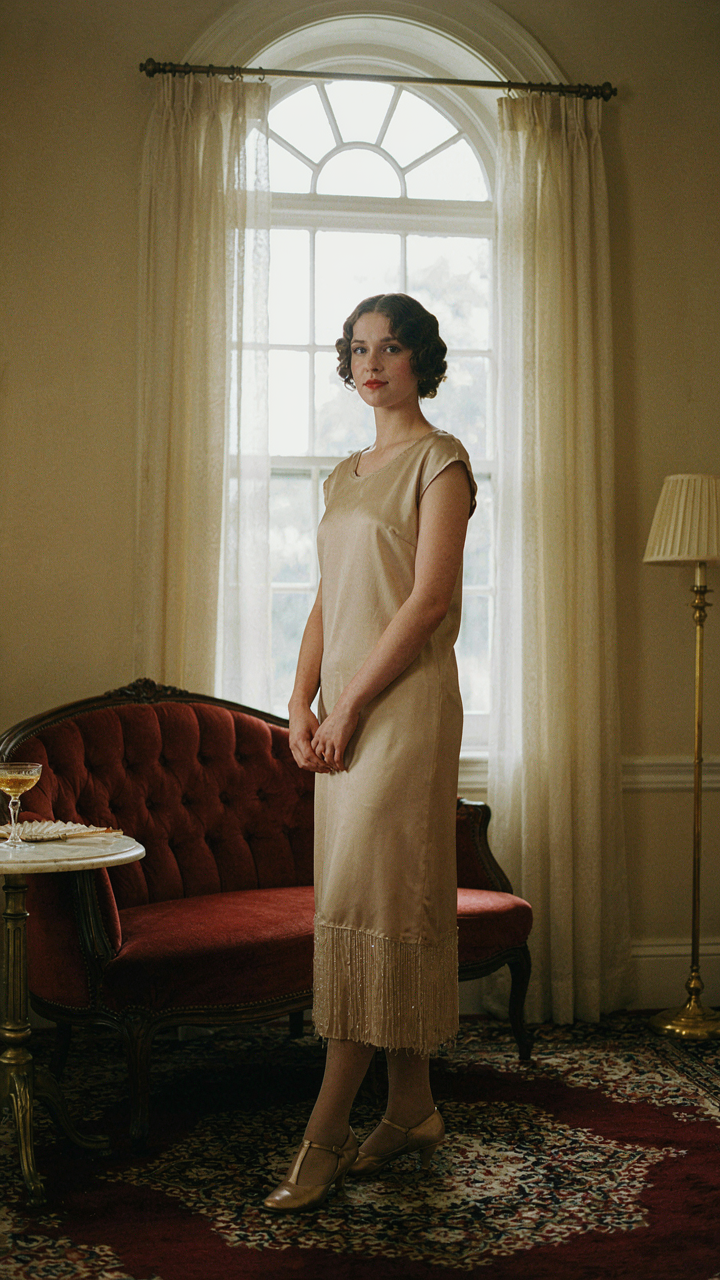
The Flapper Dress Without The Compromise
You want to wear the iconic look without feeling like you’re playing dress-up or suffocating in period accuracy. Here’s the mechanism: the flapper silhouette works because it hides shape rather than showcases it, which means modern bodies need the same strategic looseness, just adjusted for where that looseness actually sits on you today.

The original flapper dress dropped the waistline to the hip and killed vertical seaming. Modern adaptations that stay true to the era use the same principle but acknowledge that women’s proportions vary. Seek pieces with a dropped waist at true hip level, not an arbitrary inch lower. The key is shoulder structure and armhole depth, not hemline length. A flapper dress that fits at the shoulder and hip moves correctly; one that bunches at the armpit defeats the whole purpose. Buy strategically or have a tailor adjust the drop placement to your frame.
Suiting The Man In The Room
Menswear’s fitness hierarchy is simple: shoulder seam position determines everything else, and nothing forgives a miss here. Borrow from tailoring’s first principle: the shoulder seam must sit exactly where your shoulder ends, not slope inward or extend beyond it.
A speakeasy look demands a three-piece suit, but most men buy jackets that fit the chest and ignore the shoulders. The vest should button cleanly without pulling, and the trouser break should land at the top of your shoe without bunching. If your shoulders don’t align with the jacket’s seams, the entire silhouette collapses regardless of fabric quality. Get measured at the shoulder first, then build outward from there.
The Jazz Outfits Principle: Accessories As Amplifiers
Hats And Headpieces That Command Attention
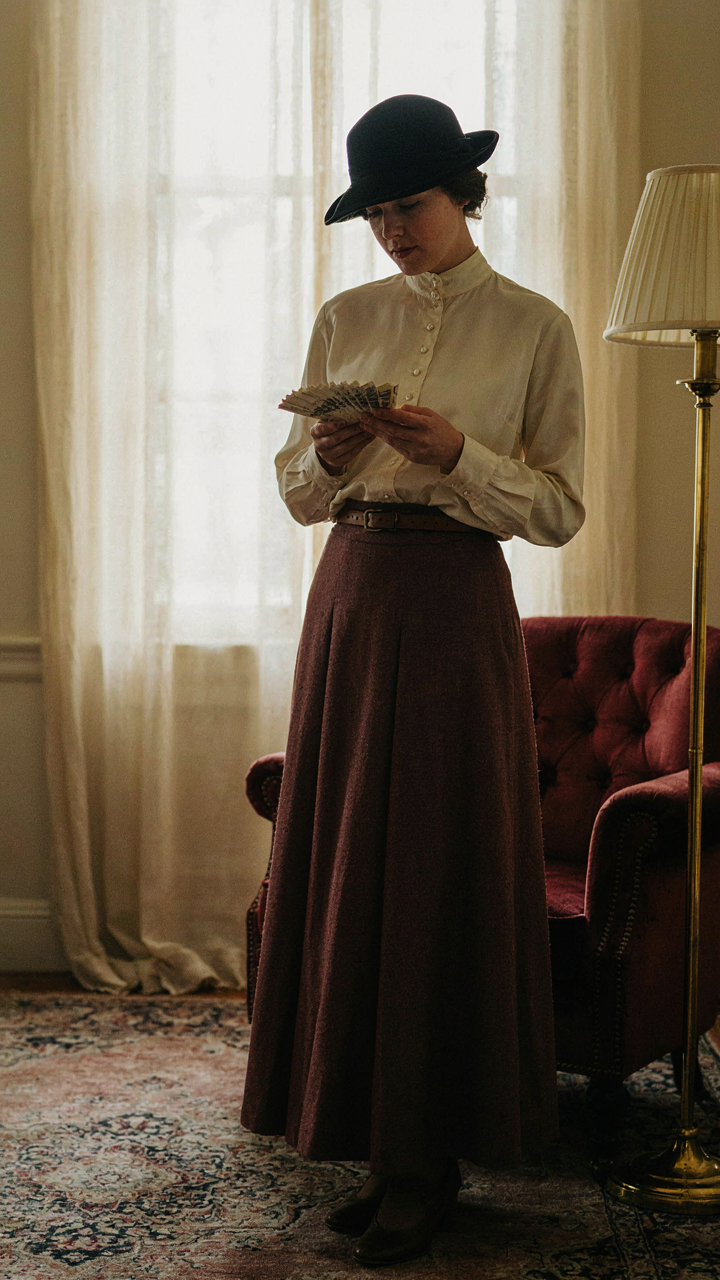
You want the hat to do the work so your face doesn’t have to. That’s the real reason you’re reading this section. The mechanism is simple: a hat operates like an amplifier in audio engineering, concentrating attention by framing the focal point. Prohibition-era parties used headpieces not for decoration but for signal. A cloche hat, T-strap headband, or feathered fascinator telegraphs commitment to the aesthetic before you speak.

The common advice says wear what feels comfortable. Wrong. Wear what breaks the visual plane between your head and the room. A cloche pulled low creates shadow and mystery. A beaded headband worn across the forehead (not pushed back) mimics the geometric precision of Art Deco design, which dominated speakeasy culture. The placement matters more than the piece itself. Test the angle in a mirror and move it until it creates visual contrast with your shoulders.
Metal And Stone Strategy
Jewelry noise is the problem everyone ignores. Too many pieces create visual static instead of focal points. In speakeasy outfits, constraint works as a volume control. One statement piece on wrists or neck, nothing competing for the same zone. Long strands of pearls worked during the 1920s because they moved with the body and caught light in sequence, not chaos.
The real play: choose between long vertical lines or clustered geometry, never both. A long pearl necklace or a cocktail ring with defined stone setting. Layered bracelets on one wrist defeat the purpose entirely. Match your metal temperature to your skin tone and outfit base. Silver reads cooler; gold reads warmer. One coordinated choice eliminates decision fatigue during the party and keeps the eye moving intentionally across your body, not scrambling for focus.
Great Gatsby Party Outfit Men: The “Effortless” Illusion
The Dark Suit Foundation
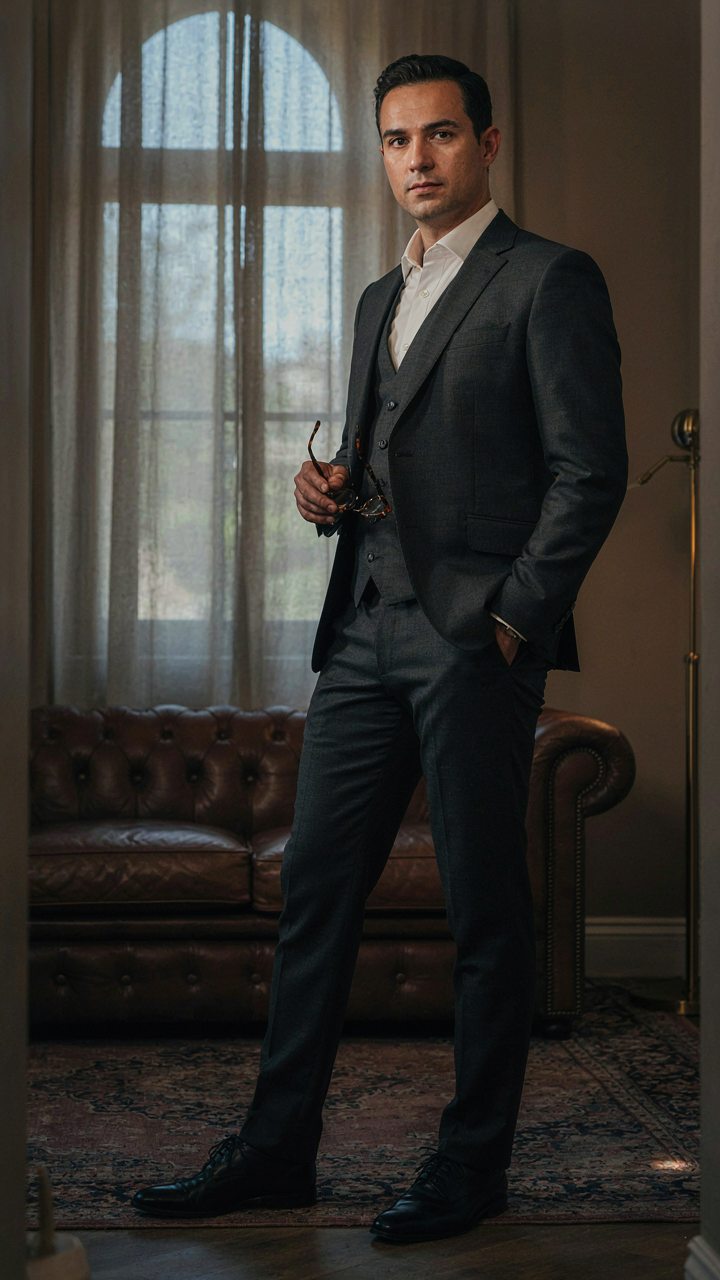
You want people to think you didn’t try, because trying signals desperation. The mechanism is simple: a dark suit erases visual noise and makes everything else you layer on top matter. Navy and charcoal read as intentional without screaming. The 1920s didn’t invent this—tailoring’s job is to disappear so your presence doesn’t.

Avoid the mistake of thinking “speakeasy outfit” means bright or patterned. Most men get this backwards and add visual clutter that reads as costume rather than style. A charcoal suit with a subtle texture or weave—a faint windowpane or herringbone—gives depth without distraction. The pattern should exist for the wearer to know about, not for the room to notice.
Vests And Ties: The Deliberate Detail
Layering isn’t decoration. It’s a hierarchy problem from architecture: you need a visible structure that supports everything else. The vest is your load-bearing wall. A silk or wool vest in a contrasting tone—burgundy, forest green, or warm gray—tells the story that this outfit was assembled with intention, not grabbed from the closet.
The tie does one job: it anchors the vest and shirt relationship. A narrow tie in a solid color or simple geometric pattern works. A wide knot pulls too much attention. The tie should disappear into the vest opening, creating visual continuity from neck to waist. This is where most men fail: they treat the tie as a separate element instead of a connector piece that completes the vertical line.
The ’20s Outfit Men’ Algorithm: Decoding Dress Codes
Black Tie Versus Casual The Real Difference
You’re worried the wrong outfit will expose you as someone who doesn’t belong. The mechanism is simple: dress codes exist to sort who knows the rules. Black tie demands a tuxedo, period. Casual at a speakeasy still means tailored—no jeans, no sneakers, no exceptions. Most guides blur this line and cost you credibility before you arrive. The difference isn’t preference. It’s protocol.

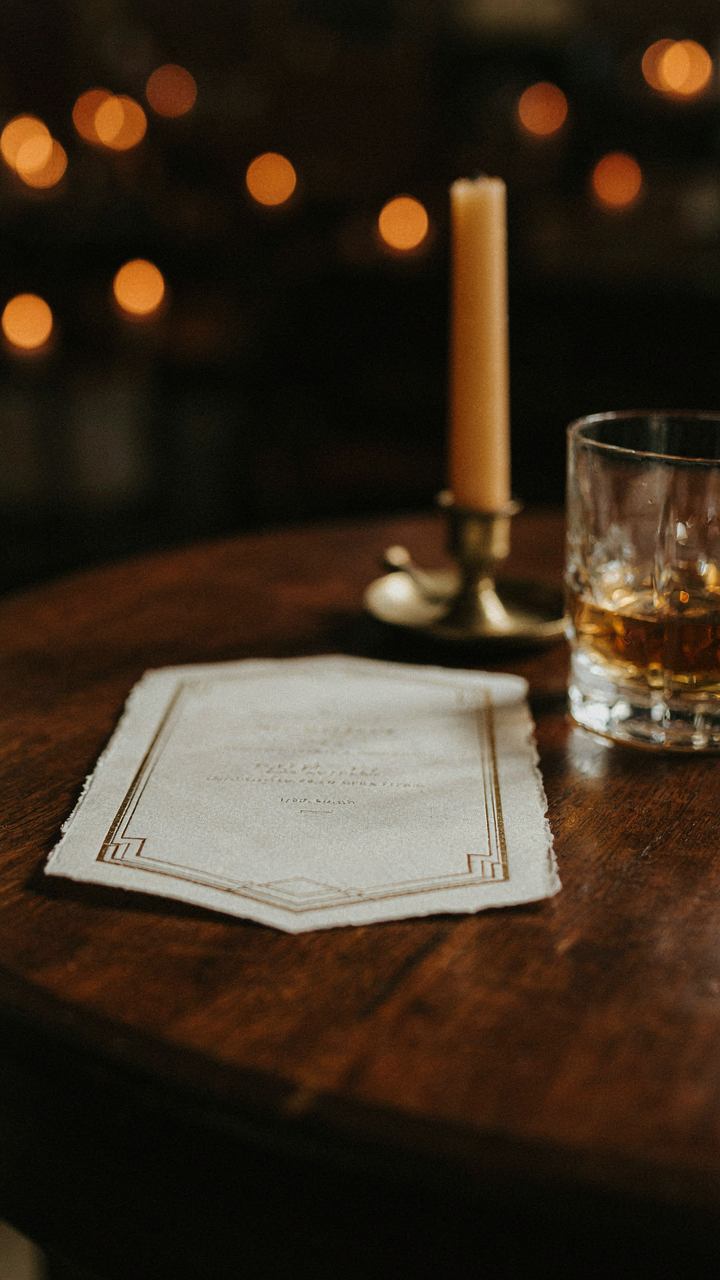
The invitation language matters more than the venue name. “Black tie optional” means wear a tuxedo if you want to compete for attention in the room. Skip it and you’re visible as someone who didn’t invest the effort. Casual speakeasy still requires a dress shirt, blazer, and dress pants. The fabric and cut change the entire signal. Cotton versus wool, fitted versus loose, tells the room whether you understand the game.
Reading What The Invitation Actually Says
Speakeasy events layer signals like a cipher. The host’s profile, the venue’s history, and the stated time all encode dress expectations. An 8 PM start suggests something formal. A 10 PM start reads as looser. The venue itself matters—a restored 1920s bank demands different respect than a converted warehouse. The common advice says “ask the host,” which is often honest but always reveals you didn’t decode the context yourself. Better move: examine what attendees wore to previous events at that same venue. Digital archives and tagged photos show the actual pattern, not the stated one.
Once you identify the expectation, commit to the top end of that range. Overdressing costs nothing. Underdressing costs presence. If casual dress means no blazer in the description, wear one anyway in a neutral color. This isn’t about breaking rules. It’s about moving one tier up in the visual hierarchy without announcing effort. The protocol: examine three data points (time, venue, host status), then choose one tier above the stated expectation and lock in that choice.
Gatsby Outfit: Applying Military Strategy To Layering
The Foundation: Neutral Base As Camouflage
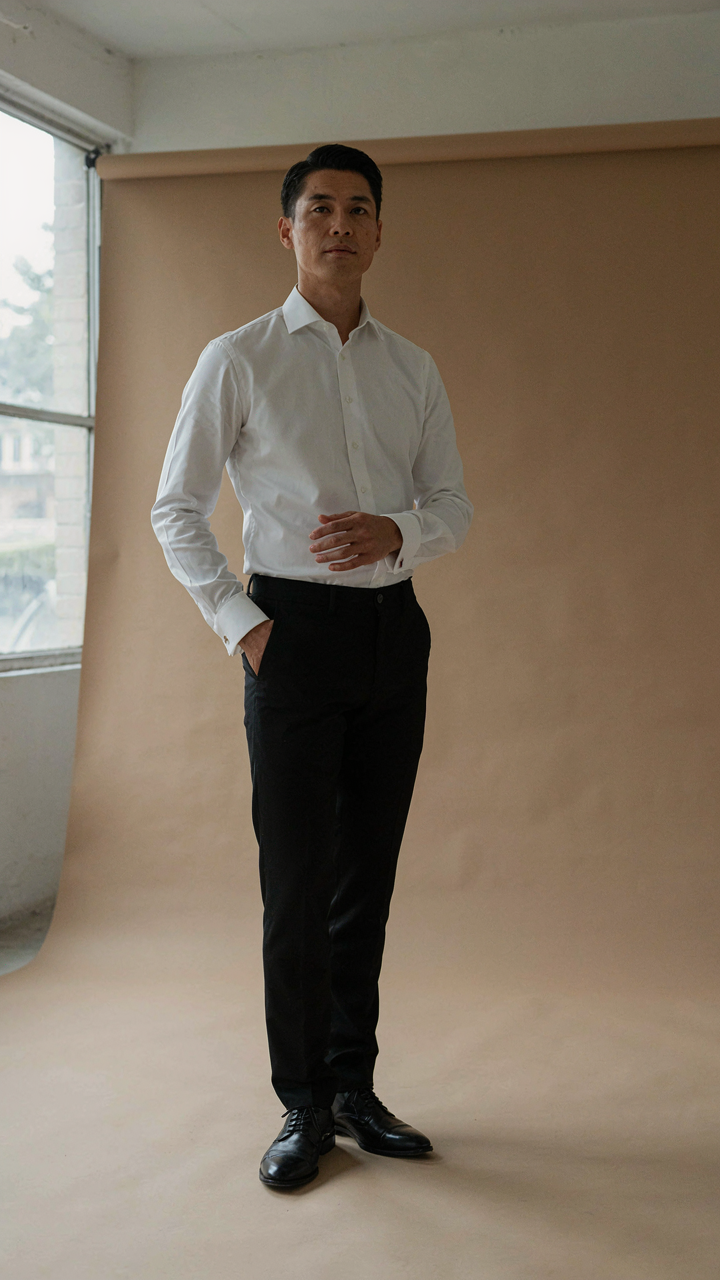
You want to look expensive without looking like you’re trying. That’s the real problem here. In military terms, camouflage isn’t about hiding—it’s about controlling what people focus on. Your base layer does the same thing. A black tuxedo or charcoal suit absorbs visual attention away from the pieces that signal status: the accessories, the cut, the fabric weight. Start with a well-fitted dress shirt in white, ivory, or black. The shirt does the heavy lifting of looking intentional while the eye moves to what you layer on top.

The mistake most people make is overthinking the base. They add pattern, texture, or color to the foundation piece, which breaks the visual hierarchy. A solid, well-pressed base gives you permission to go bold everywhere else. Your trousers should be high-waisted and crisp. Your jacket should fit the shoulders precisely. When the base is invisible, everything else reads as deliberate choice rather than costume.
The Variables: Pieces That Travel Across Outfits
Layering in speakeasy style means selecting pieces that function across multiple outfit combinations without looking recycled. Think of this as logistics: each piece must serve multiple missions. A gold brocade vest works over a white shirt at one event, but swaps to a black shirt for another look. A quality pocket watch chain anchors different waistcoat combinations. A silk scarf ties around the neck one night and cinches at the waist the next. The constraint forces better design decisions.
Build your adaptable layer pieces first before buying anything else. A single velvet blazer in burgundy or deep green can anchor five different outfits. Suspenders in neutral tones add visual interest without committing you to one aesthetic. Quality shoes in oxford or spectator styles work across the full range of speakeasy formality. The goal is reducing total pieces while maximizing outfit variation. Buy one excellent vest that coordinates with what you already own rather than three mediocre ones.
Beyond The Look Gatsby: The Art Of Demeanor

Posture Is Your First Signal
You want people to assume you belong there, and you think the outfit alone does that. It doesn’t. Posture is the primary signal. In biomechanics, load distribution determines capability and status. Your body position communicates either burden or authority. Stand with weight balanced across both feet, shoulders back but not rigid, chin level. This isn’t military posture. It’s the neutral stance of someone who occupies space without apology. Hands should hang naturally or rest on a drink, never crossed defensively.

Movement matters more than stillness. Walk deliberately between conversations instead of hovering at the periphery. When you sit, settle into the chair rather than perch on its edge. The outfit’s cut—a well-fitted jacket, a dress that drapes rather than clings—only works if your body language supports it. Tension undermines fabric. Confidence in positioning makes the vintage details actually land. Someone watching you should see comfort in formality, not performance.
The Glance That Closes The Room
Everyone knows eye contact matters. They miss why it actually works in speakeasy settings. A knowing glance—sustained three seconds, then released—signals you understand the unspoken rules of the space. You recognize the prohibition narrative. You’re not naive about what “speakeasy” means. This works because a real speakeasy guest in the 1920s had to communicate membership without speaking it aloud. Your glance performs that same social contract today.
The mechanism is recognition. When you lock eyes with another guest and offer a small smile or slight nod before looking away, you’ve confirmed alignment without words. This lands harder when your outfit reinforces it. A man in a fitted three-piece suit delivering that glance reads as intentional. A woman in a slip dress with structured shoulders does the same. The look says: I dress this way deliberately, I understand the premise, I’m not here by accident. Train yourself to give this glance once per conversation partner, never twice. Repetition breaks the effect and reads as uncertainty.
The Vintage Evening Glamour Blueprint: Sourcing Authenticity
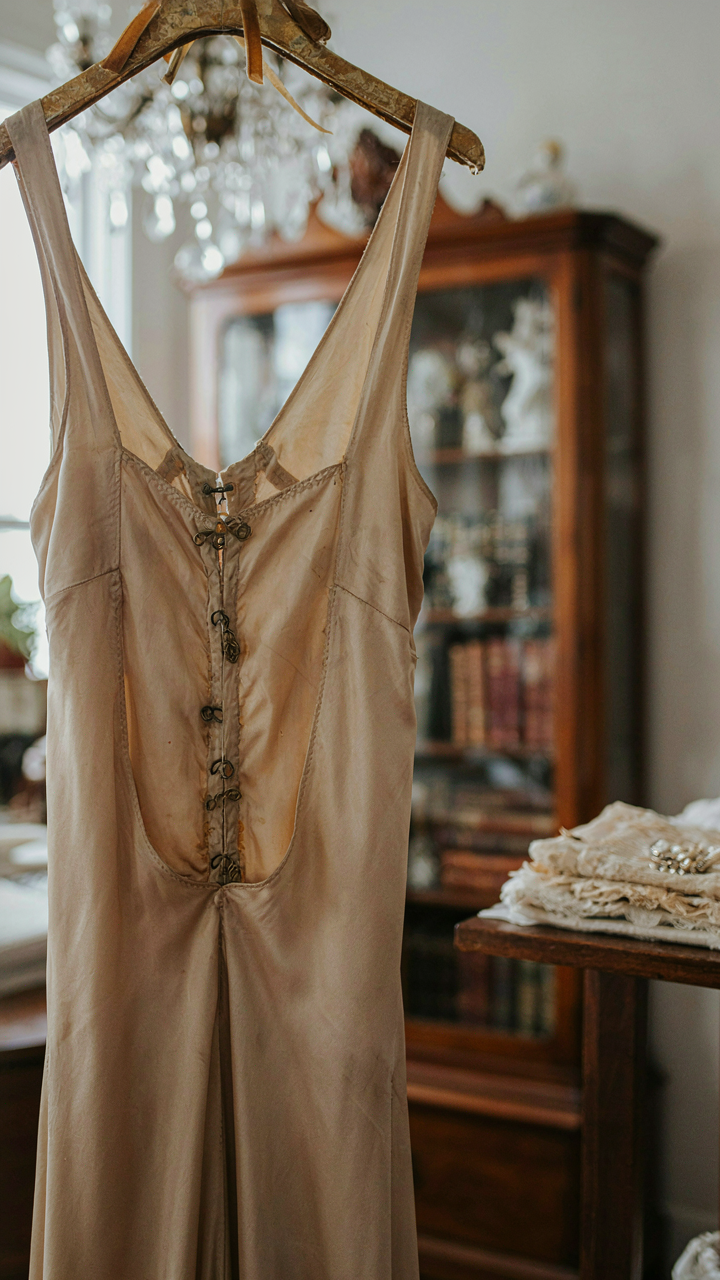
Hunt Like You’re Pricing Inventory
You want to look like you didn’t try. That’s the real fear driving this section. The mechanism is simple: thrift stores reward pattern recognition, not luck. You need to visit the same stores on the same day each week. Staff restock on predictable schedules. You show up Tuesday morning at the consignment shop near the theater district, you see pieces before they hit the floor. The 1920s beaded evening gown doesn’t sit in a pile for three weeks. It moves in days.
- Target specific neighborhoods: Wealthy zip codes near downtown areas have better estate donations. Thrift stores in these neighborhoods carry higher-quality vintage pieces than suburban locations.
- Go early in the week: Monday and Tuesday mornings are prime. Weekend crowds thin the inventory and pick over the best finds before serious hunters arrive.
- Check the regular clothes section first: Vintage evening wear gets misfiled constantly. Staff tag a 1940s silk slip dress as “lingerie” or a beaded jacket as “costume.” Find it before others do.
- Build a relationship with managers: Tell them what you hunt. They flag pieces in the back. A manager who knows you’re serious about 1920s-era garments will pull items from donation bins before pricing.
- Inspect seams and hems for era clues: Hand-stitched or bound seams indicate pre-1950s construction. Machine-made labels and synthetic content tell you when something was actually made, not what it’s labeled.

The common mistake is treating thrift shopping like a hobby. It’s not. You’re doing archaeological dating. You need to know construction methods, fabric compositions available in specific decades, and label formats. This separates finds from junk labeled “vintage.”
Know What Holds Value
Most people inspect vintage items with their eyes. That’s incomplete. The mechanism here comes from materials science. A sequin-covered dress from the 1930s uses glass beads or steel sequins. Modern reproductions use plastic. Feel the weight. Plastic is hollow. Glass and metal have density. Run your fingers across seams. Original evening wear shows hand-reinforcement at stress points. Replicas skip this.
Check the lining next. Authentic 1920s and 1930s evening pieces used silk, cotton sateen, or linen linings. The weave is tight and purposeful. Modern lining feels thin and utilitarian. Smell the fabric. Vintage textiles hold the scent of old storage. It’s not unpleasant. It’s specific. That scent fades within weeks of wearing, so it’s a real-time indicator. Finally, inspect closures. Zippers weren’t common in evening wear until the late 1930s. Buttons, snaps, and hook-and-eye closures dominate earlier pieces. A dress claiming 1920s origin with a functional zipper is wrong.
Great Gatsby Outfit: Footwear Fallacies And Fixes
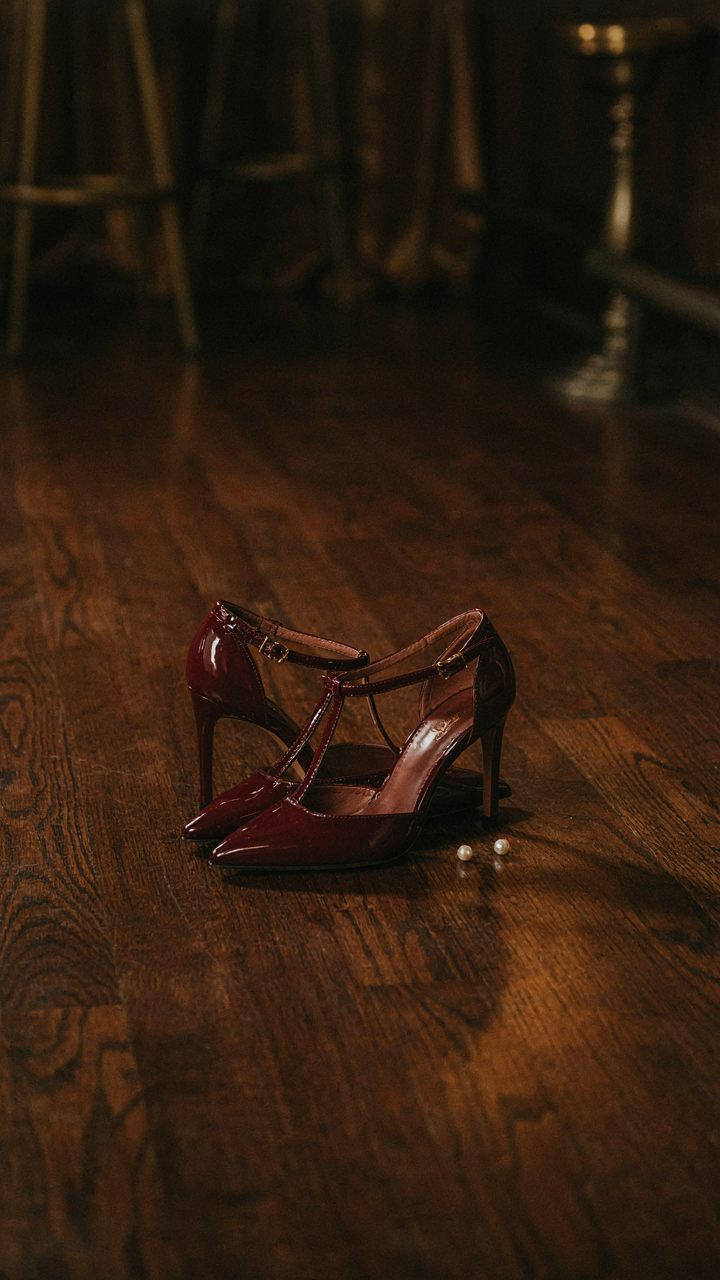
When Your Feet Betray The Whole Look
You want to look expensive without admitting you’re terrified of limping through the night. Here’s the mechanism: your foot strikes the ground 1,000 times per hour at a party. A single blister registers as visible pain in your posture, facial expression, and how you hold a drink. Shoes that hurt don’t just hurt your feet. They sabotage every other element you assembled. The standard advice says “prioritize style over comfort,” which is how people end up standing against walls instead of moving through rooms.
The real play is selecting footwear that performs double duty: it handles eight hours of standing and walking without degradation, and it reads as intentional within 1920s codes. This isn’t compromise. It’s engineering. Comfort becomes the foundation that lets your outfit do its job. When your feet work, your confidence works. When your confidence works, the whole ensemble reads higher than it actually costs.
Leather And Metal Build The Signal
Oxford shoes and T-strap heels aren’t recommendations because they’re period-accurate. They work because the materials and construction method communicate intentionality. Leather that’s polished reflects light in a controlled way. It signals maintenance and investment. Metal buckles or chain details catch movement and draw the eye downward in a deliberate rhythm. This is visual hierarchy applied to footwear.
Patent leather and satin remain options, but understand what they do: they read as formal occasion wear, which is correct for speakeasy settings. The T-strap heel, specifically, anchors the foot while creating a visual line that elongates the leg. For men, a simple oxford in black or burgundy leather pairs cleanly with high-waisted trousers. The mechanism is repetition. One strong shoe choice repeated across an outfit creates cohesion that compensates for other imperfect elements.
The Real Obstacle Isn’t Finding The Right Outfit, It’s Shedding The Need For External Validation
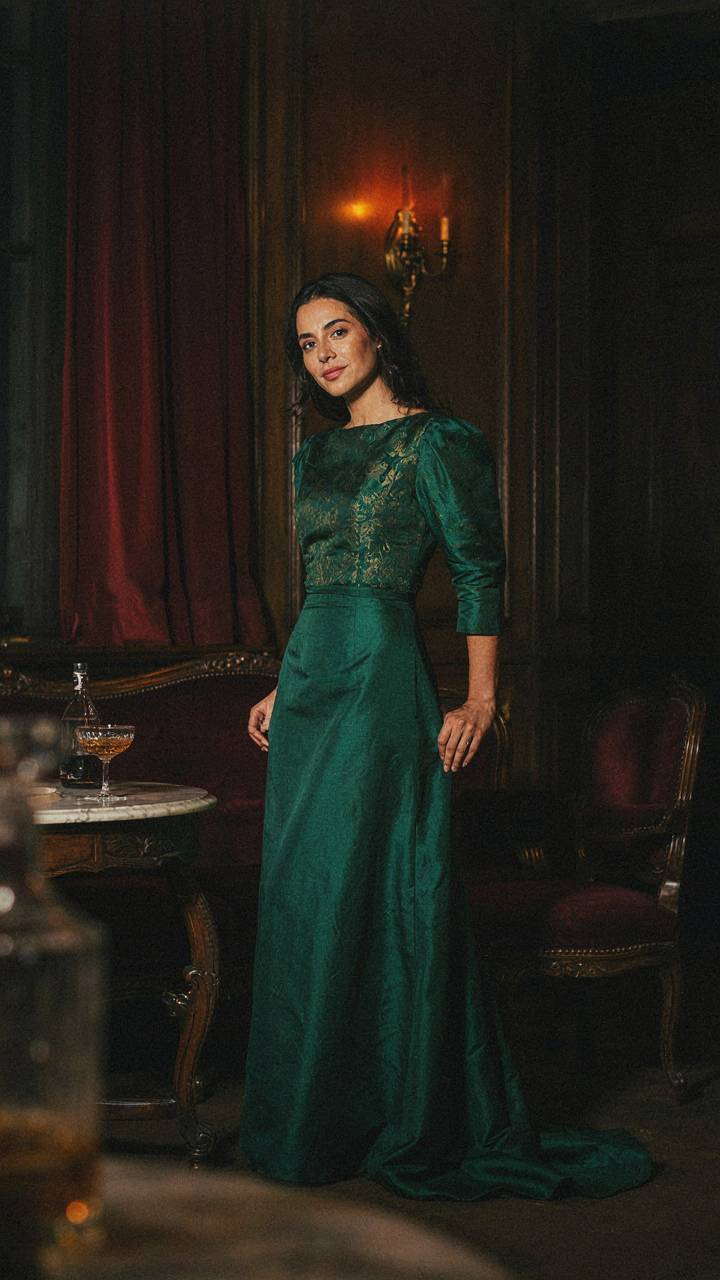
You don’t need permission to wear a speakeasy outfit. You need to stop caring what strangers think about your choices. The outfit itself is just fabric and confidence. Most people waste energy hunting for the “perfect” piece when they should spend it deciding who they are at that party. Pick one item today that makes you feel like a different version of yourself. Wear it like you own the room, because the only validation that matters is the one you give yourself.



