

Beyond “Appropriate”: The Strategic Guest Outfit
Fit In By Standing Out
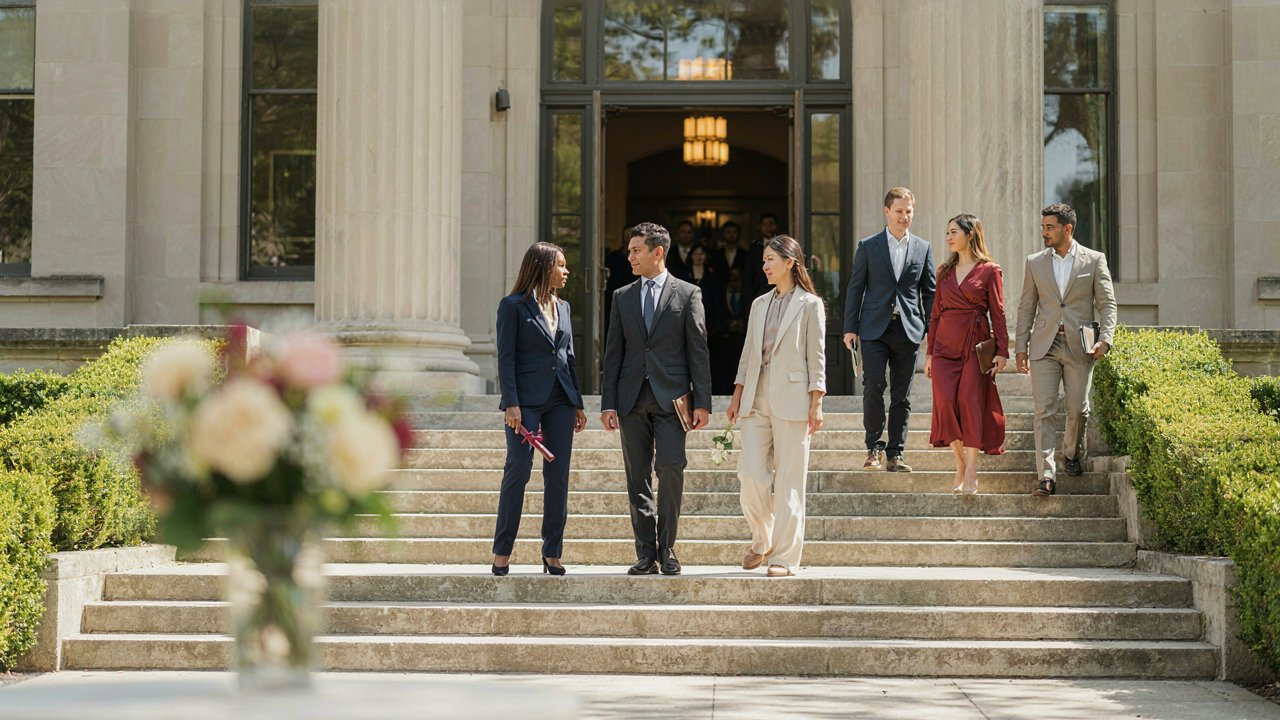
You’re worried people will judge you for getting it wrong. That fear is the actual problem, because it locks you into invisible mode when visibility solves everything. The graduation ceremony guest outfit operates like signal theory in communication: your clothes transmit information about your relationship to the graduate and your understanding of the event’s weight. Most guests default to neutral colors and loose fits, which means they disappear. The mechanism is simple: intentional choices read as respect. Accidental choices read as indifference.
The distinction between “fitting in” and “standing out respectfully” comes down to intention versus accident. Wear a navy blazer because it anchors your frame and signals formality, not because everyone else will. Choose fabrics that hold their shape through a two-hour ceremony, not because of tradition. The real move is dressing like you prepared specifically for this person’s milestone, not like you grabbed what was clean. When relatives notice your outfit, they’re noticing your investment in the moment.
Signal Status Through Fiber And Hue
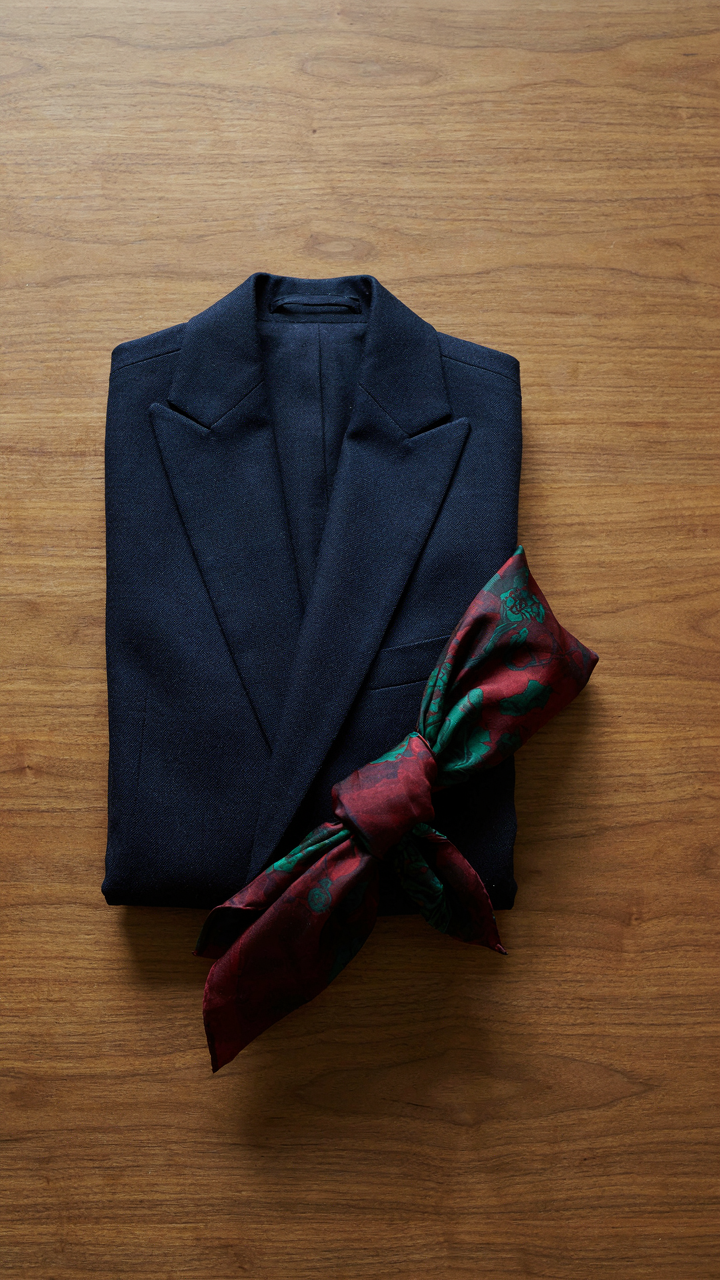
Color and fabric choice operate as a communication layer most people ignore entirely. Natural fibers like cotton, linen, and wool telegraph intention because they cost more and require maintenance. Synthetic blends that wrinkle and lose shape read as convenience dressing. The graduate’s immediate family typically wears darker, more structured clothing. Close relatives shift toward complementary tones that acknowledge importance without competing. This hierarchy exists in every graduation ceremony, written in fabric weight and saturation.
The practical protocol: select one primary color that works with your skin tone and stick with it. Pair it with a secondary fabric that contrasts texturally. If you wear a solid dress or suit, add a structured layer like a blazer or shawl. Avoid patterns that pull attention away from the stage. Test your outfit sitting down for extended periods, since you’ll spend most of the ceremony stationary. The goal is looking prepared, not fashionable.
The Support System Signaling Protocol
Dress To Reflect Your Relational Role
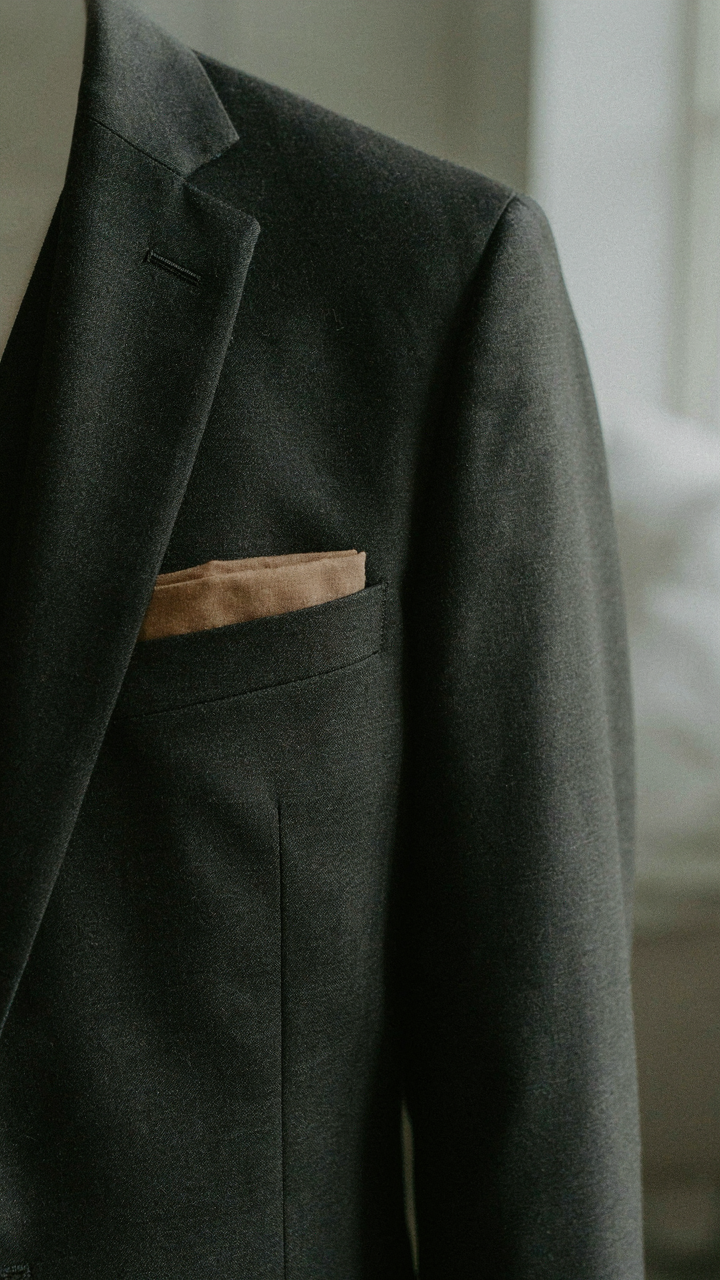
You’re worried people will misread who you are to the graduate. This matters because hierarchy and relationship clarity shape how observers perceive the entire event. Kinship proximity determines your outfit’s formality ceiling. Parents and grandparents anchor the formal end. Aunts, uncles, and cousins occupy the middle. Family friends and colleagues sit lower. Your clothing must signal where you actually sit, not where you wish you sat.

The mechanism is borrowed from organizational hierarchy: in military rank structure, insignia prevents confusion about decision-making authority. Your outfit functions as insignia. Immediate family typically wears dark, structured pieces. Extended family can soften this with lighter tones and less tailored silhouettes. Godparents and close friends thread the needle between formal and approachable. The goal is recognition, not ambiguity. Wear pieces that fit your actual role, not an inflated version of it.
Avoid Sartorial Overshadowing Of The Graduate
Most guests get this wrong by optimizing for personal appearance instead of occasion architecture. The graduate owns visual dominance on graduation day. Your job is to disappear into the backdrop while remaining appropriately dressed. This is a constraint, not a limitation. Neutral colors, minimal pattern, standard silhouettes work here. The graduate wears the robe and regalia. Everything else recedes.
The physics principle at play is absorption versus reflection. Bright colors, bold prints, and attention-grabbing details reflect light and draw the eye. Subdued tones and textured fabrics absorb light. You want absorption. Choose fabrics in navy, charcoal, black, cream, or muted earth tones. Avoid metallic finishes, large logos, or high-contrast patterns. Skip the statement accessories. Your outfit should feel appropriate to the setting but never louder than the person being honored. The final checkpoint: before you leave, ask whether someone unfamiliar with you could instantly identify the graduate in any photo you both appear in. If there’s doubt, dial back one notch.
Environmental Adaptability: The Ceremony Context
Indoor Versus Outdoor Logistics
You’re worried the wrong outfit choice makes you look unprepared. What actually matters is that the venue determines your fabric weight, layering strategy, and footwear grip in ways most people ignore. Think of venue selection like ballistics: the environment is the medium through which your outfit travels, and mismatching them creates friction and visibility.

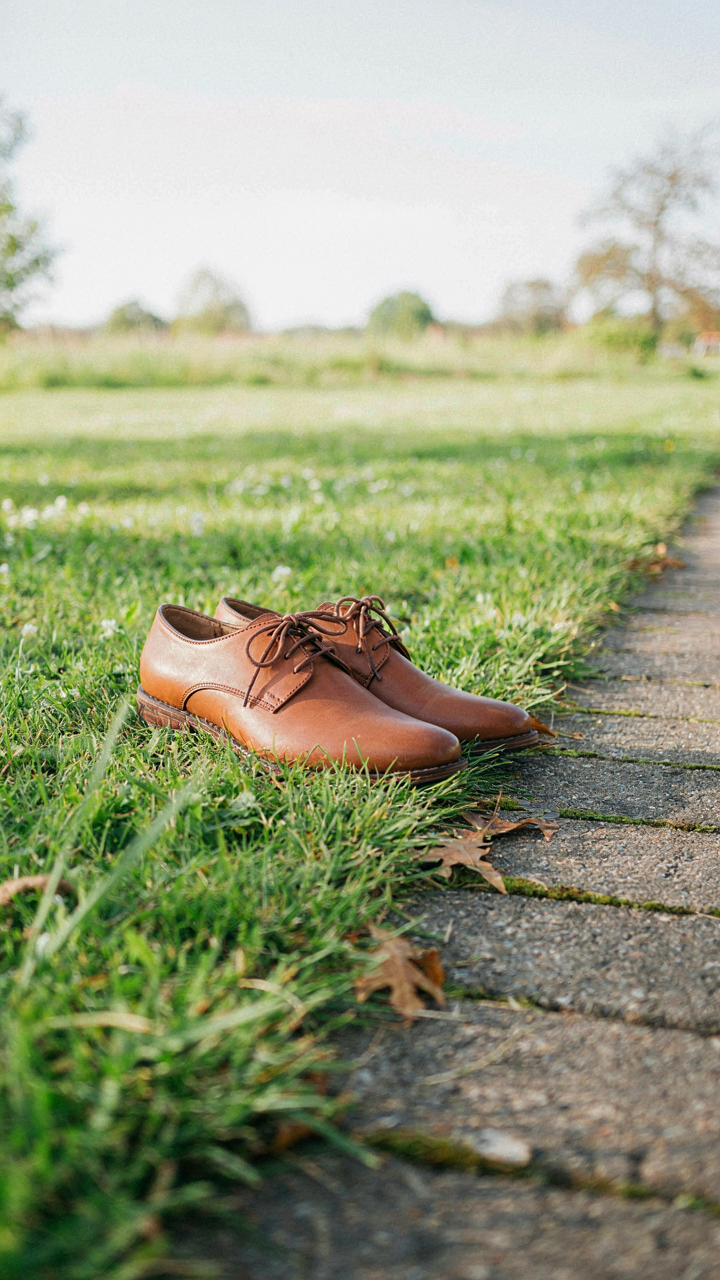
Indoor ceremonies let you run lighter. Air conditioning means no sweat marks on silk or cotton blends. Your shoes can be dress-only without traction concerns. You shed jackets and wraps without losing the outfit’s structure. Outdoor ceremonies demand different physics. Ground varies from grass to pavement. Sun exposure turns dark fabrics into heat traps. Wind moves fabric in ways that reveal poor construction or fit. Check the actual venue before buying anything.
Sustained Comfort Through Duration
The common advice says “choose what makes you feel confident.” That’s not wrong, but it misses the real mechanism: a graduation ceremony lasts two to three hours of standing and sitting. Your outfit needs to function across temperature swings and movement patterns, not just look good in still photos.
Fabric choice determines whether you survive the timeline intact. Natural fibers breathe but wrinkle fast. Synthetic blends resist wrinkles but trap heat. Layering solves both problems: wear a moisture-wicking base if outdoors, add structured pieces you can remove indoors. Footwear matters more than most realize. You’ll stand on concrete or grass for an hour before sitting. Cushioning and proper arch support prevent the physical fatigue that makes you shift weight visibly and check your phone instead of watching the ceremony. Test your full outfit over that exact duration before the day arrives.
The High School Graduation Outfit Imperative
What Actually Matters At High School Graduation
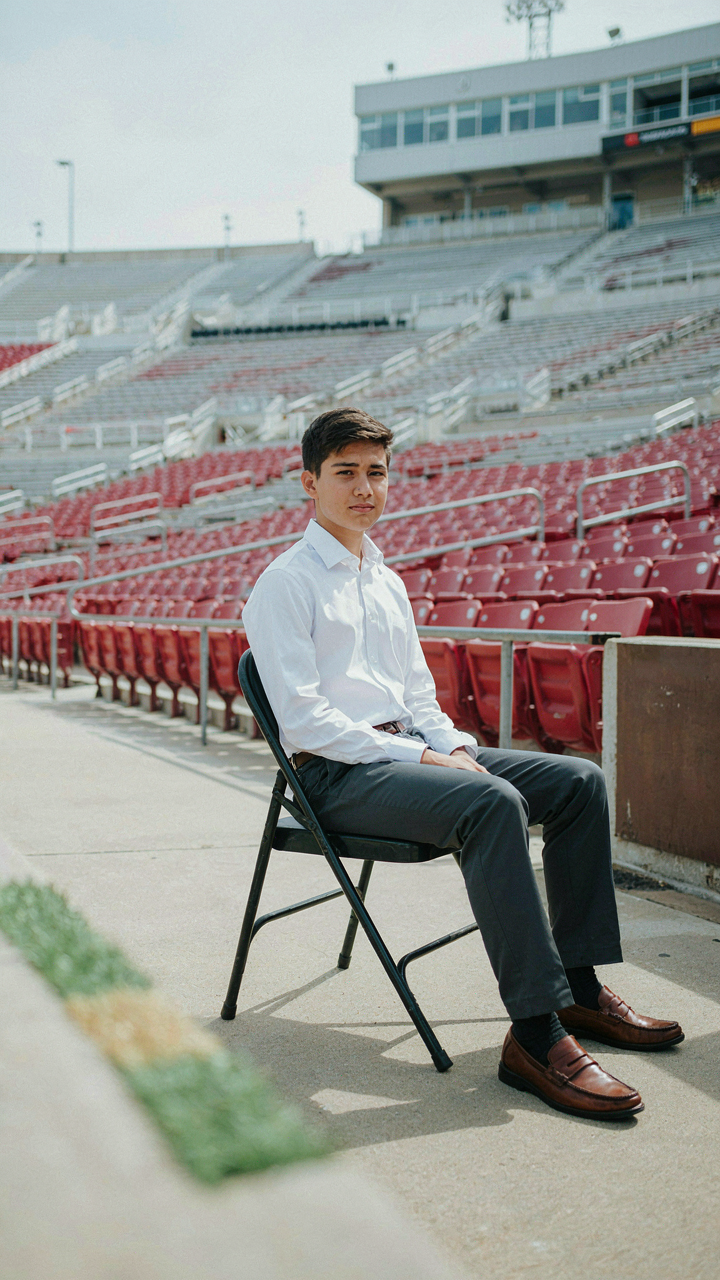
You’re worried people will judge you for dressing wrong. That fear is real, but here’s the mechanism: high school graduations operate on visibility rules that matter less than you think. The graduate is the focal point. Everyone else—relatives included—occupies a supporting role where the dress code exists to avoid distraction, not to showcase status. Wear something that fits the formality level and doesn’t pull attention away from the stage.

High school graduations typically run casual to business casual. Dress pants or a skirt with a collared shirt works. A blazer elevates it without overdoing it. The venue matters: outdoor ceremonies in June run hotter than indoor auditoriums in May. Shoes should be closed-toe and comfortable because you’ll sit for two hours minimum. Avoid anything that wrinkles easily or requires constant adjustment.
Dressing Younger Relatives Without The Guessing Game
Age-appropriate elegance means matching formality to the child’s stage of life, not your own taste. A twelve-year-old in a three-piece suit reads as trying too hard. A sixteen-year-old in jeans reads as disrespect. The real signal you’re sending is whether you take the event seriously enough to show up prepared.
For kids under fourteen, a dress shirt or blouse with neat trousers or a skirt works. Minimal accessories. Closed shoes. Skip the tie or bowtie unless parents explicitly request it. For teenagers fourteen and up, the same baseline applies, but they can handle one layer of formality higher: a blazer, a modest dress, or dress pants with intention. The protocol is simple: match the formality of what the graduate wears, then dial back one notch for your relative.
The Cognitive Load Principle: Simplify Your Choices
Reduce Decision Friction Before The Event
You’re stressed about standing out without looking like you’re trying too hard. The real mechanism here is borrowed from cybernetics: feedback loops. Every clothing choice creates a cascade of micro-decisions that drain your mental bandwidth. Shirt color triggers shoe selection, which triggers accessory matching, which triggers second-guessing. You spiral before you even leave the house.

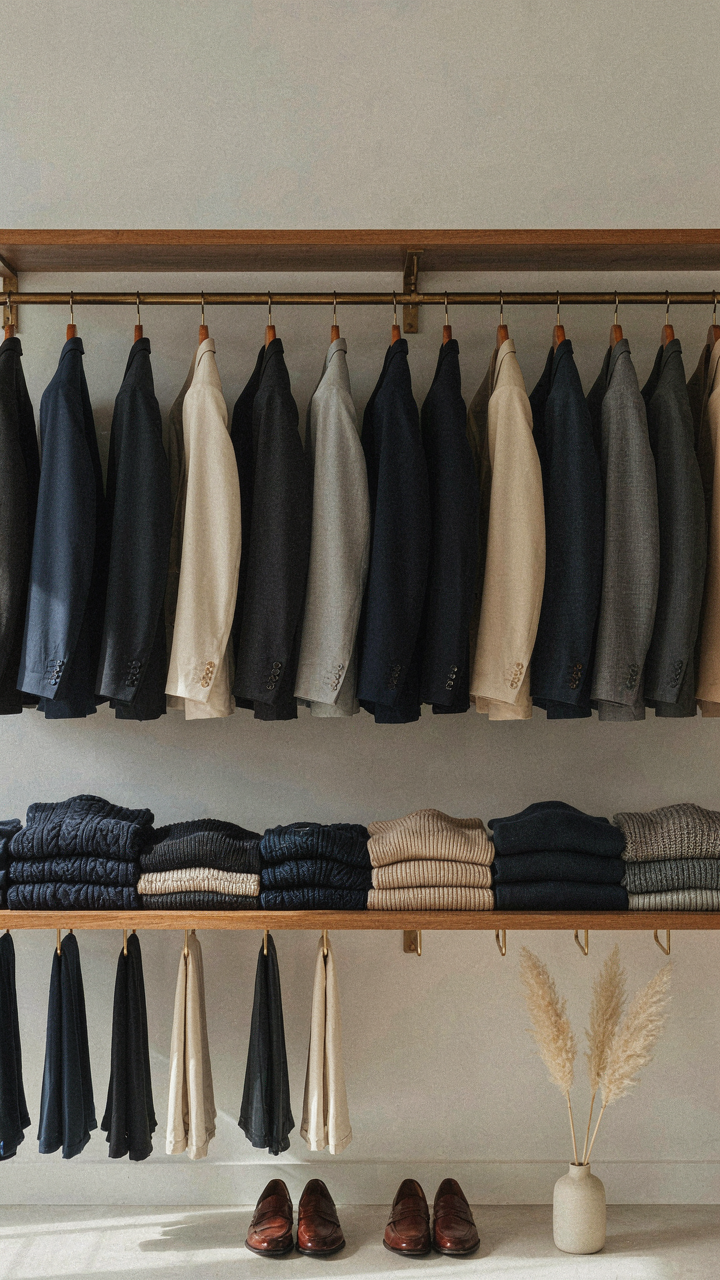
Break the loop by pre-committing to constraints. Decide your base color palette now, not at 8am the morning of the ceremony. Pick one neutral anchor—navy, charcoal, or cream—and every other piece snaps into place automatically. This isn’t minimalism for aesthetics. It’s mathematics. Fewer variables equals fewer decisions equals zero decision fatigue.
Lock In Your Outfit The Week Before
Everyone says “plan ahead,” which means nothing. Here’s what it actually means: try on the complete outfit, including shoes and accessories, seven days before the event. Not a mental walkthrough. Physical execution. You’ll catch fit issues, fabric wrinkles, and color mismatches that photographs will amplify. This single action eliminates 90 percent of last-minute panic changes.
Document what you’re wearing with a photo. Timestamp it. This becomes your non-negotiable reference point. When doubt creeps in the morning of the ceremony, you don’t re-evaluate. You execute the plan you already vetted. The outfit works because you removed uncertainty from the equation, not because you overthought it.
What To Wear To Graduation Ceremony Guest: Beyond The Dress Code
The Unspoken Hierarchy Of Formality
You’re worried the dress code won’t tell you enough, so you’re looking for permission to dress slightly better than everyone else. The mechanism is simple: formality exists on a spectrum, not as binary rules. A graduation printed “cocktail attire” means something different at a state school than at an Ivy League ceremony. The invite language is always softer than the actual event requires. Hosts use cautious phrasing to avoid offending guests who own limited formal wear. What they actually expect is one step up from what they write.

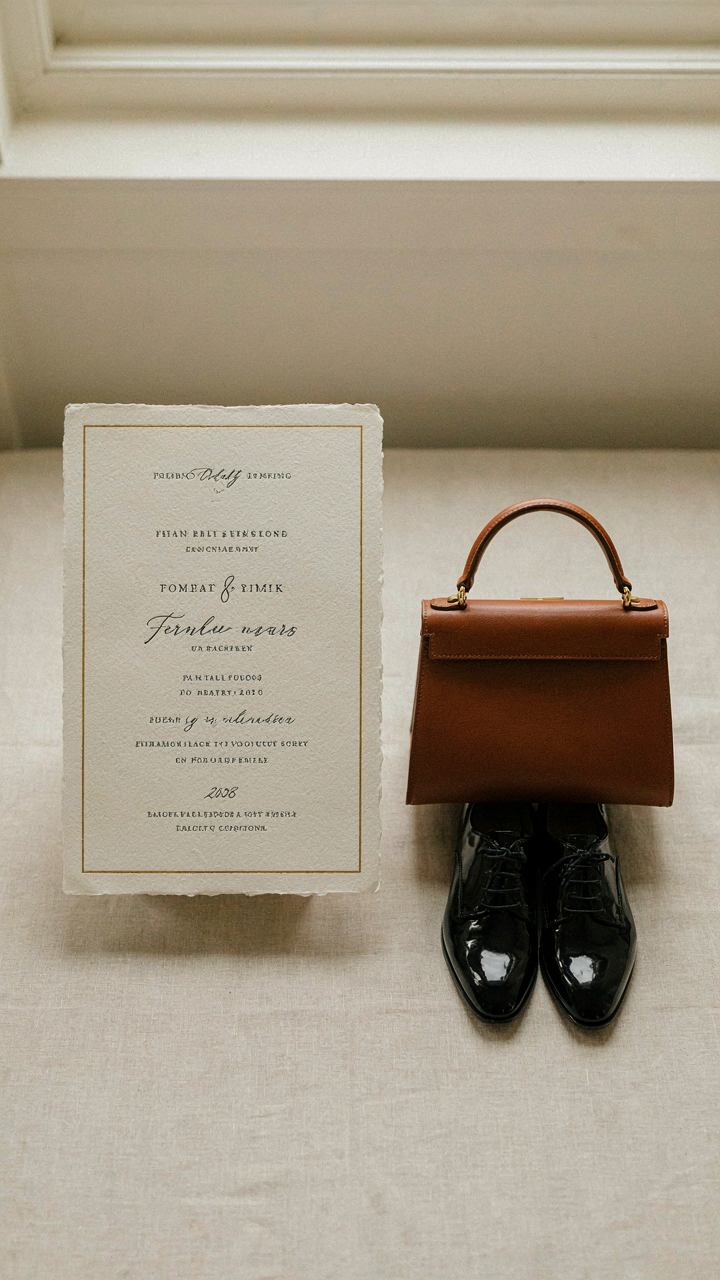
Read the invitation for tone, not rules. A school emailing you at 8am with logistical details signals a practical event where comfort matters. A printed card with serif fonts and specific timing signals formality where appearance gets scrutinized. The real dress code lives in those details, not in the word “business casual” or “cocktail.” Parents and extended family dress more formally at graduation than the stated code allows because they understand this subtext. Match that energy rather than the words.
Accessories That Signal Intentionality
Accessories function like military insignia: they communicate rank and attention to detail without stating it outright. A guest who wears the right watch, shoes, and bag signals they prepared specifically for this event. Guests who grab random items signal they didn’t think about it. This distinction registers in under three seconds and shapes how people remember you in photos.
Shoes matter most because they’re the easiest thing to get wrong and the hardest thing to hide. Worn leather, scuffed heels, or mismatched formality to your outfit reads as careless. Your shoes should match the formality of your top layer. If you’re wearing a blazer, wear dress shoes. If you’re wearing a cardigan, loafers work. Keep bags structured, not slouchy. Skip novelty items like character bags or overstuffed totes. A structured bag, polished shoes, and one meaningful piece of jewelry like a watch or necklace complete the outfit with minimal effort and maximum credibility.
Outfits For Graduation Guest: The Durability Test
Sitting Through Hours Without Breaking Down
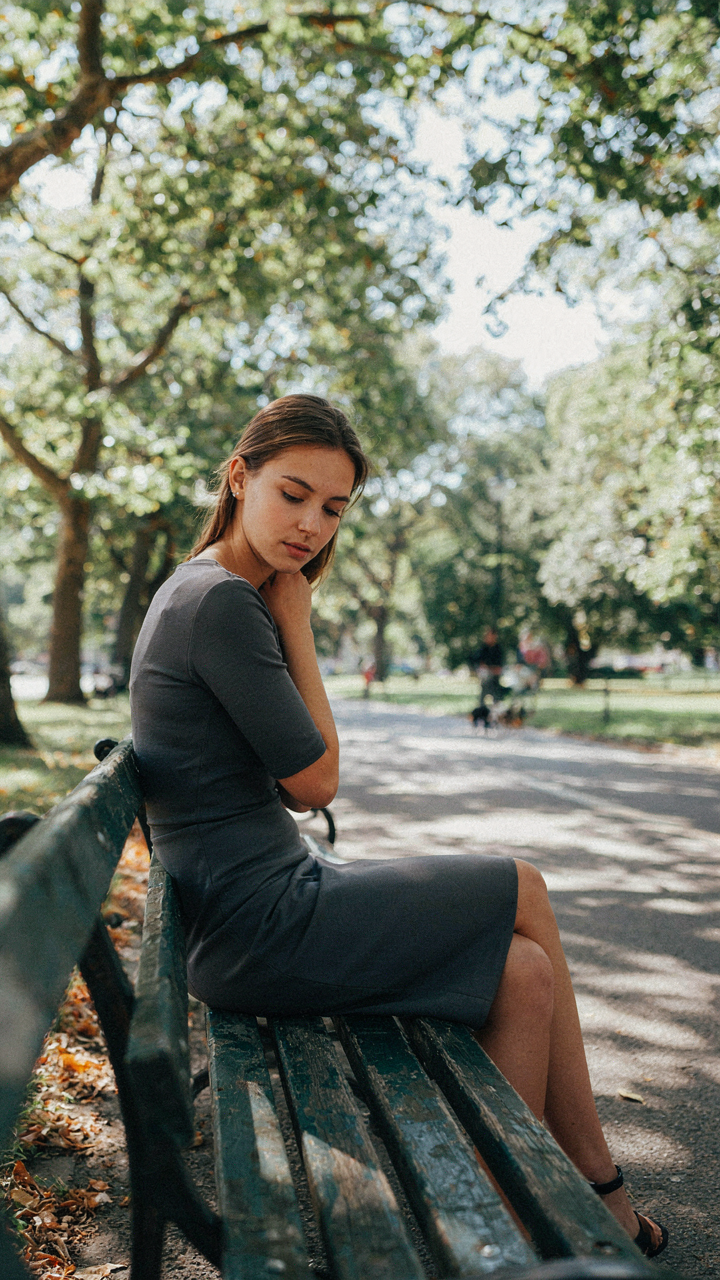
You care about this because you’re terrified of looking uncomfortable or disheveled in photos that will exist forever. Here’s the mechanism: a graduation ceremony is endurance engineering. Like load-bearing structures in civil engineering, your outfit absorbs repeated stress—sitting, standing, walking across uneven grass, temperature swings from air conditioning to outdoor heat. Failure happens when fabric wrinkles beyond repair, shoes cut circulation, or waistbands dig into your ribs after two hours.

The standard advice tells you to “choose breathable fabrics” and “wear comfortable shoes.” This is incomplete. Most people ignore that synthetic blends (polyester-cotton mixes) hold their shape better than pure cotton after extended sitting, and that structured fabrics like ponte or wool gabardine resist the creasing that pure linen generates. You need specific material properties, not vague comfort language.
- Natural fiber blends over pure cotton: Polyester-cotton blends (65/35 ratio minimum) resist wrinkles after sitting and retain structure better throughout the ceremony than 100% cotton pieces that sag and crease permanently.
- Structured bottoms over loose cuts: Tailored trousers or fitted skirts in ponte or gabardine maintain their silhouette for hours. Loose linen or unstructured fabric bunches, wrinkles, and photographs poorly after prolonged sitting.
- Shoes with real arch support, not fashion first: Graduated insoles and cushioned heel cups prevent the swollen-foot shuffle after standing and walking on concrete and grass. Flats and thin soles cause visible discomfort by hour three.
- Layering with weight distribution: A structured blazer or cardigan spreads the visual weight across your frame and hides the inevitable stress wrinkles that form where your body sits against the chair back.
- Undergarments that don’t shift: Seamless or minimalist options prevent visible panty lines and the constant adjustment fidgeting that draws attention and ruins candid photos throughout the ceremony.
Test your outfit the week before by sitting in it for two hours straight—not standing in your bedroom mirror. If waistbands leave marks, seams pucker, or your shoulders ache, the outfit fails. Ceremonies run 90 minutes to two hours minimum. Your fabric choice determines whether you photograph as present or visibly suffering.
Ready For The Party That Follows
The outfit that survives the ceremony intact now has to transition to a reception where you’re moving between tables, hugging graduates, and standing for photos. Most guests treat these as separate events, then panic when their formal pants are too restrictive for dancing or their shoes become torture devices by the time cake arrives.
Transition pieces solve this. A blazer or structured jacket works as formal ceremony armor, then comes off cleanly for the reception without leaving wrinkle maps on your shirt. Your base layers need to function solo—meaning the dress, blouse, or shirt underneath reads finished on its own. You leave the ceremony, remove the outer layer in a bathroom or car, and you’re already party-ready. This prevents the awkward half-dressed appearance of peeling off a sweater and revealing wrinkled sleeves. Choose fabrics that don’t wrinkle differently when layered and peeled apart. A cotton-poly blend shirt won’t show a moisture line or color shift when you remove a jacket after wearing it for two hours.
The Investment Fallacy Of A Single Use Graduation Outfit
Build Pieces That Work Across Seasons
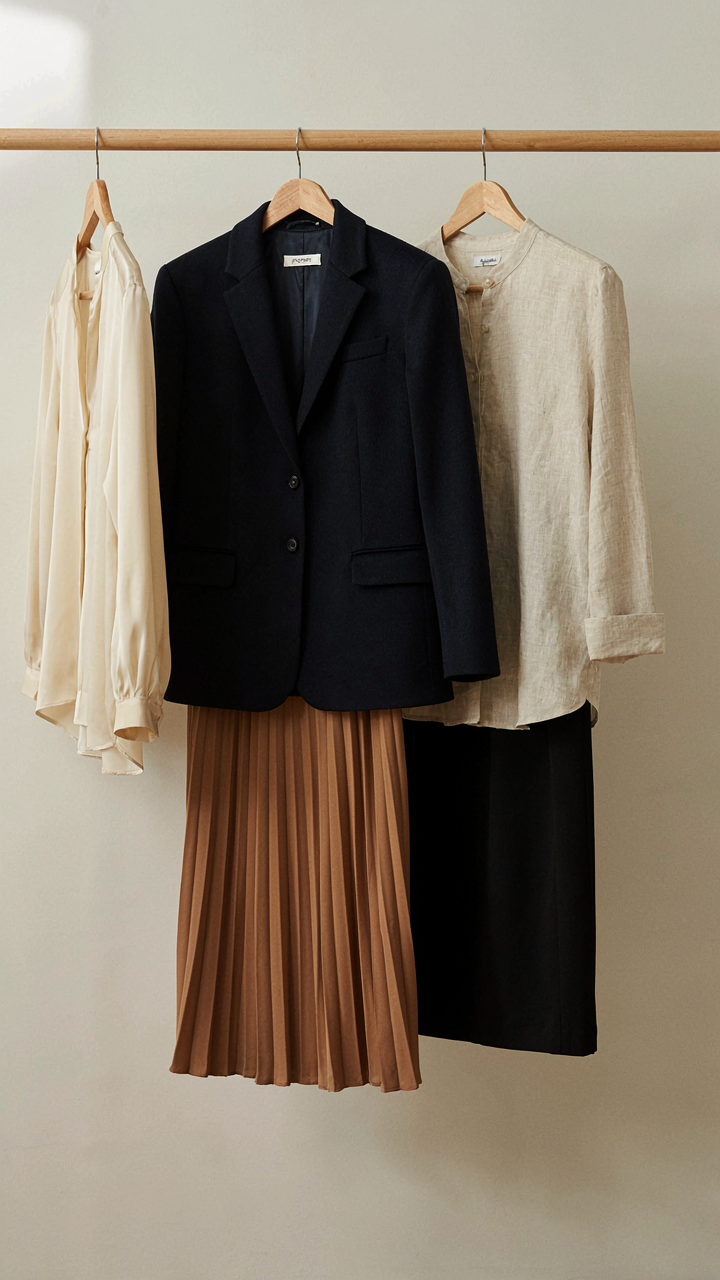
You’re afraid you’ll look cheap if you rewear something, so you buy an outfit nobody will see you in again. That’s the real problem here. Think like supply chain logistics: graduation outfits operate on inventory turnover. A piece that functions only at graduations sits dormant eleven months per year. A blazer, dress, or shoe that transitions between spring weddings, fall events, and work settings generates actual return on capital.

The standard advice is to “invest in basics.” That’s incomplete. You need basics that match your existing wardrobe colors and cut. A navy blazer only works if you own navy pants or skirts you already wear. A dress only works if your shoe collection aligns with its neckline and formality. Audit what you own before buying. If you lack complementary pieces, the graduation outfit becomes an island instead of a bridge.
Anchor Outfits Around Existing Investments
Most people buy top-to-bottom as if graduation requires a costume. Instead, start with one piece you already own and build outward. A shoe you wore last year. Pants from your job. A bag from a previous event. This approach does two things: it guarantees coherence because you’re building from a known variable, and it cuts your spending by sixty percent because you’re only replacing gaps.
A single coordinated element unlocks reuse. Pair a neutral blazer with three different bottoms. Swap shoes with the same dress for day versus evening events. Layer a cardigan over a simple dress to create formality without buying formal wear. The mechanism is constraint. Graduation attendance spans one day. But the outfit components span your calendar if you design them modularly from the start. Buy the fourth piece only if it serves function beyond graduation.
Avoiding The Generic: Outfit Ideas For Graduation Guest That Matter
Personal Style As Signal, Not Noise
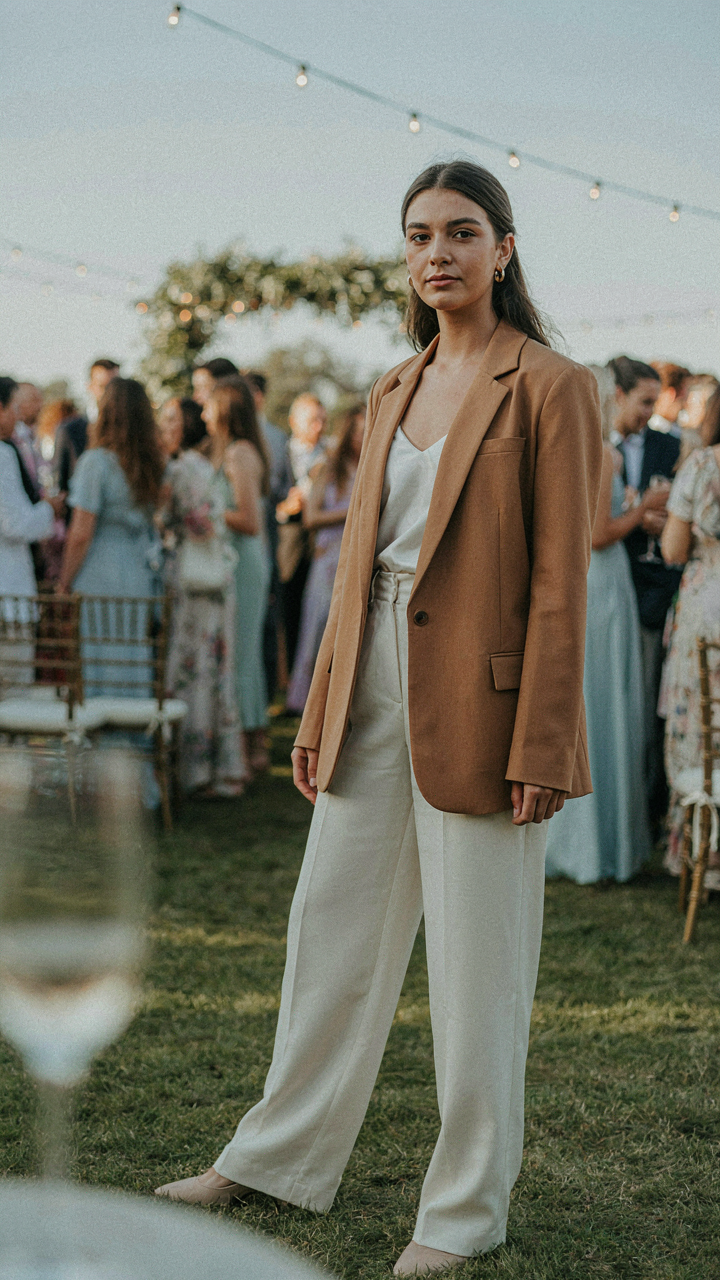
You’re worried people will judge you. That’s the real reason you’re reading this. The mechanism is simple: at a graduation, everyone watches everyone else. Your outfit either reinforces the moment or competes with it. The goal isn’t to disappear. It’s to look intentional without demanding attention that belongs to the graduate.

Personal style works like a tuning fork in acoustics. You amplify the frequency you choose, and everything else dampens. Pick one element that reflects how you actually dress, then build restraint around it. A structured blazer, a specific color palette, a fabric choice you return to. This isn’t about creating a character. It’s about showing up as a more polished version of yourself, not a costume version.
The Memorable Outfit Isn’t The Flashy One
Common advice says stand out. That’s incomplete. The outfits people remember at graduations aren’t the loudest ones. They’re the ones that look effortless and fit the context perfectly. A guest who shows up in runway trends looks like they missed the assignment. A guest who shows up in clothes that cost something real and fit their body correctly looks like they understand what day it is.
Build your look backward from the venue and time of day. An outdoor afternoon ceremony calls for different fabric weight and color intensity than an indoor evening event. Choose one piece that feels slightly more refined than your normal rotation. Pair it with basics you’ve worn before. Wear the outfit once before the ceremony. This removes uncertainty and lets you move like you belong there, which is the only thing people actually notice.
The Only Real Fashion Crime Is Showing Up Unprepared For Impact

Most people treat a graduation ceremony guest outfit like an afterthought. They show up neutral, forgettable, invisible. You won’t. Pick one outfit today. Actually try it on. See how you move in it. The goal isn’t to match the graduates or blend into the bleachers. It’s to show up intentional, composed, and present for a moment that matters. Respect the event by respecting yourself first.



