


The “Dressy” Delusion: Why Generic Advice Fails You
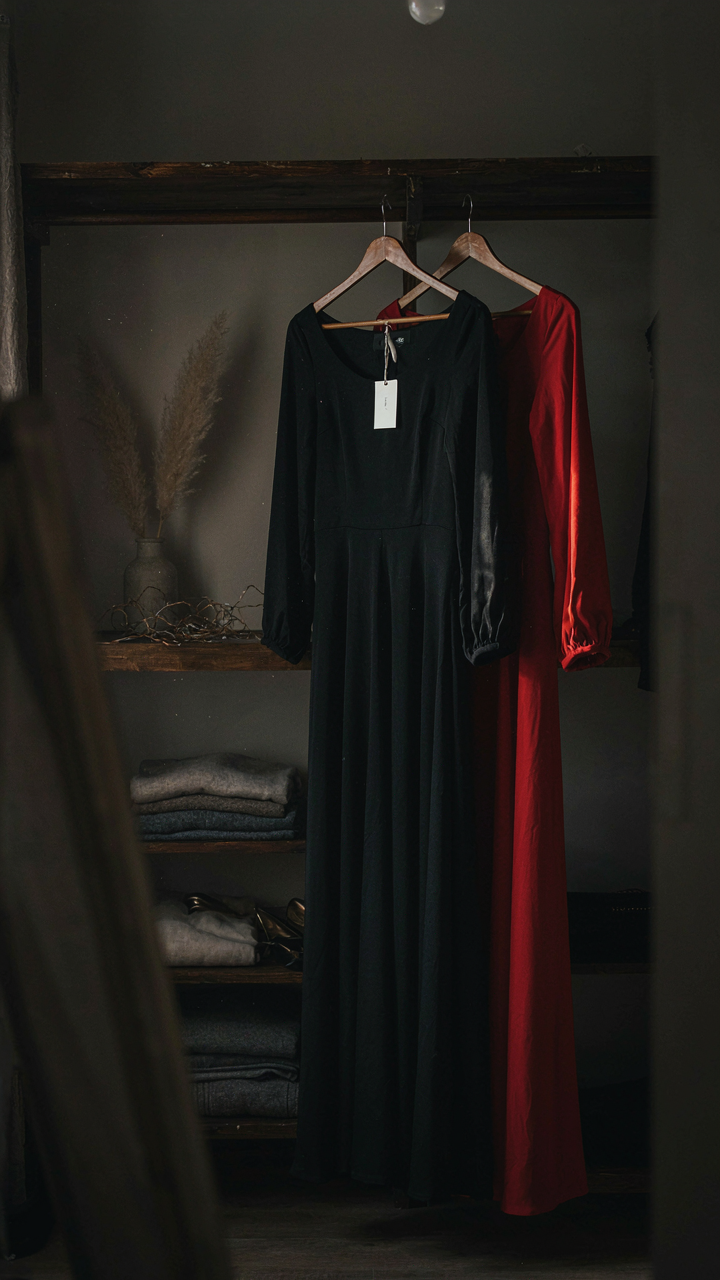
What “Dressy” Actually Means
You care about this because you’re terrified of being underdressed and looking poor in front of people who matter. The real mechanism is status signaling through dress codes, borrowed from economics: a signal only works when it costs something to fake. Your Christmas Eve dinner outfit isn’t about looking nice. It’s about transmitting a specific message about your social position to a specific audience using a shared vocabulary they’ll decode in seconds.
The problem with generic “dressy” advice is that it treats the term like a fixed standard. It isn’t. “Dressy” means different things depending on who’s evaluating you. A formal dinner at your partner’s parents’ house requires a different signal than a casual family gathering at your aunt’s place. The gap between those two isn’t minor. It’s the difference between signaling respect for formal occasion versus appearing desperate to impress.
Identity Costs More Than Fabric
The advice to “just wear black and add heels” or “go with a blazer and slacks” is incomplete because it ignores the actual cost structure of conformity. You don’t just spend money on the outfit. You spend identity. Every time you pick the safe, generic choice because it fits the vague standard, you’re making a micro-decision that compounds into a wardrobe that doesn’t belong to you.
The real financial hit isn’t the purchase price. It’s buying pieces you’ll wear once because they satisfy someone else’s interpretation of the dress code, then sitting in your closet unused. That’s dead capital. A Christmas Eve dinner outfit that works is one where you’ve decoded what the specific occasion actually demands, then selected something that satisfies that demand while still being something you’d wear again. Conformity that costs is conformity you can’t afford to repeat.
Beyond Sparkle: The Power Of Strategic Material Selection For Your Festive Christmas Outfit
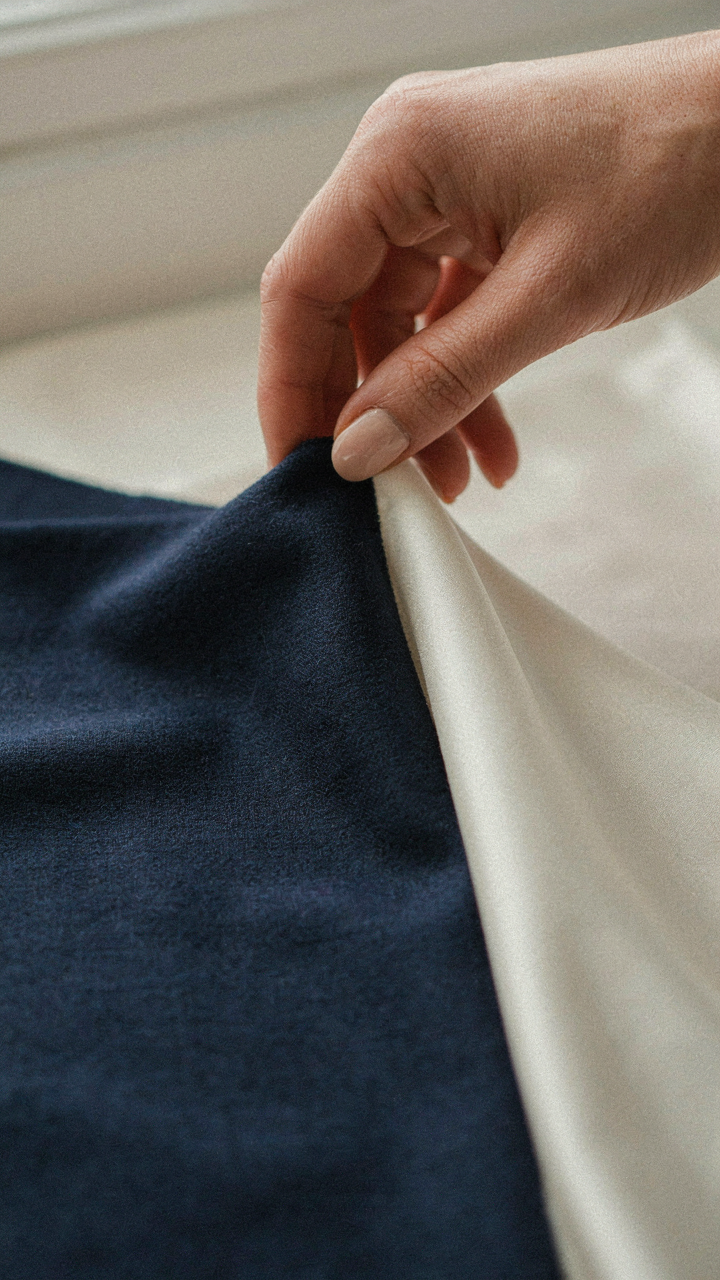
Texture Signals Status Before Movement
You care about this because people judge your outfit in the first three seconds, and texture is what your body actually communicates before anyone processes color or cut. Fabric choice operates like signal theory in economics: materials broadcast information about your access to quality, your attention to detail, and your understanding of occasion. Cheap sparkle reads as panic. Deliberate texture reads as control.

The difference between a Christmas Eve outfit that lands and one that doesn’t lives in fiber structure, not decoration. A silk charmeuse drapes differently than polyester satin. Linen holds creases with intention. Wool crepe moves with your body instead of against it. These aren’t aesthetic preferences. They’re physics. The material you choose determines how light hits you, how the garment responds to movement, and whether observers perceive effort or accident.
The Material Hierarchy That Actually Works
Most advice says “wear what makes you feel confident,” which is useless and incomplete. Confidence is downstream of material quality. The real lever is understanding what separates materials that hold value from materials designed to look expensive for one night.
Natural fibers perform better than blends in almost every practical dimension. Silk, wool, linen, and cotton age visibly but age well. Synthetic blends give you the first-wear pop and then collapse into themselves. Polyester feels thin. Nylon stretches in unexpected places. For a Christmas Eve dinner outfit, prioritize natural fiber content at minimum 70 percent. A dress or blazer in wool crepe costs more upfront but photographs better, moves better, and survives multiple seasons. Velvet in cotton or silk holds richness. Satin in polyester looks like you found it in a clearance bin. The mechanic is simple: natural fibers take dye deeper, reflect light more precisely, and resist pilling because their molecular structure resists friction degradation.
The Contextual Code: Decoding Your Family’s Unspoken Rules For Family Christmas Party Outfits

Who You’re Actually Dressing For
You care about this because you’re afraid of reading the room wrong and looking like the person who didn’t get the memo. Here’s the mechanism: every family operates on an invisible dress code tier system, and it has nothing to do with formality level stated out loud. Your job is to identify which tier your specific gathering occupies, then dress one notch up from the median without breaking it. This isn’t about looking good. It’s about signaling you understood the assignment.

Start by auditing what happened last year or at similar family events. What did the people your relatives respect actually wear? Not what they said they’d wear. What fabric weights showed up? Were shoes polished or casual? Did anyone wear a blazer? Did someone change before dinner? Document the pattern, not the outliers. The median outfit in your family’s Christmas Eve dinner tells you exactly how much effort registers as “appropriate” versus “trying too hard” versus “didn’t bother.”
The Underdressing Vs Overdressing Calculation
Risk assessment frameworks from decision theory map directly onto this problem: underdressing creates ambient social friction that lingers, while overdressing reads as temporary and forgivable. You’ll hear the advice that you should just dress how you feel, and that’s incomplete guidance that costs you credibility. Underdressing signals you didn’t value the gathering enough to prepare. Overdressing signals you misread but made effort, which most families interpret as respect.
The practical move: dress for the one tier above the median you identified, but use restraint in execution. If the median is “nice casual,” that means structured fabrics and coordinated colors, not a cocktail dress. If the median is “smart casual,” add tailoring and finish, not a full suit. The specific protocol: choose your base outfit, then remove one element of formality before you leave the house.
The “Quiet Authority” Protocol: How To Command Respect Without A Suit
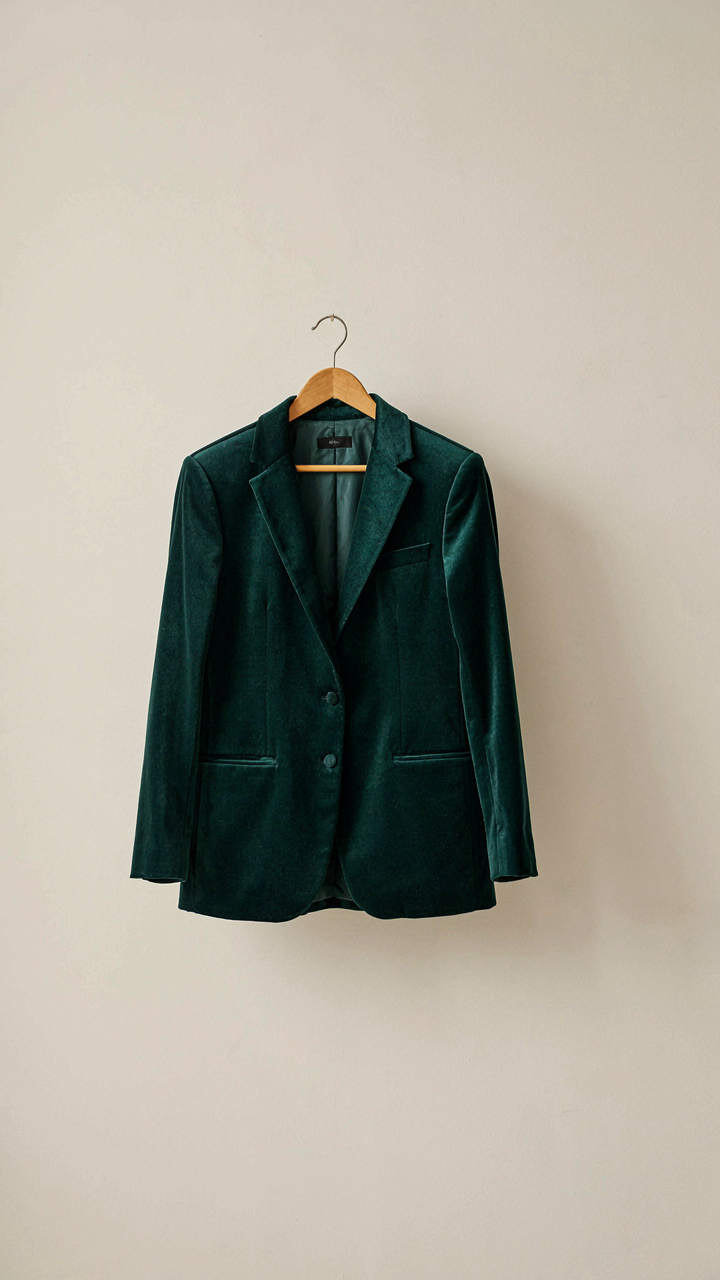
Focal Points Win The Room
You want people to know you matter without announcing it. That’s the real reason you care about this section. Military strategy teaches us that focal points—the single element the eye lands on first—determine perceived hierarchy in any space. Your Christmas Eve outfit needs one. Not five colors competing. Not every texture screaming at once. One deliberate anchor that says you’ve thought about this.

The mistake most people make is treating their entire outfit as equally important. They layer patterns, mix metals, add accessories that dilute the message. Instead, identify your focal point before you get dressed. For men, this might be a structured blazer in a deep jewel tone or quality wool. For women, a satin or silk piece with intentional draping. Everything else recedes. Muted tones, simpler cuts, minimal competing details. Your focal point gets 70% of the visual weight.
The Cascade Effect In Social Reading
People don’t consciously notice how they judge you. Cybernetics calls this feedback loop—the system adjusts based on inputs it barely registers. Your outfit sends micro-signals that others absorb before they think. A wrinkled collar registers as carelessness. A sharp crease registers as control. The fit of your sleeves, the way fabric hangs, whether your shoes match your belt—these cascade into a larger perception of competence and intention.
This is why the common advice about “wearing what makes you feel confident” fails. You don’t feel confident first. Others respond first. Their response creates your confidence. Wear something well-fitted that you’ve actually tried on multiple times. Wear something you’ve seen work on your body before Christmas Eve arrives. Wear something that requires zero adjustment during dinner. The feedback loop runs clean when you eliminate friction between your intention and how others perceive it.
The “One Piece Wonder” For Your Eve Outfit: Maximizing Impact, Minimizing Effort
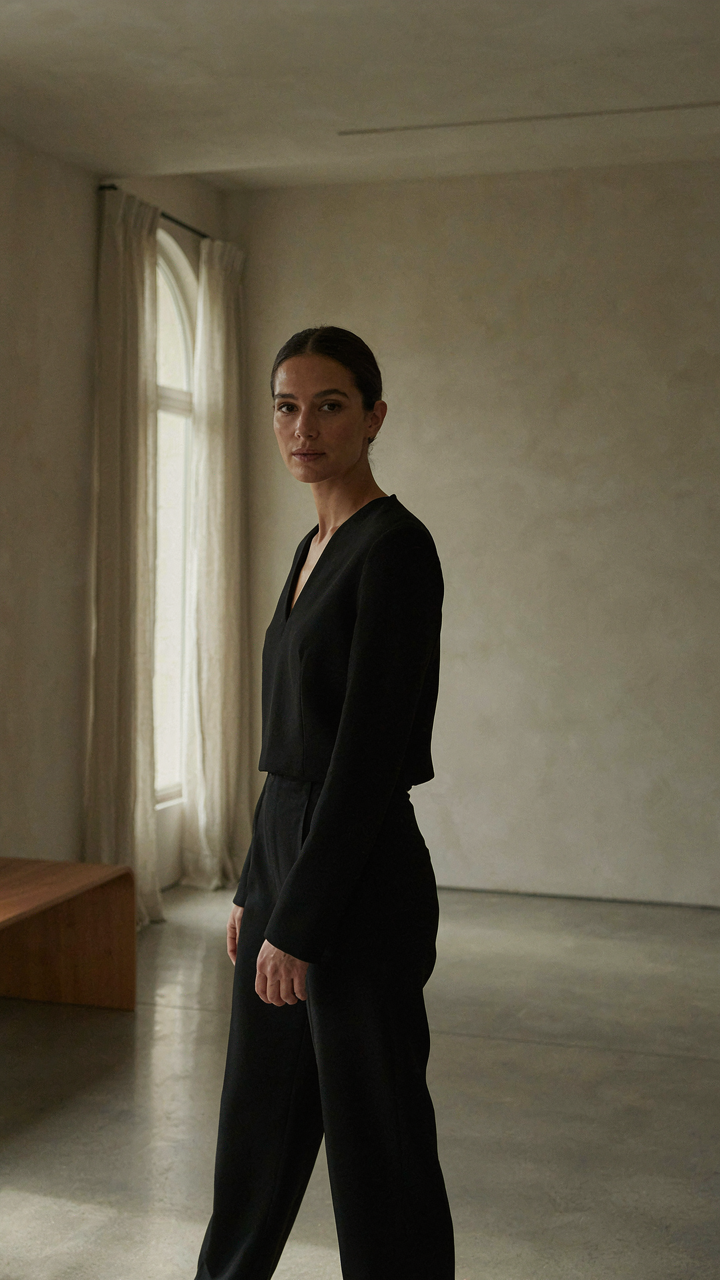
Why One Piece Wins
You want to look like you have your life together without actually spending three hours assembling an outfit. A single garment—jumpsuit or dress—delivers that signal instantly because it removes the burden of coordination. The mechanism is simple: fewer decisions equal fewer failure points. A cohesive silhouette reads as intentional. Accessories become secondary, which means you’re not building an outfit; you’re finishing one.

A jumpsuit or structured dress operates like a closed system in thermodynamics: it contains all necessary visual information within itself. No gaps, no obvious seams between top and bottom. Your eye registers completion before your brain even registers details. This is why one-piece garments dominate formal settings. They work because they work—not because they’re trendy.
Dressing One Piece Across Different Formality Levels
One garment across multiple dress codes requires strategic styling anchors. Don’t expect the same piece to function identically at casual dinner and black-tie events. The common advice—”just change your shoes and accessories”—is incomplete. You’re actually changing the perceived formality of the garment itself through textile pairing and color context.
- Footwear swap: Heeled sandal versus pointed pump versus metallic flat shifts the garment’s register from semiformal to formal to contemporary without touching the piece itself.
- Outerwear layer: A structured blazer or faux fur stole dramatically escalates formality. The one-piece becomes an underpinning, not the statement.
- Jewelry weight: Delicate chains read differently than architectural pieces. Heavy jewelry signals formal occasion; minimal jewelry signals modern casualness with the same garment.
- Opacity and texture: Sheer tights versus bare legs versus opaque stockings changes how formal the piece reads despite being visually identical.
- Timing and fabric choice: Silk or crepe at evening events, cotton blends during day meals. Same silhouette, different temporal context through material alone.
The real protocol: identify the dress code first, then anchor your styling decisions to one or two variables. Don’t try to transform the piece completely. Work with its existing visual weight. Change what sits around it, not the foundation.
Accessorize With Intent: Your Look Di Moda Power Multipliers
The One Focal Point Rule
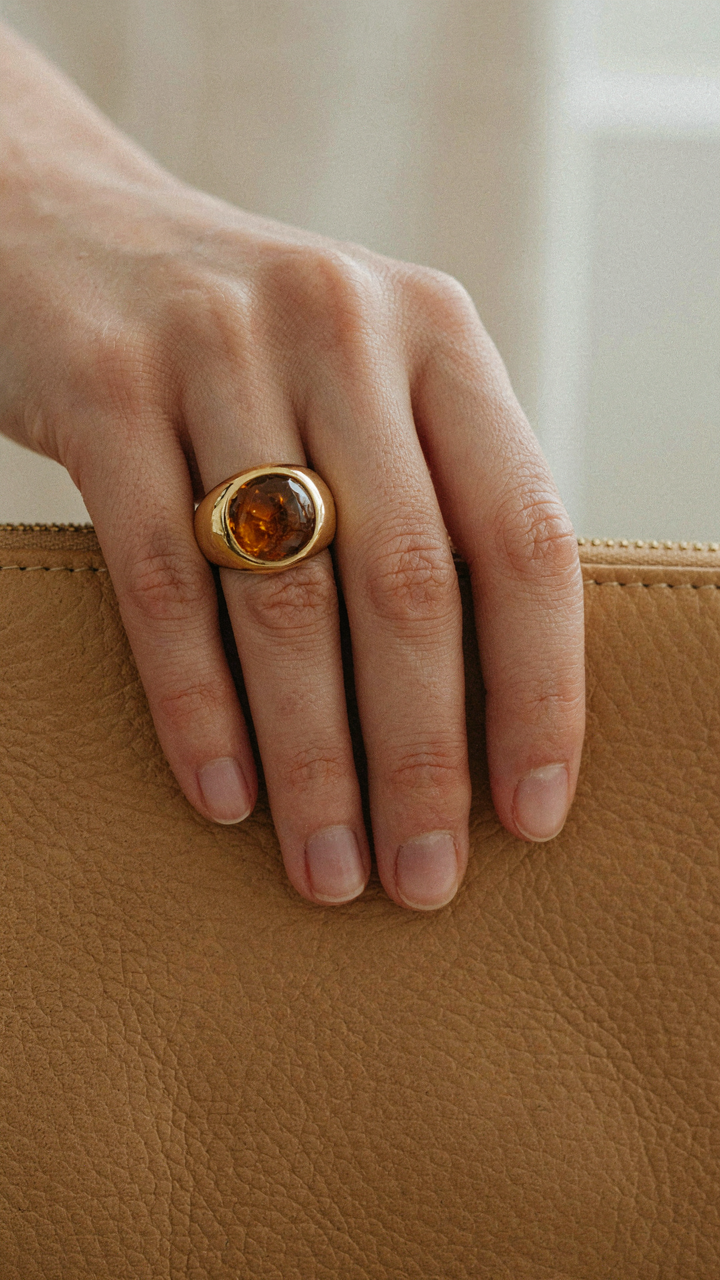
You’re worried one accessory won’t be enough to look put-together. That’s the real fear. But design borrows from signal theory: the more signals you broadcast, the weaker each one becomes. Your brain processes focal points like a receiver picking up frequency. Too many accessories dilute the signal entirely. One strong piece—a statement necklace, structured clutch, or bold earrings—anchors the entire look and forces coherence where there would be chaos.

A Christmas Eve dinner outfit works backward from most people’s instinct. Instead of building toward “more,” subtract until you hit the inflection point where the outfit reads as intentional rather than decorated. Your single focal point should cost visual real estate, not money. A pair of genuine pearl drop earrings paired with a simple dress does more work than six competing accessories fighting for attention. The mechanism is delegation: let one piece carry the narrative weight, let everything else serve it.
Less Actually Solves The Problem
The generic advice says “balance is key.” That’s incomplete. Balance assumes you start with too little, then add to equilibrium. Your real problem is the opposite: you already own too many accessories, and Christmas Eve forces a choice. Clutter reads as indecision. It signals you didn’t commit to a direction.
A clean rule: if an accessory doesn’t reference your focal point in material, color, or era, it competes rather than supports. A vintage brooch plus modern geometric earrings plus metallic clutch create three separate conversations. Pick one metal (gold or silver—not both), one era (modern or vintage, not blended), one texture category (matte or polished). This constraint forces every piece to vote for the same outcome. The outfit becomes readable because nothing contradicts the narrative you chose.
The “Outfit Weihnachtsfeier” Recalibration: Reusing Staples, Not Retiring Them
Investment Pieces That Actually Work Across Seasons
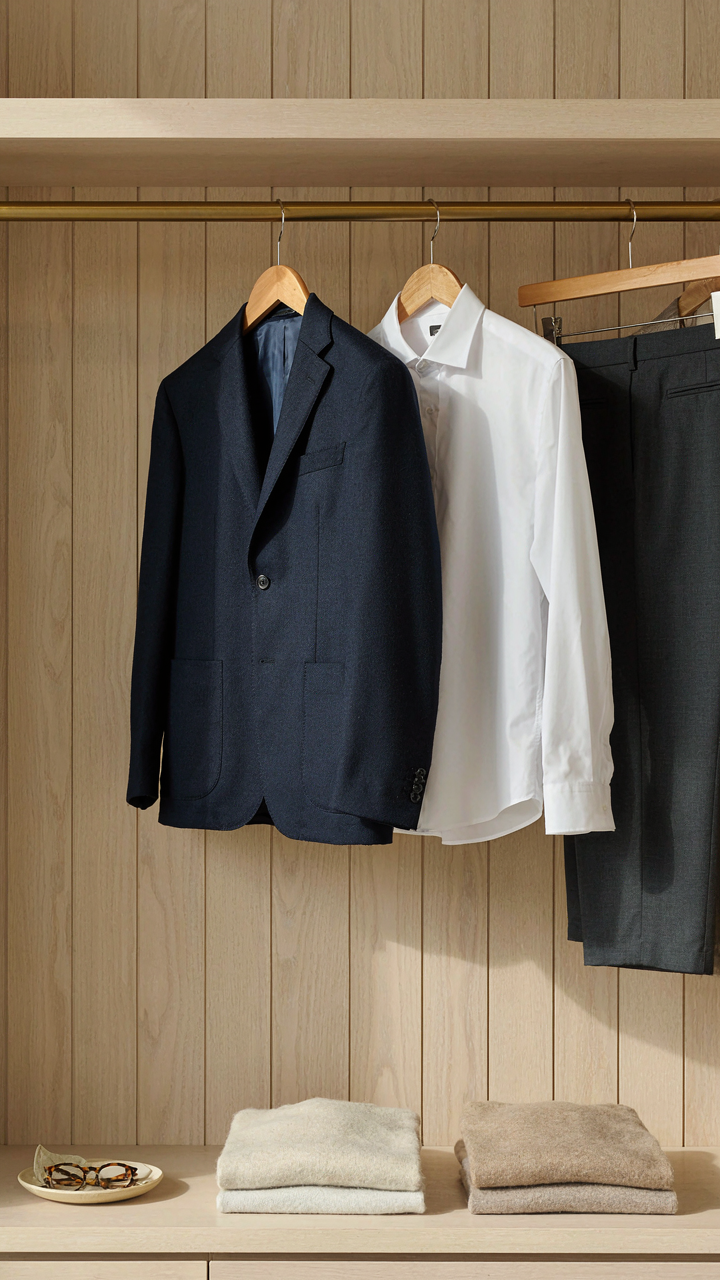
You’re afraid you don’t own enough formal clothes, so you think you need to buy more. The real mechanism is this: most people confuse frequency of wear with investment quality. A Christmas Eve dinner outfit needs pieces that survive temperature shifts, lighting changes, and the gap between November and next December without looking dated. Navy blazers, white dress shirts, and tailored trousers in natural fibers outlast trend cycles because they’re built on proportion, not pattern. The durability comes from fabric weight and construction, not from seasonal labeling.

High-quality basics do double work across contexts. A charcoal wool blazer works in office settings, dinner parties, and family gatherings because it’s neutral enough to recede and structured enough to read as intentional. Merino wool trousers handle wrinkles better than synthetics and regulate temperature, making them functional across both winter and transition seasons. This isn’t minimalism advice. This is recognizing that your Christmas Eve dinner outfit problem solves itself when your base layer is built on materials and cuts that never actually go out of rotation. Wear one neutral blazer three times this year in different contexts, and you’ve already justified the purchase price.
Office Wear Shifted Into Festive Territory
The advice to “transition” your work clothes to holiday events is backwards. You’re not adding glitter or changing your silhouette. You’re removing constraints. A work outfit follows professional dress codes that strip personality. A Christmas Eve dinner outfit uses the same structural pieces but removes the obligation to disappear into the background. Take the blazer and trousers you wore to meetings. Swap the work shirt for a silk button-up in a deeper tone or subtle pattern. The skeleton remains the same. The signal changes because you’ve introduced texture or slight color variation without breaking the formal frame.
The mechanism here is substitution, not addition. Your office-appropriate black trousers work at dinner. Your work blazer works at dinner. What changes is one element that signals you made a choice. A silk camisole under the blazer instead of a cotton blouse. A jeweled brooch on the lapel. Leather shoes with actual texture instead of your regular flats. This approach works because you’re not starting from zero each December. You’re already dressed for formality at work. You’re just tilting the dial toward intentionality for one evening. The outfit feels cohesive because it’s built on pieces you’ve already worn successfully in public.
The True Cost Of A Bad Outfit: Beyond The Price Tag
When You Feel Wrong, You Act Wrong
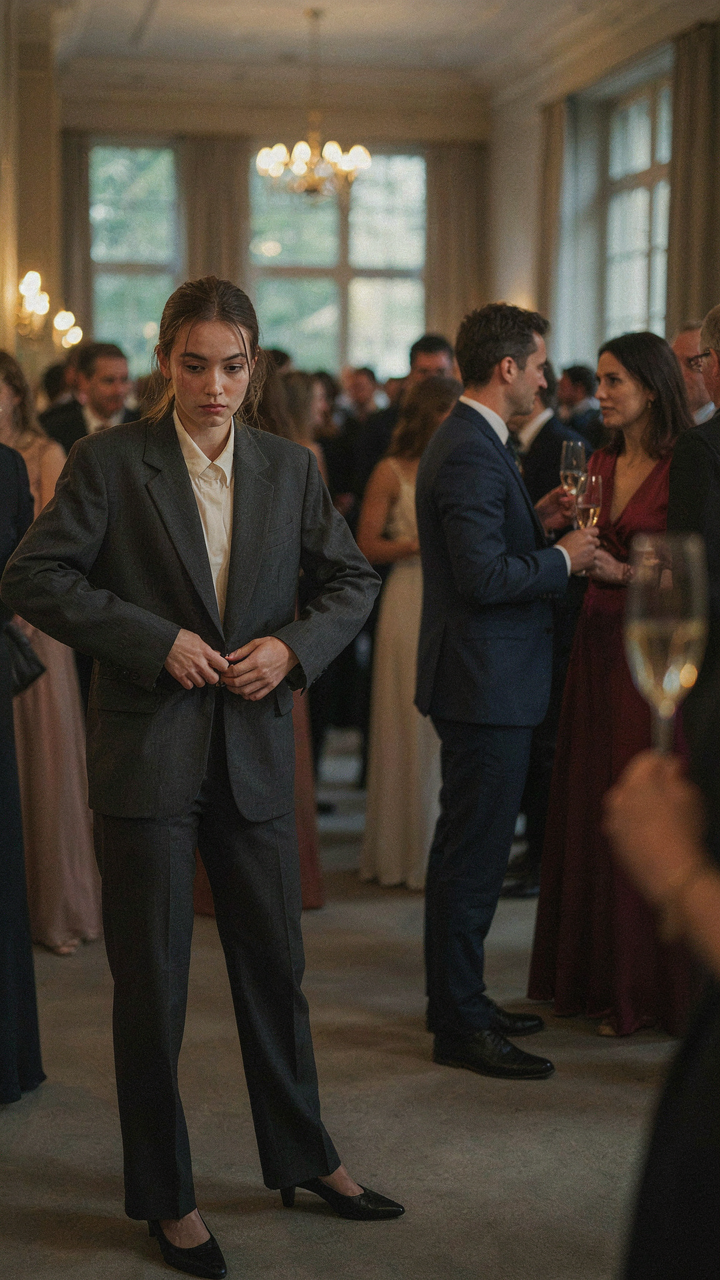
You’re afraid people will judge you. That’s the real driver here, not comfort or fashion taste. This fear triggers a cascade: you withdraw slightly, you second-guess your words, you take up less space in the room. Neuroscience calls this the somatic marker hypothesis. Your body registers misalignment between how you look and how others look, and it floods your nervous system with a signal that says you don’t belong. This isn’t vanity. It’s a biological cost.

The mechanism is simple. Your brain burns cognitive resources monitoring how you’re being perceived instead of directing those resources toward actual conversation, presence, or connection. You can’t be simultaneously self-conscious and genuinely engaged. A bad outfit doesn’t just look wrong on you. It paralyzes your ability to show up as yourself because part of your processing power is stuck on threat detection.
How Others Read You Before You Speak
Economists call it signaling theory. Your outfit transmits information before you open your mouth. On Christmas Eve, when relatives gather around a table, outfit choice signals whether you took the occasion seriously. This isn’t fair. But fairness doesn’t matter here. What matters is that a mismatched outfit creates friction in the room’s social dynamics because people unconsciously calibrate their respect and attention based on visual coherence.
This friction costs you in tangible ways. Someone slightly less credible in a conversation gets interrupted more. Someone perceived as not invested in the occasion gets asked fewer genuine questions. Someone who looks out of step gets remembered as peripheral. These aren’t abstract social consequences. They’re real shifts in how much air time you get, how much your opinions are weighted, how much you’re included in next year’s plans. Match the formality level of your outfit to the event’s formality, and you eliminate this tax entirely.
Your Fear Of Being Judged Is Why Your Closet Is Full Of Clothes You Hate. Master Your Perception

You don’t need a perfect Christmas Eve dinner outfit. You need permission to stop performing for people who won’t remember what you wore anyway. The shift happens when you realize that confidence isn’t about looking flawless, it’s about dressing for the version of yourself you actually respect. Pick one piece today that makes you feel like you, not like you’re trying. Wear it. Watch how the room follows your energy instead of your seams. You’re not dressing for approval, you’re dressing for yourself, and everyone else just gets to notice.




