


The Cognitive Load Of Cocktail Attire
Cocktail Attire Is Marketing, Not Guidance
You want the dress code to solve your status problem for you. Here’s what actually happens: “cocktail attire” is a term invented by event planners and fashion magazines to sound sophisticated while remaining deliberately vague. It forces you to guess, which means you either overdress and look insecure, or underdress and blend into the furniture. The mechanism is simple: ambiguous standards create anxiety, and anxiety makes you buy things you don’t need.
The term itself traces back to mid-20th century social hierarchy, when dress codes functioned as social gatekeeping. Cocktail attire never specified pants versus skirts, color restrictions, or material requirements because that vagueness was the point. It kept people guessing and spending. Modern rooftop venues still use it because it still works. Stop treating it as instruction and start treating it as permission to choose.
The Decision Framework That Actually Works
Decision fatigue is real, but not because you have too many options. You have decision fatigue because you’re making the same choice twice: once when you decide what looks good, and again when you second-guess yourself against an imaginary standard. This kills momentum and wastes the mental energy you need for the actual event.
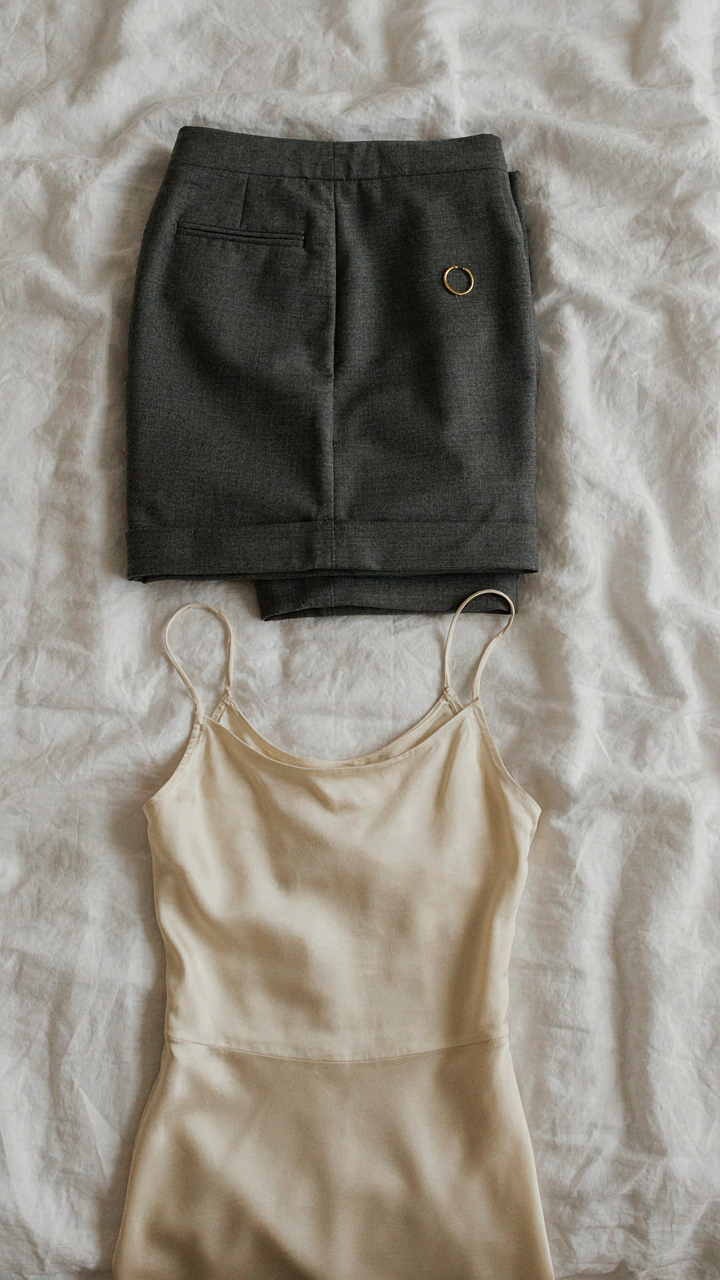
Cut through this by establishing one non-negotiable anchor piece before you consider anything else. For rooftop venues in warm weather, this is typically either tailored trousers or a fitted dress in a neutral base color. Build outward from that single piece. Shoes, top, and accessories follow from the anchor, not from a mood board. This reduces your decision points from infinite to four, which is the threshold where choice stops paralyzing you.
Rooftop Party Outfit: Function Over Façade
Comfort Wins Over Impression Management
You’re worried people will judge you for looking too casual, so you’re considering overdressing instead. Stop. The mechanism is simple: thermal discomfort kills conversation. When you’re hot, fidgeting, or adjusting your clothes every thirty seconds, you’re not present. You’re not witty. You’re not memorable. You’re just the person sweating through their blazer trying to maintain a facade.

A rooftop at dusk means direct sun exposure, wind patterns that shift, and bodies packed into a small space radiating heat. Your outfit needs to let your nervous system stay regulated so your brain can actually function. Choose pieces that breathe, move with you, and don’t demand constant adjustment. The moment you stop thinking about your clothes is the moment other people stop noticing them anyway.
Natural Fibers That Actually Perform
Everyone says linen is the rooftop fabric. They’re right, but not for the reason they think. Linen’s structure isn’t decorative—it’s mechanical. The fiber has natural channels that wick moisture away from skin faster than synthetics do. Cotton performs similarly when it’s lightweight (sub-200 thread count). Silk has thermoregulation properties that work in warm conditions because it adapts to body temperature rather than trapping heat.
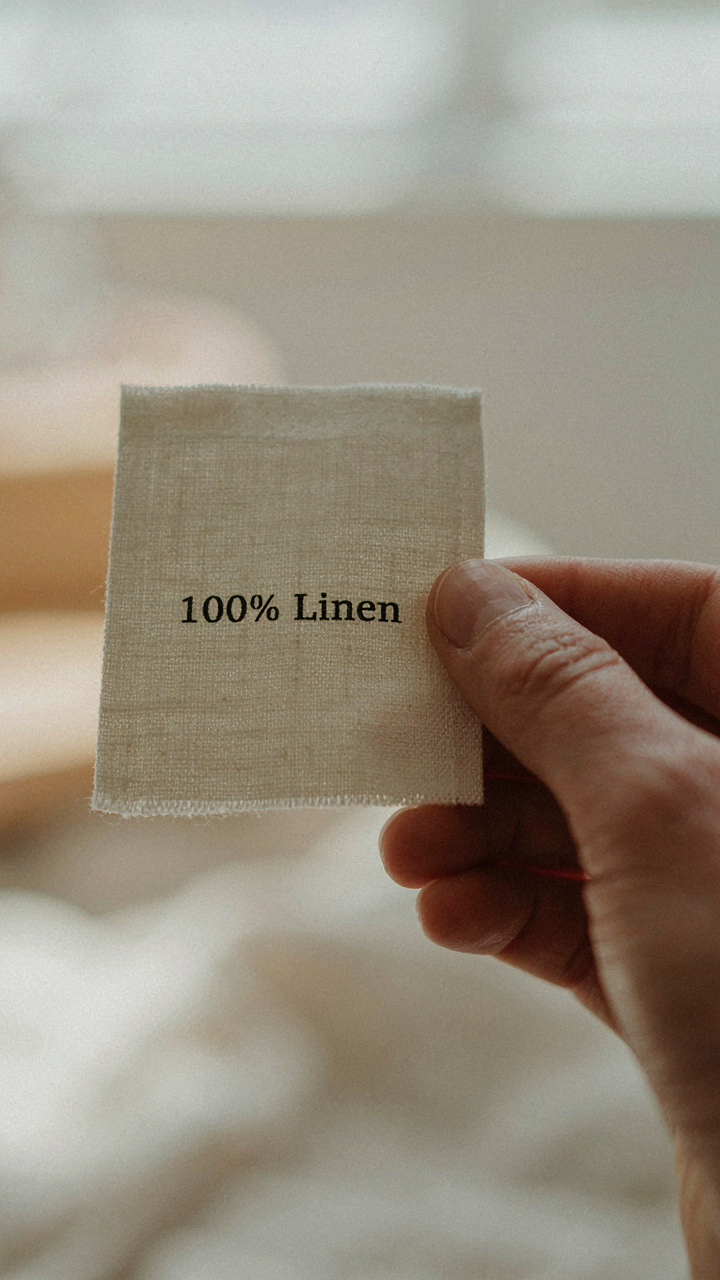
The trap: buying “linen-blend” or “cotton-blend” that’s half polyester. Those fabrics fail under sustained heat because synthetics don’t breathe. They hold moisture against your skin and make you feel clammy after one hour. Choose 100 percent linen, 100 percent cotton, or silk. Check the fiber content on the tag. If it doesn’t explicitly say 100 percent, it’s compromised. Your outfit’s actual job is temperature regulation, and blends sabotage that job at the molecular level.
The Environmental Adaptation Protocol: Rooftop Bar Outfit

Temperature Shifts From Sunset To Dark
You’re worried about looking stupid when the temperature drops and you’re visibly uncomfortable. Here’s the mechanism: rooftop bars exist in the atmospheric layer where temperature swings hardest—ground-level air stabilizes faster, but elevated surfaces radiate heat directly to the sky at night. Physics calls this radiative cooling. Your outfit needs to function across a fifteen to twenty-five degree shift in a single evening.

Cotton and linen alone won’t cut it. Lightweight layering isn’t generic advice here—it’s the only strategy that lets you shed or add coverage without disrupting your silhouette or leaving a chair. A quality unstructured blazer in a breathable weave works better than a heavy coat. You wear it open during golden hour and button it selectively as temperature drops. Avoid knits that trap heat; choose materials that regulate instead of insulate.
Wind Dynamics And Fabric Behavior
Wind on a rooftop isn’t just discomfort—it’s a material engineer’s problem. Aerodynamics governs how fabrics move and where they fail. Lightweight materials billow and expose. Structured fabrics anchor themselves. Most advice says “bring a wrap,” which is incomplete because fabric choice determines whether that wrap stays functional or becomes a liability.
Dense weaves and technical blends hold their shape against wind gusts. Silk and viscose move too freely; they create visual noise and work against intentional styling. Cotton-blend pants with a slight stretch won’t flap or ride up. Heavier denim feels wrong in heat but moves predictably in wind. The protocol: select fabrics with enough body to move as a unit rather than respond individually to air pressure.
Night Out Outfit: Signal Vs. Noise
What Your Clothes Actually Communicate
You care about this because you’re afraid of being read wrong by strangers. The mechanism is basic semiotics: clothes are a language, and on a rooftop with people you don’t know, you’re broadcasting before you speak. Every fabric choice, every color, every fit level sends a decoder signal. The person across from you decodes it in under three seconds. Most advice tells you to “dress for the occasion.” That’s useless. You need to know what specific signals land on a rooftop at night versus everywhere else.

On a rooftop, context shifts the weight of certain signals. Formality reads as try-hard because rooftops are inherently casual spaces. Darkness changes how colors land. Lightweight fabrics signal comfort with heat and movement, while heavy materials signal discomfort or outdated thinking. Your clothes should say “I know where I am” not “I dressed up for an event.” The outfit that works is one where every piece confirms the same message: you belong here, you’re comfortable, you’re not performing.
Authenticity Over Costume
Most people confuse authenticity with wearing what they own. That’s wrong. Authenticity means your outfit aligns with how you actually move, how you actually spend time, and what you actually value. A costume is anything you wear because you think the situation demands it, not because it’s real to you. The rooftop cocktail party pulls costumes out of people. Women throw on a dress they never wear. Men button up a shirt that sits unworn in the closet. Both feel wrong because they are.
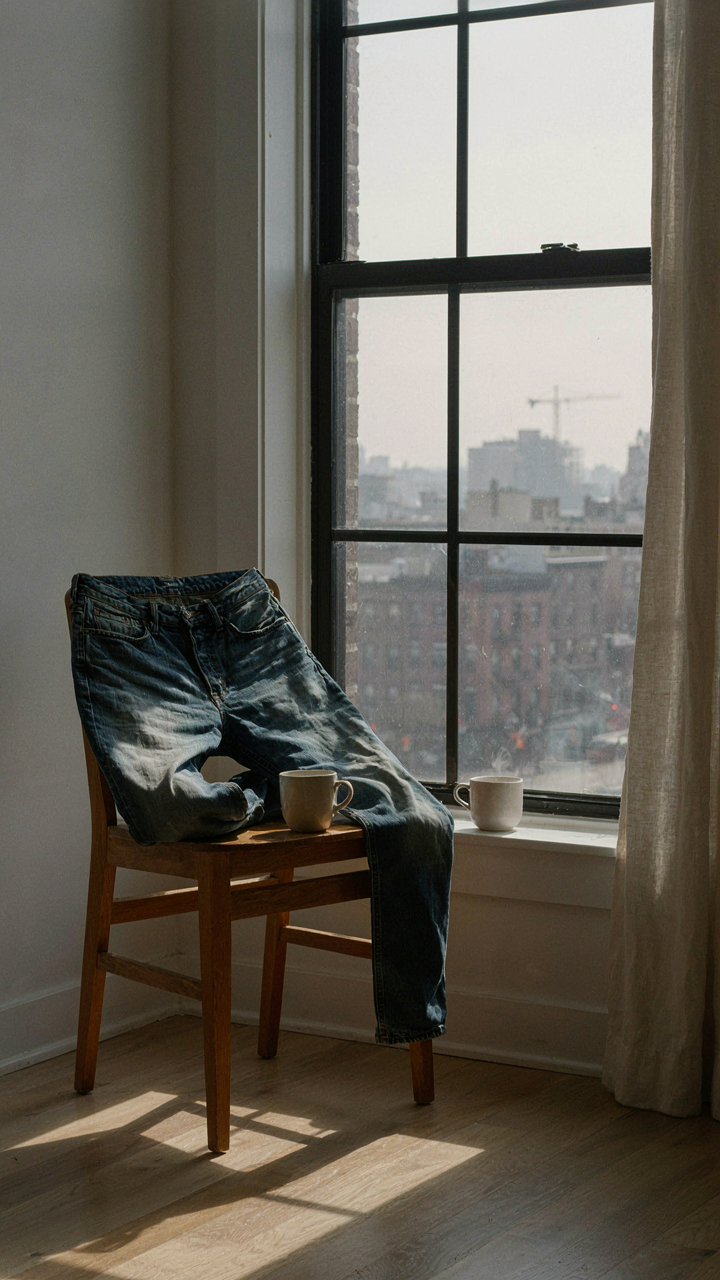
The protocol is simple: build your rooftop outfit from pieces you already rotate into regular life. Your best jeans work better than a pair you bought specifically for “going out.” Your favorite lightweight shirt beats a trend piece. If you don’t own anything that feels authentic for a warm rooftop night, the answer is not to buy costume pieces. It’s to recognize you need actual clothes you’d wear anyway. Authenticity isn’t a vibe you project. It’s the absence of friction between who you are and what you’re wearing.
The Evolutionary Display: Rooftop Dinner Outfit
Peacocking Versus Quiet Strength
You care about this section because you’re afraid wearing the wrong thing signals you don’t belong. Here’s the mechanism: biology calls this honest signaling versus costly signaling. Your outfit either broadcasts resources through obvious flex or communicates competence through restraint. A rooftop cocktail party separates these two reflexively. Most people default to peacocking because it’s easier to spot and cheaper to fake.

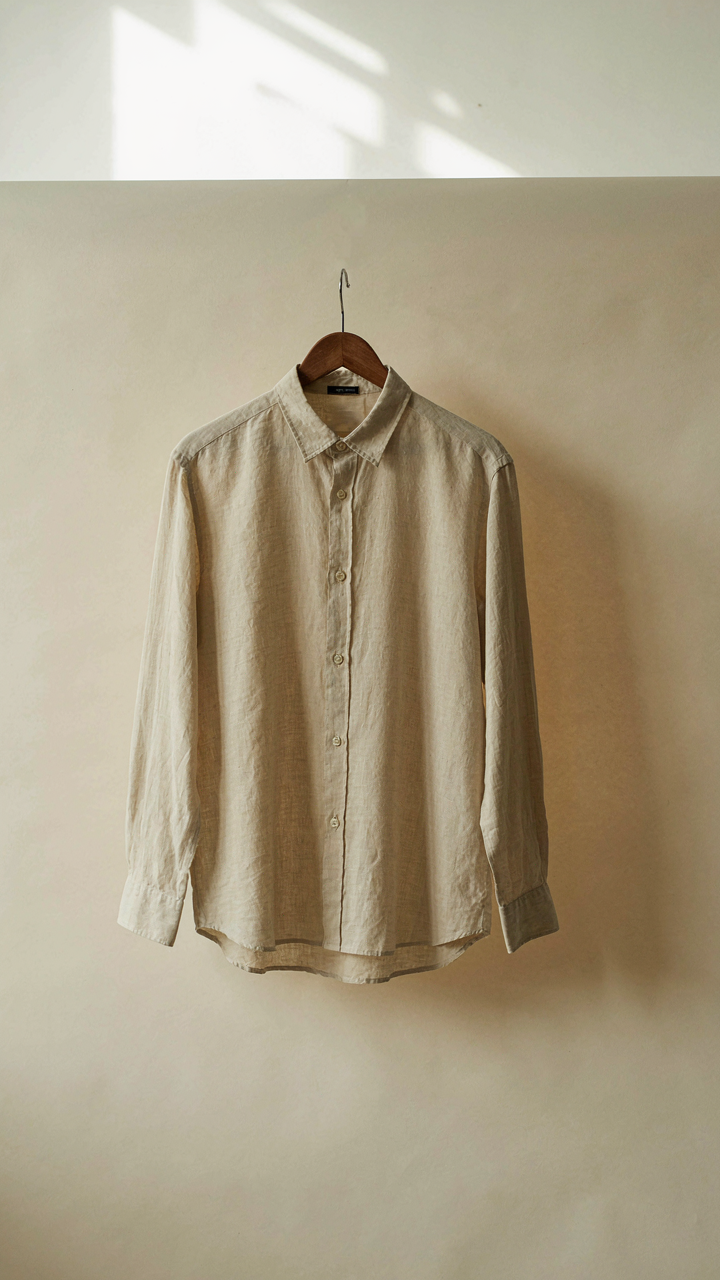
The real move is quiet strength. Expensive fabrics speak louder than logos. A well-fitted linen shirt costs less than a branded polo but reads as someone who knows the difference. Neutral colors with precise tailoring signal you’ve solved the problem of dressing and moved on to other concerns. Peacocking makes you work the room. Quiet strength makes the room work for you.
Non Verbal Language On Display
Your body’s signals matter more than your words on a rooftop where conversation competes with wind and music. Neuroscience confirms people read your fit and posture before they process speech. Tight, restrictive clothing creates defensive body language unconsciously. You’ll cross your arms, reduce hand gestures, and minimize presence. Loose, well-cut clothing allows expansive positioning without appearing sloppy.
The tactical protocol: choose fabrics that move with you, not against you. Cotton blends and linen allow shoulder roll and arm extension without tugging. Fit your trousers loose enough that you can sit without tension but shaped enough to hold structure when standing. Your silhouette should look intentional at rest and unrestricted in motion. This shifts how others perceive your confidence before you speak.
Classy Cocktail Attire: The “Less Is More” Doctrine
Restraint Works Harder Than Fabric
You want people to notice you, not your outfit. That’s the real motive here, and minimalism is the mechanism that delivers it. In design, we call this signal-to-noise ratio: fewer elements mean each one carries more weight. A rooftop cocktail party outfit works the same way. When you strip away excess, what remains becomes impossible to ignore because it forces attention onto you, not the costume.

Most advice tells you to “let your personality shine through accessories.” Wrong. Personality doesn’t shine through clutter. A well-fitted linen shirt in one color, tailored trousers, and nothing else on your torso communicates more authority than layered patterns and competing textures. The constraint is the power move. You’re not proving you own things. You’re proving you understand proportion.
Where Accessories Actually Matter
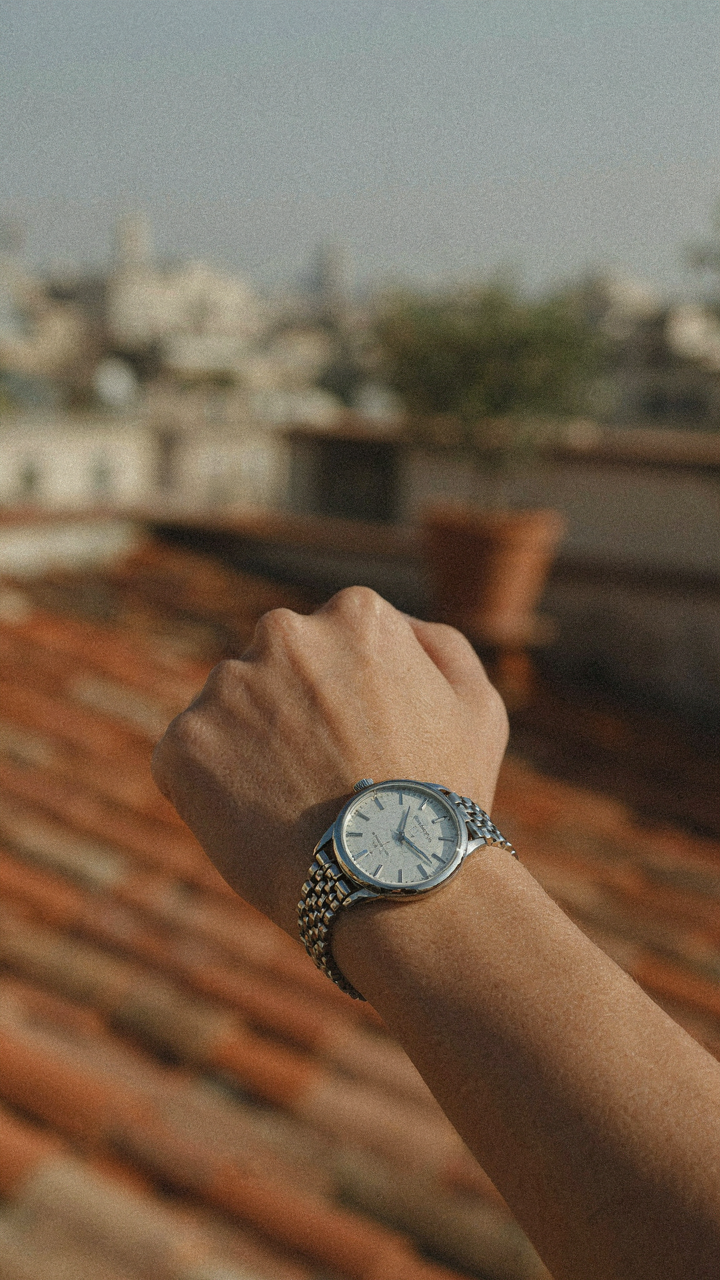
Accessories fail because people treat them as decoration. They’re not. They’re punctuation. A single piece—a watch, a simple chain, a belt that fits—functions like a period at the end of a sentence. It ends the statement. Multiple accessories are run-on sentences. On a warm night at a rooftop venue, you need precisely one focal point accessory and one functional one.
The watch works because it serves time-keeping and visual anchor simultaneously. The belt works because it defines your waist and holds your trousers. Sunglasses at sunset work because they shift the energy of your face. Pick one visual anchor, ensure it’s quality over novelty, and stop. Everything else dilutes the effect. Accessories should make someone wonder about you, not distract from you.
The Utility Of Elegance: Cocktail Party Outfit

Clothes That Let You Actually Move
You want to look composed while secretly terrified of spilling a drink on yourself. The mechanism here borrows from physics: constraint creates friction. Tight fabrics, restrictive cuts, and immobile layers don’t just limit your range of motion—they telegraph anxiety. Your body language reads as defensive. Conversely, garments engineered for movement project control. Natural fabrics with weight—linen, cotton blends, silk—drape and shift with your body instead of fighting it. They absorb minor spills without broadcasting them. The cut matters more than the fabric: shoulder seams that sit at your actual shoulders, sleeves that allow arm extension without bunching, waistbands that don’t cut circulation. Rooftop conditions amplify this problem. Wind, heat, and the need to balance a drink while standing for hours demand clothing that works with physics, not against it.

A well-cut short-sleeve shirt or sleeveless top paired with tailored trousers or a midi skirt solves this systematically. Avoid anything that pulls across the chest, restricts shoulder rotation, or requires constant adjustment. The goal is to move through the space and hold conversations without your body fighting your clothes. Spend the money on fit over brand. Try pieces on and reach, twist, and raise your arms. If you can’t gesture naturally, the outfit fails its primary function: making you invisible so people focus on what you’re saying, not how you look.
Shoes Built For Standing And Talking
The common advice here is garbage: “Wear heels because they’re elegant.” Wrong. Standing still in heels for four hours while balancing a cocktail and managing conversation is biomechanical torture dressed as sophistication. Your feet fatigue, your posture compensates, and your face shows the pain. The real mechanism is weight distribution and fatigue delay. Flat or low-heel shoes with structured insoles keep your center of gravity stable and distribute pressure evenly across your foot. You can stand longer without pain. You can walk without thinking about your feet. You can actually mingle instead of anchoring yourself to one spot.
- Flat leather sandals or strappy flats: Clean lines, minimal visual bulk, works with dresses and trousers. Leather holds up to rooftop conditions better than suede.
- Loafers or slip-on dress shoes: Professional, stable base, no laces to catch on things. Leather soles grip less on wet surfaces, so choose rubber or textured options.
- Dressy sneakers or minimal court shoes: Brands like Common Projects or Repetto offer elevated designs that don’t read as athletic. Cushioned insoles matter.
- Embellished flip-flops or thong sandals: Gold or metallic finishes elevate casual footwear. High-quality materials prevent your feet from sliding around.
- Mules with a defined heel (1-2 inches): Low enough for stability, shaped enough for elegance. Ensures your foot doesn’t slip forward when walking on smooth rooftop surfaces.
Test any shoe on hard flooring at home. Walk in it for thirty minutes while holding something and talking. Your feet will tell you the truth faster than your vanity will lie. If the shoe requires constant micro-adjustments or your toes grip the insole, it will sabotage your night. Choose the shoe that lets you forget you’re wearing it.
Rooftop Bar Outfit Summer: Practicality Over Trends
The Pieces That Survive Rotation
You want to feel like you belong at the rooftop, not like you’re performing for it. Here’s the mechanism: clothes that work across multiple contexts eliminate decision fatigue and reduce the need to buy constantly. When a piece serves three different occasions, you actually wear it. When it serves one, it collects dust.

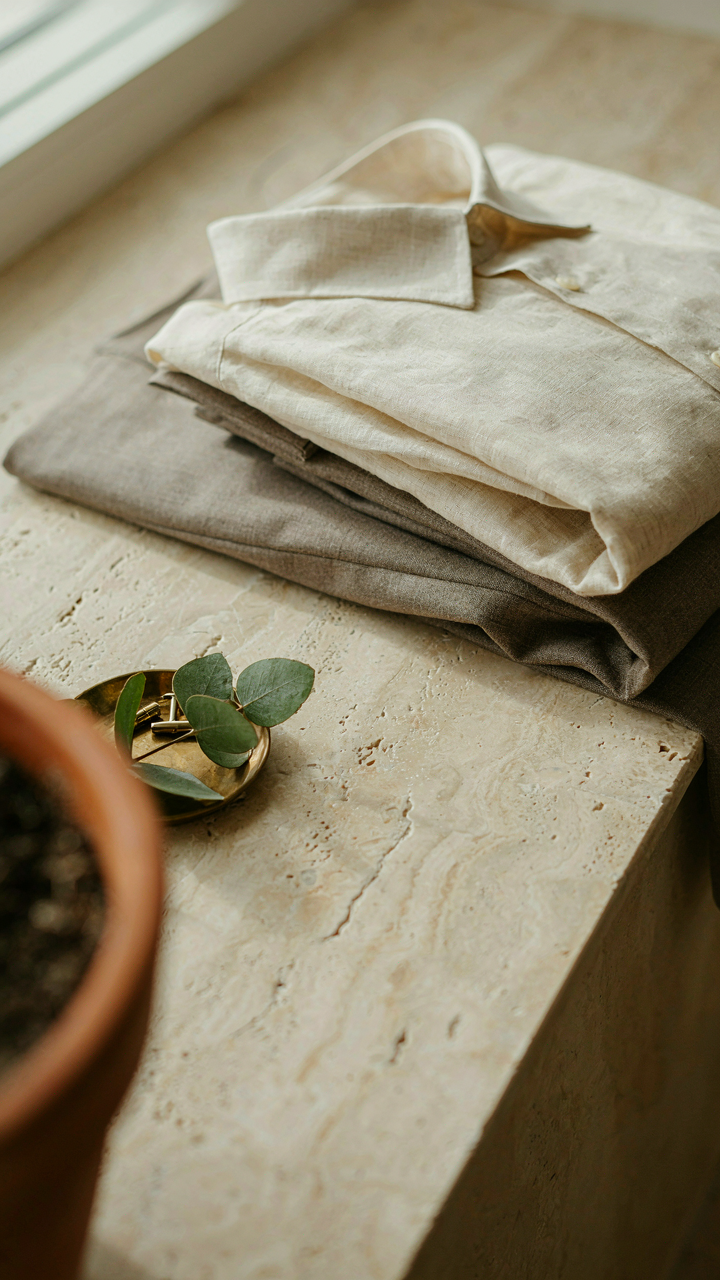
Timeless pieces aren’t boring because they lack novelty. They’re boring because they work. A cream linen button-up fits warm nights on a rooftop in June and works equally at a casual dinner in September. Neutral trousers in natural fibers transition from rooftop to brunch to office without signaling that you dressed for one specific moment. The goal isn’t to look like you weren’t trying. The goal is to own clothes that don’t expire.
The Foundational Items That Actually Pay Back
Investing in adaptable pieces is basic portfolio theory applied to your closet. You allocate capital to assets with high utility across different conditions. A well-fitted lightweight blazer in linen or cotton works over bare skin in summer heat, layers under jackets in cooler months, and solves the “what do I wear over this” problem at every rooftop event. Neutral shoes in leather or suede handle wet surfaces, dress codes, and long standing better than trend pieces designed for one season.
The real cost isn’t the upfront price of quality basics. The real cost is replacing cheap pieces every few months because they degrade, pill, or fade. A forty-dollar shirt you wear twelve times costs more per wear than a hundred-dollar shirt you wear fifty times. Buy pieces in neutral colorways that genuinely match your other clothes, not aspirational versions of your wardrobe. Then actually wear them repeatedly until they break.
Summer Night Outfit: Beyond The Instagram Aesthetic

Dress For The Room, Not The Algorithm
You want permission to dress well without feeling like you’re performing. That’s the real ask here. The mechanism is simple: your outfit either signals you belong in a space or it signals you’re trying to belong. One creates friction. The other dissolves it.

Most rooftop advice treats the setting like a photo shoot. It isn’t. A rooftop in summer is a social operating system. The humidity, the wind, the proximity to strangers, the transition from daylight to darkness—these variables demand clothes that function first. A silk shirt that wrinkles in sweat or a hem that catches the breeze becomes a distraction you’re managing instead of a tool you’re using. Choose fabrics with stability: cotton blends, linen with structure, performance synthetics that don’t read as technical wear. Your outfit should disappear from your attention so you can direct attention toward actual people.
The secondary layer is positioning. Rooftop environments expose your silhouette against the sky and the city below. Avoid oversized cuts that read as costumes or undersized cuts that read as anxious. Fit should sit at your natural proportions. This isn’t vanity. It’s legibility. Someone scanning the crowd should recognize you as confident in your own space before you speak.
The Trend Graveyard Never Makes The Conversation
Trends exist to be replaced. That’s their function. Chasing seasonal micro-trends into a rooftop outfit guarantees obsolescence within months. Meanwhile, the real social currency on a rooftop is stability in taste.
Avoid the reflexive impulse to wear what you saw on Instagram last week. Those images are often shot in controlled conditions, under studio lighting, with styling budgets and post-production. A rooftop at dusk has none of that infrastructure. Neon, oversaturated brights, and maximalist prints flatten under real light and weather. They also signal you outsourced your decisions to content creators. Choose instead a color palette that anchors to what actually looks good on your skin tone under natural light. Neutral bases with one deliberate accent works. So does a consistent color family. The outfit stays relevant because it never claimed to be trendy. It claimed to work. That claim compounds.
The Real Problem Isn’t Your Outfit; It’s Your Adherence To Superficial Scripts
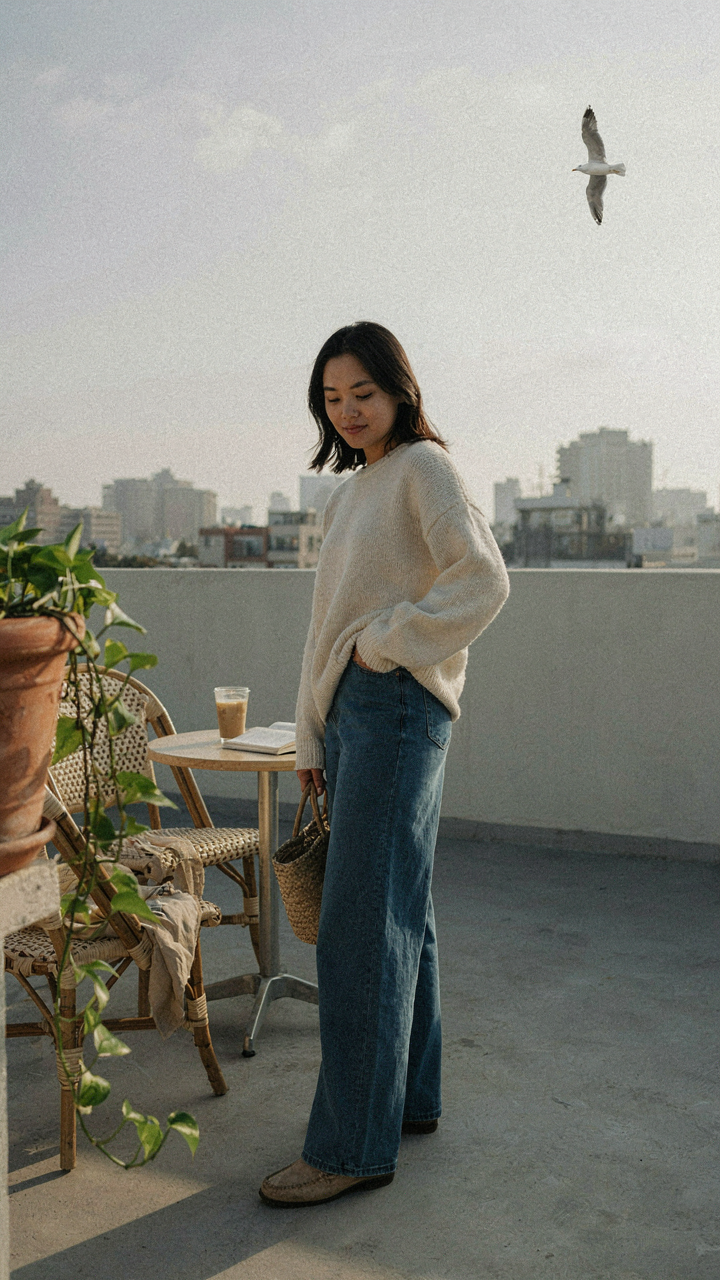
You don’t need another outfit template. You need permission to stop dressing like everyone else at the rooftop. The moment you abandon the fear of standing out, your clothes become currency. Pick one piece tomorrow that scares you slightly. Wear it. Watch how differently people treat you when you stop performing and start existing.



