

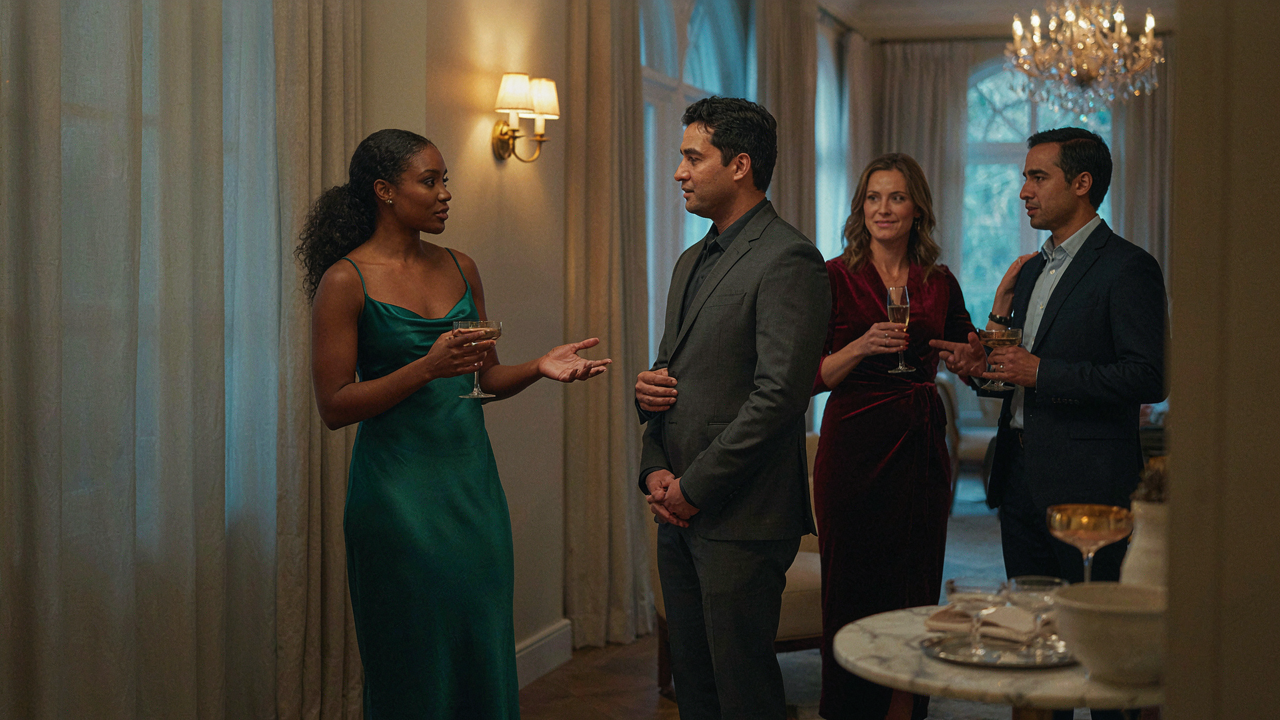
The Objective Driven Attire Protocol: Strategic Cocktail Party Outfit Ideas
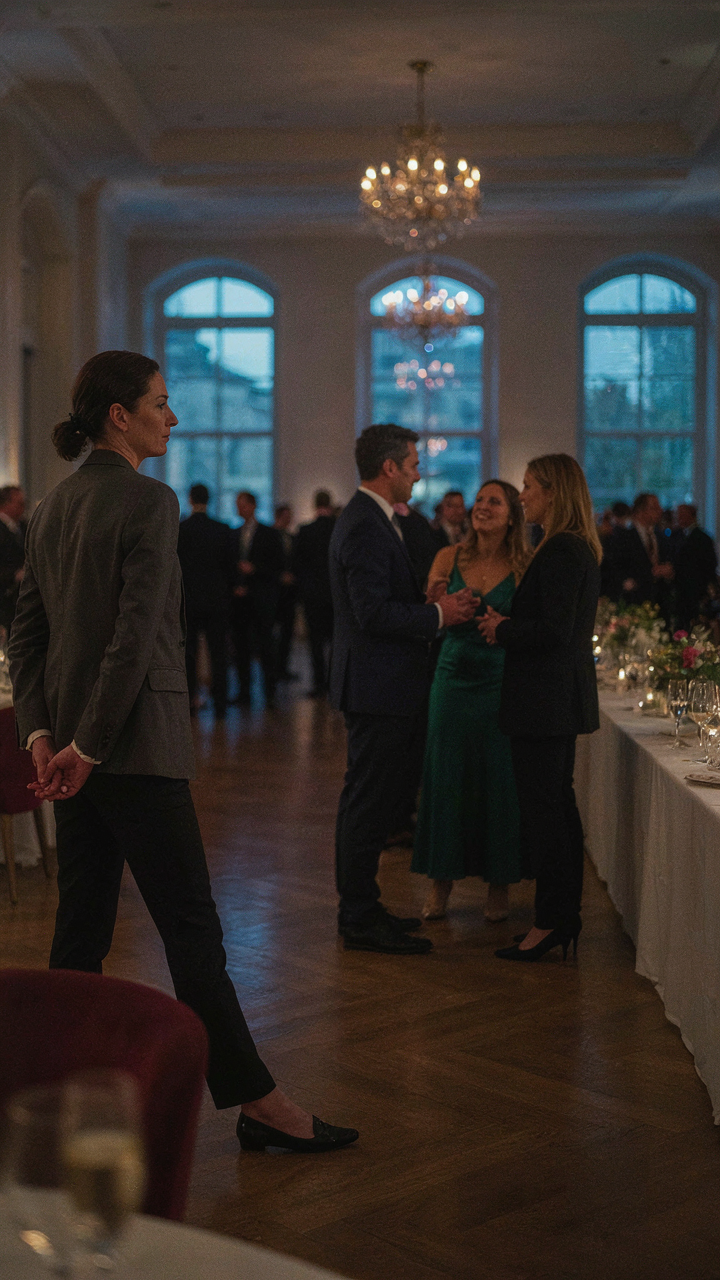
Know Your Real Reason For Being There
You care about this because you’re terrified of being read wrong in a room full of people assessing you in the first four seconds. The mechanism is simple: your outfit communicates intent before your mouth opens. Cocktail events aren’t about clothes—they’re about signaling alignment with the event’s actual purpose. A wedding reception demands different visual language than a networking mixer or a client dinner, even though all three happen between five and eight PM.
The mistake most people make is treating cocktail hour as one category. It isn’t. Each event type has a distinct social contract, and your outfit either reinforces that contract or violates it. You need to identify what the host actually expects from attendees, not what fashion magazines say cocktail attire means. That distinction determines everything downstream.
Reverse Engineer The Room’s Hierarchy
Hierarchy operates like military rank insignia—visible markers tell you where power sits and what behavior the space rewards. At a corporate reception, formality signals respect for the institution. At a gallery opening, constraint signals creative credibility. At a wedding, restraint signals respect for the couple. The same blazer reads completely differently depending on context because context assigns meaning to fabric and cut.
Start by identifying who controls the room’s energy and what they’re wearing. Not to copy them, but to understand the visual baseline. Then ask: does this event demand I signal authority, taste, or deference? Your outfit should move one notch in that direction from neutral. Going too far—overdressing a casual fundraiser or underdressing a formal gala—broadcasts either insecurity or contempt. The correct play is readable competence within the expected range.
Beyond Trends: Cultivating Your Signature Cocktail Outfit Women Aesthetic
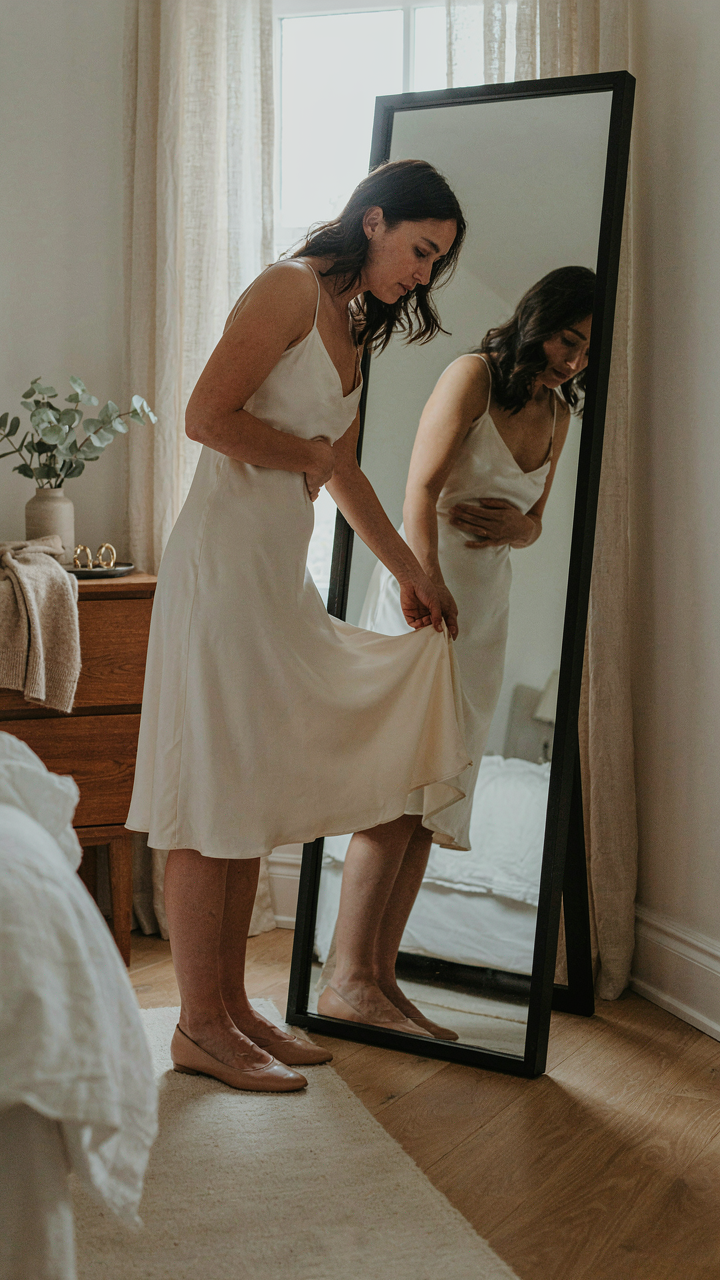
Identify What Actually Works On Your Frame
You want permission to stop second-guessing yourself. That’s the real issue here. Most women treat their cocktail hour outfit like a multiple-choice test where the “right answer” exists somewhere in a magazine. It doesn’t. Your signature aesthetic starts with material facts about your body’s proportions, not trends. Certain silhouettes, necklines, and fabric weights work with your frame’s geometry. Others work against it. The mechanism is simple: when clothes fit your proportions, they require zero mental energy to wear. You stop managing the outfit and start owning the room.

Document what actually flatters you by testing one variable at a time. If you’re pear-shaped, tight across the hips means you need an A-line or flowing bottom. If you’re rectangular, defined waistlines create visual proportion. If you’re inverted, wider hemlines balance your shoulders. This isn’t opinion. This is physics. Once you know your three to four core silhouettes that work, every cocktail hour outfit decision becomes a remix of those shapes, not a hunt for a new identity.
Merge Your Core Style With Formal Parameters
The common advice says to “adapt” yourself to cocktail attire. That’s backwards. Real signature style means you find the intersection between what actually works on you and what the venue demands. Cocktail attire requires a specific dress code: typically knee-length or midi dresses, tailored separates, or elegant jumpsuits for women, with heels or dressy flats. Your personal brand doesn’t disappear inside those parameters. It lives within them.
Take the elements that feel native to you—minimalism, romance, bold color, classic neutrals—and express them through fabrics and cuts that meet cocktail standards. A minimalist wears a tailored midi dress in black or cream. A romantic wears a silk slip dress with delicate jewelry. A maximalist wears jewel tones and metallic textures. The dress code stays fixed. Your voice stays recognizable. Your outfit becomes a protocol, not a crisis: choose your silhouette, pick your color family, add your accessories, get dressed.
Environmental Calibration: Optimizing Your Cocktail Event Outfit
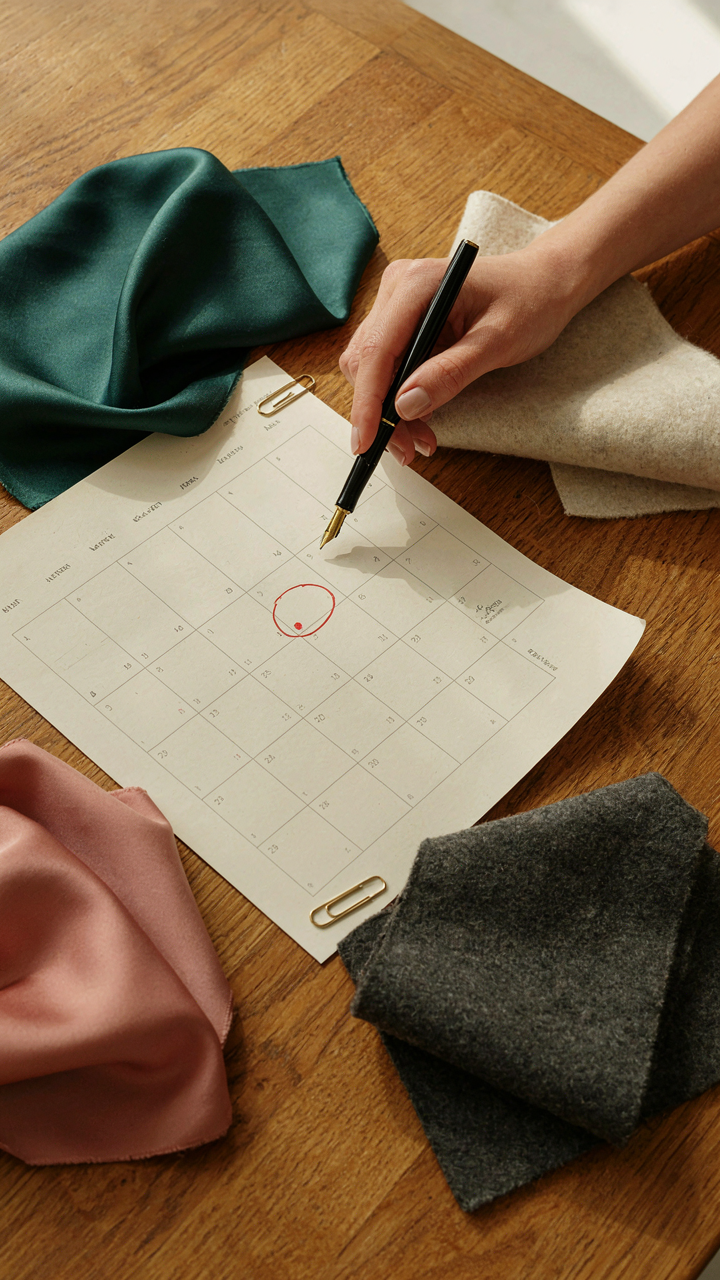
Read The Room Before You Dress
You’re anxious about standing out the wrong way. That’s the real problem here. The mechanism is simple: a cocktail outfit works or fails based on signal matching, not personal preference. Your clothes broadcast what social tier you believe you occupy. Wear a tuxedo to a casual rooftop happy hour and you signal either ignorance or contempt. Wear business casual to a formal charity gala and you signal either poverty or indifference. The venue, time, and guest list aren’t decoration details. They’re calibration data.

Start by identifying three hard facts about the event before you touch your closet. First, what time does it begin? Afternoon events (before 5 PM) demand lighter fabrics and lower formality. Evening events trigger heavier materials and tighter dress codes. Second, what’s the venue type? Hotels and private clubs skew formal. Breweries and lofts skew casual. Third, who attends? Corporate executives have different expectations than creative professionals. Age range matters too. A room full of forty-year-olds reads differently than one with twenty-five-year-olds. Gather this data. Write it down if you have to.
Formality Shifts With Context, Not Opinion
The common advice is to “dress one level up from the event.” That’s incomplete and sometimes wrong. Formality isn’t a line you cross. It’s a dial you adjust based on what the space and people actually demand. Think of it like pressure calibration in engineering. Too much and you break the seal. Too little and the system leaks. A garden reception at noon accepts cotton blends and unstructured fabrics. The same event at 6 PM with interior lighting requires structured wool and crisp tailoring. Materials change the signal as much as the cut does.
The material itself communicates formality faster than silhouette. Linen reads casual even when tailored. Wool reads formal even when loose. Silk reads elevated. Cotton blends read neutral. If the event is semi-formal but you’re uncertain about guest expectations, choose a structured fabric in a neutral tone. This buys you flexibility. Pair it with minimal accessories and you stay grounded. Add statement jewelry or refined shoes and you elevate without overstepping. The outfit adapts because the foundation is right.
The Tactical Comfort Imperative For Cocktail Hour Outfits For Women

Move Without Restriction
You’re worried you’ll look stiff or uncomfortable, and you’re right to be. Most women choose outfits that photograph well while standing still, then regret the choice after thirty minutes of actual movement. Borrow a concept from ergonomics: load capacity. Your outfit’s load capacity is how much physical demand it handles before you stop moving naturally. A dress with restrictive armholes or a waistband that cuts off your diaphragm reduces your load capacity. You’ll shift weight differently, hold your shoulders higher, take smaller steps. People notice the tension before they notice the outfit.

The mechanism is simple. Fabrics with natural give and seams positioned away from joint articulation points let you gesture, reach, and sit without compensation. Test this in the dressing room by lifting your arms overhead, bending at the waist, and sitting in a chair. If you feel fabric pull or your breath change, the garment fails the load test. Sleeves should sit at least an inch away from your armpit crease. Waistbands should rest above your natural waist or sit loose enough that sitting down doesn’t create pressure on your stomach.
Fabric Selection For Six Plus Hours
The common advice is to pick natural fibers and call it done. That misses the actual variable: how fabric behaves when your body temperature rises and you’re stationary for extended periods. Cotton absorbs sweat and clings to skin. Linen wrinkles visibly within the first hour of wear. Silk slides against skin but shows every mark and requires careful movement. Blended fabrics engineered for performance, like cotton-elastane or linen-viscose blends, manage moisture while maintaining structure. Your fabric choice determines whether you feel fresh at hour five or damp and defeated.
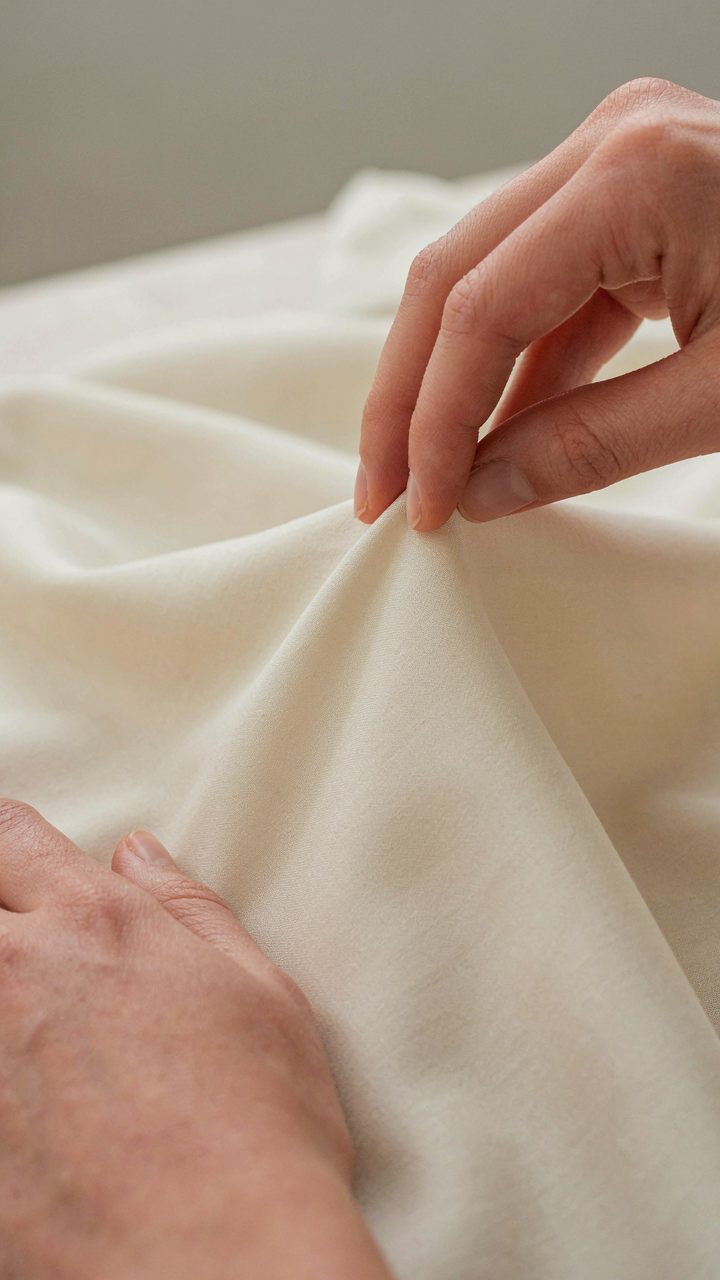
Weight matters more than fiber type alone. Lighter weights breathe better in crowded spaces but wrinkle and cling more easily. Medium weight fabrics hold their shape through a full event and resist showing sweat marks. Choose fabrics you can test before purchase or brands with proven construction. Stretch a sample across a table and release it. If it snaps back without creasing, the fabric has recovery. If wrinkles stay, you’ll spend the evening adjusting and smoothing instead of engaging with people.
Deconstructing Suboptimal Signal Transmission In Cocktail Formal
What Cocktail Formal Actually Demands
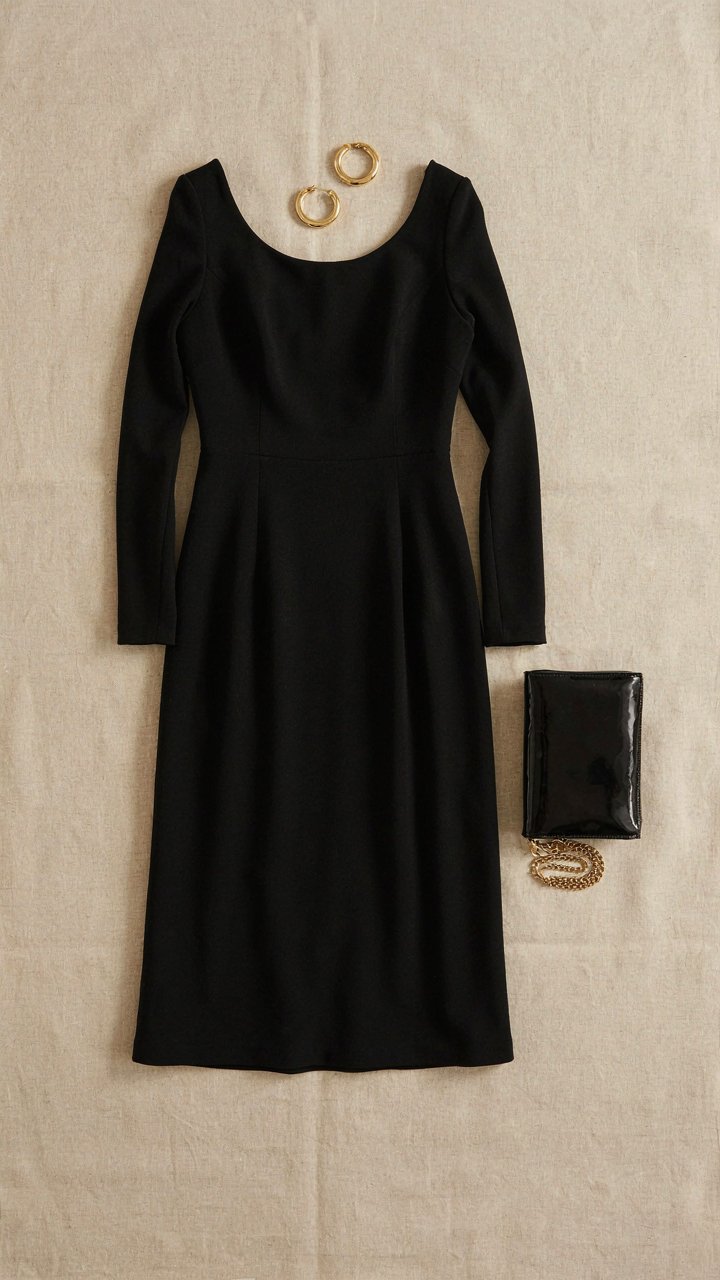
You’re reading this because you’re afraid of getting it wrong and looking like you don’t belong. The mechanism is simple: cocktail formal exists as a defined dress code because it sits between business and black-tie, and most people treat it like a guessing game instead of a signal system. Cocktail formal emerged in the 1960s as corporate culture needed a middle ground for evening events that weren’t formal enough for tuxedos but too refined for business casual. The code transmits one message: professional restraint with intentional polish.

The dress code fails when people layer mixed signals instead of choosing one coherent narrative. Cocktail formal means you’ve committed to tailored structure, elevated fabrics, and deliberate grooming. A blazer with jeans sends confusion. Sequins with a leather jacket send chaos. The outfit either says “I know the room’s expectations and I respect them” or it says nothing you intended. Signal clarity requires subtraction, not addition.
Stripping Away The Noise
Most advice tells you to “add personality” or “make it your own” at cocktail hour. That’s incomplete guidance that costs you. Personality within a formal code shows through restraint, not rebellion. Remove: athletic silhouettes, obvious branding, mismatched formality levels, and jewelry that competes for attention. A cocktail hour outfit works when every piece serves the coherence, not your impulse to stand out through volume.
Edited pieces communicate louder than busy ones. A single statement accessory beats three competing ones. Monochrome or tonal dressing beats pattern mixing when you’re learning the code. The mechanism is subtraction: each element you remove forces the remaining pieces to work harder. Test this by removing one item from your outfit. If nothing changes visually, that piece was diluting your signal. Keep removing until the outfit loses clarity.
Leveraging Ancillary Elements For Impact: Cute Cocktail Outfits
Accessories As Weapons, Not Decorations
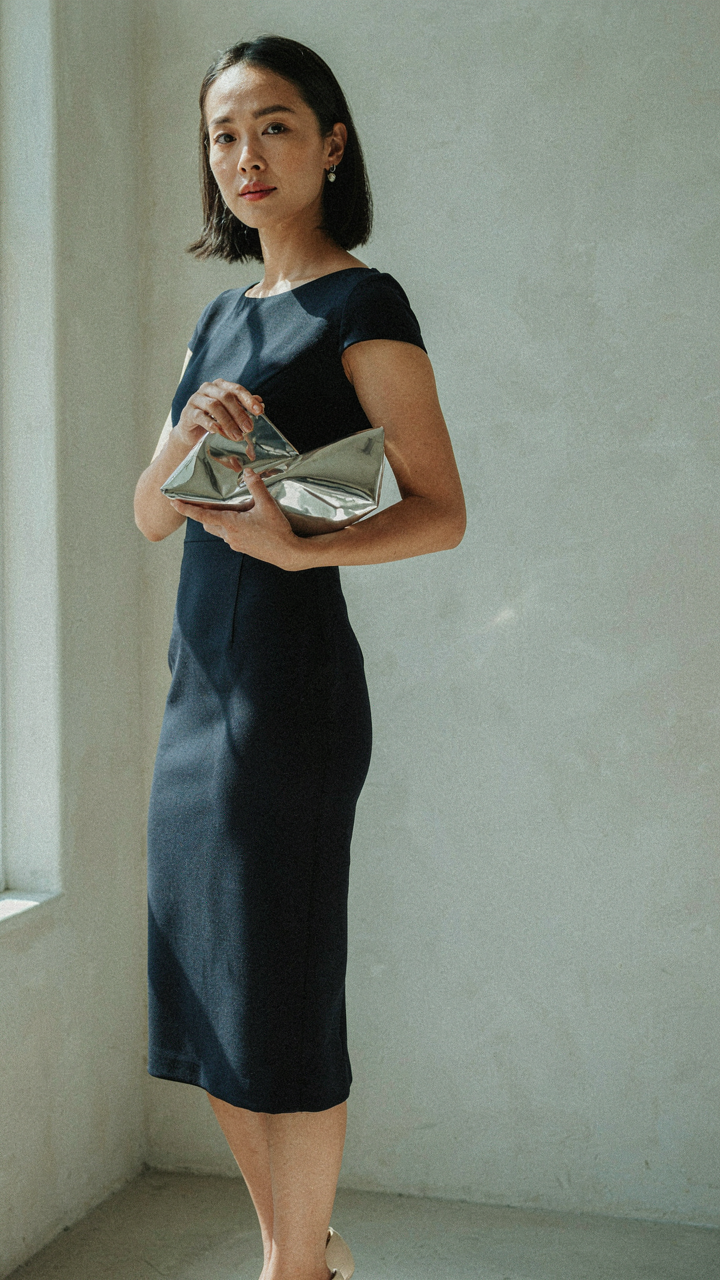
You want people to remember you walked in the room. That’s the real reason you’re reading this section. The mechanism is simple: accessories function like force multipliers in military strategy. One piece of hardware amplifies the entire outfit’s tactical effect. A cocktail hour outfit without intentional accessories is incomplete regardless of the base garment’s quality. You’re not accessorizing to add decoration. You’re weaponizing proportions and focal points.

The mistake most people make is treating accessories as afterthoughts. They pick a dress, then randomly add jewelry. Instead, work backward. Identify the single statement piece first, then build the outfit around its visual weight. A structured clutch with architectural hardware dominates a simple dress far more than a neutral bag ever could. Your accessories establish hierarchy. They tell the eye where to look and for how long. That’s the entire game.
Texture And Material Contrast
Material contrast is how you prevent a cocktail hour outfit from feeling flat. Mixing a smooth satin dress with a quilted leather jacket or beaded belt creates depth that reads as intentional, not accidental. Most guides skip this because it requires actual fabric knowledge instead of generic suggestions. Pairing matte and reflective surfaces together gives the outfit dimension. The eye reads dimension as sophistication.
Your shoe and bag material should deliberately differ from your main garment. Suede against silk. Polished metal against crepe. Metallics against matte textures. This isn’t decoration. It’s the specific mechanism that separates a costume from an outfit. When you exit the elevator at cocktail hour, material contrast is what prevents you from reading as one-dimensional.
The Psychology Of Hue: Orchestrating Perceptual Advantage
What Color Actually Does To Strangers
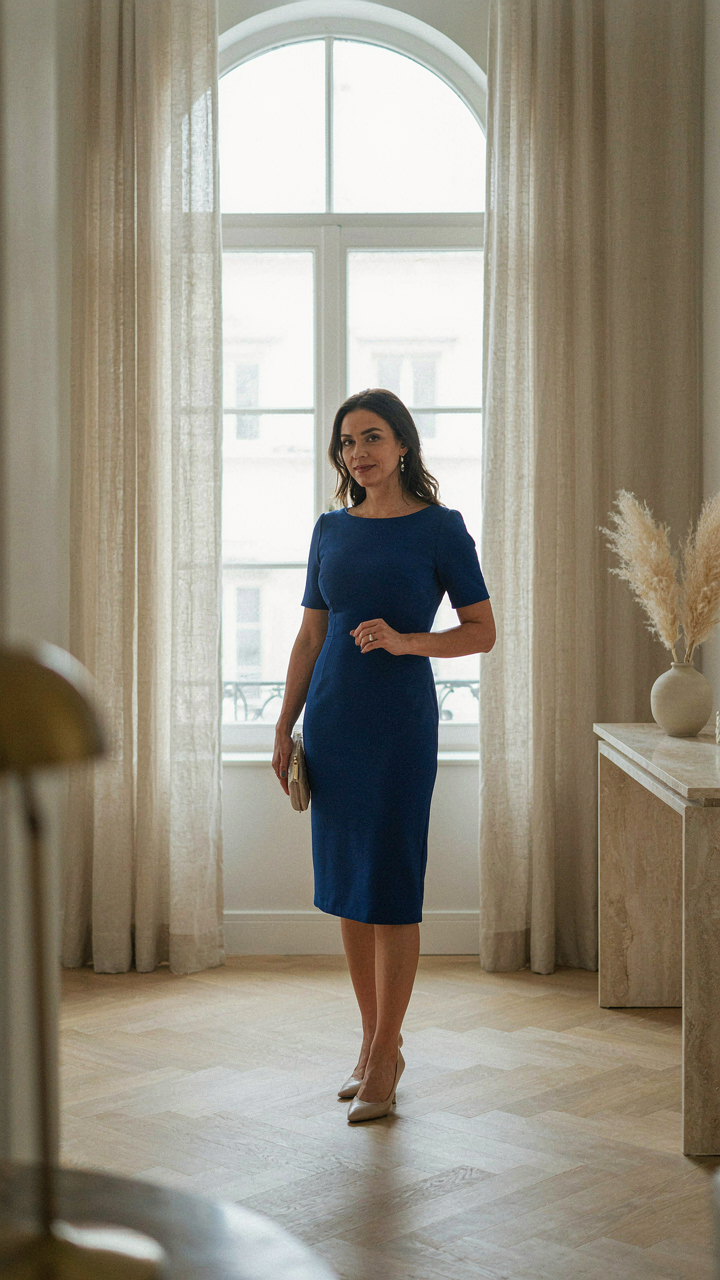
You want people to perceive you as higher status before you open your mouth. Color is the mechanism. Like signal detection in neuroscience, your outfit’s hue reaches the observer’s brain in milliseconds, triggering automatic associations before conscious thought arrives. Red activates arousal circuits. Blue signals trust and authority. Neutrals disappear. This isn’t preference or opinion. It’s how human visual processing works.

The mistake most people make is choosing colors they personally like instead of colors that shape how others categorize them. Cultural context matters here. In Western settings, certain hues carry ingrained meaning: black reads as formal or powerful, navy as institutional trust, jewel tones as intentionality. Your cocktail hour outfit’s color does the heavy lifting of positioning before any conversation starts.
Dominant Hue Selection For Calculated Effect
The real tactical move is picking one dominant color that solves for your actual constraint, not the aesthetic one. Dark colors compress your visual footprint. Lighter colors expand it. Saturated jewel tones say “I made a decision.” Muted earth tones say “I’m not trying too hard.” Choose based on what perception problem you’re solving in that room.
Pair your dominant hue with a single accent or keep it monochromatic. This creates visual coherence, which the brain reads as intentionality and control. Most people layer random colors and accidentally signal confusion. A cocktail hour outfit in navy with a single gold accent reads as deliberate. The same outfit in navy, gold, burgundy, and cream reads as indecision. The hue itself matters less than consistency of color strategy.
Textile Engineering: Optimizing Drape And Durability For Prolonged Engagement
How Fabrics Behave Under Movement
You want to look composed while moving through a room for hours, and you’re terrified of sweat stains or fabric breakdown revealing that composure was never real. Borrowing from mechanical engineering, fabric has a “stress-strain curve”—how it deforms under pressure and whether it recovers. Natural fibers like wool and silk handle repeated stress better than synthetics. They absorb moisture without visible wetness, maintain their shape through sitting and standing, and resist pilling from friction against furniture or other bodies. Cotton blends split the difference: breathable, durable under movement, but prone to wrinkling if the blend leans too far toward cotton.

Polyester alone fails here. It traps moisture, shows sweat immediately, and develops shine in high-friction zones within hours. The common advice is to “just wear natural fibers,” but that ignores cost and care demands. Wool-synthetic blends (70/30 or 60/40) deliver actual performance: they resist wrinkles, absorb moisture vapor, and recover their shape after compression. Test this yourself by sitting for thirty minutes in a cocktail dress or suit jacket, then standing. If the fabric springs back within minutes, the blend works. If creases remain, you picked wrong.
Longevity Through Intentional Fiber Selection
Maintenance cost kills most cocktail outfits before wear does. Dry cleaning after one wearing isn’t endurance—it’s waste. The mechanism here is simple: natural fibers degrade faster under chemical solvents than under normal wear. Silk loosens at seams. Wool felts slightly with each clean. What survives repeated wearing survives repeated cleaning better. Synthetics withstand cleaning but fail under UV light and body heat, yellowing or becoming brittle.
The real move is choosing blends that tolerate hand-washing or minimal cleaning cycles. Merino wool holds up to both. Linen wrinkles structurally but cleans easily and lasts decades. Heavy cotton-silk blends (higher thread count, tighter weave) resist damage from both movement and cleaning. Before buying, check the fiber content and cross-reference typical dry-cleaning cycles for that material. If a piece needs cleaning after every wear, the cost of ownership makes it unsustainable for regular cocktail hour use. Build your rotation from pieces that tolerate five to eight wearings between cleaning cycles.
The 3 Tiered Cocktail Outfit Ideas For Women Selection Matrix
The Foundation Dress Or Suit
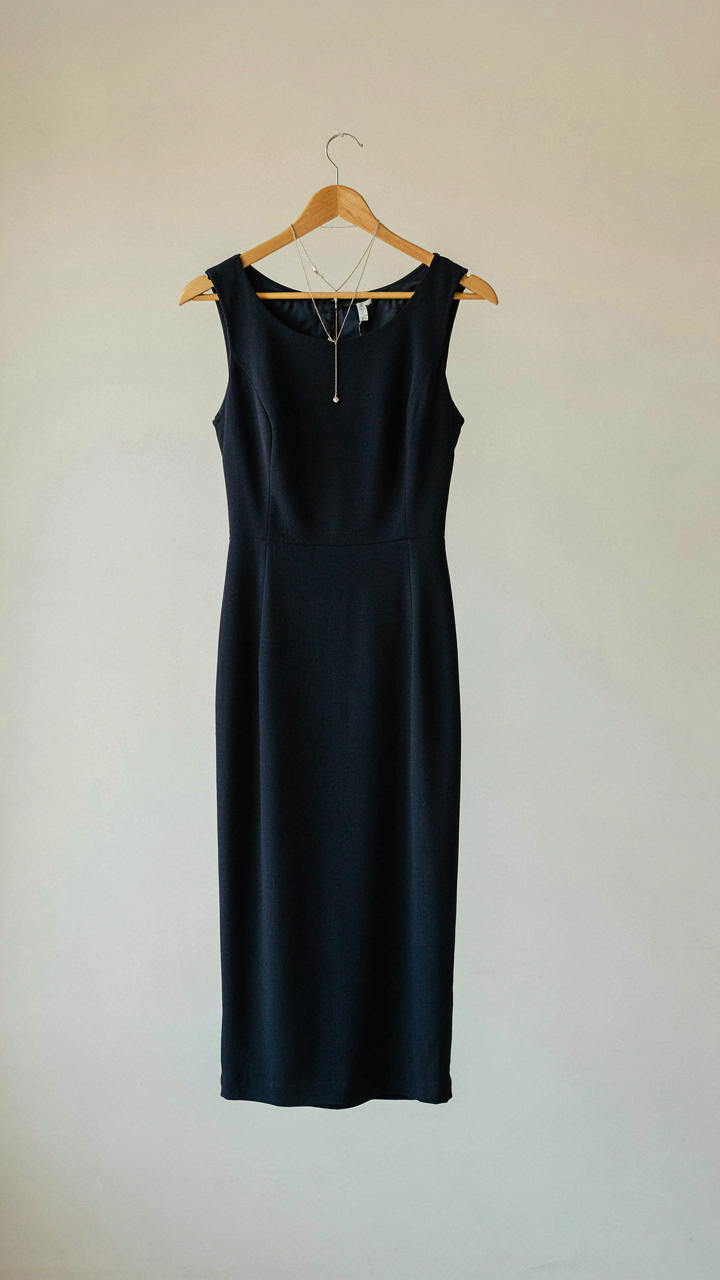
You’re worried people will judge you for wearing the wrong thing, so you’re hoping a system will remove that risk. That’s the real problem here. What actually matters: a cocktail hour outfit needs a single anchor piece that reads as intentional without demanding attention. This is borrowed from signal theory in communication. Your base garment is the signal itself. Everything after it either amplifies or dilutes that signal. Pick wrong here and no layer saves you.
- Sheath Dress: Knee-length, fitted through the body, works in navy, black, or jewel tones. Reads polished without looking formal. Pairs with virtually any jacket or shawl.
- Wrap Dress: Crossover bodice, defined waist, forgiving fit. The Diana Preferred option. Black or printed versions both function as neutral bases for layering.
- Tailored Trousers With Shell: High-rise, clean lines, paired with a sleeveless or short-sleeve top in a complementary color. Sits between casual and formal intentionally.
- Cocktail Suit: Structured jacket with matching or coordinating pants or skirt. Rare but disarming. Shows you know the event matters without trying too hard.
- A-Line Midi Dress: Sits below the knee, skims the body, works in solid colors or small patterns. Less common than shorter cocktail dresses but registers as more considered.

The base layer does one job: exist as a complete thought on its own. You should feel zero urge to apologize for it or add something to “make it work.” If you do, you picked the wrong base. That’s the test.
Strategic Layers That Adapt
The common mistake here is treating layers as decoration. They’re not. Layers function as edit buttons. Use economics language: you’re managing scarcity. Your venue might be too cold, the formality level might shift between cocktail and dinner, or you might need to tighten the overall impression. Layers solve all three without replacing your base.
- Structured Blazer: Tailored jacket in a neutral or coordinating color. Instantly formalizes a dress. Remove it if the room heats up or the vibe loosens. Adds authority without costume.
- Silk Or Linen Shawl: Draped or wrapped around shoulders. Works in black, cream, or a tonal match to your dress. Provides warmth and softens hard lines. Takes up almost no physical space.
- Cardigan: Fine knit, open front, hits at hip or slightly lower. Offers warmth and structure without the formality of a blazer. Works if the event skews less rigid.
- Kimono Or Lightweight Robe: Longer, open garment in silk or silk blend. Worn unbuttoned over dress or suit. Reads contemporary. More adaptable than a traditional shawl.
- Cropped Bolero Or Shrug: Covers shoulders and upper back only. Adds visual interest and formality. Useful when your base is sleeveless and you need coverage without full concealment.
Pack the layer that matches your venue’s actual climate and formality level, not what you wish it were. Most women carry the wrong one, then spend the event either cold or overdressed. Choose your layer before you arrive.
Your Signature Cocktail Hour System: A Replicable Framework
The Decision Tree That Eliminates Choice Paralysis
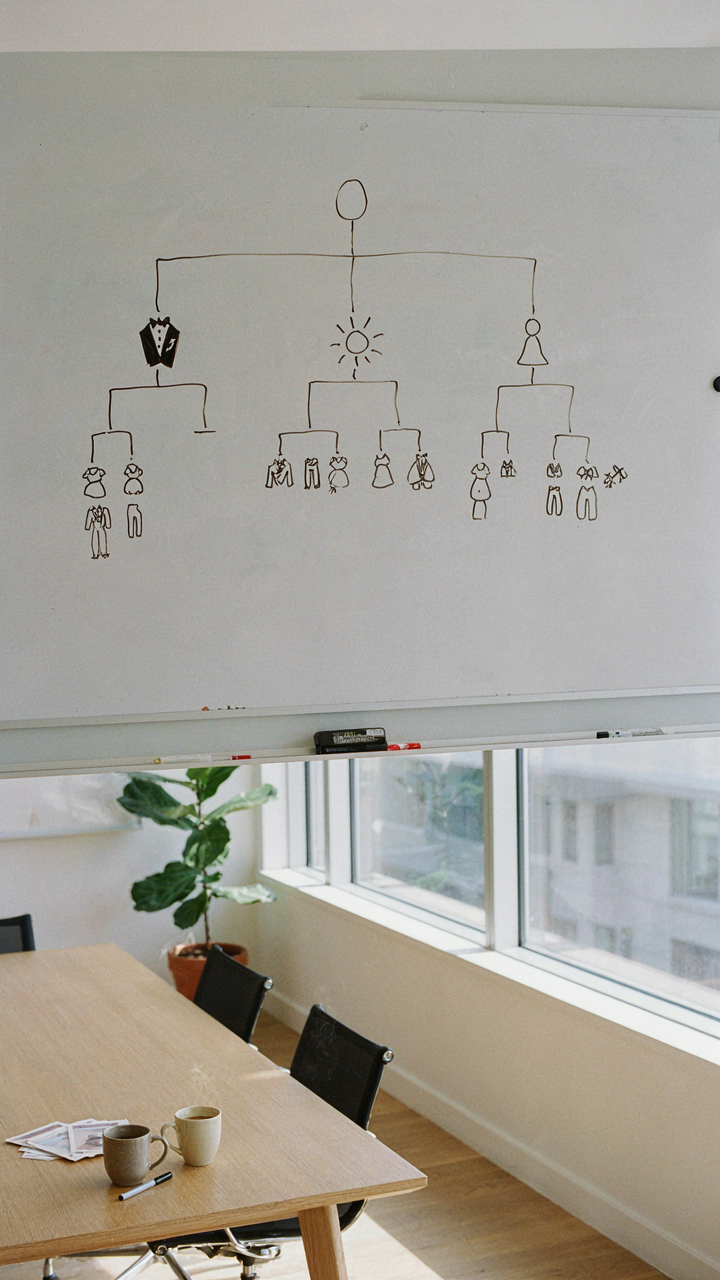
You want a framework because you’re afraid you’ll look wrong. Here’s the mechanism: most people treat outfit selection as aesthetic choice when it’s actually a constraint-solving problem. Borrow from decision trees in software engineering, where each branch eliminates possibilities based on input variables. Your variables are venue formality, season, body type, and existing inventory. Map each variable to a specific output, not a feeling. You move from “What looks good?” to “Given these four constraints, what’s the only logical choice?”
The flowchart starts with venue. Formal cocktail requires structured tailoring; casual rooftop allows texture over polish. Season determines fabric weight and color palette, not vibes. Your body type dictates which silhouettes create visual balance, regardless of trend. Existing inventory is the hard stop: if you own it and it fits the constraints, it’s the answer. No shopping for validation. This removes decision fatigue entirely. You build three to five outfit combinations that satisfy all constraints, choose one based on the time of day, then move on.
The Weekly Prep Protocol That Removes Last Minute Chaos
Preparation beats intention every time. Sunday night, audit your closet for items meeting cocktail standards: structured pieces, appropriate fabrics, shoes that work with multiple outfits. Don’t assume you know what fits. Try everything on. Document which combinations work with photos. Store these combos visually, not mentally. Wednesday, confirm the specific event details: actual venue, actual dress code, actual weather forecast. Thursday, lay out your chosen outfit completely, including accessories and shoes. Iron if needed. This takes thirty minutes and erases the Thursday night panic that kills outfit quality.
The protocol prevents the real failure mode: showing up in something that looked fine at home but clashes with the actual room, lighting, or crowd composition. Prep means walking in with confidence earned through repetition, not luck. Your outfit works because you’ve already solved for the variables. You arrive early, check yourself in natural light if possible, make one micro adjustment if needed, then forget about clothing entirely. That’s when people notice you were dressed correctly all along.
The True Constraint Isn’t The Dress Code; It’s Your Inability To See Attire As A Strategic Lever
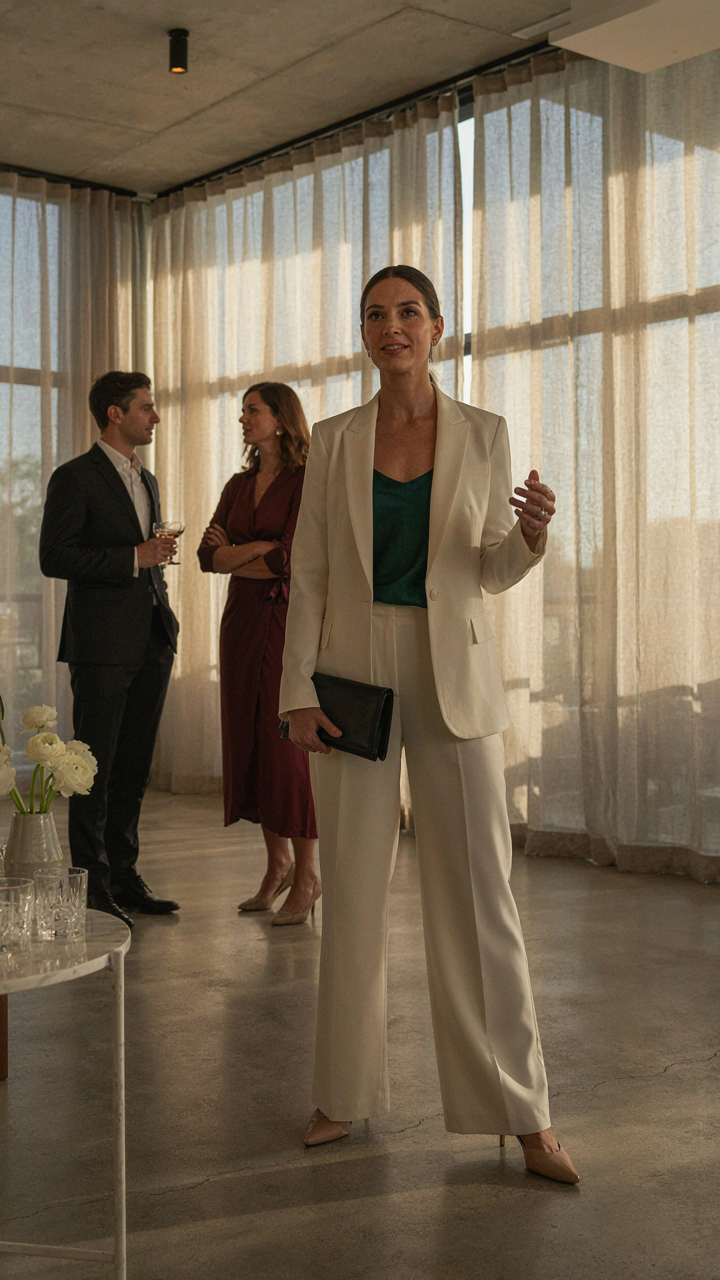
Most people treat cocktail hour outfits like a box to check instead of a tool to wield. You walk in, blend in, disappear. The people who move rooms, command attention, and build real connections? They dress like they have a point to make. Pick one element that screams intention: the cut, the color, the confidence. Wear it deliberately. Your outfit either announces you’re there to observe or there to participate. Choose which one you actually want to be.



