
Deconstructing The “Elegant Style” Myth
What Opera Night Dress Actually Signals
You care about this because you don’t want to look like you’re trying too hard, or worse, like you don’t know the code. Here’s the mechanism: formal dress codes operate like a signal in economics. Your outfit sends information about whether you understand the context and respect the space. Opera night attracts people who value tradition, and your clothes either confirm or deny that you belong in that moment. The dress code isn’t about looking beautiful. It’s about demonstrating cultural literacy through constraint.
Traditional opera etiquette demands floor-length gowns, jeweled accessories, and structured silhouettes. This rule persists because it works as a sorting mechanism: it filters for people willing to commit to formality. But formality itself has fractured. Metropolitan Opera in New York enforces no strict dress code. Regional opera companies vary wildly. The old rule assumed one context. That assumption is dead. What matters now is reading your specific venue and audience, not memorizing rules written for 1985.
Elegance As Strategic Restraint
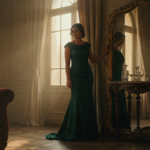
Elegance isn’t about embellishment. It’s about subtraction. The common advice tells you to “add sparkle” or “accessorize boldly.” That’s backward. Elegance functions through negative space, proportion, and material quality. A silk charmeuse column dress with zero jewelry reads more sophisticated than a sequined cocktail gown with three statement pieces. The mechanism is attention economy: your eye moves to what’s missing, not what’s there. Restraint makes people look longer.
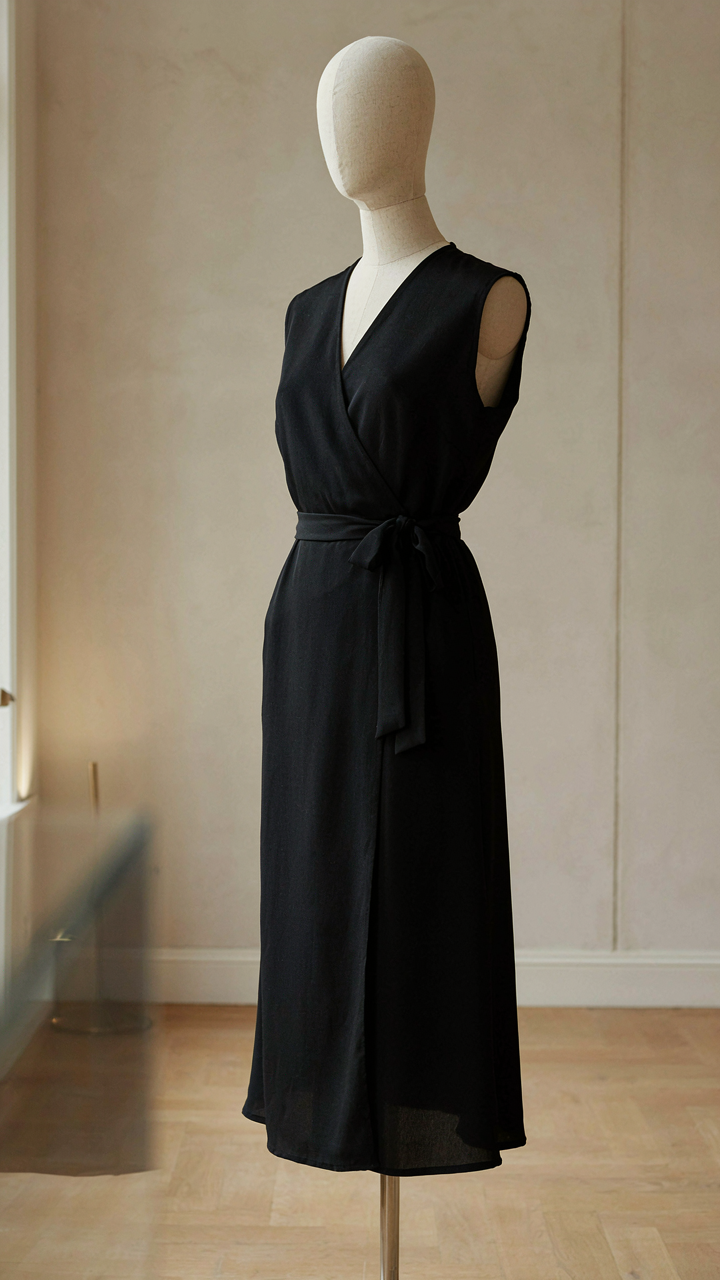
Modern opera-goers respond to tailoring over trend. A well-fitted black wrap dress in quality fabric, paired with minimal jewelry and precise grooming, outperforms a trend-driven piece every time. This isn’t conservative dressing. It’s strategic dressing. You’re removing decision fatigue from the observer’s mind, which creates confidence. The outfit disappears, and your presence becomes the focus. Your final step: choose one quality piece as your anchor, then build backward by removing one accessory you initially planned to wear.
The Cognitive Load Of “Appropriate” Opera Dress
When Rules Replace Judgment
You’re afraid of looking wrong. That fear drives you to search for permission in the form of rules, and rules are exactly what kill your ability to dress with intention. Opera culture carries real dress codes, but people confuse codification with necessity. The actual mechanism at work here is cognitive offloading: you want someone else to decide so you don’t have to sit with the weight of a choice. The problem is that outsourcing your judgment doesn’t produce style. It produces compliance.

Opera dress codes exist for acoustic and practical reasons, not aesthetic ones. Formal wear reduces rustling fabric during performances. Black absorbs light rather than reflecting it, keeping focus on the stage. But these constraints became rules, and rules became permission slips to stop thinking. Most women who ask “what should I wear to the opera” aren’t asking for information. They’re asking for absolution from the responsibility of looking intentional. Once you name that, you can move past it.
Deliberate Contrast Creates Presence
Subversion works because it forces coherence. You can’t break a rule by accident. When you wear a midi dress to an opera instead of floor-length gowns, that choice has to connect to something: your body proportions, the venue, your role in the evening. Constraint-breaking demands you know why you’re breaking the constraint. This is the opposite of thoughtless rule-following.
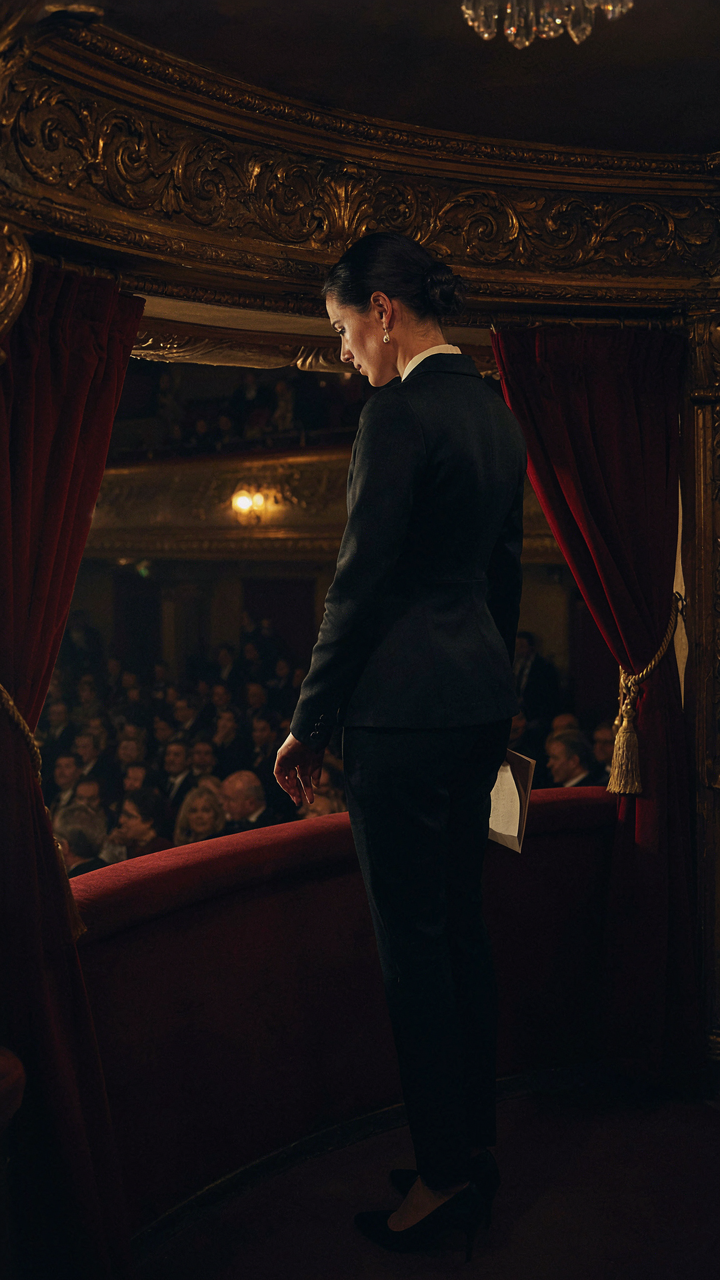
The women who stand out at opera don’t do it by violating dress code randomly. They do it by understanding the code deeply enough to know which elements matter and which don’t. A tailored pantsuit in black silk reads as intentional. An ill-fitting cocktail dress reads as confused. The mechanism is simple: deliberate choices compound into presence. Build your opera night outfit by keeping the anchor points (formal silhouette, appropriate length for venue, controlled color palette) and then choose one element to own differently.
The “Phantom Of The Opera Outfit Ideas” Fallacy
Costume Is Not Your Strategy
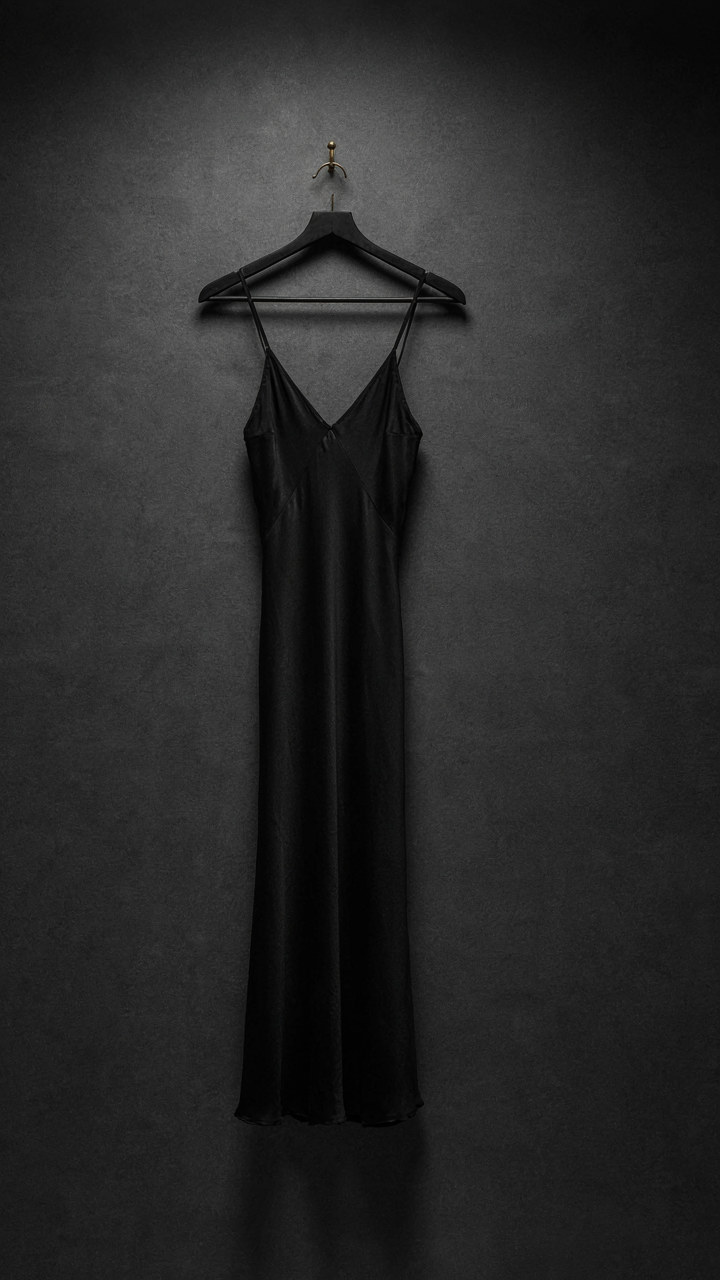
You want permission to wear something dramatic because you’re afraid a simple dress won’t register. Here’s the mechanism: theatrical costuming works because actors occupy a stage where exaggeration reads as authenticity. You occupy a theater lobby and orchestra seating where restraint reads as confidence. The visual grammar is inverted. A sequined mask or full gothic ensemble doesn’t signal sophistication at the opera. It signals you misread the context and borrowed someone else’s job description.

Opera night attracts people who’ve studied how to move through formal spaces without announcing themselves. The outfit that works moves with what’s already there: the gilt, the architecture, the other attendees’ visual restraint. Dramatic costuming creates friction against the environment instead of harmony with it. Your goal is presence, not performance.
Signal Through Subtraction
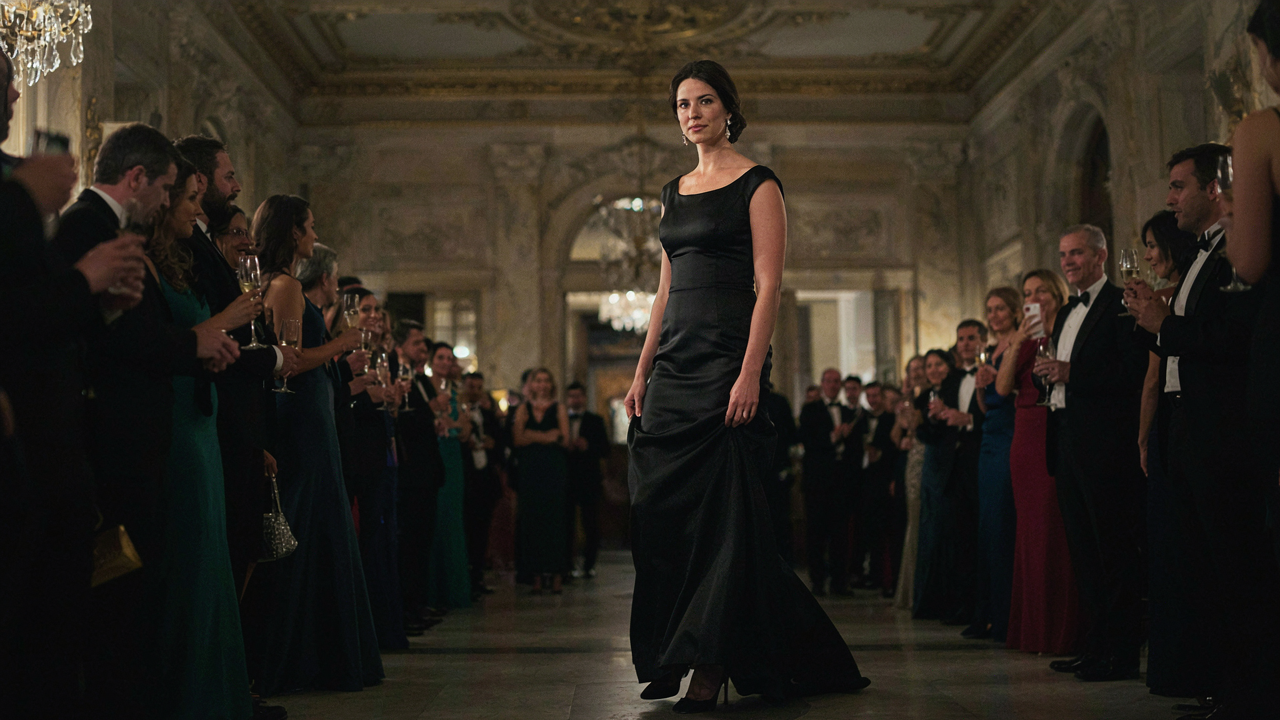
The real nod to opera happens when nobody notices you’re making a nod. Classical music venues reward economy of detail because they’ve trained their audiences to detect small variations in execution. That precision translates to dress code. A woman in a black column gown with a single notable element—a jeweled clasp, a specific textile, an intentional fabric choice—reads as someone who understands what opera actually is.
Costume designers working in opera deliberately strip away noise to force the audience to focus on the human form and face. Apply that same principle to your own wardrobe. When you remove the excess, whatever remains becomes the focal point. Choose one intentional detail, keep everything else architectural and quiet, and you’ve communicated that you know the difference between theater and the audience.
The “Event Outfit” Protocol: Decoding The Venue
How Architecture Shapes Your Dress Code
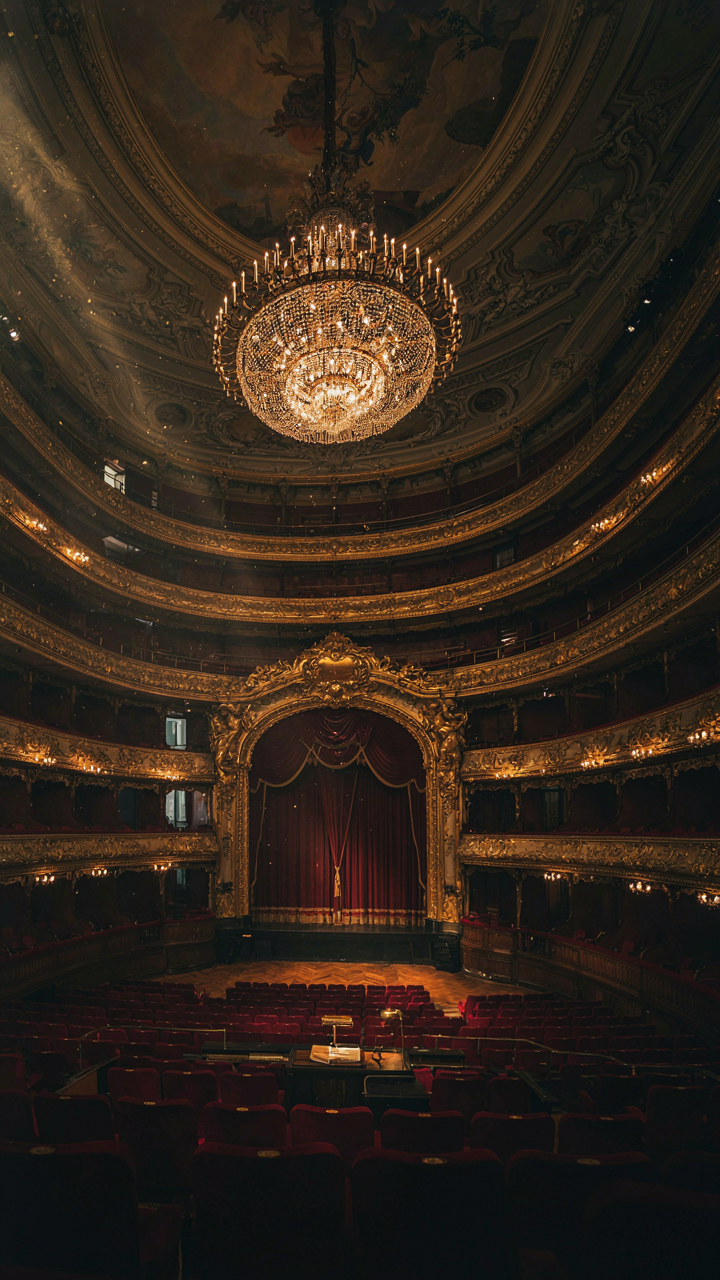
You care about this because wearing the wrong thing to the wrong room broadcasts status confusion. The building itself is the signal. Opera houses built in the 19th century—think Beaux-Arts structures with gilt interiors and tiered balconies—demand formal dress because the architecture was designed to signal wealth and refinement. Modern theater spaces with concrete walls and minimalist lobbies operate under different rules. The venue’s age, materials, and design language telegraph what the audience will wear. Scout the space online before you plan your outfit.

The ceiling height, lighting design, and crowd density all affect fabric choices and silhouette visibility. A grand opera house with ornate details rewards structured pieces that read from distance. A contemporary black-box theater with intimate seating allows subtler fabrics and tighter fits. Architectural cues are not suggestions. They are constraints. When you ignore them, your outfit registers as off-key regardless of quality. Research the specific venue, not just “opera” as a category.
Grand Halls Versus Contemporary Spaces
The advice that says “dress formally for any opera” misses the real divide. A historic opera house expects formality because it was built as a formal institution. Contemporary theater spaces often attract younger crowds and reject that convention entirely. This is an economic signal. Older buildings attract older, wealthier audiences with established taste codes. Newer spaces attract professionals who signal status through understatement and individual style, not adherence to dress codes.
Your outfit strategy hinges on this distinction. Grand halls favor classic silhouettes, full-length gowns, and jewelry that reads from the orchestra seats. Modern theaters reward tailored pieces, midi lengths, and accessories that function as conversation rather than display. Neither approach is better. The venue tells you which language to speak. Call ahead or check the venue’s website for dress code guidelines. Then build backward from what the space demands, not from what you think opera should look like.
The Opera Dress Investment: Durability Over Trends
Cost Per Wear Math Changes Everything
You want permission to spend money without guilt. Cost-per-wear analysis gives you that permission, but only if you use it honestly. Economics calls this “amortization”—spreading the true cost of an asset across every time you actually use it. An opera dress works the same way. A 400-dollar gown worn four times costs 100 dollars per wear. The same gown worn twenty times costs 20 dollars per wear. Most women do the math wrong because they compare the upfront price to cheaper dresses they’ll abandon after one season.

The real mechanism is simple: opera attendance frequency determines your actual cost basis. If you attend opera or formal evening events monthly or quarterly, investment-grade pieces drop to genuinely cheap per-wear numbers within two years. If you attend twice yearly, the math still works but takes longer. The mistake everyone makes is buying disposable formal wear, then pretending they can’t afford quality. You can’t afford not to. Buy one excellent piece you’ll wear repeatedly rather than five mediocre pieces you’ll donate unopened.
Pieces That Work Across Multiple Events
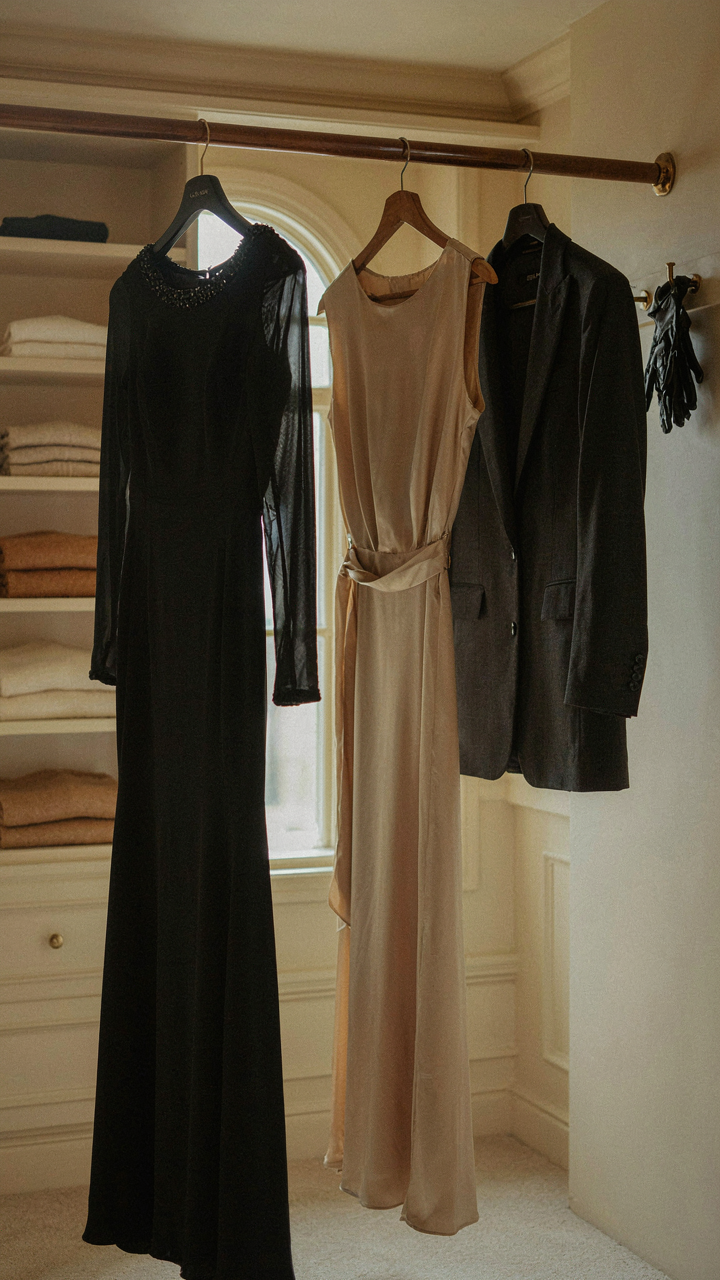
Opera night outfits don’t need to stay locked in your closet waiting for the next performance. The strongest evening capsule rotates pieces between opera, galas, cocktail events, and formal dinners without looking recycled. These are the anchor pieces that justify their cost:
- Floor Length Black Evening Gown: The non-negotiable foundation. Structured fabrics like silk charmeuse or crepe hold shape across dozens of wearings. Minimal embellishment ages better than trends-driven details.
- Tailored Wrap or Structured Shawl: Works over gowns, cocktail dresses, and evening separates. Wool blend wraps withstand years of handling without pilling or losing drape.
- Quality Evening Separates: A formal blouse in ivory silk and tailored trousers in wool extend capsule versatility. These pieces transition to non-opera events without alteration.
- Neutral Satin Heels: Invest in a single pair in black or nude that fits flawlessly. Resole them twice rather than buying replacements. Satin ages better than synthetic materials.
- Structured Evening Clutch: Leather or silk-lined metal frame bags maintain rigidity through years of use. Avoid embellished designs that date quickly or show wear at stress points.
Each piece serves at least three different contexts within a single season. A black gown works for opera, formal dinners, and gallery openings. The wrap functions at intermission, over bare shoulders, or as a standalone accessory at non-opera events. This overlap is where your real cost per wear plummets and where “investment” stops being marketing language and becomes genuine math. Track which pieces you combine most frequently, then allocate your budget toward the combinations you actually use.
Strategic Accessorizing: Amplifying Your Night Outfits
Color And Texture As Visual Anchors
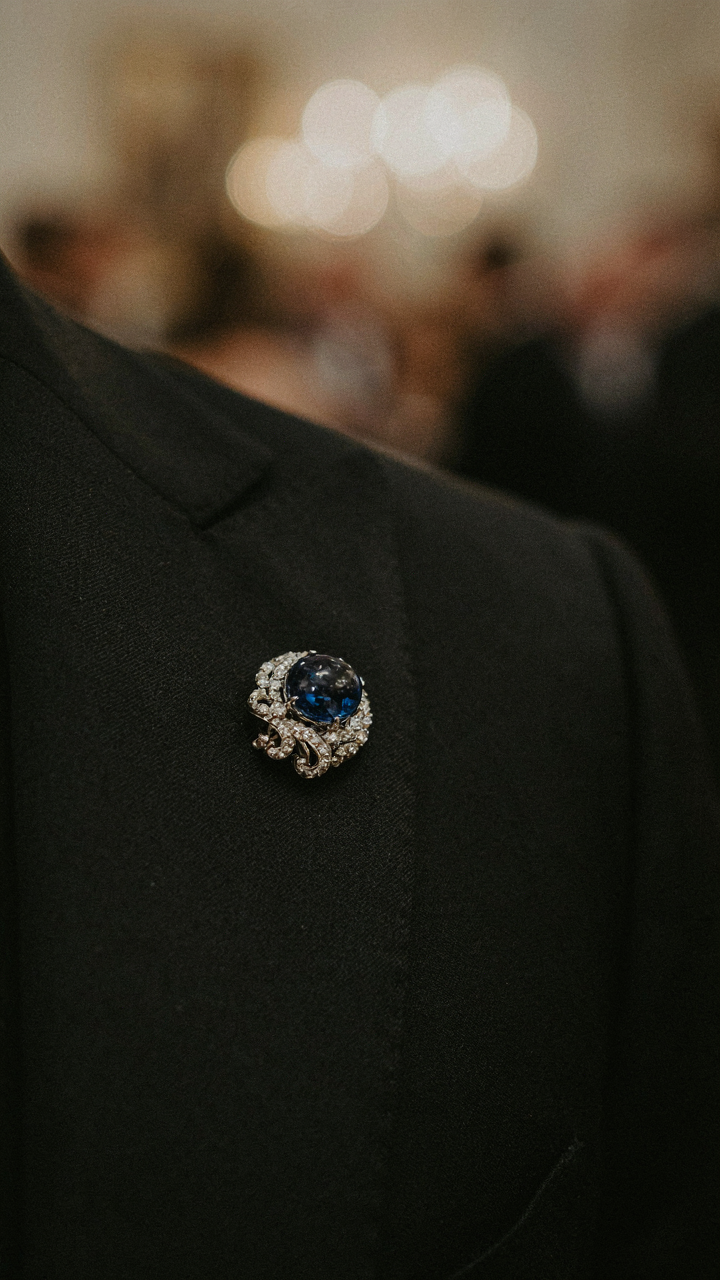
You’re reading this because you suspect accessories could save a mediocre outfit, and you’re right to suspect that. Here’s the mechanism: color and texture function as visual contrast in the same way contrast functions in design composition. They create focal points. Dark jewel tones like sapphire or emerald against a black gown don’t blend—they command attention. Matte pearls against silk create tactile interest that reads as deliberate, not accidental. The opera house is a controlled lighting environment, which means colors shift under stage light. Warm metals age better under that light than cool ones do.

Texture matters more than people admit because it communicates investment and intentionality. A silk wrap reads differently than cotton. Patent leather shoes signal differently than suede. The opera audience sits close enough to notice finish quality. Choose one dominant texture per outfit, then contrast it with one secondary texture. A satin clutch with matte jewelry works. Metallic heels with a suede shawl works. Mixing too many textures dilutes the signal and reads as uncertainty, not sophistication.
Restraint Over Accumulation
The common advice here is garbage: “add what makes you happy” or “layer pieces with meaning.” That’s how people end up looking cluttered. Purposeful selection means you choose each piece to solve a specific visual problem, not to fill space or announce your personality. One statement piece per outfit creates impact. Multiple statement pieces create noise. A dramatic brooch works alone. A dramatic brooch plus chandelier earrings plus a bold clutch plus a silk scarf is costume, not style.
The mechanism is scarcity. What you withhold gets noticed more than what you display. When you wear minimal accessories, each one carries weight. Opera audiences respond to restraint because it signals control. The best accessory strategy is this: select your outfit, then remove one accessory you think you need. Then remove one more. What remains should feel intentional and necessary, not decorative.
The Unspoken Language Of Gala Outfit Details
Fabric Choice As Signal
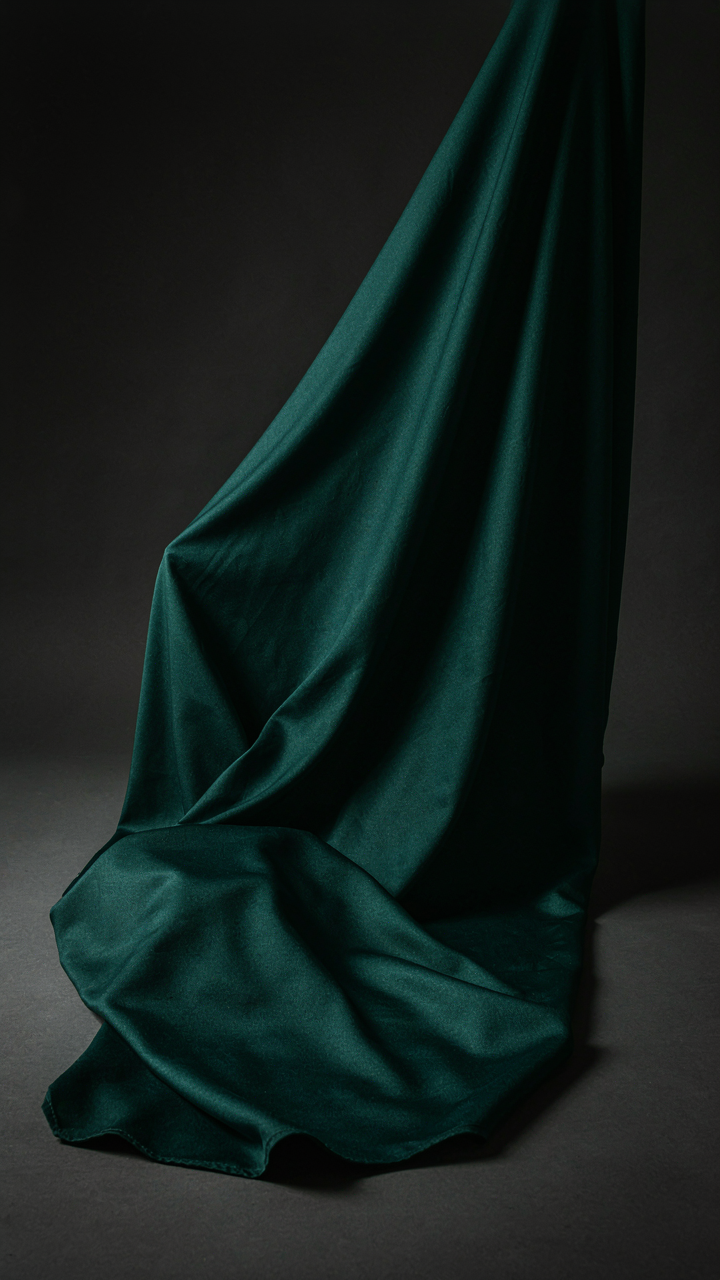
You care about this section because you’re afraid cheap fabric will expose you. That’s the real anxiety beneath the surface. Here’s the mechanism: fabric signals manufacturing cost and care standards faster than any other element. Silk, wool, and linen have structure. They hold shape under stage lighting. Cotton blends collapse into wrinkles and read as budget immediately.
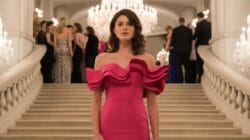
Opera houses flood their interiors with hard light from above and the stage. Matte fabrics absorb this light and disappear into shadow. Structured fabrics catch it and return definition. Charmeuse, duchess satin, and crepe hold their geometry. They communicate that you understand what the environment demands of cloth. Use this as your filter when evaluating any piece.
Tailoring And Fit Precision Over Extravagance
The common advice is wrong here. People think elaborate details and embellishment solve the outfit problem. They don’t. Tailoring solves it. Economics teaches us about signal efficiency: the smallest gesture that conveys maximum information wins. In opera night outfits, fit is that gesture. A perfectly cut sleeve broadcasts more status than a dress covered in beading.
Seams aligned to your shoulder joint. Armholes that sit at the actual shoulder point, not two inches down. Hemlines that break at the floor or ankle without bunching. These details cost money because they require alteration, and most women skip this step. The mechanism is simple: poor fit makes fabric move instead of drape. Movement reads as amateur. Precision reads as intentional. Before wearing anything to the opera, take it to a tailor. This single decision outweighs every other choice you make.
Beyond “Rich Dinner Outfit”: The Post Performance Transition
The Outfit As A Transition Tool
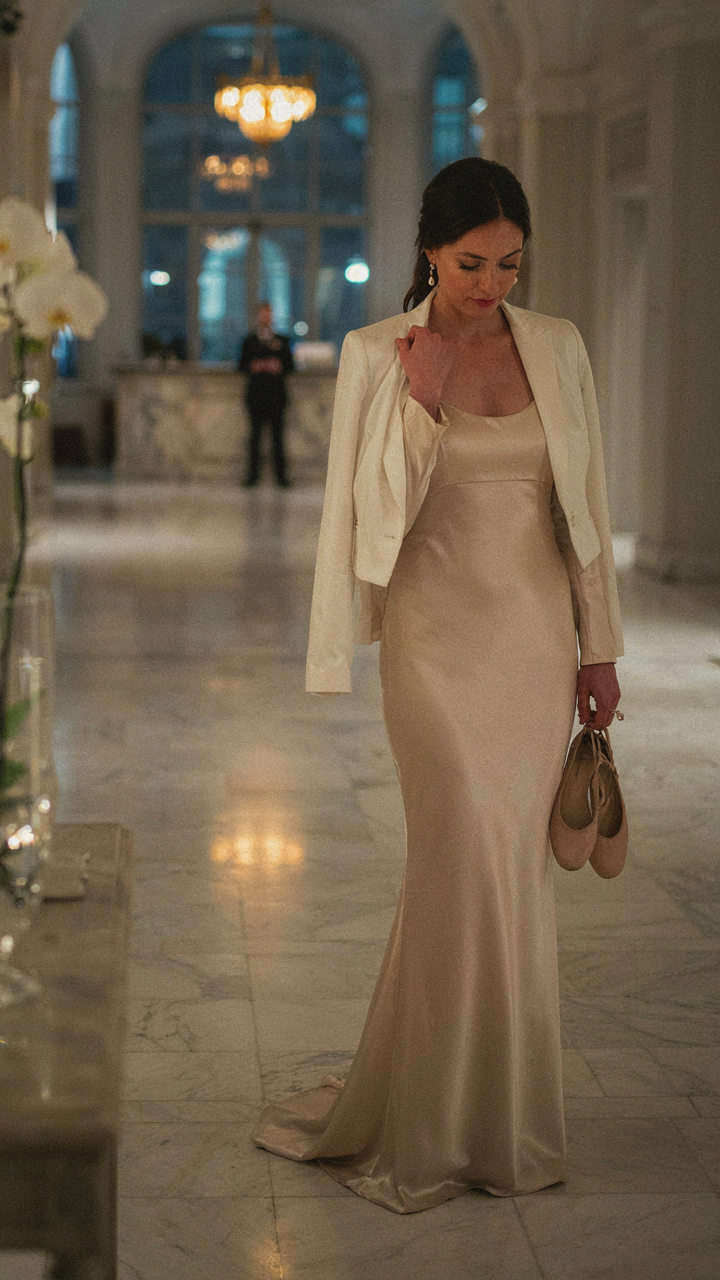
You’re worried you’ll look overdressed or trapped in formality when the night pivots from seated performance to standing around with drinks. Here’s the actual mechanism: opera night outfits fail because they’re designed for a single moment instead of a five-hour arc. The pieces that command attention under theater lighting become liabilities the second you leave the venue. Build your outfit on a layering system borrowed from architecture—load-bearing foundation pieces stay constant while removable elements shift the entire visual weight.

Your core pieces are the anchor. A simple silk slip dress in black or deep jewel tone stays appropriate from orchestra pit to hotel bar without modification. Swap the structured evening coat for a draped silk blazer or a lightweight wrap that collapses into a clutch-sized bundle. The transition happens because you’ve eliminated the pieces that scream “I came from the opera”—the stiff formality dissolves, leaving only refined basics that work anywhere.
Footwear That Doesn’t Trap You
Most advice says wear heels and suffer through the after-party. That’s incomplete. Your feet dictate where you can go after the final curtain, which controls your entire social flexibility for the next three hours. High heels work for the performance and the lobby. They fail the moment you need to move between venues or stand comfortably during conversation.
Pack a structured flat or low heel in your clutch or coat pocket before leaving home. A satin ballet flat or a minimal leather slide in black transitions seamlessly from formal to casual without looking like a costume change. You’ve just unlocked three additional hours of mobility and comfort without sacrificing how you looked during the performance. The mechanism is simple: remove the constraint, keep the aesthetic.
The Confidence Multiplier: How Your Opera Outfits For Women Transforms Experience
The Internal State That Changes Everything
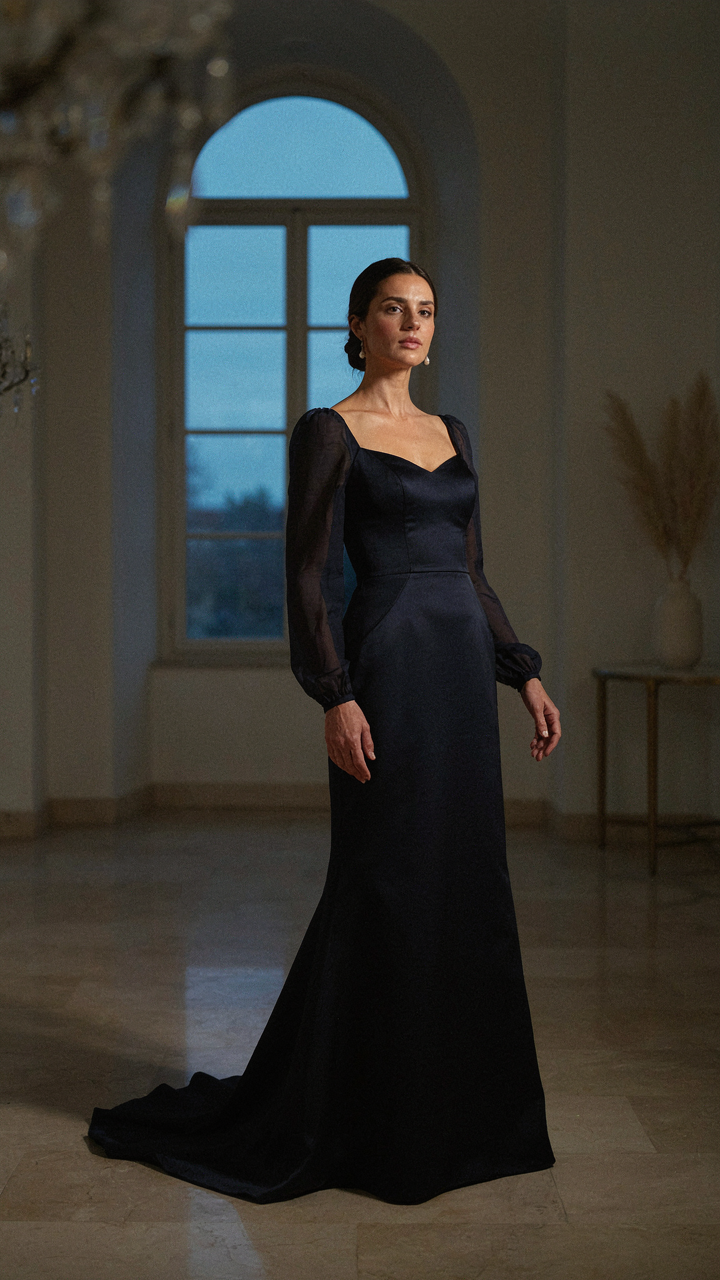
You want to feel powerful in a room full of people evaluating you. That’s the real reason you’re reading this. Here’s what nobody states plainly: your nervous system reads fabric, fit, and intentionality before your conscious mind does. Opera houses demand formal dress codes because the clothes act as a signal to your own body that this moment matters. When you wear a gown designed for a specific context, your posture shifts, your breathing slows, your eye contact improves. This isn’t psychology. This is neurology. Your proprioceptive system—the one that tracks where your body exists in space—registers the weight and structure of formal wear as permission to occupy space differently.

The mechanism works in both directions. People respond to the confidence they observe, but that confidence starts with your nervous system’s interpretation of what you’re wearing. A poorly fitted dress creates micro-tensions throughout the evening: you adjust straps, pull at hems, brace against discomfort. Your attention fragments. A dress that fits your body and aligns with opera night conventions allows your system to relax into the context. You stop managing the costume and start inhabiting it. This is why generic “just wear black” advice fails. Black alone doesn’t trigger the context shift. Formal structure does.
Wearing The Clothes Instead Of Being Worn By Them
Most women get this backwards: they choose an outfit, then spend the evening apologizing for it internally. The common advice tells you to pick something you “feel comfortable in,” which is lazy guidance that confuses comfort with fit. Comfort is the absence of friction. Fit is alignment between the garment’s design and your body’s geometry. You need both, but fit determines whether you control the narrative or the dress does.
The distinction matters tactically. A floor-length gown with an empire waist creates visual line and allows you to move without fighting the fabric. A poorly proportioned dress with excessive draping forces constant micro-adjustments. You’re not wearing it; you’re managing it. The action step: before opera night, spend thirty minutes sitting, standing, and walking in your chosen outfit. Does it require pulling? Do the sleeves ride? Does the neckline slip? Fix these issues before the evening starts. Your entire experience hinges on whether your attention stays on the performance or gets trapped in logistics.
The Only Rule That Matters: Your Outfit As An Unspoken Statement
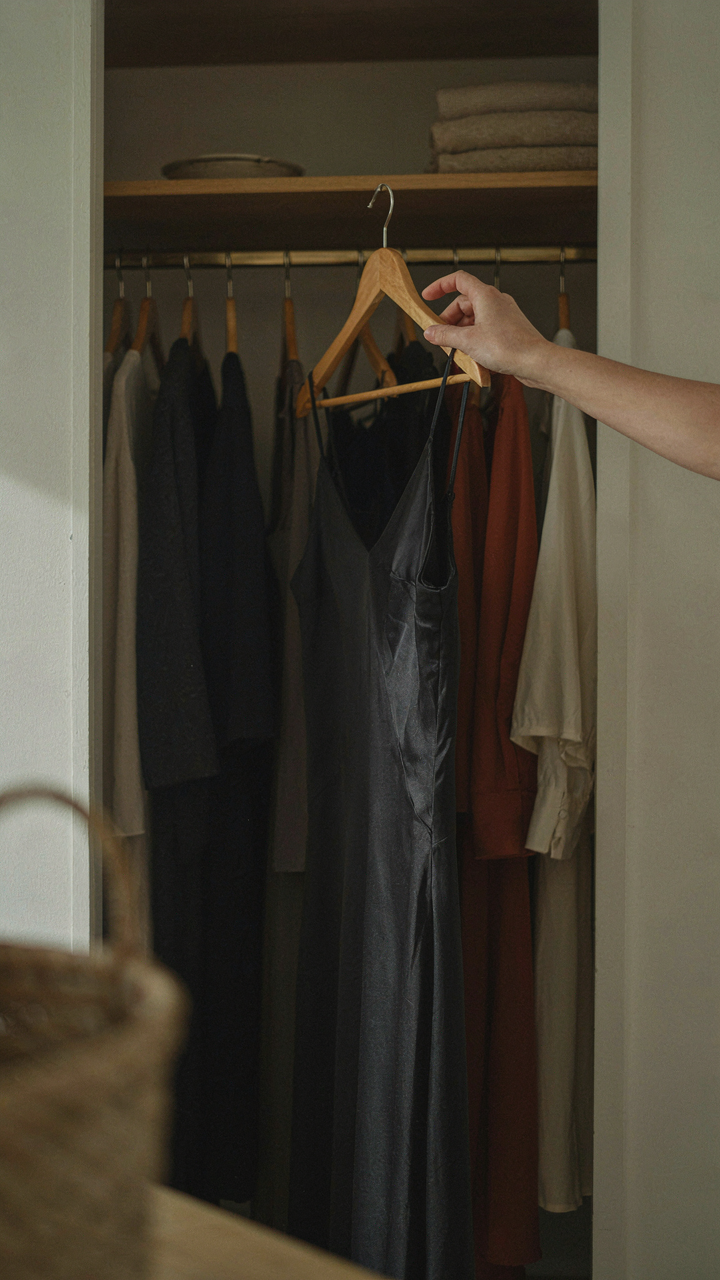
Most women treat opera night as a costume party. They dress how they think they should look instead of how they actually are. Your outfit isn’t theater—it’s communication. Pick one piece that makes you feel like the person you want to be that night, then build everything else around it. Stop asking permission. Open your closet today and find the fabric, color, or silhouette that makes you stand taller. Confidence doesn’t whisper.