The “Context Is King” Protocol For Fundraiser Dinner Attire
Know Your Room Before You Dress
You’re worried you’ll look wrong. That fear is valid, but it’s also the thing that kills your actual goal: being present enough to connect with the right people. Here’s the mechanism: a fundraiser isn’t a fashion show. It’s a transaction disguised as a social event. Your outfit is a signal that you understand the room’s economy, not a statement about your taste. Think of it like game theory in economics. You’re signaling cooperativeness through dress code compliance. A medical research gala expects different signals than a youth mentorship nonprofit. The cause itself determines who attends and what they’re wearing. A cancer research dinner draws doctors and established wealth in conservative fabrics. A climate action event might attract younger donors and accept contemporary cuts. Before you buy or reach for anything, identify the cause and the donor profile. Then dress one notch more formally than they do, not ten notches ahead.
The second layer matters more than it sounds. Donors notice when someone dressed for the wrong event. It suggests you weren’t paying attention. Worse, it suggests you don’t take the mission seriously. A black-tie cancer gala isn’t the time to test whether your understated personal style works. It’s the time to prove you understand the stakes. Call the event organizer if the dress code is vague. Ask who usually attends and what they wear. That three-minute conversation eliminates ninety percent of outfit anxiety and gives you actual intelligence instead of guesswork.
Venue Architecture Determines Fabric And Fit
The building you’re in controls what actually works on your body. Ballrooms with high ceilings and formal lighting eat lightweight fabrics alive. A hotel basement benefit dinner has different physics than a rooftop garden gala. Fabric choice isn’t about preference. It’s about how light, temperature, and movement interact with your environment. Wool and structured cotton hold their shape under ballroom lighting and formal scrutiny. Linen looks intentional in a conservatory but reads as wrinkled in a rigid hotel grand salon. Fit tightens the equation further. High ceilings reward tailored silhouettes because scale matters. Smaller, intimate venues let you breathe in slightly looser cuts without looking unprepared.
Ask the fundraiser coordinator three specific questions: What time does the event run? What’s the venue type and size? Is it indoors or outdoors? Evening indoor events in enclosed spaces demand natural fibers that won’t cling or shift. Outdoor venues need structured fabrics that won’t wilt in evening humidity. A 6 PM start means cooler light, which changes how colors read on your skin. A 7 PM start in winter means your outfit will be seen under warm tungsten lighting, which shifts everything toward gold tones. Temperature control matters too. Overheated ballrooms require breathable layers you can remove. Cold rooftop venues need warmth that doesn’t bulk your silhouette. Collect these facts first, then build your outfit backward from the venue’s constraints.
Beyond Black Tie: Decoding Fundraiser Attire Nuances
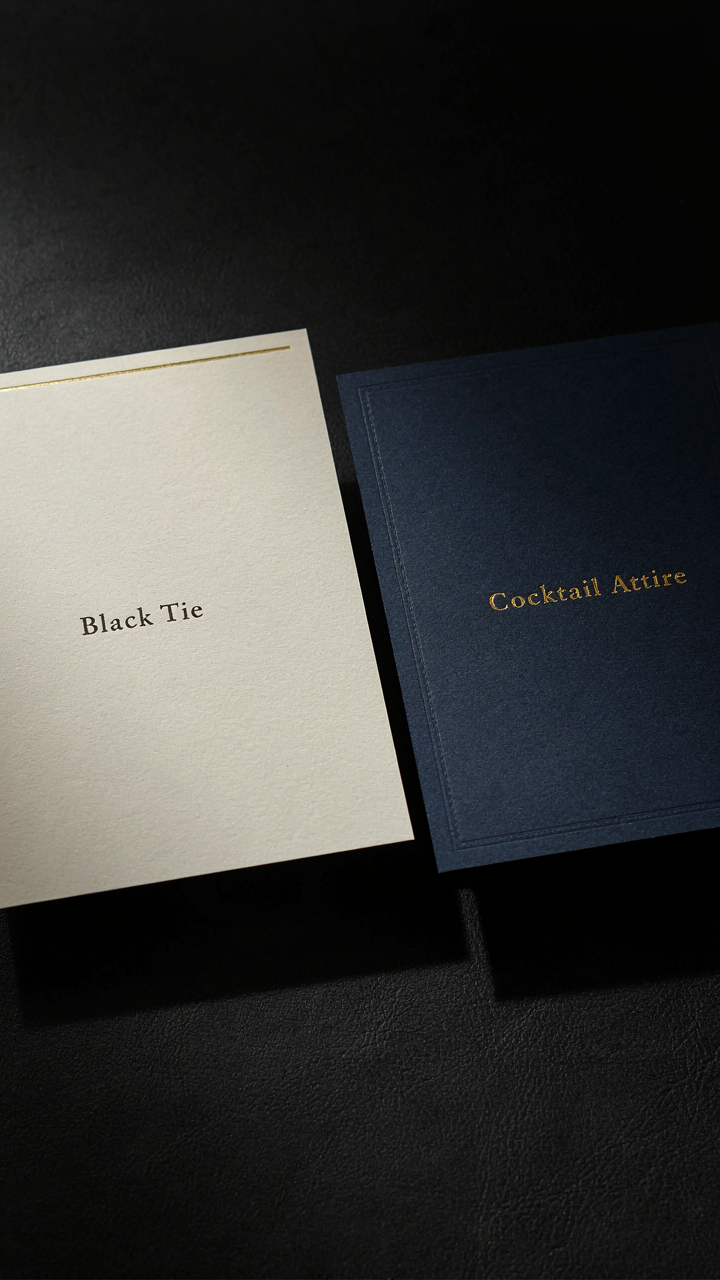
Formal Versus Semi Formal: What Actually Changes
You’re worried you’ll get it wrong and look cheap or overdressed, when the real problem is most people confuse these two categories because the difference is subtle but structural. Formal dress follows rigid rules: black tie, white dress shirt, specific accessories. Semi-formal loosens the grip but keeps the skeleton intact. The distinction matters because fundraisers signal institutional standards through dress codes, and getting it wrong reads as either careless or like you don’t belong there.

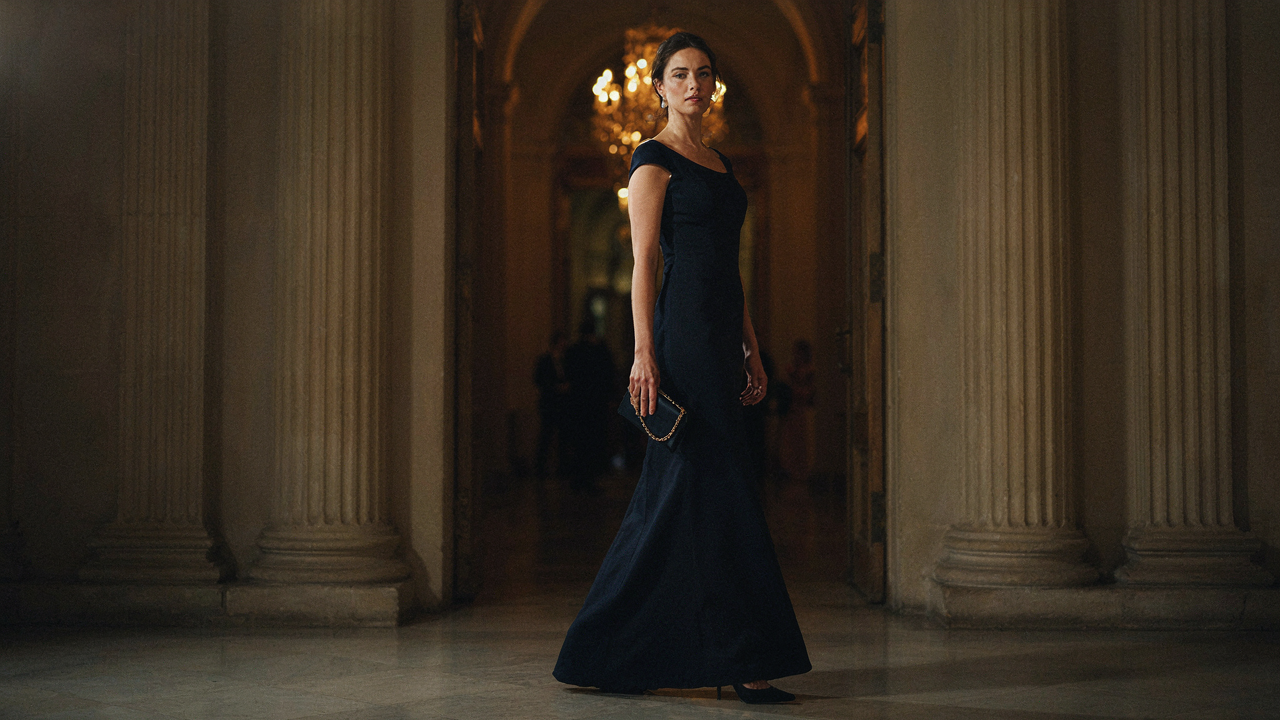
Formal requires a tuxedo or evening gown with structured tailoring and minimal improvisation. Semi-formal allows business suits, cocktail dresses, and darker separates with more flexibility in fabric and fit. Formal events demand low saturation colors and traditional materials like wool and silk. Semi-formal tolerates texture variation and moderate pattern. The practical move: check the invitation first. If it says “black tie,” wear a tuxedo. If it says “formal,” verify with the host before defaulting to semi-formal interpretations, because institutions use these terms inconsistently.
Business Formal And Cocktail Attire: The Gap Most Miss
The common advice treats these as interchangeable, which is wrong and costs you credibility at the event. Business formal evolved from office hierarchy, cocktail attire from social settings where money wasn’t being formally asked for yet. Business formal defaults to conservative tailoring and restraint. Cocktail attire permits personality and polish in the same breath.
Business formal means a dark suit, conservative tie or no tie for women, minimal jewelry, closed shoes. Cocktail attire means you can wear a dress with sheen, statement jewelry, varied color, or separates that wouldn’t work in a boardroom. The trigger: fundraisers labeled “cocktail” want you to signal social ease and discretionary taste. Those labeled “business formal” want you to signal competence and respect for institutional norms. Your move is literal. Read the exact phrase on the invitation and dress to that code, not to what you think the event deserves.
The Signaling Game: Outfit Psychology In Fundraisers
Color As Tribal Identifier
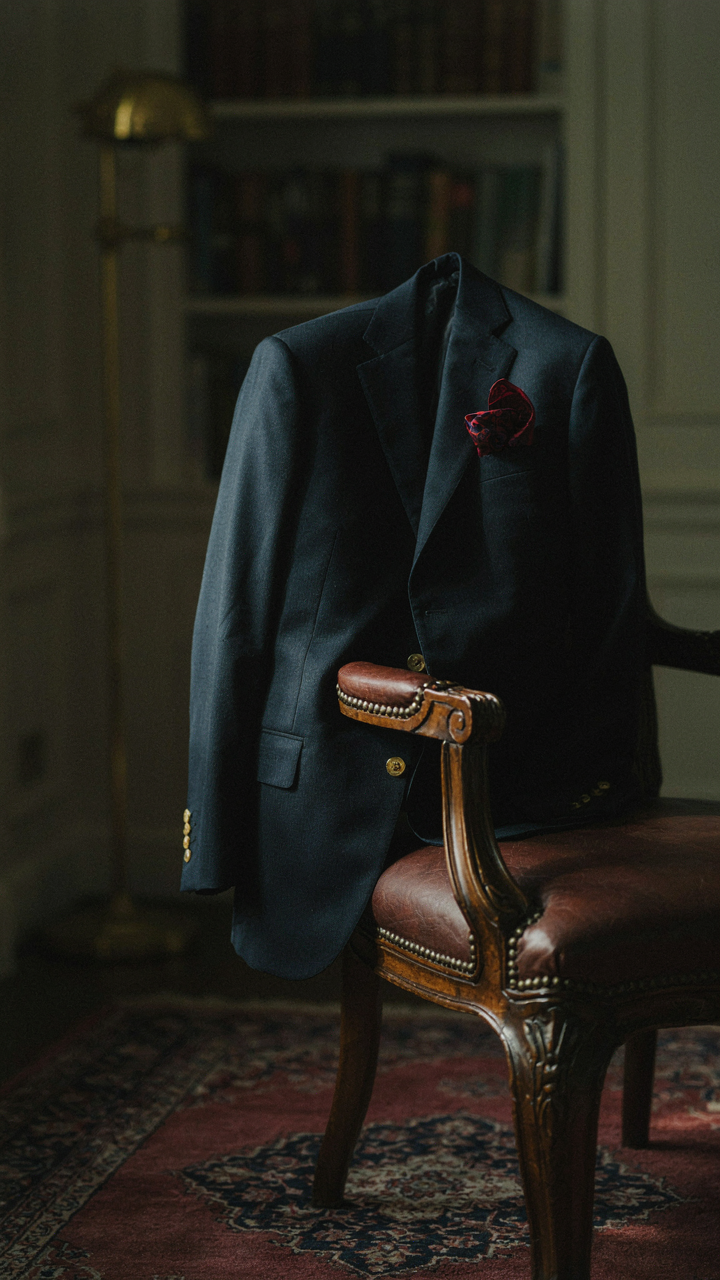
You care about this section because you’re afraid of wearing the wrong thing and signaling you don’t belong. Here’s what actually happens: color functions as tribal membership in fundraiser rooms, borrowing from anthropology’s concept of in-group markers. Navy, charcoal, and black dominate because they reference old money and institutional authority. These colors don’t pop visually, which is precisely the point. Wearing them says you already have status and don’t need to prove it through spectacle.

Neutrals aren’t boring—they’re a security deposit. When everyone around you wears muted palettes, standing out signals either confidence or misjudgment. The room reads it instantly. If you’re new money or climbing the hierarchy, matching the neutral baseline removes friction. Introduce color only through small surfaces: tie, pocket square, or shoes. This shows taste without announcing desperation. The mechanism is simple: blend the base layer, then own one accent point that reflects your actual identity.
Fabric Weight Signals Intention
Everyone says “wear what makes you comfortable.” That’s incomplete. Fabric weight operates like military bearing in a professional context—it communicates preparation and respect for the event. Heavy wools, quality linens, and structured cottons require investment and care. Cheap polyester blends that wrinkle in an hour tell the room you didn’t prepare specifically for them. Foundational pieces—jacket, trousers, dress—should use fabrics that hold shape through a four-hour event without constant adjustment.
Texture layering reveals sophistication without noise. A matte suiting jacket paired with a subtle silk or linen shirt creates depth while staying understated. Avoid shiny or wet-look finishes unless the event explicitly calls for black-tie formality. Your fabric choices answer an unasked question: did you understand the stakes? The protocol is straightforward. Invest in one quality jacket in navy or charcoal that fits your frame. Pair it with natural-fiber shirts or blouses. This foundation works across multiple fundraiser contexts and lasts years.
Investment Vs. Expense: The Wardrobe As A Strategic Asset
Cost Per Wear Calculus, Not Sticker Price
You’re worried you’ll look poor if you repeat an outfit. That’s the real mechanism here, and it’s backwards. Economics teaches us about unit cost, and your fundraiser dinner outfit operates the same way. A 400-dollar dress worn eight times costs 50 dollars per wear. A 120-dollar dress worn once costs 120 dollars per wear. The expensive piece is actually the bargain.

Most people fixate on purchase price and ignore frequency. They buy cheap pieces they wear twice, then chase novelty. The math punishes this. Build around pieces that work across multiple fundraiser contexts, different seasons, and various body situations. Wear the same blazer to five events. Rotate two pairs of shoes across a year. This single shift transforms how you think about getting dressed.
Versatile Pieces Shape The Entire System
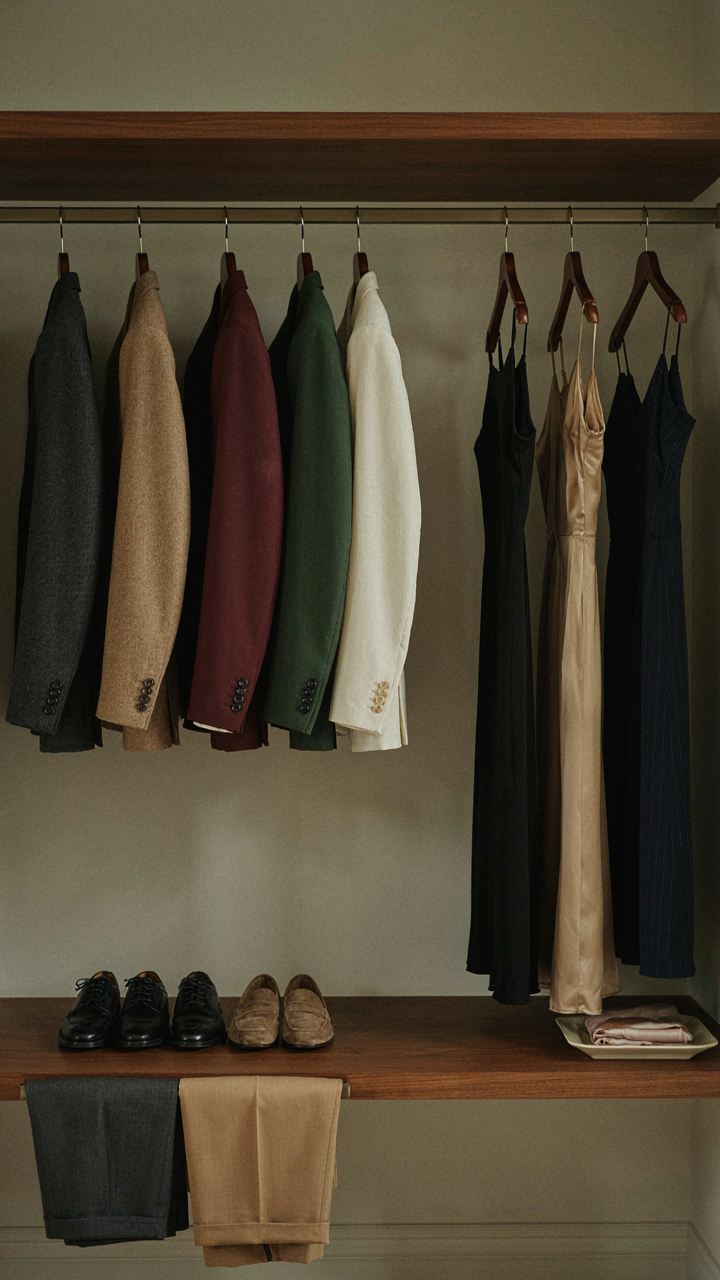
Build around three to five anchor pieces instead of collecting outfits. A well-cut black blazer in wool works over dresses, with trousers, layered under jackets. A silk camisole in cream or champagne pairs with everything from full skirts to tailored pants. Neutral trousers in a structured fabric become your foundation across seasons. Dark shoes in leather, structured and simple, last through dozens of events when maintained properly.
The math compounds when pieces talk to each other. You buy a blazer. It makes two dresses wearable. Those dresses work with three shoe options. Suddenly one purchase creates six outfit combinations. You’re not building a capsule by accident. You’re engineering it. Track which pieces you actually wear across three events. If something hasn’t been worn twice in six months, it’s not part of your system, and you should replace it with something that works harder.
The Business Formal Dinner Outfits For Women Playbook
Structured Silhouettes Command Attention
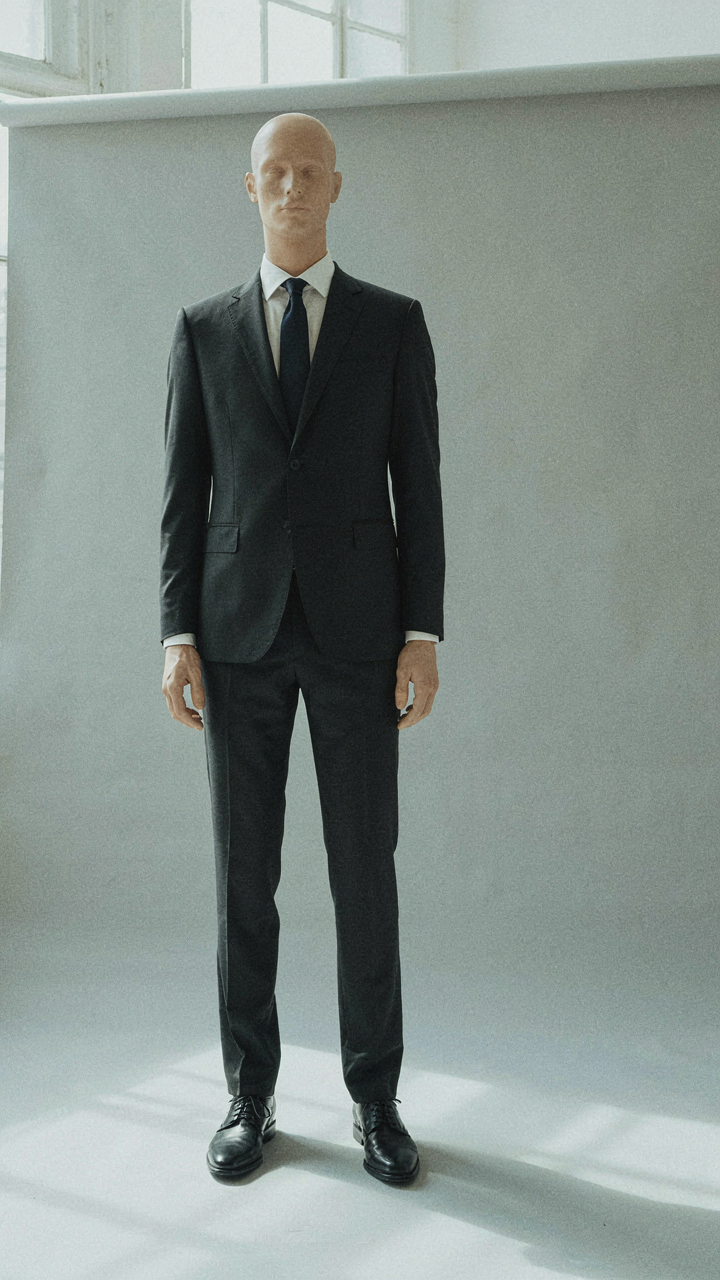
You’re worried people will read your outfit before they read your competence. They will. The mechanism is borrowed from military dress codes: uniform silhouettes project authority because they eliminate variables. When your body shape disappears into clean lines, observers process you as an institution, not an individual. Tailored blazers, straight-leg trousers, and sheath dresses work because they create vertical emphasis and defined edges. The fit matters more than the fabric price.

Structured pieces signal you’ve made an intentional choice, not grabbed something comfortable. A properly fitted blazer with shoulder seams aligned to your actual shoulders creates the optical illusion of broader shoulders and a narrower waist regardless of your body type. Avoid oversized “relaxed fit” silhouettes at fundraisers. The drape should skim your body without clinging or billowing. When structure is absent, people notice your body instead of your presence.
Impact Through Restraint, Not Volume
Everyone advises you to accessorize. That’s the lazy answer. Real impact comes from strategic subtraction and one statement piece that matches your role, not your personality. Fundraiser dinner settings punish visual noise. A single notable item—a quality watch, refined earrings, or structured handbag—anchors attention. Everything else recedes. Layering multiple textures, metals, or patterns fractures your visual authority and forces the eye to work too hard.
Choose accessories that solve a function first. A structured leather clutch holds items and adds polish. Gold or silver jewelry should match your watch and belt hardware. Shoes matter more than you think: leather flats or low heels in black, navy, or neutral tones keep the focus upward. Skip trendy pieces. The mechanism is simple: one focal point means one message. Multiple focal points mean no message.
Optimizing For Mobility And Endurance: A Cybernetic Approach
Comfort And Confidence As System Outputs
You’re worried you’ll spend four hours feeling physically compromised and it will read on your face. Here’s what matters: comfort and confidence operate as feedback loops in a closed system. Wear something that restricts your movement or causes pain, and your nervous system flags it constantly. Your posture tightens. Your smile becomes performative. The person across from you senses the friction.

Cybernetics—the study of systems and feedback—maps directly onto this. Your outfit is the input. Your body’s physical state is the output. If shoes cause foot pressure, your gait changes. If a waistband restricts breathing, your voice stays shallow. Fundraiser dinners demand four to six hours of standing, walking, and sitting. Choose fabrics that breathe. Choose cuts that allow your arms to move. Choose shoes broken in before the event. Your confidence isn’t separate from physical comfort—it’s downstream from it.
Redundancy In Accessories: Small Contingency Plans
Everyone talks about matching accessories. Nobody talks about having a backup plan when something fails. A button pops. A heel scuffs. Your phone needs charging but you have no pocket. Standard advice says “coordinate everything perfectly,” which misses the actual problem: you cannot predict what will happen during an event.
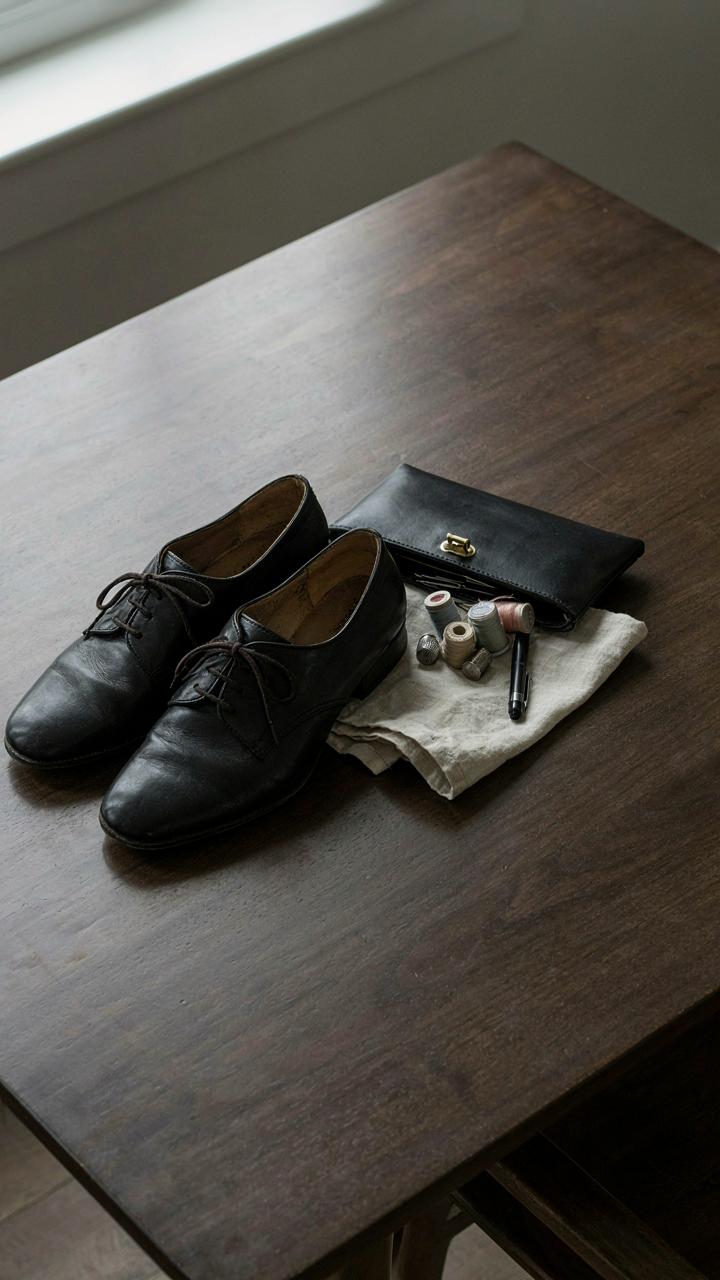
Carry a small clutch with a sewing kit, stain pen, and phone charger cable. Wear cufflinks or brooches that can be swapped if damaged. Bring a second pair of shoes in your car—not fancier ones, just identical backups. Accessory redundancy isn’t paranoia. It’s the same principle airlines use: critical systems have spares. Nothing kills confidence faster than managing a problem you could have prevented. Build your outfit with single points of failure eliminated before you arrive.
Common Pitfalls And How To Sidestep Them (Charity Event Outfit Edition)
The Real Cost Of Looking Too Casual
You’re worried people will judge you for not taking this seriously enough. That fear is accurate. Underdressing at a fundraiser operates like signal theory in economics: clothing communicates your assessment of the event’s importance. Show up in business casual to a black-tie dinner and you’ve just told every donor in the room that you either didn’t know the dress code or didn’t care enough to follow it. Neither message helps you or the cause.

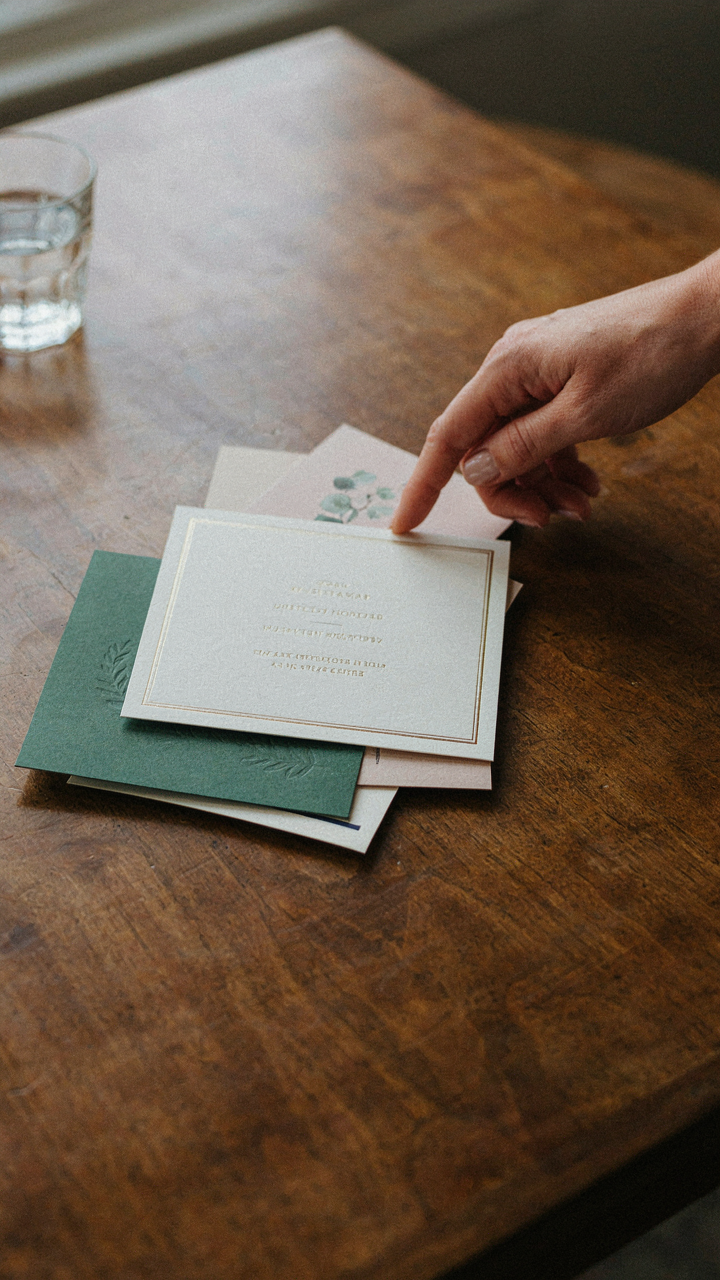
The mechanism is brutal and simple. Donors notice. Staff notice. Other guests notice. An underdressed attendee registers as someone outside the group’s baseline expectations. This doesn’t mean you need to spend money you don’t have. It means you match the stated dress code exactly. If the invitation says cocktail attire, you wear cocktail attire. If it says black tie, you don’t substitute business formal and hope nobody sees the difference. They will.
When Your Outfit Becomes The Conversation
Overdressing creates the opposite problem with sharper teeth. You walk in wearing a floor-length gown to a semi-formal event and suddenly you’re the spectacle. The mechanism borrowed from design is signal-to-noise ratio: you want your presence to amplify the event’s message, not override it. Too much outfit drowns out the fundraiser’s actual purpose and makes you the distraction nobody asked for.
Most advice says “dress one level up from the code” which is incomplete and wrong. That works for professional networking. It fails at fundraisers where restraint builds credibility. Match the stated dress code precisely. If everyone else wears cocktail dresses, you wear a cocktail dress. If the code says business formal, business formal is your ceiling, not your floor. The goal is to blend into the right tier so your contributions to conversation matter more than your appearance. Overdressing broadcasts insecurity dressed as effort.
Beyond The Fabric: The Non Verbal Communication Of Fundraiser Attire
How You Stand Matters More Than What You Wear
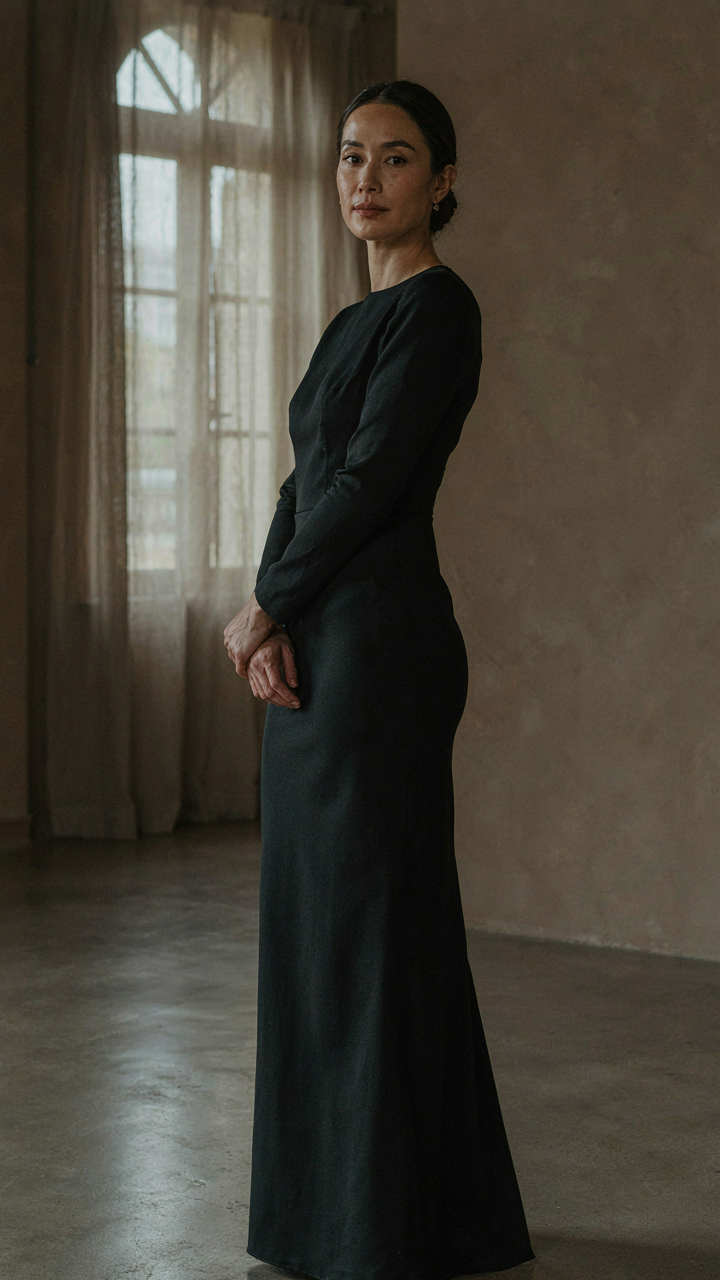
You care about this section because you suspect clothes alone won’t save you, and you’re right. Posture and grooming operate like signal amplification in physics: they don’t create the message, they magnify it. A well-fitted suit worn by someone with rounded shoulders and a wandering gaze reads as costume. The same suit worn by someone with a straight spine and steady eye contact reads as competence. Donors unconsciously detect this difference within three seconds.

Grooming discipline signals something donors actually trust: the ability to execute details. Trimmed nails, clean shoes, hair styled deliberately rather than neglected, skin that suggests a routine. These aren’t vanities. They’re evidence you manage your own systems. When a fundraiser approaches a potential donor, the donor is calculating whether you’ll manage their money with the same precision you manage your appearance. Ignore this and your outfit becomes irrelevant noise.
The Authenticity Play Works Better Than Perfection
Most fundraiser outfit advice demands you disappear into some neutral uniform so donors focus on the cause instead of you. That’s backwards and incomplete. Authenticity isn’t about wearing whatever you want. It’s about wearing something that reflects your actual role and stakes in the organization without performing false sophistication.
If you lead the organization, dressing too casually signals you don’t believe in what you’re asking others to fund. If you overperform with excessive formality, donors sense the distance and mistrust it. The mechanism is simple: people fund people they recognize as real. Wear something that communicates “I’m serious about this work” rather than “I’m dressed for theater.” This alignment between your actual commitment and what you present reduces friction in the pitch.
The True Cost Of A Bad Outfit: Missed Leverage In The Social Arena

Your fundraiser outfit isn’t fashion. It’s a negotiation tool you wear. People decide whether to trust you, fund you, or connect you within seconds. A misaligned outfit signals you don’t understand the room’s rules, and rules exist for a reason in high-stakes environments. Stop treating this as a styling problem. Treat it as a business problem. Pick one outfit formula that works and wear it until people recognize you by it. The outfit you ignore today costs you the conversation you needed tomorrow.