
The Black Tie Blueprint: Deconstructing The Dress Code Illusion

Formal Wear Guidelines Aren’t Rules
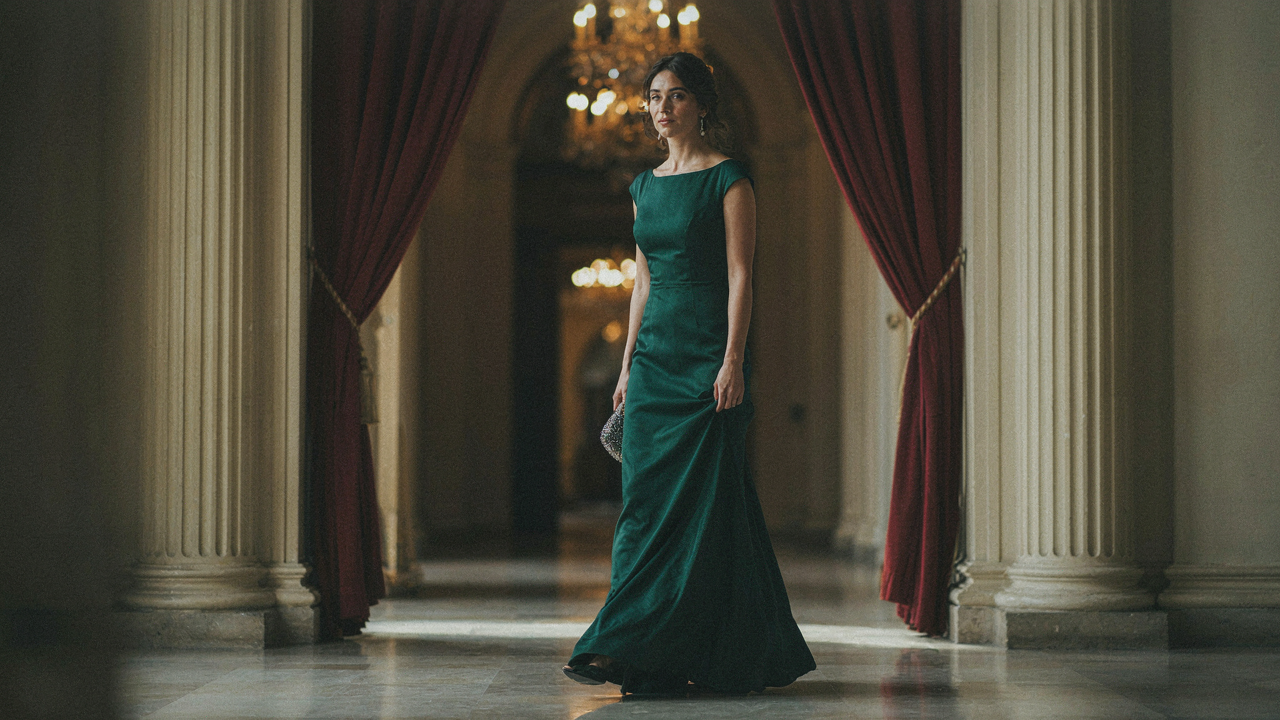
You care about this because you’re terrified of being visibly wrong in a room full of people judging you. That fear is real. But here’s the mechanism: dress codes function like a contract, not a law. Black tie exists to create visual uniformity so status signals shift from clothing to behavior, conversation, and presence. The baseline demands a floor-length gown, but the ceiling is negotiable. You’re not breaking protocol by deviating; you’re choosing which signals you want to send instead of the default ones.
The confusion starts because people treat guidelines as absolutes. They aren’t. A black tie gala in Manhattan operates differently from one in Austin. The venue, the host organization, and the crowd’s actual wealth level all reshape what acceptable means. Read the invitation itself, not the internet. Call the organizer if you’re genuinely uncertain. Most people won’t, which means most people show up uncomfortable rather than informed.
Where Most Women Stumble
The consensus advice is incomplete. Everyone says wear black, wear heels, wear diamonds. What they don’t say is that matching the dress code exactly makes you invisible, which defeats the purpose of attending. The real trap is overthinking formality into blandness. You end up in a black gown that could exist in five thousand other ballrooms that night. That’s not polished; that’s forgettable.
The second trap is worse: abandoning the dress code because you think it doesn’t suit you. A gala isn’t the venue for self-expression through fashion rebellion. The solution isn’t to reject black tie. It’s to meet it precisely, then deploy one deliberate deviation that signals intelligence rather than confusion. Precision first, then intention. Execute this sequence and you reset the entire visual equation in your favor.
Beyond Basic Black: The Psychology Of Color For Gala Attire
Color As Social Ranking
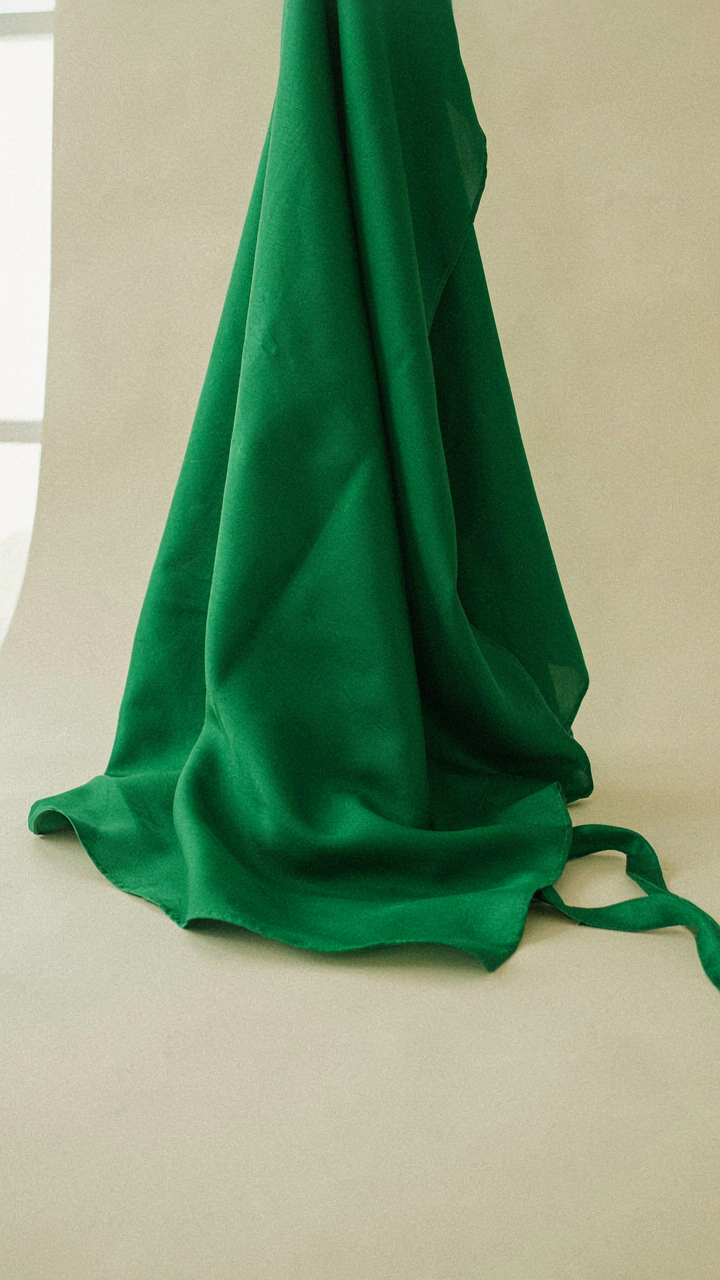
You want people to know you belong at that table without saying a word. Color communicates rank the same way birds signal dominance through plumage. Neuroscience shows the human brain processes color before it processes form, meaning your dress color hits the room’s perception before anyone registers the cut or fabric. This is why basic black reads as safe rather than authoritative. You’re not making a statement. You’re hiding.

Deep jewel tones—emerald, sapphire, burgundy—trigger associations with wealth and intention because they required expensive dyes historically and demanded confidence to wear. These colors don’t apologize. Neutrals do. If you’re at a gala to be noticed and remembered as someone with taste and presence, your color choice must work in opposition to what most women wearing black are doing. The mechanism is contrast. You become the reference point.
Bold Hues Versus Restraint
The common advice says “wear what makes you feel confident,” which is worthless because confidence follows visibility, not the reverse. You build confidence by choosing a color that commands attention in the specific room you’re entering. Navy, emerald, or a rich plum in silk or crepe reads as intentional. Pale pastels, by contrast, disappear under formal lighting and flatten your silhouette against white walls. The gala environment kills softness.
Strategic boldness means picking one saturated color and letting everything else recede. A crimson gown with minimal jewelry. A teal column dress with neutral shoes. The pattern works because contrast itself becomes the tool, not the color alone. You’re not competing with every other woman’s dress. You’re controlling the visual hierarchy of your own outfit so the color does the work and the rest supports it. This is the only mechanism that translates to actual presence.
The “Charity Gala Outfit” Investment: Cost Per Impression
What You’re Really Buying
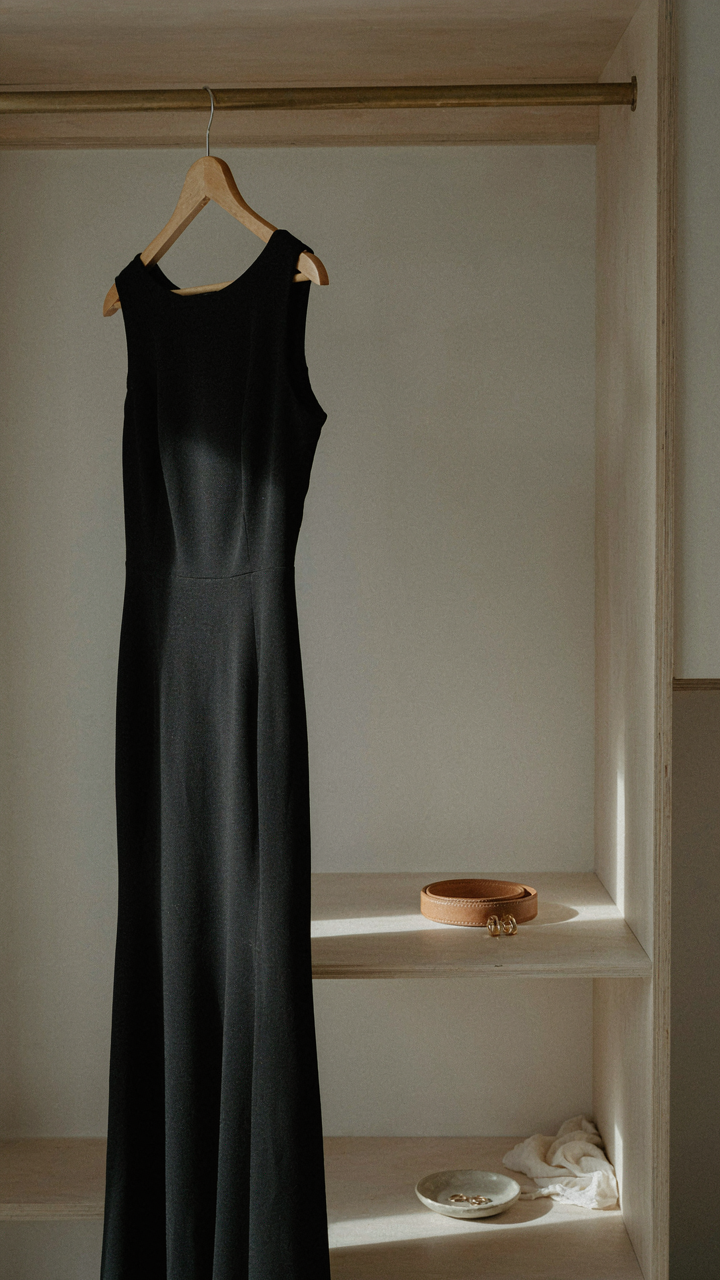
You’re not buying fabric. You’re buying insurance against being forgotten in a room full of people who matter to your network. That’s the real transaction here, and pretending it’s about self-expression is how you overspend on the wrong things. Economics teaches us about opportunity cost: the true price of something is what you give up to get it. With a charity gala outfit, you’re trading dollars for perceived competence and social positioning. The math only works if you stop treating it as a costume and start treating it as a leverage point.

A polished appearance signals you’re worth taking seriously. Most women either underspend and blend into the background, or overspend on fast fashion that reads as effortful rather than effortless. The sweet spot is spending enough that the outfit becomes invisible—meaning people see you, not the dress. This is the opposite of what fashion marketing tells you. You want a return on investment measured in conversations, introductions, and opportunities, not compliments.
The Efficiency Threshold
Clothes below a certain price point advertise that you’re cutting corners. Clothes above a certain price point advertise that you have more money than judgment. The efficiency threshold for a charity gala outfit sits in the middle, and it’s not where most people think it is. You don’t need designer labels. You need construction quality that holds shape through an evening, fabric that doesn’t wrinkle into surrender, and a cut that fits your actual body without screaming for alterations.
Calculate this way: divide the cost of the outfit by how many times you’ll wear it realistically, then by the number of hours you’ll wear it each time. A 300-dollar dress worn three times for five hours each is ten dollars per wearing hour. A 1200-dollar dress worn once is expensive. The gala outfit that works is something you can rewear at events within the next two years. Neutral colors, classic silhouettes, and quality construction are the mechanics that make this math work. Choose pieces that layer differently so they read as fresh combinations, not repeats.
Fabric As Function: Tactile Signals For A Gala Event

What Fabric Says Before You Speak
You care about this because fabric quality is the fastest way people read your net worth without asking. Here’s the mechanism: natural fibers like silk, wool, and linen reflect light differently than synthetics. That reflection tells a story about investment. Silk catches light with depth. Polyester bounces it flat. A room full of people trained to notice difference will clock this in under three seconds. Material quality communicates status silently because it requires no performance—it just sits on your body and works.

The reason most women miss this is they focus on cut and color first, leaving fabric as an afterthought. Wrong order. Fabric determines how a silhouette reads. A poorly constructed silk dress elevates itself through drape and movement. A well-cut polyester still telegraphs cost-cutting. Buy the best natural fiber you can afford in a simple shape. The dress does the talking.
Comfort Compounds Presence Over Hours
Strategic fabric choices solve the real problem: four to six hours of standing, talking, and breathing in controlled environments requires material that performs without distraction. Wool blends regulate temperature when rooms swing between overcrowded and air-conditioned. Silk doesn’t cling to skin or wrinkle aggressively. Structured cotton holds shape through movement. These aren’t luxury choices—they’re engineering choices.
The mistake is choosing fabric that looks perfect in a mirror but fails under real conditions. You move differently when you’re uncomfortable. Posture collapses. Gestures shrink. People respond to that collapse whether they notice the fabric or not. Select material that breathes, stretches slightly, and resists wrinkling. Wear it for a full day before the event to confirm it stays comfortable during extended sitting and standing. Your presence depends on your nervous system staying calm.
The “Gala Dinner Outfits Women” Protocol: Orchestrating The Ensemble
Build Your Outfit Like A Weapon System
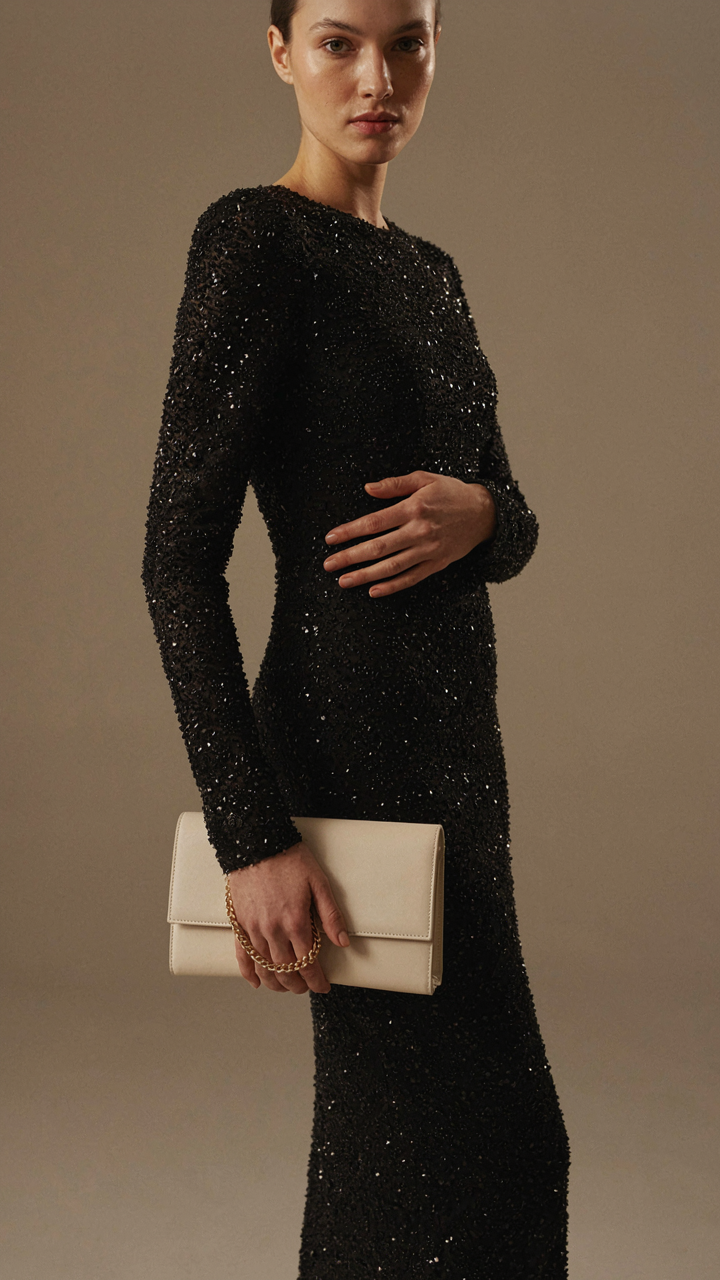
You’re worried people will remember what you wore for the wrong reasons. That fear is the entry point to understanding how to actually construct a charity gala outfit: you need components that work independently and together. Military strategy calls this modularity, and it applies directly here. Your dress, shoes, and outerwear must each function as standalone pieces while amplifying one another. This isn’t about matching or coordinating in the generic sense. It’s about selecting pieces where each element solves a specific problem while the combination creates a single coherent statement.

The mechanism works like this: choose a neutral base that fits your body without excess fabric, add one textured or detailed layer, then anchor with accessories that repeat one design element from your primary piece. A black floor-length gown with subtle beading pairs with a structured clutch that echoes that beading’s geometry. Your shoes complement the neckline proportion, not the dress color. Every piece earns its position because it either supports the silhouette, extends the visual line, or creates intentional contrast. This approach means you can swap components for different galas without starting from zero.
Leverage Small Details As Structural Load
Most advice about gala accessories treats them as decoration, which misses the mechanism entirely. In physics, a force multiplier increases output without proportional input increase. Your earrings, clutch, and shoes multiply the impact of your outfit’s core structure. A single pair of high-quality statement earrings worn with intentional negative space around the neck and shoulders makes your face and posture the focal point. That’s load distribution, not ornamentation.
The specific protocol: choose one accessory that commands attention, then scale everything else down. If your earrings are architectural and bold, your clutch stays minimal and your shoes neutral. If your shoes have distinctive detail, your earrings become simple and your clutch becomes functional. Never layer visual weight across multiple accessories. Carry only what you actually need in your clutch, which keeps its silhouette clean and eliminates the bulge that undermines proportion. The placement of your accessories matters as much as their selection, which means you wear them consciously, not habitually.
What To Wear To A Fundraising Gala: The Art Of Strategic Underdressing
The Signal You’re Actually Sending
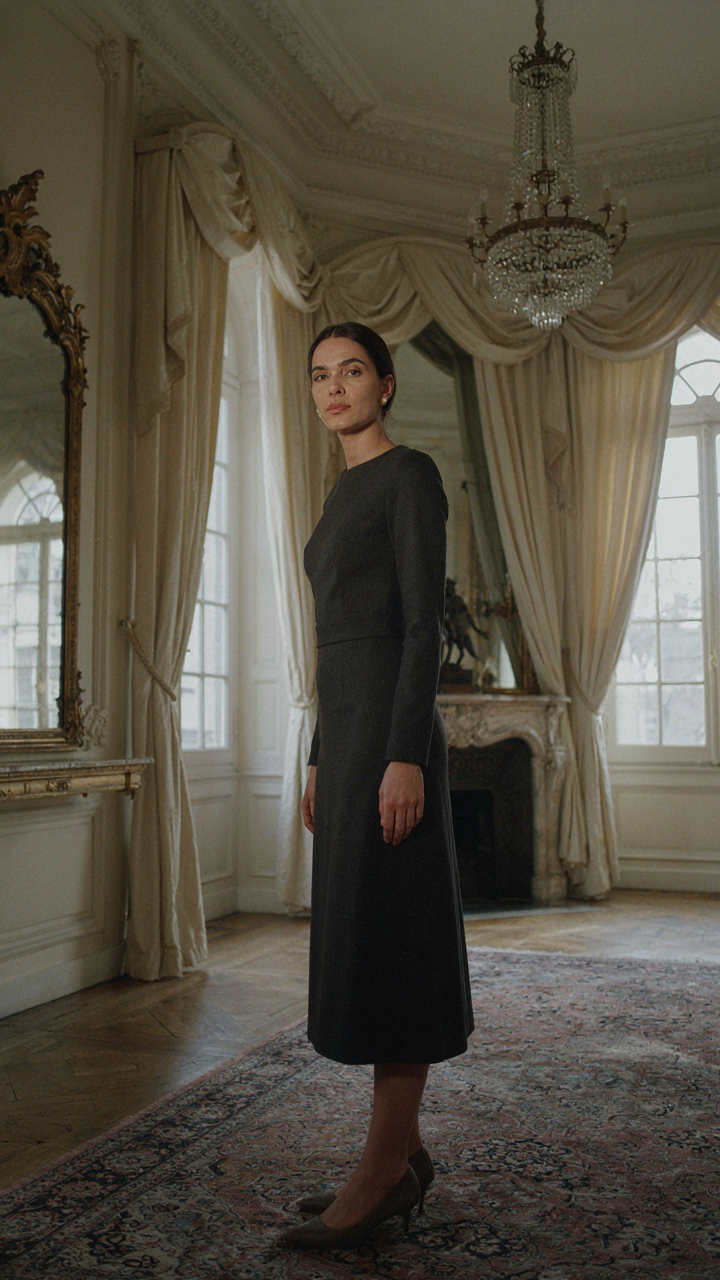
You’re worried that showing up underdressed means people will think you don’t belong. That’s the real fear. Here’s the mechanism: everyone at a gala follows the dress code memo. The people who deviate slightly look like they chose that path deliberately. Restraint reads as control. Control reads as confidence. The majority in matching formalwear becomes visual noise while you become the focal point through subtraction.

In fashion, this borrows from signal theory in economics. Your outfit transmits information about your judgment, not your bank account. A woman in a floor-length gown and statement jewelry sends the same basic message as a hundred others. A woman in a tailored midi dress and minimal jewelry sends a different message: I know exactly what I’m doing. The gala environment amplifies this because it’s designed for conformity. Breaking the pattern makes you memorable, not careless.
The Calculated Risk That Reads As Intention
Most advice tells you to match the dress code exactly and add accessories. That’s incomplete. The real play is choosing one element to deliberately soften or reduce while tightening everything else. Skip the heavy necklace but wear a structured clutch. Wear a shorter hemline but pair it with heels that cost real money. Wear minimal makeup but have your hair professionally styled.
This works because it eliminates ambiguity. People can’t assume you underdressed by accident or budget. You made a choice. Pair this approach with posture and eye contact and the outfit stops being about what you’re wearing and becomes about who’s wearing it. Before the event, stand in the outfit for ten minutes and practice holding your shoulders back. The fabric doesn’t matter if your body language undercuts the intention.
Beyond The “Gala Attire”: Leveraging Fit And Form

The Tailored Edge
You care about this section because tailoring signals you didn’t buy an outfit—you built one. The mechanism is simple: tailoring operates like leverage in physics. A small adjustment multiplies the impact of everything else you’re wearing. The difference between a gala dress that fits your frame and one that hangs on it is the difference between looking intentional and looking borrowed. Most advice says “get it tailored,” then moves on. That’s lazy. Tailoring isn’t cosmetic. It’s the tax you pay for looking like you belong in the room.

A well-fitted gown works harder than an expensive one. Tailoring addresses the three failure points: shoulder seams should sit where your shoulders end, not migrate toward your neck or slide down your arms. The bodice should skim your ribcage without pulling or sagging at the bust. Hem length matters tactically—too long reads uncertain, too short reads careless. When a tailor adjusts these points, they’re not prettifying. They’re removing friction between your body and the garment. That friction is what makes expensive dresses look cheap.
Silhouettes That Register
The wrong silhouette makes fit irrelevant. A gala isn’t the venue to experiment with shapelessness or trends that require a specific body type to read correctly. Column silhouettes work because they create vertical lines that the eye follows—this is basic visual hierarchy, not opinion. A-line skirts and fit-and-flare cuts work because they acknowledge your proportions instead of fighting them. Asymmetrical necklines, cutouts, and draping create focal points that draw attention to your strongest features. The silhouette you choose should make one statement clearly. Silence that attempts too many statements at once reads as noise.
Test the silhouette before committing. Wear it for at least an hour. Can you move through a room without tugging, adjusting, or thinking about the dress? Can you sit without the fabric hiking up or pooling awkwardly? Can you stand without the neckline gaping or the waist twisting? Those micro-adjustments you make throughout the evening are the death of polish. The silhouette that requires no real estate in your attention span is the one that works. Select your silhouette based on how it performs in motion, not how it photographs.
The Gala Dresses Paradox: When Less Is Truly More
One Dress, One Statement
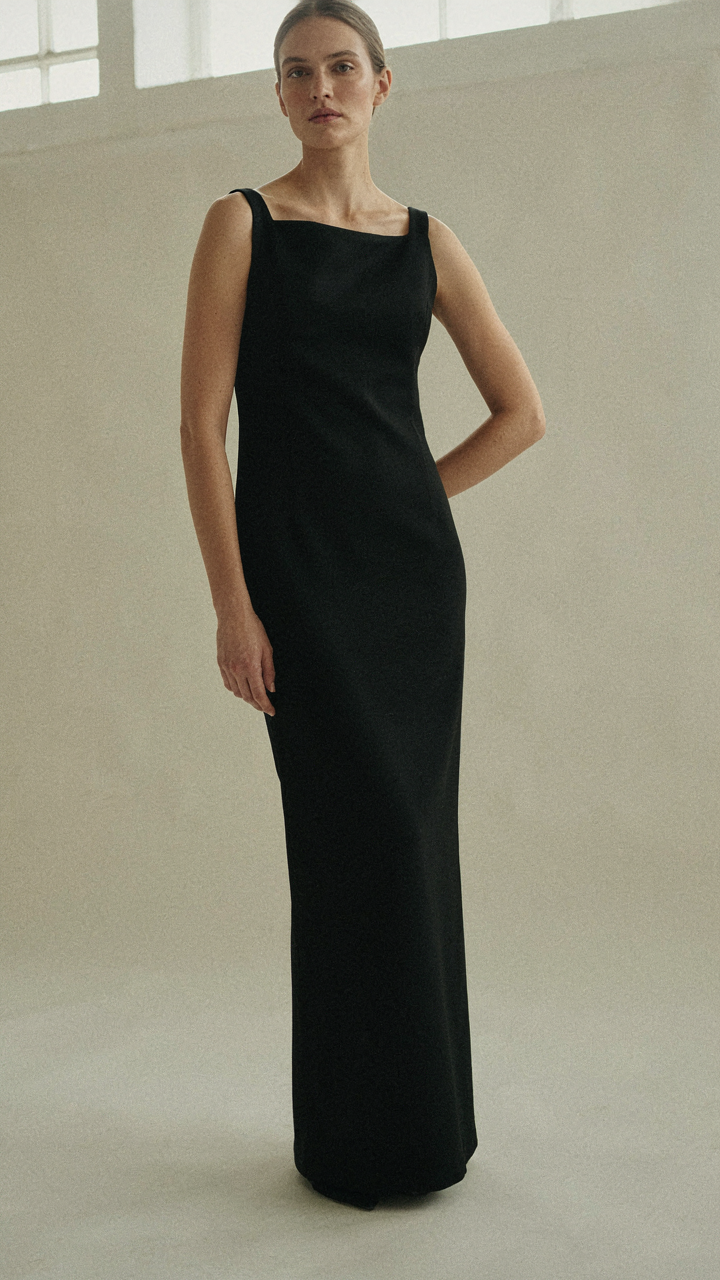
You want people to remember you, not your outfit’s résumé. That’s the real stake here. The mechanism is signal-to-noise ratio from information design: every element you add competes for attention, and most of it loses. A charity gala dress works the same way. One strong piece outperforms a decorated surface every time.

The abundance trap kills most gala looks. Women layer sequins, then add metallics, then attach embellishments to the embellishments, thinking more detail equals more impact. The opposite happens. Your eye lands nowhere, so it remembers nothing. A single, well-constructed dress in a decisive color or fabric does the work alone.
Strategic Emptiness Wins
Silence is louder than noise in a crowded room. The best gala dresses follow this principle ruthlessly: they’re built on negative space, not occupied space. A column of silk with one dramatic cutout registers faster than ten smaller details scattered across the same surface.
This isn’t restraint dressed up as taste. It’s tactical. Your visual real estate is finite. Choose what occupies it. A floor-length black dress with one asymmetrical neckline beats a patterned dress with beading, a slit, and a bow. When someone looks at you, their brain processes one clear image instead of parsing competing elements. That clarity is what reads as polished.
How To Dress For A Gala Event: The “Signature Element” Tactic
Build Your Visual Anchor Point
You want people to remember you. That’s the real reason this matters—not the outfit itself, but the neural imprint you leave. A signature element works like a visual bookmark in someone’s memory. Instead of blending into a room of interchangeable formal wear, you introduce one deliberate constraint that makes you retrievable. This is the difference between being seen and being remembered.

The mechanism is simple: limit novelty to one zone. Your signature element can’t compete with the rest of your outfit for attention. Everything else recedes into competence. The element itself should take up roughly 15 to 25 percent of your visual mass—noticeable but not costume-like. This is borrowed from signal design in communications: one clear channel performs better than multiple competing frequencies.
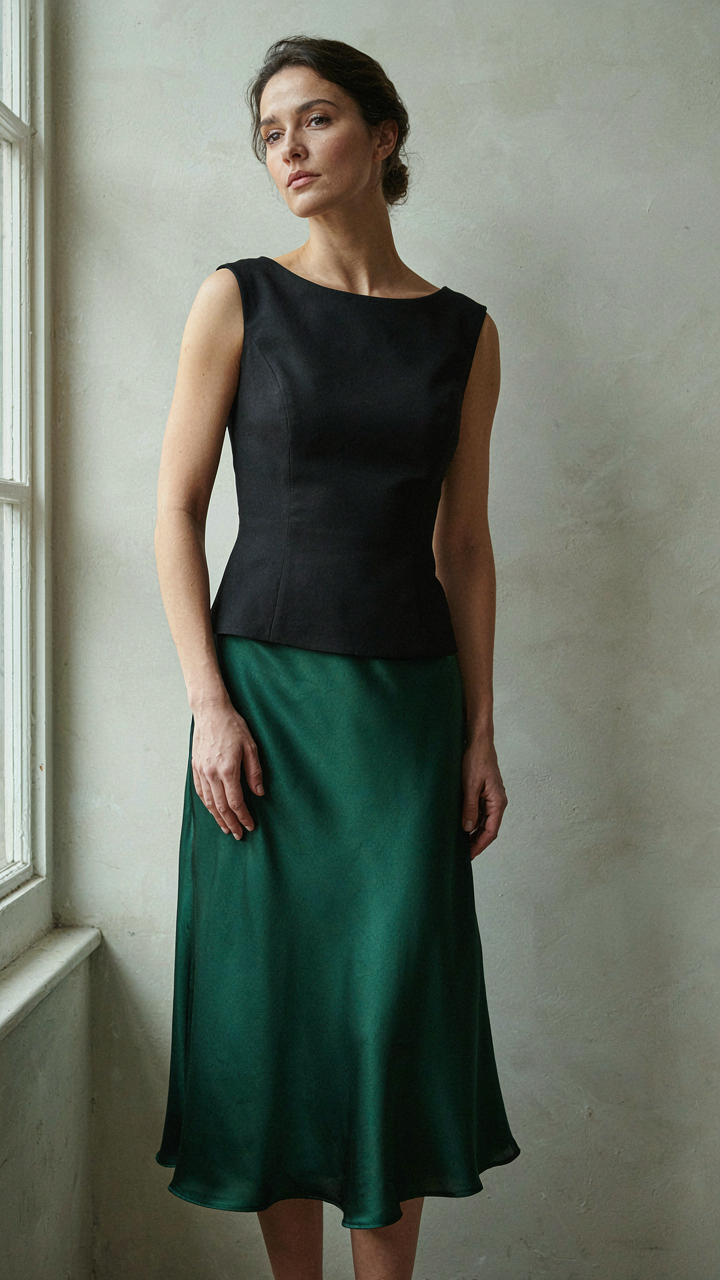
- Unexpected fabric play: A silk charmeuse skirt paired with a matte crepe bodice creates texture contrast without clashing with gala codes. The mix registers as intentional, not accidental.
- Strategic cutout placement: A single geometric cutout on the collarbone or ribs signals control and anatomy awareness. Avoid overdoing it—one clean cut outperforms multiple scattered holes.
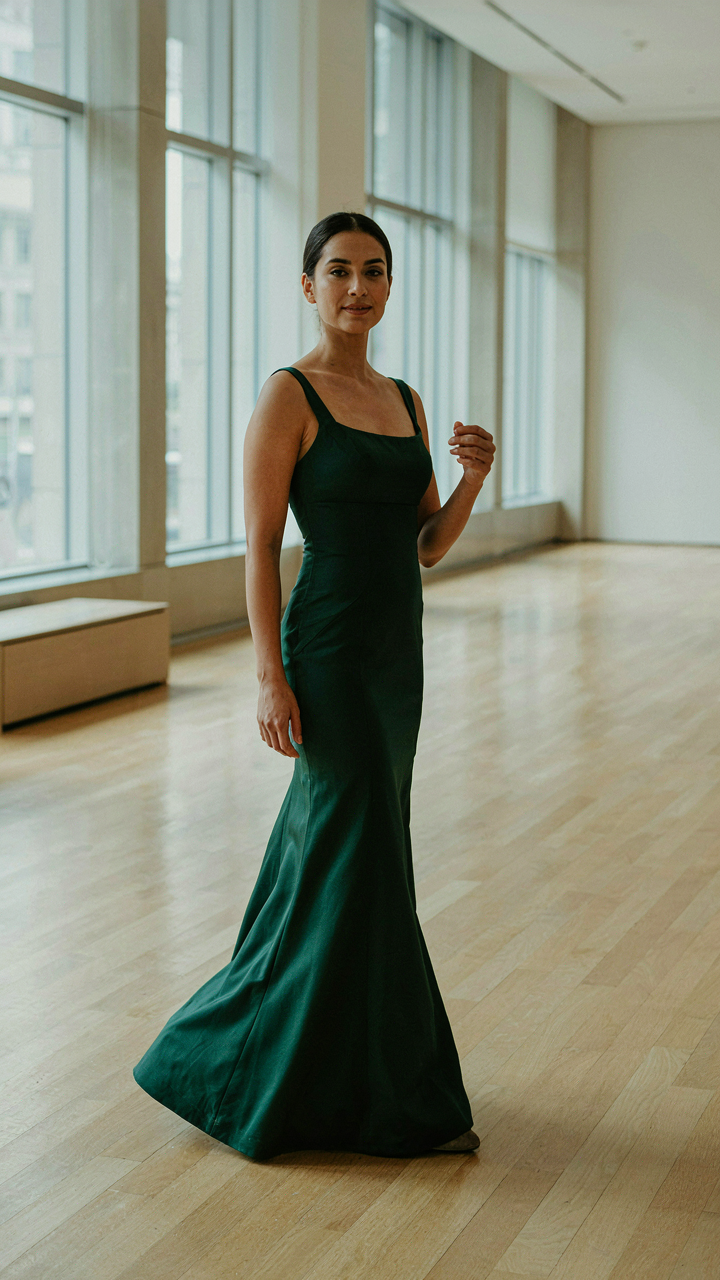
- Jewel-tone saturation: Emerald, sapphire, or deep burgundy commands attention through color intensity alone. Pair it with neutral accessories so the shade stays the focal point.
- Structured silhouette variation: A dramatic neckline or architectural shoulder detail reads as refinement when the rest of the dress maintains classical proportions. Balance the statement, don’t multiply it.
- Metallic finish specificity: Rose gold, champagne, or burnished copper worn as a single element (shoes, a cuff, a hair piece) feels curated rather than shiny.
Your signature element should be something you can repeat across multiple gala appearances. It becomes your visual shorthand. Someone sees that element first, connects it to you, and the rest of your outfit validates that association. This is how you become the woman with the emerald dress, not just another guest.
Calibrate Statement Against Room Dynamics
The consensus says “wear what makes you feel confident.” That’s incomplete advice that ignores the actual context. Your gala outfit doesn’t exist in a vacuum—it exists inside a specific room with specific social stakes. A statement piece that reads as bold in a 50-person dinner reads as attention-seeking in a 500-person hotel ballroom. The mechanics shift based on crowd density and donor tier composition.
Read the room’s visual baseline first. Attend or research prior events. Check photos, donor profiles, venue type. A conservative medical fundraiser runs cooler than a contemporary art gala. A black-tie requirement at the Met differs from black-tie at a country club. Your signature element should sit one notch above the baseline, not three. If everyone wears classic black and gold, your jewel-tone satin stands out precisely because it respects the boundary while breaking the pattern. If the room already skews experimental, a muted signature element gets lost entirely. Pitch your distinction to match the room’s tolerance for visibility.
The Final Frontier: Confidence As Your Ultimate Gala Outfit
The Intangible Accessory That Changes Everything
You’re reading this because you’re afraid the dress won’t be enough. That’s the real concern beneath every charity gala outfit question. Here’s the mechanism: confidence operates like signal amplification in communication systems. The garment transmits. Your presence amplifies. A mediocre dress worn with zero hesitation reads as intentional. An expensive dress worn with apology reads as borrowed. The outfit is the carrier wave. Confidence is the power that makes it broadcast.
Most advice stops at “wear what makes you feel confident,” which is useless because it’s circular. You need to feel confident to wear it, but wearing it is supposed to make you confident. The actual move: wear something that fits your body precisely and aligns with how you move. No tugging. No fidgeting. No mental bandwidth spent on adjustment. When your nervous system knows the garment is stable, confidence follows as a biological byproduct, not an affirmation.
Projecting Inner Power Through Physical Presence
The common wisdom says inner power comes from mindset work and positive thinking. That’s incomplete. Posture, breath, and deliberate movement create the neurological conditions that generate actual confidence. You cannot fake this convincingly for hours. You must anchor it in your physiology. Stand with your weight distributed evenly across both feet, not shifted to one side. Breathe from your diaphragm before entering the room, not shallow chest breathing that signals anxiety to your nervous system.
The charity gala outfit becomes irrelevant once you understand that other people read your body language before they process your clothes. They assess threat level, authority, and comfort within the first three seconds. If you’re visibly uncomfortable in your dress, they register that instantly and downgrade their perception of both you and the garment. Practice walking in your shoes before the event. Sit down and stand up multiple times wearing the full outfit. Eliminate surprise. When your body knows exactly what to expect, you project someone who belongs in that space, regardless of what you’re wearing.
The Real Obstacle Isn’t Your Wardrobe; It’s Your Fear Of Standing Out. Master That, And The Dress Is Just A Tool

You picked a charity gala outfit. Now you’re asking yourself if it’s enough. That question exposes the real problem: you’re seeking permission to take up space. The dress doesn’t give you that. You do. Stop hunting for the “right” look and start asking what message you want to send about yourself. Then wear it like you mean it. Confidence isn’t something you find in a closet. It’s something you decide to own before you walk through the door.