


The Unspoken Rules Of Office Cocktail Party Outfits: It’s Not About The Dress Code
Read The Room Before You Dress
You’re worried you’ll show up wrong and everyone will know you don’t belong. That fear is the actual mechanism at work. Most people treat cocktail attire as a fixed code when it’s really a signal system—you’re decoding what the host believes about their own status. The stated dress code is noise. The real instruction lives in venue choice, attendee seniority, and whether the host paid for premium spirits or rail liquor. Hunt for those signals first.
A casual “cocktail attire” email from a mid-level manager in a downtown brewery means something completely different than the same phrase from a C-suite executive booking a private club. The host’s environment reveals their audience and their claim. You’re not dressing for cocktail attire. You’re dressing for the host’s perception of who should be there and what those people wear. This distinction changes everything about what you actually put on.
The Venue Tells You Everything
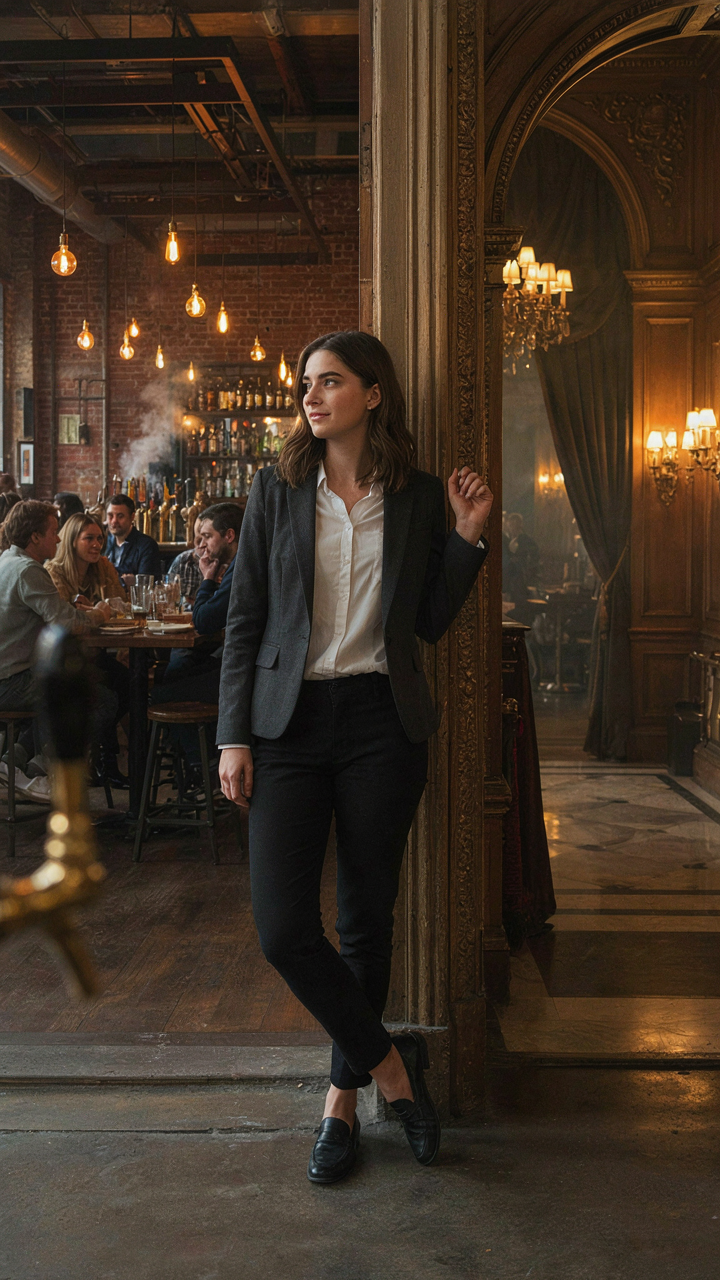
Environment determines formality faster than any memo. Think of semiotics from marketing, the study of signs and symbols, but apply it to physical space. A wood-paneled private club with table service sends the message that restraint and tradition matter. A rooftop bar with craft cocktails and standing room sends the message that taste and modernity matter. The venue is the host’s opening statement about what they value. Your outfit answers back in the same language.
The time slot matters equally. Five PM receptions invite slightly more casual treatment because they blur the line between workday and evening. Seven PM or later tips toward dinner formality. A Thursday afternoon event reads as transitional. A Friday evening event signals wind down. These aren’t subtle differences. They compress or expand what you can wear by a full formality level. Check the invite’s timestamp first, then scout the location before you open your closet.
Professional Cocktail Attire: The “Minimum Viable Product” Approach
The Non Negotiable Foundation
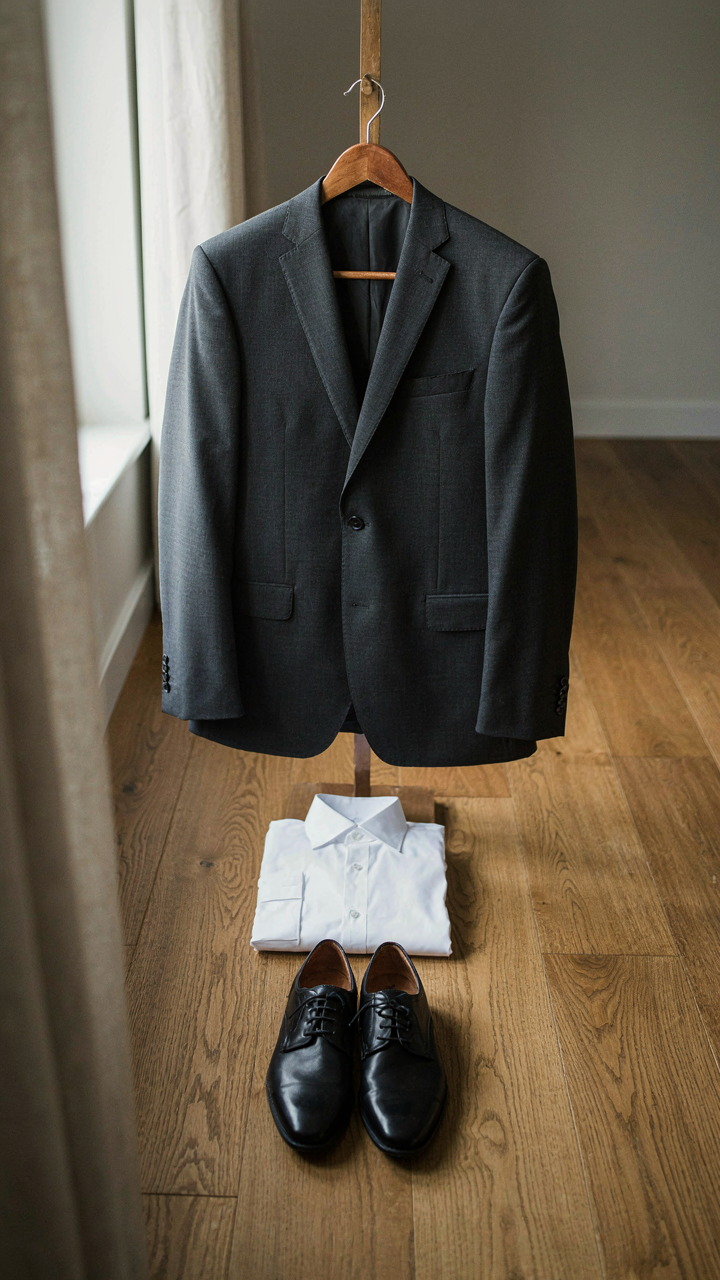
You’re reading this because you’re afraid of being the person who got it wrong. Here’s the mechanism: business cocktail attire works like signal processing in communication theory. Your outfit transmits data before you speak. The receiver (everyone in that room) decodes it in under seven seconds. You need a dark suit, a white or light blue dress shirt, and closed toe shoes. Those three elements alone communicate competence. Everything else is refinement. A suit jacket without wrinkles, trousers that break slightly at the shoe, and shoes with actual shine do the work. No pattern noise. No distractions. The goal is invisibility from judgment, not invisibility from notice.

The reason this works is social proof through uniformity. Business cocktail settings have established dress codes because industries need predictable visual hierarchies. Your dark suit fits that hierarchy immediately. People trust what they recognize. A charcoal or navy suit in a natural fiber like wool carries authority without effort. The white shirt reflects light and reads as clean formality. Closed toe leather shoes—oxfords, loafers, or derby styles—signal you planned your appearance rather than defaulted to it. This baseline takes maybe thirty minutes to assemble correctly.
Where Most People Fail
The common advice says “dress for the occasion.” That’s incomplete. Most people either under dress because they misread the formality level, or they overdress by adding unnecessary layers and colors that create visual noise. Under dressing usually means no jacket, or a blazer without a tie when ties are present. Over dressing means adding a vest, a pocket watch chain, cufflinks that distract, or patterns that compete for attention. Both mistakes signal the same thing: you don’t know the code.
The real failure happens when people treat business cocktail attire like a costume box. You’re not trying to look expensive or fashion forward. You’re trying to disappear into the professional context so your presence registers instead of your outfit. Fit matters more than fabric cost. A suit that actually fits your shoulders, chest, and waist outperforms an expensive suit that hangs wrong. Shoes matter more than labels. A polished shoe without scuffs beats a premium brand with neglect. The protocol is simple: fit first, then condition, then formality level.
Classy Cocktail Attire: The Investment Vs. Signaling Trade Off
Fabric And Fit Over Everything Else
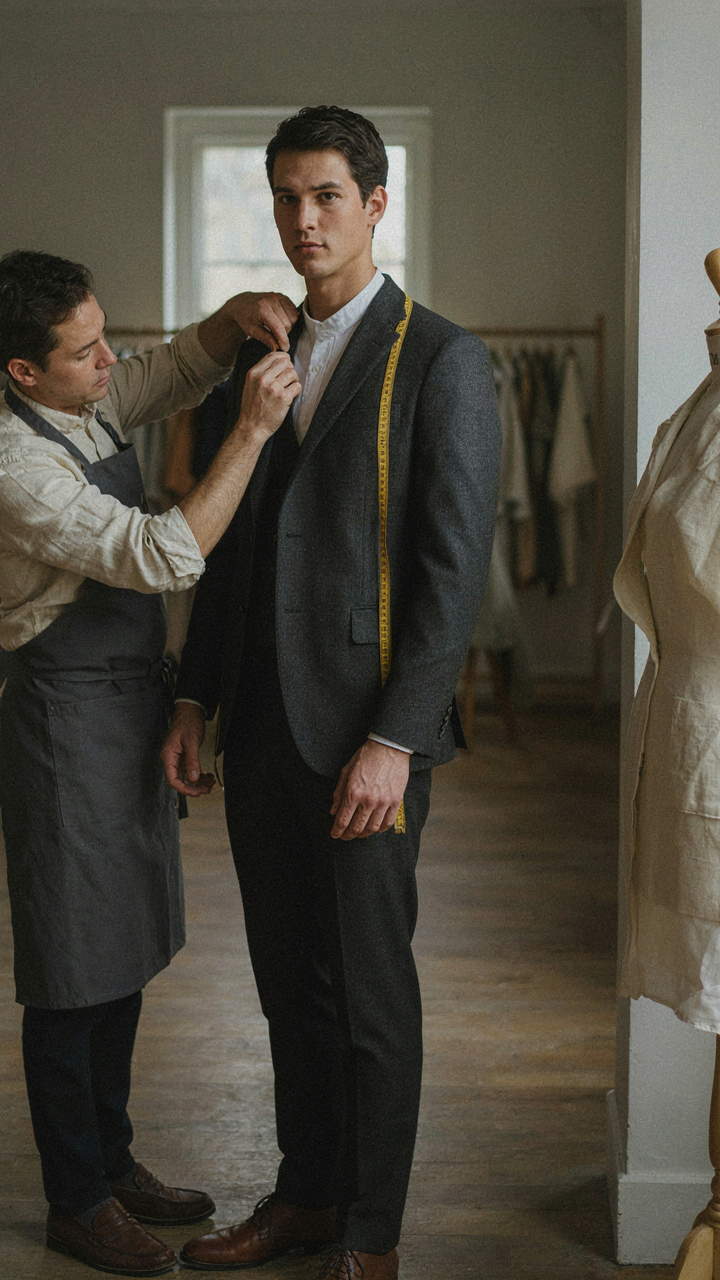
You care about this because you’re afraid cheap clothes will broadcast poverty to people who matter. Here’s the mechanism: fabric quality and fit are the only two variables a room full of strangers can evaluate in under three seconds. Everything else—brand name, trend awareness, color choice—requires context you won’t have time to provide.

Natural fiber blends hold structure longer than synthetics. A wool suit or cotton-blend blazer maintains its silhouette through hours of standing and movement. Fit matters more than price because poor fit screams neglect regardless of what you spent. A $300 blazer tailored to your shoulders reads exponentially better than a $2000 blazer that doesn’t match your frame. Get a tailor. This is not optional.
The Real Cost Of Statement Pieces
The common advice says buy one investment piece and build around it. That’s incomplete. Economics teaches us about sunk cost fallacy, and dressing for cocktail events is where that trap lives. A statement piece only works if you’ll wear it repeatedly across different contexts. If you buy a silk pocket square because one article said it signals taste, you’ve anchored your entire outfit to one item that might not fit next season.
Calculate actual wear: divide the cost by realistic number of times you’ll wear it in business settings over twelve months. A navy blazer worn 40 times costs less per wearing than a burgundy statement blazer worn 6 times. Buy what fits your schedule and wardrobe rotation, not what photographs well. Then commit to wearing it until it shows visible wear, which is your signal to replace it with something identical.
Work To Club Outfit: The Transition Strategy (Evolutionary Biology)
Your Clothes Must Signal Different Tribes
You’re worried you’ll look wrong because you’re actually worried you’ll get excluded. The mechanism is this: you’re not changing clothes for comfort or aesthetics. You’re signaling membership in two separate social hierarchies that operate on opposite status rules. In evolutionary biology, this is niche specialization. Your outfit must occupy two niches without collapsing into either one, or you lose credibility in both rooms.

The office dress code rewards constraint. The after-work reception rewards intentionality. Constraint means following rules. Intentionality means breaking them deliberately. Most people dress the same way for both and land nowhere. They either over-formalize the reception (looking uptight, signaling fear) or under-formalize the office (looking sloppy, signaling carelessness). The gap between these two moves is where your actual strategic advantage lives.
Accessories As Punctuated Shifts
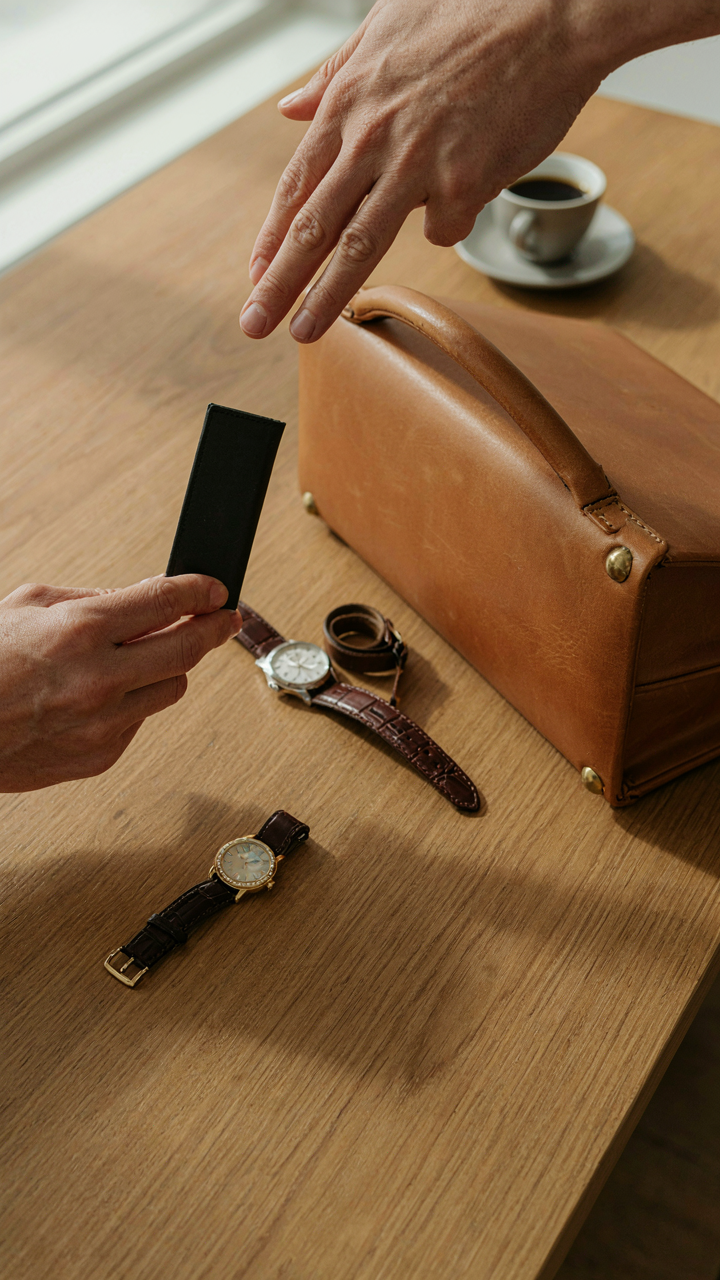
Accessories don’t gradually blend your two environments together. They snap between them. In paleontology, punctuated equilibrium describes how evolution happens in sudden jumps rather than smooth transitions. Your accessories work the same way: they absorb all the visual friction of your transition, which means your core outfit stays consistent. One watch at 5pm, another at 7pm. One bag for the office, a different one for the bar. One pair of shoes that works both, or two pairs that don’t try to compromise.
The mistake everyone makes is treating accessories as optional flourishes. They’re actually your control levers. If your base outfit is charcoal wool trousers, oxford cloth shirt, and a blazer, you cannot gradually adjust your way into a cocktail look by adding one “dressier” element. You swap. Swap the watch to something with visible luster. Swap the leather briefcase for a slim cardholder. Swap the business shoes for something with texture or unconventional color. Each swap is a full signal reset, not a gradient adjustment.
Looks Chic: The Art Of Subtraction, Not Addition
Restraint As A Status Signal
You want people to assume you have money and taste without saying it out loud. That’s the real reason this matters. Minimalism in business cocktail settings functions like signal amplification in engineering: remove the noise, and the true message transmits clearly. When you strip away unnecessary pieces, each remaining element becomes louder. A single quality item outperforms five mediocre ones because attention concentrates on what remains.

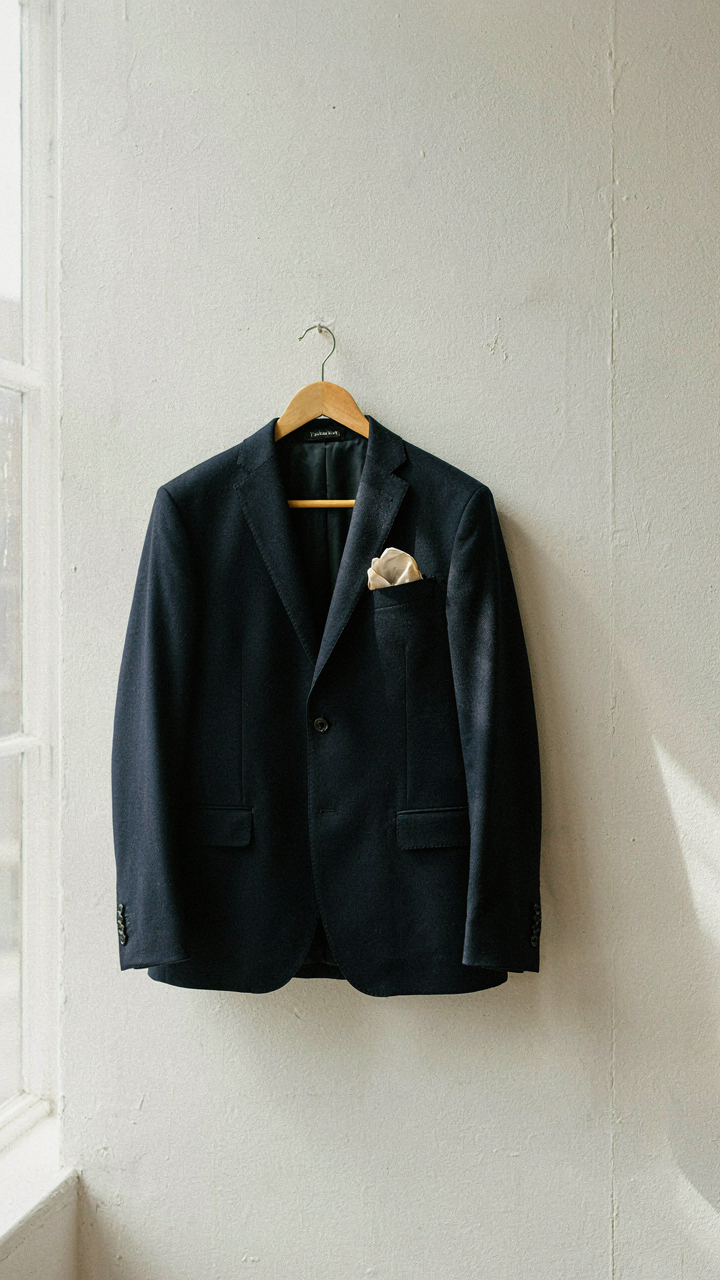
The mistake most people make is confusing minimalism with emptiness. They show up in a plain black suit with nothing else and call it sophisticated. That’s just boring. Strategic subtraction means every piece you keep serves a purpose. A well-fitted navy blazer, a white shirt, and one deliberate accessory create impact. The formula works because nothing competes for attention. Each component reinforces the others.
Precision In Tone And Surface
Color choice at a business cocktail event determines whether you read as intentional or indecisive. Neutrals dominate because they communicate stability, but texture prevents the look from flattening into invisibility. A subtle weave in wool, a fine herringbone pattern, or the grain of quality leather adds depth without announcing itself. This is where most people fail: they choose the right color and ruin it with flat, cheap fabric.
Texture works through contrast. Matte fabrics against polished leather. Smooth silk against structured wool. These combinations signal you understand material quality because they’re understated but present. The mechanism is simple: your eye detects difference, your brain registers intention, and your status improves. Select one textured piece as your anchor, then keep everything else smooth and refined.
Cocktail Attire For Work Event: The Perception Management Protocol

Control Before You Enter The Room
You care about this because you know clothing decides whether people listen to you or dismiss you before you speak. That’s not shallow—it’s how human perception works. Think of your outfit as signal theory: you’re transmitting information about your competence, rank, and intentions the moment someone sees you. Business cocktail attire operates on the same principle as military insignia. The guest list expects coded messages in fabric, fit, and finish.

Most advice on work cocktails tells you to “dress one notch above casual” or “split the difference between office and evening wear.” This is useless because it doesn’t account for the room’s actual power structure. Your attire must signal that you belong in that specific room with those specific people. Study who holds authority at the event beforehand. Match their formality level or exceed it by one increment—never fall short.
How Fabric And Fit Announce Your Position
The common mistake is treating business cocktail attire like a costume you tolerate. In reality, fit communicates competence louder than any label. Properly tailored clothing suggests you invested time in details. Ill-fitting clothes—whether too loose or too tight—signal carelessness or discomfort. The shoulder seam should sit exactly where your shoulder ends, not floating forward or bunching back.
Dark solid colors dominate work cocktails because they convey control and formality. Navy, charcoal, and black absorb light and attention, making you appear more grounded and serious than pale or patterned alternatives. Your fabric choice matters more than most people realize. Cotton blends and wool feel substantial and move with intention. Cheap polyester clings or wrinkles visibly, broadcasting that you cut corners. Choose materials that hold their shape from 5 PM through 9 PM.
The Cognitive Load Of Choosing A Cocktail Work Event Outfit
Why Your Closet Feels Broken
You’re afraid you’ll look wrong and everyone will know it. The real mechanism at play is decision fatigue, which economics borrows from cognitive psychology: your brain treats each clothing choice as a finite resource that depletes throughout the day. By evening, when you’re dressing for a work event, your decision-making capacity has already burned through emails, meetings, and a hundred smaller calls. You don’t need more options. You need fewer decisions.

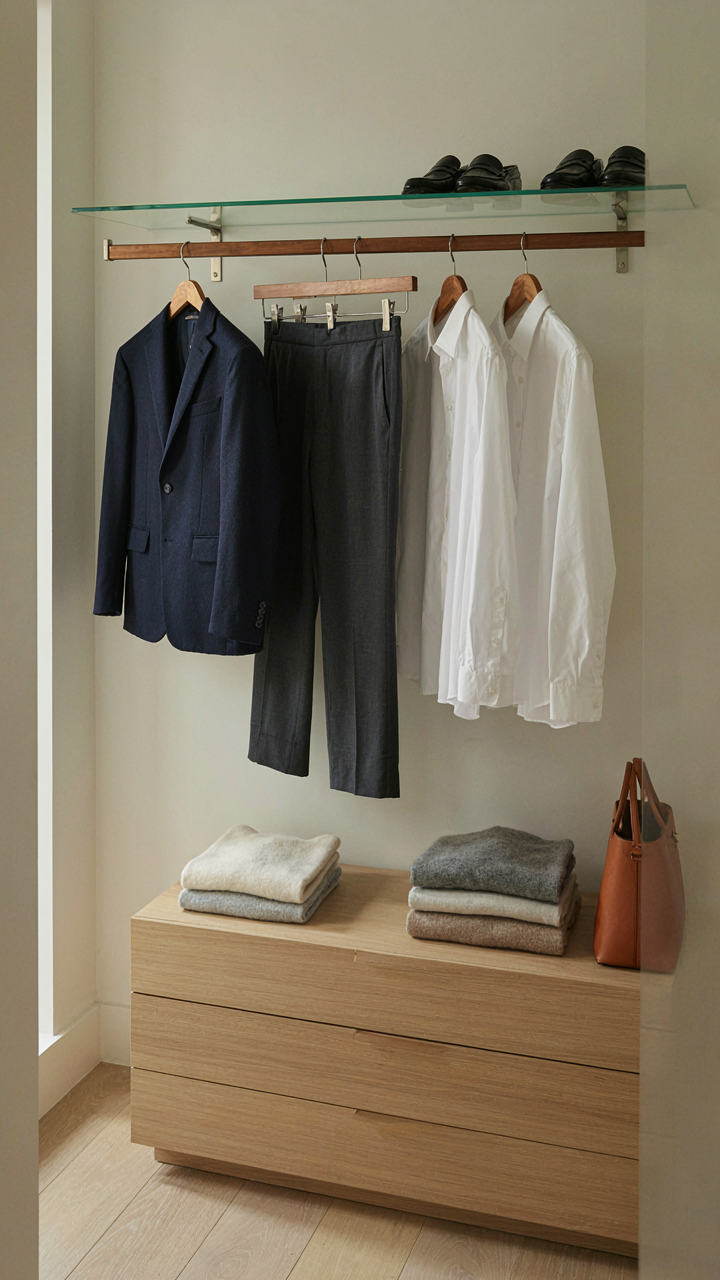
The common advice tells you to build a flexible wardrobe. That’s incomplete. What actually works is building a system where the outfit builds itself. Establish anchor pieces that work together by default, not by luck. A tailored blazer that fits one way, trousers cut to a specific rise, a shoe in one neutral tone. The goal is reaching into your closet and grabbing the same three items without thinking. Repetition isn’t boring. Repetition is freedom.
The Setup That Decides Everything
Pre-computation means deciding in advance what you will wear, which removes the moment of friction when stress is highest.
- The Core Trio: Select one blazer, one pair of trousers, one shoe style you trust. These three items become non-negotiable defaults. Buy them in neutral colors that match each other without effort.
- The Layering Piece: Keep a structured shirt or blouse in white, cream, or light blue. This piece adapts to seasons and sits under your blazer without adding visual weight.
- The Accessory Lock: Choose one watch, one belt, one bag style. Stick to them. Accessories are where people waste mental energy deciding between options that make no material difference.
- The Evening Swap: Identify exactly one item you change between day work and the cocktail event—usually shoes or a statement piece. This single swap signals intentionality without requiring a full outfit rebuild.
- The Test Run: Wear the complete outfit at least once before the event. This removes uncertainty and confirms fit, comfort, and how the pieces photograph under indoor lighting.
The system works because it removes variables. You’re not choosing an outfit the moment you walk out the door. You chose it three days ago when your cognitive load was zero. The evening becomes execution, not deliberation. Grab the pieces. Put them on. Move forward.
Cocktail Attire For Women: Beyond The Dress Code Dichotomy

The Suit Or Dress Framework
You’re reading this section because you want permission to dress like yourself without tanking your credibility. The mechanism is simple: both suits and dresses signal competence equally, but only if you own the choice deliberately. Tailoring matters more than category. A well-fitted blazer with trousers reads as intentional authority. A structured dress with a jacket reads the same way. The distinction dissolved years ago in actual boardrooms, but people still treat it like a binary choice.

The real power move is fabric and fit, not silhouette. A cheap dress in loose fabric will undercut you faster than a mediocre suit. Conversely, a crisp blazer in quality wool over a slip dress works because the construction signals control. Women often default to dresses thinking they’re safer. That’s backwards. Wear what fits your body correctly and commit to the choice without hedging it with apologetic accessories.
Authority Signals Through Layering
Dressing for cocktail authority borrows from the military principle of visible rank: layering creates structural complexity that reads as rank advancement. A blazer over anything immediately elevates baseline formality. A jacket without a blazer underneath looks incomplete. The key is intentional stacking that creates visual weight at the shoulders and torso, the exact zones humans read first for power.
Metal hardware, structured bags, and defined silhouettes compound the effect. Skip the bare arms and flowing fabrics that diffuse your outline. Choose statement jewelry that catches light and attention without moving. A single bold ring or pair of earrings anchors presence better than scattered pieces. The final protocol: enter an after-work event with your outer layer intact for the first ten minutes, then adjust once you’ve made initial contact. This controls the impression sequence.
Office Party Outfits Women: The Confidence Multiplier
What Fabric Actually Does To Your Nervous System
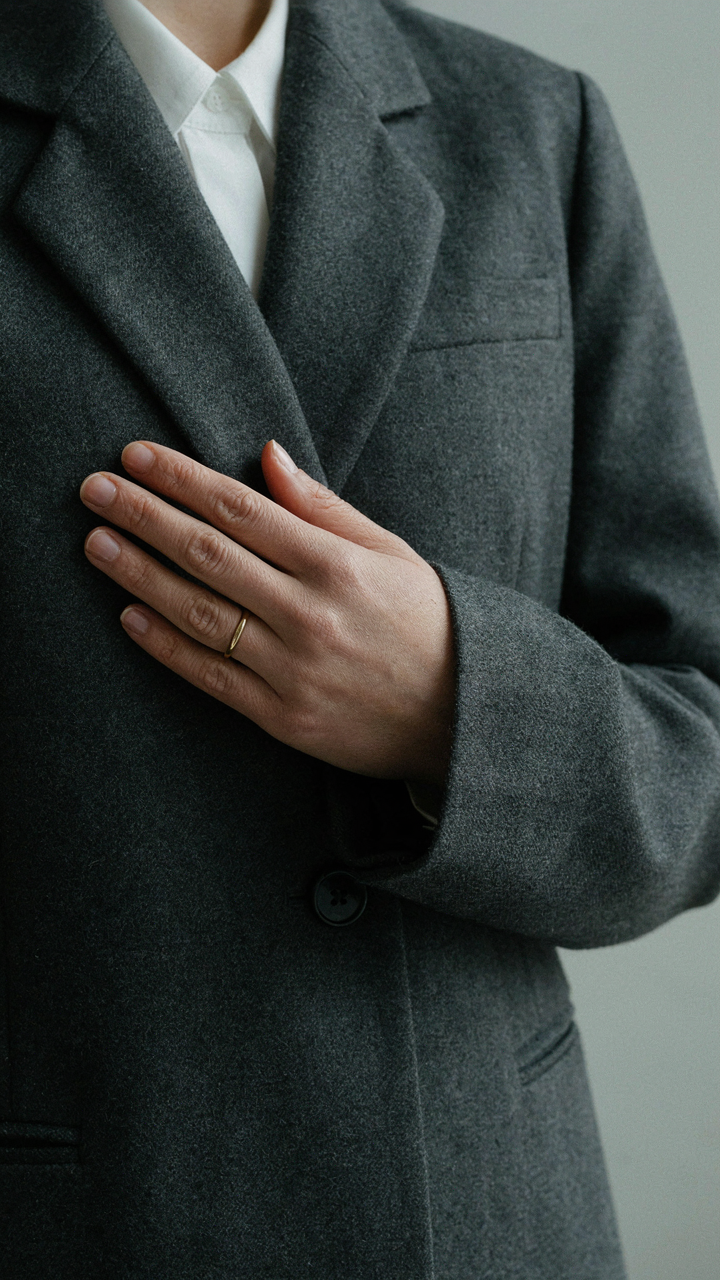
You’re worried people will judge you. That’s the real reason you’re reading this. The mechanism is simple: clothing functions like a neurological buffer between your self-doubt and the room’s perception of you. Psychology calls this “enclothed cognition”—your brain literally performs differently based on what surrounds your body. A well-fitted blazer doesn’t hide anxiety. It rewires the neural pathway that generates it. You stop monitoring your appearance and start monitoring the conversation instead.

The fabric choice matters more than the style choice. Natural fibers like wool, silk, and cotton regulate temperature and allow your skin to breathe, which lowers cortisol levels. Synthetic blends trap heat and create a subtle physical stress response your conscious mind never names but your nervous system registers. When your body feels stable, your posture changes. Your eye contact steadies. People respond to that shift before they respond to the outfit. That’s not psychology. That’s biology.
Competence Signals Work Before Words Do
Everyone says “dress for the job you want.” That’s incomplete advice because it skips the mechanism. In organizational psychology, researchers call this “status signaling through attire.” What they mean: your outfit communicates your place in the hierarchy before you speak. A woman in a structured dress and tailored jacket gets interrupted less. She gets asked for her opinion more. She holds space longer in group conversations. That’s not fairness. That’s pattern recognition firing in people’s brains at the speed of sight.
The specifics matter. Tailoring creates visual authority because it signals intentionality and investment. Loose or oversized pieces read as borrowed or undecided. Color choice affects perception too: navy and charcoal project stability; jewel tones project confidence without aggression; pastels reduce perceived authority in mixed-gender rooms. One decisive outfit choice eliminates a hundred small negotiations your presence would otherwise require. Before the reception starts, your clothing has already completed its work.
The Tactical Wardrobe: Building Your Business Cocktail Arsenal
Core Pieces That Work Across Contexts
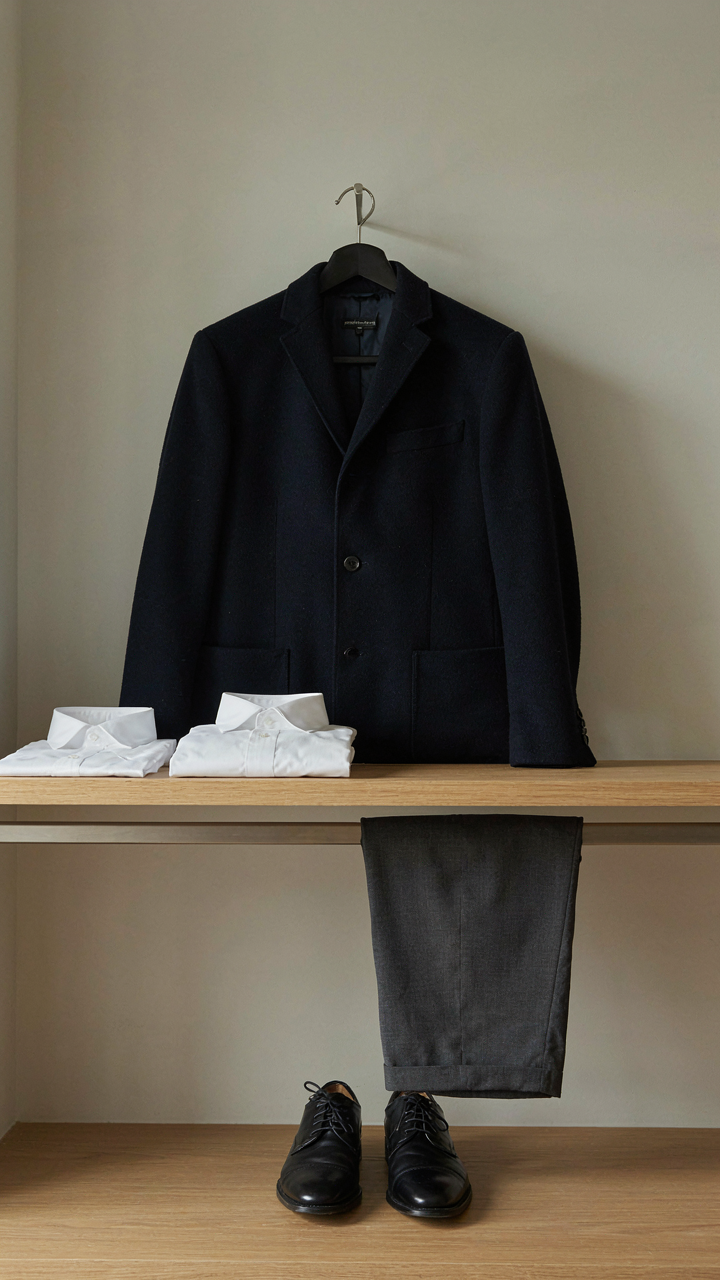
You’re reading this because you’re tired of guessing what to wear and don’t want to blow money on pieces that sit in your closet. The real mechanism here is constraint. A limited wardrobe of high-functioning basics forces better decisions than unlimited options that create decision paralysis. Start with a navy blazer in wool. This is the spine of business cocktail dressing. Navy reads as formal without the rigidity of black, and it pairs with ninety percent of what you own. Add a white dress shirt and a gray wool trouser. These three pieces combine into dozens of acceptable combinations because they lack visual noise.
A charcoal sport coat operates as your second layer of strategy. It’s darker than navy without the funeral association of black. Pair it with different trousers and you’ve created perceived variety without inventory bloat. Include one pair of black dress shoes and one pair of brown leather shoes. Black goes with everything formal. Brown works with grays, tans, and lighter neutrals. That’s your foundation. Everything else you add multiplies what you can wear, not replaces it.
Layering As A Signal System
Military strategists call this “force multiplication”—using fewer resources to create more tactical options. In dressing, layering does the same work. A sweater vest worn over your dress shirt changes the entire tone from “I came from the office” to “I’m comfortable here.” It softens formality without removing it. A pocket square isn’t decoration—it’s a protocol signal. It tells the room you made a choice, that you thought about this. That choice itself is the message. One well-placed accessory changes how people read the entire outfit.
Interchangeable components mean your blazer works with three different shirts and two different trousers, creating six unique looks from five pieces. Your tie collection doesn’t need to be massive. Four ties in neutral tones, each with a different texture or pattern, gives you range without clutter. Swap the blazer for a cardigan on less formal receptions. Wear the dress shirt untucked with a crew neck sweater for creative industry events. The structure doesn’t change—only the intensity of formality shifts based on venue and context.
The Only Attire Mistake Is Letting The Clothes Wear You, Not The Other Way Around

Most people dress for the room instead of dressing for themselves. They pick pieces that disappear into the background and wonder why they feel invisible. Business cocktail attire isn’t about following rules. It’s about wearing clothes that make you move differently, talk differently, command space. Pick one item today that actually fits your body and makes you feel sharp. Everything else follows from confidence, not from matching a dress code.