

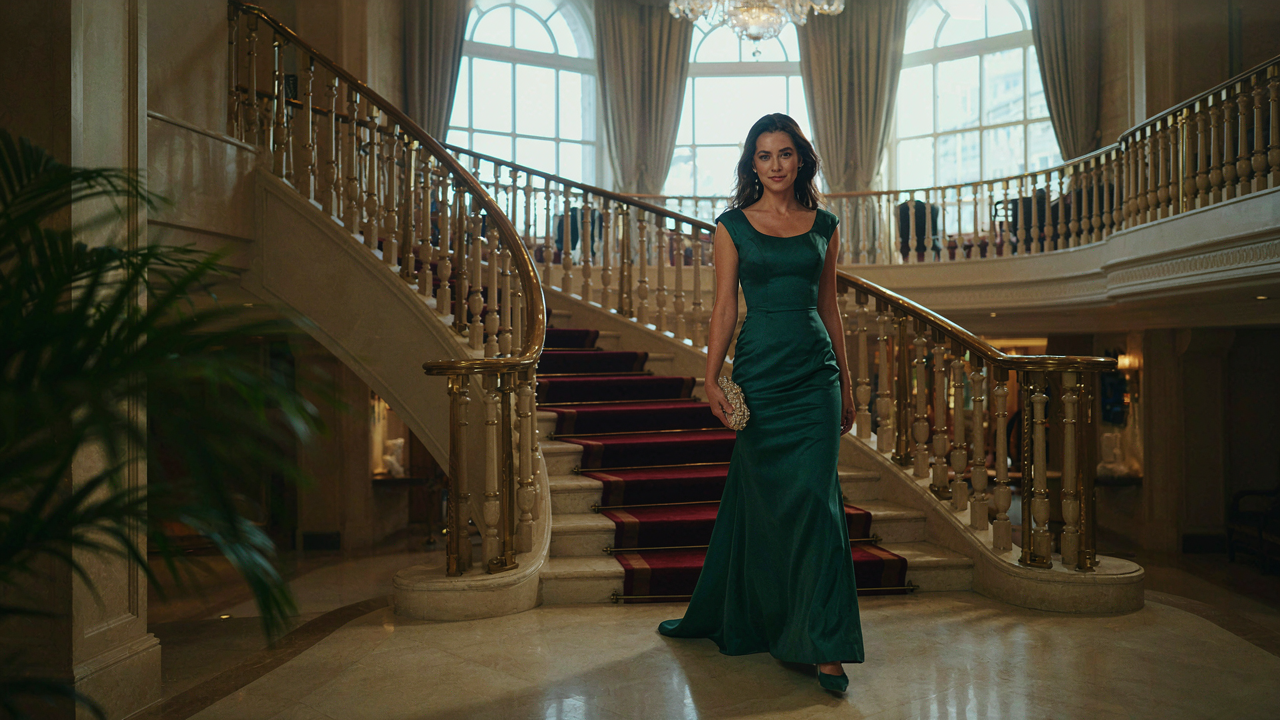
The Illusion Of Formal: Why Most Advice Misses The Mark
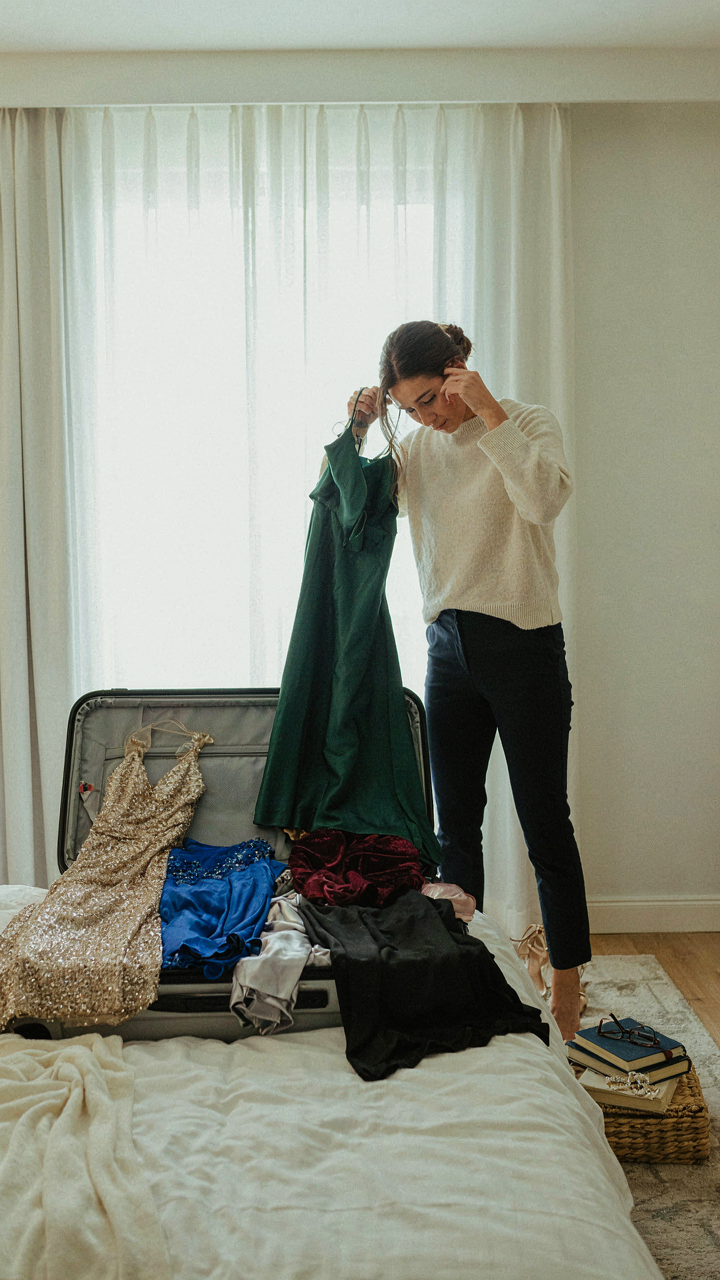
What Formal Actually Means On A Ship
You’re worried about looking out of place because formal nights feel like a test you didn’t study for. Here’s the mechanism: cruise lines use the word “formal” to trigger purchasing behavior and create tiered experiences, not to enforce actual black-tie standards. What they call formal is middle-class aspirational dress, not dress code enforcement. The ship has no bouncer checking hem lengths or shoe material at the dining room door.
Cruise lines borrowed the language of land-based formal wear but gutted its actual requirements. A decade ago, formal night meant jacket and tie for men, evening gown for women. Today it means “nicer than you wore yesterday,” and the line profits either way because passengers buy new clothes before boarding out of fear. The fear drives revenue more than any actual standard does.
The Hidden Economics Behind The Terminology
Cruise lines face an economics problem: they need to segment passengers into spending tiers without using explicit price discrimination. Dress code becomes a soft-filter mechanism, not a fashion standard. Passengers who worry about formal night dress code are passengers who will buy the premium dining package, tip more, and spend in the onboard shops. The line doesn’t care what you wear as long as you care enough to prepare.
The industry standardized around vague terminology on purpose. “Formal” creates anxiety without clarity. “Smart casual” creates confusion without commitment. This ambiguity is the product. A clear standard like “navy blazer required” would reduce purchases. Women especially absorb this anxiety because formal wear expectations target them through marketing. The dress code itself matters less than the psychological pressure it generates before you board.
Cruise Formal Night: The “Signaling Theory” Of Dressing
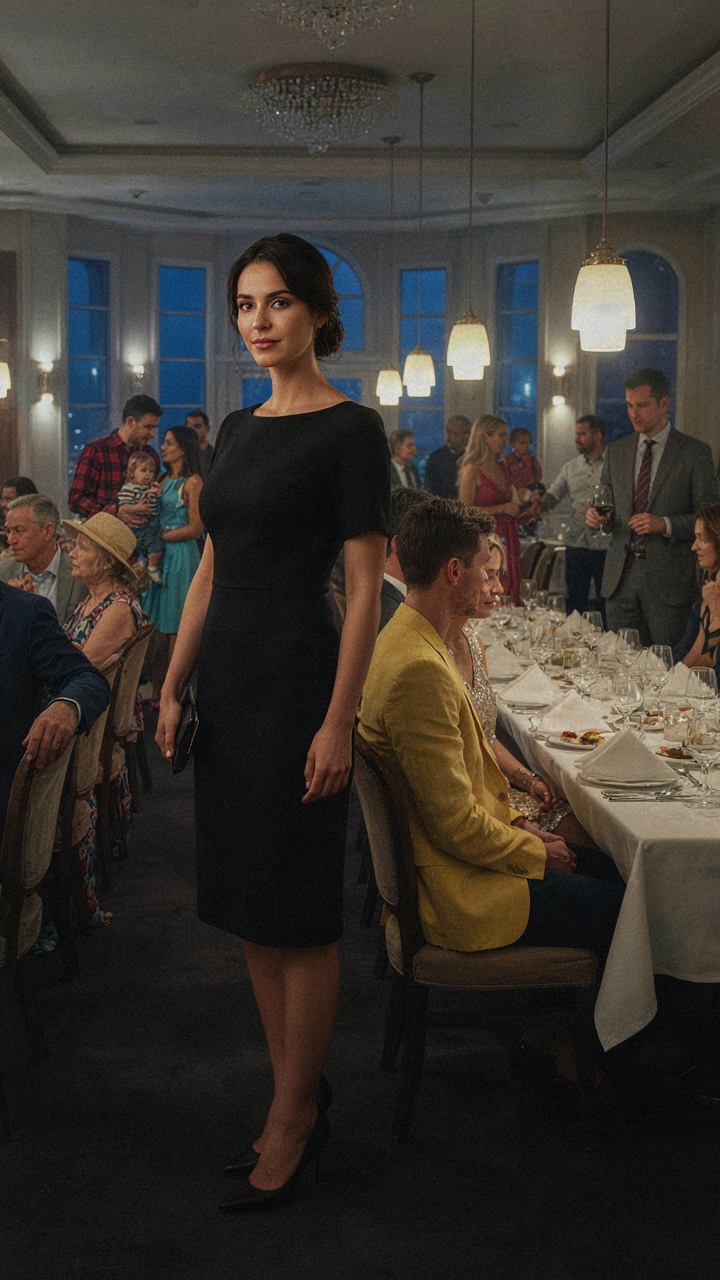
What You’re Really Buying
You care about this because you’re afraid of being read as lower status than you are. Signaling theory in economics explains how people use costly signals to communicate information others can’t verify directly. On formal night, your outfit is the signal. The cruise line sets the dress code. You interpret it. But what you’re actually doing is competing for invisible social positioning against strangers you’ll never see again.

The mechanism works because formal night concentrates people in one space for hours. Dining room. Theater. Photo opportunities. Everyone sees everyone. Your clothes broadcast information faster than conversation ever could. A wrinkled sundress signals different things than a tailored dress. A tie signals different things than no tie. The cruise line knows this. That’s why they named it “formal” instead of “nice.”
Status Made Visible
Your attire functions as non-verbal negotiation of rank and belonging. Economics calls this a “costly signal” because sending a false one is expensive. Wearing a designer gown you can’t afford risks damage if someone recognizes the knockoff. Wearing sweatpants to formal night costs you dining room access and social friction. The cost is intentional. It ensures only people actually willing to signal compliance participate.
What matters isn’t perfection or wealth. It’s coherence. A well-fitted dress from a department store outperforms an expensive piece that doesn’t fit your frame. Coherence signals you understand the rules and respect them enough to follow through. Shoes that match your hemline signal attention. Accessories that coordinate signal intention. Shoes held together with duct tape signal you either don’t know the code or don’t care. The room reads all of it instantly.
Dressing For Influence: Beyond Basic Elegant Cruise Night Outfit
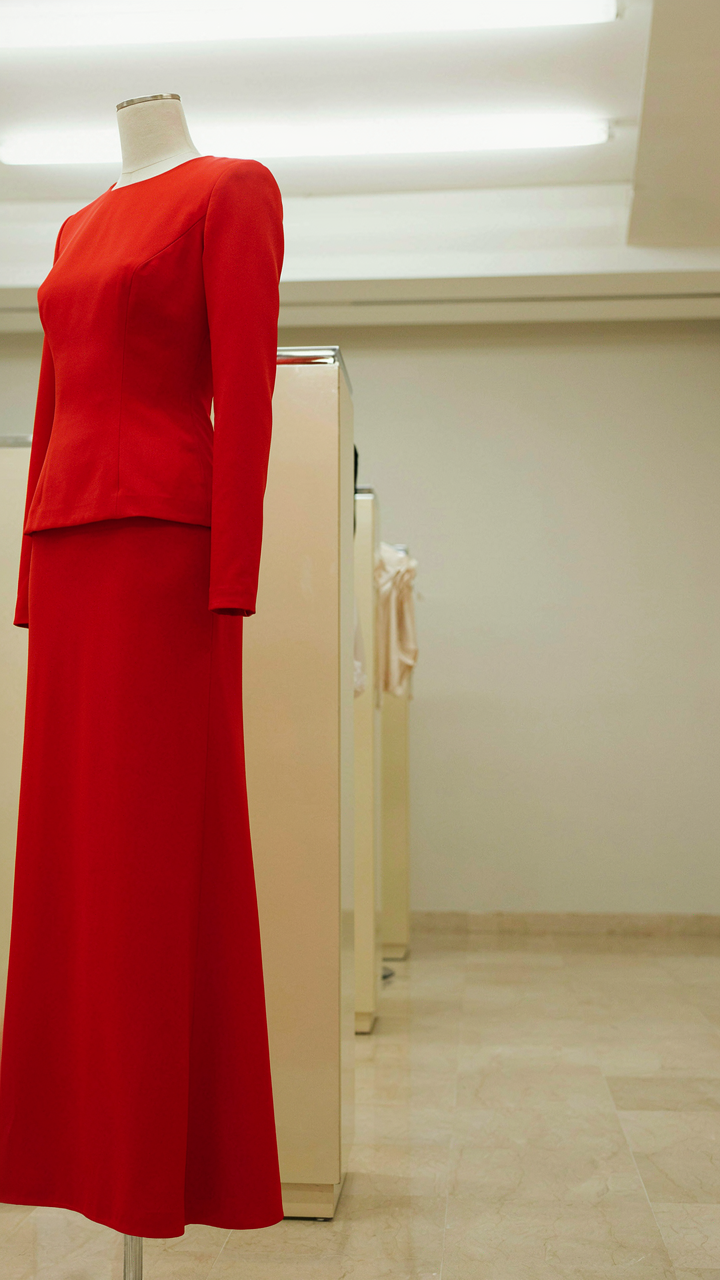
Color And Silhouette As Territory
You want people to remember you, not just see you. That’s the real reason you’re reading this. Color functions like territory in animal behavior—it claims space before you speak. The formal night dress code on cruises doesn’t forbid bold color; it just doesn’t encourage it. Most women default to black, navy, or jewel tones because they feel safe. That safety is the mechanism that makes you invisible.

The silhouette matters more than the color, but not for the reason you think. A structured dress or gown reads as intentional. Cruise formal events happen in fluorescent-lit dining rooms and promenade decks—hard light, crowded spaces. Shapeless fabric disappears. A defined waistline, clean shoulders, or strategic draping creates visual contrast. You’re not trying to be the prettiest; you’re trying to be the one people can actually see and describe later.
Accessories That Signal Intent
Jewelry and bags aren’t decoration you add when you’re done dressing. They’re the edit. Most formal night guidance treats accessories as optional finishing touches. That’s incomplete. On a cruise, accessories solve the actual problem: formal night repeats. Three formal nights means three dresses or one dress three times. Accessories let you rewear the same gown and look like you made three different choices.
The mechanism is simple: change one major accessory and the entire outfit reads as new. A metallic clutch versus a structured evening bag. Chandelier earrings versus a single statement necklace. A wrap or shawl in contrasting color. You’re not adding more stuff; you’re swapping intentionally. Bring pieces that work with multiple dresses, not single-outfit accessories that sit unused. This is the protocol that separates efficient packing from regrettable luggage weight.
The “Effortless Power” Protocol For Cruise Formal Night Outfit Women
Constraint Creates Confidence
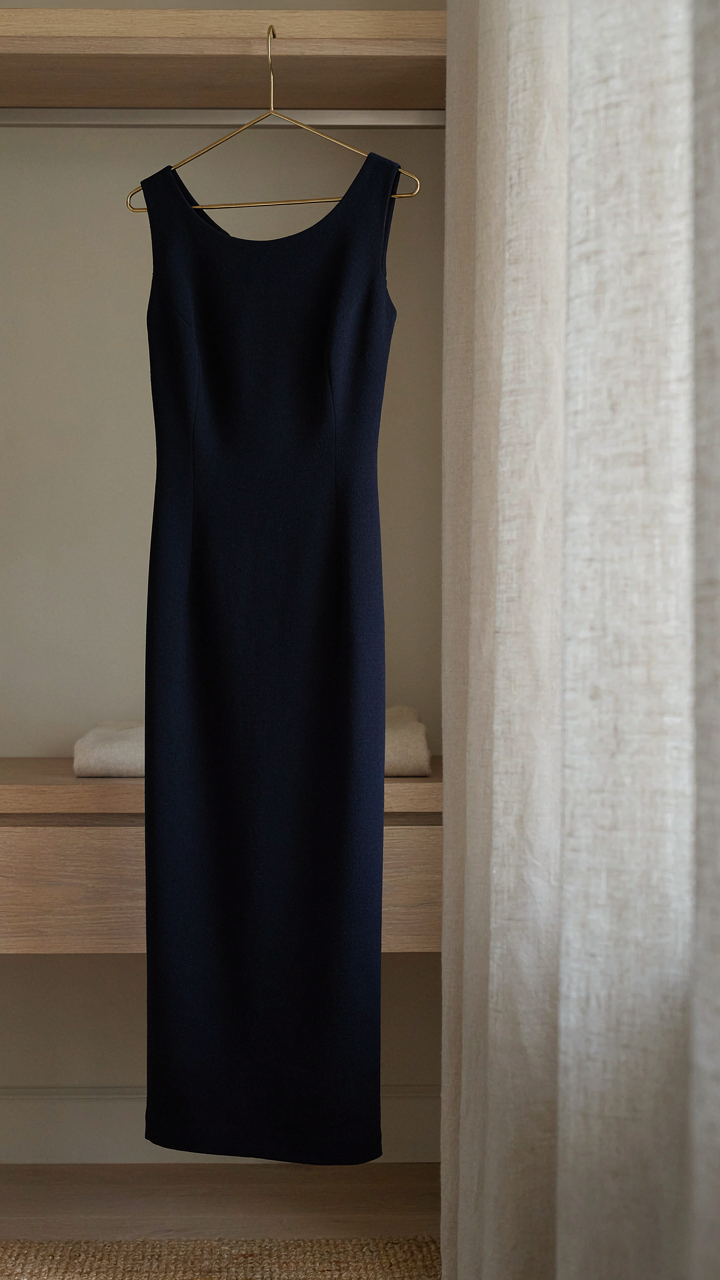
You want to look expensive without announcing it. That’s the real game here. The mechanism is simple: cruise formal night operates like a dress code hierarchy in economics. Scarcity signals value. When everyone on the ship dresses up, the women who look intentional without screaming for attention own the room. This happens through strategic constraint, not abundance of fabric or jewelry.

Build your formal night outfit around one anchor piece that fits perfectly. A well-cut black dress, a structured navy gown, or a tailored burgundy number. Everything else bends to serve that piece. Abandon the instinct to layer accessories, colors, and textures because “more” reads as insecurity. The cruise formal night standard expects polish. Polish lives in proportion and fit, not in decoration. One quality necklace beats five mediocre ones every time.
The Authenticity Trap
Most advice tells you to “be yourself” on formal night. Ignore that. Being yourself without editing is how you end up underdressed or overdressed at the wrong moment. Cruise formal night has real dress codes that change by ship line and night designation. You either respect them or you look like you didn’t read the documents. Respectful dressing is not about conformity, it’s about reading the room and executing flawlessly within those bounds.
The tell of trying too hard is mismatched effort. High heels with a casual day dress. Formal jewelry with beachy hair. A gown that doesn’t fit. These combinations scream confusion about the event itself. Your outfit should move as one thought. Choose pieces where the formality level matches across every element. Shoes, hair, makeup, and silhouette all answer the same question: am I dressed for this moment or dressed for a different moment? Consistency is what makes formal night look natural on you.
Formal Dress For Cruise: The Art Of The Strategic Under Pack
Wear What You Control, Not What Controls You
You’re worried about looking underdressed or overdressed because you don’t actually know the social rules, and that uncertainty feels like a threat. Here’s the mechanism: formal night on a cruise isn’t about fashion—it’s about compliance signaling. You’re communicating that you respect the ship’s structure. That’s all. The actual garments matter far less than the fact that you’ve made a visible effort to distinguish this evening from the buffet nights.

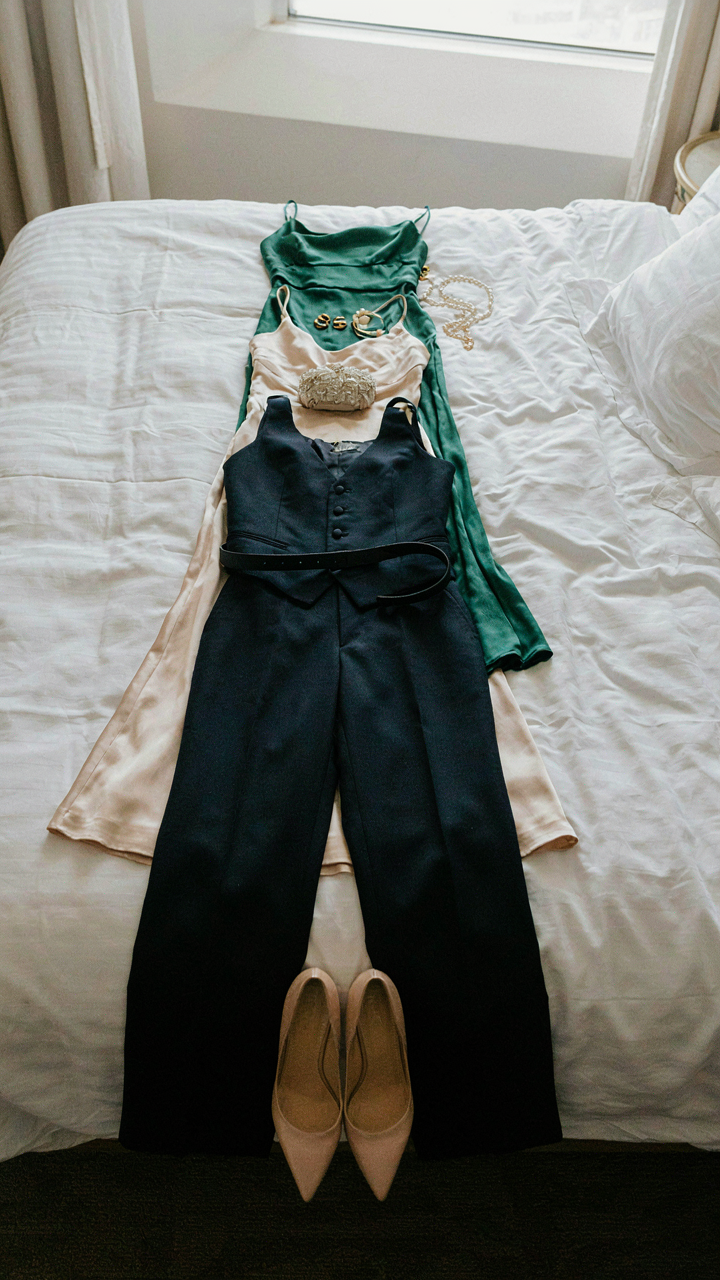
Most women pack eight formal outfits for a seven-day cruise because fashion media taught them variety equals sophistication. It doesn’t. Pack three pieces that work across multiple configurations. A black or navy dress, a structured blazer, and one statement top create six distinct looks through simple swaps. This isn’t minimalism for aesthetic reasons—it’s ruthless efficiency. You reduce decision fatigue, luggage weight, and the mental load of “what haven’t I worn yet.” The constraint forces better choices.
Anchor Pieces That Work Multiple Ways
A midi or knee-length wrap dress in a neutral fabric functions as your base layer. Pair it solo on night one, throw the blazer over it on night three, swap the top underneath it on night five. Structured knits, cotton blends, and linen-cotton mixes hold shape better than delicate fabrics and pack smaller. Fabrics matter because they determine how the garment behaves across different ship temperatures and humidity levels. Wrinkles reveal neglect; structured fabrics hide them.
- Black or navy wrap dress: One solid, versatile piece that transitions from casual to formal depending on what you layer over or under it.
- Structured blazer: Instantly elevates any top or dress. Choose a tailored cut that fits your shoulders. Works over sleeveless, short-sleeved, or long-sleeved options.
- Silk or silk-blend camisole: Dresses up under the blazer, stands alone over pants for semi-formal nights, layers under the wrap dress for different silhouettes.
- Statement earrings or necklace: One bold piece per outfit changes the entire impression without adding bulk to your suitcase.
- Heeled sandal or pump in one neutral color: Works with every outfit. Cruise formal doesn’t require shoe diversity—it requires one solid option that fits well.
Your formal night wardrobe succeeds when every piece talks to every other piece. The day before you board, lay out all three combinations in order. This removes guesswork during the cruise and forces you to actually verify that each pairing works before you’re stuck without options.
Elegant Night Cruise Outfit: When To Break The Rules And How
Know Which Rules Actually Matter
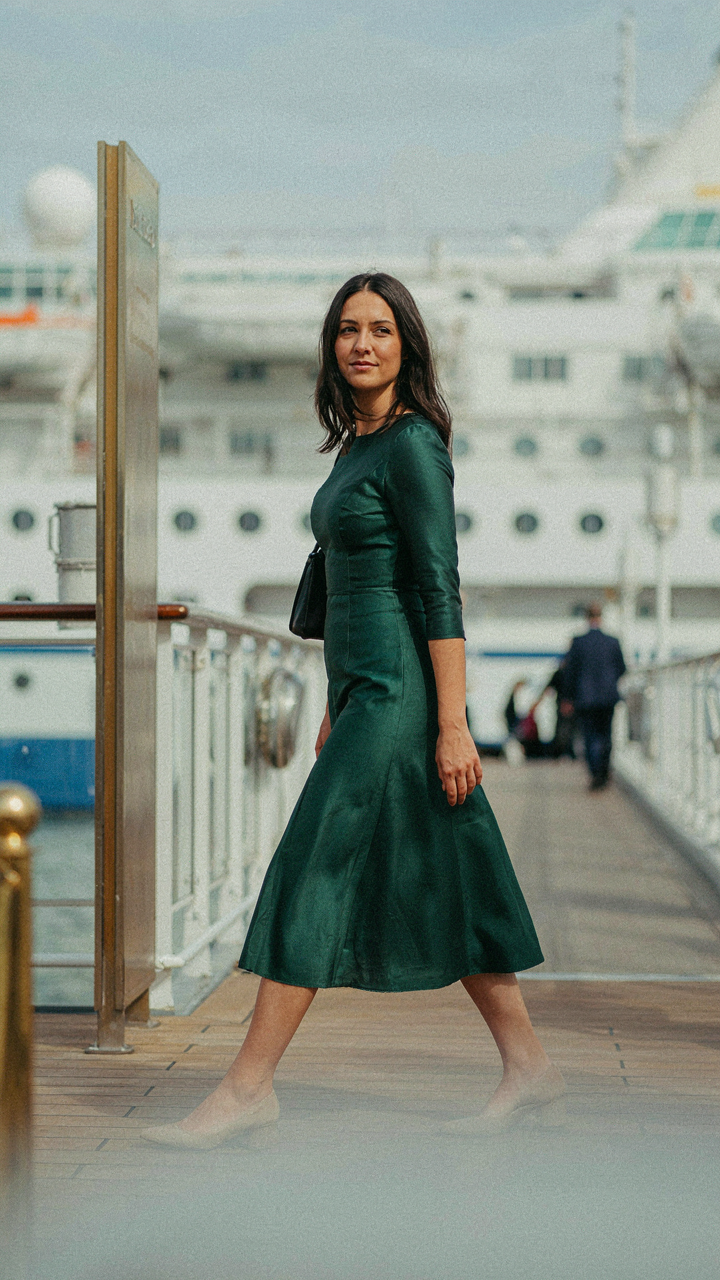
You want permission to stand out without looking like you missed the memo. Here’s the mechanism: cruise lines enforce dress codes through social visibility, not policy enforcement. Staff won’t stop you at dinner. Other passengers will notice. The rule that matters isn’t the one printed in your cabin. It’s the one that determines whether you blend or signal incompetence.

Formal night exists because the cruise line sells an experience tier. Breaking the code works only when you’re trading down from higher status, not up from lower. Wearing a black-tie gown to elegant night reads as overdressed and insecure. Wearing elegant wear to formal night reads as lazy. The distinction is real and passengers clock it instantly.
Executing Calculated Deviation
Breaking protocol requires knowing exactly what you’re abandoning and why the specific substitution works. This mirrors signal theory in economics: you’re replacing one costly signal with another equally costly one. A tailored pantsuit on formal night works because tailoring costs money and time. Sweatpants don’t work for the same reason they never work.
The execution is structural. Wear pieces that signal the same investment level as what the code demands, just in different form. A quality midi dress replaces floor-length. A silk blouse with statement jewelry replaces a traditional gown. Keep shoes, grooming, and accessories formal regardless. One rule break per outfit, never two. The moment you start making exceptions across multiple elements, you stop executing confidence and start looking like you got dressed in the dark.
The Social Calculus Of Formal Nights On Cruise Outfits
What Your Outfit Actually Communicates
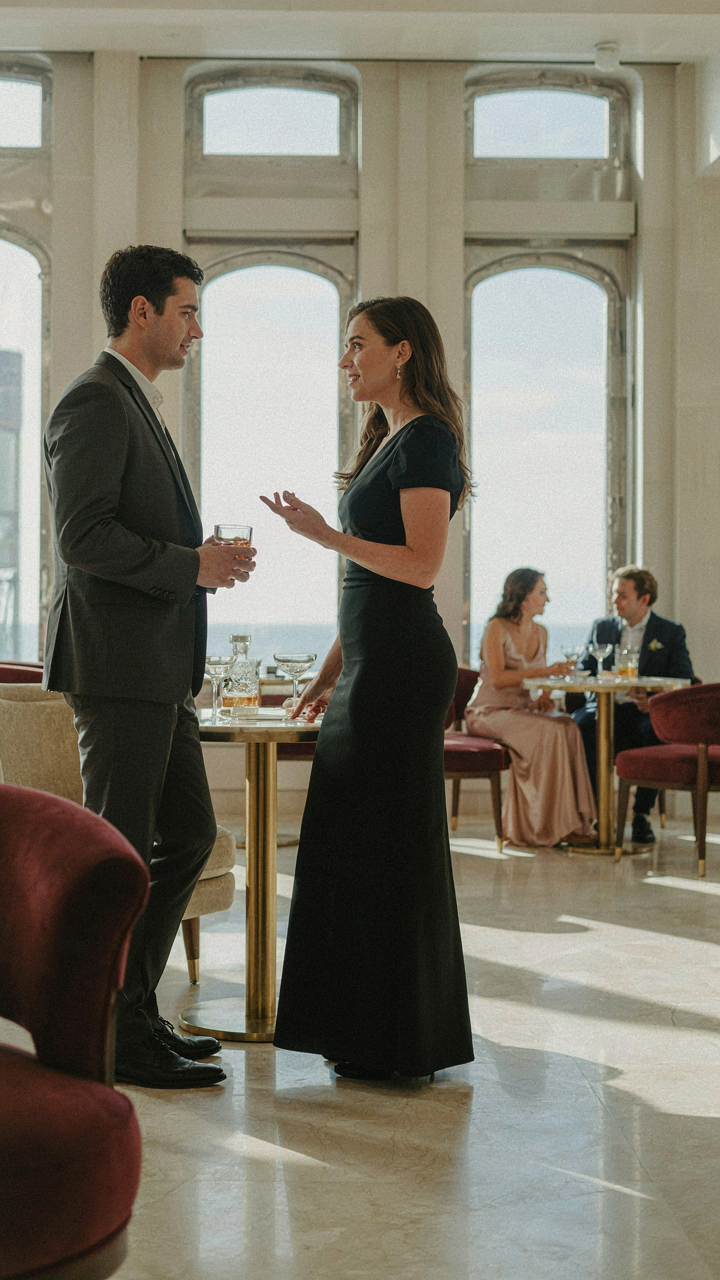
You care about formal night because you’re afraid of being visibly out of place. Here’s the mechanism: cruise formal nights operate on a visibility hierarchy. Your outfit either places you in the noticed group or the invisible group. The dress code itself is a sorting tool, not a rule. Women who follow it become background. Women who exceed it become targets for conversation. The gap between what the cruise line states and what people actually wear is where the real social currency lives.

The cruise industry defines “formal” loosely on purpose. Most lines say “elegant attire” or “formal wear” without specifics, which means interpretation matters more than compliance. A black cocktail dress meets the standard. A structured gown with tailored jewelry exceeds it. That difference determines who approaches you at dinner and who doesn’t. The mechanism is signal detection. People scan a room for status markers, and formal night amplifies this because everyone is already primed to notice appearance. Your outfit either confirms you belong in the elevated social tier or confirms you’re making effort.
Strategic Visibility And The Networking Trade Off
This is economics applied to social space. In economics, there’s a concept called “signaling cost.” Your formal outfit is a signaling cost you pay to broadcast membership in a group. Women who want to network on cruises should understand the trade. A polished, expensive-looking formal outfit opens doors with certain people while closing them with others. Conversely, meeting the minimum dress code creates invisibility, which is valuable if you want to move through formal night without social friction.
The practical split works like this. If you want conversations at dinner and social access to higher-tier passengers, wear something that reads as deliberate investment: tailored fit, quality fabric, jewelry that catches light, shoes that aren’t resort casual. If you want to comply without attention, wear the baseline: dark cocktail dress, simple accessories, basic heels. Neither choice is wrong. Both are trades. You decide which social position you’re buying. The protocol is simple: inventory your actual goal for that evening, then dress to match the outcome you want, not the rule you’re supposed to follow.
Dinner Cruise: Beyond The Ship Applying The Principles
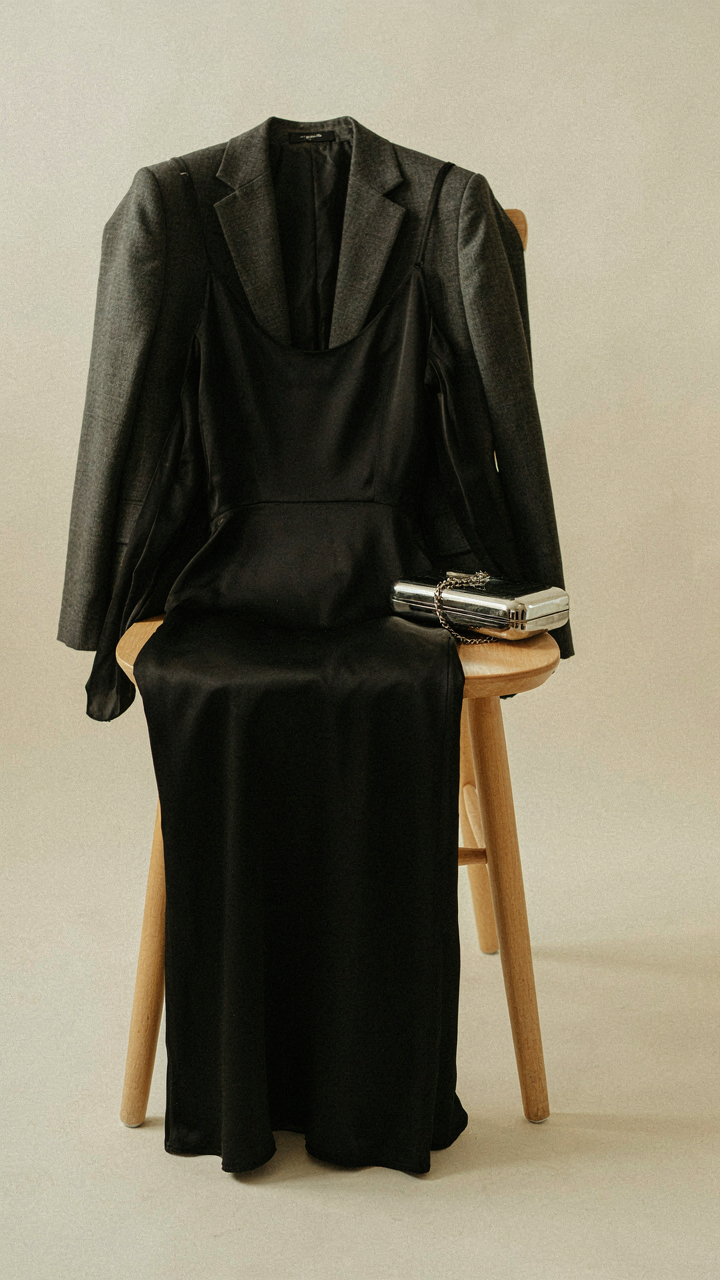
The Real World Dress Code Test
You want to know this because you’re tired of looking wrong in rooms that matter. The mechanism is simple: formal night on a cruise is a controlled environment where the stakes are low but the signals are identical to events where they’re high. You’re not learning cruise etiquette. You’re learning how to read a room’s actual expectations versus its stated ones, then dress accordingly without overthinking it.

Cruise lines print dress codes, but passengers ignore half of them. The gap between the rule and the behavior teaches you something useful about all formal settings. Gala events, corporate dinners, award ceremonies—they all have stated codes and unspoken flexibility. The women who navigate them well don’t memorize rules. They decode the real protocol by observing what the venue actually rewards, then build their outfit around that signal, not the poster on the cabin door.
The Uniform That Works Everywhere
The formal night dress code solves a practical problem: it forces you to own pieces that work in multiple contexts. Military strategy calls this “force multiplication”—doing more with fewer resources. Your cruise formal outfit is force multiplication for your wardrobe. A floor-length dark dress, structured heels, and a tailored jacket don’t sit in your closet waiting for the next sailing. They work at rehearsal dinners, galas, evening weddings, and professional events where you need authority without flash.
Build backward from occasions you actually attend. If you go to three formal events a year, invest in pieces that layer and swap. A black gown works with different wraps, jewelry, and shoes. A metallic clutch swaps between outfits. A structured blazer transforms casual pieces into evening wear. This isn’t versatility for its own sake—it’s eliminating waste. You buy fewer items, wear them more often, and look intentional because your choices compound instead of scatter.
The Irrelevance Of Trends: Building Timeless Cruise Formal Night Outfits
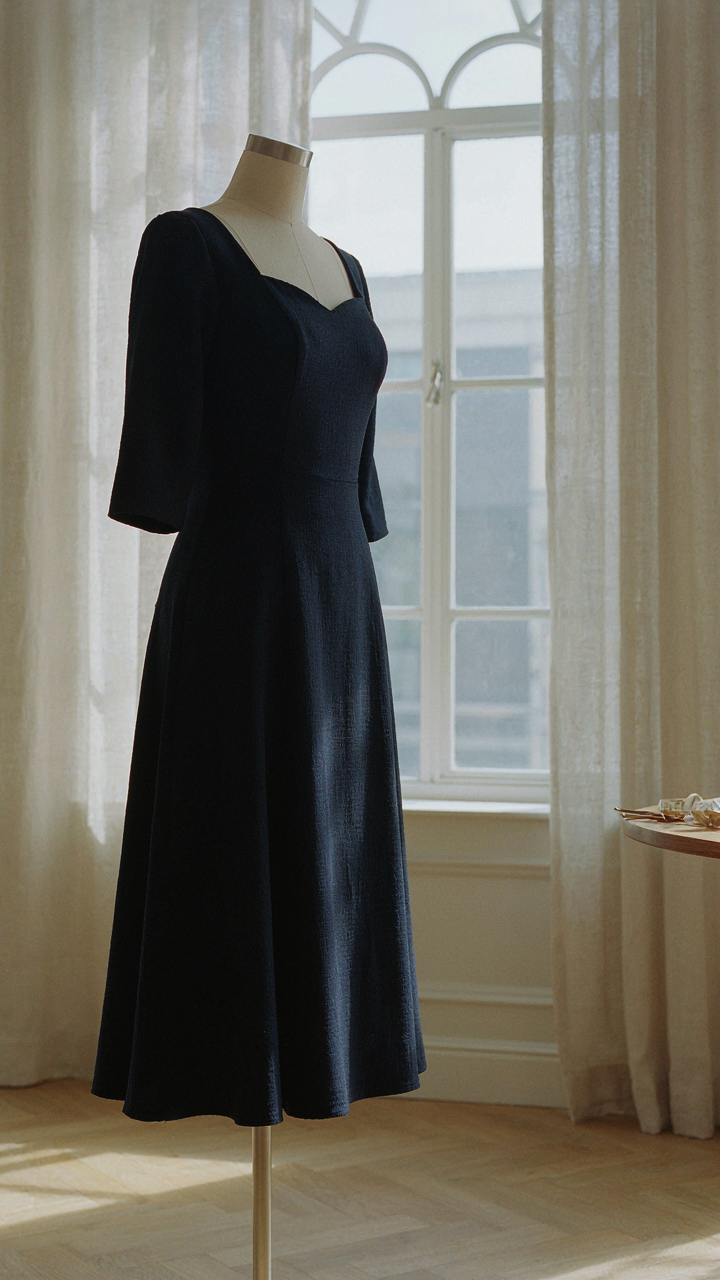
Invest In Enduring Style Over Fleeting Fashion
You’re worried that what you pack won’t photograph well or signal sophistication to strangers you’ll never see again. That’s the real cost of chasing trends on formal night. The mechanism is simple: trends have expiration dates built in. Cruise formal night exists in a zone outside seasonal fashion cycles. You wear the same dress code every voyage, every year. Clothing designed around this year’s runway moment becomes a liability the moment the trend dies, which happens faster than your next cruise.

Quality fabrics and classical proportions remain legible across decades. A structured cocktail dress in navy wool crepe reads as intentional whether you wear it in 2020 or 2025. Trend-chasing forces you to rebuild your formal rotation constantly, burning money and closet space. The alternative is simpler: choose silhouettes that worked in 2010 and work now. This isn’t nostalgic advice. It’s the math of depreciation.
Create A Personal Uniform Of Distinction
Building a personal uniform means identifying your specific silhouette, color palette, and fabric preferences, then repeating them. This isn’t boring repetition dressed up as strategy. It’s the opposite of memorable fashion industry consensus, which demands novelty. The cruise formal night environment rewards consistency because you’re dressing for function within a specific constraint, not for an audience that changes weekly.
Your uniform becomes your signature on formal night. You choose one tailored sheath dress or one A-line fit that flatters your frame. You select neutrals that complement your skin tone. You wear the same approach to jewelry and shoes. This repetition removes decision fatigue, ensures you always look composed, and makes packing predictable. Pack one exceptional formal dress, two cocktail alternatives in your chosen silhouettes, and accessories that work across all three pieces.
The Real Currency On A Cruise Isn’t Your Outfit; It’s Your Unshakeable Presence
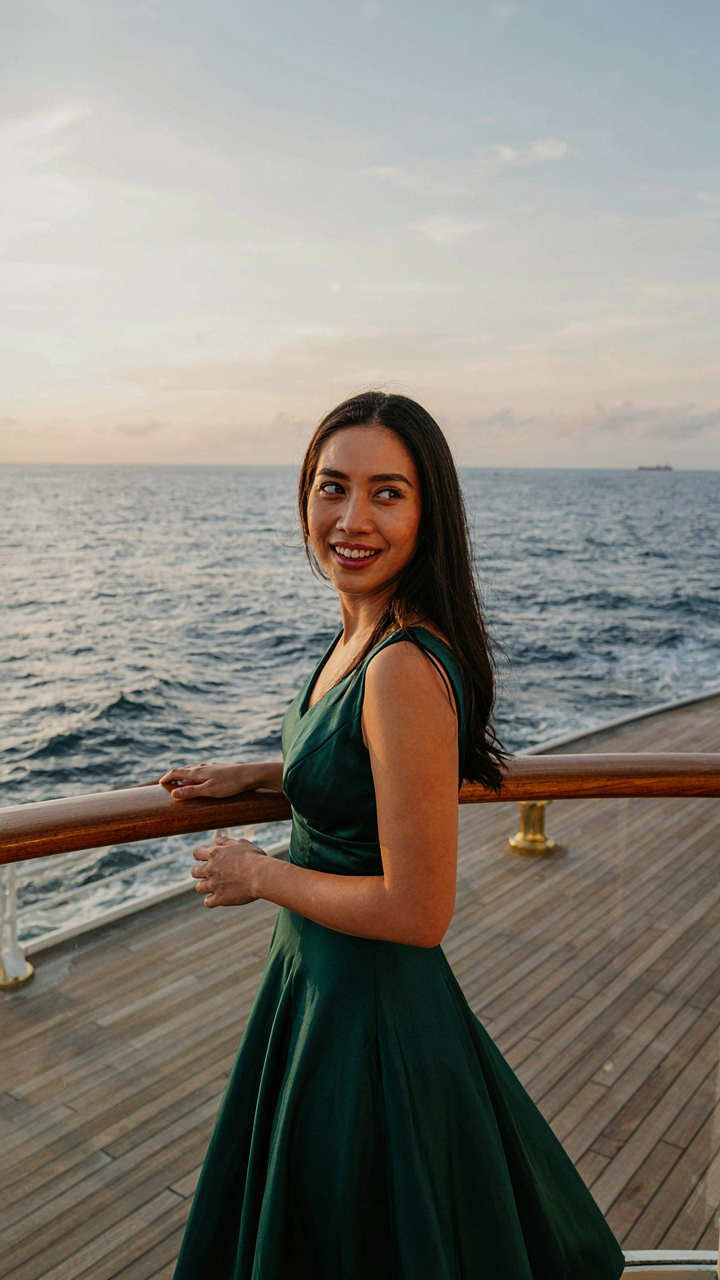
Stop obsessing over whether your dress hits the code. The people commanding attention on formal night aren’t doing it because their fabric cost more. They’re doing it because they move through the dining room like they belong there. Your real move today: pick one outfit that makes you feel like that person, then commit to it completely. Confidence isn’t something you wear. It’s something you radiate.