

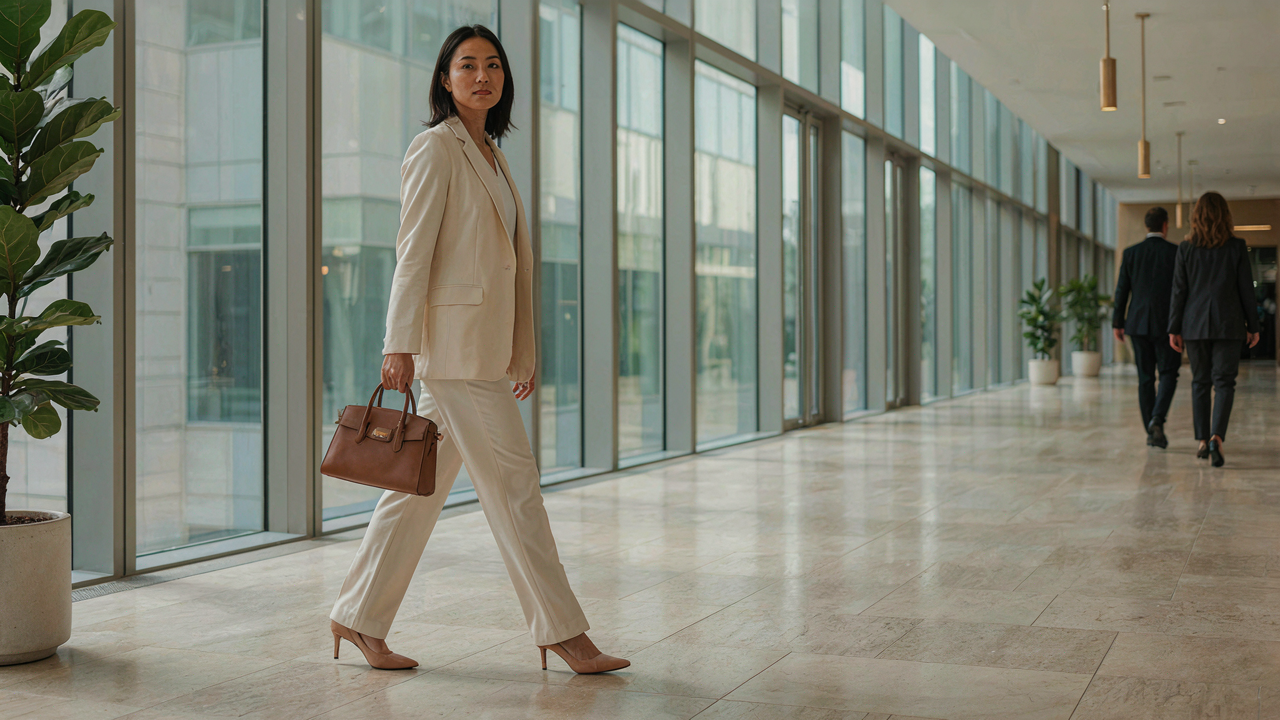
The Cognitive Load Of “Formal”: Why You Overthink It
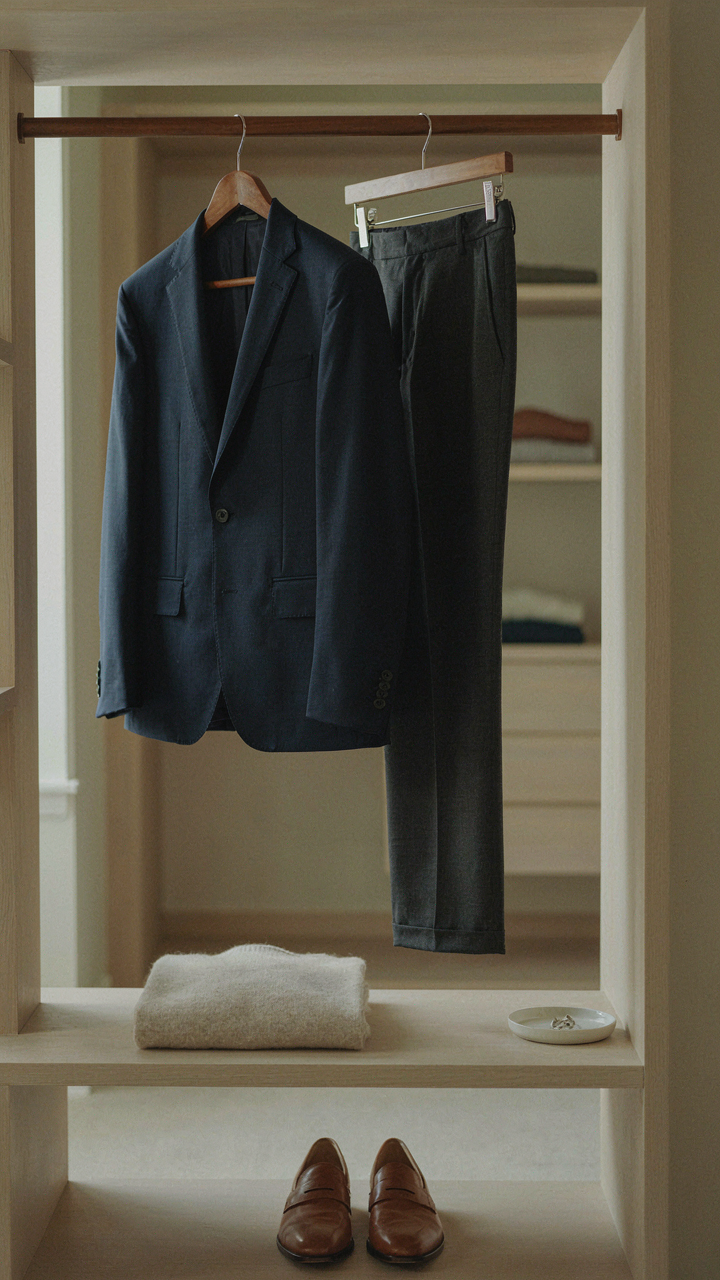
Society’s Rulebook Doesn’t Actually Exist
You’re afraid of looking wrong. That fear drives most of the overthinking here, and it’s the mechanism that keeps you stuck. The truth is sharper: formal dress codes don’t come from a single authority. They evolved from social layers—military rank insignia, Victorian class markers, professional hierarchies—that no longer operate the same way. You’re following ghosts of precedent, not written law.
What people actually judge is coherence, not compliance with some imaginary rulebook. A pressed navy blazer with clean trousers reads as intentional whether it’s a wool blend or pure wool, whether the buttons are horn or plastic. The cognitive load vanishes when you stop treating daytime formal as a password you might guess wrong and start treating it as a signal you control. Remove the mental weight by naming the actual audience: not society, but the specific people in that room.
Effort Scales With Actual Stakes
Formal exists on a continuum, not a binary. A morning wedding ceremony demands more polish than a midday business luncheon because the stakes differ in visibility and duration. Borrowing from economics, you’re optimizing for marginal returns: the point where additional effort stops producing better outcomes. Past that threshold, you’re wasting energy and looking stiff.
A daytime event with fifty guests in natural light requires different calibration than a formal evening reception. Morning light exposes detail—fabric texture, seam quality, grooming precision—so precision matters more. Afternoon events often soften these requirements because lighting conditions are less harsh. The protocol: identify the event’s actual formality level by checking who else will be there and what time the light peaks, then deploy resources accordingly. Don’t dress for hypothetical judgment.
Decoding “Daytime”: Light, Location, And Your Luster
How Sunlight Changes Everything
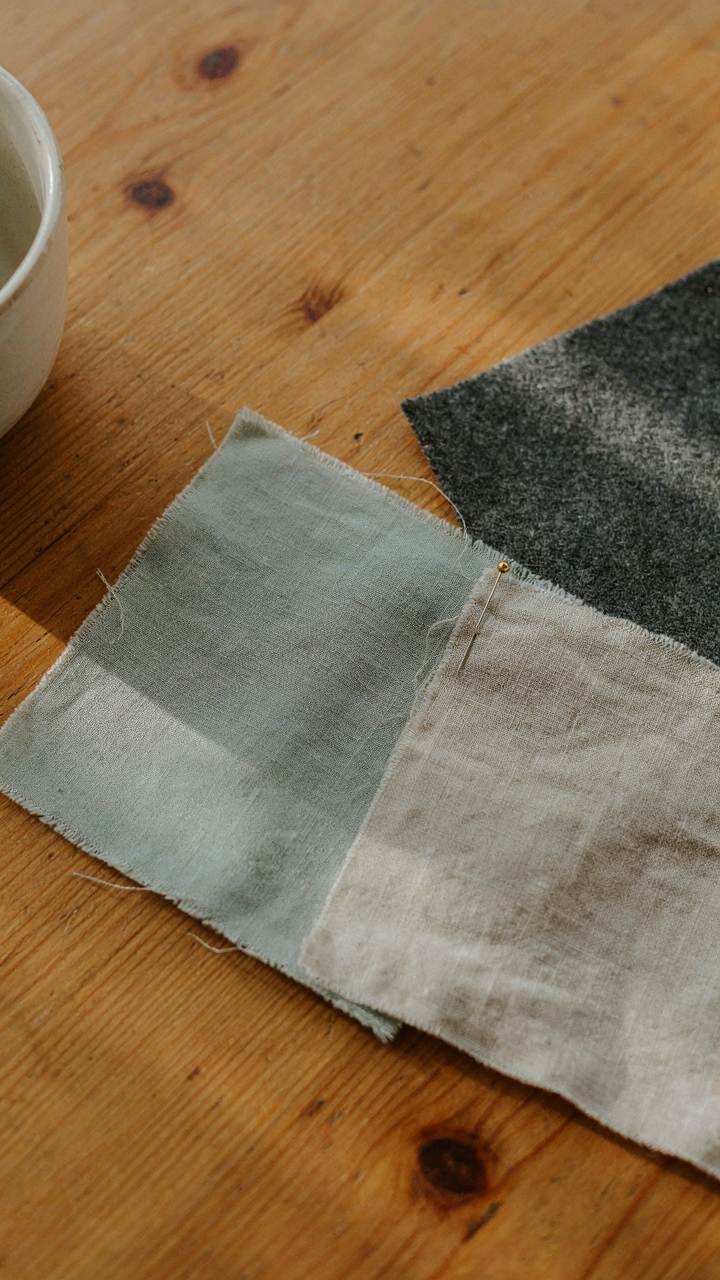
You’re worried you’ll show up shiny or washed out, which means you’re actually worried people will think you didn’t consider the basics. Here’s the mechanism: daytime formal attire operates under physics, not preference. Light behaves differently at noon than at 6 p.m., and fabrics either amplify or absorb that light. A silk that glows in evening fluorescence becomes a liability in direct sun. You need matte and semi-matte finishes, structured weaves that don’t trap light like a mirror. Worsted wool, cotton blends, and linen hold their form under sun exposure without creating glare around your body.

Color absorption matters more in daylight than most people admit. Pale grays, soft blues, and cream tones reflect ambient light without broadcasting it. Dark colors work, but they’ll heat you up and pull all visual attention downward, which reads formal but heavy. The real move: pick mid-tone colors with low saturation. Beige, sage, soft charcoal. These colors don’t fight the sun or disappear into it. Your accessories follow the same rule. Metal watches and buttons catch morning and midday light differently than evening light, so opt for matte or brushed finishes over polished ones.
Venue And Material Alignment
Indoor ceremonies and outdoor luncheons demand different material strategies, and most guides skip why. An indoor ballroom or chapel is climate-controlled and darker. Here, you can wear structured silk or even a lightweight wool blend without overheating. The light is softer and more forgiving. An outdoor garden luncheon is unforgiving. Direct sun, temperature swings, exposure. You need natural fibers that breathe and don’t wrinkle under stress: cotton, linen blends, lightweight wool. The venue controls humidity and foot traffic too. A carpeted indoor space lets you wear delicate dress shoes. Outdoor grass or gravel demands grip and durability.
Interior venues allow heavier, more lustrous fabrics because they won’t overwhelm the space or cause you to overheat. Choose materials with weight and drape. Exterior venues require lighter construction and technical performance. Linen blends resist wrinkles from movement and heat. Cotton breathes under pressure. The protocol is simple: identify the venue type, then select fabric weight and fiber content that matches the environment’s thermal and visual demands.
The “Garden Semi Formal” Fallacy: Beyond Flowery Dresses
What “Garden” Actually Means Here
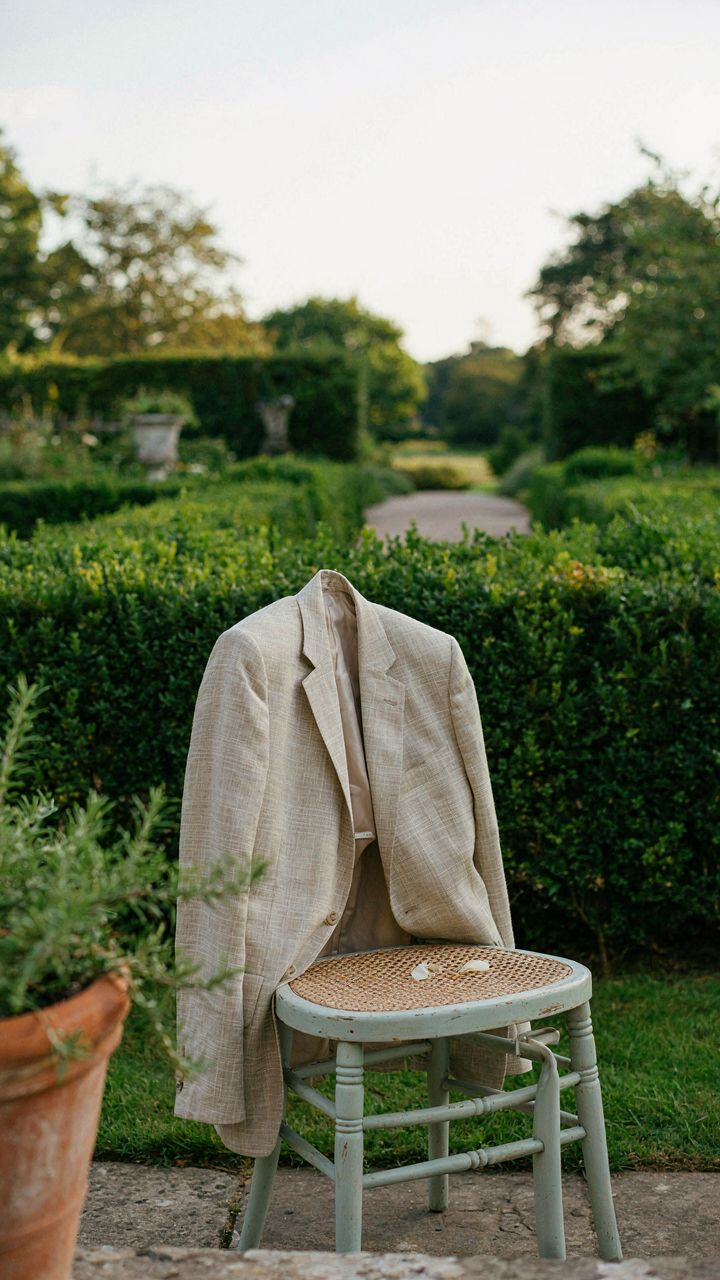
You’re drawn to this section because you’re worried a floral print signals you understand the dress code when everyone else will look refined. The mechanism is simpler: daytime formality doesn’t soften because the event happens outdoors or involves vegetation. The suit still carries weight. The structure still matters. Garden parties in the formal tradition descend from 19th-century British upper-class protocol, where location changed nothing about tailoring standards or color restraint. A garden luncheon demands the same rigor as an indoor ceremony.

The error most people make is treating “garden” as permission to relax fabric weight or introduce pattern density. It isn’t. A printed silk dress at a daytime formal event often reads as costume, not attire. Sophistication in this context means recognizing that a manicured outdoor setting demands restraint. Choose a solid or subtle geometric over botanical prints. Pair structured pieces that hold form even in heat and humidity. The event location is aesthetic backdrop, not dress code instruction.
Structure Over Surface Pattern
Texture and structure function like load-bearing walls in architecture. They create the visual hierarchy that reads as formal without requiring heavy fabric or dark colors. A daytime formal outfit needs bones: a well-cut jacket with a defined shoulder, trousers with proper pleat and drape, or a dress with internal structure through boning or panel construction.
Subtle texture matters more than print here. Linen weaves, subtle houndstooth, jacquard patterns, and tone-on-tone damasks read formal because they demand closer inspection. They don’t announce themselves across a room. A structured linen blazer in cream or sage with flat-front trousers achieves daytime formality through cut and weight, not color aggression. Material choice determines whether you blend into a formal gathering or stand apart as underdressed. Weave and fiber composition before pattern or color.
Women’s Semi Formal Outfit: The Power Of Intentional Pairing
Building Outfits From Separates
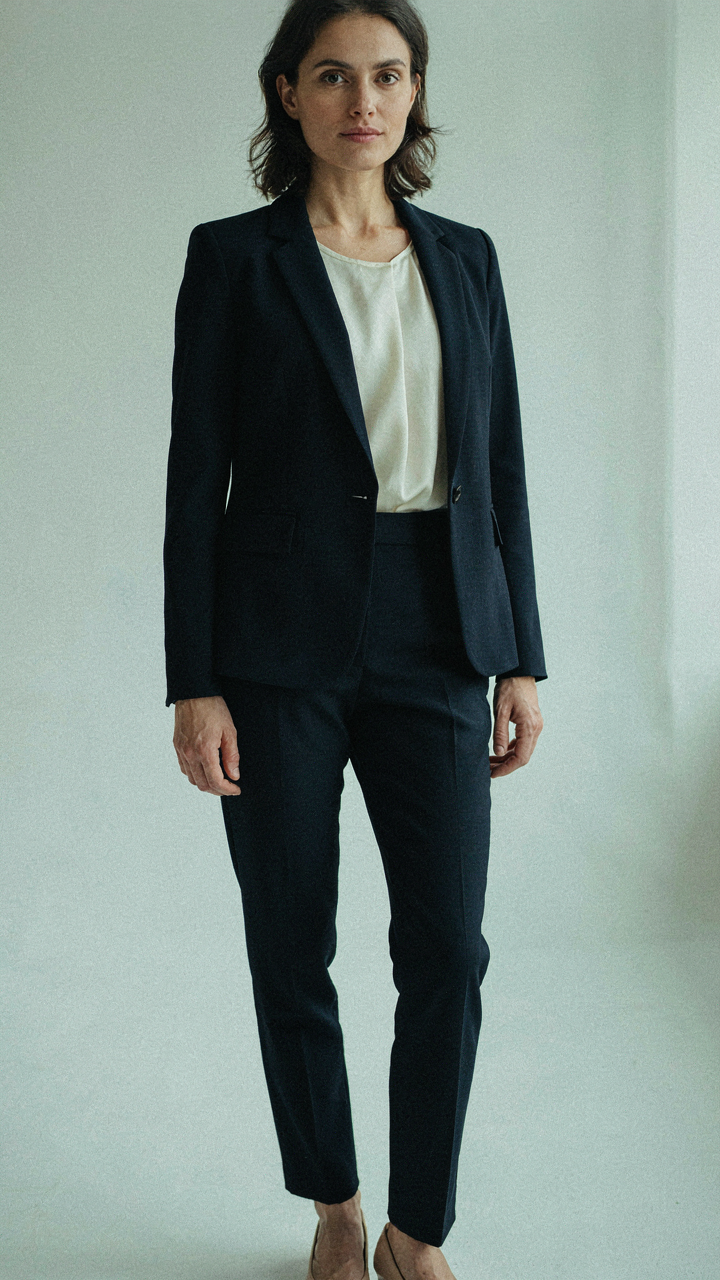
You want permission to look expensive without actually spending money. Here’s the mechanism: daytime formal wear borrows from architecture, not fashion. Load-bearing walls matter. A structured blazer is your load-bearing wall. It transforms a basic silk shell into formal wear. The blazer carries the visual weight, which means the pieces underneath don’t need to scream expense or formality.

Most advice tells you to “mix and match” pieces. That’s lazy. Strategic pairing means each item serves a specific function in the outfit’s hierarchy. The blazer signals formality. The shell signals refinement. The trousers signal precision. Each piece checks a box. When you stack boxes intentionally, the outfit reads as cohesive, not assembled.
- Structured Blazer: A single-breasted or double-breasted jacket in wool or wool blend grounds the outfit. The tailoring does the work, not the fabric cost. Look for a fit that skims the body without clinging.
- Silk Or Silk-Adjacent Shell: A camisole or sleeveless blouse in neutral tones serves as a refined base layer. The sheen signals formality without requiring pattern or embellishment. Pair it directly under the blazer.
- Tailored Trousers: Flat-front or pleated, in neutral colors. The fabric weight and seam precision matter more than brand. Break them at the shoe, not above it.
- Midi Skirt In Structured Fabric: Cotton blends or linen hold shape better than limp materials. A midi length keeps daytime formal approachable while maintaining formality. A-line or pencil both work depending on body mechanics.
- Neutral Cardigan: Lightweight wool or cotton cardigans layer over shells for versatility. Buttons should align with the body line. This piece bridges casual separates into formal territory through layering discipline.
The outfit works because you’ve distributed visual authority across multiple pieces instead of loading it into one statement item. This is why women’s semi-formal separates outperform single-piece dresses in daytime contexts: they telegraph intention and control.
Footwear As Foundation
Flat shoes own formal space. The consensus says heels equal formality. Wrong. Heels are one tool. Flats with proper construction and finish are the actual foundation. A ballet flat in patent leather reads more formal than a scuffed 2-inch heel. The material and condition carry more formal weight than height.
Daytime ceremonies and luncheons reward precision over elevation. Pointed-toe flats in patent leather or smooth leather anchor the outfit without imposing the fatigue tax of heels. Loafers in high-quality leather work. Even simple ballet flats in metallic finishes signal formality when paired with tailored separates. The shoe’s job is to not distract from the outfit’s intentional structure, not to be the outfit’s drama point.
Afternoon Wedding & Cocktail Attire: The “Transition” Myth
Stop Hedging Between Two Dress Codes
You want permission to wear something in the middle because you’re afraid of looking wrong at either end. The mechanism is simple: ambiguity reads as uncertainty, and uncertainty erodes formality faster than outright casualness. There is no “transition” dress code that exists in etiquette or tradition. You either commit to daytime formal or you don’t.

The real problem is that most people treat afternoon events like a negotiation they can split down the middle. Morning formal exists. Evening formal exists. The gap between them isn’t a gray zone you fill with compromise pieces. Wearing a sport coat over dress trousers to a 2 PM ceremony signals confusion, not sophistication. Pick the code that matches the event’s stated time and stick to it without apology.
Darker Tones After Three O’Clock
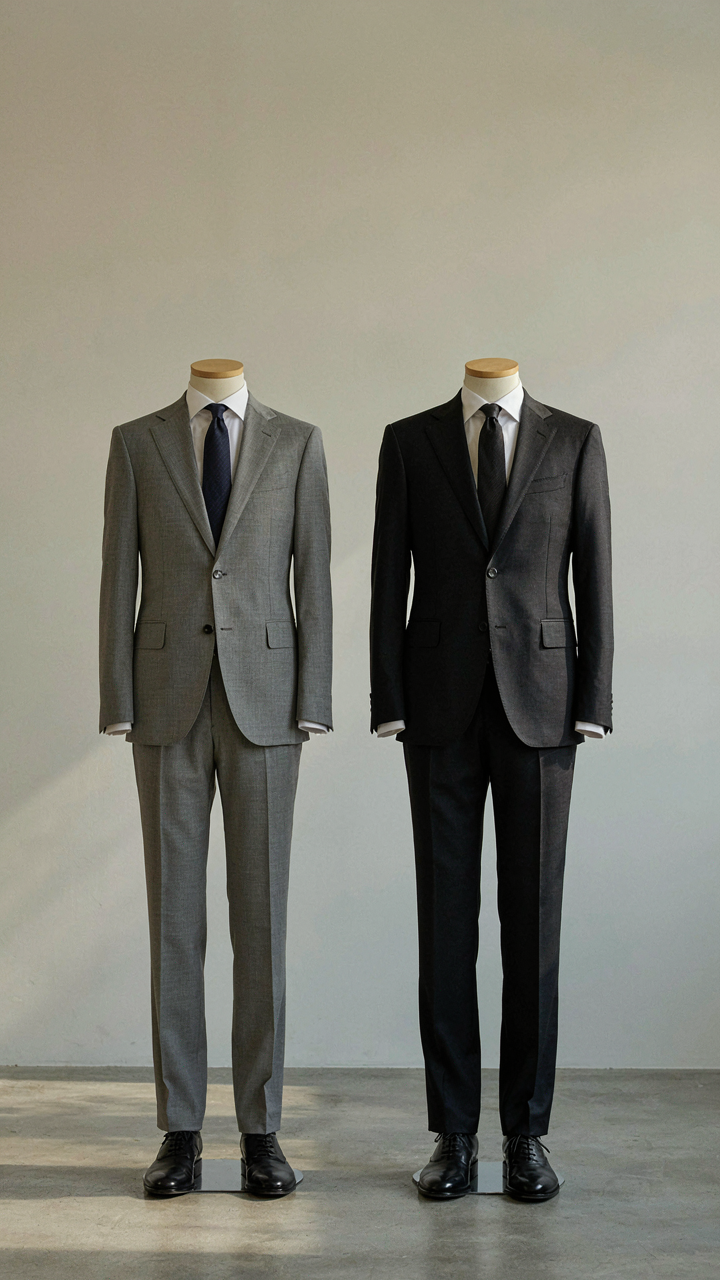
Light colors dominate daytime formal because they reflect heat and signal the brightness of daylight hours. After 3 PM, the event moves closer to twilight territory, and the dress code expectations shift with the light. This is why charcoal, navy, and deeper grays become standard after mid-afternoon. Lighter suiting still works, but the formality lever moves up through fabric weight and color saturation rather than leaving everything pale.
The shift isn’t arbitrary fashion posturing. It’s tied to how natural light changes through the day and what fabric colors optically communicate in that light. A medium gray suit looks appropriate at 1 PM. That same suit at 4 PM reads as underdressed next to someone in charcoal or navy. The solution is committing to darker tones if the ceremony or event creeps into late afternoon. Your fabric choice must account for the actual light conditions when you’ll be photographed and observed.
Wedding Guest Looks: The “Supporting Role” System
Your Clothes Are The Furniture
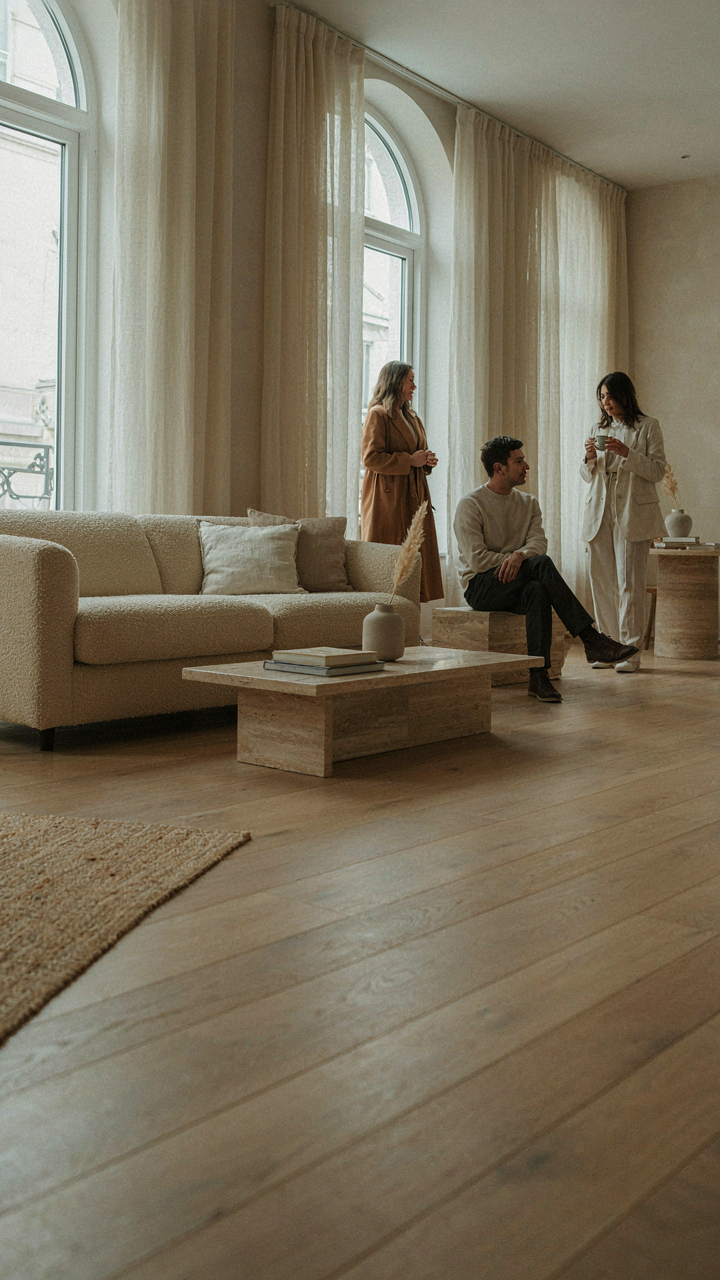
You’re worried people will judge you for what you wear, but that’s not actually what happens at a ceremony or luncheon. The real mechanism is simpler: your outfit either signals you belong in that space or it signals you don’t understand the context. Nothing else matters. Most people won’t remember what you wore. They’ll remember if you looked lost.

Daytime formal attire works like a uniform in evolutionary biology terms. Camouflage doesn’t mean looking invisible—it means matching the environment so completely that observers move past you without friction. You’re not trying to stand out. You’re trying to dissolve into the appropriate social frequency so the actual focal points (the couple, the honoree, the event) remain undisturbed. Wear what the context demands, and you disappear in the best way possible.
The Economics Of Restraint
Everyone gives the wrong advice here: “Add personality.” That’s a tell that whoever said it doesn’t understand daytime formality. The constraint isn’t a limitation—it’s the entire point. Your job is to demonstrate you understand the hierarchy of attention.
Pick a neutral base (navy, charcoal, cream, or black depending on the time of day and season), then add one intentional detail—a silk tie, a specific shoe, a quality fabric choice. That single deliberate element shows restraint and knowledge simultaneously. It proves you didn’t overthink this. You simply knew the system and executed it. The guest who stands out at a formal daytime event is the one who doesn’t recognize the rules. The one who blends is the one who already knew them.
Dressy Separates & Spring Wedding Guest Pants Outfit: The Modularity Protocol
Mix And Match Core Pieces
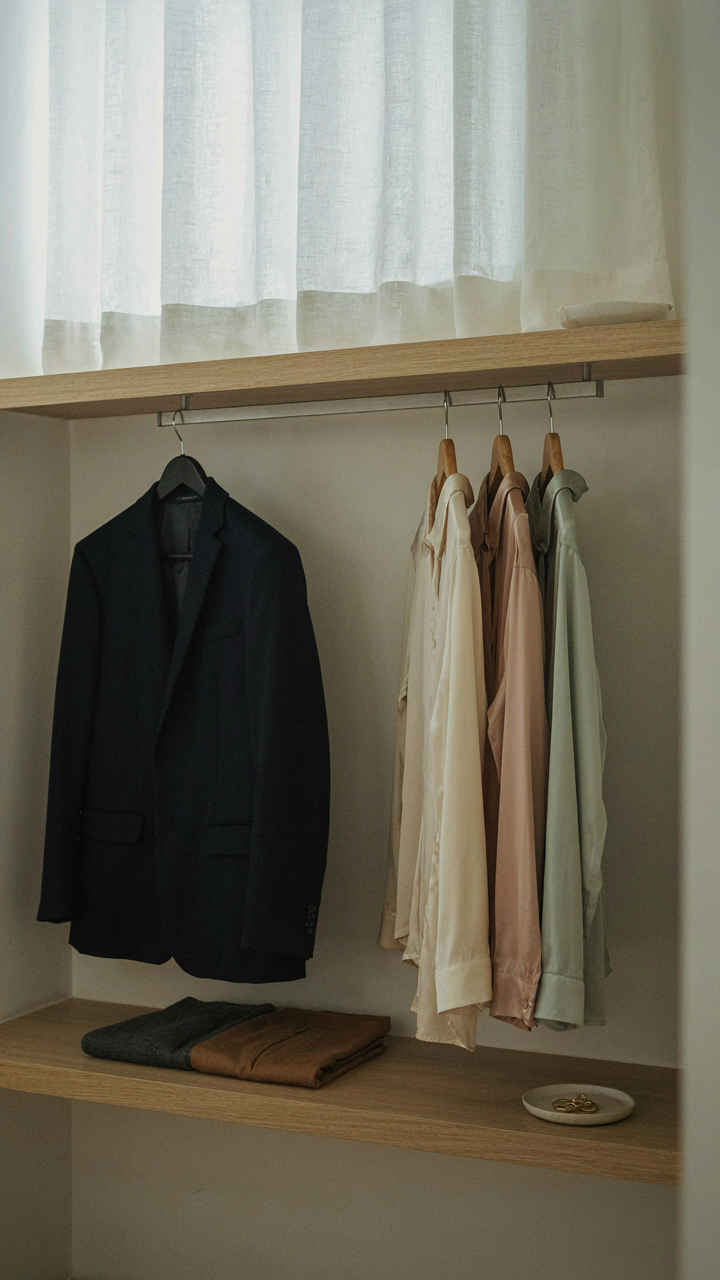
You want to look like you have more clothes than you actually own. Here’s the mechanism: separates work because you’re building a system where each piece functions alone and in combination. A structured blazer, tailored trousers, and a silk blouse aren’t an outfit. They’re inventory. Each component stands as its own valid garment, then compounds when paired. This eliminates the false choice between having five complete outfits or thirty incomplete ones. You build one outfit that reshapes itself across multiple daytime formal scenarios.

The math is simple. Three foundational pieces create nine distinct combinations. Add a fourth and you hit twelve. Daytime formal events demand precision over surprise, so repetition across events becomes invisible when fabrics and cuts change slightly. A navy blazer works spring weddings, summer luncheons, and autumn ceremonies because each setting lets you pair it with different trousers and tops without breaking protocol. You’re not being thrifty. You’re being strategic.
The Investment Threshold That Actually Works
Most advice says buy quality basics, then stops. That’s incomplete because it doesn’t tell you which basics return actual value. A silk charmeuse blouse in cream or white costs more upfront but functions across fifty different daytime formal combinations over years. A cheap polyester version pills, yellows, and becomes unusable in eighteen months. One blouse costs less per wear. Tailored trousers in wool or a wool blend hold their shape through repeated wear and cleaning. Cheap cotton-blend pants bag at the knees and seat within a season. The price difference is fifteen to thirty percent. The lifespan difference is two hundred percent.
Invest first in: structured blazers that fit your actual shoulders, trousers cut for your proportions, and silk or silk-blend tops in neutral tones. Skip the trendy pieces masquerading as basics. A peplum top isn’t foundational. A straight-cut blouse is. Build the structure first, then let silhouettes shift around it as seasons change. This approach means replacing components every three to five years instead of every season, which makes the per-event cost negligible and the wardrobe mentally simpler to operate.
The Unwritten Rules Of Accessorizing: Amplification, Not Distraction
Restraint Wins The Room
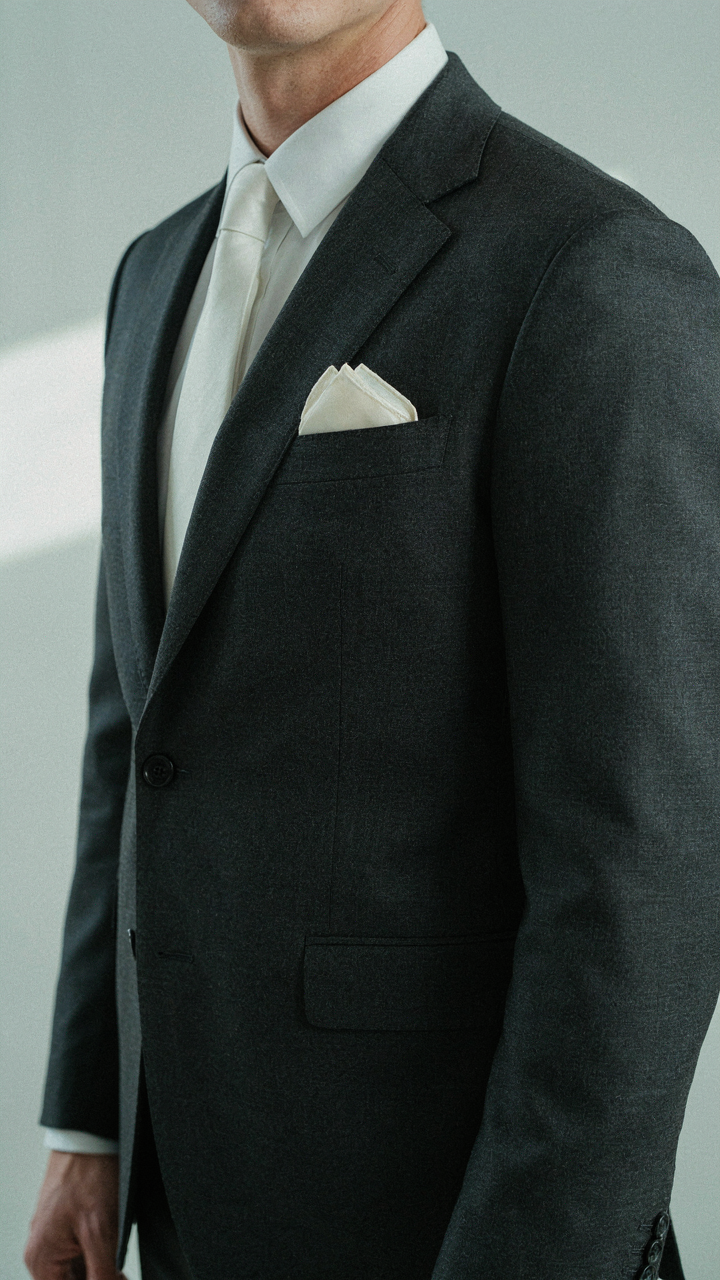
You want accessories to prove you belong without announcing it. That’s the real game. Daytime formal attire works like signal theory in communications: every element transmits information, and noise destroys the message. Too many accessories create interference. One quality watch, one pair of cufflinks, one pocket square if the formality demands it. That’s the threshold. Everything beyond that broadcasts insecurity, not sophistication.

The common advice is “add personality through accessories.” Wrong. You add personality through the quality and fit of what you already wear. Accessories serve one function: they reinforce the structure. A silk pocket square doesn’t make you interesting. It makes your jacket read cleaner. A leather belt doesn’t express your taste. It anchors your proportions. Strip the romantic language and you see what’s actually happening: accessories work or they don’t based on whether they solve a structural problem, not whether they feel expressive.
Purpose Over Preference
Each accessory you wear must answer this question: what problem does this solve? If you can’t name it, remove it. Cufflinks secure cuff edges and signal formality level. A tie bar holds the tie at the correct angle and prevents it from swinging during movement. A watch tells time and occupies wrist space deliberately. None of these exist for decoration. They exist because daytime formal wear has functional requirements that casual clothing doesn’t demand.
This eliminates ninety percent of accessory decisions immediately. You don’t choose a brooch because you like brooches. You wear one if the dress code specifies it and the garment has the structure to support it. You don’t add a second ring because it looks nice. You add it only if it serves an actual purpose and doesn’t visually compete with existing pieces. The mechanism is elimination: start with nothing, add only what solves a real problem, then stop.
Beyond The Garment: The Psychology Of Presence
Certainty Reads Louder Than Fabric
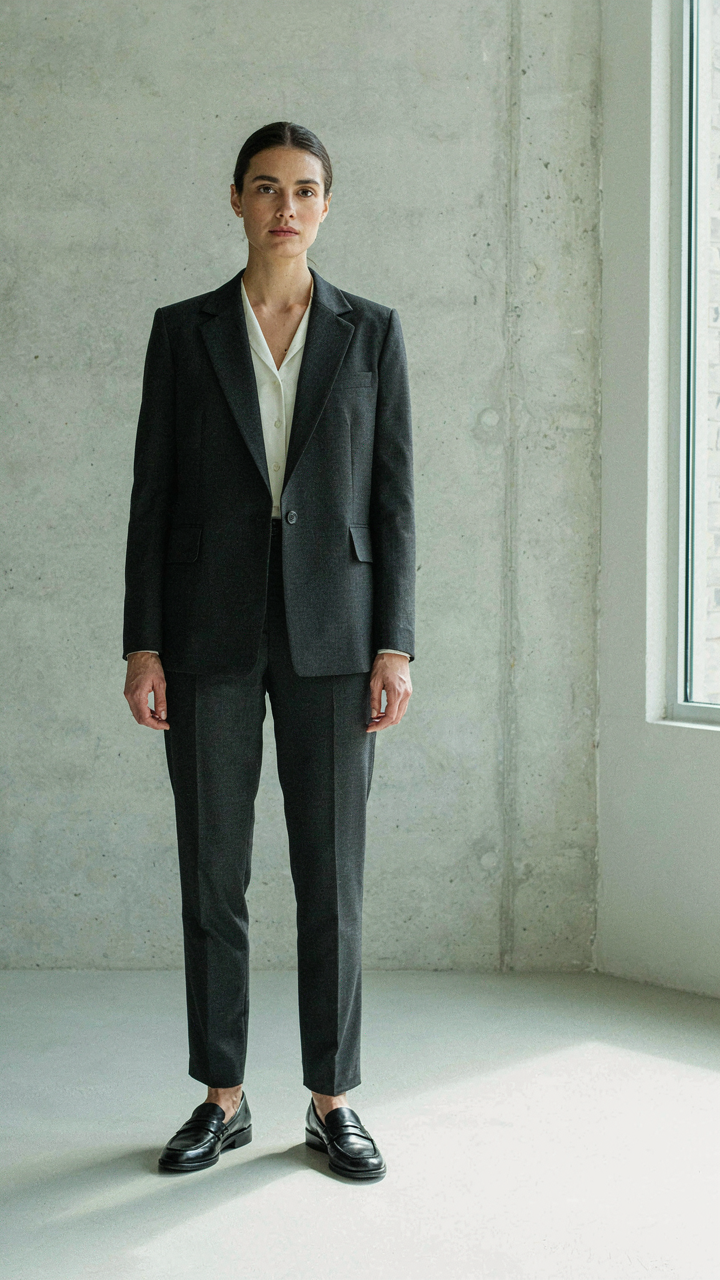
You’re here because you sense that clothing alone won’t close the gap between how you look and how you’re perceived. You’re right. Confidence isn’t an accessory you buy. It’s the output of alignment between your outfit, your intention, and your body’s readiness to occupy space. In daytime formal settings, uncertainty broadcasts before words do. A person in a perfectly tailored morning coat who second-guesses their posture sends mixed signals. The garment becomes noise.

What separates effective presence from theatrical performance is specificity of purpose. Before any ceremony or luncheon, know exactly what you’re there to accomplish. This isn’t motivational. It’s mechanical. When your nervous system understands the task, your body settles. That settlement shows as stillness, which reads as command. People interpret controlled movement and deliberate pauses as markers of authority, regardless of rank. Wear the formal attire as a tool for this function, not as armor against judgment.
Posture Structures The Entire Signal
Human biomechanics operate like physics: structure determines output. Slumped shoulders collapse the line of a jacket, kill the drape of trousers, and telegraph doubt through the frame. Upright posture doesn’t just look better in daytime formal attire. It changes oxygen flow, grounds weight distribution, and shifts how others read your intention. The mechanics are physiological, not performative.
Specific protocol: shoulders back and down, not pinched. Chin level or fractionally forward. Weight distributed equally across both feet when standing. When seated, maintain the spinal angle that your jacket’s structure supports. Most people ignore this because posture feels boring until it becomes automatic. Practice it three times before the event. Your nervous system will hold it under stress if you’ve rehearsed the position, not just read about it.
Your Biggest Sartorial Obstacle Isn’t The Dress Code; It’s Your Lack Of A Personal Operating System

Most people freeze at daytime formal events because they never built a baseline. You need one outfit formula that works. Pick a blazer, match it with two pairs of trousers, add three shirts. Wear it until the formula becomes automatic. Stop outsourcing your decisions to Pinterest boards. The person who owns their choices owns the room, and that’s where confidence actually lives.