


The Breeze Barrier: Why “Light Fabrics” Aren’t What You Think

Natural Fibers Versus Synthetics Performance Differences
You want to look cool without sweating through your dress, and you think choosing cotton solves it. It doesn’t, because the real mechanism isn’t the fiber itself—it’s what the fiber does with moisture. Natural fibers like cotton and linen absorb sweat into their structure, then release it slowly into the air. Synthetics like polyester repel moisture, which keeps sweat on your skin longer before evaporation kicks in. Neither approach is inherently superior for garden parties; they fail differently.
Cotton breathes through absorption, which works only if air moves across the fabric to evaporate that moisture. In humid conditions, cotton stays damp. Linen performs better in heat because its fibers have a natural waxy coating that resists moisture retention. Silk wicks sweat away efficiently but wrinkles and stains easily, making it impractical for outdoor events. The practical choice depends on your climate and how long you’ll be standing still. Pick based on evaporation speed in your specific conditions, not on what marketing calls “breathable.”
Weave Density And Air Circulation Not Just Material
Physics governs fabric performance the same way it governs wind resistance in aerodynamics—tighter construction blocks airflow, looser construction allows it. A tight weave in any fiber stops air from moving through the fabric itself, forcing your body heat to dissipate only around the edges. A loose weave creates pathways for air to move through, cooling you directly. Cotton voile has an open weave that air passes through easily. Cotton poplin has a tight weave that traps heat. Same fiber, opposite performance.
Weave density matters more than you think because it determines how much air actually contacts your skin. A lightweight linen in a dense weave performs worse than a slightly heavier cotton in an open weave. Check the fabric by holding it up to light—if you see significant space between threads, air will move through it. If it appears solid, it won’t. Before buying garden party attire, feel the fabric and assess transparency to light as your baseline test for actual air circulation capacity.
Beyond The Ballet Flat: Strategic Footwear For Uneven Terrain
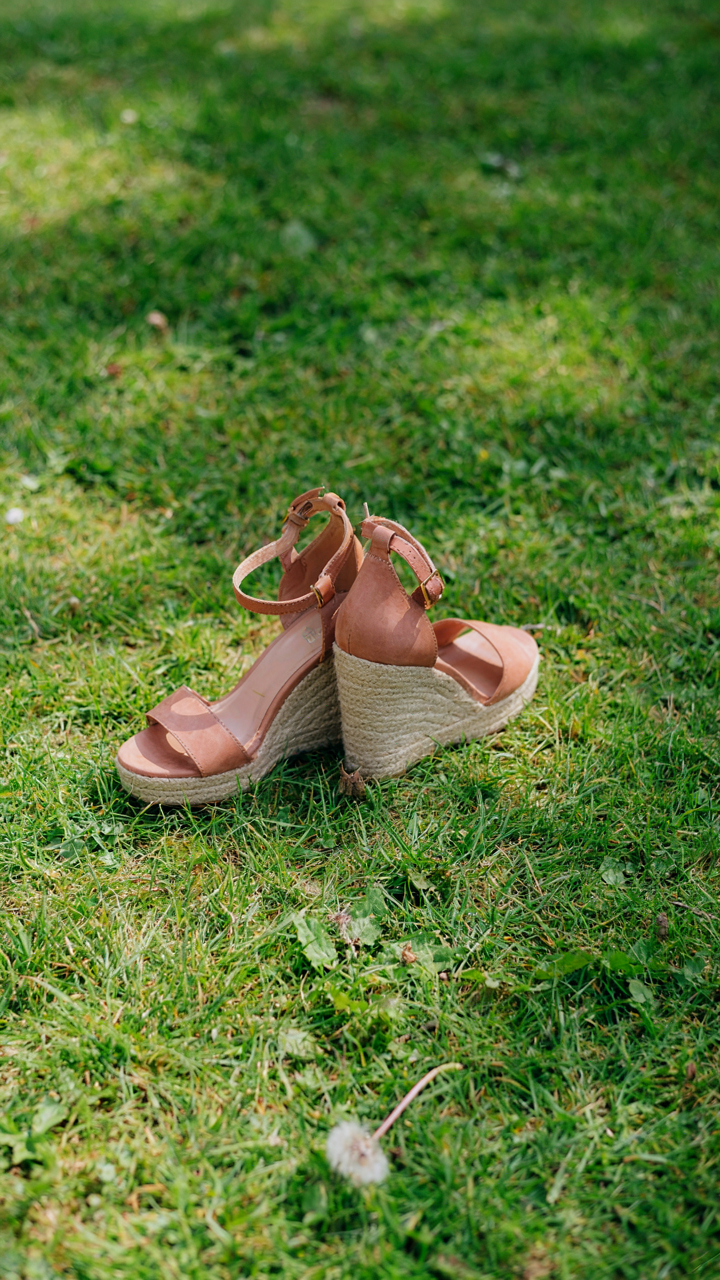
How Weight Distributes On Grass
You care about this because sinking into grass in front of people signals you didn’t think this through. Physics gives us the mechanism: pressure equals force divided by area. A stiletto concentrates your body weight into maybe half a square inch. Grass blades compress and fold under that load, your heel punches through the thatch layer, and you’re suddenly off-balance. A wider heel or flat sole spreads that same force across more surface area, reducing pressure and keeping you stable on ground that wasn’t engineered like a floor.

The real problem isn’t heel height alone. It’s the contact patch. A kitten heel with a one-inch diameter base distributes pressure better than a pencil-thin stiletto, even at the same height. A wedge heel works harder than a thin heel because the structure transfers load more gradually from heel to ball of foot. Test this yourself: step on a scale in a stiletto versus a wedge at equal heights. Your weight reading stays the same, but your feet report different fatigue levels. That gap is where the physics lives.
Material Choice Determines Recovery And Grip
Sole material isn’t cosmetic. It’s the only thing between your shoe and slippery surfaces, and grass gets slick fast. Rubber grips better than plastic or leather because the molecular structure has give, allowing tiny contact points to grip individual blade edges. Leather soles look refined but offer almost no friction on wet grass. They’re designed for stone floors, not terrain. A rubber or synthetic compound sole with textured patterns keeps your foot planted when you pivot or stand still on slope.
Longevity matters too because cheap soles compress over time, reducing grip further. A quality rubber sole keeps its shape through multiple events. Worn soles don’t just feel unstable, they actively fail under side-load pressure, which happens constantly on uneven ground. Buy shoes with soles rated for outdoor use, not dress-only shoes you’ll abandon after one season. Check the sole before purchase. If it’s smooth and thin, it will betray you before the afternoon ends.
The “Garden Party Wedding Outfit Guest” Illusion: Dress Codes As Social Filters
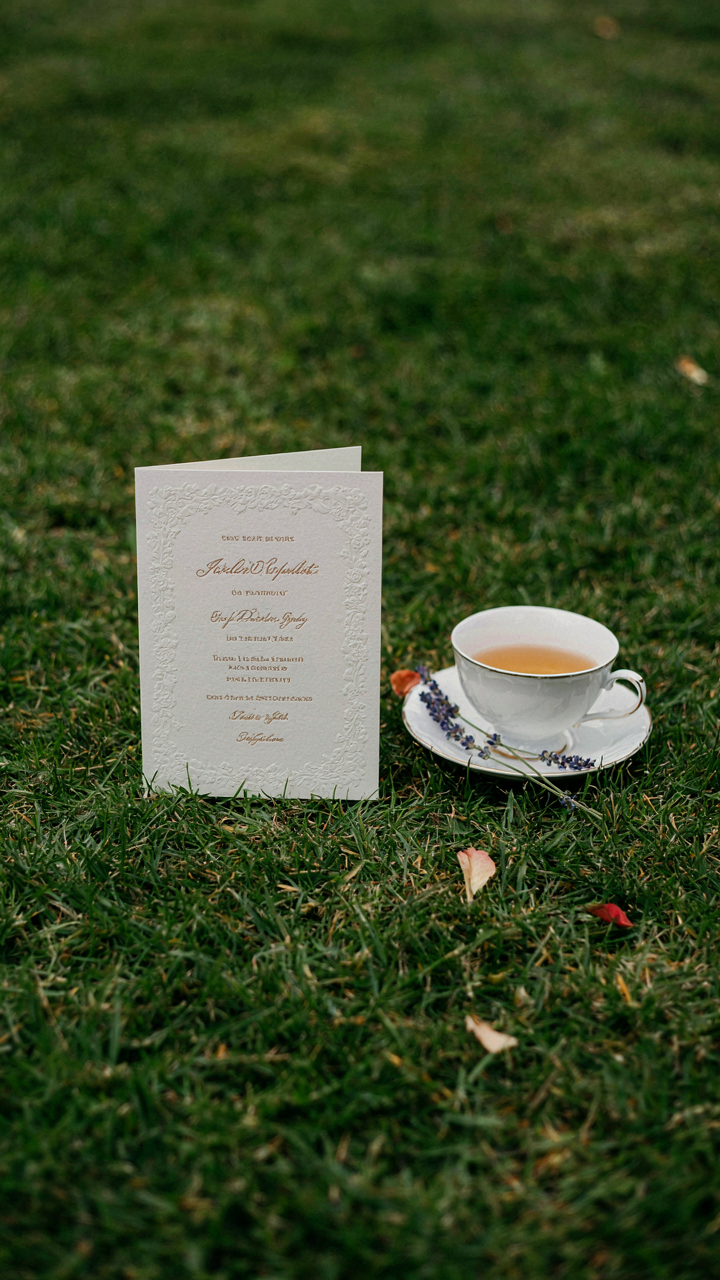
What The Invitation Actually Says
You’re anxious about getting this wrong because you know dress codes function as gatekeeping mechanisms, not just aesthetic guidelines. Here’s the mechanism: garden party invitations use vague language on purpose. “Garden party attire” sounds friendly and open, but it’s actually a compression algorithm. It filters guests by whether they already know the unwritten rules. If you have to ask what it means, you’re outside the intended circle.

The stated formality level rarely matches the actual one. Hosts say “garden party casual” and mean something between sundress and structured dress code. The gap exists because explicit rules feel unfriendly, while implicit ones let people self-select out. This isn’t accidental. The vagueness is the feature. Light fabrics and pretty shoes aren’t the real dress code. Knowing what those words compress into is.
Dressing Up Costs More Than Dressing Down
The social math here is asymmetrical, and most advice gets it backwards. Underdressing reads as indifference or disrespect. Overdressing reads as either insecurity or an attempt to dominate the room. Hosts notice overdressing immediately because it breaks the established social altitude of the event. But underdressing creates a different problem: you become the person who didn’t care enough to show up properly.
The real consequence isn’t judgment about your outfit. It’s that you become forgettable or marked as an outsider. Garden parties operate on a narrow formality band. You stay within it by wearing structured fabrics in neutral tones paired with intentional footwear, not by adding embellishment or volume. The protocol is: match the host’s effort level and the venue’s implied expense, then stay exactly there. Exceed it, and you’ve signaled you misread the room.
The Inverted Pyramid Of Accessorizing: Less Is More, But Smarter
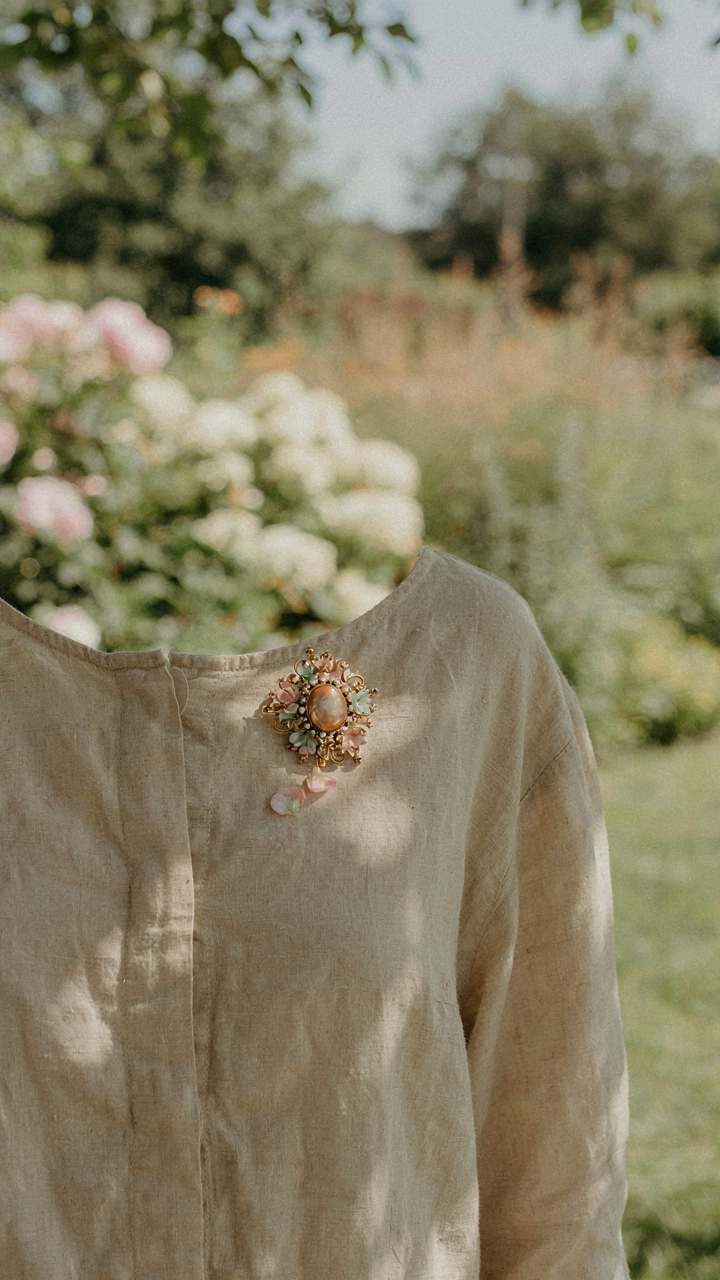
One Piece That Moves The Room
You want permission to buy more things and call it strategy. Here’s the truth: in garden party settings, a single strong accessory—a structured handbag, a statement necklace, or a pair of distinctive shoes—does more work than six mediocre ones. Think of accessorizing like economics: scarcity drives value. When everything competes for attention, nothing lands. A silk scarf tied at the neck or a vintage brooch becomes the focal point because you removed the noise.

The mechanism is straightforward. Your eye defaults to contrast and dominance. One bold element against restraint creates hierarchy. Two or three competing pieces create confusion. Women who look intentional at garden parties aren’t drowning in jewelry or layered bags. They’ve chosen one anchor—usually the shoes, since they’re visible and functional—and let that carry the visual weight. Everything else supports it, not fights it.
Utility That Reads As Elegance
Hats, parasols, and wraps aren’t decoration pretending to be practical. They are practical elements that happen to be decorative, which inverts the entire accessorizing equation. A wide-brimmed straw hat solves sun protection while defining your silhouette. A linen shawl manages temperature fluctuation and adds texture. A parasol blocks UV and provides a visual anchor that grounds your stance.
The common mistake is treating these as afterthoughts. They’re not optional add-ons; they’re structural. A parasol with a coordinated handle becomes your prop—it gives your hands something to do and creates vertical line. A lightweight cotton wrap draped over bare shoulders bridges the gap between indoor air conditioning and outdoor heat. These pieces solve real problems while controlling how your outfit reads. That’s efficiency, not accident.
The “Party Outfits For Women” Protocol: How To Signal Intent Without Shouting
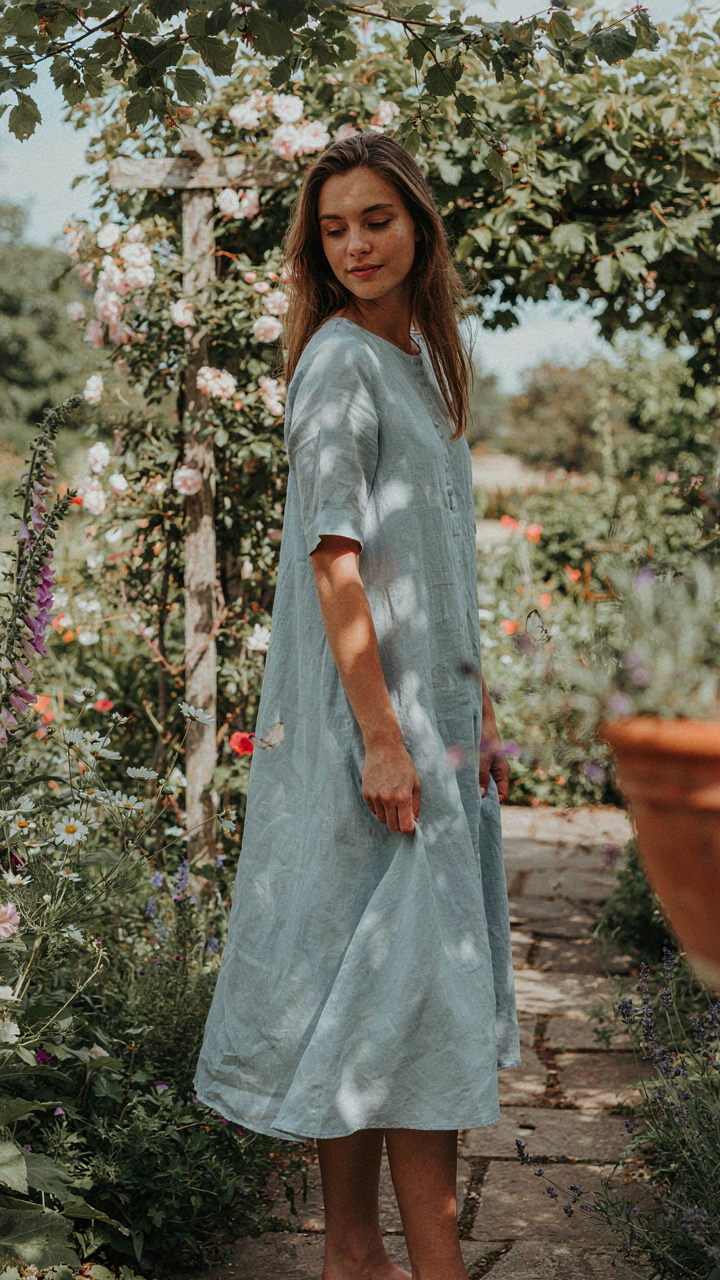
Color Psychology Works Like Market Signaling
You want people to know you belong there without looking like you tried too hard. That’s the real game. Color functions like market signaling in economics: it communicates information instantly before anyone hears your voice. Pastels and neutrals broadcast “I understand the occasion.” Bright jewel tones broadcast “I’m confident enough to stand out.” The mechanism is neural speed—your brain processes color before it registers fabric or fit.

Pale blues, soft pinks, and cream dominate garden party attire for women because they mirror the environment rather than compete with it. This isn’t a rule. It’s pattern recognition. Wearing white or cream places you visually in continuity with tent structures, linen tablecloths, and daylight itself. A coral or emerald dress makes you the focal point instead of the garden. Both work. The choice determines your social bandwidth—whether you want to blend or command attention. Pick based on your actual role at the event, not based on what you think looks “nice.”
Silhouette Shapes Posture Before You Move
Your outfit’s shape instructs your body how to occupy space. A-line dresses with defined waists train you to stand upright and move deliberately. Loose, flowing linen creates permission to relax your shoulders. Fitted fabrics demand attention to posture. Oversized cuts enable you to move without constraint. The silhouette isn’t decoration—it’s a physical protocol your body follows. A-line and fit-and-flare designs dominate garden party attire for women because they require good posture, which reads as confidence to observers.
Light fabrics create optical illusion of movement even when stationary, which compounds the silhouette effect. Linen and cotton drape with intention rather than cling or puff. This distinction matters tactically. A woman in a fitted linen dress moves with visible precision. A woman in oversized linen moves with apparent ease. Choose based on whether your goal is to appear controlled or approachable. Then commit to the posture that silhouette demands for the entire event.
The “Garden Party Outfit Ideas” Funnel: From Inspiration To Execution
Structure Drives Silhouette
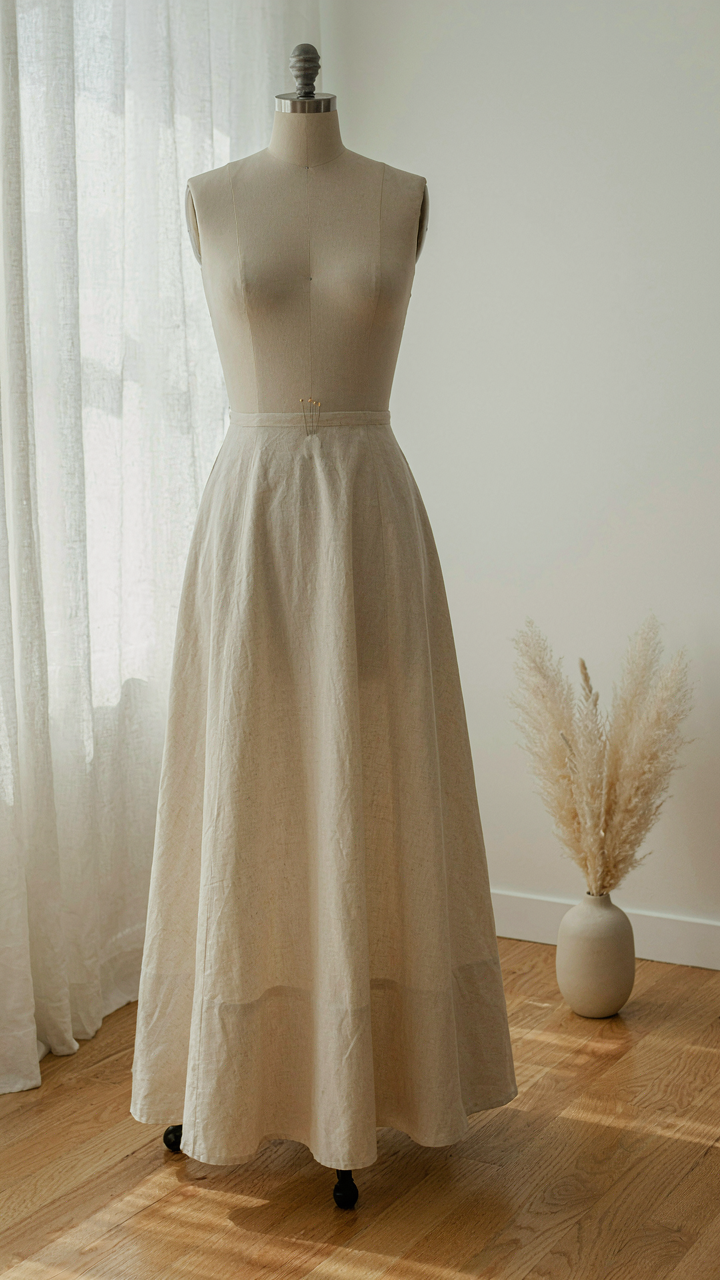
You’re looking for permission to copy someone else’s outfit because you’re afraid your own taste will fail you publicly. Here’s what actually matters: architecture teaches us that load-bearing walls determine everything else. In garments, seams and darts function as your load-bearing walls. A-line skirts work at garden parties because the seam placement distributes fabric weight downward, preventing bunching in humidity. Empire waistlines (seamed above the natural waist) solve the same problem differently by anchoring volume at the narrowest point. The structure comes first. Fabric choice and shoe selection follow the structure’s logic, not the reverse.

Linen and cotton blends hold their architectural intent because they have body. Flimsy rayon collapses into formlessness when heat and humidity spike. This is mechanical, not aesthetic. The dress either maintains its intended shape or it doesn’t. When selecting garden party attire, prioritize garments with internal structure: structured bodices, reinforced seams at stress points, and natural fibers that resist wilting. A well-cut dress in proper fabric requires minimal adjustment throughout the day.
Pattern And Texture Create Visual Hierarchy
Biology offers a precise principle here: organisms use pattern density and contrast to either vanish or command attention. High contrast patterns recede in soft garden light, while mid-tone textures and subtle prints advance. Most women buy loud florals thinking visibility equals presence. They’re wrong. A textured solid (linen weave, jacquard, or subtle embroidery) reads stronger in natural outdoor light than a busy print competes with actual garden plants surrounding you.
Texture accomplishes what pattern cannot: it catches light without demanding it. A delicate jacquard weave in cream or sage creates visual depth while remaining understated. Layered textures (sheer overlay on structured base, pleated detailing on smooth fabric) generate complexity without visual noise. Your shoes should reverse this logic. If your dress is high-texture, wear smooth leather flats or minimal sandals. If your dress is textured-minimal, you can introduce visual interest through woven or metallic shoe detail. The outfit gains coherence through deliberate contrast, not matching patterns.
The Fabric Of Deception: Why Wrinkle Free Is A Lie
Natural Wrinkle Resistance Versus Chemical Treatments
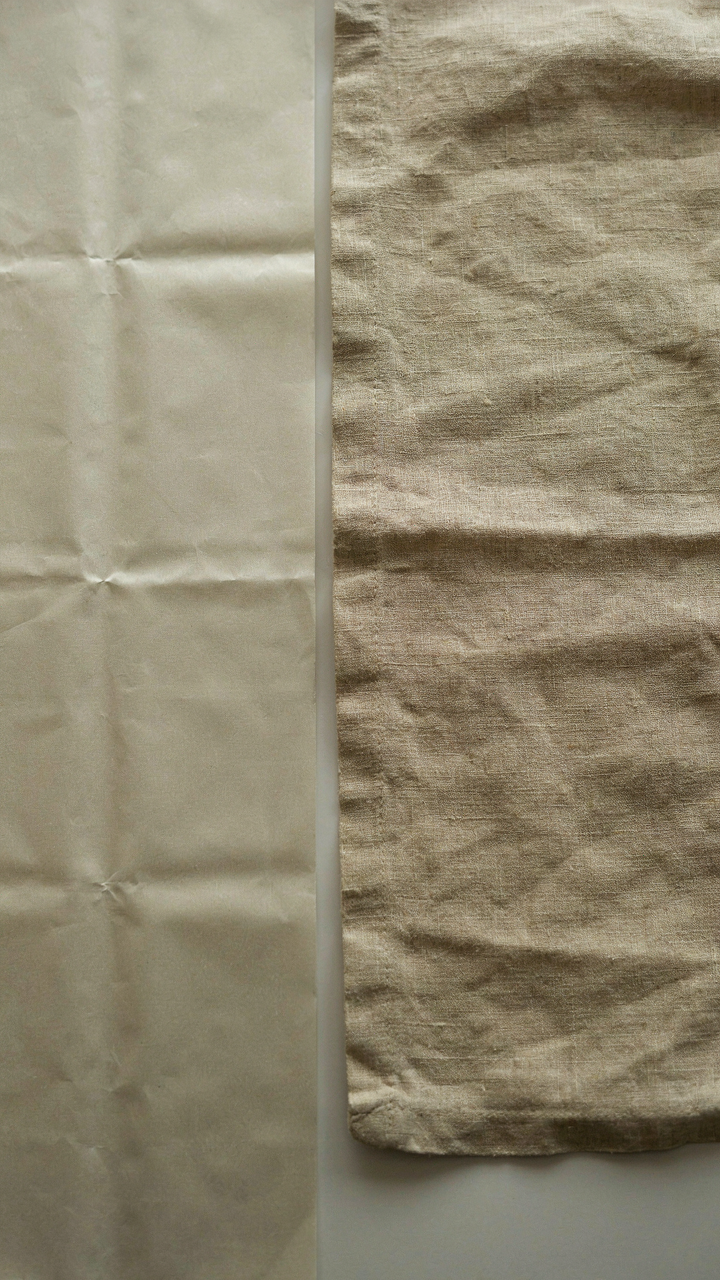
You want to believe a fabric can stay pressed without effort because that means less work before the party. That’s the real appeal. Here’s the mechanism: natural fibers resist wrinkles through fiber structure, not magic. Linen wrinkles because its cellulose fibers lack the molecular cross-links that lock shape in place. Cotton does the same. Silk wrinkles less because its protein structure holds form longer, but it still creases under pressure or storage.

Chemical finishes solve this by coating fibers with synthetic resins that mechanically prevent wrinkle formation. This is textile engineering, not fabric innovation. Wrinkle-resistant cotton isn’t better cotton—it’s cotton wrapped in polymer. These treatments work, but they degrade with washing. After 20 to 30 cycles, the coating breaks down and wrinkles return. The marketing never mentions this expiration date because it kills repeat purchases. Your garden party dress doesn’t stay wrinkle-free forever; it stays wrinkle-free until the treatment fails.
Fabric Care And Maintenance: Prolonging Garment Life
Conventional advice says wash in cold water and hang dry. That’s incomplete because it ignores the real variable—heat exposure during storage and wear, not washing. Temperature accelerates polymer breakdown in treated fabrics and speeds fiber degradation in natural ones. A dress stored in a hot attic loses its wrinkle resistance treatment twice as fast as one stored in a cool closet. This isn’t opinion; it’s basic chemistry.
Store garden party attire in breathable cotton garment bags in a climate-controlled space. Never plastic—it traps humidity and accelerates mold growth and fiber weakening. Fold, don’t hang, if the garment weighs over three pounds; hanging stretches fibers permanently. For treated synthetics and wrinkle-resistant blends, wash by hand in cool water every two to three wears to extend the chemical treatment’s life. The mechanism is simple: less mechanical agitation and less heat exposure preserve the finish longer than machine washing. Inspect seams and hems before storage; repair stress points immediately to stop small tears from becoming garment failures.
The “Garden Party” Delusion: It’s Not About The Garden
What The Host Actually Wants From You
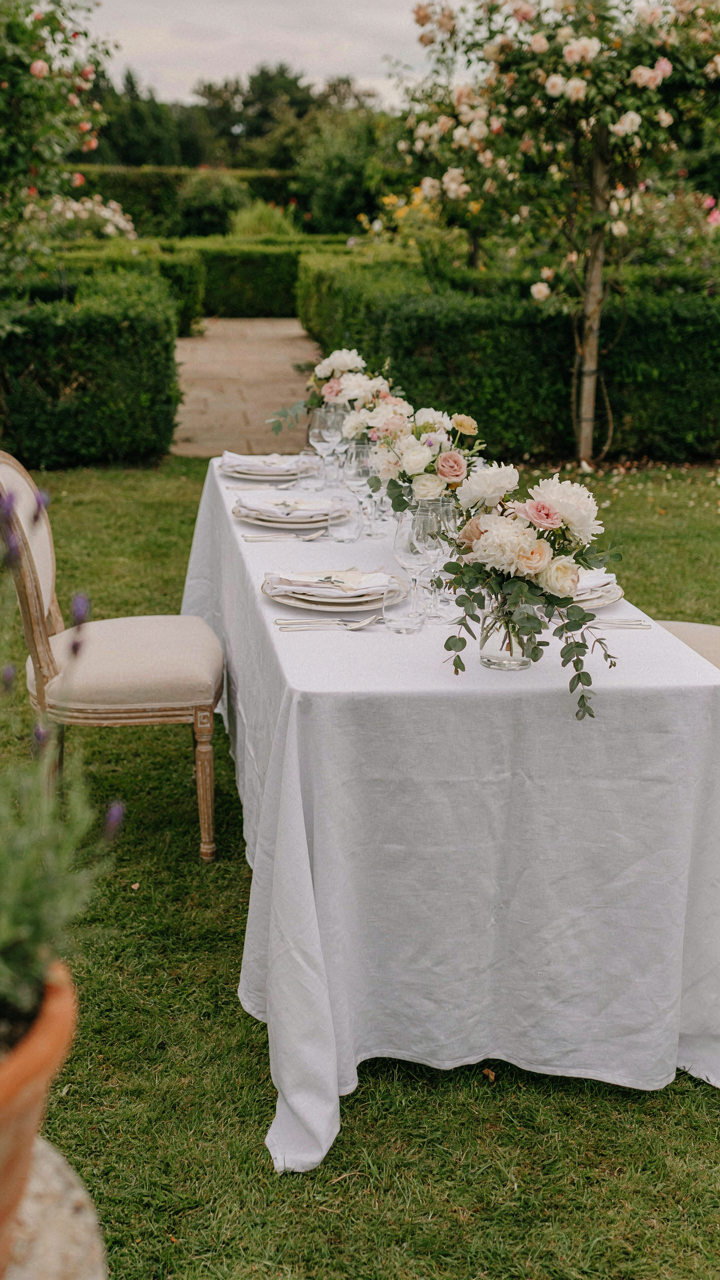
You care about this because you’re afraid of being read as low-status or out of place, and that fear is the real problem here. The host doesn’t actually care about gardens. They care about control. A garden party invitation is a test of whether you understand their social rank and will perform accordingly. The outfit is the language you use to confirm you got the memo.

Most advice tells you to “dress for the occasion.” That’s useless. What matters is understanding that the host has a specific image in their head, and your job is to decode it without asking. They want you comfortable enough to relax but dressed enough to never upstage them. Light fabrics and pretty shoes accomplish both at once because they signal you made an effort without threatening the hierarchy.
Reading The Room Before You Arrive
Think of attire like game theory, where your clothing choice is a move that either cooperates with or competes against the host’s intended aesthetic. Most women miss this entirely and default to “cute” or “summery,” which solves nothing because those words mean different things to different people. The real move is matching the host’s investment level, not the weather.
- Venue exclusivity: Private garden versus public park versus country club changes everything. Private spaces let hosts enforce stricter dress codes through implication rather than words. Match that expectation visually.
- Time of day: Afternoon events before five PM allow lighter, more casual fabrics. Evening garden parties expect structured pieces and closed-toe shoes despite outdoor setting. Timing changes the entire dress register.
- Guest list composition: If attendees are mostly professionals or the host’s colleagues, dress code defaults to polished even in casual settings. Mixed social groups allow more texture and pattern experimentation.
- Host’s typical aesthetic: Check their Instagram or prior gatherings if possible. Repeat hosts establish visual patterns. Copy those patterns, not Instagram trends. Instagram trends are noise.
- Climate and season: Spring garden parties in temperate zones favor cotton blends and linen. Summer events in hot regions demand breathable natural fibers that don’t wrinkle visibly. Know your regional baseline.
Your clothing is your only chance to communicate compliance before you open your mouth. Arrive underdressed and you signal you didn’t take the invite seriously. Arrive overdressed and you create tension by making the host’s party feel less formal than you do. Match the signal precisely.
The Anti Trend Imperative: Cultivating Personal Style In A Sea Of Sameness
What Lasts Versus What Vanishes
You’re worried trends will make you look foolish next season. Here’s the mechanism: trends exploit novelty—they hijack your attention through contrast, not through function. A garden party outfit that works uses economics: supply and demand. High supply trends (everyone wearing the same linen shift) crash fast. Low supply choices (your specific combination of fabric weight, shoe proportion, and color) hold value because they’re harder to replicate.

The difference between ephemeral and timeless comes down to constraint. Trends ignore the garden party context—the heat, the standing, the specific light at 3 PM. Timeless pieces solve those problems first, then look good doing it. A lightweight cotton voile dress works year after year because cotton breathes the same way every summer. A trendy micro-pleated silk dress solves “what’s novel” instead of “what functions.” One decays. One doesn’t.
Your Signature Exists Only Through Repetition
Most advice says “find your style” as if it’s waiting somewhere. Wrong. It emerges through biology—habit formation. You build a signature look by wearing the same combinations until they become automatic, and until other people notice the pattern. That’s not boring. That’s recognition.
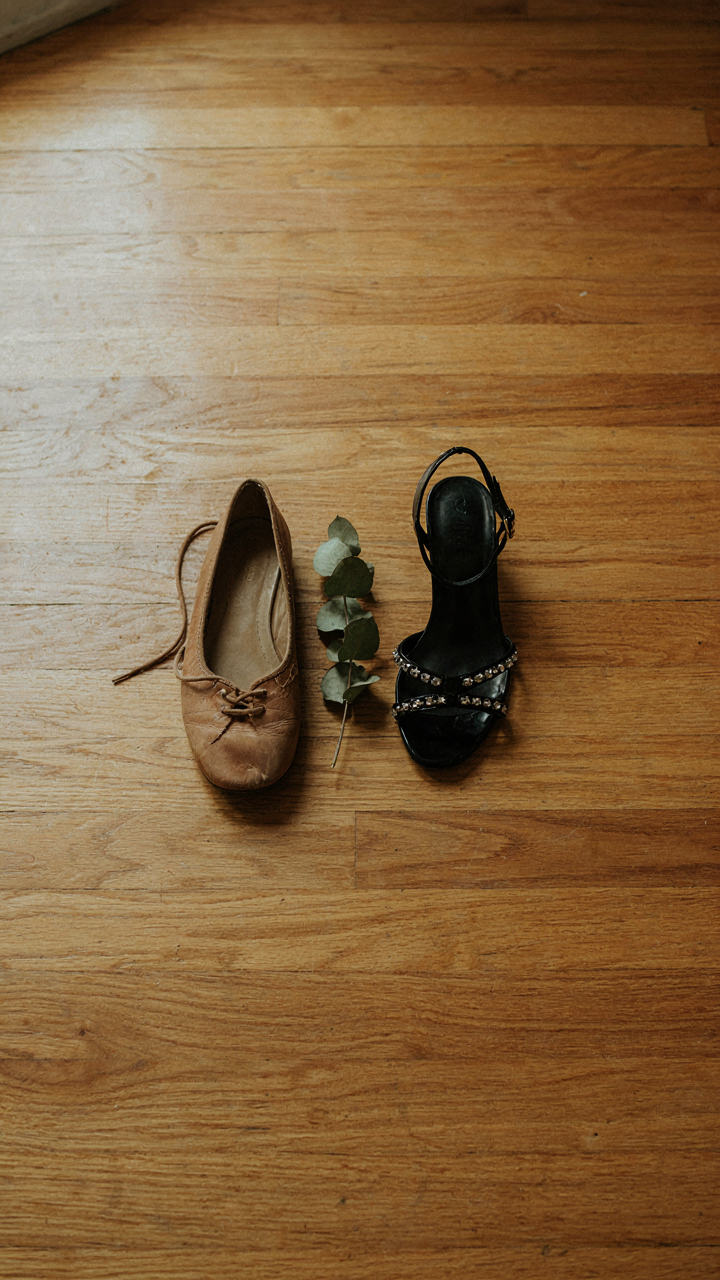
Consistency in garden party attire means repeating three core elements: a preferred fabric weight, a shoe silhouette you return to, and a color palette you’ve tested. Wear ballet flats three times, then heeled sandals, then ballet flats again—you’ll notice which feels natural when you’re standing for two hours. That repetition isn’t failure to vary. It’s data collection. Once you’ve repeated enough, you stop wasting mental energy choosing. Your choices choose themselves. That’s when style becomes visible.
The Only Real Dress Code Is Your Lack Of Imagination
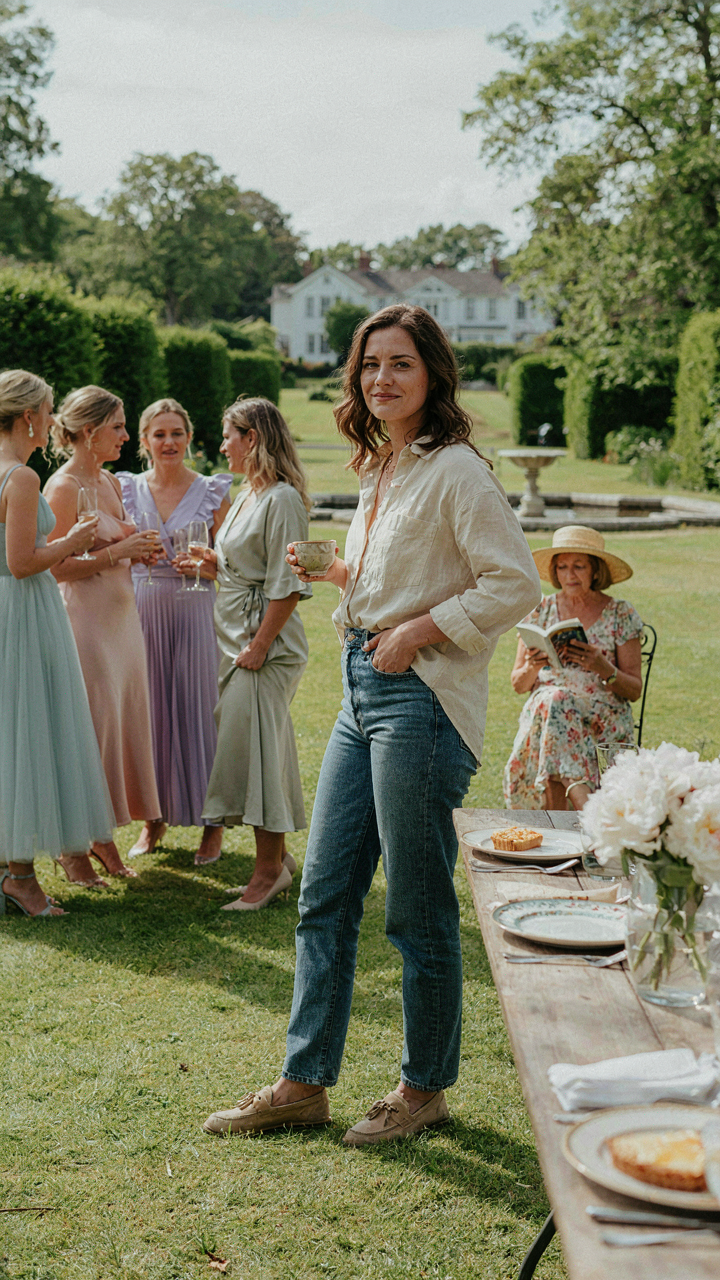
Most women show up to garden parties wearing what they think they should wear, not what actually makes them feel like themselves. The dress code isn’t about fabric weight or shoe brands. It’s about rejecting the invisible permission slip you’ve been waiting for. Stop curating an outfit for the event and start building one that makes you move differently. Today, pull three pieces from your closet that scare you slightly. Wear them to your next garden party. The only mistake you can make is playing it safe enough to disappear.