

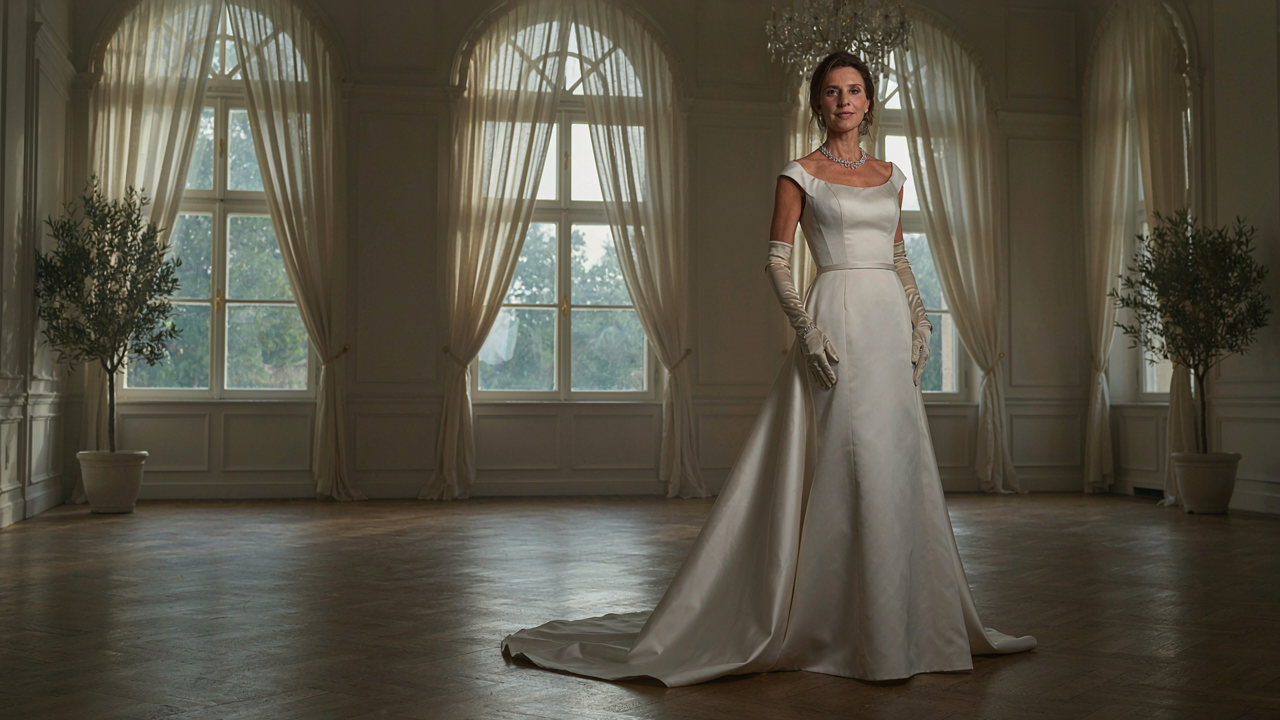
The White Tie Dress Code Women: Beyond The Gown
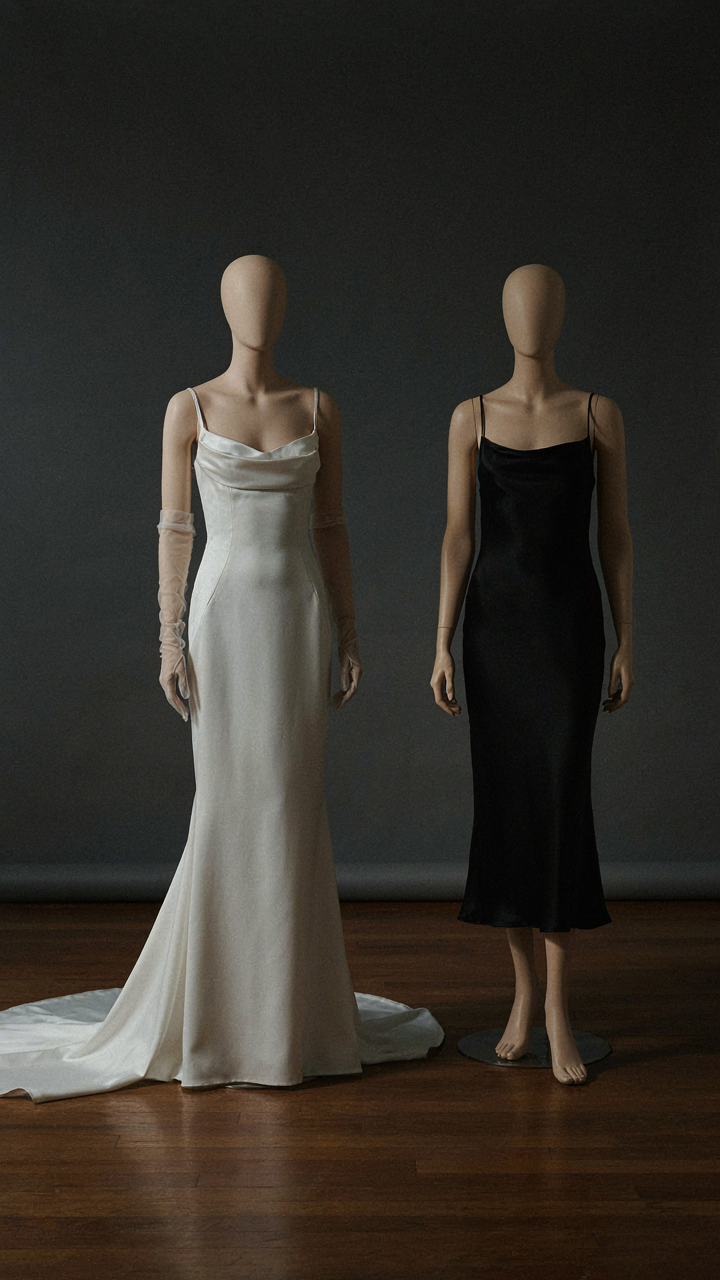
White Tie Versus Black Tie
You want to know the difference because you’re terrified of showing up wrong and broadcasting that you don’t belong in the room. Here’s the mechanism: white tie and black tie operate on signal precision, not just formality level. White tie demands evening wear that reads as deliberate luxury. Black tie tolerates some ambiguity. With white tie, a woman wears a full-length gown in silk, satin, or equivalent formal fabric, paired with opera gloves, heels, and jewelry that costs something. Black tie allows shorter dresses, lower stakes fabrics, and more stylistic interpretation. The dress code isn’t about rules—it’s about whether the event demands you announce your intention to be formal through material choice.
White tie gowns follow specific construction patterns: fitted bodices, strategic necklines, and drape that moves with intention. Black tie gowns tolerate asymmetry, modern cuts, and architectural shapes. The gown itself tells the host you read the assignment. A woman in black tie attire at a white tie event doesn’t look underdressed because of length alone—she looks wrong because her garment signals casualness in its fabrication. The fabric weight, the seam placement, and the finish differentiate the two codes faster than any checklist ever could.
Formal Hierarchy: Where White Tie Sits
Formal dress codes operate like military rank: each level excludes everything below it, but nothing above it applies. White tie sits at the apex. Below it sits black tie, then cocktail attire, then business formal, then business casual. This hierarchy matters because underdressing violates the implicit contract of the event more severely than overdressing. A woman in white tie at a cocktail event seems performative. A woman in cocktail attire at white tie reads as either ignorant or deliberately defiant. The hierarchy doesn’t exist to create confusion—it exists to sort who takes the occasion seriously.
Hosting institutions use these codes to manage attendance caliber and guest preparation level. An organization that specifies white tie instead of black tie is signaling that this evening demands maximum formality investment. The code filters for guests willing to treat the event with that level of commitment. A woman who honors white tie protocols by wearing the full formal gown, the gloves, the appropriate footwear and jewelry demonstrates respect for the occasion’s stated value. The protocol isn’t ornamental—it’s the mechanism that synchronizes guest effort with event importance.
The Unwritten Rules Of White Tie Event Attire
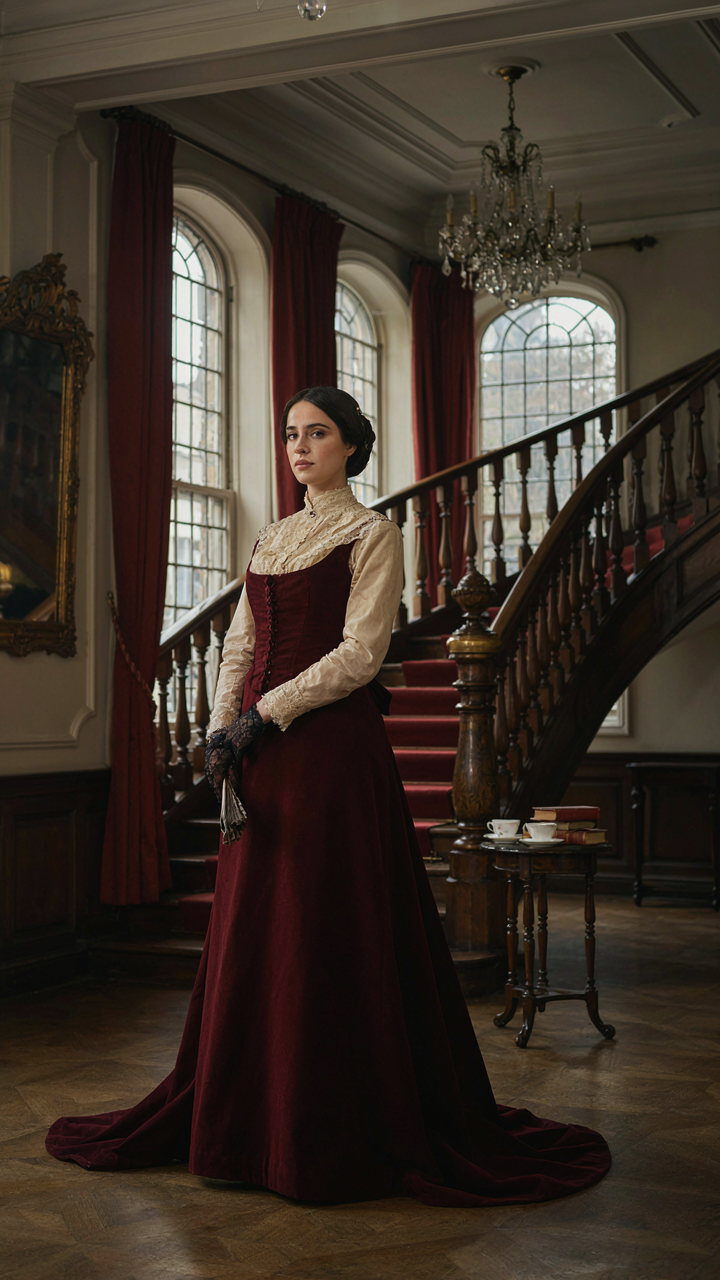
Where White Tie Actually Comes From
You want to know the rules because breaking them costs you credibility in rooms where credibility is currency. White tie originated in 19th-century Britain as the formal evening dress code for aristocracy and state occasions. The structure was rigid by design: it communicated wealth, access, and obedience to social hierarchy. Women’s white tie evolved separately from men’s, shaped by Victorian constraints on female bodies and movement. The silhouette mattered more than the fabric because silhouette broadcast your station.

The mechanism here is borrowed from semiotics, the study of signs and meaning. In white tie dress code for women, every element functions as a sign that others decode instantly. A poorly fitted gown doesn’t just look wrong; it broadcasts that you don’t understand the room’s language. The historical context explains why white tie persists: it’s not about beauty or comfort. It’s about signaling that you know the protocol and respect the occasion enough to follow it.
What People Actually Expect When You Show Up
Most guidance on white tie gets this wrong: people assume the dress itself matters most. They don’t. Your hair, shoes, jewelry, and posture matter because they confirm you belong there. White tie events operate on a communication system where every choice either reinforces or undermines your credibility. The unspoken expectation is that you’ve done research, made intentional decisions, and won’t draw attention through confusion or half-measures. Uncertainty reads louder than any fabric choice.
The practical expectation is that you understand the difference between white tie and black tie, and between white tie and cocktail. You’ll wear full-length gowns with specific sleeve lengths and neckline configurations. You’ll carry clutches, not crossbodies. Your makeup will be polished but not trendy. You’ll arrive knowing whether your venue requires long gloves and what metal finishes work with the event’s formality level. These aren’t suggestions. They’re the protocol people use to determine whether you understand the system or need guidance.
The White Tie Gown: Non Negotiables Of Elegance
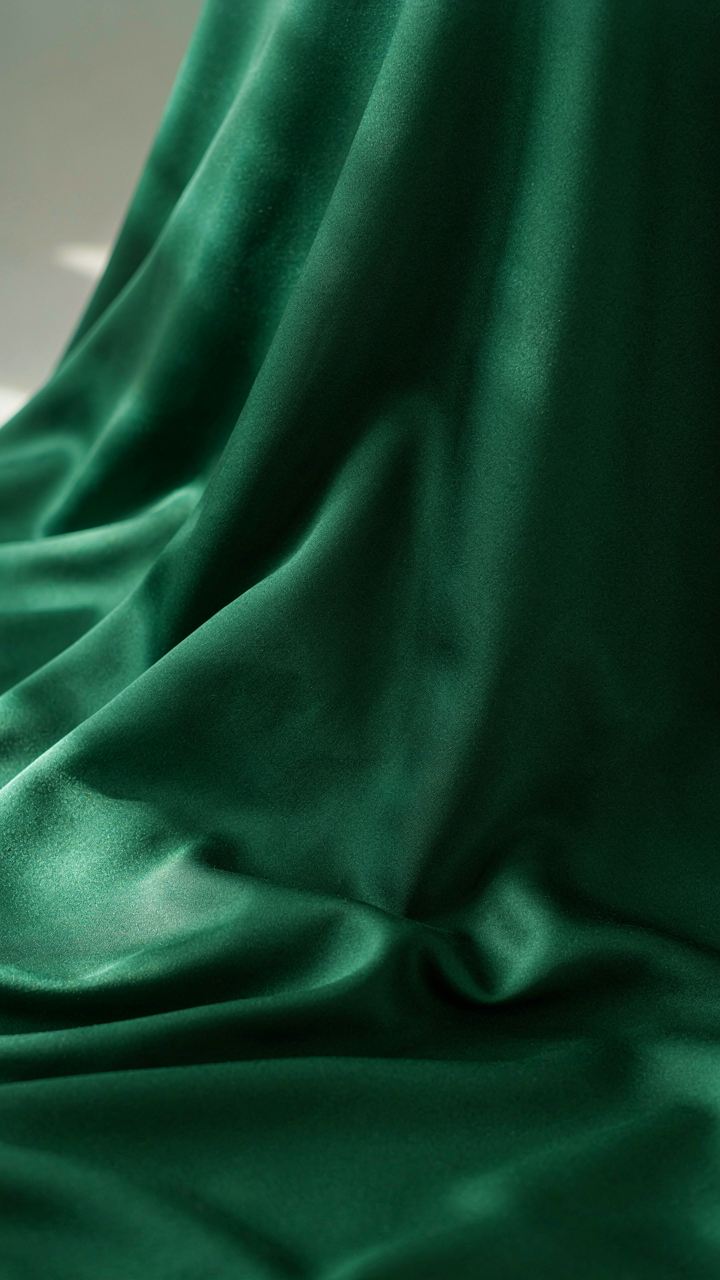
Fabric Weight And Movement
You want to know what fabric signals you belong in that room. The real mechanism is physics: density determines how a material responds to your body and motion, and white tie reads fabric density like a security system reads credentials. Heavy silks, duchesse satin, and structured taffeta work because they hold shape without clinging. They move with intention, not accident.

Lightweight fabrics fail at white tie because they cling to the body or float without structure. Duchesse satin, Mikado silk, and heavy charmeuse are the standards because they possess enough weight to drape with dignity while maintaining crisp architectural lines. The fabric must support itself at the hem and hold a clean silhouette through a six-hour event. Cheap polyester reads cheap because it clings or billows unpredictably. You need material with enough substance to look controlled.
Silhouette And Floor Length
White tie silhouettes are not a suggestion. Floor-length means from your natural waist to the floor, with a train optional but common. The requirement exists because white tie dresses the formality of the event into the garment itself. Anything shorter signals a different dress code entirely.
The silhouette must be either a column, A-line, or structured fit through the bodice and torso. Strapless or off-shoulder necklines are standard. Sleeves must be either absent, or full-length gloves compensate. The dress pins to one body position and stays there all night. Darts, seaming, and internal structure hold the shape. You do not adjust it between courses. Fit the garment at the tailor before you attend, because white tie dresses do not accommodate last-minute compromises.
Accessories For White Tie Outfits For Women: The Strategic Protocol

Gloves: Types, Length, And Etiquette
You’re worried gloves will make you look overdressed or, worse, like you don’t know the rules. The mechanism is simple: gloves signal you understand the protocol exists and you’re willing to follow it. That compliance reads as respect, not rigidity. White tie demands gloves as a structural element, not decoration. Omitting them breaks the visual contract the dress code establishes.
- Long kid leather or silk gloves (above the elbow): The formal standard, typically 16 to 20 inches long. Worn with sleeveless or short-sleeved gowns. Must be removed for dining, held in your lap.
- Opera length gloves (past the elbow): 20-plus inches, the most formal option. Pair with strapless or off-shoulder designs. Create an unbroken line from hand to collarbone.
- Wrist-length gloves (at the wrist bone): Less formal but acceptable for white tie. Worn with long sleeves or three-quarter length sleeves. Shorter option for practical reasons.
- Fingerless evening gloves: Rare in strict white tie settings but acceptable with architectural or modern gown designs. Preserve arm visibility while maintaining protocol adherence.
- Satin or silk materials: Essential. Leather, mesh, or cotton reads casual or costume. Matte or subtle sheen finishes only. Beading or embellishment is acceptable but restrained.

Remove gloves before eating, shaking hands with hosts, or smoking. Keep them on during cocktail hour and before dinner. The removal itself follows an order: peel from the wrist down, rolling inward to hide the interior. Never ball them up or leave them visible on the table. Stack them neatly in your lap or place them on an empty chair nearby.
Jewelry: Statement Pieces Versus Subtle Accents
Most advice says wear minimal jewelry. That’s incomplete. White tie actually demands visible jewelry, but it must follow a hierarchy. The mechanism borrows from military signaling: dominant pieces communicate your position in the room while secondary pieces disappear. One statement piece anchors the look. Everything else serves that piece.
A necklace, chandelier earrings, or bracelet functions as your dominant signal, depending on your gown’s neckline and shoulder coverage. If your gown is strapless, earrings and a bracelet carry the weight. If it has a high neckline, a statement bracelet or rings take priority. Never wear more than one dominant piece. A statement necklace and matching chandelier earrings compete for attention and collapse the hierarchy. Secondary jewelry—thin bands, modest studs, or delicate chains—fills gaps but must remain visually subordinate to your anchor piece.
Metals must match: gold, silver, or platinum throughout. Mixing creates visual fragmentation that reads as accidental. Diamonds, pearls, and gemstones are acceptable. Avoid colored stones unless they tie directly to your gown’s palette. Your dominant piece should hold light and draw the eye for three to five seconds. If it demands longer than that, it’s overcomplicated. Diamonds and white pearls are failsafe choices because they reflect without demanding interpretation.
The Biology Of Impression: Signaling Status With White Tie Event Dress Code

Display Theory And Formal Hierarchy
You care about this section because you sense that what you wear to white tie signals something about your place in a room, and you’re right to be anxious about getting it wrong. Display theory from evolutionary psychology explains this plainly: organisms signal fitness and status through costly signals. In white tie dress code for women, the signal is the restriction itself. You’re communicating that you have access to resources, time, and knowledge to acquire the specific garment required and that you respect the protocol enough to follow it exactly. The constraint is the message.

White tie evolved as a deliberate throttle on variation. Unlike casual dress, which rewards individuality, white tie removes choice. This elimination of options paradoxically becomes the loudest signal because it demonstrates compliance with a standard that most people cannot navigate without study. A woman in a white tie gown signals she either belongs to the world where these events happen regularly or she invested effort to understand the rules. Both interpretations communicate the same thing: she has positioned herself inside the hierarchy, not outside it attempting entry.
Nonverbal Channels And Perceived Authority
The advice you’ve heard is that confidence comes from “feeling good in what you wear.” That’s incomplete. Nonverbal communication works through specific physical channels, and white tie dress code for women optimizes three of them: silhouette consistency, material weight, and movement constraint. When you wear the required formal gown, your body occupies space in a defined way. The structured fabric, the length, the coverage all restrict your range of motion compared to everyday clothing. This constraint is not a liability. It reads as intentionality.
The mechanism is simple: restricted movement correlates with power in hierarchical settings because those with authority can afford to move less. You don’t need to gesture or shift to take up room. The garment does it for you. A white tie gown in the proper fabric drapes and moves as a unit, not as separate pieces reacting to your body. This coherence registers as competence before a single word is spoken. Execute this by choosing gowns in structured materials like silk crepe or mikado that hold their shape and move as a single plane rather than clingy materials that fragment your silhouette into moving parts.
Hair And Makeup: Understated Perfection For White Tie Attire

Classic Styles That Don’t Date Themselves
You want to look expensive without looking like you tried too hard. That’s the real game here. White tie operates on signal theory from economics: the cost of restraint proves you know the code. Trends die. Classic styles live forever because they reference established proportion and balance, not seasonal novelty.

Low chignons, sleek low ponytails, and soft waves pulled back from the face work because they don’t compete with formal wear. Avoid updos that sit high on the crown or loose hair that falls past the shoulders. The goal is architecturally clean. Your hair frames the face and showcases jewelry and neckline, then disappears from the visual equation. Simplicity requires technical execution, not inspiration.
Restraint Over Drama
Everyone mistakes white tie makeup for invisible makeup. Wrong. The real mechanism is contrast ratio. You’re using makeup to enhance facial structure under harsh formal lighting, not to create a look. This means strategic placement, not coverage or color.
A matte complexion foundation that matches skin tone precisely prevents shine under light. Subtle contouring along cheekbones and jawline creates dimension without appearing sculpted. Neutral or warm eyeshadow in one tone, cream or light taupe, reads as clean. A single coat of dark mascara on upper lashes only. Neutral lip in your natural tone or a soft nude. The protocol: enhance what exists, don’t invent something new.
The White Tie Dress Code: Common Mistakes To Avoid
When Jewelry Becomes A Liability
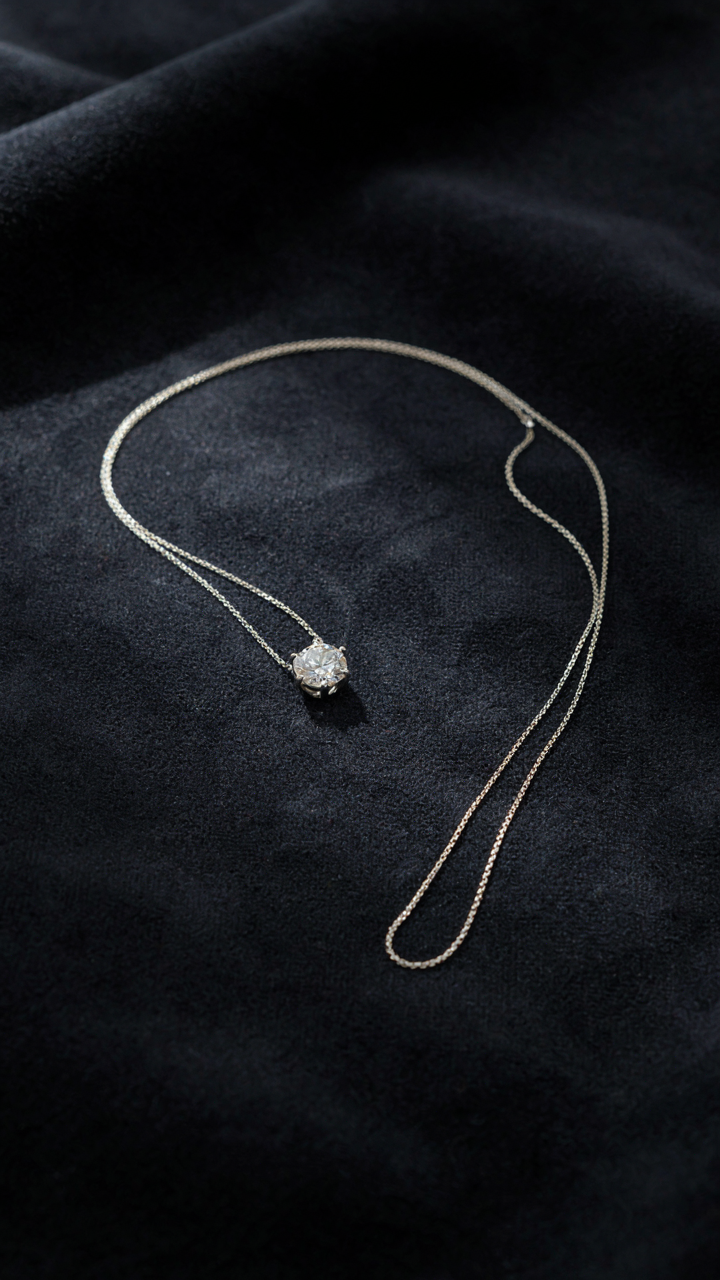
You’re worried that showing up underdressed will expose you as an outsider. The mechanism is simple: you compensate with objects. More jewelry signals effort, which signals anxiety, which signals you don’t belong there. White tie operates on subtraction, not addition. The dress code itself is the statement. Everything else either reinforces it or undermines it.

A single statement necklace, chandelier earrings, and a bracelet is already too much. Add a brooch and a cocktail ring and you’ve crossed into costume territory. The tradition demands restraint because restraint demonstrates confidence. You wear what the occasion requires, nothing more. Choose one focal point: either the necklace or the earrings, not both competing for attention.
Ignoring Why The Rules Exist
Most advice tells you to know white tie protocol. That’s incomplete. The actual mechanism is that white tie dress codes enforce a shared visual language. Breaking it doesn’t make you bold or individual. It makes you unreadable. When everyone dresses to the same standard, the setting becomes about the event and the people in it, not about clothing choices.
The tradition exists because it works as a reset button. You arrive, you follow the code, you become part of something larger than your personal preference. Improvisation reads as either ignorance or deliberate disrespect. Stick to a floor-length gown in black, white, or deep jewel tones. Wear your hair up. Skip the trendy elements. The protocol is the point.
Mastering The White Tie Event: Confidence In Execution
The Night Before: Non Negotiable Prep
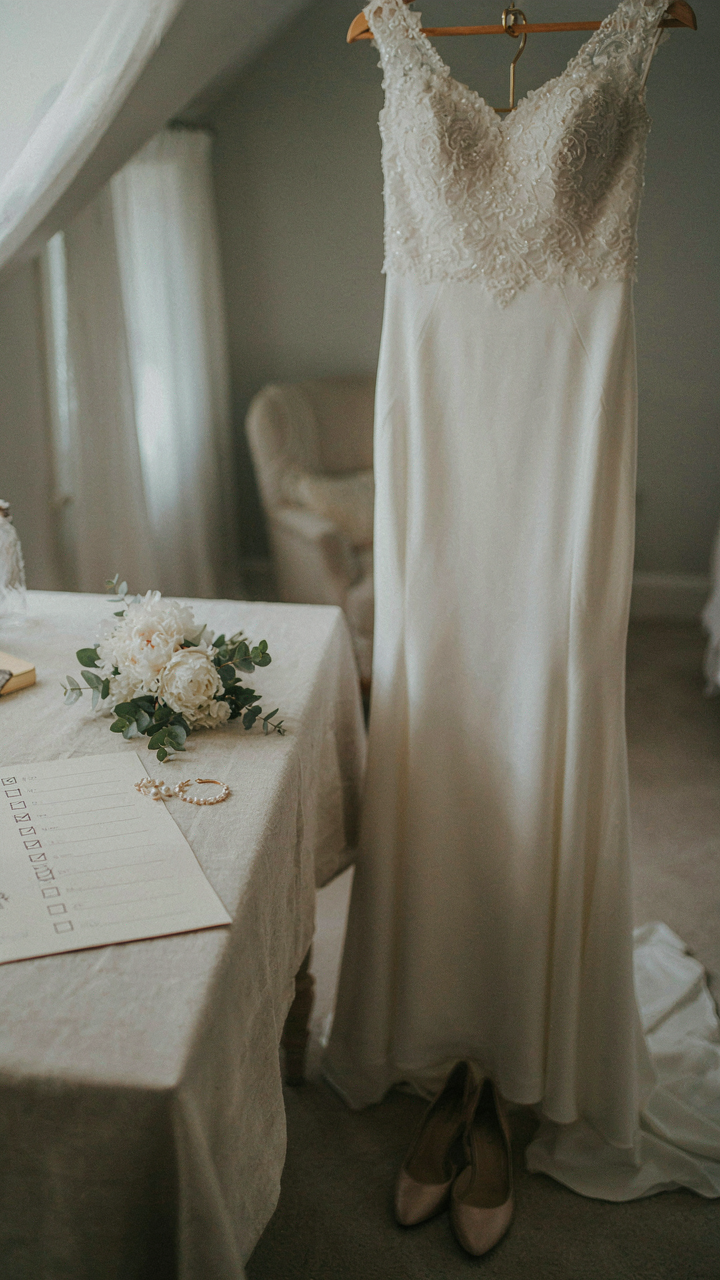
You’re anxious about whether you’ll look right. That’s not about the dress. It’s about control. The mechanism is simple: execution removes doubt. A checklist transforms white tie from a vague social threat into a series of concrete actions you’ve already verified.

Start with the dress itself. Try it on completely, including shoes and undergarments. Sit down, move your arms, check the hem length from the front and back. Confirm that the fabric doesn’t wrinkle where it shouldn’t. Press or steam if needed, but do this at least twelve hours before the event, not the morning of. Your nervous system needs the psychological anchor of preparation completed.
What Actually Matters After
Post event reflection works like a pilot’s debrief in aviation. Pilots don’t reflect on feelings; they document specific failures and corrections. You do the same: what fit wrong, what moved when it shouldn’t have, what surprised you about the room’s formality level, where your shoes pinched.
Write three things down immediately while memory is sharp. Did the dress length work with your posture and the venue’s lighting? Did your undergarments create visible lines? Did you feel stable and unrestricted in your movement? These aren’t complaints; they’re data. File them for the next white tie event. Small adjustments compound. The next time you attend, you’ll adjust based on what actually happened, not what you guessed might happen.
The Real Obstacle Isn’t The Dress Code; It’s Your Fear Of Standing Out

Women don’t struggle with white tie because the rules confuse them. They struggle because standing out terrifies them. The dress code is permission to command a room. You’ve spent your life shrinking. Stop. Find one gown that makes you feel dangerous, not decorative, and wear it like you own the place. The world doesn’t need another woman playing it safe in black. It needs you to stop apologizing for taking up space.