
The Unspoken Language Of Black Tie Optional Attire For Women

What The Host Actually Means
You’re anxious about this invitation because you want social proof that you belong in that room. Here’s what black tie optional really signals: the host removed the requirement but didn’t remove the standard. In military communication, this is called a conditional directive. The dress code exists in two states simultaneously. You can wear a formal gown or a structured cocktail dress, but you can’t wear either wrong. The margin for error shrinks, not expands.
Most women interpret optional as permission to relax. That’s the trap. Optional means the host respects your autonomy while maintaining boundaries. You’re not being told what to wear because you’re expected to read the room’s formality level and match it without instructions. This requires actual judgment, not rule-following. The difference matters because it separates people who understand social context from people who follow checklists.
The Real Mistakes Most People Make
Everyone says dress up when in doubt. This advice is incomplete and costs you credibility. The actual mistake is treating optional as a personal choice rather than a contextual calculation. Black tie optional at a charity gala functions differently than black tie optional at a cocktail reception. The venue, time of day, guest list composition, and event purpose all shift what optional permits. You ignore these variables and you’ll be either overdressed or underdressed, both read as social miscalibration.
The second error is assuming formal equals impressive. Most women in formal settings wear the wrong silhouette, fabric weight, or styling that contradicts their body or the event’s temperature. A wool crepe gown at a summer outdoor reception signals you didn’t think. A thin silk at an indoor winter event signals the same. Optional demands you solve for context first, then select pieces that actually fit that context. Your outfit choice reveals whether you respect the situation enough to think it through.
The Black Tie Optional Algorithm: Your Strategic Advantage
Read The Room Before You Dress
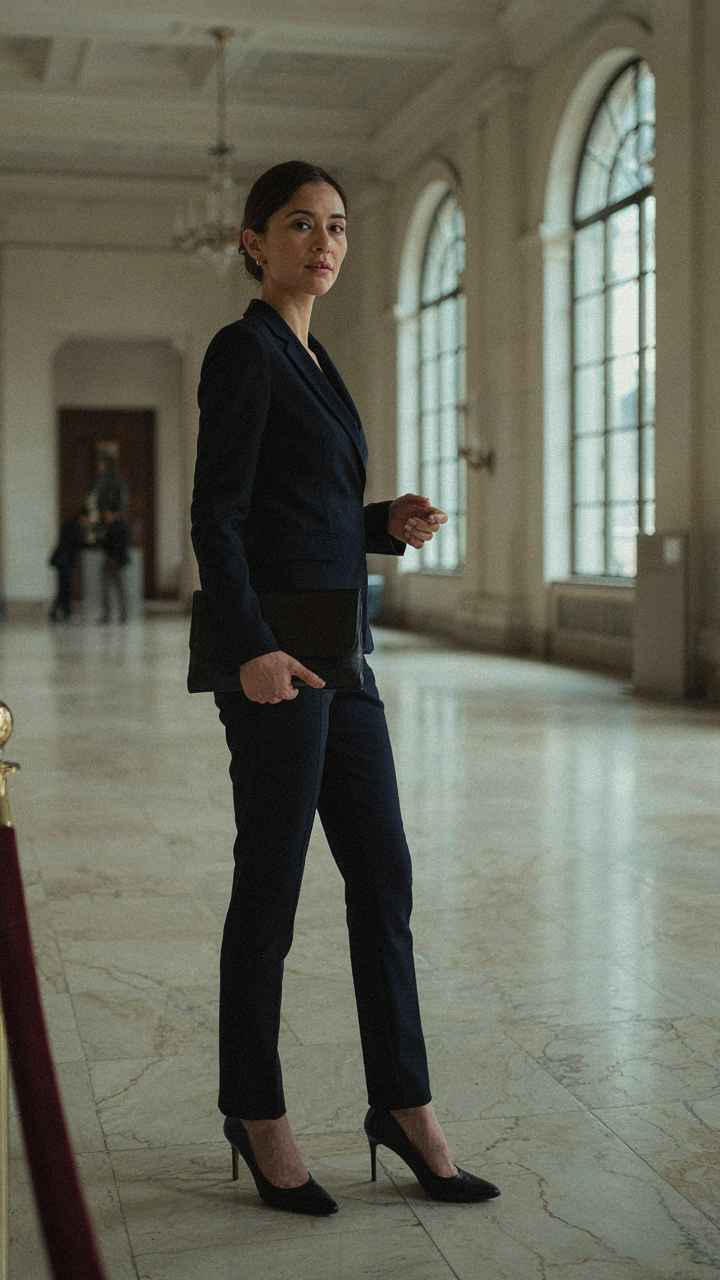
You’re worried you’ll look underdressed and lose status points. Here’s the mechanism: black tie optional isn’t a dress code—it’s a permission structure. The host grants flexibility because the event serves multiple audiences. Your job is to decode which audience matters most in that specific room, then dress for that subset, not the lowest common denominator. This requires reading context before selecting fabric.

The event type signals intent. A cocktail reception at a museum leans formal. A resort dinner leans relaxed. The venue itself tells you the host’s actual standard—marble lobbies and coat checks indicate stricter expectation than outdoor patios. Guest list composition matters too. Corporate events skew formal; creative industry events skew casual. Time of day determines formality: evening pushes dressier, afternoon permits less. You’re not guessing. You’re collecting data points and triangulating the real dress code.
Signal Through Restraint, Not Excess
Game theory rewards the player who pays a cost others won’t. In fashion terms, perceived effort beats obvious effort. Most women misread black tie optional as permission to go casual—and that’s where you gain advantage. The real play is dressing slightly more formal than the room expects, but executing it with such precision that it reads as natural, not tryhard. This is the peacock principle inverted: you’re not the loudest bird, you’re the one who looks effortlessly put together.
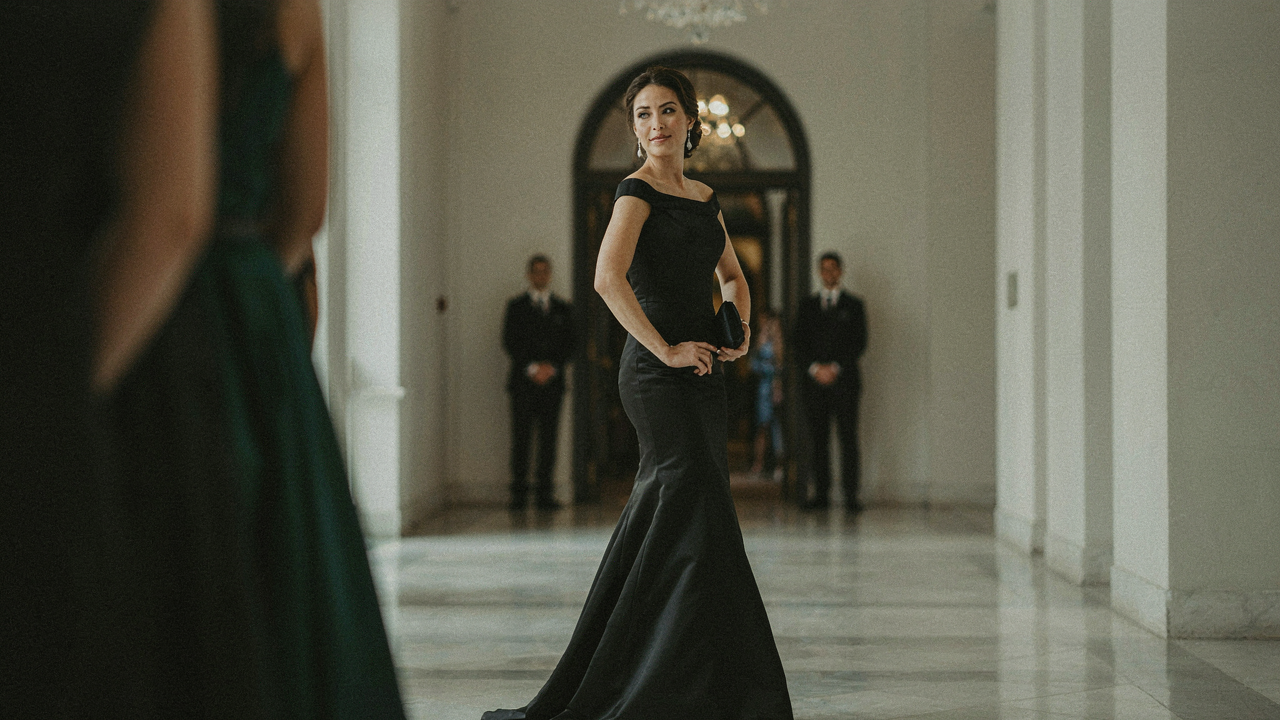
Restraint is the cost. Choose one statement piece, build everything else neutral. A well-cut black dress, quality heels, minimal jewelry. A tailored jumpsuit in navy with a structured clutch. The mechanism works because restraint signals confidence and discernment—you picked one thing and committed to it, which reads as intentional choice, not panic. Execute this protocol: one focal point, impeccable fit, quality basics. Everything else fades. That’s how you stand out at black tie optional events without overdressing.
Beyond The Gown: Womens Black Tie Outfit That Command Attention
The Power Suit: Subversive Elegance
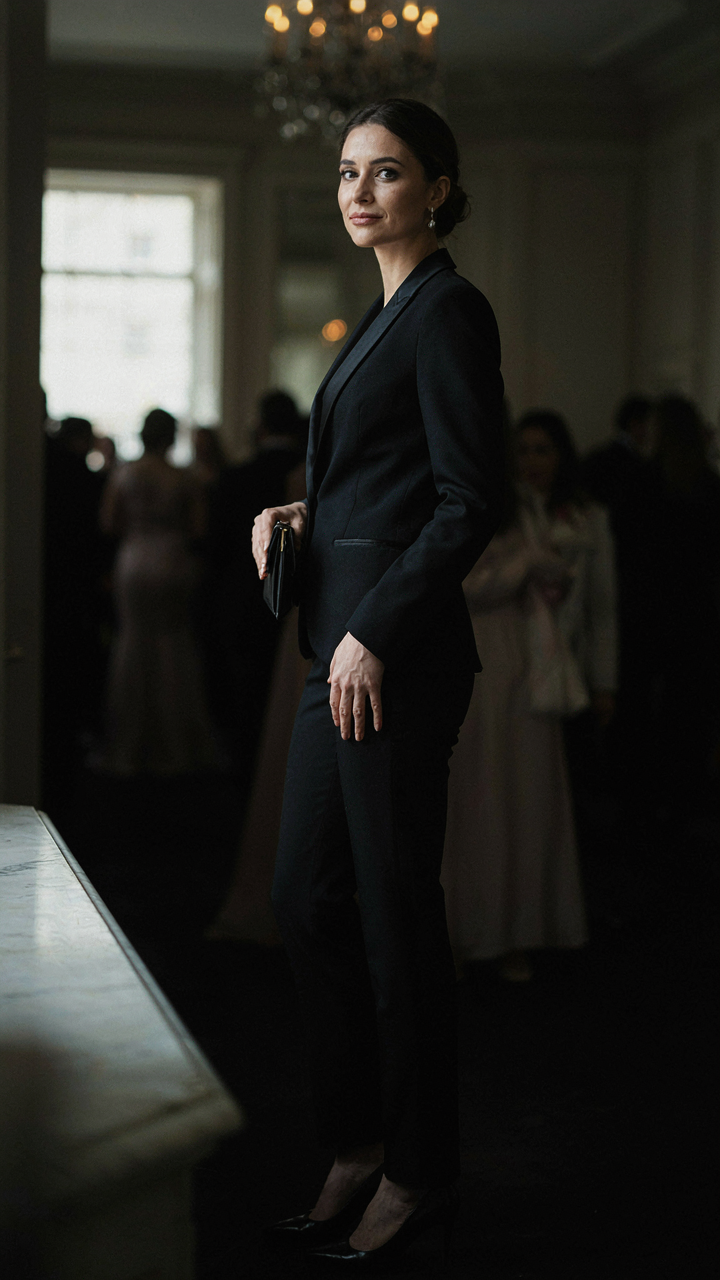
You want permission to break the rules without looking like you’re breaking them. Here’s the mechanism: a tailored jacket and trousers signal authority in a context built for dresses, which creates cognitive dissonance in the room that reads as confidence. Borrowing from military strategy, you’re deploying the principle of asymmetrical advantage. A well-cut tuxedo jacket with silk lapels and a structured pant leg doesn’t reject black tie optional—it reframes it as interpretation, not defiance. The fabric matters. Wool with stretch, fine gabardine, or lightweight wool blend holds shape without looking costume-like. The fit does the work: shoulders sit precisely, jacket hits mid-hip, trousers break cleanly at the shoe. A satin cummerbund or silk camisole underneath anchors the formal register.

This works because it obeys the core rule of black tie optional: elevated formality without a gown. The suit delivers exactly that. Pair it with pointed-toe pumps or flat evening shoes, minimal jewelry, and a structured clutch. Skip the tie. Let the garment’s architecture speak. A woman in a well-fitted tuxedo at a black tie optional event isn’t trying to prove anything—she’s already won the room by showing she understands the code well enough to modify it. The mechanism is simple: mastery of convention grants permission to break convention.
Statement Separates: Strategic Pairing
Mixing high-impact individual pieces eliminates the gown-or-nothing false binary most women face. A silk ivory blouse with dramatic pleating or intentional asymmetry, worn with a floor-length tuxedo pant or a refined midi skirt in structured fabric, creates formal presence through composition instead of a single garment. This method works because it layers visual weight. A satin or charmeuse blouse catches light. A tailored waistline or pencil skirt commands structure. Metallic or jewel-tone separates read as intentional, not assembled from a closet emergency.
The protocol is specific: lead with the top. A statement blouse—think architectural neckline, unexpected sleeve detail, or luxe fabric—does the lifting. Then choose a coordinating bottom in a complementary neutral or tonal shade. Avoid matching exactly; that flattens the impact. Add a structured heel or elegant flat, a fitted clutch, and one anchoring piece like a delicate bracelet or drop earrings. The separates approach proves you understand formality operates through individual elements, not through adherence to a prescribed silhouette.
Accessories As Amplifiers: Elevating Your Black Tie Event Women Outfit
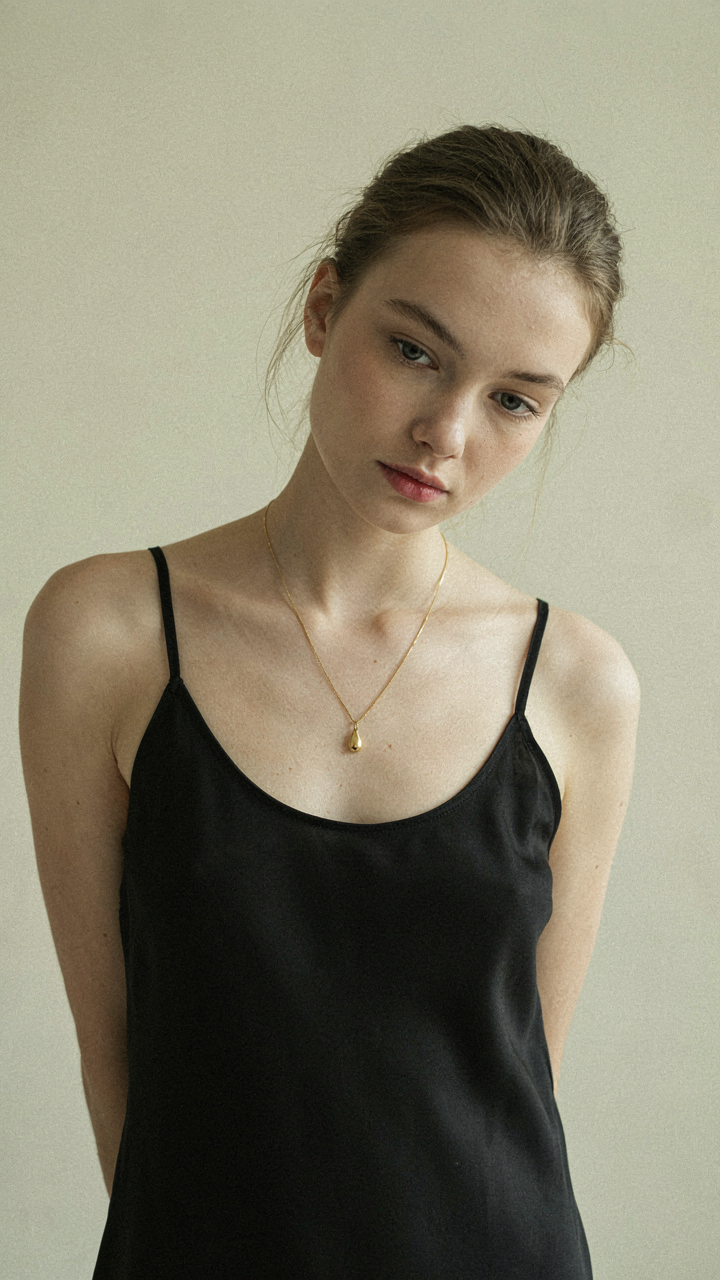
Jewelry: Quality Over Quantity
You want people to notice you’ve invested thought into this. That fear of looking like you don’t belong drives most bad accessory choices. Here’s the mechanism: jewelry in formal wear functions like leverage in physics. One strategic piece multiplies the impact of everything else. More pieces don’t amplify—they dilute. A single statement necklace or chandelier earrings commands attention because there’s nowhere else to look. Everything coordinates toward one focal point instead of competing for dominance.

Metal choice matters more than stone size at black tie optional events. Stick to gold, silver, or platinum. These read as intentional restraint rather than decoration. A pair of diamond studs or a structured cocktail ring creates tension through simplicity. The outfit does the heavy lifting. Your accessories disappear into the overall composition and make you look controlled. Skip the layered chains, multiple rings per hand, and mixed metals unless you’re deliberately breaking protocol for effect.
Shoes And Clutch: Refined Finishing Touches
Your shoes and clutch don’t need to match anymore, but they need to speak the same dialect. This is about coherence, not uniformity. Black heels pair with a gold clutch because both signal formality through restraint. A metallic shoe demands a neutral bag to prevent visual noise. The clutch should be small enough to hold essential items without dominating your silhouette. Structure matters here—a rigid frame or defined shape reads more formal than a soft, unstructured bag.
Heel height solves itself if you prioritize standing and moving over looking taller. A three to four inch heel maintains proportion with formal gowns without forcing you into pain management mode. Nude or metallic heels elongate the leg; black grounds the look. Satin, silk, or polished leather finishes work. Matte or textured materials read less formal. Close the evening by checking that your shoes match your undergarments in tone. One visible strap, seam, or color break kills the effect everything else built.
The Color Palette Of Influence: Strategic Choices For Women’s Black Tie Attire
Classic Black: Evergreen And Versatile
You care about this section because you’re afraid black is boring and that wearing it signals you lack imagination or confidence. Wrong. Black functions like a signal amplifier in semiotics—the study of signs and meaning. It erases visual noise and forces attention onto fit, fabric, and your face. That’s the entire mechanism. Black doesn’t fade into a crowd; it isolates you within it.

Black works at black tie optional events because it satisfies formality requirements without debate. The fabric weight matters more than the color. A heavy crepe or wool blend reads differently than thin jersey. Pair it with a structured silhouette, and you control how the eye moves. The color itself becomes neutral territory. This is why black dominates—not from lack of choice, but from tactical clarity.
Deep Jewel Tones: Understated Sophistication
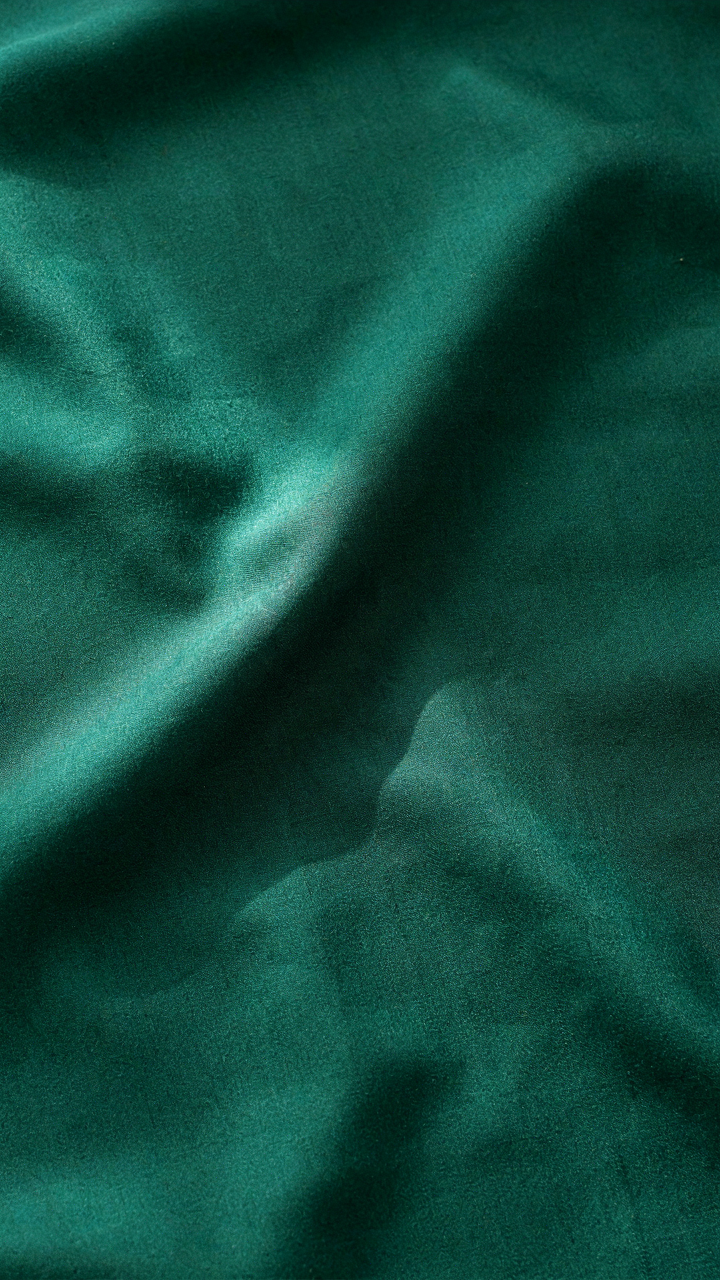
Jewel tones work because they function like muted signals—visible but controlled, powerful but not aggressive. Emerald, sapphire, and deep plum read as intentional choices, which they are. Most women default to black out of fear; choosing jewel tones signals you understand the room and your position within it. The confidence is in the selection, not in volume or brightness.
The depth of the tone matters more than the hue itself. Shallow, bright jewel colors fail at black tie optional events because they read as casual or costume-adjacent. Deep jewel tones demand quality fabric—structured silk, heavy crepe, or wool blends. Your fabric choice determines whether the color reads as sophisticated or amateur. Pick your tone, then invest in weight and drape. That sequence prevents wasting money on colors that won’t work.
Fabric And Fit: The Unseen Details Of A Dress For Black Tie Event
Material Choice: Drape And Texture
You care about this section because fabric determines whether you look intentional or confused. Textile physics governs how a dress reads: density and weight create the illusion of authority. Silk charmeuse, crepe, and structured wool hold their shape without effort. Cotton blends and polyester mixes require aggressive tailoring to avoid looking cheap, which most women don’t invest in. The mechanism is simple: heavier fabrics with natural sheen broadcast control.

Matte finishes signal formality more reliably than shine. Black tie optional still demands respect through material choice, not flash. Charmeuse, wool crepe, and heavy silk hold structure without looking stiff. These fabrics drape close to the body without clinging. Viscose blends fall somewhere between cheap and legitimate, useful for budget dresses that don’t require flawless tailoring. The fabric choice determines whether your silhouette reads as deliberate or desperate.
Tailoring: The Ultimate Status Signal
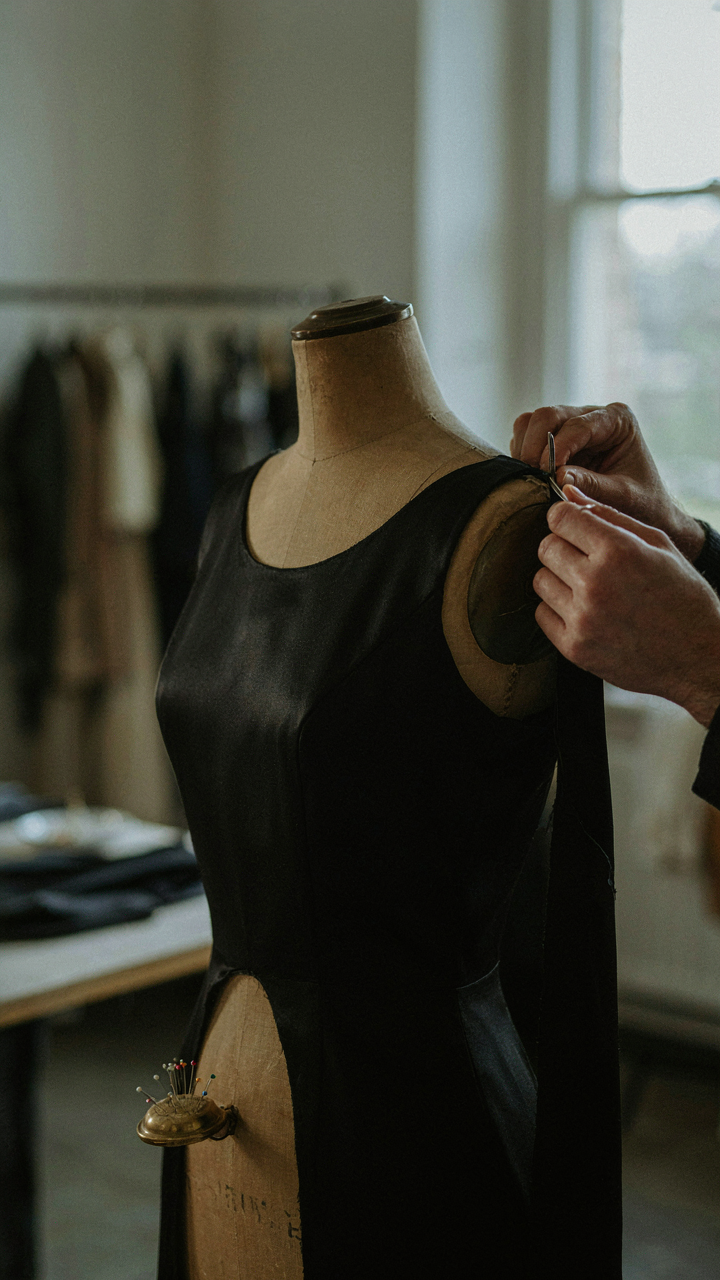
Everyone says tailoring matters. Most people skip it anyway. Tailoring is the difference between owning a dress and the dress owning you. A fitted shoulder seam costs seventy dollars and resets how a dress hangs. Hemming matters less than shoulder, bust, and waist alignment. Cheap dresses expose themselves through poor armhole placement and loose side seams. Custom tailoring isn’t luxury—it’s the only mechanism that transforms retail fabric into a garment that fits your actual frame.
The specifics: have a tailor adjust the shoulder seam inward by half an inch if the dress pulls across your back. Request a fitted waist seam if excess fabric gathers at your sides. Hem to precisely one inch above your shoe. Skip alterations only if the dress fits your shoulders and ribs without tension. One well-tailored black tie optional dress beats five expensive dresses in original form.
Black Tie Wedding Guest Dress Code: Navigating Nuances
Why The Dress Code Matters More Than You Think
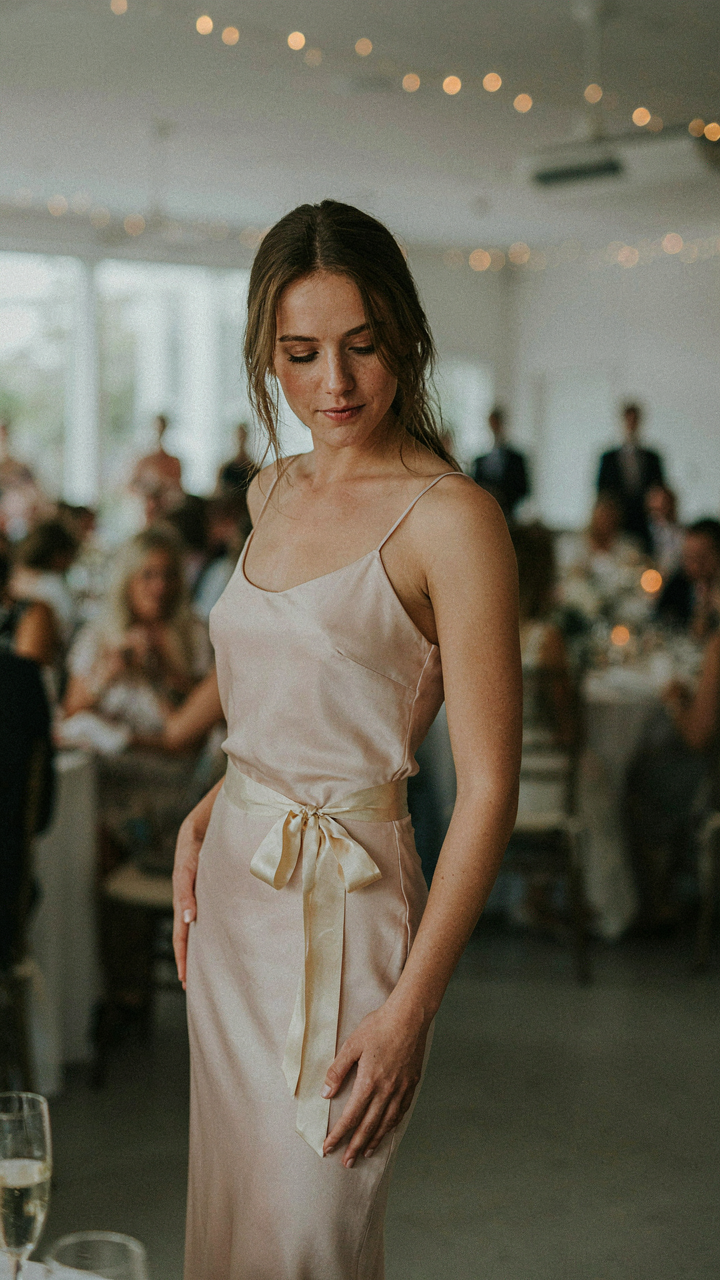
You’re worried you’ll look wrong. That’s the real thing. Black tie optional weddings trigger status anxiety because the couple didn’t enforce a hard rule, which means you have to read the room and their values simultaneously. The mechanism is simple: black tie optional is a signal that formality exists on a spectrum, and your job is to land on the correct point without overshooting or undershooting. Too casual reads as disrespectful. Too formal reads as tone-deaf. The couple invited you to celebrate, not to prove something.
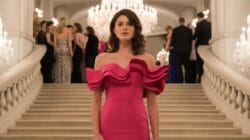
The stakes aren’t actually high, but they feel high because you’re making a visible choice. What matters is alignment with the couple’s actual expectations and the venue context. A black tie optional wedding at a country club operates differently than one at a loft. The unwritten rule is this: match the couple’s formality level, not the dress code’s upper boundary. Most guests who disappoint at black tie optional events chose the wrong reference point. They aimed for “optional” instead of reading what optional actually meant in that specific context.
The Gap Between Dressed And Overdressed
You’ll hear to wear a “cocktail dress” and call it done. That’s incomplete advice because it ignores what separates presence from memorability. Think in terms of signal-to-noise ratio, borrowed from information theory: your outfit transmits information about respect and judgment. A basic black cocktail dress transmits “I showed up.” A cocktail dress with intentional fabrication, cut, or jewelry transmits “I understood what this event required and I executed it.”
The line between appropriate and forgettable depends on three mechanics: fabric weight and texture, silhouette clarity, and one deliberate accent. Floor-length gowns work. Knee-length dresses work. Separates work. What doesn’t work is playing it so safe that you vanish into the background of other guests. Your outfit should signal that you took the formality seriously enough to make a decision, not that you defaulted to something neutral.
- Floor-Length Gown In Structured Fabric: Silk charmeuse, crepe, or taffeta in jewel tones or metallics. The weight and drape communicate formality without screaming black tie.
- Knee-Length Dress With High-Quality Construction: Tailored fit, clean lines, premium material like silk blend or fine cotton sateen. Elevate with a statement shoe or clutch.
- Separates: Tailored Trousers And Silk Camisole: Pair high-waisted trousers in a dark neutral with an intentional top. Add a structured blazer or dramatic jewelry to signal formality.
- Midi Dress In Unexpected Color Or Pattern: Emerald, navy, or burgundy. A subtle pattern or solid in elegant fabrication reads sophisticated without retreating into black.
- Satin Or Velvet Accent Piece: A satin sash, velvet clutch, or metallic jewelry grounds any outfit in formality. One deliberate detail often outweighs generic perfection.
The protocol is deliberate selection over default selection. Before you choose, identify the venue type and the couple’s social framework. Then pick one element that proves you made a choice. Shoes, jewelry, or fabric quality all work. The mechanism that separates forgettable from appropriate is simple: intentionality made visible.
The Post Event Debrief: Learning From Your Black Tie Event Outfits

Assess What Actually Landed
You’re reviewing photos because you want proof you didn’t waste money and looked competent while doing it. Strip that away: the real mechanism is feedback loops. Without them, you repeat the same outfit miscalculations forever. Review three things only: comfort during wear, how the outfit photographed, and actual social feedback you received, not imagined.

Comfort tells you if the garment fit correctly or if you spent the night fighting fabric. Photos reveal what the mirror didn’t, especially under event lighting. Social feedback means people actually commenting on or remembering your appearance, not your anxiety about it. Document these three data points before the event fades from memory.
Refine Your Fit Algorithm
Fashion advice gets this wrong because it treats fit as subjective preference. Fit is measurement. Your black tie optional outfit works or fails based on how garments sit on your actual proportions, not ideals. Take one photo of yourself in the outfit from the front, side, and back under neutral lighting. Compare against your baseline: Is the waistline where your waist is, or floating? Do sleeves hit your wrist bone? Does the hem break correctly at your ankle or knee?
Adjust one variable per event. If the dress pulled across the shoulders, take measurements and communicate them to a tailor or use those specs for your next purchase. Build a personal fit matrix tied to your body, not to size numbers or brand standards. This eliminates guesswork and compounds accuracy over time.
The Only Real Dress Code Is Your Understanding Of The Game
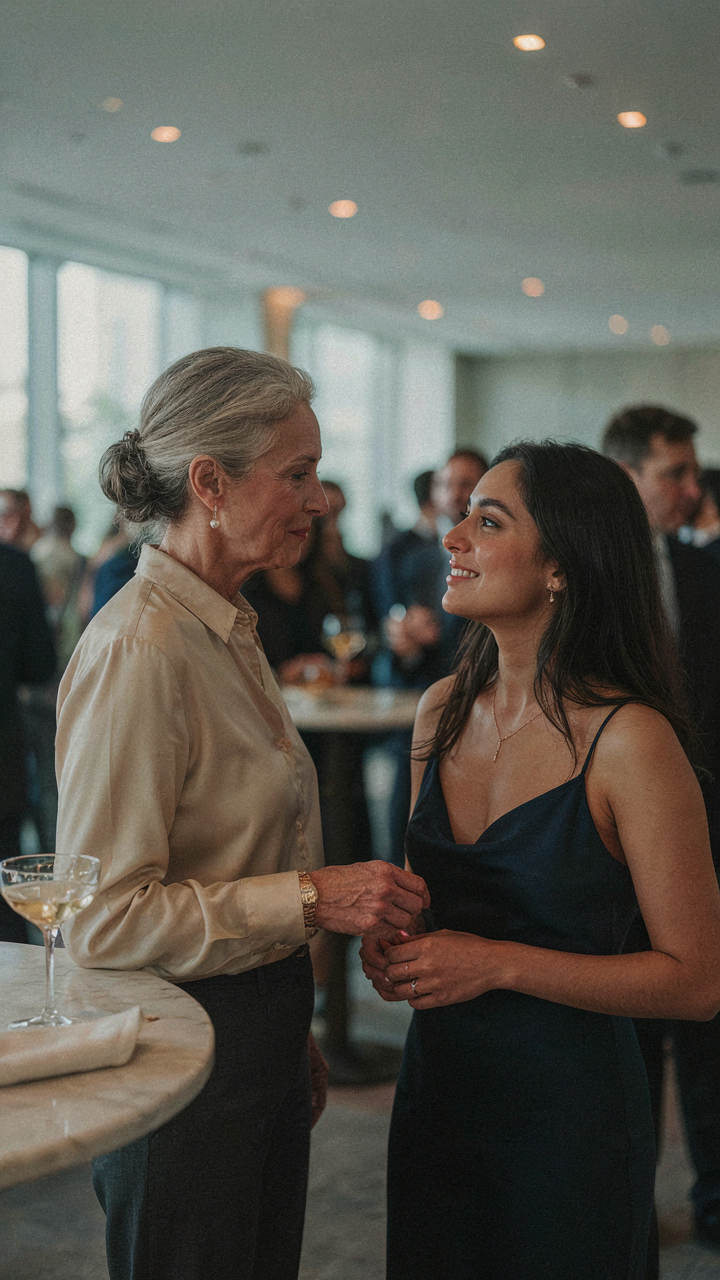
Most women treat black tie optional as a puzzle to solve instead of a signal to read. The real game isn’t about rules. It’s about recognizing what the host values and dressing one level above the baseline. Tonight, text one woman who nailed a similar event and ask what she wore. Copy her approach, not her outfit. The woman who wins these rooms doesn’t follow the dress code. She understands the people enforcing it.