
Beyond The Gown: Why Your Wedding Guest Pantsuit Signals Intent

The Power Of Breaking Visual Norms
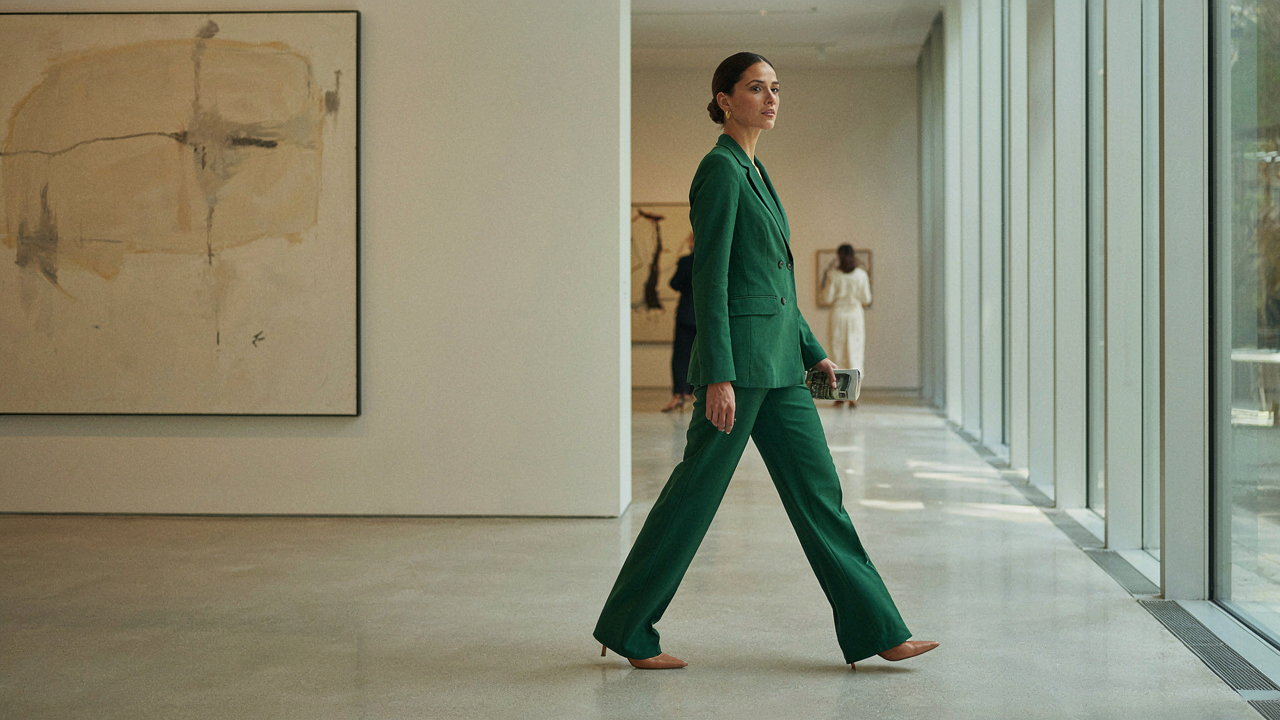
You care about this because wearing a pantsuit to a wedding makes you visible in a way a dress doesn’t, and visibility means judgment. Here’s the mechanism: wedding dress codes operate on signal theory from economics. A gown signals compliance. A pantsuit signals choice. The moment you choose tailored trousers over a skirt, you’re not just picking an outfit, you’re announcing you’ve evaluated the room and decided your comfort and aesthetic override the default expectation.
The pantsuit has spent the last forty years converting from rebellion to option. In the 1980s and 1990s, women in trousers at formal events still registered as deliberate. Today, a well-cut pantsuit reads as sophistication, not defiance. Designers like Tom Ford and Stella McCartney moved formal trousers into luxury territory, which means a tailored pantsuit at a wedding no longer whispers “statement”—it speaks precision and control.
Challenging The Unspoken Dress Code Hierarchy
The common advice here is wrong: dress codes don’t actually get stricter, they get more enforced through social pressure, not rules. A wedding invitation says “black tie” or “cocktail attire” but never specifies skirt versus trouser. That gap exists on purpose. It lets the host maintain plausible deniability while the guests sort themselves into the “safe” choice and the “explained” choice.
When you wear a pantsuit, you’re operating outside the visual hierarchy that weddings depend on to function. That hierarchy is structural: formal events historically used clothing to sort status and role. Pantsuits disrupt that because they don’t register on the same scale as gowns. You’re not competing for most elaborate or most feminine. You’re simply present, tailored, and irreducible. The mechanism is this: wear a pantsuit that fits your frame precisely, and the outfit becomes about proportion and line instead of category. That’s the only protocol that matters.
The “Assertive Elegance” Protocol: Choosing Your Wedding Guest Suit
Fabric As Signal, Not Decoration
You care about this because you know fabric choice separates the guests who belong from the ones trying too hard. Fabric operates like semiotics in fashion: it’s a non-verbal code that reads before anyone speaks to you. A wedding guest pantsuit in linen screams casual. Wool gabardine or a wool-silk blend reads structured and intentional. Polyester blends read discount. The fabric you choose broadcasts your relationship to the occasion before the fit or color even registers.

Natural fibers—wool, silk blends, and high-quality cotton blends—hold their shape through a full event and photograph better under flash. They also age visibly, meaning cheap fabric shows wrinkles and pilling by hour three. If the wedding is spring or summer outdoor, a wool-silk blend outperforms pure wool because it breathes while maintaining drape. For fall and winter indoor weddings, a pure wool or wool-blend suiting in a 14 to 16 ounce weight avoids the flimsy look that reads “costume.” Check the fiber content tag first. Everything else follows from that decision.
Fit: The Boundary Between Armor And Affectation
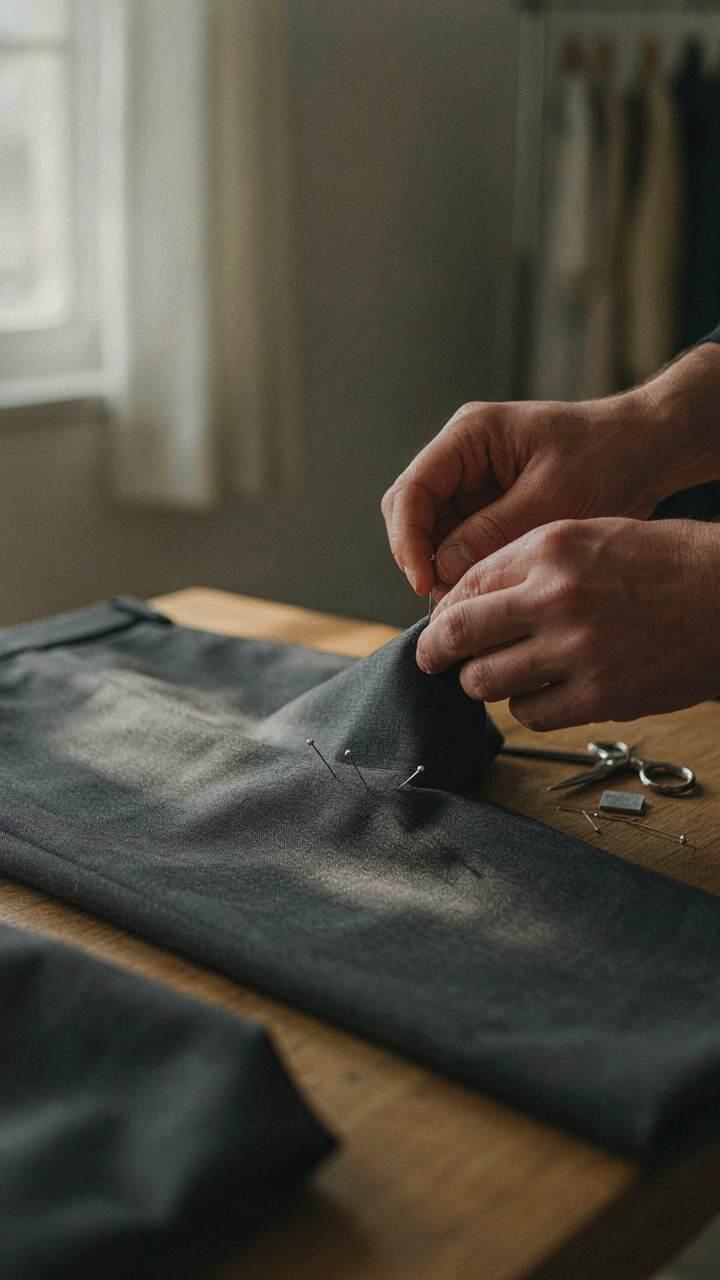
Most advice tells you “make sure it fits.” That’s incomplete and useless. Fit in tailoring means something precise: the jacket shoulder seam sits at your actual shoulder point, not floating inward or extending past it. The pants break once at the shoe, not pooling or stopping short. The jacket length reaches mid-hip. These aren’t aesthetic preferences. They’re structural requirements that separate a garment that works on your body from one you’re wearing as a costume.
The real mechanism is authority through proportion. An oversized pantsuit reads apologetic. An undersized one reads constrained. The jacket should close without pulling across the chest or back, and the lapels should lie flat without cupping or gaping. Find a tailor before the wedding, not after you buy the suit. Budget 40 to 80 dollars per alteration. This single step determines whether guests perceive you as polished or desperate.
Color Theory For Impact: Strategic Hues For Wedding Guest Pantsuits

How Color Actually Works At Events
You care about this because you don’t want to blend into the background or look like you’re trying too hard. Here’s what nobody says plainly: color operates like signal strength at a wedding. The more saturated and warm your hue, the more visual weight you command in a room. Navy and charcoal vanish into the crowd. Jewel tones and deep burgundy anchor attention without screaming. Your pantsuit’s color is competing for visual real estate against flowers, lighting, and fifty other guests.

The mechanism is straightforward. Warm colors like burgundy, emerald, and sapphire advance toward the viewer’s eye. Cool neutrals like taupe and gray recede. Skin tone matters here too, not because of mystical “color seasons,” but because contrast drives visibility. If your complexion and your pantsuit sit in the same value range, you flatten into one mass. If they clash in value (dark skin with pale cream, or light skin with deep plum), definition emerges. The goal is deliberate contrast, not accident.
Bold Moves Versus Strategic Restraint
The common advice is wrong: bold doesn’t mean bright. Bold means commitment to a single statement without hedging. A wine-colored pantsuit with minimal pattern reads bold because you’re not dividing attention. A pale taupe with subtle sheen reads restrained because it whispers rather than declares. Restraint isn’t weak. It’s a choice to let tailoring and fit do the work instead of relying on color to compensate for a poor cut.
Most guests confuse “standing out” with “clashing.” Standing out means your hue reads as intentional and placed. Clashing means your color fights the room’s palette and the dress code. At a formal daytime wedding, a structured charcoal pantsuit stands out through precision and fit. At an evening affair, a deep jewel tone stands out through visual weight. The protocol is this: choose one dominant hue, ensure it has enough saturation to register, and let every other element—fabric, cut, accessories—support that single anchor point.
The “Adaptable Architect” Method: Pantsuit Versatility For Every Wedding
Seasonal Adjustments For Maximum Impact
You’re buying a pantsuit hoping one piece solves multiple events. That’s not how fabric physics works. Summer weddings demand fabric that doesn’t trap heat and doesn’t wrinkle under humidity. Linen and cotton blends breathe. Wool crepe absorbs moisture without looking damp. Winter requires weight and structure: wool blends, gabardine, and structured synthetics hold their shape through layering and cold air.

The cut stays identical across seasons. What changes is fiber content and layering density. A summer pantsuit in a breathable blend needs minimal undergarments. A winter version tolerates a silk camisole and blazer liner without bunching. Don’t buy different fits for different seasons. Buy the same silhouette in seasonally appropriate fabrics, then swap the foundation layers underneath.
Building Flexibility Without Buying Duplicates
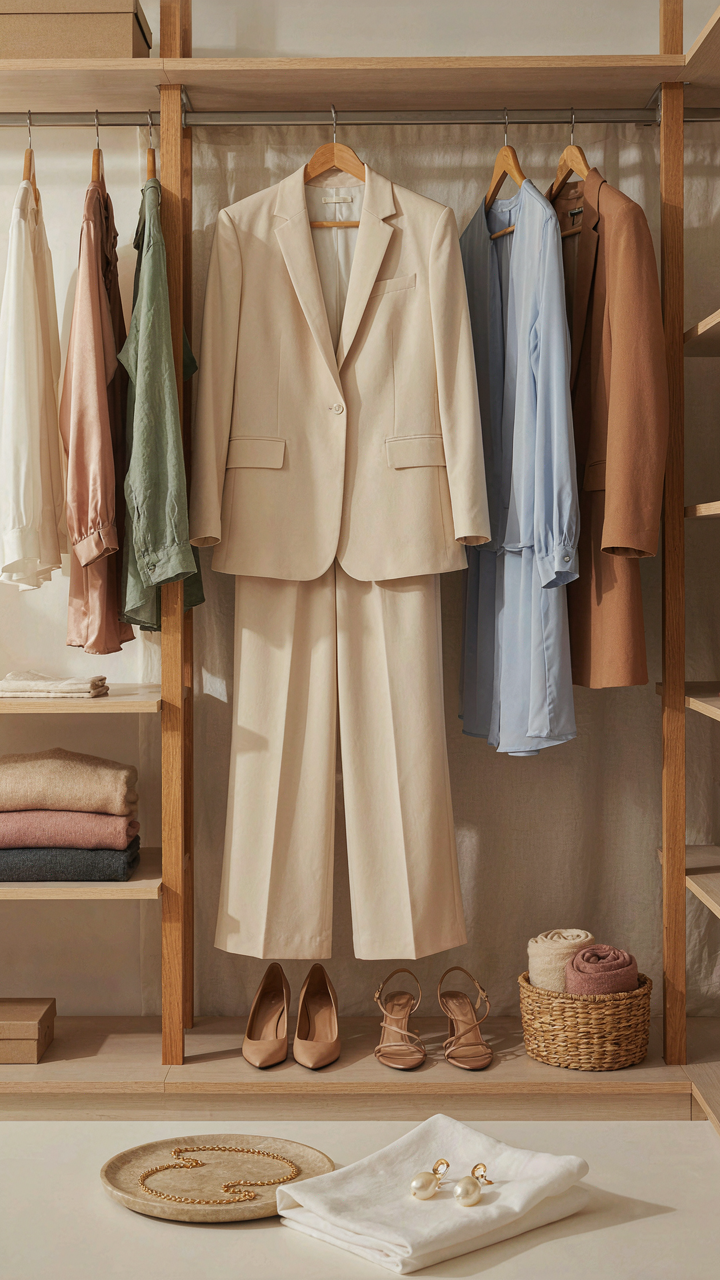
Pantsuit versatility isn’t about the pantsuit itself. It’s about what you pair underneath and on top. The common advice says swap blazers and accessories. That’s incomplete. The real lever is the base layer, shoe choice, and jewelry weight.
A cream pantsuit worn with a structured gold necklace and pointed pumps reads formal ceremony. The exact same pantsuit with a delicate pendant, ballet flats, and a minimalist watch reads garden cocktail hour. The pants and jacket don’t change. The supporting structure does. Keep your pantsuit neutral in color and cut, then engineer the formality level through your foundation garments and metal choices. This is how one piece becomes five events.
Accessories As Amplifiers: Elevating Your Pants Outfit
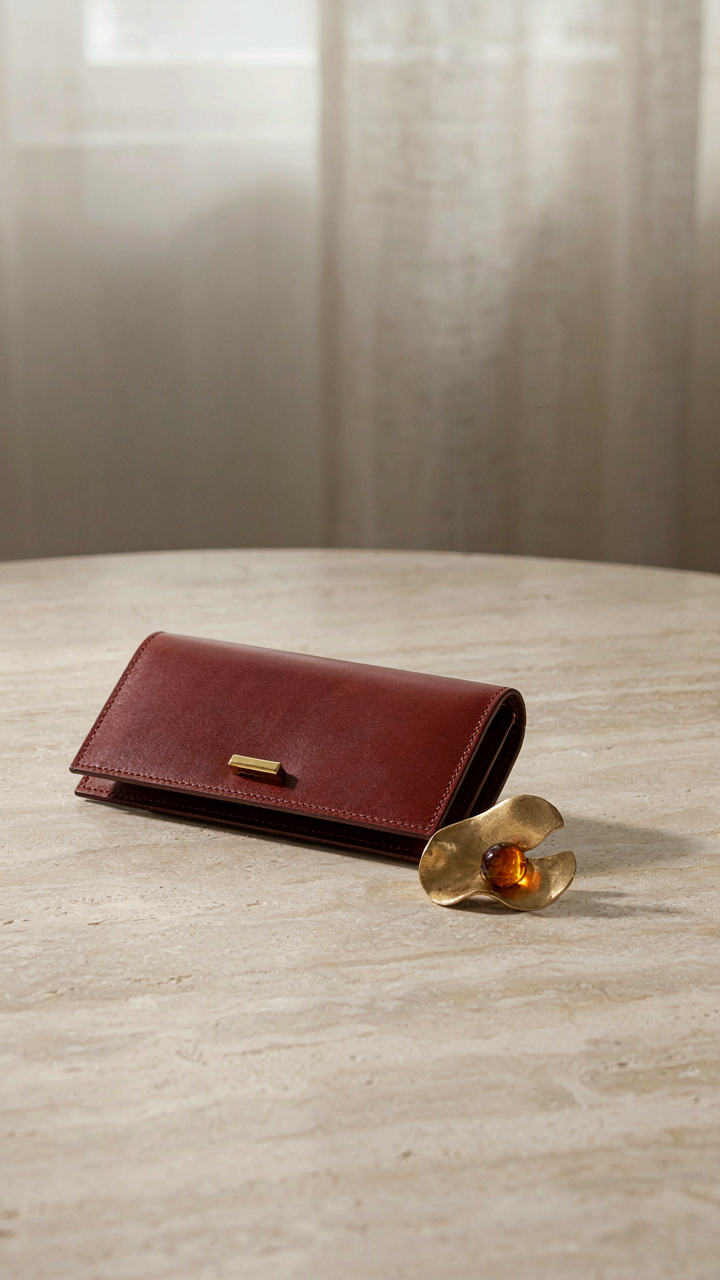
Statement Pieces That Carry Weight
You want people to notice you’re not trying too hard, which means you’re actually trying very hard. Here’s the mechanism: in electrical engineering, an amplifier takes a weak signal and makes it audible. A statement accessory does the exact same thing to a neutral pantsuit. The piece doesn’t need to be loud. It needs to be intentional enough that it shifts how someone reads the entire outfit.

A structured clutch in leather, a bold brooch, or a watch with presence works because it gives the eye a place to land. Without it, a pantsuit reads as default. With it, the pantsuit becomes a frame for something you chose. The accessory isn’t decoration. It’s the signal that transforms the outfit from “I have something to wear” to “I wore this on purpose.” Pick one piece. Make it real. Everything else recedes.
Texture And Shine As Depth
The common advice says to “mix matte and shine for visual interest.” That’s vague and backwards. What actually happens is this: when fabrics have different light absorption properties, they create perceived dimension on a flat plane. Your body doesn’t move in one texture. Pairing a matte wool suiting with a satin blouse, a silk camisole, or a polished leather belt creates visual architecture that reads as intentional and expensive, even if nothing costs much.
Shine at strategic points like the neckline, waist, or feet catches light when you move. Matte absorbs it. The contrast makes the cut of the pantsuit more readable to someone looking at you. Avoid mixing too many textures, which fragments attention. Choose two: the suiting as your anchor texture, then one contrasting element. The mechanism is simple. More light variation equals more perceived sophistication and polish.
Pants, Trousers, And Cuts: Tailoring For The Ultimate Silhouette
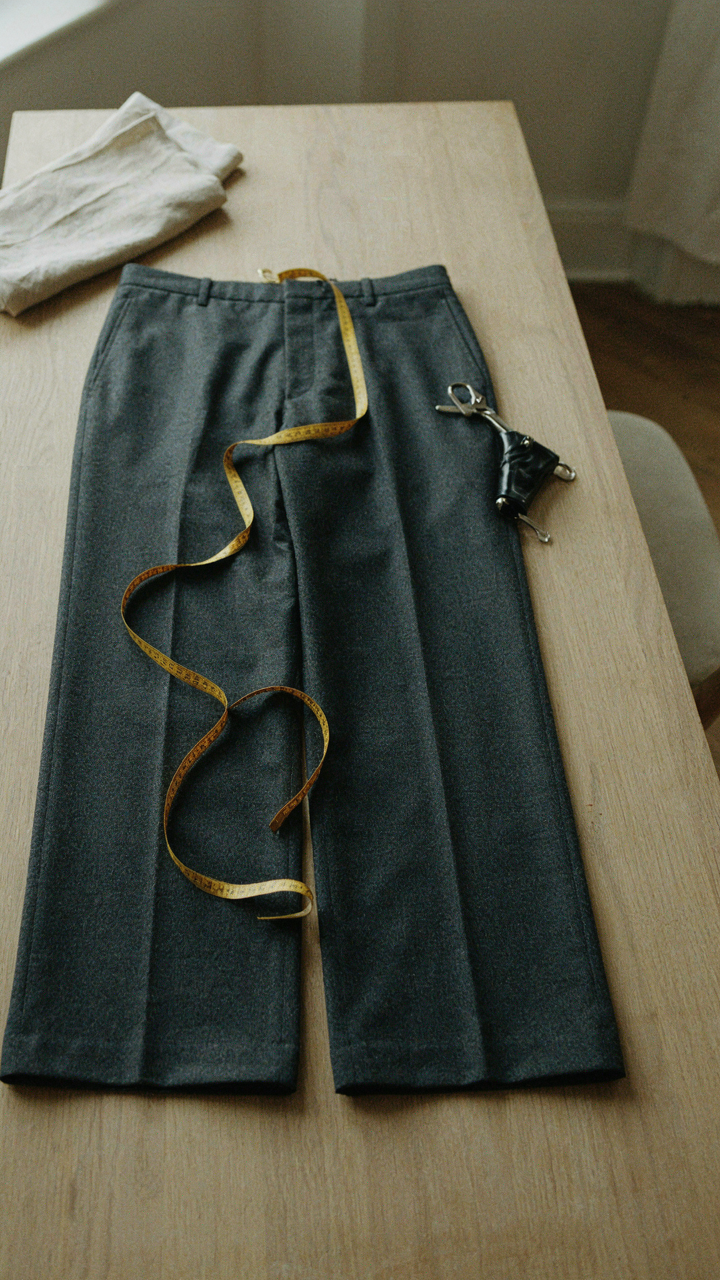
Wide Leg Versus Slim Fit
You want the cut that makes you look taller and thinner, which is really about wanting control over how strangers perceive your body in a room full of witnesses. Here’s the mechanism: a pant’s leg volume directly determines where it breaks on your shoe and how it interacts with your proportions. Wide-leg trousers sit lower on the hip, extend past the shoe, and create vertical lines that read as formality. Slim-fit creates the opposite effect: higher rise, shorter break, horizontal compression that demands specific body type alignment.

The consensus says “wear what flatters you,” which is useless advice. Instead, measure your actual inseam and the pant’s rise. A high-rise wide-leg with a one-quarter-inch break at the shoe works across most body types because it elongates the leg line and respects formal tradition. A low-rise slim-fit might look current until you sit down and create tension across the thigh, which reads as discomfort, not polish. Match the rise to your natural waistline, not your jeans habits.
Trouser Length And The Break
The pant break controls whether a formal pantsuit reads as intentional or accidental. Fabric physics determines this: gravity pulls fabric downward, so length decisions compound over the day. A quarter-inch break sits on the shoe’s top without bunching. A half-inch break creates a slight fold at the ankle, reading as European formality. Too long and the fabric stacks, which reads sloppy at a wedding. Too short and you expose ankle, which breaks the formal line entirely.
Get the inseam measured while wearing the exact shoes you’ll wear to the wedding. Have the tailor mark the break in-person, standing, not sitting. Walk around the tailor’s space for five minutes. A break that looked right in the fitting room might pull up when you move. Professional tailors know this; amateurs don’t charge for a second fitting. You need the second fitting.
Wedding Outfit For The Unconventional: Suits For Women That Stand Apart

Exploring Unconventional Suit Styles
You want permission to wear something that reads as powerful without triggering the unspoken dress code police. Here’s what actually works: unconventional suit styles operate on the same principle as camouflage in biology—they blend in by changing one variable while keeping others constant. A cropped blazer with full-length trousers reads as deliberate, not sloppy, because the structure remains. The blazer itself still communicates formality. Only the proportions shift.
Double-breasted jackets, oversized silhouettes, and asymmetrical closures exist in real menswear tailoring, which means they’re not avant-garde—they’re just less common in women’s formalwear. A peak lapel blazer or a suit with a subtle texture change (linen blend, subtle pattern) keeps you inside the formal envelope while signaling you made a choice. The mechanism is simple: formal suit DNA stays intact, but the cut or fabric becomes the focal point instead of conformity being the point.
When To Break From Tradition
Most advice says “read the room,” which is useless because you don’t know the room’s actual boundaries until you violate them. Better move: break tradition on variables the wedding’s already broken. If the ceremony is outdoors, unconventional suit choices feel contextually reasonable—a lighter fabric, an unstructured jacket. If the couple itself signals non-traditional values through their invitations or venue, that’s your signal the dress code has room. If everyone else wears black tie and you wear navy, you miscalculated. If half the female guests wear separates, a pantsuit with an unexpected cut integrates instantly.
The real protocol: unconventional works only when it sits adjacent to the stated formality level, never below it. Wear your statement suit to a black-tie wedding, and you read as dismissive. Wear it to a cocktail event or garden ceremony, and you read as thoughtful. The distinction comes down to this single mechanism—does your choice require the venue and occasion to explain itself, or does it stand alone as formally dressed? If the venue has to justify your outfit, you’ve crossed the line.
The “Second Skin” Principle: Comfort And Confidence In Your Pant Suits For Wedding

Fabric Breathability And Movement
You want to feel invisible at the wedding, not aware of your own body the entire time. That’s the real game here. Fabric breathability works like athletic performance in reverse: instead of wicking sweat away from intense movement, it manages the low-grade perspiration that comes from sitting, standing, and existing in formal settings for hours. Natural fibers like wool blends and linen allow air circulation; synthetic blends trap heat and humidity against skin, which your nervous system registers as constraint.

The pantsuit fabric you choose determines whether you’re managing your body or managing the event. Wool gabardine and crepe maintain structure while allowing micro-air exchange. Polyester-heavy blends feel stiff and create a sauna effect, especially under arms and at the back. Check fiber content before buying: aim for 70 percent natural fiber minimum if the fabric weight sits under 200 gsm. Movement restriction isn’t about looseness; it’s about the material’s ability to move with your body without creating dead zones where sweat pools.
The Fit That Doesn’t Announce Itself
A pantsuit that fits stops registering in your mind after ten minutes. Your brain has more important things to track. Optimal fit reduces the cognitive load of your own self-awareness, which means your attention stays on the event instead of pinching shoulders, gap-backed blazers, or pant legs that catch your heel. Psychology calls this “enclothed cognition”: your clothing influences your mental state. Wear something that moves with you instead of against you, and your actual confidence follows.
The mechanism is simple: poor fit creates micro-tensions your body feels but your conscious mind doesn’t articulate. These tensions accumulate into fatigue and a vague sense of discomfort that leaks into your presence. Proper fit means the seams sit exactly where your body actually is, the sleeve hem grazes your wrist bone, and the pant inseam doesn’t require standing on your toes. Before purchasing, sit, stand, and reach across your body. If you feel constraint anywhere, the fit is wrong, regardless of the size label.
Avoiding The Pitfalls: What To Sidestep With Your Wedding Guest Pantsuit
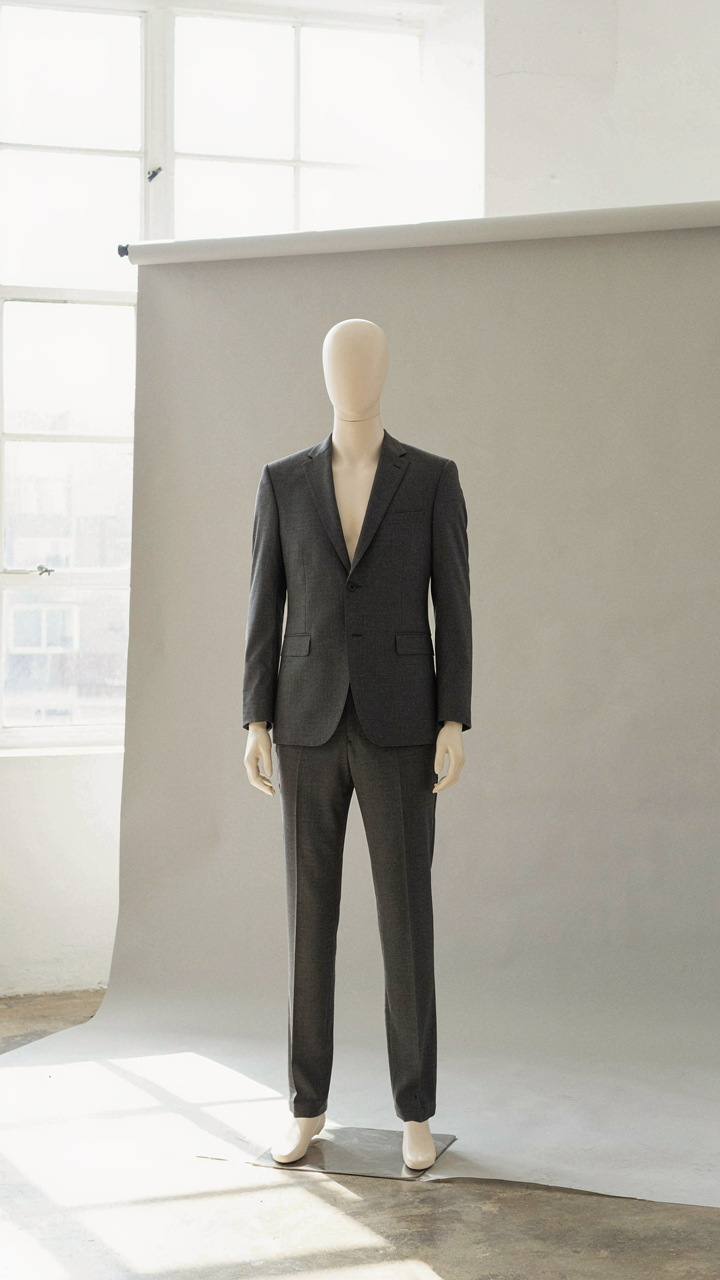
The Fit Trap That Kills Presence
You care about this because wearing the wrong fit signals you don’t understand the room, and that costs you credibility. Think in terms of signal theory: your pantsuit broadcasts a message before you speak. Ill-fitting pants wrinkle at the crotch, bunch at the ankles, or gap at the waist. A too-loose jacket drowns your frame. These aren’t style opinions; they’re visibility problems. The tailoring matters more than the fabric because fit determines whether the garment disappears or screams neglect.
Most people assume tailoring is optional for off-the-rack pieces. It isn’t. Inseams on most pants run long for average heights and ignore the break at your shoe. Shoulder seams should sit exactly at your shoulder point. If your jacket pulls across the chest or the lapels don’t lay flat, the cut fights your body instead of framing it. Get inseams hemmed, take in waists, and have shoulders adjusted before the event. The pantsuit earns its place at a wedding only when it fits like it was built for you.
Clashing Signals Kill The Whole Effect
Mixing formal and casual codes breaks the visual contract you make with the room. Wearing a tailored wool blazer with sneakers or a structured pantsuit with a graphic tee reads as confused, not creative. The wedding guest pantsuit demands consistency because formality operates like a spectrum: you commit or you don’t. Adding too many statement pieces—oversized jewelry, bold prints, competing textures—fragments attention and undermines the tailored authority the outfit builds.
The real mistake isn’t decoration; it’s decoration that contradicts your clothing’s language. A simple silk blouse under your blazer lets the silhouette lead. One structured bag, minimal jewelry, and neutral shoes lock the look in place. The pantsuit already makes a statement through its cut and drape. Accessories should reinforce that statement, not compete with it. When you sidestep conflicting signals, your presence commands the space instead of scattering it.
The Real Problem Isn’t What You Wear, But Your Willingness To Conform
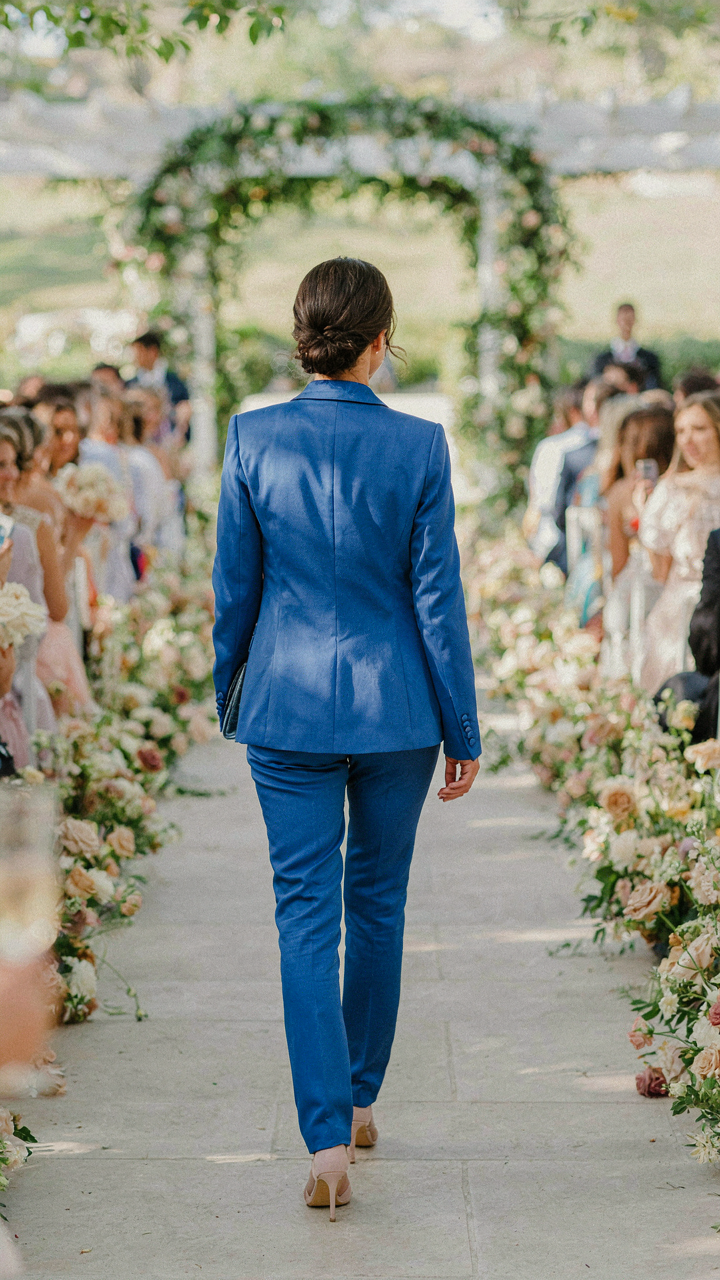
Most women choose a pantsuit because it fits the rules, not because it excites them. You’re playing it safe. Stop. Pick the cut, color, and fit that makes you feel like yourself walking in. Then wear it with zero apology. The wedding guest pantsuit works when you own it, not when you blend in. Stop dressing for permission and start dressing for presence.