

Beyond Beige: Reclaiming Your Style Narrative (Over 60 Fashion)
The Fashion Rules You Can Actually Ignore
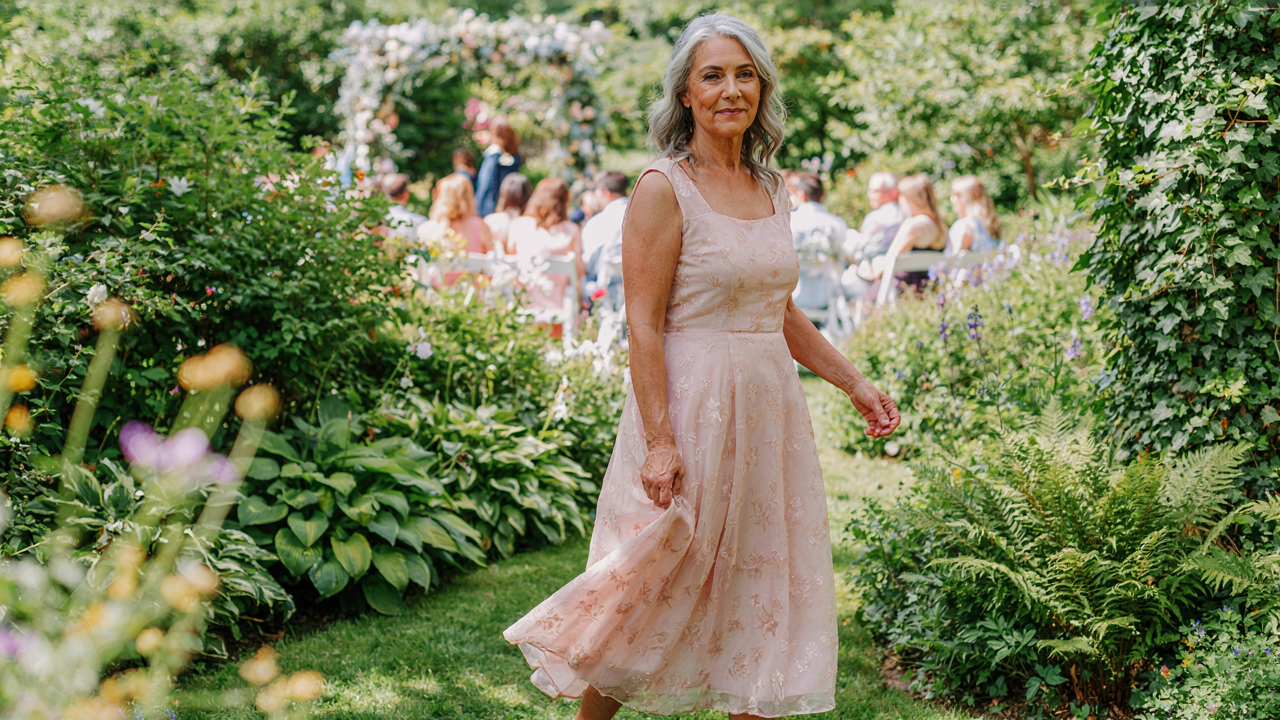
You’re worried that dressing wrong at a wedding signals you’re irrelevant. The real mechanism is this: most advice for women over 60 treats age like a constraint instead of context. You don’t need permission to wear color, pattern, or cut. You need permission to stop treating fashion rules written for other bodies as law. The consensus says play it safe. Safe is actually the highest-risk move because it erases you from the room.
What actually matters is intention, not convention. Fashion at sixty operates differently than at thirty because your body has changed, your presence has weight, and you’ve earned the right to stop performing for imaginary judges. Dark colors aren’t mandatory. Loose cuts aren’t mandatory. Neutrals aren’t mandatory. What’s mandatory is that you choose deliberately based on what works for your frame, your skin, and your confidence level right now, not based on what some stylist decided was age-appropriate in 2015.
Comfort As Strategy, Not Compromise
Military strategy teaches positioning: you win by controlling the terrain, not by outworking your opponent. Wedding guest dressing works the same way. Comfort isn’t something you sacrifice for polish. Comfort is the position from which polish emerges. When your dress fits your body without tension, when the waistband doesn’t cut, when you can breathe and move, you occupy physical space differently. You sit taller. You don’t fidget. You look composed because you are composed.
The old advice says choose between looking good and feeling good. That’s false. Restrictive fabrics, underwires that pinch, hems that bind, and shoes that demand suffering don’t make you look better. They make you look distracted. Pick natural blends or technical fabrics that stretch. Pick silhouettes with actual waist definition instead of shapewear-dependent designs. Pick shoes you’ve worn ten times before, not new ones that need breaking in. When your body feels stable, your presence reads as authority.
The Strategic Fabric Selection Protocol
Breathability And Drape Without Compromise
You care about this because you’ve spent decades learning that looking good requires feeling good, and you’re not about to spend six hours overheated and stiff at someone else’s wedding. The mechanism is simple: fabric acts like a thermal regulator. Natural fibers manage moisture and temperature through their molecular structure, while synthetics trap heat and cling when your body shifts. This isn’t preference. This is physics.

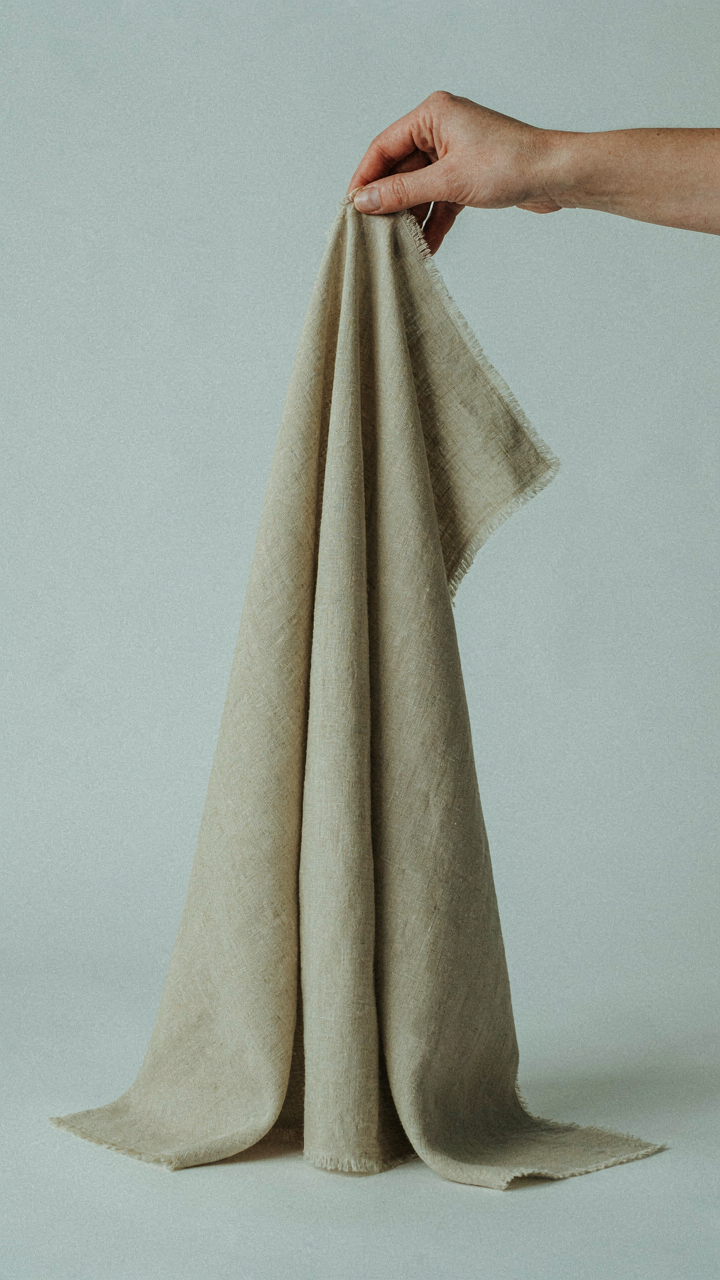
Silk blends, linen blends, and lightweight wool perform because they release moisture instead of holding it. A cotton-linen mix at 60-40 ratio gives you structure without the wrinkle liability of pure linen. The drape question solves itself when you choose fabric with weight: a fabric that falls instead of clings eliminates the need to adjust your dress every twenty minutes. Test by holding a swatch vertically. If it moves like fabric, it works. If it stays rigid, it won’t move with you.
Wrinkle Resistance As Your Real Investment
The standard advice is to buy wrinkle-resistant fabric and call it done. That’s incomplete. Real wrinkle resistance comes from fiber structure and finish, not marketing language. Fabrics with a tighter weave naturally release wrinkles faster because the fibers sit closer together and reset when they cool. Add a resin finish to polyester blends or higher-quality synthetics, and you’ve engineered the outcome you need.
Microfiber polyester, performance blends like Tencel mixed with nylon, and treated cotton-poly combos hold their shape through travel and sitting. The protocol: check the fiber content label first. If it’s 40 percent polyester or higher, the fabric engineer already solved the wrinkle problem. Machine wash cold, hang to dry, and fabric memory does the work for you. You maintain polish because you chose the material right, not because you ironed before the event.
Color Theory For Impact, Not Camouflage (Dressing Over 50)
Undertone Matching Beats Generic Color Rules
You’re worried the wrong color will make you look washed out or tired. That fear is real, but it points to the actual problem: you’ve been given color advice based on season theory, which treats skin like a fixed object when it’s actually a reflective surface. The mechanism that matters is undertone matching. Your skin has a dominant undertone—warm, cool, or neutral—and colors either harmonize with it or fight it. A color can be objectively beautiful and still wrong for your face because it contradicts your undertone rather than amplifies it.

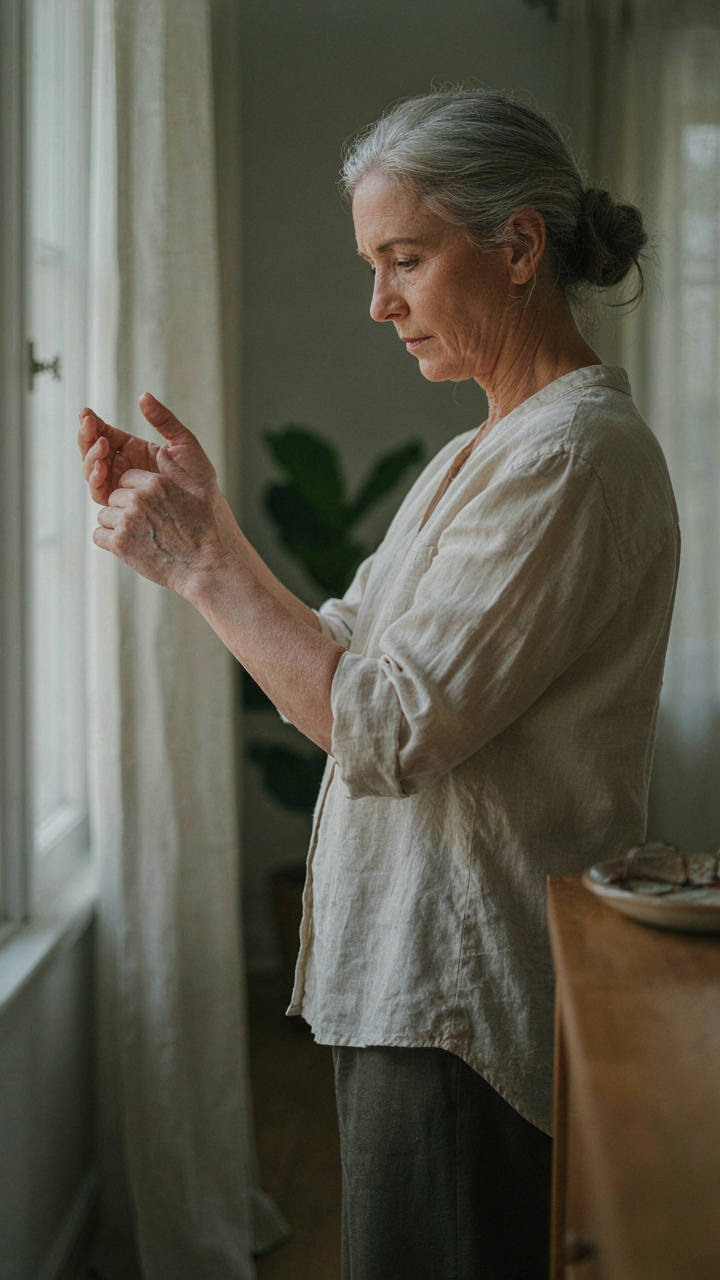
Finding your undertone requires one honest assessment, not trend-chasing. Look at the veins on your wrist in natural light. Blue or purple veins signal cool undertones; green signals warm. If you see both equally, you’re neutral. Once you know this, test colors against your face, not your body or a swatch. A jewel tone navy works for cool undertones; a warm bronze works for warm ones. The payoff is immediate: colors start reading as intentional rather than accidental. This is where most advice fails—it skips the diagnostic step and jumps to color names.
Strategic Placement Over Full Saturation
Bold color near your face draws attention upward where you want it. Subtle color lower grounds the look and prevents visual chaos. Most women over 60 default to neutrals everywhere, treating color like a risk. It’s not. The real risk is invisibility disguised as safety. A saturated jewel tone at the neckline—a structured wrap, a silk blouse, a draped neckline—creates a focal point and signals that you dressed with intention, not fear. Your face is your asset; color should frame it, not compete with it.
The placement protocol is straightforward. If the dress itself is neutral, add color through a structured jacket, shawl, or statement neckline. If the dress carries the color, keep it saturated and simple—no competing patterns. If you want pattern, place it lower: a printed skirt with a solid top, not the reverse. The mechanism works because human eyes read top to bottom, then settle on the face. You control where attention lands by controlling where you place color and contrast. This is why a plain dress with a bold blazer always reads more polished than a busy pattern you hope will distract.
The Silhouette Deconstruction Method (Wedding Guest Dress For Women Over 60)
Structure Creates The Illusion Of Proportion
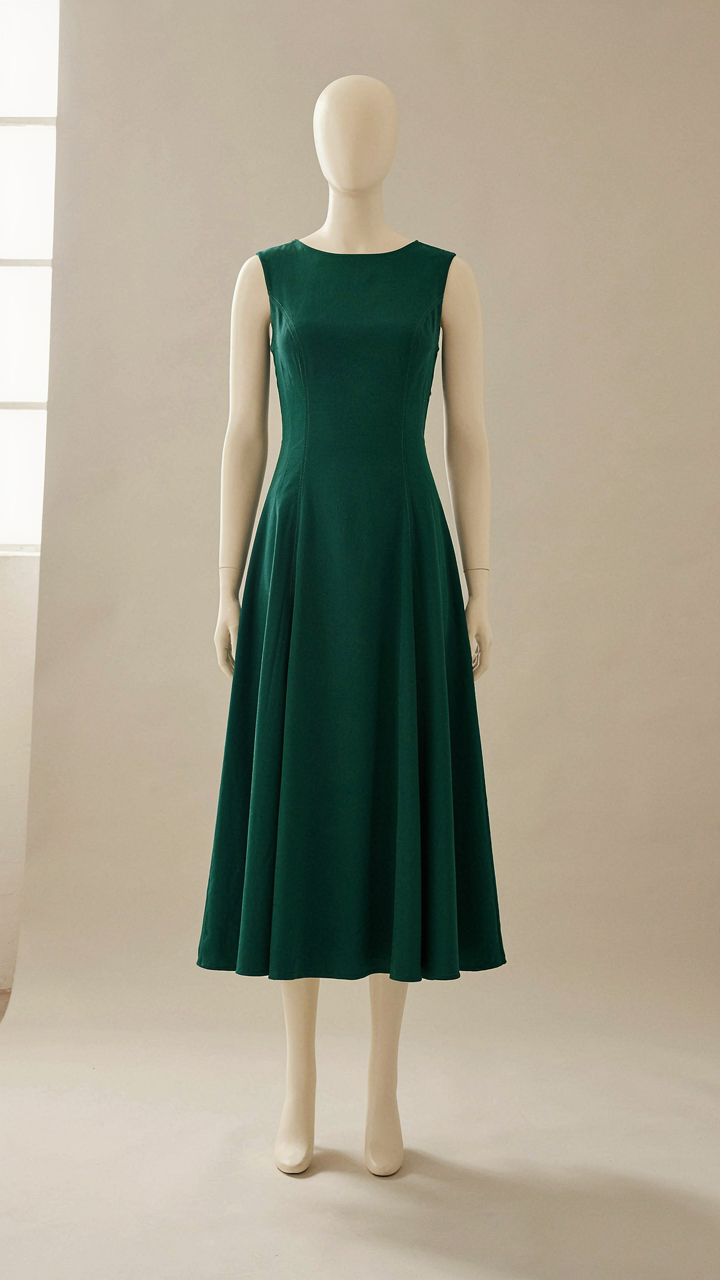
You want to look pulled together without looking like you’re trying too hard, which means you need clothes that do the work so your body doesn’t have to. In architecture, load-bearing walls carry weight efficiently by distributing force through structure rather than mass. A wedding guest dress works the same way: the cut itself does the visual heavy lifting. Most women over 60 default to loose, shapeless silhouettes because they’ve been told that “covering up” equals elegance. This is backward. A dress with deliberate structure at the shoulders, waist, or through strategic seaming creates visual proportion without clinging. The seam placement matters more than the fabric weight.

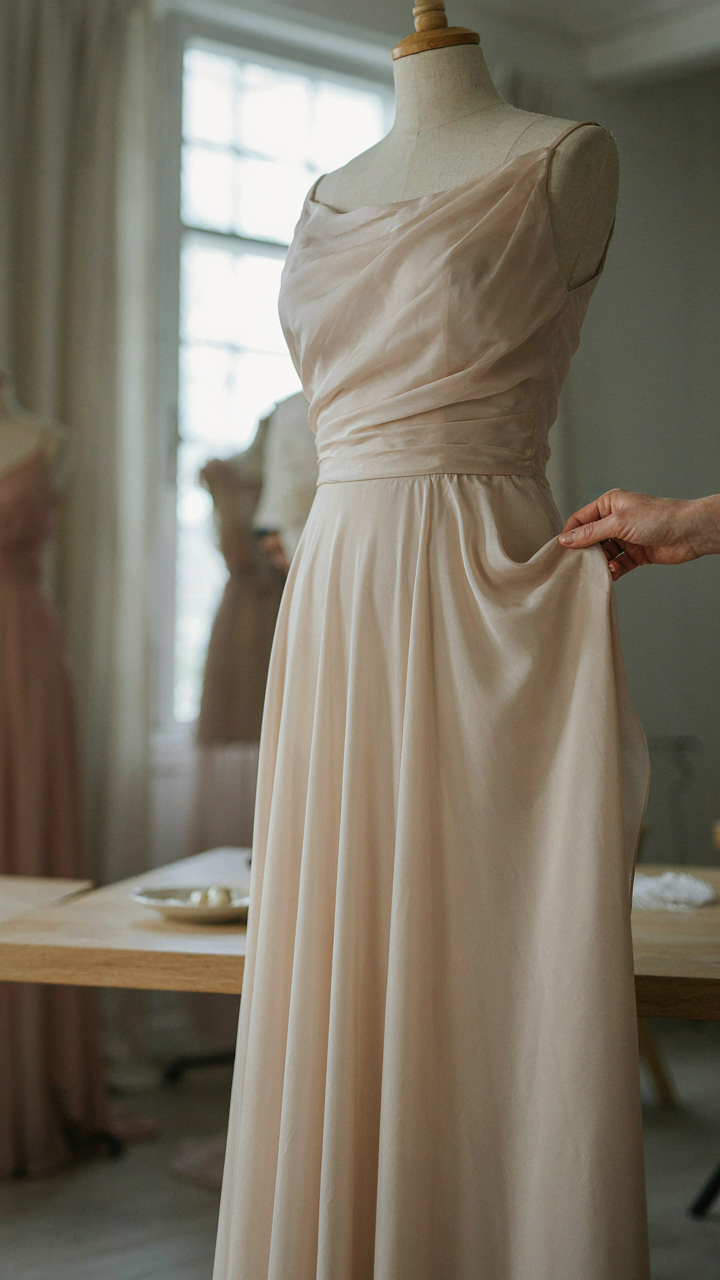
A-line cuts, princess seams running vertically from shoulder to hem, and defined waistlines are not trends. They’re architectural solutions that narrow the visual mass of the torso and elongate the line. Wrap dresses work because they give you control: you tie the belt at your actual waist, not where marketing thinks a waist should be. Sheath dresses with side ruching compress the silhouette without compression garments. The dress solves the problem. Fabric drape follows structure, so choose materials that hold their shape: cotton blends, structured knits, and lightweight wools over jersey or thin synthetics that cling or billow unpredictably.
Movement Determines Whether A Dress Works
You can’t sit, stand, gesture, and eat at a wedding feeling restricted. A dress that fits perfectly when you stand still but limits your arm movement or riding up when you sit is not a dress. A dress that pulls across your shoulders when you raise your arms to applaud the couple is a liability. Test the mechanics: raise your arms overhead, bend at the waist, sit down in a chair without adjusting the hem. Your shoulders need two to three inches of ease minimum. Armholes should sit at the actual shoulder joint, not a half inch lower, which traps movement. Sleeve length matters more than people admit: sleeves that hit mid-forearm look intentional and polished. Sleeves that end randomly between elbow and wrist read as an error.
The dress length affects how you move through space. Midi length (hitting at the calf or ankle) gives you the ability to walk without managing fabric. Knee length requires you to have the posture and confidence to pull it off. Full-length creates formality but demands you know your shoe size and heel height before the event so you don’t trip. Most women over 60 move better in midi because the added fabric provides visual balance and doesn’t require you to think about your legs while walking. Hem weight matters: a dress that swings freely when you move looks alive. A dress that drags or sticks to your legs when you walk looks heavy. Choose fabrics with enough body to drape cleanly and move with intention.
Accessory Amplification: The Details That Define
Statement Pieces: Quality Over Quantity
You want accessories to do the heavy lifting so you don’t have to. That’s the real mechanism here. One excellent piece beats five mediocre ones because it signals restraint and intention, not desperation to fill space. In economics, this is called the law of diminishing returns: past a certain point, adding more makes the total effect weaker, not stronger.

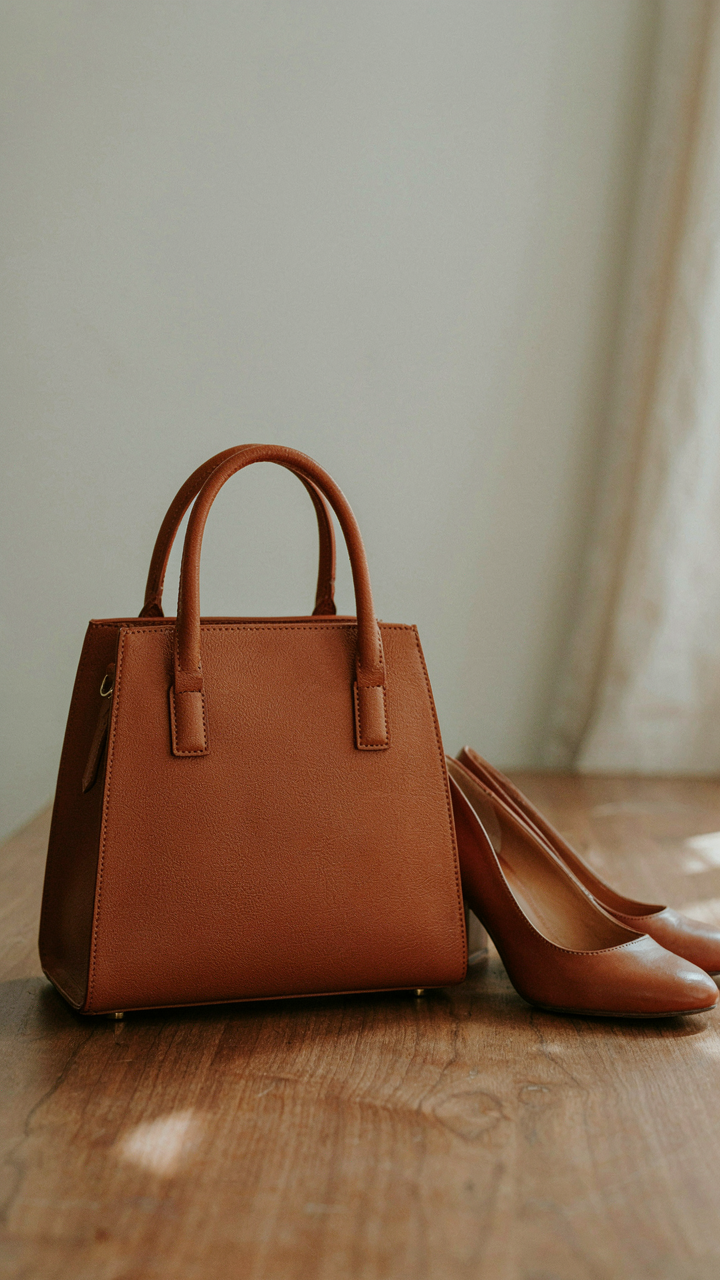
Choose one focal point: a structured handbag, a pair of chandelier earrings, or a silk scarf. Everything else recedes. A leather bag in cognac or black anchors an outfit for decades. Real gold or silver jewelry holds its weight visually without demanding constant maintenance. Skip costume pieces that tarnish or crack. One investment piece does more work than a pile of forgettable additions.
Footwear For The Full Day
Comfort isn’t the enemy of polish—it’s the prerequisite. The problem with most wedding guest advice is that it treats shoes as decoration first and function second. You’ll stand for photos, walk on uneven ground, and navigate cocktail hours. Your feet matter tactically.
A structured flat in leather, a low block heel between one and two inches, or a quality slip-on delivers stability without screaming compromise. Metallic leather and jewel tones read elevated without sacrificing your ability to move. Test any shoe for two weeks before the event. If your feet hurt during a trial run, they’ll fail you at the wedding. Breaking in new footwear the day of the event is a tactical error you control.
Seasonal Adaptations: Mastering Any Wedding
The Layering Architecture That Doesn’t Show
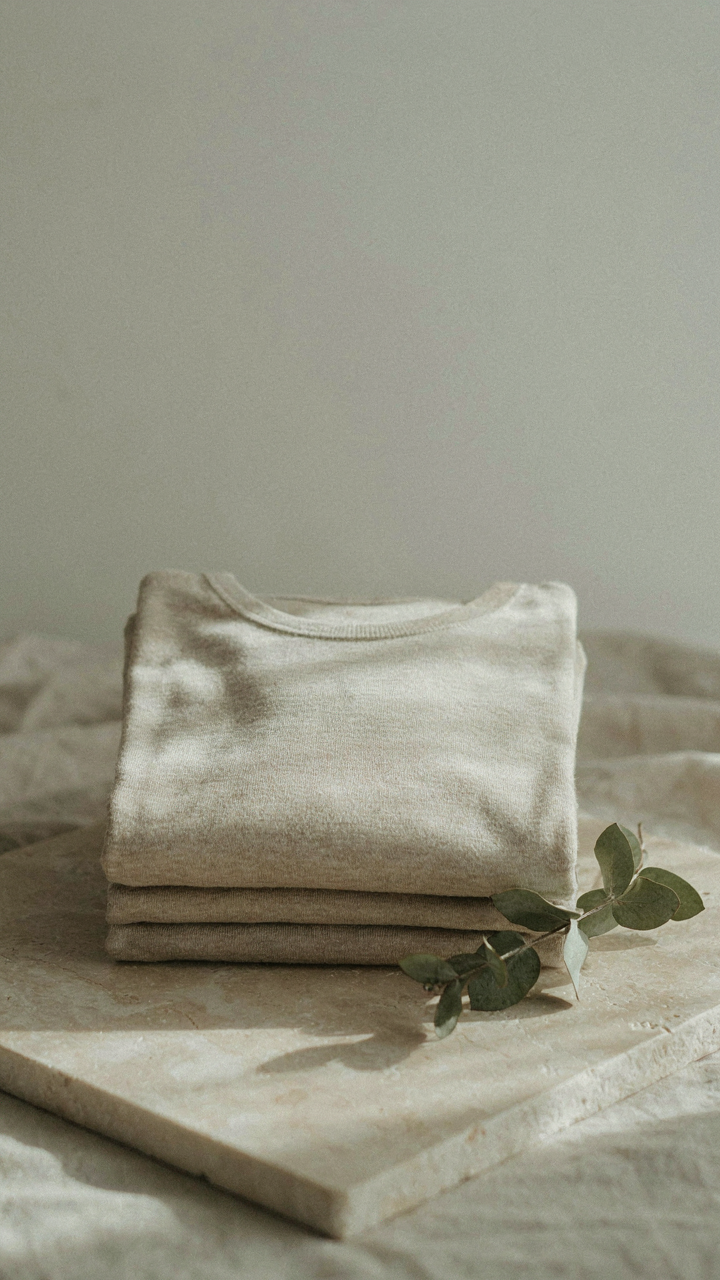
You’re afraid of looking either cold or overdressed, and layering seems like the obvious answer until you realize most layering strategies add visible bulk that undermines the polish you’re after. Borrow from thermal engineering: the goal is insulation without volume. The mechanism is strategic density, not quantity. A single structured silk camisole under a bias-cut dress traps warmth without creating thickness. A lightweight merino wool shell functions as your invisible workhorse, not a statement piece.

Most women layer wrong by treating each piece as independent. Instead, treat layering as a single garment system where the outer piece dictates what hides beneath. A sleeveless sheath dress at a December wedding gets a tailored long-sleeve silk tee underneath, not a chunky sweater over top. The proportions stay clean. The silhouette remains legible. You control temperature through fiber choice and fit, not through adding obvious layers that create lumps under arms or at the waist.
Fabric Choice Shifts With Season
Fabric selection isn’t aesthetic preference, it’s physics applied to body temperature and event duration. Winter weddings demand natural fibers with higher weight per yard: crepe, structured cotton blends, wool gabardine, ponte. Summer weddings require linen, silk charmeuse, or cotton voile that breathe without clinging when humidity spikes. Fall and spring occupy the middle ground where medium-weight silk, rayon blends, and lightweight knits perform.
The hidden rule nobody states: check the venue’s climate control first. An air-conditioned ballroom changes everything. Winter weight fabric in a frigid room leaves you overdressed by hour three. A silk charmeuse in an uncontrolled garden ceremony becomes your liability when temperature drops at dusk. Choose your fiber after you know whether you’re fighting climate control or raw weather. Then commit to that choice completely so your outfit reads as intentional, not reactive.
The Unspoken Code: Decoding Dress Codes With Confidence
Black Tie Optional: When Formality Becomes A Choice
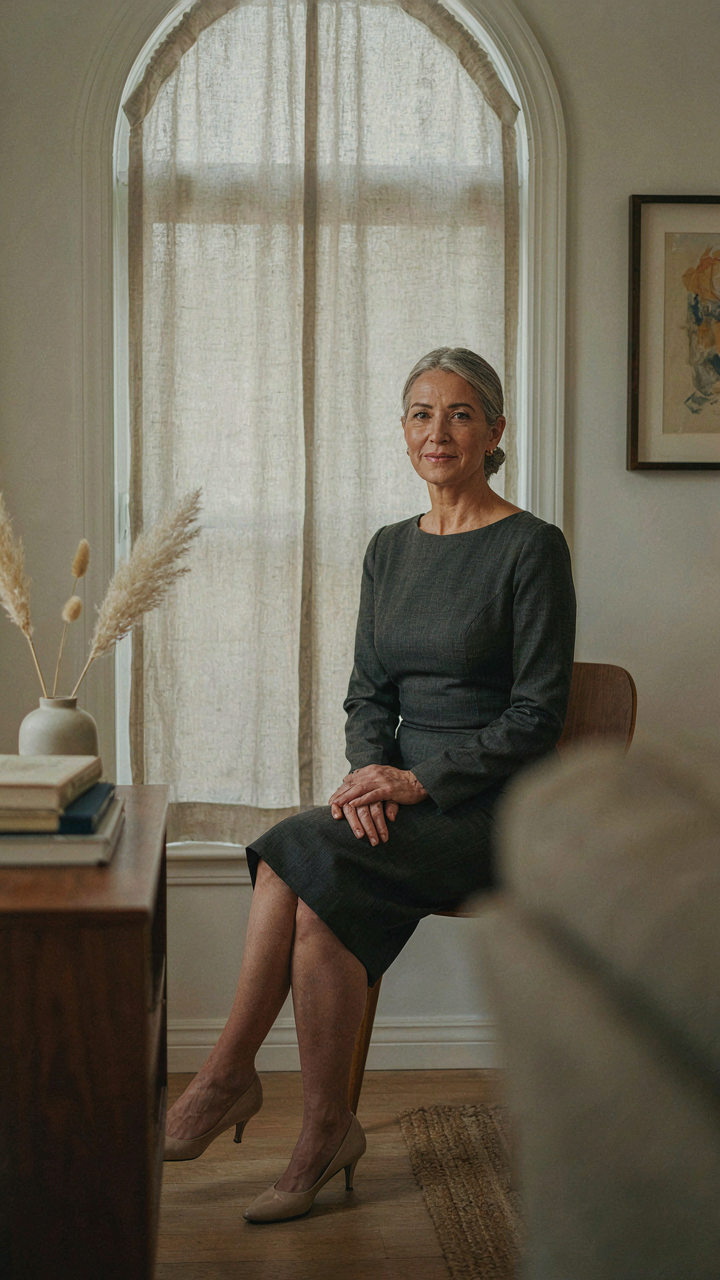
You’re reading this section because you’re afraid of showing up wrong. The real mechanism of “black tie optional” is permission to choose your formality level based on your comfort, not compliance. The dress code isn’t a floor you must reach; it’s a ceiling you can stay below. Most women over 60 misread this as obligation, when it actually means the host accepts variation.

Black tie optional removes the penalty for age-appropriate tailoring. You wear what reads as formal through fit, fabric, and structure, not through rigid rules. A structured sheath dress in silk charmeuse with a tailored blazer signals polish without requiring you to squeeze into a gown. The constraint isn’t the dress code; it’s your willingness to interpret it for your body and lifestyle instead of following a template designed for someone thirty years younger.
Casual Chic: The Discipline Of Restraint
Common advice calls casual chic “effortless,” which is a lie that paralyzes decision-making. Casual chic requires more editing than formal wear, not less. You achieve it through subtraction: removing one element you’d normally wear, simplifying the color palette, choosing one focal point instead of competing details.
For women over 60, casual chic means linen or cotton blends in neutral tones, paired with one structured piece. A quality ponte trouser with a silk camisole and an unstructured linen jacket reads intentional and age-appropriate. The mechanism is this: you build the outfit backward from the shoes. Choose footwear first, then select pieces that create clean vertical lines without fussiness. Skip patterns, heavy jewelry, and trendy cuts that demand youth to carry them off.
Investment Pieces: Building A Timeless Wardrobe (Grandmother Of The Bride Dresses)
Cost Per Wear: Reframing Expenditure
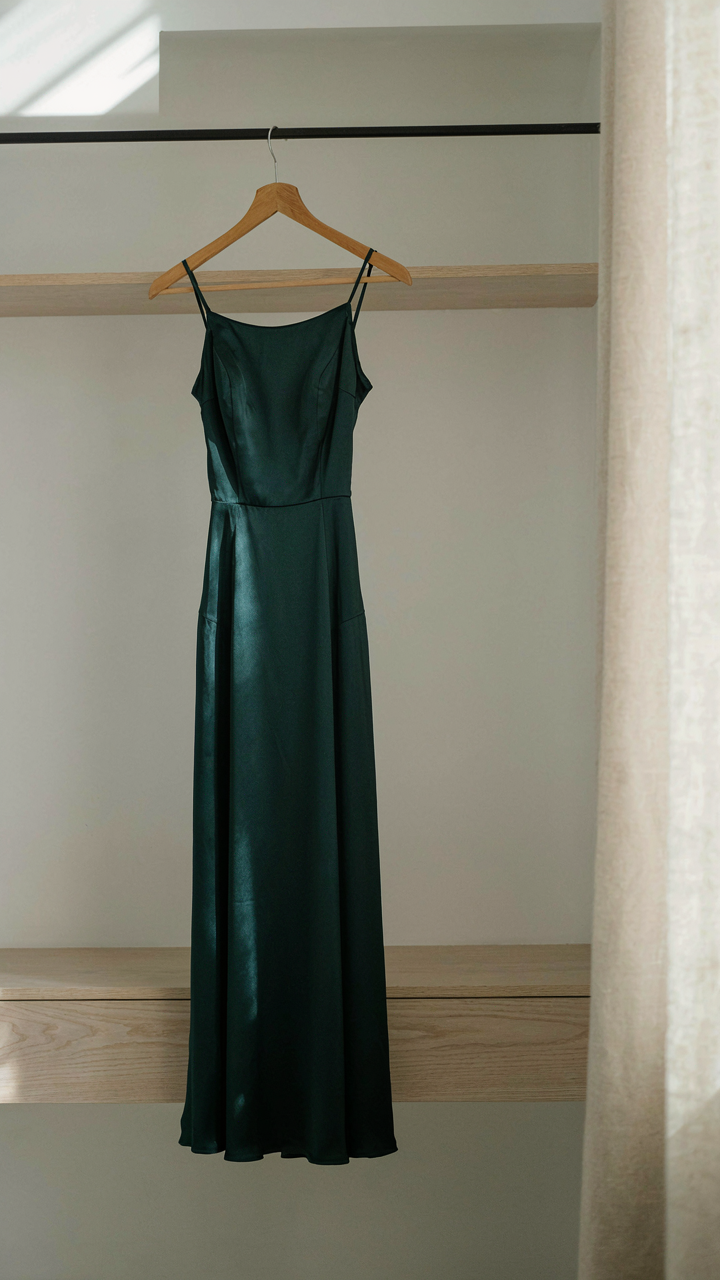
You’re worried that spending real money on a dress you’ll wear once makes you reckless. Here’s the mechanism: you’re calculating wrong. A 300 dollar dress worn to three weddings, two cocktail events, and a holiday party over five years costs 30 dollars per wear. That’s cheaper than a rental. Most women over 60 stop calculating this way because they accepted the lie that occasion wear is disposable. It isn’t.

The math shifts when you build pieces that work across contexts. A tailored jewel-tone dress in a natural fiber moves from weddings to brunches to dinners without looking like costume repetition. Quality construction matters here because seams hold, fabric maintains shape, and color doesn’t fade in three seasons. You’re not buying a dress. You’re buying permission to wear the same thing multiple times without guilt.
Maximum Utility Through Strategic Silhouettes
Versatility in economics means a single input produces multiple outputs. Apply that to wedding guest dressing: one silhouette becomes five different looks through layering, accessories, and footwear swaps. A sleeveless sheath dress becomes formal at a spring wedding, conservative under a structured blazer at a corporate event, and casual with a linen shirt at a summer lunch. The silhouette does the work. You don’t need five dresses.
The common advice says “buy what works for your body.” True but incomplete. Buy what works for your body AND across temperature ranges, light conditions, and formality levels. A midi length in a structured knit travels better than a floor-length gown because it functions in more settings. A wrap style dresses down easier than a fitted column because you control how much you reveal. Pick pieces that solve multiple problems or they’re just expensive clutter.
The Confidence Multiplier: Inner Game, Outer Polish
How You Carry Your Body Matters More Than The Dress
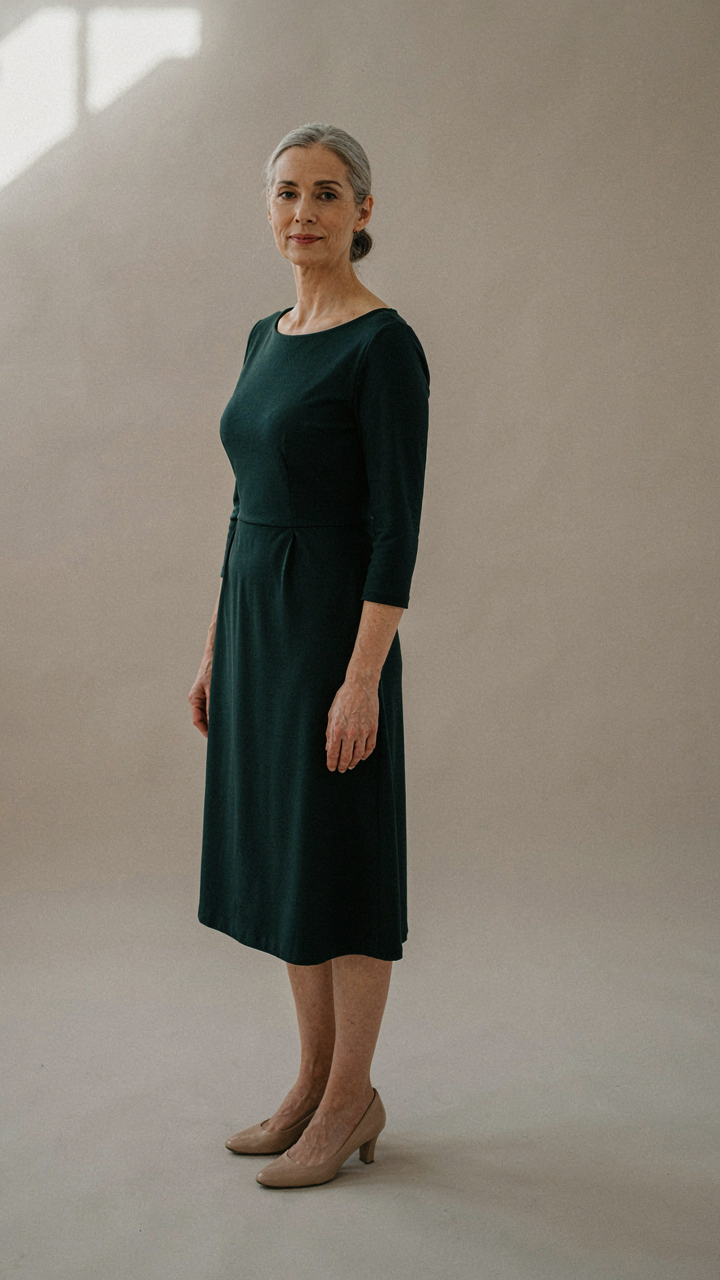
You’re reading this section because you’re afraid the dress won’t be enough to make you feel secure at the event. Here’s the mechanism: posture operates like leverage in physics. A small shift in how you hold your spine, shoulders, and chin amplifies the effect of everything you wear. Slouching collapses fabric and erases intentionality. Standing with shoulders back and chin level makes a mid-range dress read as deliberate, polished, controlled.

Most women over 60 underestimate how much posture compensates for outfit anxiety. Your spine alignment signals confidence before you speak. When you elongate your torso and ground your feet, the dress hangs properly, fabric drapes with intention, and you occupy space instead of apologizing for it. This isn’t vanity. It’s biomechanics. Sit with your back against a wall before events to reset your default position.
The Authority That Comes From Being Yourself
Authenticity isn’t a buzzword here. It’s a tactical advantage. Women over 60 who dress in ways that contradict who they actually are send mixed signals. The outfit works against you instead of for you. When your clothing aligns with your actual tastes, values, and lifestyle, you radiate congruence. People read congruence as confidence. That magnetism can’t be faked and no dress can manufacture it.
- Know your actual color palette: Wear shades that make your skin appear alive, not the colors you think you should wear. This requires honest assessment of your undertone and how fabrics reflect light on your face.
- Reject trends that don’t fit your lifestyle: If you don’t wear heels daily, don’t start at a wedding. Discomfort broadcasts as anxiety, not elegance.
- Choose fabrics that feel right on your skin: Natural fibers like cotton, silk, and linen often feel better than synthetics. Your body’s comfort directly impacts how you move and present.
- Dress for the actual event, not the fantasy version: Outdoor garden wedding? Skip the dress that requires constant adjustment. Formal evening? Skip the overly casual linen if that’s not you.
- Accessorize around your jewelry habits: If you never wear statement necklaces, don’t buy one for this event. Awkwardness with accessories undermines the entire outfit.
Your job is simple: wear clothes that reflect the person you actually are, stand tall enough to let them fit right, and show up. The dress becomes invisible when the woman wearing it is fully present.
The Pre Event Polish Checklist Grandma Wedding Outfit
Outfit Rehearsal Anticipates Comfort Issues
You want this section because you’re afraid you’ll look stiff or uncomfortable in photos, and that fear is legitimate. The mechanism is simple: your body moves differently than it did twenty years ago, and a dress that passes the standing test fails the sitting test. You need a dress rehearsal that mirrors the actual event, not a closet inspection.
Wear the full outfit for at least two hours before the wedding. Include shoes, undergarments, and any jewelry or wraps you’re bringing. Sit down repeatedly, move your arms overhead, bend forward, and stand from a seated position the way you actually will at the reception. If anything pulls, pinches, or limits your breathing, you discover it now when you can still make changes, not during the ceremony when you’re committed.
Emergency Kit Small Fixes Big Impact
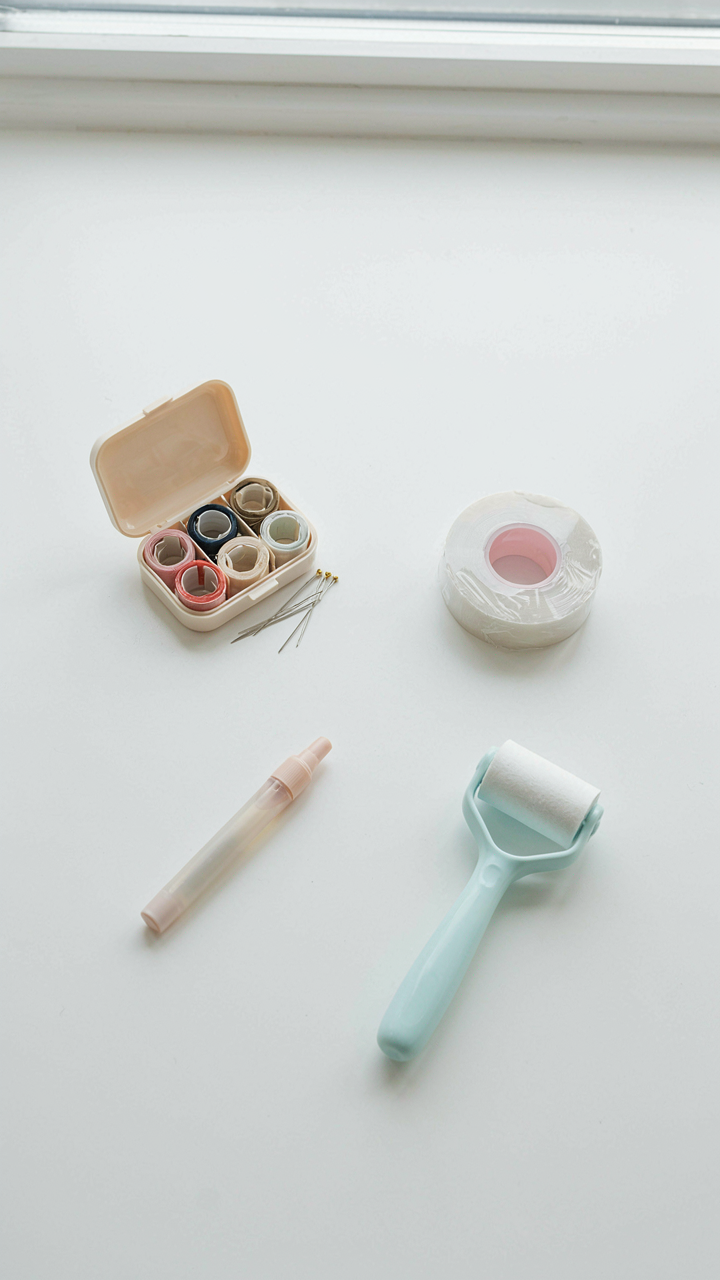
Most women carry a purse to a wedding and leave it empty of the tools that actually solve problems. Your kit needs four items: a small sewing needle and thread matching your dress, fashion tape, a lint roller card, and stain remover pen. The sewing needle fixes a separated seam or loose button before it becomes visible. Fashion tape handles a neckline that drifts or a wrap that won’t stay positioned.
Stain remover addresses spills immediately, and the lint roller handles fabric dust and pet hair you may have missed. Keep these items in a small makeup bag in your purse the entire day. The real mechanism here is removing variables between your rehearsal and the event itself, so nothing surprises you when you’re dressed and ready to leave.
The Only Outdated Trend Is Dressing To Disappear
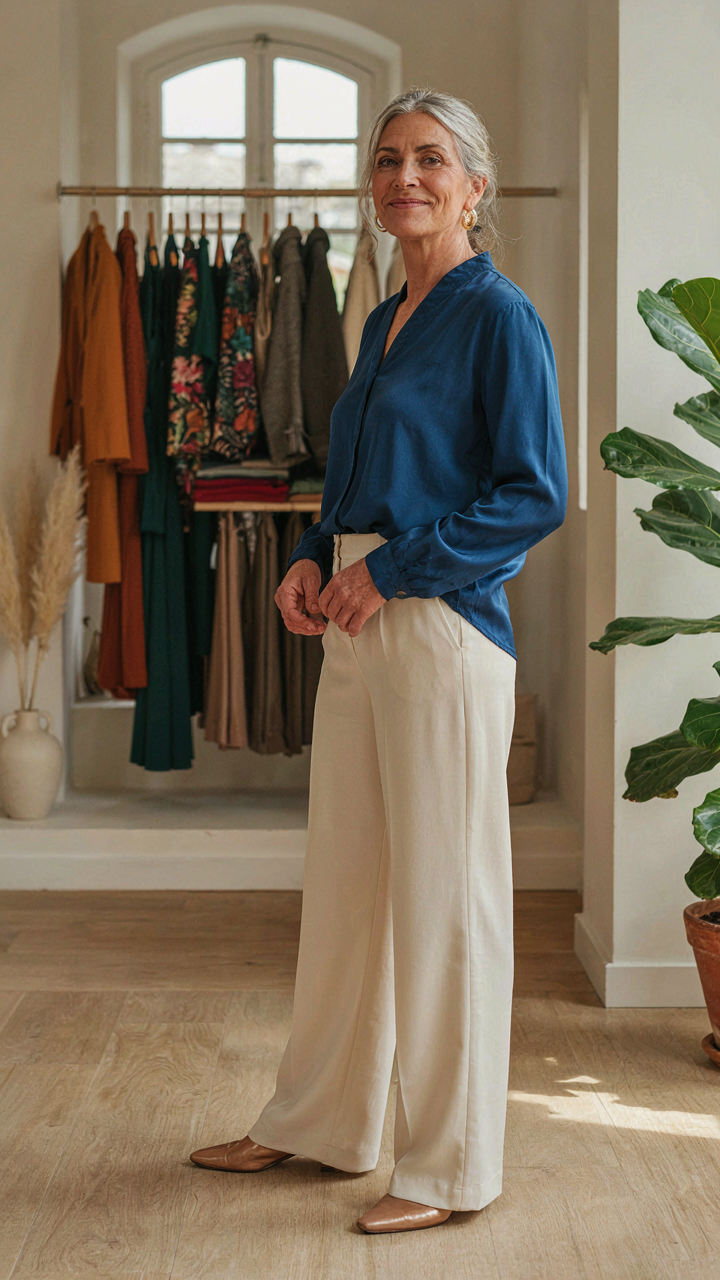
The shift that matters isn’t about following rules. It’s about understanding that visibility at sixty beats invisibility at any age. You’ve earned the authority to take up space. Today, go through your closet and remove one piece that makes you feel small. Replace it with something that makes strangers look twice. That’s not vanity. That’s strategy. Dressing well after sixty isn’t about age. It’s about refusing to apologize for existing.