


The Ageless Aesthetic: Beyond “Appropriate” Guest Attire
Proportion And Restraint Over Rules
You’re afraid that dressing wrong will broadcast your age like a neon sign. The real mechanism is this: proportion controls perception more than any single garment does. In architecture, proportional systems determine whether a building feels timeless or dated. The same principle applies to your outfit. A well-proportioned silhouette—where sleeve length, hem height, and jacket cut align with your frame—reads as intentional and current regardless of decade. Age disappears when the math is correct.
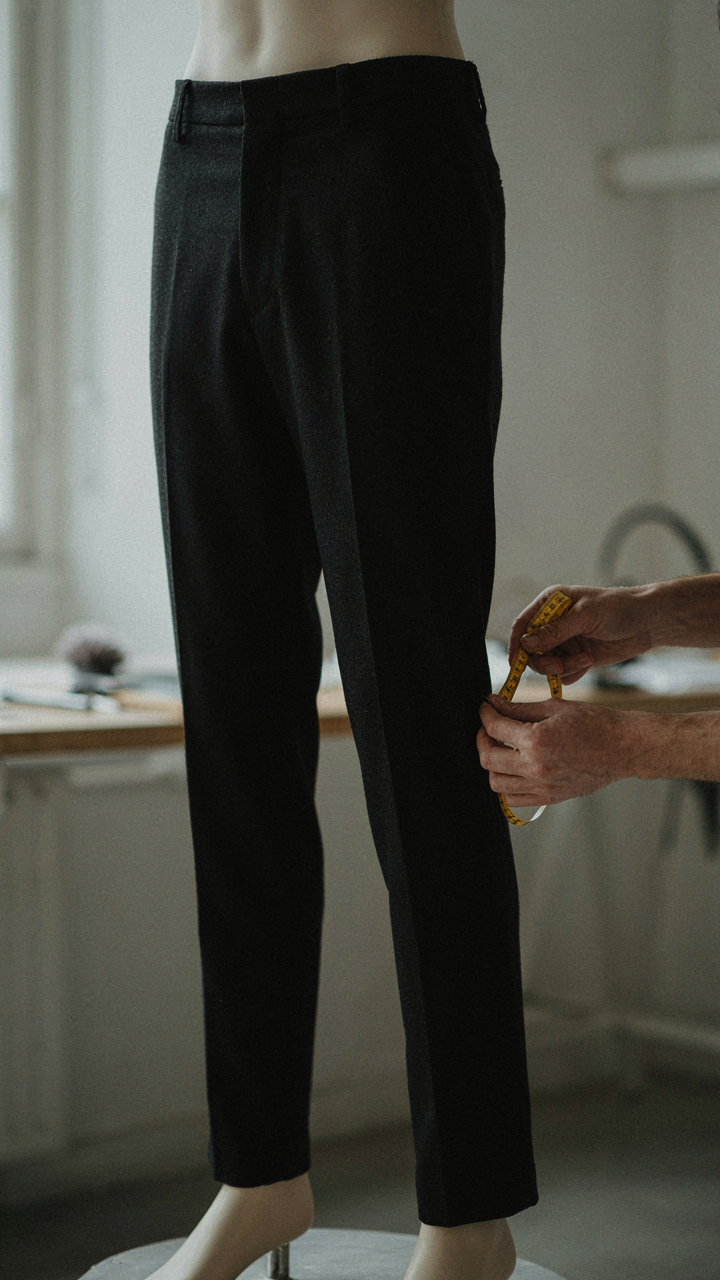
Forget the rulebook that says “40 means cover everything” or “wear what you wore at 30.” That advice is a crutch for people who haven’t studied how clothes actually work. Proportional dressing means your jacket hits your hip bone, not your thigh. Your pants break at the shoe, not pooling on top. Your neckline sits where it flatters your collarbone. These aren’t rules—they’re constants. When pieces fit this standard, they work at any age because they’re not fighting your frame.
The Trap Of Age Appropriate Thinking
Conventional wisdom tells you to play it safe after 40. This actively sabotages your appearance. The strategy backfires because it forces you to choose between looking invisible or looking costumey. Real current dressing doesn’t announce either—it announces competence. You’re not trying to look younger. You’re not trying to look age neutral. You’re trying to look like someone who understands how to dress.
The mistake most people make is treating “age appropriate” as a filter instead of a starting point. It’s not about what you can’t wear. It’s about wearing it with intention and fit. A younger guest can get away with loose proportions because trends forgive them. You can’t. Your advantage is that you’ve lived long enough to know what actually works. Use that. Stop asking if an outfit is “appropriate for 40” and start asking if it’s proportional, well-fitted, and made from materials that justify their presence.
The Personal Brand Protocol: Your Signature Wedding Guest Outfit
Know Your Uniform Before You Choose
You’re worried people will judge you. That’s the real reason you’re reading this. The mechanism is simple: most people over 40 dress reactively, copying what they think a “wedding guest” should wear instead of anchoring to what actually works on their body and life. You need a uniform first, then variations of it.

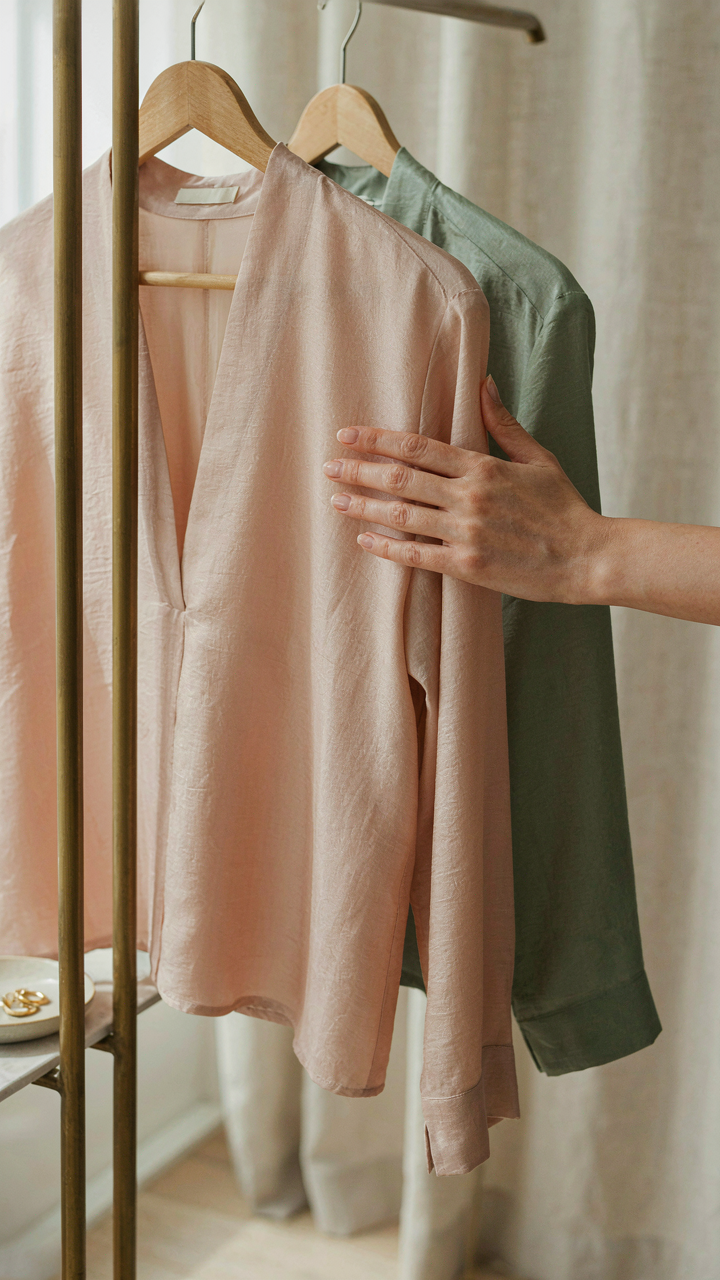
Your uniform is the outfit DNA you wear 70 percent of the time anyway. It’s not boring, it’s efficient. It’s the silhouette, color palette, and fabric weight that make you look intentional without effort. If you live in tailored pieces and neutrals, a wedding guest outfit builds from that. If you wear texture and pattern, it builds from that. The common advice says “dress up your everyday style,” which is vague nonsense. The real move is to identify what you already reach for, then elevate the execution, not the concept.
Translate Signal Into Fabric And Cut
Personal branding uses a term from signal theory: the distinction between noise and signal. In fashion terms, signal is the one thing people remember about how you dress. Your signal at a wedding should be stronger than your signal at the grocery store, but it should feel like the same person. If your signal is “structured and minimal,” your wedding outfit needs better tailoring and a richer fabric, not a color shift to prints. If your signal is “approachable and warm,” your wedding outfit needs elevated materials and cleaner proportions, not a pivot to stark minimalism.
The translation works like this: take the core element people associate with your style and build the wedding outfit around a premium version of it. Material matters here because guests over 40 read fabric instantly. Linen wrinkles, silk reads expensive, knits need intention. Your personal brand outfit should signal that you know the difference and you made a choice. This isn’t about spending more. It’s about matching material to message so nothing looks accidental.
Deconstructing The Dress Code: What To Wear To A Wedding (Really)

Reading Between The Lines
You’re worried you’ll look wrong. That’s the real issue. Dress codes exist to signal belonging, and at forty-plus, you’re acutely aware that missing the mark reads as out of touch. The mechanism is simple: dress codes aren’t rules. They’re compression algorithms. They encode social expectation into a few words so the host doesn’t have to manage fifty individual outfit decisions. Your job is to decompress those signals accurately, not follow them literally.

Most people read a dress code at surface level and stop. “Black tie optional” becomes a ceiling instead of a baseline. “Cocktail attire” triggers generic internet searches that return the same uninspired templates for everyone. The real intelligence lives in the gaps between what the code says and what the context demands. A beach wedding labeled “cocktail” means something entirely different than a hotel ballroom with the same label. The location, time of day, season, and venue formality all modify the code’s actual meaning.
The Signal Hidden In The Details
You don’t need permission to deviate from a dress code—you need permission structure. Military strategists call this the “commander’s intent”: the underlying objective that justifies tactical flexibility. For weddings, the intent is always the same: don’t upstage the couple, don’t clash with the setting, don’t look like you didn’t consider the invitation. Everything else is negotiable. The dress code itself is just the opening move.
Start here: does the code match the venue? If it says “formal” but the wedding is outdoors in July at a farm, the formality is real but the expression changes completely. Abandon the assumption that “formal” means dark, heavy, or restrictive. It means intentional. It means you chose the fabric, cut, and grooming deliberately. When the code contradicts the setting, adapt the execution, not the principle. The mechanism is alignment—match the outfit’s energy to the environment first, then honor the dress code’s formality within those bounds.
The Seasonal Strategy: Spring Wedding Guest Dress & Fall Wedding Guest Dress
Fabric Intelligence Beats Trend Chasing
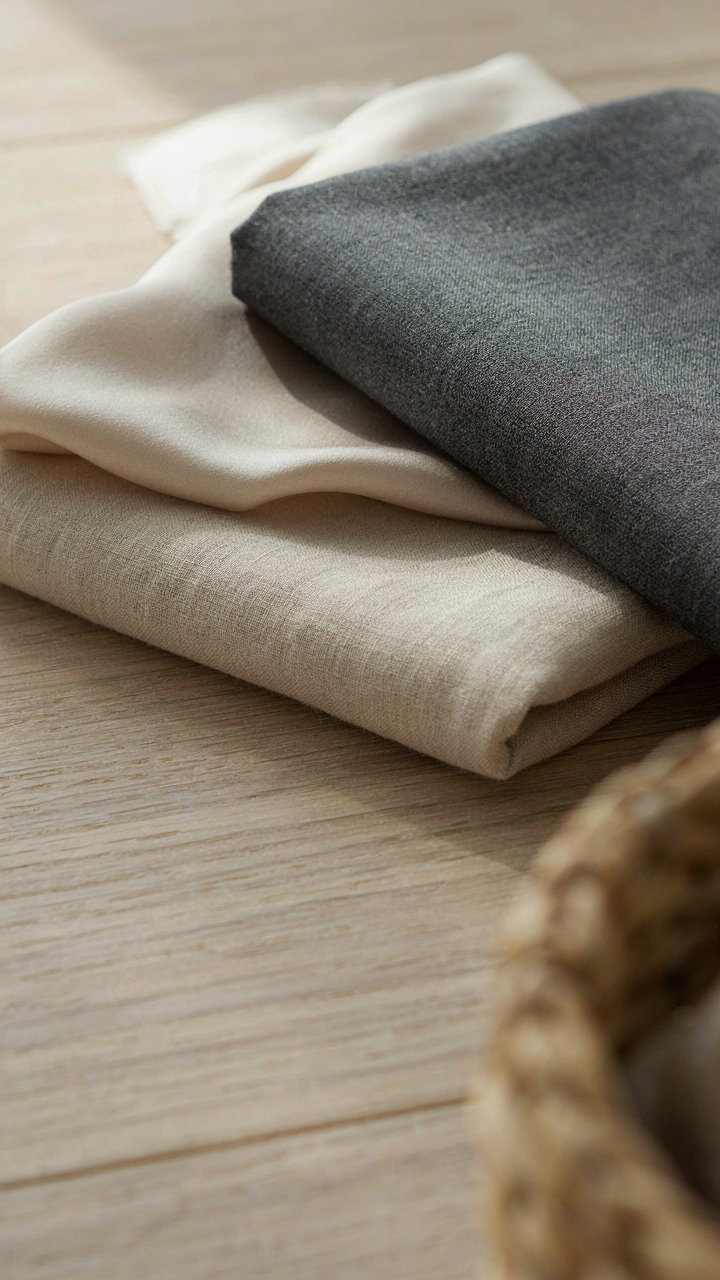
You care about this section because you’re afraid of looking like you’re trying too hard or, worse, underdressed. The real mechanism is that fabric does the work seasonally so you don’t have to rely on guessing what looks “current.” In spring, natural fibers breathe and catch light differently. Linen, cotton blends, and silk move with air temperature shifts. In fall, weight matters more than novelty. Wool blends, structured cotton, and heavier silks hold shape through temperature fluctuation and layering. Fabric choice isn’t about following what influencers wear. It’s about physics: material density and fiber type determine how the garment performs across a six-hour event with temperature swings.

The mistake most people make is treating spring and fall as aesthetic moods instead of functional seasons. Spring fabrics should handle humidity and sudden temperature drops without clinging or wrinkling visibly. Fall fabrics need enough structure to hold their line when you add a jacket or shawl over them. Linen wrinkles intentionally in spring and reads as relaxed. The same wrinkle in fall reads as careless. Choose your base fabric first, then build the outfit around what that fabric can handle throughout the day.
Layering That Accounts For Real Variables
Military strategists use the concept of redundant systems: multiple independent solutions so failure of one doesn’t collapse the operation. Apply that to layering. A spring wedding might shift from 58 degrees at ceremony to 72 by dinner. A fall wedding swings the opposite direction. You need pieces that work independently and in combination. A silk shell under a structured blazer. A slip dress with a cashmere wrap. Each piece should function alone and add value when combined, not just cover gaps.
The protocol is simple: identify the coldest moment of the event and the warmest. Build one outfit that handles both. A fitted dress in a mid-weight fabric works as standalone in fall. Add a tailored jacket and you’ve addressed cooler afternoon hours. In spring, the reverse: start with long sleeves or a heavier base layer, then remove the overshirt as the venue warms. Your layering pieces should be tailored enough to not bulk your silhouette and substantial enough to earn their place in the outfit.
Investment Pieces: The Economic Principle Of Perceived Value

Cost Per Wear Obliterates Price Tag
You want to feel like you made a smart choice, not a wasteful one. That’s the real driver here. Economics calls this “cost-per-wear,” and it’s the only metric that matters for wedding guest outfits over 40. A 200-dollar dress worn once costs 200 dollars per wear. A 300-dollar blazer worn forty times costs 7.50 per wear. The sticker price is irrelevant. The frequency determines the actual cost.

Most advice tells you to “invest in basics,” which is lazy thinking. What you actually need is a calculation. Track what you genuinely wear to events. Cocktail parties, dinners, weddings, work functions. If a piece hits that rotation consistently, its true price per wear drops dramatically. A quality wool blazer in a neutral works for weddings, client meetings, dinners out, and layering. That’s high-frequency utility. A trendy statement dress you wear once to a single wedding is a sunk cost masquerading as an investment.
Build Around Recurring Occasions
Stop buying disposable fashion. The fashion industry built its profit model on making you feel outdated, and you’ve internalized that panic. It doesn’t apply over 40 because your social calendar is predictable. You go to weddings, brunches, dinners, work events. The same contexts repeat. This means the same pieces can cycle through legitimately.
Build your wedding guest wardrobe by reverse-engineering your actual calendar. How many formal events do you attend yearly? How many semi-formal? How many cocktail-level? Once you have that number, you don’t need twenty options. You need four to six core pieces that remix. A tailored pant. A structured skirt. Two quality tops. One blazer or jacket. One accessory that transforms the whole outfit. That’s your foundation. You wear these pieces across different occasions, which tanks the cost-per-wear and forces you to buy better quality because you’ll see the wear coming. When a piece breaks down, you replace it with something identical, not something trendy.
Accessories As Amplifiers: The Subtle Art Of Statement
One Piece That Anchors Everything
You’re afraid of looking invisible. That’s the real driver here. So you load up with three necklaces, a statement ring, a scarf, and a clutch that screams for attention. The mechanism borrowed from signal processing is simple: too many channels broadcast at once, and the receiver hears noise instead of message. Your outfit becomes static.

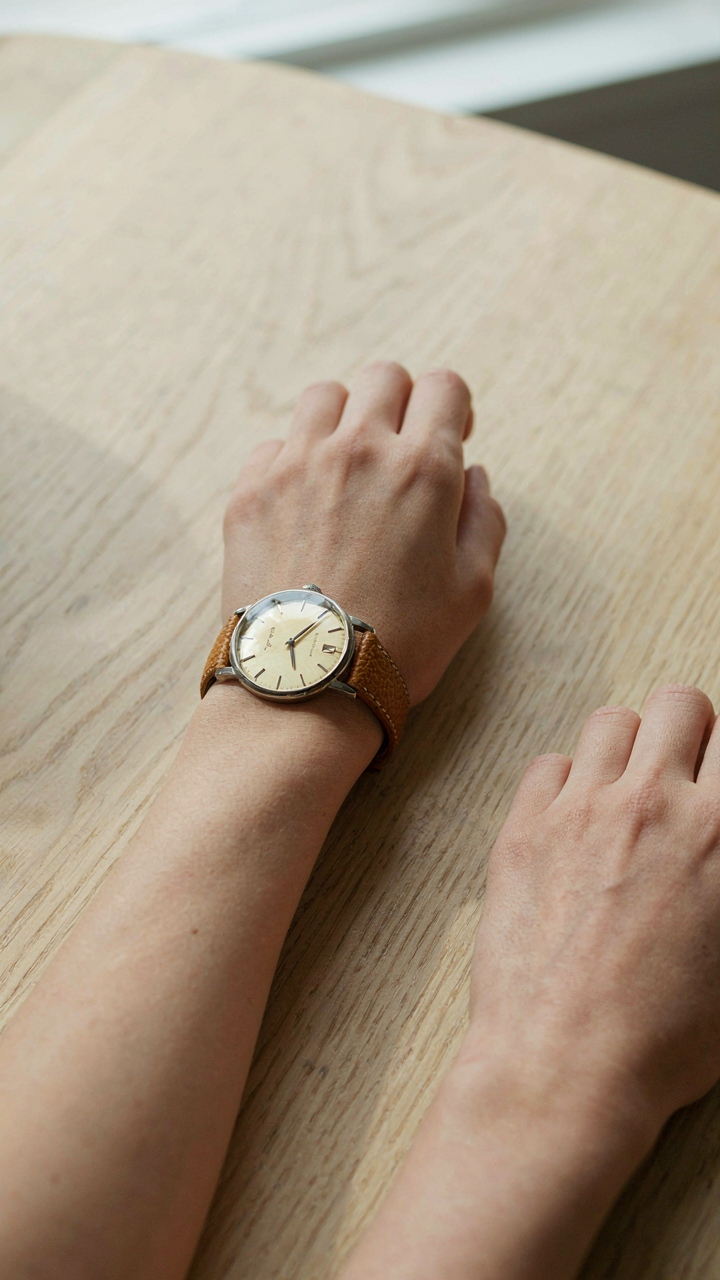
Pick one accessory that does the work. A vintage watch. A structured leather belt. A pair of shoes with genuine craft visible in the construction. Everything else scales back. This isn’t minimalism as aesthetics. It’s economics. You have attention currency at a wedding. Spend it on one thing that reads as intentional, not desperate.
The Functional Statement Over The Decorative One
Conventional wisdom says a statement piece should announce itself. Wrong. It should solve a problem while commanding presence. A silk scarf isn’t a statement because it’s colorful. It’s a statement because it demonstrates you understand drape, proportion, and how fabric moves at 50 than at 25.
Choose accessories that earn their place through function first. A structured handbag holds shape because of its construction, not because of its logo. A belt defines your silhouette and creates line. Shoes with real arch support and quality sole work set a tone of someone who respects their own comfort. The accessory that works hardest looks the most effortless.
The Fit Formula: Why Tailoring Is Non Negotiable Over 40
Fit Beats The Label Every Time
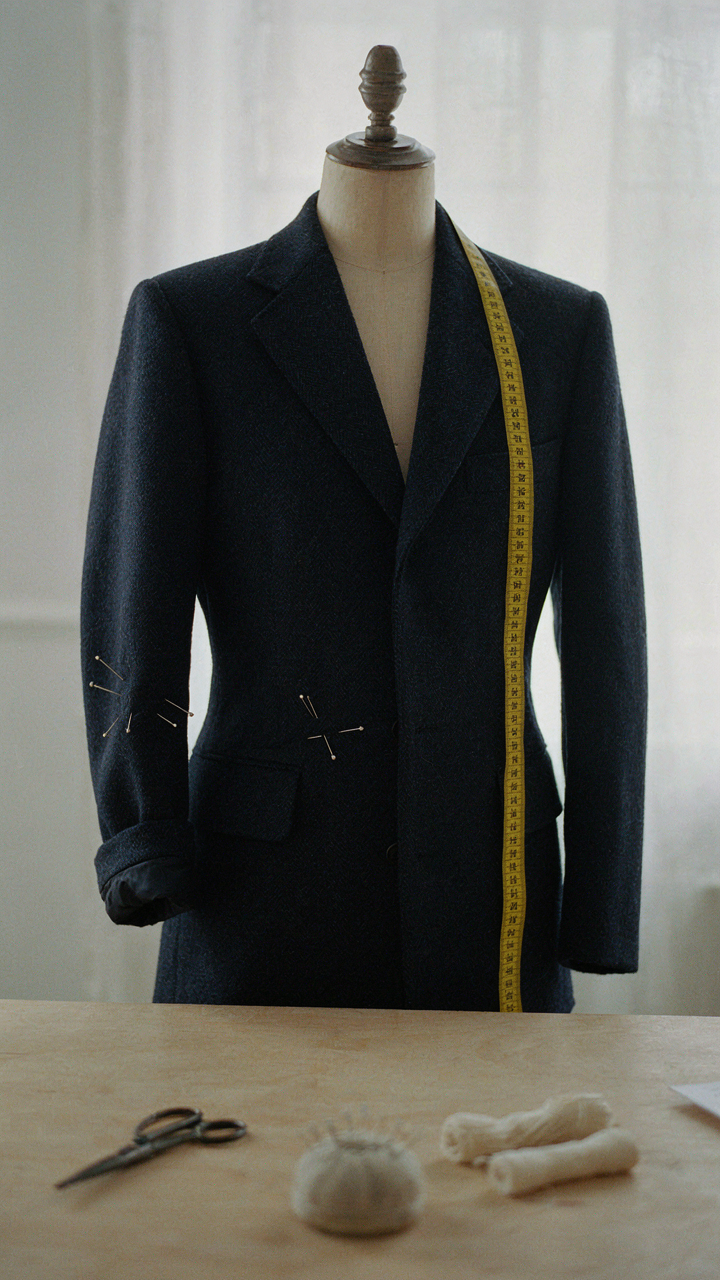
You’re hoping a recognizable brand will do the work for you. It won’t. The mechanism is simple: fit is signal. Over 40, a poorly fitted designer piece reads as careless. A well-fitted affordable piece reads as intentional. Tailoring is your actual competitive advantage, not the tag inside. The gap between off-the-rack and tailored widens dramatically after 40 because your body no longer tolerates generic proportions.

A tailor corrects what manufacturers guess at. Sleeve length, jacket break, trouser rise, shoulder seams, waistband placement. These aren’t luxuries. They’re the difference between looking put together and looking like you grabbed something from a pile. Brands cut for average bodies at average heights. Your body isn’t average. One afternoon with a tailor costs less than the outfit itself and multiplies its value by three.
Small Adjustments Compound
Tailoring operates on the principle of leverage from engineering: small inputs create outsized outputs. One inch taken in at a jacket side seam changes the entire silhouette. Two inches on trouser inseam shifts how the fabric drapes at your shoe. A quarter inch adjustment to a neckline opening changes how the piece sits on your frame. These aren’t details. They’re the difference between blending and standing out.
Start with the garment that gets the most attention. For wedding guests, that’s typically the jacket or structured dress. Find a tailor who understands fit, not just hemming. Bring reference photos of how you want the piece to sit. Request specific measurements instead of vague adjustments. Come back for a fitting before final alterations lock in. The protocol is simple: measure twice, alter once.
Beyond The Dress: Alternative Wedding Guest Outfit Inspiration
Jumpsuits, Separates, And Power Suits
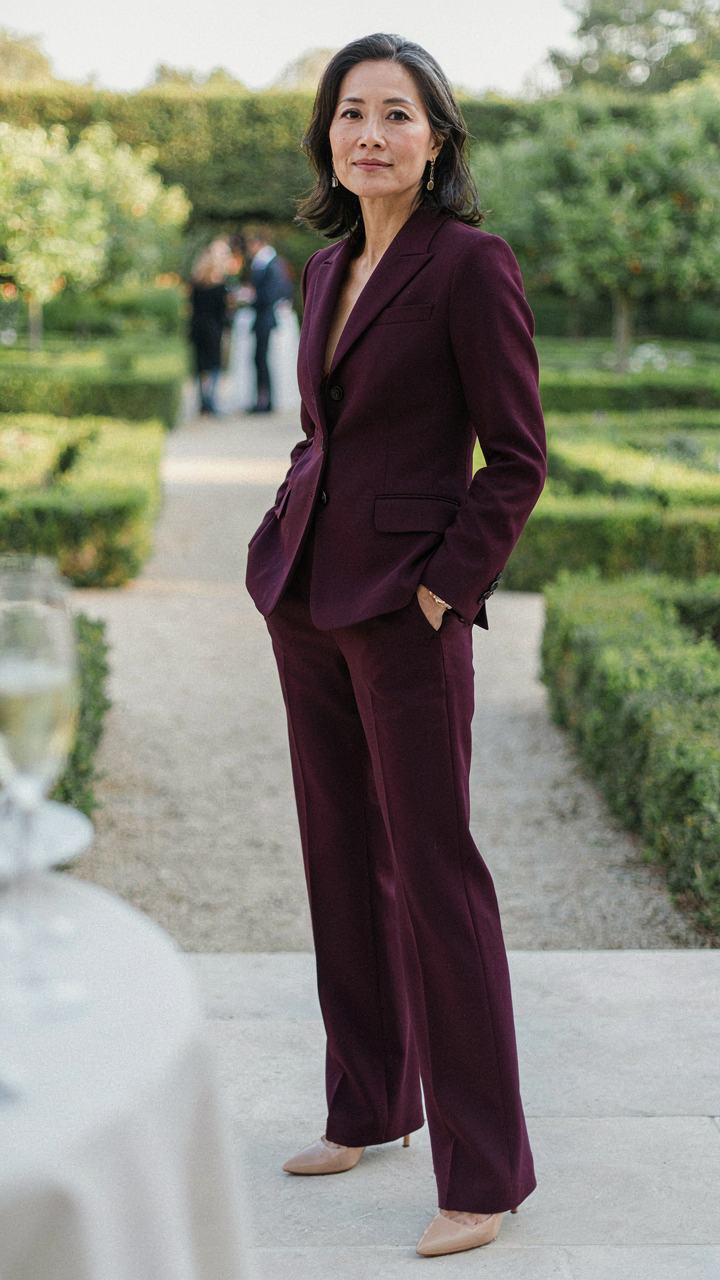
You’re drawn to this section because you’re tired of looking like everyone else while pretending formality requires invisibility. The mechanism is simple: tailoring bypasses the dress entirely. A well-cut jumpsuit or matched separates communicate authority through structure, not through adherence to tradition. Tailors exist for this exact reason.
- Tailored Jumpsuits: A single piece that reads formal without mimicking a dress. Choose neutral tones or subtle patterns. The fit matters more than the fabric choice.
- Coordinated Separates: High-waisted trousers paired with silk blouses or structured tops. Separates let you adjust formality level without buying multiple outfits.
- Structured Blazer Sets: A blazer over tailored pants or a midi skirt. The jacket elevates any base and works across seasons and venues.
- Monochromatic Suiting: Matching jacket and trousers in one color creates length and sophistication. Darker jewel tones or soft neutrals work for evening weddings.
- Contrast Layering: Dark fitted trousers with an unexpected top in silk or wool blend. The contrast keeps the look current without sacrificing formality.

The gatekeeping around what counts as wedding-appropriate clothing stopped mattering around 2015. What matters now is proportion, fit, and intentional color. A jumpsuit with proper tailoring reads more polished than a poorly fitting dress. Fit the garment to your body, not your body to the garment.
Breaking Tradition While Keeping Authority
Tradition exists because it removes decision-making burden, not because it’s objectively correct. Real respect at a wedding comes from showing up clean, on time, and appropriately dressed for the specific event, not from following a playbook written in 1985. The venue, formality level, and season determine what you wear far more than your age does.
A dark well-tailored pant suit at a black-tie wedding reads as powerful. The same outfit at a casual garden ceremony reads as tone-deaf. Your job is matching the dress code to the setting, then wearing what fits you well. Breaking tradition means assessing what the situation actually calls for, not what magazines tell you it should call for.
The “Effortless” Illusion: Mastering The Nonchalant Look
The Setup That Looks Unplanned
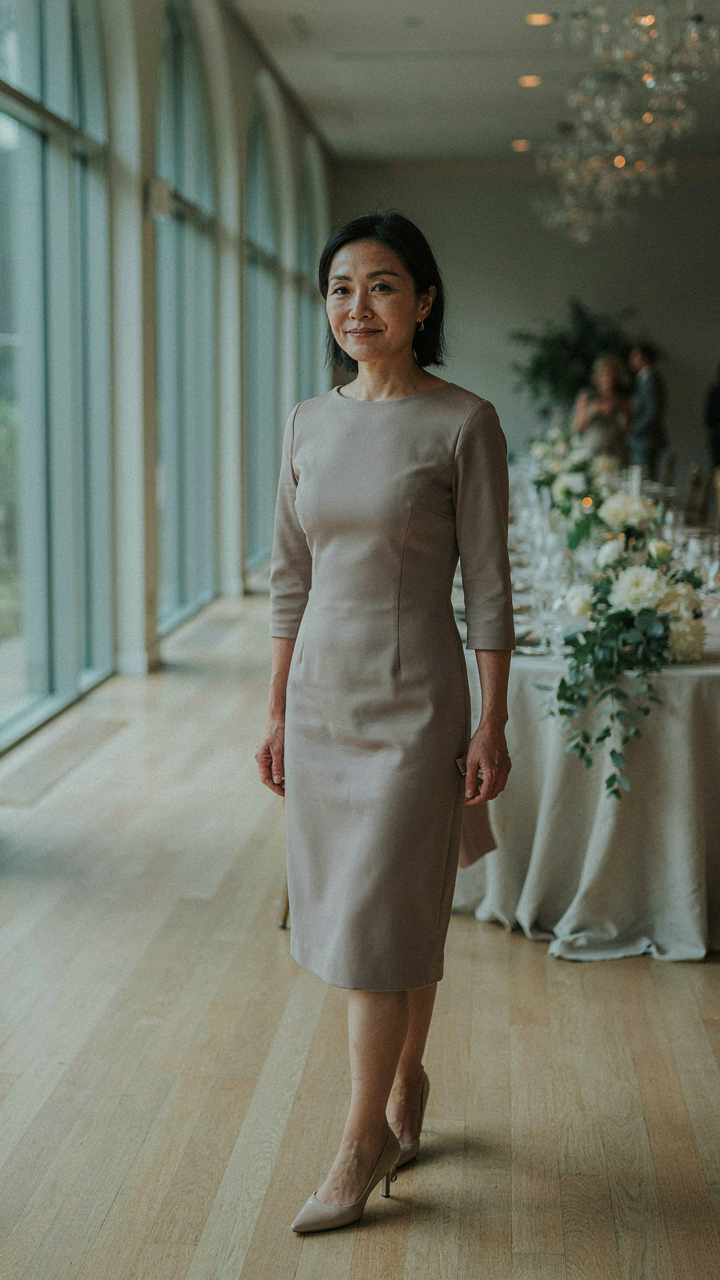
You want people to think you didn’t try. That’s the real fear underneath this whole section. The mechanism is simple: effortless appearance requires ruthless planning. Most people get this backward. They plan nothing and call the result casual. What they’ve actually created is neglect. True nonchalance demands you remove every visible choice so only the wearer remains. This is borrowed from film production’s continuity principle: the less the audience notices the costume department, the more present the actor becomes.

Your outfit needs to earn invisibility through three invisible decisions. First, color palette harmony so nothing fights for attention. Second, fit precision so nothing shifts or demands adjustment during the event. Third, fabric quality so materials move with you, not against you. These aren’t style choices. They’re structural requirements. Miss any one and people clock the effort or the sloppiness. Both undermine what you’re actually after, which is presence over appearance.
Bearing Carries More Weight Than Fabric
Confidence isn’t an accessory you wear. It’s a signal you broadcast through posture, pace, and where you direct your eyes. At over forty, you own something younger guests don’t: you’ve already survived enough to stop performing for strangers. That’s not false modesty. That’s factual advantage. Your body language either amplifies or sabotages everything your outfit does.
Most confidence advice is hollow because it skips the mechanics. Here’s what actually works: stand with your weight balanced, not favoring one leg. Move slowly enough that you appear intentional. Look directly at people when you speak instead of scanning the room. Make a single statement with your outfit, then stop second-guessing it. The moment you adjust your collar three times, everyone knows you don’t trust yourself. Walk to the reception like you’ve already decided you belong there. That decision, made before you arrive, does the real work.
The Real Obstacle Isn’t Your Age; It’s Your Belief In Arbitrary Rules
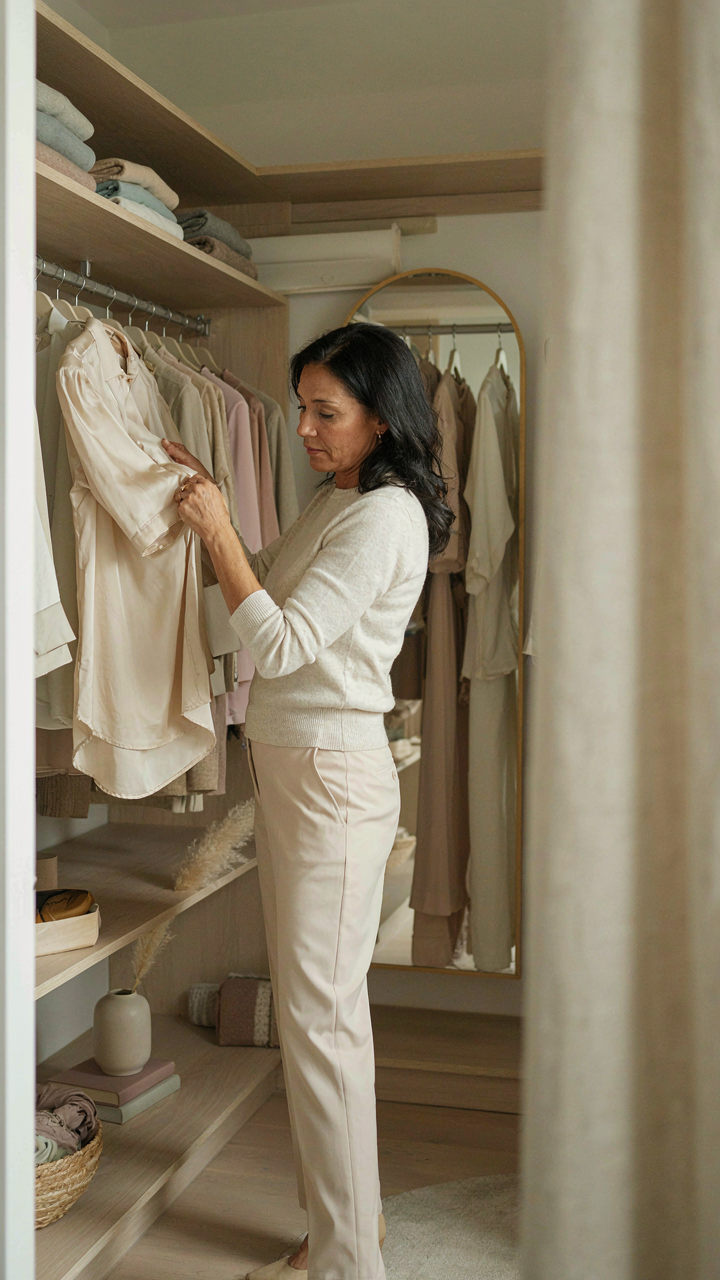
You’ve internalized a fashion rulebook nobody actually enforces. The bride doesn’t care if your hem hits your knee or your ankle. She cares that you showed up. Stop deferring to invisible gatekeepers and start deferring to yourself. Pull three pieces from your closet today that you actually like wearing, then build around them. Your outfit works because you own it, not because it follows some outdated decree written by people trying to sell you insecurity.