

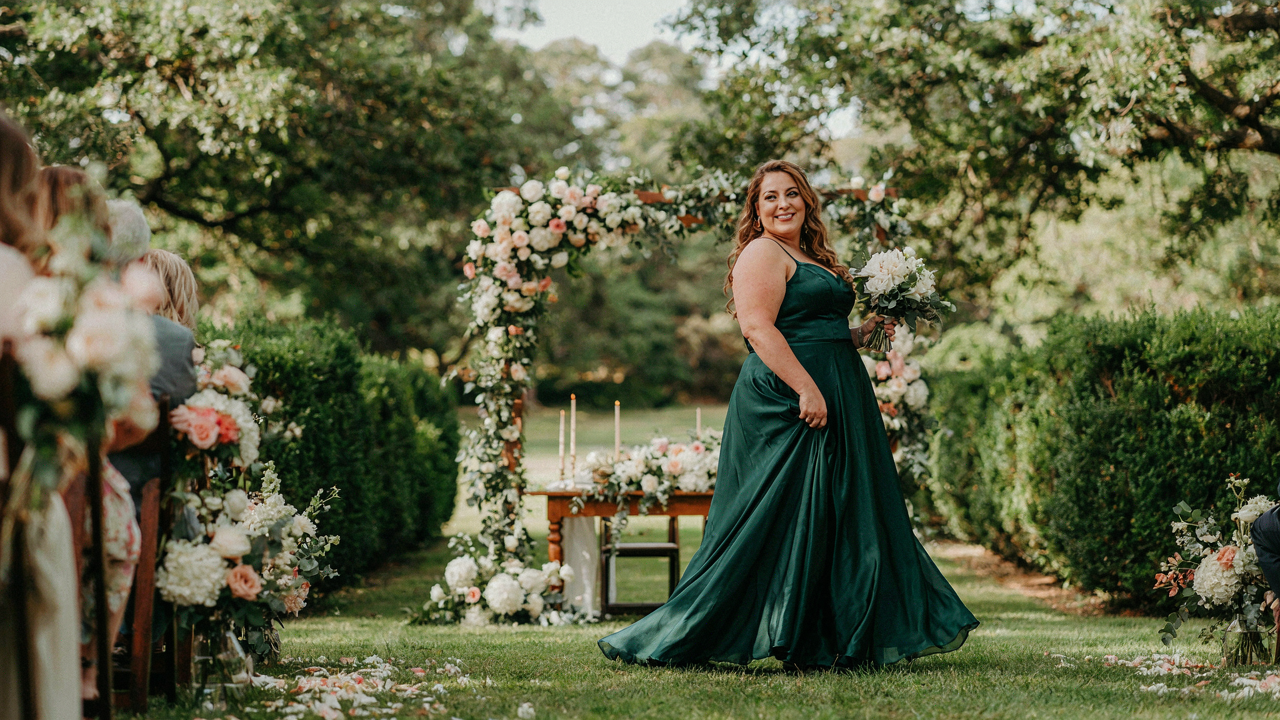
Beyond The Buzzwords: Deconstructing “Flattering” For Plus Size Wedding Guest Outfits
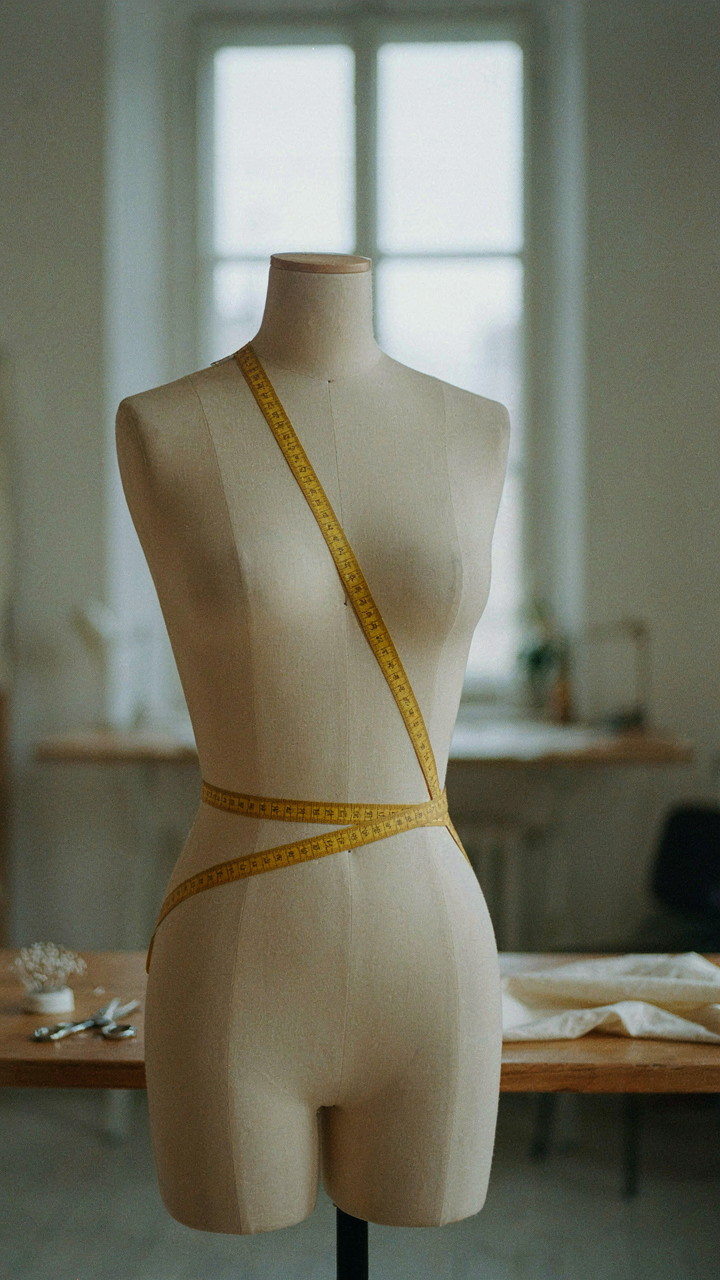
The Shape You Have Versus The Shape They Sell
You want to look like you belong at the event, not like you’re apologizing for taking up space. That’s the real fear under “flattering.” Here’s the mechanism: silhouette isn’t about hiding your body. It’s about directing the eye along lines that read as intentional rather than accidental. A dress that follows your actual proportions—not some imaginary smaller version of you—moves with you instead of fighting you. Fit determines whether fabric skims or clings, drapes or bunches. Poor fit reads as sloppy. Correct fit reads as confidence, regardless of size.
The common advice says “choose vertical lines” or “wrap dresses work for everyone.” Wrong. Those prescriptions ignore your specific dimensions. A vertical seam down the center works if your torso is proportionally long. A wrap dress gaps if your bust sits higher than the garment expects. Start with measurement accuracy: your shoulder width, the distance from shoulder to waist, waist to hip, hip to knee. Compare these ratios to the garment’s design. If the dart placement sits two inches below your actual bust point, the dress won’t sit right, period. That’s not a body problem. That’s a design mismatch.
Fabric That Holds Structure And Actually Moves
Fabric physics applies here. Drape describes how material falls under gravity and tension. Cheap fabrics with no weight collapse or stretch. Dense fabrics hold their shape. Wedding guest dresses need fabrics that do both: support your frame without restricting movement. Cotton blends, ponte knit, and structured crepes maintain definition. Silk charmeuse and jersey cling too much. Polyester georgette floats but offers no support. The fabric must have enough weight to skim over curves without clinging to every contour, and enough structure to return to its original shape after you move.
Here’s what most retailers won’t tell you: the same dress in different fabric weights performs completely differently on the same body. A size 20 dress cut in lightweight rayon will cling and shift all night. The identical cut in heavyweight crepe will skim and hold. Seams matter equally. If seams pucker or pull under tension, the fabric weight is too light for the garment’s construction. Before buying, check the fiber content on the tag, feel the weight in your hands, and examine how seams sit flat. A dress that moves well doesn’t move around on your body. It moves with you.
The “Movement Mechanics” Protocol For A Plus Size Wedding Guest Dress
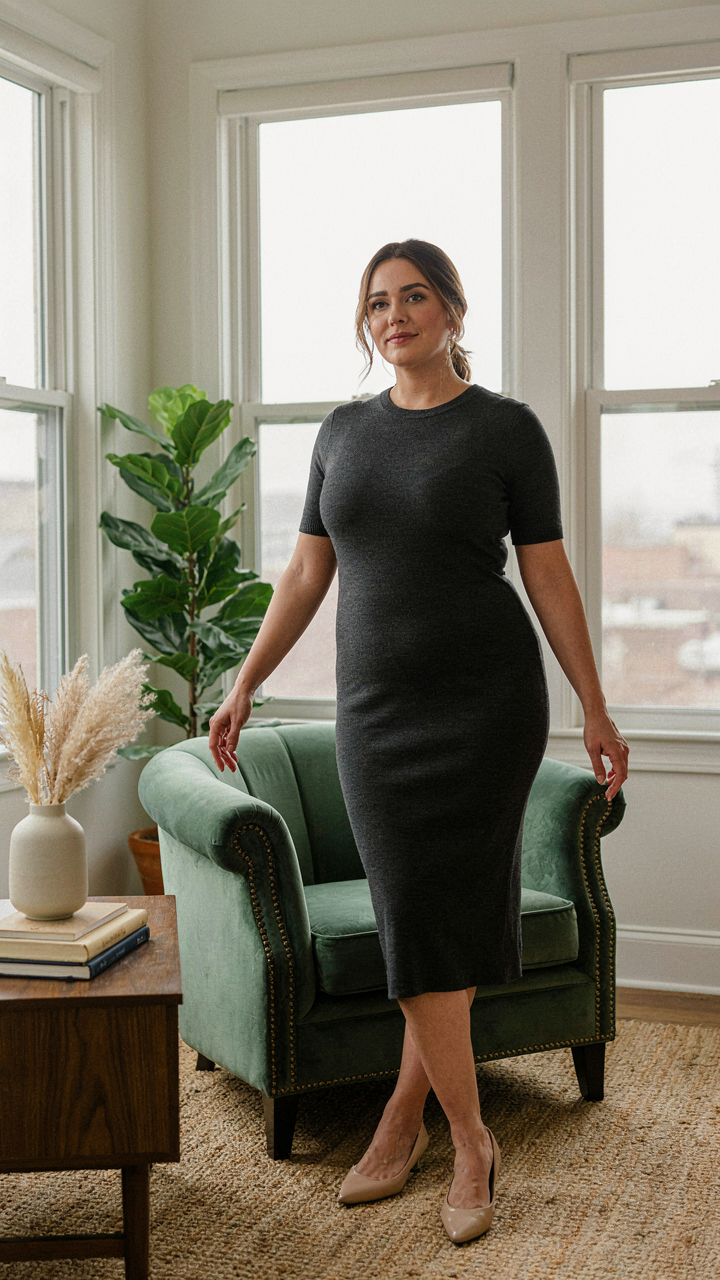
Arm, Leg, And Torso Reach
You care about this because you don’t want to feel trapped at an event where you’re supposed to relax. The real mechanism here comes from biomechanics: fabric restriction compounds muscular fatigue. When a garment limits your range of motion, your body works harder to achieve the same movement, and you notice it every time you raise your arm or cross your legs.

Armholes matter more than most people admit. A tight armhole forces your shoulder forward and restricts your ability to move your arm laterally or overhead. In plus size cuts, brands often narrow the armhole to save fabric cost, which creates a structural cage around your upper body. You need at least two inches of ease between your arm measurement and the garment’s arm circumference. Sleeves should sit on the shoulder point, not drift toward your neck or hang past your wrist bone.
Seated Position And Fabric Behavior Under Pressure
Wrinkles happen because fabric compresses against your body when you sit, and most wedding guests sit for extended periods. The material’s fiber structure and weave determine how fast it bounces back. Natural fibers like cotton and linen wrinkle aggressively because they absorb moisture and hold a compressed shape. Synthetic blends with polyester or elastane recover faster and shed creases when you stand.
The real move is choosing a fabric that forgives compression without feeling stiff or plastic. A ponte knit (which contains elastane) resists wrinkles naturally and stretches across the thighs and torso without bunching. When you sit, the fabric stays smooth because it molds to your body rather than creasing against it. Test this before buying: sit in the dressing room for two minutes, stand up, and watch the fabric settle. If wrinkles disappear within thirty seconds, the fabric works for a four-hour wedding.
Color Theory For Curvy Figures: Stop Hiding, Start Commanding
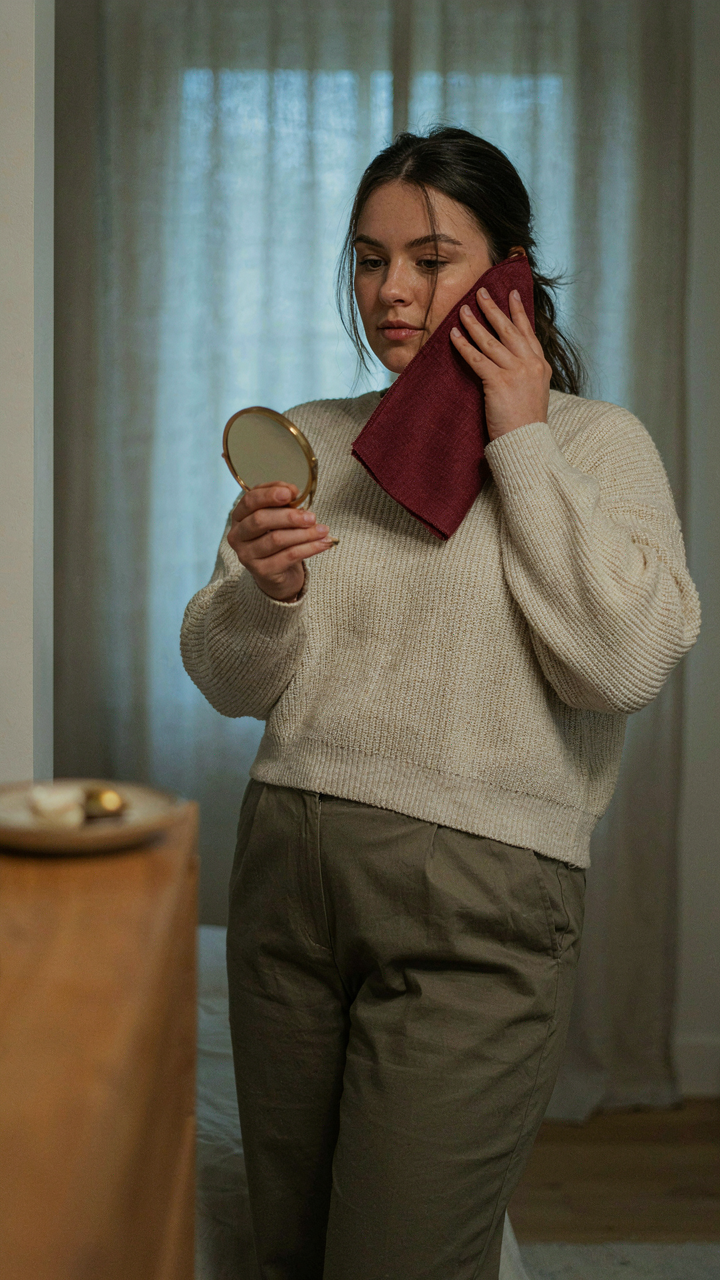
Strategic Color Placement Commands Attention
You’re reading this because you want permission to take up space without apology. The mechanism is simple: color distribution on larger bodies works like load-bearing architecture. Place weight visually where you want presence, not where you want invisibility. Dark colors recede. Light colors advance. Saturation commands focus. This isn’t opinion—it’s how human perception processes visual mass.

Monochromatic dressing is the lazy answer everyone repeats. It doesn’t work better for plus size bodies than it does for anyone else. What works is intentional blocking. A jewel tone concentrated at the chest draws the eye upward and outward simultaneously. A saturated hem creates an anchor point that reads as intentional, not accidental. The goal isn’t to minimize your body—it’s to direct where attention lands and how long it stays.
Personal Coloring Overrides Generic Palette Rules
Your undertone matters more than dress size, and wedding context changes how color reads against competing elements. If you have warm undertones, dusty jewel tones flatten you against gold-toned lighting. If you have cool undertones, warm metallics in the room make you invisible. Check the wedding venue’s lighting before selecting color. Artificial light shifts saturation. Natural light reveals undertone. The bride’s color scheme doesn’t dictate your options—it just tells you what colors will compete for focus.
Wear the color that makes your skin look alive, not the color that matches a trend or supposedly flattens your frame. A burgundy that aligns with your undertone reads as presence and intention. The same burgundy on the wrong undertone reads as tired. Test colors under the actual lighting where you’ll wear the dress. Your phone camera lies. Bring fabric samples to the venue if possible, or ask for photos under that specific lighting. This single step eliminates ninety percent of color regret.
Accessorizing As An Amplifier, Not A Distraction For Plus Size Wedding Guest Outfits
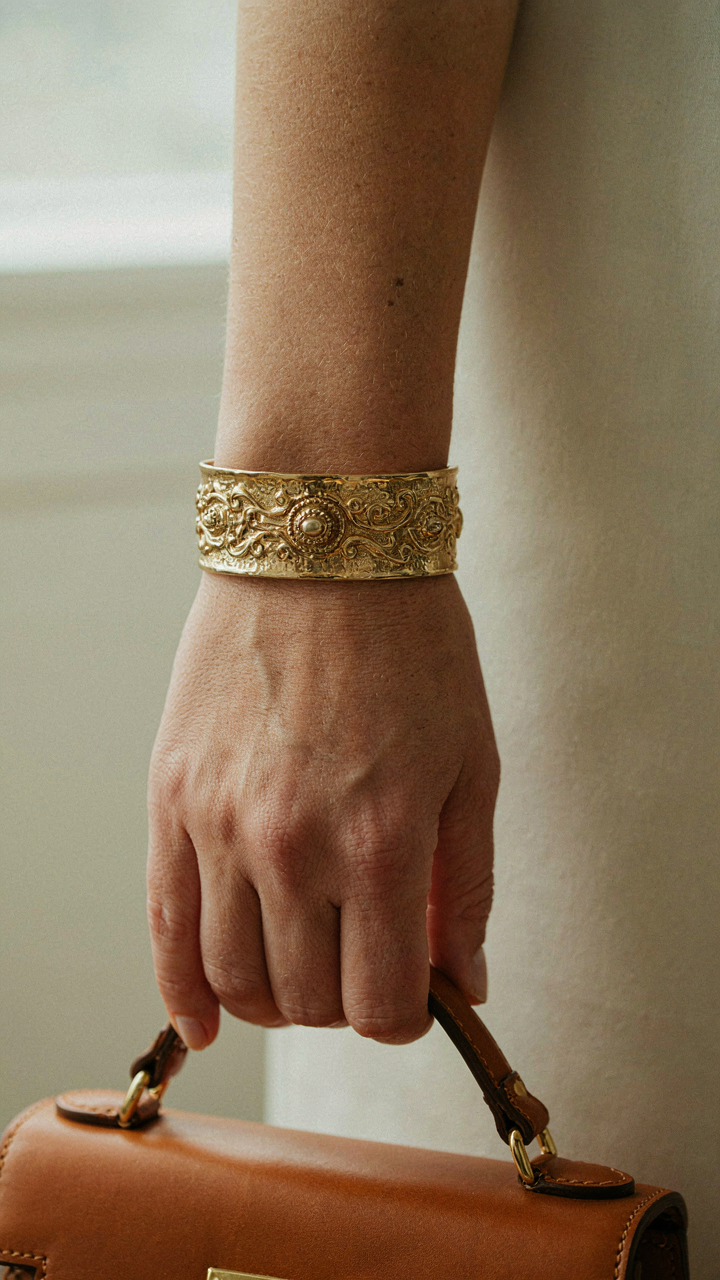
Scale Your Accessories To Your Frame
You’re worried accessories will add visual noise and make you look larger. That’s the wrong fear. The real mechanism is contrast. In visual design, contrast is what the eye latches onto first, not mass. A thin bracelet on a plus size wrist creates jarring separation. A substantial cuff or layered piece anchors instead. Scale your accessories to your actual proportions, not down from what smaller women wear.

This isn’t fashion dogma. It’s basic optics. A delicate clutch registers as an afterthought on a plus size frame and pulls attention toward what you want to minimize. A structured handbag with weight and dimension balances your silhouette because it matches the visual authority of your body. Choose jewelry and bags that feel intentional at your size, not like they were borrowed from someone else.
Shoes That Ground You Without Compromise
Footwear determines whether you move through a wedding feeling planted or off-balance. Most plus size guidance tells you to wear nude shoes to elongate the leg. That’s incomplete. Nude shoes only elongate if the shoe itself supports your weight distribution and your stride stays natural. A flimsy nude heel collapses under pressure and forces you to compensate with tension in your back and hips. You look strained, not elegant.
Invest in shoes with actual arch support and a stable heel base, regardless of color. A structured block heel, kitten heel, or flat in jewel tones, metallics, or even dark shades grounds your movement and keeps you upright for hours. Comfort creates confidence, and confidence reads as polish. When your feet aren’t fighting you, every other part of your outfit performs better.
Fabric Intelligence: Beyond “Flowy” For Plus Size Formal Dresses
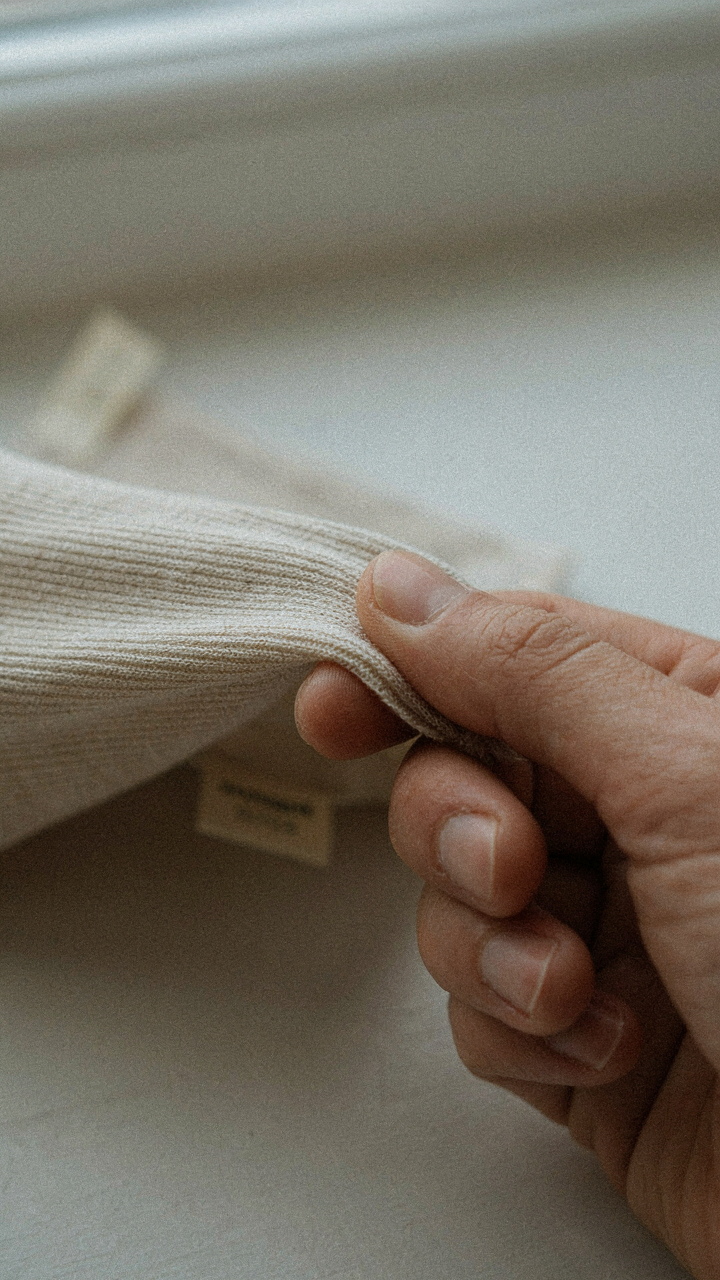
Elasticity Matters More Than Weight
You want fabric that won’t betray you at the reception. The real issue isn’t whether material feels “forgiving”—it’s whether it recovers. Elasticity is borrowed directly from material science: the ability of a fiber to return to its original shape after stress. A plus size wedding guest dress lives or dies on this property because larger garments experience greater tensile load across seams, armholes, and waistlines throughout a full day of sitting, moving, and eating.

Natural fibers alone don’t cut it. Cotton and silk have poor recovery. A dress made of 100 percent cotton will stretch out within two hours and stay stretched. Blends that include spandex (typically 5-8 percent) restore the garment to its original dimensions after movement. This isn’t comfort theater—it’s structural integrity. Fabrics with inadequate elasticity will bag at the knees, gap at the back, or pull across the bust by the cocktail hour. Test recovery yourself: pinch the fabric firmly for ten seconds, then release. If the material doesn’t snap back within three seconds, move on.
Breathability Prevents The Sweat Clock
Formal events require you to sit still in heated rooms while wearing layers. The common advice is to pick “breathable” fabric and call it solved. That’s incomplete. Breathability depends on three independent factors: fiber content, weave structure, and garment construction. A polyester crepe can breathe better than cotton voile if the weave is open enough. Humidity traps against your skin not because the fabric is “bad” but because the garment has no air circulation—too-tight sleeves, high necklines, or dense underlining block airflow regardless of fiber choice.
Test this before buying. Wear the dress for thirty minutes in a warm space without air conditioning. Your underarms, lower back, and the inside of your thighs will tell you whether moisture wicks away or pools. If you feel damp or clammy after half an hour in normal conditions, that dress will feel like a sauna during a three-hour reception. Fabrics like cotton-blend crepes, lightweight jacquards, and open-weave knits allow perspiration to move away from skin instead of accumulating. Check the tag for fiber content, then request a fitting in an actual warm environment, not a climate-controlled showroom.
The “Unconventional Silhouettes” Playbook For Plus Size Wedding Guest Attire
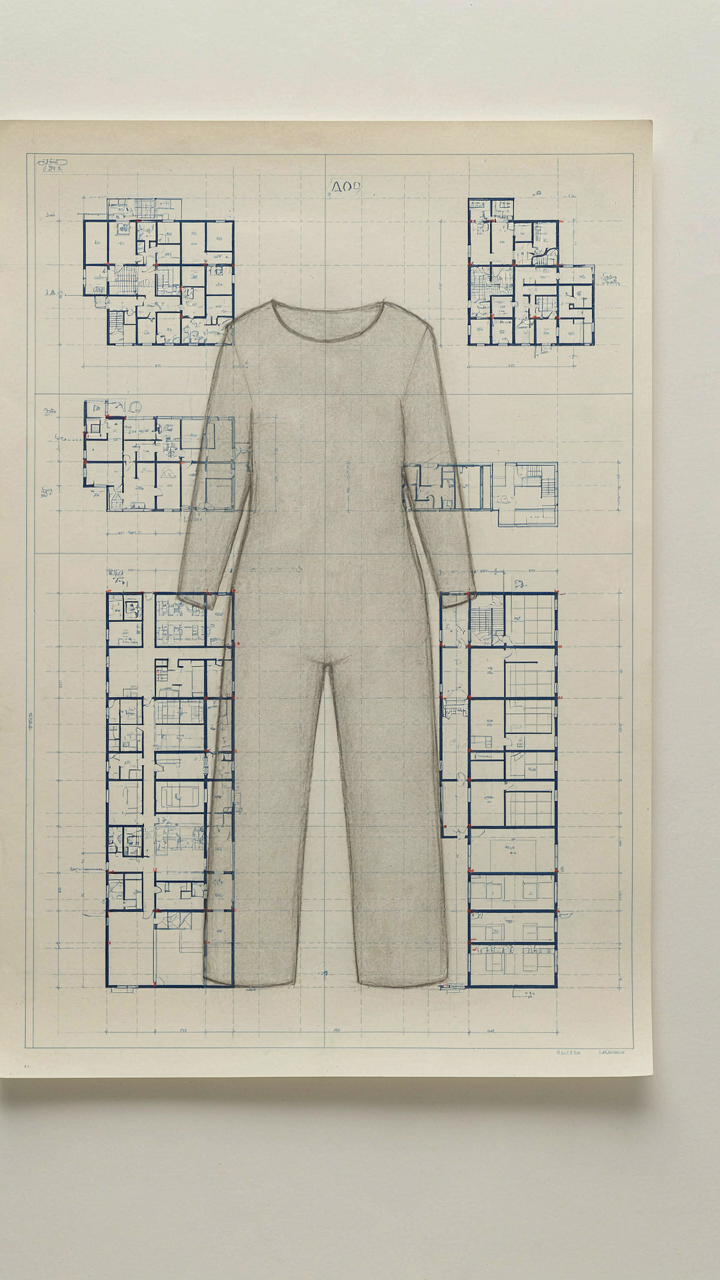
Why Jumpsuits Beat Dresses For Most Bodies
You want the option that doesn’t require a shapewear strategy and still reads as formal. That’s the real mechanism here. Jumpsuits work on plus size frames because they distribute visual weight horizontally instead of stacking it vertically, which is what a fitted dress does. The fabric moves from shoulder to ankle as one unit, eliminating the waistline compression problem that makes most dresses feel like a negotiation with your body.

Separates solve a different problem. A structured top paired with a silk pant or skirt lets you size each piece independently, which means your shoulders get what they need while your hips aren’t fighting fabric that was cut for someone else’s proportions. This isn’t about trend-chasing. It’s about fit geometry. The jumpsuit and separates approach flips the traditional dress assumption on its head and actually works.
Structure Does More Than Look
Think in terms of engineering, not fashion. Seam placement, dart distribution, and internal construction are the load-bearing walls of any garment. A plus size wedding guest dress succeeds or fails based on where the designer placed the vertical seams and how many support points they built into the bodice. Most conventional dresses fail because they use a single center seam, which creates a divot effect on larger frames.
Architectural design means strategic seaming that distributes your body’s volume across multiple visual lines instead of one. An A-line with side seams and strategic ruching isn’t a styling choice. It’s structural. The ruching controls fabric pull, the side seams elongate your silhouette, and the A-line prevents the dress from reading as constrictive. When you try on a dress, check for at least two vertical seams in the bodice and a waistline that hits at your actual narrowest point, not where the designer assumed it should be.
Dress For Wedding Guest Curvy: The “Comfort First Cadence”
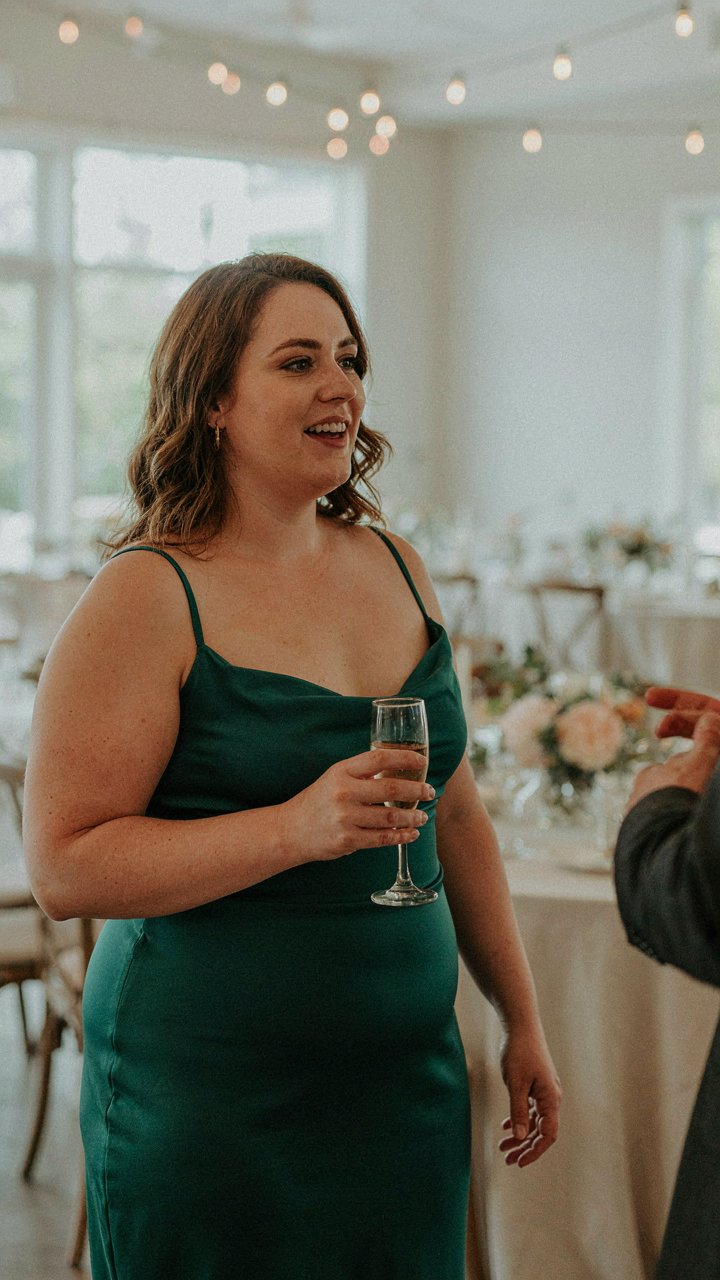
When Comfort Becomes Currency
You’re worried that prioritizing comfort signals you don’t care enough about the event. Here’s the mechanism: effort-reward psychology says your brain assigns status based on perceived sacrifice. Wearing an uncomfortable dress signals you “suffered” for appearance, which older social codes rewarded. Modern reality inverts this. When you wear a dress that moves with you, your nervous system stays regulated. You stand straighter, smile genuinely, engage with people. That visible ease reads as confidence, which is actual status. Discomfort creates tension, shallow breathing, and social withdrawal disguised as reserved behavior.

The real trade-off isn’t comfort versus looking good. It’s comfort versus mental bandwidth spent on physical pain. Every second your waistband digs in, your brain runs a background process monitoring that sensation. You have less attention for conversation, less presence at the event. Plus size wedding guest dresses that fit properly through the midsection, with adequate give in the fabric, keep your cortisol levels stable. That stability translates to the one thing no dress code can manufacture: authentic engagement.
Rejecting The Default Audience
Society tells you to dress for the bride, the groom, the church, the relatives. That’s incomplete. You’re also dressing for yourself as the primary observer and the person living inside the garment for six to eight hours. Sociology calls this “audience hierarchy,” and most advice ignores your audience weight entirely. When you choose a plus size wedding guest dress by external expectation alone, you create cognitive dissonance. Your body knows it wasn’t considered. That knowledge sits under every movement.
The dress that flatters and moves well isn’t the one that matches someone else’s taste. It’s the one where your body’s actual proportions determine the fit, not the size label or what “typically works.” Curvy builds carry weight differently than straight builds. A dress cut for an hourglass frame with a defined waist will betray you if your weight sits differently. Pick dresses made by designers who pattern for multiple body types, not dresses designed for smaller sizes then scaled up. Your attendance has value because you exist, not because you conform to a default silhouette.
The “Strategic Undergarment” Advantage For Plus Size Wedding Guest Outfits
How Support Changes The Silhouette
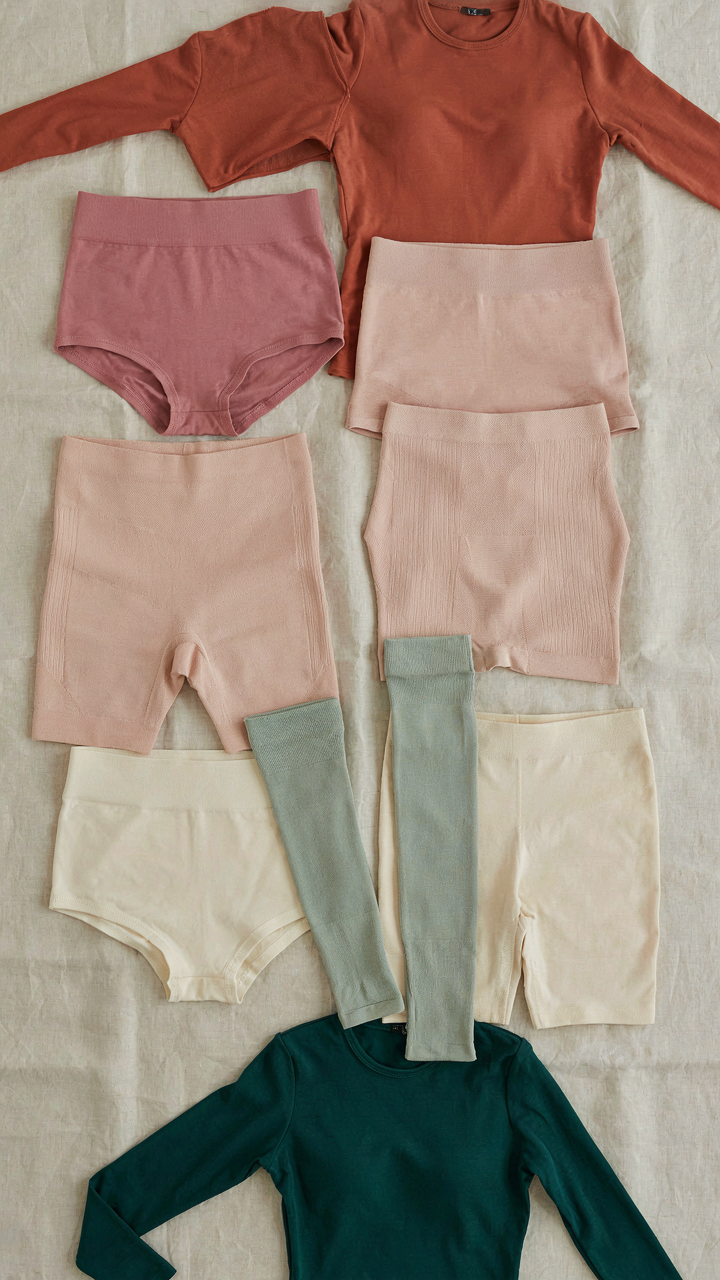
You care about this because wearing the wrong undergarment setup makes you hyperaware of your body all night instead of the ceremony. The real mechanism is compression and redistribution: strategic undergarments don’t shrink you, they move weight upward and inward, which changes how fabric drapes on your frame. This isn’t magic. It’s applied physics. When you shift the mass distribution underneath, the dress itself hangs differently, which changes how you read in photos and how you move through space.

Most advice here is useless because it treats all plus size bodies the same and ignores the actual problem: a poorly fitted undergarment creates visible ridges, rolls, and bunching under your dress fabric. The solution isn’t buying tighter compression. It’s finding the right height, coverage level, and fabric weight for your specific dress silhouette. Mid-thigh length works differently than full-length. A fitted sheath requires different support than an A-line. Start by choosing your dress first, then match the undergarment to that cut, not the other way around.
Comfort Fit Versus Compression Strategy
The standard advice separates these into two camps. That’s incomplete. You need to understand the trade-off: compression garments smooth skin and hold you in one position, but they restrict breathing and sitting for six hours becomes misery. Comfort-fit undergarments (lighter, wider, shorter) give you flexibility and movement but don’t flatten as aggressively. Strategic undergarment use means matching the duration and activity level to the garment type, not choosing based on appearance alone.
Wear compression for the ceremony and photos, then switch to a comfort-fit undergarment under your dress if you’re staying for the reception. Keep both in your bag. This isn’t overthinking it. This is respecting your body’s actual needs across a six to eight hour event. The mechanism is simple: your nervous system triggers bloating and discomfort under sustained compression, which affects your posture and how you carry yourself by hour four. Solving this before it happens changes your entire presence at the event.
Decoding Dress Codes: Beyond The Basic Black For Plus Size Wedding Guest
When The Invitation Says Formal But You’re Thinking About Yourself
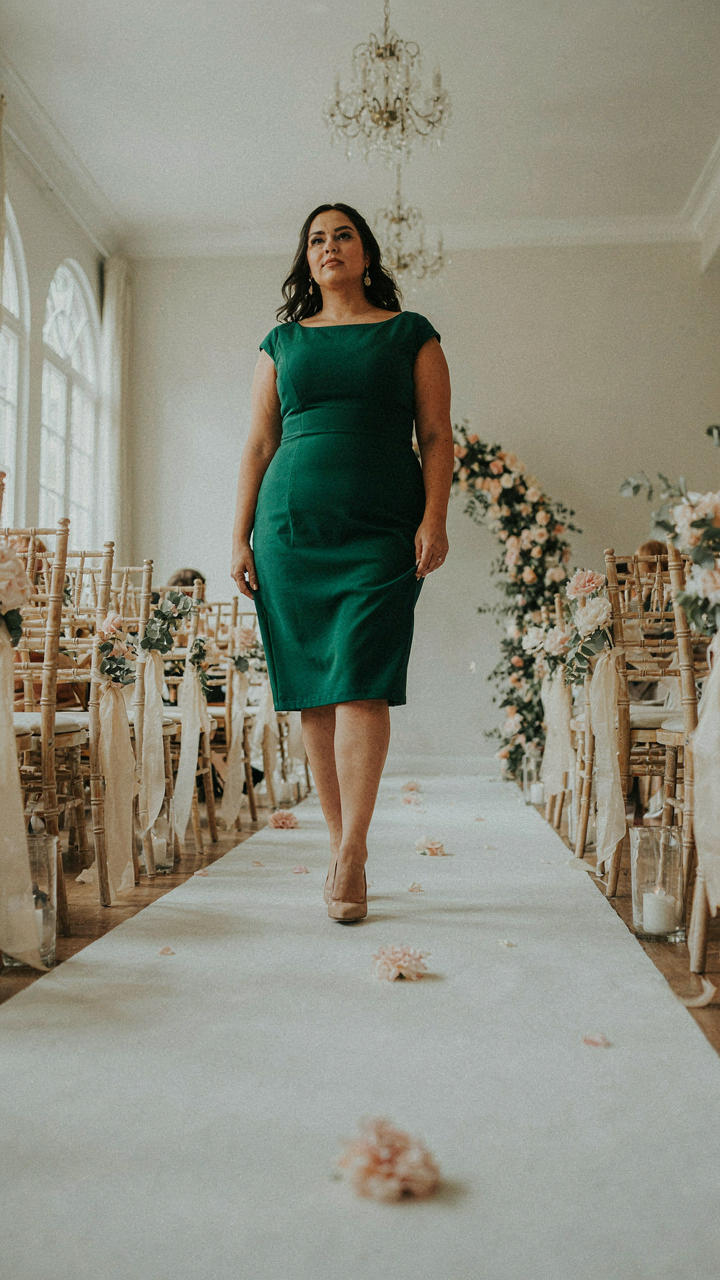
You’re worried people will judge you for getting it wrong. That fear drives most plus-size guests toward black, safe, invisible choices. But dress codes exist to signal respect for the event’s formality level, not to erase you. The mechanism is simple: formality is a constraint that shapes silhouette and fabric choice, not a punishment that demands you disappear into neutrality.

Formal weddings demand structured fabrics and defined shapes because they signal intention and care. Semi-formal gives you room to work with drape and movement without sacrificing polish. Casual daytime weddings let you prioritize comfort and personal style over rigid structure. The real work is matching your body’s needs to the formality’s demands, not sacrificing one for the other. A structured sheath in jewel tone reads formal and flatters just as much as black does, but costs you nothing.
Venue And Culture Shape What Actually Works
Destination weddings in beach settings don’t follow ballroom rules. Cultural traditions matter more than generic etiquette guides. A plus-size guest at a South Asian wedding has different fabric and coverage expectations than one at a minimalist courthouse event. Religious ceremonies often require specific coverage at shoulders, chest, or legs. Ignore these specifics and you’ll look like you didn’t care enough to research, which undermines the actual goal of dressing appropriately. Check the invitation wording first, then ask the couple directly if anything feels unclear.
The venue itself dictates practicality. Outdoor garden weddings punish heavy fabrics and shoes that sink. Indoor formal venues handle structured pieces and dramatic lengths without issue. A plus-size dress that moves well outdoors needs breathable fabric and secure construction so you’re not adjusting all day. Indoor formal settings let you lean into heavier silks and structured linings that wouldn’t survive grass. Before you choose fabric or style, know where you’re standing and what the ground beneath you will do to your outfit.
The “Post Wedding Assessment” For Plus Size Formal Wear
How Many Times Will You Actually Wear This
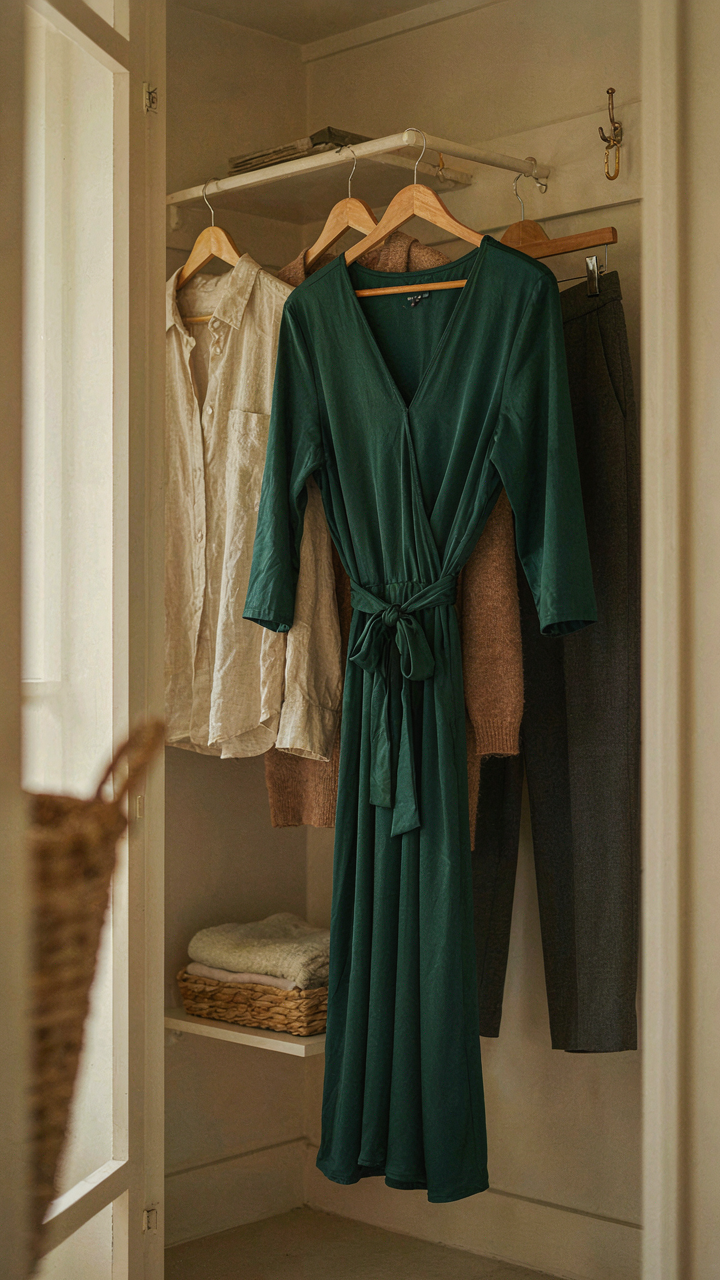
You’re afraid you’ll waste money on something that sits in your closet. That fear makes sense, and it’s the actual mechanism that separates smart buying from expensive mistakes. Most plus size wedding guest dresses fail not because they’re poorly made, but because they solve one specific event instead of multiple occasions. A dress that works only for weddings dies the moment the reception ends.
The real test is brutal: can this dress work at a cocktail party, a gala, a professional dinner, or even business casual contexts with different styling? Fabrics matter here. Jersey knit, structured cotton blends, and quality polyester hold shape across seasons and washings. Avoid novelty fabrics tied to one trend. A wrap dress or A-line silhouette in neutral or jewel tones rewears easier than a heavily embellished piece designed for a single moment.
The Math That Changes Your Buying Decisions
Cost per wear erases the guilt from spending more upfront on quality. Economics teaches us about amortization, and wedding guest dresses follow the same logic: divide total cost by number of times worn to find true value. A 150-dollar dress worn twice costs seventy-five dollars per wear. The same dress worn six times costs twenty-five dollars per wear.
- Second-wedding events: If you attend multiple weddings yearly, dresses worn at least four times break even on anything under two hundred dollars. Track your pattern over the past two years to project future need.
- Seasonal rotation: Dresses that transition between spring and fall wardrobes naturally increase wear frequency. A sleeveless option works with jackets or cardigans, extending its lifespan across temperature changes.
- Style neutrality: Bold prints and trendy cuts limit rewear to one or two occasions. Classic silhouettes in solid colors multiply your options and justify higher quality investments immediately.
- Fabric quality tiers: A seventy-dollar polyester dress from fast fashion retailers typically degrades after three wears. A one-hundred-thirty-dollar dress from quality brands maintains structure and color for ten-plus wears, shifting the cost per wear dramatically in favor of the latter.
- Alterations amortization: Plus size alterations cost thirty to sixty dollars. Only pay for them on dresses you’ll wear at least three times. Calculate this expense into your total cost before purchase.
The protocol is simple: before buying any plus size wedding guest dress, commit to a minimum wear threshold of four times within eighteen months, calculate the cost per wear, then verify the dress actually fits that schedule. If you can’t identify four real occasions, the price is too high regardless of the sticker.
The Real Problem Isn’t The Dress, It’s Your Obsession With External Validation
You picked the right dress. Now stop thinking about what strangers think of your body. The weddings you attend aren’t about you, and the guests who matter won’t judge your silhouette. Today, write down three compliments you’d give yourself wearing that dress. Own them. Wear the dress like you already know you look good, because that confidence costs nothing and changes everything.



