

The Inversion Principle: Why “Cheap” Looks Expensive

Fabric Over Fashion Labels
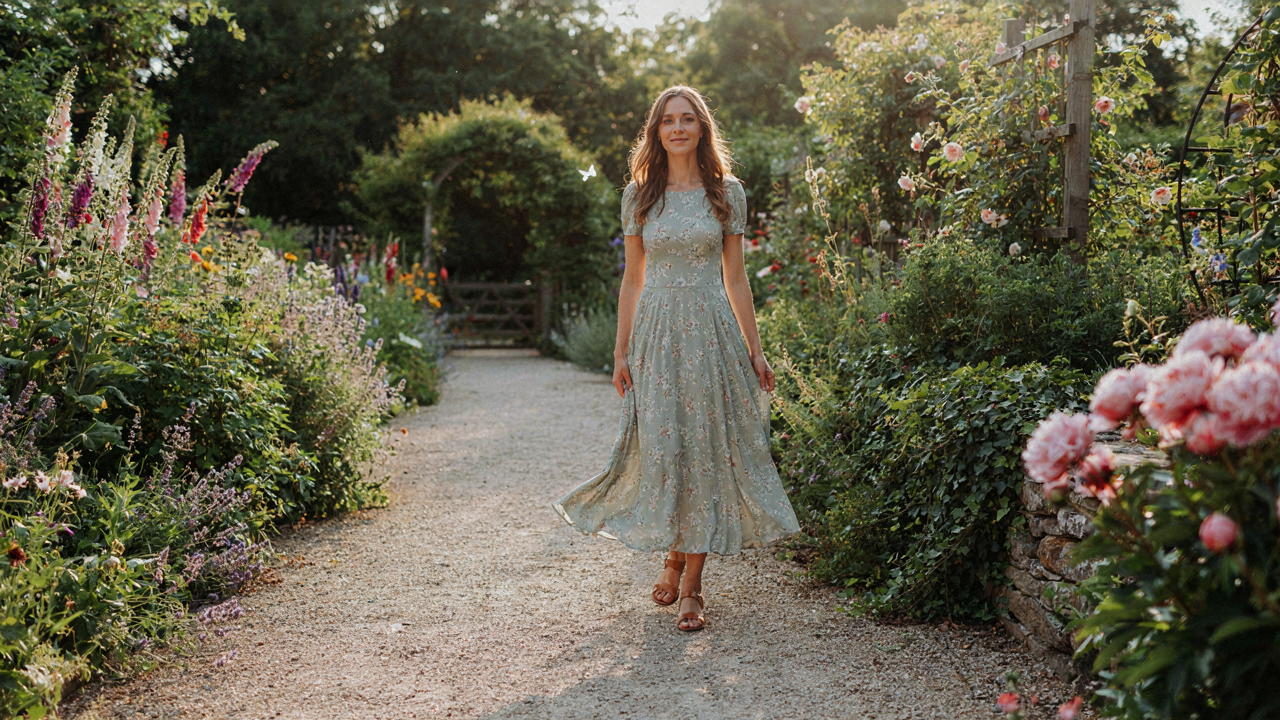
You want people to assume you spent more than you did. That’s the real trade here. The mechanism is simple: luxury signals through material density and drape, not through brand visibility. Expensive dresses feel different against skin because of fiber weight and weave construction. Under 100 dollars, you bypass the label game entirely and win on the one thing that actually reads as expensive to anyone paying attention: how the fabric moves.
Natural fiber blends outperform pure synthetics at this price point. A cotton-silk blend or a linen-viscose mix creates the hand feel of something three times the cost. Avoid polyester-heavy garments, which telegraph cheapness through static cling and that plasticky sheen. The fabric should have some weight to it, enough that it doesn’t cling to your body or flutter when you move. This isn’t about trend. This is about the physics of perception. Dense, natural fibers absorb light differently than cheap synthetics. That difference registers as quality in under a second.
Timeless Cuts Beat Trend Cycles
The common advice says hunt for “current styles.” That’s backwards. Trends date fast, and chasing them at budget prices makes the discount visible. A sleeveless A-line dress, a wrap dress, or a simple sheath silhouette from 2010 reads the same today because these shapes aren’t tethered to any moment. They’re shapes that work. They’ve worked for decades because they align with how bodies move in formal space.
What kills the illusion of expense is obvious trend debt. Cap sleeves, specific neckline details, or color palettes that scream “seasonal collection” age the piece instantly. The algorithm of timeless silhouettes is this: if the dress looks fundamentally the same in photographs from three different decades, you’ve found the right frame. Stick to midi or knee-length hemlines, solid colors or muted prints, and necklines that don’t require explanation. This approach costs less to produce, which is why you find better quality versions under 100 when you stop chasing what’s new.
The Unspoken Code Of Wedding Guest Dress Selection
What The Invitation Actually Tells You
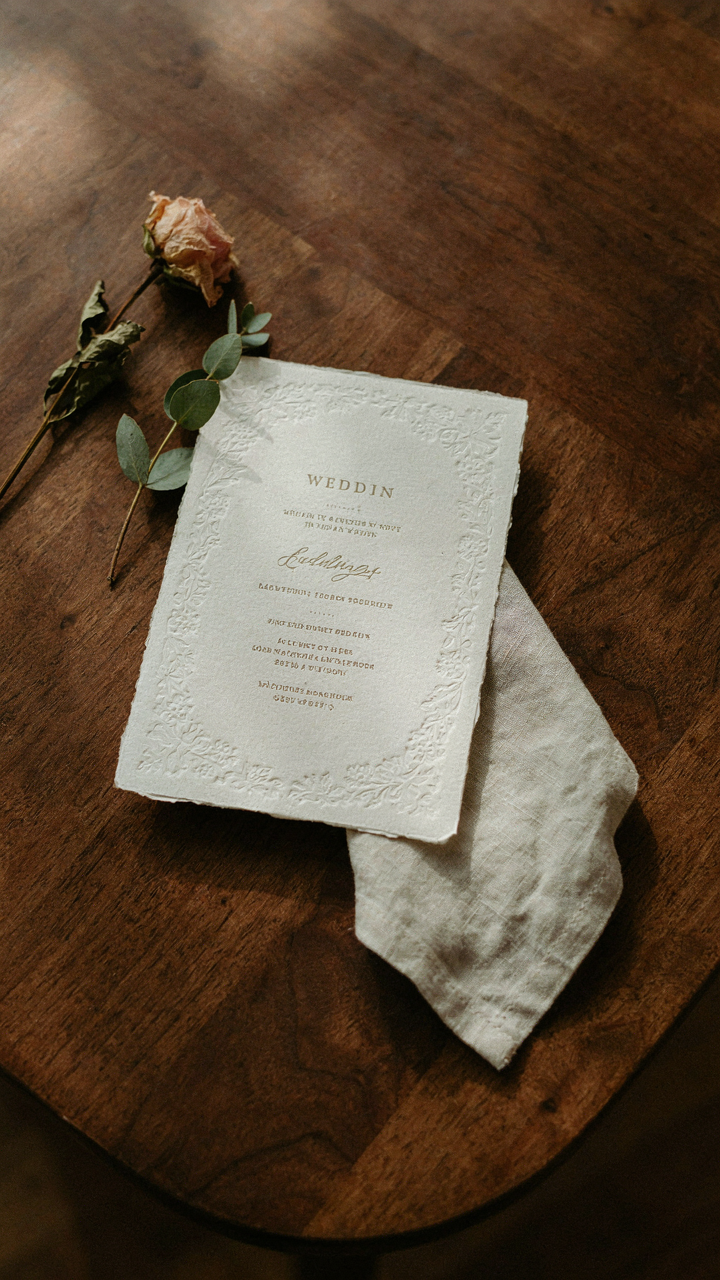
You’re worried you’ll look poor. That’s the real fear here, and it makes you read invitations like they’re written in code. The mechanism is simple: formality level signals the financial and social stakes of the event, which determines how much visual investment the host expects from you. Black tie means something different than cocktail attire, and that difference isn’t aesthetic preference. It’s a protocol signal about resource expenditure.

The invitation text itself does the heavy lifting. “Black tie” means tuxedo or floor-length dress. “Cocktail attire” means a dress or suit that hits knee-length or above, polished but not formal. “Dressy casual” means no jeans, no sneakers, structured pieces. “Smart casual” means tailored pants or a dress without the formality layer. People overthink this because they want permission to spend less, but the words have precise meanings developed over decades of social convention. The invitation removes the guesswork if you read it literally.
The Actual Mistakes People Make
Everyone gives you the same tired list: don’t wear white, don’t wear black to a daytime wedding, don’t out-dress the bride. This advice is incomplete and sometimes wrong. The real blunder isn’t any single outfit choice. It’s showing up looking like you didn’t know what formality level was required. That signals disrespect for the event, not fashion incompetence.
The visible mistakes come from mismatched effort levels. Wearing a formal sequined dress to a casual backyard barbecue reads as status-seeking. Wearing sweatpants to a seated dinner reads as indifference. Neither is about the specific garment. Both stem from ignoring the protocol your invitation established. Under 100 dollars, your job isn’t to impress. Your job is to match the effort the couple requested and move through the event without drawing attention to your clothing decisions at all.
Architecting The Aura: Fit As Your Foundation
The Tailor’s Leverage Point
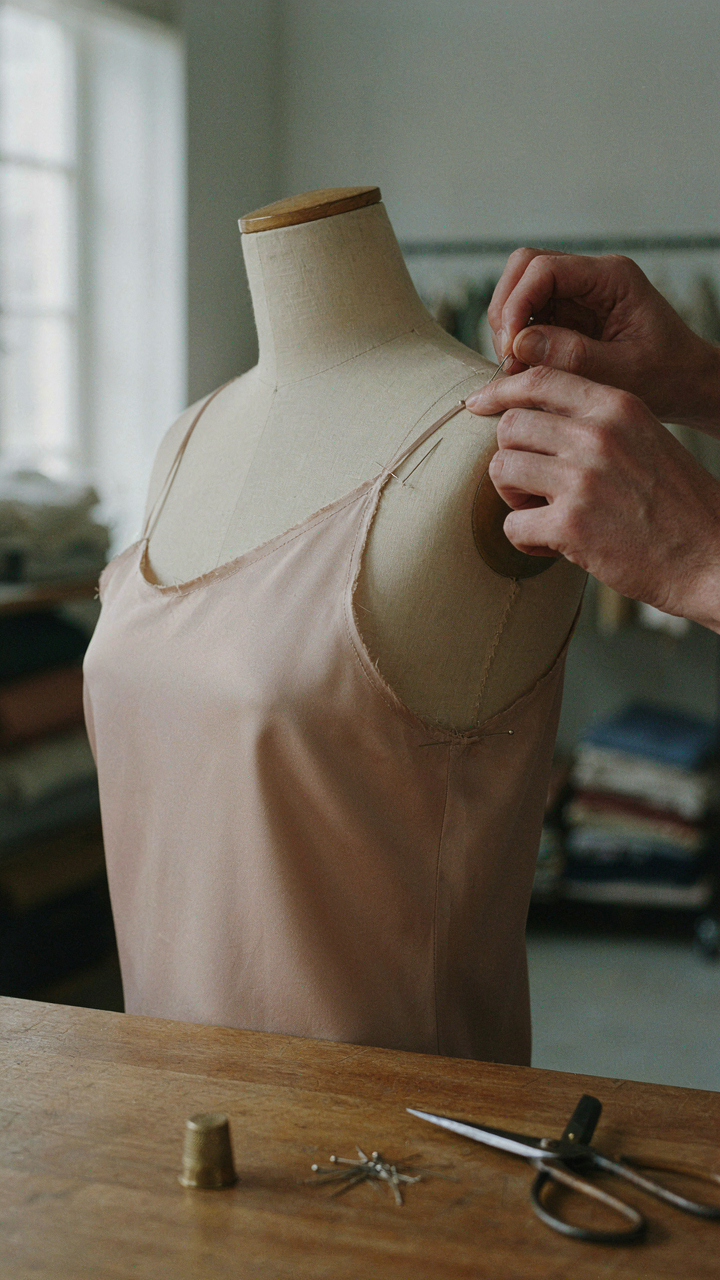
You’re afraid the dress will expose you as someone who didn’t spend enough. Here’s what actually matters: fit determines perceived price more than fabric or brand ever will. A sixty-dollar dress tailored to your frame reads expensive. A three-hundred-dollar dress that pulls at the shoulders reads cheap. Tailoring is the mechanism that separates confidence from doubt in a room full of people judging.

Most off-the-rack dresses ship with excess fabric because manufacturers cut for average bodies, not actual bodies. Get the shoulder seams adjusted to sit where your shoulder ends, not an inch past it. Hem the dress so it breaks at your natural ankle or knee, not pooling on the floor. Take in the side seams by half an inch on each side if the waist gaps. These three adjustments cost thirty to fifty dollars total and transform how the dress lands on you.
Silhouette Stacking Via Inverse Ratios
Biomimicry teaches us that nature balances proportion through inverse ratios. Apply this directly: if your dress has a fitted bodice, the skirt should move. If the skirt is structured, the top should skim. Never stack fitted on fitted or loose on loose because the eye reads that as formless or boring. The contrast is what creates definition and expense.
A column dress works only if you have the frame for zero interruption. Most bodies need a strategic break in the line. A wrap dress with a defined waist at your natural narrowest point beats a shapeless tent every time. Try the dress on and stand sideways in the mirror. If your silhouette has clear top, middle, and bottom, you’ve found the proportion that works. If it blurs into one shape, keep searching or tailor to create that break artificially through ruching or a belt.
The Subtraction Method For Wedding Guest Style
Remove The Noise First
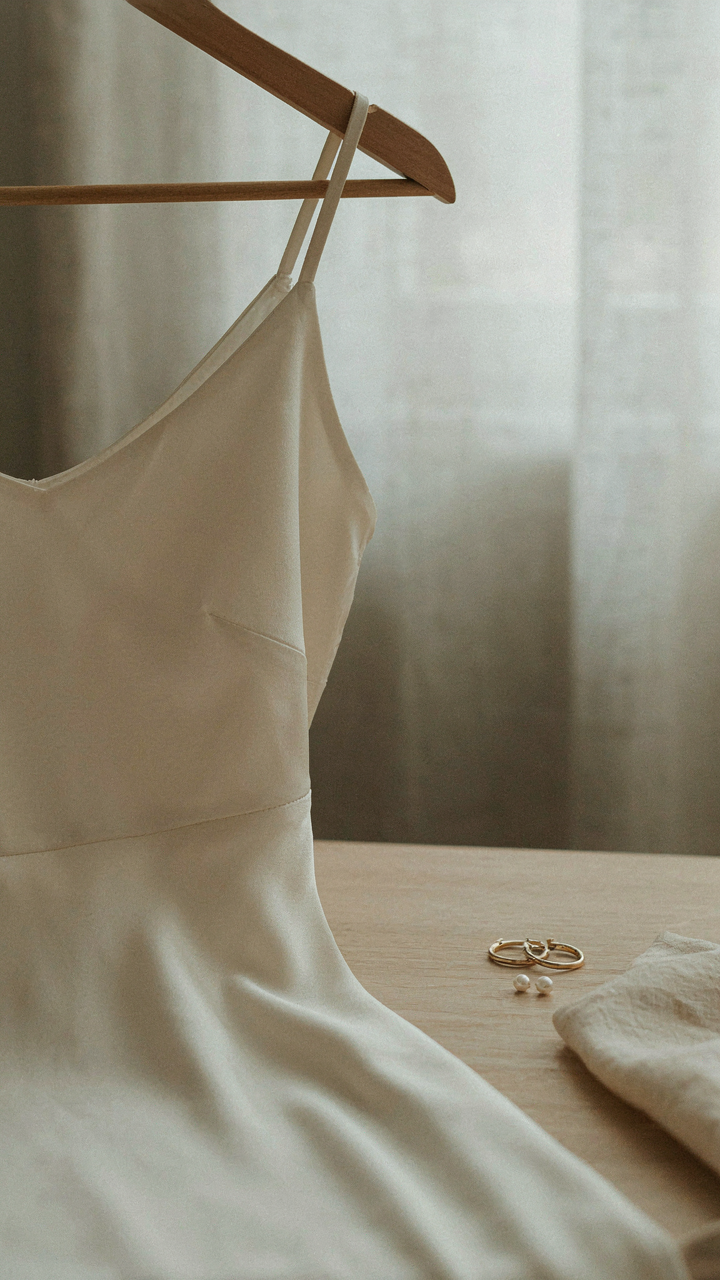
You want permission to spend less and look like you spent more. That’s the real question. Here’s the mechanism: luxury brands built their entire empire on subtraction, not addition. When you remove unnecessary detail, your eye lands on what remains. The fabric quality becomes visible. The cut becomes obvious. This is why a silk camisole under a blazer reads expensive at any price point while a polyester dress drowning in appliqué reads cheap at any price point. Most wedding guests do the opposite. They layer patterns, textures, and embellishments to compensate for low price. This signals budget to everyone in the room.

The subtraction method works because constraint forces intentionality. A solid-colored dress in a quality fabric under 100 dollars beats a patterned dress with beading every time. Your brain processes simplicity as refinement. Remove busy prints. Remove excessive ruching. Remove costume jewelry that jingles. What survives this cut becomes the focal point. This is where your hundred dollars actually works for you instead of against you.
Anchor Points And Strategic Placement
Think of accessorizing like military supply lines: you deploy resources only where they create maximum leverage. Most people scatter their budget across six accessories and dilute the impact. You concentrate it. One statement piece beats five mediocre ones because attention has a scarcity principle. Your eye can only land somewhere, and you control where.
- One structured handbag: A structured leather clutch or small bag in neutral tones anchors an outfit. Quality construction at 30 to 50 dollars signals intentionality and holds visual weight without competing with your dress.
- Gold or silver jewelry: Pick one metal and stick to it. A single bracelet or pair of earrings in quality-looking metal (even plated) outperforms mismatched pieces. Consistency reads as editorial choice, not accident.
- Heeled footwear in one tone: Shoes in black, nude, or metallic create a vertical line that lengthens your silhouette. A 40 to 60 dollar heel in a classic style photographs better than three pairs of trendy flats.
- A tailored outer layer: A structured blazer, cardigan, or shawl in a solid color extends your outfit’s visual impact. Layering adds dimension and justifies the under-100 price because it functions as two outfits.
- One focal point only: Either draw attention to jewelry, shoes, or a bag. Never all three. This constraint forces clarity and makes whatever you emphasize appear deliberate and curated.
Deploy your accessories to three specific points on your body: neck or wrists, feet, and hands. This creates a visual triangle that feels balanced. Leave your waist, shoulders, and center torso bare of detail. This keeps the dress itself the star. Your hundred dollars stretches when you stop competing with your own outfit.
Seasonal Strategy: Wedding Guest Dress Summer & Spring
Natural Fabrics That Don’t Betray Movement
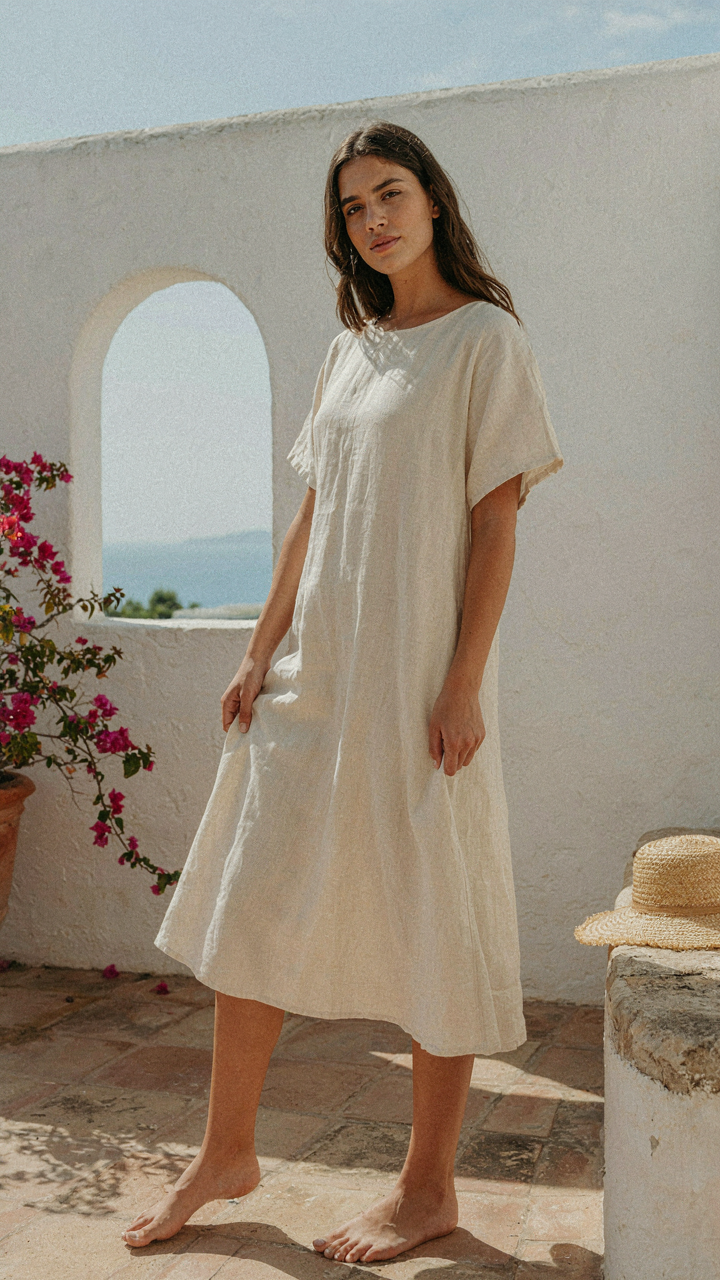
You’re worried the dress will cling to you or wrinkle by hour three, and everyone will know you bought it for under 100. That fear drives the real mechanism: fabric breathability and recovery. Cotton blends and linen don’t trap sweat the way synthetics do, and they telegraph expense because they move correctly. The physics principle here is moisture wicking—the same concept athletic wear exploits—but applied to looking polished instead of functional.

Linen dominates summer weddings because it wrinkles intentionally, masking wear patterns. A 55/45 linen-cotton blend costs the same as pure cotton but holds structure longer. Avoid polyester-heavy blends under 100 unless the weave is tight enough to read as silk. The dress should feel substantial when you touch it in the dressing room. Weight signals quality faster than any other single tell.
Neutrals With Restrained Depth
Everyone says wear jewel tones or pastels. That’s incomplete advice that fails in direct sunlight. Neutral doesn’t mean beige or gray—it means colors that don’t compete with the couple. Cream, taupe, soft sage, and warm white read as expensive because they require confidence. They also hide the under-100 price point better than trendy colors that signal fast-fashion timing.
The mechanism is contrast reduction. When your dress color doesn’t clash with skin tone or jewelry, the eye lands on cut and fit instead of the palette. A cream linen shift dress under 100 wins because the fabric speaks first, not the color. Buy in neutral, spend the savings on tailoring the shoulders or hem. That single alteration transforms the entire cost-perception equation.
Affordable Wedding Guest Dress Sourcing Protocol
Where Department Stores Hide Their Inventory
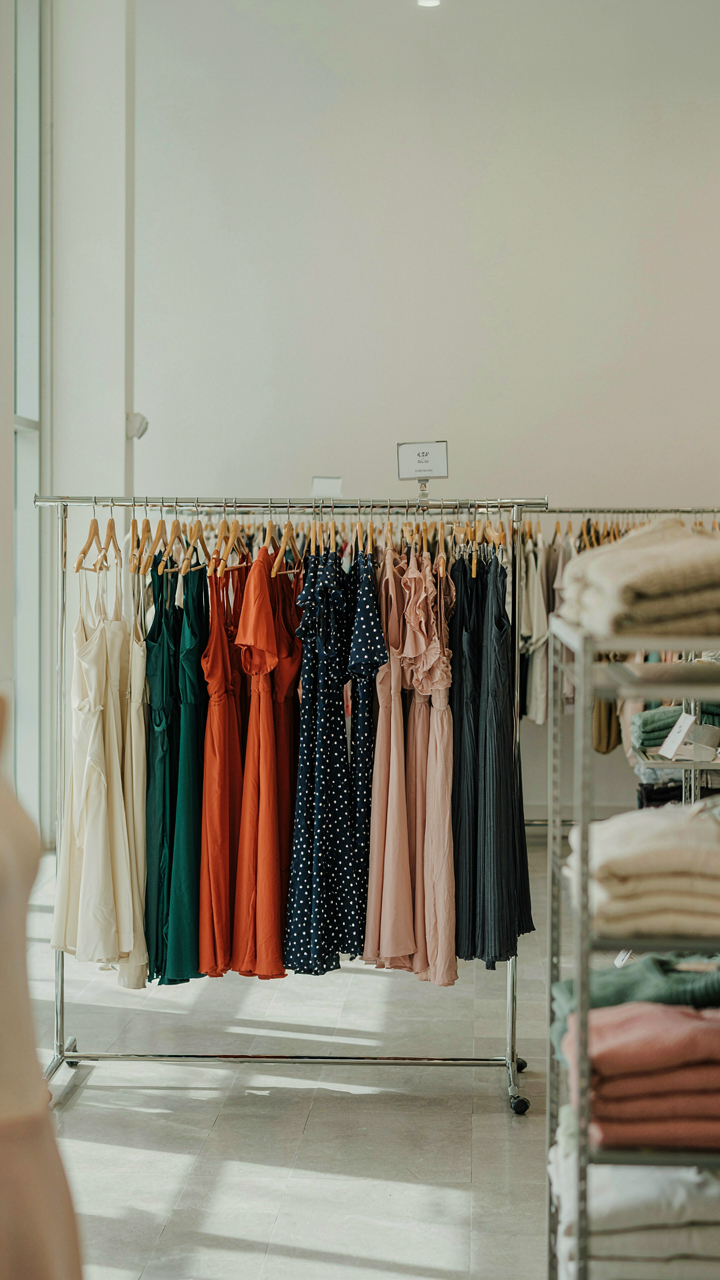
You’re hunting for a bargain because you’re afraid a cheap dress reads as cheap, and you want permission to stop feeling guilty about spending under 100 dollars on an outfit you’ll wear once. The mechanism is simple: department stores use geographic and temporal arbitrage. They move overstock from flagship locations to outlet stores and clearance sections months after the original sale, which is when wedding inventory lands at the right price point.

The play is to check clearance sections at Nordstrom Rack, Macy’s clearance floors, and Dillard’s end-of-season racks before major wedding season windows. These aren’t bargain bins of trash. They’re full-price dresses marked down because the store needs inventory turnover, not because the garment has a defect. Visit during off-peak shopping hours early in the week when clearance sections haven’t been picked through. Staff at these locations often know when fresh markdowns hit, and asking directly saves time.
Amazon Search Patterns That Surface Real Quality
Treat Amazon like an information market, not a product market. Economics teaches us about price discovery: the mechanism that reveals true value. On Amazon, customer reviews and return rates function as price discovery for quality. High return rates signal fit problems or material failure. Low returns on budget dresses mean the product actually delivers.
Search for dresses by fabric first, not by brand or aesthetic. Type “polyester blend midi dress under 100” or “crepe fabric wedding guest dress” rather than scrolling through sponsored listings. Filter by customer ratings above 4.2 stars and scan reviews specifically for mentions of fit accuracy, material weight, and how the dress photographs in person. Read the negative reviews first, they reveal the exact failure mode. Check the return policy window before buying, then order with a hard deadline to test fit and return if necessary.
The Behavioral Economics Of “Looking Expensive”

What Your Brain Anchors To First
You care about this because you’re afraid people will clock your budget. Here’s what actually happens: anchoring bias means the first price you see becomes the reference point for everything that follows. Economics calls this the anchor effect. In wedding guest dressing, your anchor isn’t the dress itself—it’s the context clues that signal its origin price. A dress with visible seams, thin fabric, or plastic hardware anchors observers to “budget.” The same silhouette in structured cotton with hidden seams anchors to “investment piece.”

Most advice says “just pick flattering colors.” Wrong. The mechanism is simpler. People perceive expense through construction details they notice in the first three seconds. Fabric weight, hem quality, and button placement do the anchoring work. A sub-100 dollar dress that looks expensive doesn’t hide its price through color psychology. It does it by eliminating tells. No pilling visible on the chest. No loose threads at the armhole. No sagging waistband after two hours of wear.
Constraint Breeds Perceived Value
Scarcity creates perceived effort, and perceived effort creates perceived expense. This is the mechanism everyone misses. A dress you found on a random Tuesday has no story of rarity. But a dress that required you to hunt through three stores, or one that comes in limited colorways per season, signals that someone made choices about production limits. Brands under 100 dollars win here when they use seasonal drops instead of perpetual inventory.
The second lever is visible effort in construction. Hand-finished hems, topstitching that’s tight and even, strategic pleating that requires multiple pattern pieces—these aren’t cheap shortcuts. They broadcast work. When a sub-100 dollar dress shows this kind of detail, observers unconsciously reverse-engineer the price upward. They assume if it has this much construction complexity, the base cost must be higher. The mechanism: effort visible equals value estimated higher. Build your search around dresses with deliberate finishing touches, not minimalist designs that hide budget corners.
Garden Wedding Dress Guest: Navigating Specific Venues

Fabric That Survives The Outdoors
You’re worried people will clock that you spent under a hundred dollars, so you’re fixating on fabric choice to buy credibility. Wrong target. The real mechanism is simple: outdoor venues punish poor fabric selection ruthlessly. Heat, humidity, and sun exposure expose cheap construction instantly.

Linen and cotton blends handle garden environments better than synthetic blends because they breathe and move naturally in heat. A hundred-dollar linen dress looks intentional outdoors. Polyester at that price point clings and wrinkles under stress, broadcasting budget. Skip satin and silk alternatives for daytime garden weddings, even if they feel elevated. The material has to earn its place against actual weather conditions, not just visual inspection.
Footwear Choices That Don’t Betray You
Outdoor grass transforms shoes into a tell. Thin heels sink. Flat soles slip. Most people default to either impractical heels or athletic sneakers, neither of which works. The real answer lives between: block heels, wedges, or flat sandals with actual traction and structure. A thirty-dollar block heel in a neutral tone reads as intentional and stable on uneven ground. Metallic flats or embellished sandals from budget retailers hold up better visually than cheap stilettos struggling for ground contact. Avoid anything with thin straps that expose cheap stitching. Shoes matter more than dress fabric because they’re visible the entire event and they betray discomfort or poor judgment instantly.
Your Fear Isn’t Looking Cheap; It’s Revealing Your Lack Of Understanding About Value Itself

Most people confuse price with value. They believe expensive equals good. So they panic about a hundred dollar dress. Stop. Value lives in fabric quality, fit, and timelessness, not the tag. Open your phone right now. Search “affordable wedding guest dresses” on three sites you’ve never tried. Screenshot the ones that stop you. That friction you feel? That’s you recognizing real value. The dress that makes you feel like money spent it on you, not the other way around, wins every time.



