

The Dress Code Deconstruction: Unmasking The Real Intent

What The Dress Code Actually Signals
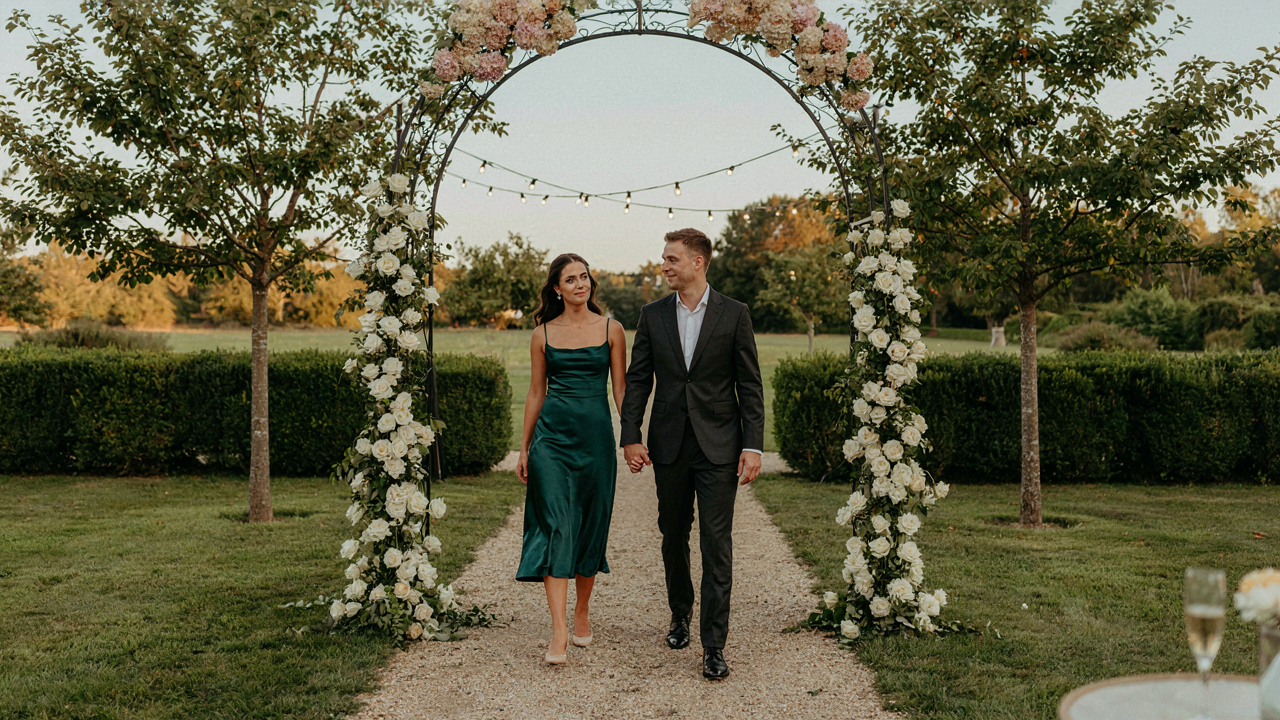
You’re anxious about fitting in because dress codes are social contracts, and you’ll read one wrong. Here’s the mechanism: dress codes exist to eliminate ambiguity, which means the words chosen matter more than the tone they’re delivered in. “Black tie optional” doesn’t mean wear what you want. It means wear black tie and signal you’re serious, or wear business formal and signal you’re practical. The rehearsal dinner host chose specific language to communicate a threshold, not a suggestion.
Most people misread dress codes because they focus on permission instead of intent. The real signal isn’t what’s allowed. It’s what the host values enough to specify. If someone says “cocktail attire,” they’ve rejected casual entirely. They’ve also rejected formal wear. The narrow band they’ve chosen tells you exactly where the event sits in their hierarchy of formality. Ignore the band and you broadcast that you either didn’t understand or didn’t care about the boundary they set.
The Unwritten Layer Beneath The Words
Social signaling in rehearsal dinner contexts operates like a filter system in biology: only certain organisms survive in certain environments. Your outfit either passes through the filter or triggers a micro-judgment. The unwritten expectation isn’t about beauty or creativity. It’s about demonstrating that you decoded the message and respected the boundary. A guest who arrives in jeans to a cocktail attire event communicates one of two things: incompetence or indifference. The host won’t distinguish between them.
The real test is knowing what the dress code excludes rather than what it includes. “Cocktail attire” means no sneakers, no t-shirts, no beach wear, no athletic gear, no denim, no visible wrinkles, no outfit that looks like you grabbed it without thinking. It means you showed up with intention. Most guests focus on what they should wear and miss what they shouldn’t wear, which is where the mistake happens. Review the dress code and build your outfit by removing categories first, then selecting within what remains.
The “Contextual Intelligence” Protocol For Rehearsal Dinners
Where And When They’re Holding It
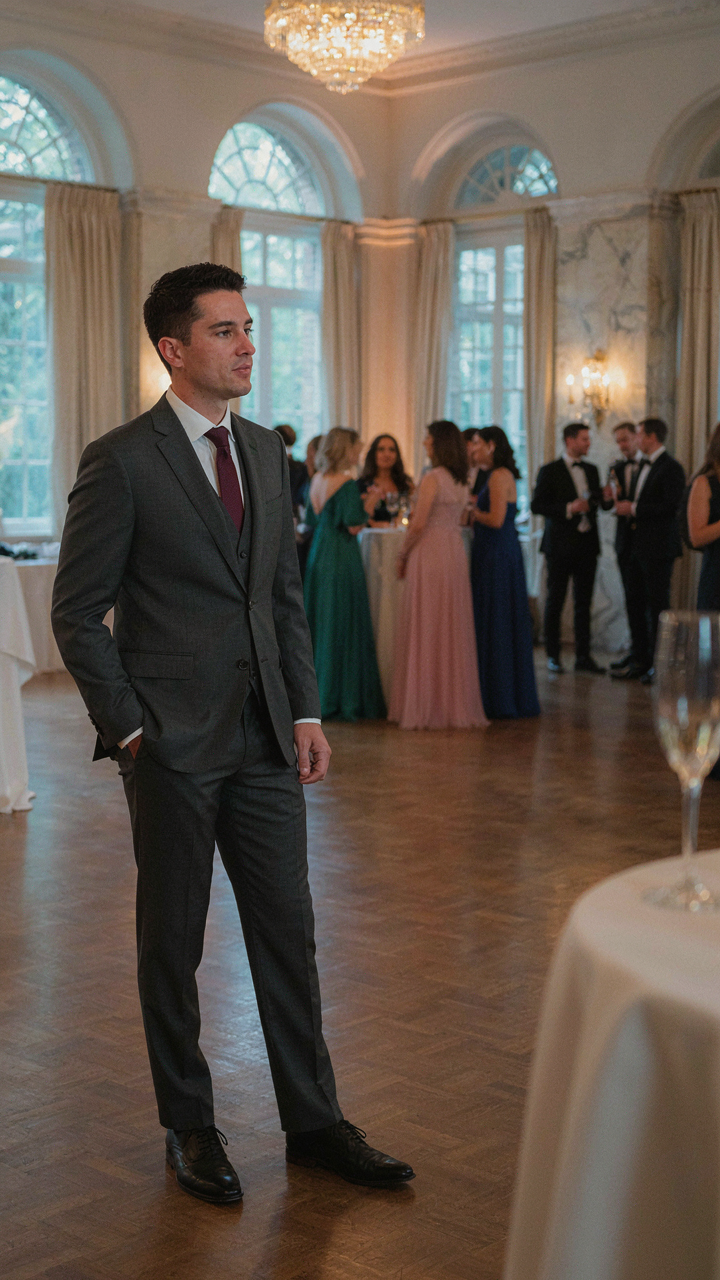
You’re scared you’ll show up overdressed or underdressed and look like you don’t belong. Here’s the mechanism: a rehearsal dinner’s formality lives on a spectrum determined by two variables—location and time—and most guests ignore both. Think of it like signal detection in communications: the venue and hour transmit a legible code about what the hosts actually expect, but you have to read it instead of guessing.

A Saturday evening rehearsal dinner at a country club in the Northeast signals different attire than a Friday lunch at a casual restaurant in Austin. Evening events tend toward dressier territory. Daytime events, especially casual venues, permit relaxed clothing. The formula is simple: indoor formal venues after sunset demand polished dress clothes. Outdoor or casual spaces during daylight hours allow for business casual or smart casual. Time of day matters because it changes the social contract of the event itself.
Reading The Bridal Party’s Visual Cue
Most advice tells you to match the bridal party’s vibe. That’s incomplete. The real move is treating the bridal party as the design specification for the entire room’s dress code, then positioning yourself one notch down from wherever they land. They’ve already negotiated with the couple and made choices the couple approved. Their outfit silhouette, formality level, and material choices are contractual signals.
If groomsmen wear unstructured blazers and no ties, you wear a structured blazer or dressy sport coat without a tie. If bridesmaids wear cocktail dresses with statement jewelry, you wear a cocktail dress or elevated separates. The bridal party doesn’t have to match you; you align with them. This prevents the social friction of being the one person who misread the room. Observe their choices first, then calibrate your own outfit within the same formality band.
Beyond Black Tie: Rehearsal Dinner Attire That Actually Fits
What Semi Formal Actually Means
You’re worried the wrong outfit signals you don’t respect the couple. Here’s the mechanism: semi-formal exists in a middle territory where the host expects you to signal effort without the rigid rules of black tie. It borrows from military dress codes, which establish hierarchy through constraint—fewer options mean higher stakes. Semi-formal removes the white tie layer but keeps the formality signal intact. Most people misread this and either overdress into black tie or underdress into business casual, both mistakes that read as either anxiety or indifference.

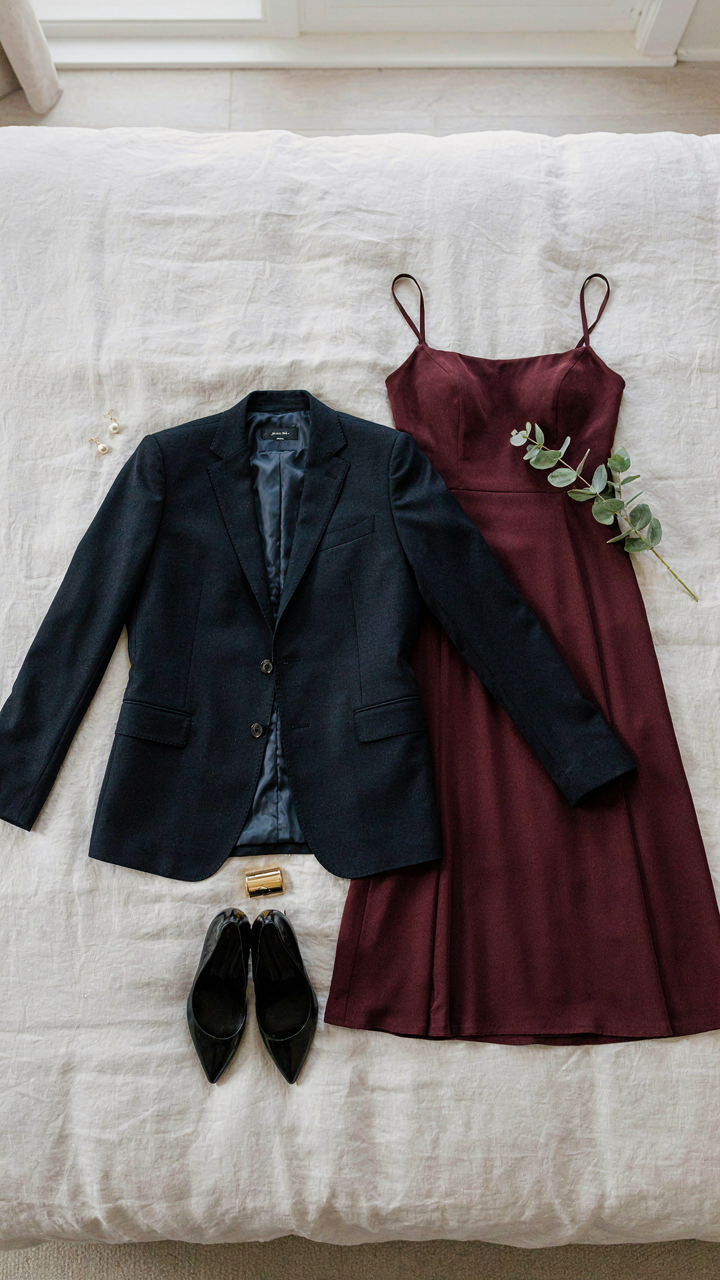
Semi-formal for a rehearsal dinner means a dark suit with a tie, or a dress hitting the knee with a blazer. The rule isn’t about rules—it’s about showing you understood the assignment. A charcoal or navy suit works. A white dress shirt works. A conservative tie works. Skip the tuxedo. Skip the polo. The outfit communicates: I know this matters and I know what appropriate looks like. That’s the entire mechanism.
Cocktail Dress Codes Versus Business Smart Casual
The honest version: most rehearsal dinner invitations marked “cocktail” don’t actually differ from “semi-formal” in execution. The difference is permission. Cocktail attire lets you add texture, pattern, or color because the event expects mingling and movement, not a formal seated dinner. Business smart casual is not rehearsal dinner clothing—it’s what you wear to an office where the dress code loosened. Confusing the two is the mistake people make.
For cocktail rehearsal dinners, wear a blazer with dress pants or a midi skirt. Add a silk shirt or a simple blouse. You can choose jewel tones. You can add a statement earring. What you cannot do is treat it as “wear whatever feels comfortable.” The boundary still exists—it just moves slightly. Wear shoes you can stand in for two hours. Verify the venue temperature before you select fabric weight. This step prevents showing up cold or visibly sweating before the toasts begin.
Strategic Subversion: How To Break Rules Like A Master
The Texture Play
You want permission to stand out without looking like you’re trying. That’s the real game here. The mechanism is simple: rehearsal dinners operate on visual hierarchy, and most guests flatten themselves into it. You break the code by introducing one textural contrast that feels intentional, not accidental.

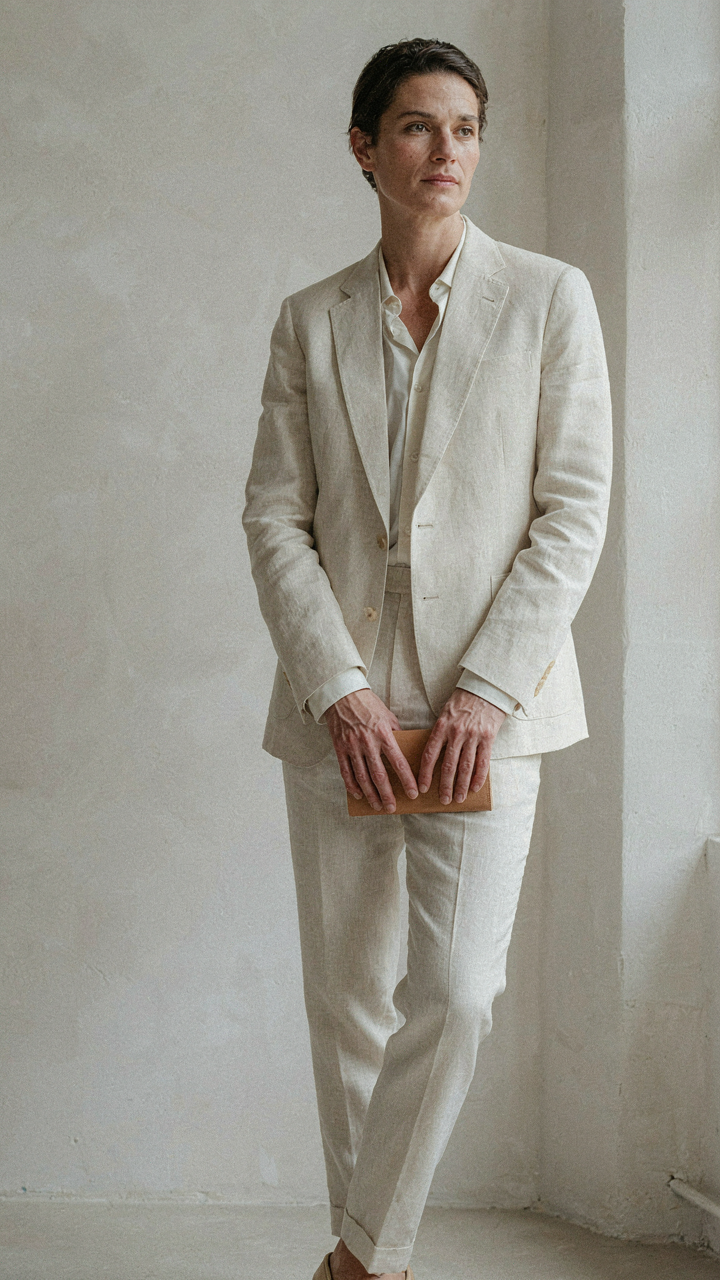
Fabric choice does the work that color can’t. A linen blazer over a silk shirt creates visual depth. Cotton blends flatten. The dinner jacket industry standardized on wool gabardine for a reason—it holds structure and reads as intentional. Pick one garment with an unexpected weave: corduroy, wool twill, linen blend, or textured cotton. The piece stays within the dress code. The texture signals you made a decision.
The Constraint Reversal
The common advice here is garbage: “Add personality through accessories.” Wrong frame. The real play is removing one expected element instead of adding ten. Rehearsal dinners trap you through expectation, not through rule. You escape by strategic subtraction.
If the code says business casual, skip the tie but wear a vest. If it’s cocktail, wear structured trousers without a jacket and add a statement belt instead. The gap you create catches attention precisely because it doesn’t break protocol—it just redistributes emphasis. Your eye control the focal point. Execute one of these reversals and stop there.
The “Game Theory” Of Accessorizing Your Rehearsal Dinner Look
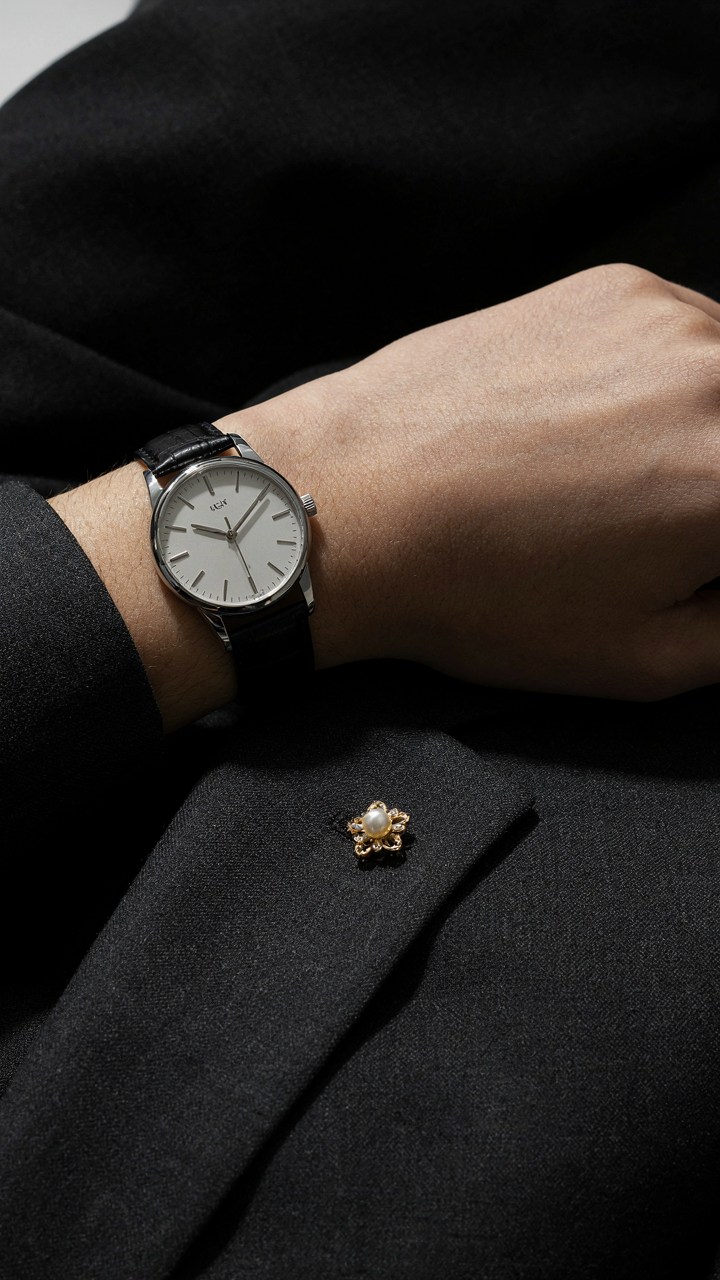
When Accessories Become Strategic Moves
You want permission to stand out without looking like you’re trying. Game theory teaches us that every player has dominant strategies—moves that outperform others regardless of what others do. Your accessories work the same way. You’re not just decorating an outfit. You’re signaling restraint or confidence depending on the dress code tier, and that signal either reinforces your role or undermines it. The mechanism is simple: accessories telegraph intent before anyone hears you speak.

The rehearsal dinner exists in a specific social hierarchy. It’s more formal than the ceremony itself in some traditions, yet less rigid than the reception. This compressed context means every accessory choice reads louder. A statement watch on business casual reads as “I earn.” On black tie optional, it reads as “I misunderstood.” The dominant strategy isn’t flashiness or restraint in isolation. It’s matching accessory weight to dress code intensity, then staying there without deviation.
Know When Bold Costs You More Than It Gains
The common advice says “add personality through accessories.” That’s incomplete. What people actually mean is add personality through accessories that fit the context, which strips away most of the personality. Risk-reward analysis in rehearsal dinner dressing reveals something clearer: bold accessories only work when the dress code explicitly permits them. Semi-formal allows more than cocktail. Cocktail allows more than black tie. Violate this hierarchy and you signal you either don’t understand social codes or don’t respect the couple’s framing of the event.
Assess bold moves by asking one question: does this accessory appear in the same context at formal events? Novelty brooches, statement earrings, colored pocket squares work at cocktail and semi-formal rehearsal dinners because people wear them at similar events. Oversized chains, trendy sunglasses, or costume jewelry fail because they belong at different events entirely. The protocol is mechanical: check what people wear to the dress code tier you’re matching, then choose only from that category. Anything outside it reads as either underdressed or performing.
The Material Truth: Fabrics That Speak Volumes For Your Outfit For Rehearsal Dinner
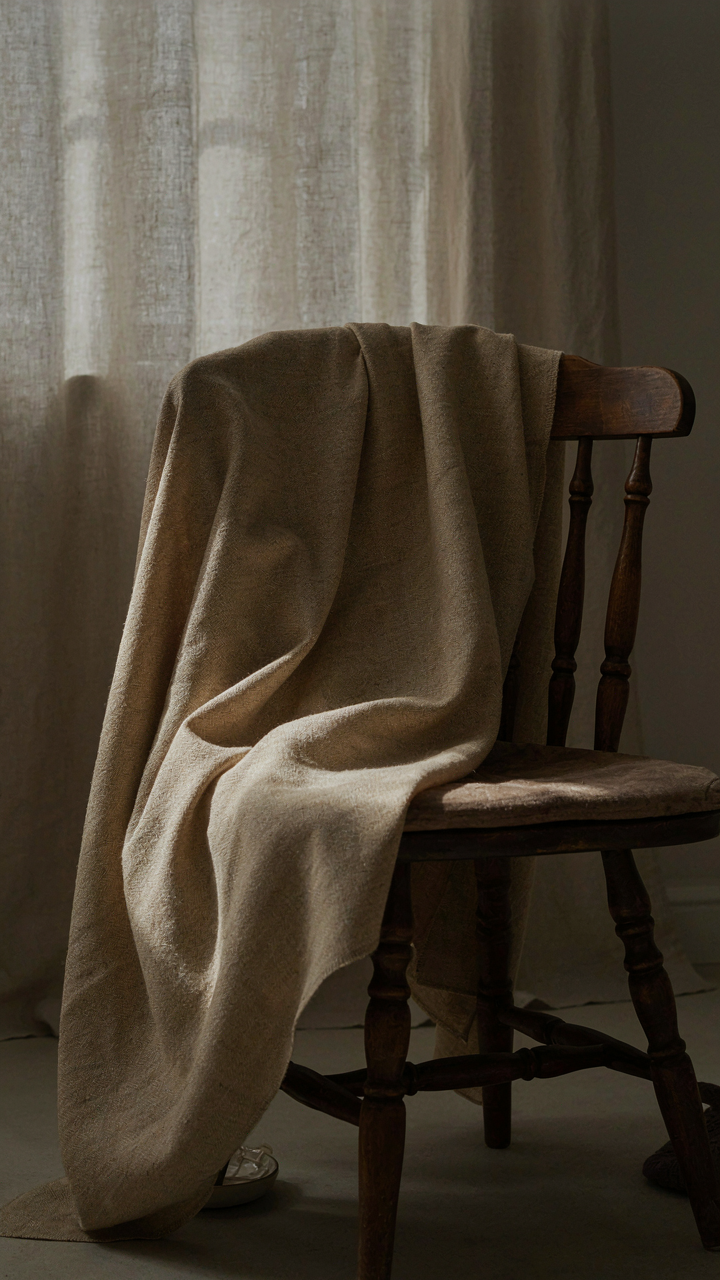
Texture And Drape For Impactful Rehearsal Dinner Outfits
You care about this because fabric choice signals whether you understand social hierarchy or you showed up in whatever was clean. The mechanism is physics: drape—how fabric falls on your body—either creates visual weight that grounds you or collapses into wrinkles that broadcast indifference. Natural fibers like cotton, linen, and wool hold structure. Synthetics often don’t.

Silk and wool blends drape with intention. They catch light differently than cotton alone, which means they photograph better and command attention without screaming. The common advice says “dress your body type,” but that’s incomplete. What actually matters is whether your fabric moves with you or fights you during a three-hour event. Cotton-polyester blends wrinkle aggressively. Pure cotton holds creases. Wool maintains shape through sitting, standing, and mingling without looking limp by hour two.
Seasonal Fabric Choices For Comfort And Style
Season determines which fabrics perform without sabotaging you. Summer requires breathable materials that wick moisture, so linen and cotton blends work, but linen wrinkles visibly unless blended with polyester. Winter demands fabrics with weight that insulate and hold shape, making wool and heavier cotton the play. Spring and fall sit between these extremes, giving you flexibility with cotton, cotton-linen blends, and lightweight wool.
The mechanism is thermal regulation combined with visual stability. A guest in heavy wool at an outdoor summer dinner looks overdressed and uncomfortable, which reads as status confusion. A guest in thin cotton at a winter rehearsal dinner shivers, creating visual friction that distracts. Check the venue temperature before buying or pulling from your closet. If it’s climate-controlled indoors, you control the environment. If it’s outdoors, fabric weight and breathability become your survival tool, not just your aesthetic.
Color Psychology: Using Hues To Your Advantage At Rehearsal Dinners

Power Colors And Subtle Statements
You want people to remember you as intentional, not invisible. Color choice signals whether you understand the room’s unspoken hierarchy. Navy, charcoal, and deep jewel tones work like contrast ratios in design—they create visual separation without screaming for attention. The mechanism is simple: saturated, cooler colors recede slightly while projecting competence. Warm neutrals like taupe or cream signal approachability but lack authority. Pick one and commit to it as your base.

The bride and groom own the visual focus at a rehearsal dinner. Your color strategy isn’t about competing—it’s about occupying a specific lane. Burgundy, forest green, and slate blue read as “grounded and intentional.” Blush, champagne, and warm grays read as “supportive and present.” Neither approach is wrong. The mistake is treating your outfit like a blank canvas instead of a calculated placement in the visual hierarchy of the event.
Avoiding Color Clashes And Unwritten Rules
Most advice says “don’t wear white.” That’s incomplete. The real rule is simpler: don’t replicate the bride’s color story, and don’t dress darker than the groom if this is a formal black-tie event. Color clashes happen when your outfit’s saturation level or temperature conflicts with the stated or implied dress code. If the event skews formal and cool-toned, a hot pink dress signals you either weren’t paying attention or you’re performing. Either way, people notice the mismatch.
Check the invitation for the dress code language. “Black tie” or “formal” demands jewel tones or cool neutrals. “Cocktail” accepts broader range but still punishes extremes. “Festive” or “creative black tie” gives you latitude, but latitude isn’t permission to ignore the event’s emotional temperature. The protocol is direct: match your hue’s temperature and intensity to the stated formality level, then verify your choice against the bride’s confirmed color scheme. That verification step prevents the single most avoidable mistake.
The Adaptable Capsule For The Savvy Rehearsal Dinner Outfit Guest
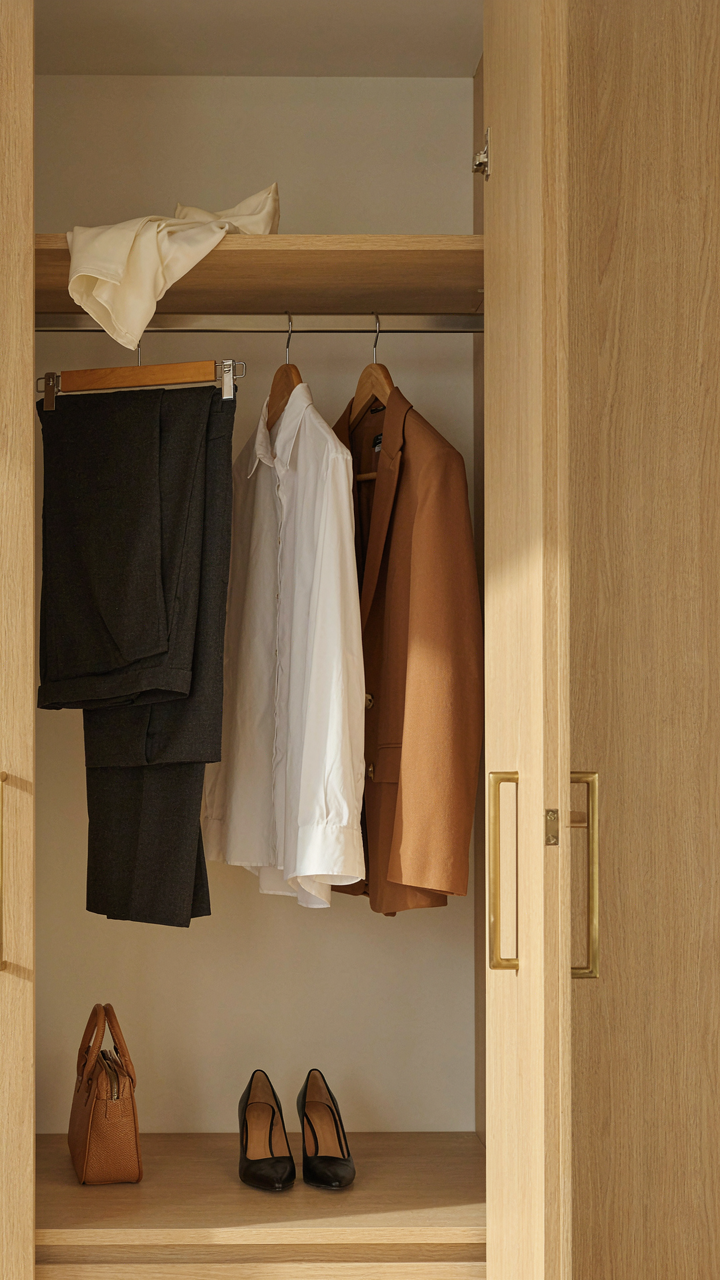
Building A Wardrobe That Works Across Events
You’re worried you’ll look wrong. That’s the real thing driving this search. The mechanism is simple: rehearsal dinners vary wildly in formality and setting, so you need pieces that survive the shift without announcing desperation. A true capsule means each item functions across three to five different dinner scenarios without looking like you recycled the same outfit.

Most people buy one outfit per event. This wastes money and creates decision paralysis. Instead, anchor your wardrobe around neutral base pieces in quality fabrics that don’t wrinkle, stain, or fade after one wear. Think like a military strategist building supply lines: you need foundational units that deploy effectively regardless of terrain. Your rehearsal dinner outfit succeeds because the pieces stack differently, not because you bought everything new.
Pieces That Travel Between Occasions
The foundation starts with two pairs of well-fitted trousers in charcoal and navy. A structured blazer in navy works as both polish and armor across casual and semiformal dinners. One quality white button-down shirt handles both understated elegance and layering flexibility. A second shirt in a subtle pattern or muted tone adds texture without demanding attention. These five items create roughly twelve outfit combinations depending on how you layer and accessorize them.
- Navy Blazer: Works over dresses, with trousers, or unbuttoned over a t-shirt depending on formality. Buy wool blend to resist wrinkles during travel.
- Charcoal Trousers: Pairs with blazers, sweaters, or casual tops. Tapered or straight cut works; avoid trendy silhouettes that date quickly.
- White Button-Down: Functions as a standalone top under blazers or as layering under sweaters. Opt for a fitted cut that doesn’t billow.
- Neutral Leather Belt: Anchors trouser fits and adds intentionality to casual pairings. Brown or black depending on your shoe collection.
- Midi or Knee-Length Skirt: In neutral tones, it pairs with blazers for semiformal events and with sweaters for casual dinners.
- Structured Leather Shoes: One pair in neutral leather works across nearly every outfit. Loafers or classic pumps beat trendy styles.
The specific mechanism that makes this work: each piece solves a different formality problem without looking like you’re trying too hard. When you combine the blazer with trousers and a white shirt, you hit semiformal. Swap the blazer for a sweater and you drop to casual. Swap the trousers for the skirt and the same blazer works for a dressier garden event. Before you buy anything new, wear each piece through at least two different rehearsal dinner scenarios.
Footwear And Finishes: The Unsung Heroes Of Attire For Rehearsal Dinner
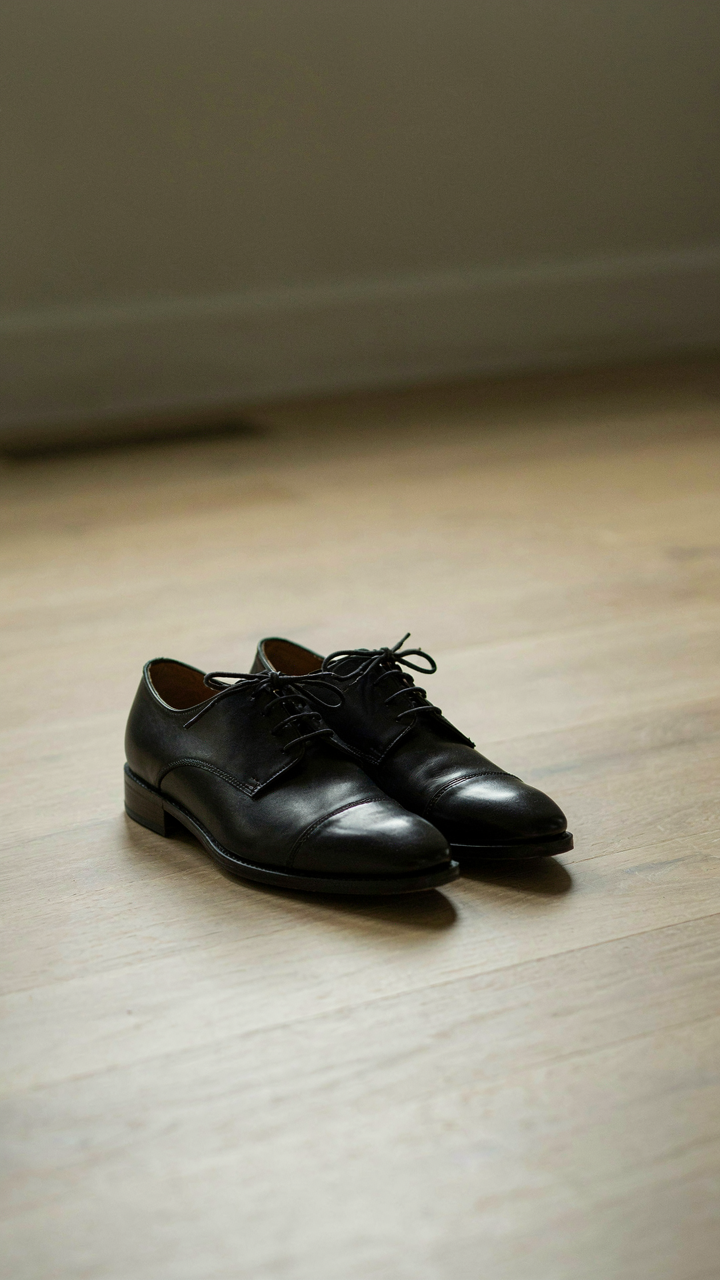
Shoes That Ground Your Entire Presence
You care about this section because shoes signal whether you paid attention or showed up. Most people ignore footwear until the moment someone notices theirs is wrong, then it becomes the only thing anyone remembers. Shoes operate like load-bearing walls in architecture: they carry the weight of your entire outfit’s credibility. A polished shoe absorbs scrutiny. A scuffed or mismatched one invites it.

The rule people state is “wear black dress shoes.” That’s incomplete. The actual mechanism is material-to-occasion matching. Leather shoes work for semi-formal rehearsal dinners because leather reads as intentional and maintained. Patent leather crosses into territory that reads as trying too hard unless the dress code explicitly says black-tie. Suede signals casual even when styled formally, which creates a visual conflict. Choose full-grain or smooth leather in black or dark brown, ensure the heel isn’t worn down, and clean the uppers before you arrive. Scuffs and salt stains broadcast neglect.
The Final Layer That Closes The Loop
Grooming finishes what clothing starts. Most people think this means cologne and a haircut. It actually means removing the evidence that you dressed in a hurry. A rehearsal dinner is not casual enough to excuse visible lint, a wrinkled collar, or a necktie that’s been folded in a suitcase for three days. These details cost zero dollars to fix and take five minutes to address.
Check your fingernails, trim any visible length, and clean underneath. Iron your shirt if it’s cotton or linen. Use a lint roller on your jacket and trousers immediately before entering the venue. If you wear a watch or jewelry, make sure it’s clean and not tarnished. The mechanism is simple: you’re removing friction points that distract from the outfit itself. Finish by verifying your hair is combed and your shoes are free of dust. This is the protocol step that separates “I got dressed” from “I prepared.”
Beyond The Outfit: Projecting Confidence And Intent

The Body Language That Matters More Than Fabric
You’re worried people will judge you for getting the outfit wrong. Here’s what actually happens: people judge you for how you carry it. Your outfit is the stage prop. Your posture, eye contact, and movement are the performance. Think of it in terms of signal theory from communication design: your clothes transmit a static message, but your body language transmits intent. A well-fitted shirt worn with slouched shoulders reads as insecurity. The same shirt worn with your shoulders back and chest open reads as someone who belongs there.
Rehearsal dinners operate on tight social bandwidth. Everyone’s watching the couple, but they’re also calibrating where you fit in the room. Stand still. Make eye contact when you speak. Don’t fidget with your phone or constantly adjust your clothes. These aren’t etiquette rules—they’re baseline credibility mechanics. Your outfit only lands if your body language supports it. Slouching undermines even expensive fabric.
The Impression That Sticks After You Leave
Most advice tells you to “be yourself” at a rehearsal dinner. That’s useless. You need to be the version of yourself that shows up on time, remembers names, and doesn’t make the moment about you. Your outfit sets expectations. Then your behavior confirms or violates them. Show up early—this signals respect for planning and removes rushed energy. Speak less than you think you should. Listen when others talk. Ask one genuine question about the couple’s story instead of steering conversation back to yourself.
The real lever here is consistency between what you wear and how you act. If you’re dressed formally but constantly checking your watch, that’s a mismatch that reads as dishonest. If you’re in business casual but fully present and engaged, people remember the presence. Before you leave the rehearsal dinner, make sure the couple knows you were there—not because you talked the most, but because you showed up in both outfit and attention. That’s the only impression that matters.
The Only Dress Code That Matters: Your Own Unapologetic Signature
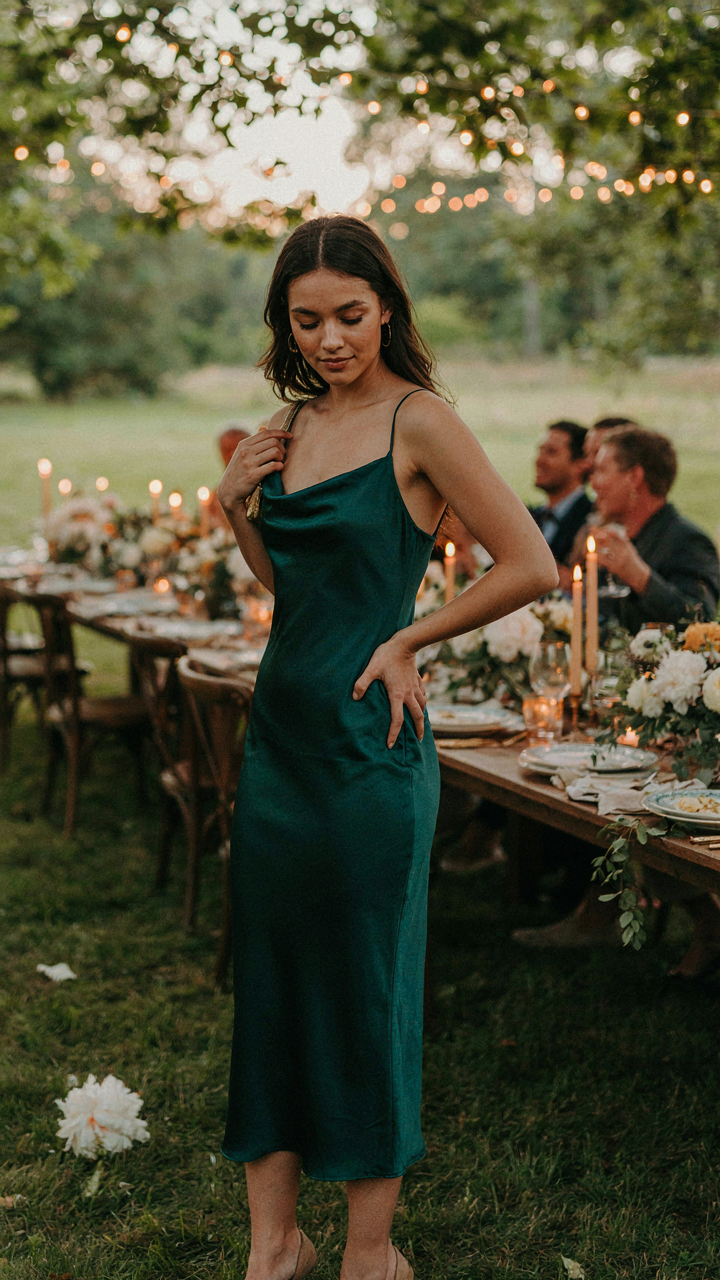
Stop treating dress codes like prison rules. The rehearsal dinner exists to celebrate, not to suffocate you. Pick one piece that makes you feel like yourself, build around it, and commit. Your confidence reads louder than any label. Send one photo to the couple today asking if your choice works. If they approve it, you’re done thinking. The best outfit is the one that lets you actually show up instead of hide.