

The “Intimate Ceremony” Fallacy: It’s Not A Backyard BBQ
What Intimate Actually Means
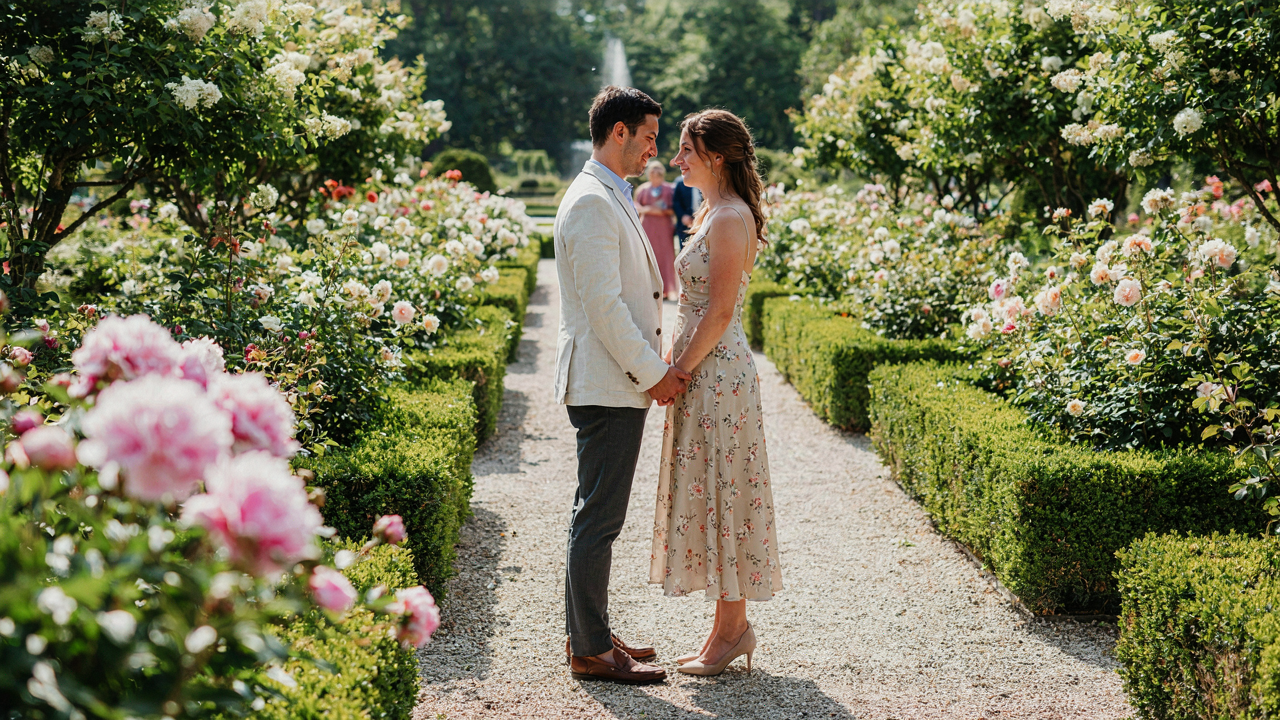
You’re worried that showing up overdressed will make you look out of touch. The mechanism is this: couples use “intimate” to signal emotional closeness, not dress code laxity. Intimate means fewer guests, tighter circle, higher visibility per person. Everyone notices what you wear because there are thirty people, not three hundred. The stakes go up, not down.
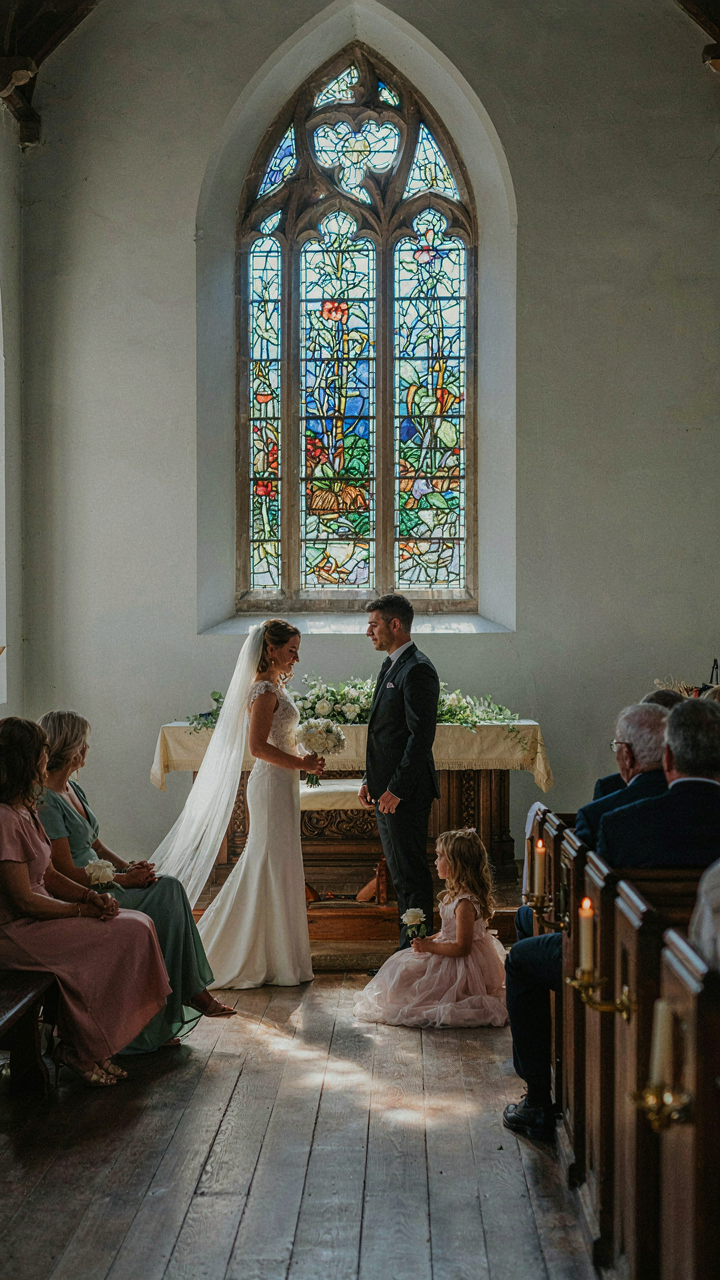
Guest count and venue proximity create optical pressure. In a backyard or small chapel, your outfit registers in the couple’s peripheral vision for the entire ceremony. Fabric quality, fit, and grooming become legible at close range. You cannot hide in an intimate setting the way you can in a ballroom. This is why intimate ceremonies demand more intentional choices, not fewer.
Reading The Actual Dress Code
Most couples state formal, semi-formal, or casual, but the words mean different things depending on context and geography. Formal at a vow renewal in a city hotel follows black-tie convention: tuxedo or evening gown. Formal at a backyard garden party in a rural area means “nice clothes without a jacket requirement.” Semi-formal is the worst descriptor because it attempts to exist between two clear standards and fails at both. Ask a direct question if the invitation doesn’t specify venue type and time of day.
The couple’s age, their previous wedding style, and the guest list composition all signal intent. A renewal after twenty-five years typically skews conservative in dress. A renewal celebrating a remarriage often runs less formal. Weekend afternoon events lean casual. Evening events lean formal. Never rely on the word “intimate” alone to set your outfit strategy. Treat it as a data point among several, then cross-reference with the other variables you can actually observe.
Beyond The Little Black Dress: Strategic Color Choices

Why Black Defaults To Funeral Energy
You wear black because you think it’s safe. That’s the real calculation happening. But at a vow renewal, safety reads as distance. In color theory, black absorbs light and attention rather than reflecting it. At an intimate ceremony, you want to participate in the energy, not withdraw from it. Black works at formal galas where anonymity is the goal. Vow renewals operate on different rules. The couple chose intimate for a reason.

The mistake isn’t wearing black. The mistake is wearing it as a cop-out. If you choose black deliberately because it complements your skin tone or pairs with a specific texture, that’s strategy. If you choose it because you own five black blazers and didn’t think, you’ve signaled that the event didn’t warrant deliberation. The mechanism is simple: intention shows. Guests pick up on whether you dressed to be present or dressed to disappear.
Mood Architecture Through Selective Saturation
This is basic signal design. Your outfit either dampens or amplifies the emotional register of the room. Soft jewel tones, warm neutrals, and muted earth tones all communicate “I’m here to celebrate with you” without broadcasting ego. Bright primaries or high-contrast patterns do the opposite. They demand attention, which pulls focus from the couple.
The protocol is straightforward: match your color saturation to the ceremony’s intimacy level. Smaller, candlelit settings need softer palettes. The color should feel like it belongs to the environment, not compete with it. Choose one dominant color that flatters your complexion, then layer with neutrals or complementary undertones. Test it in natural light before the event. Your outfit should make people notice you’re present, not notice your outfit.
The “Celebrities” Effect: Red Carpet Rules Don’t Apply
Why Celebrity Trends Miss The Mark
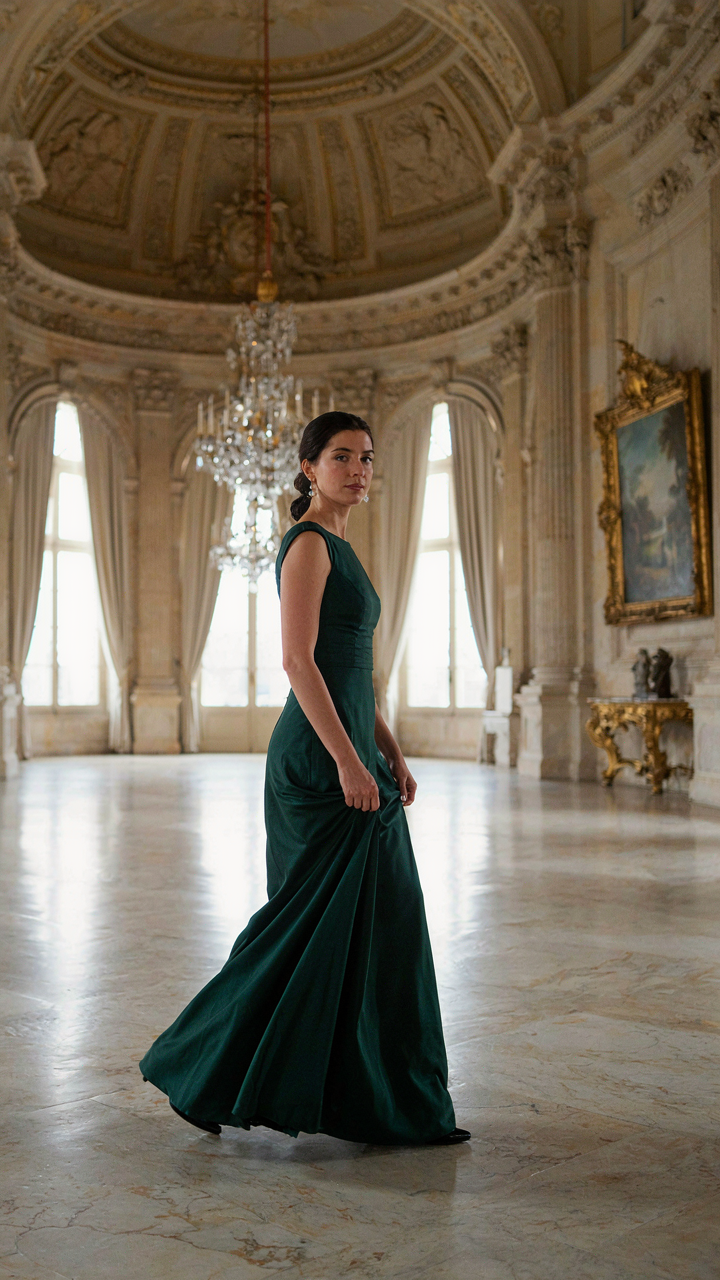
You’re looking at what celebrities wore because you think it signals what’s correct, but the mechanism at work here is pure context collapse. Red carpet dressing solves for cameras, lighting rigs, and an audience of strangers. A vow renewal solves for intimacy, movement through real spaces, and people who know the couple. These are opposite problems wearing the same label.

Celebrity style at formal events exists inside a system: professional styling teams, tailored pieces, controlled environments, and image management as the actual job. Copying the output without the infrastructure produces costume, not outfit. The couple’s guests aren’t performing for publication. They’re present for a moment. That distinction erases most of what makes red carpet logic relevant.
Fit The Room, Not The Algorithm
The common advice here is garbage: “dress like you’re going to a wedding.” That’s lazy because vow renewals aren’t weddings. They’re smaller, more personal, and the dress code isn’t about proving formality to strangers. It’s about matching the actual temperature, duration, and intimacy level of the gathering.
Authenticity in this context means reading the room before you enter it. Ask the hosts directly about the setting: indoors or outdoors, how long you’ll be there, what the couple’s stated tone is. Then wear something that fits those specifics without borrowing borrowed-from-borrowed logic from unrelated events. Your outfit should signal you understood the assignment, not that you understood Instagram.
The Chiffon Maxi Protocol: Engineered Comfort & Elegance
Why Fabric Choice Actually Matters
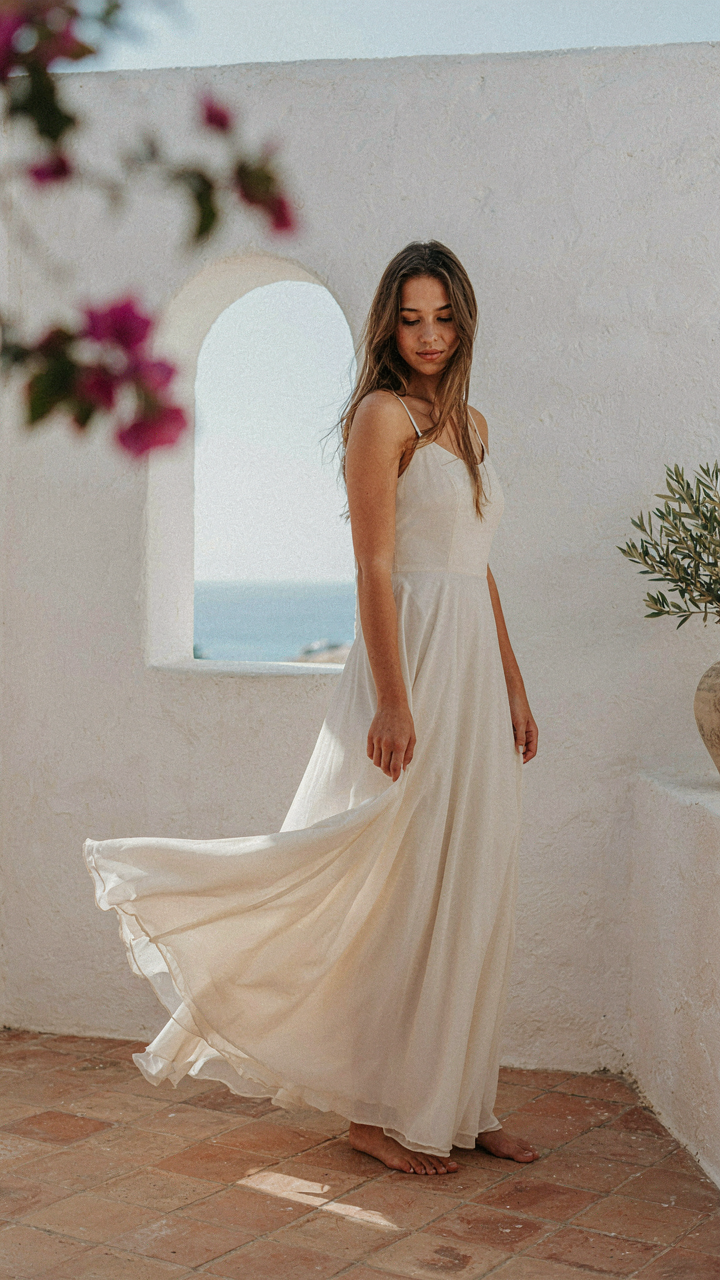
You care about this section because you don’t want to spend the ceremony adjusting your clothes instead of witnessing the moment. Textile science determines whether you’re comfortable or distracted, and most people ignore this until it’s too late. Chiffon works because of its weave structure: the fibers sit loosely enough to allow air circulation while the fabric weight keeps it from clinging to your body. The material resists wrinkles naturally due to its crimp recovery—the fiber’s ability to spring back after compression. Cotton and linen wrinkle visibly within hours; chiffon maintains its structure through a full event.

Breathability and drape operate on different mechanical principles. Breathability is about fiber spacing and weight per square yard, letting moisture vapor escape without trapping heat. Drape refers to how fabric falls and folds—chiffon’s semi-sheer quality and fluid construction create gentle movement without requiring constant adjustment. The double-weave structure common in quality chiffon adds durability without bulk. For a vow renewal where you’ll sit, stand, and move repeatedly, these properties compound to keep you present instead of fidgeting.
Silhouette Solutions For Every Frame
The standard advice about “wear what flatters you” is useless without mechanism. Chiffon maxi dresses work across body types because the fabric’s weight and flow counteract common fit problems simultaneously. A-line cuts add volume at the hip without clinging, solving the tension between coverage and comfort. Wrap styles create definition at the waist regardless of whether you have one naturally defined. Empire waists elevate fabric away from the midsection without requiring tight seaming.
- A-Line From Knee: Adds shape without restriction. Fabric falls from the hip, creating flattering proportions for pear and apple shapes without drawing attention to the torso.
- Wrap Front Design: Adjustable definition through tie placement. Works on straight and curved frames equally because you control where the visual break occurs.
- Empire Waist Positioning: Lifts the visual center point. Effective for both petite and tall frames when the seam sits at your actual narrowest point, not assumed sizing.
- Asymmetrical Hem: Creates line flow and disguises length issues. One side knee-length, other side ankle-length gives movement and adapts to different leg proportions without alterations.
- Layered Panels: Adds dimension without bulk. Multiple fabric layers create shape through light and shadow rather than tight construction, flattering all body compositions.
Tailoring the silhouette means understanding how chiffon’s behavior changes with your actual measurements. The fabric drapes differently on someone 5’2″ versus 5’10” wearing the same size. Have the maxi hemmed to your specific height and shoe heel, not to standard lengths. If the dress gaps at the back of the neck on your frame, a tailor adds a hook and eye closure in two minutes instead of you pulling the neckline up all ceremony.
The “Vow Renewal Dress” Myth: One Size Fits None

You Don’t Need A New Outfit
You’re worried you’ll look wrong, so you’re hunting for a category of clothing that doesn’t actually exist as a distinct thing. The mechanism is simple: the wedding industry profits when guests think every occasion requires a fresh purchase. A vow renewal isn’t a new event type that demands new inventory. It’s a ceremony with the same dress code expectations as any formal gathering. You already own pieces that work. The gap between what you have and what fits the room is a styling problem, not a shopping problem.

Most guests show up in clothes they’ve worn before because nobody cares about garment novelty. They care about fit, appropriateness, and whether you look put-together. The “vow renewal dress” is marketing friction designed to make you feel like your existing wardrobe is insufficient. It isn’t. A cocktail dress from last year, a blazer from two seasons ago, or formal separates you’ve owned for five years do the job if the fabric doesn’t look tired and the silhouette still reads as intentional.
Retrofit What You Already Have
Borrowing from inventory management, treat your closet as existing stock that needs repositioning, not replacement. A dress becomes fresh through accessories, not through being new. Swap out a casual necklace for structured pieces. Change shoes from everyday to formal. Add a wrap, clutch, or statement earring that signals occasion without requiring a complete outfit rebuild. These are single-point interventions that multiply perceived newness without multiplying expense or waste.
The tactical move is constraint-based styling. Work with three existing pieces you know fit well, then layer one strong accessory that makes the combination feel intentional. A simple black dress becomes vow renewal appropriate with a quality clutch and a specific metal tone in your jewelry. Formal trousers work with a silk camisole and a structured jacket you already own. The protocol is straightforward: identify the piece in your existing wardrobe that’s already closest to the vibe, then add one accessory that anchors it to the occasion rather than swapping the entire look.
The “Wedding Guest Outfits Women” Remix: Borrow From Biology

Mimicry In Nature Adapting To The Ceremony’s Ecosystem
You’re worried you’ll look wrong. That fear is real, but it’s also the mechanism that kills good decisions. In ecology, mimicry is when organisms match their environment’s visual and behavioral signals to survive without triggering alarm. Your vow renewal guest outfit works the same way. The ceremony has an ecosystem: formality level, color temperature, venue architecture, time of day. You don’t match it to disappear. You match it to signal that you belong and respect the space the couple created.

Most guest outfit advice ignores this entirely. It tells you to wear what makes you comfortable or what flatters your body. Both miss the point. The environment came first. A linen dress that reads casual at a black-tie vow renewal doesn’t fail because it’s not flattering. It fails because it breaks the visual contract. Read the ceremony details, the venue photos, and what the couple wore in their original wedding photos. That’s your ecosystem data.
Symbiotic Fashion Complementing The Couple Without Overshadowing
Symbiosis in biology is when two organisms coexist in a relationship that benefits both. Your outfit should do this with the couple’s visual narrative, not compete against it. The couple is the focal point. Your job is to occupy the visual field around them in a way that strengthens their presence, not dilutes it.
The common mistake: choosing an outfit that works in isolation. You pick a bold pattern, a statement color, or a structured silhouette that looks sharp on its own. Then you stand in the ceremony room and realize you’re anchoring the eye away from the people renewing their vows. The fix is mechanical. Choose one focal point in your outfit and mute everything else. If you wear a jewel-tone dress, keep jewelry minimal and shoes neutral. If you wear statement earrings, wear a solid-colored top and bottom. If the ceremony theme is garden-formal, lean into that language rather than creating a competing aesthetic.
Things To Ditch: The De Cluttering Wardrobe Method
Shiny Fabrics And Outdated Formality
You’re worried you’ll look cheap or underdressed, so you reach for the shiniest thing hanging in your closet. This is the opposite of what works. Think in terms of signal-to-noise ratio from information theory: shiny fabrics broadcast visual noise and distract from your actual presence. Polyester blends with high gloss finishes read as costume, not intentional dressing. They date faster than any other category because they announce their own artificiality.

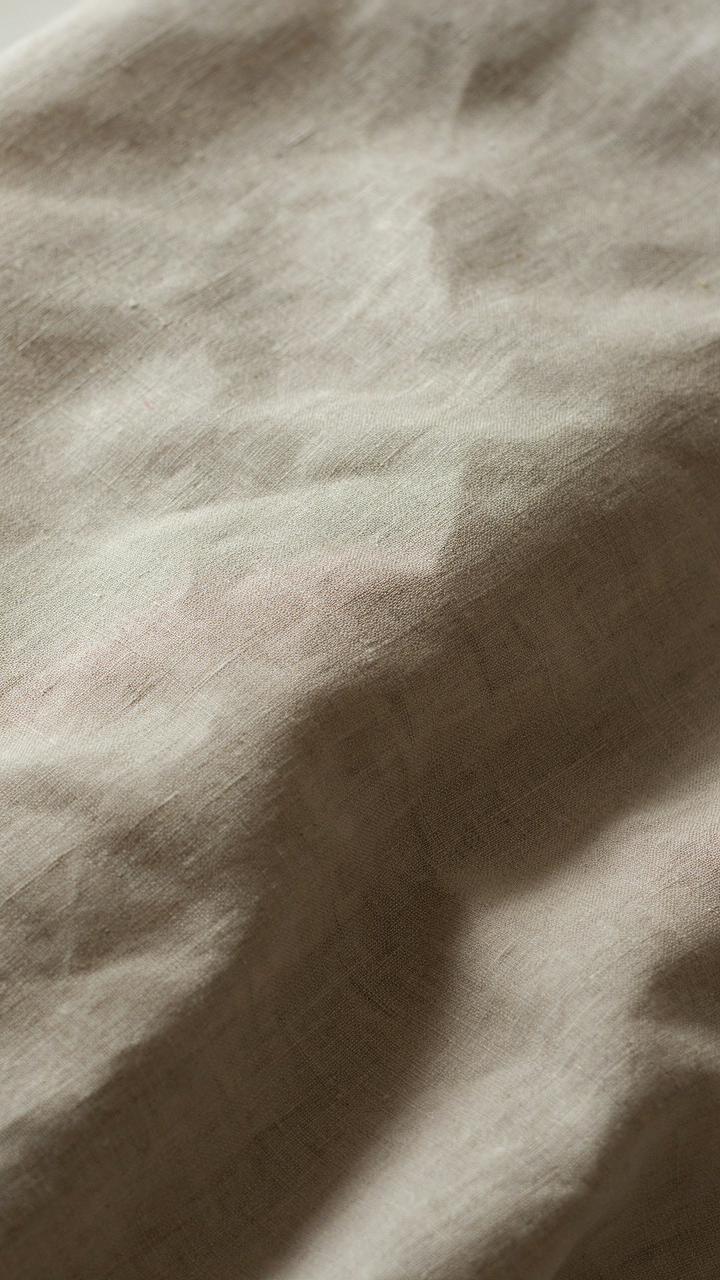
The mechanism is simple. Shiny materials reflect light indiscriminately, which means they show every wrinkle, movement, and flaw. A vow renewal is not a performance where you need theatrical costume. Cotton blends, linen, wool, and quality synthetics with matte finishes absorb light and appear intentional. They signal restraint, which is the actual marker of sophistication at formal events. Ditch anything with a petroleum sheen and replace it with natural or natural-like textures.
Casual Pieces That Signal Carelessness
Common advice says casual is fine at intimate ceremonies. That’s lazy thinking. Casual doesn’t mean sneakers and a t shirt, but it also doesn’t mean jeans or resort wear masquerading as “comfortable.” The problem is that casual pieces at a formal event read as either lack of effort or misunderstanding of context. A vow renewal guest outfit requires the same dress code respect you’d show a wedding, not the flexibility of a backyard barbecue.
Ditch cargo shorts, athleisure, oversized tees, and anything designed first for comfort and aesthetics second. These pieces announce that you didn’t think the event mattered enough to make a choice. Replace them with structured trousers, fitted midi skirts, or tailored dresses that fit your body without requiring adjustment. The rule: if you’d wear it while running errands, it doesn’t belong at a vow renewal.
Loud Patterns And Visual Competition
Patterns that demand attention work against you at someone else’s renewal ceremony. Busy florals, neon geometric prints, and bold animal patterns pull focus from the couple and broadcast that you came to be noticed. This is the anti-mechanism: you become the loudest object in the room, which registers as poor judgment to everyone watching. Loud patterns also date rapidly because they’re trend-dependent and lack staying power.
Ditch anything with patterns that cover more than thirty percent of the garment or require a second glance to process. Stick to solid colors, subtle textures like tone-on-tone patterns, or minimal prints like small polka dots or thin stripes. If the pattern is visible from ten feet away and demands interpretation, it’s too loud. Neutral palettes with texture variations appear more sophisticated and ensure you’re supporting the event, not competing with it.

Accessories As Amplifiers: The Silent Language Of Style
When Less Actually Controls The Room
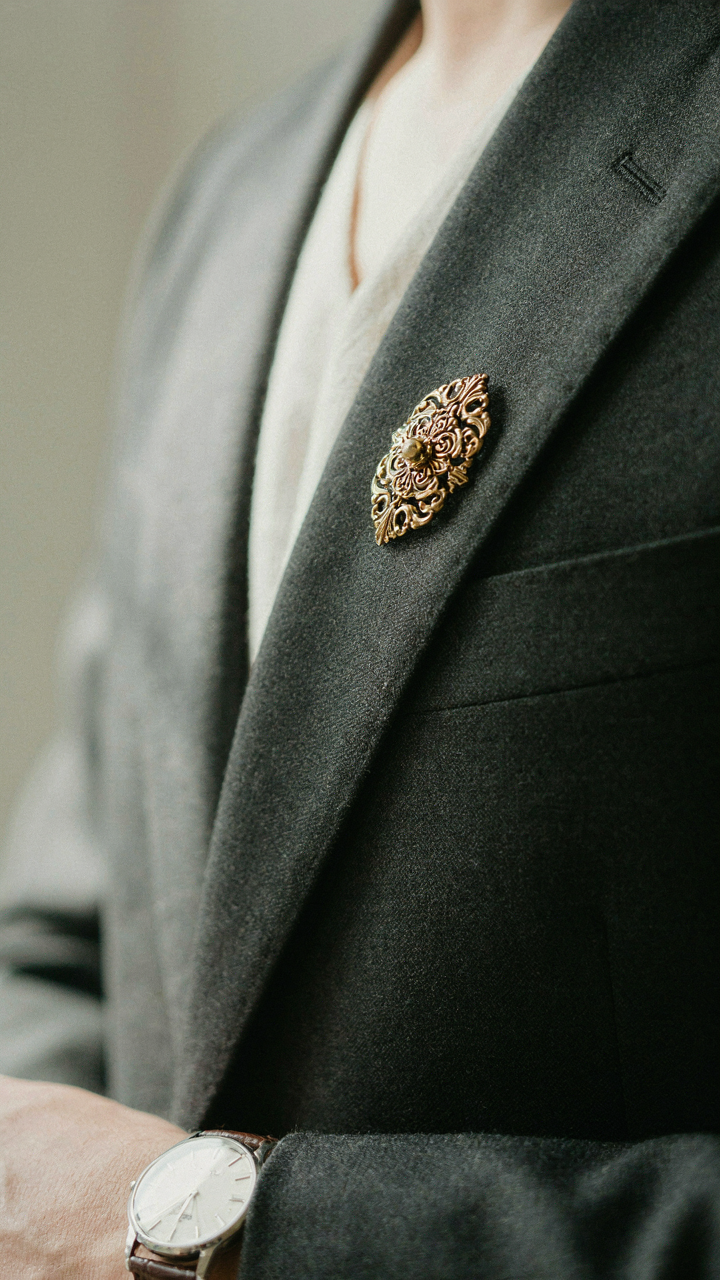
You’re worried that showing up without statement pieces means you’ll blend into the background. That’s backwards. Accessories work like leverage in physics: a small, precisely placed object moves the entire system. In vow renewal settings, restraint concentrates attention. One quality piece—a watch, a clutch, a pin—signals intentionality. Generic abundance signals the opposite. The mechanism is scarcity: your eye tracks what’s rare, not what fills space.
Most advice says “add personality through accessories.” That’s lazy. Personality means editing ruthlessly, not accumulating. A silk pocket square or vintage brooch works because it breaks the visual rhythm of a formal outfit without competing for dominance. The rule: each accessory must earn its place by either anchoring the look or creating a single focal point. Nothing else. Choose metal finishes that match existing jewelry—gold to gold, silver to silver—to avoid the fragmented look that reads as indecision.
Where You Stand And What You Carry
Footwear choice isn’t about comfort versus style. It’s about the physical demands of the event and the visual weight your shoes carry in relation to your outfit. An intimate vow renewal typically involves standing for thirty to ninety minutes, walking across uneven terrain or carpeted rooms, and possibly dancing. Hard-soled heels on marble? Practical failure. Flats that ground your proportions? Strategic success. Bags follow the same logic: carry the minimum required—phone, keys, card holder—and choose a bag whose scale matches the formality level without creating visual bulk.
Material and fit matter more than trend. A structured leather bag in neutral tones works across multiple outfit combinations and ages gracefully. Shoes should feature cushioning or flexible soles because nobody remembers how you looked while limping. The protocol is simple: test your footwear in the actual location if possible, or choose only shoes you’ve worn for extended periods. This removes the variable of last-minute discomfort destroying your presence for the entire event.

The Real Obstacle Isn’t The Dress Code; It’s Your Fear Of Authentic Self-expression
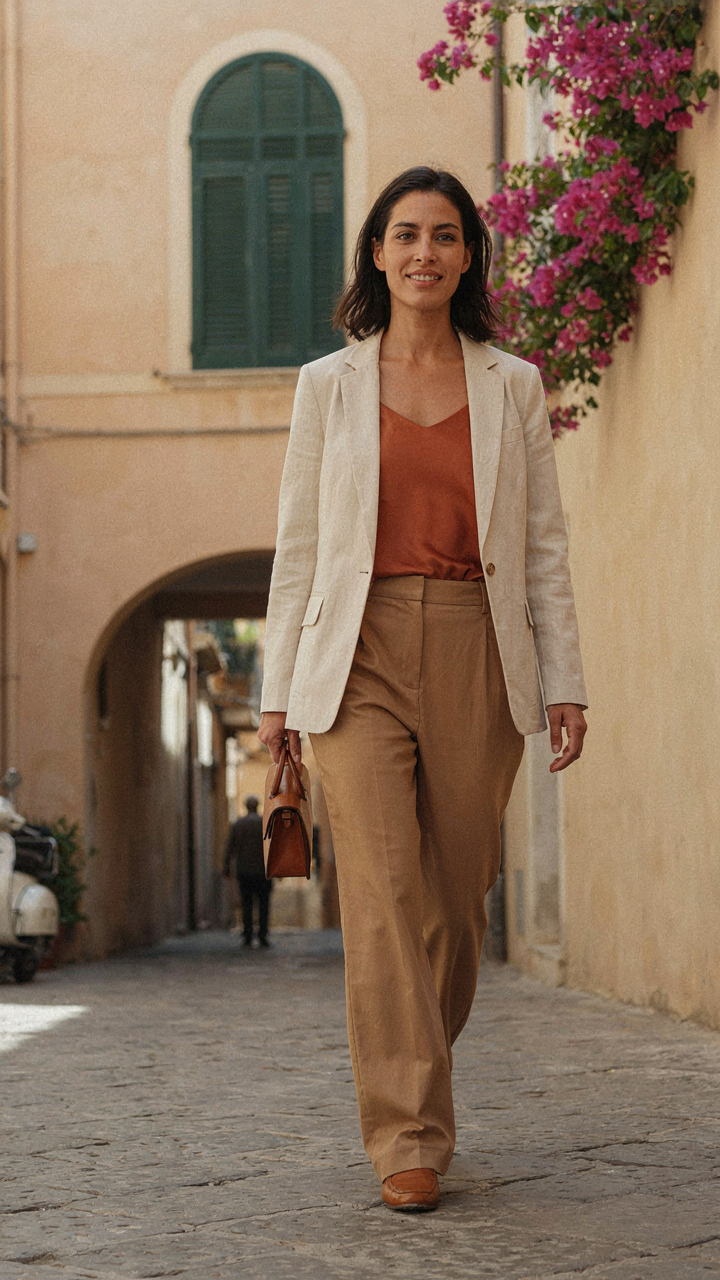
You’re overthinking the vow renewal guest outfit because you’re afraid people will judge you. They won’t. They’ll notice confidence instead. Stop dressing for the ceremony and start dressing for yourself. Pick one piece that makes you feel like the best version of you, build around it, then stop second-guessing. Your outfit choice signals whether you trust yourself or not. Everyone reads that signal instantly.



