

The Un Drenched Protocol: Strategic Fabric Choices
Water Resistant Fabrics Beyond Ponchos
You’re worried about looking cheap or desperate in weather gear—that’s the real problem here. The mechanism is this: water resistance exists on a spectrum. Most wedding guests think in binaries—either you’re dry in a plastic poncho or wet in silk. The middle ground solves it.
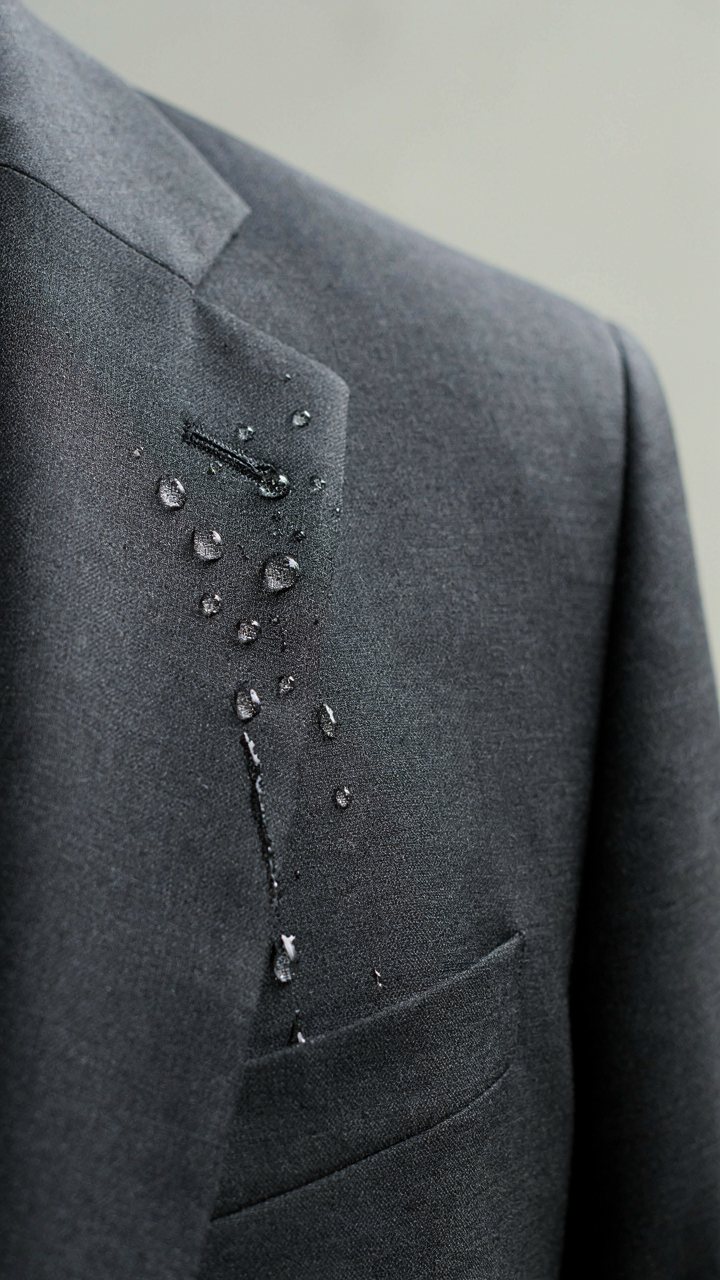
Wool blends and linen-cotton crosses shed water without the crinkle. They absorb slower than pure cotton, which means you stay drier longer before the fabric fully saturates. Nylon blends woven tight enough repel initial moisture. The key is weave density and fiber type, not coating. A structured jacket in a dense wool-synthetic blend functions better than a thin “water-resistant” sprayed cotton.
Quick Dry Synthetics Function First
Everyone tells you to prioritize style in rain. That’s backwards. Function determines whether you’ll actually wear the outfit, which determines whether you look presentable at all—that’s the real fashion equation.
Polyester and nylon dry three to four times faster than natural fibers after saturation. This matters because you’ll spend time outside between car and venue, photos, and cocktail hour on a patio. Synthetic blends dry while you’re moving through the event. A blazer or dress constructed from sixty percent polyester, forty percent wool dries measurably faster than pure wool and won’t wrinkle the same way when wet. Choose the synthetic blend and accept the shift in hand-feel over comfort that disappears within hours.
Footwear: Beyond The Decorative Disaster
Waterproof Boots That Actually Work
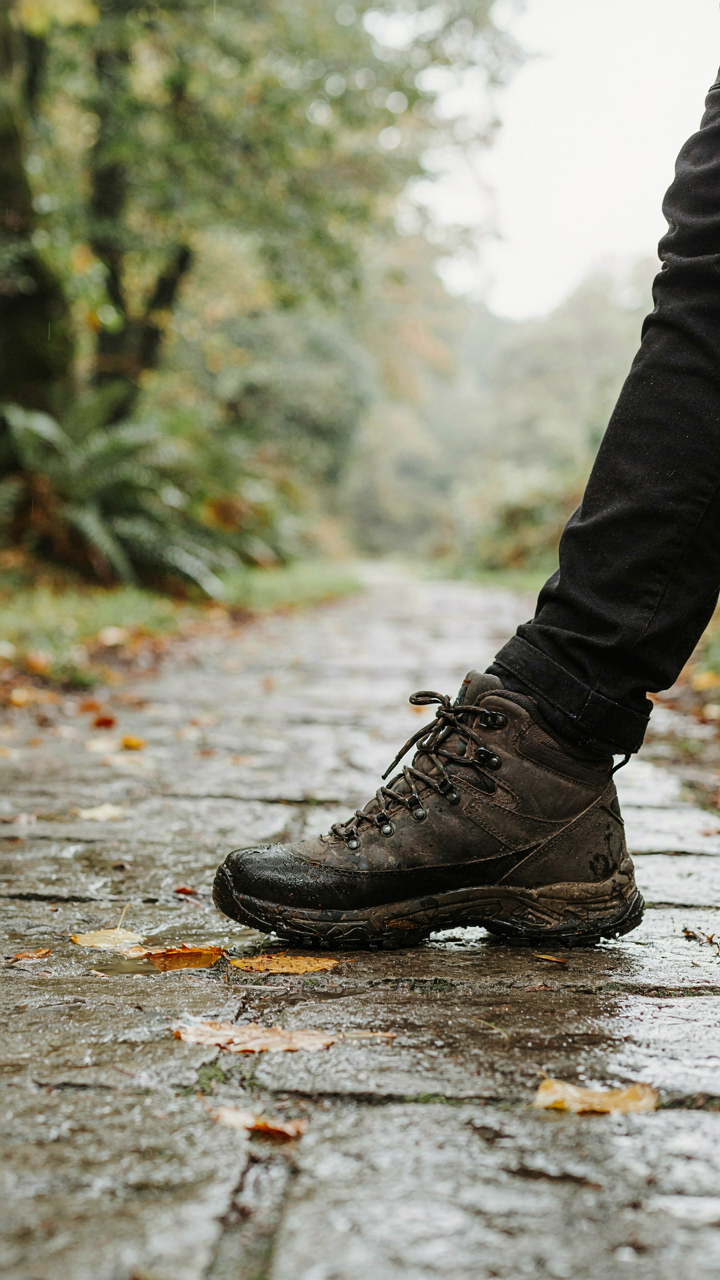
You want to look composed while your feet stay dry because wet shoes telegraph panic to everyone watching. The mechanism is simple: waterproof boots fail when water enters from the top, not the sides. Most people buy boots marketed as waterproof, then wear them with pants that funnel rain directly into the shaft. Sealed construction matters, but entry point management matters more. Boots with a rolled or folded cuff, paired with pants that sit on top of the boot rather than tucked into it, create a redirect system that sheds water before it reaches your foot.

Real waterproof boots use either genuine leather with wax treatment or synthetic materials bonded at the seams. Leather requires maintenance before the event, wax reapplication every few months. Synthetic options from brands that manufacture for outdoor work—not fashion—stay waterproof longer without fussing. The fit must be tight enough that water can’t pool in dead space, but loose enough that your heel doesn’t slip when walking on slick ground. Test any boot on wet pavement for a full minute before the wedding day. If water seeps in during that test, it will seep in during the ceremony.
Weight Distribution On Unstable Ground
Physics calls this traction, and it applies directly to your stance on wet grass. A heavy heel concentrates your body weight into a point, which pierces the soil surface and destabilizes you. Flat soles, or soles with a wider heel base, distribute pressure across a larger area and keep you planted. Grass when wet becomes a yielding surface that collapses under concentrated force. The solution is not a heel-free shoe—it’s a heel with a broad base and a sole designed to grip, not slide.
Rubber soles grip wet grass better than leather. Deep treads work better than smooth ones. The best move is a hybrid boot with a reinforced toe area, a broad heel, and deep rubber tread designed for outdoor terrain. Test the grip on a wet surface before committing. Walk in a straight line, then turn sharply. Your foot should catch and hold, not slip sideways. Choose footwear where your full foot engages the ground with each step, not just your heel and toe.
The Layering Imperative: Adaptive Systems For Wet Wedding
Start With Fabric, Not Fashion
You’re worried about looking underdressed or overdressed while staying dry. The real problem is that most people treat layering as an afterthought instead of a system. Borrow from thermal dynamics: heat dissipation requires intentional material sequencing, not random clothing stacks. Your base layer isn’t decorative. It’s a moisture management tool. Synthetic fabrics like polyester and nylon pull sweat away from skin faster than cotton, which absorbs water and clings. Merino wool does this naturally while regulating temperature across a wider range. Cotton fails in wet conditions because it traps moisture against your body, making you colder and more uncomfortable as the day progresses.

Pick fabrics that work against humidity, not with it. A fitted synthetic undershirt or a thin merino blend worn under your dress or suit creates an invisible barrier that keeps you functional for eight hours, not just two. This is non-negotiable if you’re standing outside during a ceremony or photographs. The fabric choice determines whether you’re damp and miserable or barely aware you’re wet at all. Test your base layer beforehand. Wear it for a full day in similar conditions. If you feel clammy by hour three, switch materials before the wedding.
Outer Shells That Don’t Advertise
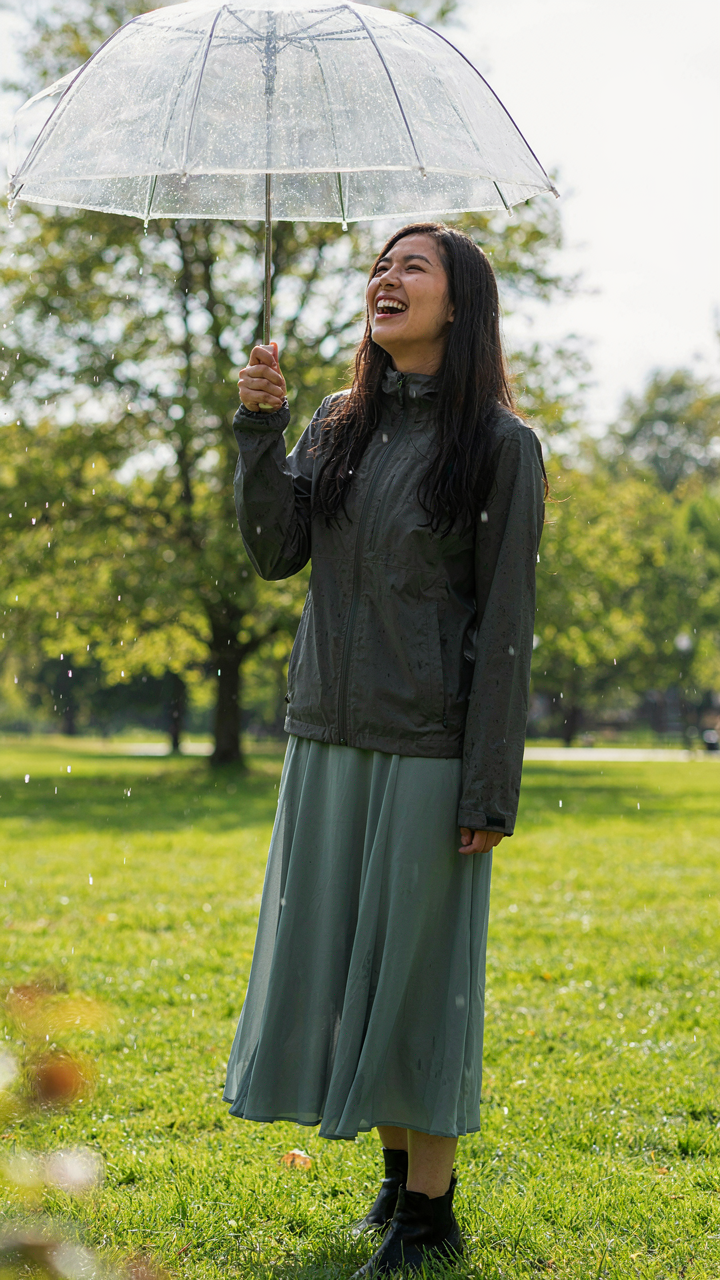
Forget the common advice that says “just throw on a blazer or cardigan.” That’s incomplete. You need a water-resistant outer layer that doesn’t broadcast that it’s raining. Outer shells work on permeability: they block liquid water while allowing vapor to escape, preventing the sauna effect that makes people sweat under rain jackets. Most wedding guests fail here because they choose between two bad options: looking like they’re prepared for a hiking trip, or getting soaked trying to look polished.
The solution is a structured outer piece in wedding-appropriate fabric. A wool blazer with a water-resistant coating sits between formal and functional. A silk-lined wool cape works if the dress code allows drama. For women in dresses, a lightweight technical fabric shawl or wrap in a neutral color reads as intentional styling, not emergency gear. For men, a suit jacket with subtle water resistance handles light rain adequately. The key is that your outer layer matches the formality level of your outfit, not your weather preparation strategy. Carry the shell until you enter the venue, then store it cleanly so you’re not managing fabric during the ceremony.
Accessories: Tools, Not Trinkets For Rainy Date Night Outfit Summer
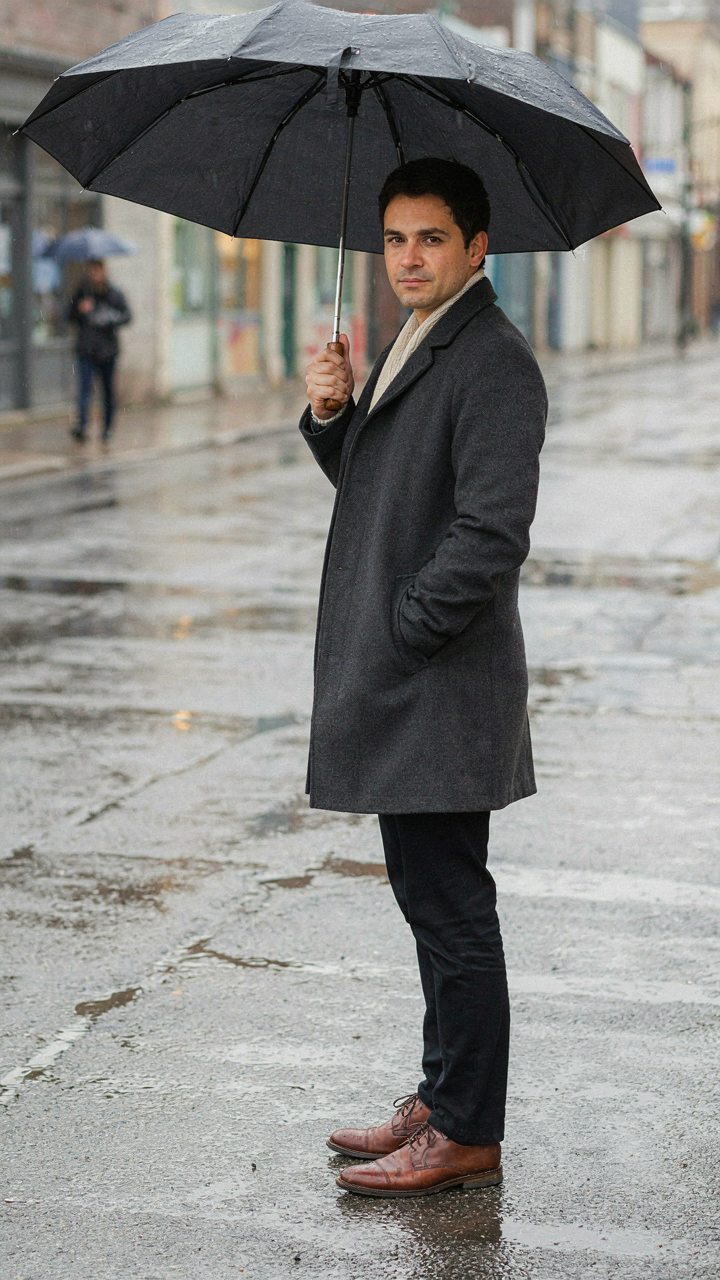
The Functional Umbrella: Robust And Elegant
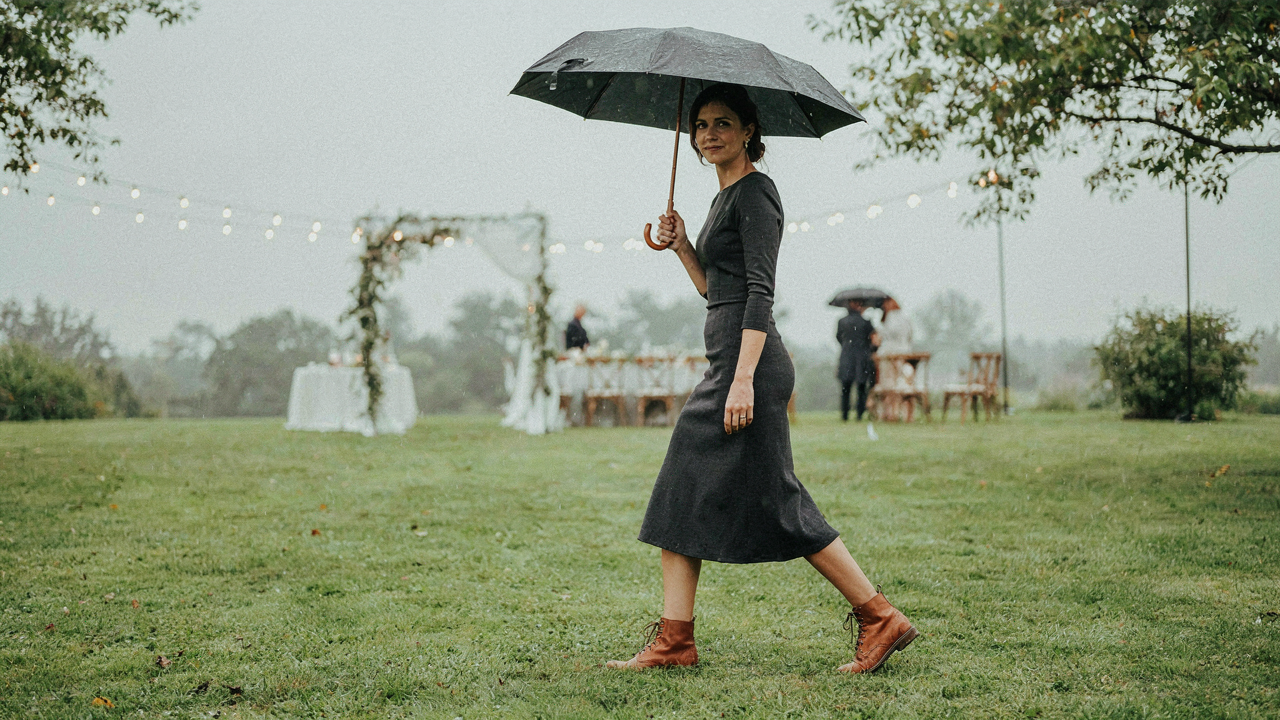
You want an umbrella that signals you planned ahead without looking paranoid about weather. The mechanism is simple: a quality umbrella collapses the gap between prepared and casual. Buy one with a wooden or metal handle, not plastic. The handle matters because you’ll hold it for hours. Wooden handles absorb sweat better than synthetics and age visibly, meaning they look intentional rather than like gear you grabbed at a gas station.

Size determines usability at outdoor venues. A standard 42-inch umbrella covers one person without looking absurd in photos. Larger umbrellas force awkward angles and make you shield others, which reads as either servile or controlling depending on the observer. Compact travel umbrellas collapse to eight inches but fail under sustained rain because their canopies tear easily. Pick something in the middle: durable enough to handle a three-hour outdoor ceremony, compact enough to fit beside your seat at dinner.
Minimalist Bag: Waterproof And Hands Free
Crossbody bags are the only real option here, and most advice skips why. Wearing a bag on one shoulder forces you to adjust it constantly when you move. A crossbody bag stays in place, keeps both hands free for drinks and conversation, and doesn’t slide off if you hug someone. The material must be either treated canvas or genuine leather that accepts water sealant.
Avoid structured bags with metal frames. Metal rusts unevenly, creates visible staining on fabric, and catches light in ways that look cheap in wedding photos. You need something that compresses slightly when wet, then recovers its shape as it dries. This is why leather and canvas work: both materials have cellular structure that tolerates moisture without permanent deformation. The bag should fit only what you need: phone, keys, lipstick, maybe a small umbrella if your main one stays at the coat check. Everything else gets left in the car.
Hair & Makeup: The Anti Meltdown Strategy
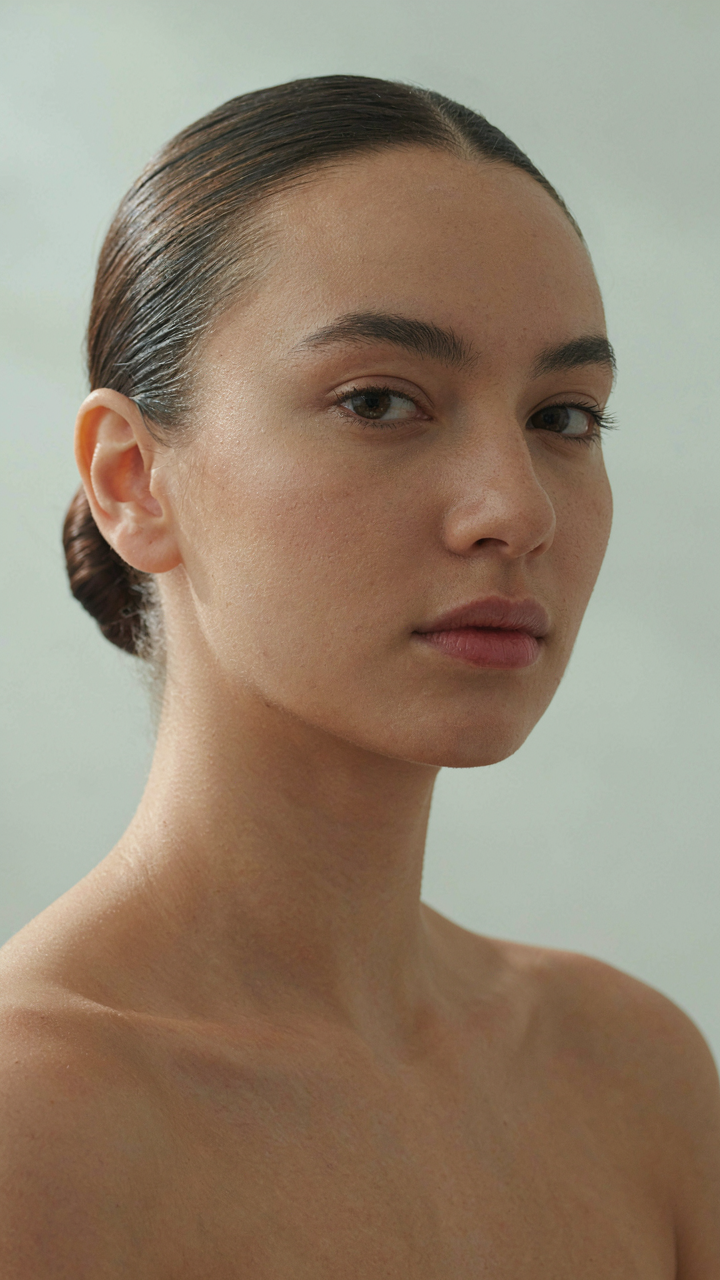
Humidity Proof Hairstyles Built To Last
You’re worried about looking disheveled in photos. That fear is rational, but it’s also the reason you’ll waste money on expensive products instead of understanding the actual mechanism. Humidity works like osmosis in biology: moisture moves from high concentration (the air) to low concentration (your hair shaft). Your hair absorbs water, swells, and frizz appears. The fix isn’t fighting humidity. It’s eliminating the moisture gradient entirely by styling hair that’s already saturated with water and product.

Start with damp hair, not dry hair. Apply a lightweight silicone serum or gel before blow-drying. Tight braids, low buns, or sleek ponytails outperform loose waves because they hold structure against moisture absorption. Avoid backcombing or teasing, which creates air pockets that trap humidity. Use a boar bristle brush during styling to seal the hair cuticle down. Pin everything with strong-hold clips, not loose elastics. The goal is zero movement and zero gaps where water vapor can penetrate.
Waterproof Makeup Prevents The Run
Standard makeup advice is incomplete: waterproof mascara alone won’t save you. The real problem is foundation and concealer, which break down under sustained moisture before your mascara ever matters. Use a silicone-based primer on clean, moisturized skin. This creates a water-resistant barrier that foundation clings to instead of sliding off. Layer your base products thin instead of thick, which actually holds better when wet because there’s less mass to slide.
For eyes and lips, cream products outperform powder formulas in rain. Cream eyeshadow stays put because it bonds to skin rather than sitting on top. Waterproof liquid eyeliner eliminates the smudge problem entirely. Matte liquid lipstick sets and resists moisture better than glosses or traditional bullets. Carry blotting papers and a compact mirror to check for breakdown points during the ceremony. Reapply lipstick once after the ceremony ends, before photos. This single protocol keeps your face intact from arrival through the reception.
The Chilly Wedding Outfit Guest Conundrum: Warmth Without Weight
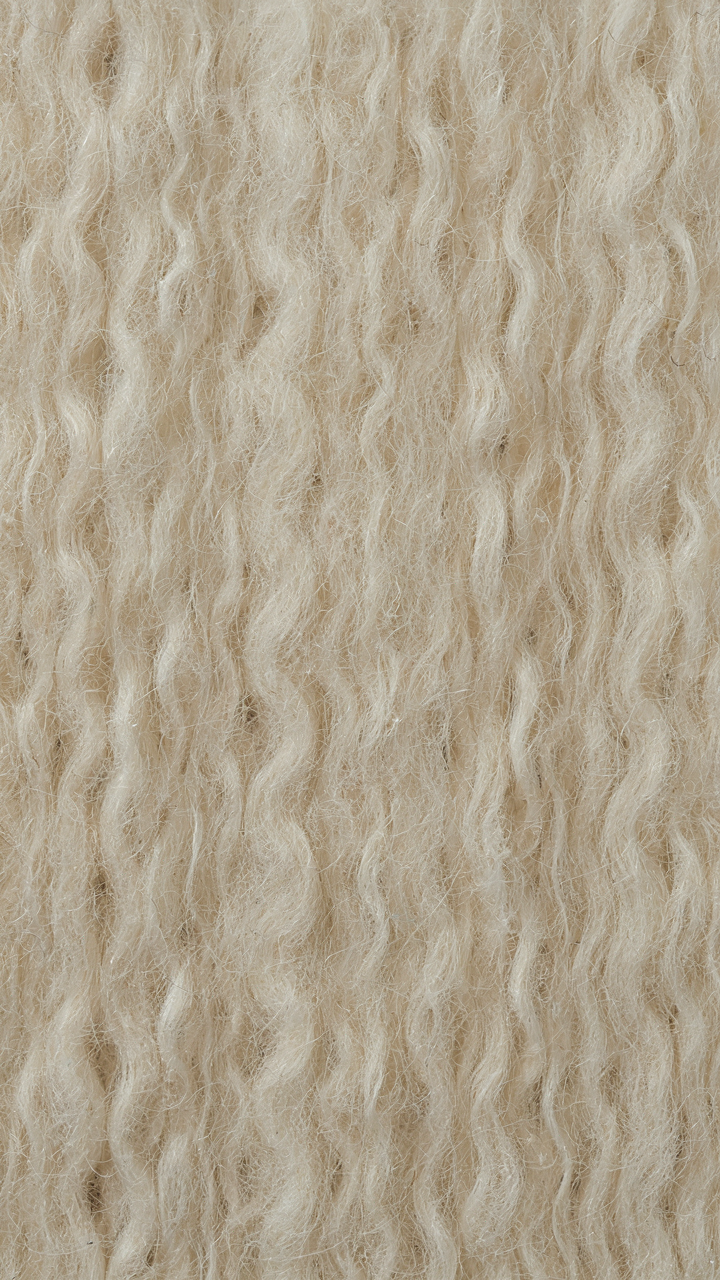
How Fabric Traps Heat Without Bulk
You’re worried you’ll look bloated under layers. That’s the real problem nobody states. Physics tells us heat transfer happens three ways: conduction, convection, and radiation. In outfit design, conduction matters most—it’s how cold moves from the environment into your body through direct contact. The mechanism that stops this is air pockets. Fabrics with tight weaves and internal structure trap dead air. This air doesn’t move, doesn’t conduct heat away. You need materials that create these pockets without adding visible volume.

Merino wool and silk blends outperform cotton here because their fiber structure naturally resists heat loss. A thin merino base layer under a fitted dress works better than a bulky sweater. The layer itself adds almost nothing to your silhouette but creates an insulation barrier. Your body radiates heat constantly. Tight-weave fabrics reflect that radiation back inward instead of letting it escape into wet air. This is why fitted pieces under your dress beat oversized cardigans every time.
Thin Layers, Maximum Retention
The common advice says “layer up.” That’s incomplete. Layering only works if each layer serves a specific function and sits close to skin or garment. Air gaps between layers don’t insulate—they create convection currents that pull warm air away from your body. Biology shows us that mammals conserve heat by reducing surface area exposure and maintaining consistent micro-environments against skin.
Build your rainy wedding outfit this way: base layer (merino or silk blend) directly against skin, middle layer (fitted sweater or slip dress with long sleeves), outer layer (structured dress or sheath). Each piece contacts the one below. No gaps. No bunching. The total volume stays comparable to a single dress. You stay warm because the layers work as a system, not because you’ve piled on fabric. Remove or add one layer based on venue temperature, not on how many options you packed.
Color Palette: Beyond The Somber Hues
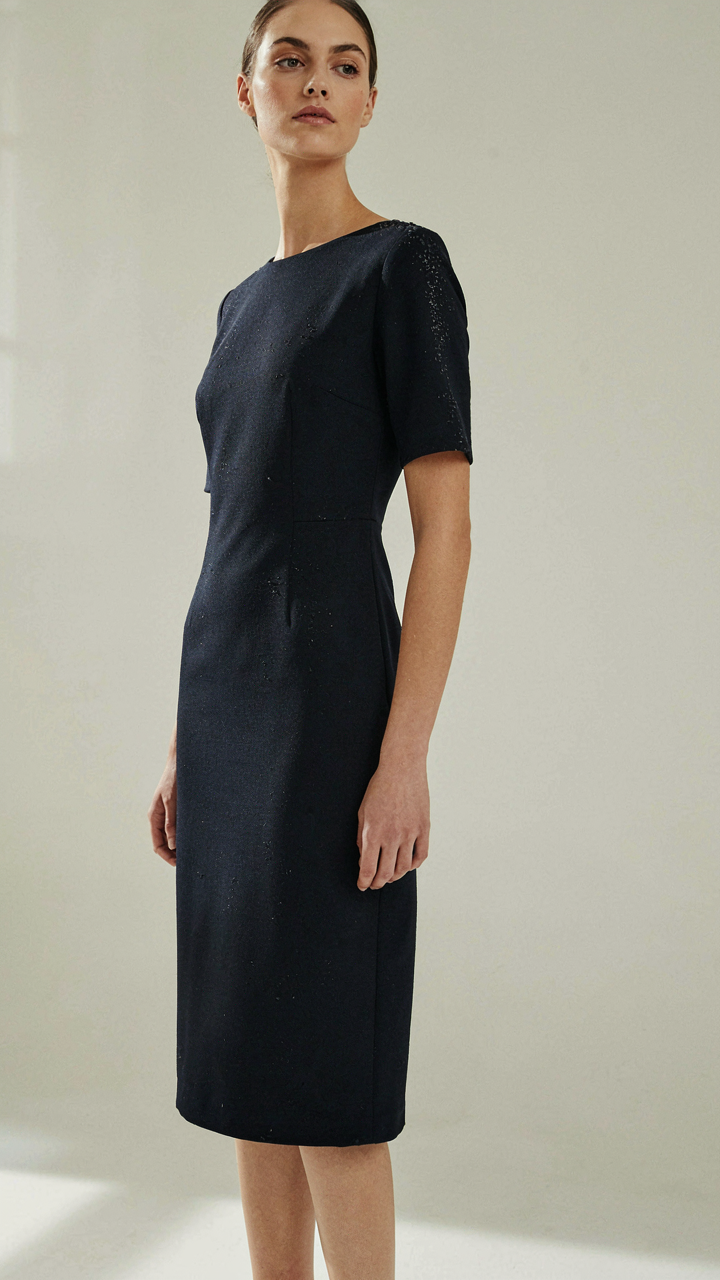
Darker Tones Hide What Matters
You’re worried people will notice you’re wet. That’s the real concern here, so let’s address the mechanism. Rain creates visible stains on fabric. Dark colors, particularly navy, charcoal, and black, absorb water without showing the wet spots that light fabrics broadcast. This isn’t about looking sad or blending into the venue. It’s about eliminating the visual evidence of weather damage before it registers in someone else’s mind.

The fabric composition matters more than shade alone. Wool, cotton blends, and structured synthetics darken visibly when wet but dry without permanent marks. Silk and linen show water stains that linger. Opt for a dark midi dress, tailored trousers, or a structured jacket in materials that tolerate moisture. Pair these with closed-toe shoes in matching dark tones. The cohesion hides minor water damage across your entire outfit, not just one piece.
Color Blocks That Fight The Gray Sky
Borrowed from visual design hierarchy: contrast is what the eye actually registers first, not the background. Rainy day wedding guest outfits fail when they merge with the gray environment. A dark base with one concentrated pop of color in the accessories or upper layer creates visual weight that opposes the dull conditions rather than surrendering to them.
Strategic color placement requires precision. Place your accent color in high-visibility zones: a jewel-tone clutch, a silk scarf, structured jewelry, or a blazer layer. Emerald, burgundy, and deep teal survive gray light without fading into the weather. Avoid pastels entirely—they disappear in overcast conditions. The color placement must be removable or concentrated enough that if it gets wet, the outfit doesn’t collapse. One strong accent restores visual presence without competing with the wedding itself.
Dress Silhouettes For Movement And Dryness: ‘Romantic Maxi Dress’ Reinvented
Why Floor Length Fails In Rain
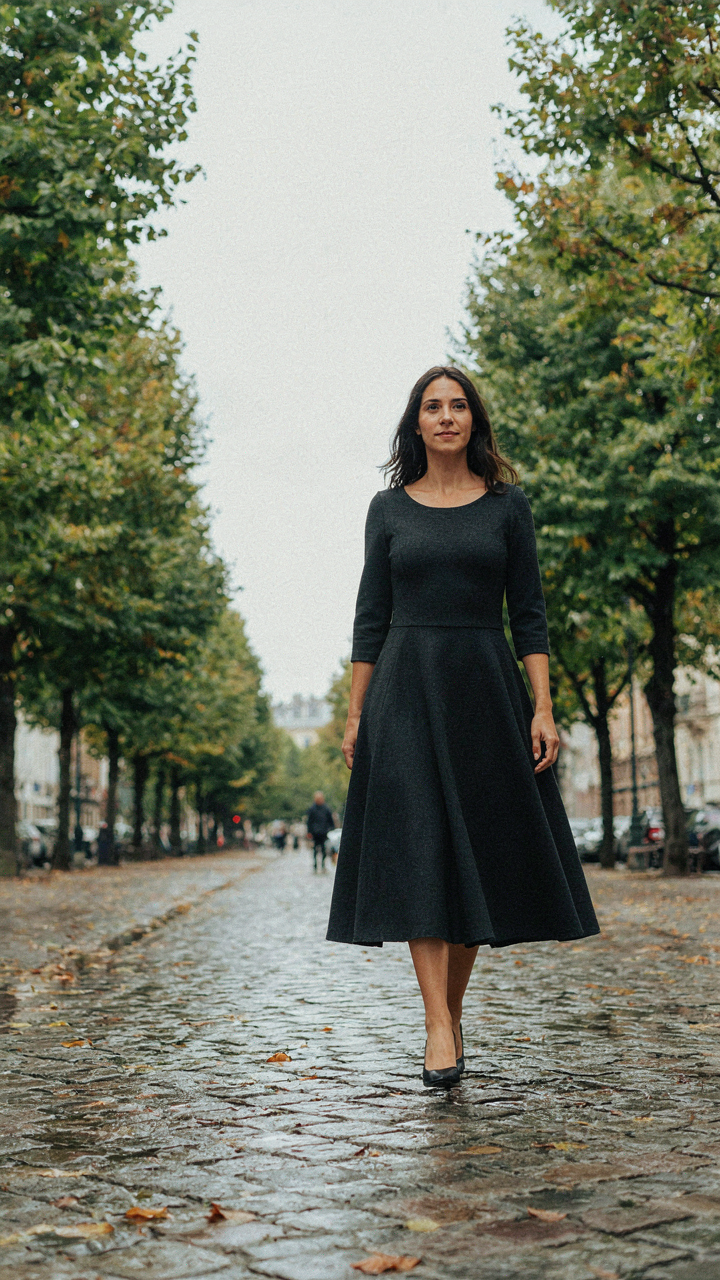
You want to look polished without looking paranoid about the weather—that’s the real concern here. Floor-length hems absorb water like a mop head. Wet fabric clings to your legs, weighs down the dress, and turns a $200 gown into a dragging liability. The mechanism is simple physics: surface area meets gravity. More hem touching ground means more water transfer, faster saturation, and visual evidence that you didn’t plan ahead.

A midi or knee-length cut eliminates this problem entirely. Your dress moves with you instead of against you. The fabric stays visible and dry for the ceremony photos. You sidestep the whole category of disaster where you’re hiking a wet hem up your leg all night, which kills every posture and silhouette you paid attention to.
Drape That Sheds Water, Not Clings
Fabric selection matters more than cut in rain. Microfiber, silk blends, and structured cotton repel moisture better than raw linen or jersey knits. The principle from textile engineering applies here: fiber density and weave tightness determine water repellency. Loose knits absorb; tight weaves shed. This isn’t about wrinkle resistance—it’s about how the fabric behaves when wet.
- Microfiber blends: Engineered synthetic fibers with tight weaves that shed water and dry in hours rather than days of clinging damp.
- Silk charmeuse: High-sheen finish with natural water resistance; dries faster than cotton and holds its shape when damp.
- Structured cotton with finish: Cotton treated with a water-resistant coating maintains shape and reduces absorption without feeling plastic.
- Linen-cotton blends: Better than pure linen; the cotton blend reduces the moisture-holding properties while keeping breathability intact.
- Ponte knit: Dense, stable knit that resists clinging better than jersey and maintains structure even when slightly damp from humidity.
Avoid clingy fabrics entirely. A-line and empire waist cuts work better than bodycon silhouettes when rain is involved. The airflow between fabric and skin prevents that wet-clothing sensation that kills comfort and confidence. Your dress stays readable in photos instead of mapping every contour like it’s glued to you.
The “Smart Casual Women Wedding Guest” Adaptation: Post Rain Pivot
Outfit Layering For The Second Act
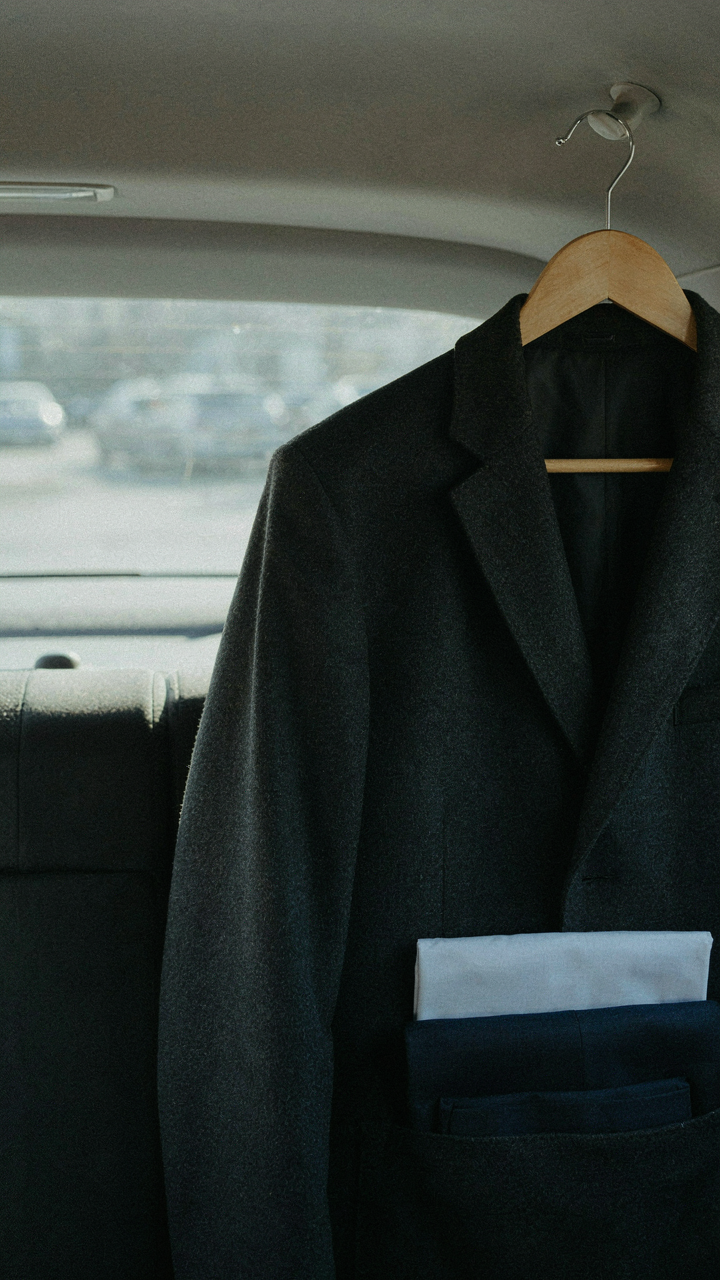
You’re worried the rain will wreck your appearance before the ceremony even starts, so you’re looking for a bailout plan that lets you look put-together anyway. The mechanism is simple: layering isn’t decoration, it’s substitution. You wear a protective outer layer—a blazer, cardigan, or structured jacket—that absorbs the rain damage. When you move indoors or the weather clears, you remove it and reveal an untouched outfit beneath. The outer layer takes the hit. Your actual wedding guest outfit stays dry.

This works because fabrics have different absorbency rates. A linen blazer or cotton-blend cardigan wicks moisture away from silk, crepe, or satin underneath. The key is choosing an outer layer that complements your base outfit in color and formality, so removal doesn’t create a costume change. A navy blazer over a navy midi dress reads as intentional downsizing, not emergency damage control. Bring the outer layer in a dry garment bag. Change into it only when you step outside.
Managing Moisture Without Panic
The common advice here is to “just bring paper towels or a small cloth,” which misses the actual problem: spot-drying creates visible wet marks and doesn’t address the core issue of fabric weight gain from absorbed water. The real protocol is prevention and selective drying. Waterproof spray applied to your hem and shoes the night before reduces water absorption by 40 to 60 percent depending on the fabric. For post-event dampness, you don’t blot randomly. You let gravity work.
Hang damp items on a dedicated hanger in your car or hotel room immediately after the event. Gravity and air circulation will dry most fabrics in four to six hours. For shoes, stuff them loosely with unscented tissue paper and let them sit. Never use direct heat on wedding attire—it sets stains and damages delicate fabrics. Keep a microfiber cloth in your bag for quick drying of accessories like eyeglasses or phone screens, not for your outfit itself.
Blogger Outfits Vs. Reality: The Anti Aesthetic Approach
What Instagram Actually Sells You
You’re here because you want to look put-together while staying dry, and you’re terrified of being the guest who looks unprepared. Instagram wedding content trades in a lie: the curated moment where rain somehow enhances the aesthetic instead of destroying it. Influencers photograph one angle in controlled lighting, then delete the seventeen shots where their hem dragged through mud or their shoes left prints on the venue floor. The mechanism is simple. They show you the image that sells the fantasy of effortless elegance, not the logistics of staying functional.
Most wedding guest rain outfit advice centers on color coordination and layering theory as if aesthetics survive contact with weather. They don’t. The real problem isn’t finding something that looks good in theory. It’s that typical recommendations ignore the physics of fabric in wet conditions. Heavy silks cling to skin. Light cottons stain permanently. Structured fabrics lose shape. You’re not buying an outfit. You’re buying a system that fails the moment moisture hits it.
True Elegance Lives In Preparedness
Logistics beats optics every time. A person who stays dry, moves without restriction, and avoids looking panicked is already more elegant than someone whose outfit matches the Pinterest board but whose shoes are soaked. The real tell of class isn’t the outfit. It’s the decision-making that prevents problems before they happen.
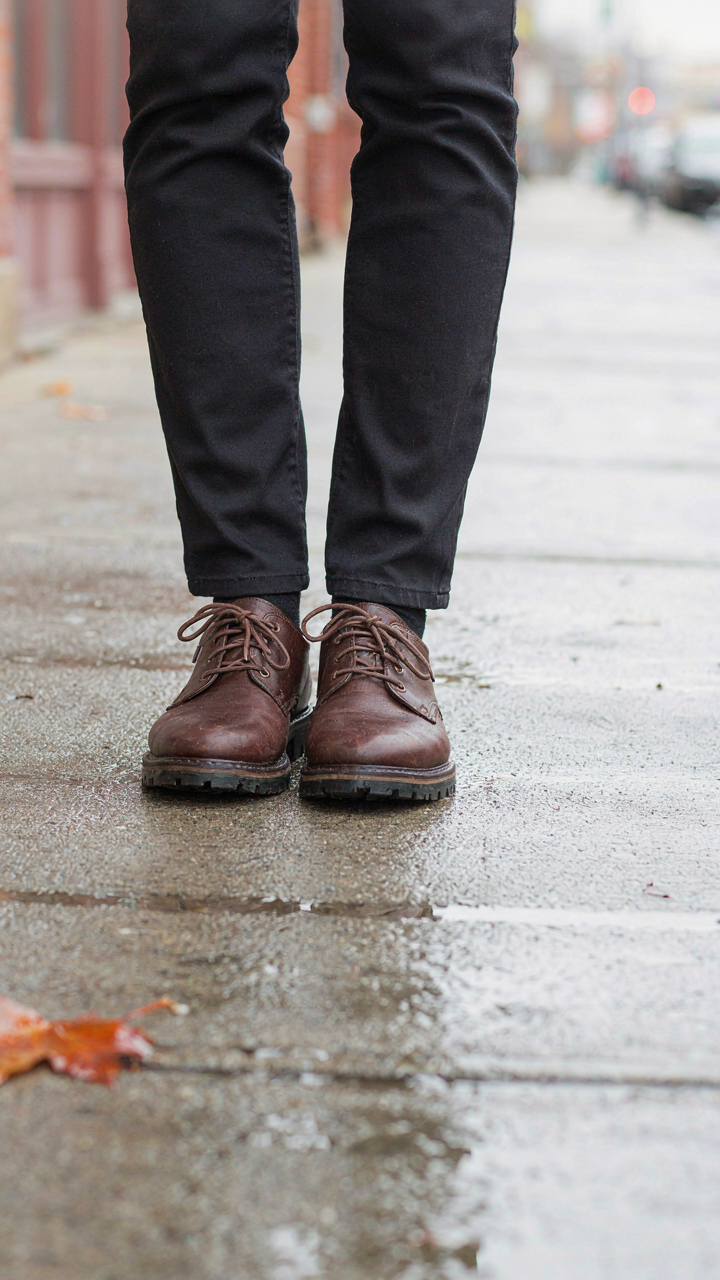
Wear a structured midi or knee-length hem in synthetic blend or wool. Synthetics shed water and dry faster than natural fabrics. Choose closed-toe shoes with genuine grip designed for wet surfaces, not smooth soles. Carry a compact umbrella you’ll actually use instead of one that looks better in your car. The concrete move: pick one backup piece you can wear the entire event if weather escalates—a tailored blazer or structured cardigan that works over your dress. That single decision removes the scramble.
The Real Problem Isn’t The Weather; It’s Your Fear Of Looking Ridiculous
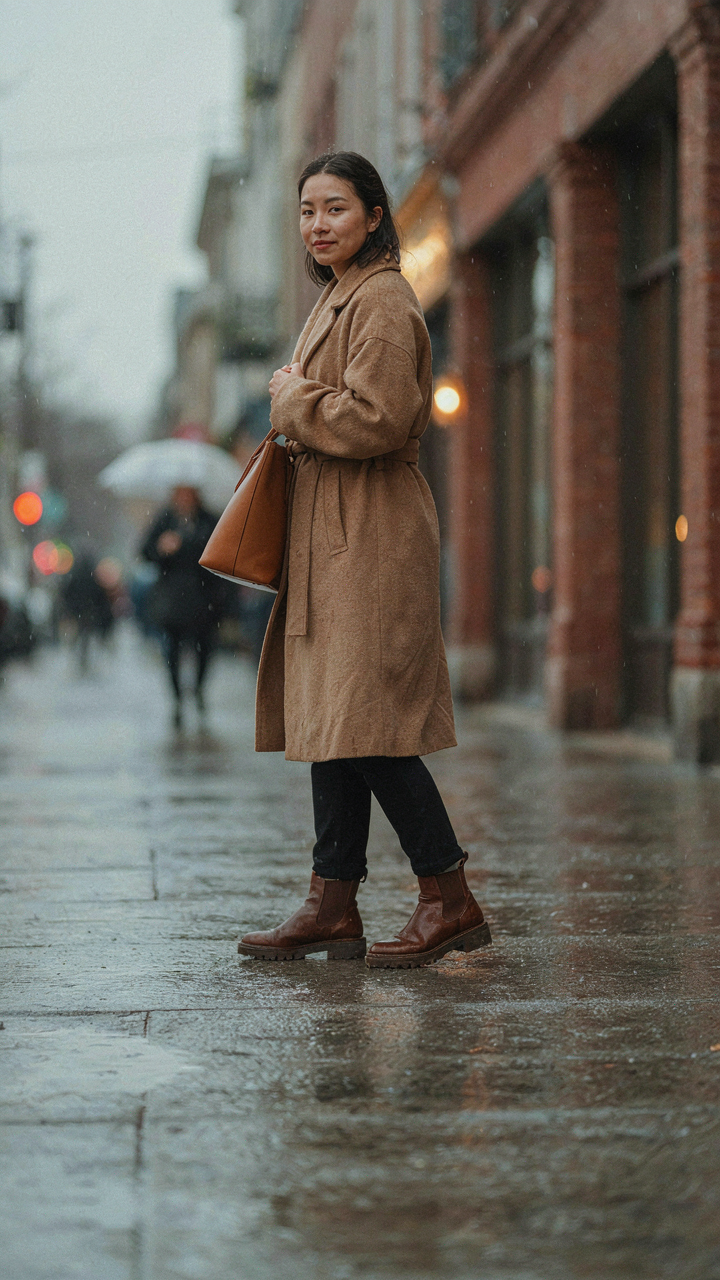
You don’t need permission to wear what works. Rain doesn’t care about tradition, and neither should you. Pick one elevated piece that makes you feel solid, pair it with practicality, then stop overthinking. Most guests won’t remember what you wore. The ones who do will respect that you showed up looking intentional instead of apologetic. Confidence in rain beats perfection in sunshine every time.



