

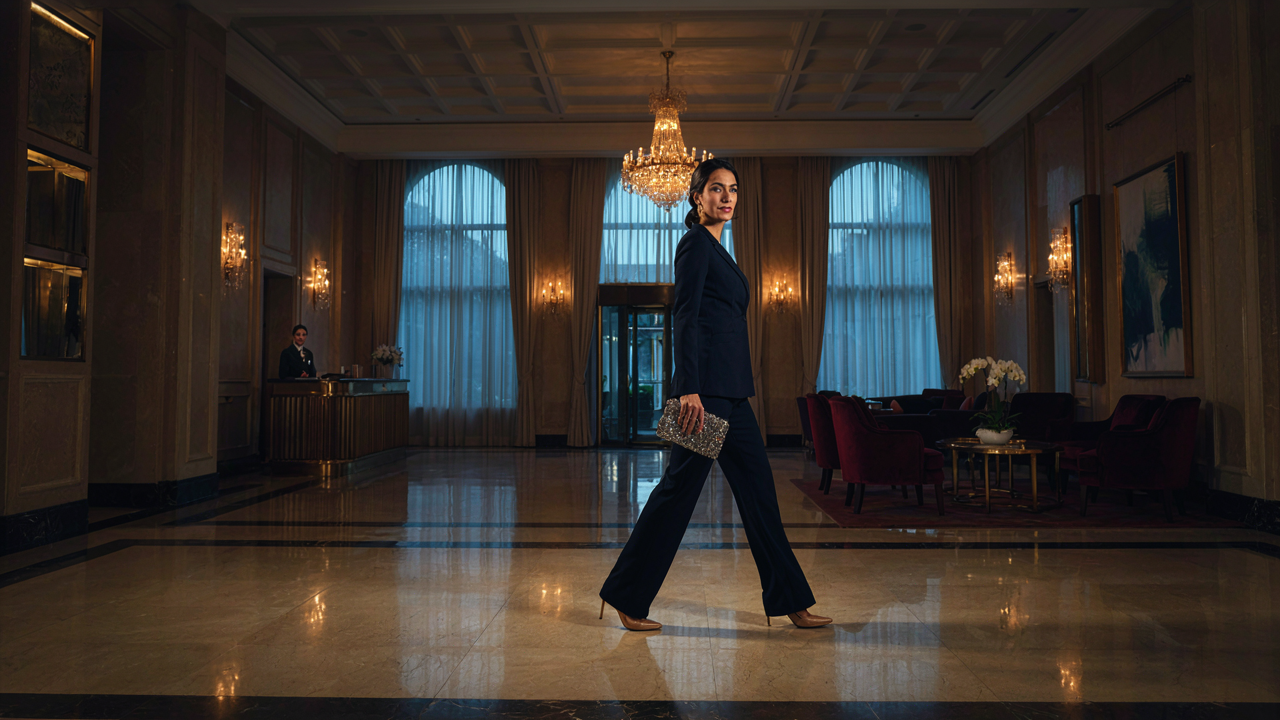
The Arrival Protocol: First Impressions In A Hotel Venue
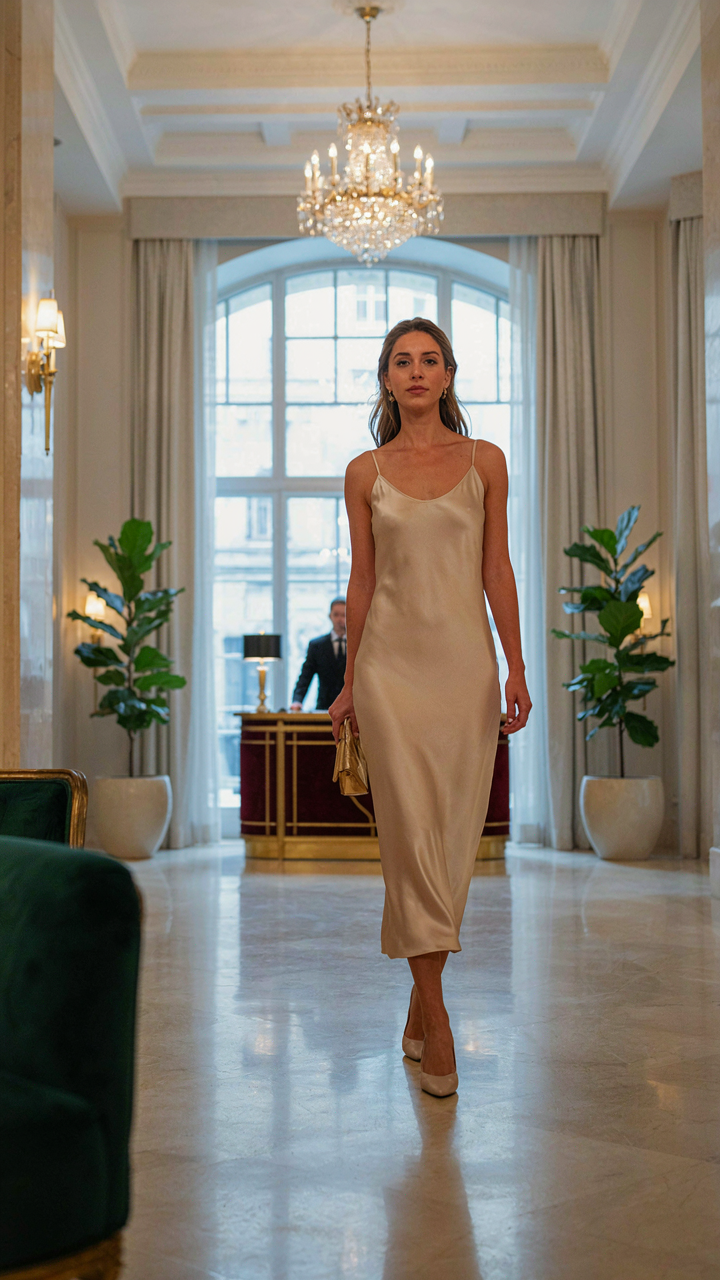
Read The Room Before You Dress It
You’re worried people will judge you the moment you walk in, so you’re hoping the right outfit will hide that fear. Here’s the mechanism: a hotel wedding venue is a controlled environment with fixed lighting, flooring, and wall color. Your outfit doesn’t exist in a vacuum. It reflects or absorbs light based on fabric choice and competes with the specific backdrop you’ll occupy. Most guests ignore this entirely and dress for a generic “wedding.” That’s your edge. Arrive early enough to see the actual ceremony space, the cocktail area, and the reception hall. Note the dominant colors in the walls, the quality of overhead lighting, and whether natural light floods in. A navy suit reads differently under warm ballroom lighting than under cool LED panels. Your outfit assignment changes based on these facts, not on tradition.
The lobby and hallway before the ceremony matter as much as the ballroom itself. Hotel weddings force you through common spaces where non-guests can see you. That’s not a flaw, it’s a feature. You’ll be photographed and visible during transitions. Darker, more formal pieces during arrival actually anchor your presence and signal you belong there. Neutral tones in hallways (whites, grays, beiges) mean your outfit stands out more sharply, so avoid colors that clash with hospitality design. Check the hotel’s design era. Modern minimalist hotels demand cleaner lines in your outfit. Traditional grand hotels can absorb bolder patterns. The space tells you what works before you commit to wearing it.
Compress Travel Into Credibility
The tell that someone traveled badly is wrinkles and exhaustion, not luggage. You’re transitioning from airport or car to formal event, which means fabric choice determines whether you look prepared or frazzled. Wrinkle-resistant materials aren’t luxury, but they’re honest. High-quality wool blends, performance fabrics, and structured cottons maintain their shape through travel better than pure linen or silk. Pack your outfit separately from casual clothes. Keep it hanging in the hotel room immediately upon arrival, preferably with the bathroom door closed so steam can release minor wrinkles overnight. Don’t unpack it into the suitcase again.
Hotel rooms have mirrors, but they’re often inadequate for full outfit assessment. Use the full-length mirror in the bedroom, not the bathroom. Check how your outfit reads from ten feet away and from across a room, since that’s how people actually see you at a wedding. Change into your shoes and stand for two minutes to confirm comfort and posture. Uncomfortable shoes create tension in your shoulders and neck, which reads as anxiety in photos. Fresh grooming in a hotel bathroom takes fifteen minutes: shower, groom, dress. Do this two hours before the ceremony start time, not thirty minutes before. You’ll arrive calm instead of rushed.
Ceremony Chic: Navigating Indoor Reception Nuances
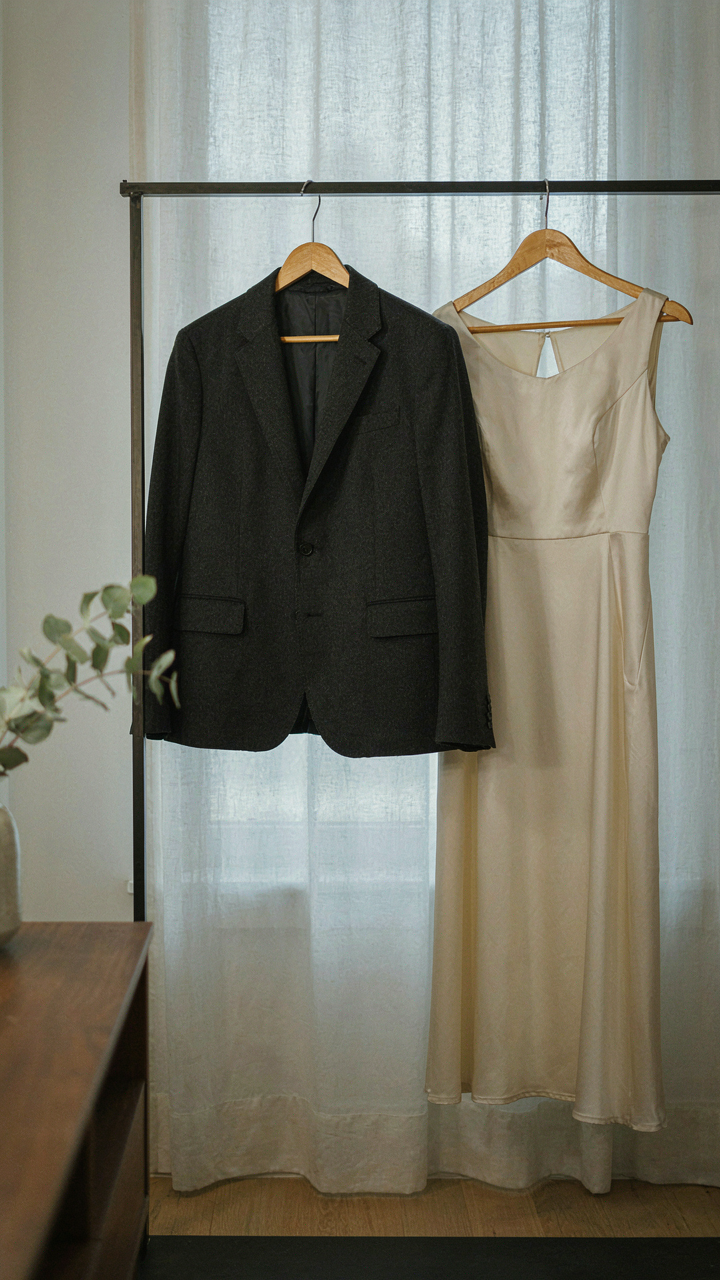
What Semi Formal Actually Means
You want to know what semi formal means because you’re terrified of showing up wrong and looking poor. Here’s the mechanism: semi formal exists in the gap between business casual and black tie. It demands a blazer or jacket. For men, that’s a suit without the requirement of matching jacket and pants. For women, it’s a dress or separates that look intentional, not improvised. Hotels standardize this code because it works indoors where lighting exposes cheap fabric and poor fit.

Semi formal dress codes have zero tolerance for casual pieces masquerading as formal. Sneakers, jeans, and athletic cuts kill the entire outfit regardless of price tag. The rule is simple: if you’d wear it to an office, it doesn’t qualify for semi formal. A structured blazer paired with tailored trousers or a midi dress with proper tailoring solves the problem without overthinking. Hotels enforce this because the space demands visual cohesion under fluorescent or warm lighting.
Fabric Selection For Climate Control
Indoor hotel spaces create an environment you cannot escape, so fabric choice becomes tactical rather than decorative. Natural fibers like wool, cotton, and linen breathe in artificial climates. Synthetic blends trap heat and create visible perspiration marks. Choose fabrics that regulate temperature because you’ll spend four to six hours stationary or moving slowly through climate controlled rooms.
Structured fabrics hold their shape under those conditions. Linen wrinkles visibly in hotel humidity but breathes. Cotton blends maintain form better. Avoid silk charmeuse for indoor ceremonies because it clings when you sweat and shows water marks. Wool suiting works year round in hotels because the fabric’s fiber structure naturally manages moisture without looking damp. The venue’s HVAC system won’t adjust for your outfit, so select materials that perform regardless of temperature swings.
The Cancun Wedding Conundrum: Destination Dressing

Materials That Won’t Betray You
You’re worried about looking wilted in photos. The real mechanism is this: humidity doesn’t just make you sweat—it breaks down fabric structure and kills the crisp silhouette that reads as intentional. Linen, cotton blends, and technical synthetics designed for moisture-wicking are your only reliable options. Traditional silk collapses in salt air. Polyester holds its shape but traps heat and amplifies sweat visibility. Pick fabrics engineered to shed moisture, not absorb it.

Linen wrinkles by design, and that’s actually your advantage in a destination context. Wrinkles signal texture and movement rather than neglect. Cotton-linen blends give you durability without the extreme wrinkling of pure linen. For dresses or shirts, seek out performance fabrics marketed for travel or sport—they dry fast, resist mildew, and maintain structure through humidity. The fabric chooses how much of your effort shows to the room.
Strategic Packing For Maximum Utility
Most wedding guests pack outfits as static units: dress, shoes, jacket, done. Wrong. You need modular pieces that work in three distinct temperature zones: the ceremony (air-conditioned), cocktail hour (transition outdoors), and reception (open bar, dancing, late night). A lightweight linen blazer works over a sleeveless dress for ceremony, drapes over a chair during photos, and layers back on when the venue cools down after sunset. One piece, three functions.
Shoes create the constraint. Pack two: one for ceremony comfort that won’t disintegrate, one for dancing that can take sustained movement and moisture. Flat sandals don’t belong at an indoor ceremony. Heels that can’t survive wet grass don’t belong at a destination wedding. Bring one pair of leather or synthetic heels rated for outdoor terrain, and one breathable flat or low block heel for reception hours when you’re moving. Minimize luggage weight by eliminating anything that only works in one scenario.
November Guest Wedding Dress: Seasonal Adaptations
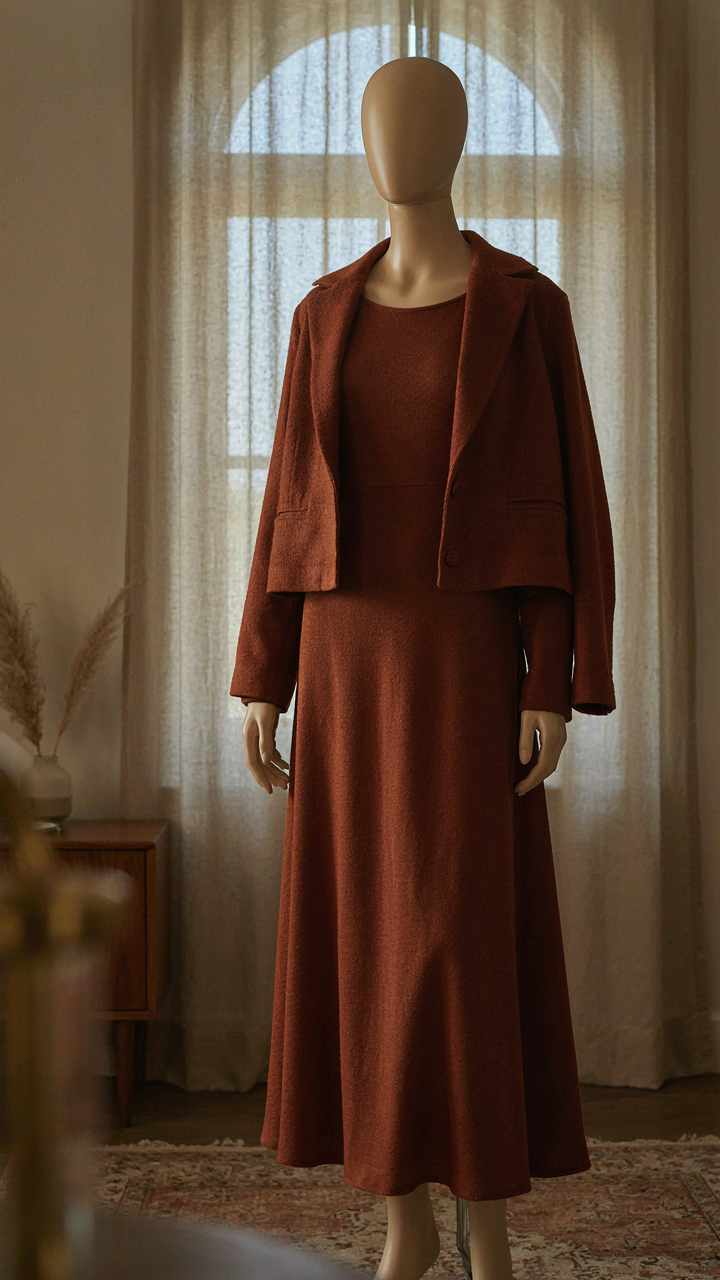
The Layering Problem That Isn’t About Temperature
You’re afraid of looking unprepared or underdressed if the venue temperature shifts. The real mechanism here comes from thermodynamics: you need a garment system with variable thermal resistance, not a single static outfit. A November hotel wedding sits at the threshold where indoor climate control meets outdoor exposure during transitions, cocktail hours, or photo sessions. Most guests treat layering like an afterthought—they grab a shawl that doesn’t match or a blazer that telegraphs “formal obligation.” The strategy is building a three-component system where each piece works alone and together.

Start with a base that breathes but holds warmth: merino wool or a cotton blend dress. Add a structured jacket, wrap, or shrug as your second layer—this piece should match your outfit’s line and color, not fight it. The third layer is your exit strategy: a coat that hangs at the hotel entrance, deployed only if needed. Avoid blanket wraps that destroy silhouettes or cardigans that read as hesitant. Your layering system should feel like one coherent outfit, not pieces you’re managing. Wear the jacket through ceremony and cocktails, remove it for dinner if the ballroom stays warm, and know your coat sits waiting.
Autumn Colors Beyond Burgundy And Gold
Every wedding guest defaults to burgundy, burnt orange, or “deep jewel tones” because retail pushes these four weeks before November. This advice is incomplete because it ignores the actual color physics of formal indoor lighting and what registers as intention versus costume. Hotel ballrooms run warm light, often halogen or LED that flattens muted tones while making saturated colors punch harder. Wearing what everyone else wears signals you followed a checklist, not that you chose deliberately.
Move laterally instead of inward: charcoal gray, slate blue, deep plum, or rich teal hold sophistication without the November cliché. Navy remains invisible to other guests because it’s too familiar, which means it won’t compete in photos while still reading as formal. If you want warmth, choose rust or terracotta over burgundy—both hit differently under hotel lighting and feel less seasonal. Test your color choice under the specific indoor lighting of your venue if possible, or ask the couple what the ballroom lighting looks like. Your color should feel deliberate to you, not like you pulled from a search result titled “Fall Wedding Guest Dresses.”
Hotel Ballroom Domination: The Sleek Dress Strategy
The Room Works For Or Against You
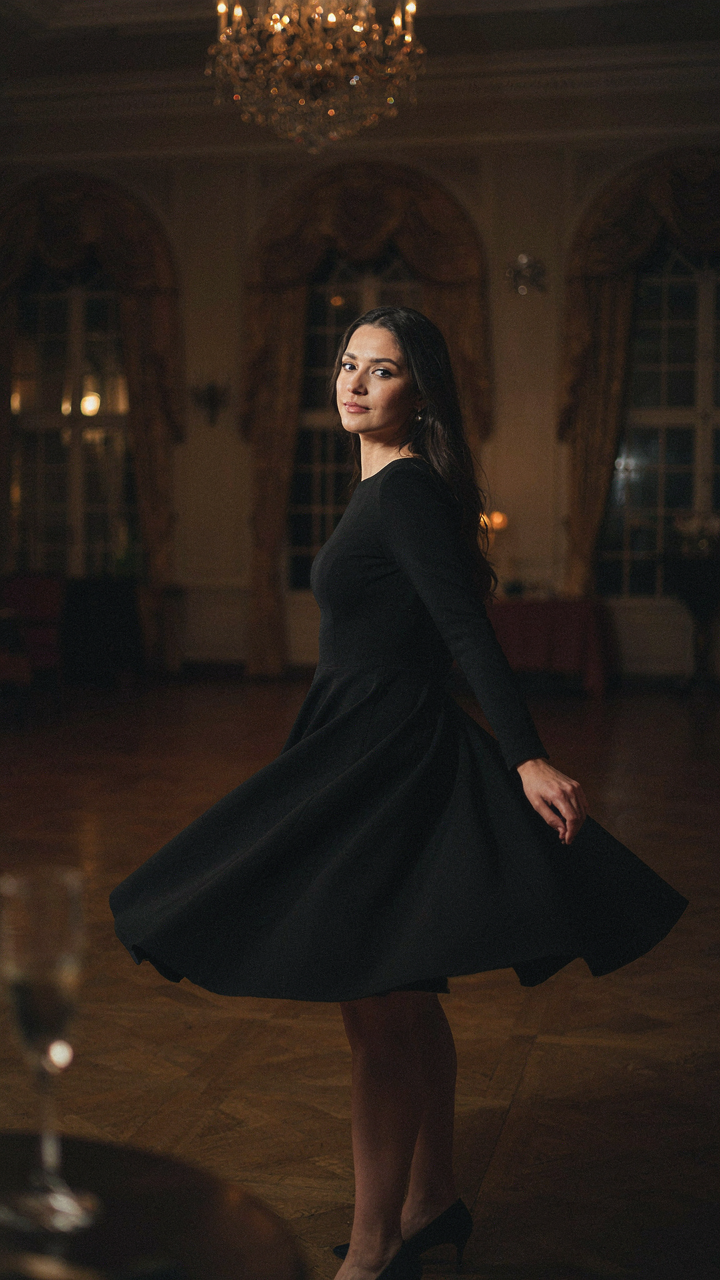
You’re worried people will judge your outfit because ballrooms amplify everything. High ceilings, hard surfaces, and artificial light expose fit problems, color choices, and fabric quality that go unnoticed in restaurants or bars. The mechanism is simple: ballroom architecture demands that your outfit either harmonize with the space or get consumed by it. A dress that reads well in a bedroom photo will disappear or clash against 40 feet of gilded wall and recessed lighting. The ballroom isn’t neutral ground. It’s a judge.

Choose fabrics and silhouettes that respond to scale. Structured materials like crepe, wool blends, and duchess satin hold their shape under ballroom lighting instead of going flat or translucent. Avoid thin knits and limp synthetics that collapse in these environments. A fitted silhouette with defined shoulders creates visual weight that ballroom proportions require. The dress must command the space, not surrender to it.
Movement That Registers From Fifty Feet Away
Ballroom dynamics demand what biomechanics calls “amplitude of motion.” Every gesture, stride, and turn gets magnified by distance and reflective surfaces. A dress with restricted movement reads as stiff from across the room. One that allows for full hip and shoulder rotation signals confidence and intention, even when you’re standing still. The fabric weight and cut determine whether you move like someone comfortable in the space or someone trapped in their clothes.
Prioritize dresses with A-line or fit-and-flare cuts that respond to your body’s actual movement patterns. Slit hems, side vents, or flowing skirt panels create visual interest during transitions between tables, the dance floor, and ceremony seating. Sleeveless or capped sleeve designs give your shoulders and arms full range, which matters more in a ballroom than in smaller venues. When you move, the outfit moves with strategic intention, not against you.
From Dinner To Dance: The Roll Dress Advantage
Convertible Outfit Solutions
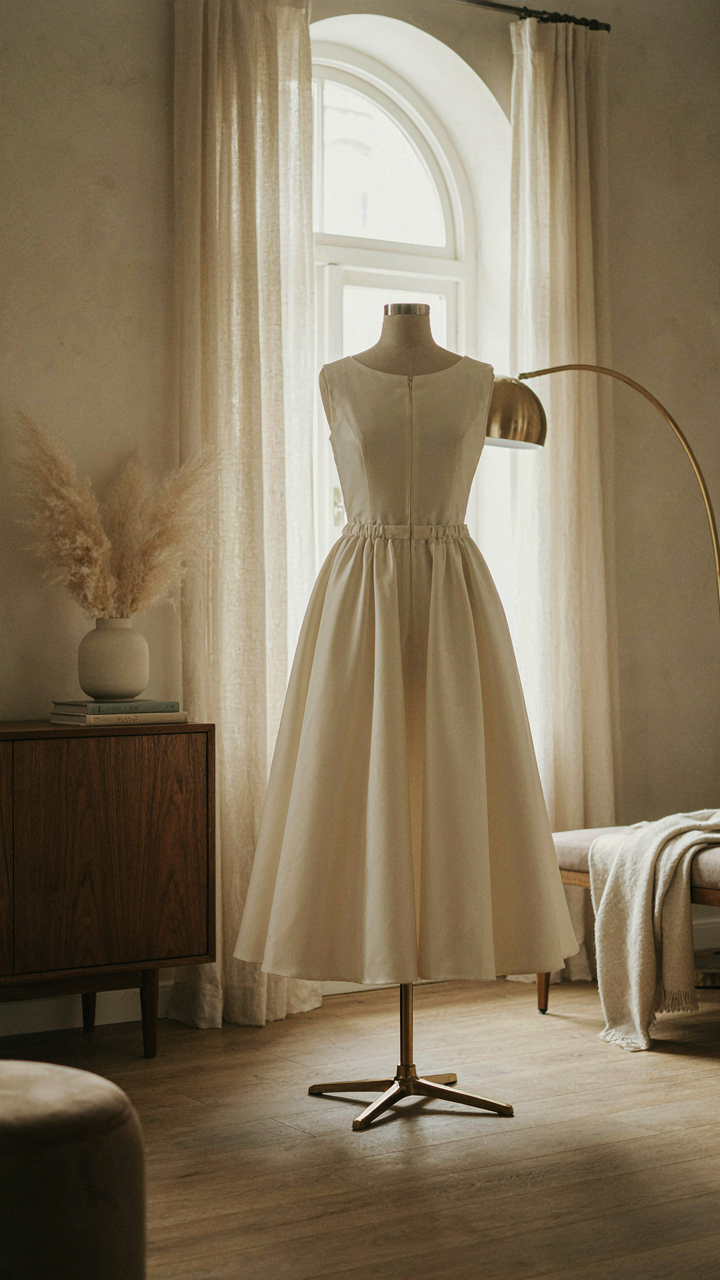
You’re worried you’ll look underdressed at dinner then overdressed on the dance floor, and you don’t want to change clothes like you’re in a department store fitting room. The real mechanism here is borrowed from systems design: redundancy without bulk. A roll dress is a single garment engineered to function across multiple states without physical modification.
- A-line midi that converts to mini: Hem designed with hidden stitching that releases cleanly, shortening the skirt by 6-8 inches when you pull the release cord sewn into the seam. Takes 30 seconds to deploy in a bathroom.
- Wrap dresses with detachable panels: Structured panels at the sides unbutton or unhook, transforming a formal wrap into a sleek sheath. Panels store flat in a small clutch or coat check.
- Adjustable neckline mechanisms: Deep V necks with hidden snap points allow you to alter coverage from plunging dinner-appropriate to modest for ceremony without removing the dress.
- Layered construction with removable overlays: A sleeveless base with a detachable mesh or silk overlay for ceremony. Overlay removes entirely for dancing, revealing clean lines underneath.
- Strategic ruching that loosens: Ruched sections at the waist and hips use internal drawstrings, allowing you to shift silhouette from fitted formal to relaxed casual in under a minute.

The engineering principle stays constant: the garment itself never changes, only its configuration. You carry one outfit, not two. The hotel ballroom becomes your dressing room only if you choose it—most guests won’t notice the transition happening at all because there is no obvious seam between versions.
Comfort Without Sacrificing Polish
The standard advice here is wrong: you don’t need to “find the balance” between comfort and looking put-together. That’s false compromise. Real polish comes from fit and material choice, not restriction. Comfort is the byproduct.
A high-quality ponte fabric or structured jersey holds its shape all night while moving with your body instead of against it. Your posture doesn’t collapse at hour five because the garment isn’t fighting gravity. Shoes matter more than dress construction here—a well-fitted flat or low heel with padding inside the toe box keeps you upright and moving, which reads as polished far more than pinched feet and visible hobbling. The dress works because it’s engineered to perform, not because you’re performing through pain. When you can actually sit down, eat, and dance without physical compromise, your energy stays high and your appearance stays intact.
Accessorizing For Impact: Beyond The Obvious
Where Your Jewelry Actually Goes
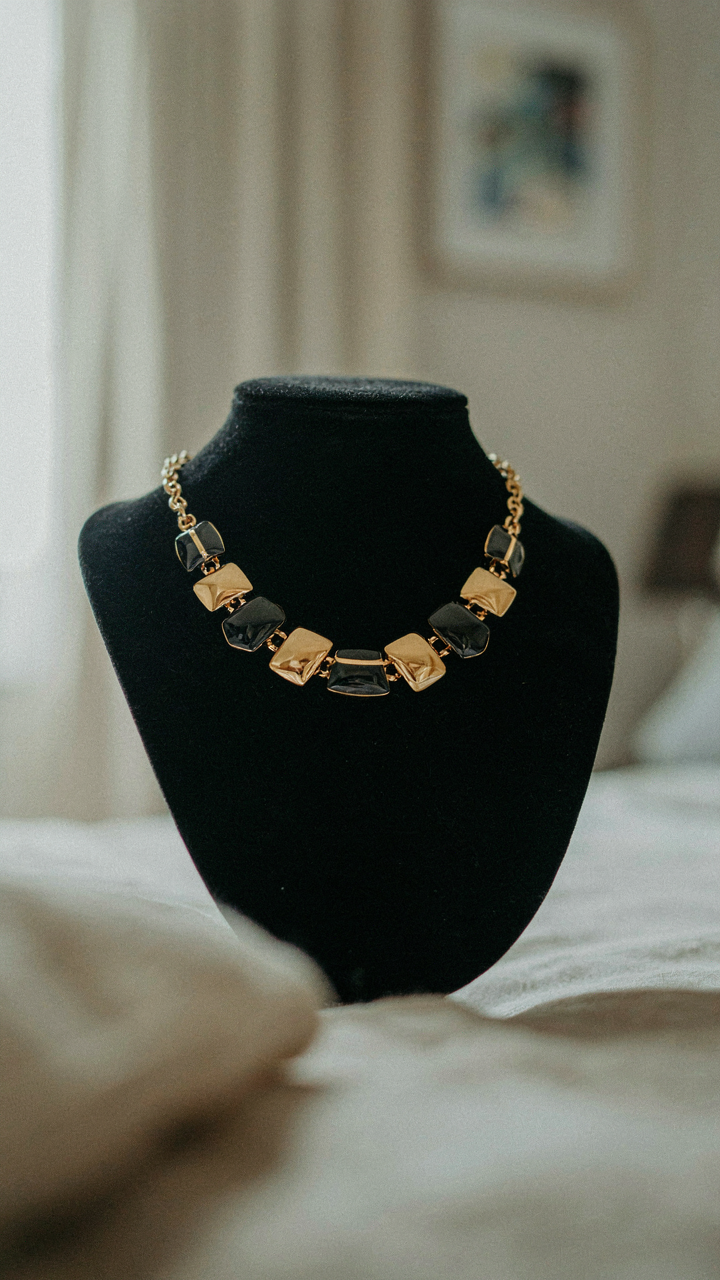
You want people to notice you without looking like you tried. That’s the real game here, and most people get it backwards by loading every visible surface. Jewelry operates on the same principle as visual hierarchy in design: one focal point beats scattered noise. Choose one statement piece per outfit, then build restraint around it. A bold necklace means minimal ear jewelry. A stack of rings means a bare neck. The mechanism is contrast through absence, not abundance through coverage.

Hotel weddings demand jewelry that works across three distinct light conditions: natural daylight in the ceremony space, fluorescent or warm ambient lighting during cocktails and dinner, and often dim nightclub lighting for dancing. Metals behave differently under each. Gold reads richer in warm light but can flatten under fluorescents. Silver pops under bright light but can disappear in dim rooms. Match your metal choice to where you’ll spend the most visible time. If the reception is primarily indoors with controlled lighting, warm metals dominate the night. Test your pieces in the actual venue light if possible, or choose metals that photograph well in mixed conditions.
The Shoe Problem Nobody Talks About
You will stand for eight hours minimum. Generic wedding guest advice says wear heels because they photograph better, then suffer through the pain like it’s part of the costume. That’s nonsense. A hotel wedding means concrete or marble floors, extended standing in receiving lines, and dancing on surfaces designed to make your feet hurt. The real decision isn’t heels versus flats; it’s choosing footwear that lets you move through four distinct phases without switching shoes.
Choose shoes rated for duration over aesthetics. Quality leather or structured suede molds to your foot and reduces friction. Thin, rigid soles transfer impact directly to your joints; cushioned insoles or gel pads create a buffer that lasts through the reception. Ballet flats and dressy loafers handle hotel ballroom surfaces better than you expect. If heels are non-negotiable, select block heels or wedges over thin stilettos, and bring a backup flat in your clutch for the final hours when dancing matters more than photos.
The Afterparty Aftermath: Sustaining Presence
Keep It Tight When Energy Drops
You care about this section because you don’t want to look disheveled when the real socializing happens after midnight. The mechanism is simple: formal wear degrades faster under movement and alcohol than you expect, and most guests don’t have a refresh protocol. Your clothes work against entropy only if you intervene. Remove your jacket the moment the reception shifts to dancing. Unbutton your top collar button. Roll your sleeves if you’re in shirtsleeves. These moves buy you three hours of looking intentional instead of wrinkled.

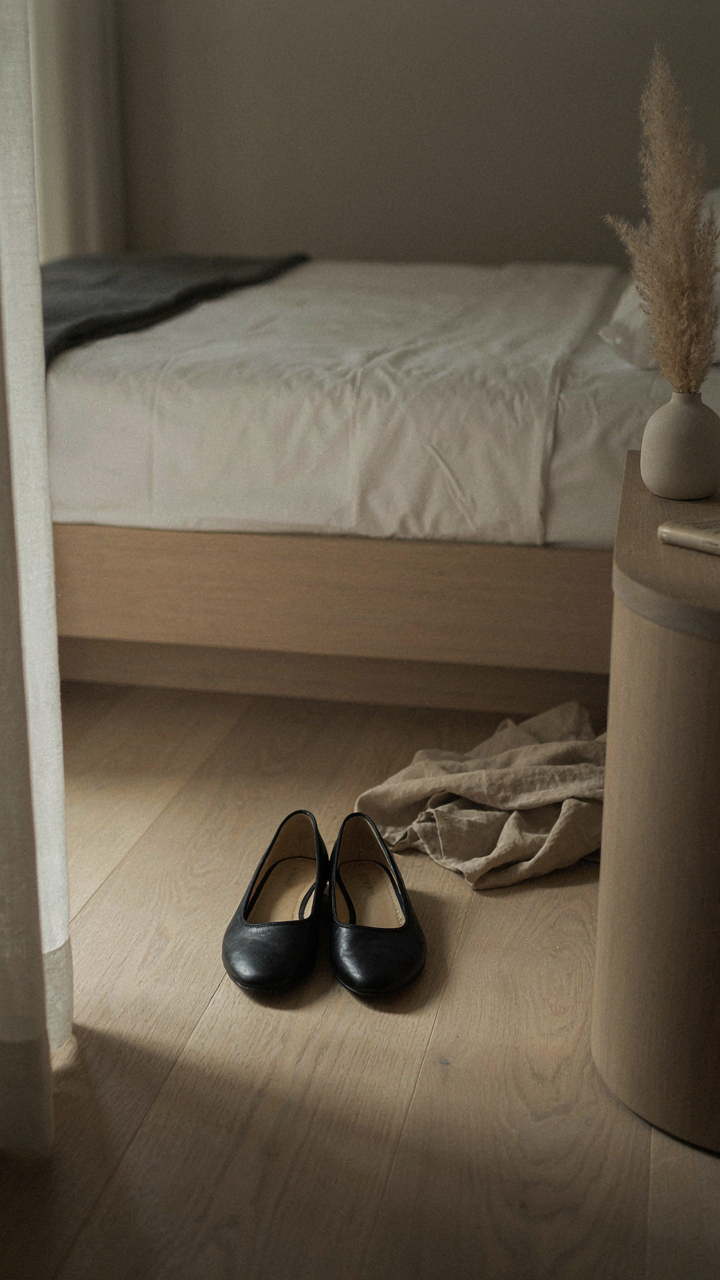
Shoes matter more than fabric at this stage. Your feet swell under a full reception cycle, and tight shoes read as discomfort on your face. Keep dress shoes on if they fit loose enough for socks plus four hours of standing. If tightness is already present by dinner, slip into hotel room shoes or flats you’ve stashed in a clutch or hotel room. Your body language shifts when your feet hurt, and that registers before any outfit detail does. Comfort is not compromise; it’s visibility management.
Pivot Fast Without Losing Ground
The exit strategy separates guests who think tactically from those who drift. If the afterparty moves to a bar or lounge, you have two moves: stay in ceremony wear if the venue is upscale hotel, or change into something that reads as “I’m staying the night” without looking like bedtime clothes. Most guests misjudge this. They either overdress the casual bar or underdress it with wrinkled reception wear.
Keep a simple change in your hotel room for this exact scenario. Dark jeans and a fitted sweater for women. Dark chinos and a button-up for men. This isn’t a costume change; it’s a recalibration that signals you chose to stay, not that you gave up on the event. Bring shoes you can move in. The moment you notice the crowd thinning or the venue mood shifting, excuse yourself, change, and return within fifteen minutes. You reset your appearance and your energy without breaking social continuity.
The Only True Fashion Faux Pas Is An Unconsidered One. Stop Seeking Permission
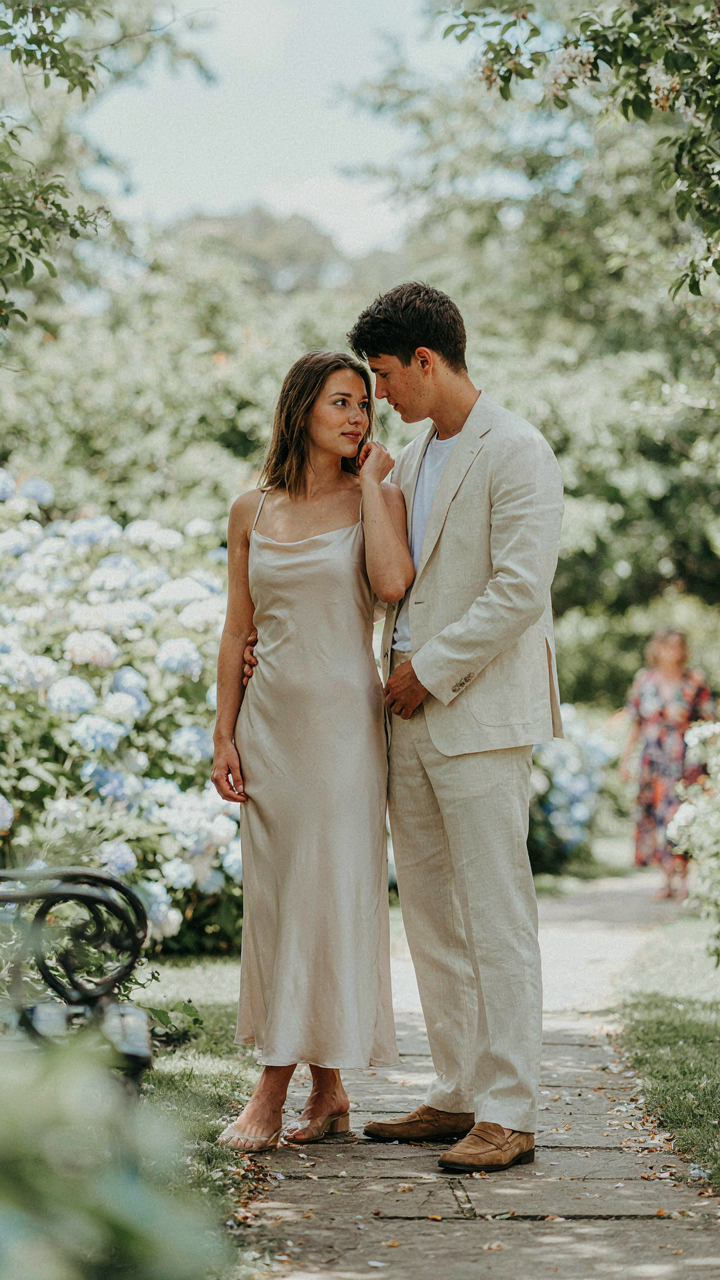
You already know what works on your body. You already know what makes you feel like yourself. The couple didn’t invite your insecurity to their wedding. They invited you. So stop asking strangers on the internet to validate your outfit choice and start trusting the one person in the room who actually has to wear it. Pick something intentional, own it completely, and let everyone else figure out their own problem. Confidence converts any hotel ballroom into your stage.




