

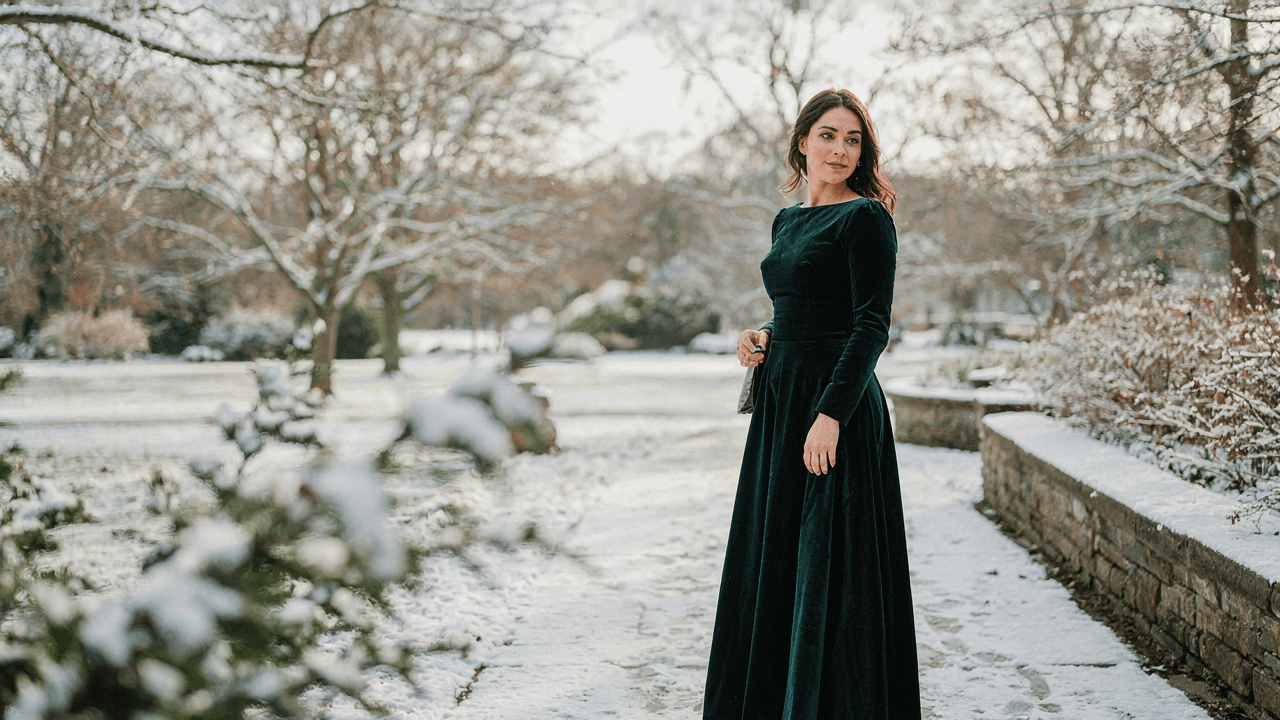
The Layering Protocol: Winter Wedding Guest Dress Edition
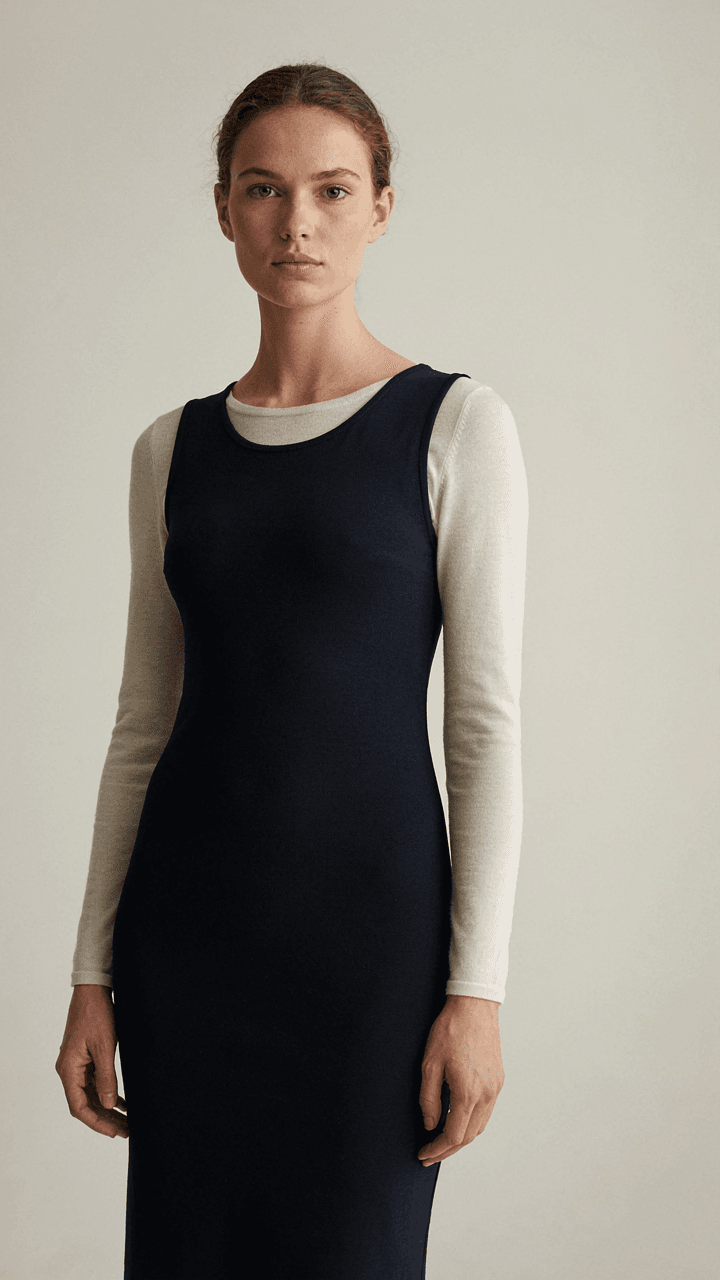
Start With Skin Contact, Not Volume
You want to look like you’re not trying too hard to stay warm because that matters more to you than actually being warm. Here’s the mechanism: thermal baselayers work through physics, specifically heat retention via trapped air pockets. The key is choosing merino wool or synthetic blends designed for moisture management, not cotton long underwear that absorbs sweat and makes you colder. A thin merino layer under your dress creates an invisible thermal barrier without the bulk that kills the dress’s silhouette.
The common advice tells you to layer visibly—camisoles under sheers, thick tights showing. That’s wrong. Your dress was selected for how it drapes and fits. A quality baselayer stays hidden and performs the actual work of temperature regulation. Wear a fitted merino or polyester blend that compresses rather than puffs. The fabric touches your skin directly and pulls moisture away from your body, which is the primary mechanism of staying warm without looking like you’re compensating for a bad dress choice.
Outerwear Designed Around The Dress, Not As Damage Control
Your coat or wrap isn’t a backup plan you throw on at the last minute. It’s part of the outfit architecture, and treating it differently than your dress means you’ll look fragmented when you arrive. A structured blazer in matching or neutral tones extends the silhouette vertically rather than breaking it. A faux fur stole or evening wrap in jewel tones or metallics becomes a design element, not a survival tool. The outerwear proportions should either complement your dress’s scale or intentionally contrast it—never apologize for needing warmth by choosing something that visually diminishes the dress you selected.
Remove the outerwear strategically. Keep it on during cocktail hour if the venue is cold, then check it before dinner. This signals you’re comfortable and in control, not struggling. Choose a coat or wrap with a defined silhouette rather than oversized coverage that overwhelms the dress underneath. At the venue entrance, your outerwear is visible. Inside, it’s absent. Make both states intentional by selecting pieces that function as complete outfit components, not just thermal emergency equipment.
Beyond The Thin Dress: Fabric Selection For Winter Wedding Outfits
Wool And Velvet Rule Winter
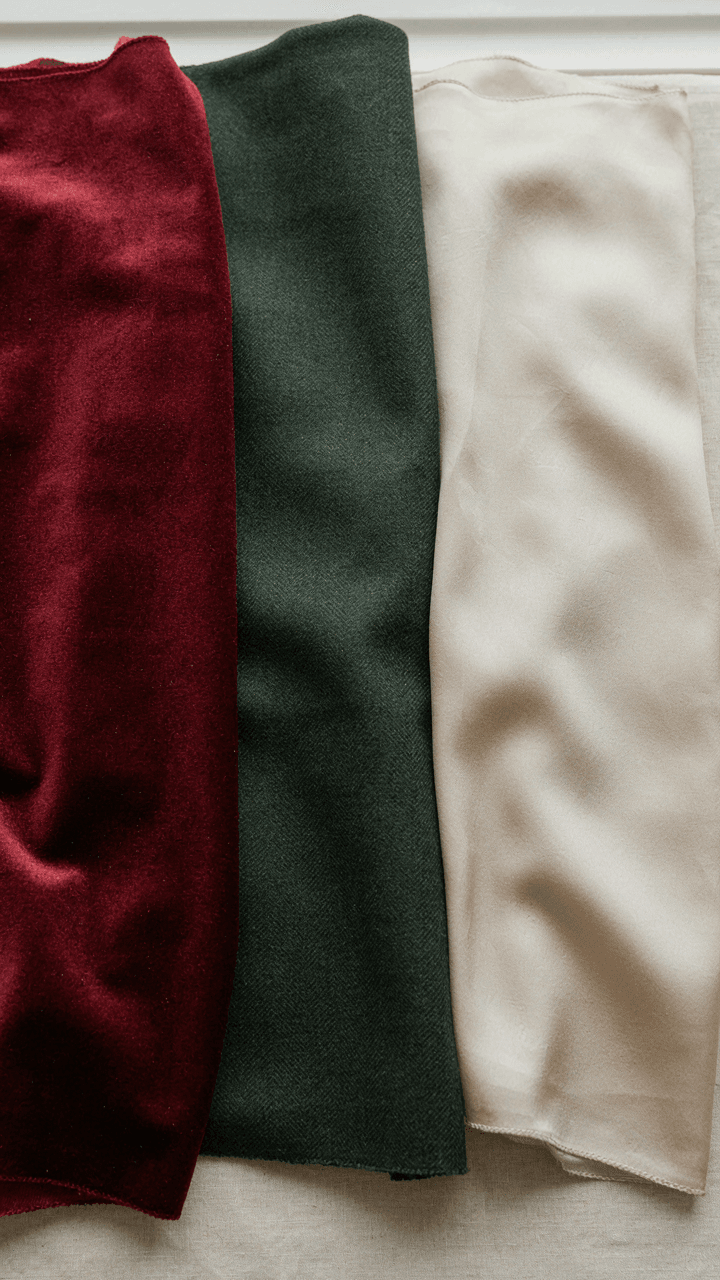
You want to look expensive without looking like you’re hiding from the cold. Here’s what actually matters: fabric density stops heat loss through conduction. Wool traps dead air inside its fiber structure. Velvet does the same thing while maintaining the formal appearance weddings demand. This isn’t about layering strategy or fashion theory. This is about material science.

Wool comes in weights ranging from lightweight merino to heavy suiting. Winter weddings demand minimum 200 GSM density to function as actual insulation. Velvet—particularly silk-backed velvet—adds thermal mass without bulk, which matters when you’re wearing a fitted dress rather than a coat. Both fabrics maintain their structure in cold air, preventing that paper-thin collapse that happens with cotton or linen. The mechanism is simple: air pockets in the weave hold warmth your body generates.
Summer Fabrics Don’t Belong
Most advice says “just add layers under a silk dress.” That’s incomplete. Silk conducts heat away from your skin faster than cotton does. Chiffon, linen, and high-thread-count cotton all function as heat transfer accelerators in cold environments. Wearing these fabrics at a winter wedding guarantees you’ll be cold no matter what you layer underneath, because the outer layer actively pulls warmth away from your body.
The common mistake is treating fabric choice as aesthetic only. Your dress’s outer material is a thermal barrier or it isn’t. Polyester blends and thin synthetics fail both tests: they don’t insulate, and they read as cheap. Velvet or wool creates a complete outfit on its own. Start your fabric search there, then build layering strategy on top of actual insulation, not hope.
The Micro Climate Method: Body Heat Management
How Layers Actually Work
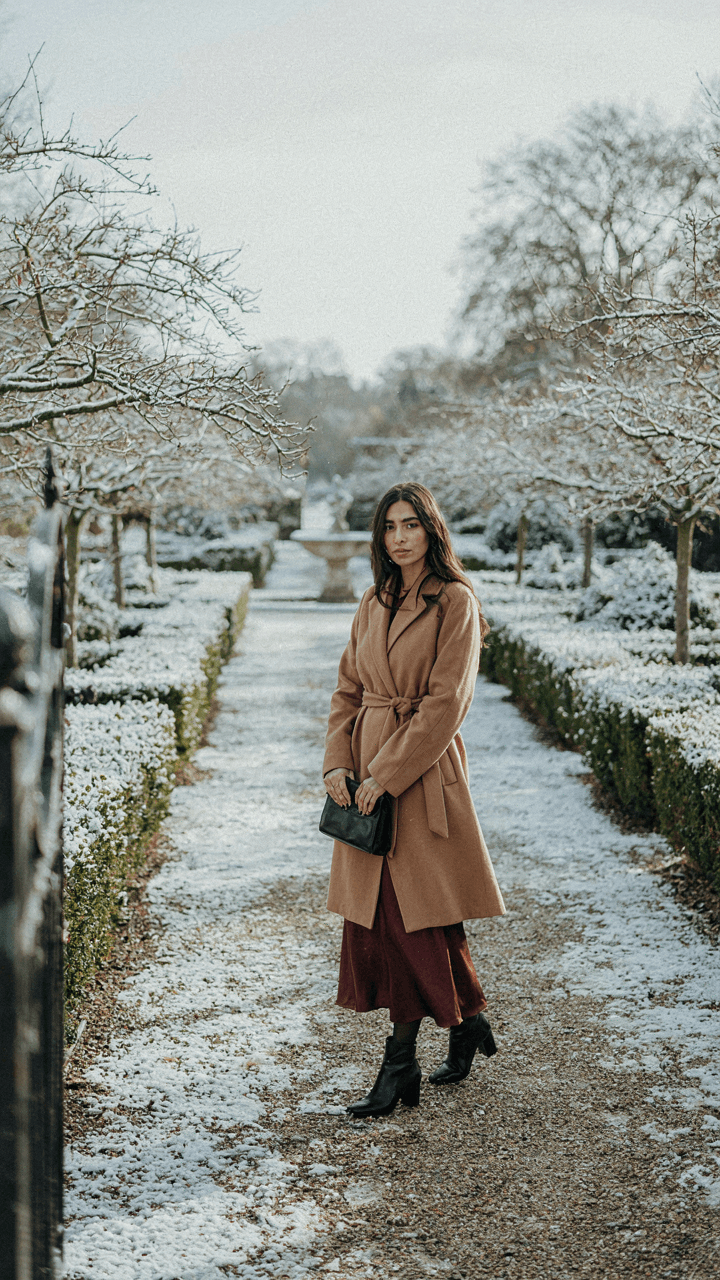
You want to look composed at a winter wedding without looking like you raided a ski lodge, and that requires understanding one hard fact: the dress code won’t change, but thermodynamics will save you. Clothing doesn’t generate heat. It traps air. Physics calls this dead air space insulation. In winter dressing, your goal is stacking materials that create multiple air pockets between your skin and the outdoor temperature without adding bulk that reads as “costume.”

Most winter wedding advice stops at “wear tights and a shawl,” which is incomplete. The real mechanism is layering materials with different thermal properties in a specific order. Start with a moisture-wicking base layer like merino wool or a thin synthetic against your skin. Add a mid-layer for insulation, then your dress, then an outer layer for wind resistance. Each layer traps dead air. The gaps between materials matter more than the materials themselves. This is why three thin layers outperform one thick sweater under a dress.
Strategic Layers Without The Bulk
Your accessories aren’t decoration. They’re thermal redirects that protect your core where it matters most. The mechanism is simple: your body prioritizes keeping vital organs warm. When extremities get cold, your system pulls blood inward. Strategic core coverage forces your body to maintain surface warmth longer, keeping you functional without looking bundled.
Wear a structured shawl or wrap that stays in place over your shoulders and sternum instead of a scarf that slides around. A sleek bolero or cropped jacket in a coordinating color works because it covers the chest cavity where major blood vessels run close to the surface. Thick tights and closed-toe heels with socks underneath handle legs and feet without adding visible volume to your upper body. Keep the dress silhouette clean and let the layers underneath do the work you can’t see.
Color Psychology For Your Winter Wedding Guest Presence

Deep Jewel Tones Command The Room
You want people to remember you were there. Not because you blended in. The mechanism is simple: jewel tones trigger perception of depth and intentionality. Emerald, sapphire, burgundy, and amethyst read as deliberate choices, not defaults. Winter light hits these colors differently than summer pastels. They don’t wash out against snow or dark backgrounds. Psychology calls this “color dominance”—jewel tones occupy more visual weight in a space because they absorb and reflect light in concentrated bands.

Pastels are the consensus move, and consensus is wrong here. They signal uncertainty in cold months. Jewel tones anchor you. A burgundy dress with structured tailoring doesn’t require validation. It commands attention without screaming for it. The wearer disappears into the color’s authority. This is tactical, not emotional. Pick one jewel tone per outfit and commit to it completely.
Metallics Work As Punctuation, Not Wallpaper
Gold and silver don’t belong as primary fabrics for winter wedding guests. They work as accents—a cuff, a belt buckle, a shoe detail. The restraint is the strategy. Military aesthetics teaches us “visual hierarchy”: your eye needs a place to land, then move away. Metallics are terminal points. One metallic accent per outfit. Two is distraction masquerading as style.
Silver reads cold on its own in winter. Gold reads costume. Both function as anchors when deployed in small doses against jewel tones. A sapphire dress with silver heels creates contrast. A burgundy dress with a gold belt buckle creates intention. The mechanism: limited metallics force the eye to process the entire outfit as a system, not a collection of shiny things. Apply metallics only where fabric naturally transitions or ends.
Footwear & Hosiery: The Unsung Heroes Of A February Wedding Guest Dress
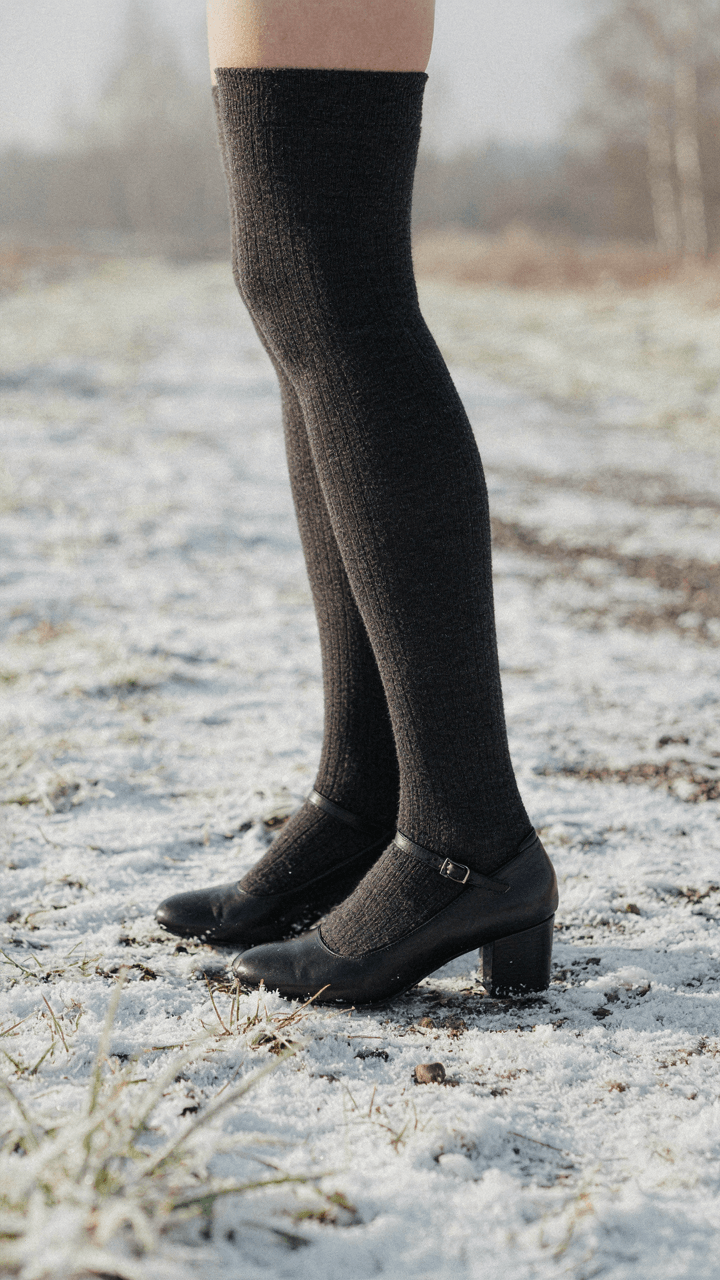
Closed Toe Shoes That Actually Work
You’re worried about looking underdressed or frumpy, and your brain is screaming that bare legs in winter look cheap. Here’s the mechanism: closed-toe shoes regulate temperature at the extremity where you lose heat fastest. Your feet hit cold ground first. Control that variable, and your core stays warmer longer.

Closed-toe heels work because they don’t expose skin to wind. Elegant boots work better because they add insulation. Leather holds warmth. Suede holds warmth. Both look intentional at a wedding. Metal buckles, minimal cutouts, and a real sole separate wedding-appropriate winter shoes from generic winter shoes. The shoe choice signals you planned for the weather, not that you defaulted to comfort.
Thermal Hosiery Is Your Real Armor
Thermal hosiery does the actual work that dresses pretend to do. It’s an engineering problem, not a fashion problem. Merino wool and synthetic blends trap static air in their fiber structure, the same principle that makes insulation work in buildings. You wear the right base layer, your legs stop being a heat loss liability.
- Merino wool blend tights: Moisture-wicking, temperature-regulating, doesn’t itch like standard wool. Most comfortable under a dress for six hours straight.
- Fleece-lined opaque tights: Adds visible thickness, works under darker dress colors, gives you the most warmth per layer.
- Cashmere blend hosiery: Premium option. Soft against skin, minimal visible texture, maintains dress aesthetics while adding real insulation.
- Thermal pantyhose with reinforced feet: Covers legs and feet, reduces need for thick socks, keeps shoe interior from direct skin contact with cold.
- Silk blend liners under regular tights: Layering system. Silk traps warmth between fabrics without bulk. Wears under any opaque tights you already own.
Most guests show up in regular tights and spend the ceremony uncomfortable. You show up in thermal hosiery and forget the temperature exists. The mechanism is simple: add insulation to the largest exposed surface area below the dress. Check the tights weight rating before buying—denier numbers tell you density, and density determines actual warmth output.
What To Wear To December Wedding: The Silhouette Strategy
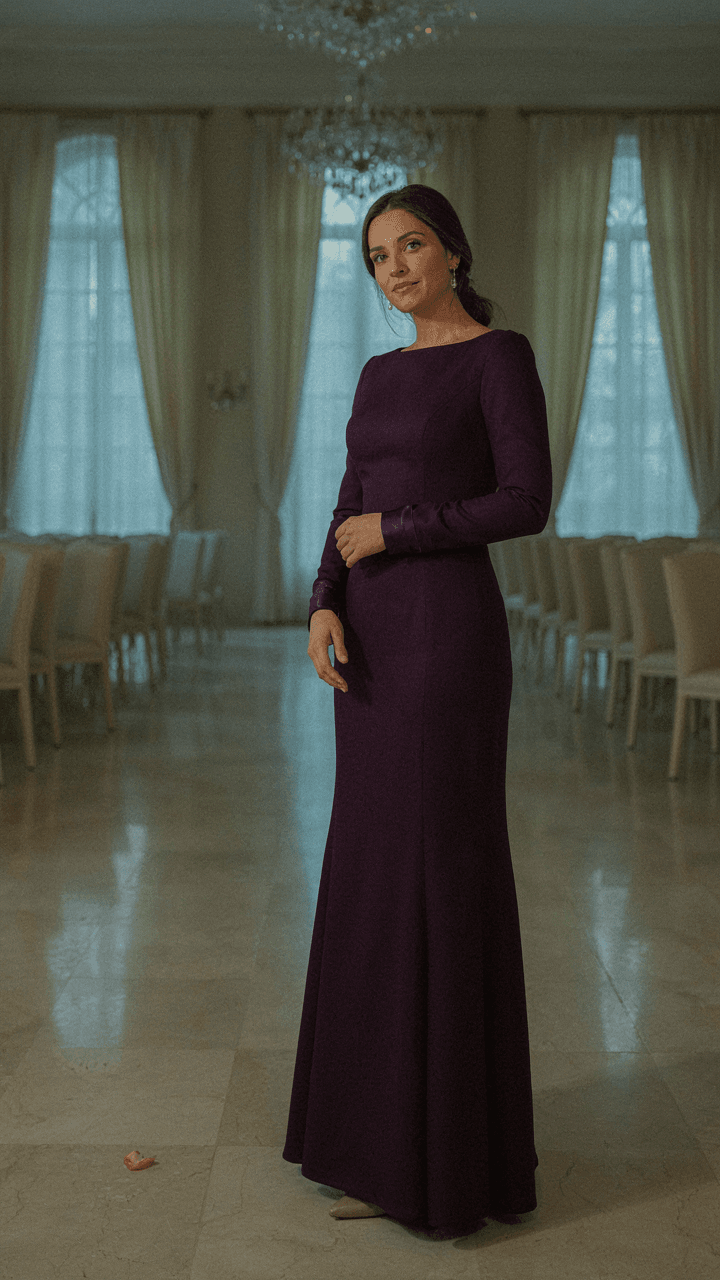
Length And Coverage Work Together, Not Separately
You care about this section because showing up underdressed signals you didn’t prepare. The real mechanism is that exposed skin radiates heat loss, and thin fabric accelerates it. These aren’t separate problems you solve with different pieces. Long sleeves and maxi length function as a thermal envelope. Bare legs in December lose core temperature faster than any other exposed area because the legs contain fewer insulating muscles than the torso. A sleeveless midi dress solves nothing. You need both coverage and length working as a system, not as individual style choices.

The common advice stops at “wear long sleeves and a maxi.” That’s incomplete. Fabric weight matters as much as coverage area. A silk charmeuse maxi with long sleeves still conducts heat away from your body. You need natural fibers with actual insulation capacity: wool blends, cashmere, thick crepe, or structured cotton with a dense weave. A floor-length dress in thin jersey defeats the purpose entirely. Match the coverage to the material weight, and the coverage to the venue’s heat situation. A heated ballroom requires different fabric density than an outdoor garden ceremony in late December.
Tailoring Creates Thermal Efficiency Through Structure
Use construction principles from tailoring: fitted garments trap warm air closer to the body, while draped fabrics create pockets of cold air and allow heat to escape at the edges. Structured dresses hold their shape against your body rather than floating away from it. This is thermodynamic efficiency applied to clothing. A fitted sheath dress with darts, seams, and interior construction maintains a micro-climate between fabric and skin. A flowing, loose silhouette looks elegant but leaves gaps where cold air circulates freely against your body.
Structured garments also solve the practical problem of moving in a cold venue without constant readjustment. A fitted waist with defined seams won’t ride up, bunch, or shift as you sit, stand, and walk. You stay covered consistently. Conversely, loose drapery requires constant pulling, tugging, and repositioning, which means you’re either half-exposed or spending mental energy on maintenance instead of the event. Choose construction details: fitted bodices, seamed waists, structured necklines, and reinforced hems. Skip unstructured wraps, flowing caftans, and loose tunics for December events.
Accessorizing For Impact: Winter Dress For Wedding

The Right Jewelry Does The Heavy Lifting
You want people to notice you’re put together, not that you’re cold. This is where most guests fail: they treat winter wedding accessories as afterthoughts instead of the primary visual anchor that compensates for a lighter dress. Think in terms of visual hierarchy from fashion design. One statement piece commands attention and creates proportion. A bold cocktail ring, a structured cuff, or chandelier earrings become the focal point that makes a thin dress read as intentional rather than unprepared. Scale matters here.

Keep jewelry paired down to two maximum impact pieces. The goal is not coverage but strategic placement. A statement necklace fills the visual space at your collarbone and draws eyes upward, away from any exposed skin. A single dramatic bracelet or ring serves the same function at your wrists and hands. This restraint actually reads more expensive and confident than layering multiple pieces. Your accessories do the communicative work your dress cannot when temperatures drop.
The Wrap Transforms The Entire Equation
A wrap is not decorative. It’s infrastructure. The most common mistake is treating wraps as optional or purely functional, when they actually determine whether you can wear a lighter dress at all. A structured shawl, pashmina, or faux fur stole becomes part of your silhouette, not something you shed on arrival. Choose a wrap in a coordinating or contrasting color that upgrades your overall look rather than blends away. The wrap should arrive at the venue on your body, not abandoned in a coat check.
Your clutch and wrap work as a set. A metallic or jeweled clutch paired with a neutral wrap creates balance. A patterned wrap can pair with a simple clutch to avoid visual chaos. The clutch should be small and structured enough to carry essentials without sagging. A beaded frame bag or structured evening clutch works. These two pieces give you something to do with your hands and create finished line details that read as complete and intentional, not like you ran out of your house underdressed.
The Winter Wedding Guest Dress: Post Event Debrief

What Actually Happened To Your Outfit
You’re reading this because you want to know if you looked foolish, and whether the discomfort you felt was justified or avoidable. Here’s the mechanism: your outfit either performed or it didn’t, and the gap between those outcomes tells you exactly what to change. Most people skip this step and repeat the same mistakes. Don’t.

Write down three things before you forget them: temperature at arrival, temperature during ceremony, what you actually moved around in versus what you wore. Note which layers you removed and which you kept on. Include how many times you adjusted your dress, pulled your wrap, or felt exposed. This data is worthless if you don’t capture it immediately.
Iterations For Your Next Winter Event
Winter dressing follows supply chain logic: you optimize based on bottleneck constraints, not averages. Your constraint last time was probably either thermal regulation or mobility, and you’ll solve the wrong problem if you don’t identify which one actually broke down. Most people blame “the cold” when they really mean “I couldn’t move” or “I overheated indoors then froze outside.”
Pull your phone and build a simple two-column chart: what worked versus what didn’t. If your tights held up but your shoes got wet, that’s a specific fix. If you froze during cocktail hour but sweated during dancing, you need layering strategy, not a warmer base. Review this chart before shopping for your next winter wedding. One tactical adjustment per element beats buying a whole new outfit.
The Real Problem Isn’t The Cold; It’s Your Failure To Weaponize Winter Wedding Guest Wear

You don’t have a winter dress problem. You have a layering strategy problem. Stop treating warmth and style as enemies. They’re not. The moment you commit to one killer piece—a structured midi, a silk slip dress, quality tights—and build your armor around it instead of fighting the season, you stop looking like you’re surviving winter and start looking like you own it. Winter wedding guests either disappear into the background or command the room. Choose which one you’ll be before you get dressed.