

The Evolution Of Vintage Cocktail Attire
The Roaring Twenties And The Birth Of The Cocktail Dress
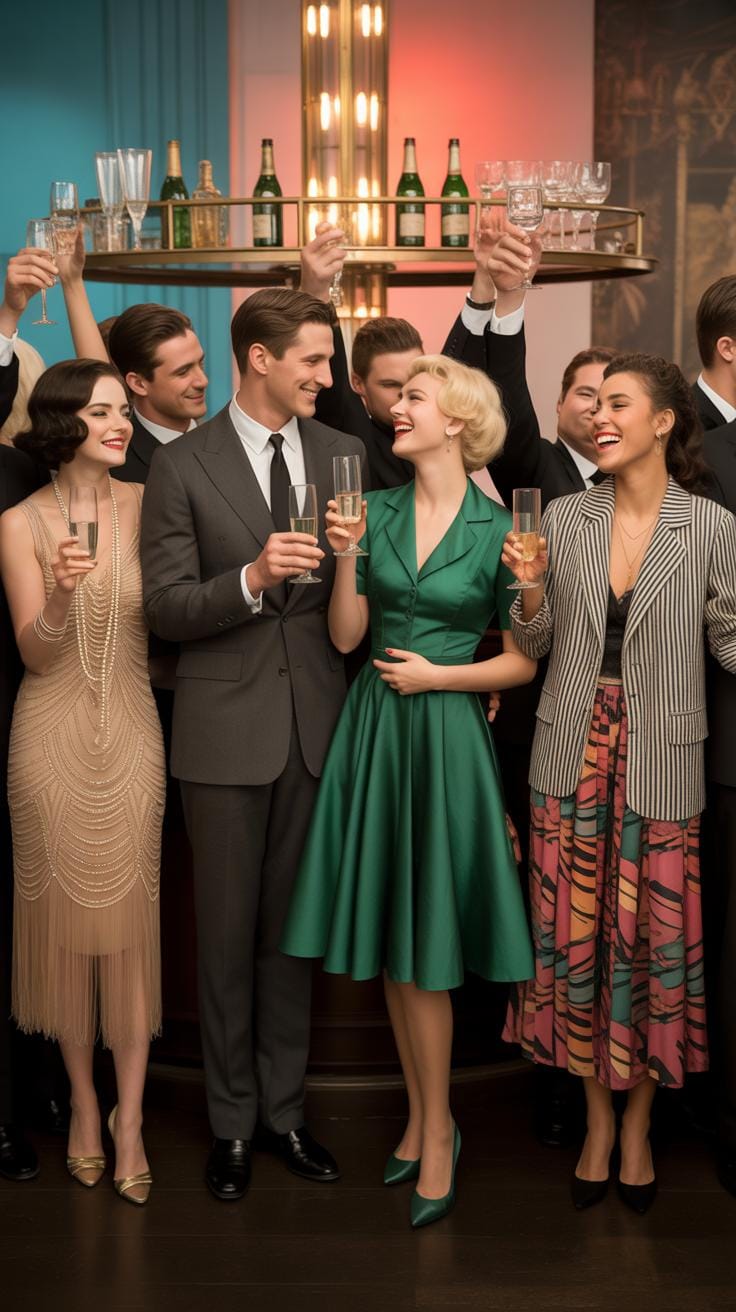
The 1920s marked a revolutionary turning point for women’s fashion and social culture. As Prohibition swept across America, speakeasies became glamorous underground destinations where women gathered for cocktails and dancing. Vintage cocktail attire emerged from this era as women rejected restrictive Victorian corsetry, embracing shorter hemlines that fell just below the knee—a scandalous departure from previous generations. These looser, more functional designs featured dropped waistlines and straight silhouettes, allowing freedom of movement that earlier fashions had denied. Beading, fringe, and Art Deco embellishments adorned these liberation garments, reflecting the era’s optimistic modernism.
This period fundamentally transformed how women dressed for social occasions. The cocktail dress became a symbol of independence and youthful rebellion, perfectly suited for the active nightlife women now enjoyed. Fabrics like silk, chiffon, and crepe were favored for their fluid drape and elegant appearance. Accessories including long strands of pearls, headbands with jeweled ornaments, and T-strap heels completed the look. Vintage cocktail attire from this decade represented more than fashion—it embodied women’s newfound social freedoms and the cultural shifts defining the modern age.
Post War Elegance And Dior’S New Look Influence
Following World War II, Christian Dior’s revolutionary “New Look” collection of 1947 dramatically reshaped vintage cocktail attire. Dior reintroduced femininity through dramatically cinched waists, full skirts requiring substantial petticoats, and luxurious fabric volumes that celebrated abundance after wartime rationing. This silhouette became the defining aesthetic of 1950s cocktail fashion, emphasizing an hourglass figure that represented post-war prosperity and optimism. The new vintage cocktail attire featured elegant proportions, refined tailoring, and sophisticated details like structured bodices and sweeping skirts. Colors deepened to jewel tones and classic blacks, while fabrics included satin, taffeta, and fine wool.
The mid-century cocktail dress became an essential element of refined entertaining and social status. Dior’s influence extended beyond haute couture into accessible ready-to-wear collections, making this elegant aesthetic available to broader audiences. Vintage cocktail attire from this era often featured intricate beadwork, delicate embroidery, and architectural construction that required skilled craftsmanship. Paired with elegant gloves, coordinating handbags, and refined jewelry, these dresses established standards of sophistication that continue influencing contemporary formal wear. The post-war period solidified the cocktail dress as a timeless wardrobe staple, blending structural elegance with accessible glamour.
Defining The Characteristics Of Classic Cocktail Style
Fabric Choices From Silk To Taffeta
The elegance of vintage cocktail attire rested upon the foundation of luxurious, carefully selected fabrics that immediately signaled sophistication and refinement. Silk, satin, and taffeta became the hallmarks of evening wear, each offering distinct qualities that elevated these garments beyond everyday clothing. These materials possessed natural luminosity that caught candlelight beautifully, creating an ethereal quality perfect for social gatherings. The tactile richness of these fabrics communicated both wealth and impeccable taste to observers.
- Silk charmeuse for its fluid drape and subtle sheen
- Duchesse satin for structured, luxurious body
- Taffeta for crisp volume and dramatic movement
- Velvet for opulent texture and warmth
- Lace overlays for romantic, delicate detailing
Beyond their visual appeal, these materials required special care and handling, reinforcing their status as investment pieces reserved for significant occasions. The weight and hand of these fabrics allowed vintage cocktail attire to maintain its shape throughout evening events while providing comfortable wear against the skin.
The Importance Of The Semi Formal Silhouette
Classic cocktail style achieved a delicate balance between formal elegance and practical wearability, creating silhouettes that flattered the body while permitting natural movement and comfort. The typical knee-length or mid-calf hemline became the defining characteristic of cocktail dresses, distinguishing them from both daywear and full-length formal gowns. This length emerged as the perfect compromise, allowing women to move gracefully while maintaining an air of understated sophistication and propriety during social events.
The semi-formal silhouette of vintage cocktail attire incorporated fitted bodices that emphasized the waist while featuring skirts with gentle fullness or sleek lines. Necklines ranged from modest crew necks to elegant sweetheart and halter styles, offering versatile options for different body types and personal preferences. These carefully considered proportions ensured that wearers felt confident and poised, embodying the refined grace that defined mid-century social gatherings.
Modernizing Mid Century Glamour For Today
Layering Contemporary Basics With Vintage Staples
The art of blending vintage cocktail attire with modern essentials creates a sophisticated aesthetic that feels both timeless and current. A structured vintage dress or tailored trousers from the mid-century era gains instant relevance when paired with contemporary pieces like a leather moto jacket or crisp white blazer. This juxtaposition honors the elegance of classic silhouettes while anchoring them firmly in today’s fashion landscape, making vintage pieces accessible for everyday occasions.
- Leather jackets in black or cognac over vintage slip dresses
- Sleek minimalist sneakers with retro beaded gowns
- Oversized modern blazers layered over vintage cocktail dresses
- Contemporary statement belts cinching vintage A-line silhouettes
- Modern sheer or mesh overlays on classic vintage pieces
Accessorizing with current footwear—think minimalist flats or trendy sneakers—transforms vintage cocktail attire from formal occasion wear into versatile everyday pieces. A structured vintage clutch paired with modern jewelry creates visual interest without overwhelming the ensemble. This styling approach celebrates the craftsmanship of vintage designs while demonstrating their continued relevance, proving that timeless pieces transcend their original era when thoughtfully combined with contemporary basics.
Updating Classic Prints With Modern Color Palettes
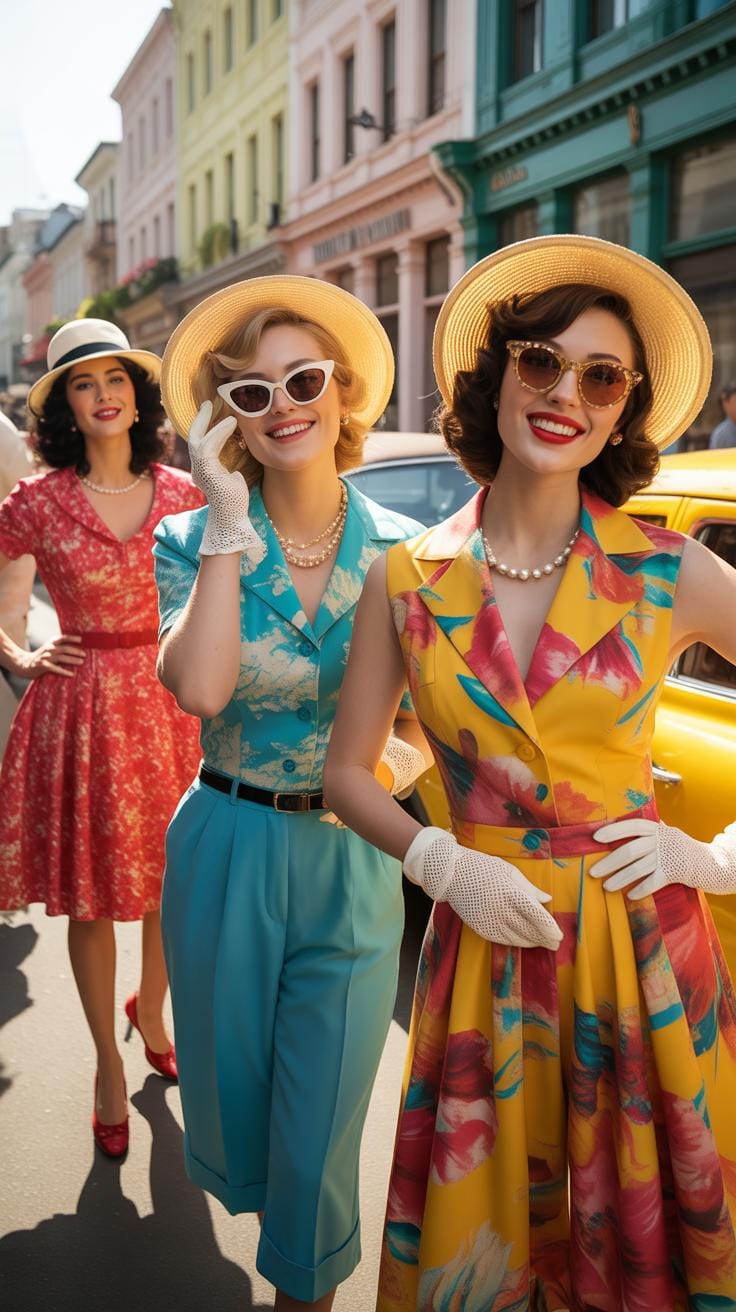
Mid-century vintage cocktail attire frequently featured distinctive prints like polka dots and florals that defined 1950s aesthetic. Refreshing these iconic patterns through modern color interpretations—such as neon accents against vintage-inspired designs or bold monochromatic palettes—introduces contemporary edge while maintaining retro charm. Contemporary designers now reimagine these classic prints in unexpected colorways, allowing fashion enthusiasts to embrace nostalgic silhouettes through a decidedly modern lens.
The evolution of vintage cocktail attire continues as modern fashion laboratories experiment with printing technologies and color theory. Pairing a vintage-inspired polka dot dress in jewel tones with metallic accessories creates dimensional sophistication. Alternatively, translating 1950s floral motifs into muted, earthy palettes alongside sleek modern styling produces refined elegance. These color reinterpretations respect the historical integrity of vintage designs while ensuring they resonate with contemporary sensibilities and personal style expressions.
Essential Accessories To Elevate Your Vintage Look
Statement Jewelry: From Bakelite To Modern Minimalism
Bakelite jewelry represents a golden era of vintage cocktail attire, with its warm, translucent amber and tortoiseshell tones dominating 1920s through 1950s accessory collections. These early plastic pieces, crafted from phenol-formaldehyde resin, offer distinctive weight and character that modern materials struggle to replicate. Chunky Bakelite bracelets, carved bangles, and ornate brooches provide authentic vintage glamour when paired thoughtfully with contemporary pieces. The dimensional quality and rich patina of genuine Bakelite creates an immediate focal point, commanding attention without requiring additional embellishment.
Layering vintage Bakelite with slim, minimalist modern jewelry creates a compelling visual contrast that defines sophisticated vintage cocktail attire for today’s occasions. Delicate gold chains, geometric modern bracelets, and sleek contemporary rings balance the boldness of vintage pieces while maintaining overall harmony. This blended approach prevents your look from feeling costume-like or overly nostalgic. The interplay between statement vintage elements and understated modern accessories creates depth, allowing each piece to shine individually while contributing to a cohesive, curated aesthetic that honors the past while embracing present sensibilities.
The Role Of The Iconic Cocktail Hat And Modern Alternatives
Traditional cocktail hats, including pillbox styles, fascinators, and dramatic wide-brimmed designs, remain quintessential elements of vintage cocktail attire from the mid-twentieth century. These structured pieces, often adorned with feathers, netting, or silk flowers, represented the height of feminine sophistication during formal evening occasions. The architectural precision of vintage hat design demonstrated exceptional millinery craftsmanship, with each piece individually constructed to complement facial features and overall silhouette. However, authentic vintage cocktail hats require confidence and appropriate venues to wear successfully in modern contexts.
Contemporary alternatives like sculptural hair clips, beaded headbands, and minimalist fascinator designs offer nostalgic charm without full commitment to traditional headwear. These modern interpretations capture the spirit of vintage cocktail attire through subtle detailing and refined construction while maintaining wearability for contemporary settings. Delicate pearl-adorned clips or geometric metal designs reference vintage elegance through suggestion rather than direct replication. This approach allows you to honor mid-century sophistication while adapting to modern social contexts, where traditional formal millinery is reserved for specific occasions like weddings or exclusive events.
Textural Contrasts Mixing Old And New Materials
Pairing Lace And Velvet With Tech Fabrics
The elegance of vintage cocktail attire lies partly in its luxurious textures, and modern innovation offers thrilling possibilities for reimagination. Delicate lace, a hallmark of mid-twentieth-century evening wear, gains contemporary relevance when layered beneath moisture-wicking performance fabrics or paired with sleek technical materials. This textural marriage creates visual intrigue while maintaining the sophistication that defined classic cocktail fashion. The juxtaposition of fragile, ornamental lace against minimalist synthetic innovation produces an unexpectedly cohesive aesthetic that honors tradition while embracing functionality.
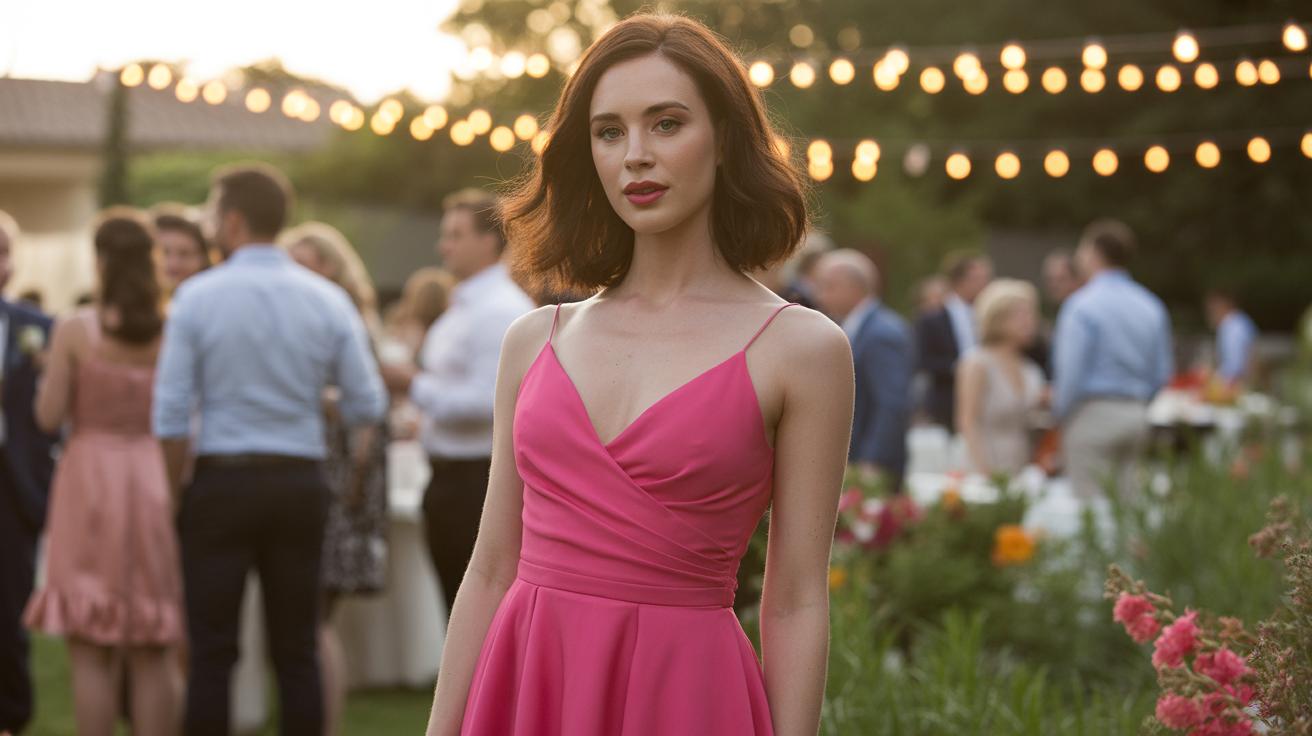
Velvet, another cornerstone of vintage cocktail attire, finds new expression when combined with cutting-edge fabrics like elastane blends or breathable microfiber. A velvet bodice paired with tailored trousers crafted from advanced technical textiles creates a compelling contrast—rich warmth meets streamlined modernity. This approach allows wearers to capture the luxurious depth of vintage eveningwear while benefiting from contemporary comfort and durability. The result is an outfit that photographs beautifully and moves effortlessly through an evening, bridging decades of design evolution with sophisticated restraint.
Reimagining Sequins And Beadwork For The Twenty First Century
Hand-beaded bodices represent the pinnacle of vintage cocktail attire craftsmanship, showcasing meticulous artistry from Hollywood’s golden age and beyond. Contemporary styling reimagines this maximalist heritage by grounding ornate beadwork with clean, architectural silhouettes in neutral tones. Pairing an intricately beaded vintage-inspired bodice with tailored black trousers or a minimalist skirt prevents the overall look from feeling costume-like, instead creating intentional, fashion-forward contrast. This deliberate restraint allows the detailed beadwork to command attention as a statement piece rather than overwhelming the entire ensemble.
Sequin embellishment, once reserved exclusively for evening wear, now appears across diverse contemporary fashion contexts, yet vintage cocktail attire styling principles remain relevant. Modern interpretations strategically place sequin detailing on one garment—perhaps a cropped jacket or a single pant leg—rather than saturating an entire outfit. This selective approach respects the opulence of vintage design while acknowledging contemporary minimalist sensibilities. The result is sophisticated glamour that feels intentional and current rather than merely nostalgic.
Sustainable Fashion The Rise Of Upcycled Vintage

Repurposing Deadstock Fabrics For Custom Gowns
Deadstock fabrics represent an untapped treasury of vintage cocktail attire possibilities. These surplus materials, often preserved from mid-century textile mills and fashion houses, possess exceptional quality that modern production rarely matches. By transforming these forgotten fabrics into contemporary gowns, designers honor craft traditions while eliminating waste. Luxury silks, jacquards, and brocades find new purpose, creating pieces that blend historical authenticity with current design sensibilities. This approach celebrates the meticulous techniques of previous generations while addressing today’s environmental consciousness.
Custom gown creation from deadstock allows for deeply personal storytelling. Each vintage cocktail attire piece becomes a narrative of preservation and reinvention. Designers can source hand-dyed satins and intricate weaves that would be impossible to replicate affordably today. The resulting garments feature superior drape, durability, and aesthetic depth compared to conventional fast-fashion alternatives. Wearing such creations connects wearers to fashion history while supporting artisanal makers committed to sustainable practices.
The Environmental Impact Of Choosing Authentic Vintage Pieces
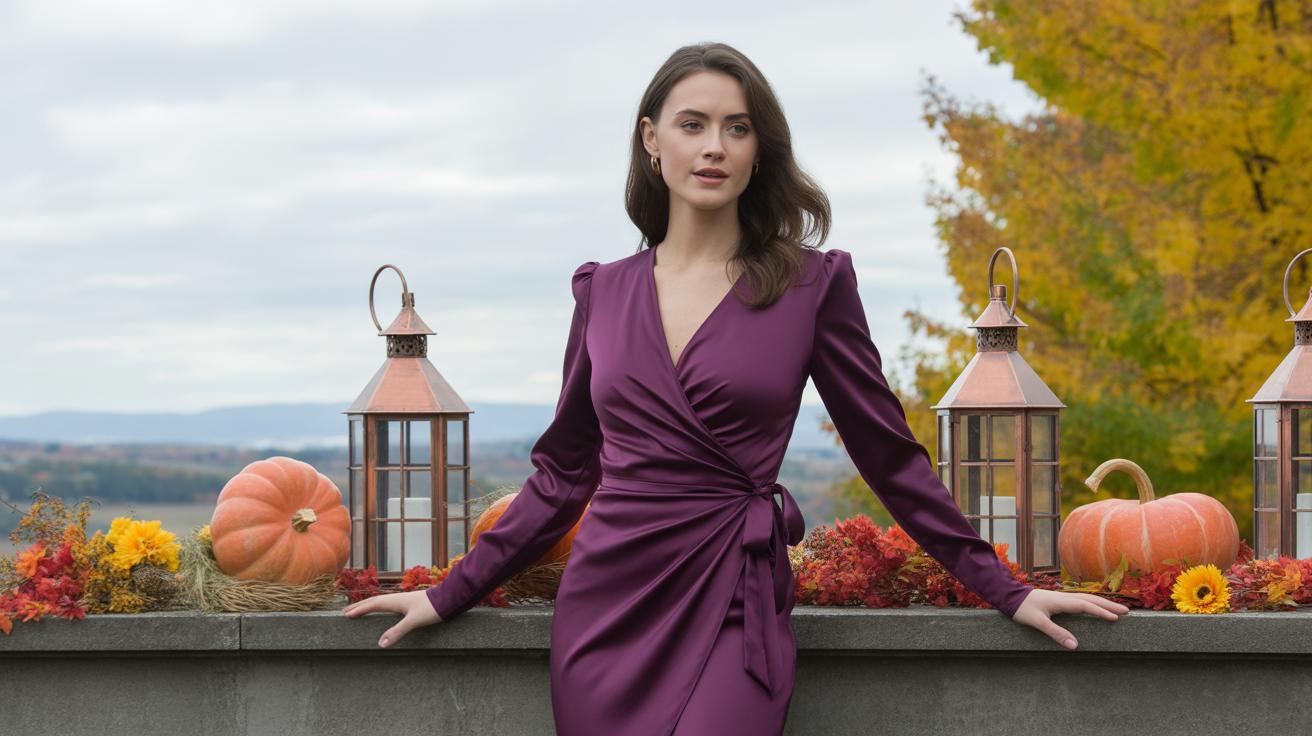
Selecting authentic vintage cocktail attire directly challenges the fast-fashion industrial model. Every pre-owned garment worn represents one less item demanding new production resources, chemical processing, and transportation emissions. Vintage pieces manufactured decades ago typically demonstrate superior construction and material quality, ensuring longevity that justifies their environmental value. The craftsmanship of previous eras—hand-stitched seams, quality interfacing, and durable fabrics—means these garments withstand decades of wear with minimal deterioration.
Choosing authentic vintage also preserves the artisanal traditions that shaped mid-century and vintage cocktail attire aesthetics. Factory practices of the past, while imperfect, often prioritized durability over disposability. By valuing these existing pieces, we reduce demand for chemically-intensive textile production and landfill contributions. This conscious choice honors the skills of historical seamstresses and tailors while making a measurable environmental statement. Vintage cocktail attire thus becomes an act of sustainability rooted in genuine historical appreciation.
Tailoring And Fit Bridging The Gap Between Eras
Adjusting Vintage Sizing For Modern Body Types
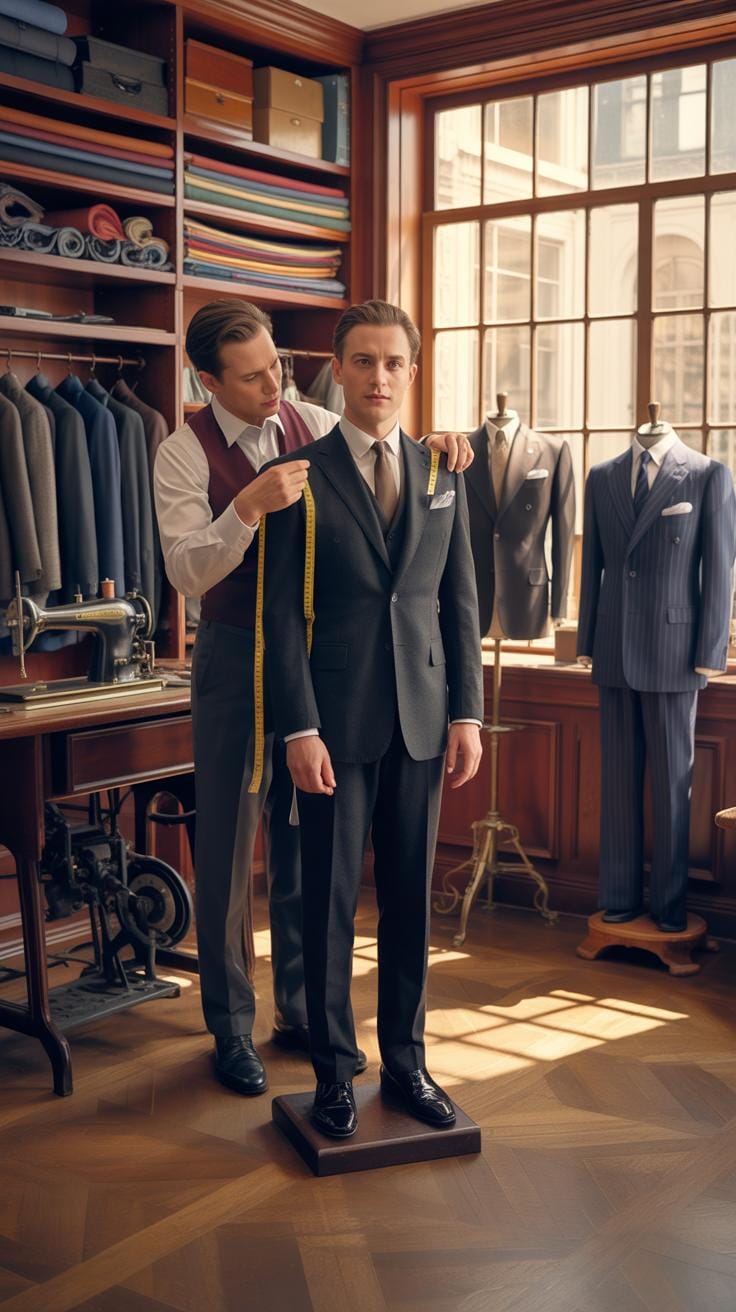
Vintage cocktail attire from the 1920s through 1970s was constructed using sizing standards dramatically different from today’s measurements. Women’s dress sizes have shifted considerably, with vintage medium pieces often fitting contemporary smaller frames. Professional tailors specializing in vintage garments understand these historical proportions and can expertly adjust seams, darts, and panels to accommodate modern body types while preserving the garment’s original aesthetic integrity and construction quality.
Working with a skilled tailor transforms vintage cocktail attire into perfectly fitted pieces that feel custom-made for your body. Rather than struggling with ill-fitting finds, strategic alterations to bodice darts, waistbands, and side seams create a flattering silhouette. The investment in professional tailoring ensures your vintage treasures not only fit beautifully but also maintain their structural integrity, allowing you to wear these timeless pieces with confidence and comfort for years to come.
Structural Modifications For A Contemporary Silhouette
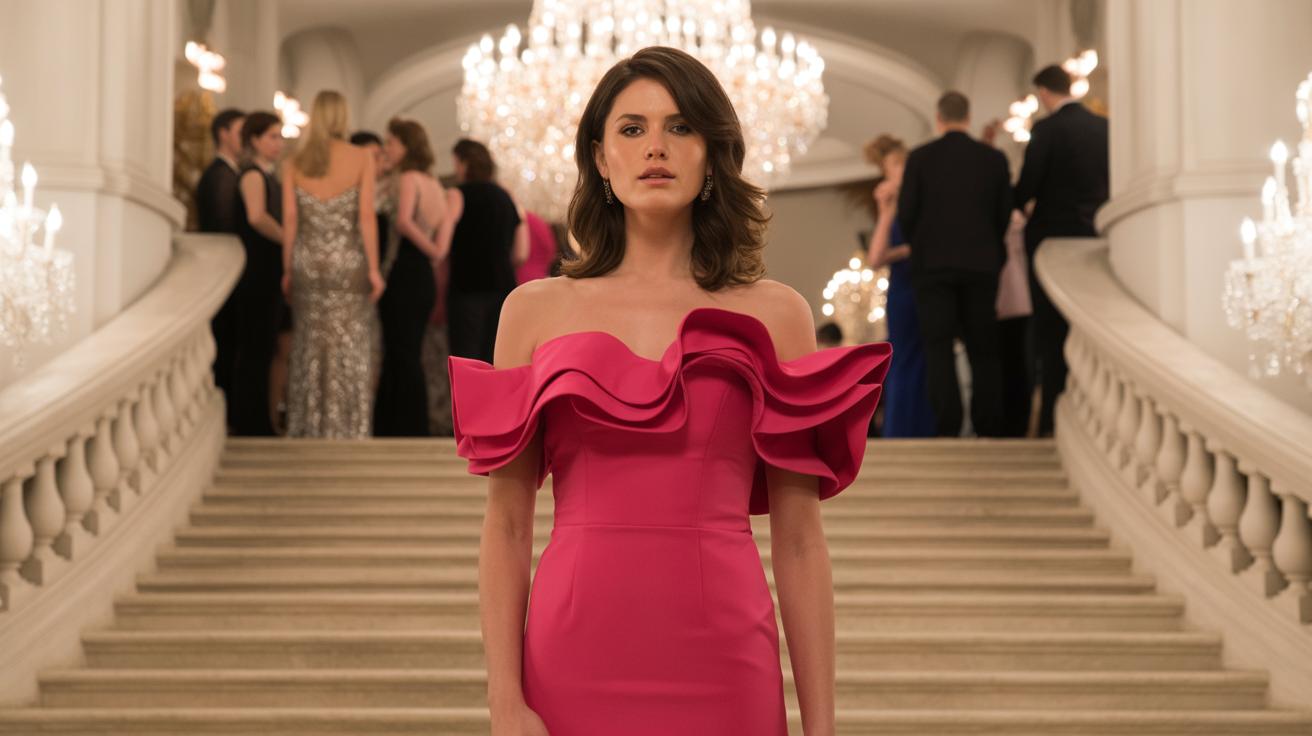
Modernizing vintage cocktail attire often requires subtle structural changes that respect historical design while embracing contemporary aesthetics. Removing or reducing shoulder pads from 1980s dresses creates a softer, more current line without erasing the garment’s original character. Hemline adjustments represent another transformative modification—lengthening a mini cocktail dress or shortening a midi creates relevance for today’s fashion landscape while honoring the piece’s vintage heritage and craftsmanship.
Strategic alterations distinguish everyday wearing of vintage from costume approximation. Consider these tailoring opportunities:
- Tapering sleeves for a slimmer, modern profile
- Adjusting neckline heights for contemporary proportions
- Reshaping bust darts for current silhouette preferences
- Modifying waistline placement for flattering fit
- Adding functional zippers where original closures limit wearability
These modifications preserve vintage cocktail attire’s essence while making pieces genuinely wearable for modern occasions. The goal remains balancing historical authenticity with contemporary comfort, allowing you to honor vintage design principles while confidently integrating these special pieces into your current wardrobe and lifestyle.
Seasonal Adaptations Of Vintage Cocktail Wear
Winter Layers: Faux Fur And Velvet Wraps
Winter evenings demand sophisticated layering that preserves the elegance of vintage cocktail attire while providing essential warmth. Velvet capes and faux fur stoles evoke the golden age of 1940s and 1950s glamour, draping beautifully over cocktail dresses and evening gowns. These luxurious textures catch candlelight magnificently, adding depth and dimension to your ensemble while maintaining that timeless aesthetic.
When selecting winter layers for vintage cocktail attire, consider the following complementary pieces:
There is nothing new except what has been forgotten.
— Rose Bertin
- Deep jewel-toned velvet wraps in emerald, sapphire, or burgundy
- Faux fur stoles in classic white, black, or champagne tones
- Structured capes with dramatic silhouettes and elegant fastenings
- Vintage-inspired shawls with ornate beading or embroidery details
- Satin-lined wraps that drape gracefully without bulk
Quality matters tremendously when choosing winter accessories for vintage cocktail occasions. Faux fur stoles provide the opulent appearance of authentic fur while offering practical benefits, and velvet wraps add sculptural interest to simple sheath dresses. These pieces create visual drama while remaining authentic to mid-century evening wear traditions.
Breathable Fabrics For Summer Garden Parties
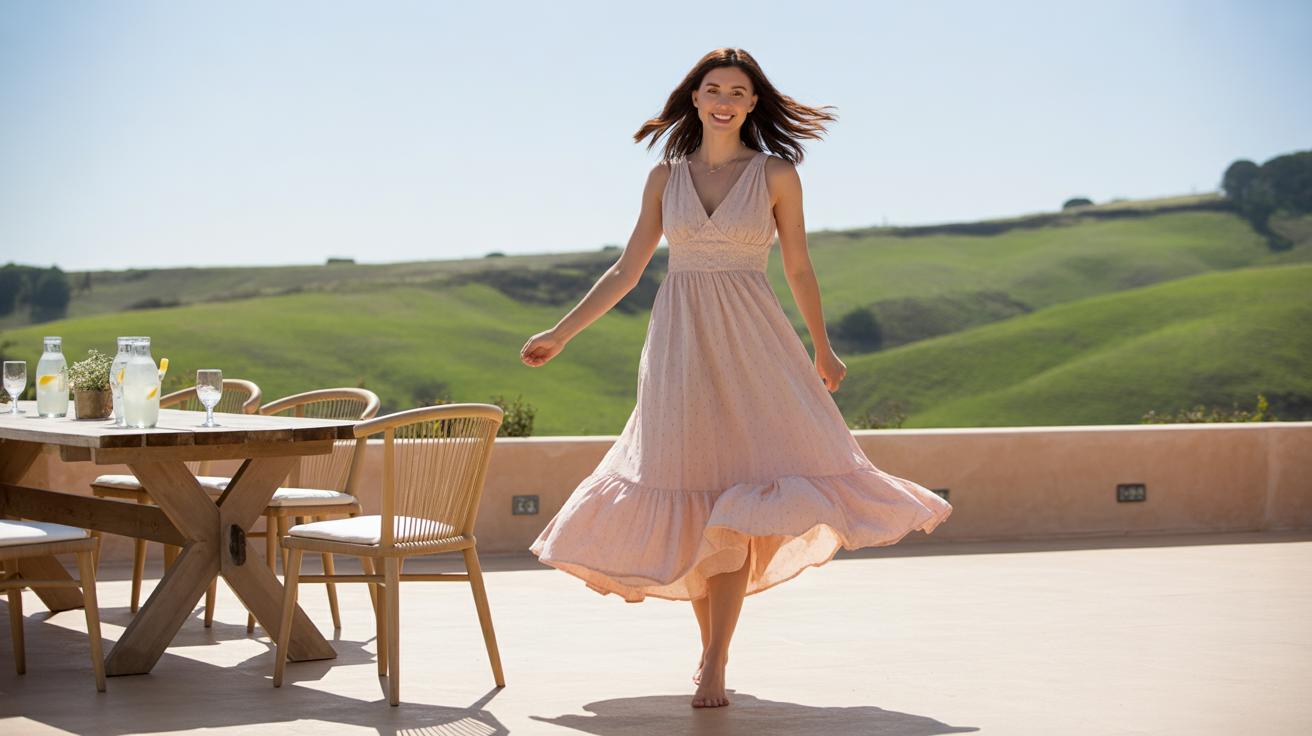
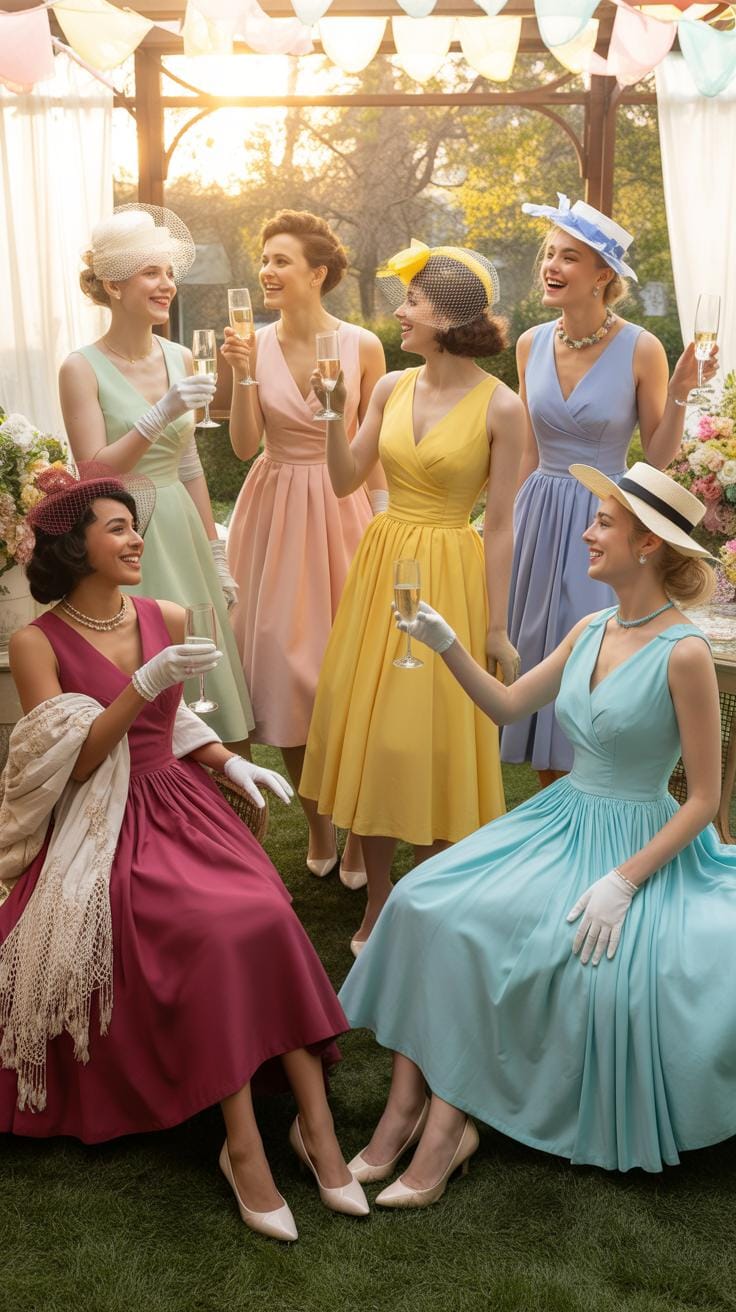
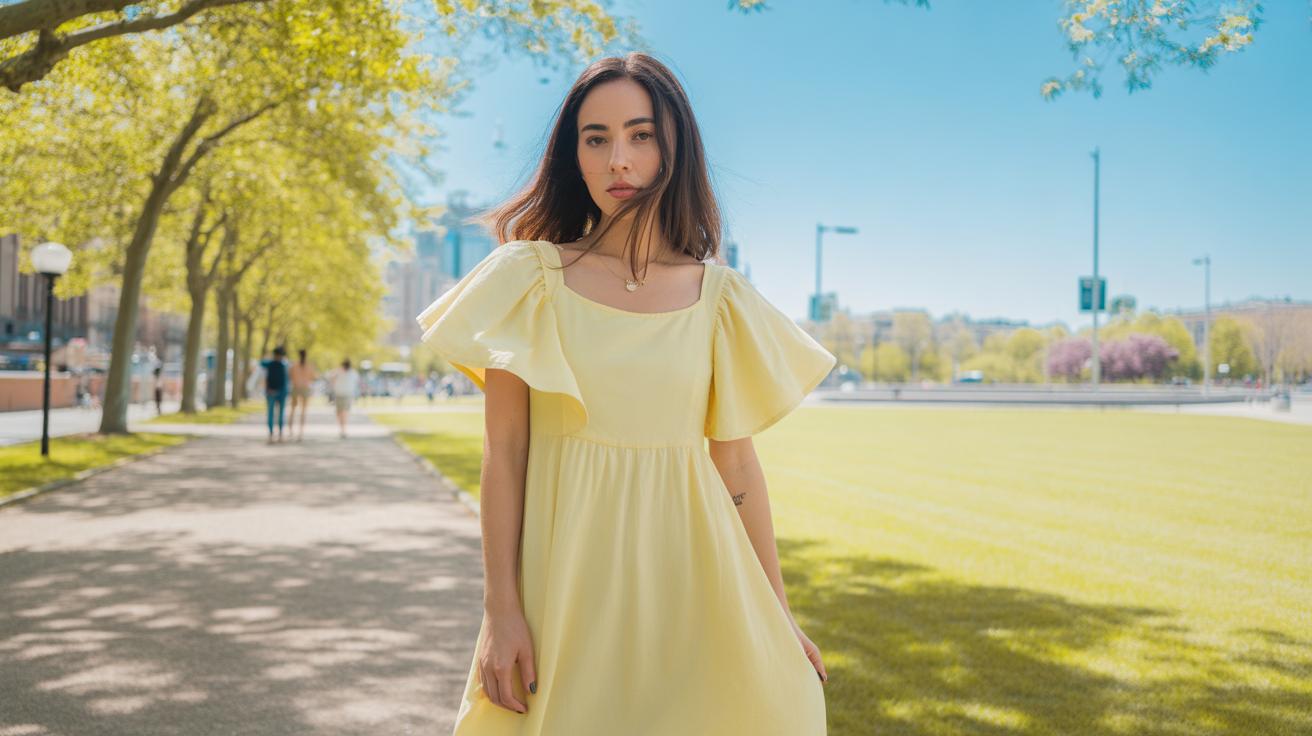
Summer cocktail gatherings call for vintage cocktail attire crafted from lightweight, breathable materials that keep you comfortable during warm outdoor events. 1940s-style tea dresses in linen and cotton blends exemplify this season’s approach, featuring classic silhouettes while allowing air circulation. These natural fabrics were favored during the warmer months historically and remain ideal choices for maintaining elegance without overheating.
Summer-appropriate vintage cocktail attire often incorporates strategic fabric choices that honor classic design while embracing seasonal practicality. Lightweight cotton blends breathe beautifully, while linen creates that relaxed yet refined aesthetic perfect for garden parties. Opt for dresses featuring shorter hemlines, sleeveless cuts, or delicate short sleeves that echo period-appropriate designs while maximizing comfort during warm-weather celebrations.
Where To Source Authentic Vintage Cocktail Attire
Navigating Online Marketplaces And Specialist Boutiques
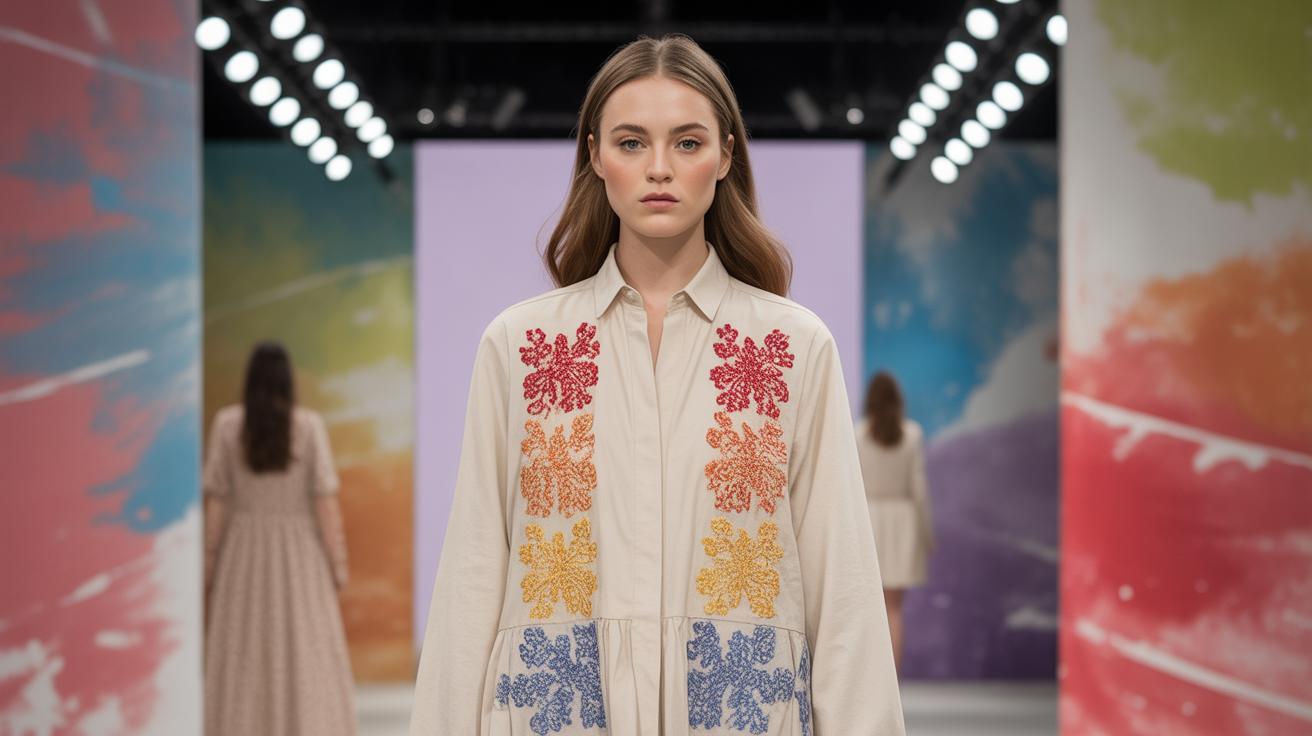
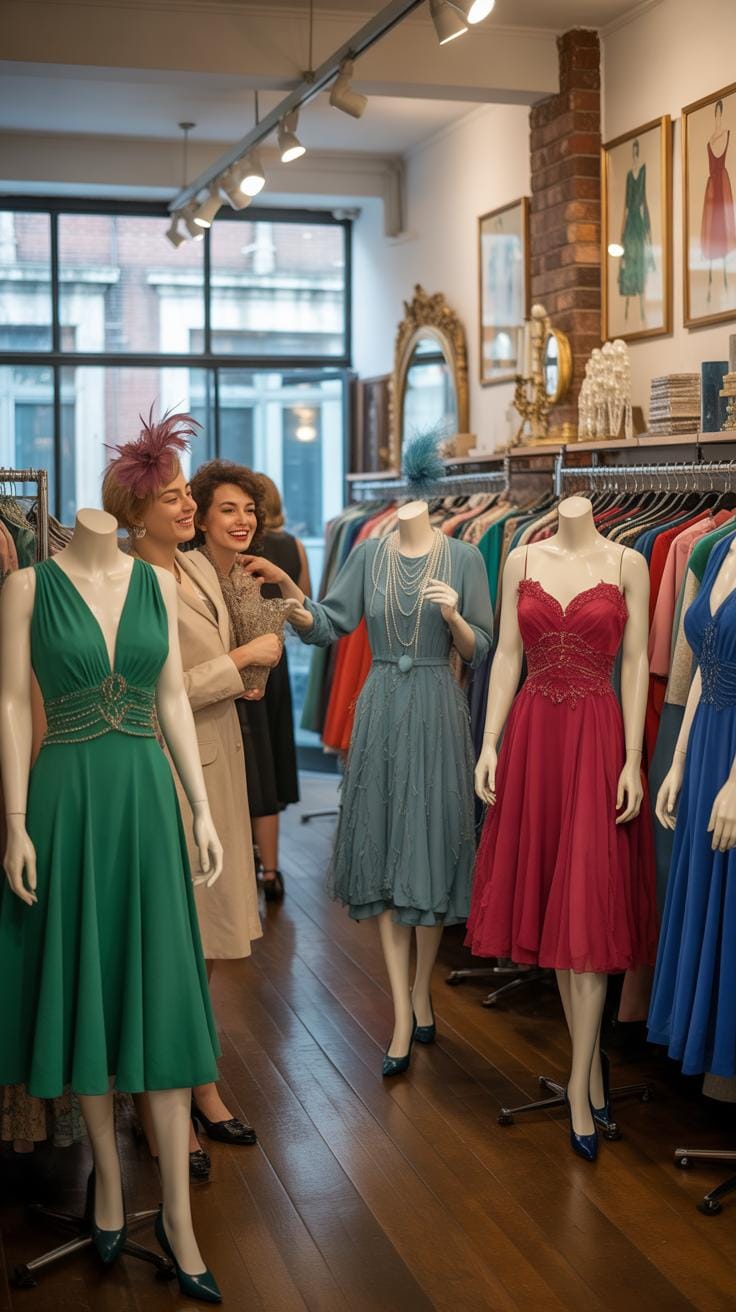
Digital platforms have revolutionized access to vintage cocktail attire, offering unprecedented selection from sellers worldwide. Specialized vintage retailers curate collections spanning decades—from 1920s beaded flapper dresses to 1950s silk gowns. These boutiques typically authenticate pieces, provide detailed provenance, and offer expert sizing guidance. Online marketplaces ensure you can browse extensive inventories from home, comparing styles, conditions, and prices across multiple sources before making informed purchases.
High-end vintage boutiques distinguish themselves through rigorous curation and expert knowledge of cocktail fashion history. Staff members understand construction techniques, fabric identification, and era-specific details that authenticate genuine vintage cocktail attire. Many boutiques offer personal styling services, helping customers select pieces matching their body type and aesthetic preferences. These specialists also provide preservation advice, ensuring your investment remains pristine for years of elegant entertaining and special occasions.
- Established online vintage retailers with authentication services
- Specialty boutiques focusing exclusively on cocktail and evening wear
- Curated collections organized by decade and style period
- Expert sizing consultations and alteration recommendations
- Detailed provenance documentation and condition reports
The Thrill Of The Hunt At Estate Sales And Flea Markets
Estate sales present extraordinary opportunities for discovering one-of-a-kind vintage cocktail attire with compelling personal histories. These venues often feature entire wardrobes from different eras, allowing you to imagine the elegant occasions these garments graced. Attendees frequently encounter unworn pieces, preserving original tags and pristine construction. The thrill of uncovering authentic 1960s cocktail dresses or beaded evening wear creates memorable shopping experiences while supporting estate liquidation.
Flea markets offer relaxed, community-centered shopping for vintage cocktail attire enthusiasts. Local vendors often specialize in specific decades or styles, developing expertise about their collections. Negotiation is typically expected, potentially yielding better prices than boutiques. These markets foster connections with seasoned collectors who share styling tips and historical insights about pieces’ origins, making each visit educational and enjoyable.
Frequently Asked Questions

What is vintage cocktail attire?
Vintage cocktail attire refers to elegant semi-formal dresses and outfits inspired by mid-20th-century styles, like the little black dress or full-skirted designs from the 1950s New Look era by Christian Dior. These were perfect for cocktail parties, blending sophistication with femininity through knee-length hems, fitted bodices, and luxurious fabrics. Today, it evokes timeless glamour for modern events .
How can I style vintage cocktail attire with modern twists?
Start with a classic vintage cocktail attire piece, like a 1950s sheath dress, and add contemporary elements such as metallic heels, bold statement earrings, or a sleek leather jacket. Pair with minimal makeup and loose waves for hair to balance retro charm with edge. Experiment with sheer overlays or asymmetric cuts for a fresh, personalized look that nods to history .
How can I find affordable vintage cocktail attire?
Thrift stores, online marketplaces like Etsy or eBay, and vintage shops offer budget-friendly vintage cocktail attire options under $100. Look for well-preserved 1960s shifts or 1940s wraps, then upcycle with simple tailoring. Renting from services like Rent the Runway provides high-end access without breaking the bank, making retro elegance accessible .